

When you're planning a party, wedding reception, or outdoor gathering, nothing kills the vibe quite like weak, distorted audio from an underpowered speaker. Premium party speakers solve this problem by delivering concert-level volume, deep bass, and extended battery life—all while remaining portable enough to move around (though just barely). These aren't your typical Bluetooth speakers that you toss in a backpack. We're talking about serious audio equipment that can fill large spaces with quality sound for hours on end.
The party speaker category sits in an interesting sweet spot between portable convenience and professional audio power. Unlike smaller Bluetooth speakers that prioritize portability over everything else, party speakers make compromises—they're heavy, expensive, and sometimes awkward to transport. But in return, they deliver the kind of audio performance that can make or break your event.
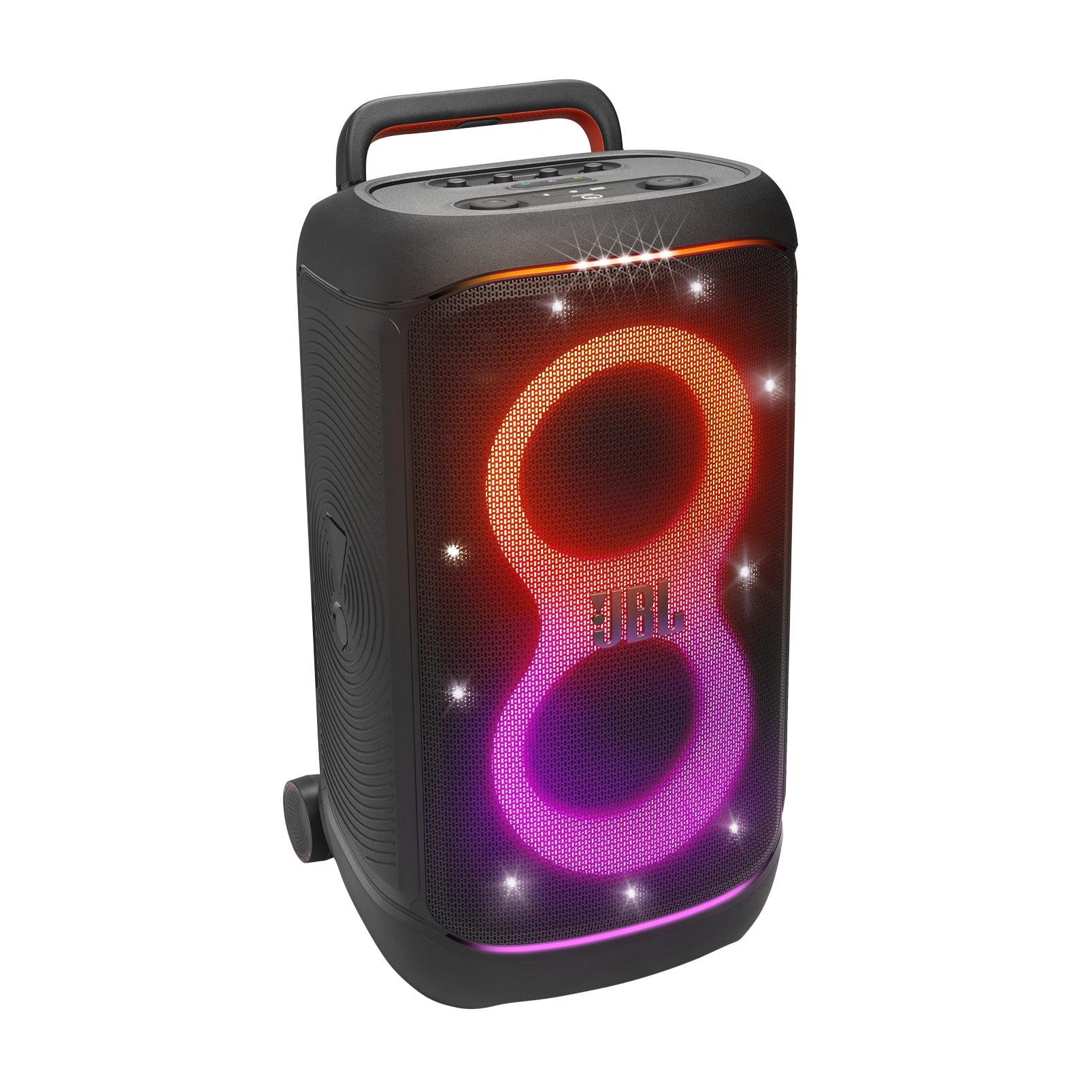
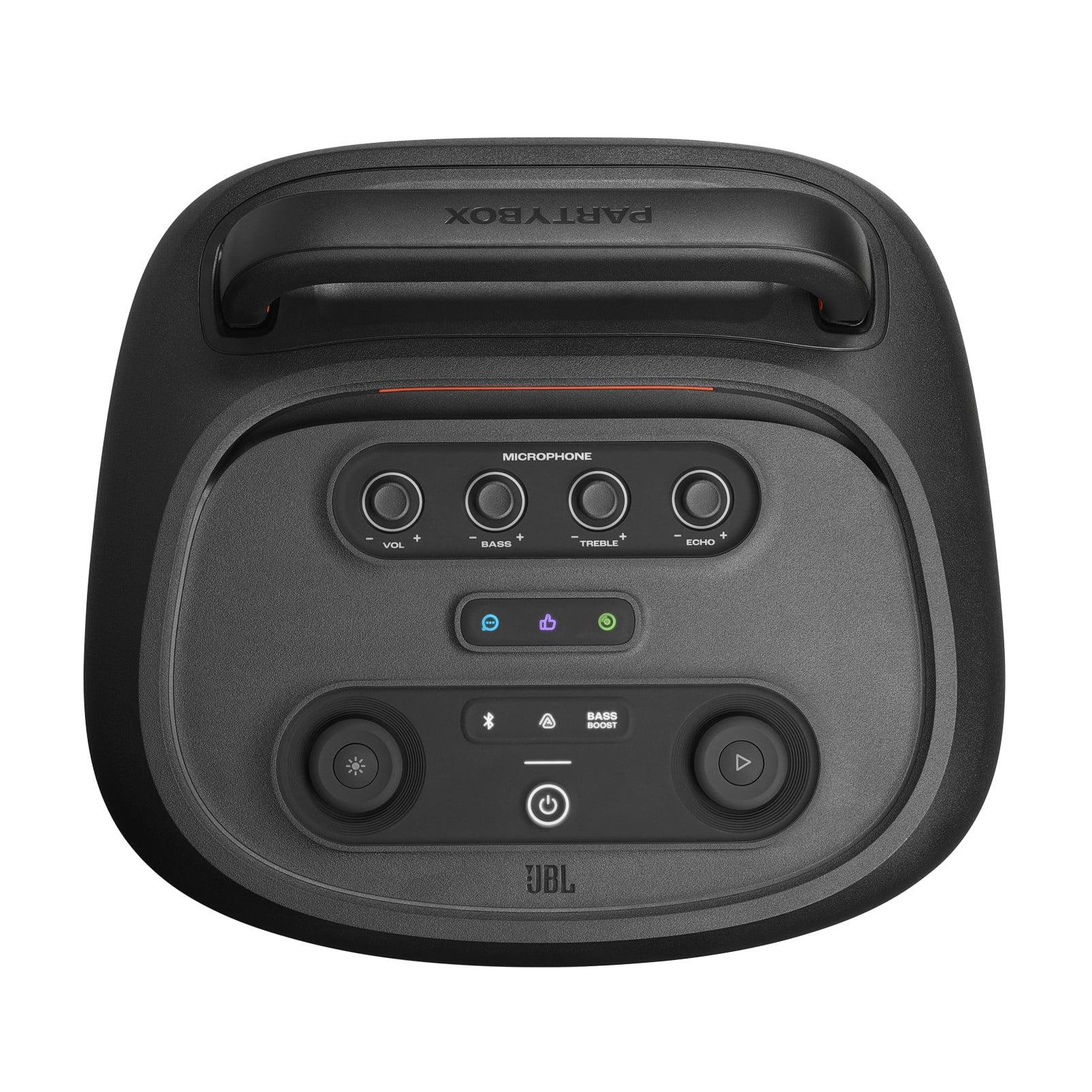
Today we're comparing two standout options: the Sony SRS-XV800, which launched in 2023 with a focus on marathon battery life and versatile connectivity, and the newer JBL PartyBox 520, released in 2025 with cutting-edge AI audio processing and professional-grade features. Both speakers represent different philosophies about what makes a great party speaker, and understanding these differences will help you choose the right one for your needs.
Before diving into the specifics, it's worth understanding what separates a great party speaker from a merely decent one. The most critical factor is sustained volume without distortion—the ability to play loudly for hours without the audio becoming harsh, muffled, or unpleasant. This requires not just powerful amplifiers, but also well-designed drivers (the individual speakers inside the cabinet) that can handle high power without breaking up.
Bass response is equally crucial because low-frequency energy is what gets people moving. However, there's a difference between boomy, one-note bass and controlled, musical bass that enhances the listening experience rather than overwhelming it. The best party speakers deliver deep, impactful bass that doesn't muddy the midrange frequencies where vocals live.
Battery life becomes a make-or-break feature for outdoor events, camping trips, or any situation where you can't access power outlets. Running out of juice halfway through your event isn't just inconvenient—it's a disaster. This is where party speakers separate themselves from smaller portable options, often providing 15-25 hours of continuous playback.
Finally, connectivity options matter more than you might expect. Modern party speakers need to handle not just Bluetooth music streaming, but also microphones for announcements or karaoke, auxiliary inputs for older devices, and sometimes even instruments like guitars for live performances.
Released in 2023 at a more accessible price point (at the time of writing, it typically costs around 25-30% less than comparable JBL models), the Sony SRS-XV800 takes an interesting approach to party audio. Rather than chasing maximum volume or the punchiest bass response, Sony prioritized what they call "long-session listening"—creating a sound signature that remains pleasant even after hours of continuous playback.
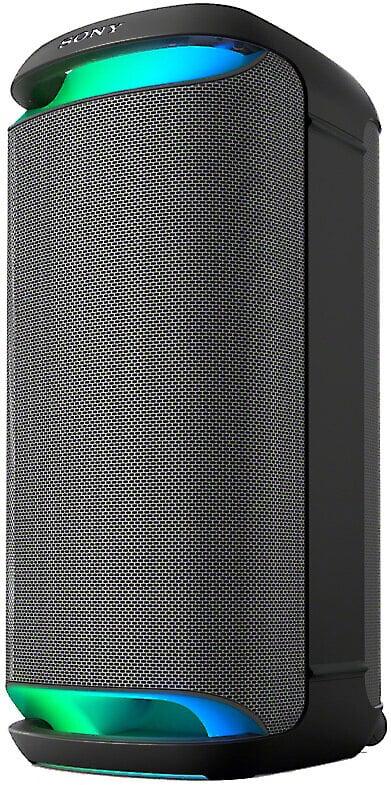
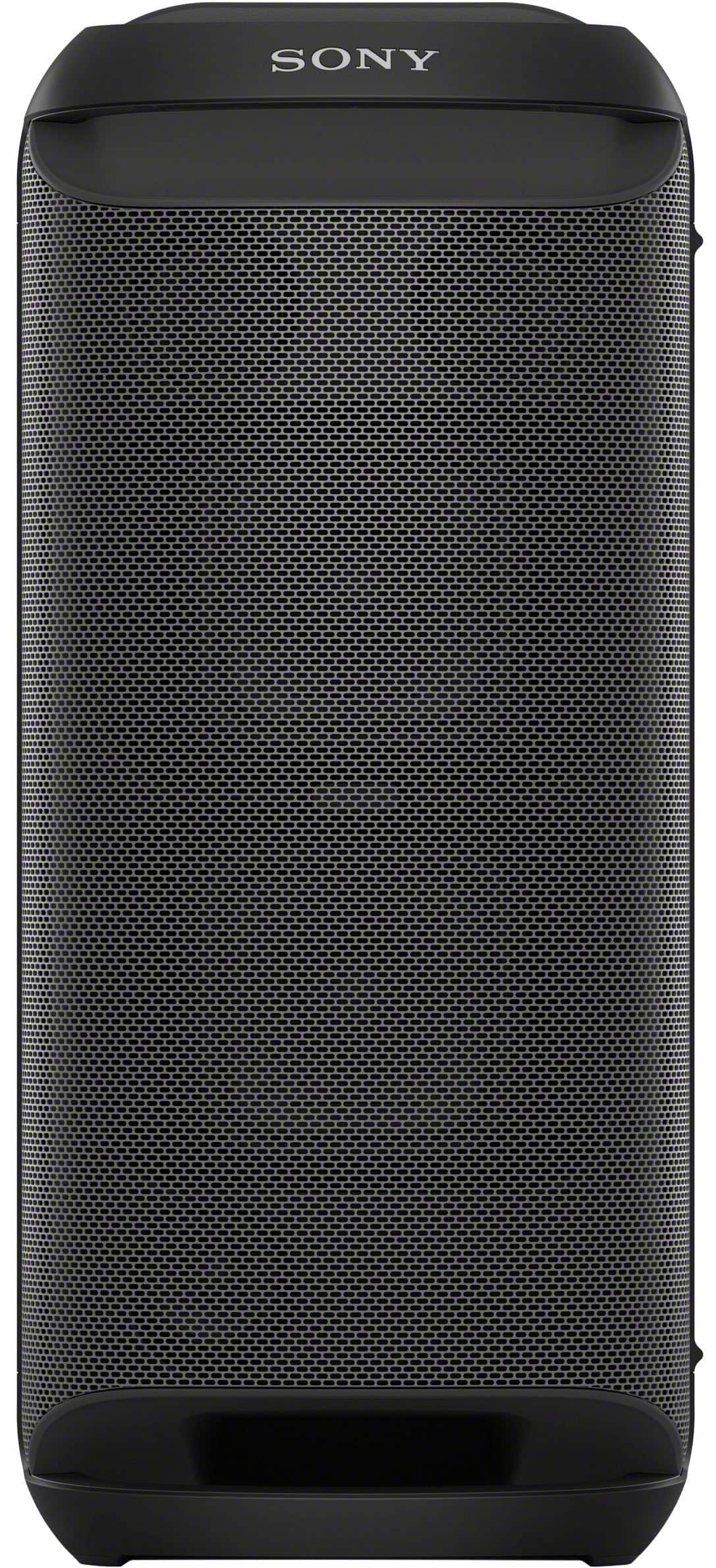
The Sony SRS-XV800 uses Sony's X-Balanced Speaker Technology, which might sound like marketing speak but actually represents a meaningful engineering improvement. Traditional round speaker drivers waste space in rectangular cabinets, but Sony's X-Balanced drivers use an oval/rectangular shape that maximizes the diaphragm surface area (the part of the speaker that moves air to create sound). This larger surface area means the driver doesn't have to work as hard to produce the same volume, resulting in less distortion and cleaner sound.
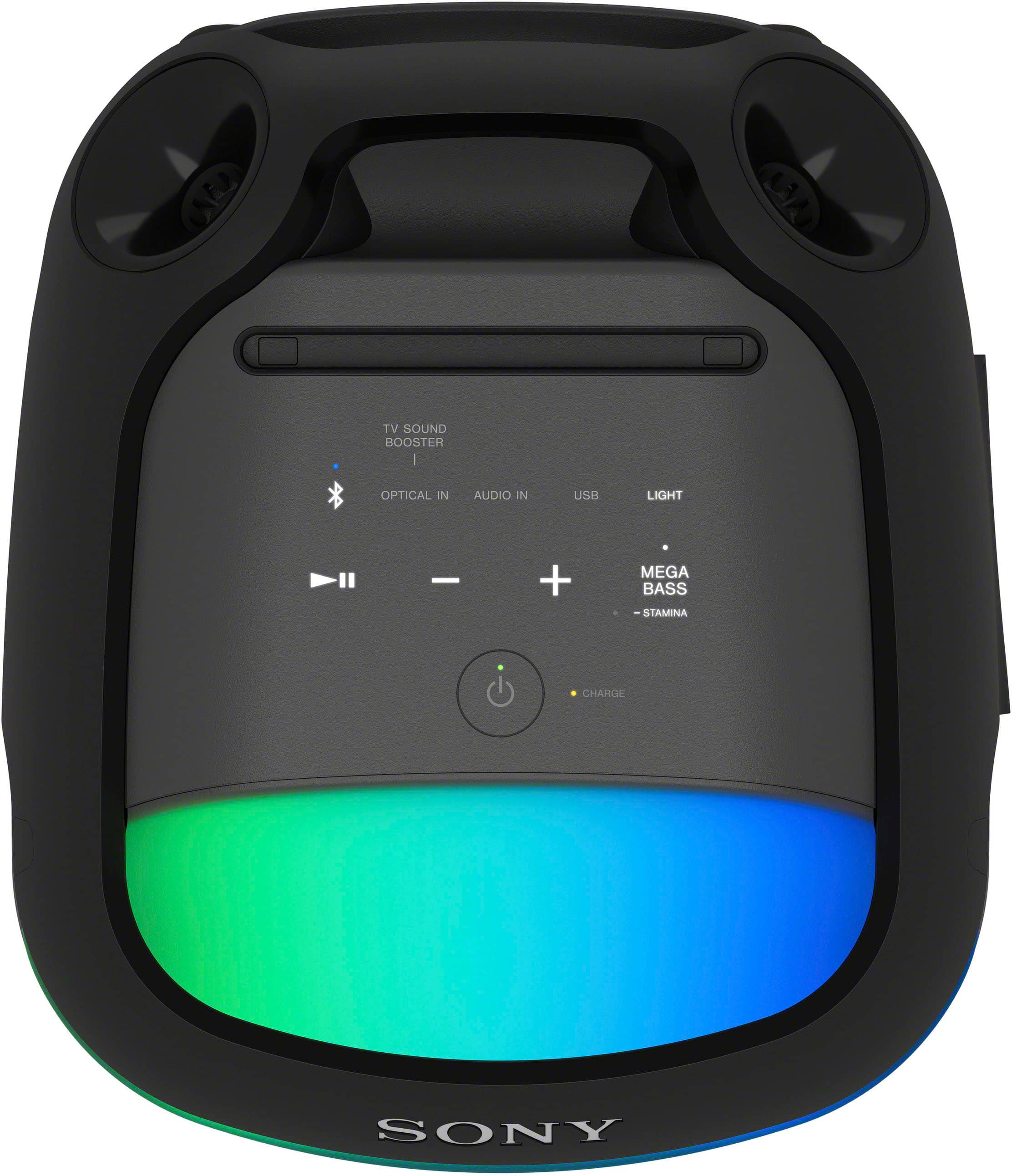
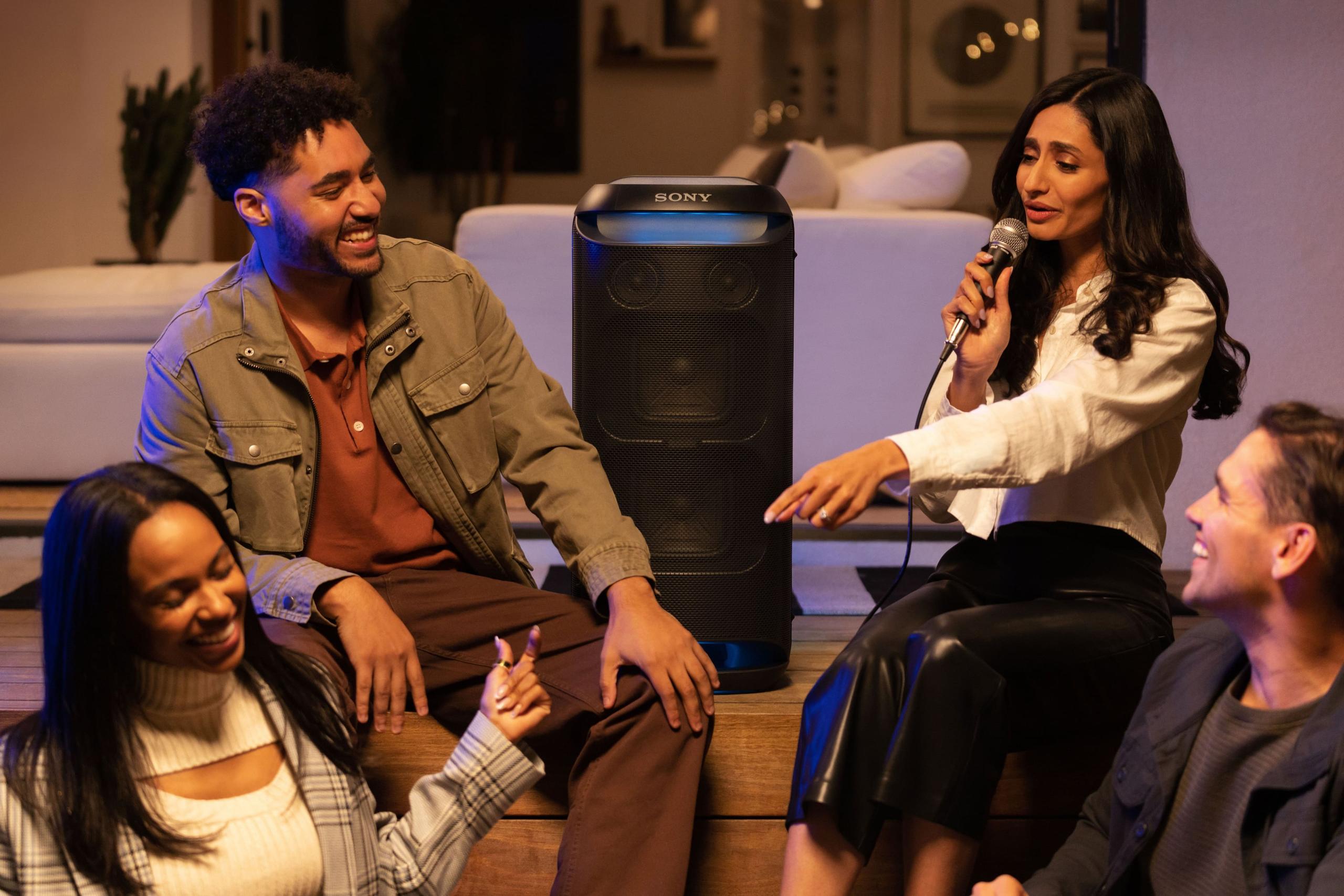
The speaker features two of these X-Balanced woofers for bass reproduction, paired with five smaller tweeters arranged in an omnidirectional pattern—three facing forward and two facing backward. This omnidirectional design is crucial because it means the sound doesn't have a distinct "sweet spot." Whether you're standing directly in front of the speaker or off to the side, you'll hear a consistent, balanced sound. This makes the Sony SRS-XV800 particularly well-suited for parties where people are spread out around a pool, patio, or large room.
The sound character leans toward what audio enthusiasts call "warm and relaxed." The bass is deep and substantial without being aggressive, and the overall presentation prioritizes smoothness over punch. This tuning philosophy becomes apparent when you compare it to more aggressive speakers—the Sony won't fatigue your ears during extended listening sessions, but it might not provide the immediate "wow factor" that some listeners crave.
However, this approach has trade-offs. Multiple reviews noted that the midrange (where most vocals sit) can sound somewhat recessed or pale compared to the bass and treble. This isn't a deal-breaker for background music at casual gatherings, but it might be noticeable if you're listening critically or using the speaker for foreground music at smaller events.
The Sony SRS-XV800's crown jewel is its 25-hour battery life—among the longest in the party speaker category. This isn't just a marketing number either; real-world testing by multiple reviewers confirmed playback times exceeding 20 hours at moderate to high volumes. The quick-charge feature provides three hours of playback from just a 10-minute charge, which can be a lifesaver when you forget to charge before an event.
The downside is that Sony uses a fixed, internal battery. When it eventually degrades after several years of use (as all rechargeable batteries do), you'll need professional service to replace it. Additionally, you can't swap in a fresh battery for multi-day events where 25 hours isn't sufficient.
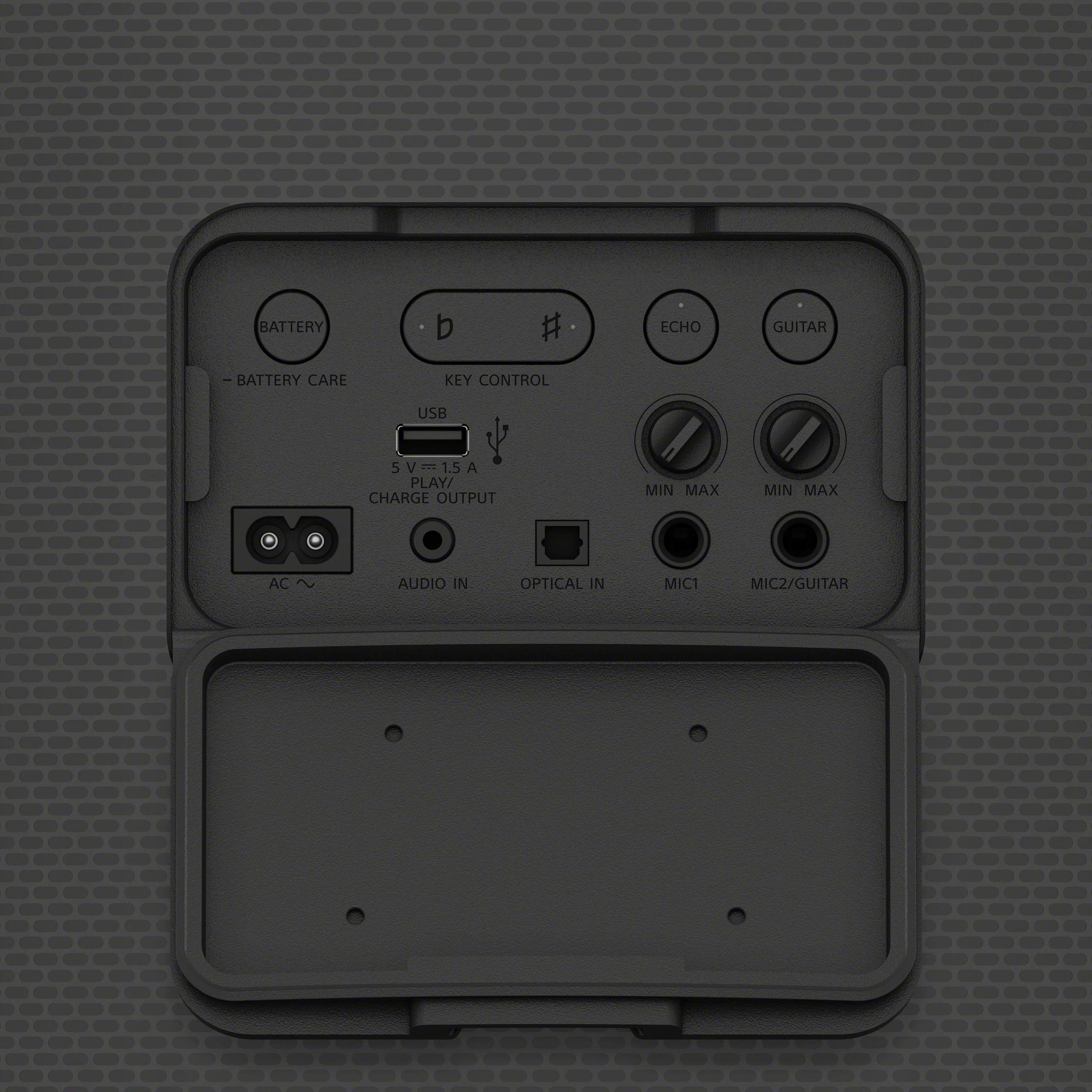
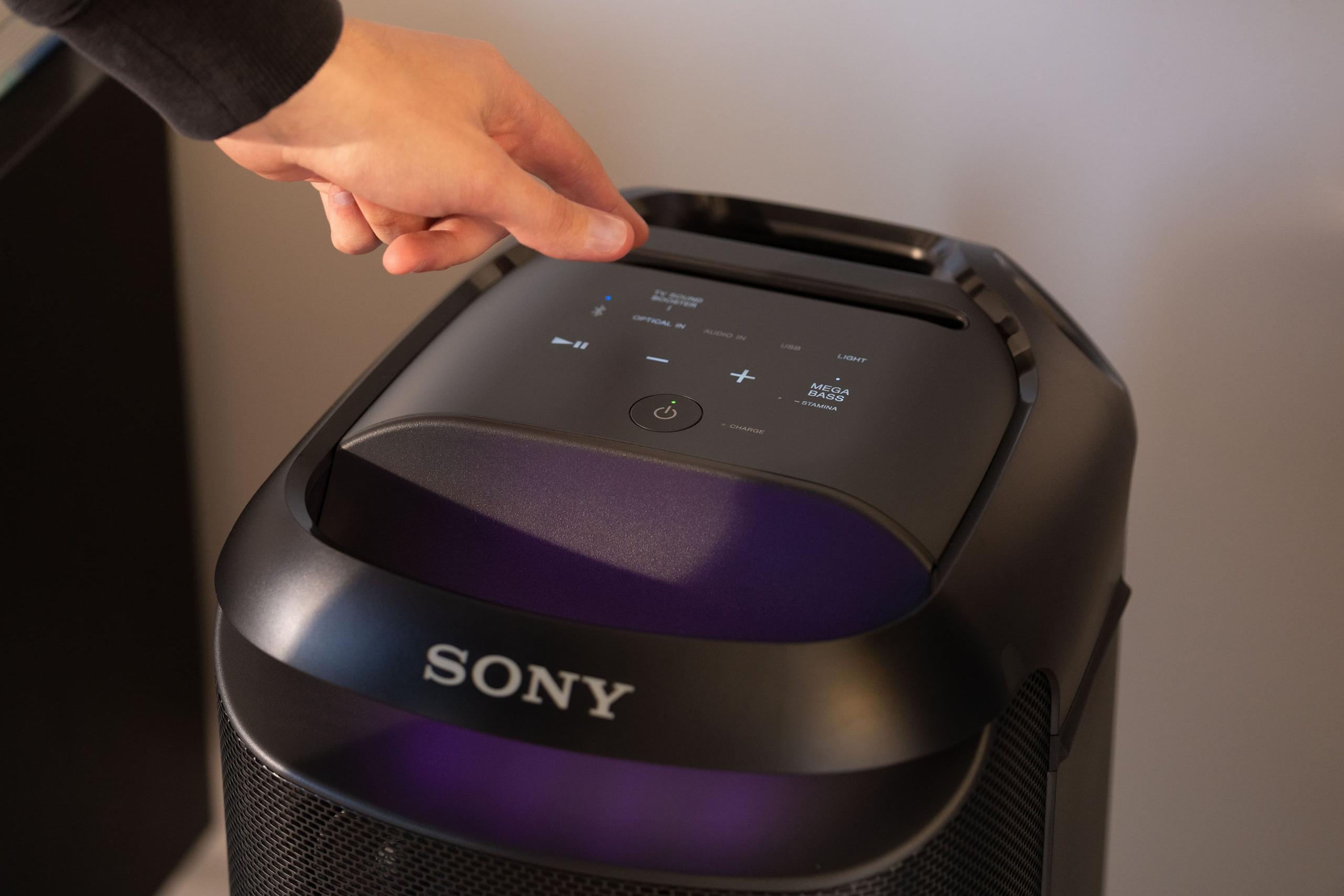
Sony loaded the Sony SRS-XV800 with more input options than most competitors. The optical digital input might seem unusual for a party speaker, but it enables a feature called TV Sound Booster. Connect the speaker to your TV via the included optical cable, and it becomes a powerful soundbar alternative with enhanced bass and clarity for movies and shows. The speaker can even detect whether it's positioned vertically (normal party mode) or horizontally (optimized for TV use) and adjusts the sound accordingly.
The dual microphone inputs with independent volume controls make karaoke sessions or announcements easy to manage. There's even a guitar input, turning the speaker into a portable amplifier for acoustic performances. The USB-A port can play music files directly from flash drives while simultaneously charging your phone, though the 7.5W charging power is relatively modest by current standards.
Sony's Party Connect feature allows linking up to 100 compatible speakers for massive installations, though realistically, most users will connect just two speakers for stereo sound or perhaps four for room-filling coverage.
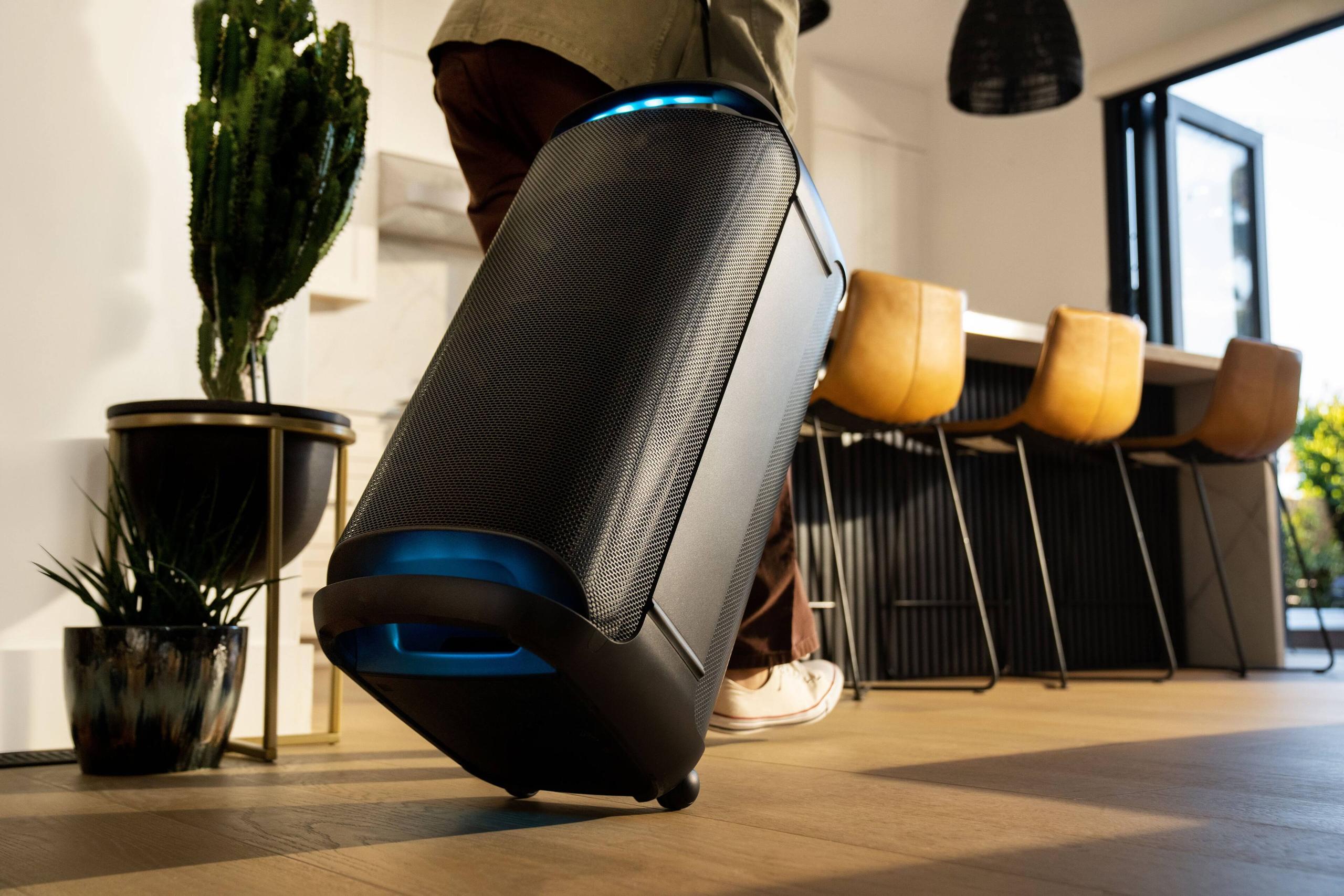
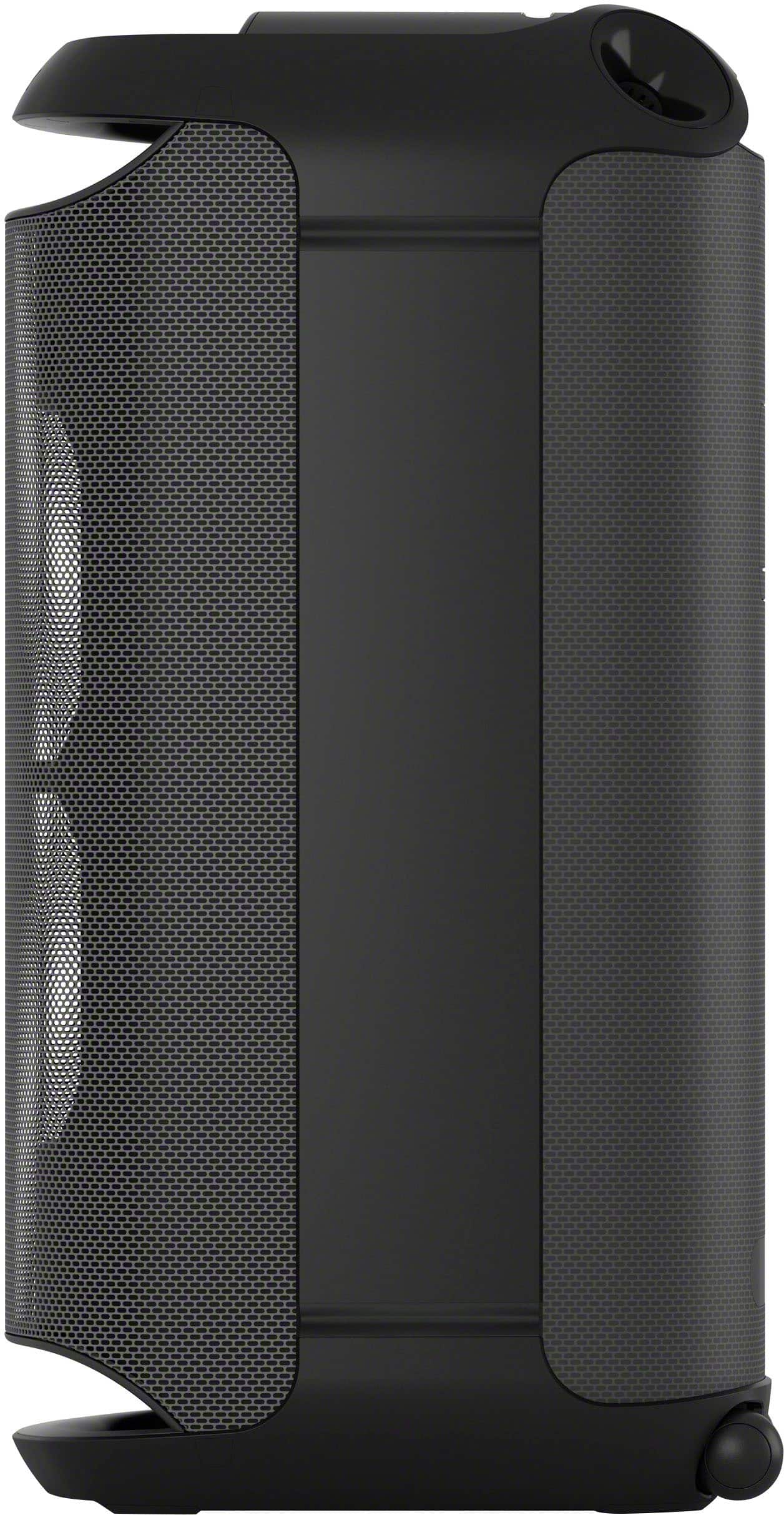
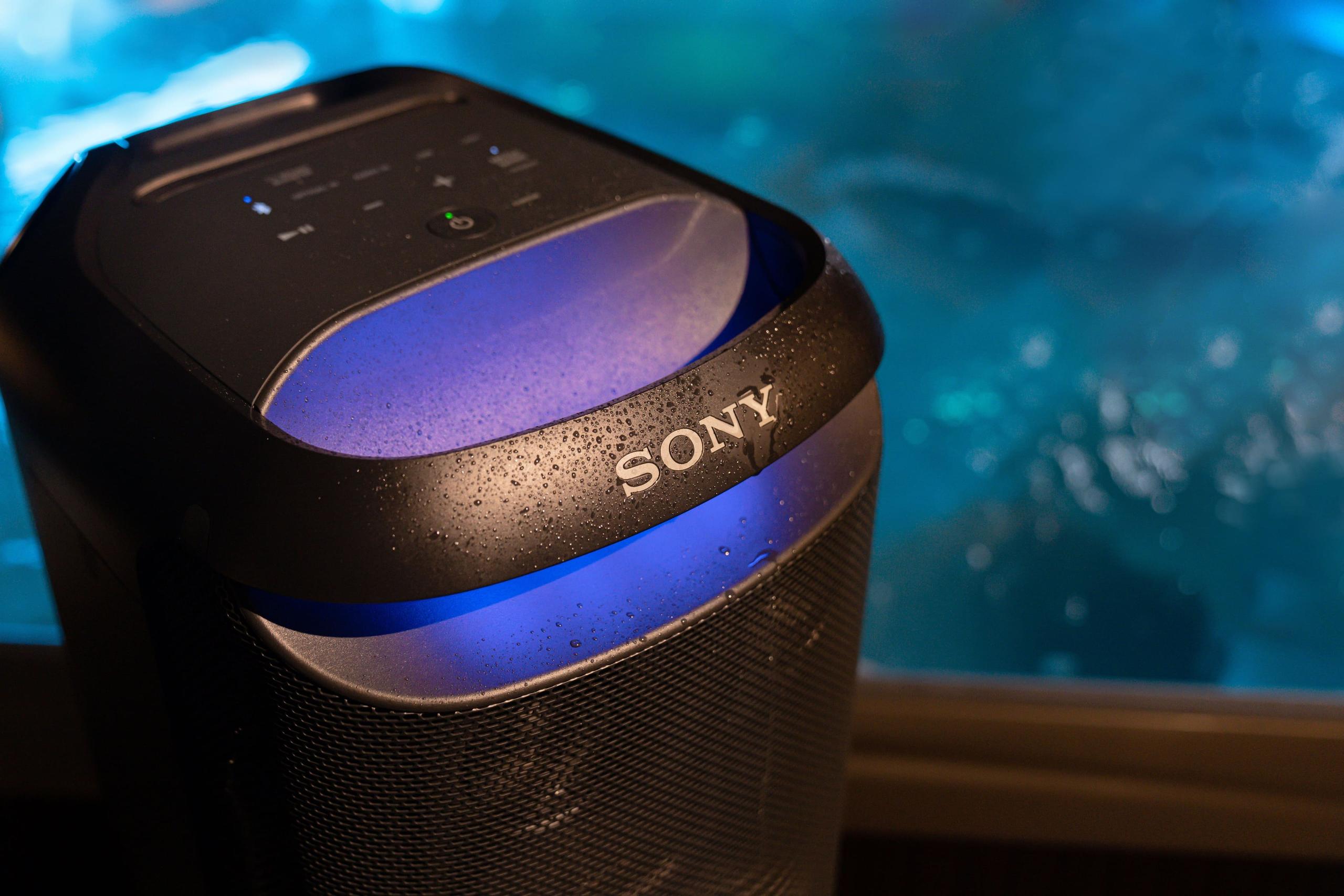
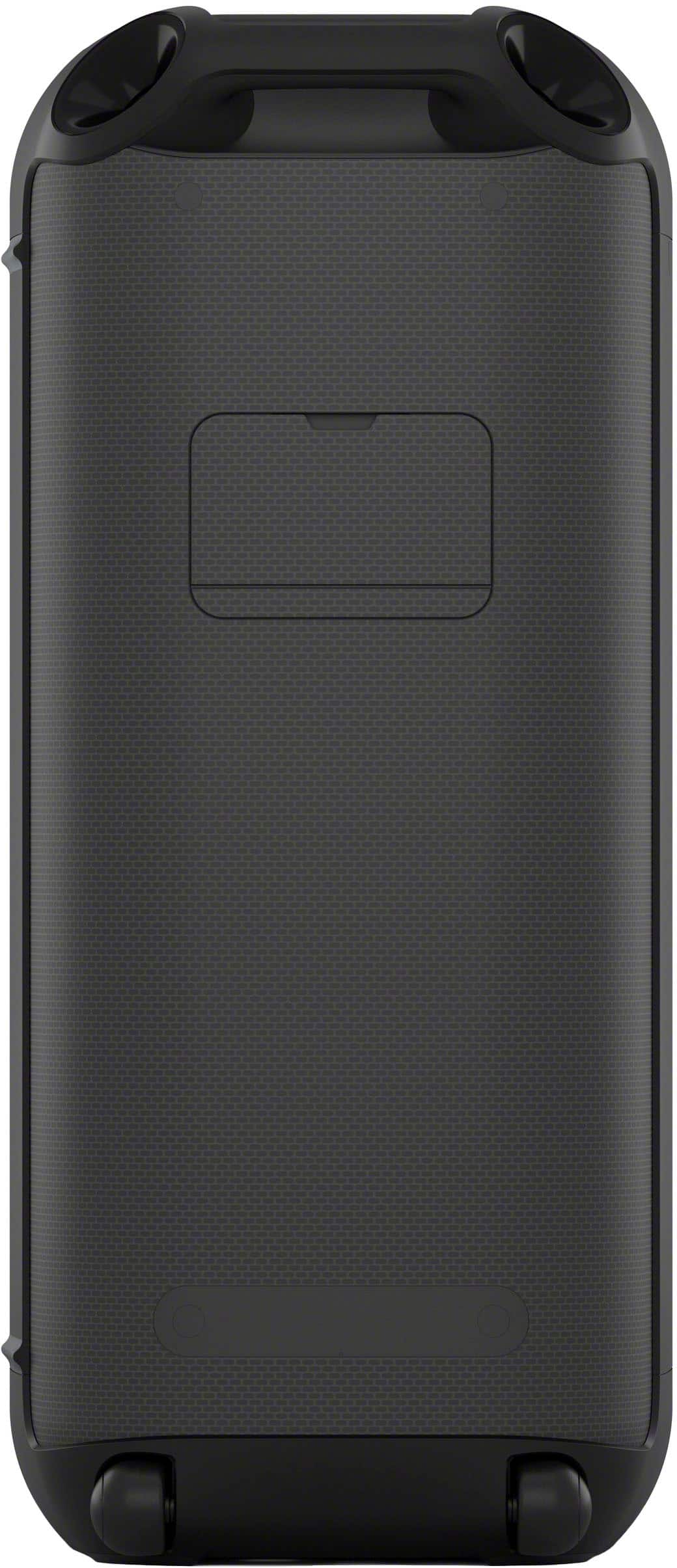
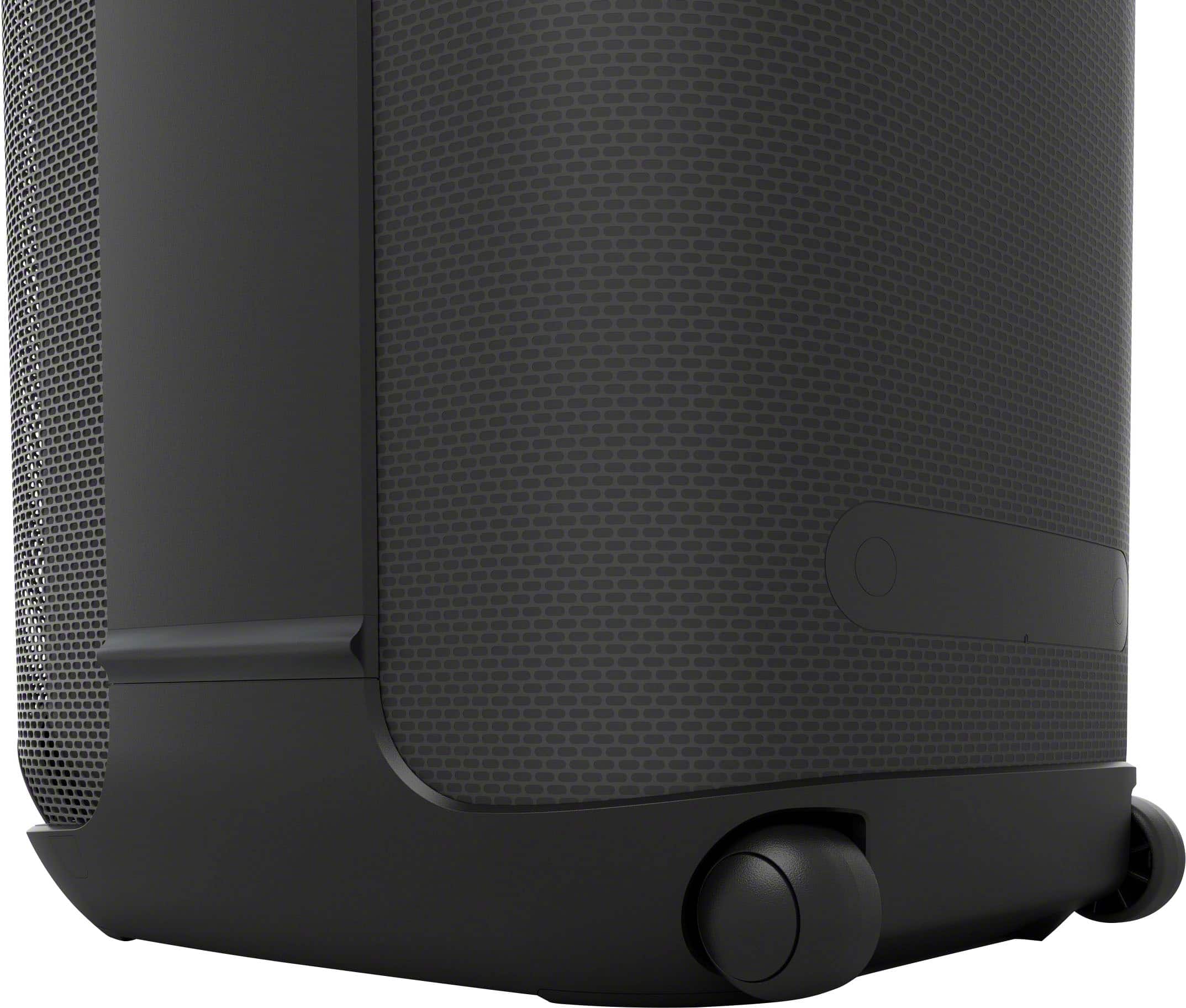
At roughly 41 pounds, the Sony SRS-XV800 is substantial but manageable. The integrated handle and wheels make short-distance transport reasonable, though you wouldn't want to carry it up multiple flights of stairs regularly. The IPX4 water resistance rating (when positioned vertically) provides protection against splashes and light rain, making it suitable for poolside use or outdoor events with uncertain weather.
The build quality feels solid without being industrial. The plastic construction keeps weight reasonable while the metal grille protects the drivers from accidental impacts. It's clearly designed for enthusiast use rather than professional touring, but it should withstand typical party environments without issue.
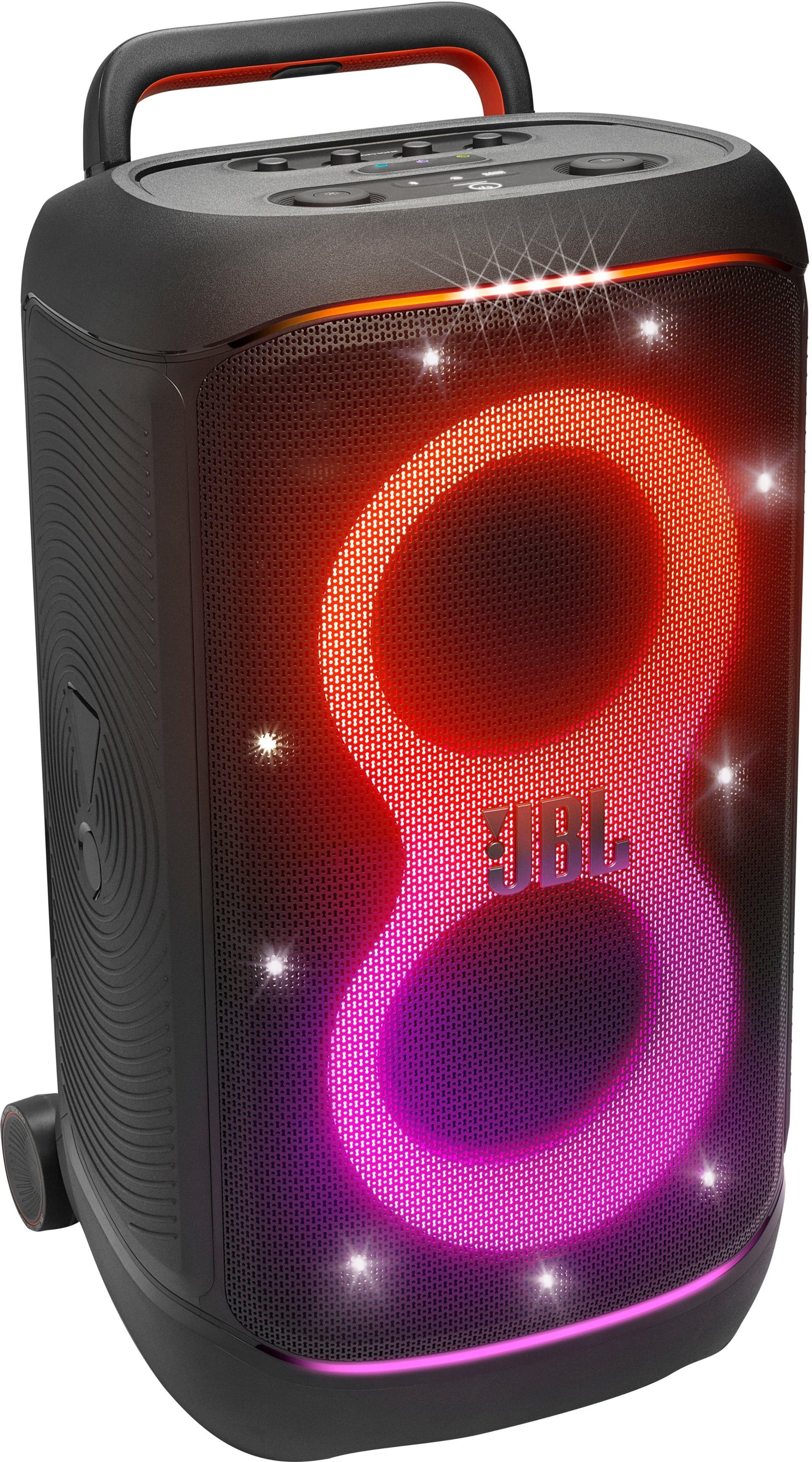
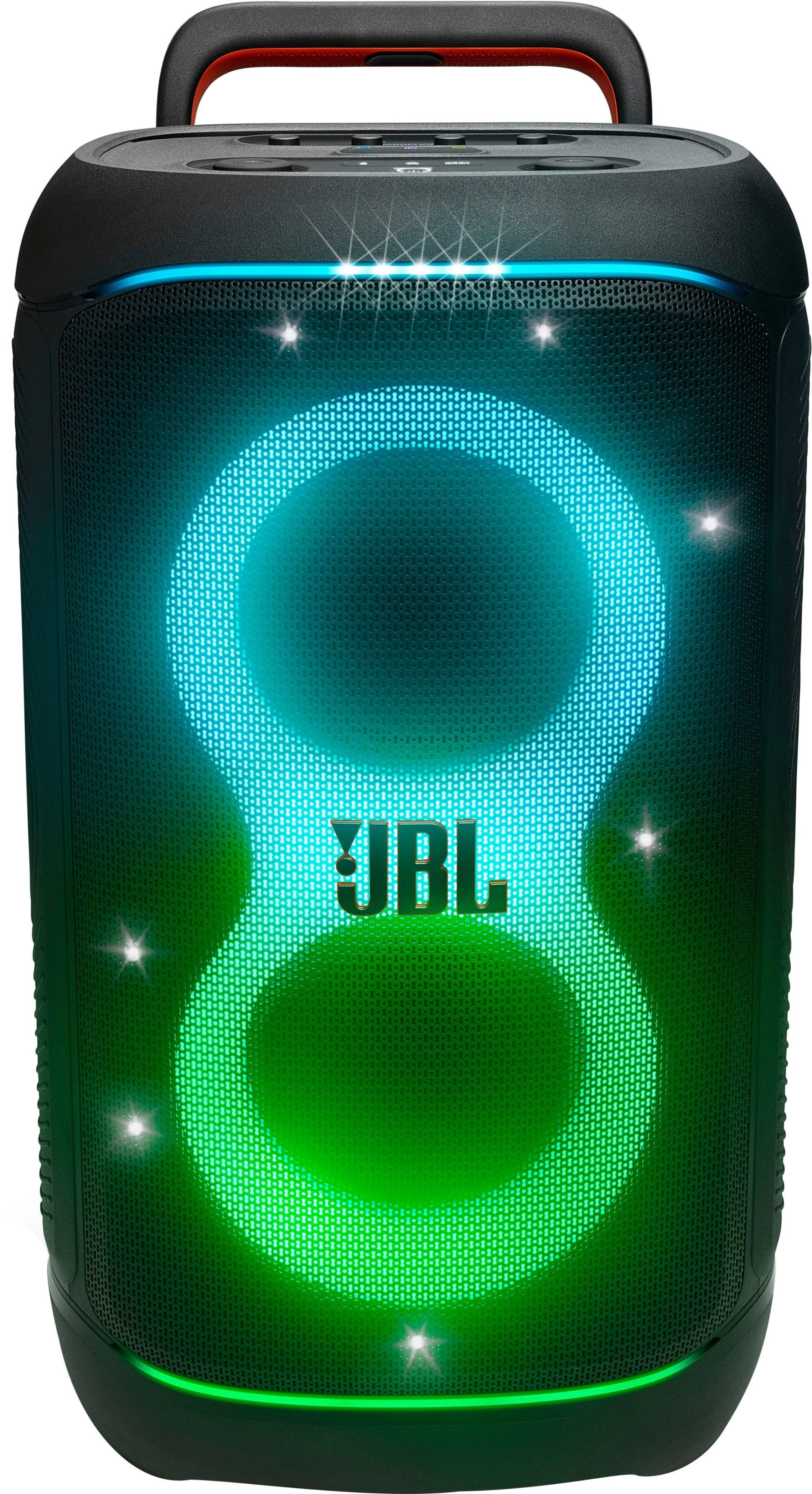
JBL's approach with the PartyBox 520, released in 2025, prioritizes audio accuracy and professional features over pure endurance. At a higher price point (typically 25-35% more than the Sony at the time of writing), it targets users who prioritize sound quality and advanced connectivity over marathon battery life.
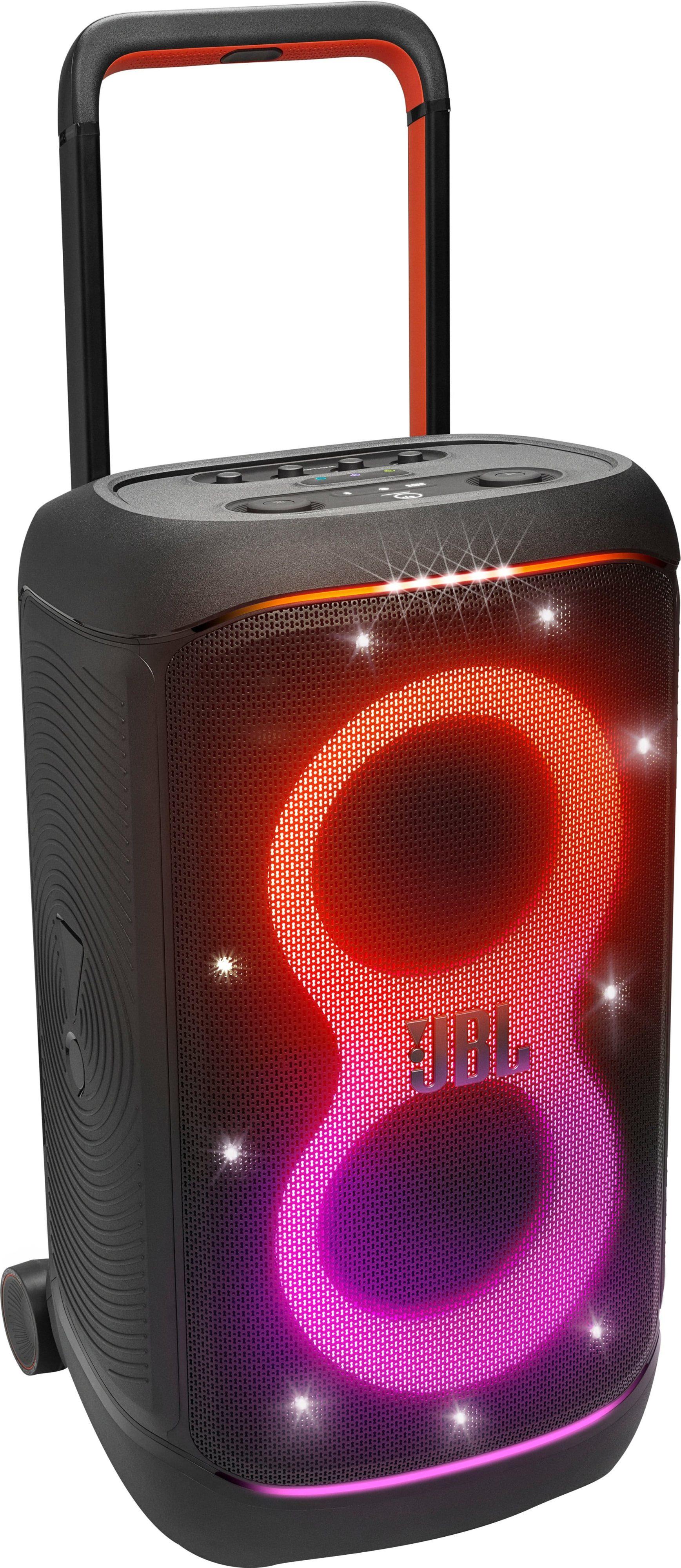
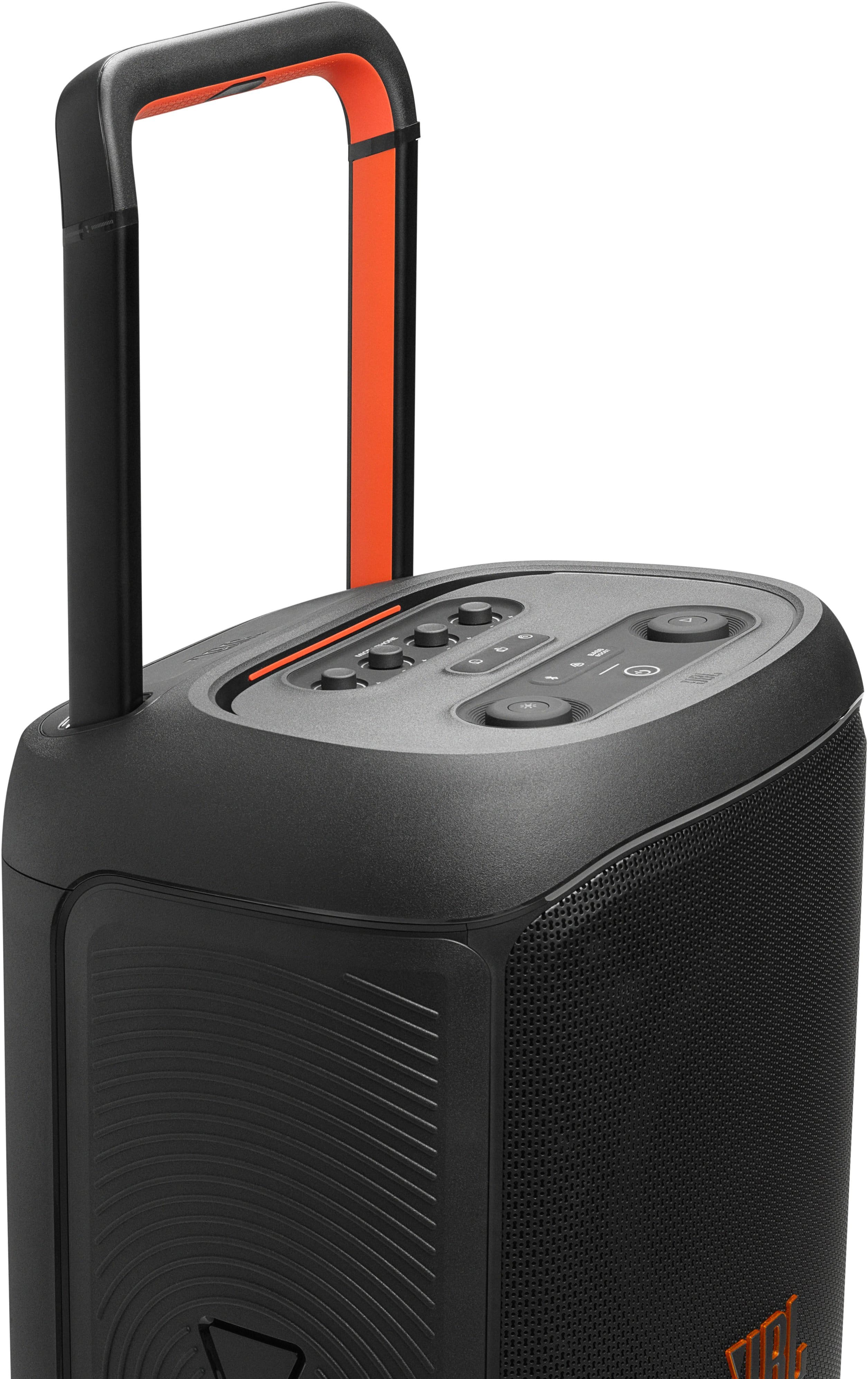
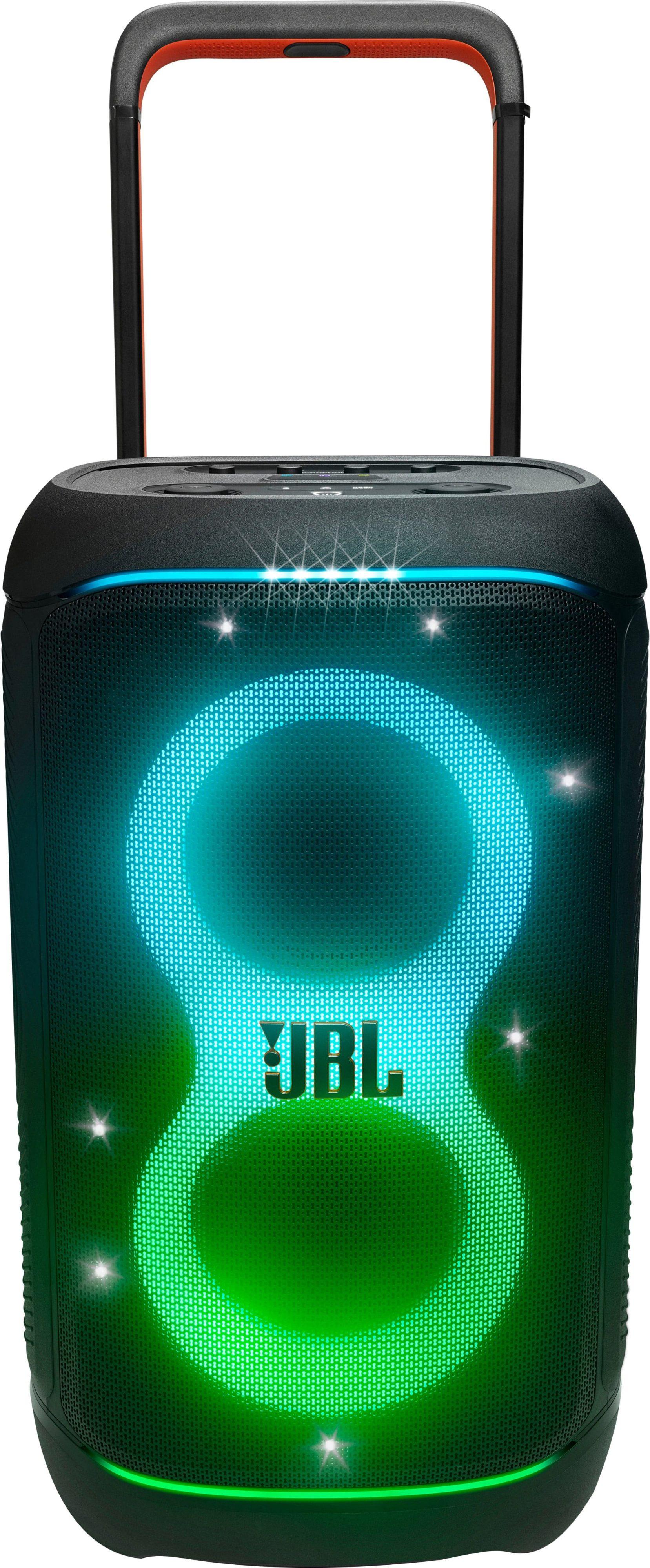
The PartyBox 520 delivers 400W RMS of power through a more traditional two-woofer, two-tweeter configuration. While this might seem less impressive on paper compared to Sony's five-tweeter array, JBL's focus on frequency response accuracy pays dividends in real-world performance.
The standout feature is AI Sound Boost technology, which analyzes the incoming audio signal in real-time and optimizes the speaker's output to prevent distortion while maximizing volume. This isn't just an EQ preset—it's active processing that adapts to different music genres, volume levels, and even the acoustic characteristics of your listening environment. In practice, this means the PartyBox 520 can play louder with less distortion than speakers relying purely on passive design elements.
The sound character is noticeably more aggressive and responsive than the Sony SRS-XV800. Bass hits are punchy and well-defined rather than smooth and enveloping. Vocals cut through the mix clearly, even at high volume levels. This makes the JBL particularly well-suited for dance music, hip-hop, and other genres where rhythmic precision matters more than long-term listening comfort.
However, the front-firing design creates a more traditional soundstage with distinct sweet spots. While the sound quality is excellent when positioned correctly, moving significantly off-axis will change the tonal balance noticeably. This makes speaker placement more critical than with the Sony's omnidirectional design.
The PartyBox 520's 15-hour battery life is respectable but notably shorter than the Sony's marathon performance. Where JBL gains an advantage is in the swappable battery system. The internal battery pack can be removed and replaced with a fresh one (sold separately), enabling unlimited runtime for multi-day events or professional use.
This modular approach also addresses long-term ownership concerns. As the battery degrades over time, you can simply purchase a replacement rather than seeking professional service. The rapid charging system provides two hours of playback from a 10-minute charge, matching Sony's quick-charge convenience.
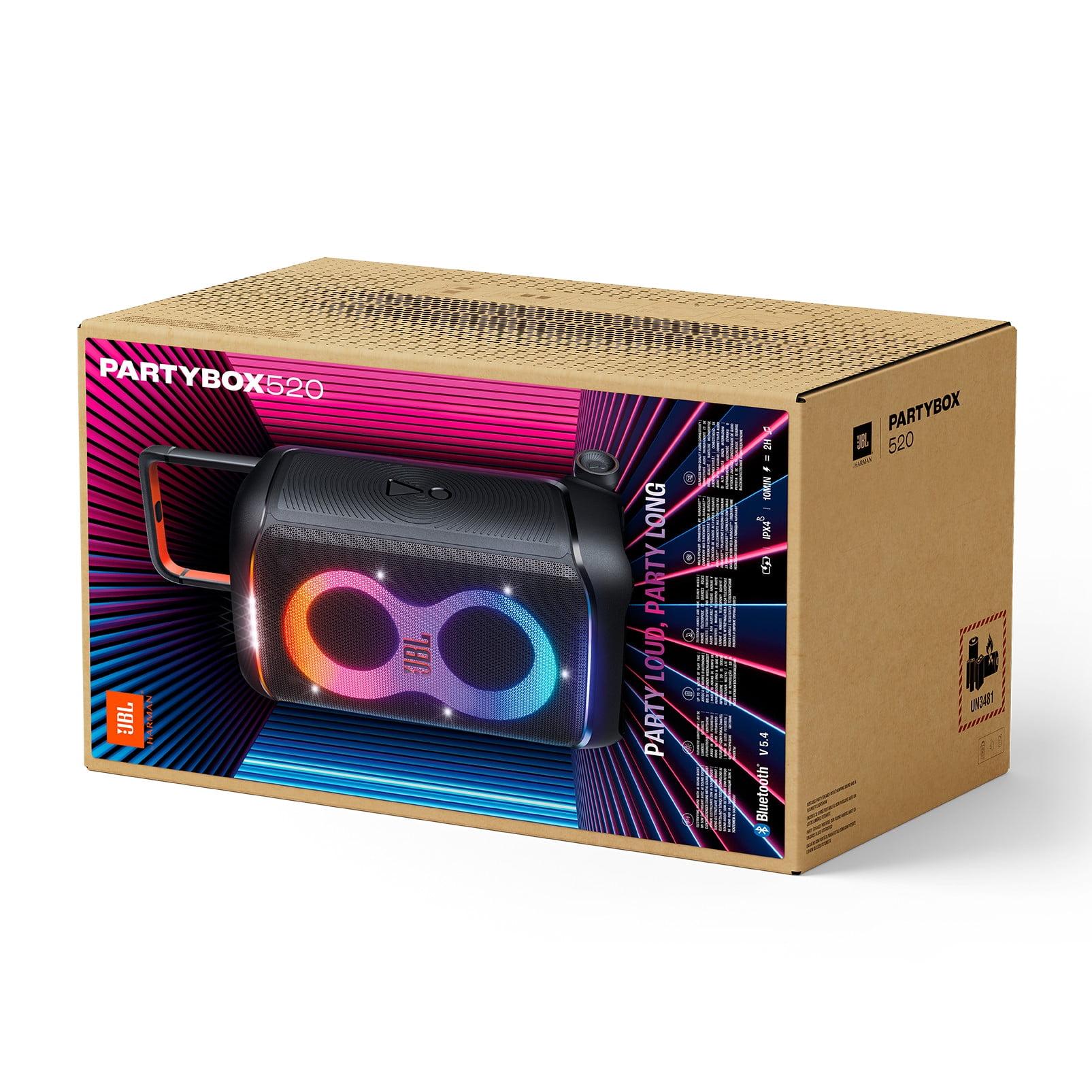
The PartyBox 520 incorporates Bluetooth 5.4, the latest wireless standard offering improved connection stability and lower latency compared to the Sony's Bluetooth 5.2. For casual music listening, this difference is minimal, but it matters for applications requiring tight audio synchronization.
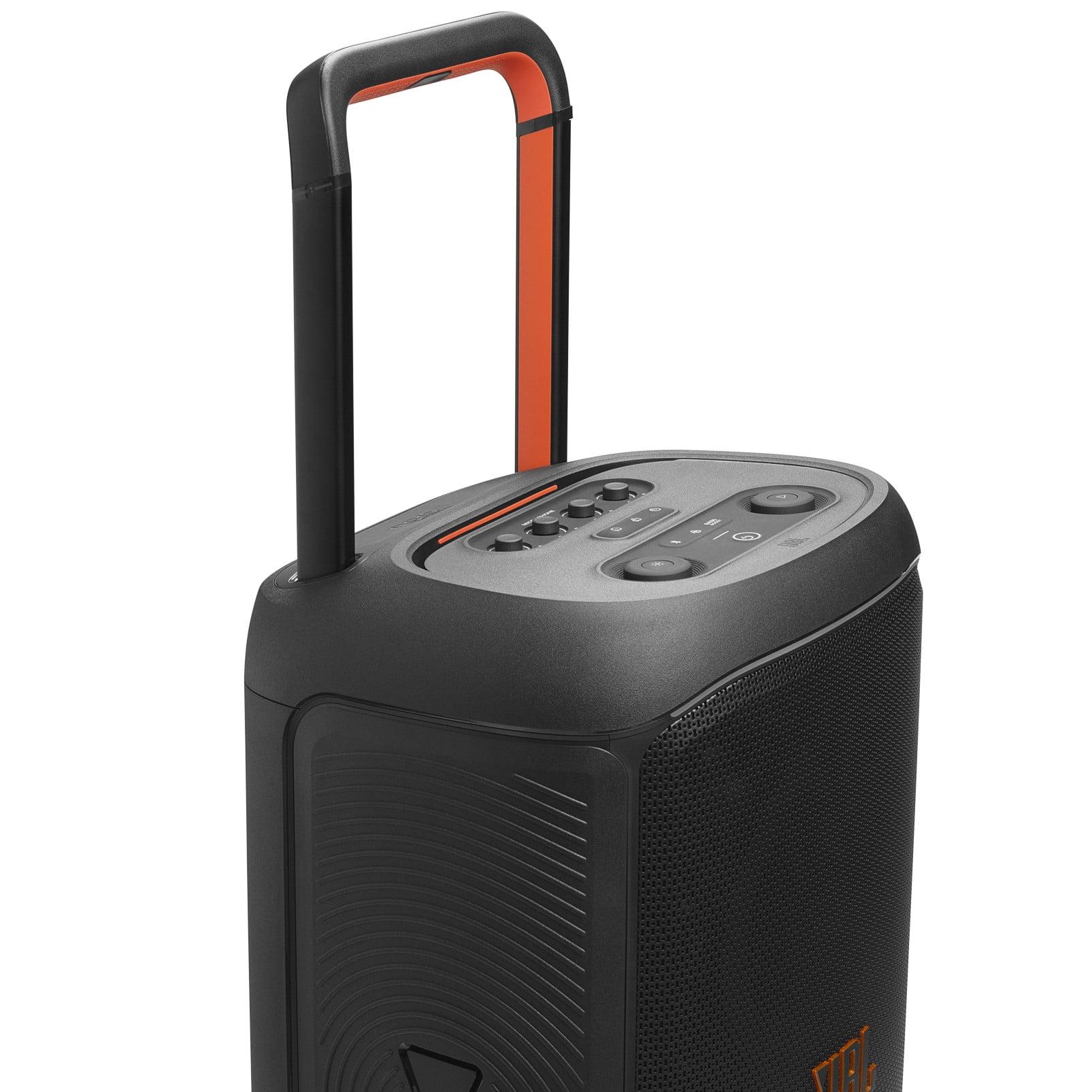
The dual XLR/TRS combo inputs represent a significant upgrade over typical party speaker connectivity. XLR inputs are the professional standard for microphones and mixing equipment, providing balanced connections that reduce noise and interference over long cable runs. This makes the PartyBox 520 suitable for more serious applications like wedding receptions, corporate events, or semi-professional performances.
The USB-C port delivers 30W of charging power—enough to rapidly charge most smartphones and tablets. This four-times-higher power output compared to Sony's USB-A port could be crucial during all-day events where multiple devices need charging.
Auracast technology enables linking with other compatible JBL speakers using the latest Bluetooth standards, though this ecosystem is still developing compared to Sony's more established Party Connect platform.
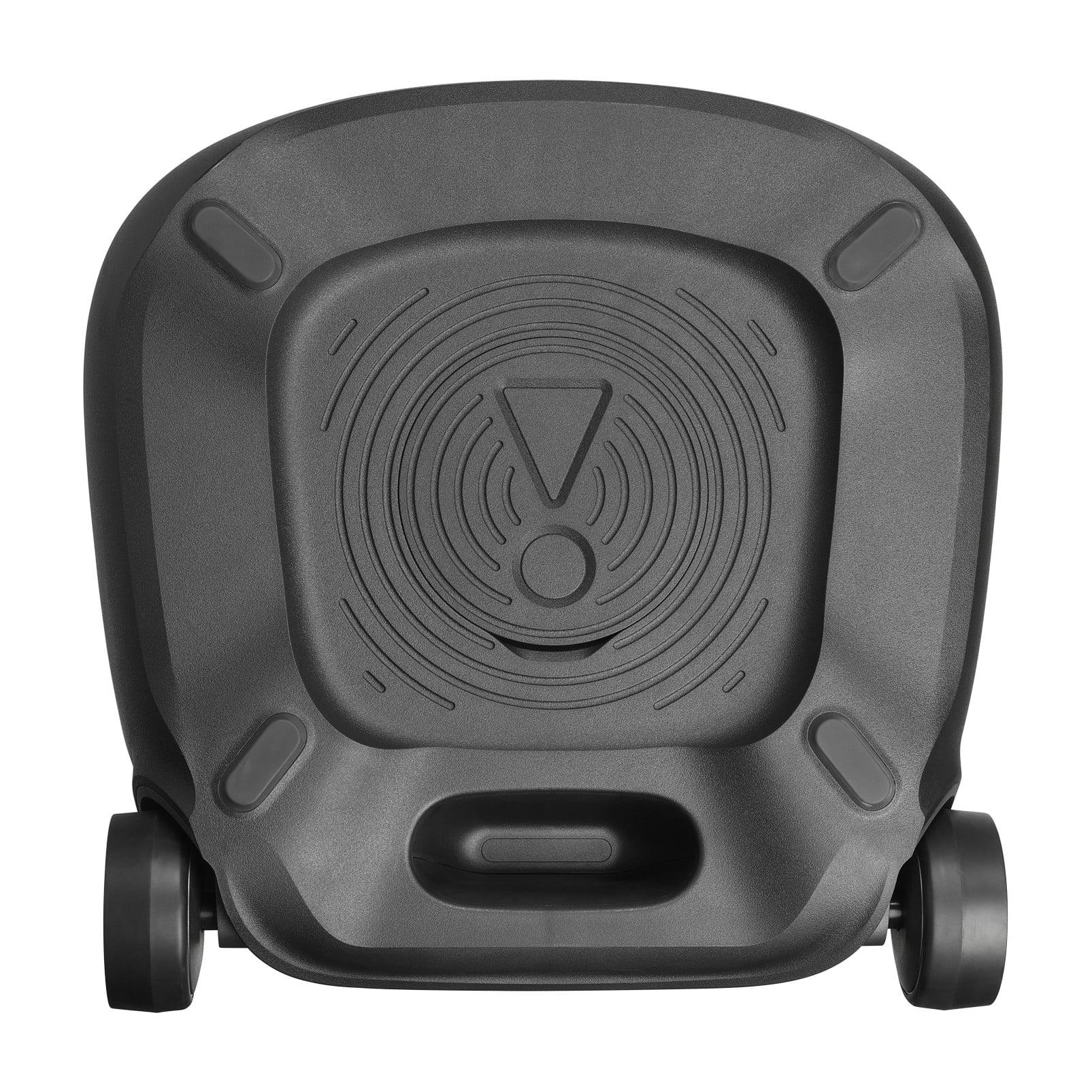
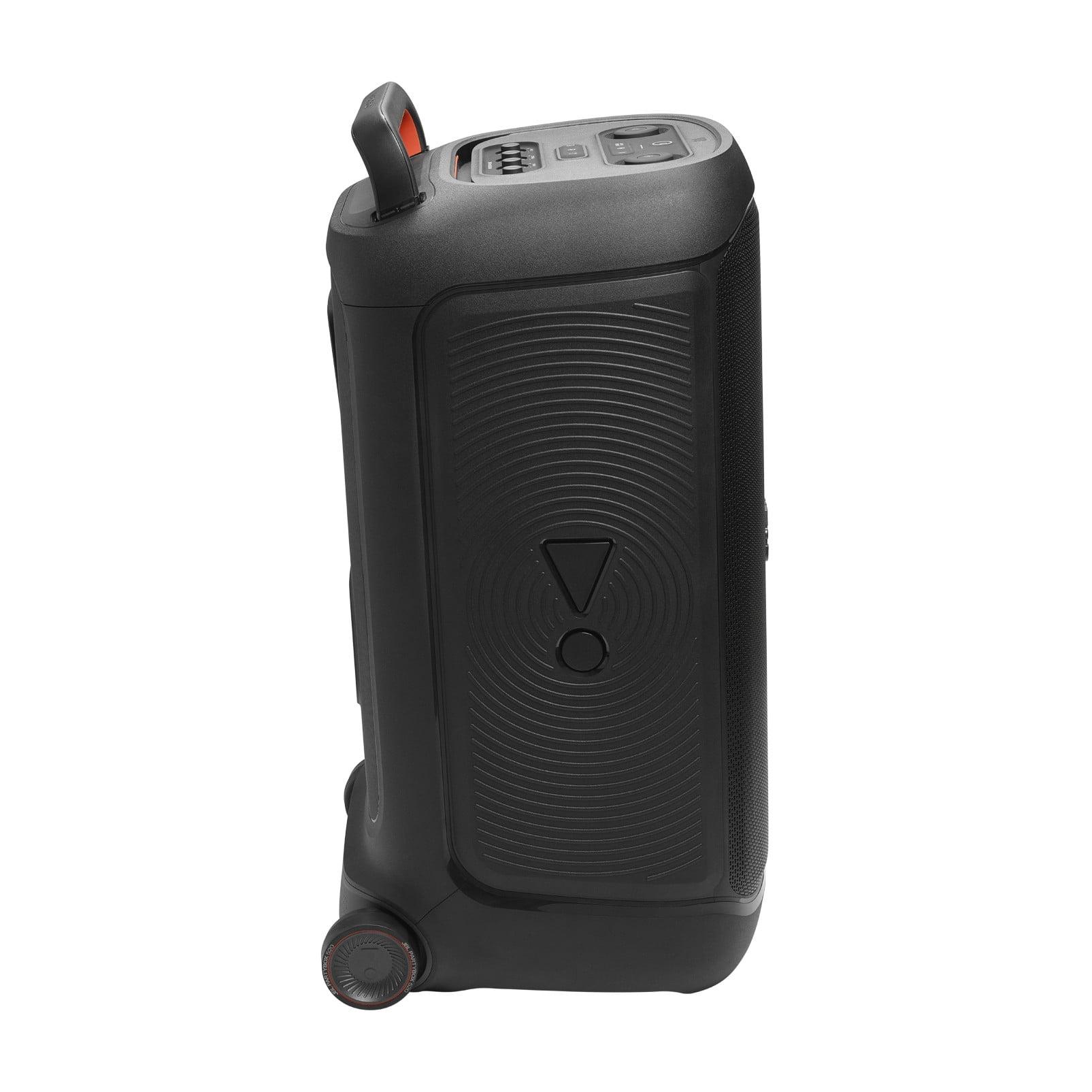
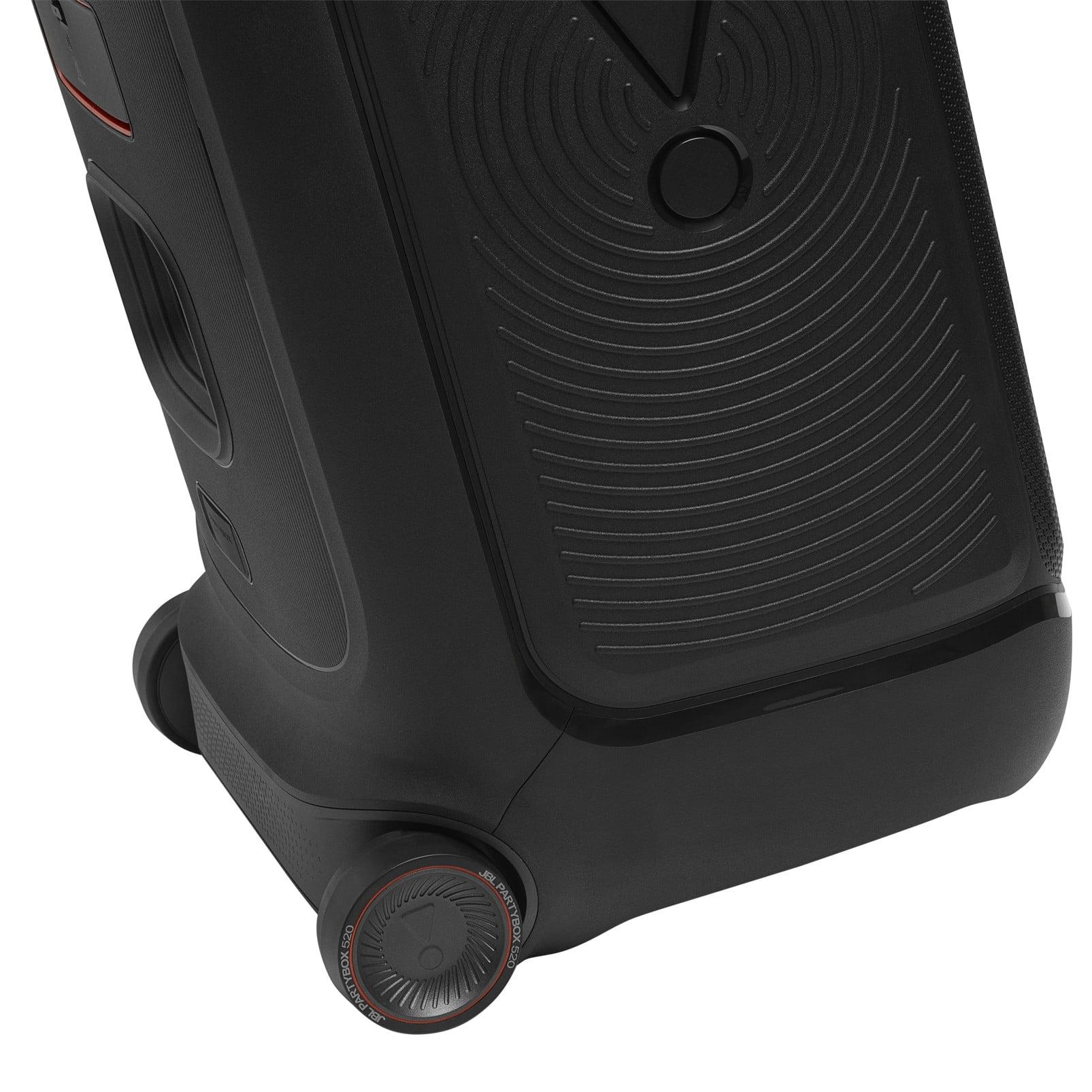
At 56 pounds, the PartyBox 520 is significantly heavier than the Sony, reflecting its more powerful amplification and robust construction. The telescopic handle and wide wheels help manage this bulk, though it definitely requires two people for stair navigation or loading into vehicles.
The IPX4 splash resistance matches the Sony's protection level, making it suitable for outdoor use with reasonable weather precautions. The build quality feels more professional overall, with a sense that it could withstand regular transportation and setup in demanding environments.
Both speakers get impressively loud, but they achieve this differently. The Sony SRS-XV800 relies on efficient design and extended battery capacity to maintain consistent volume over long periods. The sound remains smooth and pleasant even at high output levels, but maximum volume falls slightly short of the JBL.
The PartyBox 520's AI Sound Boost technology provides a clear advantage in peak output and dynamic range. It can play louder before distortion becomes noticeable, and the sound maintains its punch and clarity even during complex musical passages. For events where maximum volume is crucial, the JBL has a measurable advantage.
This is where the philosophical differences between the speakers become most apparent. The Sony SRS-XV800 produces deeper, more enveloping bass that integrates smoothly with the rest of the frequency range. It's the kind of bass response that works well for extended listening sessions and doesn't dominate the overall sound.
The PartyBox 520 delivers more aggressive, punchy bass that emphasizes rhythmic elements and transient response. This approach is better suited for dance music and situations where you want the bass to be a driving force rather than a supporting element.
Neither approach is inherently better—it depends on your musical preferences and intended use. For background music at social gatherings, Sony's smooth approach works well. For active dancing and high-energy events, JBL's punchy response is more engaging.
The Sony SRS-XV800 has a clear advantage for home theater use thanks to its optical digital input and TV Sound Booster feature. The ability to connect directly to a TV and optimize the sound for movie and TV content makes it a viable soundbar alternative for larger rooms. The horizontal positioning mode adjusts the sound specifically for this application.
The PartyBox 520 can work for home theater through Bluetooth or auxiliary connections, but it lacks the dedicated TV optimization features and optical input. Its front-firing design actually works better for home theater than the Sony's omnidirectional approach, but without the TV-specific tuning, it's less compelling for this application.
For professional applications, the PartyBox 520 has significant advantages. The XLR inputs, swappable battery system, higher charging power, and superior frequency response accuracy make it more suitable for wedding receptions, corporate events, and semi-professional performances.
The Sony SRS-XV800 is better suited for enthusiast use and casual events. While it has microphone and guitar inputs, the connectivity options are more basic, and the sound tuning prioritizes comfort over accuracy.
Prioritize marathon battery life for all-day outdoor events, camping trips, or situations where power access is uncertain. The 25-hour runtime is genuinely impressive and eliminates battery anxiety for most applications.
Want omnidirectional sound coverage for parties where people are spread throughout a large area. Pool parties, backyard barbecues, and similar events benefit from the consistent sound quality regardless of listener position.
Need home theater integration with TV Sound Booster and optical input capabilities. If you want a speaker that can pull double duty for both parties and movie nights, the Sony is the clear choice.
Prefer a more relaxed sound signature that won't become fatiguing during extended listening sessions. The smooth, bass-forward tuning works particularly well for background music and social gatherings.
Seek better value for the feature set. At the time of writing, the Sony typically costs 25-30% less than the JBL while offering longer battery life and more comprehensive connectivity.
Demand maximum audio quality with accurate frequency response and superior dynamic range. If sound quality is your top priority and you're willing to pay more for it, the JBL delivers measurably better audio performance.
Need professional connectivity options including XLR microphone inputs and robust build quality for regular transportation and setup. Wedding DJs, event planners, and semi-professional performers will appreciate these features.
Want unlimited runtime capability through the swappable battery system. While the base battery life is shorter than Sony's, the ability to swap batteries enables truly unlimited operation for multi-day events.
Prefer punchy, aggressive sound that emphasizes rhythm and transient response. Dance parties, hip-hop events, and high-energy gatherings benefit from the JBL's more dynamic sound character.
Need powerful device charging with the 30W USB-C port capable of rapidly charging phones, tablets, and other devices throughout your event.
Both speakers represent excellent engineering approaches to the party speaker challenge, but they target different user priorities and budgets. The Sony SRS-XV800 excels as an endurance-focused entertainment system that prioritizes long-term usability, versatile connectivity, and value. Its omnidirectional sound and TV integration features make it particularly compelling for users who want one speaker to handle multiple entertainment scenarios.
The JBL PartyBox 520 positions itself as a more professional, performance-focused solution that prioritizes audio accuracy, modern connectivity standards, and advanced features over pure endurance. Its higher price reflects genuine engineering improvements and professional-grade capabilities that justify the premium for users who need them.
Your choice ultimately comes down to whether you prioritize endurance and value (Sony) or maximum performance and professional features (JBL). Both speakers will deliver impressive results for their intended applications, but understanding these fundamental differences will help ensure you choose the right tool for your specific needs and budget.
| Sony SRS-XV800 | JBL PartyBox 520 |
|---|---|
| Battery Life - Critical for outdoor events and all-day parties | |
| 25 hours (industry-leading endurance) | 15 hours (adequate but shorter runtime) |
| Battery System - Affects long-term usability and multi-day events | |
| Fixed internal battery (eventual replacement required) | Swappable battery (unlimited runtime with spares) |
| Weight - Impacts portability despite having wheels | |
| 40.8 lbs (more manageable for solo transport) | 56.2 lbs (requires two people for stairs/loading) |
| Audio Power Output - Determines maximum volume and headroom | |
| Not specified (adequate for most party applications) | 400W RMS (measurably louder with better dynamics) |
| Speaker Configuration - Affects sound dispersion and stereo imaging | |
| Omnidirectional (5 tweeters: 3 front, 2 rear) | Front-firing stereo (2 woofers, 2 tweeters) |
| Sound Character - Different approaches to party audio | |
| Smooth, bass-heavy, lounge-friendly | Punchy, accurate, dance-optimized |
| Bluetooth Version - Affects connection stability and audio quality | |
| 5.2 (solid performance, widely compatible) | 5.4 (latest standard with improved reliability) |
| Professional Inputs - Important for microphones and instruments | |
| Basic 1/4" mic/guitar inputs | XLR/TRS combo inputs (professional-grade connections) |
| TV Integration - Matters if you want home theater functionality | |
| Optical input with TV Sound Booster mode | No optical input (Bluetooth/aux only) |
| USB Charging Power - Affects device charging capability during events | |
| 7.5W USB-A (basic phone charging) | 30W USB-C (rapid charging for phones/tablets) |
| Water Resistance - Protection for outdoor and poolside use | |
| IPX4 vertical, IPX2 horizontal | IPX4 (consistent rating regardless of position) |
| Multi-Speaker Connectivity - For larger installations | |
| Party Connect (up to 100 Sony speakers) | Auracast (newer standard, growing ecosystem) |
| Release Year - Indicates technology generation and feature set | |
| 2023 (established platform with proven reliability) | 2025 (latest features and connectivity standards) |
| Value Proposition - Performance and features relative to typical pricing | |
| Better value with longer battery and comprehensive features | Premium pricing for superior audio quality and pro features |
The Sony SRS-XV800 offers superior battery life with up to 25 hours of continuous playback, significantly outlasting the JBL PartyBox 520's 15-hour runtime. However, the JBL PartyBox 520 features a swappable battery system, allowing unlimited operation with spare batteries, while the Sony SRS-XV800 uses a fixed internal battery.
The JBL PartyBox 520 delivers higher maximum volume with 400W RMS power output and AI Sound Boost technology that prevents distortion at high volumes. While the Sony SRS-XV800 gets plenty loud for most parties, the JBL PartyBox 520 has a clear advantage for large outdoor events or venues requiring maximum sound pressure.
Yes, the Sony SRS-XV800 excels for home theater use with its dedicated optical digital input and TV Sound Booster feature that optimizes sound for movies and TV shows. The JBL PartyBox 520 can work for home theater through Bluetooth or auxiliary connections, but lacks the specialized TV integration features of the Sony SRS-XV800.
The Sony SRS-XV800 is more portable at 40.8 pounds with built-in wheels and handle, making it manageable for one person to move short distances. The JBL PartyBox 520 weighs 56.2 pounds and typically requires two people for stair navigation or vehicle loading, despite having a telescopic handle and wide wheels.
Both speakers deliver excellent bass but with different characteristics. The Sony SRS-XV800 produces deeper, smoother bass that's ideal for extended listening, while the JBL PartyBox 520 offers punchier, more aggressive bass that's better suited for dance music and high-energy events.
The Sony SRS-XV800 features omnidirectional sound with five tweeters (three front, two rear) that provides consistent audio quality from any listening position. The JBL PartyBox 520 uses a front-firing design that delivers excellent sound quality directly in front but creates more noticeable sweet spots and off-axis variations.
The JBL PartyBox 520 provides superior connectivity with dual XLR/TRS combo inputs that support professional microphones and instruments with balanced connections. The Sony SRS-XV800 offers basic 1/4" microphone and guitar inputs that work well for casual karaoke and acoustic performances but aren't as versatile for professional use.
Both speakers are well-suited for outdoor use with IPX4 water resistance. The Sony SRS-XV800's 25-hour battery life makes it ideal for all-day pool parties without power access, while the JBL PartyBox 520's higher volume output works better for large outdoor spaces where maximum sound coverage is needed.
The JBL PartyBox 520 offers superior device charging with a 30W USB-C port that can rapidly charge smartphones, tablets, and other devices. The Sony SRS-XV800 provides basic 7.5W charging through USB-A, which is adequate for maintaining phone battery but much slower for rapid charging.
Yes, both speakers support multi-speaker connectivity but use different systems. The Sony SRS-XV800 uses Party Connect to link up to 100 compatible Sony speakers, while the JBL PartyBox 520 features Auracast technology for connecting with other compatible JBL speakers using the latest Bluetooth standards.
The Sony SRS-XV800 typically offers better value with its exceptional 25-hour battery life, comprehensive connectivity options, and TV integration features at a lower price point. The JBL PartyBox 520 commands a premium price but justifies it with superior audio quality, professional-grade inputs, and advanced features like AI Sound Boost.
The Sony SRS-XV800 delivers a smooth, relaxed sound signature that's comfortable for extended listening sessions, with deep bass and wide sound dispersion. The JBL PartyBox 520 provides more accurate frequency response with punchy, dynamic sound that emphasizes clarity and rhythmic precision, making it better suited for active listening and dance music.
We've done our best to create useful and informative comparisons to help you decide what product to buy. Our research uses advanced automated methods to create this comparison and perfection is not possible - please contact us for corrections or questions. These are the sites we've researched in the creation of this article: soundandvision.com - crutchfield.com - sciencefocus.com - sony.com - bestbuy.com - bestbuy.com - stereoguide.com - sony-mea.com - soundguys.com - electronics.sony.com - youtube.com - sony.com - youtube.com - device.report - youtube.com - youtube.com - adorama.com - sonylatvija.com - sony.com - soundguys.com - rtings.com - rtings.com - rtings.com - letemsvetemapplem.eu - youtube.com - worldwidestereo.com - youtube.com - global.jbl.com - youtube.com - soundguys.com - youtube.com - youtube.com - comparisontabl.es - youtube.com - youtube.com - youtube.com - gzhls.at - sweetwater.com - static.pcrichard.com - brandsmartusa.com - news.harman.com - jbl.com - ro.harmanaudio.com - jbl.com - creativeaudio.net

Privacy Policy
Terms and Conditions - Affiliate Policy
Home Security
© Copyright 2008-2026.
11816 Inwood Rd #1211, Dallas, TX 75244