

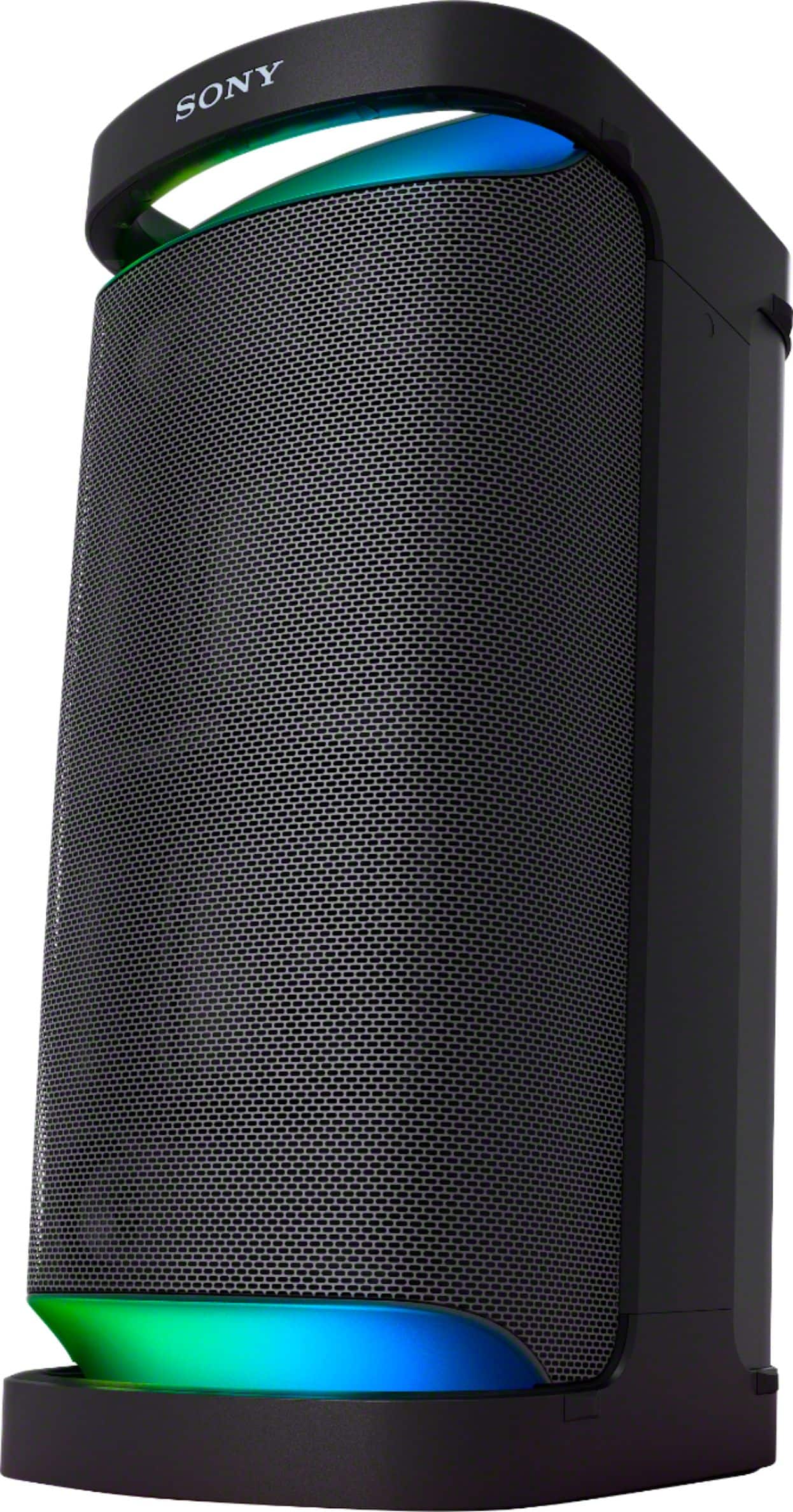
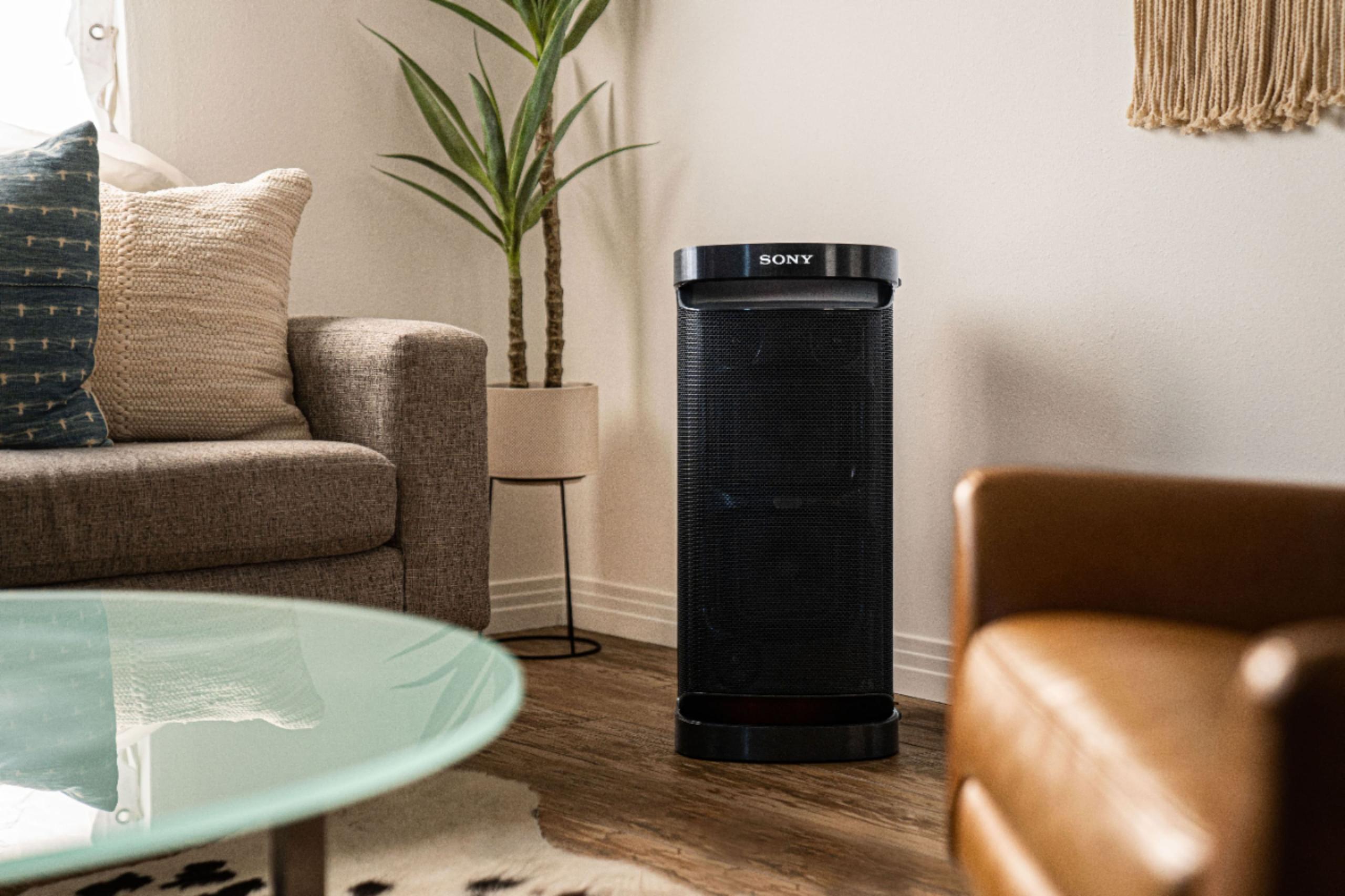
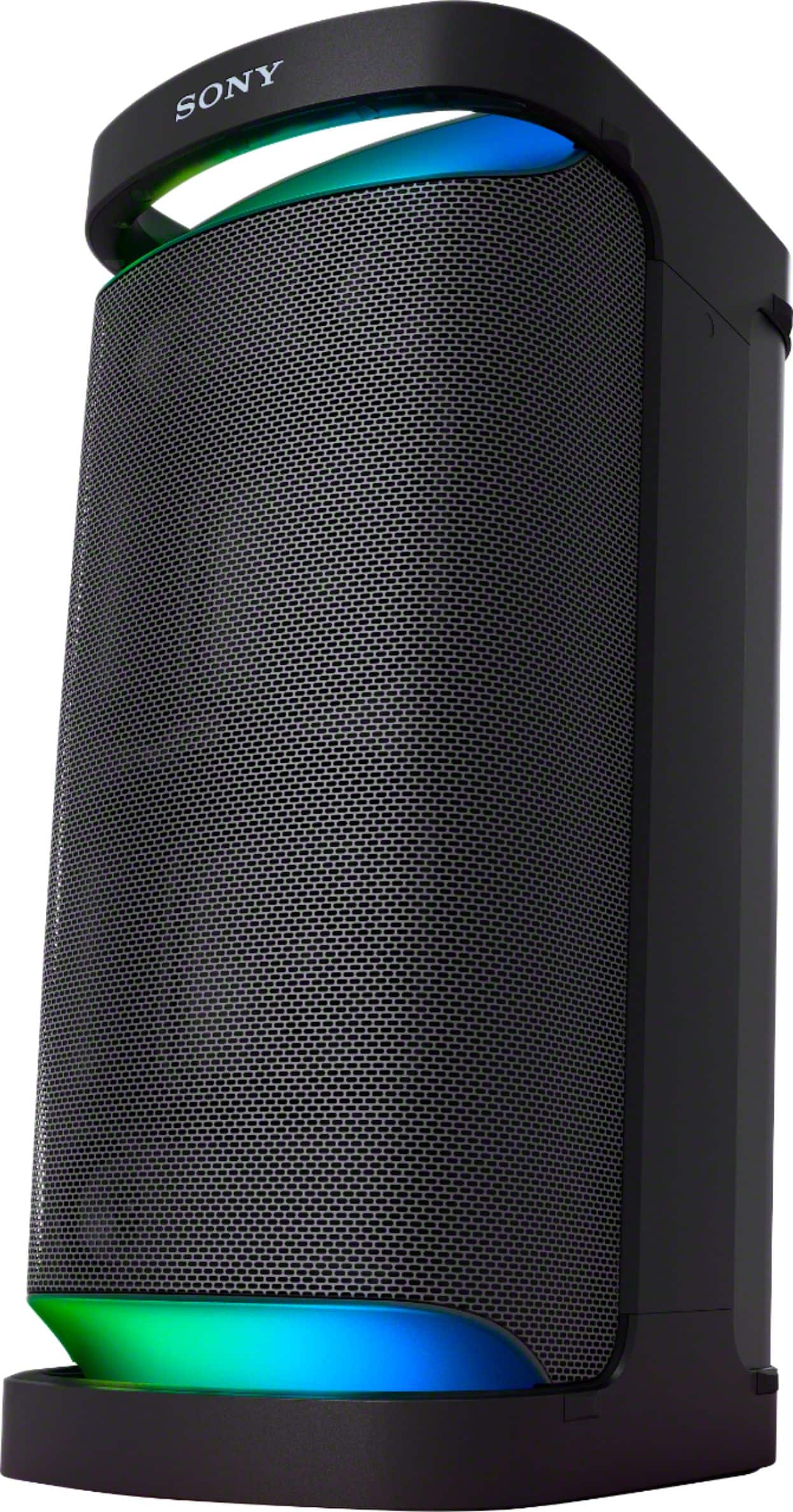
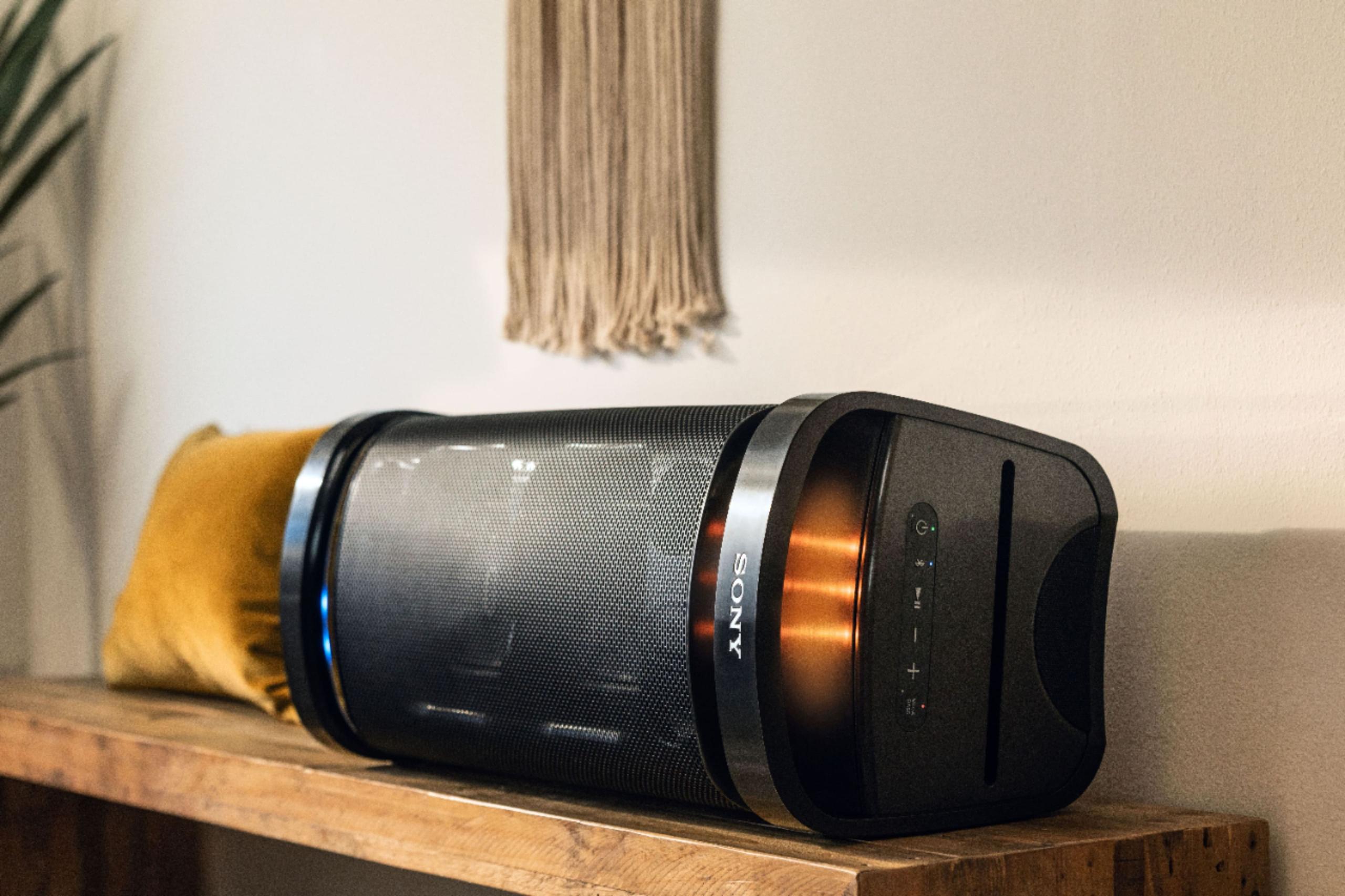
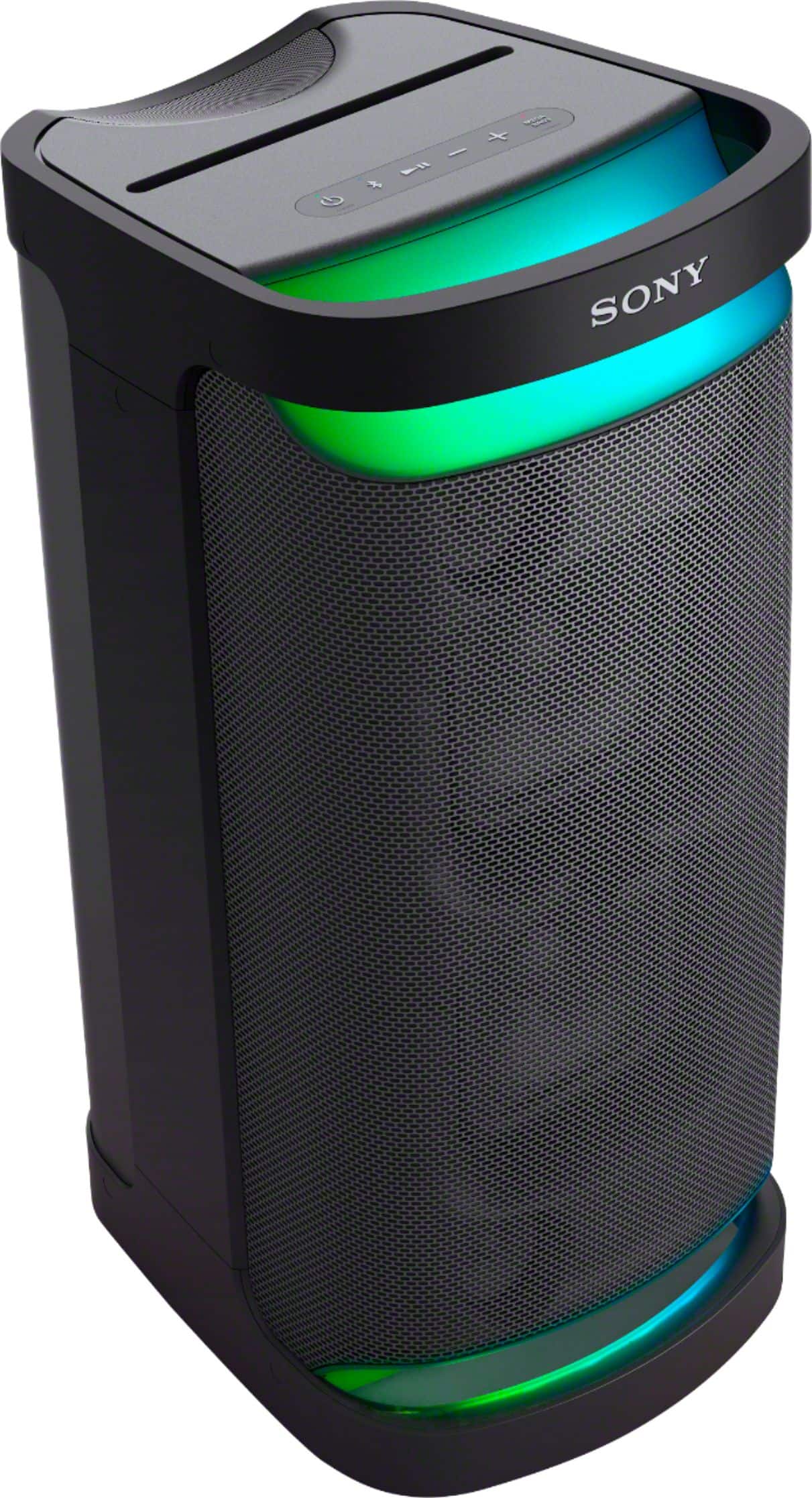
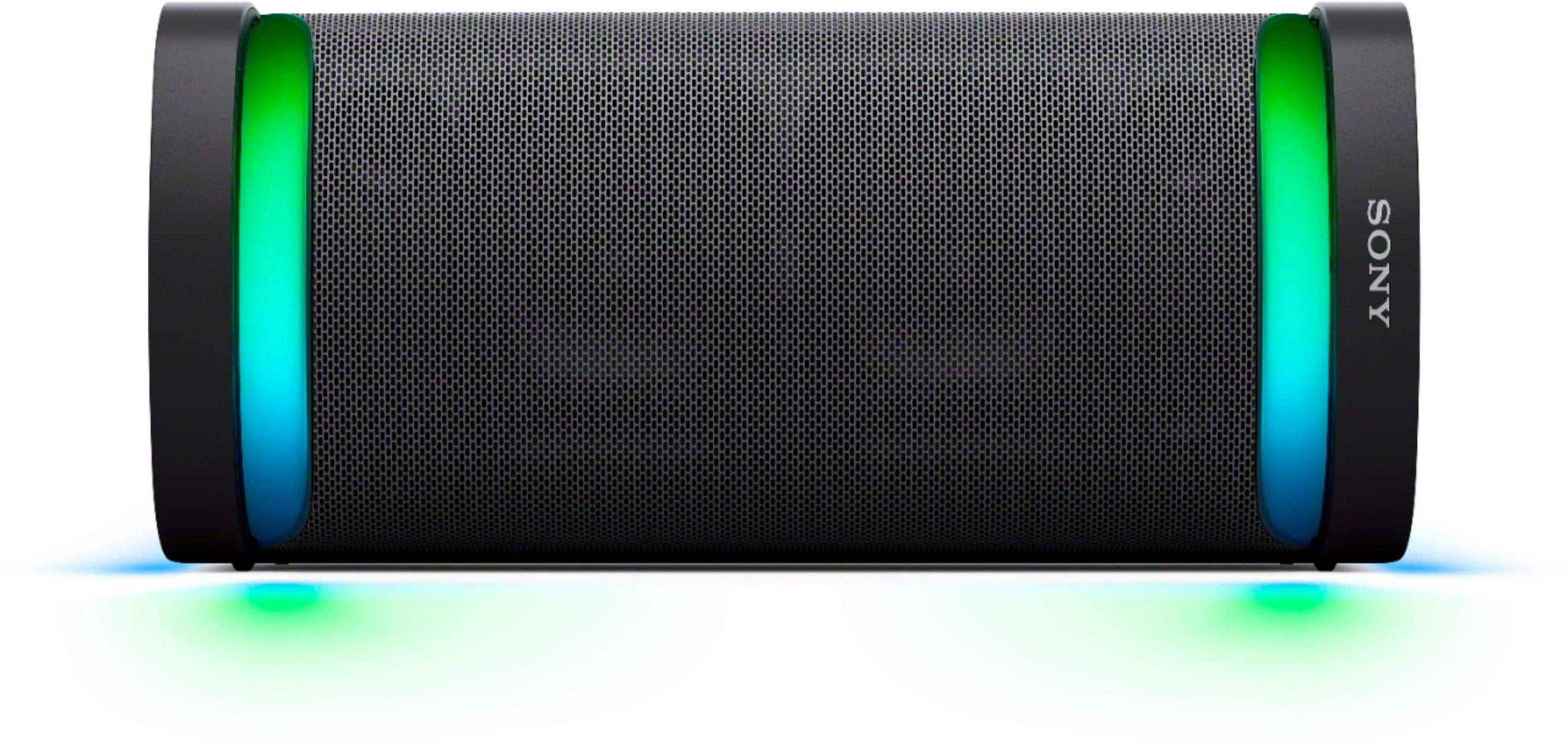
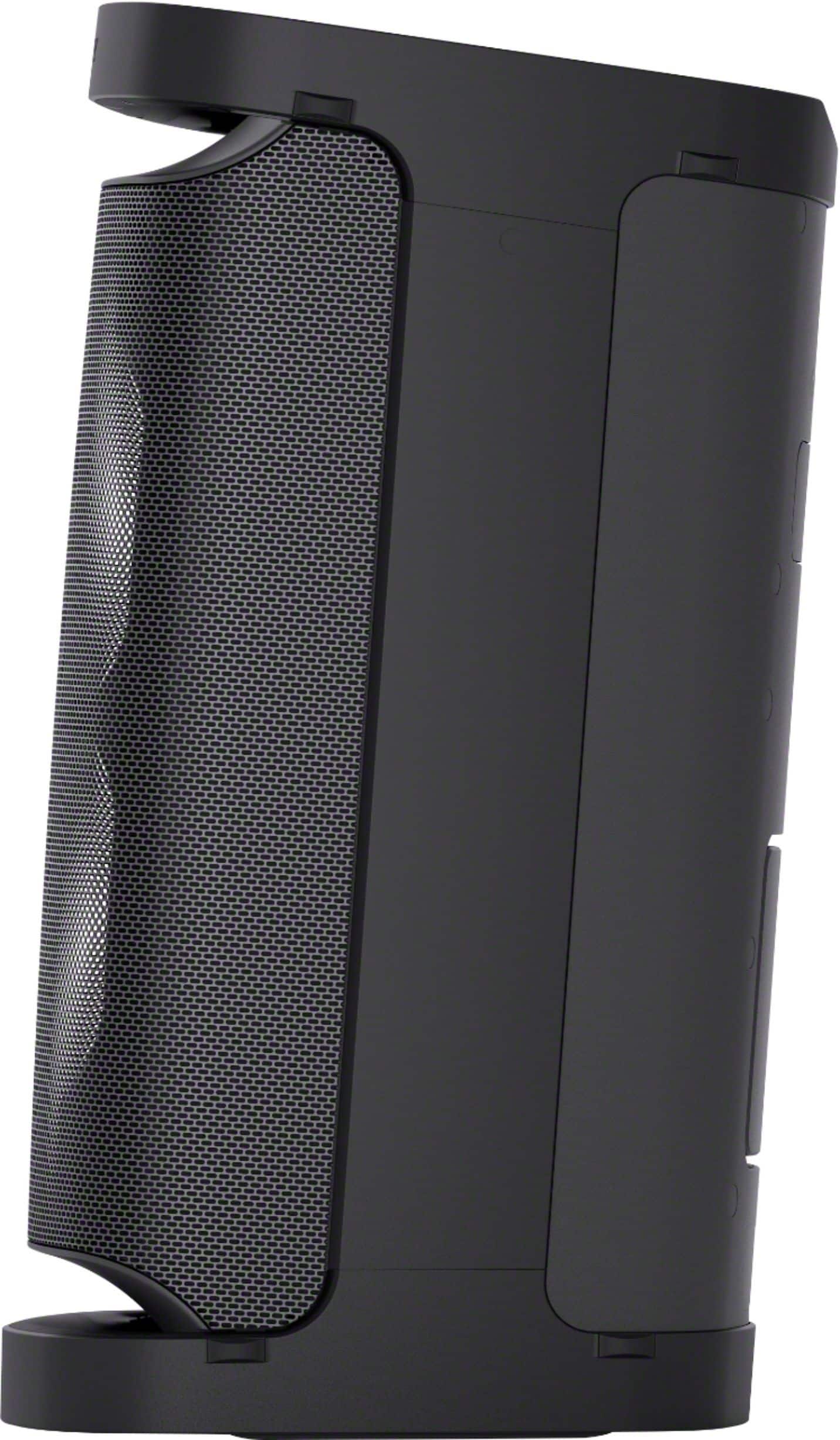
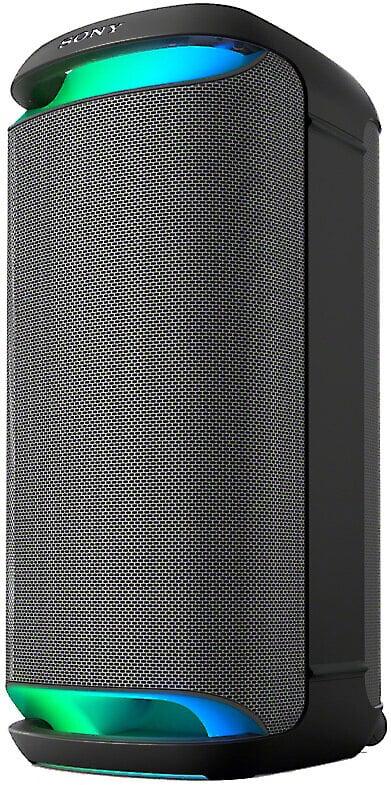
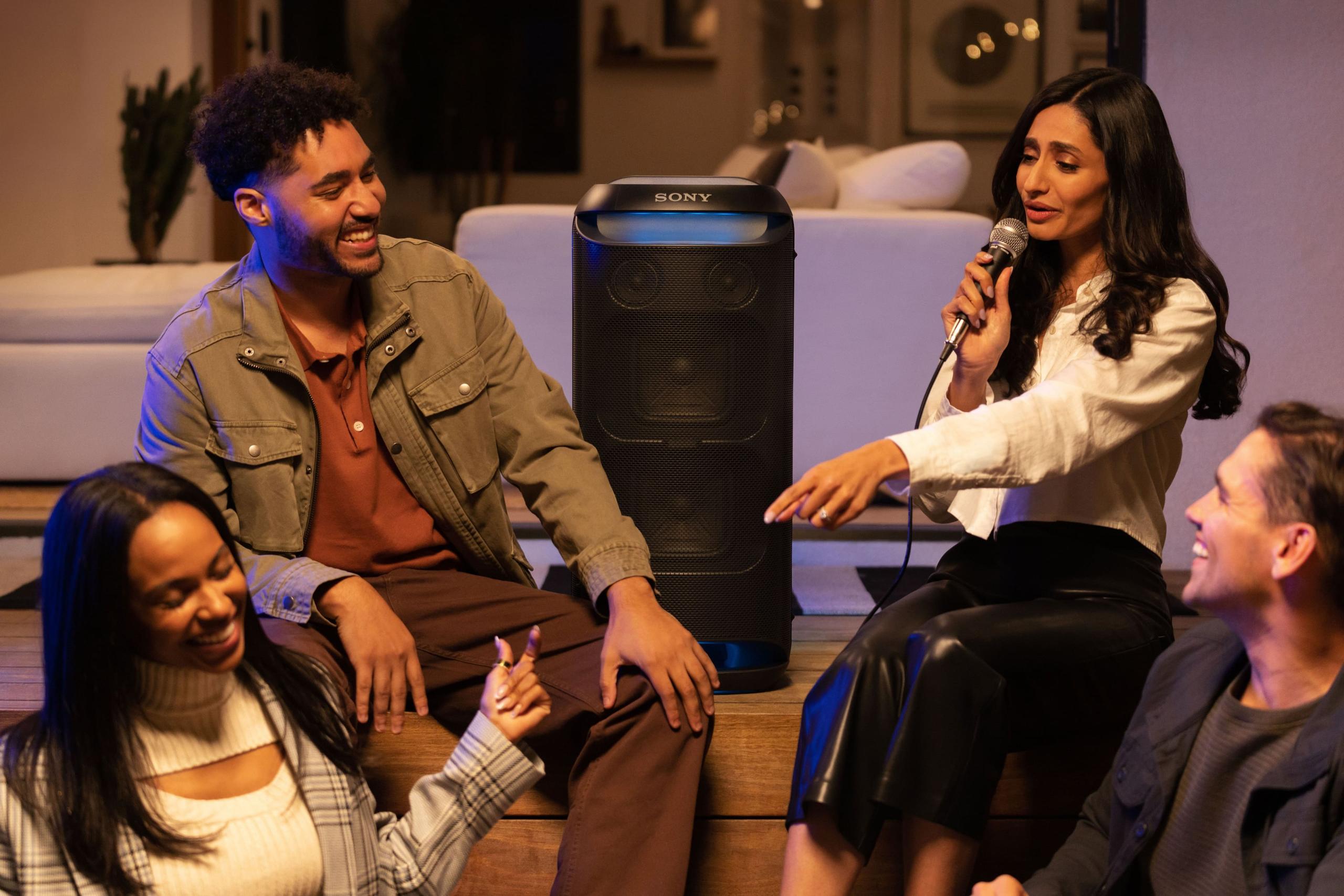
When it comes to throwing memorable parties, having the right speaker can make or break the experience. Sony has been a major player in the party speaker game, and two of their most popular models – the SRS-XP700 released in 2021 and the newer SRS-XV800 from 2023 – represent different approaches to the same goal: filling spaces with powerful, engaging sound.
Both speakers aim to solve the same problem: delivering loud, clear audio that can energize a crowd while remaining portable enough to move around. But as we'll explore, these two models take distinctly different paths to get there, and understanding those differences will help you choose the right one for your needs.
Party speakers occupy a unique space in the audio world. Unlike home stereo systems that prioritize accuracy and detail, or portable speakers that focus on convenience, party speakers are all about impact and presence. They need to project sound across large spaces, cut through conversation and ambient noise, and maintain clarity even when pushed to their limits.
The most critical performance factors for party speakers include maximum volume output, bass response and impact, sound dispersion (how evenly sound spreads in all directions), battery life for extended events, and durability for outdoor use. Secondary considerations include connectivity options, additional features like lighting effects, and portability versus performance trade-offs.
Both the SRS-XP700 and SRS-XV800 excel in these areas, but they achieve their goals through different engineering approaches and design philosophies.
When evaluating party speakers, raw volume capability is paramount. You need a speaker that can fill a backyard, compete with pool splashing, and keep the energy high even in large indoor spaces. Both Sony models deliver impressive maximum volume, though they achieve it differently.
The SRS-XP700 produces 60 watts RMS (Root Mean Square – a measurement of continuous power output), while the SRS-XV800 bumps this up to 70 watts RMS. In practical terms, both speakers can easily handle gatherings of 20-50 people, and in smaller spaces, they'll provide more than enough volume for much larger crowds.
What's interesting is that despite the power difference, both speakers achieve similar subjective loudness levels. The XV800's more balanced frequency response actually makes it sound slightly louder because vocals and mid-range frequencies are more prominent in the mix. This is where engineering philosophy becomes important – raw power numbers don't tell the whole story.
Here's where the generational difference between these speakers becomes most apparent. The SRS-XV800 represents a significant leap forward in overall sound refinement compared to its predecessor.
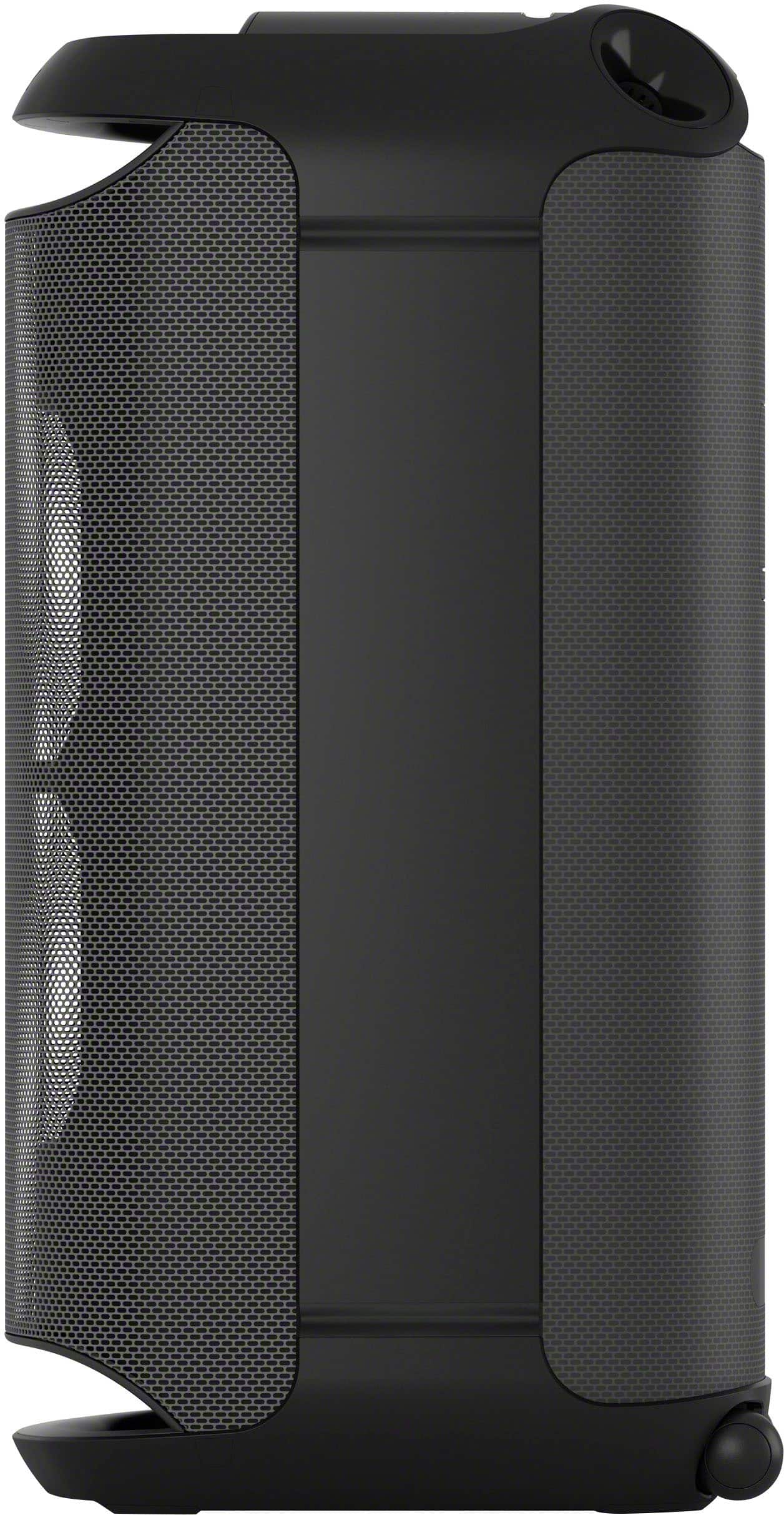
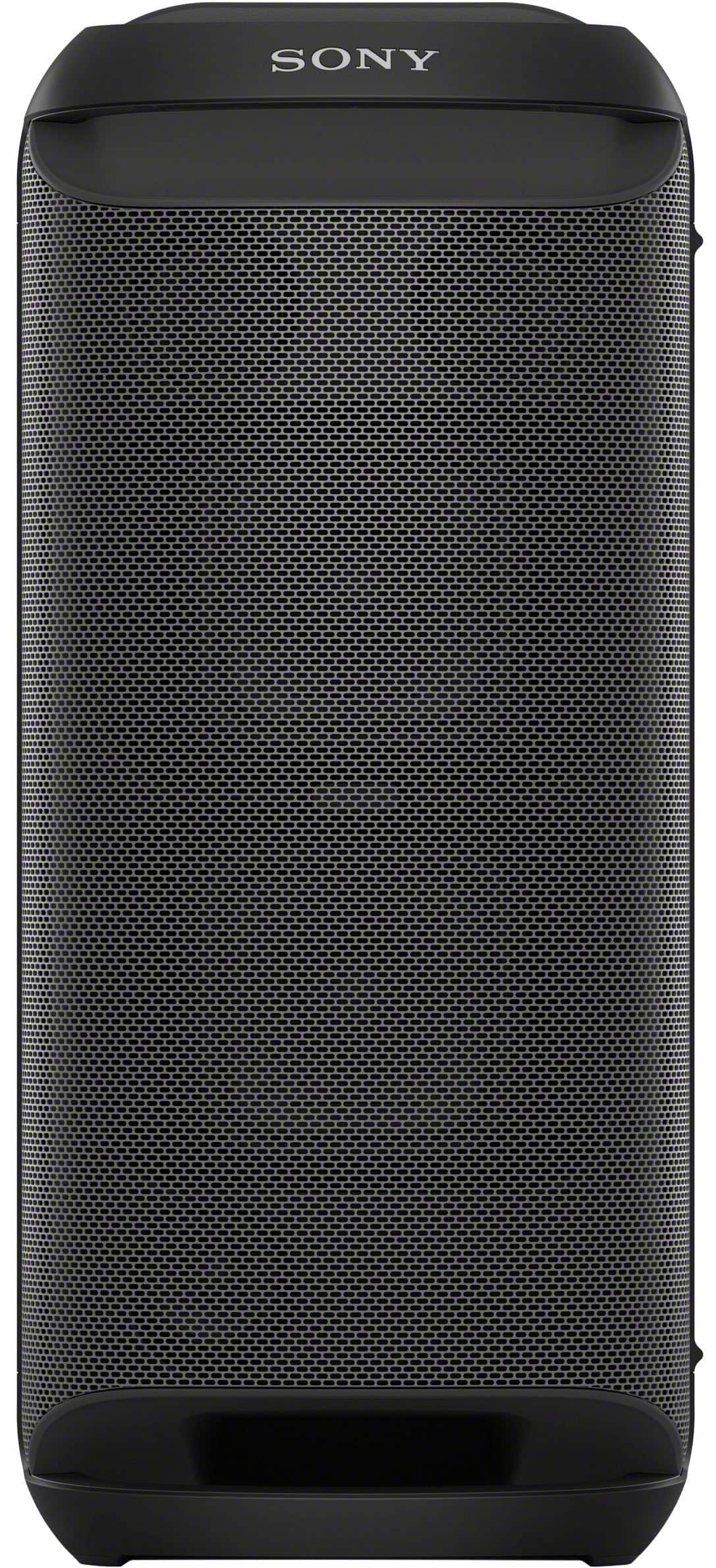
The XV800 employs five dome tweeters – high-frequency drivers responsible for crisp details and clarity – arranged strategically throughout the cabinet. Three face forward while two fire backward, creating what Sony calls "omnidirectional sound." This means the speaker projects audio in all directions, ensuring consistent sound quality whether you're standing in front of, beside, or behind the unit. The XP700 uses four tweeters in a similar but less sophisticated arrangement.
The difference is immediately noticeable in vocal clarity and mid-range presence. The XV800 delivers vocals that cut through the mix clearly, making it excellent for both music and speech applications. The XP700, while still capable, can sound somewhat closed-in because its bass response tends to overpower other frequencies.
Bass performance is where these speakers diverge most significantly, and your preference here might determine which speaker is right for you.
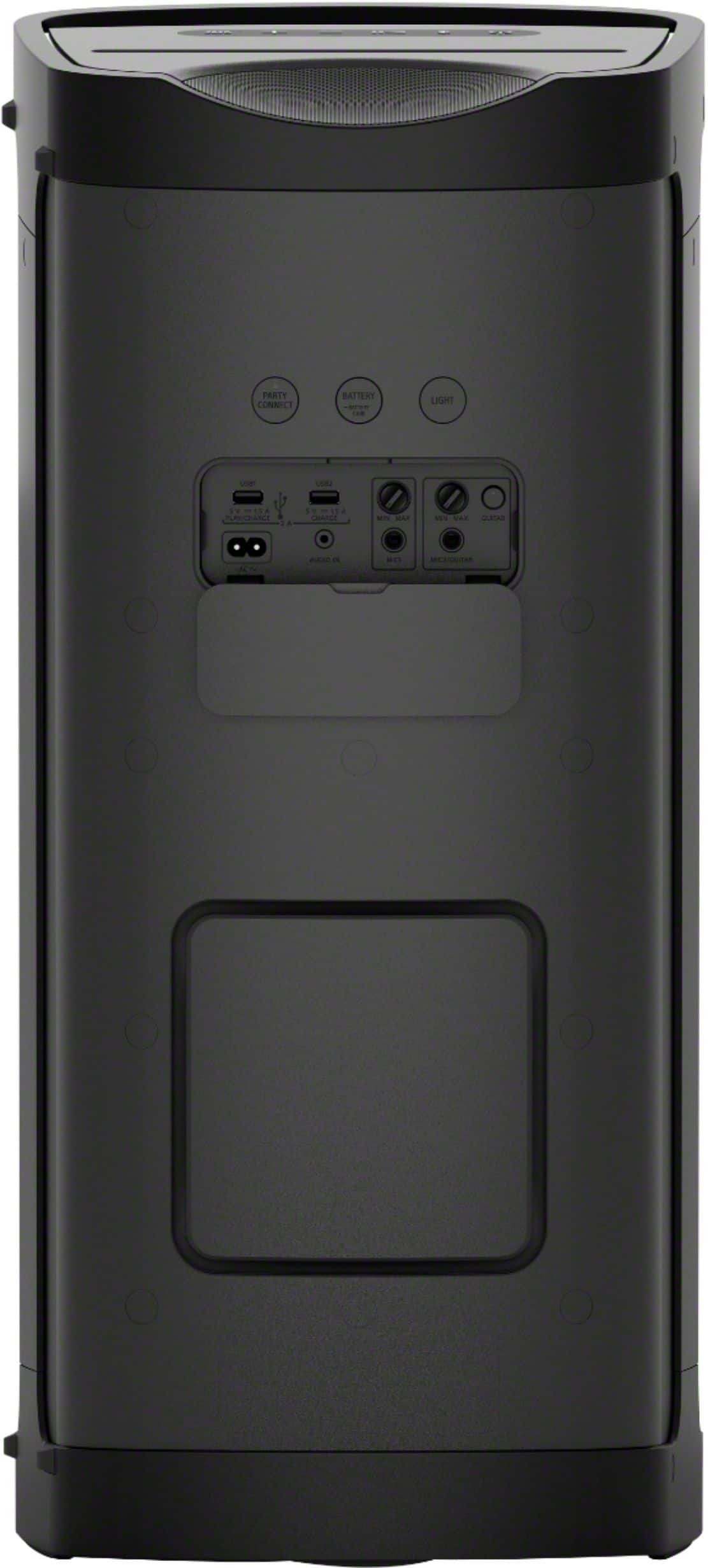
The SRS-XP700 features a rear-firing bass port (an opening that helps enhance low-frequency output) that produces what can only be described as visceral, chest-thumping bass. This design creates maximum physical impact – the kind of bass you feel as much as hear. When playing hip-hop, EDM, or any bass-heavy music, the XP700 delivers that wall-shaking presence that many party-goers crave.
The SRS-XV800 takes a different approach with its front-firing port design. The bass is still substantial and deep, but it's cleaner, smoother, and better integrated with the rest of the frequency spectrum. Rather than overwhelming the mix, the bass supports and enhances the overall sound signature.
Both speakers feature Sony's X-Balanced Speaker Units – woofers with rectangular rather than circular diaphragms. This unique design allows for a larger surface area within the same cabinet space, resulting in higher sound pressure and reduced distortion. The technology is particularly effective at maintaining bass clarity even at high volumes.
Which approach is better? That depends on your priorities. If you want maximum bass impact for dance music and party atmospheres, the XP700's more aggressive approach might appeal to you. If you prefer balanced, refined sound that works well across different music genres, the XV800's controlled bass response is superior.
Both speakers support Sony's LDAC codec, which can transmit up to three times more data than standard Bluetooth compression. This means better sound quality when streaming from compatible devices, particularly noticeable with high-quality music files or streaming services offering lossless audio.
However, neither speaker supports Qualcomm's aptX codec, which is commonly used by Android devices. This isn't a dealbreaker, but Android users might not get the absolute best wireless audio quality compared to iPhone users benefiting from AAC support.
Calling either of these speakers "portable" requires some perspective. The SRS-XP700 weighs 37.25 pounds, while the SRS-XV800 tips the scales at 40.8 pounds. These aren't speakers you'll casually carry in one hand.
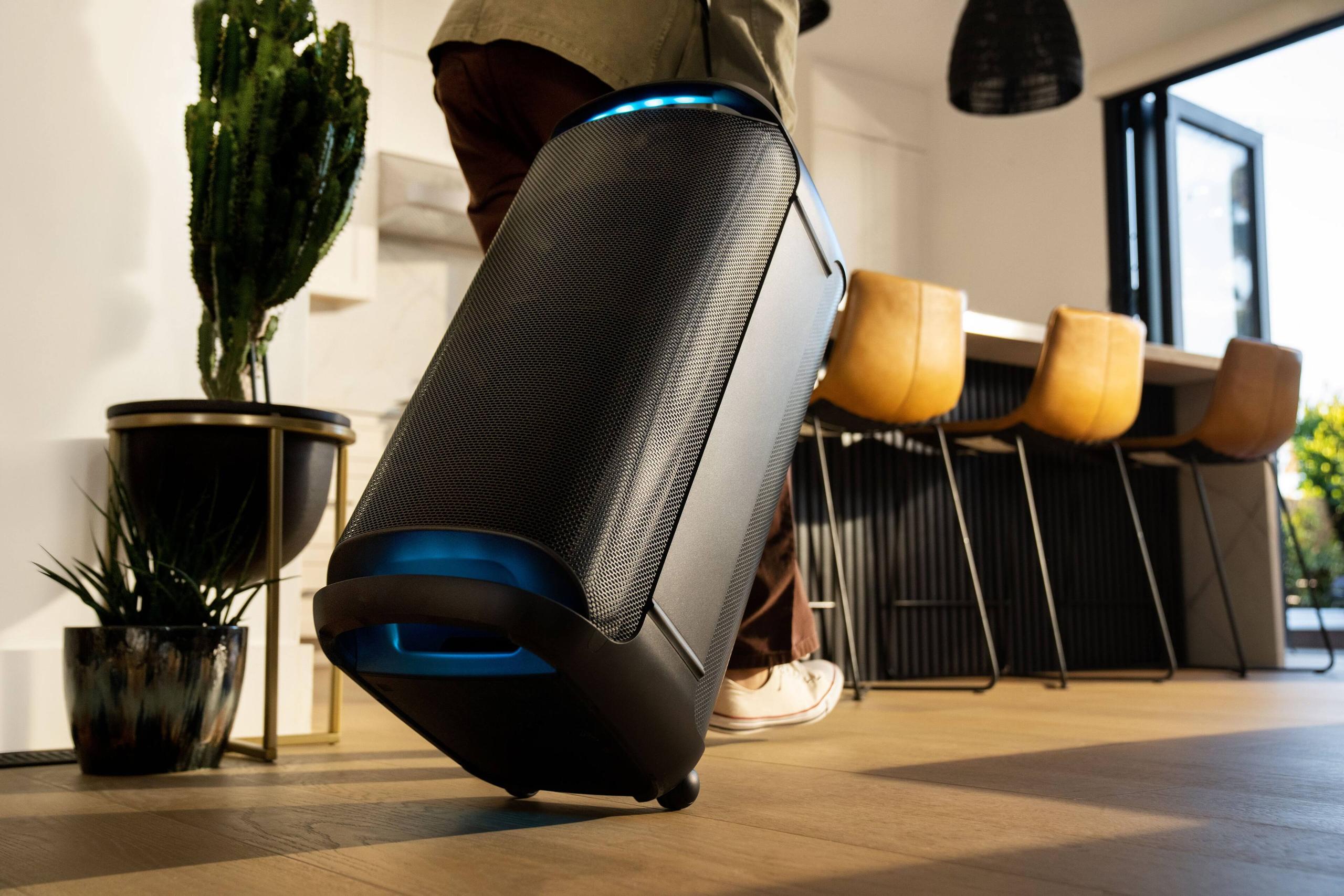
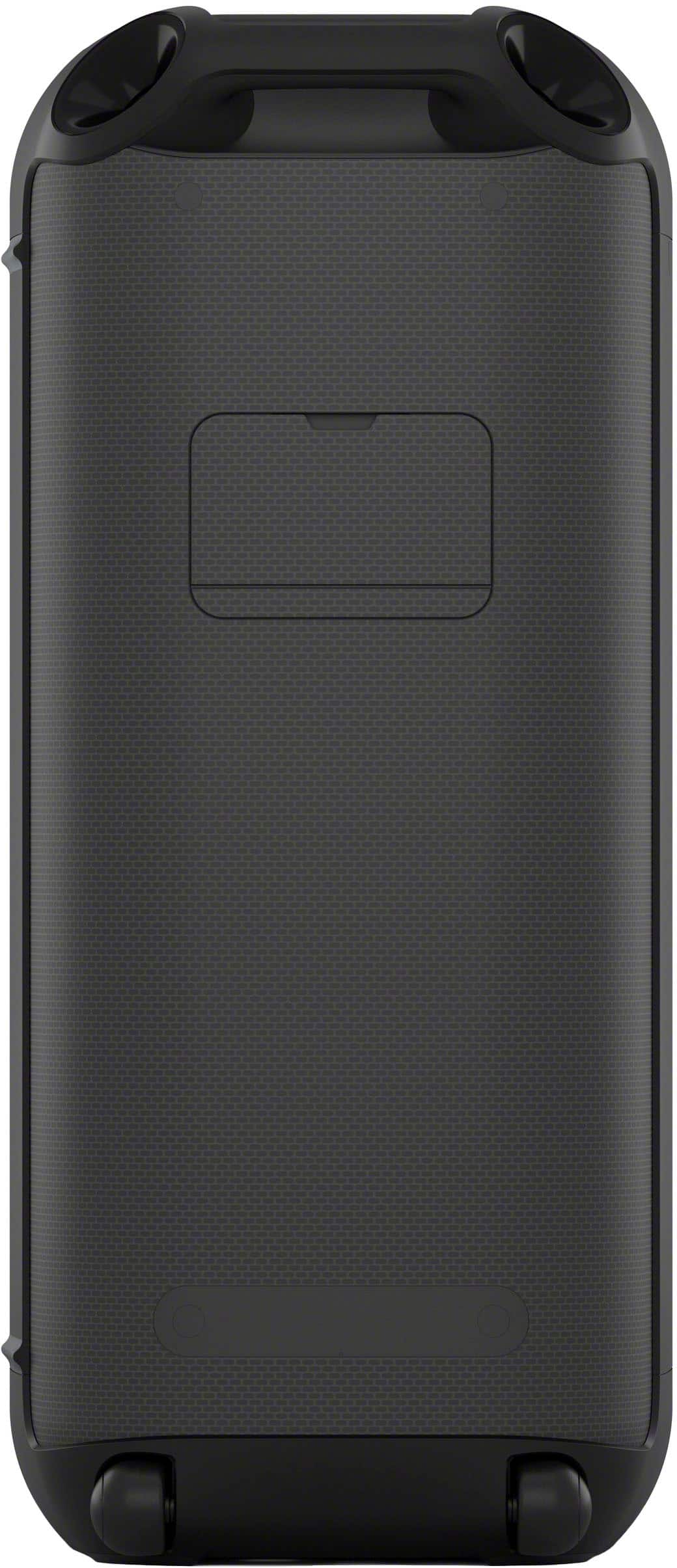
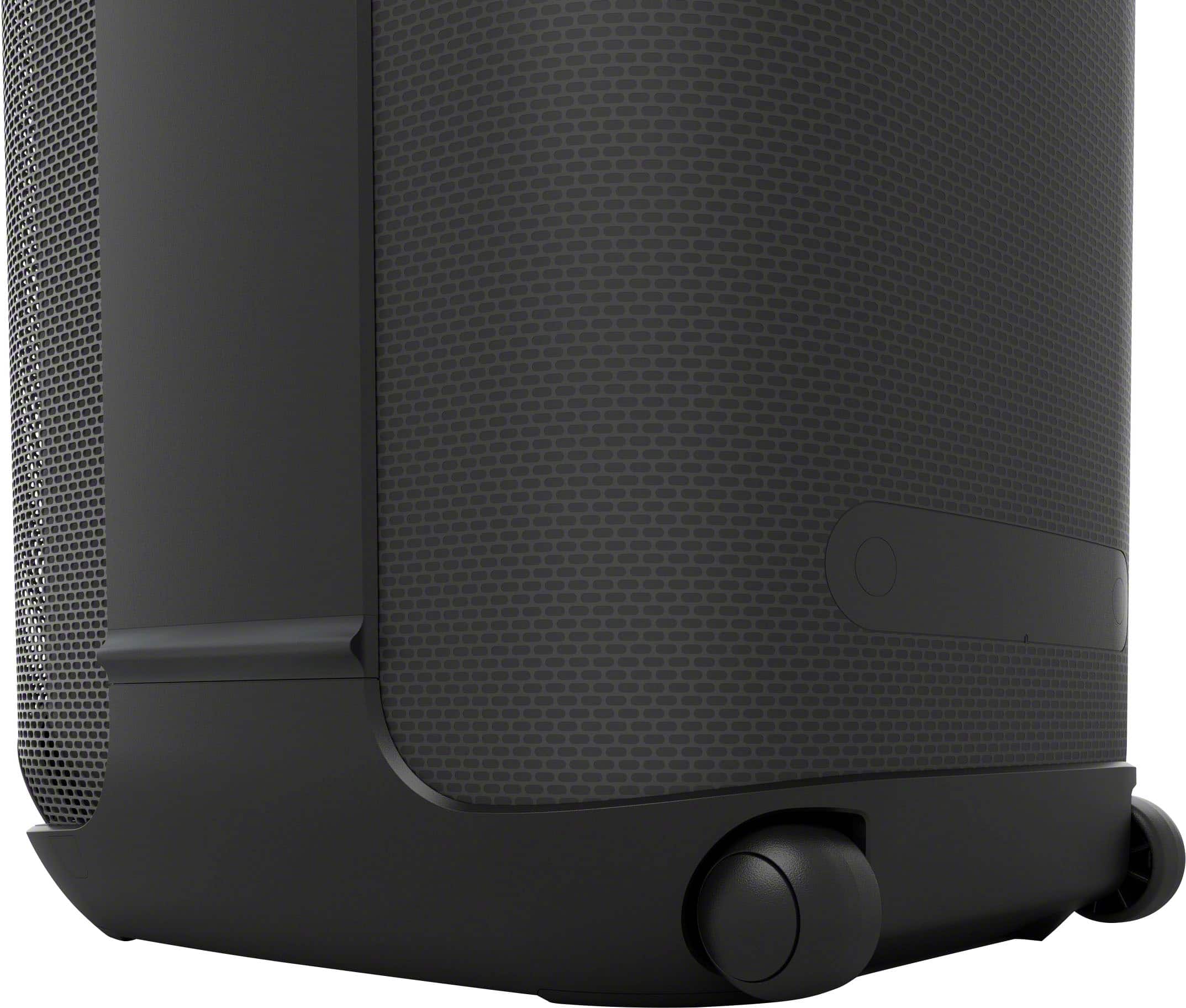
However, Sony has thought carefully about mobility. The XP700 features dual integrated carry handles that make two-person transport manageable. The XV800 includes similar handles plus built-in rear caster wheels – a significant improvement for moving the speaker across smooth surfaces like floors, patios, or sidewalks.
The wheels on the XV800 aren't premium quality, but they're functional enough to make transport much easier than lifting the entire weight. This might seem like a minor detail, but when you're setting up for a party or moving between indoor and outdoor spaces, that convenience factor becomes important.
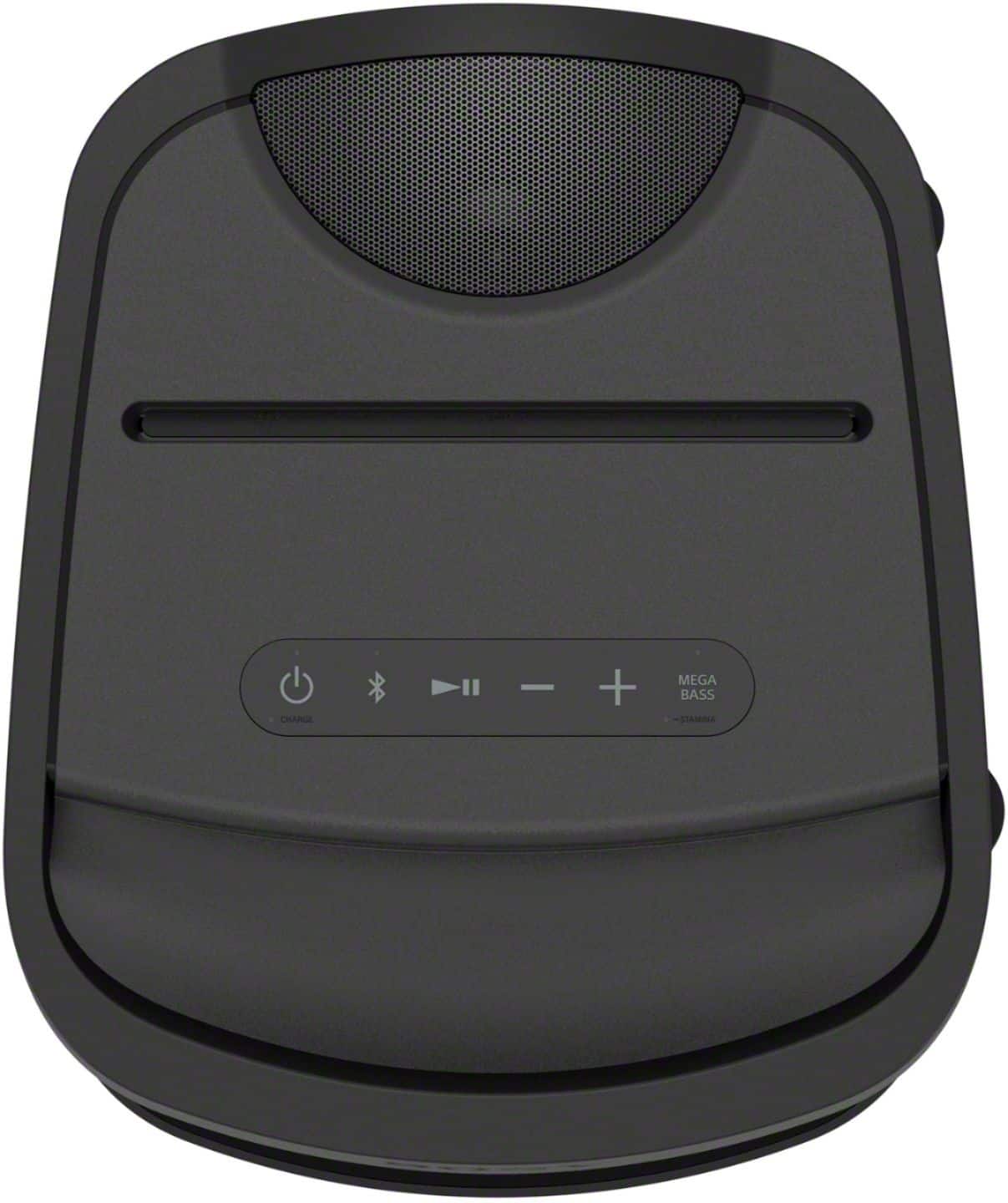
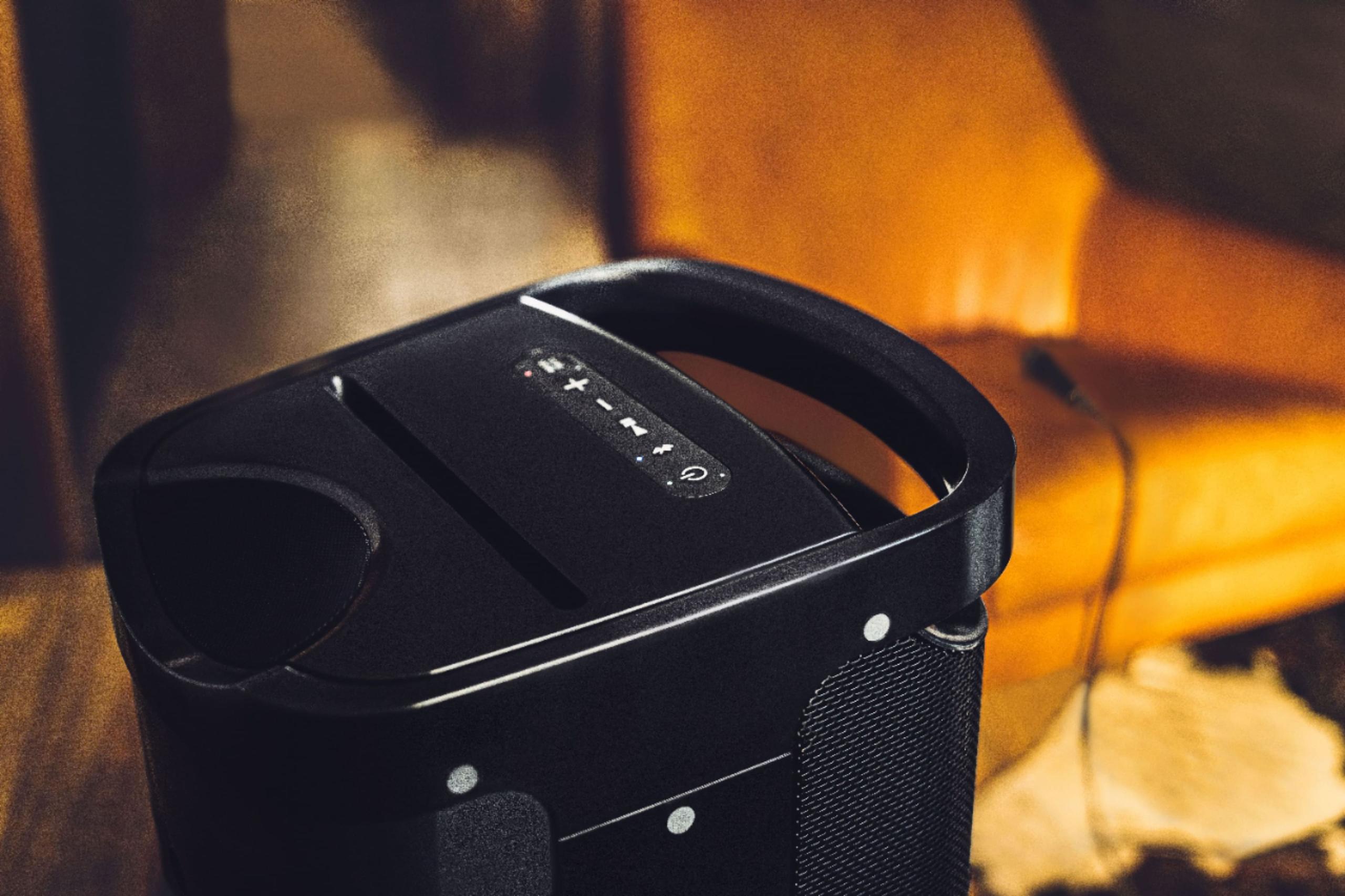
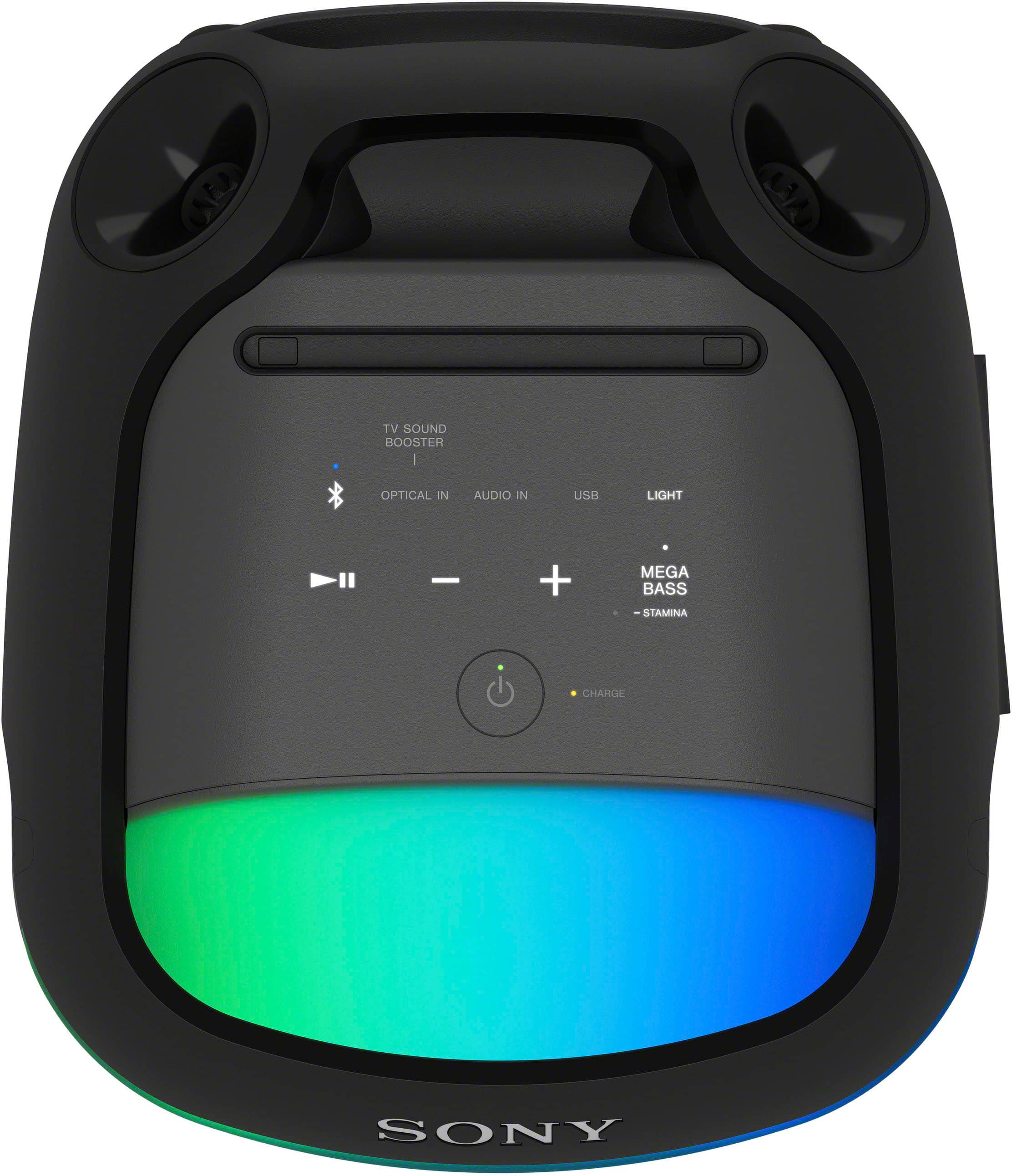
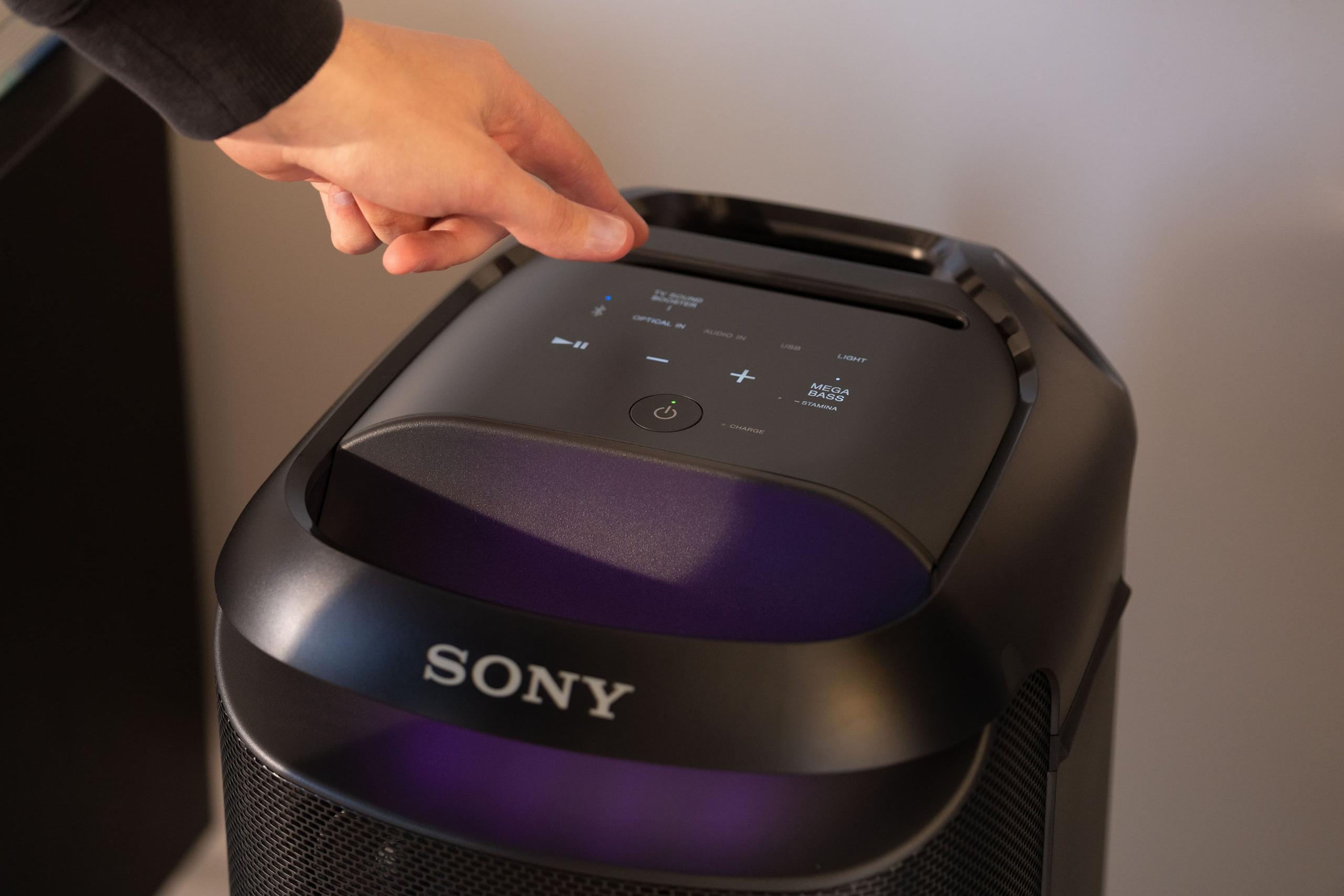
The XV800 showcases a major upgrade in user interface design. Its illuminated capacitive touch controls light up in customizable colors, making them easy to see and operate in dark party environments. The buttons are responsive and provide visual feedback, creating a more premium user experience.
The XP700 uses traditional physical buttons that, while reliable, can be difficult to locate and operate in low-light conditions. This might seem trivial, but when you're trying to adjust volume or skip tracks during a party, the improved visibility of the XV800's controls becomes genuinely useful.
Both speakers carry IPX4 water resistance ratings when positioned vertically, meaning they can handle splashes and light rain but shouldn't be submerged. This makes them suitable for poolside parties, outdoor barbecues, and other scenarios where moisture might be present.
Interestingly, the XV800's water resistance drops to IPX2 (protection against dripping water) when positioned horizontally, while the XP700 maintains consistent protection regardless of orientation. This reflects the different internal designs and ventilation requirements.
Battery life is crucial for party speakers, and both models claim up to 25 hours of playback. However, real-world performance tells a different story that potential buyers should understand.
Under typical party conditions – playing at 65% volume with bass boost enabled and lighting effects active – the SRS-XP700 delivers approximately 8 hours of continuous playback. The SRS-XV800 performs better under identical conditions, providing roughly 10 hours of runtime.
The XV800 also introduces quick charging capability that the XP700 lacks. Just 10 minutes of charging provides up to 3 hours of playback time. This feature can be a lifesaver for spontaneous gatherings or when you forget to charge the speaker beforehand.
Both speakers can operate while plugged in, and there's a noticeable performance boost when connected to AC power. Volume levels increase slightly, and bass impact becomes more pronounced, suggesting that the internal amplifiers perform better when not constrained by battery power limitations.
Both speakers support Sony's Party Connect feature, allowing up to 100 compatible Sony speakers to be linked together for synchronized playback. They can also be paired in stereo mode (two identical speakers creating left and right channels) for enhanced spatial audio.
Uniquely among major party speaker brands, both Sony models can connect to non-Sony Bluetooth speakers. This flexibility is significant because it means you're not locked into Sony's ecosystem – you can pair these speakers with existing equipment from other manufacturers.
The SRS-XV800 includes an optical digital input and TV Sound Booster feature that the XP700 completely lacks. This connectivity option transforms the speaker into a premium TV soundbar alternative, capable of enhancing movie audio, gaming sound effects, and television programming.
For home theater applications, this feature is genuinely transformative. The XV800's powerful drivers and bass response can dramatically improve the cinematic experience compared to built-in TV speakers. The TV Sound Booster mode specifically optimizes the audio processing for dialogue clarity and dynamic range, making it suitable for everything from action movies to quiet dramas.
This versatility means the XV800 can serve double duty – party speaker on weekends and TV audio enhancement throughout the week. For many users, this additional functionality justifies the investment in a higher-end model.
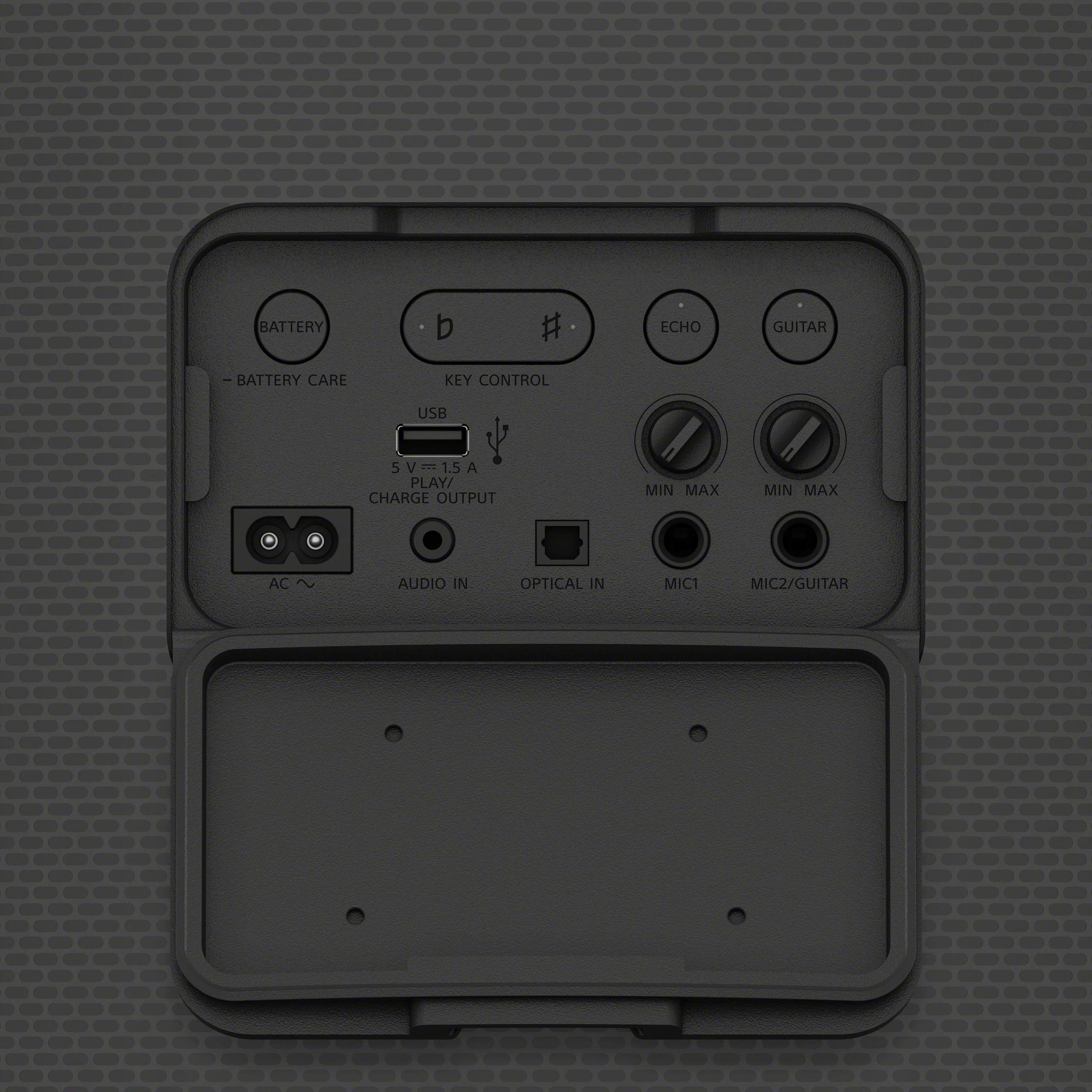
Both speakers include dedicated microphone and guitar inputs with independent volume controls, essentially functioning as portable PA systems. The quarter-inch inputs can accommodate professional microphones and electric guitars, making these speakers suitable for live performances, speeches, and karaoke events.
The XV800's clearer vocal reproduction gives it an edge for speech applications and karaoke, where vocal clarity is paramount. Both speakers include echo control for microphone inputs, adding that professional karaoke sound effect.
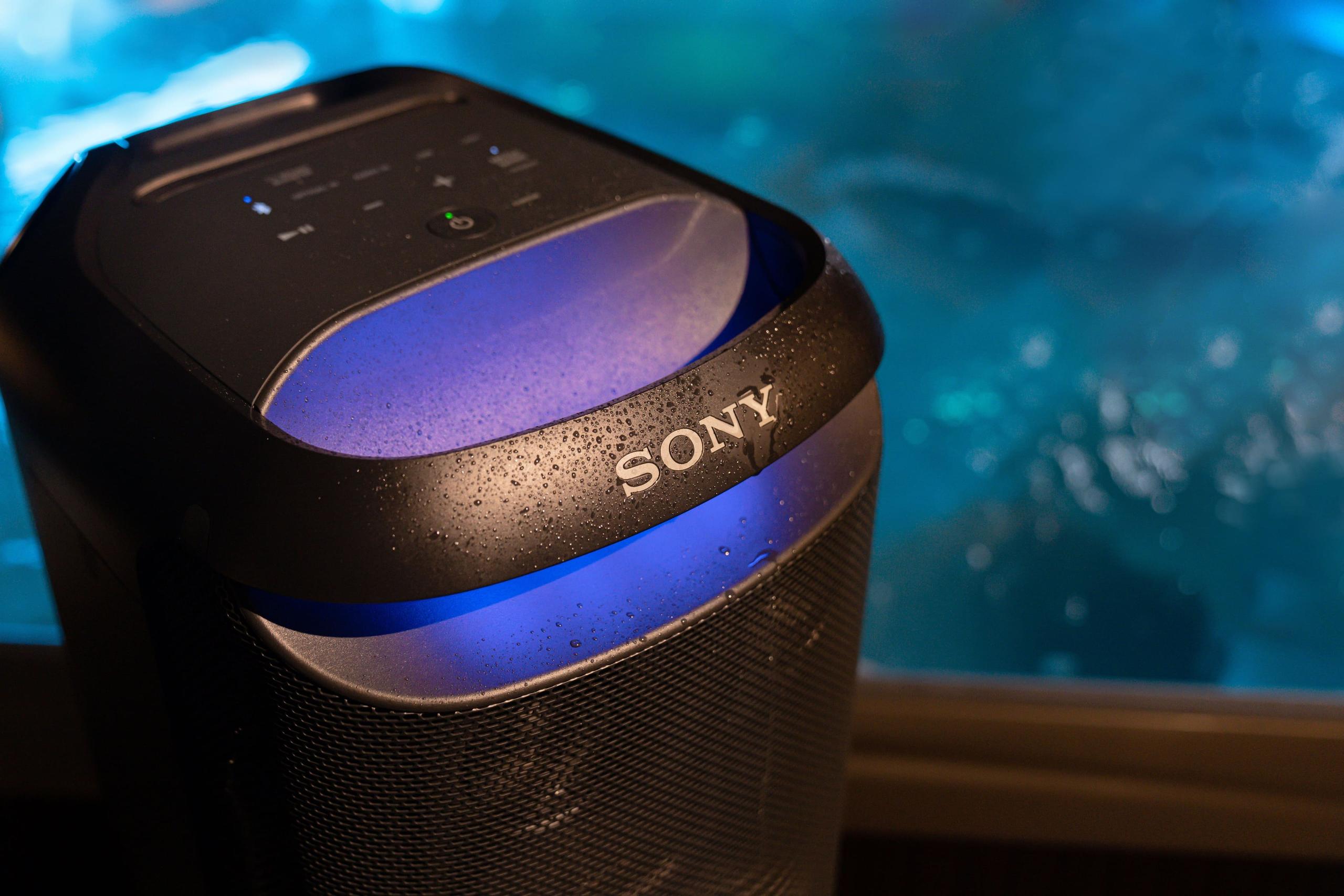
Sony's approach to party lighting is more subtle than some competitors. Both speakers feature programmable LED effects that can be customized through Sony's mobile apps, but they're designed for ambient enhancement rather than disco-style light shows.
The lighting systems sync with music rhythm and can be controlled in terms of color, pattern, and intensity. While not as flashy as some JBL PartyBox models, Sony's lighting creates a sophisticated party atmosphere without being overwhelming or distracting from the music.
At the time of writing, both speakers are priced competitively within the premium party speaker segment, though the XV800 typically commands a modest premium over the XP700. However, pricing in this category fluctuates significantly based on sales, availability, and market conditions.
The SRS-XP700 represents solid value for users prioritizing maximum bass impact and don't require TV connectivity features. If you can find it at a significant discount compared to the XV800, it remains a capable party speaker that will satisfy most users' needs.
The SRS-XV800 justifies its premium through meaningful improvements across multiple dimensions: better sound balance, improved usability, longer battery life, TV integration, and more refined overall engineering. For users seeking the best possible party speaker experience and additional versatility, the investment makes sense.
Choose the SRS-XP700 if:
Choose the SRS-XV800 if:
The SRS-XV800 represents Sony's evolution in party speaker design, offering meaningful improvements that benefit most users. While the SRS-XP700 remains a solid performer, particularly for bass enthusiasts, the XV800 is simply the better all-around package.
For most buyers, the XV800's combination of superior sound balance, improved practical features, and TV integration capabilities make it the smarter long-term investment. The additional versatility means you'll likely use it more often, getting better value from your purchase over time.
However, if you specifically prefer the XP700's more aggressive bass character or find it at a compelling discount, it's still a capable party speaker that will energize any gathering. The key is understanding what you prioritize most in your party speaker experience and choosing accordingly.
| Sony SRS-XP700 | Sony SRS-XV800 |
|---|---|
| Power Output - Higher wattage means louder maximum volume and better performance at high levels | |
| 60W RMS | 70W RMS |
| Speaker Configuration - More drivers and better placement create fuller, more immersive sound | |
| 4 tweeters (3 front, 1 rear) + 2 X-Balanced woofers + passive radiator | 5 tweeters (3 front, 2 rear) + 2 X-Balanced woofers + passive radiator |
| Bass Port Design - Affects how bass sounds and feels in your space | |
| Rear-firing (more visceral, wall-shaking bass impact) | Front-firing (cleaner, more controlled bass integration) |
| Sound Quality Balance - Critical for music enjoyment across different genres | |
| Bass-heavy signature, vocals can sound closed-in | More balanced with clearer mid-range and vocal presence |
| Battery Life (Real World) - How long it actually lasts during parties with bass boost and lighting | |
| ~8 hours at 65% volume with features enabled | ~10 hours at 65% volume with features enabled |
| Quick Charging - Game-changer for spontaneous events or forgotten charging | |
| Not available | 10 minutes = 3 hours playback |
| Portability - How easy it is to move around for setup | |
| 37.25 lbs, dual carry handles only | 40.8 lbs, carry handles + built-in rear wheels |
| Controls - Usability in dark party environments | |
| Standard physical buttons (hard to see in low light) | Illuminated capacitive touch controls with customizable colors |
| TV Connectivity - Doubles as a premium soundbar for home entertainment | |
| None (party use only) | Optical input + TV Sound Booster mode |
| Water Resistance - Protection level for outdoor/poolside use | |
| IPX4 (consistent regardless of position) | IPX4 vertical, IPX2 horizontal |
| Karaoke/Live Performance - Sound quality for vocals and speech | |
| Mic/guitar inputs, decent vocal clarity | Mic/guitar inputs, superior vocal clarity and presence |
| Release Year & Technology Generation | |
| 2021 (previous generation) | 2023 (latest technology and refinements) |
| Best For - Primary use cases where each speaker excels | |
| Maximum bass impact, aggressive party sound, budget-conscious buyers | Balanced sound quality, TV use, longer events, premium features |
Both the Sony SRS-XP700 and Sony SRS-XV800 deliver similar maximum volume levels suitable for medium to large gatherings. The XV800 has slightly more power at 70W RMS versus the XP700's 60W RMS, but in real-world use, both speakers achieve comparable loudness. The XV800 may sound slightly louder due to its more balanced frequency response that makes vocals and mid-range frequencies more prominent.
The Sony SRS-XV800 offers significantly better sound quality with a more balanced audio signature, clearer vocals, and better mid-range presence. The XP700 has a bass-heavy sound that can make vocals sound closed-in. The XV800 uses five tweeters compared to the XP700's four tweeters, creating better omnidirectional sound dispersion and overall clarity.
The Sony SRS-XP700 delivers more visceral, chest-thumping bass with greater physical impact due to its rear-firing bass port design. The Sony SRS-XV800 produces cleaner, more controlled bass that's better integrated with the overall sound. If you want maximum bass impact for dance music, choose the XP700. For balanced, refined bass, the XV800 is superior.
Both speakers advertise 25 hours of battery life, but real-world performance differs. The Sony SRS-XP700 provides approximately 8 hours of playback at 65% volume with bass boost and lighting enabled. The Sony SRS-XV800 delivers around 10 hours under the same conditions, making it better for longer events and all-day parties.
Only the Sony SRS-XV800 can function as a TV soundbar, featuring an optical digital input and TV Sound Booster mode that the XP700 lacks. This makes the XV800 a versatile choice for both party use and daily home theater enhancement, dramatically improving TV audio compared to built-in speakers.
Both speakers are heavy - the Sony SRS-XP700 weighs 37.25 pounds while the Sony SRS-XV800 weighs 40.8 pounds. However, the XV800 is more practical to move thanks to its built-in rear caster wheels in addition to carry handles, while the XP700 only has carry handles and requires lifting for all movement.
Yes, both the Sony SRS-XP700 and Sony SRS-XV800 support Sony's LDAC codec, which transmits up to three times more data than standard Bluetooth for better wireless audio quality. Both also support SBC and AAC codecs, though neither supports Qualcomm's aptX codec commonly used by Android devices.
Both the Sony SRS-XP700 and Sony SRS-XV800 support Sony's Party Connect feature, allowing you to link up to 100 compatible Sony speakers for synchronized playback. You can also pair two identical speakers in stereo mode. Uniquely, both models can connect to non-Sony Bluetooth speakers, unlike some competing brands that lock you into their ecosystem.
The Sony SRS-XV800 features a major upgrade with illuminated capacitive touch controls that light up in customizable colors, making them easy to see and operate in dark party environments. The Sony SRS-XP700 uses traditional physical buttons that can be difficult to locate in low-light conditions, making the XV800 much more user-friendly during actual parties.
Both speakers offer water resistance but aren't fully waterproof. The Sony SRS-XP700 maintains IPX4 rating (splash-resistant) regardless of position, while the Sony SRS-XV800 provides IPX4 when vertical and IPX2 when horizontal. Both can handle poolside splashes and light rain but shouldn't be submerged in water.
The Sony SRS-XV800 generally offers better overall value despite typically costing more, providing superior sound quality, longer battery life, TV connectivity, improved usability features, and the latest technology. The Sony SRS-XP700 can offer good value if found at a significant discount and you specifically prefer its more aggressive bass response over the XV800's balanced sound.
For home theater applications, the Sony SRS-XV800 is the clear choice due to its optical input and TV Sound Booster mode, allowing it to function as a premium soundbar. The Sony SRS-XP700 lacks TV connectivity entirely. The XV800's clearer vocal reproduction and balanced sound signature also make it superior for movie dialogue and varied content compared to the bass-heavy XP700.
We've done our best to create useful and informative comparisons to help you decide what product to buy. Our research uses advanced automated methods to create this comparison and perfection is not possible - please contact us for corrections or questions. These are the sites we've researched in the creation of this article: bestbuy.com - rtings.com - crutchfield.com - versus.com - rtings.com - rtings.com - youtube.com - versus.com - electronics.sony.com - youtube.com - youtube.com - youtube.com - youtube.com - crutchfield.com - armorsound.com - sony-asia.com - helpguide.sony.net - helpguide.sony.net - videoandaudiocenter.com - sony.com - sony.com - sony-asia.com - sony.com - sony.com - bestbuy.com - device.report - bestbuy.com - soundandvision.com - crutchfield.com - sciencefocus.com - sony.com - bestbuy.com - bestbuy.com - stereoguide.com - sony-mea.com - soundguys.com - electronics.sony.com - youtube.com - sony.com - youtube.com - device.report - youtube.com - youtube.com - adorama.com - sonylatvija.com - sony.com

Privacy Policy
Terms and Conditions - Affiliate Policy
Home Security
© Copyright 2008-2026.
11816 Inwood Rd #1211, Dallas, TX 75244