


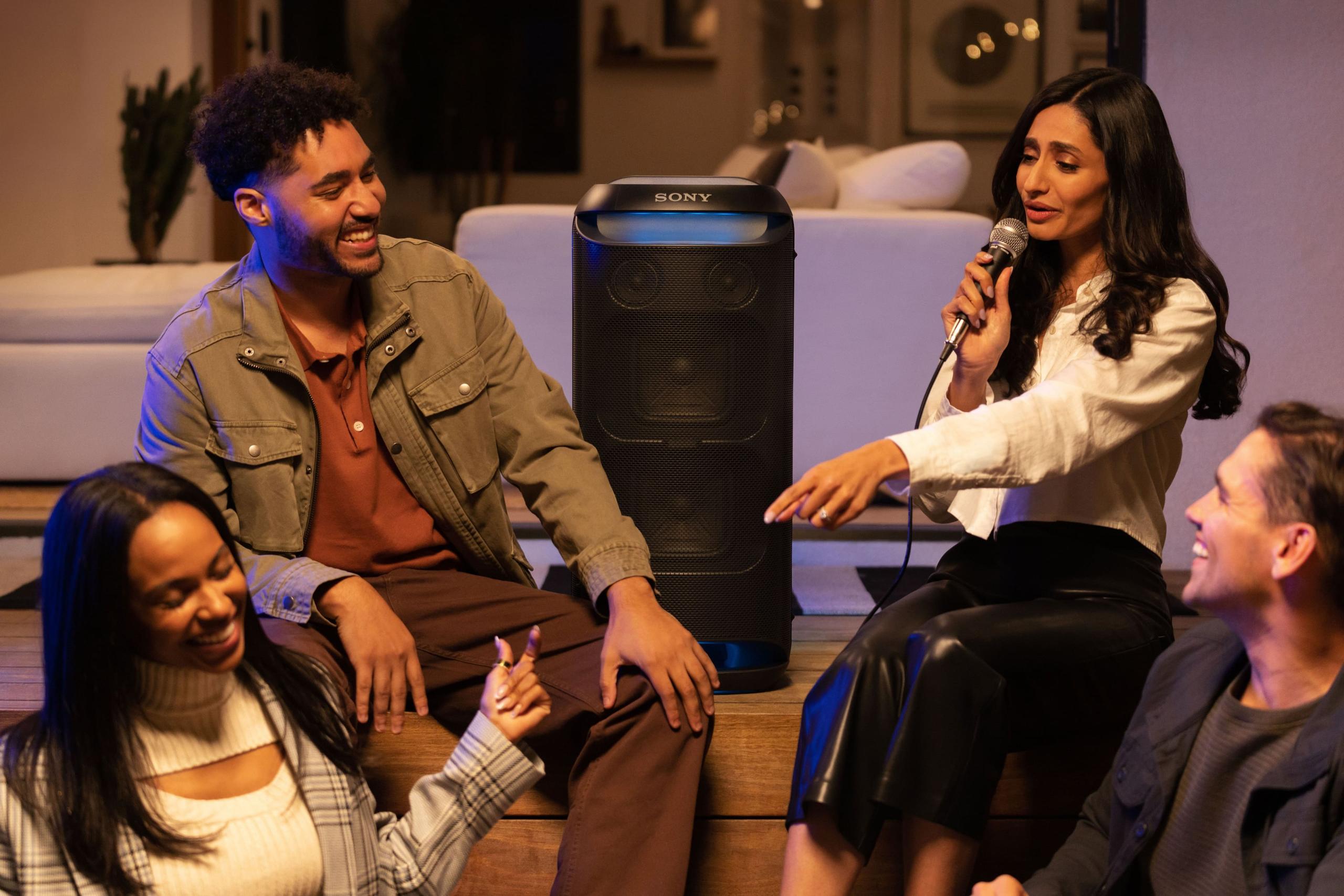
When you're planning your next backyard barbecue, beach trip, or dorm room hangout, the right speaker can make or break the vibe. Party speakers have evolved far beyond simple Bluetooth connectivity—today's models pack serious power, impressive battery life, and features that transform any gathering into an event. But with so many options available, choosing between two standouts like the JBL PartyBox Encore Essential and Sony SRS-XV800 requires understanding what really matters for your specific needs.
Party speakers occupy a unique space in the audio world. Unlike bookshelf speakers designed for critical listening or portable speakers meant for personal use, party speakers prioritize three key elements: volume, bass, and endurance. They need to fill large spaces with sound, keep the energy high with deep low-end response, and survive hours of continuous use—often outdoors where power outlets aren't available.
The most important performance metrics include maximum volume output (measured in decibels), frequency response (how well they reproduce different musical notes), battery life, and durability features like water resistance. Bass response deserves special attention since party music—whether it's hip-hop, EDM, or pop—relies heavily on that chest-thumping low end to get people moving.
Modern party speakers also incorporate entertainment features like synchronized light shows, microphone inputs for karaoke, and app-based controls that let you customize sound and effects. These aren't just nice-to-have additions; they're becoming essential features that separate true party speakers from oversized Bluetooth speakers.
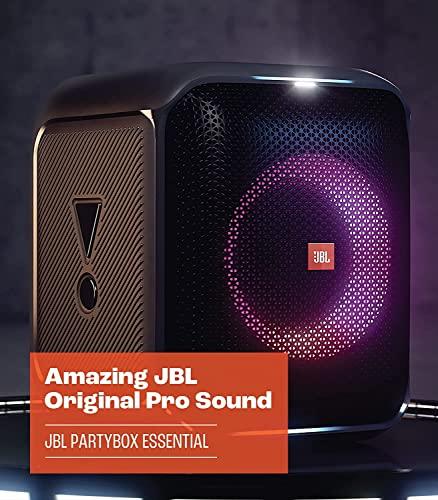
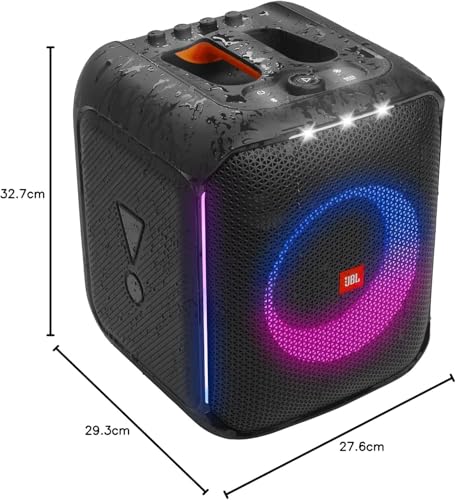
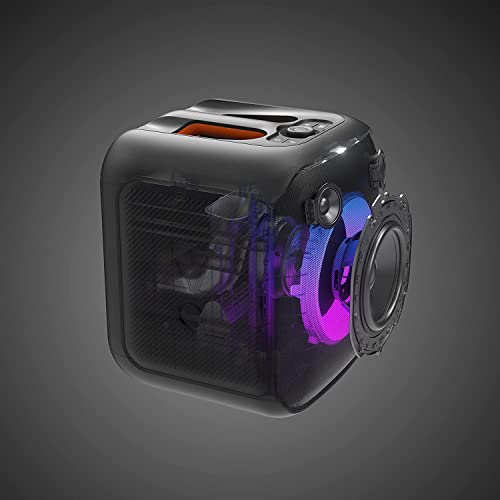
The JBL PartyBox Encore Essential, released in recent years as part of JBL's popular PartyBox lineup, represents the company's approach to portable party audio. At roughly 13 pounds with a built-in handle, it prioritizes true portability while delivering 100 watts of power through a mono speaker configuration. JBL has refined this formula over several generations, incorporating lessons learned from their larger PartyBox models.
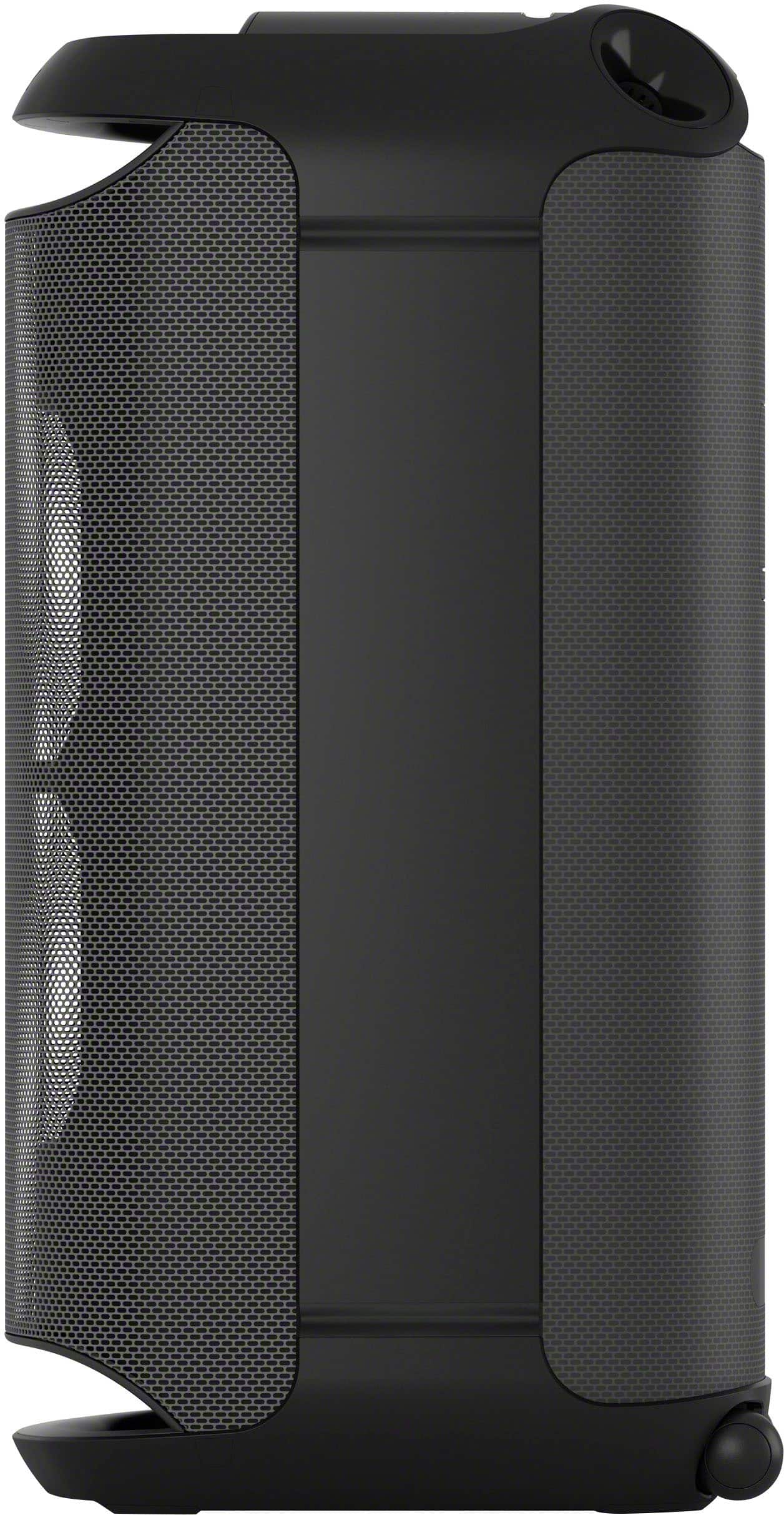
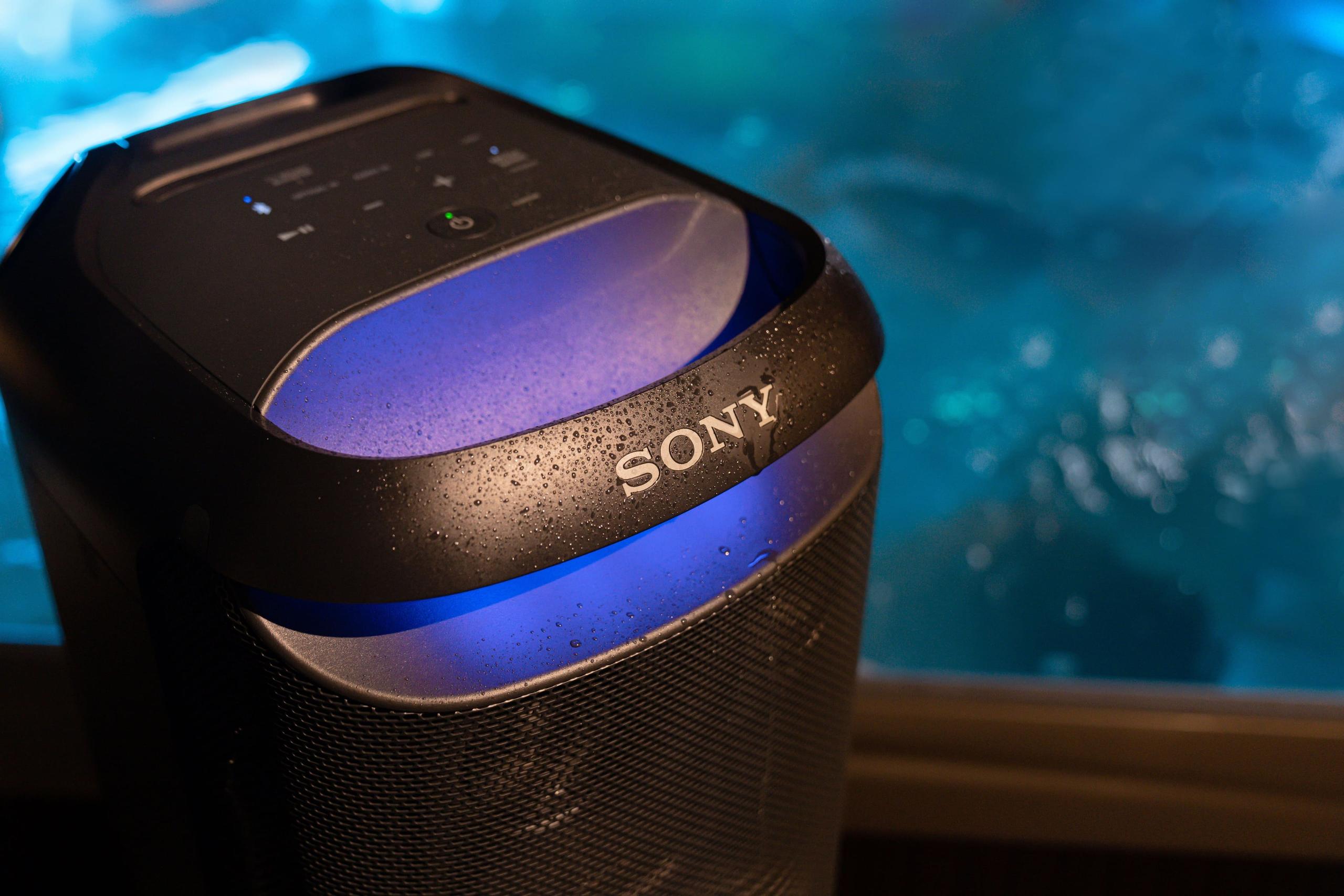
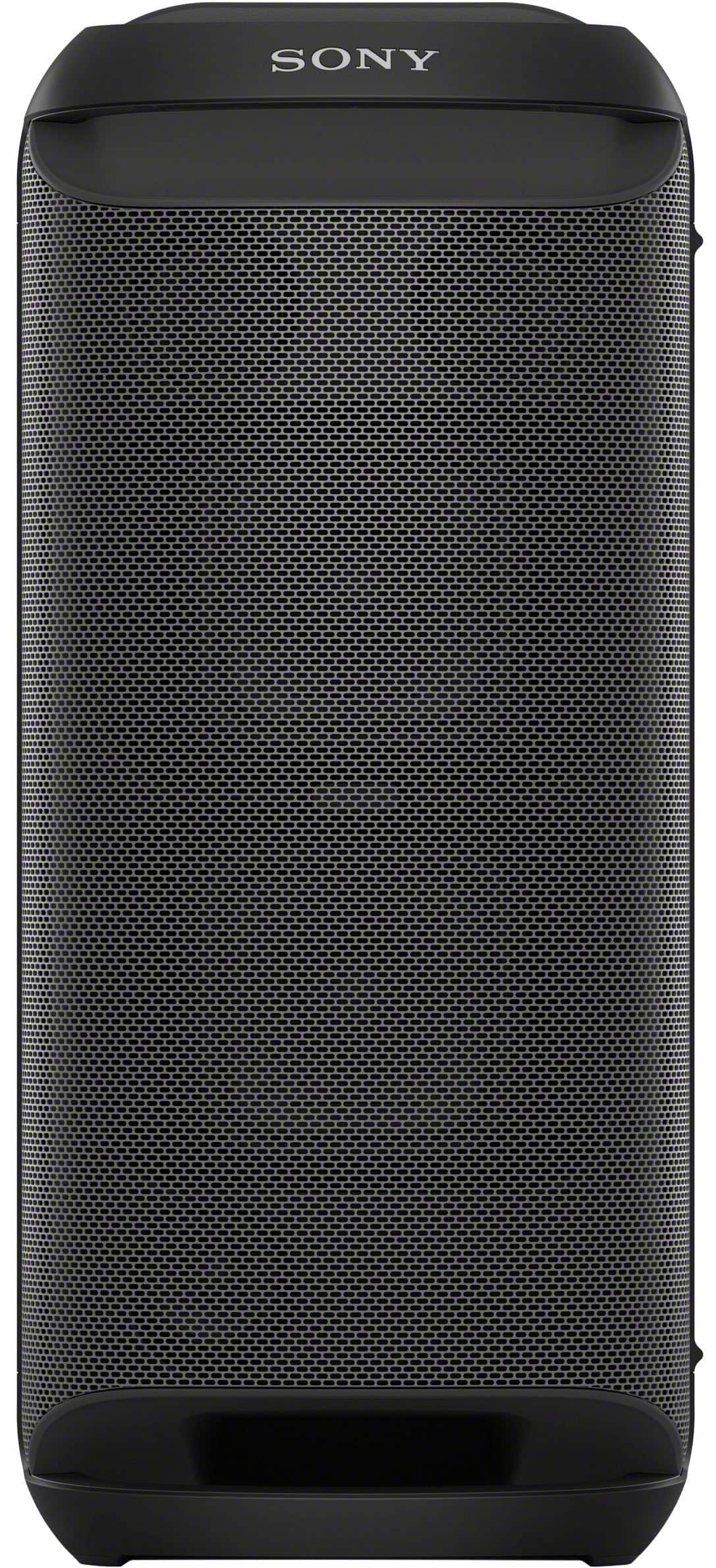
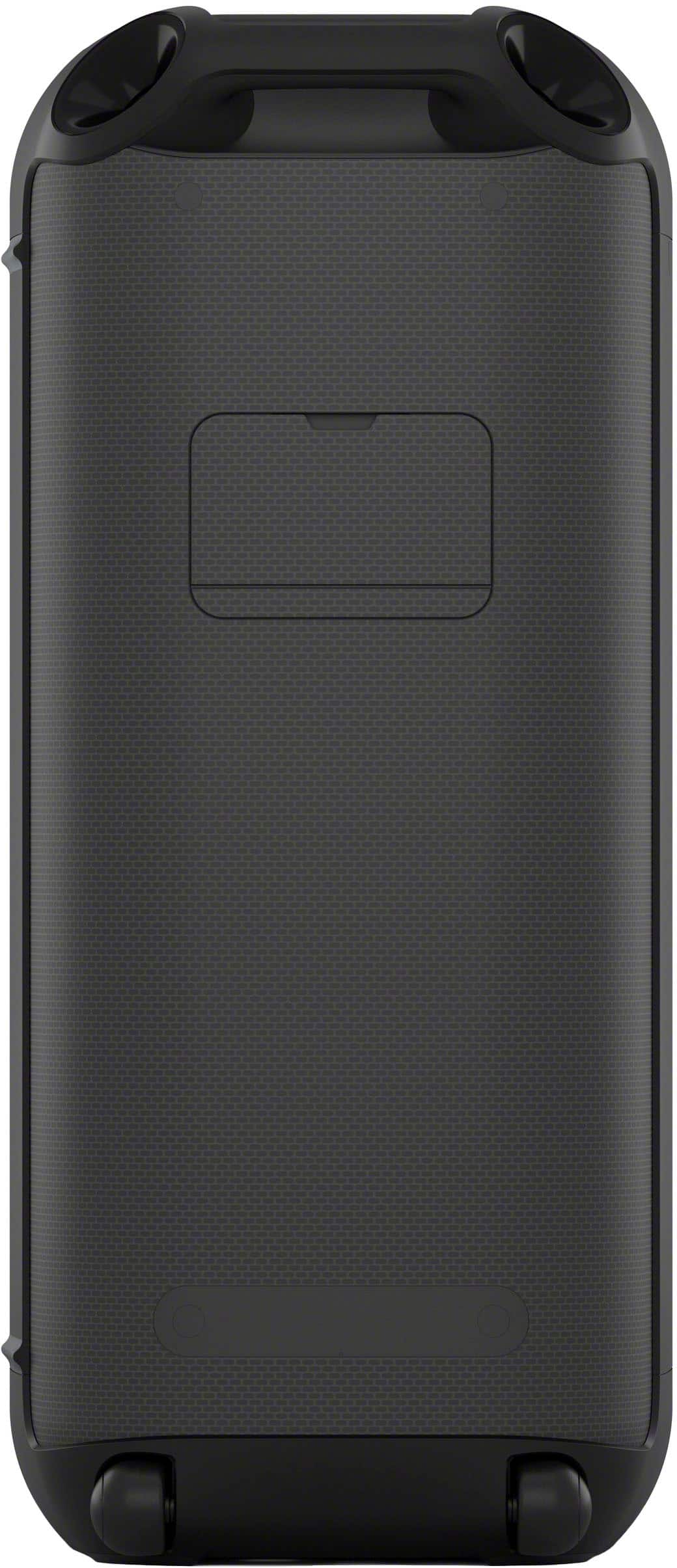
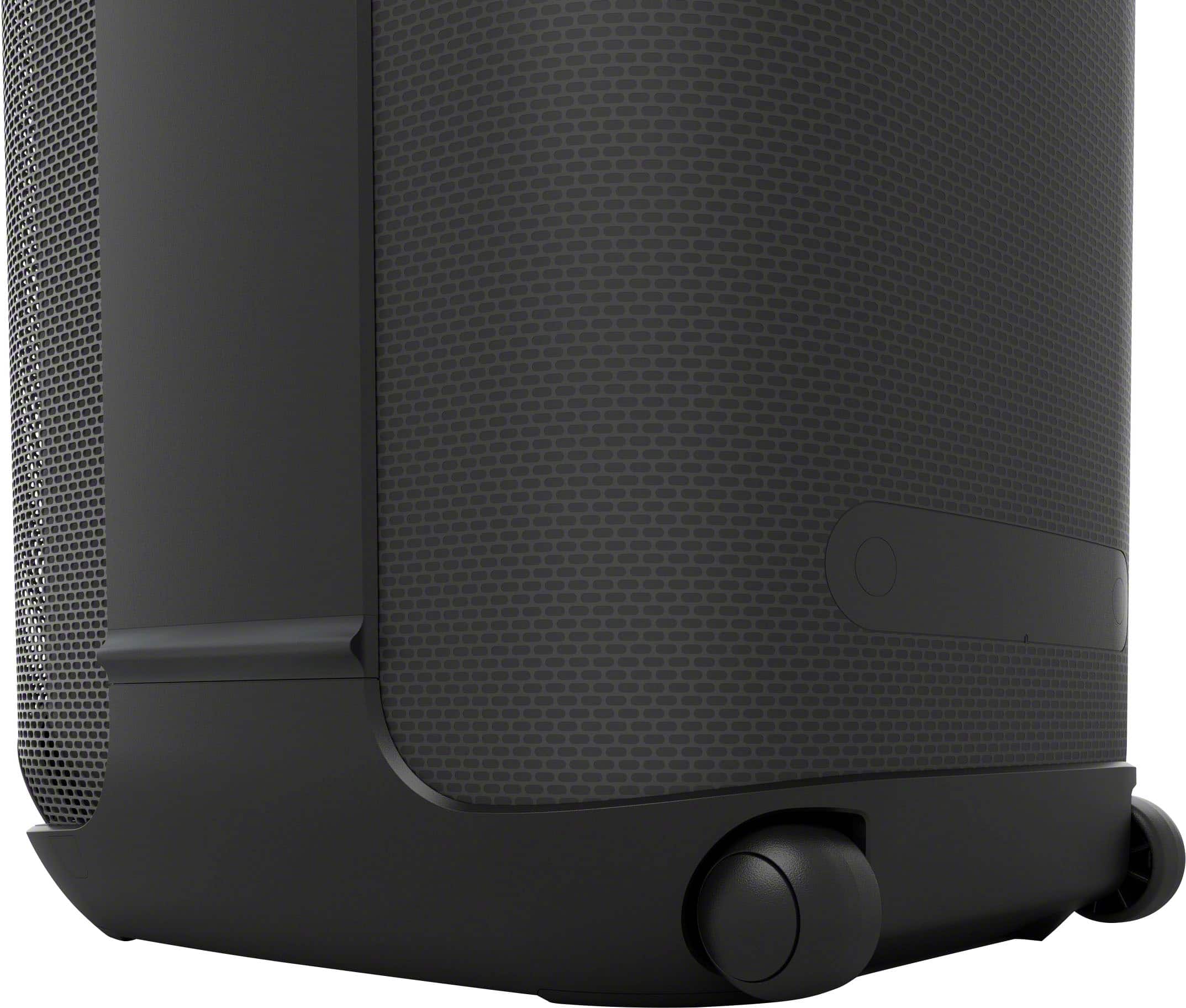
Sony's SRS-XV800, launched in 2023 as part of their X-Series refresh, takes a different approach entirely. Weighing in at over 40 pounds with built-in wheels, it's less about grab-and-go portability and more about bringing professional-level features to the party speaker category. The XV800 delivers 70 watts through a true stereo setup, representing Sony's push into the premium party speaker market.
These speakers reflect two distinct philosophies: maximum portability versus maximum capability. Understanding these differences is crucial for making the right choice.
Raw power numbers tell only part of the story, but they're important. The JBL PartyBox Encore Essential pumps out 100 watts RMS (Root Mean Square—basically the continuous power it can handle), while the Sony SRS-XV800 delivers 70 watts RMS. However, RMS ratings don't always translate directly to perceived loudness.
The JBL's mono configuration means all that power drives a single audio channel, creating impressive sound pressure from its 5.25-inch woofer and dual tweeters. In real-world testing scenarios, users consistently report that the JBL can easily fill medium-sized rooms and outdoor spaces without strain. The concentrated power delivery makes it surprisingly punchy for its size.
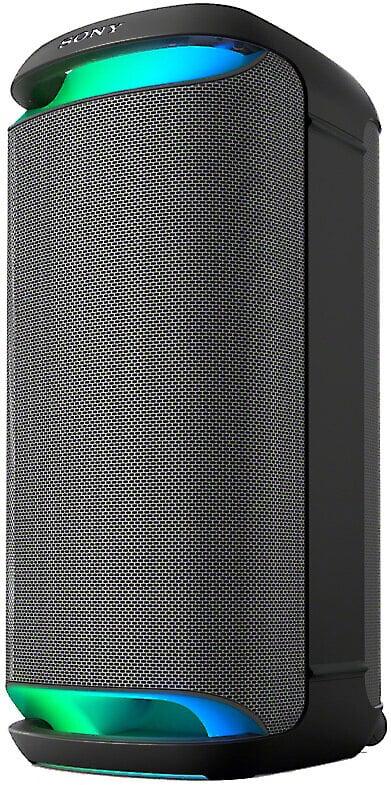
Sony's approach distributes power across multiple drivers in a stereo configuration. While the total wattage is lower, the XV800 uses dual 6.69-inch X-Balanced woofers plus five separate tweeters. This X-Balanced technology—Sony's rectangular driver design—increases the diaphragm surface area compared to traditional round drivers, theoretically producing more efficient sound reproduction with less distortion.
Here's where things get interesting. The JBL covers 50Hz to 20kHz, which is solid for a compact speaker. Its Bass Boost feature offers three settings (Deep, Punchy, or Off) that actually reshape the frequency response curve. In Deep mode, users report genuine low-end extension that's impressive for the speaker's size—that chest-thumping bass that makes hip-hop and EDM tracks come alive.
The Sony XV800 extends down to 20Hz, reaching into true subwoofer territory. This lower frequency extension comes from the combination of larger X-Balanced woofers and a rear-firing passive radiator (essentially a speaker cone without a magnet that resonates with the active drivers to enhance bass). The practical result is deeper, more natural bass that doesn't require artificial boosting to feel substantial.
For stereo imaging—the ability to distinguish left and right audio channels—the Sony has a clear advantage. Its five-tweeter array creates genuine omnidirectional sound, meaning the audio experience remains consistent whether you're standing directly in front of the speaker or off to the side. The JBL's mono output can't replicate this spatial experience, though its sound still disperses reasonably well.
The JBL PartyBox Encore Essential delivers what many describe as a "fun" sound signature—slightly bass-forward with crisp highs that cut through ambient noise. This tuning works exceptionally well for party genres where you want that immediate impact. Electronic dance music, hip-hop with heavy 808 drums, and pop tracks with prominent bass lines all sound energetic and engaging.
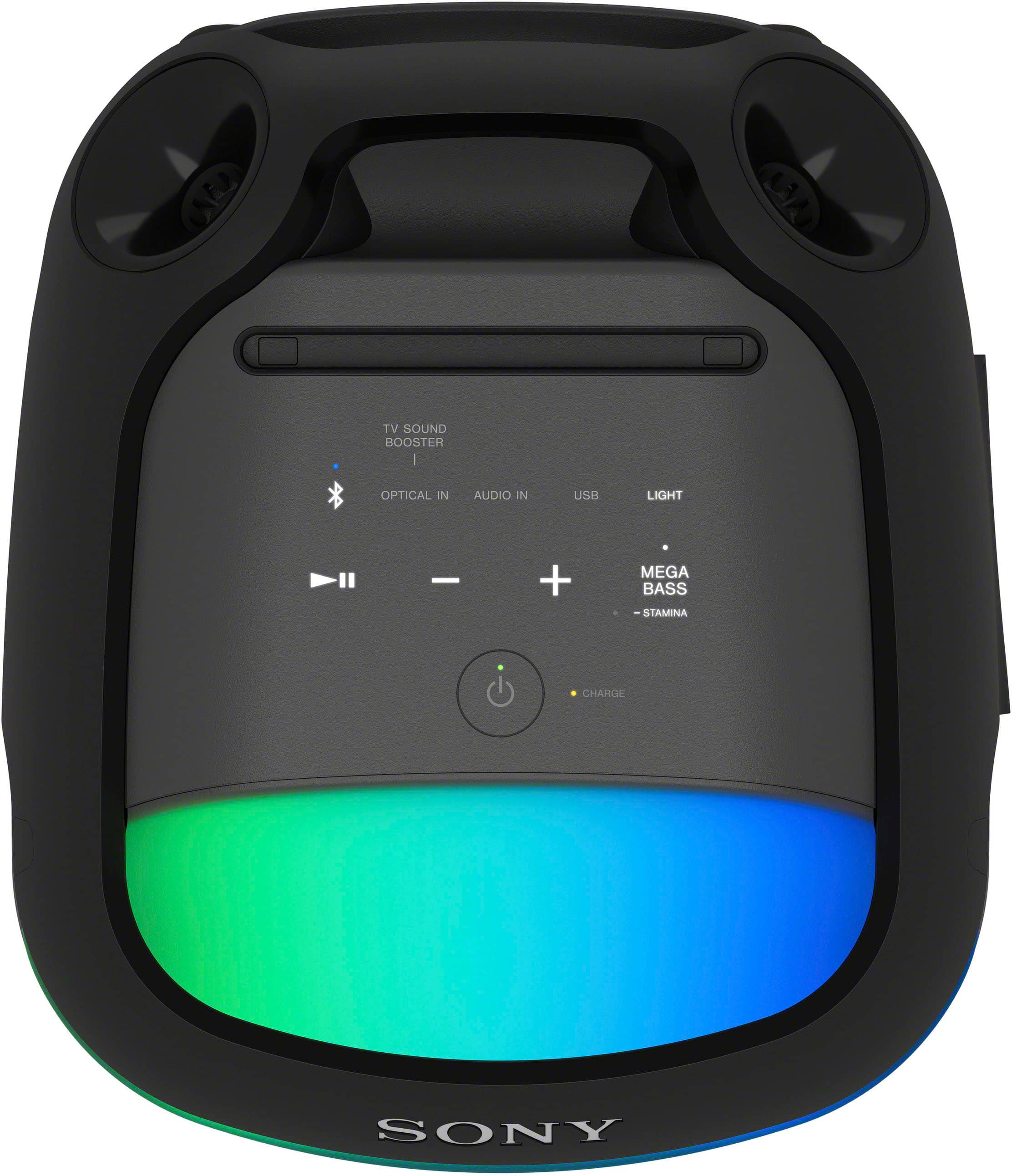
Sony's XV800 takes a more balanced approach. The additional sound modes—including MEGA BASS for enhanced low-end, Clear Audio+ for improved clarity, and LIVE SOUND for simulating concert acoustics—offer more customization options. The LIVE SOUND mode is particularly interesting, using psychoacoustic processing to create the impression of a larger acoustic space, making your backyard feel more like a concert venue.
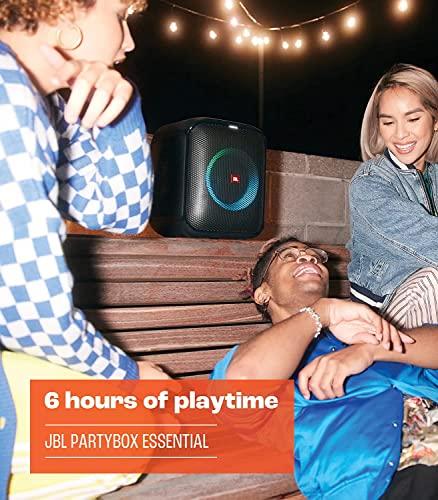
Nothing kills a party faster than a dead speaker, and this is where the two models diverge dramatically. The JBL PartyBox Encore Essential provides up to 6 hours of playback, which covers most casual gatherings but requires planning for longer events. The 3.5-hour charge time means you can top up during lunch breaks or downtime.
The Sony SRS-XV800 absolutely dominates with up to 25 hours of continuous playback. This isn't just impressive—it's transformative for how you can use the speaker. All-day festivals, wedding receptions, camping trips, or any event where charging isn't practical become viable scenarios. The quick charge feature adds another layer of convenience: 10 minutes of charging provides 3 hours of playback, perfect for emergency top-ups.
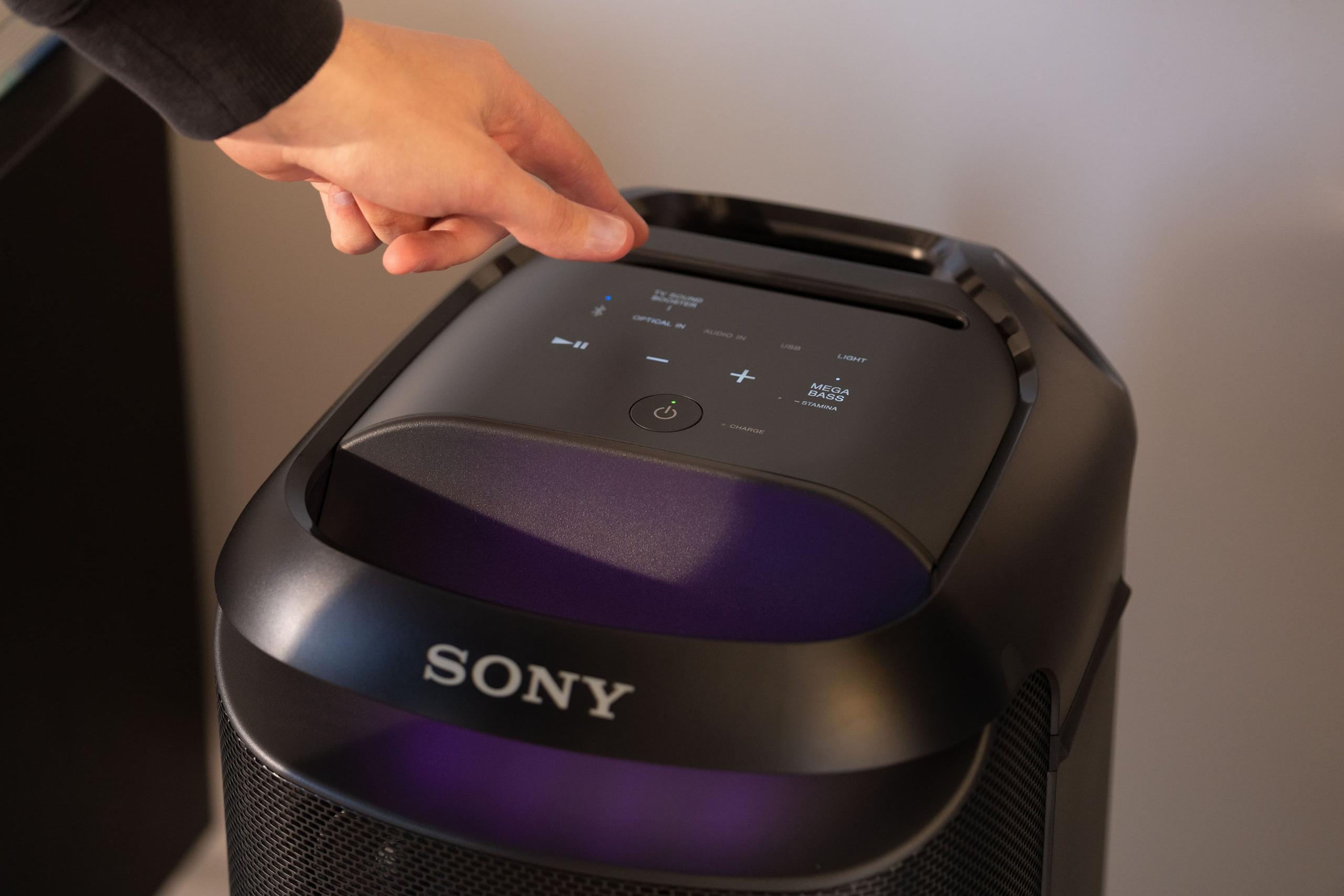
Battery management also differs between the models. Sony's STAMINA mode automatically disables lighting effects and certain sound processing features to extend playback time even further. The JBL takes a simpler approach with basic power management, focusing on ease of use over optimization options.
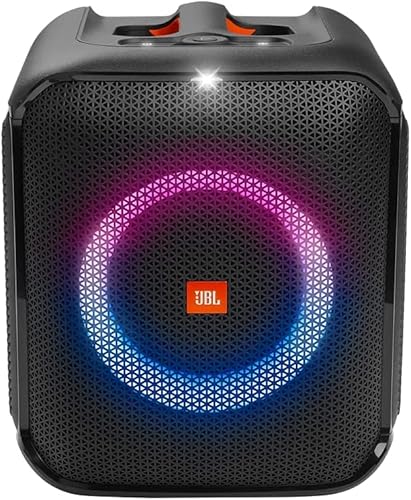
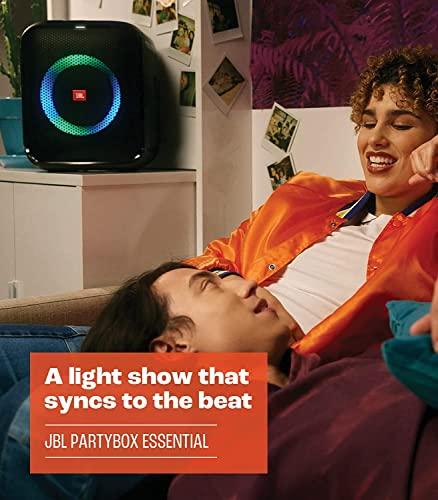
Both speakers embrace the party atmosphere with built-in lighting, but their approaches differ. The JBL's dynamic light show centers around an LED ring that pulses and changes colors in sync with your music. It's visually striking and easily customizable through the JBL PartyBox app, where you can adjust colors and patterns to match your party's theme.
The Sony XV800 incorporates more subtle ambient lighting that's programmable through the Fiestable app. While less flashy than JBL's approach, Sony's lighting integrates with their broader ecosystem—when you connect multiple Sony speakers using Party Connect, the lighting synchronizes across all units for a coordinated display.
Karaoke capabilities separate these models significantly. The JBL includes a basic microphone input with volume control, suitable for casual sing-alongs and announcements. The PartyBox app adds karaoke-specific EQ tuning and echo effects, making vocals sound more polished.
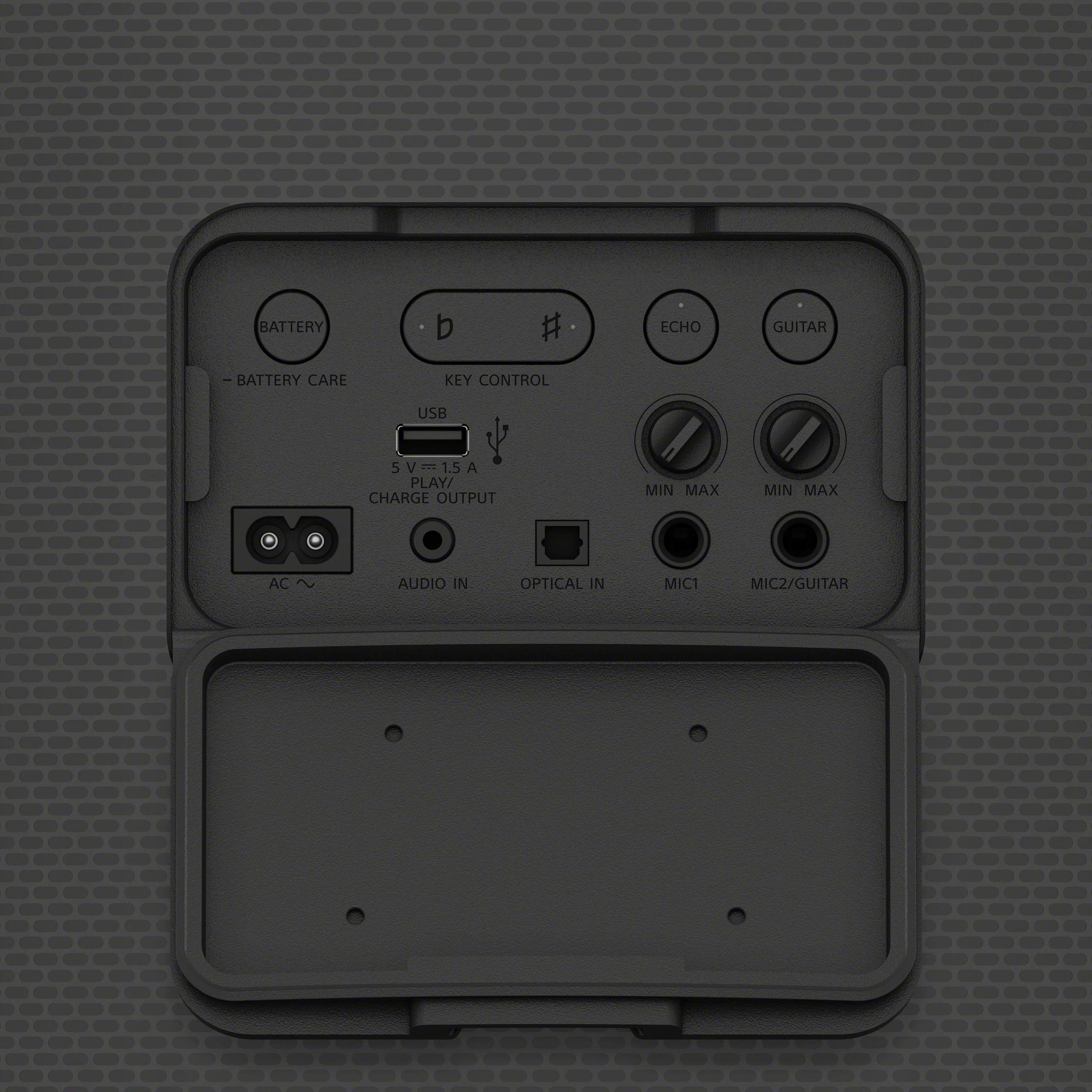
The Sony treats karaoke and live performance as serious features. Dual microphone/guitar inputs with independent volume controls, echo adjustment, and key control (pitch shifting) create a more professional setup. The key control feature is particularly valuable—it lets singers adjust songs to match their vocal range without changing the tempo, something you'd typically need expensive karaoke equipment to achieve.
The JBL PartyBox app focuses on simplicity: EQ adjustment, sound effects, light customization, and True Wireless Stereo pairing with a second PartyBox Encore Essential. TWS pairing creates genuine stereo separation by assigning left and right channels to separate speakers, dramatically improving the spatial experience for smaller gatherings.
Sony's ecosystem is more complex but offers greater scalability. The Music Center app handles basic functions, while the Fiestable app manages party-specific features like DJ effects, motion control, and voice effects. Party Connect technology can link up to 100 compatible Sony speakers—a feature that seems excessive until you're setting up a large outdoor event or wedding reception.
The JBL covers the basics: Bluetooth 5.1, 3.5mm auxiliary input, and USB input for direct music playback from flash drives. The USB port doubles as a charging outlet for your devices, handy during long outdoor events.
Sony's XV800 goes further with optical digital input for TV connection, making it viable as a home theater enhancer. The TV Sound Booster mode specifically optimizes audio for dialogue clarity and enhanced bass in movies and shows. This dual-purpose capability extends the speaker's value beyond party use.
Water resistance ratings tell an important story about intended use. The JBL maintains IPX4 splash-proof rating regardless of orientation, meaning it handles pool splashes, light rain, and drink spills without concern. The compact design and lighter weight also make it less prone to damage from drops or rough handling.
The Sony XV800 complicates water resistance with orientation-dependent ratings: IPX4 when vertical, IPX2 when horizontal. This reflects the speaker's more complex internal layout and multiple driver configuration. The built-in sensors that detect orientation and optimize sound accordingly represent sophisticated engineering, but also more potential points of failure.
Portability means different things to different users. The JBL PartyBox Encore Essential excels at true grab-and-go scenarios. Beach trips, camping, tailgating, or any situation where you're carrying the speaker significant distances favor its 13-pound weight and integrated handle. Setup is immediate—just power on and connect.
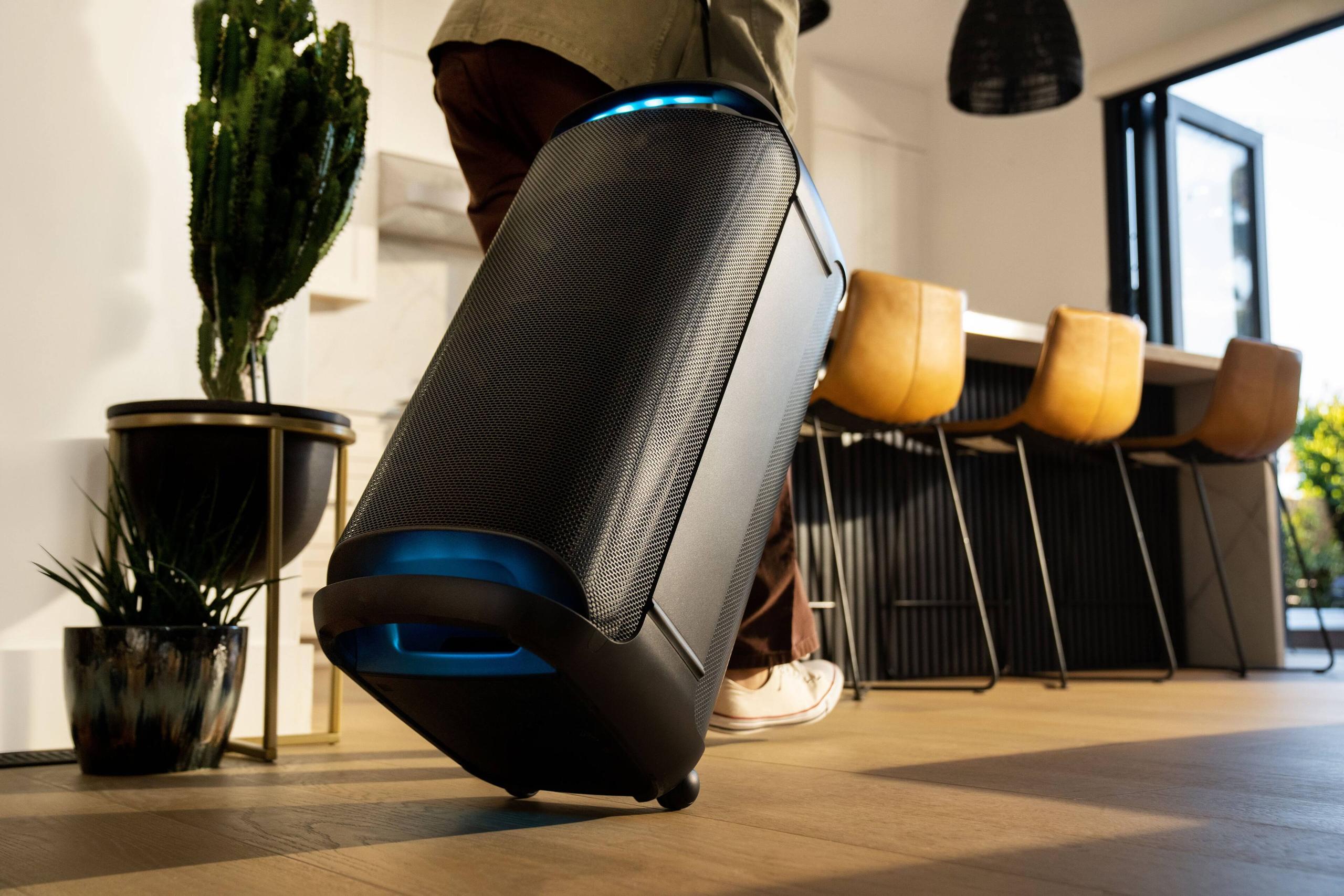
The Sony XV800's 40-pound weight changes the portability equation entirely. Built-in wheels and handles help, but this is equipment you roll from storage to location rather than carrying casually. However, once positioned, it becomes a more permanent party centerpiece with professional capabilities.
While both speakers can enhance TV audio through their respective connectivity options, the Sony XV800 makes a stronger case as a home theater component. The optical input provides direct digital connection to TVs, while the TV Sound Booster mode specifically addresses common television audio issues like weak dialogue and anemic bass.
The stereo configuration also benefits movie and TV audio significantly. Stereo separation helps with sound effects positioning and dialogue clarity in a way that mono speakers simply cannot match. For users considering a dual-purpose speaker that serves both entertainment and home theater roles, the Sony justifies its higher investment through this versatility.
At the time of writing, the JBL PartyBox Encore Essential typically costs around $70 less than the Sony SRS-XV800, though pricing varies with promotions and retailers. This price difference represents roughly 20% savings, making value calculation more complex than simple feature counting.
The JBL delivers exceptional power-to-size ratio and immediate usability at the lower price point. For users who prioritize portability and don't need extended battery life or professional features, it represents outstanding value. The cost per watt of power output favors JBL significantly.
Sony's premium pricing reflects the extended feature set, superior battery life, and stereo audio configuration. The cost per hour of battery life strongly favors the XV800, making it more economical for users who regularly host long events. The additional connectivity options and home theater compatibility extend its utility beyond pure party applications.
Choose the JBL PartyBox Encore Essential if you're a college student, frequent traveler, or casual entertainer who values portability above all else. It excels in scenarios where you need to transport the speaker regularly, set up quickly, and prioritize maximum impact from a compact package. Beach trips, dorm room parties, small backyard gatherings, and tailgating all favor the JBL's approach.
The Sony SRS-XV800 makes sense for serious entertainers, small venue operators, or users who want a multi-purpose audio solution. If you regularly host all-day events, need professional karaoke features, or want a speaker that doubles as a home theater enhancement, Sony's premium capabilities justify the additional investment. The extended battery life alone can be transformative for certain use cases.
Both speakers excel in their intended roles, making this less about finding a universal winner and more about matching capabilities to your specific needs. The JBL PartyBox Encore Essential perfects the portable party speaker formula with impressive power in a truly portable package. The Sony SRS-XV800 pushes into professional territory with features and battery life that enable more ambitious entertainment scenarios.
Your choice ultimately depends on whether you value portability or capability more highly. For most casual users, the JBL's combination of power, portability, and lower price creates compelling value. For users with more demanding requirements or specific professional needs, Sony's feature-rich approach and exceptional battery life justify the premium investment.
Either choice will significantly upgrade your party audio experience compared to basic Bluetooth speakers, but understanding these fundamental differences ensures you'll pick the model that best matches how you actually plan to use it.
| JBL PartyBox Encore Essential | Sony SRS-XV800 |
|---|---|
| Power Output - Determines maximum volume and room-filling capability | |
| 100W RMS (concentrated mono output for impressive volume) | 70W RMS (distributed across stereo drivers for balanced sound) |
| Audio Configuration - Affects sound quality and spatial experience | |
| Mono with 1x 5.25" woofer + 2x tweeters | True stereo with 2x 6.69" X-Balanced woofers + 5 tweeters |
| Battery Life - Critical for outdoor events and extended parties | |
| 6 hours (covers most gatherings but requires planning) | 25 hours (transformative for all-day events and festivals) |
| Weight & Portability - Impacts ease of transport and setup | |
| 13 lbs with grab-and-go handle (true portability) | 40.8 lbs with wheels and handles (semi-portable, professional setup) |
| Water Resistance - Protection for poolside and outdoor use | |
| IPX4 splash-proof (consistent rating in any orientation) | IPX4 vertical, IPX2 horizontal (orientation-dependent protection) |
| Frequency Response - Determines bass depth and overall sound range | |
| 50Hz - 20kHz (solid bass with Bass Boost modes) | 20Hz - 20kHz (deeper natural bass extension into subwoofer territory) |
| Connectivity Options - Affects versatility and use cases | |
| Bluetooth 5.1, 3.5mm aux, USB, mic input | Bluetooth 5.2 with LDAC, optical input, dual mic/guitar inputs, USB-A |
| Multi-Speaker Capability - Important for larger venues | |
| True Wireless Stereo (pairs 2 JBL speakers) | Party Connect (links up to 100 compatible Sony speakers) |
| Karaoke Features - Matters for interactive entertainment | |
| Basic mic input with app-based echo effects | Professional dual inputs with echo, key control, and pitch shifting |
| Lighting Effects - Enhances party atmosphere | |
| Dynamic LED ring with customizable colors and patterns | Ambient LED lighting with multi-speaker synchronization |
| Home Theater Use - Adds value beyond party applications | |
| Limited (Bluetooth and aux connection only) | Strong (optical input with TV Sound Booster mode) |
| Charge Time - Affects downtime between uses | |
| 3.5 hours full charge | 3 hours full charge, 10-minute quick charge for 3 hours playback |
| App Integration - Controls customization and effects | |
| JBL PartyBox app (EQ, lights, basic effects) | Sony Music Center + Fiestable apps (advanced DJ effects, motion control) |
The JBL PartyBox Encore Essential is significantly better for portable parties due to its 13-pound weight and grab-and-go handle design. You can easily carry the JBL speaker to beaches, camping trips, or tailgating events without strain. The Sony SRS-XV800 weighs over 40 pounds and requires wheels for transport, making it better suited for stationary setups where you won't need to move it frequently.
The Sony SRS-XV800 delivers superior sound quality with true stereo separation, deeper bass extension down to 20Hz, and five tweeters creating omnidirectional sound. The JBL PartyBox Encore Essential produces louder maximum volume from its 100W mono configuration, but the Sony offers more balanced, natural-sounding audio with better frequency range and spatial imaging.
Battery life differs dramatically between these models. The Sony SRS-XV800 provides up to 25 hours of continuous playback, making it ideal for all-day events and festivals. The JBL PartyBox Encore Essential offers 6 hours of battery life, which covers most casual gatherings but requires charging for extended parties.
The JBL PartyBox Encore Essential achieves higher maximum volume levels due to its concentrated 100W power output driving a single mono channel. While the Sony SRS-XV800 produces 70W across its stereo configuration, the JBL's focused power delivery creates more impressive sound pressure for filling medium-sized rooms and outdoor spaces.
Both speakers offer water resistance but with different ratings. The JBL PartyBox Encore Essential maintains IPX4 splash-proof protection in any orientation, handling pool splashes and light rain effectively. The Sony SRS-XV800 provides IPX4 protection when positioned vertically but only IPX2 when horizontal, so orientation matters for water resistance.
The Sony SRS-XV800 excels at karaoke with dual microphone inputs, independent volume controls, echo adjustment, and key control for pitch shifting songs to match your vocal range. The JBL PartyBox Encore Essential offers basic karaoke functionality with a single mic input and app-based echo effects, suitable for casual sing-alongs but not professional performances.
The Sony SRS-XV800 works excellently as a TV speaker upgrade with its optical digital input and dedicated TV Sound Booster mode that enhances dialogue clarity and bass for movies. The JBL PartyBox Encore Essential can connect to TVs via Bluetooth or auxiliary input but lacks the specialized features for home theater enhancement that the Sony provides.
Value depends on your priorities. The JBL PartyBox Encore Essential offers exceptional power-to-size ratio and portability at a lower price point, making it great value for casual users. The Sony SRS-XV800 costs more but provides 4x longer battery life, stereo sound, and professional features that justify the premium for serious entertainers and multi-purpose use.
Both speakers support multi-speaker setups but with different approaches. The JBL PartyBox Encore Essential uses True Wireless Stereo to pair two units for genuine left-right stereo separation. The Sony SRS-XV800 features Party Connect technology that can wirelessly link up to 100 compatible Sony speakers for large venue installations and synchronized lighting effects.
The Sony SRS-XV800 produces deeper, more natural bass with its dual 6.69-inch X-Balanced woofers and frequency response extending down to 20Hz. The JBL PartyBox Encore Essential delivers punchy, impactful bass from its 5.25-inch woofer with adjustable Bass Boost modes, but can't match the Sony's low-frequency extension and overall bass quality.
Both speakers charge relatively quickly for their battery capacities. The JBL PartyBox Encore Essential requires 3.5 hours for a full charge providing 6 hours of playback. The Sony SRS-XV800 takes 3 hours for a complete charge yielding 25 hours of use, plus offers quick charging that provides 3 hours of playback from just 10 minutes of charging.
The JBL PartyBox Encore Essential wins for simplicity with straightforward controls, single-app management, and immediate setup. The Sony SRS-XV800 offers more complexity with two apps (Music Center and Fiestable), multiple input options, and professional features that require more setup time but provide greater customization and control once configured.
We've done our best to create useful and informative comparisons to help you decide what product to buy. Our research uses advanced automated methods to create this comparison and perfection is not possible - please contact us for corrections or questions. These are the sites we've researched in the creation of this article: bestbuy.com - rtings.com - rtings.com - youtube.com - popsci.com - youtube.com - soundguys.com - audioadvice.com - youtube.com - versus.com - youtube.com - hometechnologyreview.com - jbl.com - bhphotovideo.com - hometechnologyreview.com - global.jbl.com - youtube.com - in.jbl.com - therevolverclub.com - harmanaudio.in - jbl.com.my - jbl.com.ar - jbl.com - pcrichard.com - kh.jbl.com - youtube.com - uclastore.com - bhphotovideo.com - creativeaudio.net - youtube.com - soundandvision.com - crutchfield.com - sciencefocus.com - sony.com - bestbuy.com - bestbuy.com - stereoguide.com - sony-mea.com - soundguys.com - electronics.sony.com - youtube.com - sony.com - youtube.com - device.report - youtube.com - youtube.com - adorama.com - sonylatvija.com - sony.com

Privacy Policy
Terms and Conditions - Affiliate Policy
Home Security
© Copyright 2008-2026.
11816 Inwood Rd #1211, Dallas, TX 75244