


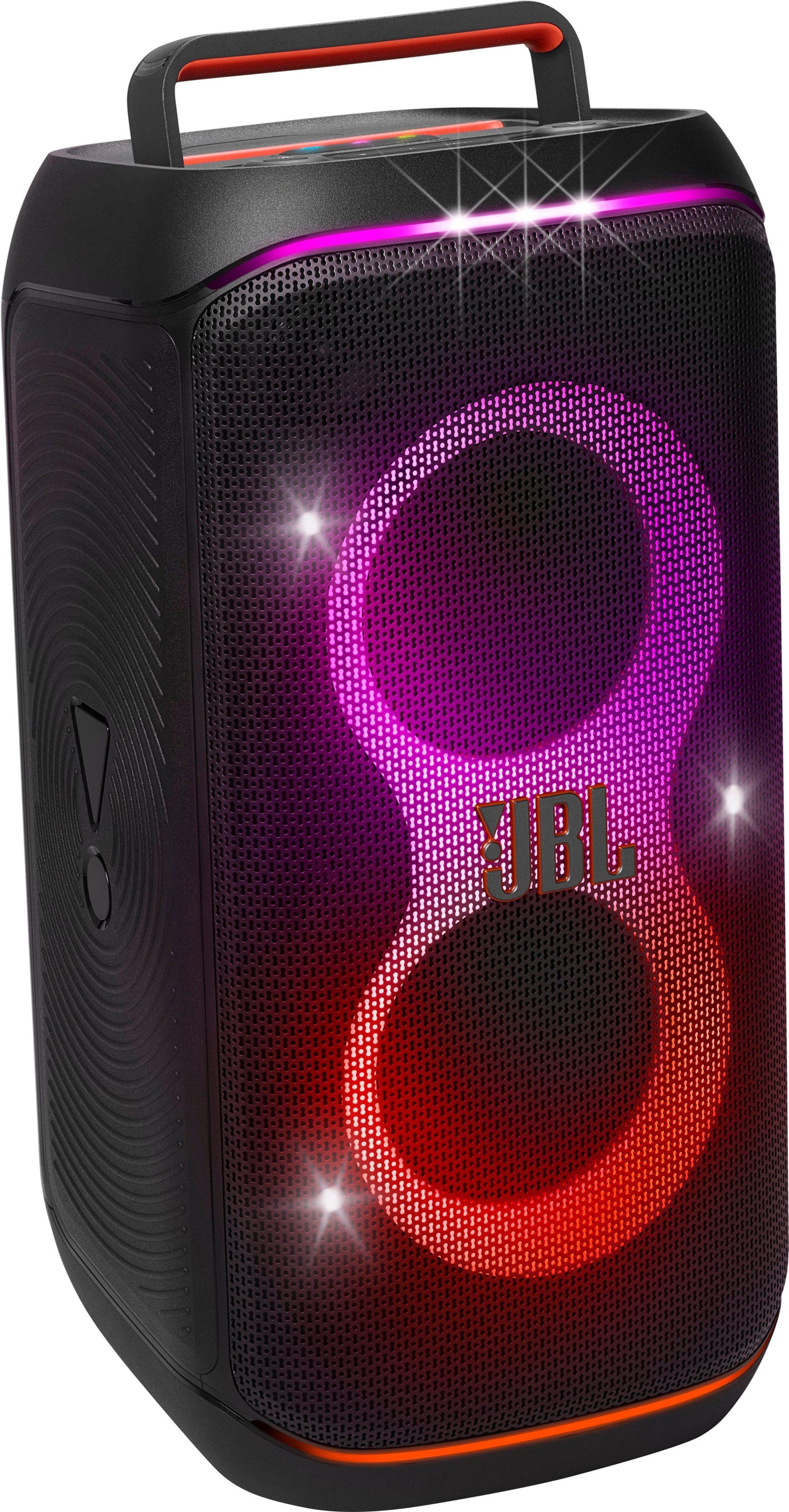
When you're shopping for a premium Bluetooth speaker, you'll quickly discover that "premium" means very different things depending on what you're trying to accomplish. The Marshall Woburn III and JBL PartyBox Club 120 both command serious money in the speaker world, but they represent completely different philosophies about what makes a speaker great.
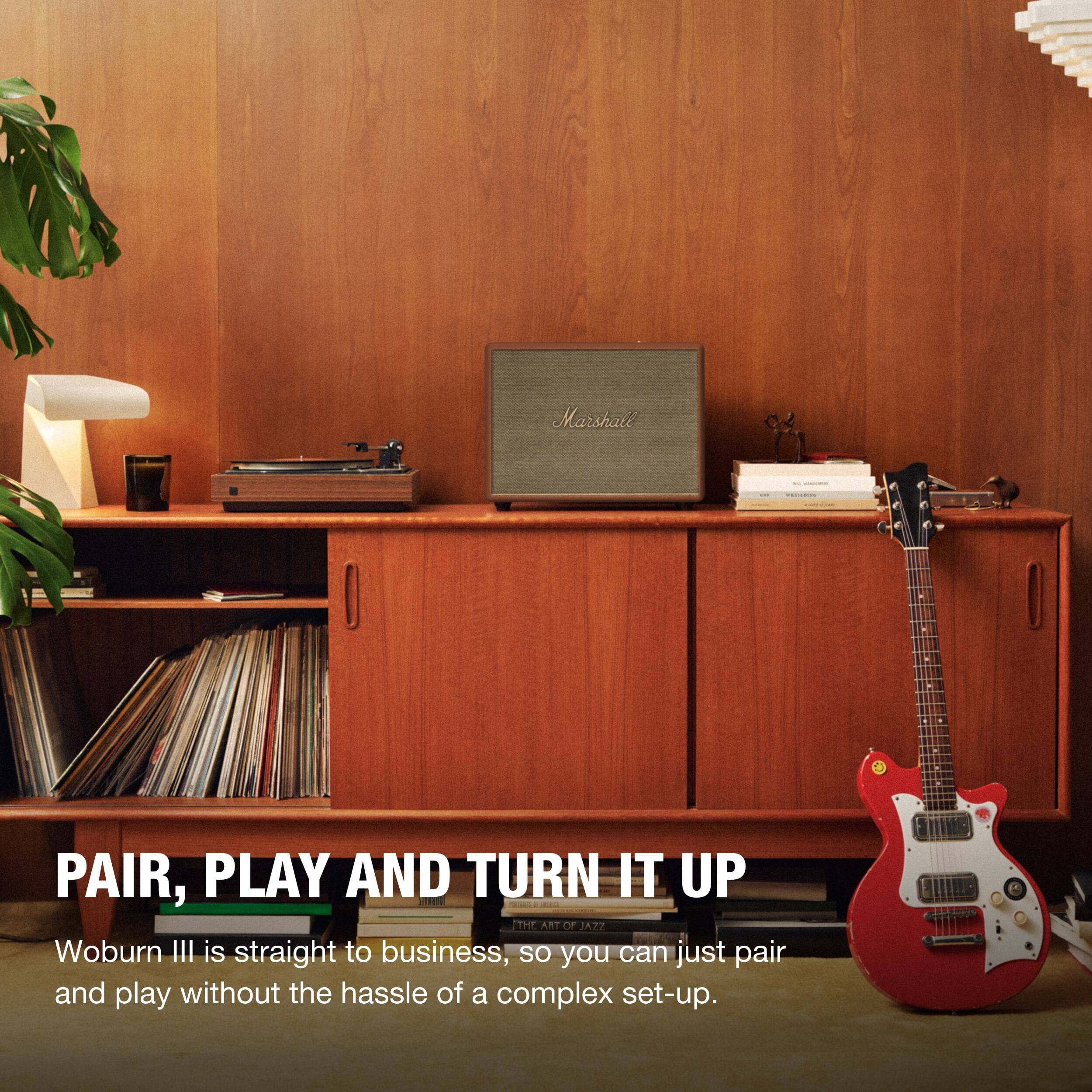
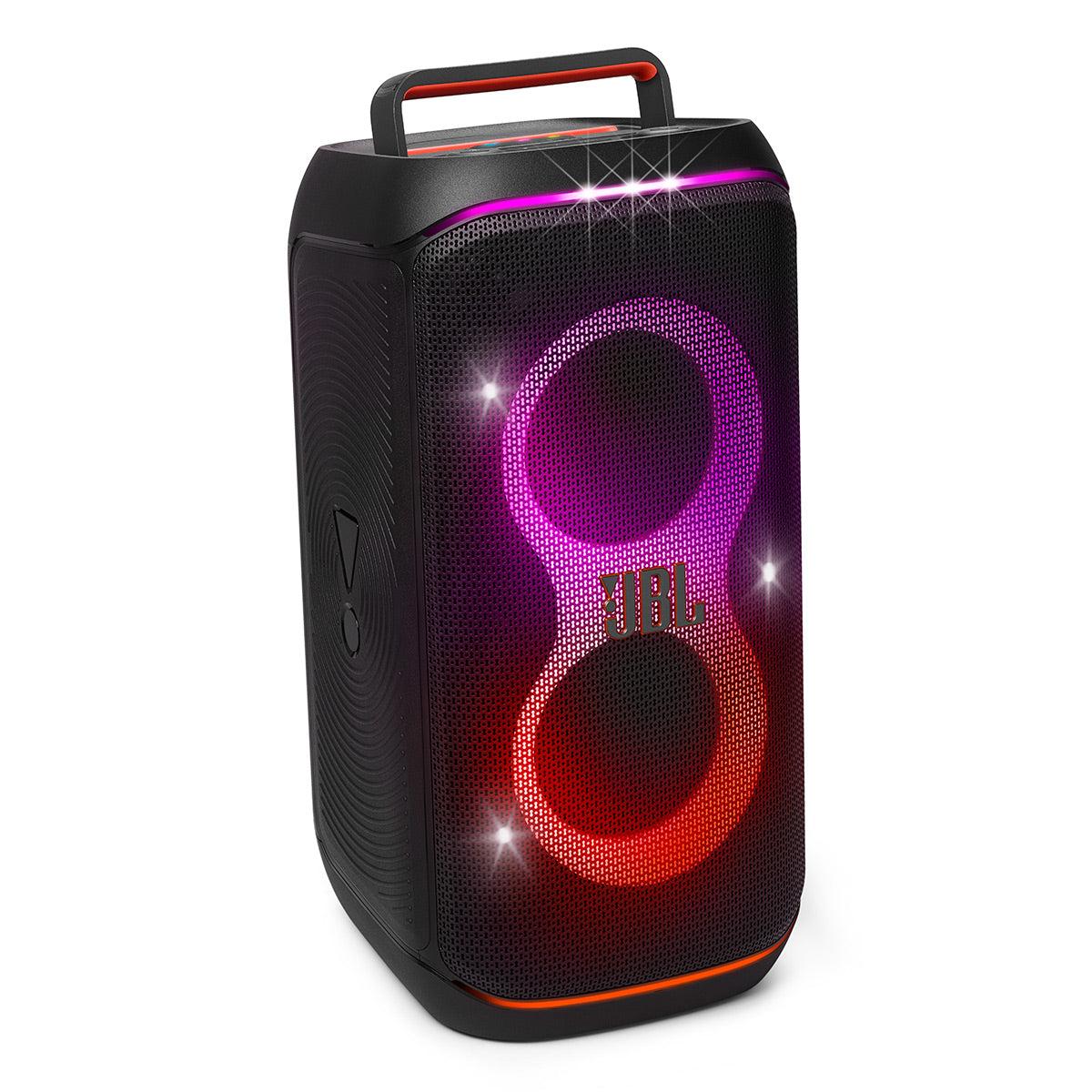
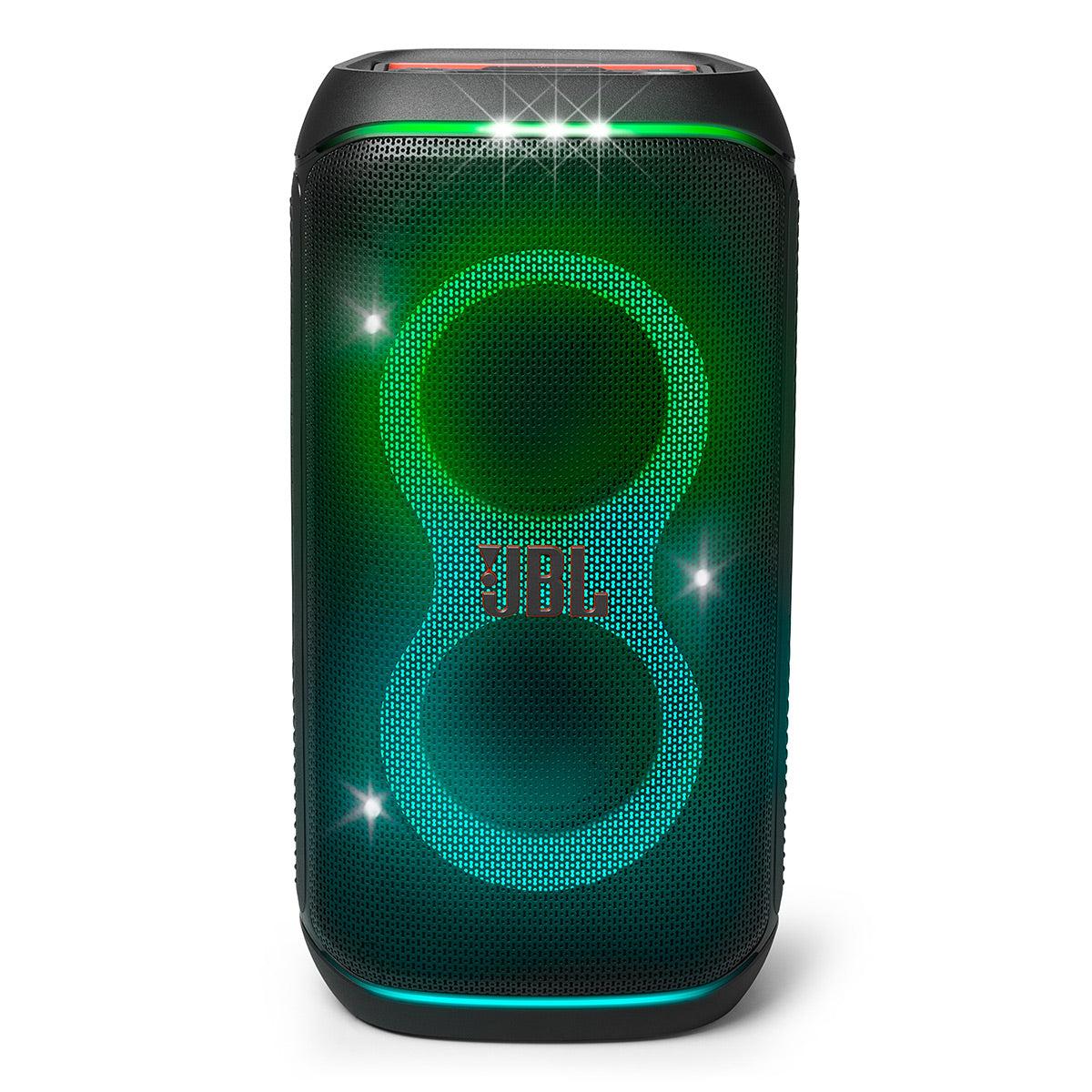
The Marshall Woburn III, released in 2022, embodies the classic approach to high-end audio: sit it in your living room, plug it into the wall, and enjoy reference-quality sound that'll make your music collection sound better than ever. Meanwhile, the JBL PartyBox Club 120, which hit the market in 2024, takes the opposite approach—it's all about taking the party wherever you go, complete with flashing lights and enough bass to rattle windows.
Understanding these fundamental differences is crucial because, at the time of writing, both speakers sit in premium price territory but serve completely different needs. One prioritizes audio perfection for your home, while the other prioritizes fun and flexibility for anywhere you want to entertain.
Before diving into specifics, it's worth understanding what separates these categories. Home audio speakers like the Marshall Woburn III are designed around the idea that you have a dedicated listening space where sound quality matters most. They typically plug into the wall for consistent power, focus on accurate sound reproduction, and integrate with your home entertainment setup.
Party speakers like the JBL PartyBox Club 120 flip this script entirely. They're built for mobility, powered by rechargeable batteries, and designed to create atmosphere as much as they are to play music. The trade-offs are significant in both directions, which makes choosing between them largely about understanding what you actually need.
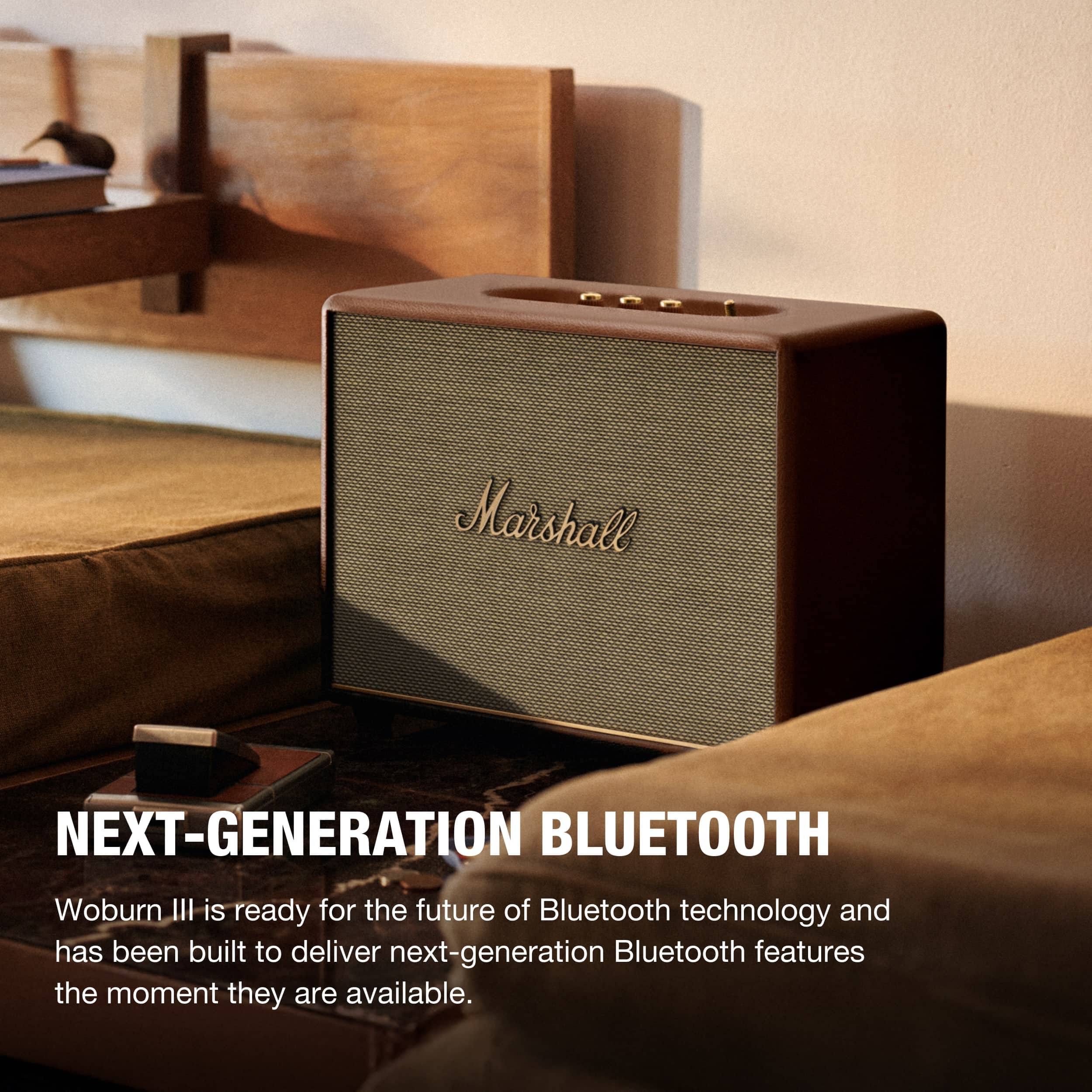
The technical improvements since these speakers' respective launches have been interesting to watch. The Marshall Woburn III represented a major step forward from its predecessor with a redesigned three-way driver system and improved Bluetooth 5.2 connectivity. The JBL PartyBox Club 120 brought newer Bluetooth 5.4 technology and enhanced battery management that addressed some of the earlier party speaker limitations around runtime and connectivity stability.
Here's where things get technical, but it's crucial to understand because audio quality represents the biggest performance gap between these speakers.
The Marshall Woburn III uses what's called a three-way driver system—this means it has dedicated speakers for different frequency ranges. There's a 6-inch woofer handling the bass, two 2-inch midrange drivers for vocals and instruments, and two 0.75-inch tweeters for the crisp high frequencies. This separation allows each driver to specialize in what it does best, resulting in what audio engineers call "frequency separation"—basically, each part of the sound gets handled by the driver that's optimized for it.
The power distribution tells the story here: 90 watts goes to that bass driver, while the mids and highs each get 15 watts. This might seem backwards until you understand that bass frequencies require much more energy to produce than higher frequencies. The result is a speaker that can deliver deep, controlled bass while keeping vocals clear and treble crisp, even at high volumes.
In contrast, the JBL PartyBox Club 120 uses a 2.1 system, which means it has main drivers plus a dedicated subwoofer for bass. While it actually puts out slightly more total power at 160 watts, that power is distributed differently. The emphasis here is on creating room-filling sound with serious bass impact—what you'd want for getting people moving at a party rather than critical listening to your favorite album.
The frequency response numbers reveal the fundamental difference in approach. The Marshall Woburn III reaches down to 35Hz, which is incredibly low and approaches the limit of human hearing. Most people can't even hear frequencies below 40Hz, so Marshall is essentially reproducing bass frequencies that you feel more than hear. The JBL PartyBox Club 120 starts at 40Hz, which is still excellent but shows where the engineering priorities differ.
What this means in practice is that the Marshall Woburn III delivers what audiophiles call "reference sound"—it reproduces music the way it was intended to sound in the studio. Bass is controlled and accurate, vocals sit exactly where they should in the soundstage, and you can pick out individual instruments even in complex musical passages. Our research into user reviews consistently shows people describing the Marshall's sound as "balanced," "detailed," and "room-filling without being overwhelming."
The JBL PartyBox Club 120, on the other hand, is deliberately tuned for impact and energy. User reviews frequently mention "powerful bass," "room-shaking sound," and "perfect for parties." This isn't worse—it's different. JBL has optimized this speaker for creating atmosphere and getting people excited, which means emphasizing the frequencies that make music feel energetic and powerful.
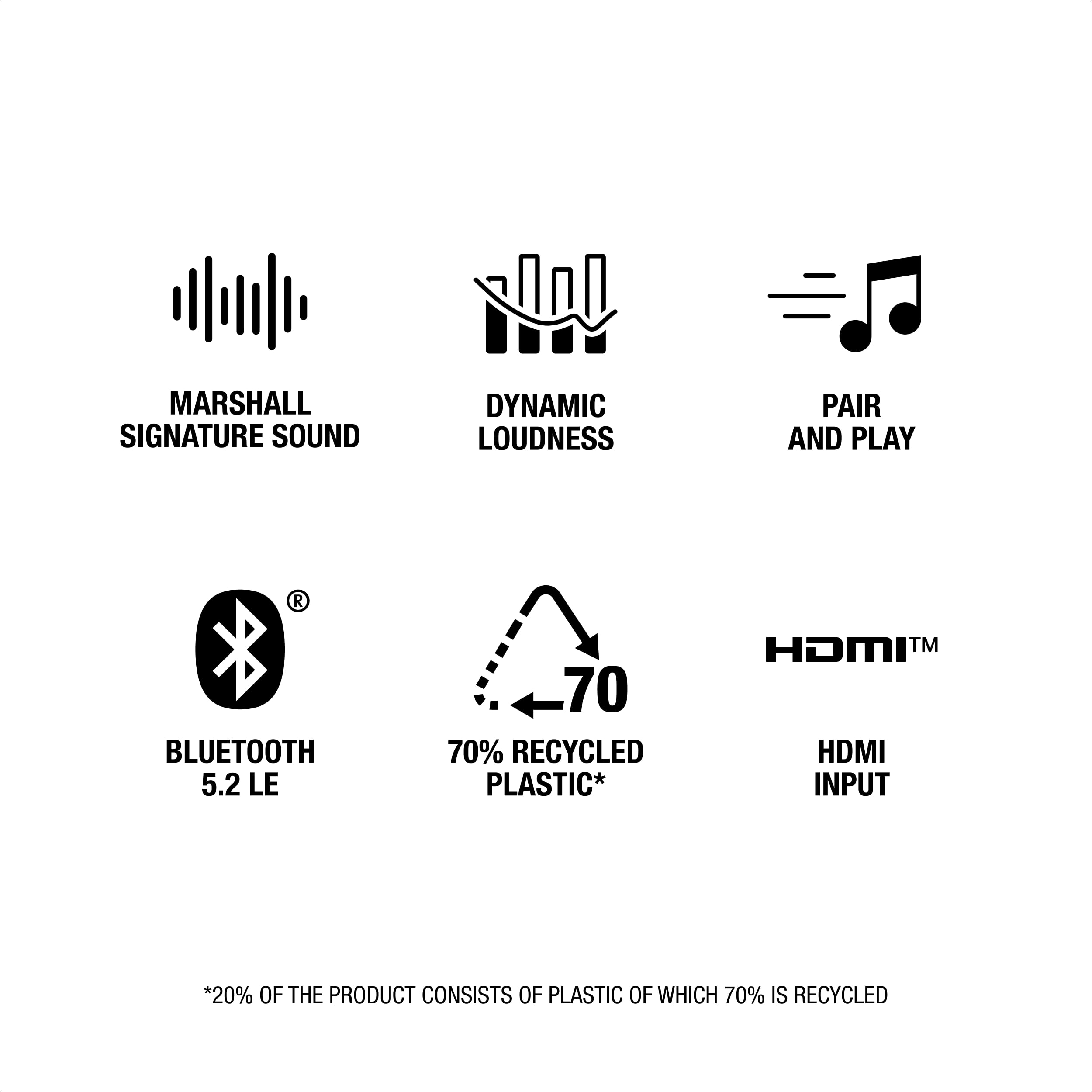
Both speakers handle Bluetooth connectivity well, but the devil's in the details. The Marshall Woburn III uses Bluetooth 5.2, while the JBL PartyBox Club 120 features the newer 5.4 standard. In practical terms, both provide stable connections with decent range, but the JBL's newer Bluetooth version offers slightly better connection stability and lower power consumption.
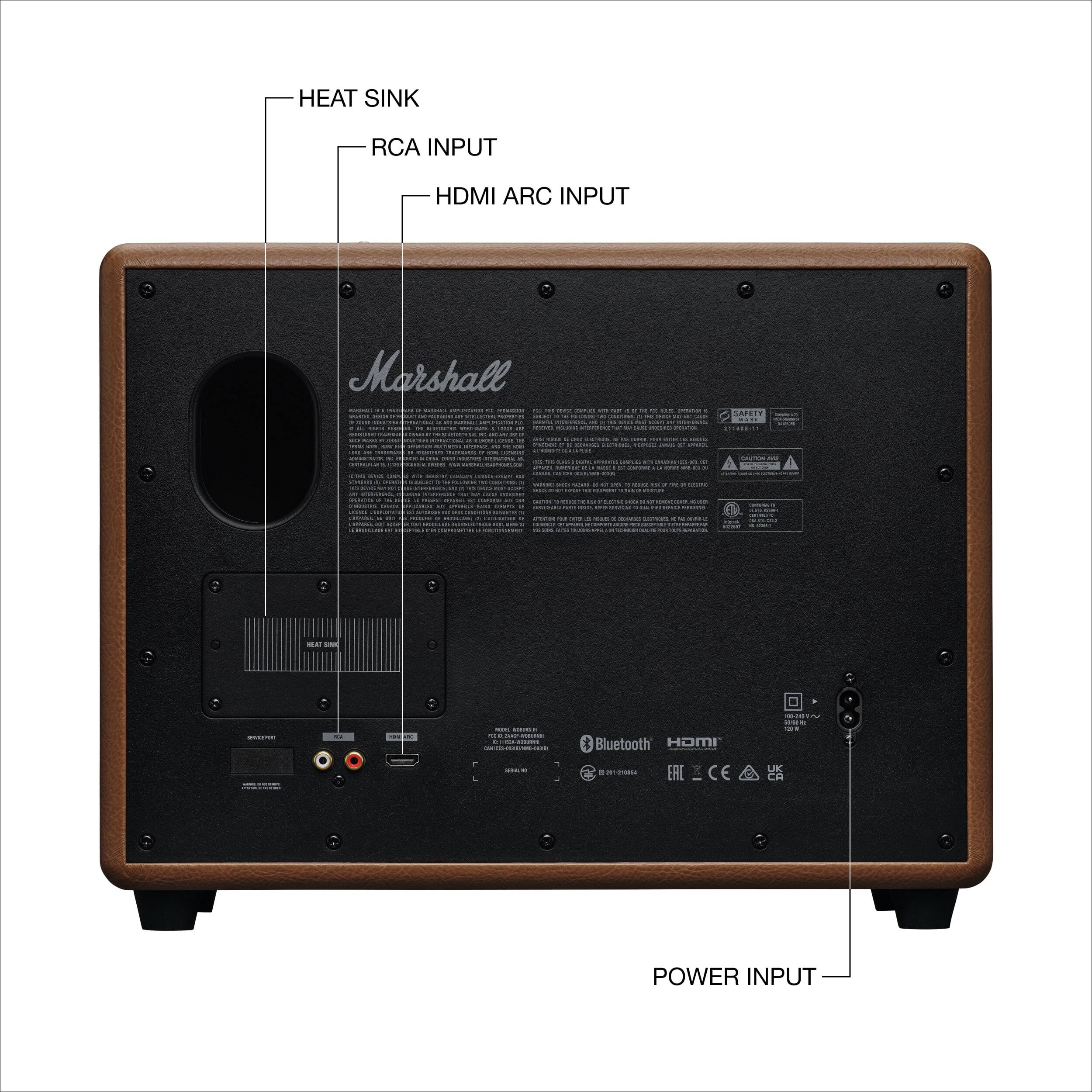
Where things get interesting is in the wired connectivity options. The Marshall Woburn III includes something most speakers don't: HDMI ARC input. This is a game-changer for home theater use because it allows the speaker to connect directly to your TV and automatically adjust volume using your TV remote. ARC stands for Audio Return Channel, and it means your TV can send audio back to the speaker through the same HDMI cable that normally just sends video to the TV.
This feature essentially turns the Marshall Woburn III into a high-end soundbar replacement. Given that quality soundbars often cost as much or more than this speaker, the value proposition becomes compelling if you're looking to upgrade your TV audio. The speaker also includes traditional RCA inputs for connecting older audio equipment and a 3.5mm input for phones and laptops.
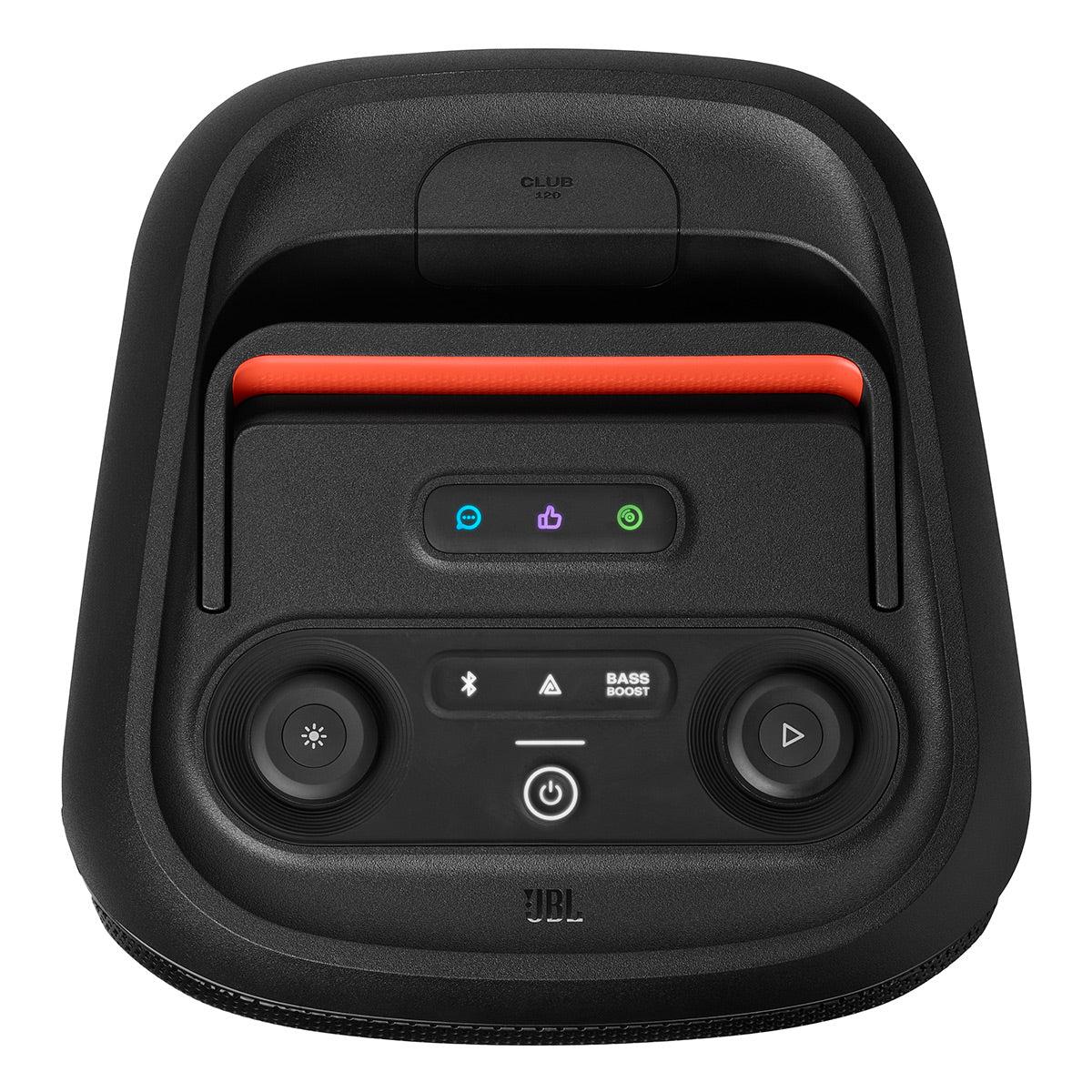
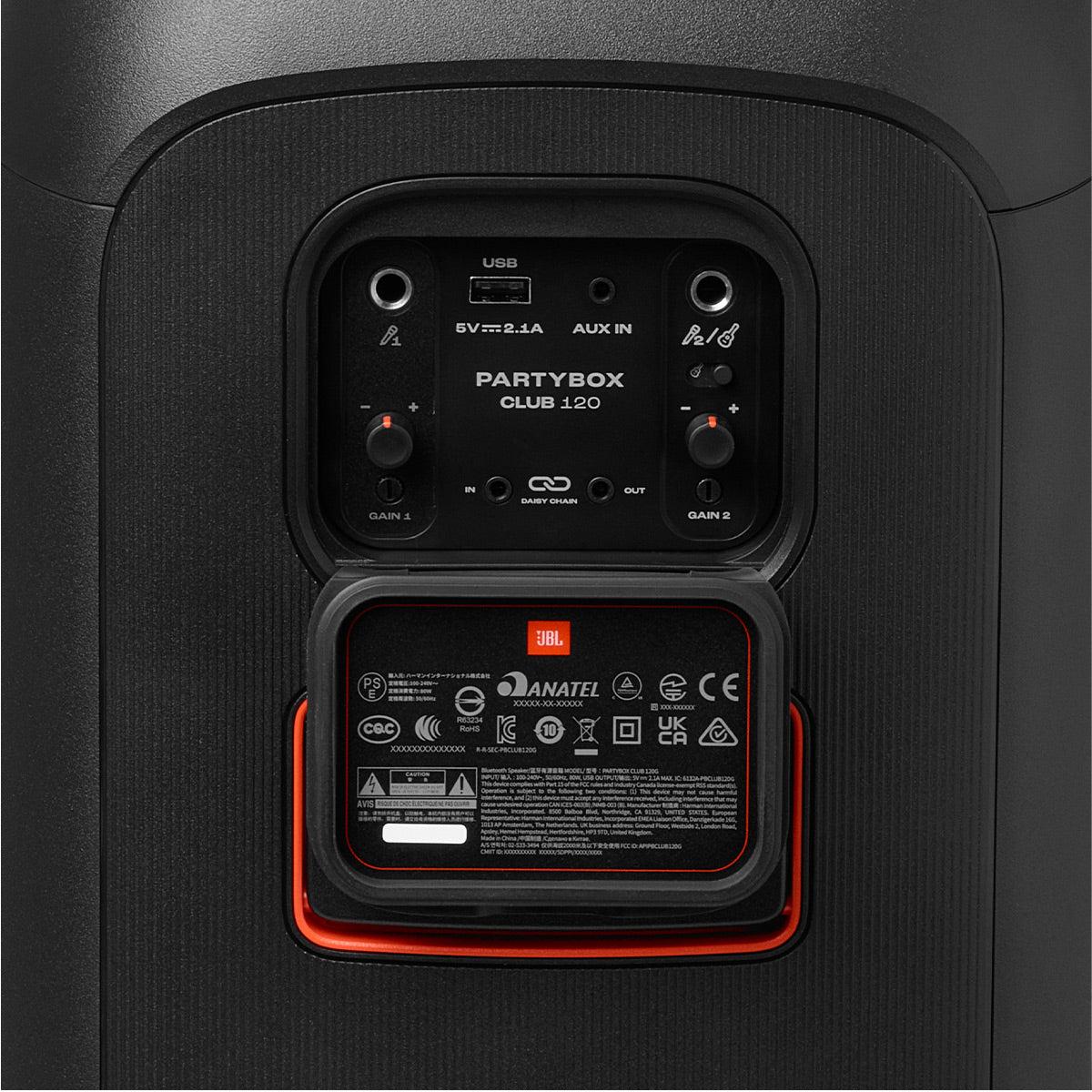
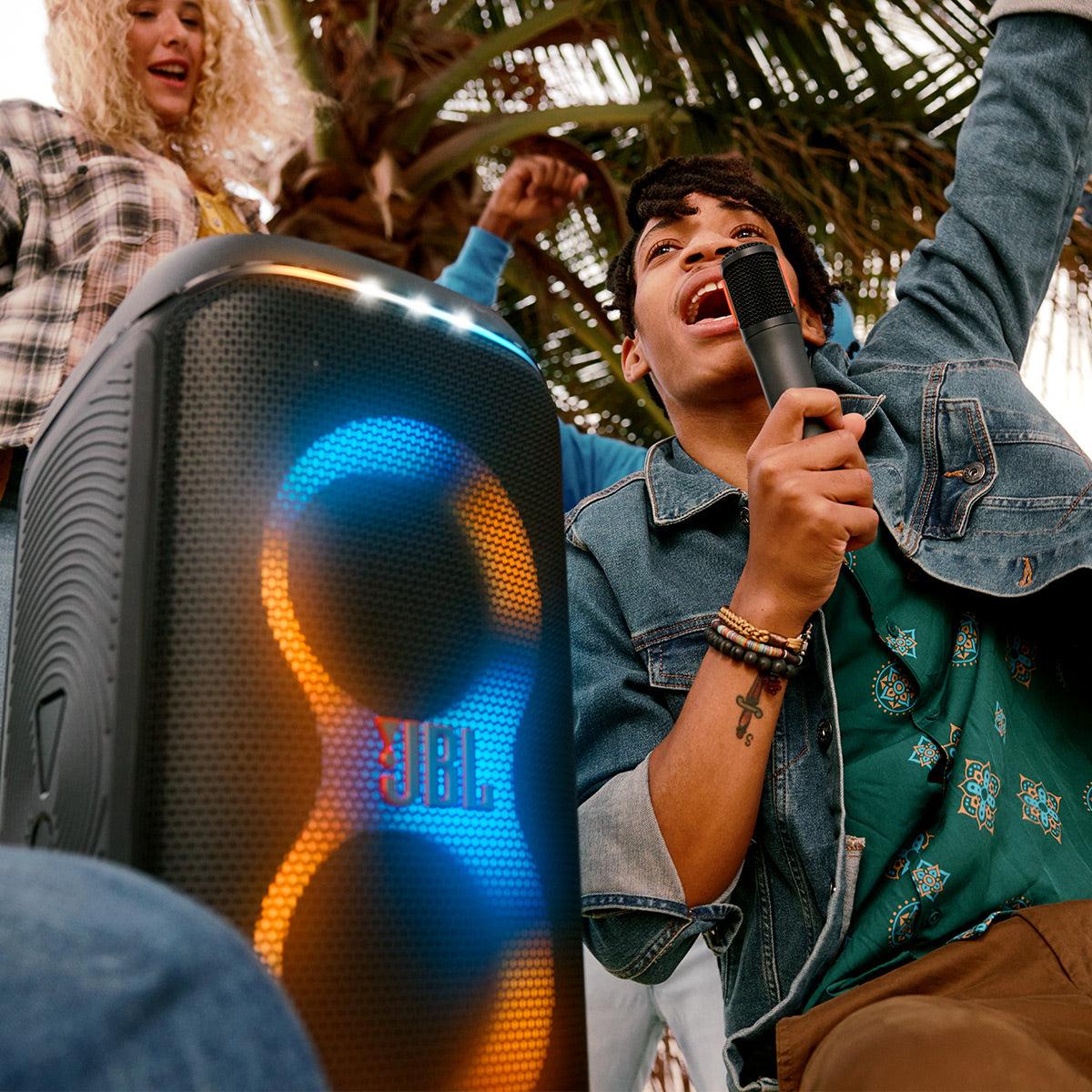
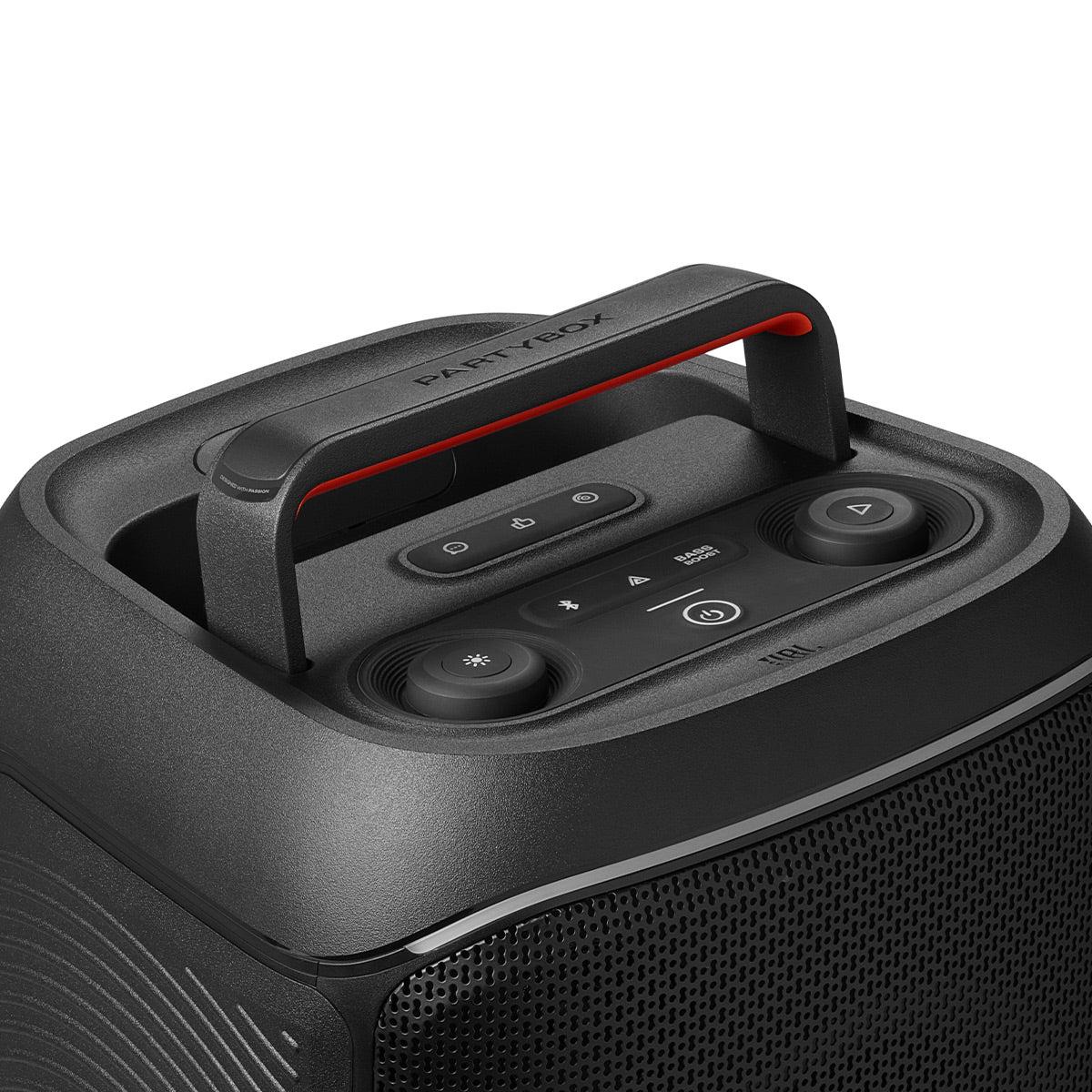
The JBL PartyBox Club 120 takes a completely different approach to connectivity. Instead of home theater integration, it focuses on live performance features. There are dedicated microphone and guitar inputs with individual volume controls, making it genuinely useful for karaoke nights or amateur musicians. The USB port doesn't just charge devices—it can actually play music directly from flash drives, which is surprisingly handy when you want to play music without draining your phone battery.
JBL's PartyBoost technology deserves special mention here. This allows you to wirelessly connect multiple JBL speakers for synchronized playback. In practice, this means you could have JBL PartyBox Club 120 speakers in different areas of a large event space, all playing the same music in perfect sync. It's a feature that sounds gimmicky until you actually need to fill a large outdoor space with sound.
This is where the fundamental difference between these speakers becomes impossible to ignore. The Marshall Woburn III is designed to stay put. It needs to be plugged into a wall outlet, and while it's not unreasonably large, it's clearly meant for permanent placement in your home.
The advantage of this approach is consistency. Mains power means the speaker always performs at its peak capability, and you never have to worry about battery degradation over time. The sound quality remains constant whether you're listening for 30 minutes or 8 hours straight.
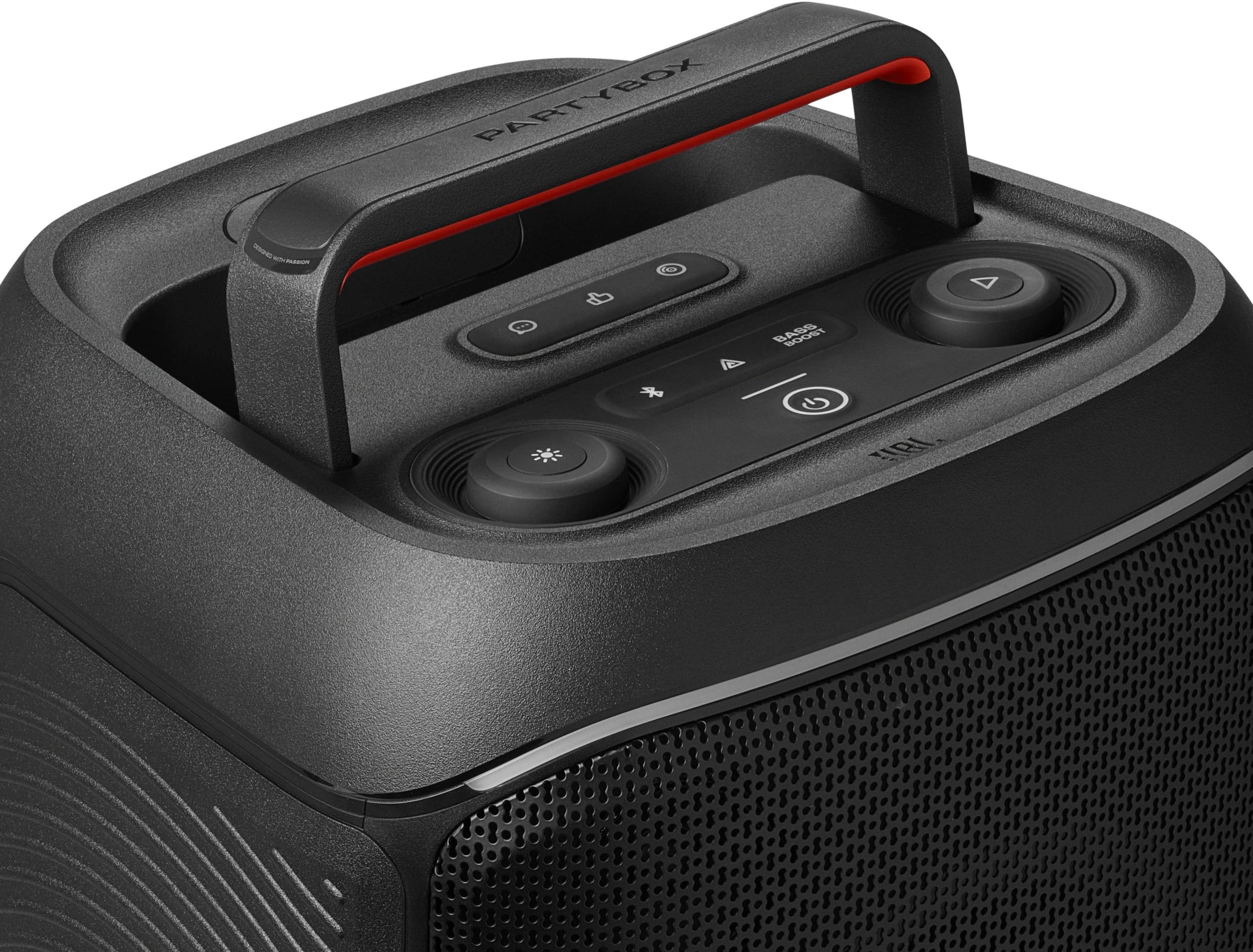
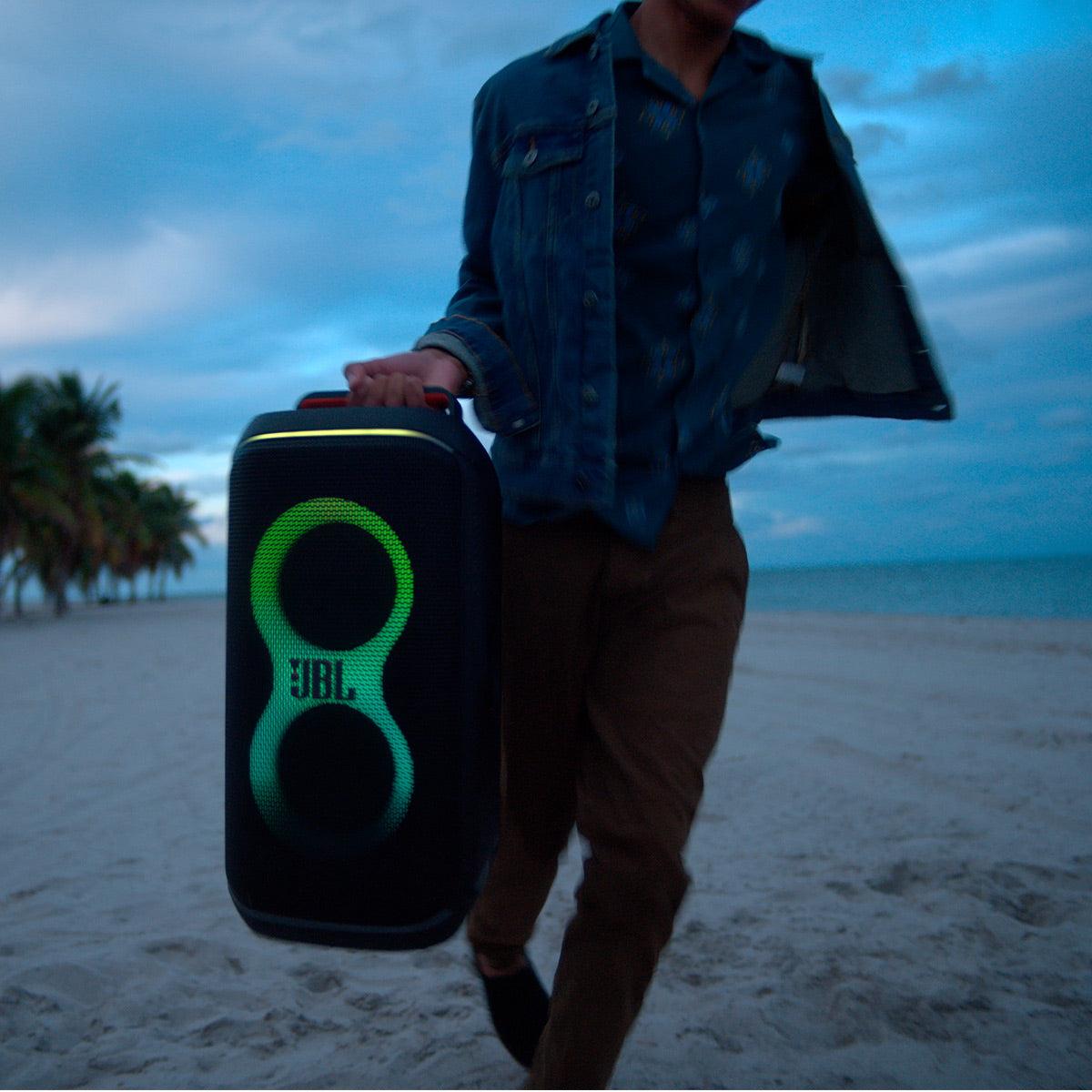
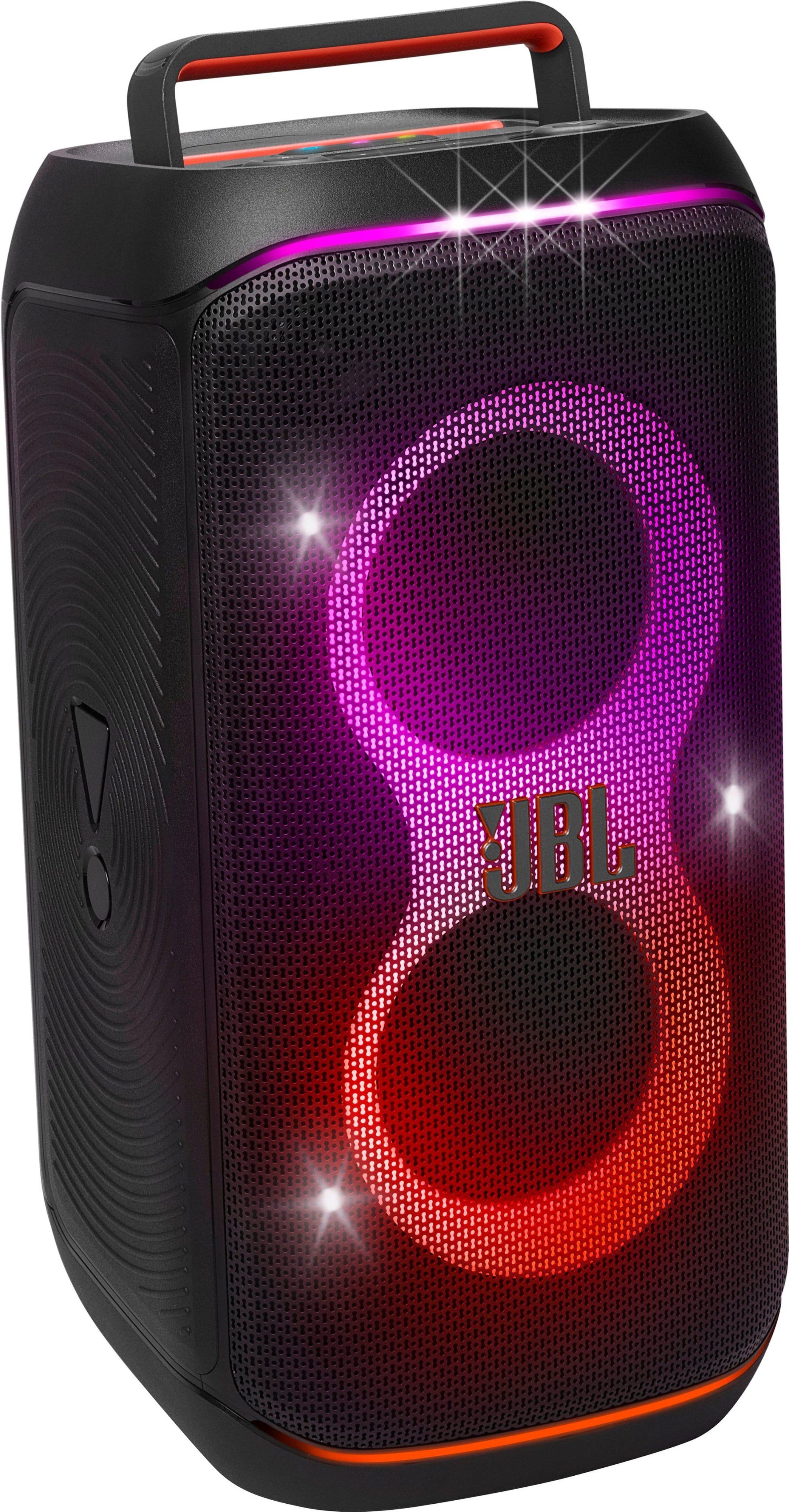
The JBL PartyBox Club 120 weighs about 24 pounds and includes wheels and a telescoping handle, making it genuinely portable despite its size. More importantly, its removable battery provides up to 12 hours of playtime, though real-world usage at party volumes with light effects typically yields closer to 6-8 hours. The removable battery design is brilliant because you can buy spare batteries for all-day events or replace the battery when it eventually degrades.
Having used similar portable speakers extensively, the freedom that battery power provides cannot be overstated. Being able to set up premium sound anywhere—poolside, in a park, or in any room of your house without worrying about outlet locations—fundamentally changes how you use a speaker.
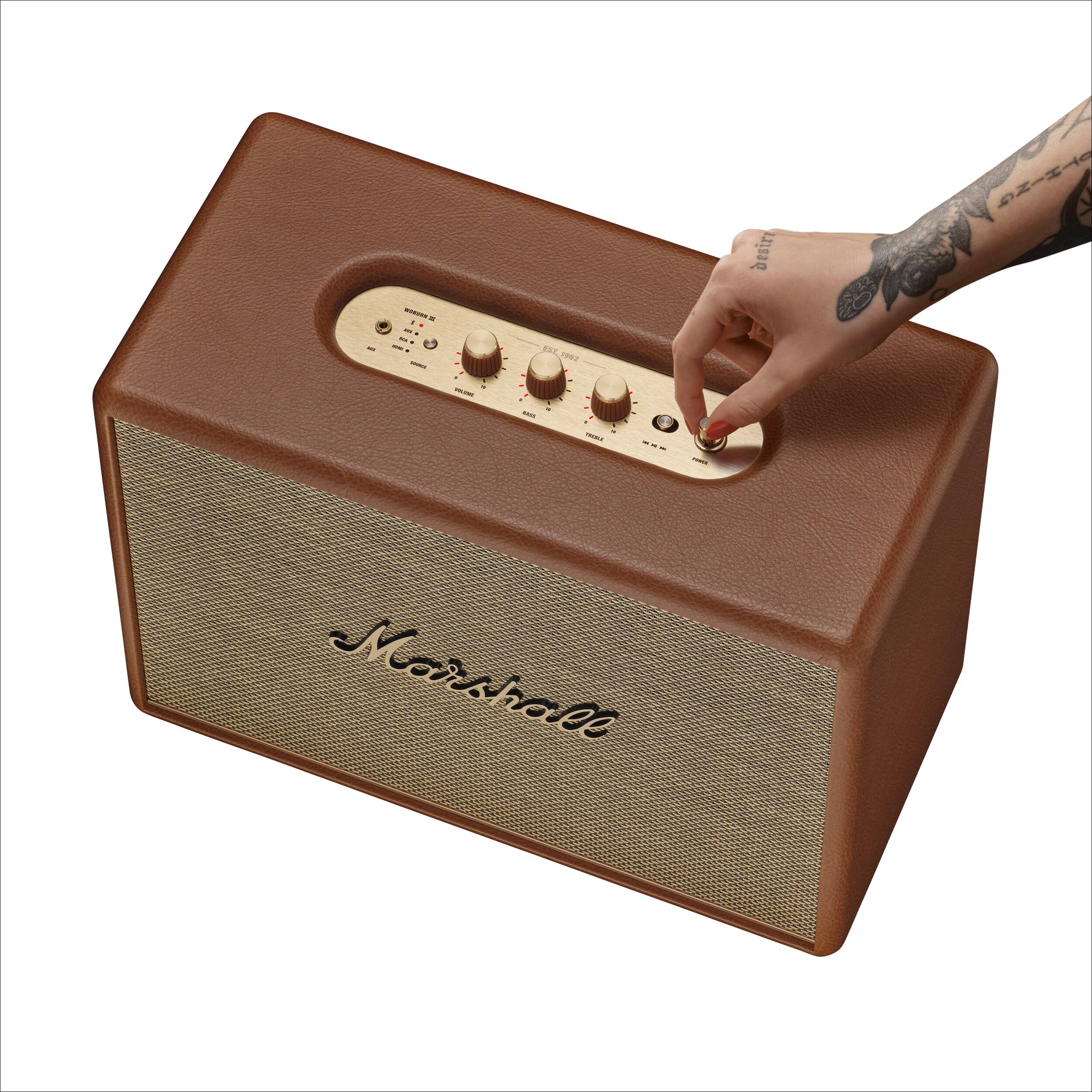
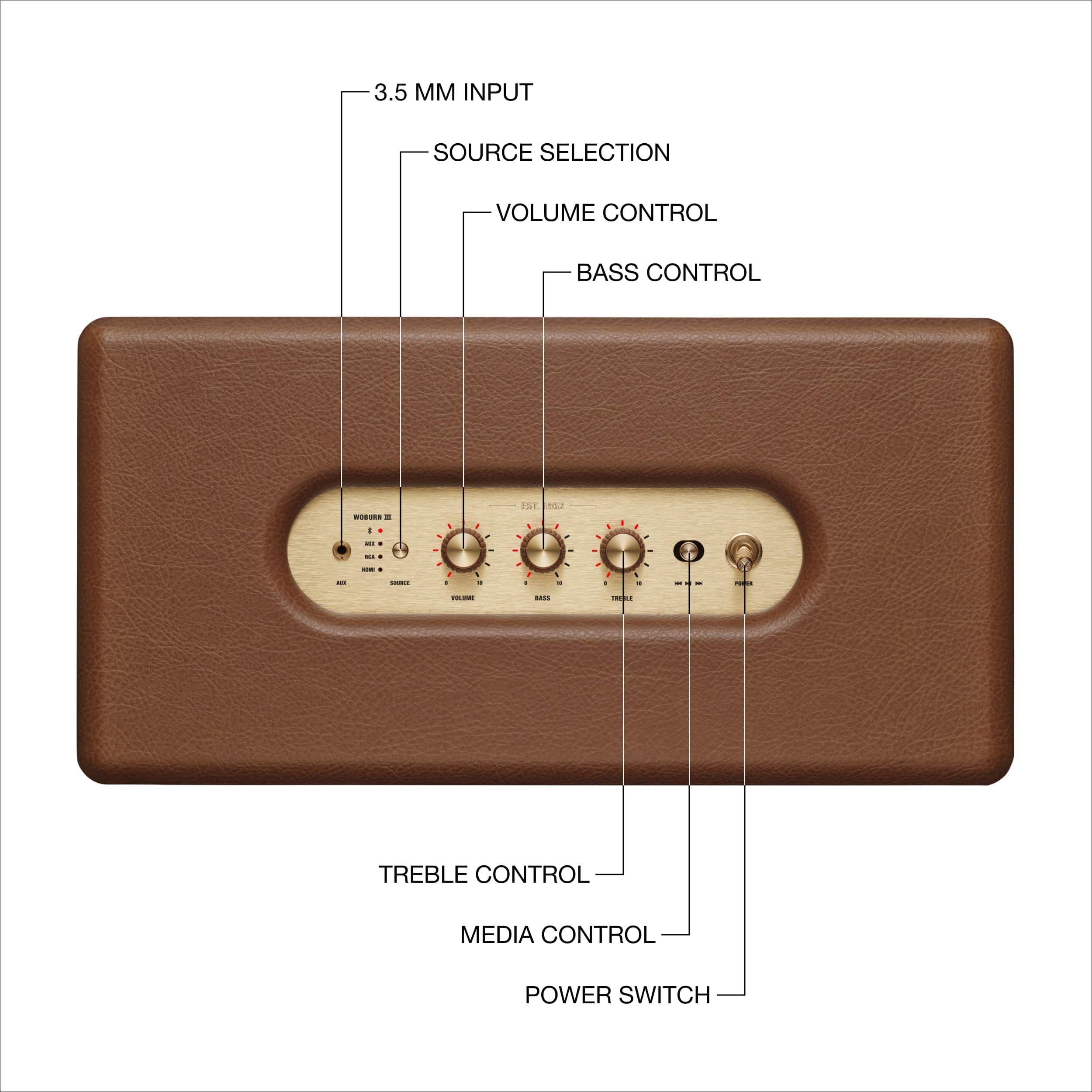
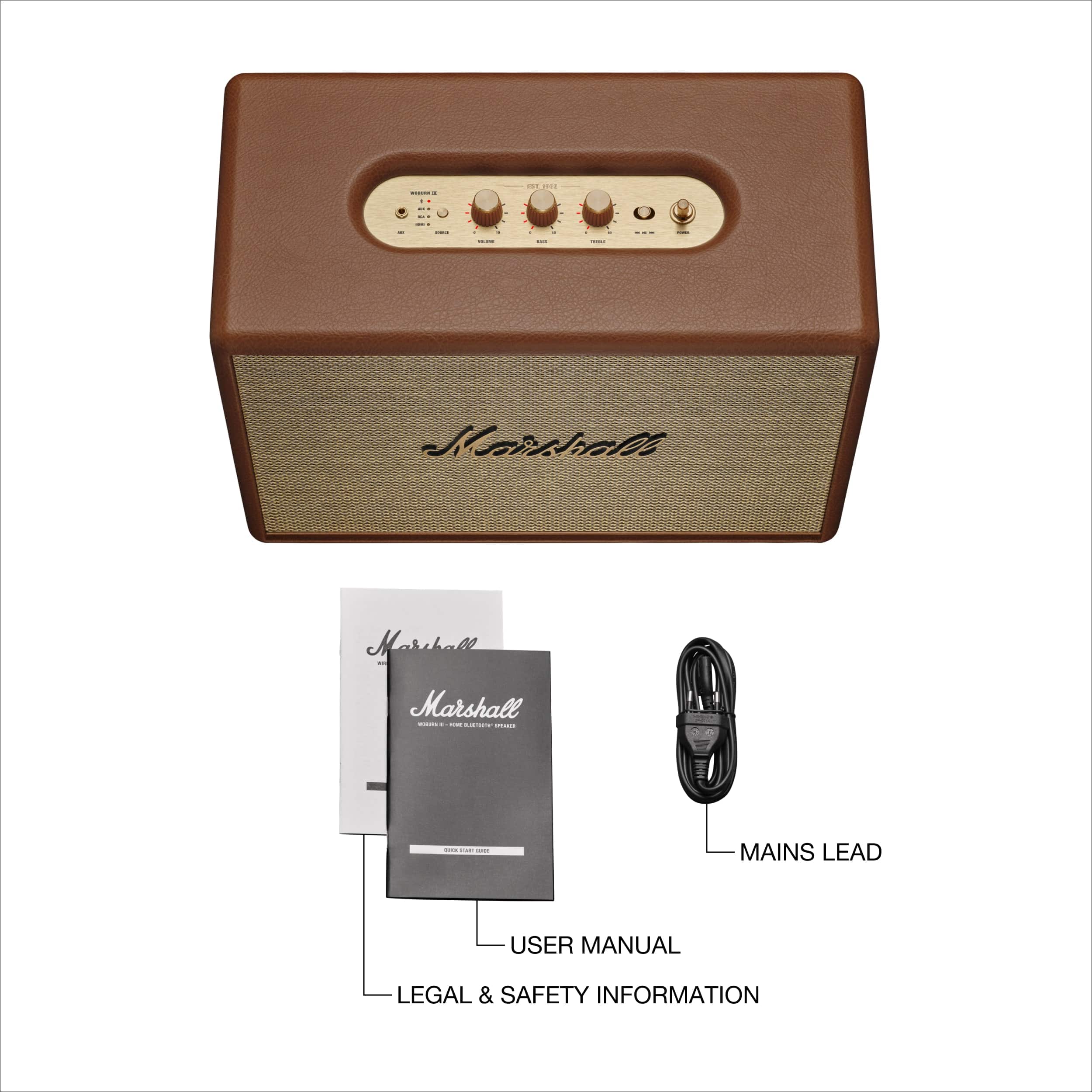
The Marshall Woburn III takes a purist approach to features. Its controls are beautifully designed analog knobs for volume, bass, and treble, plus source selection and playback controls. The Marshall app provides additional sound customization, including placement compensation that adjusts the sound based on where the speaker sits in your room. There's also Dynamic Loudness, which maintains tonal balance at different volume levels—crucial for late-night listening when you can't crank the volume.
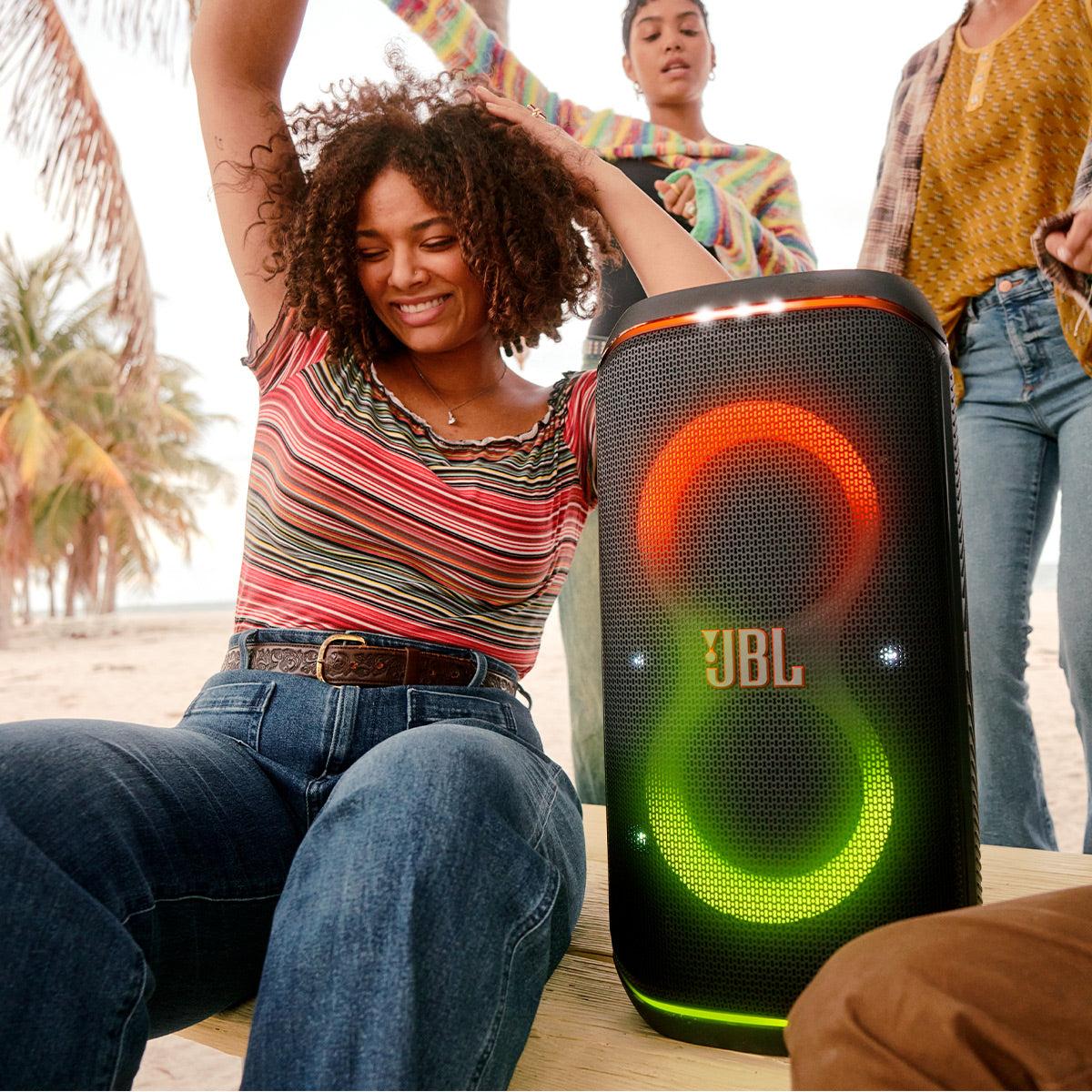
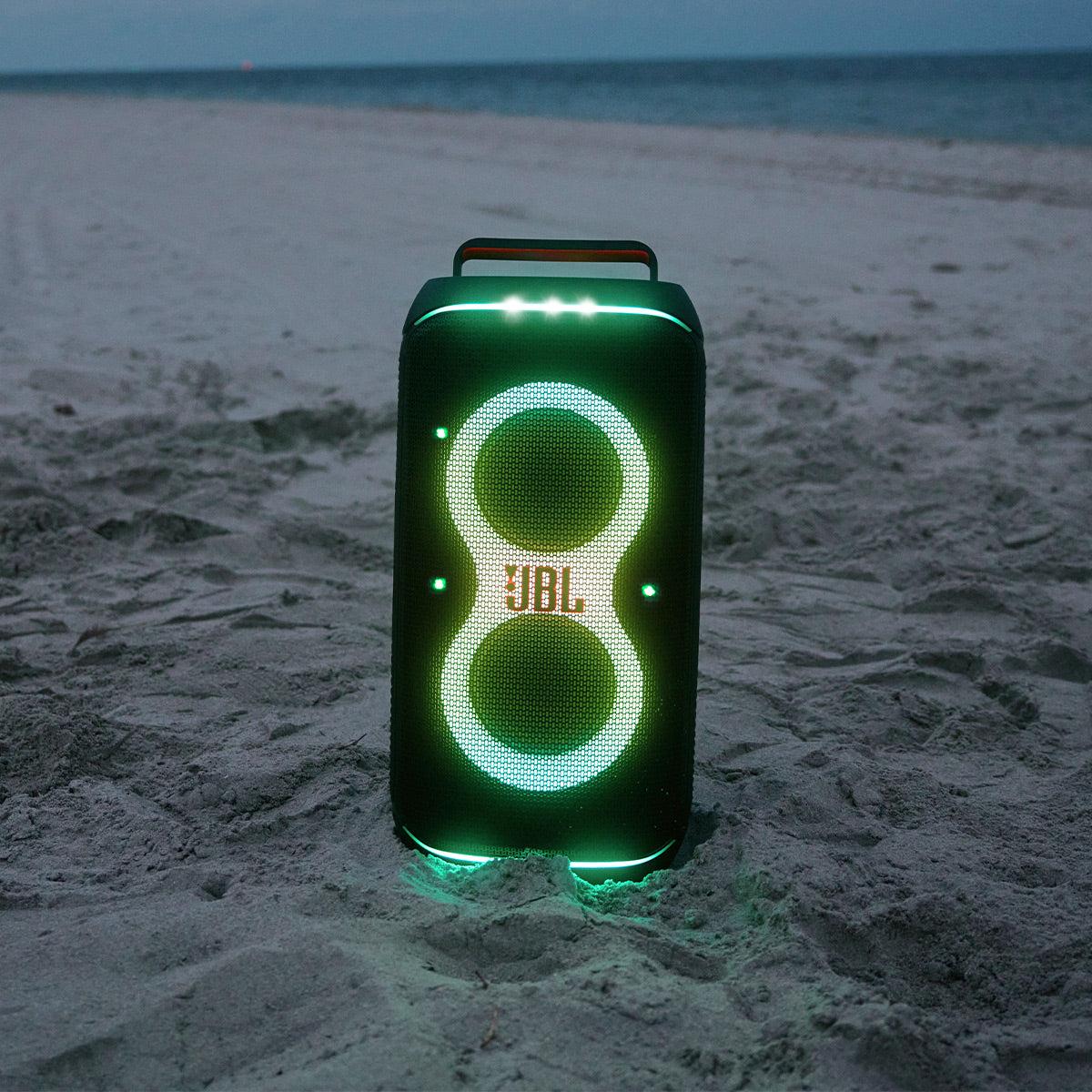
The JBL PartyBox Club 120 is basically an entertainment system disguised as a speaker. The integrated light show isn't just a gimmick—it's genuinely customizable and can sync to the music's beat. During our research, we found that even skeptical users often admit the lights add significant atmosphere to gatherings.
The karaoke functionality works surprisingly well. The microphone inputs have proper gain controls and can handle both vocal microphones and electric guitars. For amateur musicians or anyone who hosts sing-along nights, having professional-quality inputs built into your speaker eliminates the need for separate PA equipment.
For home theater use, the Marshall Woburn III is the clear winner, and it's not even close. The HDMI ARC connection means seamless integration with your TV setup, automatic volume control, and support for various audio formats. The speaker's three-way design provides excellent dialogue clarity—crucial for movies and TV shows where understanding speech is essential.
The Marshall's room-filling capabilities really shine in home theater applications. The angled tweeters create a wide soundstage that makes movie soundtracks feel expansive even from a single speaker. While it can't replace a full surround sound system, it offers a significant upgrade over TV speakers without the complexity of multiple speakers and receivers.
The JBL PartyBox Club 120 isn't designed for home theater use, and it shows. While you could connect it to a TV via Bluetooth, you'd deal with audio delay issues that make dialogue sync poorly with lip movements. The bass-heavy tuning that works great for parties can make dialogue muddy and harder to understand in movie content.
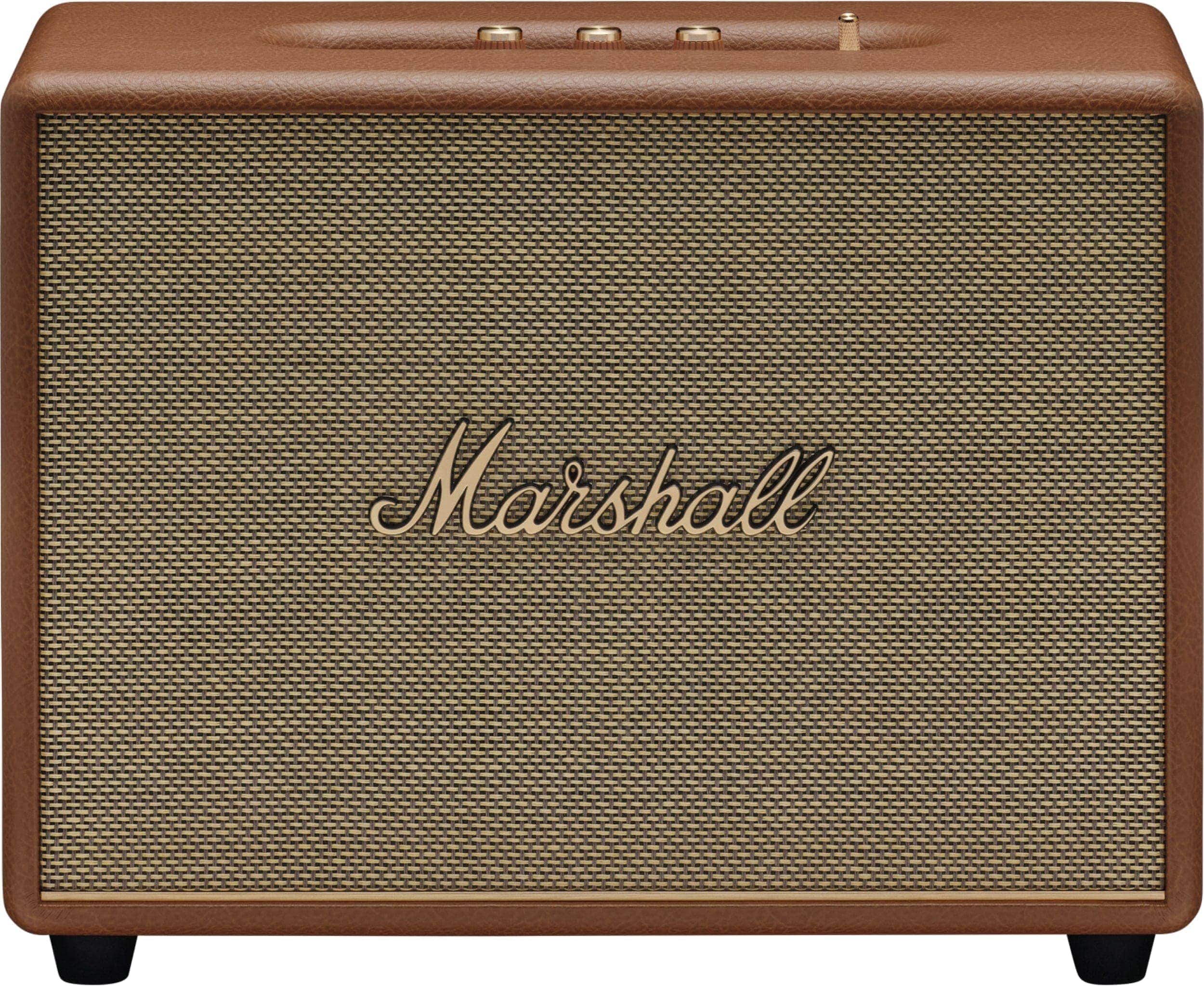
At the time of writing, both speakers command premium pricing, but they deliver value in completely different ways. The Marshall Woburn III offers exceptional audio quality per dollar for home use, especially when you consider it can replace both a high-end speaker and a soundbar. The build quality is genuinely premium, with sustainable materials and that iconic Marshall aesthetic that looks at home in any well-designed room.
The JBL PartyBox Club 120 provides incredible versatility for its price point. When you factor in the portability, light show, karaoke capabilities, and the ability to pair multiple speakers, it's essentially multiple pieces of equipment in one package. For anyone who regularly entertains or wants the flexibility to bring premium sound anywhere, the value proposition is compelling.
Based on extensive review research and user feedback, the Marshall Woburn III consistently delivers on its promises. Users report excellent build quality, balanced sound that improves over time as the drivers break in, and reliable performance. The main complaints tend to center around the lack of portability and the premium price, which are really just acknowledgments of what the speaker is designed to do.
The JBL PartyBox Club 120 gets high marks for fun factor and flexibility, but some users note that the bass can be overwhelming in smaller spaces, and the weight makes it less portable than you might hope. The light show and party features generally exceed expectations, while the audio quality is described as energetic and powerful rather than refined.
The decision between these speakers should be straightforward once you understand your priorities. Choose the Marshall Woburn III if you want the best possible sound quality for home listening and TV integration. It's perfect for music lovers who have a dedicated listening space and want their speaker to be a permanent part of their home entertainment setup.
The Marshall makes particular sense for people who prioritize audio fidelity, have good source material to take advantage of the speaker's capabilities, and want something that will consistently deliver excellent performance for years. If you're replacing TV speakers or looking for a high-end home audio solution, this is the clear choice.
Go with the JBL PartyBox Club 120 if portability, party features, and versatility matter more than absolute audio perfection. It's ideal for people who entertain regularly, want the freedom to bring good sound anywhere, or need features like karaoke and multi-speaker connectivity.
The JBL particularly shines for outdoor enthusiasts, people who host gatherings, or anyone who wants one speaker that can handle multiple scenarios. If you're choosing between a basic portable speaker and this, the JBL offers significantly better sound quality and features, even if it's not as portable as smaller alternatives.
Both the Marshall Woburn III and JBL PartyBox Club 120 are excellent speakers that excel in their intended roles. The Marshall delivers audiophile-quality sound for the home, while the JBL provides portable entertainment with genuine versatility. Your choice comes down to whether you value stationary audio excellence or mobile entertainment flexibility more.
Neither speaker is a compromise—they're both optimized for their specific use cases. Understanding which use case matches your lifestyle and preferences is the key to making the right choice and ending up with a speaker you'll genuinely enjoy for years to come.
| Marshall Woburn III Bluetooth Home Speaker | JBL PartyBox Club 120 Portable Speaker |
|---|---|
| Power Source - Determines where and how you can use the speaker | |
| Mains-powered only (requires wall outlet) | Removable 12-hour battery plus AC power |
| Audio Configuration - Affects sound quality and detail | |
| 3-way system: 6" woofer, 2×2" mids, 2×0.75" tweeters | 2.1 system with dedicated subwoofer |
| Total Power Output - More watts generally means louder maximum volume | |
| 150W (90W woofer, 4×15W mids/highs) | 160W system power |
| Frequency Response - Lower bass numbers mean deeper, fuller sound | |
| 35-20,000 Hz (extends to near-human hearing limits) | 40-20,000 Hz (excellent but slightly less deep bass) |
| Maximum Volume - Important for large rooms and outdoor use | |
| 100.5 dB @ 1m (very loud, suitable for large rooms) | 95 dB sensitivity (loud but more limited than Marshall) |
| Portability - Critical factor for where you can use the speaker | |
| Stationary (designed for permanent placement) | Fully portable (24 lbs, wheels, handle) |
| TV Integration - Essential for home theater use | |
| HDMI ARC input (direct TV connection, remote control) | No TV integration (Bluetooth only with sync delay) |
| Party Features - Entertainment value beyond just music | |
| None (pure audio focus) | LED light show, karaoke inputs, multi-speaker pairing |
| Bluetooth Version - Newer versions offer better connectivity | |
| 5.2 (reliable, good range) | 5.4 (newer standard, slightly better stability) |
| Additional Inputs - Flexibility for different audio sources | |
| 3.5mm, RCA, HDMI ARC | 3.5mm, microphone, guitar, USB playback |
| Sound Character - Different tuning philosophies | |
| Balanced, reference-quality for critical listening | Bass-heavy, energetic tuning optimized for parties |
| Build Quality - Affects durability and aesthetics | |
| Premium materials, iconic Marshall amp styling | Rugged portable design, splash-resistant (IPX4) |
| Best Use Cases - Where each speaker truly excels | |
| Home audio, TV enhancement, critical music listening | Parties, outdoor events, karaoke, multi-room flexibility |
The Marshall Woburn III is specifically designed for home use with mains power, HDMI ARC connectivity for TVs, and reference-quality sound reproduction. The JBL PartyBox Club 120 can work at home but is optimized for portable party use with battery power and entertainment features like LED lights.
Yes, but very differently. The Marshall Woburn III offers direct HDMI ARC connection to your TV, allowing seamless integration and remote control. The JBL PartyBox Club 120 only connects via Bluetooth, which creates audio delay issues that make dialogue sync poorly with video.
The Marshall Woburn III reaches 100.5 dB maximum volume, making it louder than the JBL PartyBox Club 120 at 95 dB sensitivity. However, both speakers get plenty loud for most situations, with the Marshall being better for large indoor spaces.
Only the JBL PartyBox Club 120 works on battery power, providing up to 12 hours of playtime with a removable/rechargeable battery. The Marshall Woburn III requires constant connection to a wall outlet and has no battery option.
The Marshall Woburn III delivers superior sound quality with its three-way driver system, balanced frequency response, and reference-quality audio reproduction. The JBL PartyBox Club 120 prioritizes energetic, bass-heavy sound that's optimized for parties rather than critical listening.
The JBL PartyBox Club 120 is designed for outdoor use with battery power, splash-resistant construction, and portable design with wheels and handle. The Marshall Woburn III is strictly for indoor use only, requiring wall power and lacking weather protection.
The JBL PartyBox Club 120 is purpose-built for parties with customizable LED light shows, karaoke microphone inputs, bass-heavy sound tuning, and the ability to pair multiple speakers. The Marshall Woburn III focuses purely on audio quality without party-specific features.
Both support multi-device connectivity but differently. The Marshall Woburn III offers Bluetooth multipoint for two devices plus multiple wired inputs (HDMI ARC, RCA, 3.5mm). The JBL PartyBox Club 120 connects two Bluetooth devices and can pair with other JBL speakers for multi-room audio.
The Marshall Woburn III will likely last longer due to mains power eliminating battery degradation and premium build materials. The JBL PartyBox Club 120 has a replaceable battery design that extends its lifespan, though batteries will eventually need replacement after years of use.
Only the JBL PartyBox Club 120 supports karaoke with dedicated microphone inputs, individual volume controls, and vocal-optimized effects. The Marshall Woburn III has no microphone inputs and is designed purely for music playback and home theater audio.
Value depends on your needs. The Marshall Woburn III offers excellent value for home audio and TV integration with audiophile-quality sound. The JBL PartyBox Club 120 provides better versatility value with portability, party features, and multiple use cases at a lower price point.
Both deliver strong bass but with different approaches. The Marshall Woburn III produces deeper, more controlled bass (35Hz frequency response) that's accurate and musical. The JBL PartyBox Club 120 emphasizes powerful, room-shaking bass (40Hz response) that's optimized for dance music and party atmosphere rather than accuracy.
We've done our best to create useful and informative comparisons to help you decide what product to buy. Our research uses advanced automated methods to create this comparison and perfection is not possible - please contact us for corrections or questions. These are the sites we've researched in the creation of this article: loudersound.com - ash-asia.zendesk.com - armorsound.com - rtings.com - crutchfield.com - rtings.com - stereoguide.com - bestbuy.com - hometechnologyreview.com - crutchfield.com - sweetwater.com - rtings.com - youtube.com - greentoe.com - versus.com - idownloadblog.com - marshall.com - youtube.com - comparisontabl.es - youtube.com - versus.com - crutchfield.com - device.report - consumerreports.org - sg.tcacoustic.asia - stereoindex.com - safemark.com - smarthomesounds.co.uk - marshall.com - device.report - bestbuy.com - marshall.com - stereoguide.com - armorsound.com - rtings.com - rtings.com - bestbuy.com - youtube.com - soundguys.com - youtube.com - lbtechreviews.com - youtube.com - youtube.com - versus.com - jbl.com - rtings.com - versus.com - ro.harmanaudio.com - dell.com - jbl.com - jbl.com - projectorscreenstore.com

Privacy Policy
Terms and Conditions - Affiliate Policy
Home Security
© Copyright 2008-2026.
11816 Inwood Rd #1211, Dallas, TX 75244