

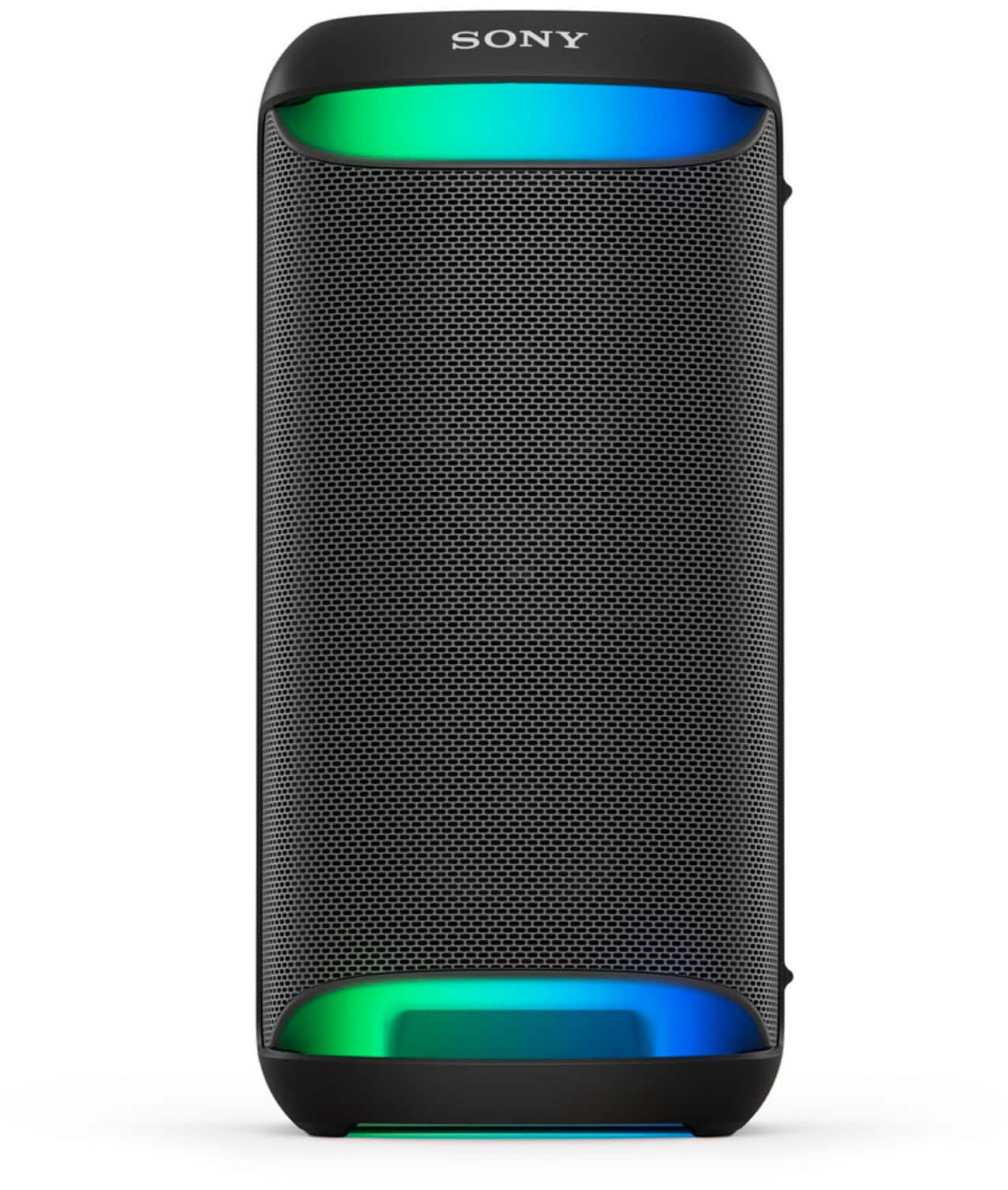
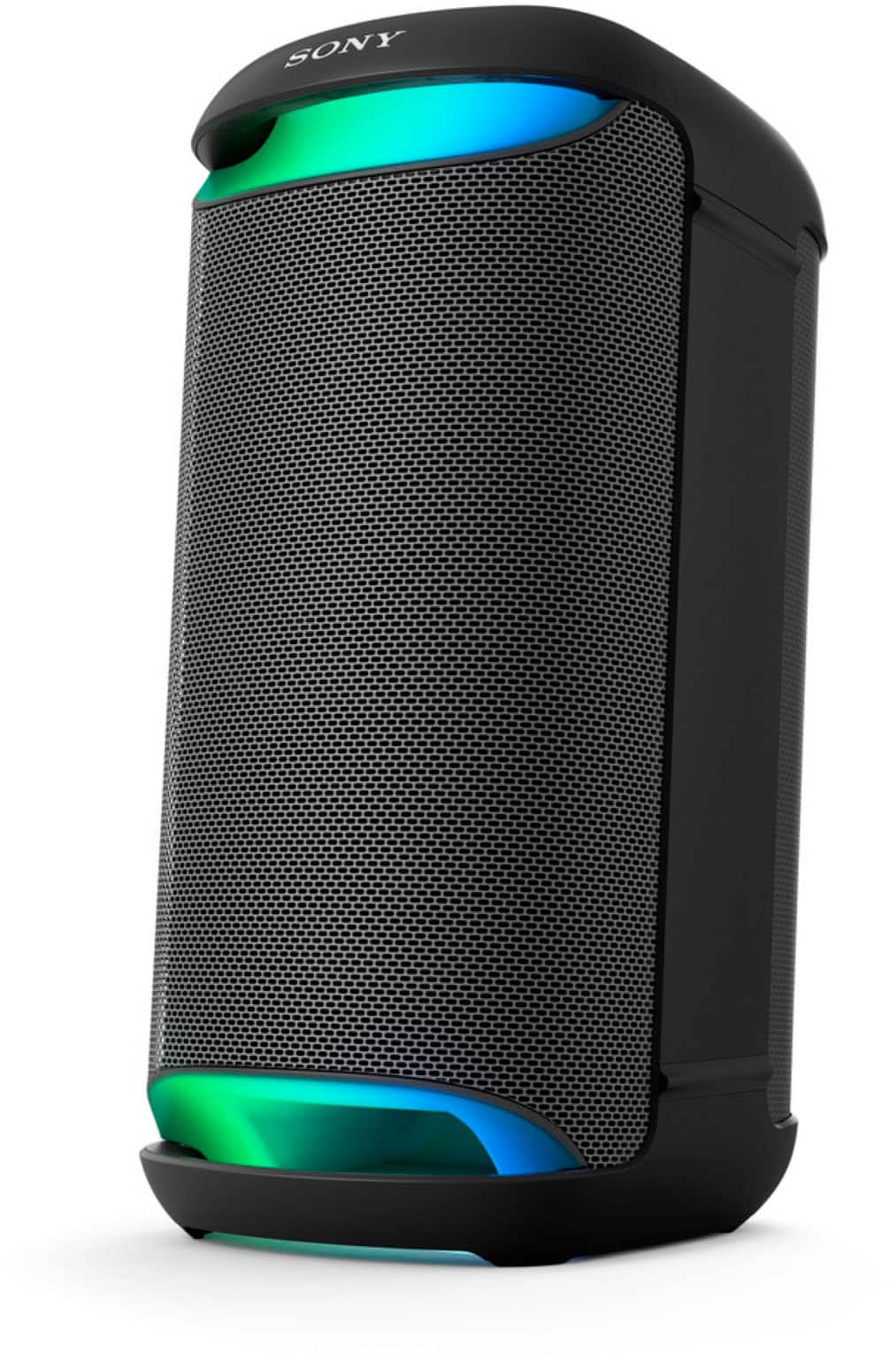
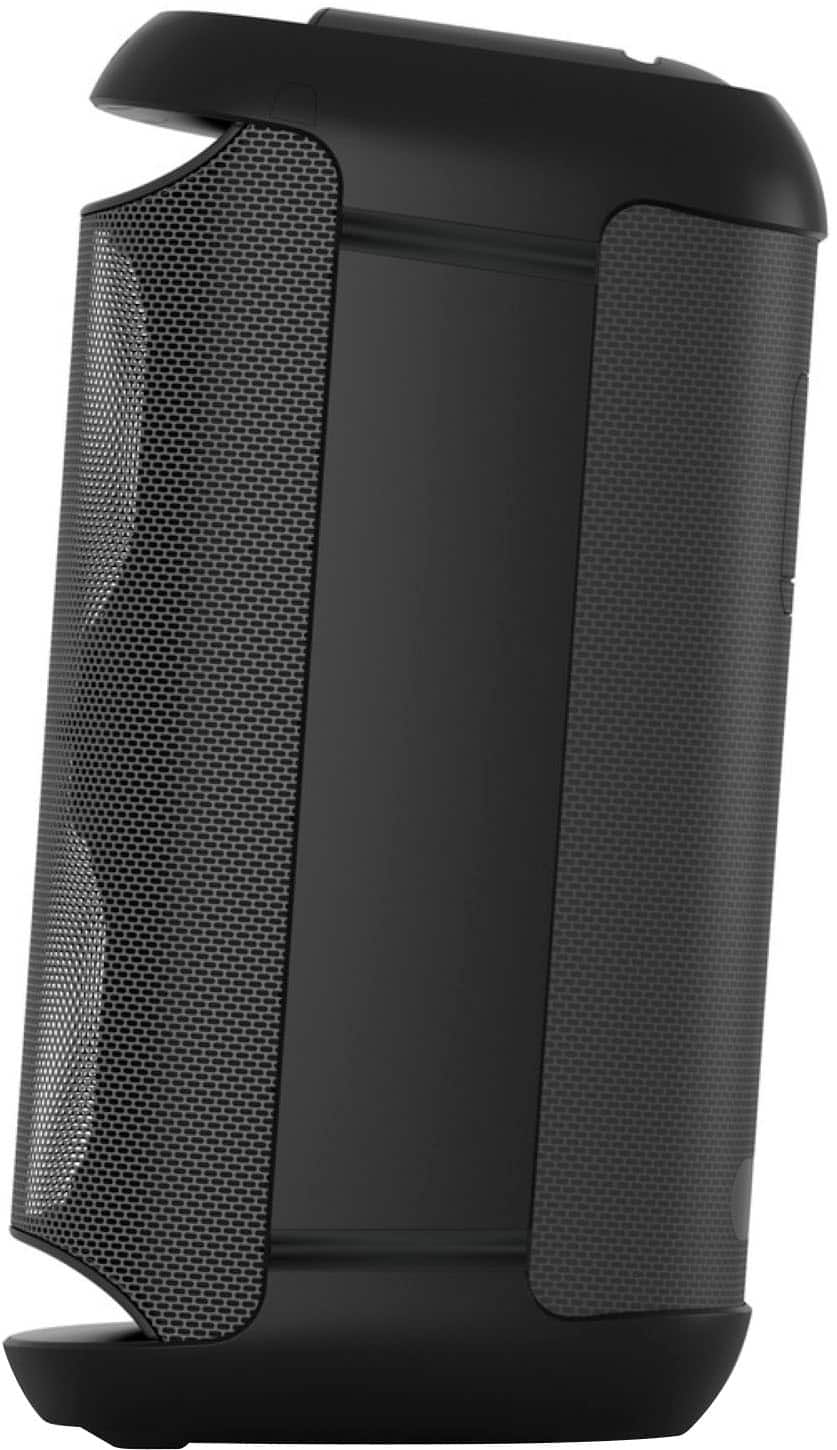
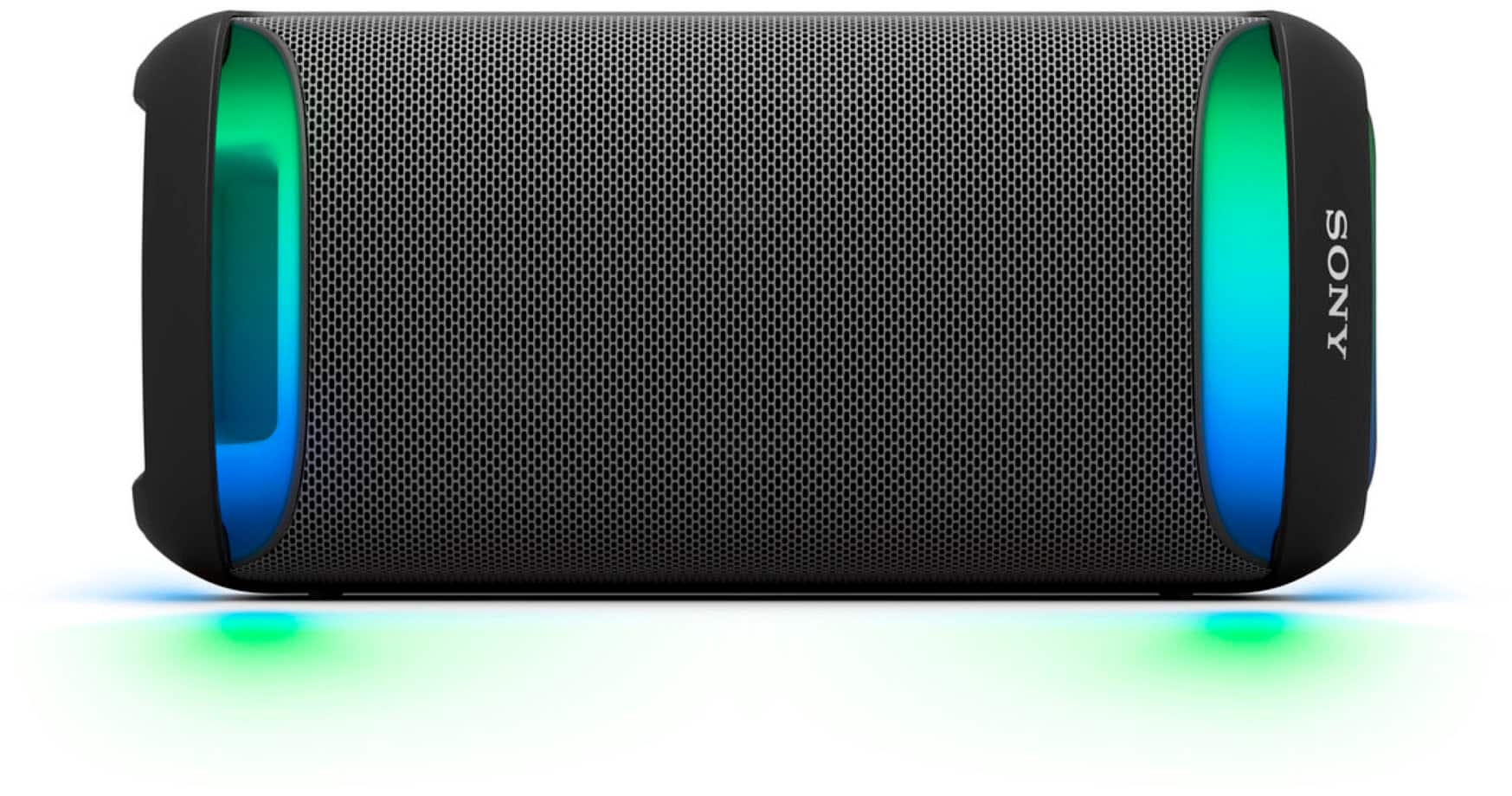

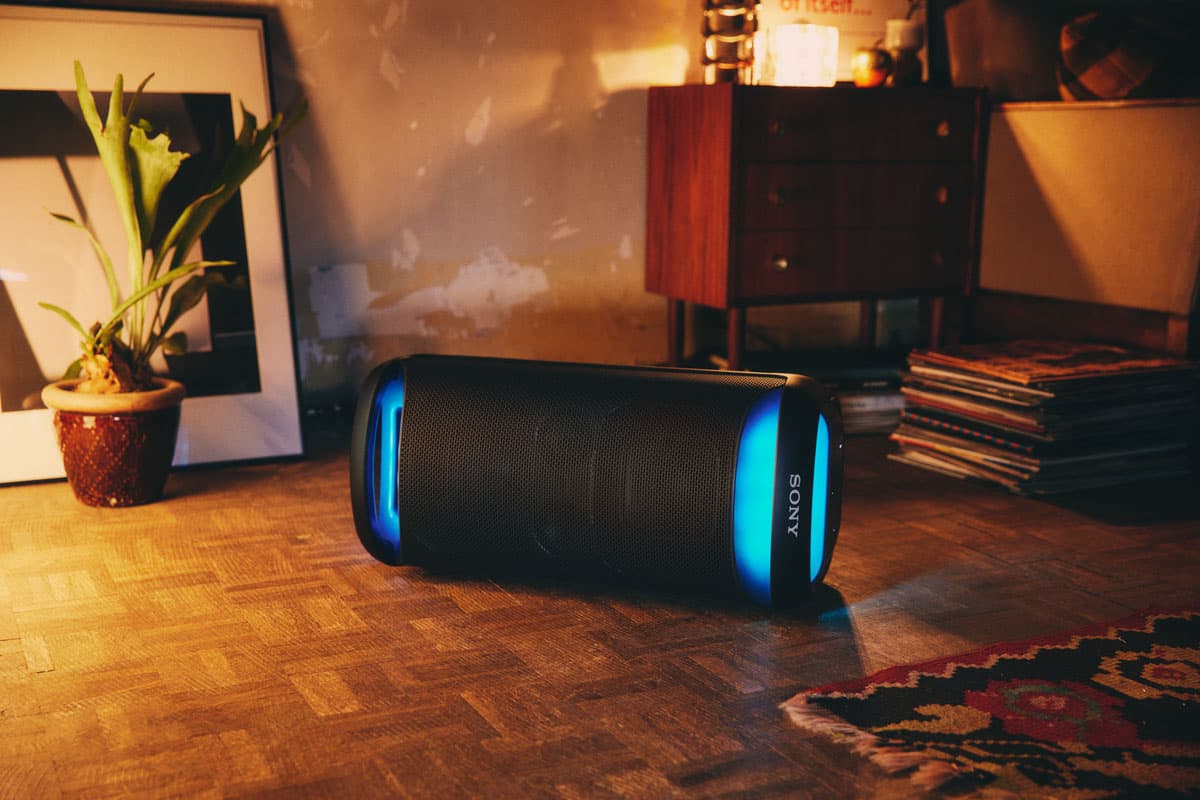

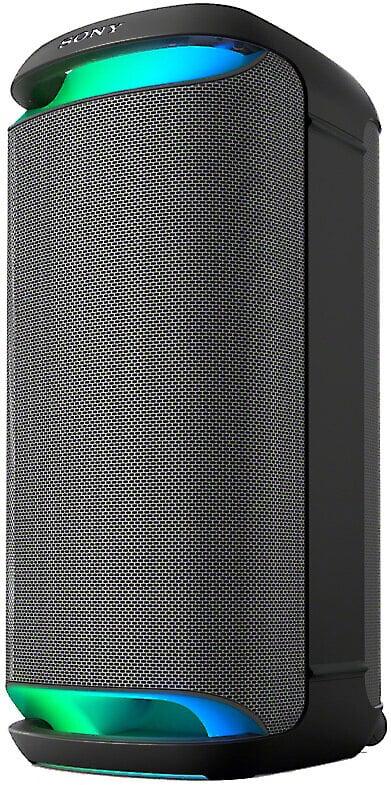
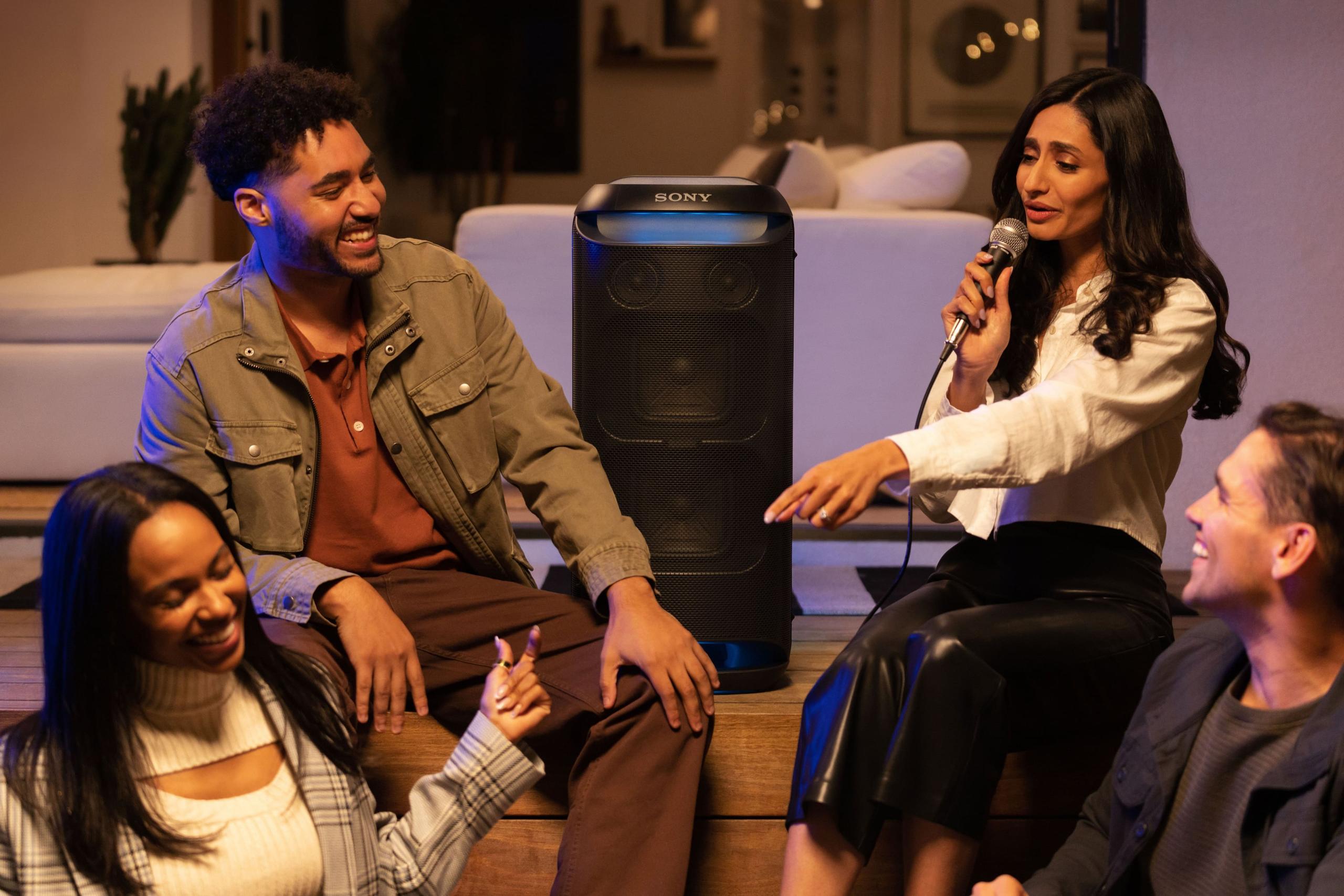
Party speakers have evolved dramatically from the basic boom boxes of the past. Today's wireless party speakers are sophisticated entertainment hubs that can fill entire backyards with sound, sync lighting effects to music beats, and even handle karaoke duties for impromptu singing sessions. The category has become incredibly competitive, with manufacturers cramming impressive amounts of technology into portable packages.
When shopping for a party speaker, you're essentially balancing four key factors: sound quality, portability, battery life, and feature versatility. The best speakers excel in multiple areas without major compromises. Sony has carved out a strong position in this space with their X-Series lineup, and their two most popular models—the Sony SRS-XV500 and Sony SRS-XV800—represent very different approaches to party audio.
Sony released the XV800 first in 2023, positioning it as their flagship party speaker with premium features and maximum performance. A year later in 2024, they introduced the XV500 as a more compact, affordable entry point into their X-Series ecosystem. This timing matters because the XV500 incorporates lessons learned from the XV800's market reception, particularly around portability concerns.
Both speakers share Sony's X-Balanced Speaker technology—a rectangular driver design that maximizes the diaphragm surface area compared to traditional circular speakers. This engineering approach allows for greater sound pressure (meaning louder, cleaner bass) while reducing distortion. Think of it like having a larger engine in a car; more surface area means more air movement, which translates to more powerful sound output.
At the time of writing, these speakers occupy distinct price tiers, with the XV500 positioned as the budget-conscious option and the XV800 commanding a significant premium for its additional capabilities. The price difference reflects not just size and power, but fundamentally different use cases.
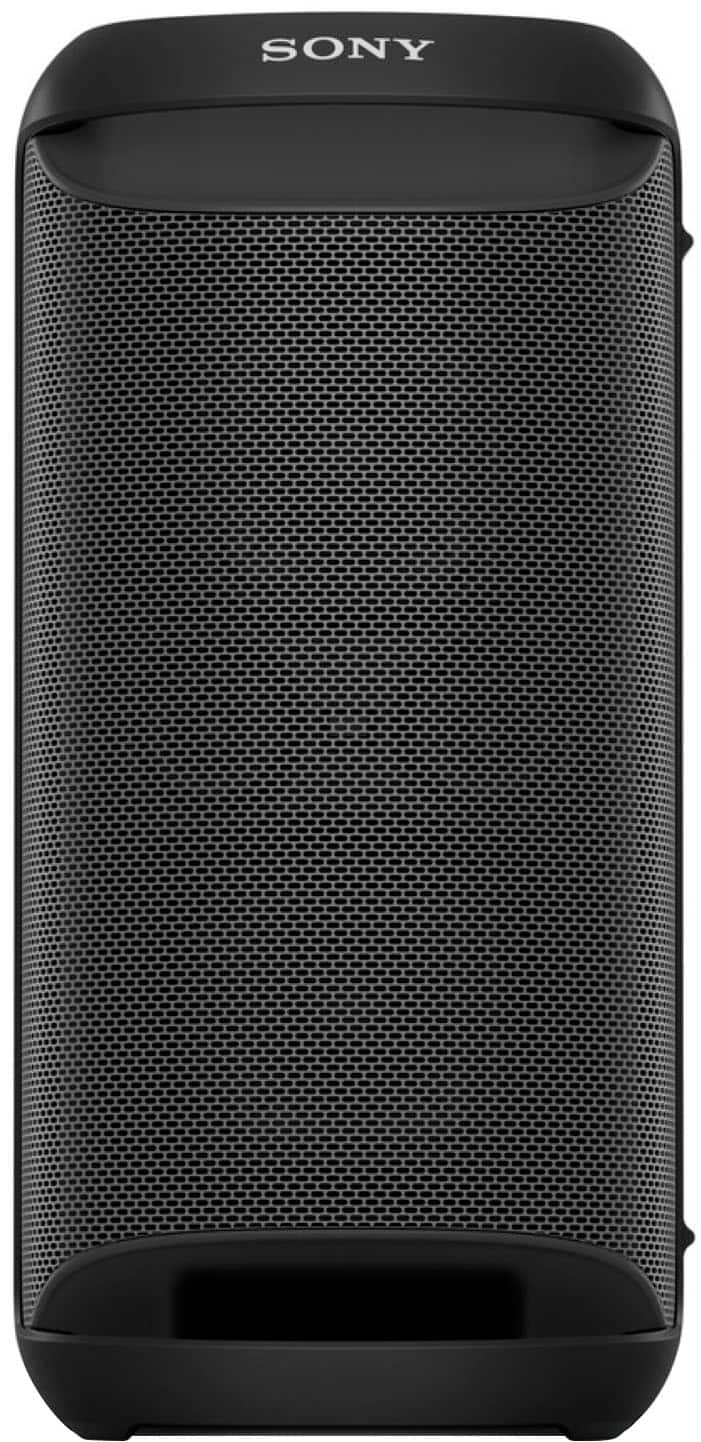
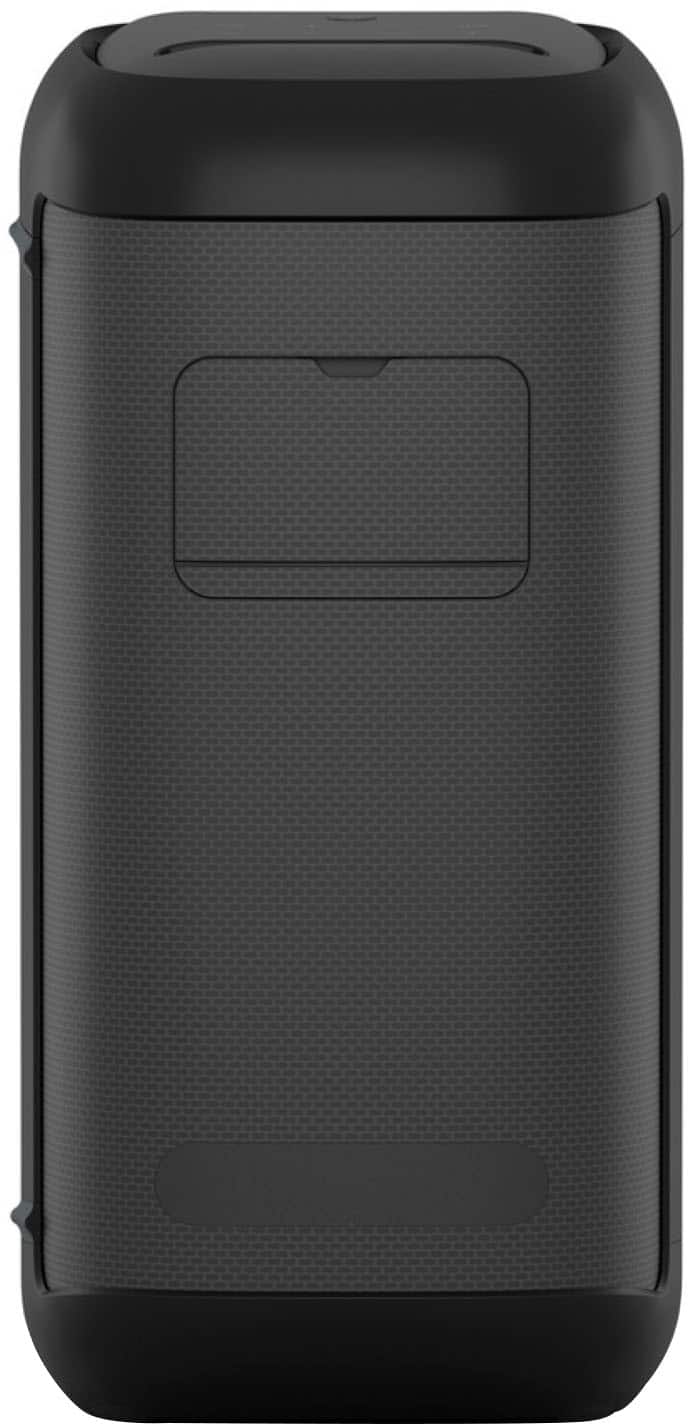
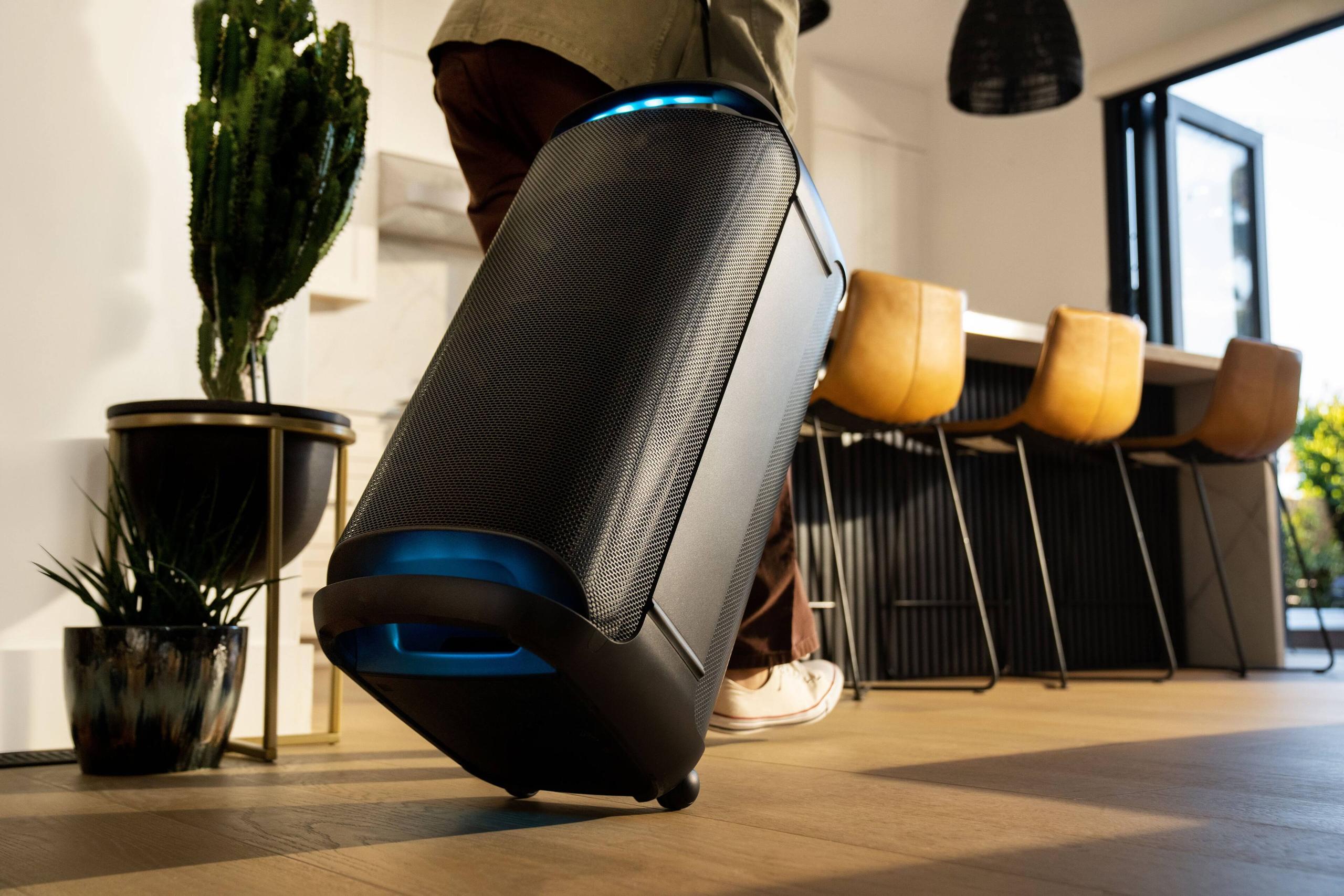
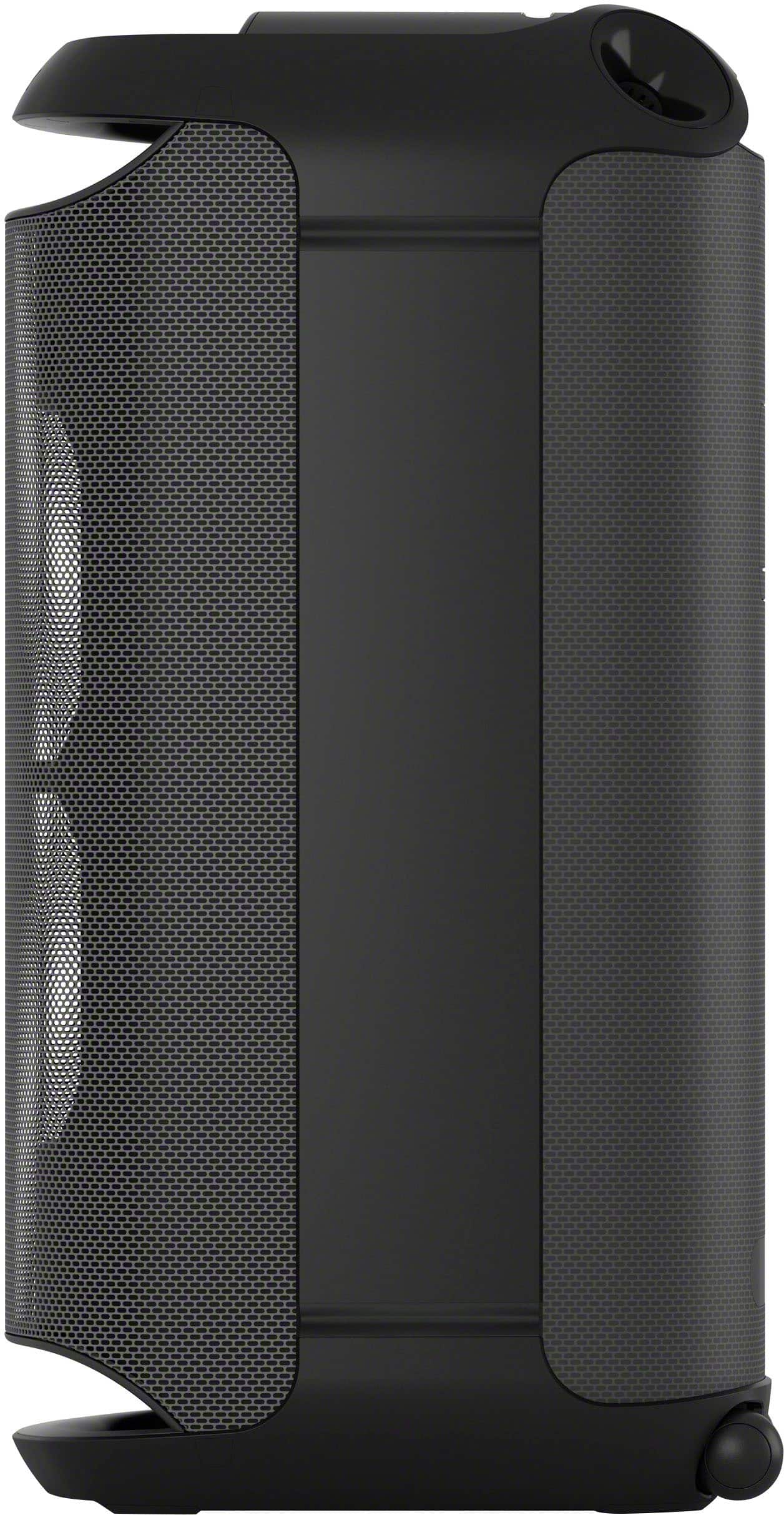
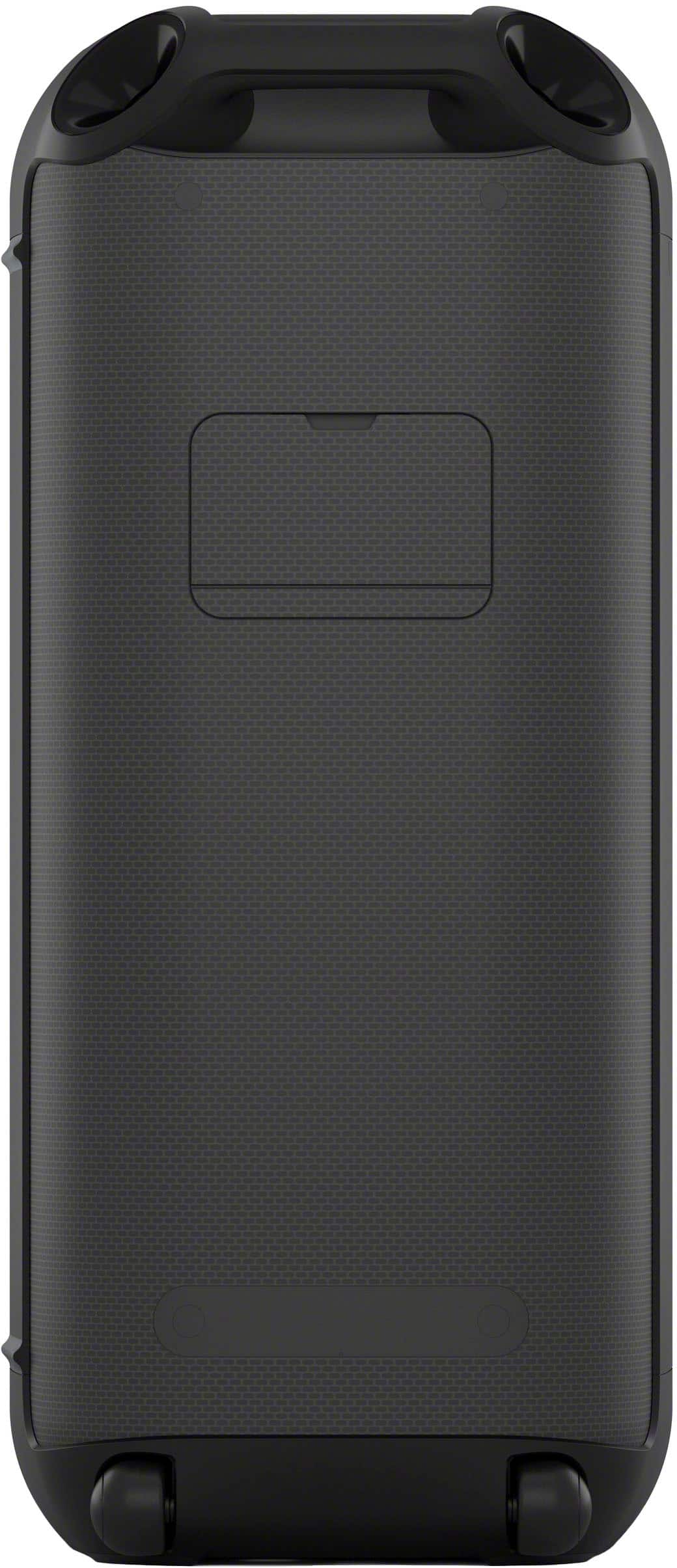
The most obvious difference between these speakers is their physical footprint. The XV500 weighs about 25 pounds and includes sturdy handles for carrying, while the XV800 tips the scales at over 40 pounds and relies on built-in wheels for transport.
Here's where the real-world implications become clear: the XV500 is genuinely portable in the sense that one person can reasonably carry it from a car to a beach or backyard without significant strain. The XV800, despite its wheels, is more of a "set it up and leave it there" speaker for the duration of your event.
This weight difference matters more than you might expect. Based on user feedback we've analyzed, many people underestimate how much that extra 15 pounds affects their willingness to move a speaker around. The XV500 gets taken on camping trips, beach outings, and friend gatherings because it's not a burden to transport. The XV800 tends to stay in one location—whether that's a patio, garage, or dedicated entertainment room.
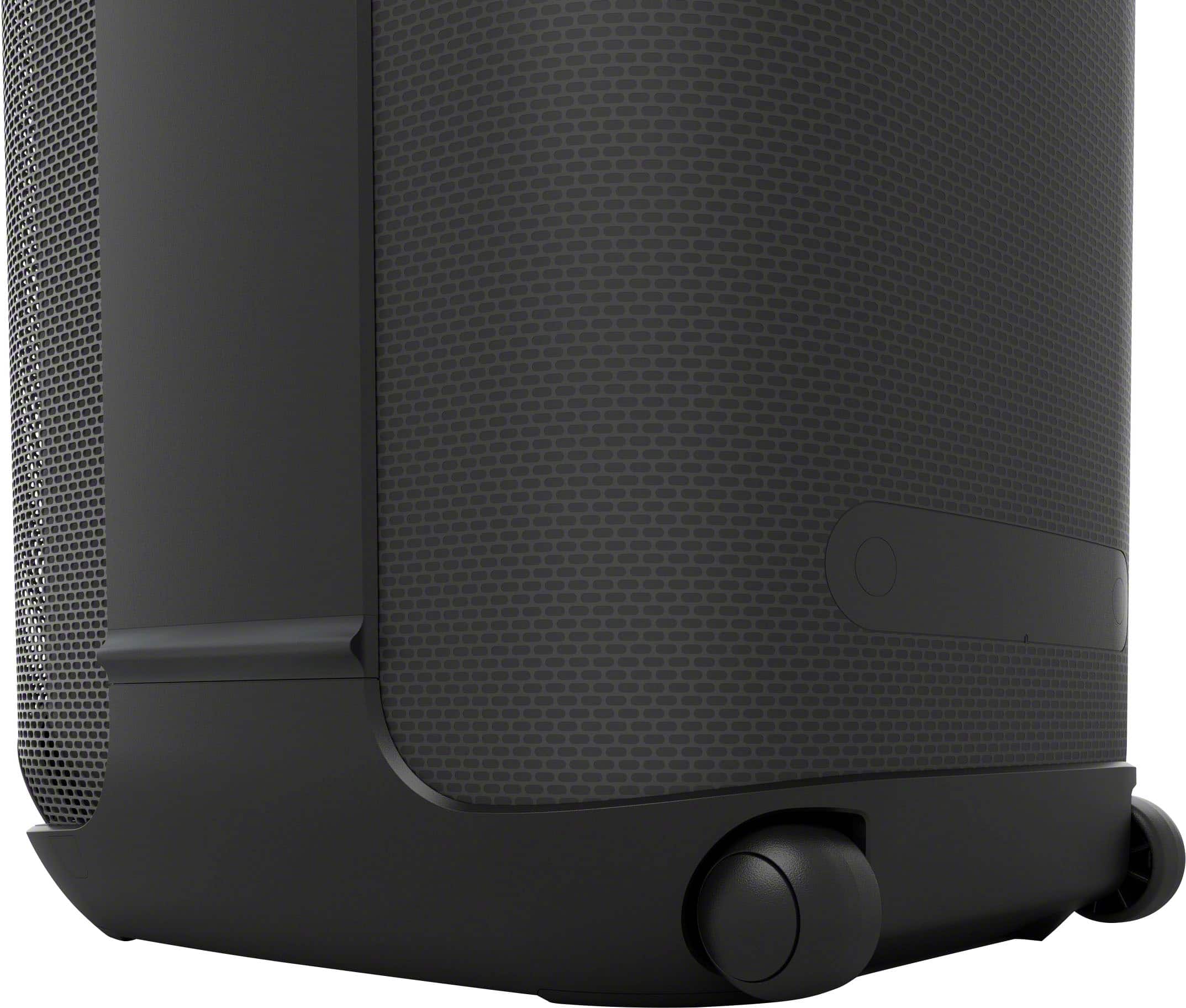
The XV800's wheels are well-designed and sturdy, but they're really meant for smooth surfaces like floors and sidewalks. Rolling it across grass or gravel becomes more challenging, limiting its outdoor versatility compared to the carry-friendly XV500.
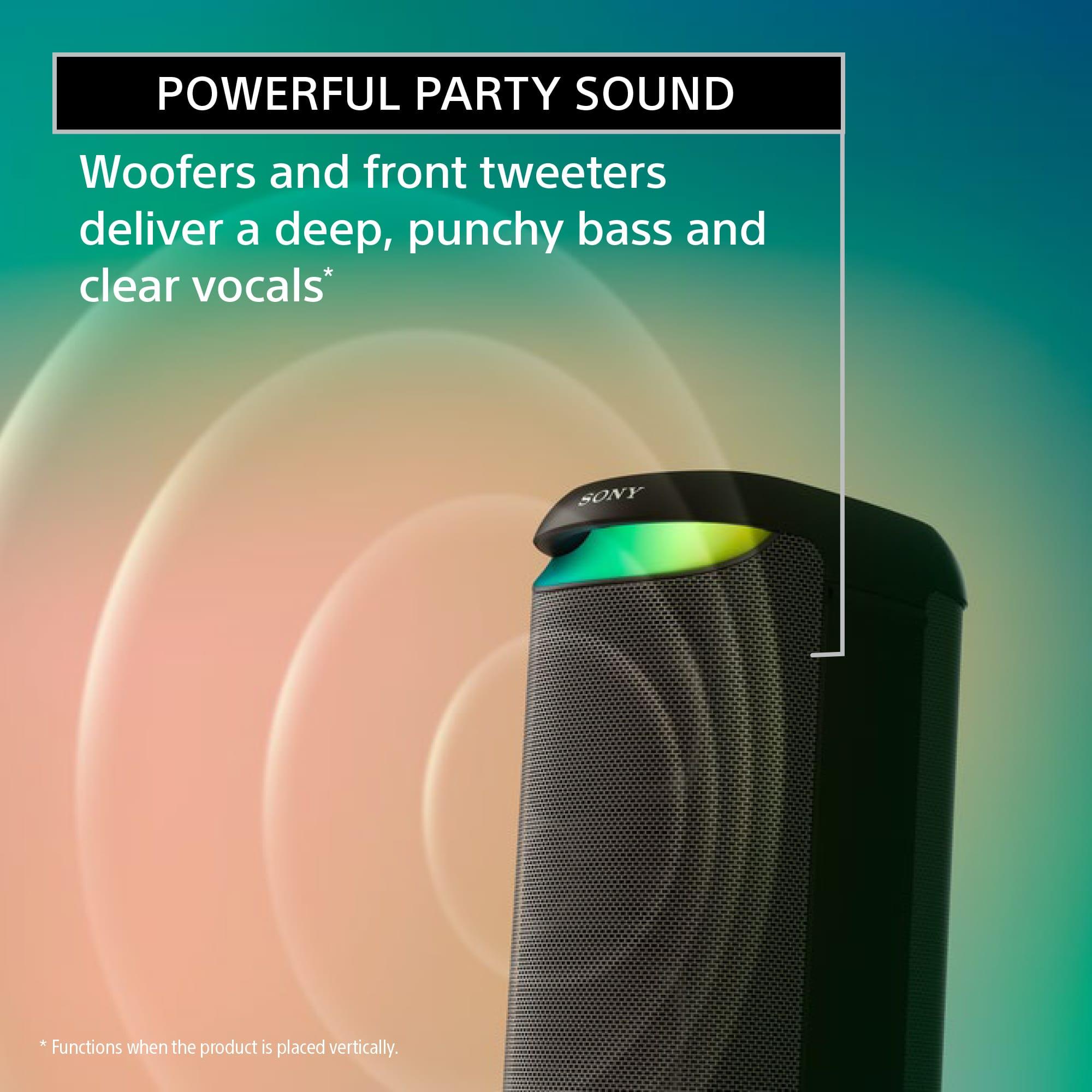
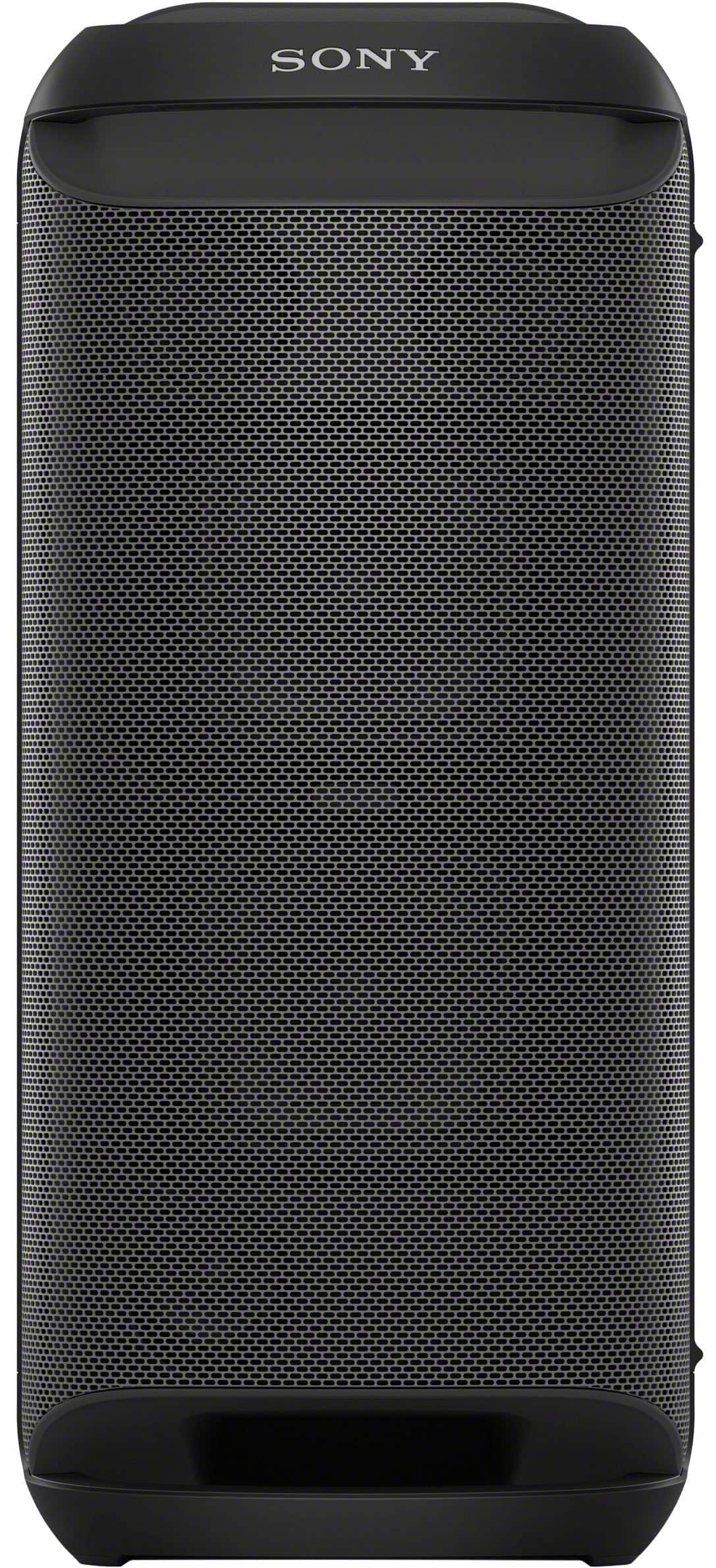
Both speakers use Sony's X-Balanced woofers, but their driver configurations tell different stories about their intended use. The XV500 features four tweeters positioned on the front face along with two 140mm woofers. The XV800 takes a more sophisticated approach with five tweeters total—three on the front and two firing toward the rear—paired with larger 170mm woofers and a rear-firing passive radiator.
This architectural difference has practical implications. The XV500's front-focused design creates excellent sound when you're positioned in front of it, making it ideal for smaller gatherings where everyone congregates in one area. The XV800's omnidirectional tweeter arrangement means it sounds good from virtually any angle, better suited for larger spaces where people spread out.
The passive radiator on the XV800 deserves special mention. This is essentially a driver without a motor that moves sympathetically with the active woofers, extending bass response and adding depth to low-frequency reproduction. It's like having a third woofer that specializes purely in moving air for bass impact.
Here's where these speakers reveal their most significant behavioral difference: how they perform on battery versus plugged-in operation. This distinction is crucial for understanding which speaker fits your typical usage scenarios.
The XV500 shows a dramatic personality change depending on its power source. On battery power alone, it's noticeably quieter than competing speakers in its size class, often requiring you to push the volume to 70-80% to achieve what other speakers deliver at 50-60%. However, when you plug it into wall power, it transforms completely, gaining substantial volume headroom and bass impact. This isn't unusual for battery-powered speakers, but the XV500's improvement is particularly pronounced.
The XV800 behaves more consistently between battery and plugged-in operation. While it still benefits from wall power, it delivers its expected performance even when running on internal battery. This makes it more reliable for outdoor events or locations where AC power isn't available.
This difference affects party planning in practical ways. If you're hosting a backyard barbecue with access to outdoor outlets, the XV500 can punch well above its weight class. But for beach trips or camping where you're truly off-grid, the XV800 won't leave you disappointed with its battery-only performance.
Both speakers advertise 25 hours of battery life, but these marketing claims require context. Sony tests the XV500 at 36% volume with lights enabled—suitable for background music but not party-level sound. The XV800 achieves its rating at 30% volume with MEGA BASS enabled but lights disabled—a more realistic listening level for casual use.
In real-world party conditions—think 75-80% volume with lights and bass boost active—expect about 8 hours from the XV500 and 10 hours from the XV800. These numbers are still impressive for speakers of this output level, and both include quick-charging capabilities that provide several hours of playback from just 10 minutes of charging.
The XV800's superior battery performance under demanding conditions makes sense given its larger internal battery capacity, but it also reflects more efficient power management systems developed for Sony's flagship model.
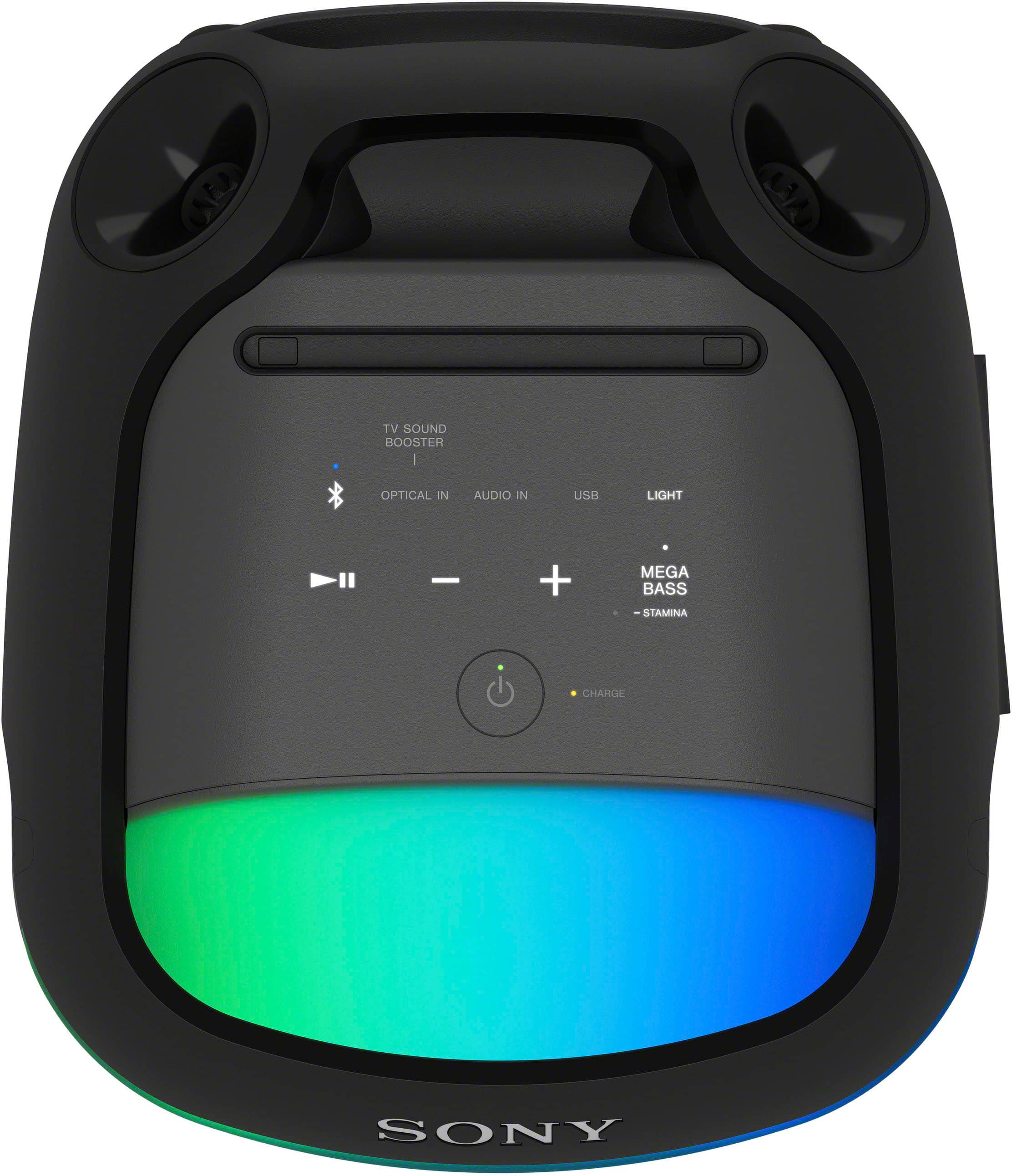
Beyond technical specifications, these speakers have distinct sonic personalities that appeal to different listener preferences. The XV500 embraces a party-focused sound signature with emphasized bass and clear, forward highs. When you engage its MEGA BASS mode—a dedicated button that boosts low-frequency response—it delivers the kind of chest-thumping impact that makes dance music and hip-hop come alive.
The XV800 takes a more balanced approach that Sony refined based on feedback about overly aggressive bass in earlier party speakers. It still delivers substantial low-end impact, but with better control and integration. Vocals remain clear and present even at high volumes, making it better suited for diverse musical content beyond just bass-heavy genres.
Both speakers handle the frequency transmission of LDAC—Sony's high-resolution Bluetooth codec—which preserves more musical detail than standard Bluetooth compression. This feature primarily benefits Android users, as Apple devices use AAC codec, which both speakers support as well.
The XV800's omnidirectional design creates a more spacious, room-filling soundstage. Its rear-firing tweeters help create the impression that sound is coming from a larger area rather than a single point source. This spatial quality makes it excellent for larger gatherings where sound needs to reach people positioned throughout a space.
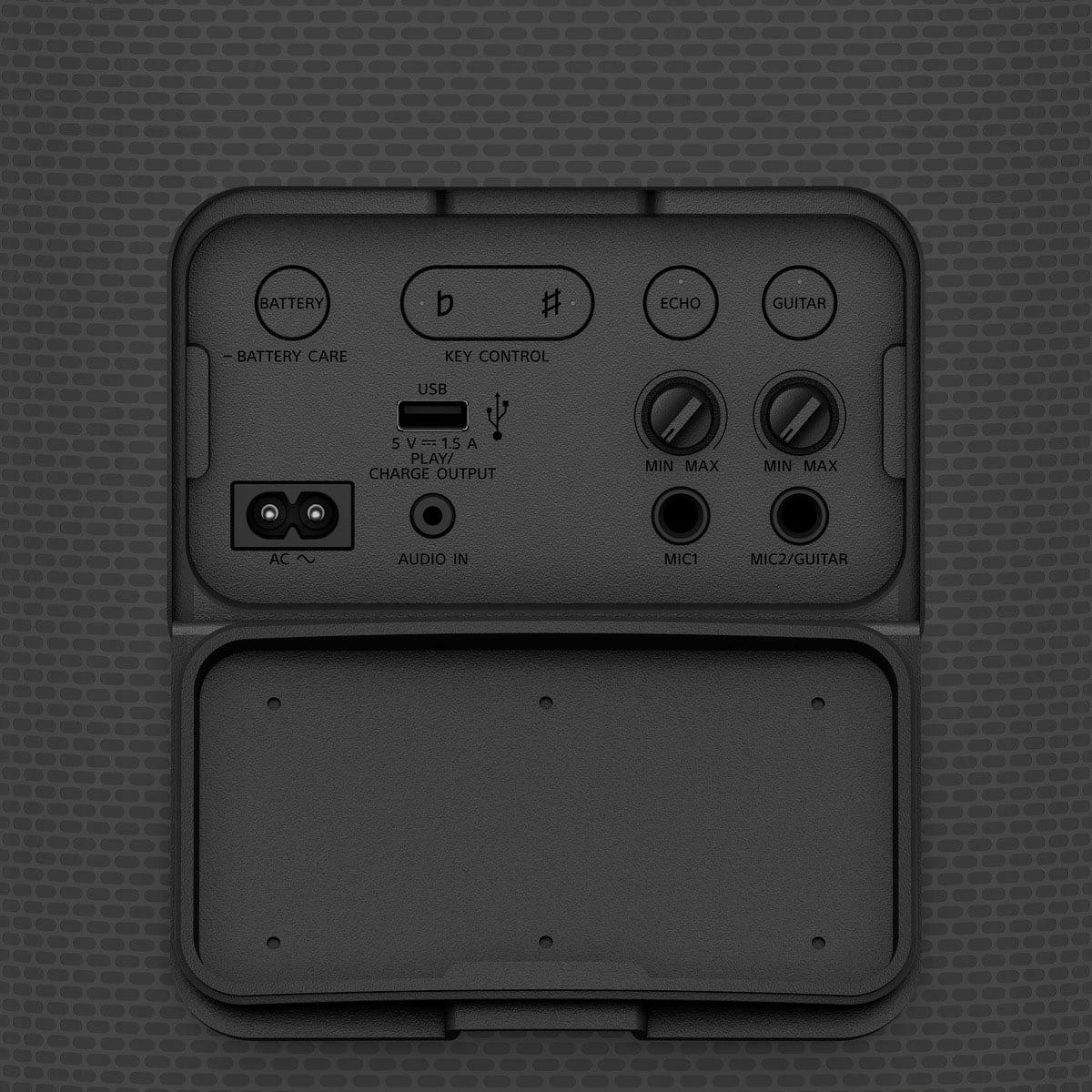
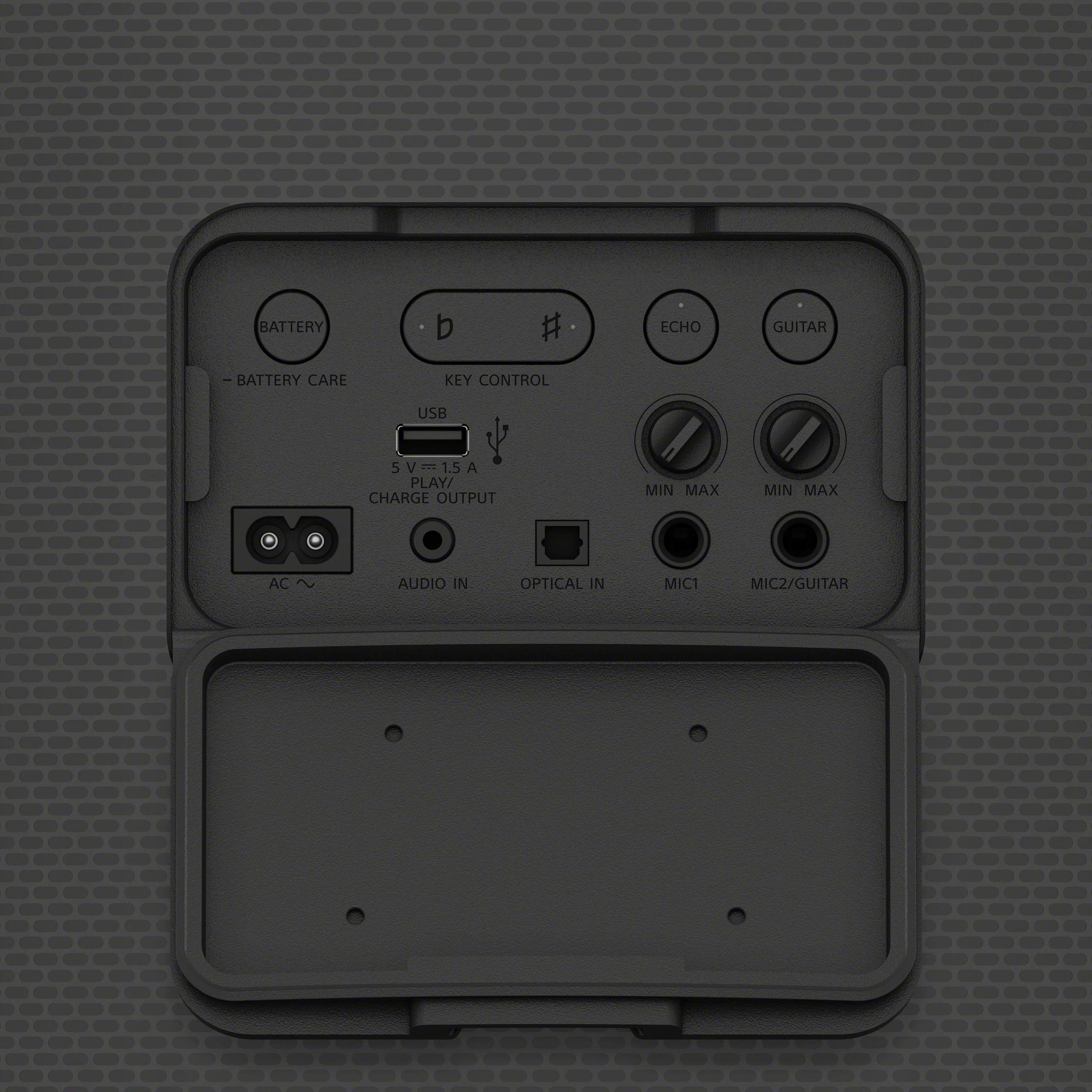
Both speakers share core connectivity features: Bluetooth 5.2, USB-A ports for playing music files directly from flash drives, auxiliary inputs for wired connections, and identical karaoke capabilities with quarter-inch microphone and guitar inputs. Sony's Party Connect technology lets you link up to 100 compatible speakers for massive synchronized sound systems.
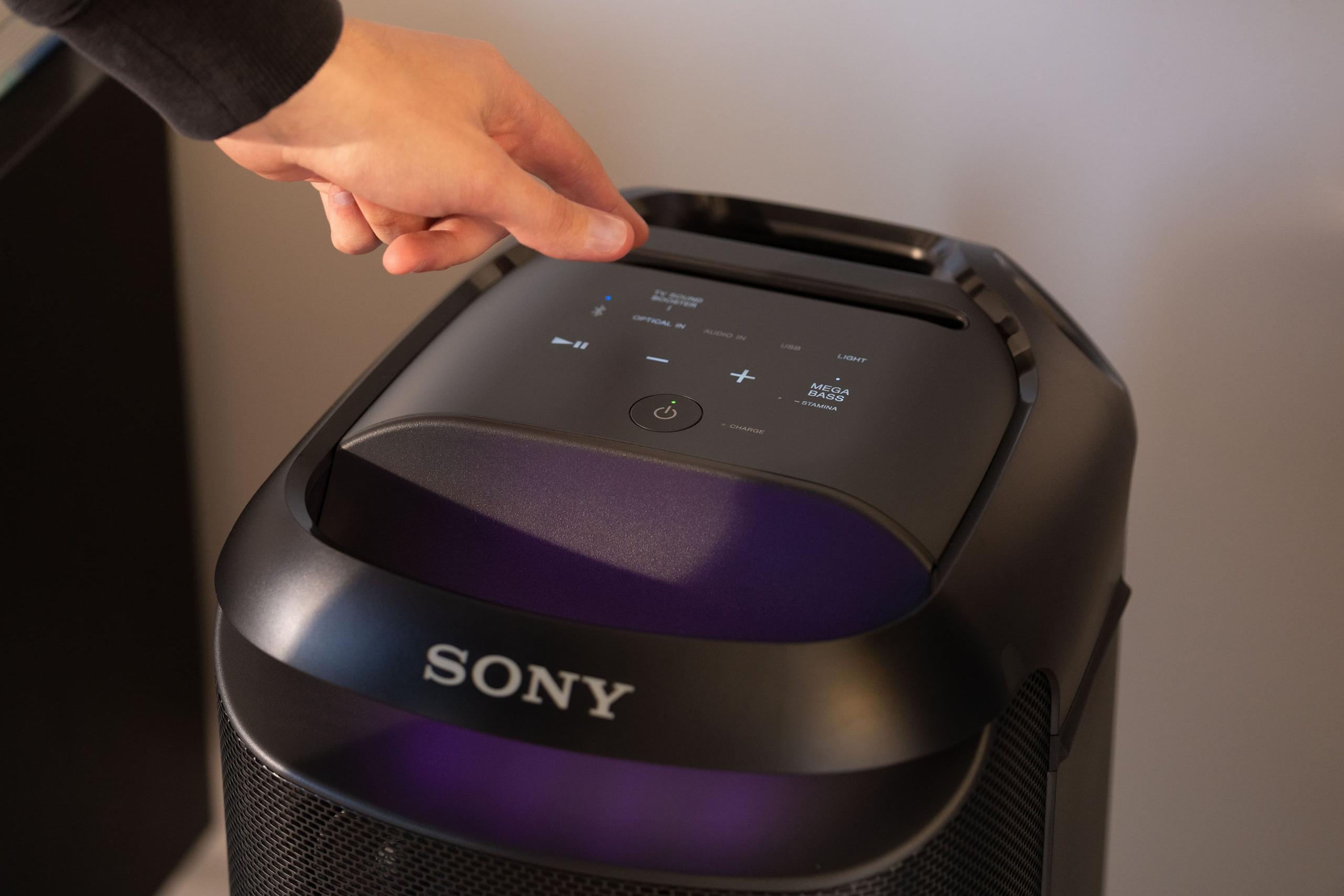
The critical differentiator is the XV800's optical digital input, which transforms it from a simple party speaker into a genuine home theater component. You can connect it directly to your TV and use Sony's TV Sound Booster mode to dramatically improve dialogue clarity and bass impact for movies and shows.
This optical input capability makes the XV800 incredibly versatile for modern living spaces. During the day, it functions as your TV's sound system, providing theater-quality audio that puts most soundbars to shame. In the evening, disconnect the optical cable and it becomes your party speaker with full RGB lighting and wireless connectivity. The XV500 lacks this dual-purpose functionality entirely.
For home theater use specifically, the XV800's size and power output suit medium to large living rooms effectively. Its balanced frequency response handles movie soundtracks well, from subtle dialogue to explosive action sequences. The TV Sound Booster mode specifically optimizes the speaker's response for video content, emphasizing speech frequencies and controlling bass to avoid overwhelming neighbors.
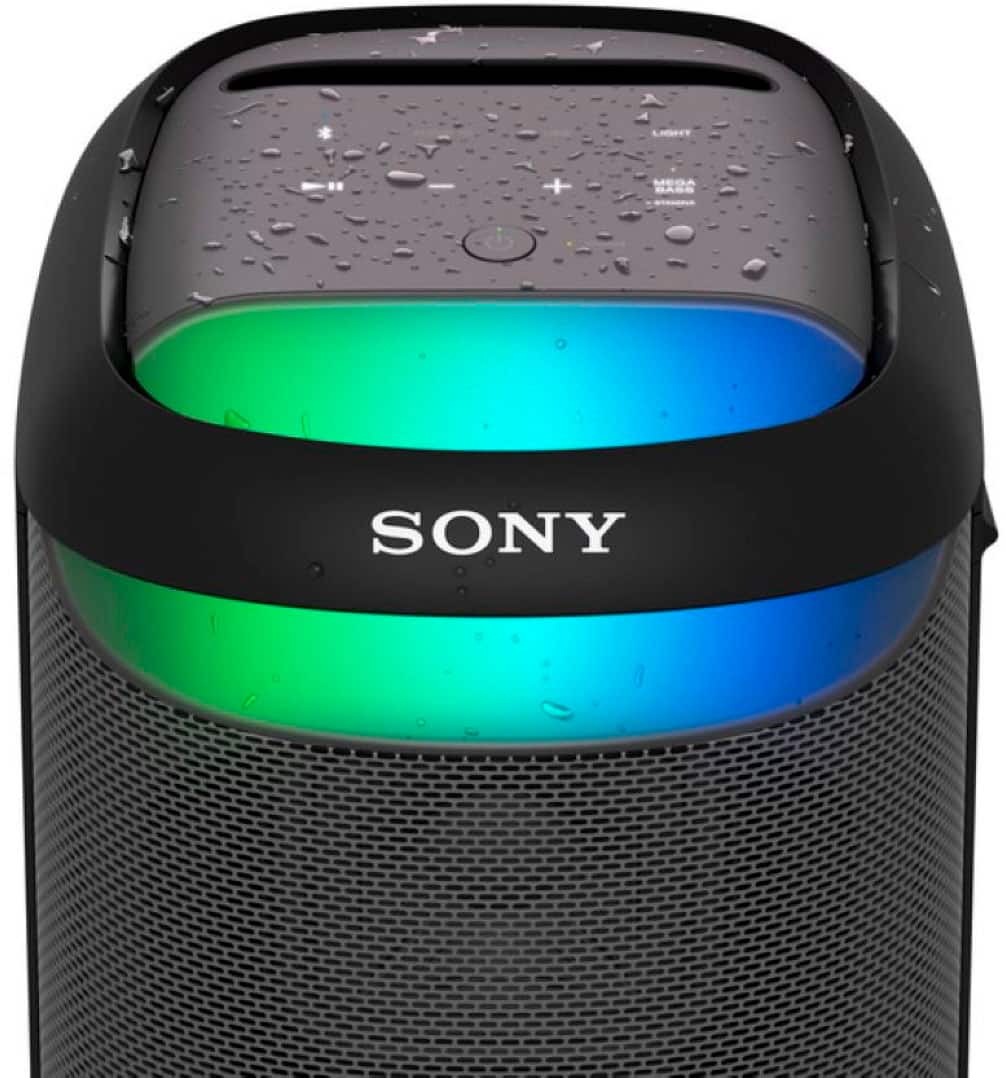
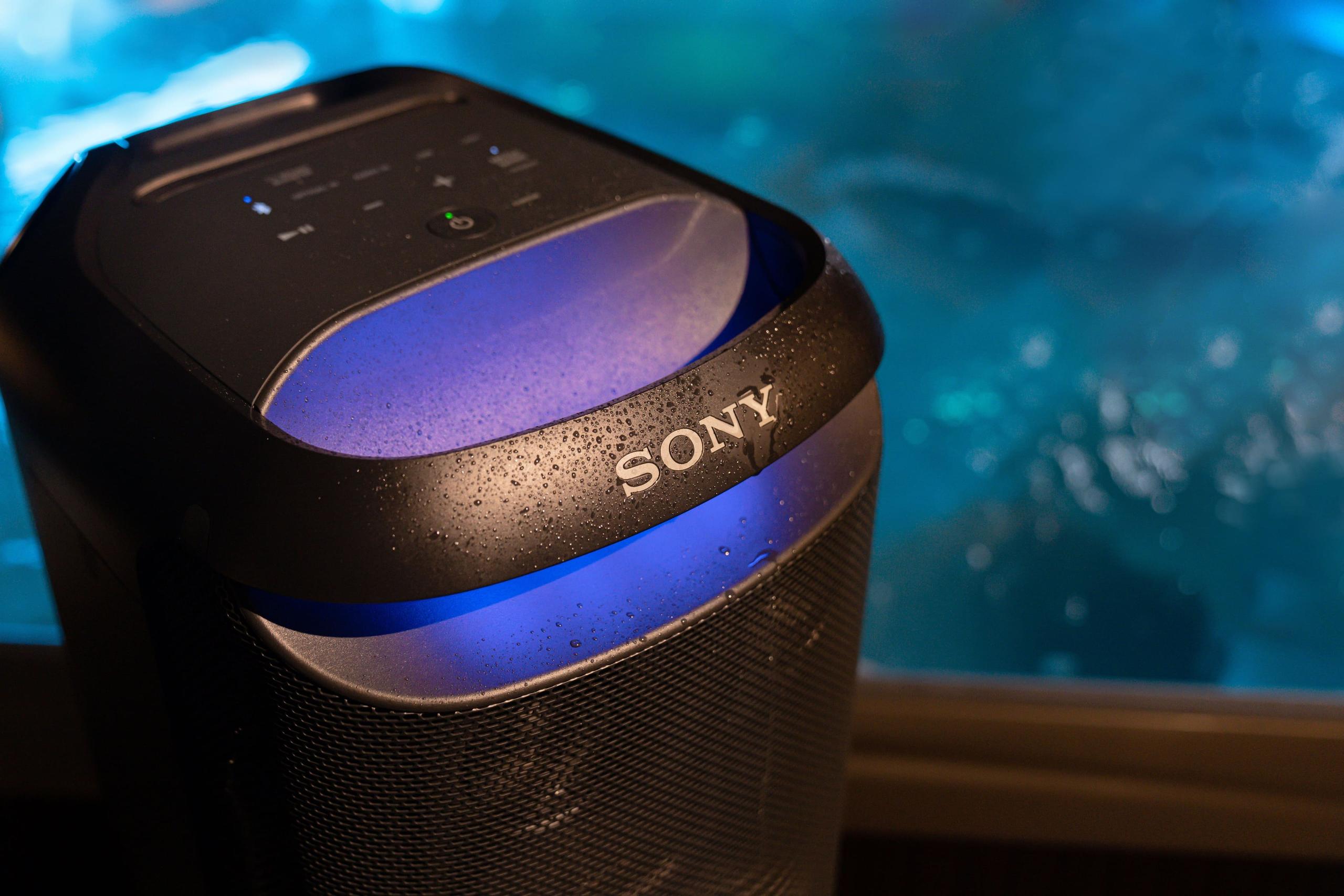
Both speakers feature RGB lighting systems that sync with music playback, but their implementations differ subtly. The XV500's lights are integrated into its more compact design, creating an intimate light show suitable for smaller gatherings. The XV800's larger surface area allows for more dramatic lighting effects that can illuminate wider areas.
Sony's Fiestable app controls lighting patterns on both speakers, offering various modes from subtle ambient glow to full strobing party effects. The lighting doesn't significantly impact battery life on either model when used moderately, but constant high-intensity effects will reduce playback time.
Both speakers excel as portable PA systems for amateur musicians and karaoke enthusiasts. Each provides two quarter-inch inputs—one dedicated to microphones, another switchable between microphone and guitar use. Independent volume controls for each input, along with echo and key control (pitch shifting) functions, create surprisingly professional karaoke experiences.
The XV800's higher power output and better on-battery performance make it more suitable for actual live performance scenarios where you might need to fill a larger space or perform without access to wall power. The XV500 handles casual karaoke and acoustic guitar amplification admirably, but the XV800 has the headroom for more demanding applications.
At the time of writing, these speakers occupy different value propositions that reflect their design priorities. The XV500 represents excellent value for users who want legitimate party speaker performance without premium pricing. Its compromises—primarily the battery performance limitation and lack of TV connectivity—are reasonable trade-offs for significant cost savings.
The XV800 commands a substantial premium that's justified by its versatility, consistent performance across power sources, and TV integration capabilities. For users who value having one speaker that handles multiple entertainment scenarios, the extra cost makes sense.
Choose the XV500 if you prioritize genuine portability and budget consciousness. It's perfect for people who frequently take their speaker to different locations—beach trips, camping, friend gatherings, or moving between indoor and outdoor spaces. Its performance when plugged in rivals much more expensive speakers, making it excellent for backyard parties where power access isn't an issue.
The XV500 also makes sense for younger users or college students who need a speaker that travels well and delivers impressive sound quality without breaking their budget. Its 25-pound weight, while not insignificant, remains manageable for most people.
Choose the XV800 if you want maximum versatility and don't mind the size and cost penalties. It's ideal for homeowners who want one speaker that serves as both their TV's sound system and their party speaker. Its consistent battery performance makes it reliable for any scenario, and its room-filling omnidirectional sound suits larger gatherings.
The XV800 particularly appeals to users who host regular entertaining and want professional-grade karaoke or live music capabilities. Its power output and refined sound quality handle demanding applications that might overwhelm smaller speakers.
Both the Sony SRS-XV500 and Sony SRS-XV800 represent well-executed approaches to party audio, but they serve different needs and budgets. The XV500 prioritizes portability and value, delivering impressive performance especially when AC power is available. The XV800 maximizes versatility and consistent performance, functioning equally well as a home theater component or party speaker.
Your choice ultimately depends on whether you value the XV500's portability and cost savings, or need the XV800's TV integration and superior battery performance. Both will satisfy their intended users, but understanding their different strengths ensures you'll be happy with your choice long after the party ends.
| Sony SRS-XV500 | Sony SRS-XV800 |
|---|---|
| Size & Weight - Critical for portability and placement flexibility | |
| 24.7 lbs with handles (genuinely portable for one person) | 40.8 lbs with wheels (requires rolling, limits true portability) |
| Driver Configuration - Affects sound coverage and quality | |
| 4 tweeters (front-facing) + 2 X-Balanced 140mm woofers | 5 tweeters (3 front, 2 rear) + 2 X-Balanced 170mm woofers + passive radiator |
| Battery vs Plugged Performance - Major difference in real-world use | |
| Significantly quieter on battery, dramatic boost when plugged in | Consistent performance on battery, modest improvement when plugged |
| TV Connectivity - Game-changer for home entertainment versatility | |
| No optical input (party speaker only) | Optical input with TV Sound Booster mode (doubles as premium soundbar) |
| Sound Character - Different approaches to party audio | |
| Bass-heavy party profile, aggressive MEGA BASS mode | Balanced, refined sound with controlled bass and clear vocals |
| Real-World Battery Life - At actual party volumes with features active | |
| ~8 hours at 80% volume with lights and bass boost | ~10 hours at 80% volume with lights and bass boost |
| Sound Coverage Pattern - How sound fills your space | |
| Front-focused directional (ideal for smaller gatherings) | Omnidirectional 360° coverage (better for large, spread-out crowds) |
| Crowd Capacity - Realistic audience size | |
| Suitable for ~10 people gatherings | Handles ~20 people effectively |
| Water Resistance - Same protection level for outdoor use | |
| IPX4 splash-resistant | IPX4 splash-resistant |
| Shared Core Features - Both include these party essentials | |
| Bluetooth 5.2, LDAC codec, Party Connect, karaoke inputs, RGB lighting, USB charging port | Bluetooth 5.2, LDAC codec, Party Connect, karaoke inputs, RGB lighting, USB charging port |
| Value Positioning - Different price tiers for different needs | |
| Budget-conscious choice with impressive plugged-in performance | Premium option justified by TV integration and consistent battery performance |
The Sony SRS-XV500 is better suited for smaller gatherings of around 10 people. Its 25-pound weight makes it genuinely portable, and its front-focused sound design works well when everyone is positioned in the same general area. While the Sony SRS-XV800 can certainly handle small groups, it's overkill for intimate gatherings.
Only the Sony SRS-XV800 can function as a TV soundbar thanks to its optical digital input and TV Sound Booster mode. This makes it incredibly versatile for home theater use during the day and party use at night. The Sony SRS-XV500 lacks any TV connectivity options.
The Sony SRS-XV800 delivers much better volume and performance when running on battery power alone. The Sony SRS-XV500 is noticeably quieter on battery and really needs to be plugged in to reach its full potential.
Both speakers claim 25 hours, but at realistic party volumes (around 80%) with lights and bass boost active, expect about 8 hours from the Sony SRS-XV500 and 10 hours from the Sony SRS-XV800. The longer runtime makes the Sony SRS-XV800 more reliable for all-day events.
The Sony SRS-XV500 is significantly more portable at 25 pounds with carrying handles. The Sony SRS-XV800 weighs over 40 pounds and relies on wheels, making it less practical for beach trips or camping where you need to carry the speaker across uneven terrain.
Yes, both the Sony SRS-XV500 and Sony SRS-XV800 support LDAC codec for high-resolution Bluetooth streaming, along with standard SBC and AAC codecs. This ensures excellent wireless audio quality from compatible Android devices.
The Sony SRS-XV800 has deeper, more controlled bass thanks to its larger 170mm woofers and rear passive radiator. The Sony SRS-XV500 has more aggressive, party-focused bass that's designed to get people moving, but the Sony SRS-XV800 offers better overall bass quality.
Both speakers support Sony's Party Connect feature, allowing you to wirelessly link up to 100 compatible Sony speakers for massive synchronized sound. You can also pair two of the same model for stereo sound using the Sony Music Center app.
Both the Sony SRS-XV500 and Sony SRS-XV800 offer identical karaoke features with microphone and guitar inputs, echo controls, and key changing. However, the Sony SRS-XV800 has more power output and better battery performance, making it more suitable for serious karaoke sessions.
The Sony SRS-XV500 has a bass-heavy, party-focused sound that emphasizes excitement and energy. The Sony SRS-XV800 offers a more balanced, refined sound with better vocal clarity and controlled bass response that works well for diverse music genres.
Both speakers have IPX4 water resistance, meaning they can handle splashes and light rain but shouldn't be submerged. This makes both the Sony SRS-XV500 and Sony SRS-XV800 suitable for poolside parties and outdoor use.
The Sony SRS-XV500 offers excellent value for budget-conscious buyers who want solid party speaker performance with good portability. The Sony SRS-XV800 justifies its higher price with TV connectivity, better battery performance, and superior build quality, making it worthwhile for users who need maximum versatility.
We've done our best to create useful and informative comparisons to help you decide what product to buy. Our research uses advanced automated methods to create this comparison and perfection is not possible - please contact us for corrections or questions. These are the sites we've researched in the creation of this article: bestbuy.com - rtings.com - bestbuy.com - youtube.com - rtings.com - versus.com - youtube.com - versus.com - youtube.com - youtube.com - guidingtech.com - crutchfield.com - sony.com - sony.com - bestbuy.com - helpguide.sony.net - smappliance.com - youtube.com - helpguide.sony.net - videoandaudiocenter.com - electronics.sony.com - linqcdn.avbportal.com - soundandvision.com - crutchfield.com - sciencefocus.com - sony.com - bestbuy.com - bestbuy.com - stereoguide.com - sony-mea.com - soundguys.com - electronics.sony.com - youtube.com - sony.com - youtube.com - device.report - youtube.com - youtube.com - adorama.com - sonylatvija.com - sony.com

Privacy Policy
Terms and Conditions - Affiliate Policy
Home Security
© Copyright 2008-2026.
11816 Inwood Rd #1211, Dallas, TX 75244