


When you're ready to upgrade from basic Bluetooth speakers to something that can truly fill your space with impressive sound, you'll quickly discover that premium home audio splits into two distinct paths. On one side, you have refined speakers designed for serious listening and home theater use. On the other, massive party speakers built to energize crowds and handle the chaos of social gatherings.
The Marshall Woburn III and Sony ULT Tower 10 represent these two philosophies perfectly. Both launched in the early 2020s—the Marshall in 2022 and Sony's ULT series in 2024—but they approach premium audio from completely different angles. Understanding which path suits your lifestyle better is crucial because, at the price points these speakers command, you want to get it right the first time.
Premium home speakers aren't just louder versions of basic Bluetooth speakers. They incorporate advanced driver technology, sophisticated amplification, and careful acoustic engineering that becomes immediately apparent when you hear them. The difference lies in details like frequency response (how evenly they reproduce different sound frequencies), soundstage width (how spacious the audio feels), and dynamic range (the difference between quiet and loud passages).
When evaluating speakers in this category, the most important performance metrics are maximum sound pressure level (measured in decibels, or dB), frequency response range (measured in Hz, showing the lowest and highest notes they can reproduce), and total harmonic distortion (how much the speaker alters the original audio signal). These technical specifications directly translate to real-world performance differences that you'll hear immediately.
The other major consideration is versatility. Premium speakers should excel at multiple tasks—whether that's reproducing the subtle details in jazz recordings, delivering the explosive dynamics of action movie soundtracks, or filling your backyard with party music that keeps everyone engaged.
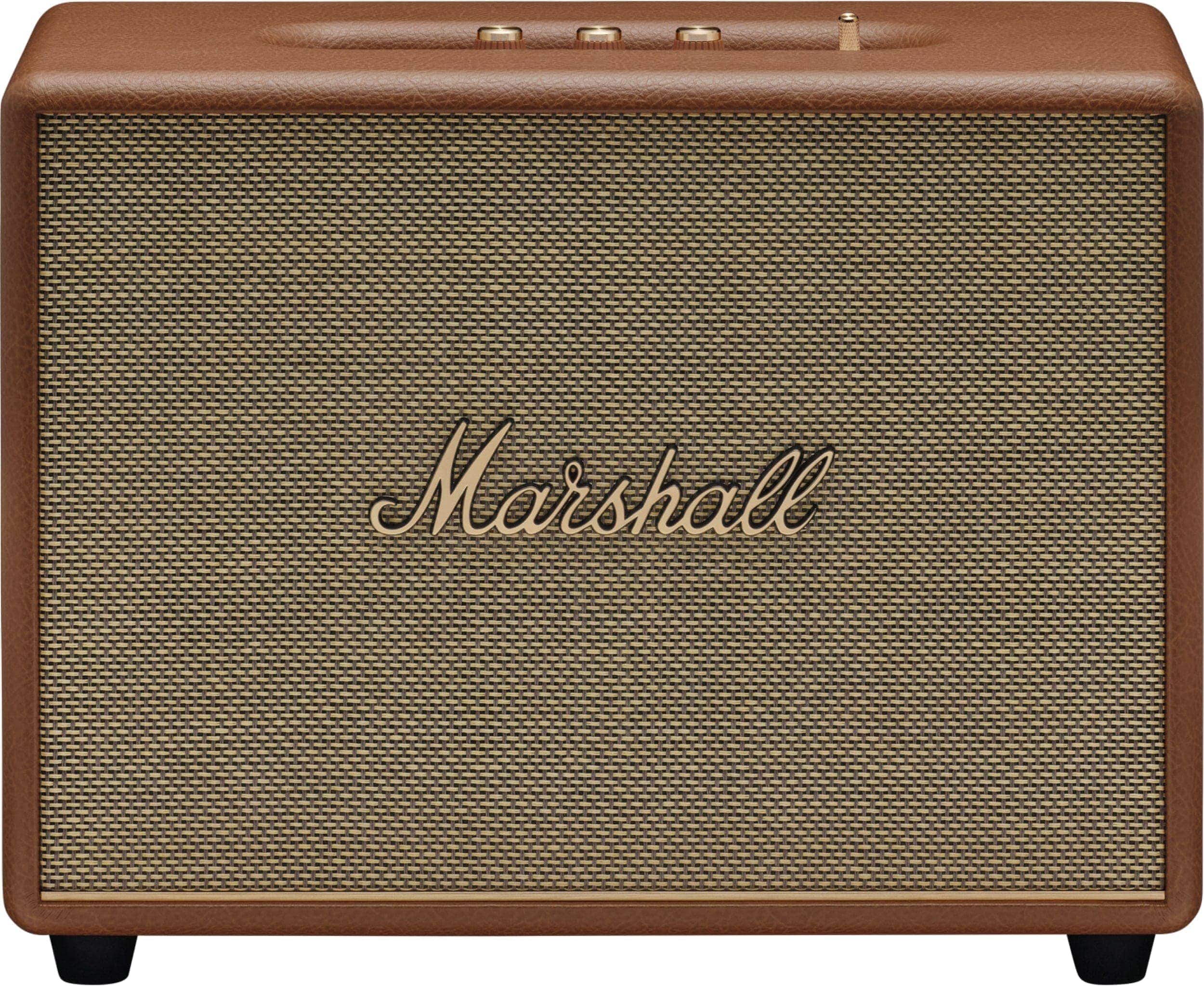
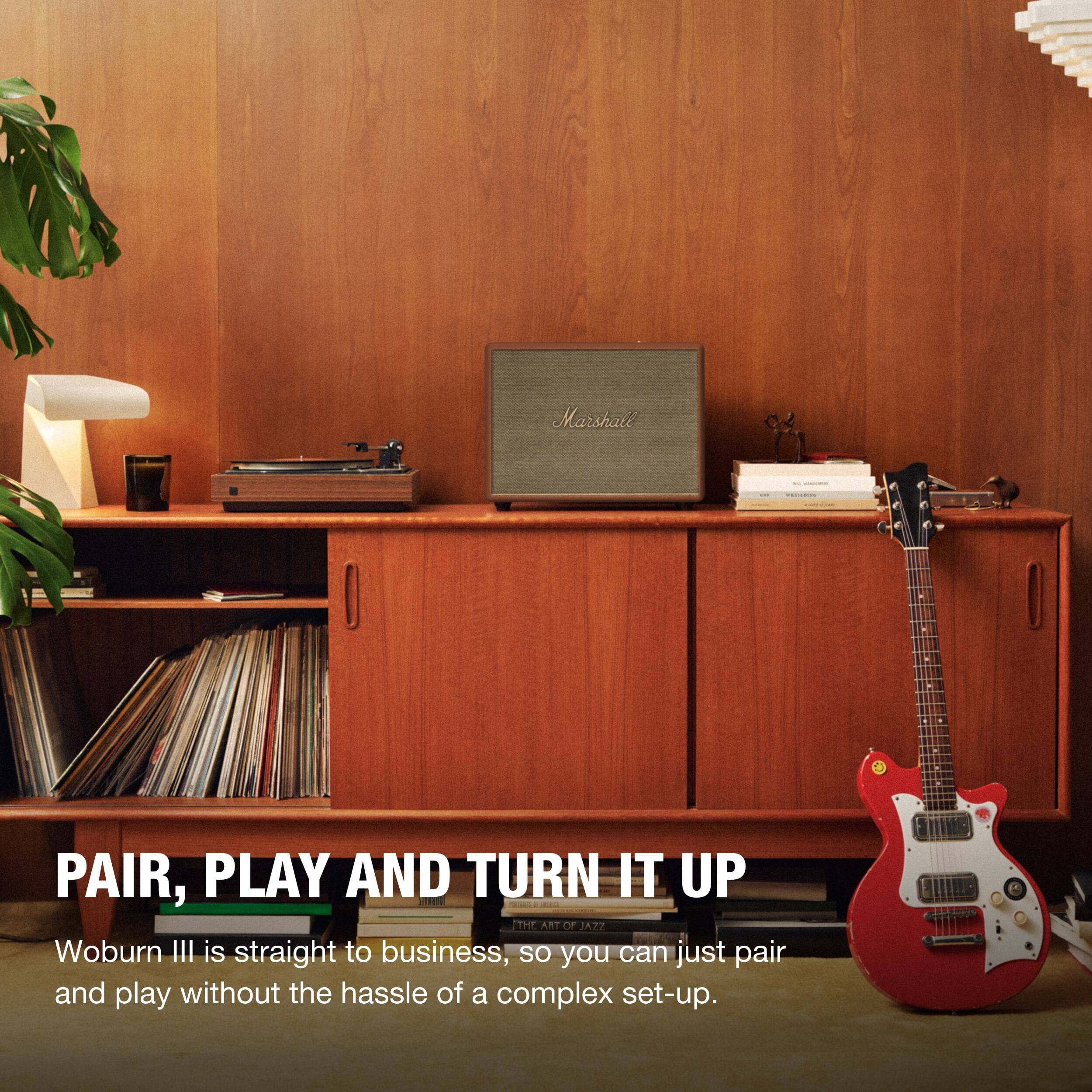
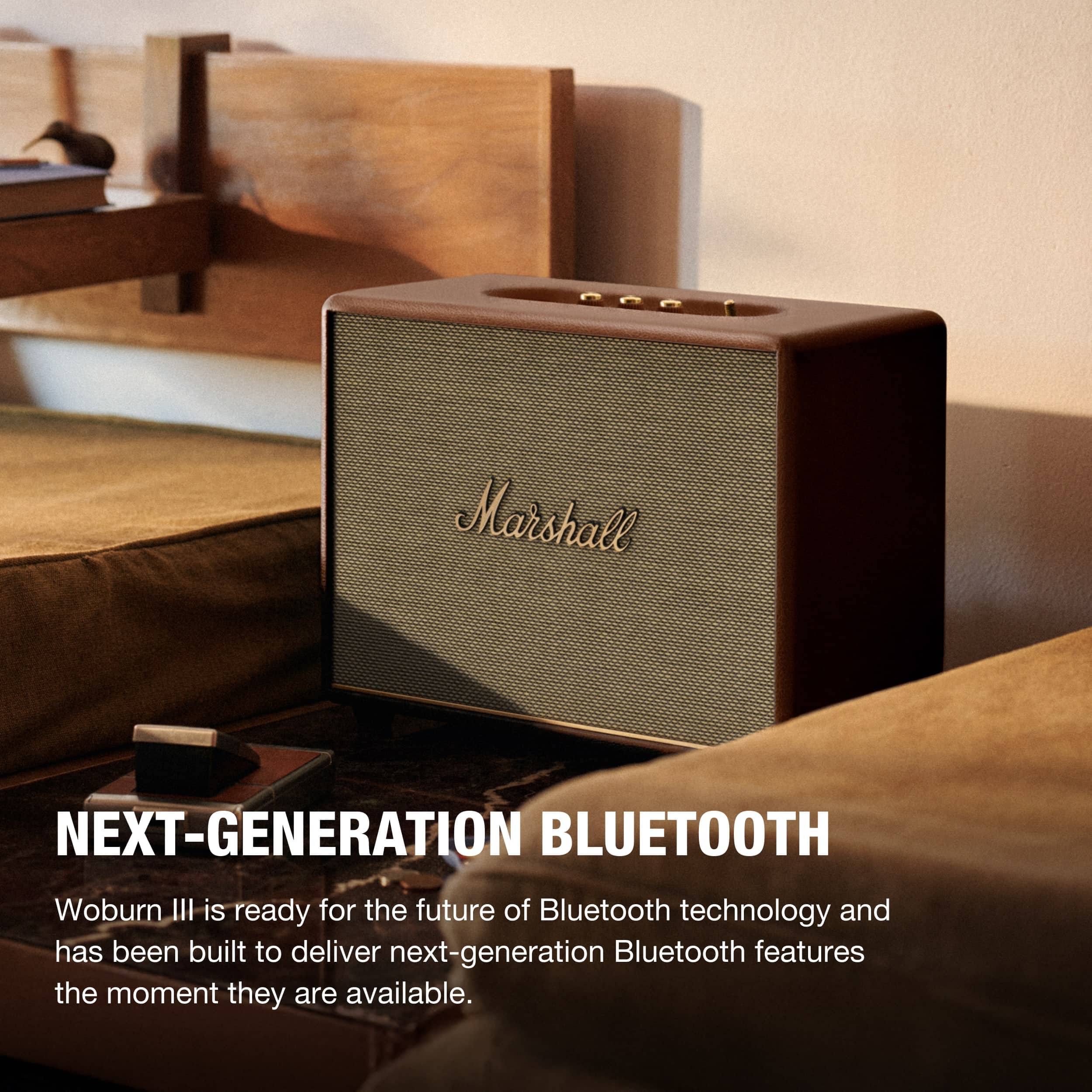
Marshall's heritage runs deep in audio engineering, tracing back to the legendary guitar amplifiers that shaped rock music history. The Woburn III, released in 2022, represents the company's most sophisticated home speaker, incorporating decades of acoustic knowledge into a package that looks unmistakably Marshall but sounds far more refined than you might expect from a brand known for loud rock amplification.
The Woburn III employs a three-way driver configuration, which means it uses specialized speakers for different frequency ranges rather than trying to make one driver handle everything. The heart of the system is a 6-inch woofer housed in a bass-reflex cabinet—essentially a carefully tuned wooden box with ports that enhance low-frequency output without sacrificing clarity.
Supporting this bass foundation are two 2-inch midrange drivers that handle the crucial frequencies where vocals and most instruments live. These drivers are often overlooked in speaker design, but they're critical for natural sound reproduction. The Woburn III tops this off with two 0.75-inch dome tweeters positioned at angles to create a wider stereo image than traditional forward-firing designs.
This driver arrangement delivers a frequency response from 35Hz to 20kHz, which covers nearly the entire range of human hearing. More importantly, the Woburn III maintains impressive clarity at volume levels up to 100.5dB—loud enough to fill large rooms without the harsh distortion that plagues lesser speakers when pushed hard.
What sets the Marshall speaker apart is its tonal balance. Rather than the heavily bass-boosted sound signature common in modern speakers, it delivers controlled, musical bass that supports rather than overwhelms the midrange and treble. This makes it exceptional for diverse musical genres and critical listening sessions where you want to hear exactly what the artist intended.
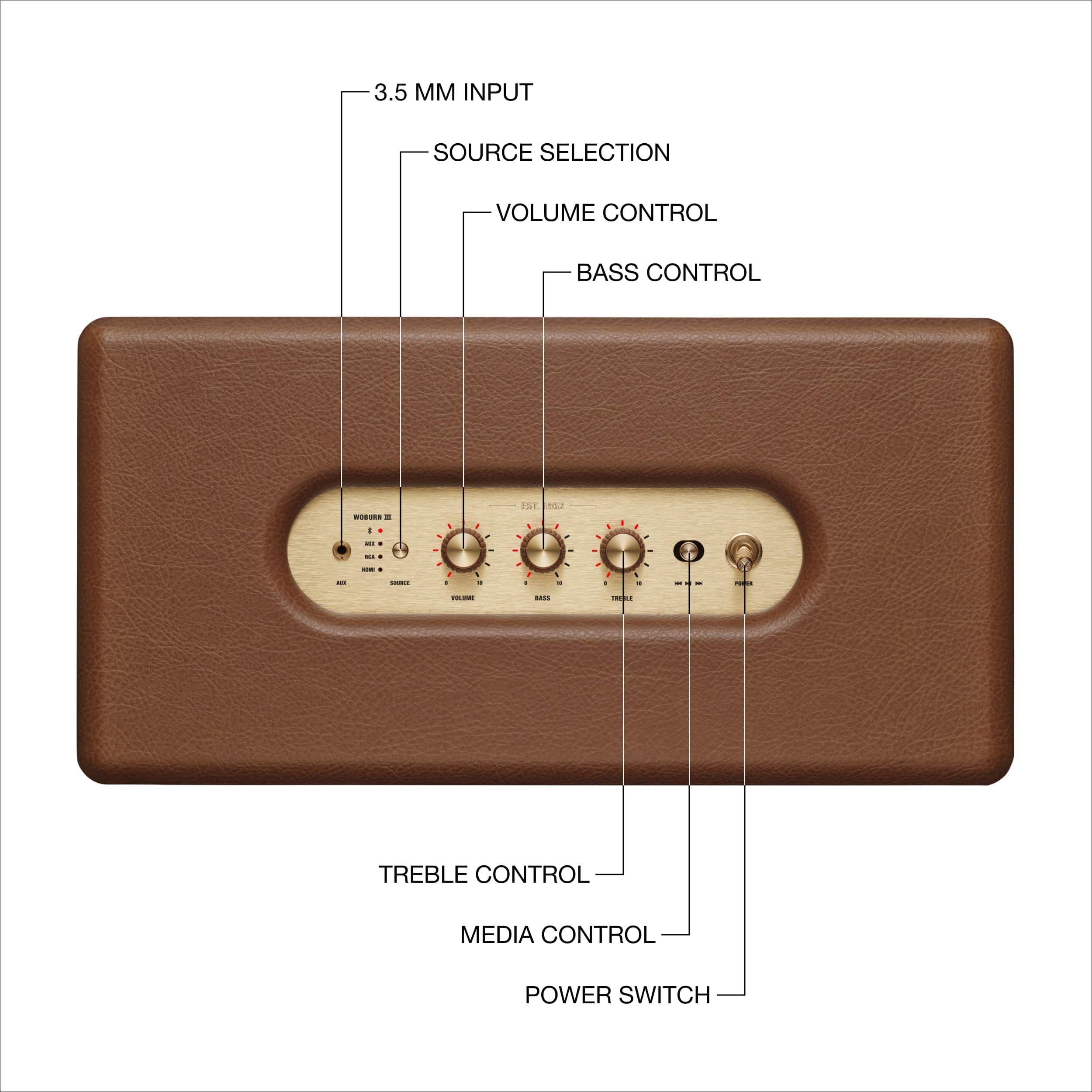
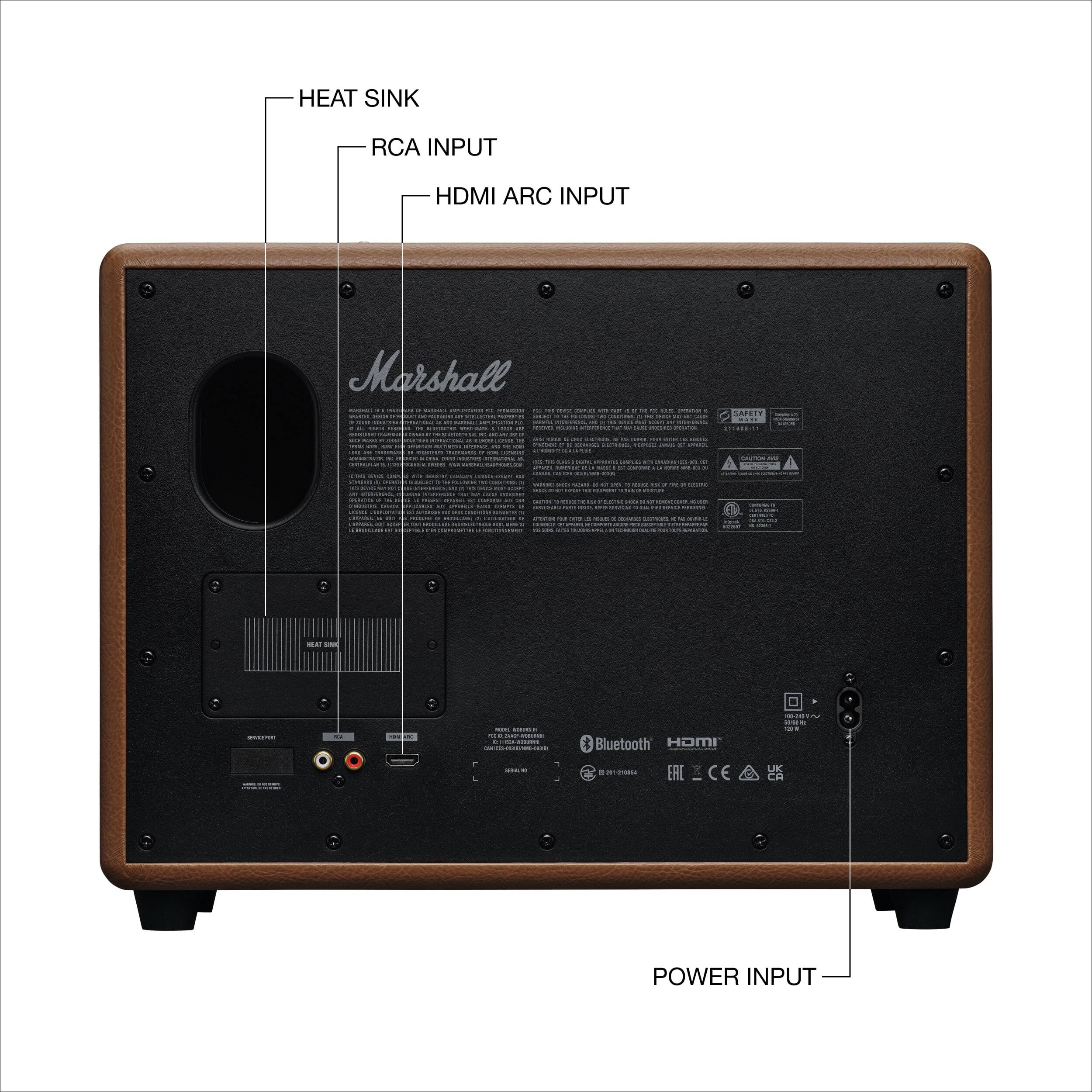
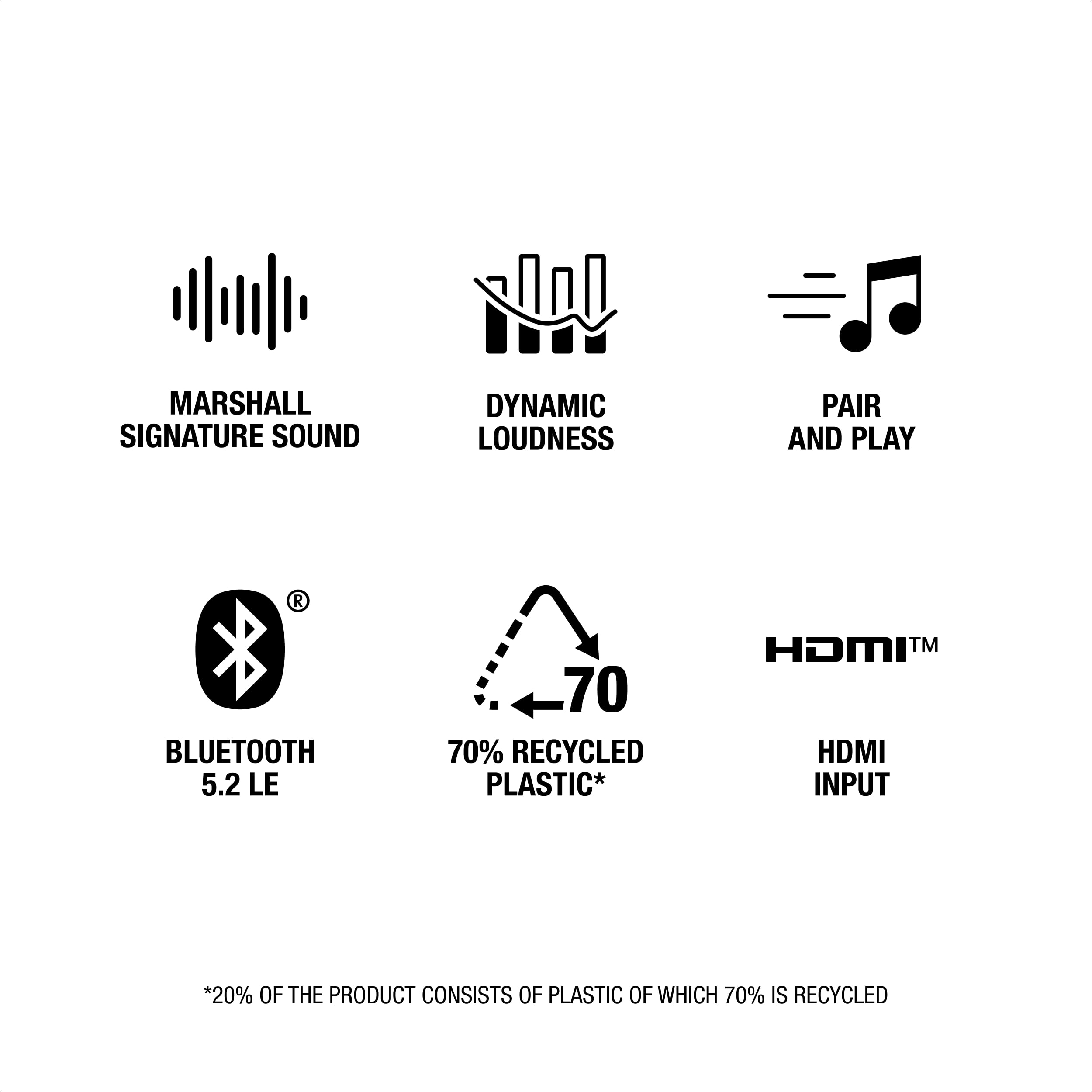
One of the Woburn III's most practical advantages is its HDMI ARC (Audio Return Channel) input. This technology, which has become standard on modern TVs, allows the speaker to receive audio directly from your television and respond to your TV remote's volume controls. It's a seemingly simple feature that eliminates the complexity of switching between multiple remotes or audio sources.
The Marshall speaker also includes RCA inputs for connecting turntables or other analog sources, plus a standard 3.5mm auxiliary input for phones and laptops. This comprehensive connectivity makes it genuinely versatile for different audio sources, though it notably lacks Wi-Fi connectivity for streaming services—a deliberate choice that keeps the focus on direct connections and Bluetooth streaming.
The Woburn III includes Marshall's proprietary Dynamic Loudness technology, which automatically adjusts the tonal balance based on volume level. This addresses a fundamental challenge in speaker design: human hearing perceives bass and treble differently at various volumes, so a speaker that sounds balanced at moderate levels may seem thin at low volumes or harsh when turned up.
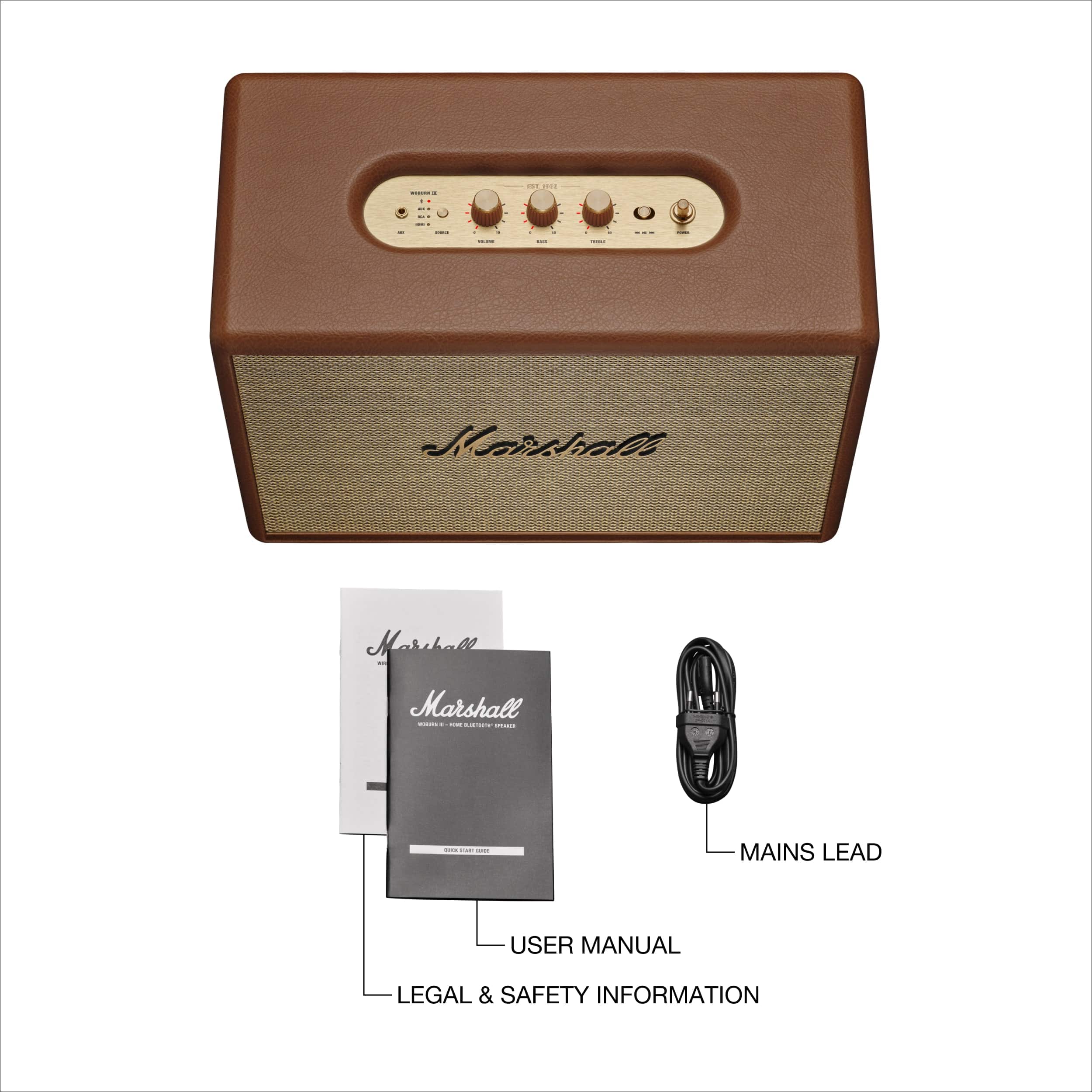
The accompanying Marshall Bluetooth app provides additional control over bass and treble settings, plus a useful Placement Correction feature that optimizes the speaker's output based on where you position it in your room—against a wall, in a corner, or in open space. These digital enhancements work subtly in the background, improving performance without requiring constant adjustment.
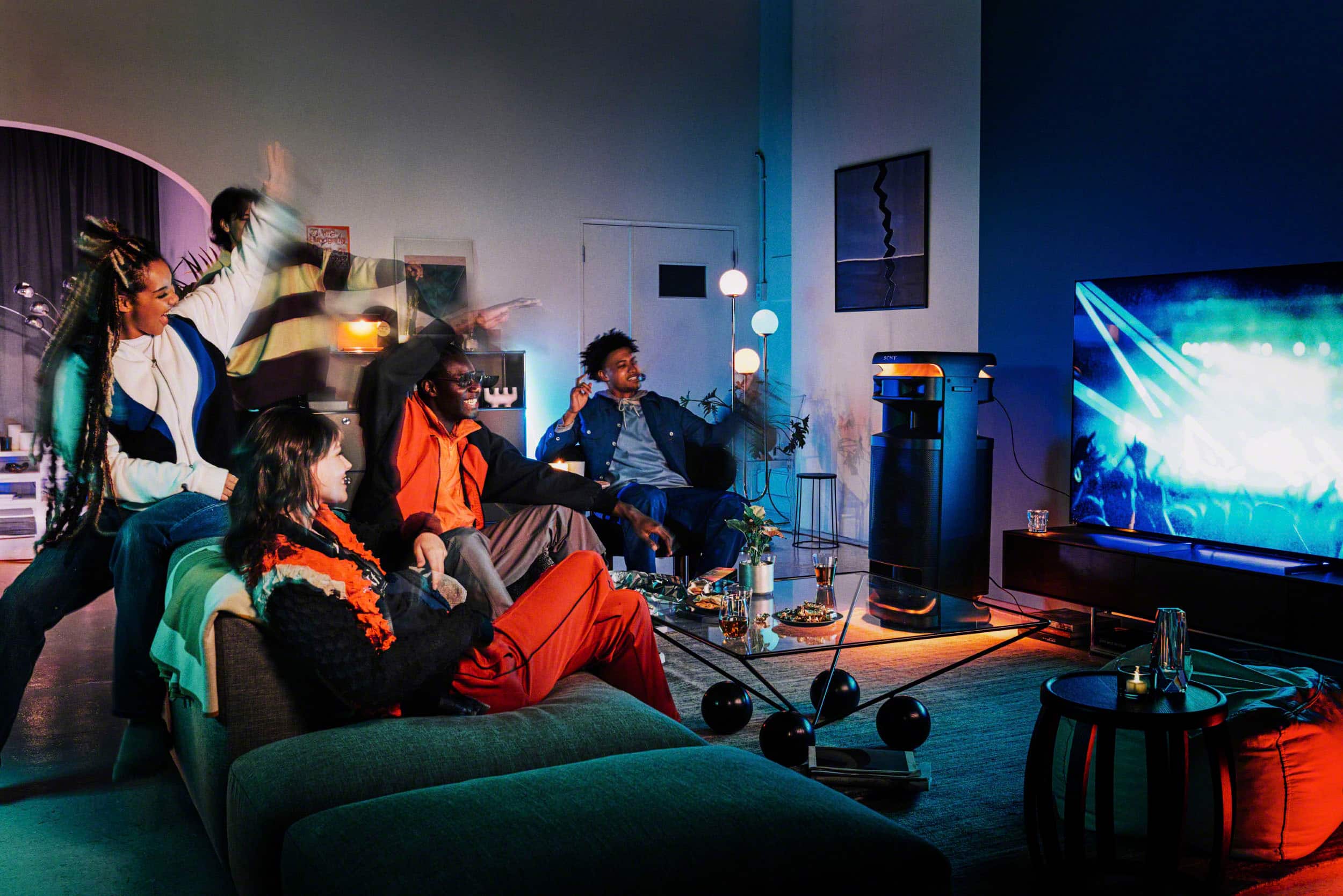
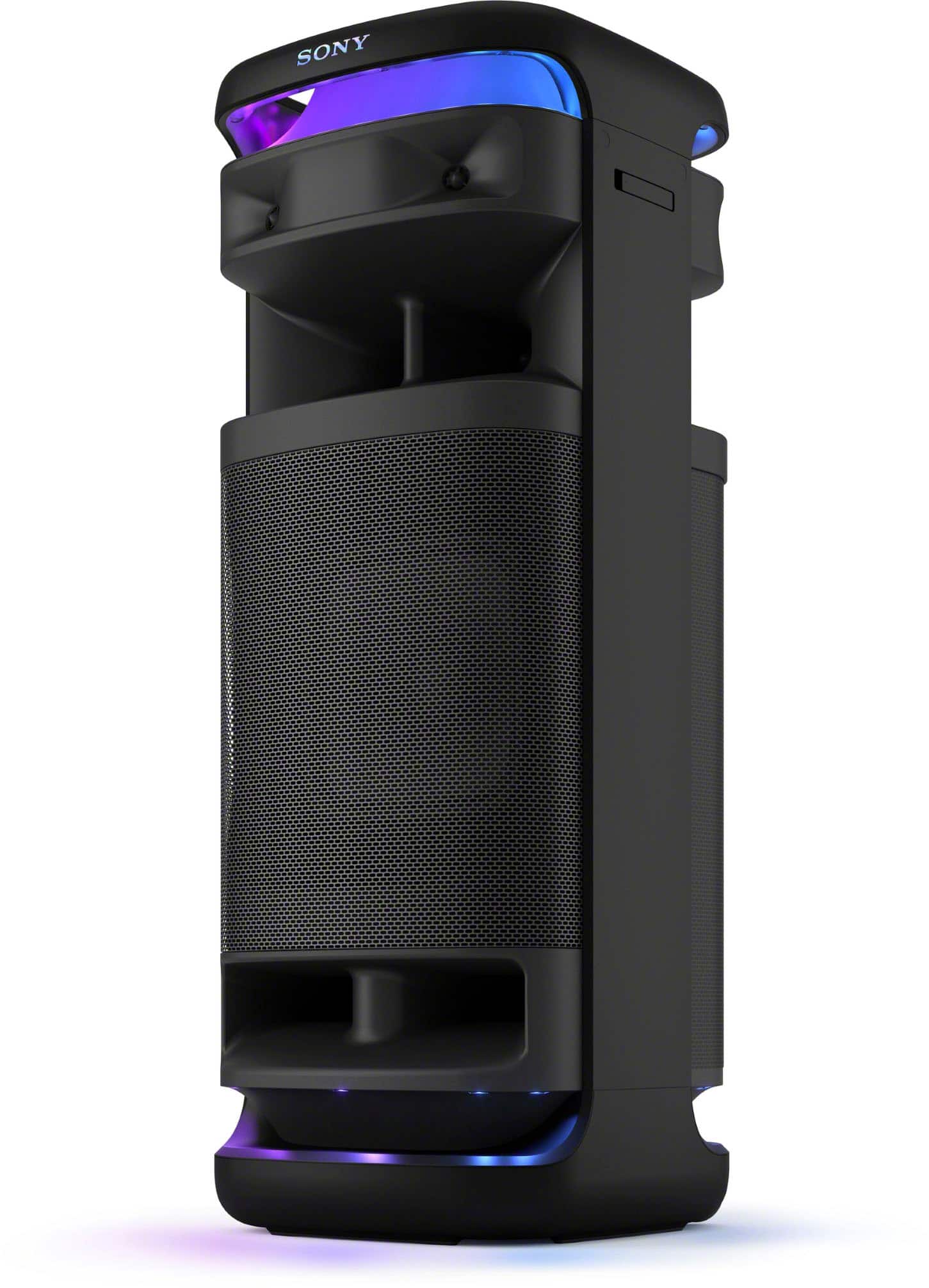
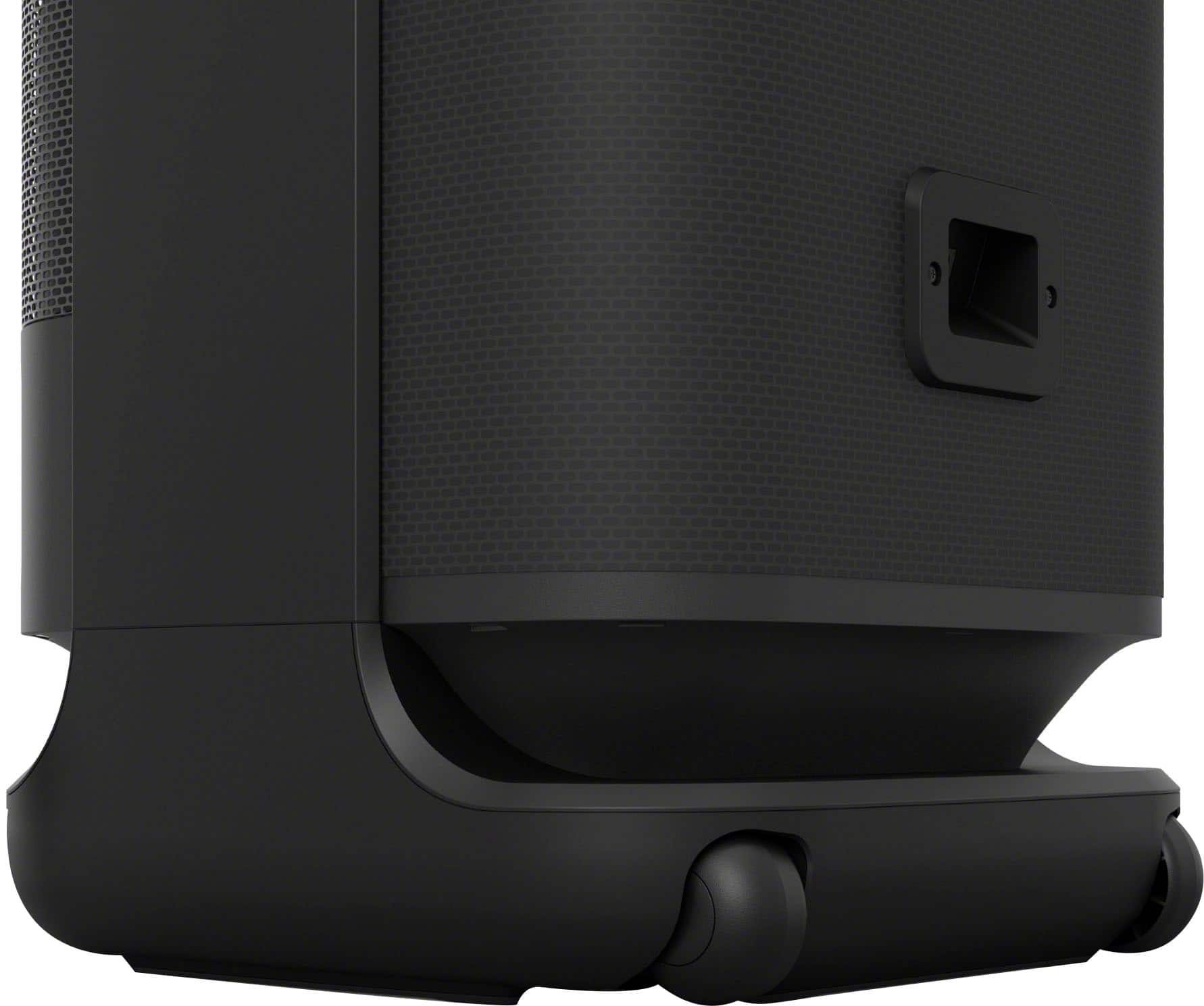
Sony's ULT series, launched in 2024, represents a completely different philosophy. Where the Marshall prioritizes refined listening, the Sony ULT Tower 10 focuses on maximum impact and interactive entertainment. At over three and a half feet tall and weighing nearly 65 pounds, it's designed to be the centerpiece of parties and social gatherings.
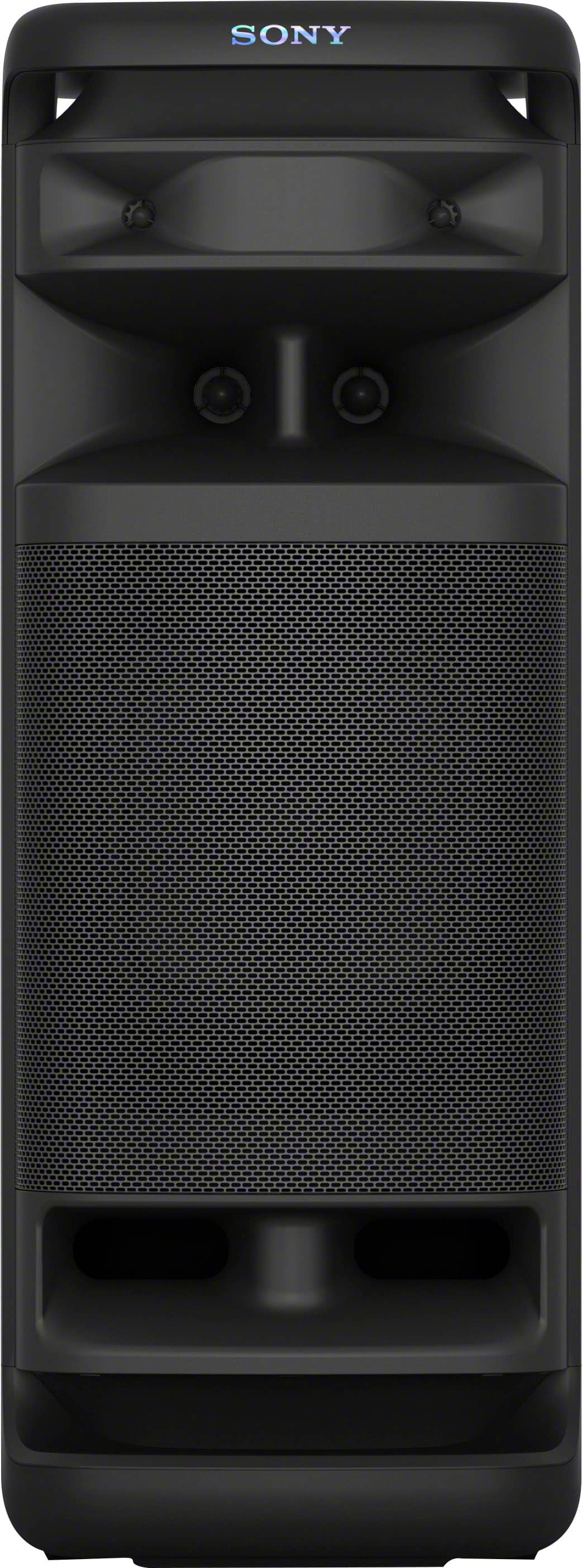
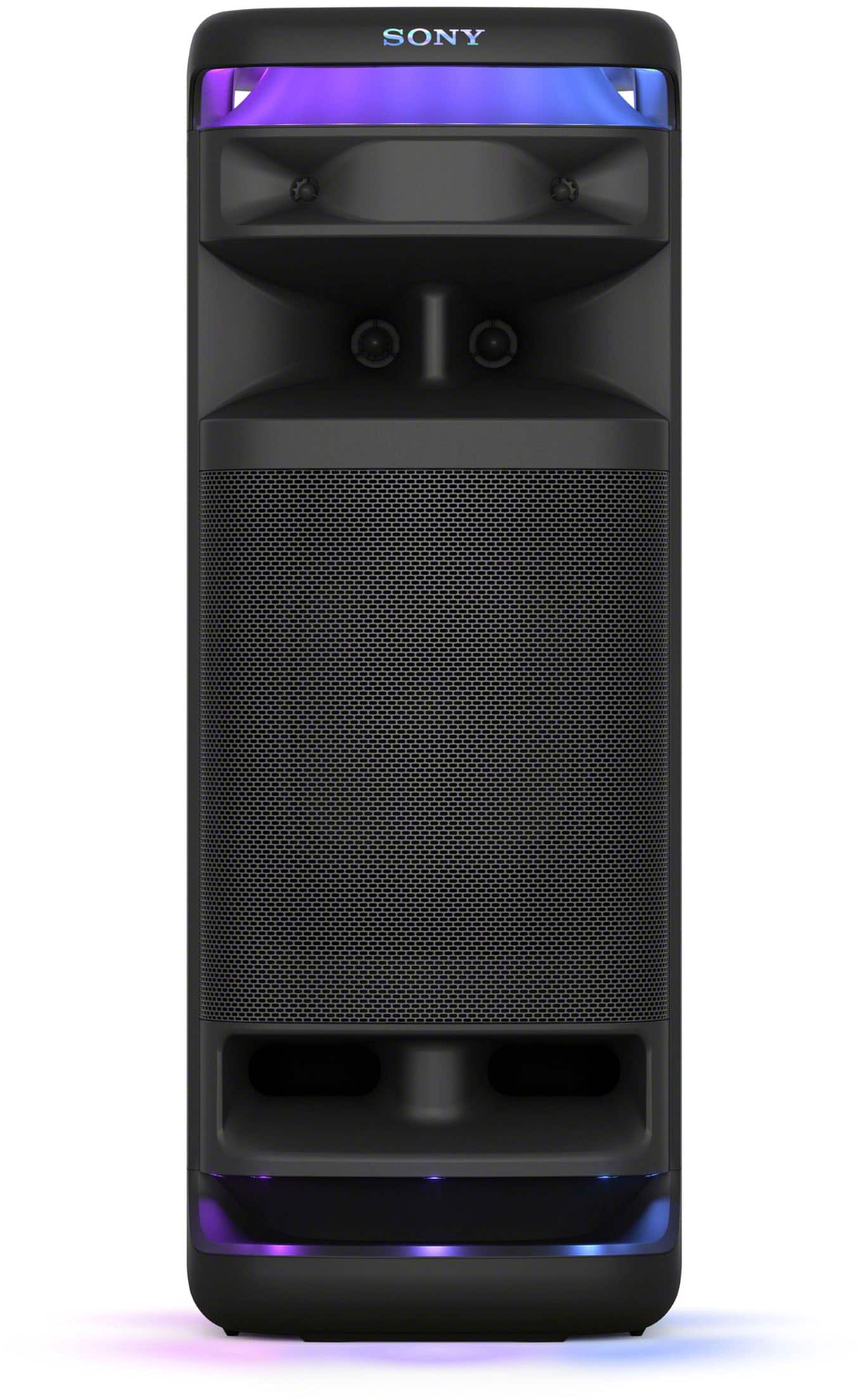
The Sony ULT Tower 10 achieves its impressive 110dB maximum output through a unique driver configuration. The centerpiece is Sony's X-Balanced woofer technology—a rectangular driver that's roughly 12.6 inches square. This unconventional shape allows for greater surface area than traditional round woofers while maintaining structural strength, resulting in deeper bass with less distortion at high volumes.
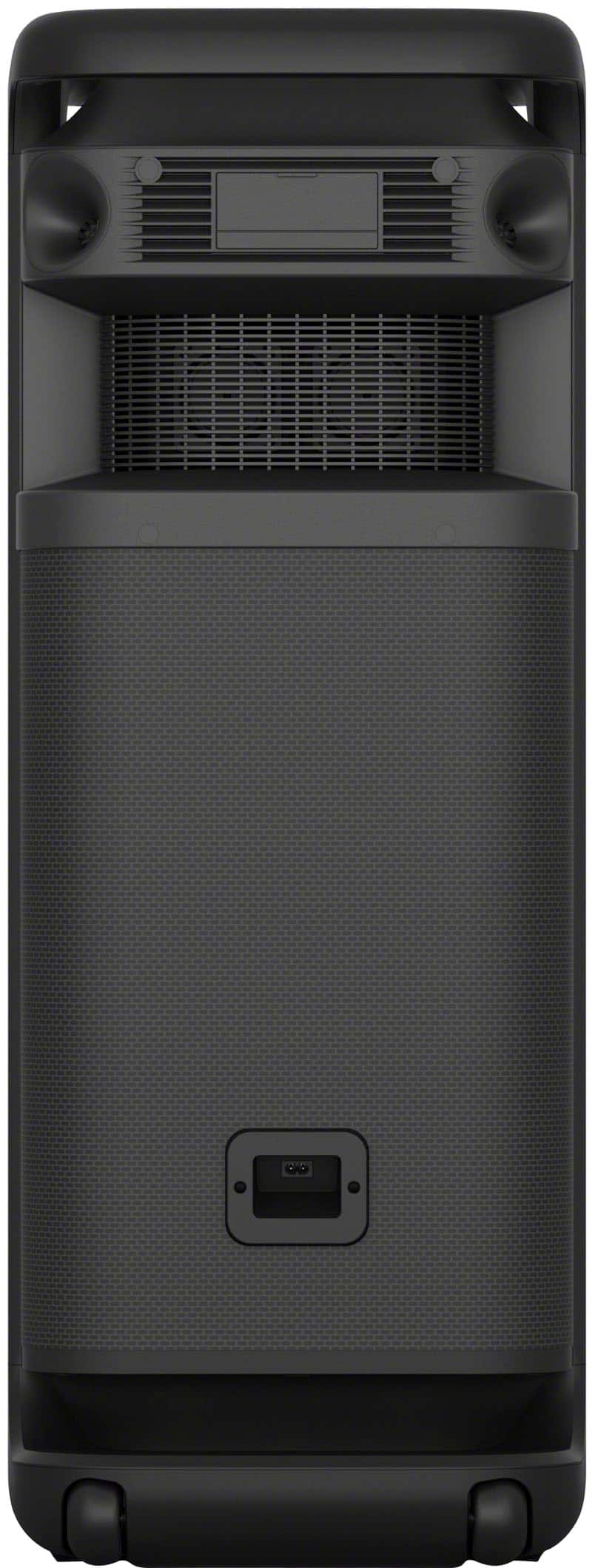
Supporting this massive woofer are two 3.25-inch midrange drivers positioned on the front panel, plus four 1.625-inch dome tweeters—two facing forward and two facing backward. This 360-degree tweeter arrangement is designed to distribute high frequencies throughout the room rather than creating a single listening position, making it ideal for parties where people are spread around the space.
The Sony speaker's frequency response extends from 20Hz to 20kHz, similar to the Marshall, but its real advantage lies in how it handles extreme volume levels. While the Woburn III begins to compress dynamics and show strain above 95dB, the ULT Tower 10 maintains clean output well into party-level volumes that would cause most home speakers to distort severely.
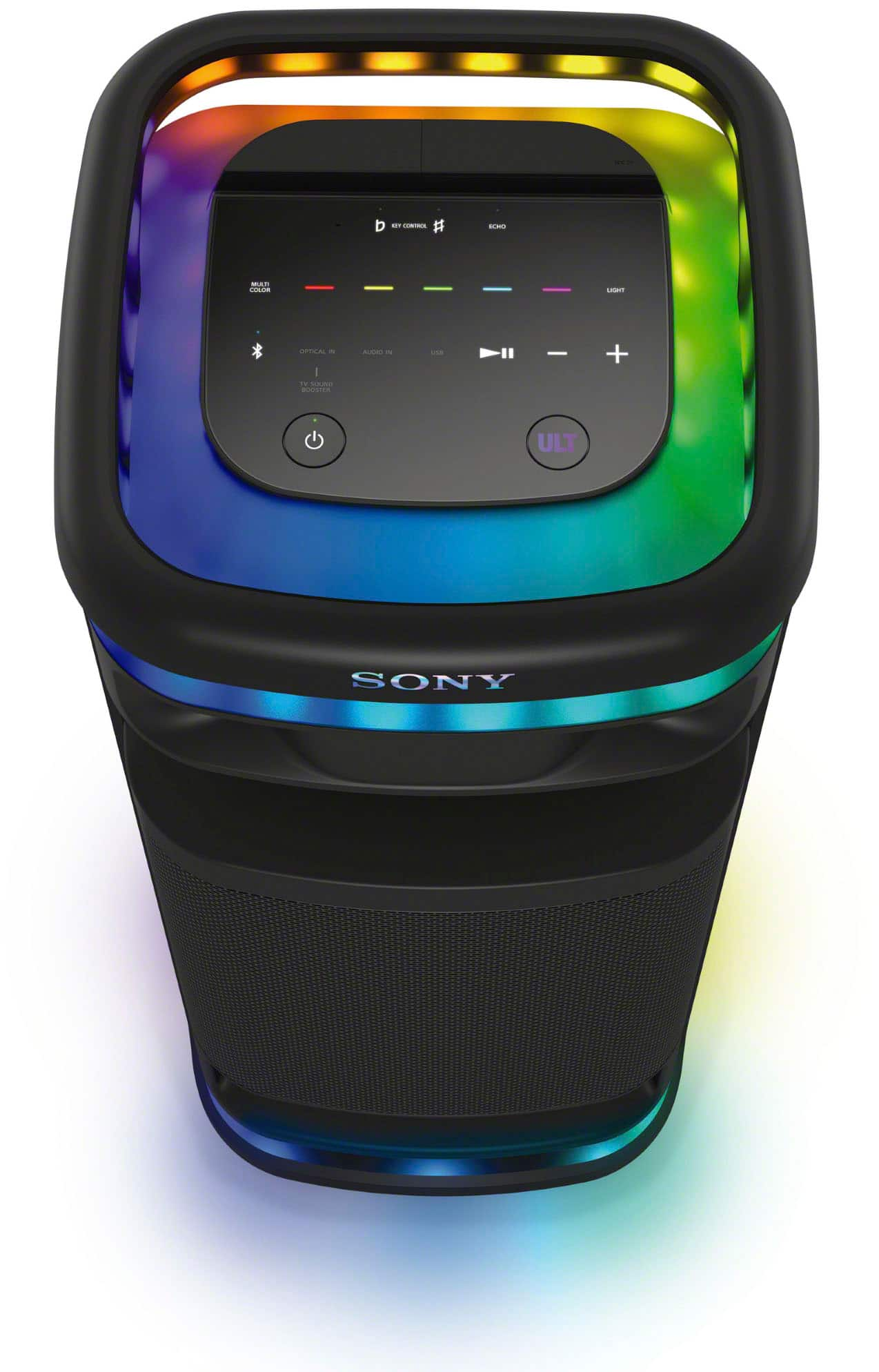
Sony's ULT (Ultimate Low-frequency Technology) feature sets the Tower 10 apart from conventional party speakers. Rather than simply boosting all bass frequencies equally, ULT offers two distinct modes accessible via a dedicated button on the speaker or through the companion app.
ULT 1 emphasizes deep, sub-bass frequencies—the kind that you feel as much as hear. This mode excels with hip-hop, electronic dance music, and movie soundtracks that feature dramatic low-end effects. ULT 2 focuses on upper bass frequencies that add punch and impact to drums and bass guitars, making it ideal for rock, pop, and dance music where rhythm drive matters more than earth-shaking lows.
This real-time adjustability addresses a key limitation of most speakers: they're voiced for one particular sound signature, which may not suit every musical genre or mood. The ULT Tower 10 lets you match the bass response to your content and preferences instantly.
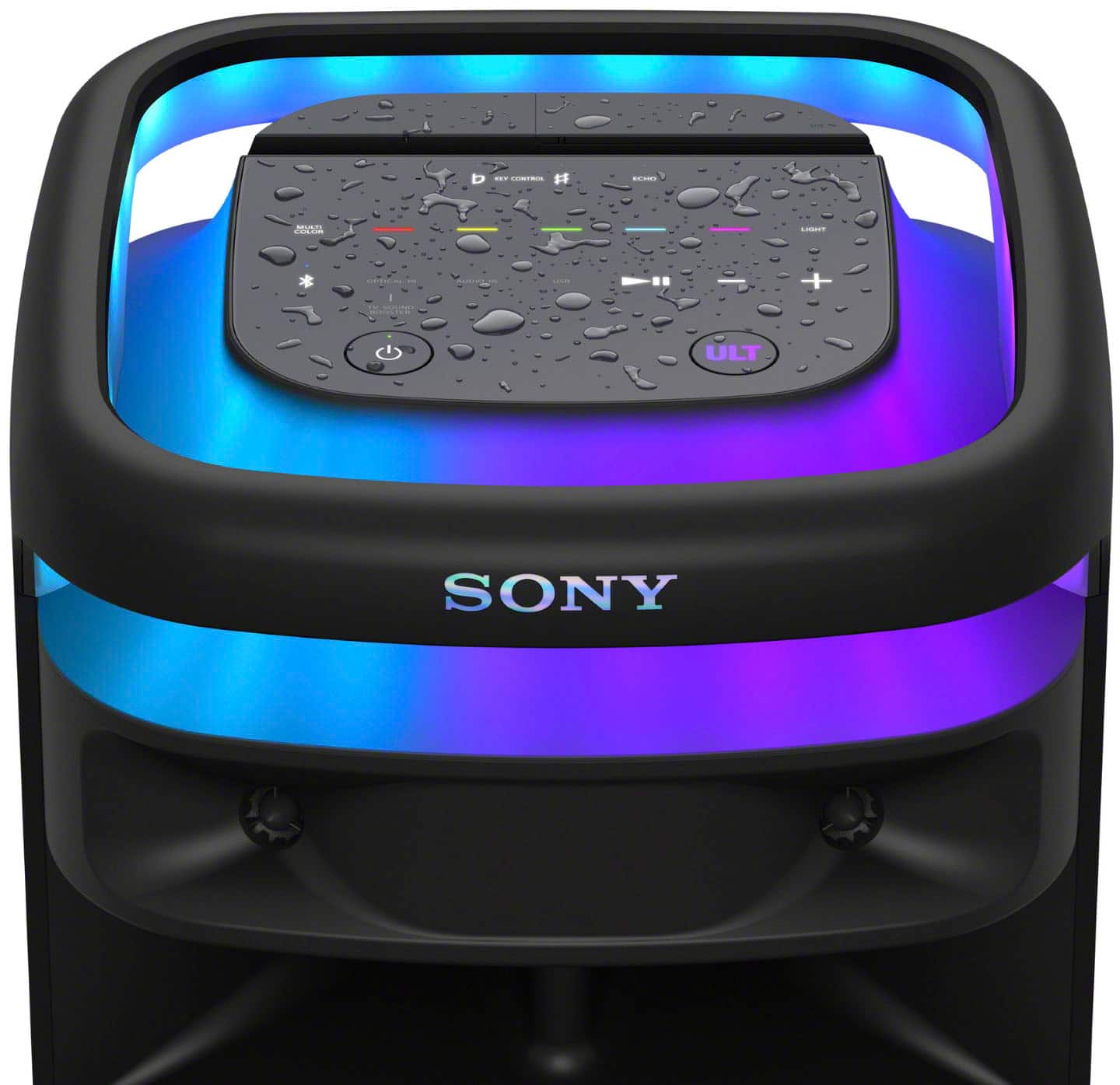
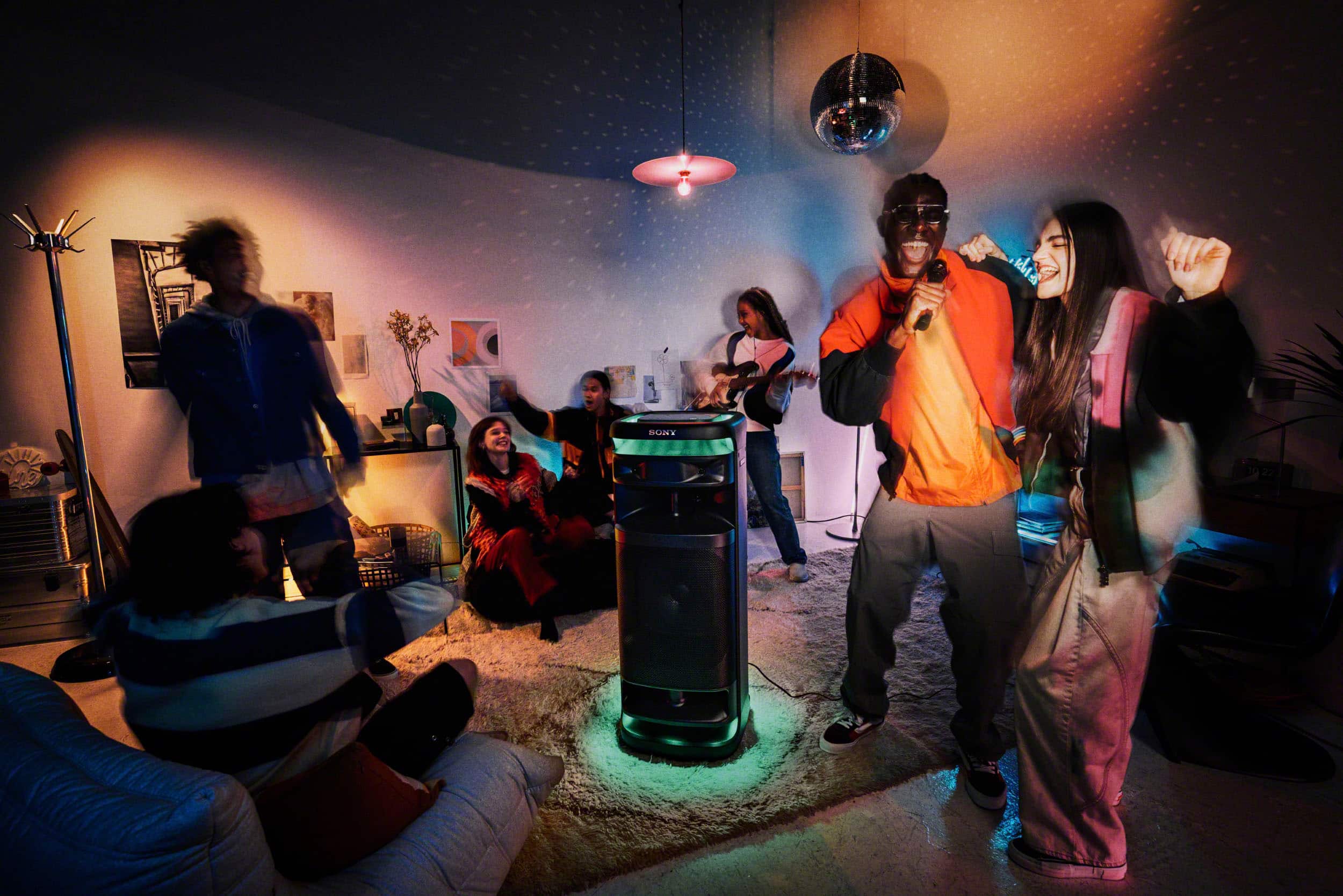
Beyond pure audio performance, the Sony speaker incorporates features designed specifically for social entertainment. The integrated 360-degree LED lighting system can be programmed through Sony's companion apps to create visual effects synchronized with the music. While this might seem gimmicky, the implementation is sophisticated enough to enhance rather than distract from the audio experience.
The included wireless microphone supports karaoke functionality with echo control and key adjustment—features typically found only in dedicated karaoke systems. The speaker also includes a quarter-inch combo input that can accommodate both microphones and electric guitars, complete with gain control for proper signal matching.
Perhaps most impressively, Sony's Party Connect technology allows you to link up to 100 compatible speakers for synchronized audio and lighting effects. This scalability makes the ULT Tower 10 suitable for everything from house parties to large events, though you'll need to invest in additional units to take advantage of this capability.
For critical listening and home theater use, the Marshall Woburn III delivers superior audio fidelity. Its balanced frequency response and controlled dynamics make it exceptional for acoustic music, jazz, classical, and film soundtracks where subtle details matter. The three-way driver configuration provides better separation between frequency ranges, resulting in clearer vocals and more natural instrument timbre.
The Sony ULT Tower 10 prioritizes impact over nuance. Its sound signature is deliberately enhanced for party music—genres that benefit from emphasized bass and dynamic range compression that makes quiet passages louder and maintains consistent energy. For electronic dance music, hip-hop, and high-energy pop, this tuning works exceptionally well.
This is where the differences become most apparent. The Marshall speaker's 100.5dB maximum output is adequate for most home environments and small gatherings, but it reaches its limits in large rooms or outdoor settings. The Sony's 110dB capability represents a significant advantage—roughly twice as loud in practical terms, thanks to how decibel measurements work.
More importantly, the ULT Tower 10's 360-degree sound dispersion provides more even coverage in large spaces. The Woburn III's stereo imaging is superior for positioned listening, but the Sony eliminates dead spots and ensures everyone in the room experiences similar sound quality.
Both speakers offer comprehensive connectivity, but with different focuses. The Marshall excels for home integration with its HDMI ARC capability and analog inputs that support traditional hi-fi components. The Sony provides more professional-oriented inputs for live performance and recording applications.
The Marshall's Bluetooth 5.2 implementation includes future-ready features like Over-the-Air updates, ensuring the speaker remains current as wireless standards evolve. The Sony supports higher-quality LDAC codec for improved wireless audio quality from compatible Android devices and Sony players.
At the time of writing, these speakers occupy different price segments, with the Marshall Woburn III positioned as a premium home audio solution and the Sony ULT Tower 10 commanding a higher price point justified by its party features and maximum output capabilities.
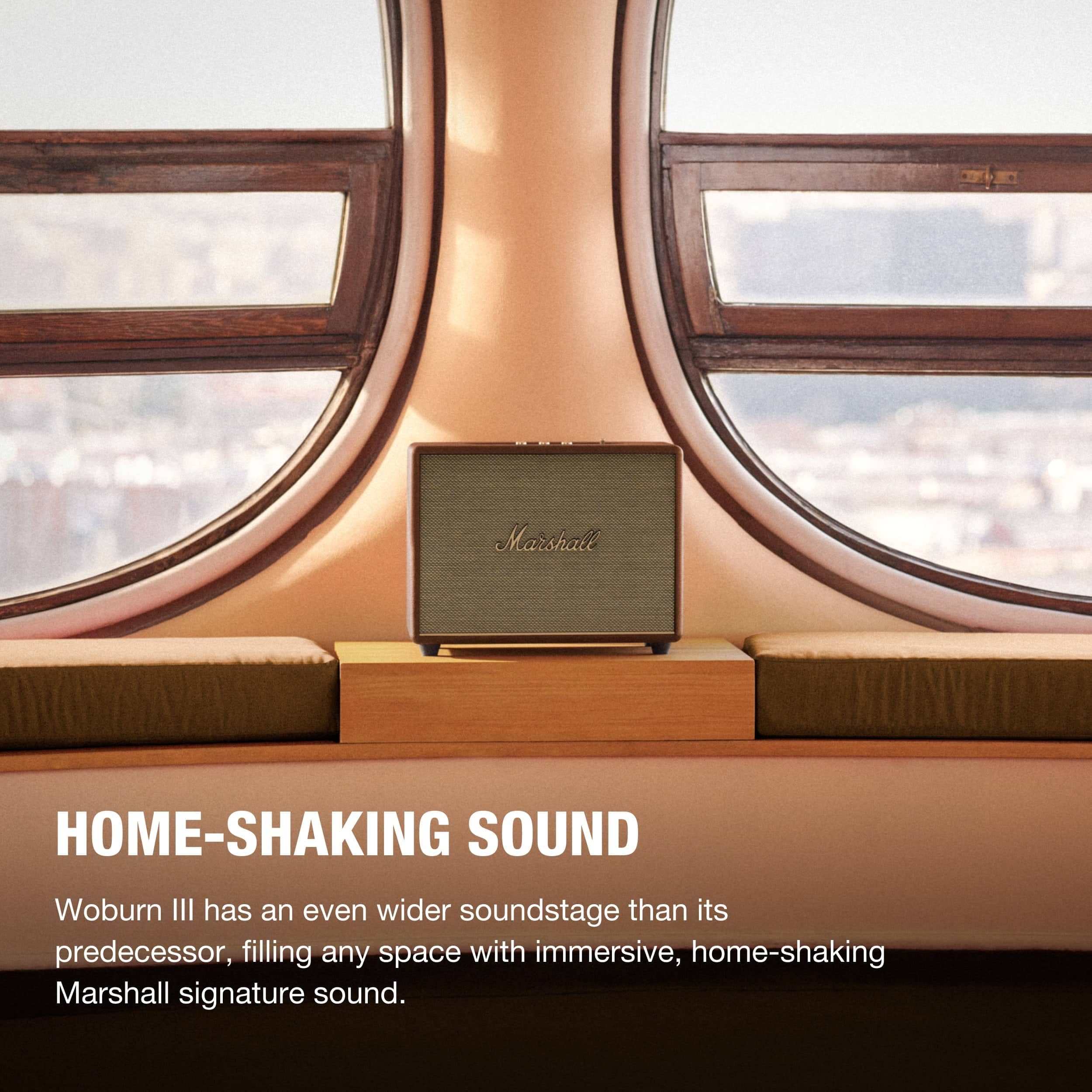
The Marshall delivers exceptional audio quality per dollar for its price category. Its build quality, using sustainable materials and Marshall's established acoustic engineering, suggests years of reliable performance. The classic design aesthetic ages well, unlike more trend-focused speaker styling that may look dated in a few years.
The Sony justifies its premium pricing through features that would typically require separate equipment—professional audio inputs, wireless microphones, programmable lighting, and multi-speaker networking capabilities. If you regularly host gatherings or need professional presentation capabilities, these integrated features provide genuine value.
Prioritize audio fidelity above all else and want a speaker that reveals new details in familiar recordings. The Marshall excels as a home theater companion, providing clear dialogue and dynamic movie soundtracks without requiring a complex surround sound setup. Its HDMI ARC integration makes it particularly attractive for those seeking to upgrade TV audio without complications.
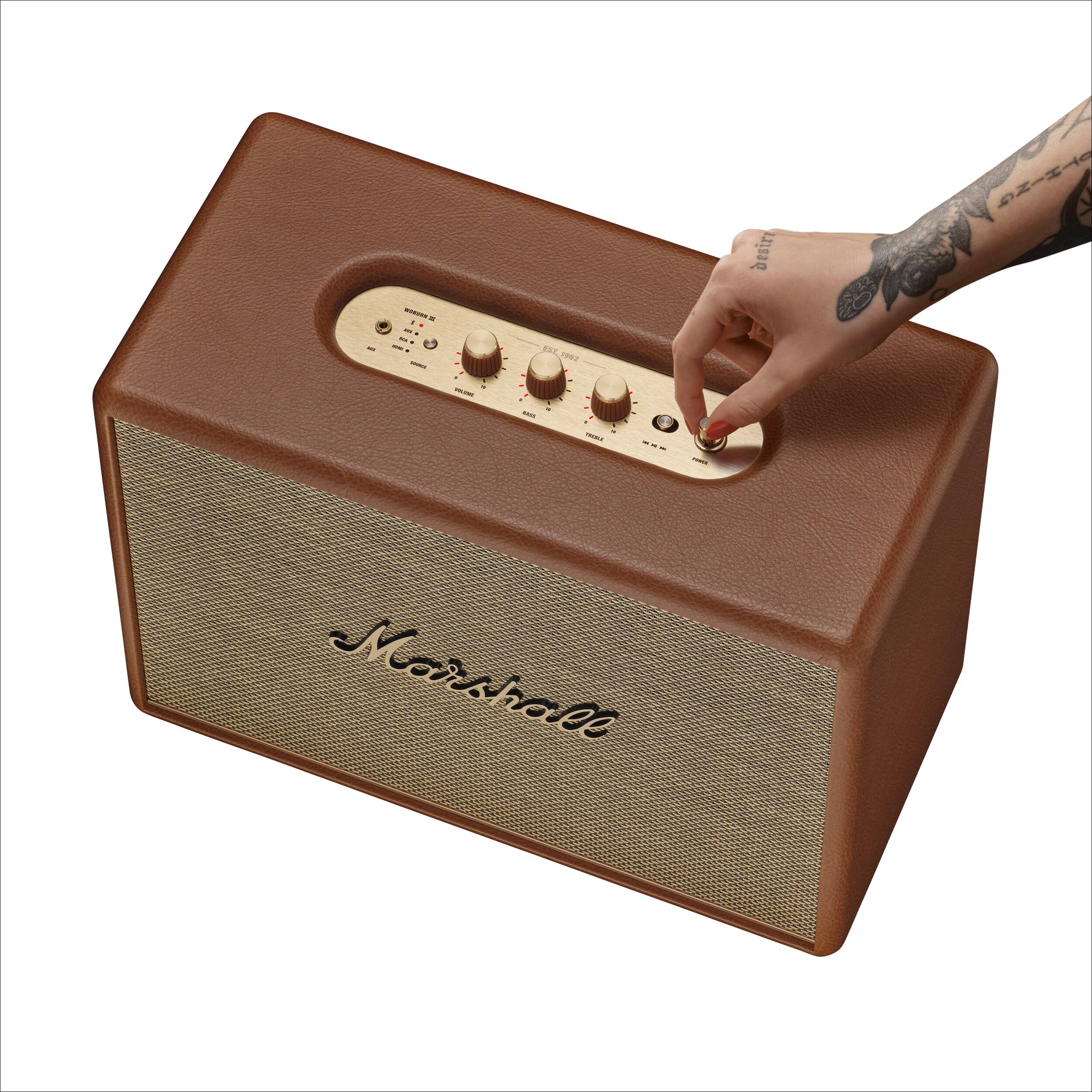
The Woburn III also suits listeners who appreciate physical controls and analog adjustments. The top-panel knobs for bass and treble provide tactile feedback that many find more satisfying than app-based controls, and the classic Marshall aesthetic complements traditional home decor better than modern tech-focused designs.
Host regular gatherings and need maximum impact for social entertainment. The Sony transforms living spaces into party venues with its combination of powerful output, customizable lighting, and interactive features. Its 360-degree sound coverage ensures everyone experiences impressive audio quality, regardless of room position.
The ULT Tower 10 also serves users who need professional presentation capabilities. The integrated microphone inputs, Party Connect scalability, and high output make it suitable for small venue events, presentations, or performances where you'd otherwise need to rent or purchase separate equipment.
These speakers represent two distinct approaches to premium home audio, and your choice should align with your primary use case rather than trying to find a compromise solution that excels at everything.
The Marshall Woburn III delivers superior audio quality for critical listening and home theater use in a package that integrates seamlessly into home environments. It's the better choice for music lovers who want to hear recordings as the artists intended and movie enthusiasts who appreciate clear dialogue and dynamic soundtracks.
The Sony ULT Tower 10 maximizes entertainment value for social gatherings and professional applications. Its powerful output, party features, and scalability make it worth the investment if you regularly need to energize large groups or require professional presentation capabilities.
Neither speaker successfully bridges both use cases effectively, which actually works in your favor—it makes the choice clearer based on your primary needs. Both represent excellent value within their respective domains, delivering performance that justifies their premium positioning when matched with appropriate expectations and use cases.
| Marshall Woburn III | Sony ULT Tower 10 |
|---|---|
| Maximum Sound Pressure Level - How loud they can get before distorting | |
| 100.5 dB (excellent for home use, adequate for small parties) | 110 dB (roughly twice as loud, handles large gatherings easily) |
| Driver Configuration - Affects sound quality and coverage | |
| 3-way stereo: 1×6" woofer, 2×2" midrange, 2×0.75" tweeters | 3-way omnidirectional: 1×12.6"×12.6" X-Balanced woofer, 2×3.25" midrange, 4×1.625" tweeters |
| Frequency Response - Range of sounds they can reproduce | |
| 35Hz – 20kHz (excellent bass extension for music listening) | 20Hz – 20kHz (deeper bass, better for party music and movies) |
| Total Power Output - Raw amplification strength | |
| 150W (90W woofer + 60W for mids/tweeters) | Not specified but significantly higher based on SPL capability |
| Sound Dispersion - How sound spreads through the room | |
| Stereo with angled tweeters (focused listening position) | 360-degree with front/rear tweeters (even room coverage) |
| Size and Weight - Portability and placement considerations | |
| 400×317×203mm, 7.45kg (fits on shelves, easy to move) | 418×1106×428mm, 29kg (floor-standing tower, wheels included) |
| Connectivity Options - How you connect audio sources | |
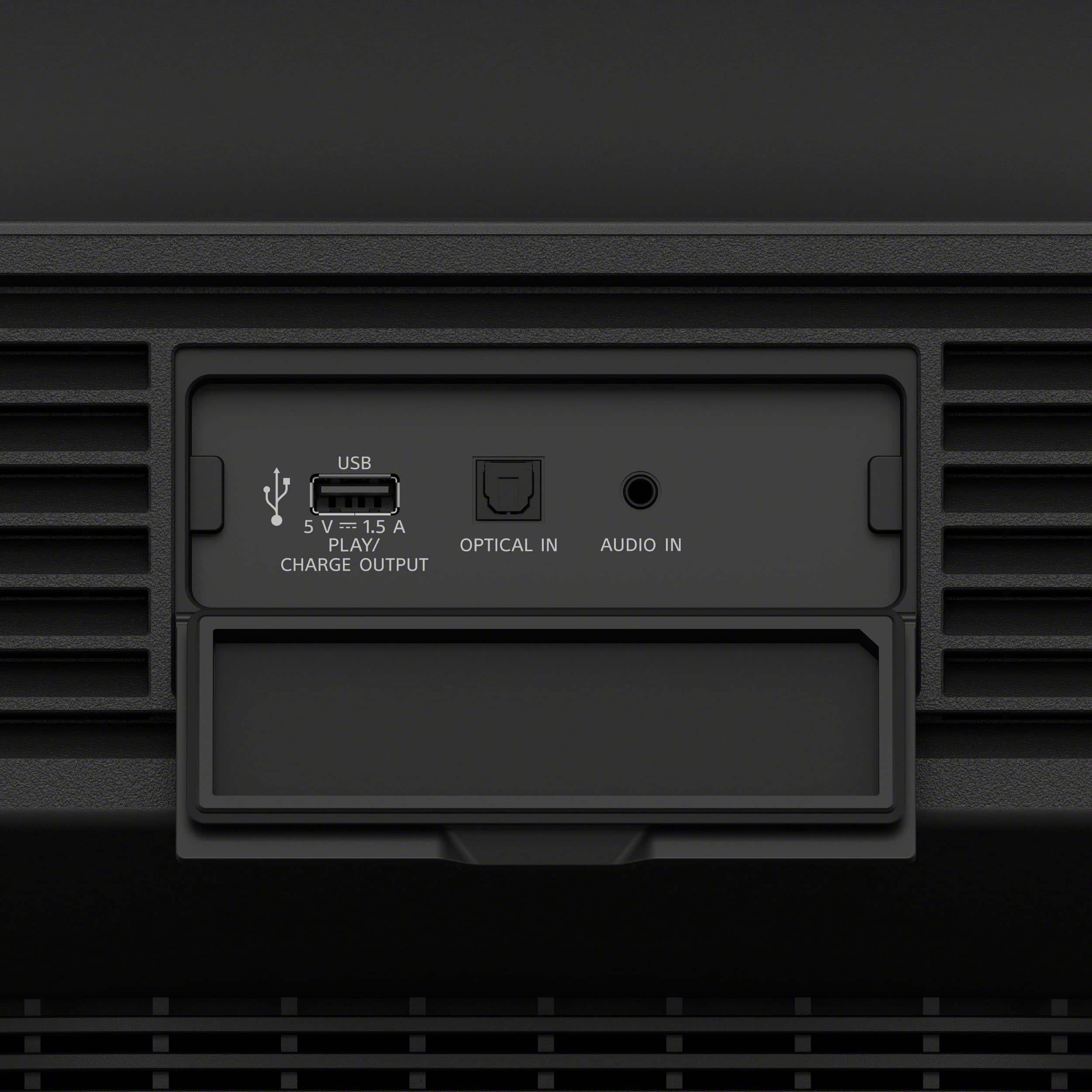
| Bluetooth 5.2, HDMI ARC, RCA, 3.5mm aux | Bluetooth 5.2 (LDAC), optical, USB, RCA, 3.5mm aux, 1/4" mic/guitar |
| Smart Features - App control and advanced functionality | |
| Marshall app: EQ, placement correction, Dynamic Loudness | Sony Music Center + Fiestable apps: 7-band EQ, lighting control, Party Connect |
| Bass Enhancement Technology - Customizable low-end response | |
| Fixed bass-reflex tuning with analog bass knob | ULT modes: ULT 1 (deep bass), ULT 2 (punchy bass), plus app EQ |
| Party and Entertainment Features - Social gathering capabilities | |
| None (focused on audio quality) | 360° LED lighting, wireless microphone, karaoke features, DJ effects |
| Multi-Speaker Capability - Expanding your system | |
| Stereo pairing only | Party Connect (up to 100 speakers), stereo pairing |
| Home Theater Integration - TV audio enhancement | |
| HDMI ARC with TV remote control | Optical input, TV Sound Booster mode |
| Power Source - Operational flexibility | |
| AC powered only | AC powered only |
| Build Quality and Materials - Durability and aesthetics | |
| Recycled plastic, vegan leather texture, brass controls | Hard plastic exterior, splash-resistant top panel, integrated handles/wheels |
| Primary Use Case - What each excels at | |
| Critical listening, home theater, intimate gatherings | Large parties, karaoke, live performance, multi-room events |
The Marshall Woburn III is significantly better for home theater applications. It features HDMI ARC connectivity that allows direct connection to your TV with automatic volume control through your TV remote. The Marshall also delivers more balanced audio with clear dialogue reproduction, making it ideal for movies and TV shows. The Sony ULT Tower 10 only offers optical input for TV connection and is tuned more for party music than cinematic audio.
The primary difference is their intended use case. The Marshall Woburn III is designed for refined home listening and critical audio quality, while the Sony ULT Tower 10 is built for large gatherings and party entertainment. The Marshall focuses on balanced sound reproduction, whereas the Sony emphasizes maximum volume output and interactive features like LED lighting and karaoke capabilities.
The Sony ULT Tower 10 gets significantly louder, reaching 110 dB compared to the Marshall Woburn III's 100.5 dB maximum output. This roughly translates to the Sony being twice as loud in practical terms, making it much better suited for large rooms and outdoor gatherings where high volume is essential.
Yes, both the Marshall Woburn III and Sony ULT Tower 10 feature Bluetooth 5.2 connectivity. The Marshall supports standard Bluetooth codecs and offers multipoint connection for two devices. The Sony additionally supports Sony's LDAC codec for higher quality wireless audio from compatible devices, providing better sound quality over Bluetooth.
For serious music listening, the Marshall Woburn III is superior. It offers more balanced frequency response, better stereo imaging, and clearer separation between instruments. The three-way driver system in the Marshall provides more natural sound reproduction. The Sony ULT Tower 10 is tuned for party music with enhanced bass that may overwhelm delicate musical details.
The Sony ULT Tower 10 offers more advanced multi-speaker capabilities through Party Connect, allowing you to link up to 100 compatible Sony speakers for synchronized audio and lighting. The Marshall Woburn III only supports basic stereo pairing with a second identical unit. For large-scale setups, the Sony provides much more flexibility and scalability.
Both speakers deliver impressive bass, but in different ways. The Marshall Woburn III provides controlled, musical bass that extends down to 35Hz with excellent clarity. The Sony ULT Tower 10 offers customizable bass through ULT modes - ULT 1 for deep rumbling bass and ULT 2 for punchy impact. The Sony can produce more powerful bass suitable for dance music and parties.
Only the Sony ULT Tower 10 features integrated lighting with programmable 360-degree LED effects that sync with your music. The lighting can be customized through Sony's companion apps for different colors and patterns. The Marshall Woburn III focuses purely on audio performance without any lighting features, maintaining a classic, understated appearance.
The Marshall Woburn III is much more portable at 16.4 pounds and compact dimensions that fit on shelves or tables. The Sony ULT Tower 10 weighs nearly 65 pounds and stands over 3.5 feet tall, though it includes built-in wheels and handles for easier movement. Neither speaker has battery power, so both require AC outlets for operation.
The Sony ULT Tower 10 is specifically designed for karaoke with an included wireless microphone, echo control, and key adjustment features. It also has a quarter-inch input for additional microphones or guitars. The Marshall Woburn III lacks any karaoke features or microphone inputs, focusing instead on high-quality music and movie audio reproduction.
Value depends on your needs. The Marshall Woburn III offers excellent audio quality per dollar for home listening and theater use, with premium build quality and timeless design. The Sony ULT Tower 10 provides more features for the higher investment, including party lighting, karaoke capability, and professional inputs that would otherwise require separate equipment purchases.
The Marshall Woburn III works with the Marshall Bluetooth app for EQ adjustment, placement correction, and firmware updates. The Sony ULT Tower 10 uses two apps: Sony Music Center for basic controls and 7-band EQ, plus the Fiestable app for advanced party features, lighting control, DJ effects, and interactive entertainment functions. The Sony offers more comprehensive app integration for its expanded feature set.
We've done our best to create useful and informative comparisons to help you decide what product to buy. Our research uses advanced automated methods to create this comparison and perfection is not possible - please contact us for corrections or questions. These are the sites we've researched in the creation of this article: loudersound.com - ash-asia.zendesk.com - armorsound.com - rtings.com - crutchfield.com - rtings.com - stereoguide.com - bestbuy.com - hometechnologyreview.com - crutchfield.com - sweetwater.com - rtings.com - youtube.com - greentoe.com - versus.com - idownloadblog.com - marshall.com - youtube.com - comparisontabl.es - youtube.com - versus.com - crutchfield.com - device.report - consumerreports.org - sg.tcacoustic.asia - stereoindex.com - safemark.com - smarthomesounds.co.uk - marshall.com - device.report - bestbuy.com - marshall.com - stereoguide.com - crutchfield.com - youtube.com - electronics.sony.com - youtube.com - helpguide.sony.net - bestbuy.com - sony.com - us.community.sony.com - youtube.com - sony.com - nfm.com - sony.com - videoandaudiocenter.com - youtube.com

Privacy Policy
Terms and Conditions - Affiliate Policy
Home Security
© Copyright 2008-2026.
11816 Inwood Rd #1211, Dallas, TX 75244