

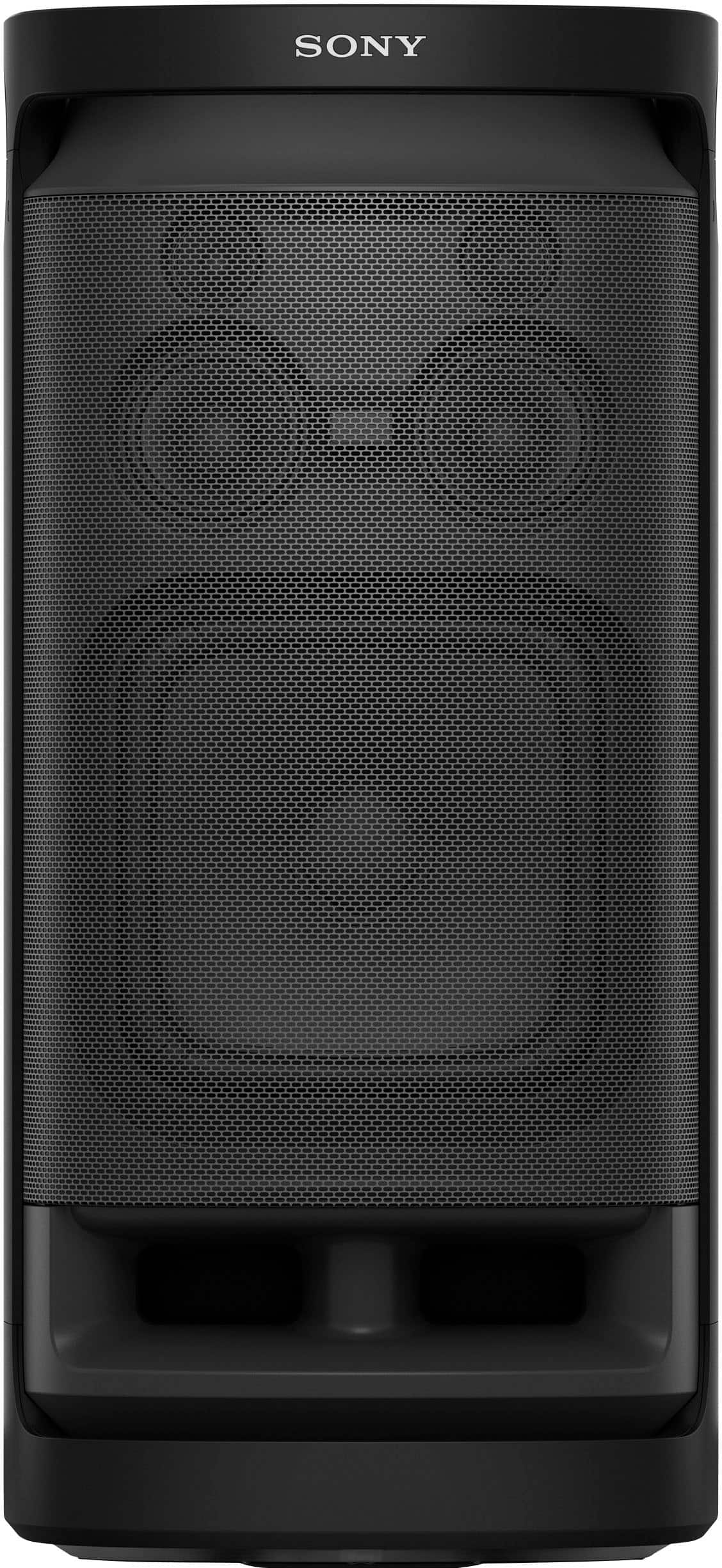
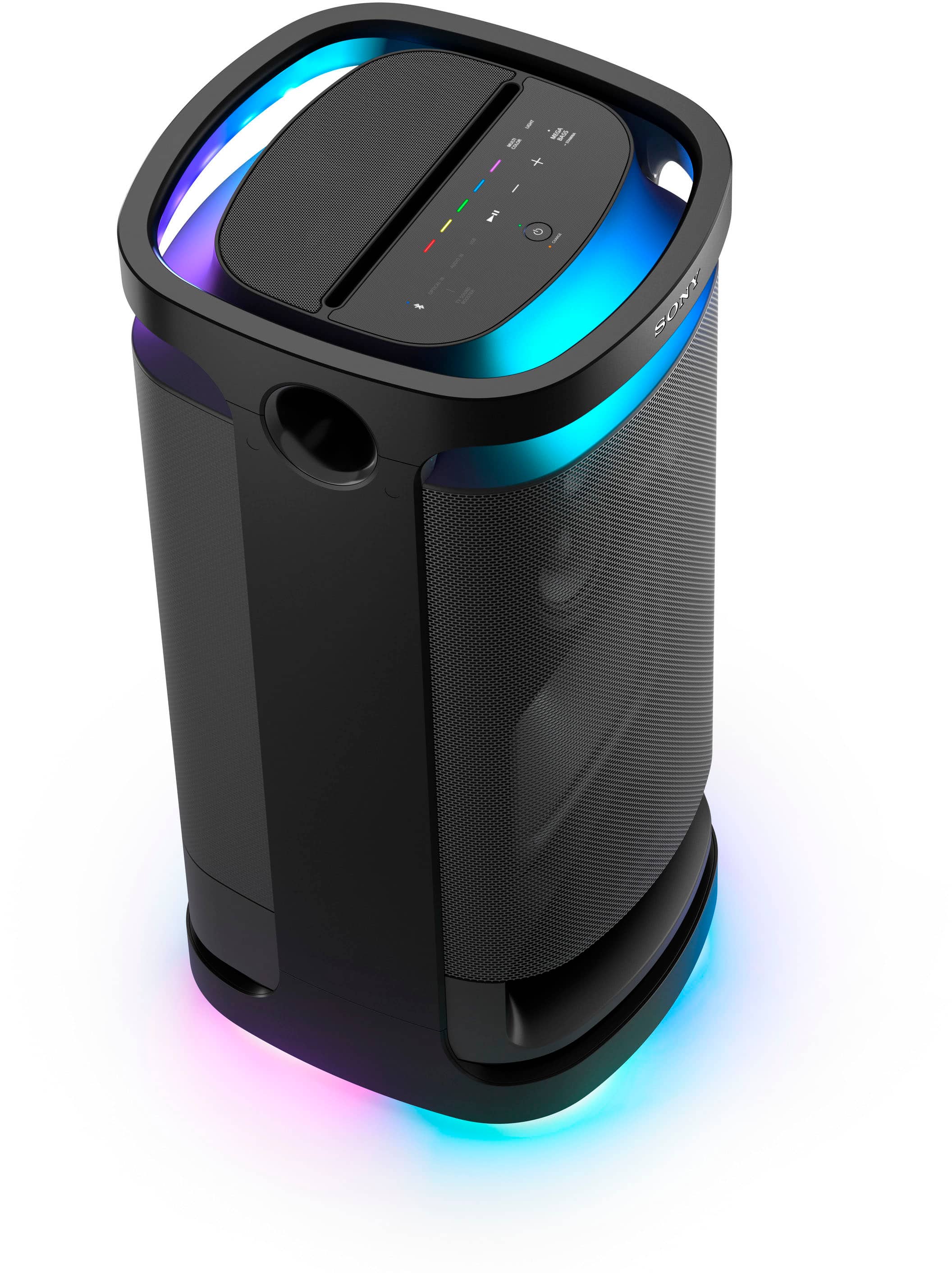
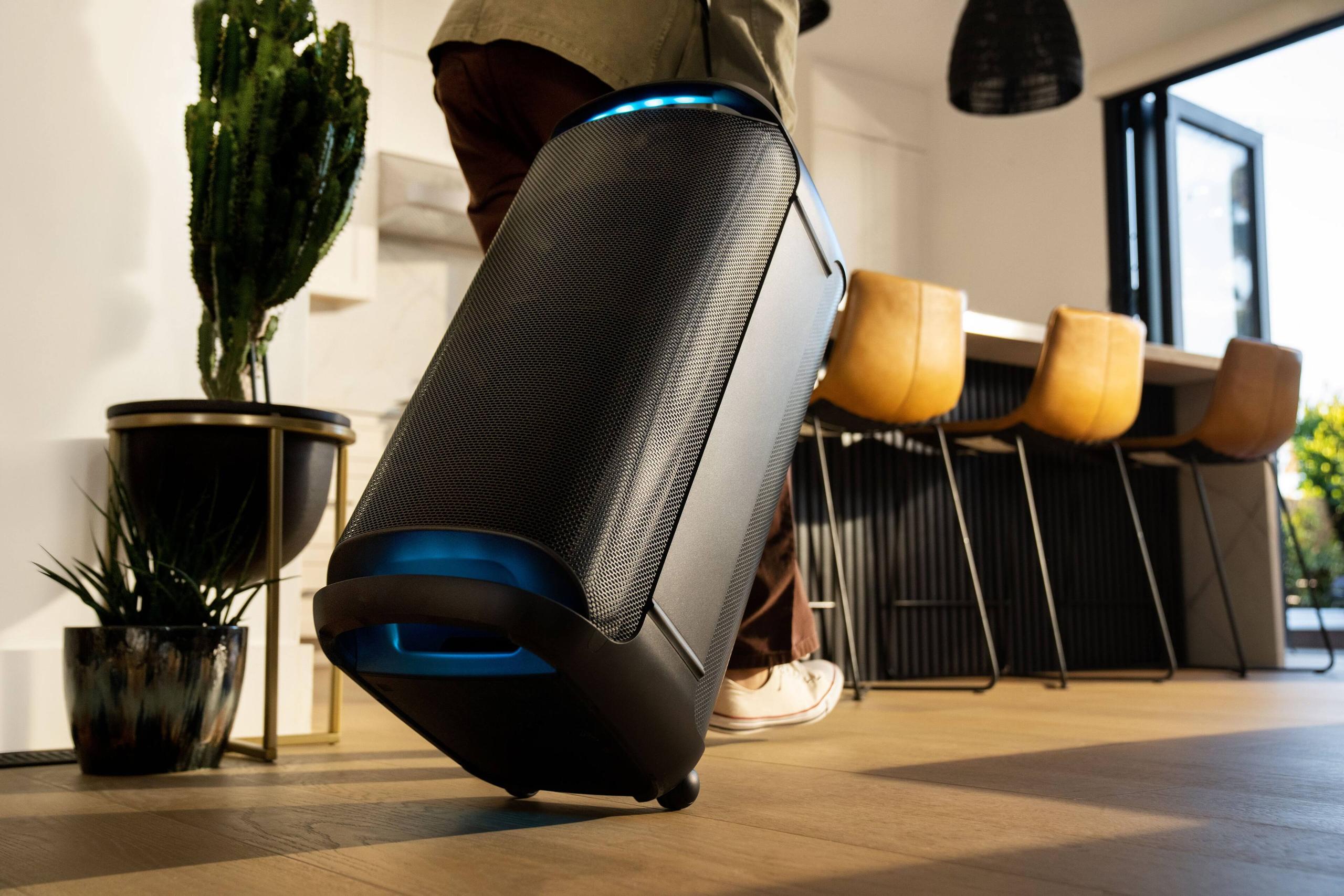
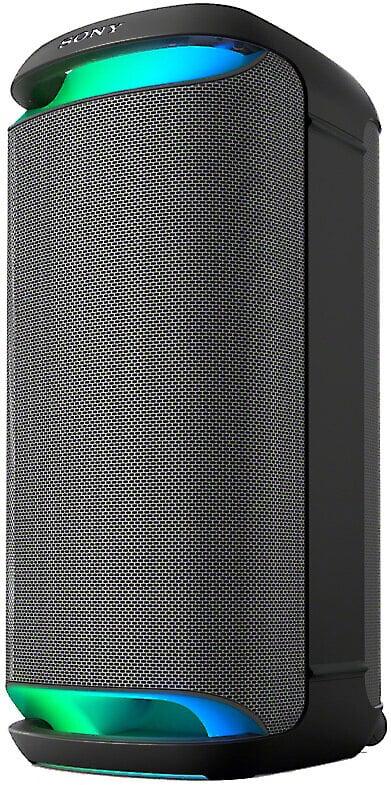
Party speakers have become the centerpiece of modern entertaining, transforming ordinary gatherings into memorable experiences with powerful, room-filling sound. These aren't your typical desktop Bluetooth speakers—we're talking about substantial audio systems designed to pump out serious volume while maintaining sound quality that won't make your ears bleed.
The party speaker category sits in a unique position, balancing the portability of wireless speakers with the power output typically reserved for home stereo systems. They need to deliver chest-thumping bass, crystal-clear vocals, and enough volume to compete with conversation, laughter, and ambient noise. Most importantly, they must do all this while running on battery power for hours at a time.
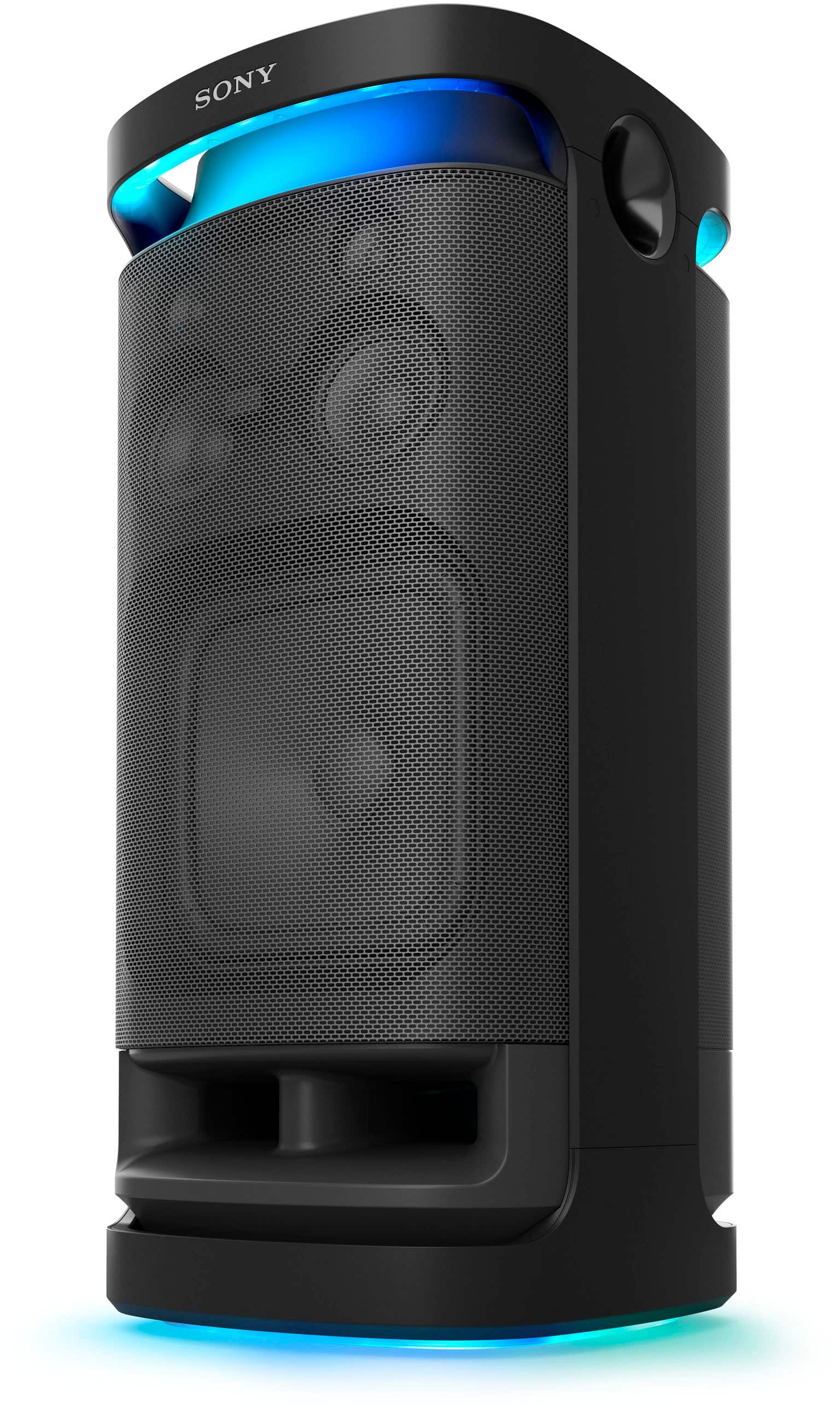
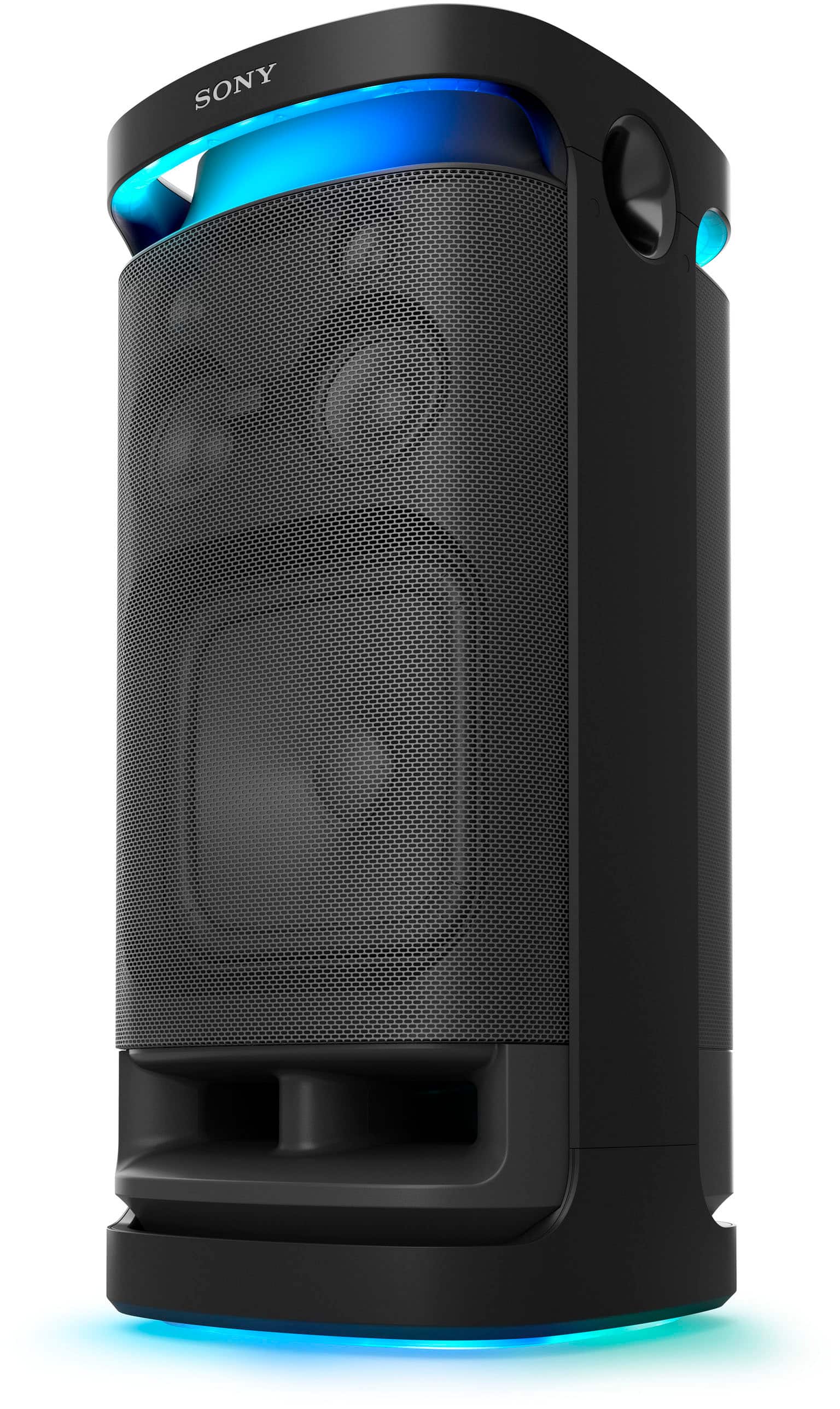
Sony entered this space aggressively with their X-Series lineup, and two models have emerged as standouts: the flagship SRS-XV900 released in 2022, and the more compact SRS-XV800 that followed in 2023. Both promise to be the life of the party, but they take notably different approaches to achieving that goal.
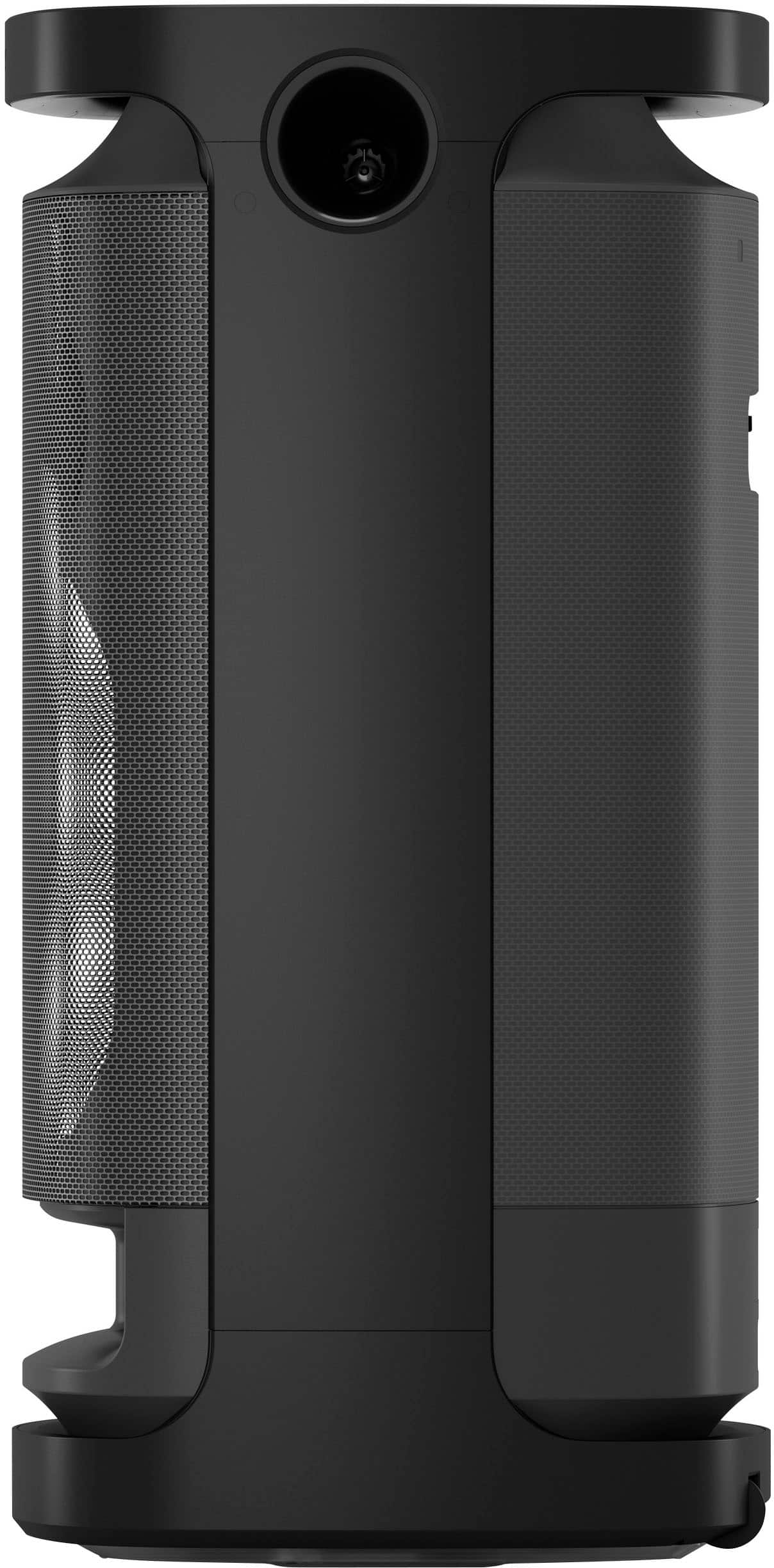
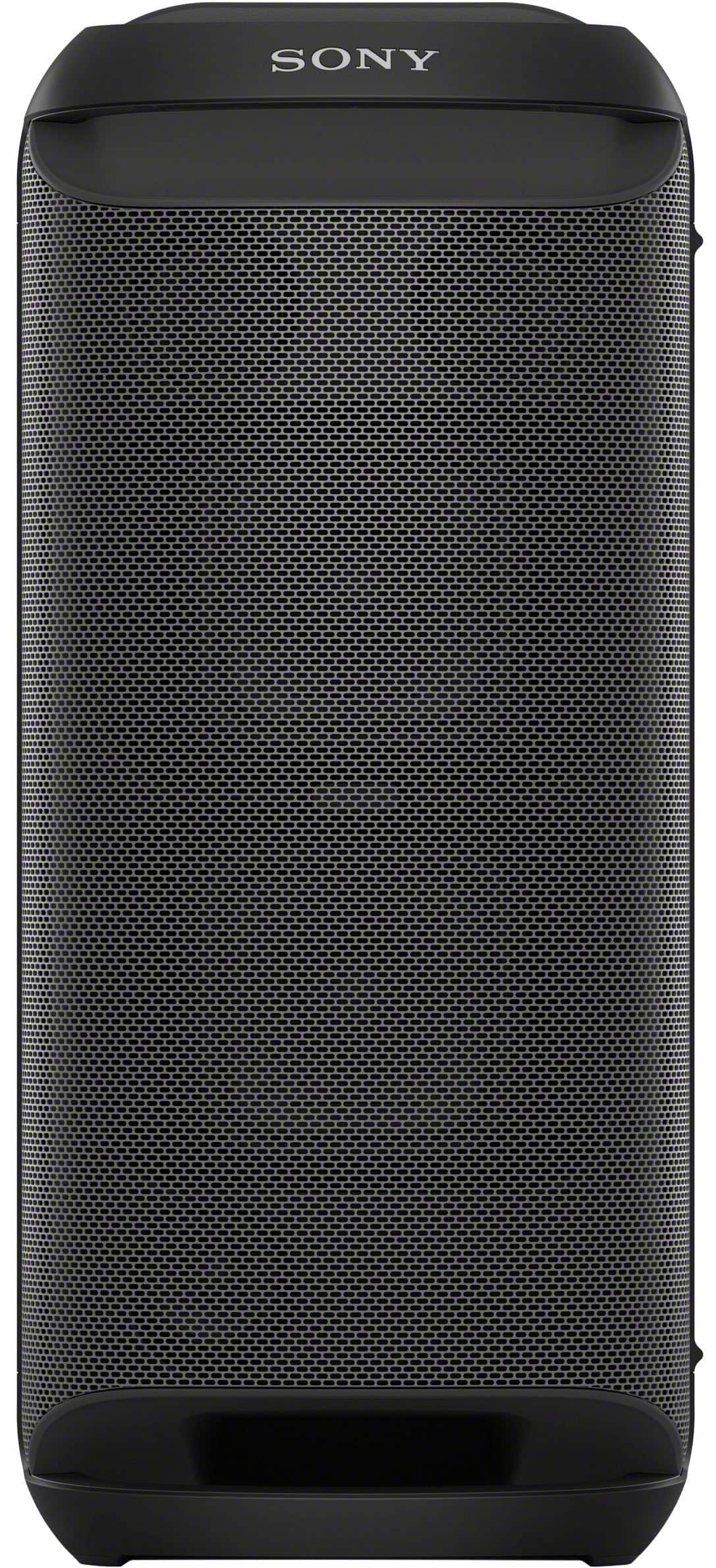
The most obvious difference between these speakers is their sheer physical presence. The SRS-XV900 stands nearly three feet tall and weighs close to 60 pounds—it's genuinely imposing and commands attention in any room. Meanwhile, the SRS-XV800 measures about six inches shorter and weighs roughly 18 pounds less, making it significantly more manageable without sacrificing the party speaker aesthetic.
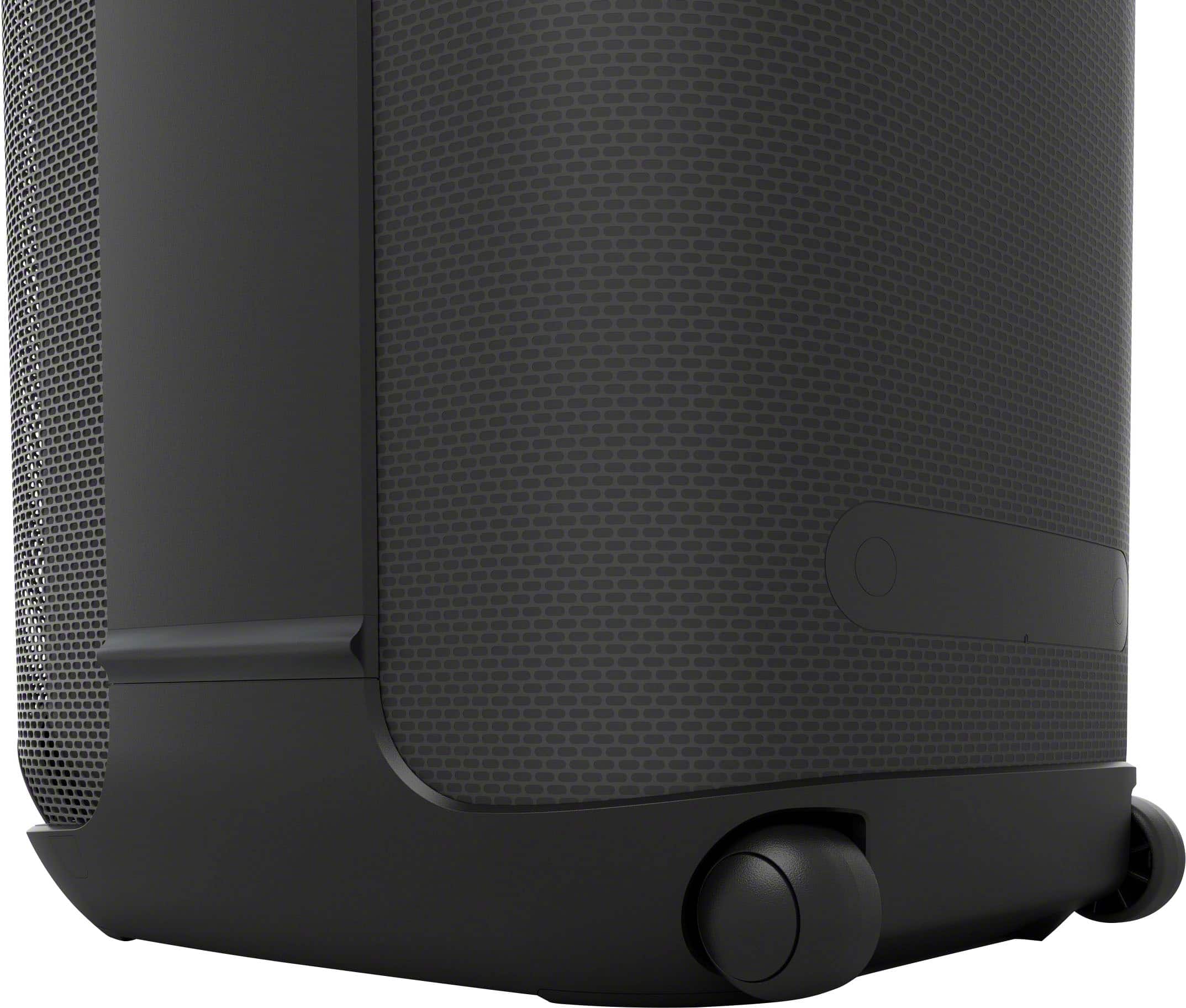
This size difference isn't just about convenience; it fundamentally affects how and where you'll use these speakers. The XV900 is essentially a commitment device—once you set it up, you're probably not moving it until the party's over. The XV800, while still substantial, crosses the threshold into "realistically portable" territory where you might actually wheel it from room to room or load it in a car without recruiting friends.
Sony positioned these speakers for different event scales, and our research into user experiences confirms this intentional segmentation. The XV900 consistently receives praise for dominating large spaces and outdoor gatherings, while XV800 owners appreciate its versatility for various party sizes and settings.
When you're shopping for a party speaker, maximum volume capability often tops the priority list. Here's where the SRS-XV900 establishes clear dominance. With 100 watts of power consumption compared to the XV800's 77 watts, the larger speaker delivers noticeably higher peak output levels.
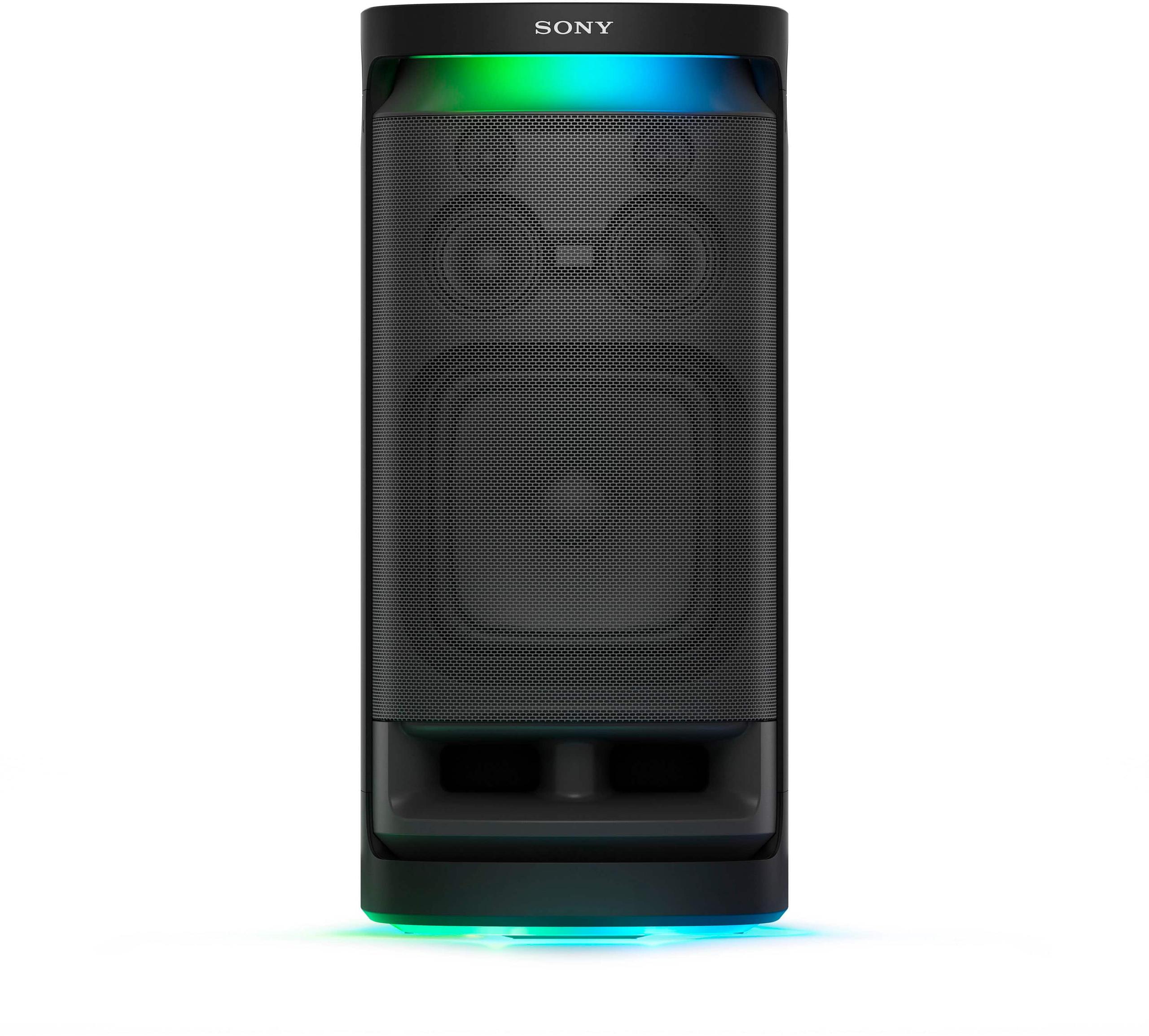
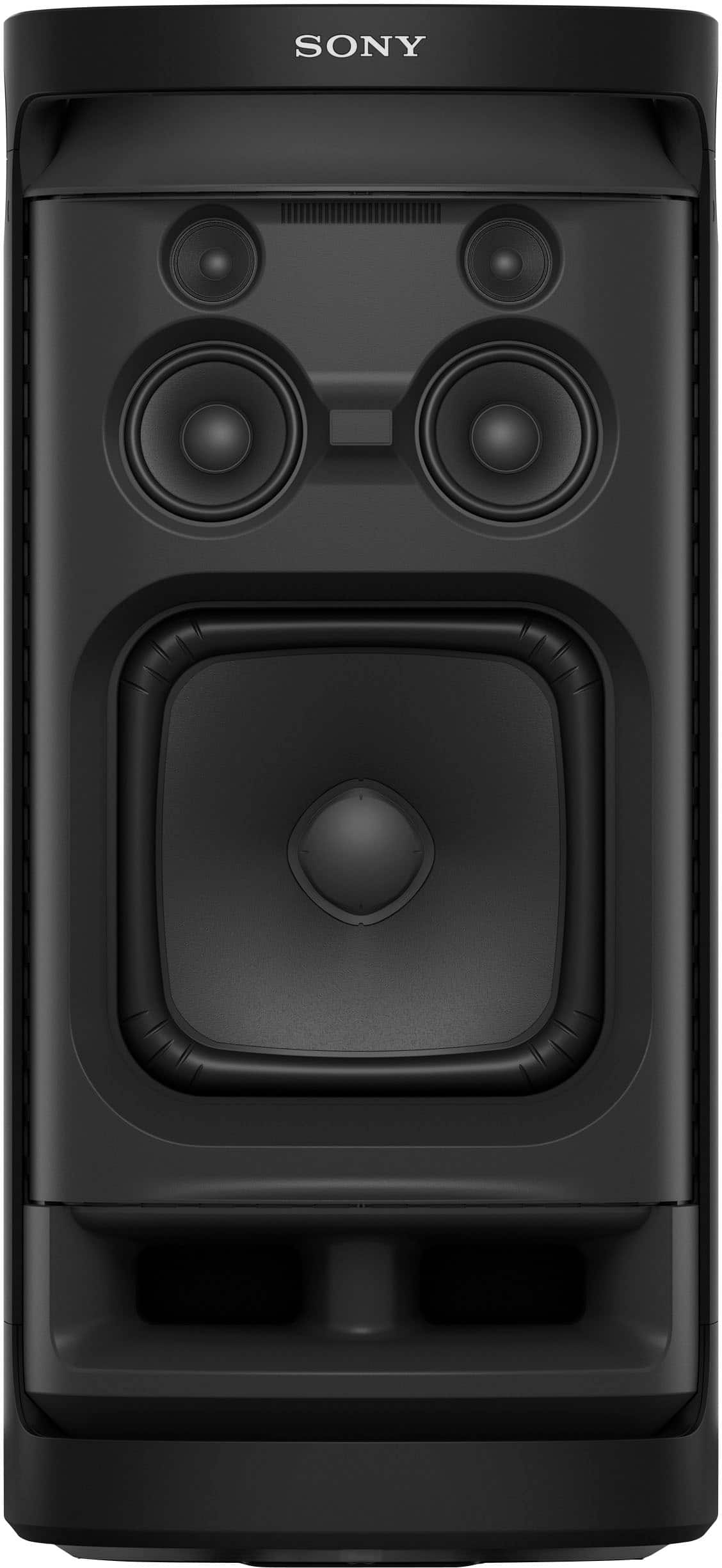
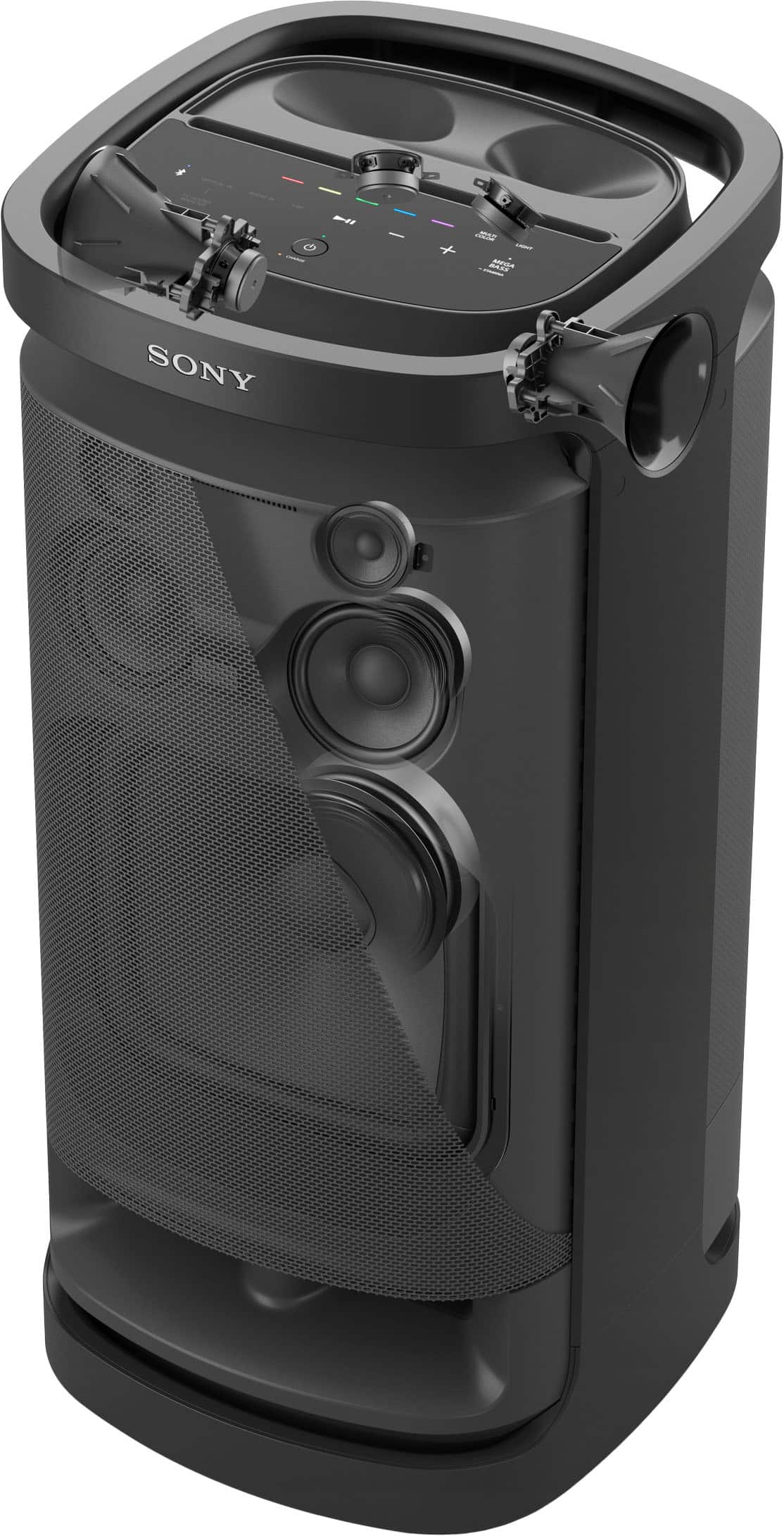
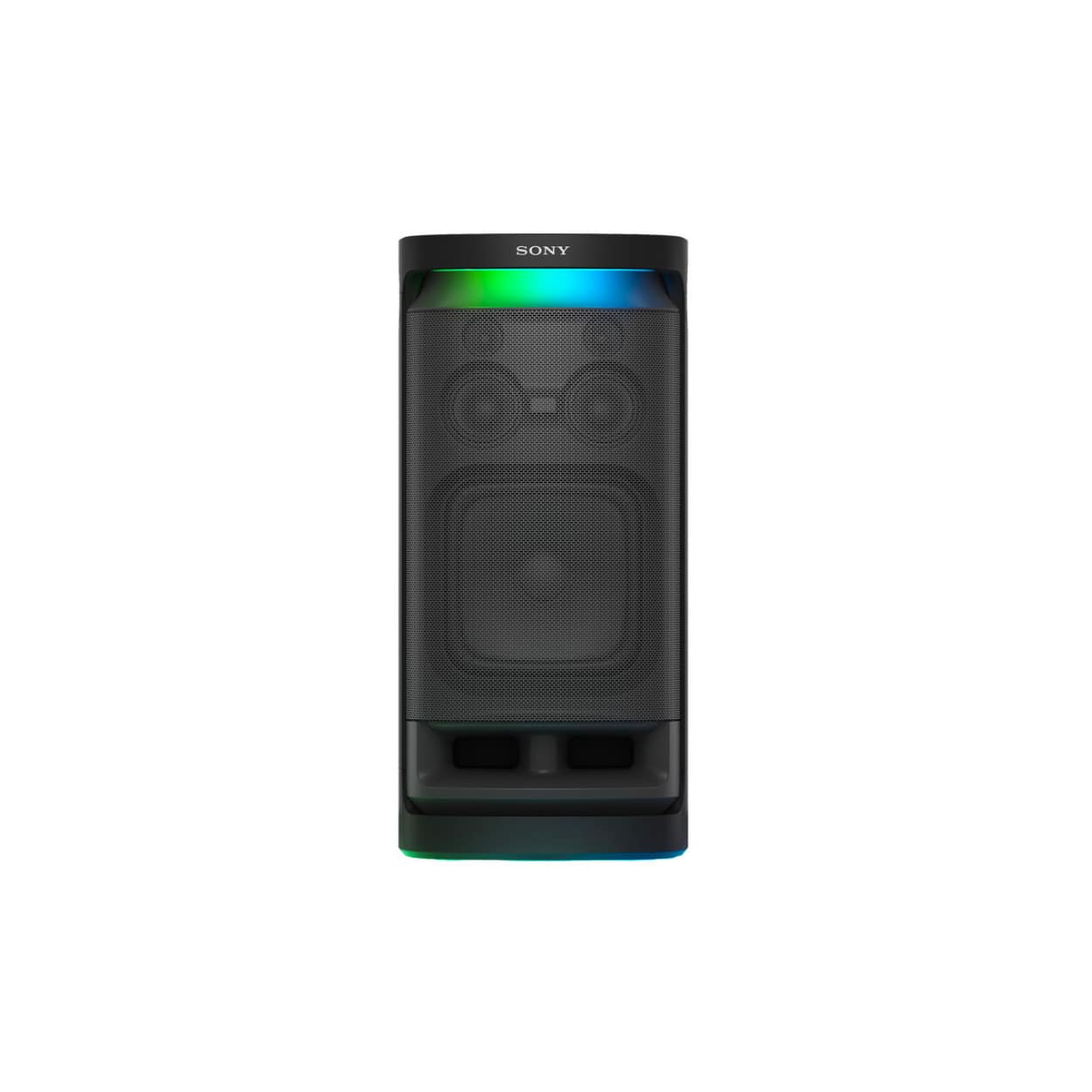
But raw wattage tells only part of the story. The XV900 incorporates dedicated midrange drivers—specialized speakers designed specifically to handle vocal frequencies with clarity. This three-way design (separate drivers for highs, mids, and lows) allows each driver to focus on its optimal frequency range, resulting in cleaner sound at high volumes. Most party speakers, including the XV800, use two-way designs where midrange frequencies get shared between the woofers and tweeters.
Based on extensive user feedback analysis, the XV900 maintains its composure at maximum volume levels where other speakers begin showing strain. Users consistently report being able to crank it to uncomfortable levels without noticeable distortion—a crucial advantage for larger gatherings or outdoor events where ambient noise demands extra volume.
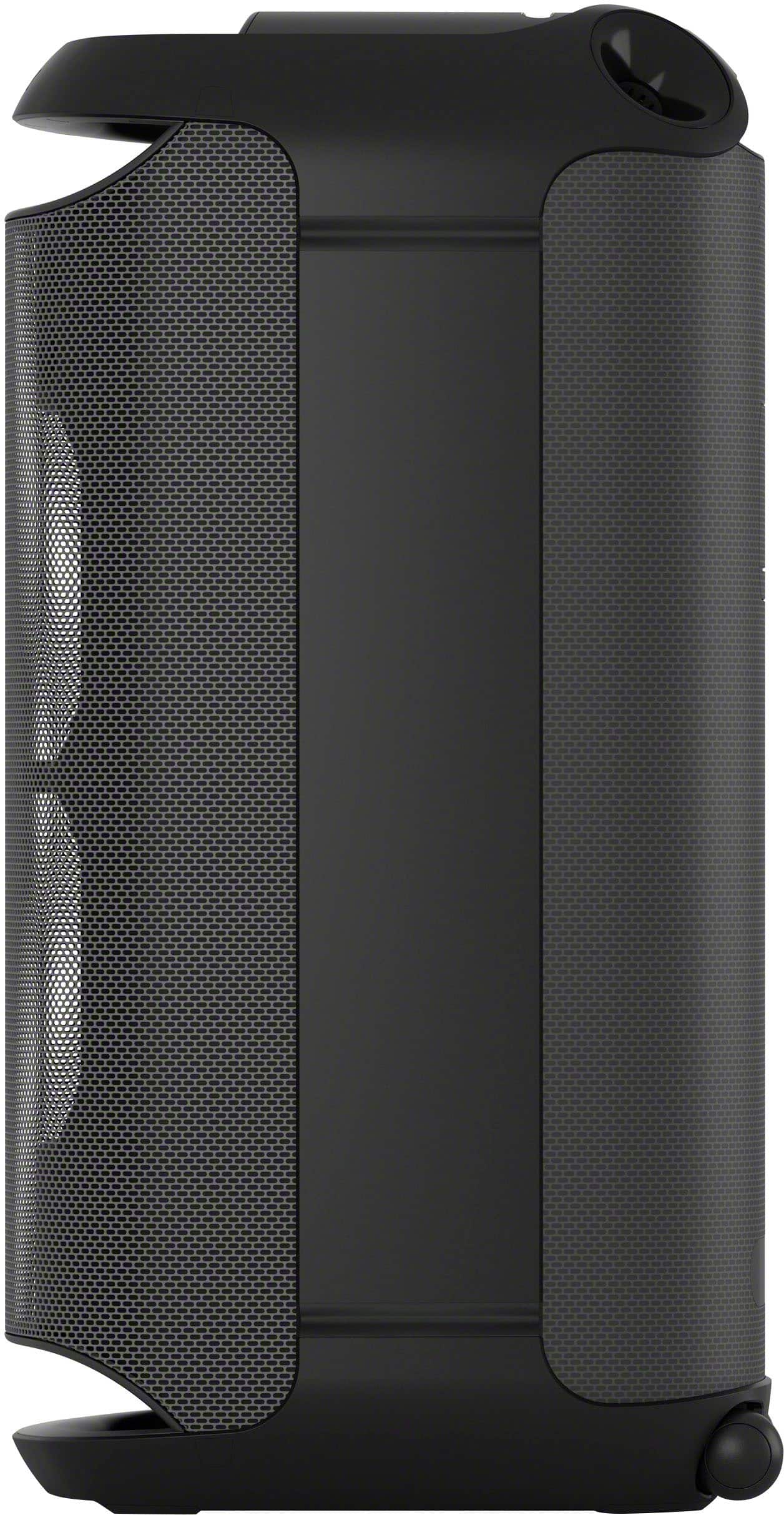
Both speakers employ Sony's X-Balanced woofer technology, but they implement it differently. The XV900 uses a single, massive 12.6-inch X-Balanced driver—essentially a rectangular woofer that maximizes surface area within the available cabinet space. This larger driver moves more air with each excursion, creating deeper and more impactful bass response.
The XV800 takes a different approach with dual 6.7-inch X-Balanced woofers working in tandem. While this configuration can't match the sheer low-frequency extension of the XV900's single large driver, it offers advantages in bass clarity and control. Multiple smaller drivers can respond more quickly to complex bass lines, resulting in tighter, more musical bass reproduction.
User reviews reveal an interesting preference split: those prioritizing maximum bass impact consistently favor the XV900, describing its low-end as "chest-thumping" and "overwhelming in the best way." Meanwhile, XV800 users appreciate its more balanced bass response, noting better integration with vocals and instruments rather than bass that dominates the mix.
Both speakers feature omnidirectional design—meaning they project sound in all directions rather than focusing it forward like traditional speakers. This approach ensures more even coverage throughout a room, reducing the "sweet spot" phenomenon where only certain listening positions receive optimal sound.
The XV900 employs six tweeters (small drivers dedicated to high frequencies) positioned around its substantial cabinet: two large ones up front, and four smaller units on the sides and rear. This extensive tweeter array creates genuinely immersive high-frequency coverage, with users reporting excellent sound quality regardless of their position relative to the speaker.
The XV800 uses five tweeters in a similar but simplified arrangement. While it achieves solid omnidirectional coverage, the reduced tweeter count and smaller cabinet size limit the soundstage width compared to its bigger sibling. For medium-sized rooms and gatherings, this difference proves minimal, but larger spaces reveal the XV900's superior sound distribution capabilities.
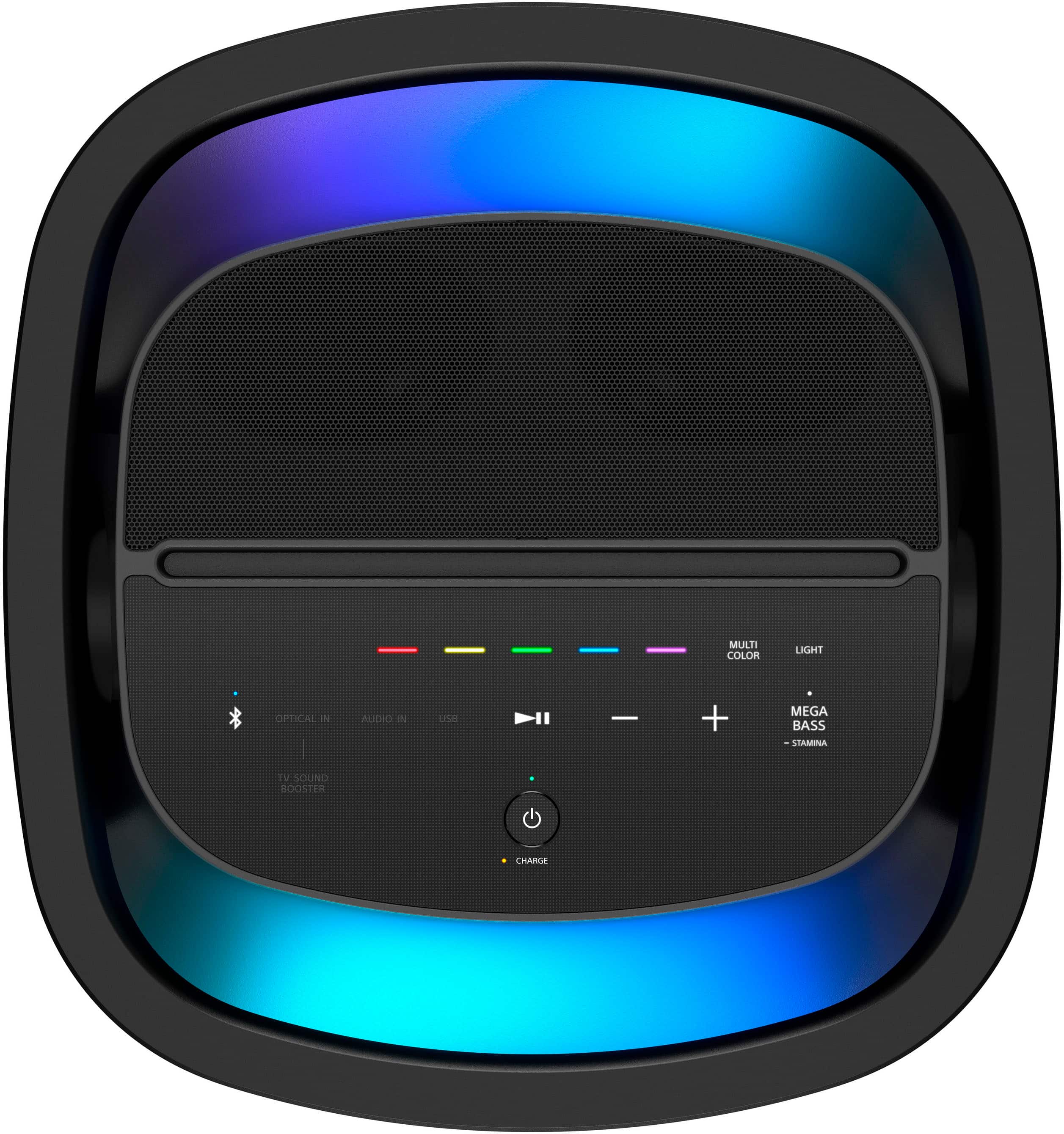
Sony advertises 25 hours of battery life for both speakers, but this figure assumes modest volume levels (around 30%) with bass boost and lighting effects disabled—conditions that rarely reflect actual party use. Our analysis of user experiences reveals significantly different real-world performance patterns.
At typical party volume levels (approximately 65% of maximum) with MEGA BASS mode engaged and lighting active, the XV800 consistently outperforms the XV900 in battery endurance. Users report the XV800 delivering 9-10 hours under these conditions, while the XV900 typically manages 7-8 hours.
This efficiency advantage stems from the XV800's lower power requirements and more optimized amplifier design. Despite having a smaller battery capacity, it extracts more runtime per watt-hour consumed. For all-day events or situations where charging opportunities are limited, this efficiency difference becomes practically significant.
At maximum volume with all features active—the stress test scenario—both speakers see dramatic battery life reductions. The XV900 manages roughly 4 hours, while the XV800 delivers about 3.5 hours. These figures align with the physics of high-power audio: maximum volume requires exponentially more energy than moderate levels.
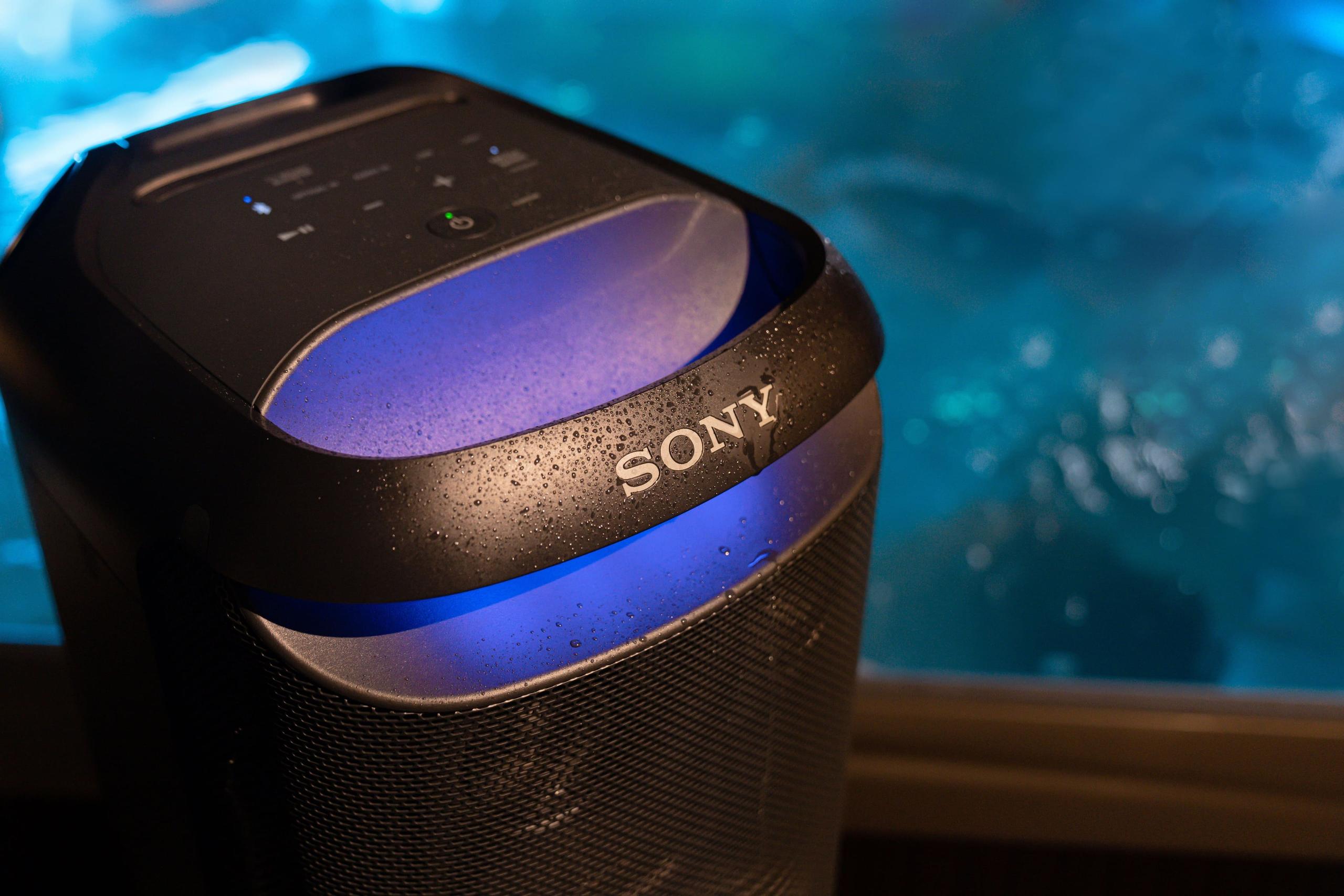
One of the most significant practical differences between these speakers involves weather resistance. The XV800 carries an IPX4 rating, indicating protection against splashing water from any direction. This rating makes it suitable for poolside parties, beach gatherings, or outdoor events where moisture might be present.
The SRS-XV900 lacks any official water resistance rating, limiting its outdoor versatility. While it won't immediately fail if exposed to light moisture, it's not designed for scenarios where water contact is likely. This limitation proves particularly relevant given the speaker's target use case for large gatherings, which often extend outdoors.
The IPX rating system might seem like technical jargon, but it directly translates to real-world usage flexibility. IPX4 specifically means the device can handle water splashes equivalent to a spray bottle or light rain—not submersion, but enough protection for typical outdoor party scenarios.
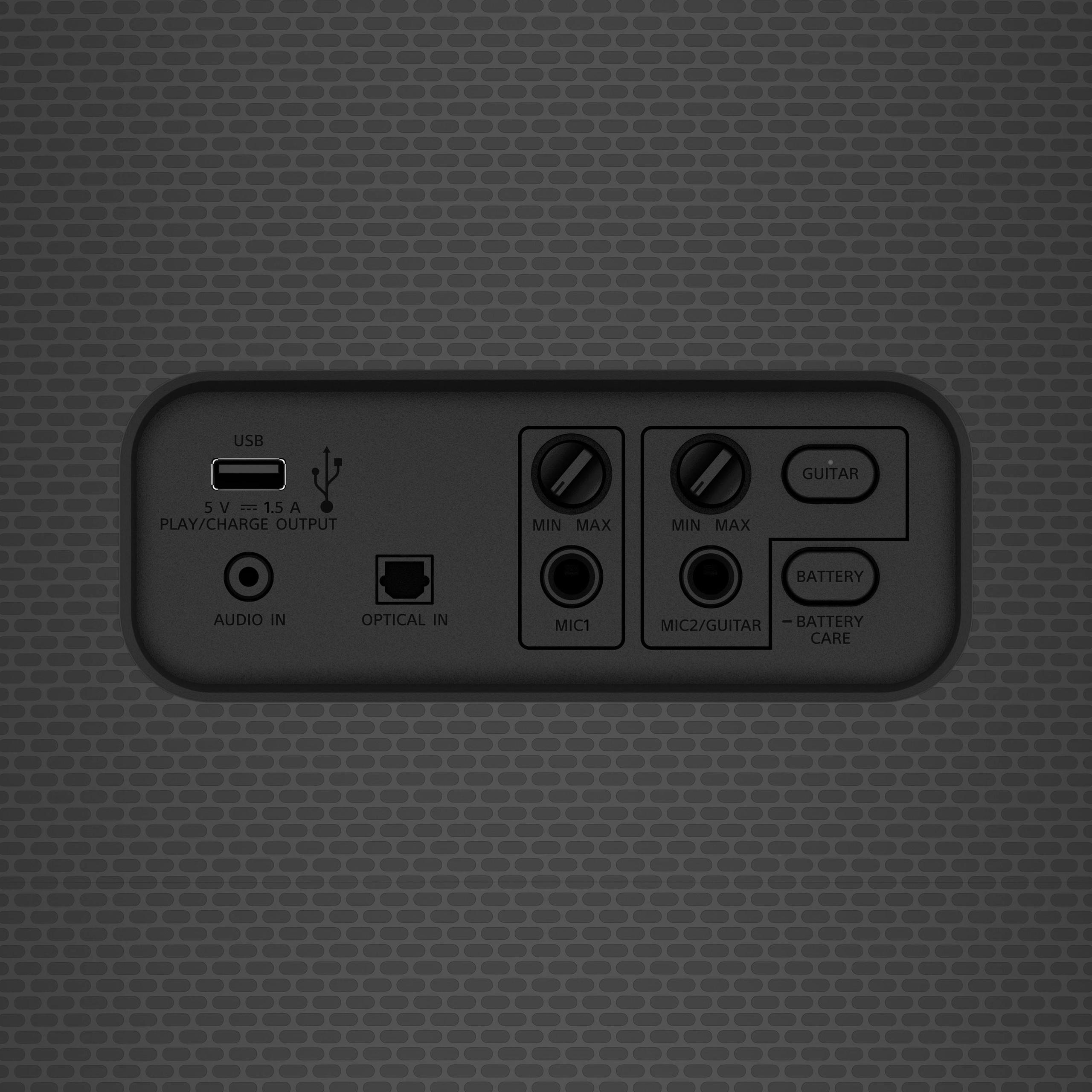
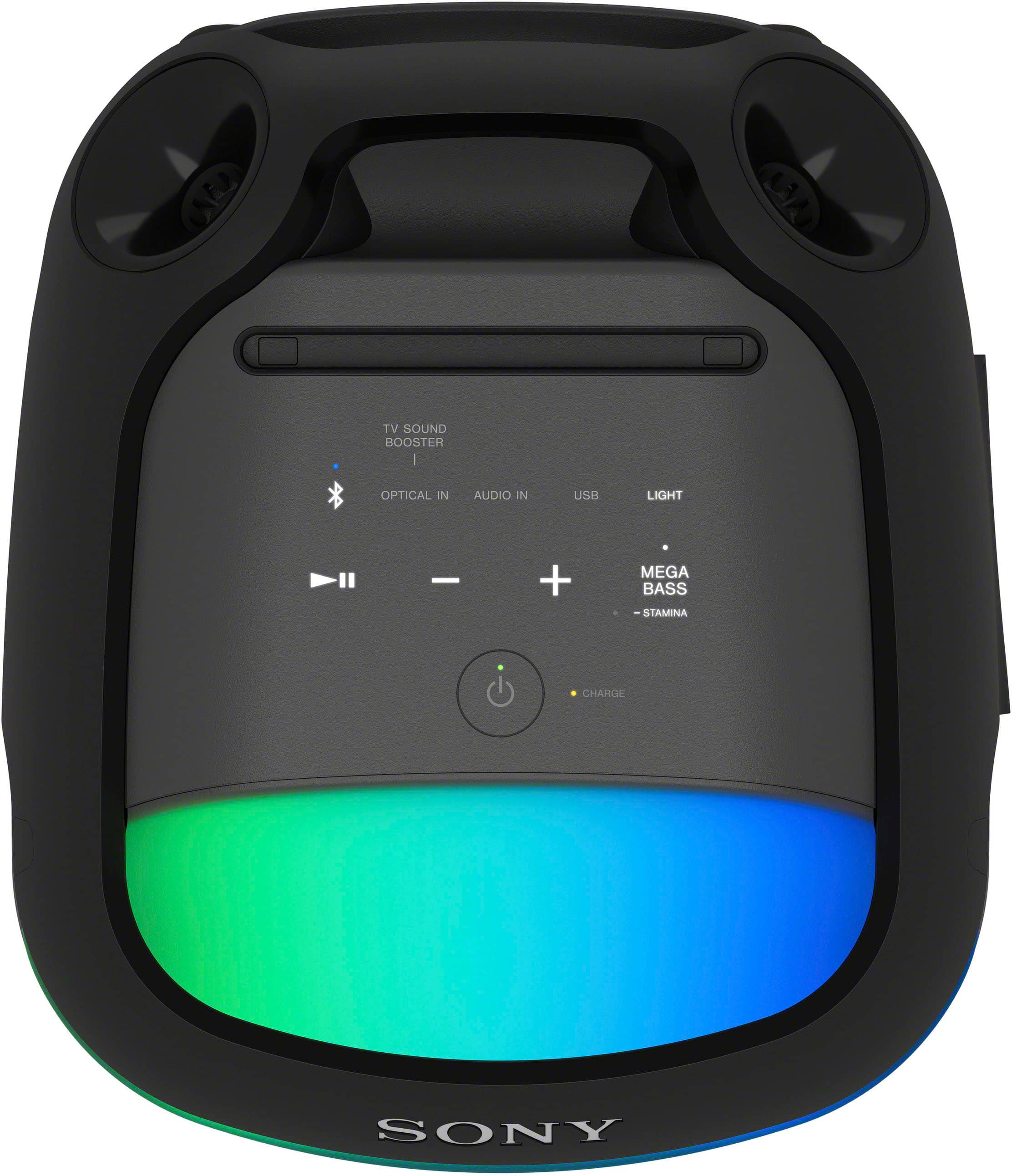
Both speakers offer comprehensive connectivity beyond simple Bluetooth pairing. The optical digital input deserves particular attention for home theater applications. This connection type carries digital audio signals from TVs, game consoles, or streaming devices, potentially delivering superior sound quality compared to Bluetooth connections.
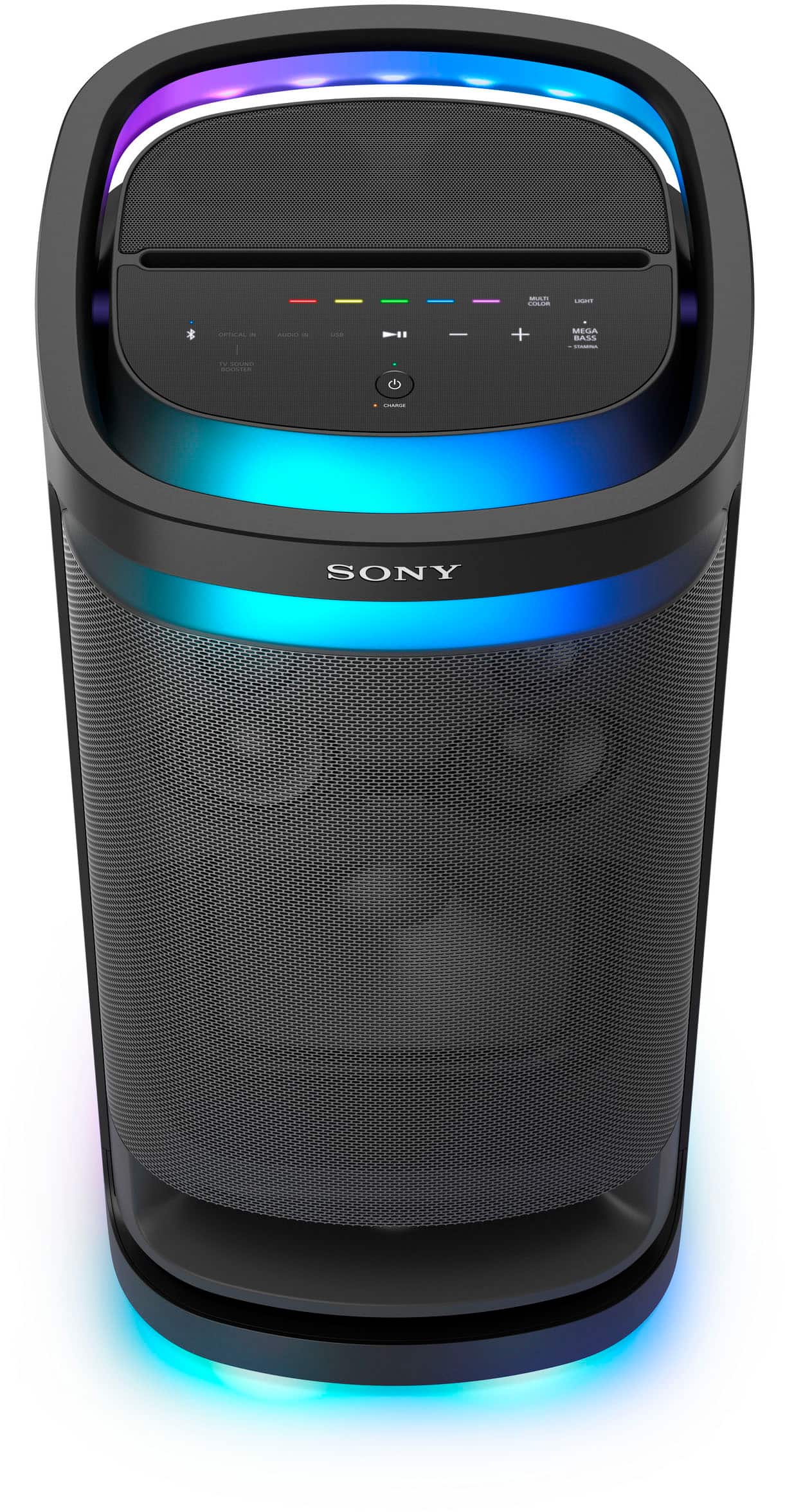
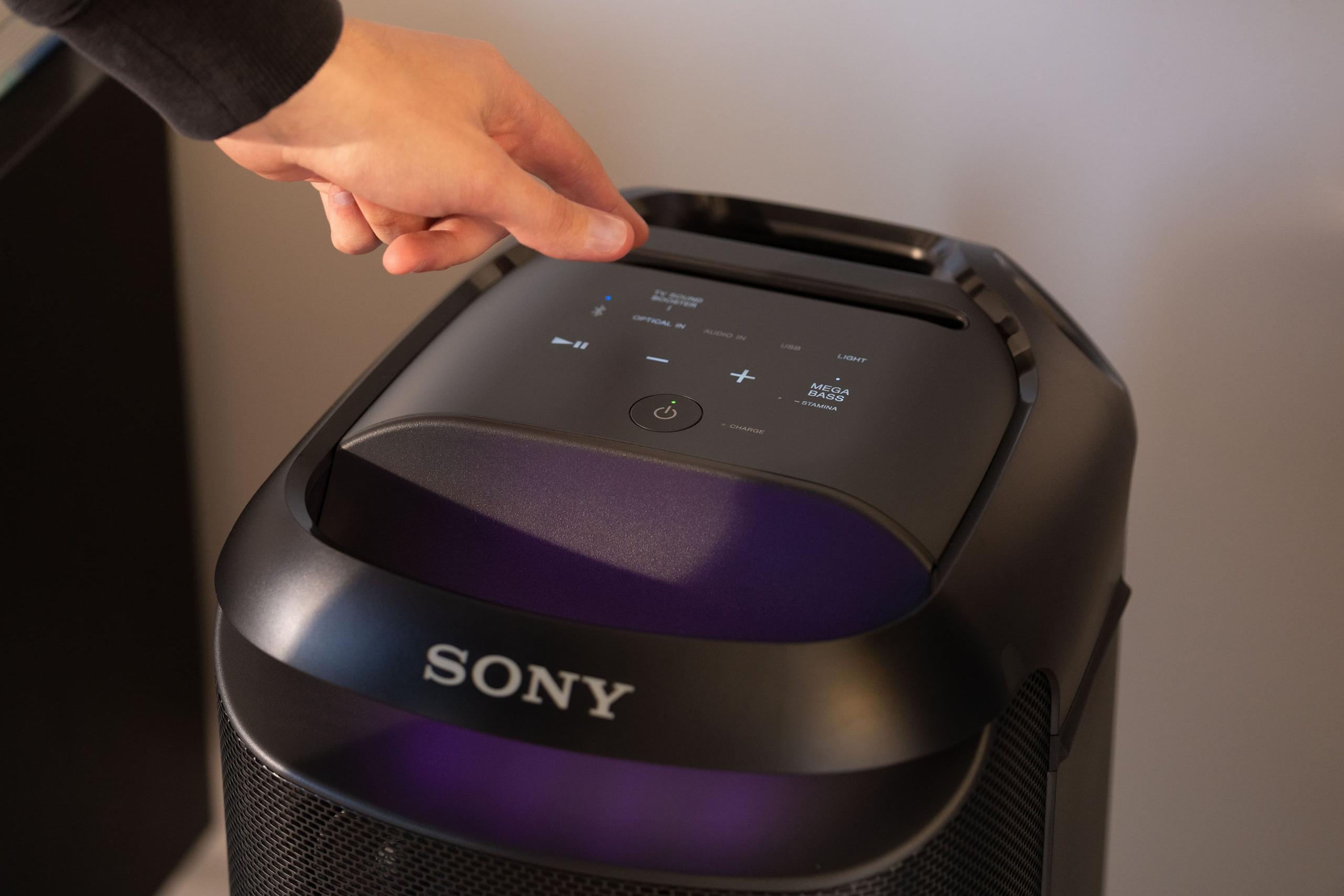
For home theater use, both speakers function as impressive soundbar alternatives. The XV800's more balanced sound signature actually proves advantageous for movie dialogue clarity, while the XV900's delivers more impactful action movie soundtracks. The TV Sound Booster mode specifically optimizes audio for television content, enhancing dialogue clarity while maintaining dynamic range for effects.
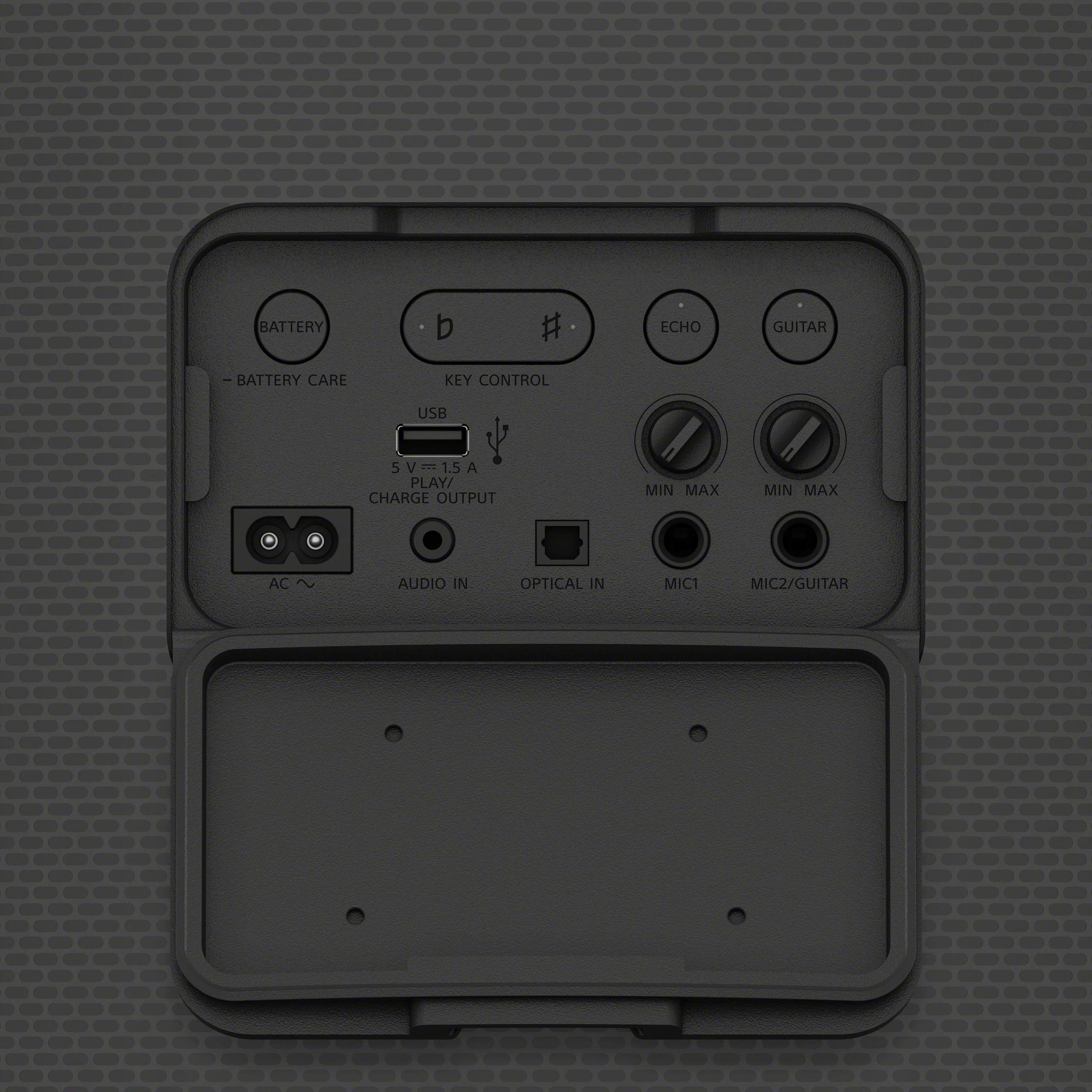
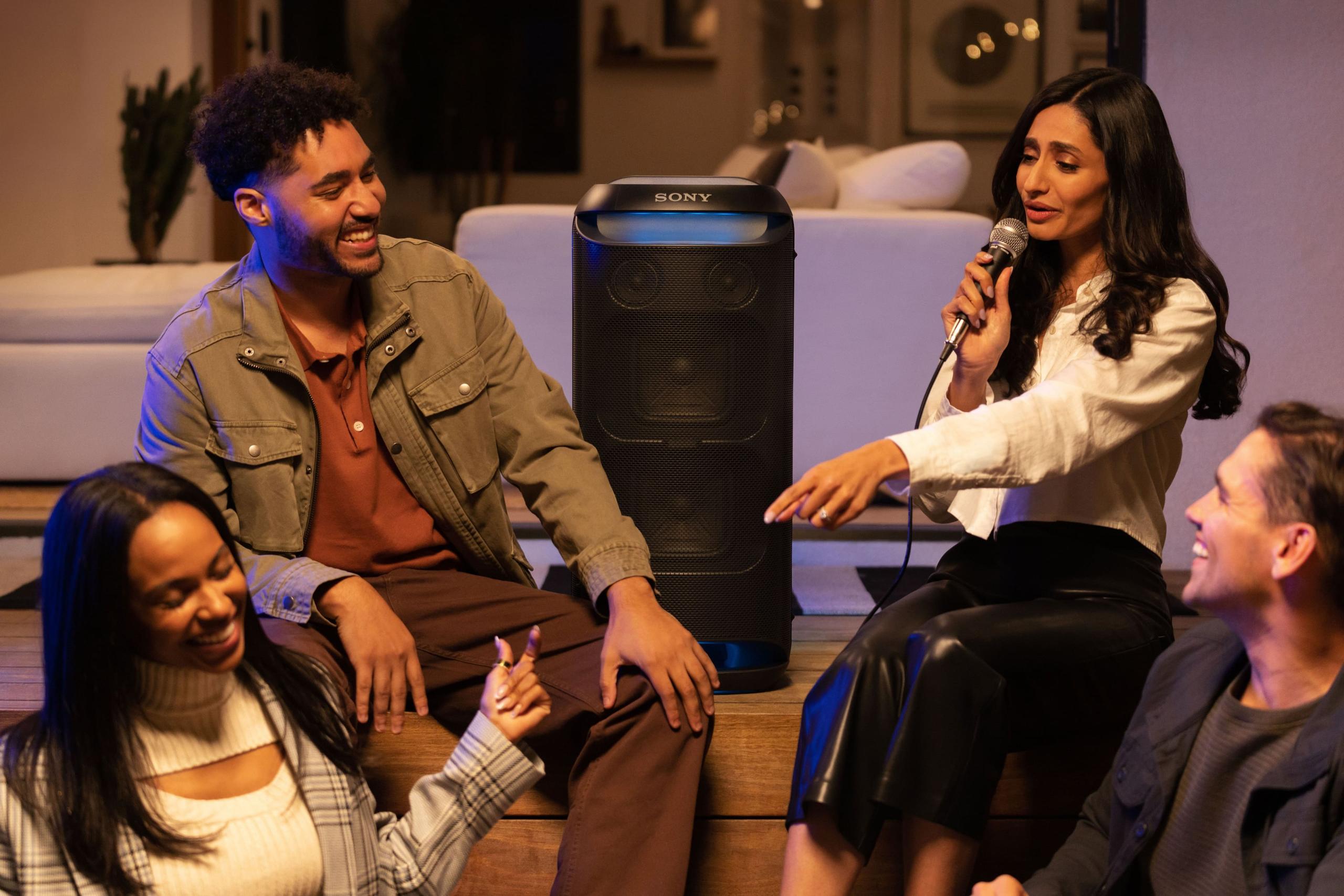
The karaoke functionality goes beyond simple microphone input. Both speakers include dedicated volume controls for microphone and guitar inputs, plus echo effects for that authentic karaoke experience. The XV800 adds key control features, allowing pitch adjustment for different vocal ranges—a genuinely useful addition for serious karaoke enthusiasts.
Sony's Party Connect technology enables linking up to 100 compatible speakers for massive sound installations. While few users will approach this limit, the ability to pair two units for true stereo separation or link several for multi-room coverage adds significant versatility.
The X-Balanced woofer technology represents Sony's response to the fundamental challenge of portable speaker design: maximizing driver surface area within limited cabinet space. Traditional circular drivers waste the corner areas of speaker enclosures, while the rectangular X-Balanced design utilizes nearly the entire available area.
This innovation produces measurable benefits in low-frequency extension and power handling. The increased surface area allows the driver to move the same amount of air with less excursion (back-and-forth movement), reducing distortion while increasing maximum output capability.
Since these speakers' release, the party speaker market has seen increased competition, particularly from JBL's PartyBox series. However, Sony's focus on audio quality refinement rather than purely maximum volume has created a distinct market position. While competitors often emphasize peak wattage numbers, Sony's approach prioritizes sustained clean output and battery efficiency.
At the time of writing, the XV900 commands a significant price premium over the XV800—roughly 30-40% more depending on current promotions. This pricing gap raises important value considerations that extend beyond simple cost comparison.
The XV900 delivers genuinely superior maximum output, bass impact, and sound coverage for large spaces. However, these advantages primarily matter for specific use cases: regular large gatherings, outdoor events requiring maximum volume, or situations where the speaker serves as the primary entertainment system.
The XV800 provides approximately 85% of the XV900's performance capabilities at roughly 70% of the cost. For most users hosting typical home parties of 15-25 people, this performance level proves entirely adequate while offering better portability and environmental flexibility.
The value equation shifts when considering long-term ownership. The XV800's water resistance and more manageable size reduce the likelihood of damage or handling difficulties. Its superior battery efficiency also means more reliable performance for extended events.
Both speakers excel as TV audio enhancement systems, but they serve this role differently. The XV800's more balanced frequency response makes it excellent for dialogue clarity—often the primary complaint about flat-panel TV speakers. Its smaller footprint also integrates more easily into living room setups without dominating the space.
The XV900 transforms movie watching into a theatrical experience. Action movies, concerts, and gaming benefit enormously from its powerful low-frequency output and maximum volume capability. However, its substantial size requires dedicated placement consideration.
The optical input proves crucial for both models, ensuring direct digital connection to TVs without the potential quality loss or latency issues of Bluetooth transmission. This connection method also enables the TV Sound Booster mode, which specifically optimizes the audio processing for television content.
The SRS-XV900 makes sense for users who regularly host large gatherings of 30 or more people, have dedicated storage space, and prioritize maximum audio impact over portability. It's also the better choice for semi-professional applications like small venue DJ work or outdoor events where maximum volume projection is essential.
The XV800 serves better for most typical users: those hosting medium-sized gatherings, needing occasional portability, wanting water resistance for outdoor use, or preferring a more balanced sound signature. Its superior battery efficiency and more manageable size make it the more versatile choice for varied entertainment scenarios.
For home theater primary use, the XV800 edges ahead due to its better dialogue clarity and easier room integration. However, if maximum movie impact is the priority and size isn't a constraint, the XV900 delivers superior cinematic experience.
The decision ultimately comes down to matching the speaker's capabilities to your actual usage patterns. The XV900 excels in its specific niche but can be overkill for typical use cases. The XV800 offers broader appeal through its combination of strong performance, practical advantages, and better value proposition.
Both speakers represent excellent engineering and deliver impressive party speaker performance. The choice depends on whether you prioritize maximum capability or practical versatility—and both approaches have merit depending on your specific entertainment needs.
| Sony SRS-XV900 Portable Bluetooth Speaker | Sony SRS-XV800 X-Series Party Speaker |
|---|---|
| Size & Weight - Critical for portability and storage | |
| 34.7" H × 16.1" W × 17.3" D, 58.6 lbs (requires dedicated space) | 28.4" H × 12.5" W × 14.8" D, 40.8 lbs (more manageable size) |
| Maximum Power Output - Determines peak volume capability | |
| 100W power consumption (loudest in Sony's lineup) | 77W power consumption (sufficient for most gatherings) |
| Speaker Configuration - Affects sound quality and coverage | |
| 1× 12.6" woofer + 2× mid-range drivers + 6 tweeters (3-way system) | 2× 6.7" woofers + 5 tweeters (2-way system) |
| Bass Performance - Essential for party atmosphere | |
| Single large X-Balanced woofer delivers deeper, more impactful bass | Dual smaller woofers provide tighter, more controlled bass response |
| Water Resistance - Determines outdoor/poolside usability | |
| No official IP rating (indoor/covered outdoor use only) | IPX4 rated (splash-resistant for poolside and outdoor events) |
| Battery Life (Real-World) - At typical party volume with lights/bass boost | |
| 7-8 hours at 65% volume with features active | 9-10 hours at 65% volume with features active (more efficient) |
| Sound Distribution - How evenly sound fills the space | |
| 6-tweeter omnidirectional array (superior room coverage) | 5-tweeter configuration (good coverage, slightly less expansive) |
| Target Event Size - Based on volume and coverage capabilities | |
| Optimized for 30-35 person gatherings and large spaces | Best suited for 15-25 person events and medium rooms |
| Lighting Features - Party atmosphere enhancement | |
| Programmable ambient lighting with color control | Standard LED lighting effects (less customizable) |
| Karaoke Features - For entertainment versatility | |
| Mic/guitar inputs with volume controls | Mic/guitar inputs plus echo and key control buttons |
| Home Theater Use - TV sound enhancement capability | |
| Maximum impact for movies but may overpower dialogue | More balanced for dialogue clarity while enhancing effects |
| Value Proposition - Performance vs price consideration | |
| Premium pricing for maximum output and specialized features | Better price-to-performance ratio for typical use cases |
The Sony SRS-XV900 is designed for larger gatherings of 30-35 people, delivering higher maximum volume and more powerful bass through its 100W output and single large 12.6" woofer. The Sony SRS-XV800 works best for medium-sized parties of 15-25 people with its 77W output and dual 6.7" woofers providing more balanced sound.
Both the Sony SRS-XV900 and Sony SRS-XV800 advertise 25 hours of battery life, but real-world performance differs. At typical party volumes with lights and bass boost active, the XV800 actually lasts longer (9-10 hours) compared to the XV900 (7-8 hours) due to better power efficiency.
Only the Sony SRS-XV800 has IPX4 water resistance, making it safe for poolside and outdoor use where splashing might occur. The SRS-XV900 has no official water resistance rating and should be kept away from moisture.
The Sony SRS-XV900 delivers more powerful bass and higher maximum volume with its 3-way speaker system including dedicated midrange drivers. The Sony SRS-XV800 offers more balanced sound with clearer vocals and tighter bass control, making it better for detailed music listening rather than maximum impact.
Yes, both speakers can enhance TV audio through optical input connections. The SRS-XV800 is better for dialogue clarity and fits more easily in living rooms, while the Sony SRS-XV900 delivers more cinematic impact for action movies and gaming but requires more space.
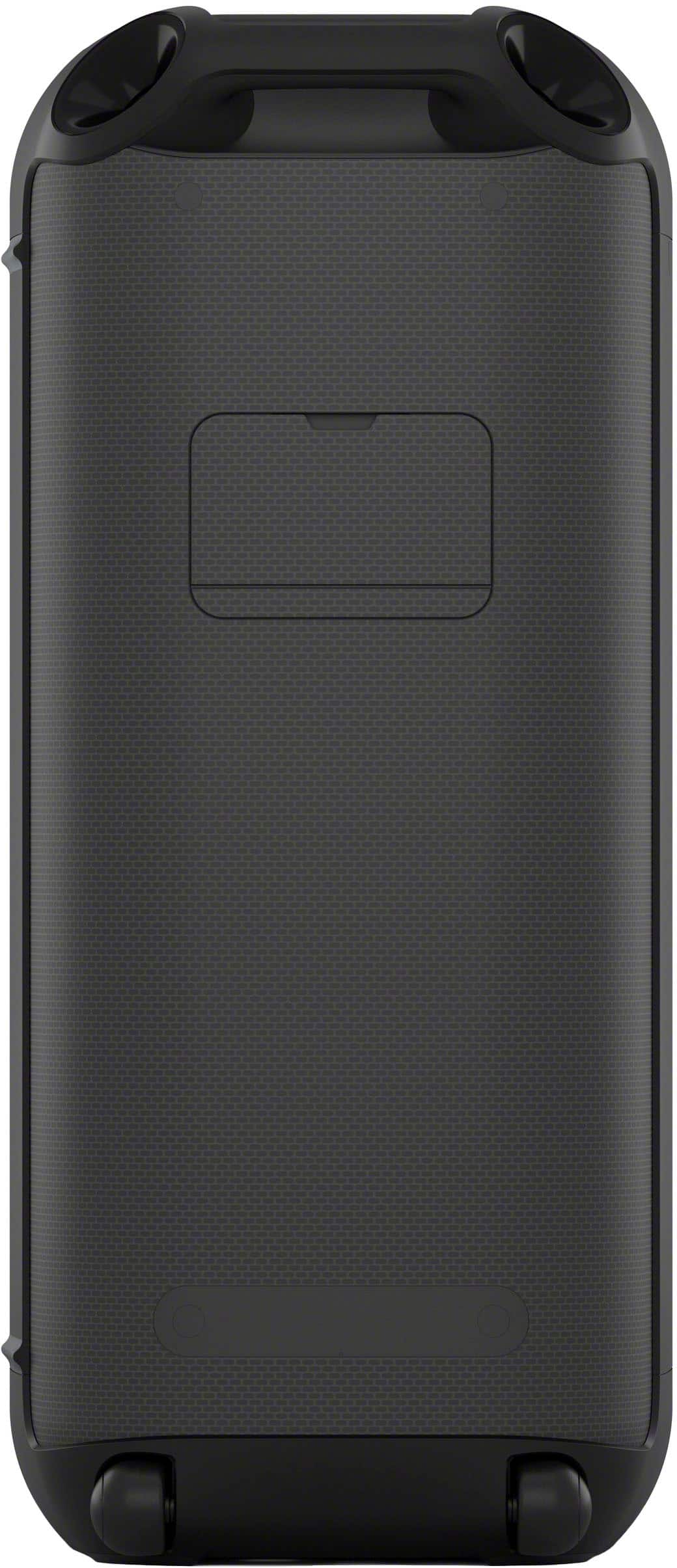
The Sony SRS-XV800 is significantly more portable at 40.8 pounds versus the SRS-XV900 at 58.6 pounds. Both have wheels and handles, but the XV800's lighter weight and smaller size make it much easier to transport between rooms or load in vehicles.
The Sony SRS-XV900 uses six tweeters for wider omnidirectional sound coverage, filling large spaces more evenly. The SRS-XV800 has five tweeters providing good 360-degree sound but with slightly less expansive coverage—sufficient for medium rooms but less effective in very large spaces.
The Sony SRS-XV800 provides better value, delivering approximately 85% of the XV900's performance at a lower cost. Unless you regularly host very large gatherings or need maximum volume output, the XV800 offers the best price-to-performance ratio for most users.
Both the Sony SRS-XV900 and Sony SRS-XV800 support Sony's Party Connect feature, allowing you to link up to 100 compatible speakers. They also support stereo pairing between two identical units for true left/right channel separation and enhanced sound staging.
The Sony SRS-XV800 has slight advantages for karaoke with dedicated echo and key control buttons in addition to microphone and guitar inputs. The SRS-XV900 also supports karaoke with mic/guitar inputs and volume controls, but lacks the specialized sound effect controls found on the XV800.
Both the Sony SRS-XV900 and Sony SRS-XV800 are party speakers designed for much higher volume output, longer battery life (25 hours advertised), omnidirectional sound distribution, built-in lighting effects, and multiple input options including microphone/guitar connections. They're built to power large gatherings rather than personal listening.
We've done our best to create useful and informative comparisons to help you decide what product to buy. Our research uses advanced automated methods to create this comparison and perfection is not possible - please contact us for corrections or questions. These are the sites we've researched in the creation of this article: bestbuy.com - youtube.com - crutchfield.com - versus.com - youtube.com - versus.com - youtube.com - comparisontabl.es - tech.hindustantimes.com - youtube.com - electronics.sony.com - youtube.com - crutchfield.com - centresdirect.co.uk - sony-asia.com - nikktech.com - sony.com - youtube.com - reliancedigital.in - sonyworld.ae - sony.com - shopjetson.com - bestbuy.com - versus.com - soundandvision.com - crutchfield.com - sciencefocus.com - sony.com - bestbuy.com - bestbuy.com - stereoguide.com - sony-mea.com - soundguys.com - electronics.sony.com - youtube.com - sony.com - youtube.com - device.report - youtube.com - youtube.com - adorama.com - sonylatvija.com - sony.com

Privacy Policy
Terms and Conditions - Affiliate Policy
Home Security
© Copyright 2008-2026.
11816 Inwood Rd #1211, Dallas, TX 75244