

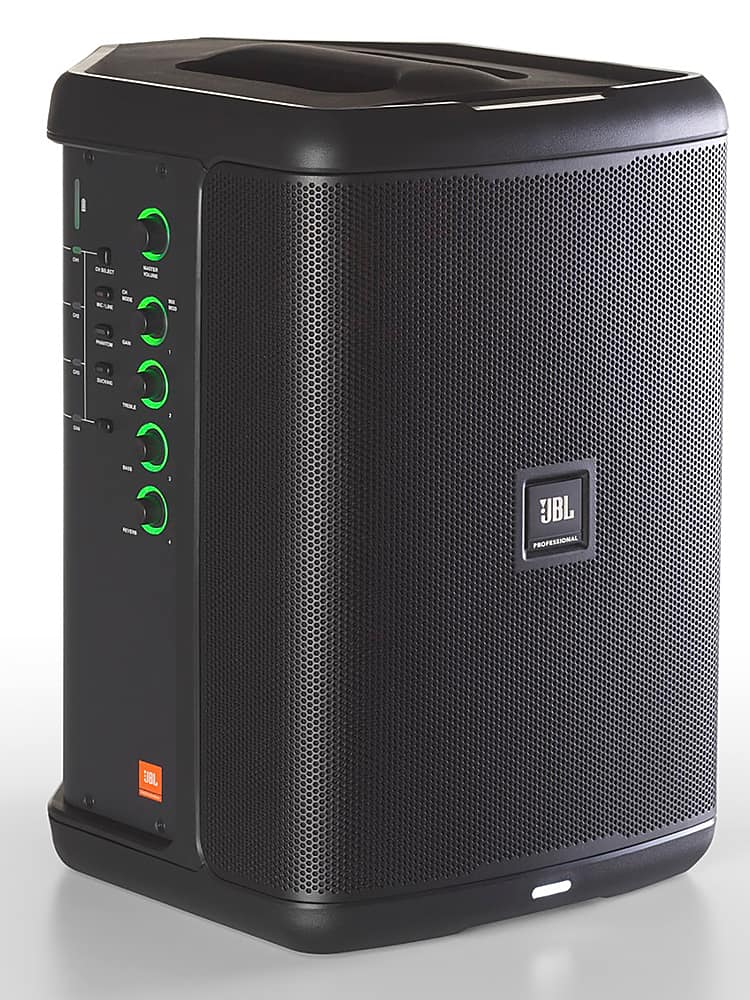
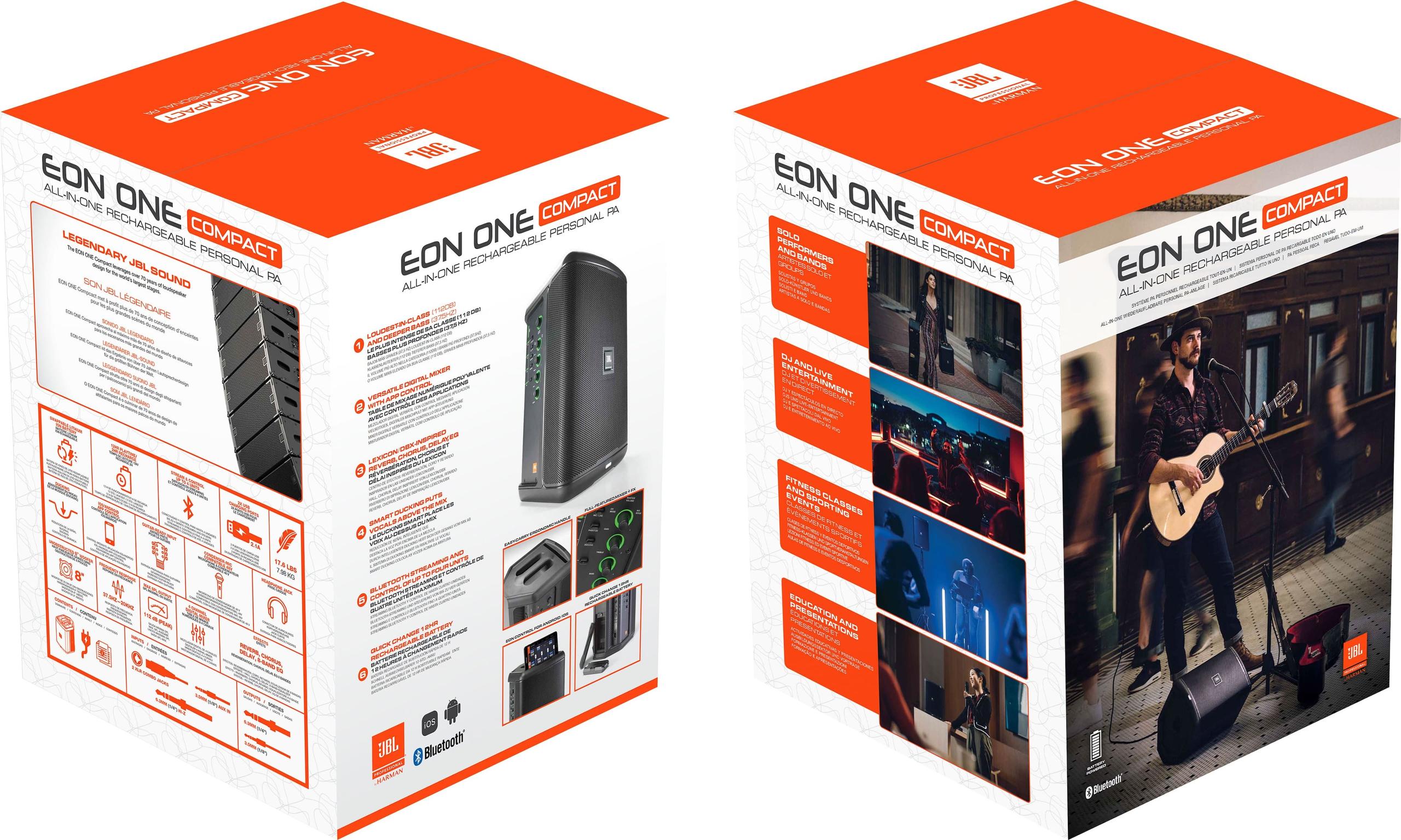
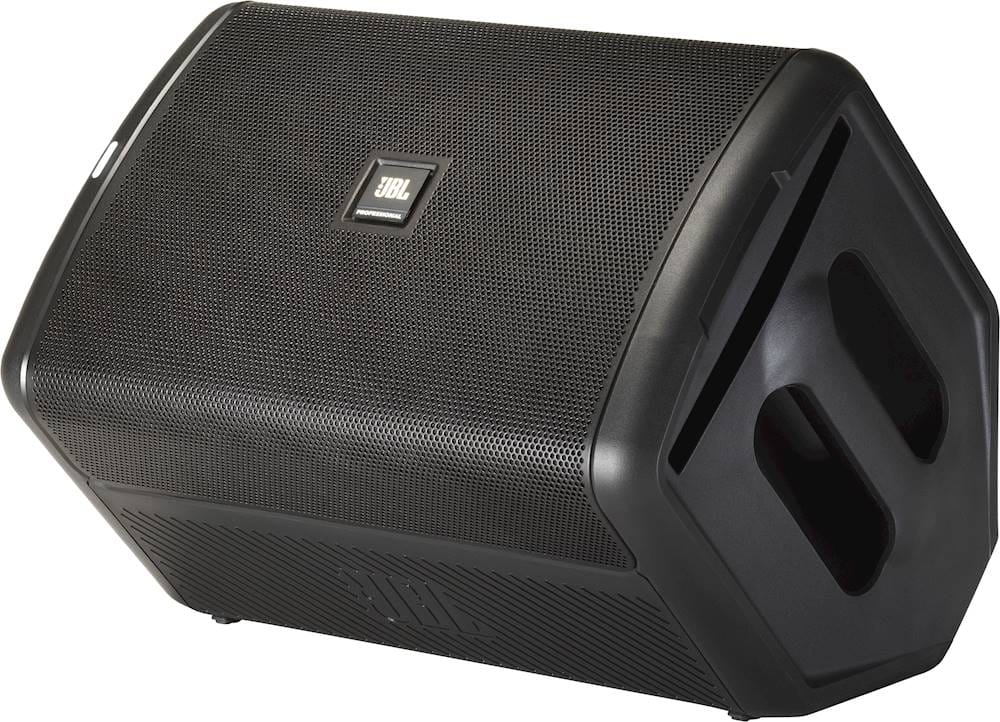
When you're shopping for a speaker system, it's easy to get overwhelmed by the sheer number of options. But here's something that might surprise you: the JBL EON ONE Compact and Marshall Woburn III aren't really competing for the same spot on your shelf. They're solving completely different problems, even though they both play music really well.
Think of it this way: one is like a Swiss Army knife that happens to be great at cutting bread, while the other is a premium chef's knife designed specifically for that task. Both will get the job done in your kitchen, but they excel in different scenarios. Let's dive into what makes each unique and help you figure out which one fits your life better.
Before we compare these speakers directly, it's crucial to understand what category each belongs to. The JBL EON ONE Compact is what's called a portable PA system. PA stands for "public address," which means it's designed to project sound to groups of people in various environments. Think live music performances, business presentations, outdoor events, or fitness classes.
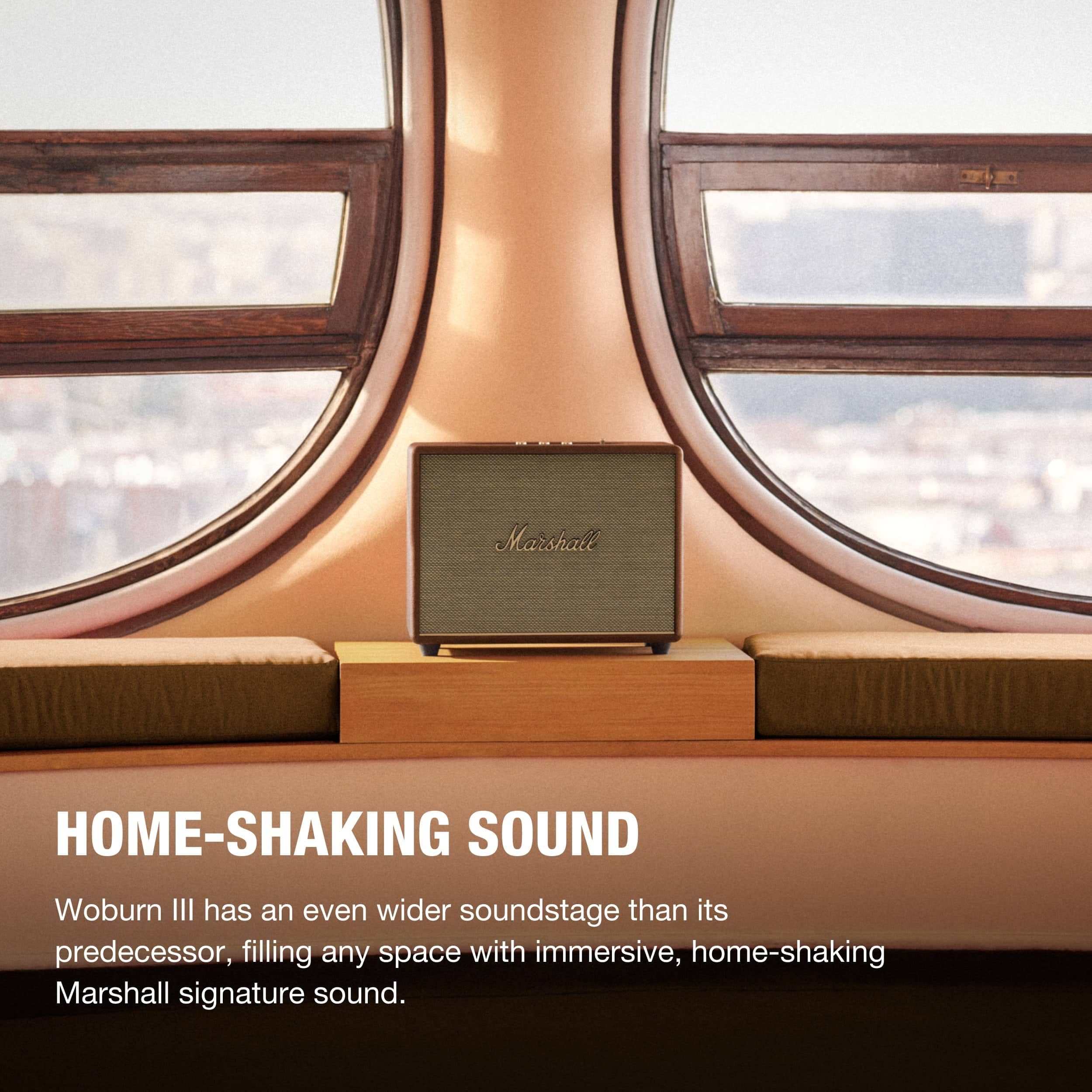
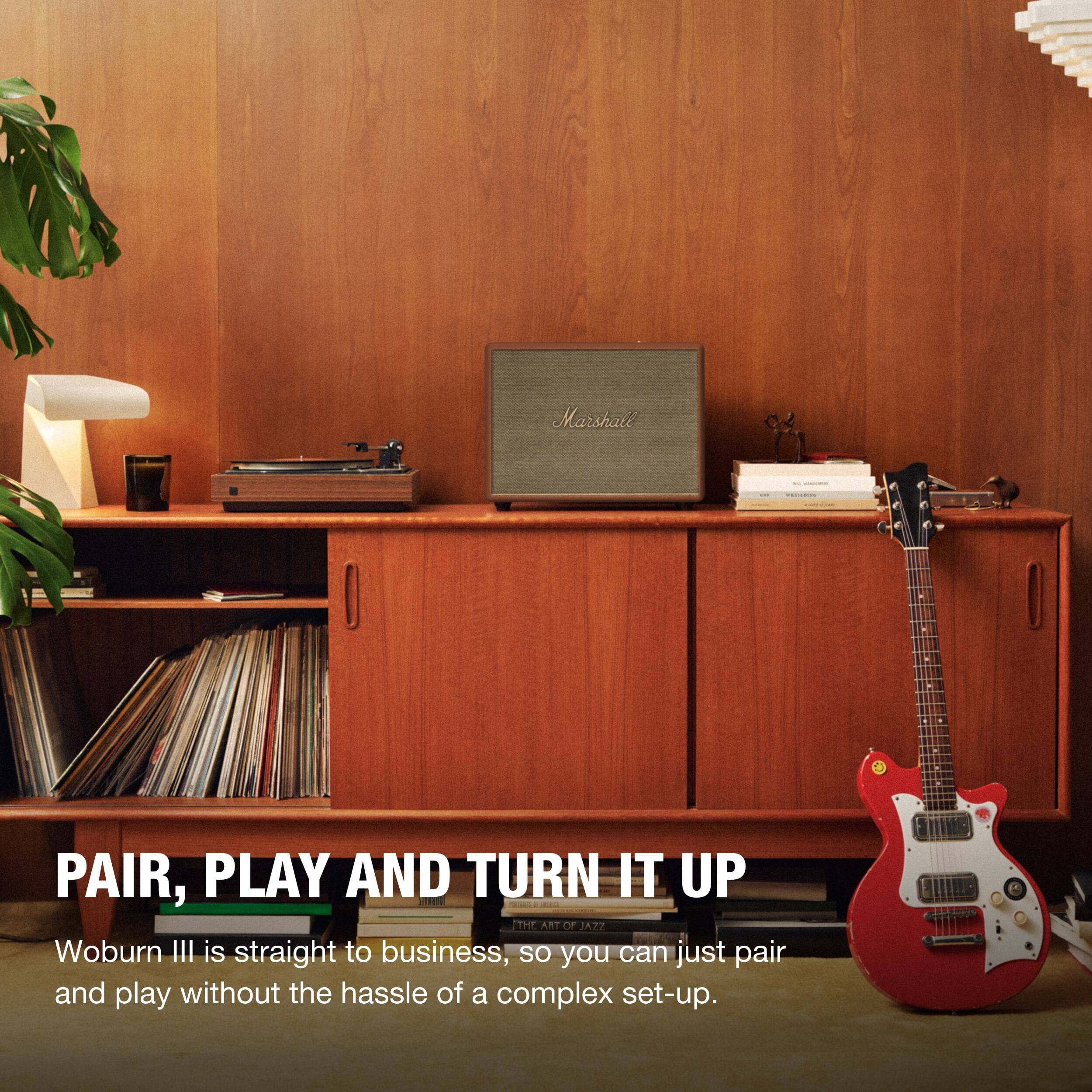
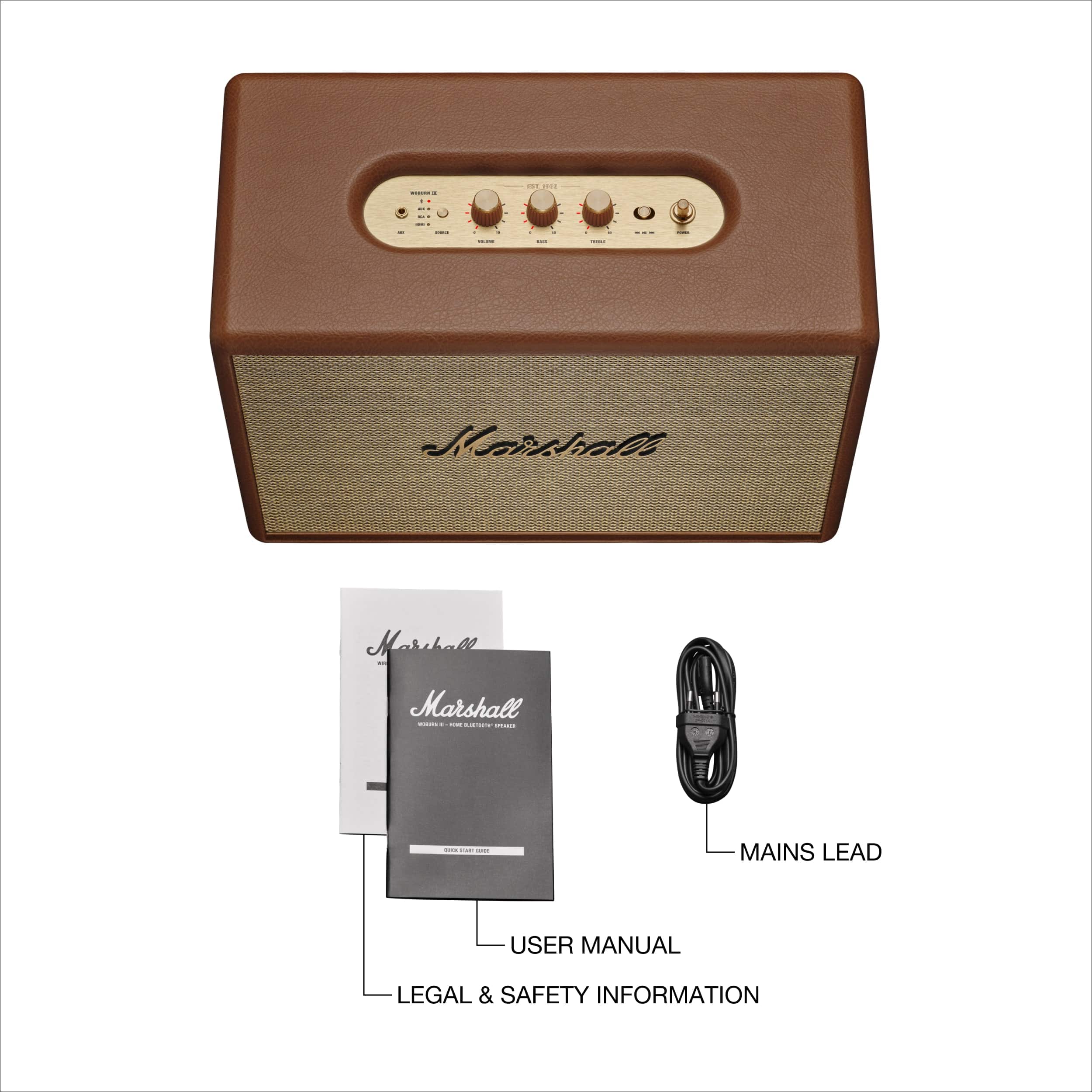
The Marshall Woburn III, on the other hand, is a home Bluetooth speaker. It's engineered for one primary purpose: delivering high-quality music reproduction in your living space. Released in 2022 as part of Marshall's third-generation home speaker lineup, it represents years of refinement in home audio design.
The JBL EON ONE Compact hit the market in 2020, during a time when portable PA systems were becoming increasingly sophisticated. Since then, we've seen major improvements in battery technology, digital signal processing (DSP), and wireless connectivity that make modern portable PAs far more capable than their predecessors.
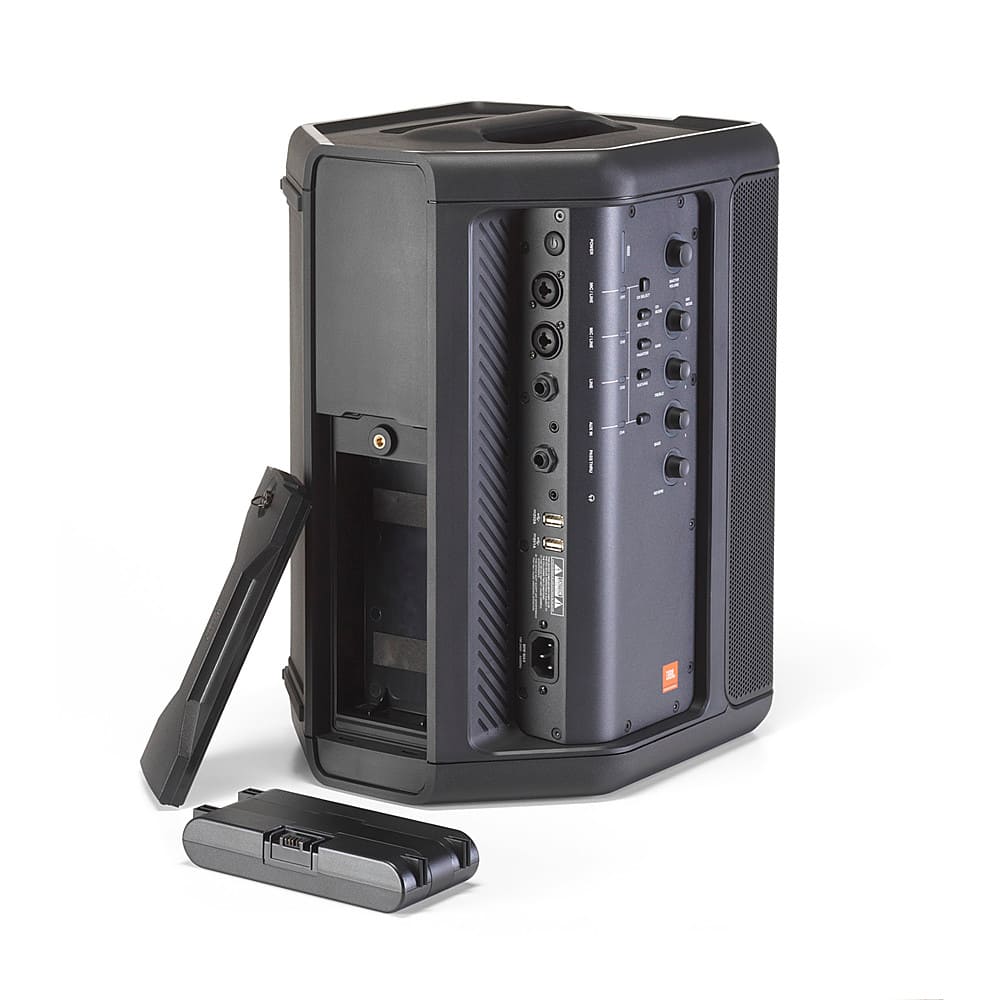
Here's where these speakers diverge most dramatically. The JBL EON ONE Compact runs on a rechargeable lithium-ion battery that provides up to 12 hours of playtime. More importantly, that battery is completely removable without any tools. This means you can keep spare batteries charged and swap them out in seconds – imagine never having to stop a party because your speaker died.
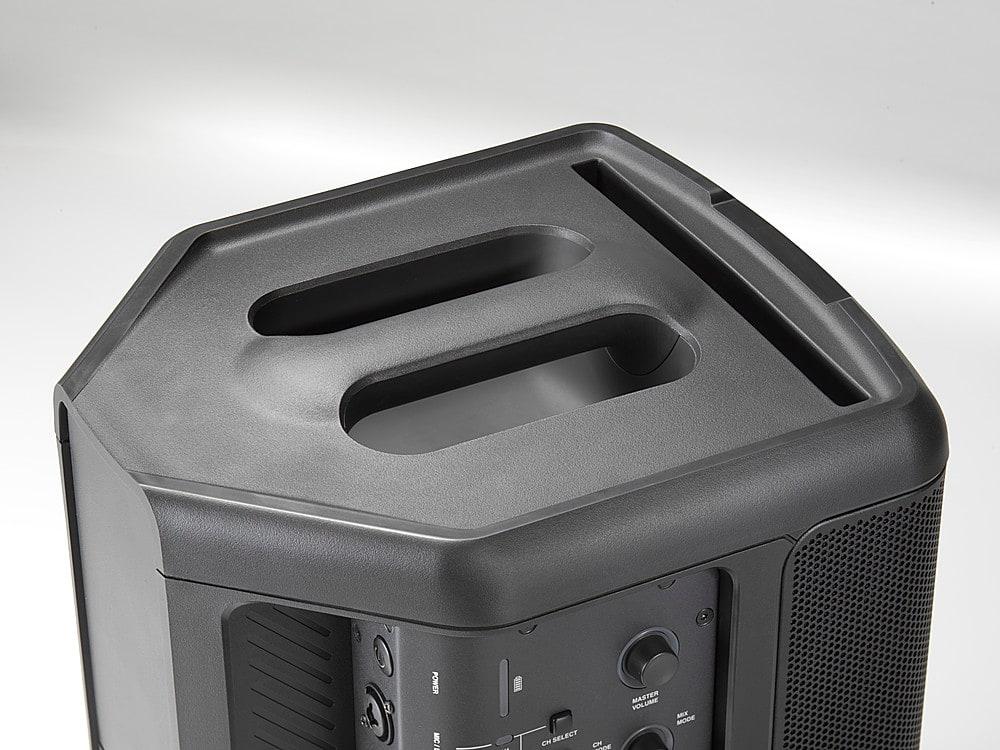
At 17.6 pounds, it's genuinely portable. I've seen musicians carry these onto subway trains and street performers lug them to busy corners without breaking a sweat. The built-in handle makes it easy to grab and go, whether you're heading to a backyard barbecue or a corporate presentation.
The Marshall Woburn III weighs slightly less at 16.4 pounds, but don't let that fool you into thinking it's more portable. This speaker needs to stay plugged into the wall. It's designed to be a piece of audio furniture – something that looks good in your living room and delivers exceptional sound quality day after day. The trade-off for that permanent power connection is consistent, high-quality performance without worrying about battery degradation or power management.
This is where things get really interesting from a technical standpoint. The Marshall Woburn III uses what's called a three-way driver system. This means it has dedicated speakers for different frequency ranges: a 6-inch woofer handles the bass (low frequencies), two 2-inch midrange drivers take care of vocals and instruments, and two 3/4-inch dome tweeters reproduce the high frequencies like cymbals and vocal harmonics.
This separation allows each driver to focus on what it does best. The result is clearer separation between instruments and more natural-sounding vocals. The tweeters are angled outward with special waveguides (basically shaped acoustic channels) that help spread the high frequencies more evenly across your room.
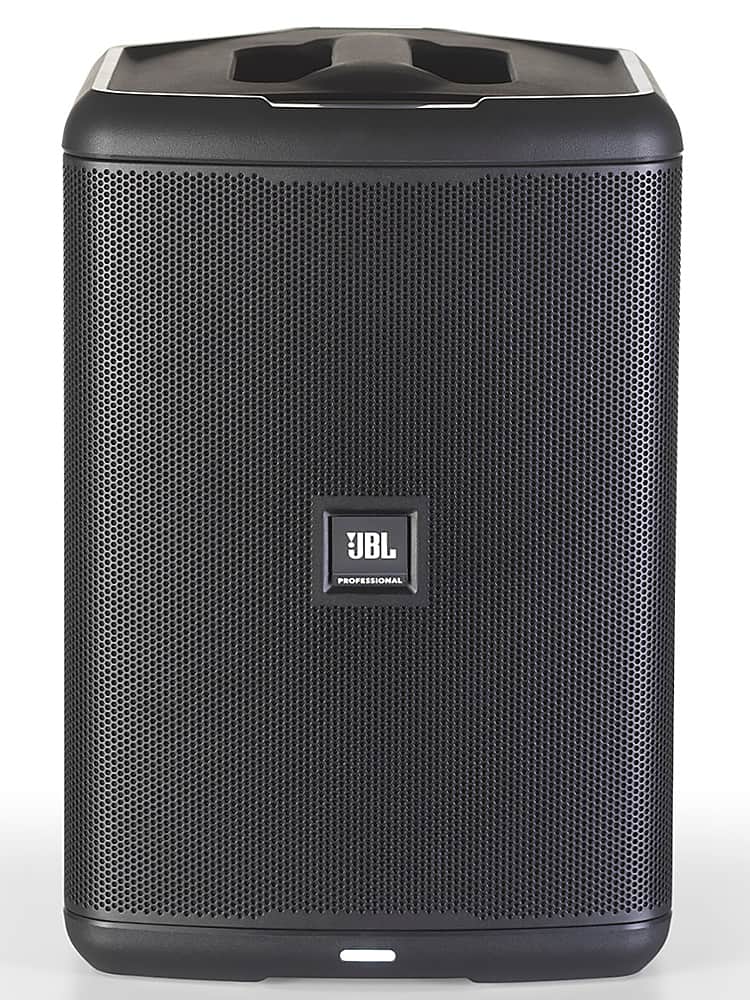
The JBL EON ONE Compact takes a simpler but more focused approach with a two-way design: an 8-inch woofer and a 1-inch tweeter. That larger woofer can move more air, which translates to more powerful bass and higher overall volume. It's optimized for maximum impact rather than the subtle details you might want when listening to jazz at home.
Both speakers produce 150 watts of peak power, but they distribute it differently. The Marshall spreads its power across five amplifiers (one for each driver), while the JBL concentrates more power into fewer drivers for maximum punch.
The JBL EON ONE Compact can reach 112 decibels of sound pressure level (SPL), which is genuinely impressive for a portable speaker. To put that in perspective, that's about as loud as a rock concert or a chainsaw. The Marshall Woburn III tops out at 100.5 dB, which is still plenty loud for home use – roughly equivalent to a motorcycle engine.
But here's the key difference: the JBL is designed to project sound outward to fill large spaces and reach people at a distance. The Marshall is engineered to fill a room evenly, creating what audio engineers call a "soundstage" – that sense that instruments are positioned in specific locations around you.
Both speakers extend their bass response impressively low. The Marshall Woburn III reaches down to 35 Hz, while the JBL EON ONE Compact goes to 37.5 Hz. These numbers represent the lowest frequencies each speaker can reproduce effectively, and both are well into the territory where you feel bass as much as hear it.
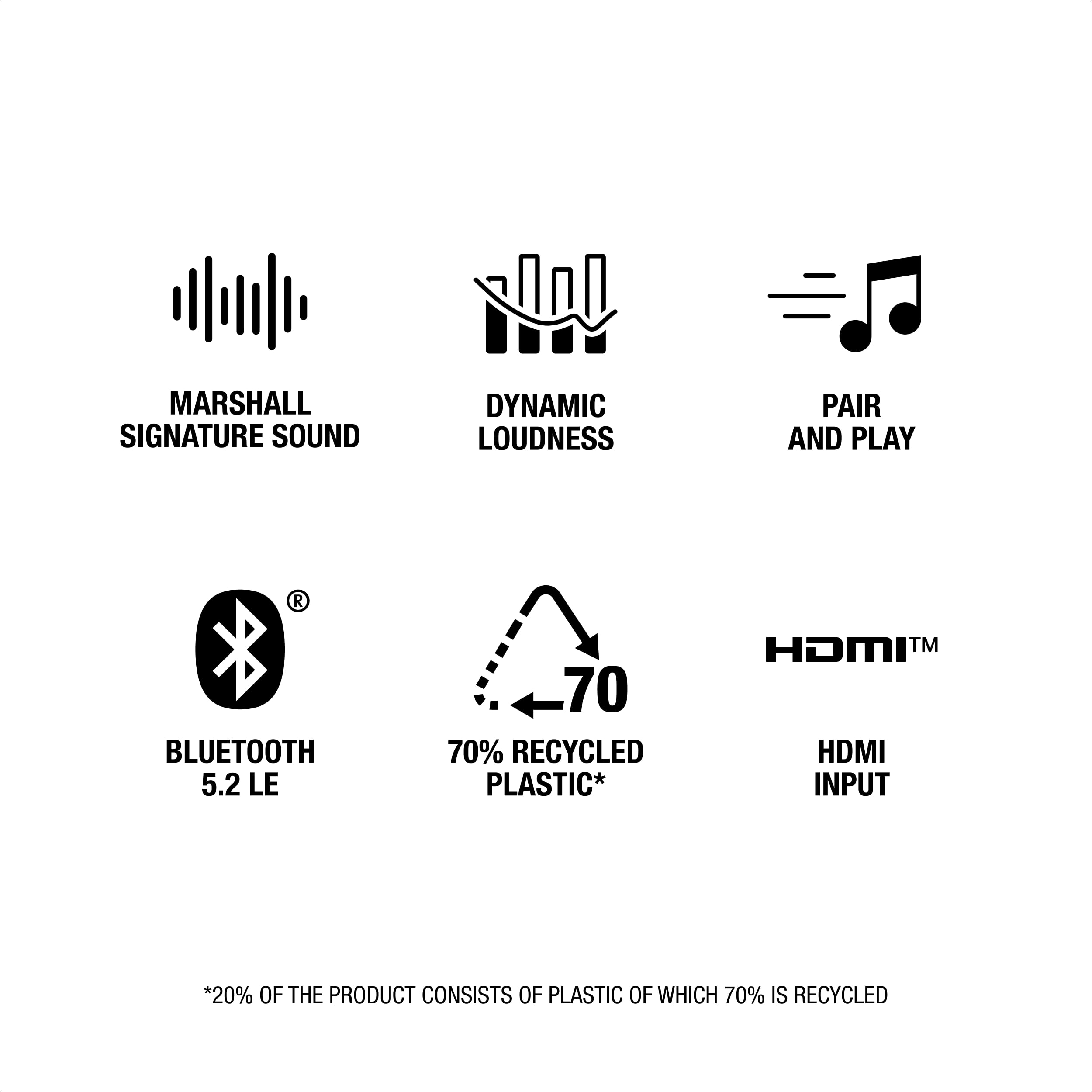
However, the character of that bass differs significantly. The Marshall delivers controlled, detailed bass that lets you hear the difference between a stand-up bass and a synthesizer. Its Dynamic Loudness feature automatically adjusts the bass and treble balance as you change the volume, ensuring the low end stays present even when you're listening quietly late at night.
The JBL, with its larger 8-inch woofer, produces more visceral, punchy bass that gets people moving. It's designed to cut through ambient noise and grab attention – exactly what you want for a live performance or outdoor event.
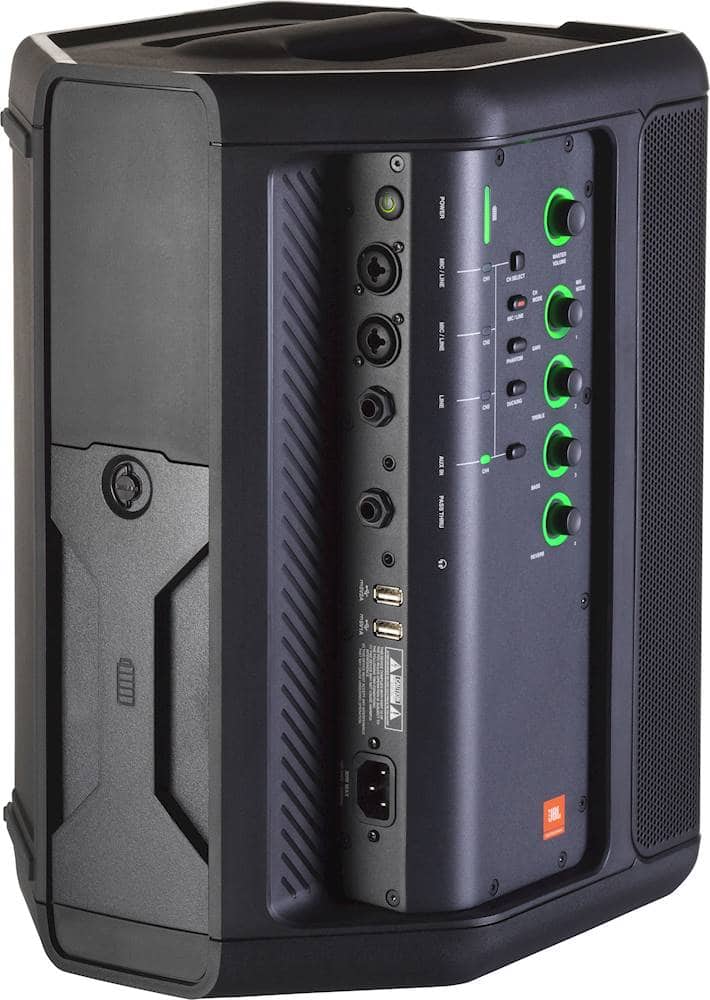
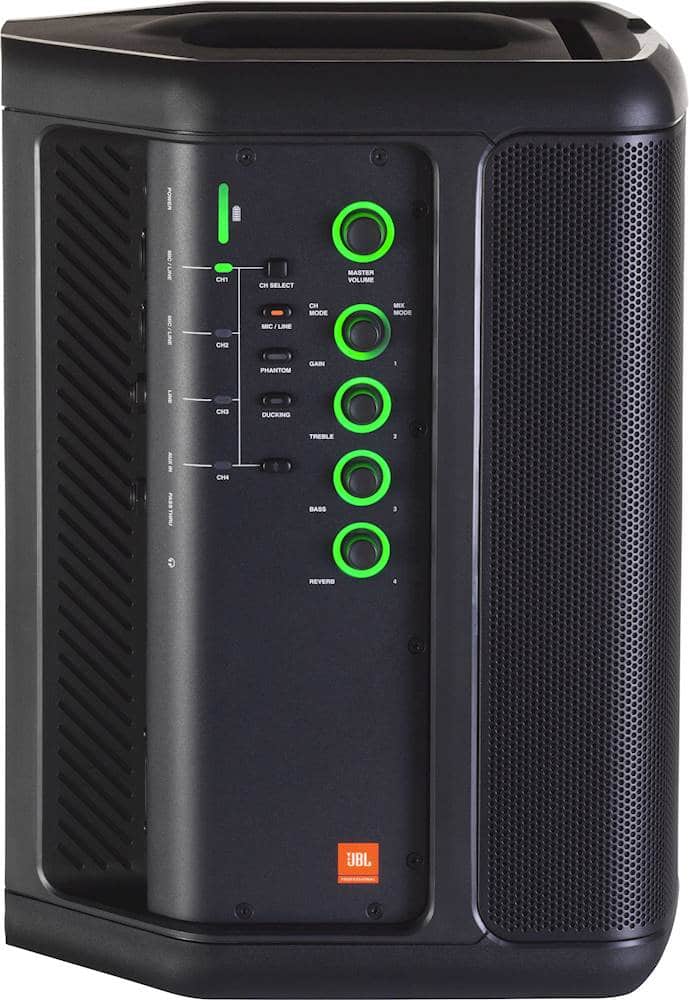
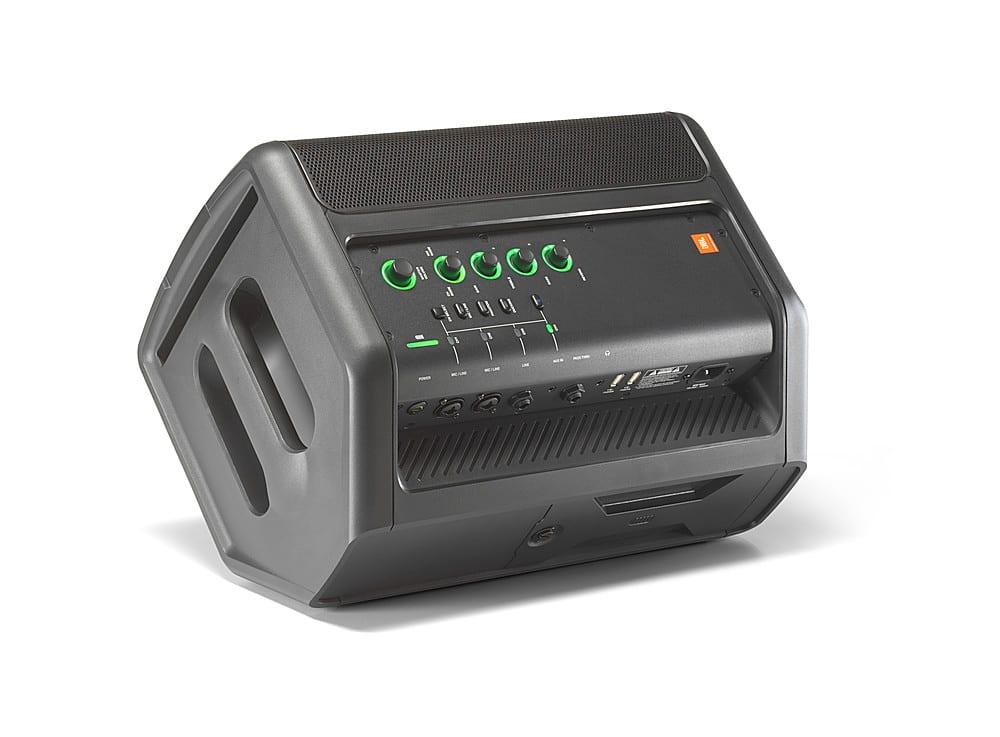
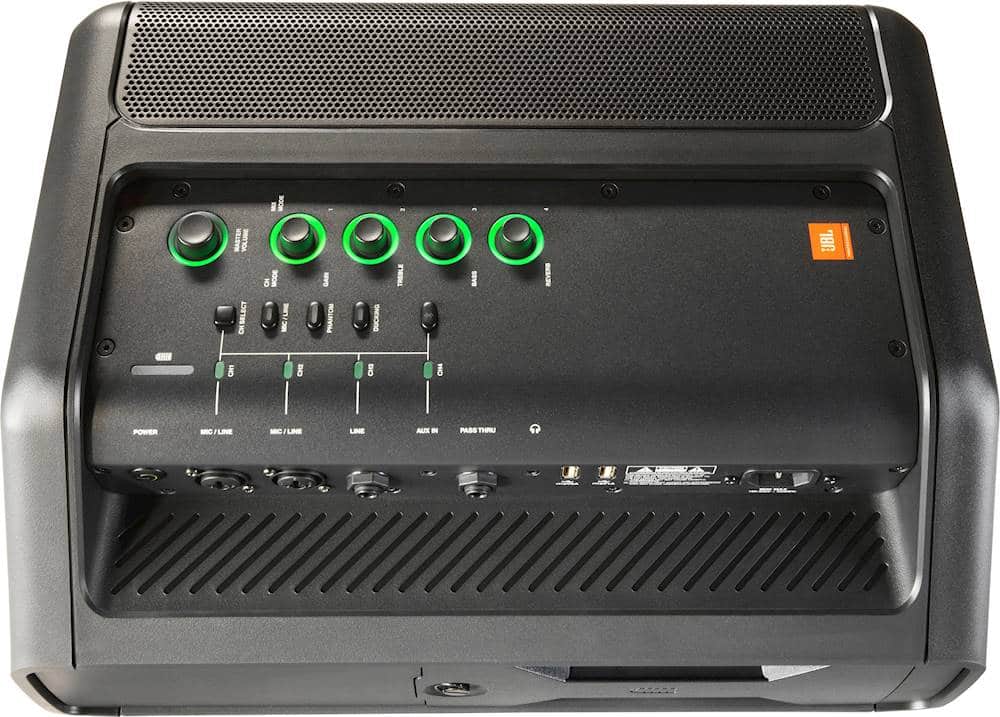
Here's where the JBL EON ONE Compact reveals its professional DNA. Built into this speaker is a complete 4-channel digital mixer. This means you can plug in multiple sources simultaneously: two microphones (with phantom power for professional condenser mics), a guitar or keyboard, and a phone or laptop.
The mixer includes professional-grade effects from Lexicon, a company known for high-end studio gear. You get reverb (that spacious echo you hear in concerts), delay (distinct echoes for rhythmic effects), and chorus (which makes instruments sound fuller). There's also an 8-band equalizer accessible through the smartphone app, letting you shape the sound precisely for your environment.
Perhaps most cleverly, the JBL includes a feature called "ducking." When someone starts speaking into the microphone, the background music automatically gets quieter, then returns to normal volume when they stop talking. This is invaluable for presentations or events where you need to make announcements over music.
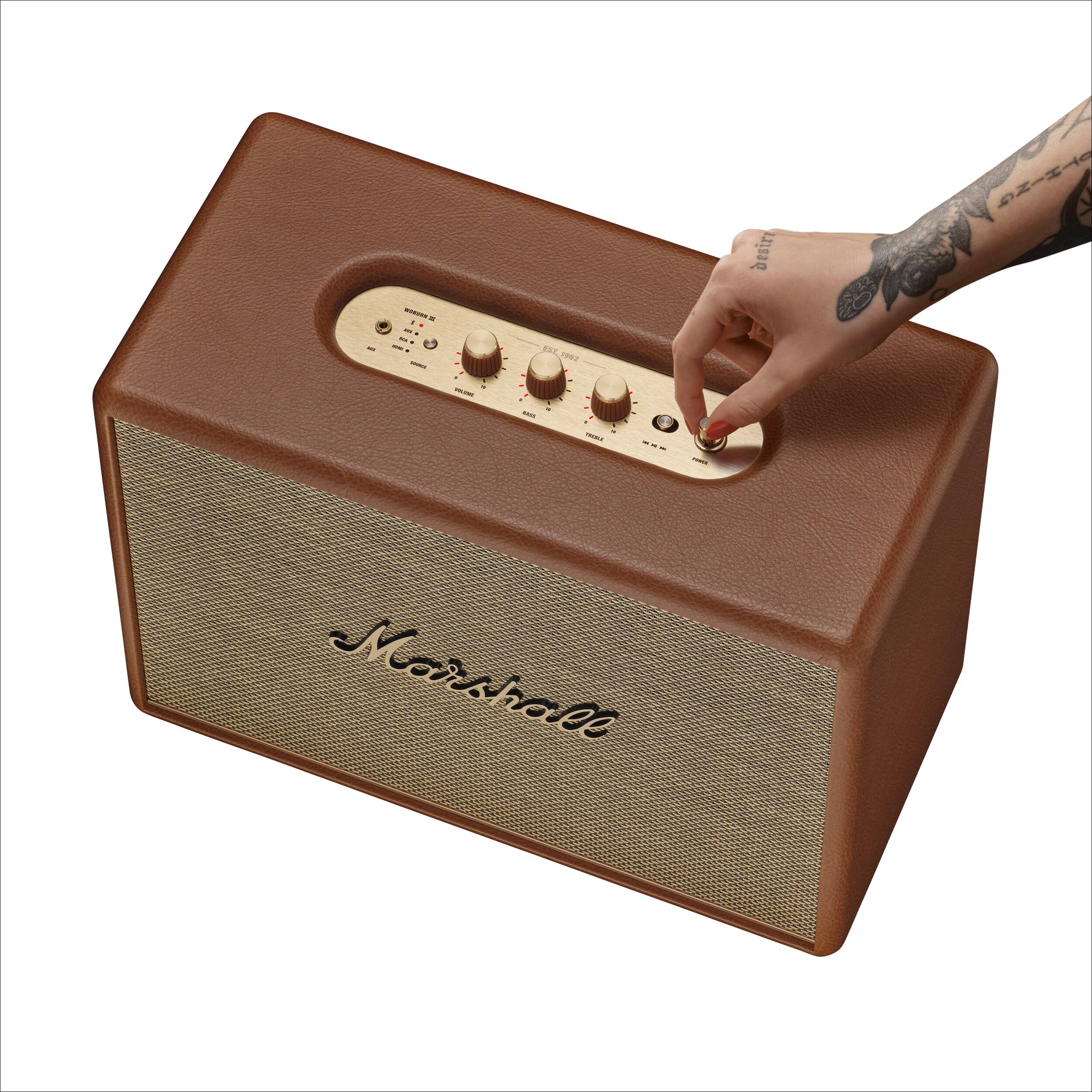
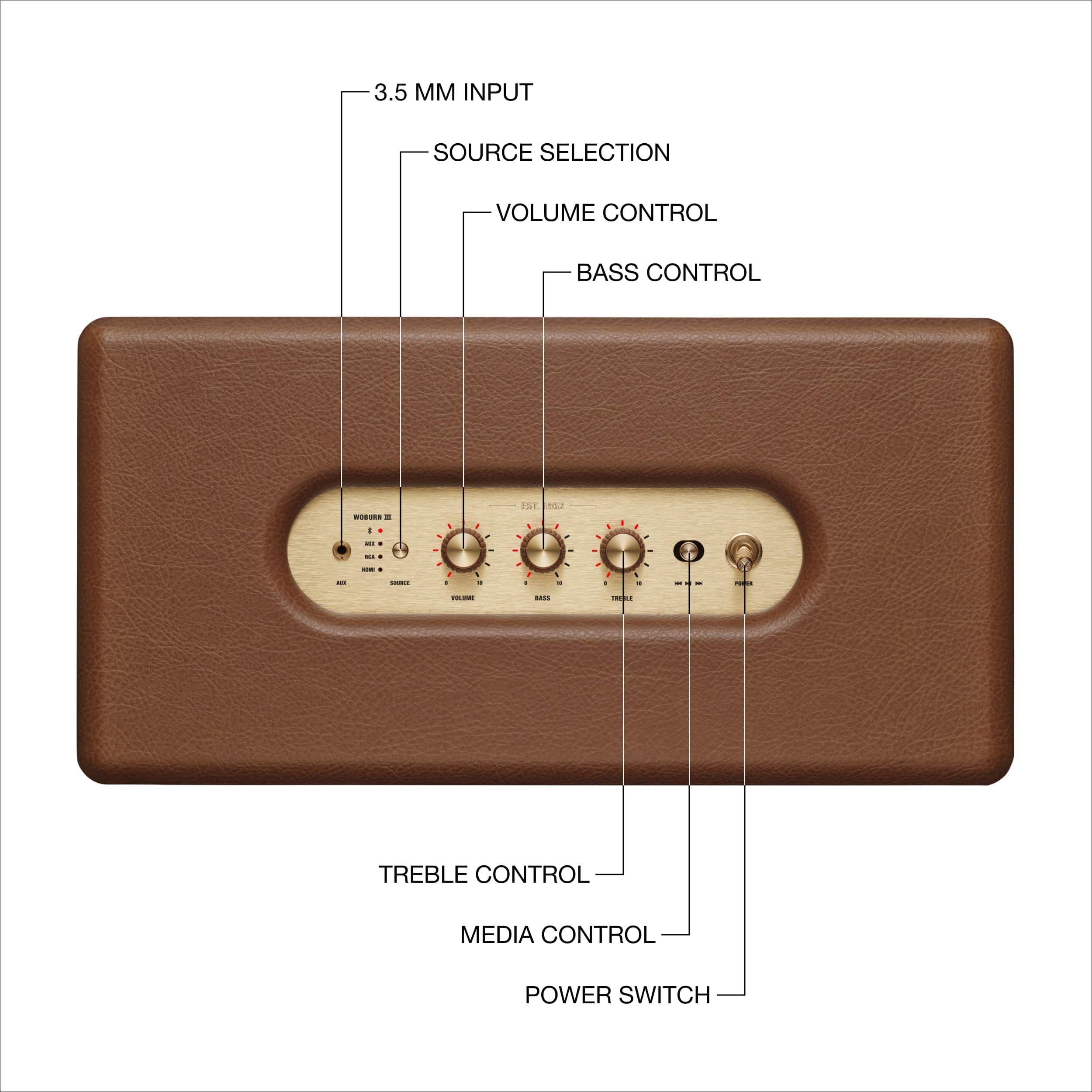
The Marshall Woburn III takes a completely different approach. Instead of trying to be a mixing console, it focuses on being the best possible endpoint for audio that's already been processed. It includes basic bass and treble controls, both on the top panel and in its smartphone app, but the emphasis is on playing back music accurately rather than creating or modifying it.
The connectivity options reveal each speaker's intended use. The JBL EON ONE Compact provides XLR and 1/4-inch TRS inputs – the same professional connections you'll find in recording studios and concert venues. These balanced connections reduce noise and interference, crucial when you're dealing with long cable runs or electrically noisy environments.
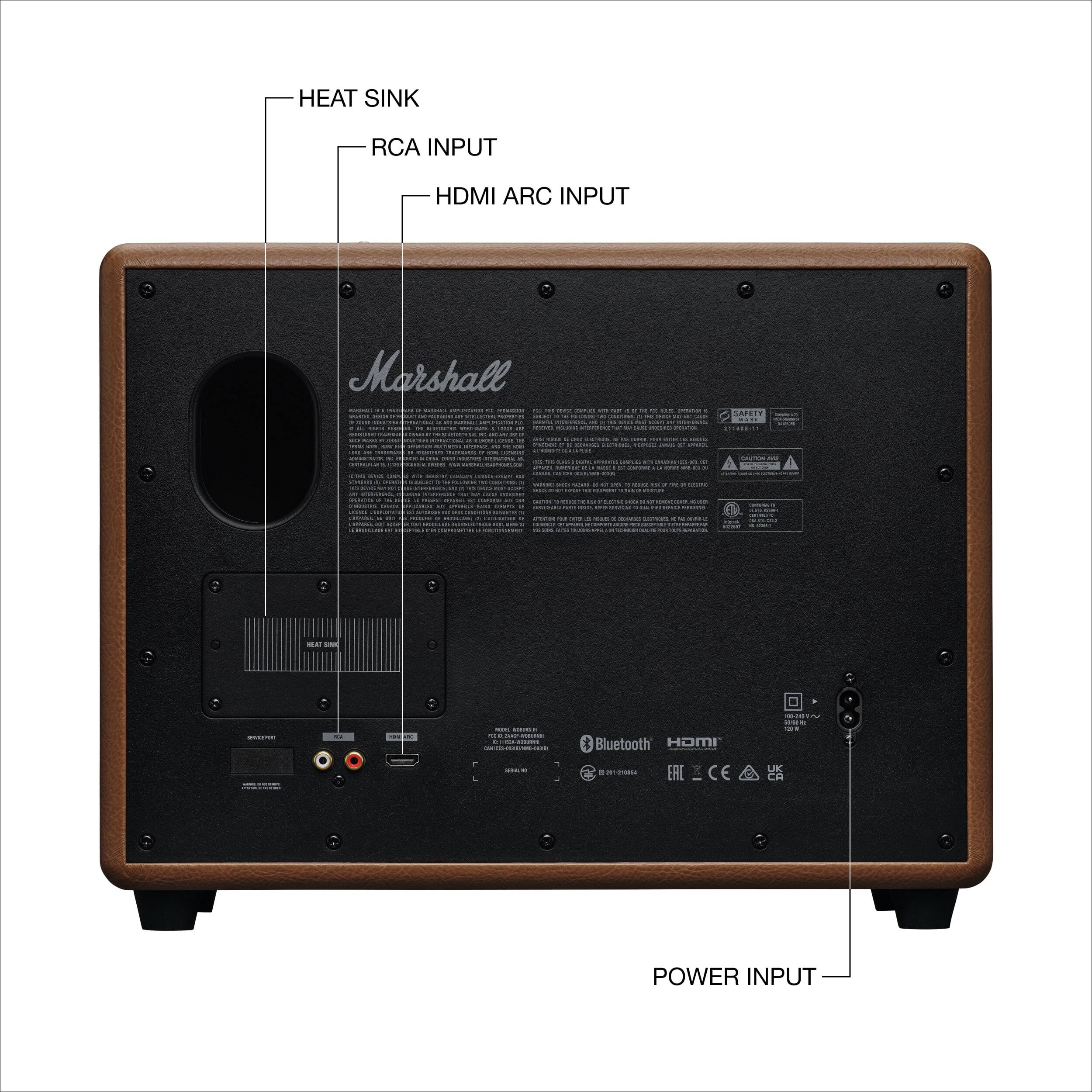
The Marshall Woburn III focuses on home integration. Its HDMI ARC (Audio Return Channel) input is particularly clever – this lets you connect it directly to your TV, and the speaker will automatically turn on, adjust volume, and even switch to the correct input when you turn on your TV. For home theater use, this creates a seamless experience that's hard to beat.
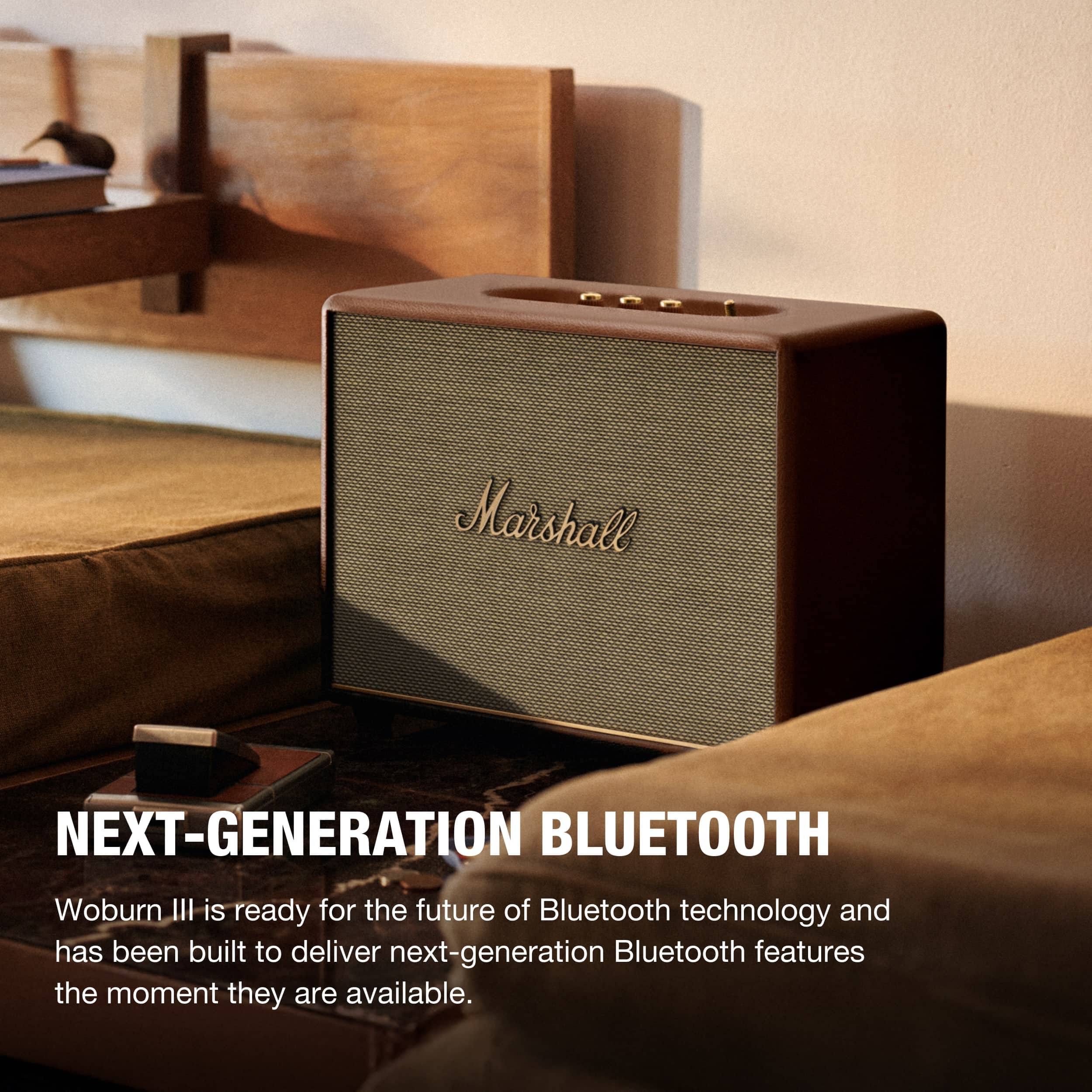
Both speakers support Bluetooth, but with different focuses. The Marshall uses the newer Bluetooth 5.2 standard with multipoint connectivity, meaning you can have your phone and tablet connected simultaneously. The JBL uses Bluetooth 5.0 but adds the ability to connect up to four JBL speakers together for larger events.
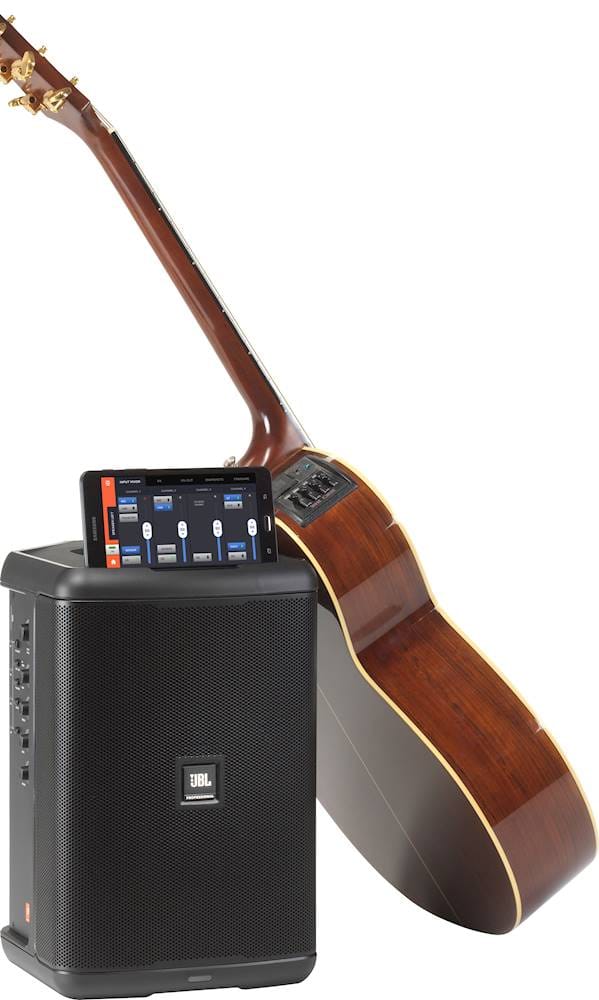
The smartphone apps for these speakers reflect their different philosophies. The JBL Compact Connect app is essentially a remote control for a professional mixing console. You can adjust individual channel levels, apply effects, fine-tune the 8-band EQ, and even control multiple speakers from a single device. It's powerful but requires some audio knowledge to use effectively.
Marshall's Bluetooth app is more consumer-friendly. It includes "Placement Correction," which adjusts the speaker's output based on where you've positioned it in your room – near a wall, in a corner, or out in the open. There's also the Night Mode feature, which compresses loud sounds and boosts quiet ones, making late-night TV watching more neighbor-friendly.
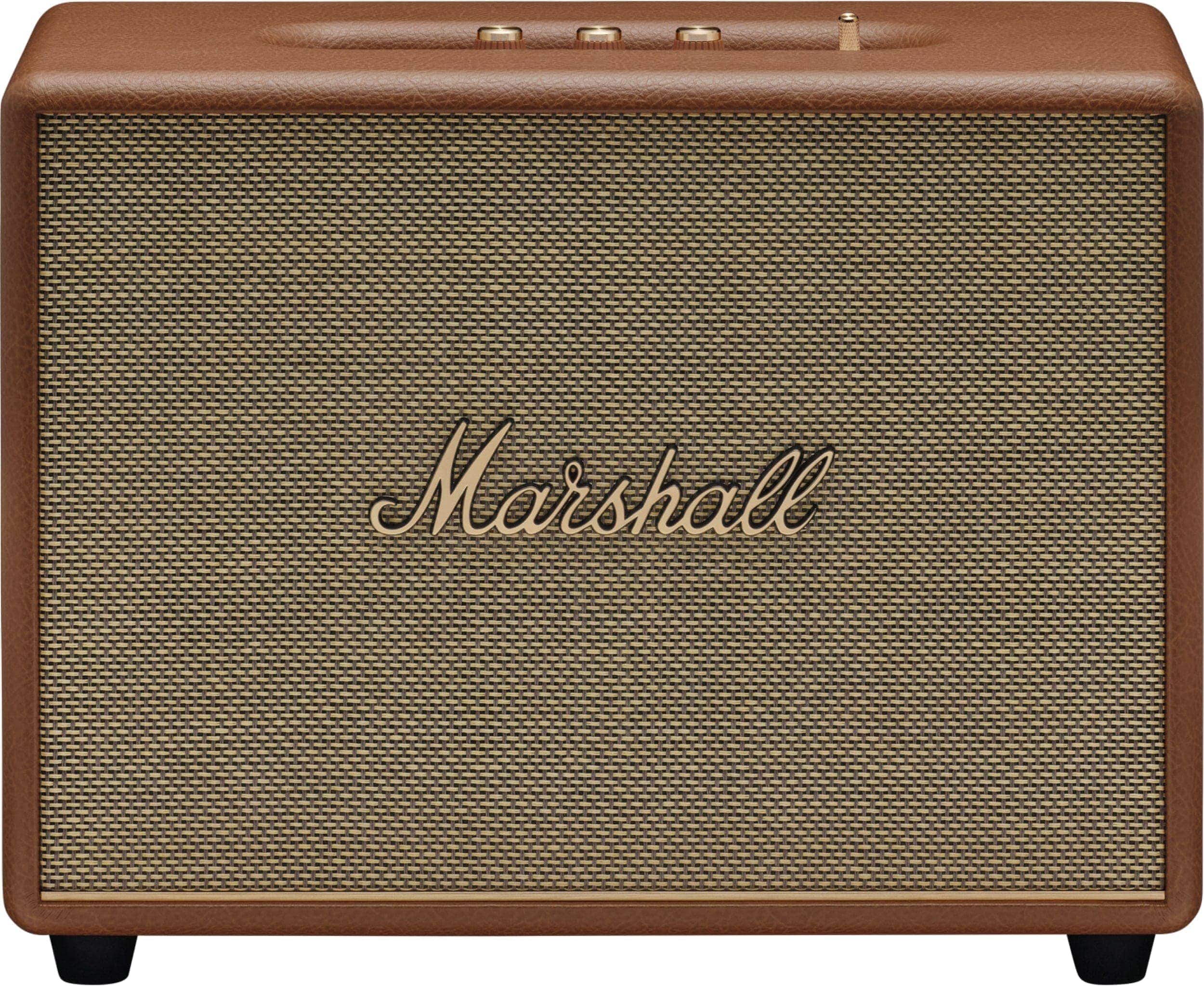
The Marshall Woburn III is clearly designed to be seen. Its classic amplifier aesthetic, complete with brass control knobs and the iconic Marshall script logo, makes it a conversation piece. The build uses 70% recycled plastic and vegan materials, reflecting modern environmental consciousness while maintaining the rock-and-roll heritage Marshall is known for.
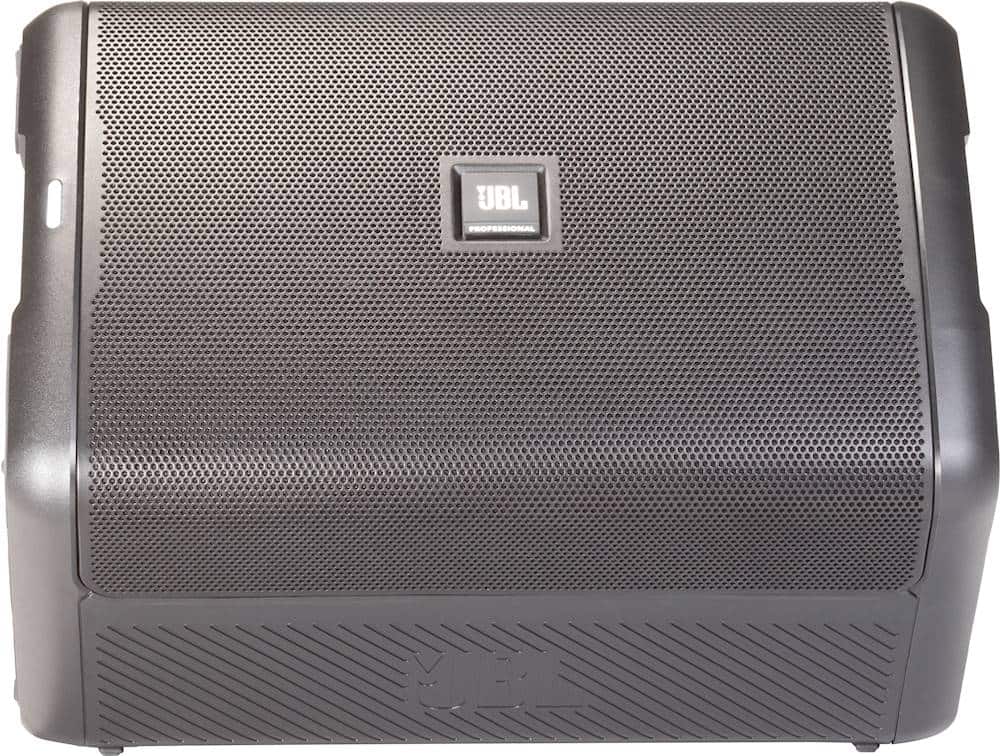
The JBL EON ONE Compact prioritizes durability over aesthetics. Its polypropylene enclosure can handle the bumps and scrapes of regular transport. The controls are recessed to prevent accidental activation during transport, and the overall design says "professional tool" rather than "living room furniture."
At the time of writing, these speakers are priced within about $80 of each other, but they represent completely different value propositions.
With the JBL EON ONE Compact, you're essentially buying what would normally require several separate components: a mixer, amplifier, speakers, and effects processor. For someone doing regular presentations, small performances, or events, this represents significant savings and convenience compared to assembling a traditional PA system.
The Marshall Woburn III asks you to pay for audio engineering, premium materials, and brand heritage. You're getting three-way driver separation that typically requires much larger speakers, sophisticated DSP processing, and integration features that make it genuinely useful as part of a home entertainment system.
If you're considering either speaker for home theater use, the Marshall Woburn III has a clear advantage. The HDMI ARC connection means it can replace your TV's built-in speakers with minimal setup complexity. The Night Mode feature specifically addresses late-night viewing, and the three-way driver system provides better dialogue clarity than most TV speakers.
The JBL EON ONE Compact can certainly handle TV audio through its auxiliary input, but you lose the automatic switching and volume control that makes the Marshall so convenient. However, if you also do karaoke nights or want to add microphone capabilities to your home theater setup, the JBL becomes much more interesting.
Choose the JBL EON ONE Compact if you're a musician, presenter, teacher, fitness instructor, or anyone who regularly needs to project sound to groups of people. Its versatility means it can also serve as a perfectly adequate home speaker, making it an excellent choice if you want one speaker to handle multiple roles.
The Marshall Woburn III is the clear choice if your primary goal is high-quality music reproduction at home. Its three-way design, home theater integration, and attention to acoustic detail make it superior for critical listening and daily music enjoyment.
Consider your lifestyle realistically. If you throw outdoor parties, do presentations, or play music regularly, the JBL offers capabilities you'll actually use. If you primarily listen to music at home and want something that integrates seamlessly with your entertainment system while looking great in your living room, the Marshall provides better long-term satisfaction.
Both speakers represent excellent engineering within their respective categories. The key is choosing the category that matches your needs rather than trying to force one speaker to be something it's not designed to be.
| JBL EON ONE Compact | Marshall Woburn III |
|---|---|
| Primary Use Case - Determines everything else about your purchase | |
| Portable PA system for events, performances, presentations | Premium home speaker for music listening and entertainment |
| Power Source - Critical for where and how you can use it | |
| 12-hour rechargeable battery (swappable) | AC power only (wall outlet required) |
| Weight & Portability - Affects daily usability | |
| 17.6 lbs with carrying handle (designed for transport) | 16.4 lbs but stationary (designed as furniture) |
| Audio Configuration - Impacts sound quality and character | |
| 2-way system: 8" woofer + 1" tweeter (punchy, impactful) | 3-way system: 6" woofer + 2×2" mids + 2×0.75" tweeters (detailed separation) |
| Total Power Output - Both deliver 150W but differently | |
| 150W peak (concentrated for maximum impact) | 150W total across 5 amplifiers (distributed for balance) |
| Maximum Volume - Important for room size and outdoor use | |
| 112 dB SPL (concert-level loudness) | 100.5 dB SPL (plenty for home use) |
| Bass Extension - How deep the low frequencies go | |
| 37.5 Hz (powerful, punchy bass for live settings) | 35 Hz (slightly deeper, more controlled for home listening) |
| Built-in Mixer - Game-changer for live applications | |
| 4-channel digital mixer with XLR inputs, phantom power, effects | No mixer (relies on external sources) |
| Professional Inputs - Critical for mics and instruments | |
| 2× XLR/TRS combo, Hi-Z guitar input, phantom power | None (consumer-focused connectivity only) |
| Home Theater Integration - Seamless TV connection | |
| Basic aux input only | HDMI ARC with auto-switching and volume control |
| Bluetooth Version - Affects connection stability and features | |
| Bluetooth 5.0 with multi-unit pairing | Bluetooth 5.2 with multipoint (connect 2 devices) |
| Smart Features - App-controlled customization | |
| JBL: 8-band EQ, effects control, ducking, multi-speaker management | Marshall: Placement correction, Dynamic Loudness, Night Mode |
| Additional Power Features - Useful extras | |
| 2× USB charging ports for devices | None |
| Design Philosophy - Reflects intended use | |
| Rugged professional tool aesthetic | Premium home furniture with vintage amp styling |
| Unique Standout Feature | |
| One-touch ducking automatically lowers music during speech | Dynamic Loudness maintains perfect sound balance at any volume |
The Marshall Woburn III is significantly better for home use. It features a three-way driver system designed for detailed music reproduction, HDMI ARC connectivity for seamless TV integration, and aesthetic design that complements home decor. The JBL EON ONE Compact is primarily a portable PA system that can work at home but isn't optimized for it.
Yes, the JBL EON ONE Compact runs on a rechargeable battery for up to 12 hours and doesn't need to be plugged in during use. The battery is also removable and swappable. In contrast, the Marshall Woburn III requires constant AC power and cannot operate on battery power.
The JBL EON ONE Compact gets significantly louder, reaching 112 dB SPL compared to the Marshall Woburn III's 100.5 dB SPL. This makes the JBL better suited for large rooms, outdoor events, and situations where you need to project sound over ambient noise.
Yes, both the JBL EON ONE Compact and Marshall Woburn III support Bluetooth connectivity. The Marshall uses newer Bluetooth 5.2 with multipoint capability (connecting two devices simultaneously), while the JBL uses Bluetooth 5.0 but can link multiple speakers together for larger setups.
Only the JBL EON ONE Compact accepts microphones directly with its built-in 4-channel mixer and XLR inputs with phantom power. The Marshall Woburn III has no microphone inputs and is designed purely for playback of pre-recorded audio sources.
The Marshall Woburn III delivers superior sound quality for music listening thanks to its three-way driver system that separates bass, midrange, and treble frequencies for clearer instrument separation and more natural vocals. The JBL EON ONE Compact prioritizes volume and impact over audiophile-level detail.
The Marshall Woburn III excels for home theater use with its HDMI ARC input that automatically syncs with your TV's power and volume controls, plus a Night Mode feature for late-night viewing. The JBL EON ONE Compact can connect to TVs via auxiliary input but lacks the seamless integration features.
The JBL EON ONE Compact is designed for portability with its 12-hour battery, built-in carrying handle, and rugged construction suitable for transport to gigs and events. The Marshall Woburn III is a stationary home speaker that requires wall power and isn't intended for regular transport.
Both speakers offer bass and treble adjustment. The Marshall Woburn III has analog controls on the top panel plus app-based EQ, while the JBL EON ONE Compact provides more extensive control with an 8-band equalizer accessible through its smartphone app.
Yes, both have smartphone apps. The JBL EON ONE Compact app focuses on professional mixing controls, effects, and multi-speaker management. The Marshall Woburn III app offers placement correction, Dynamic Loudness, and home-focused features like Night Mode for TV viewing.
Value depends on your needs. The JBL EON ONE Compact offers exceptional value if you need portable PA capabilities, built-in mixing, and battery power - essentially replacing multiple professional components. The Marshall Woburn III provides better value for dedicated home listening with superior audio quality and home theater integration.
The JBL EON ONE Compact includes a dedicated Hi-Z guitar input and built-in effects (reverb, delay, chorus) making it excellent for musicians. The Marshall Woburn III has no instrument inputs and is designed only for playback of finished audio recordings, not live instrument performance.
We've done our best to create useful and informative comparisons to help you decide what product to buy. Our research uses advanced automated methods to create this comparison and perfection is not possible - please contact us for corrections or questions. These are the sites we've researched in the creation of this article: bestbuy.com - crutchfield.com - noisegate.com.au - zzounds.com - jblpro.com - youtube.com - soundonsound.com - jblpro.com - youtube.com - youtube.com - jbl.com - samash.com - sweetwater.com - avnow.com - soundonsound.com - youtube.com - kh.jbl.com - talkbass.com - techradar.com - proav.com - gearspace.com - jazzguitar.be - sweetwater.com - youtube.com - crutchfield.com - forums.musicplayer.com - adn.harmanpro.com - device.report - bgs.cc - youtube.com - loudersound.com - ash-asia.zendesk.com - armorsound.com - rtings.com - crutchfield.com - rtings.com - stereoguide.com - bestbuy.com - hometechnologyreview.com - crutchfield.com - sweetwater.com - rtings.com - youtube.com - greentoe.com - versus.com - idownloadblog.com - marshall.com - youtube.com - comparisontabl.es - youtube.com - versus.com - crutchfield.com - device.report - consumerreports.org - sg.tcacoustic.asia - stereoindex.com - safemark.com - smarthomesounds.co.uk - marshall.com - device.report - bestbuy.com - marshall.com

Privacy Policy
Terms and Conditions - Affiliate Policy
Home Security
© Copyright 2008-2026.
11816 Inwood Rd #1211, Dallas, TX 75244