

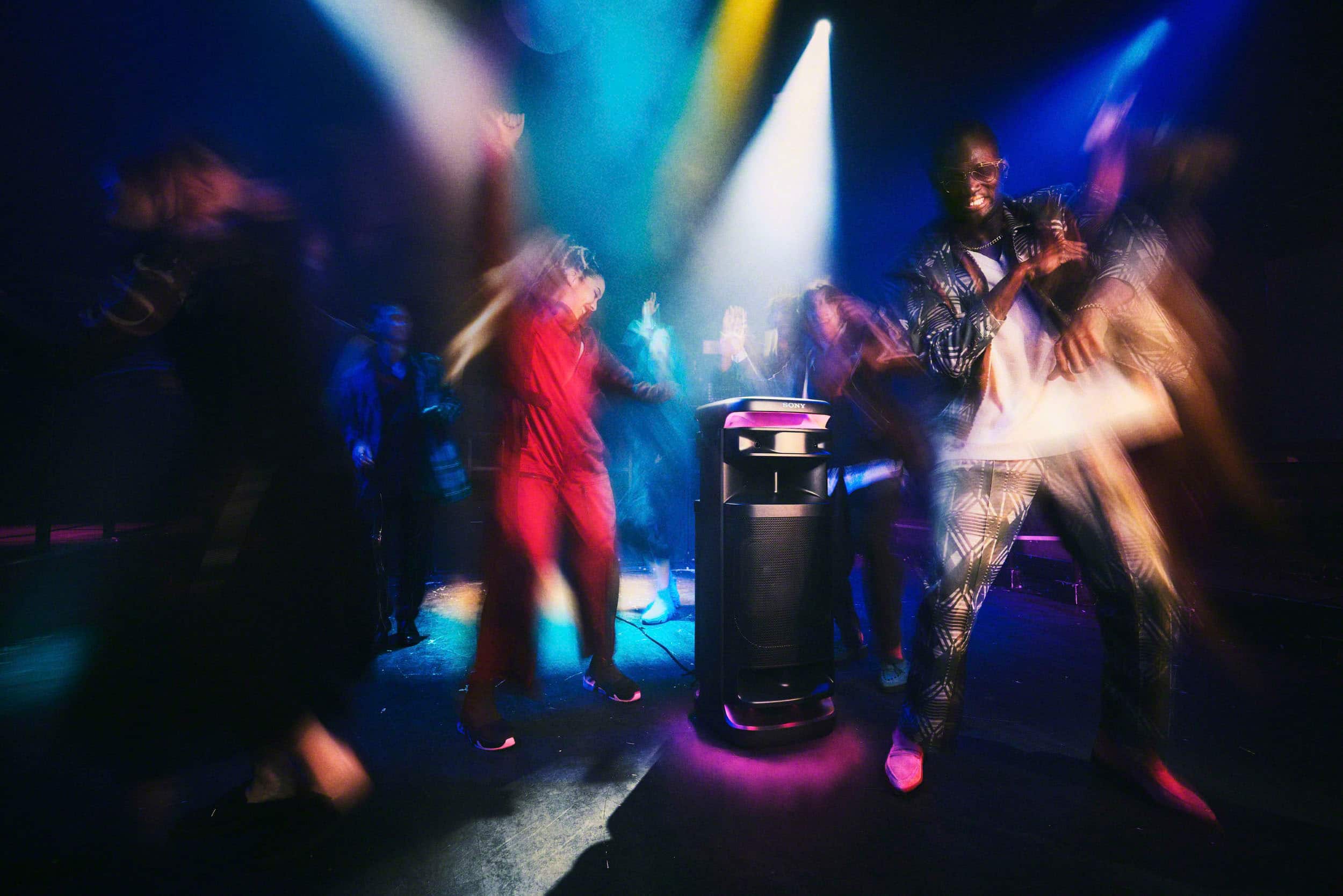
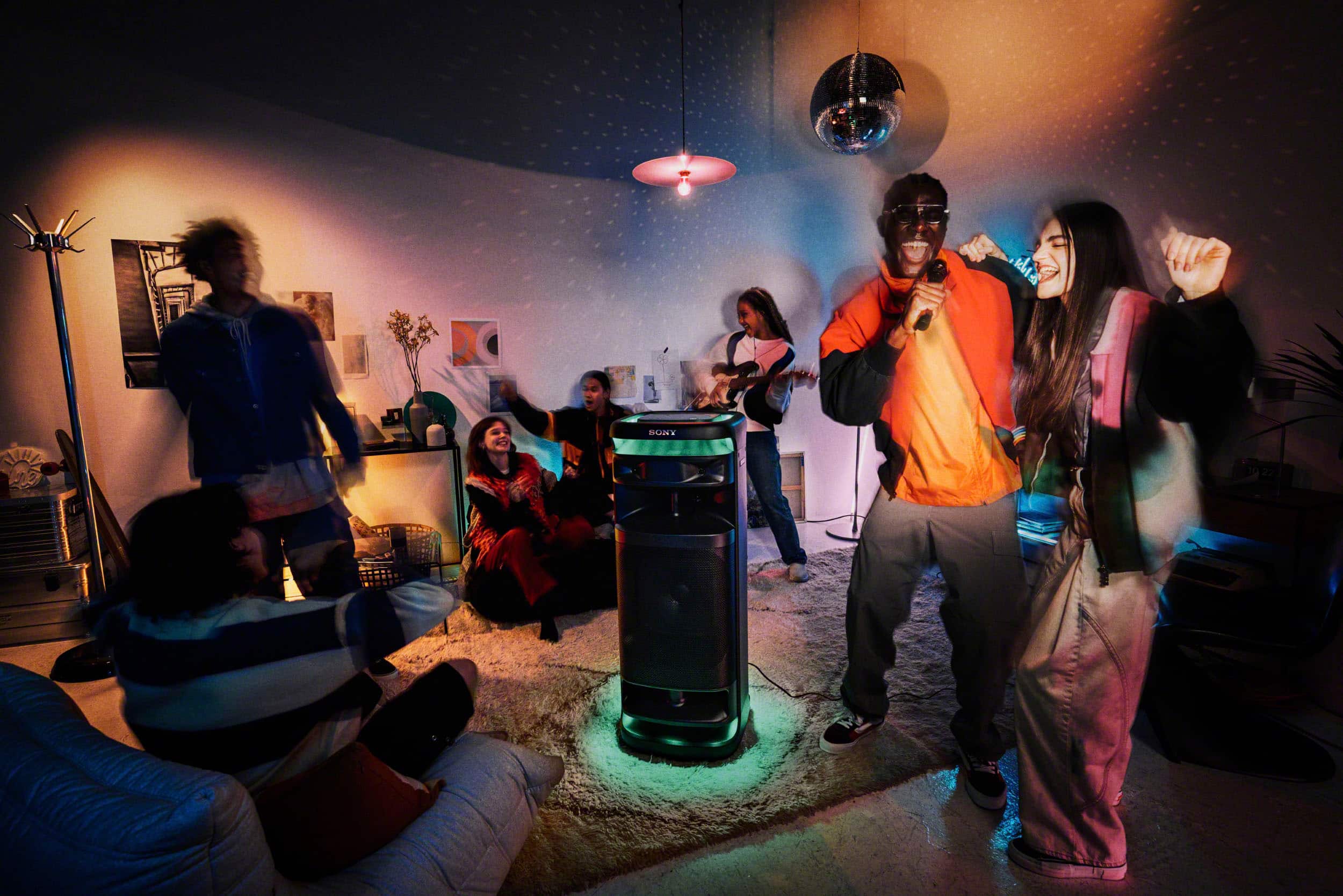
When Sony launched the SRS-XV800 X-Series in 2023, they were clearly targeting people who wanted serious party audio without being tethered to a wall outlet. A year later in 2024, they released the ULT Tower 10—a completely different beast that prioritizes maximum acoustic performance over portability. These speakers represent two fundamentally different approaches to party audio, and understanding their differences can save you from making an expensive mistake.
Party speakers aren't just regular speakers turned up loud. They're engineered for specific demands that regular bookshelf or tower speakers simply can't handle. The most critical performance metrics are maximum sound pressure level (SPL)—essentially how loud they can get without distortion—bass response for that chest-thumping impact, and sound dispersion to fill entire spaces rather than creating a narrow "sweet spot."
The challenge with party speakers is balancing power with practicality. More powerful drivers and amplifiers require more electricity, bigger cabinets, and heavier construction. This creates the fundamental trade-off we see between the SRS-XV800 and ULT Tower 10: do you want something you can actually move around, or do you want maximum acoustic firepower?
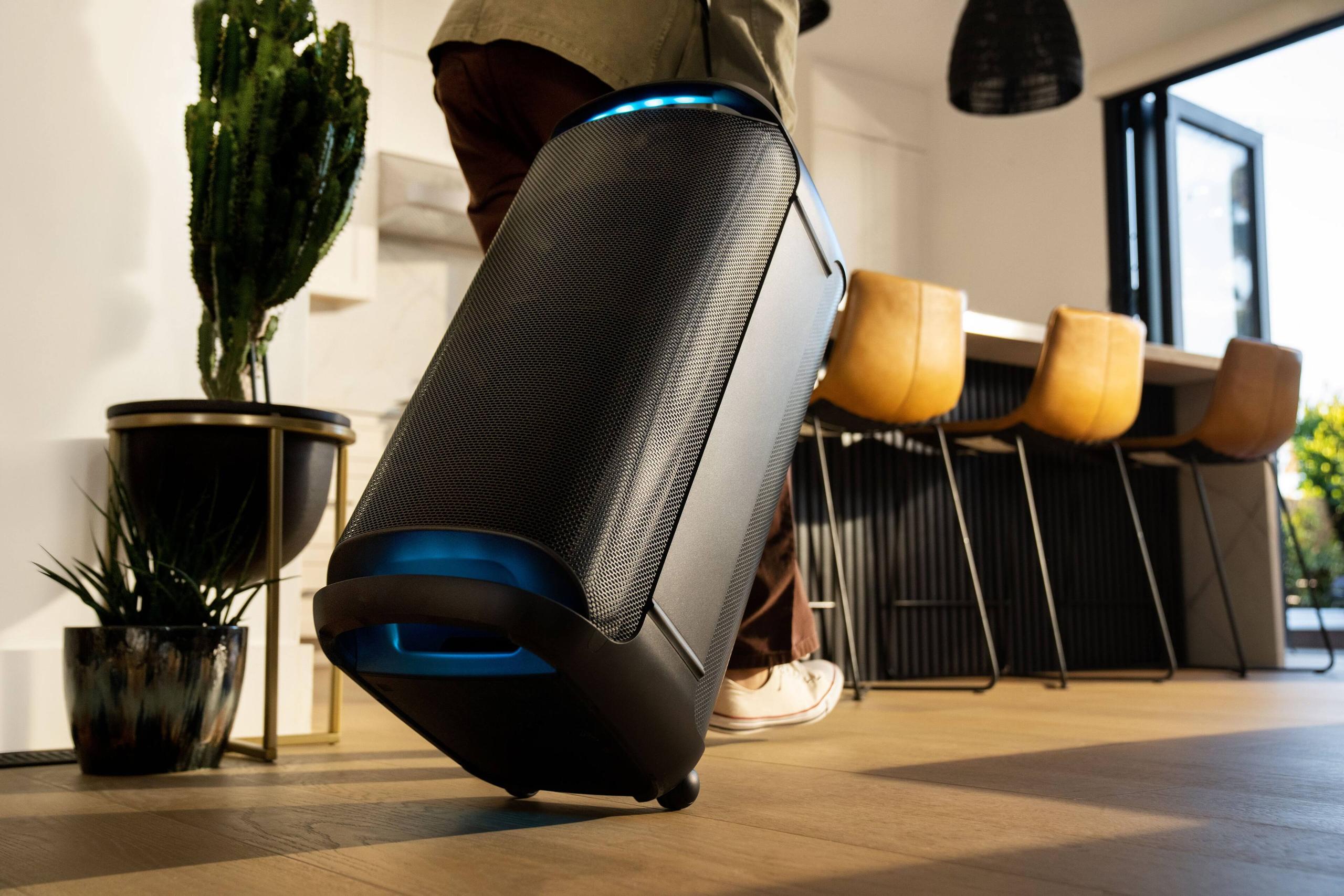
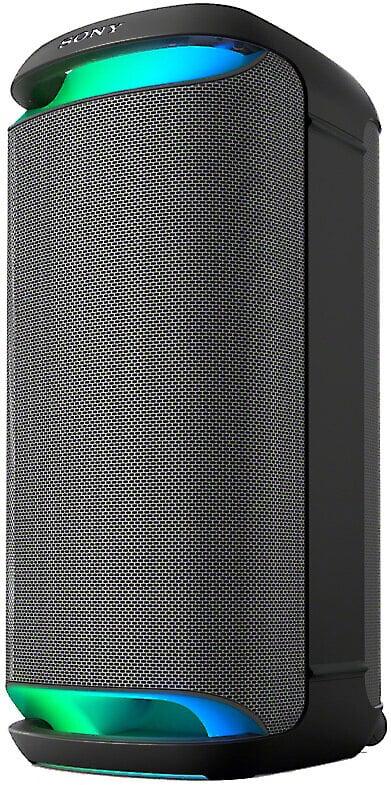
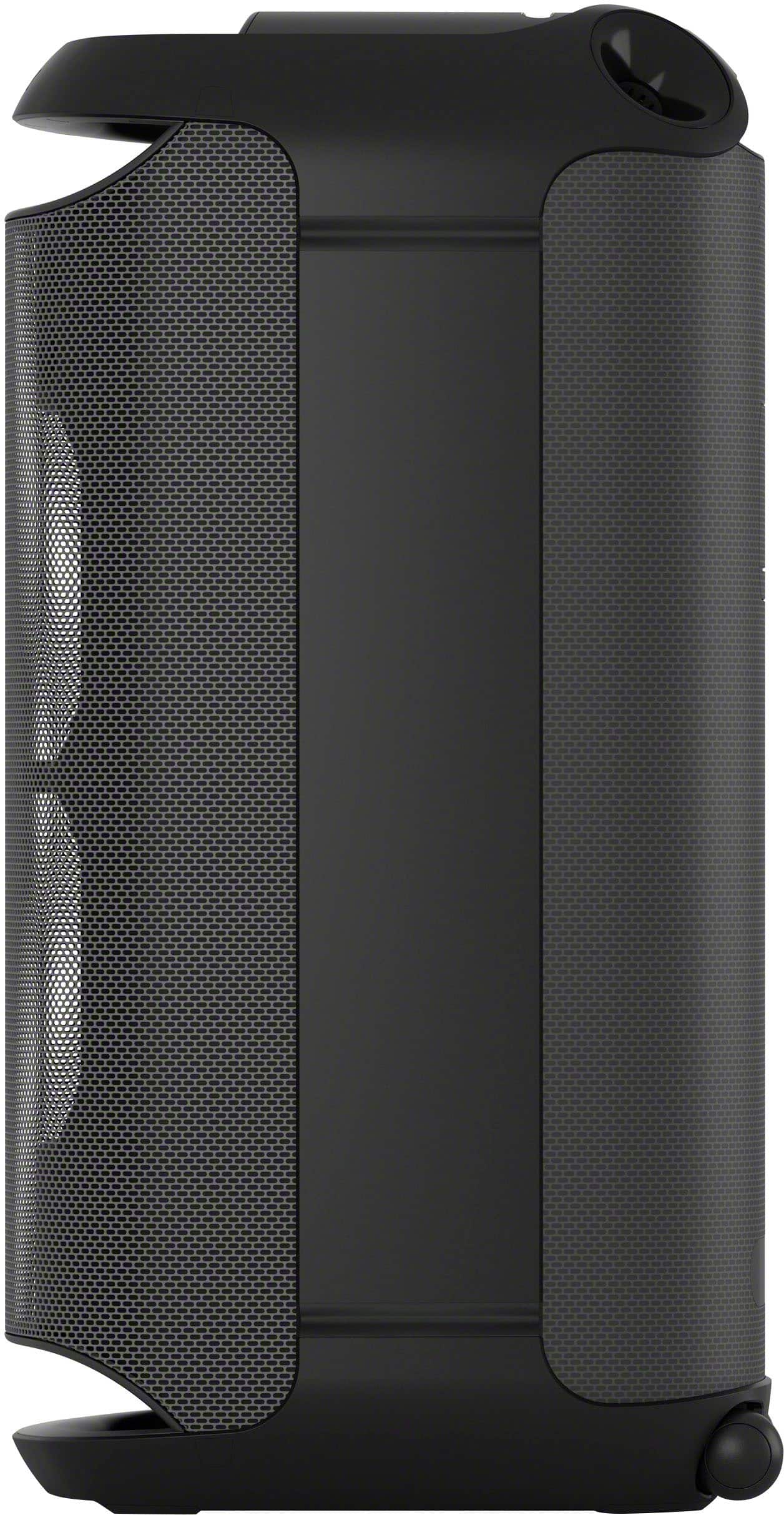
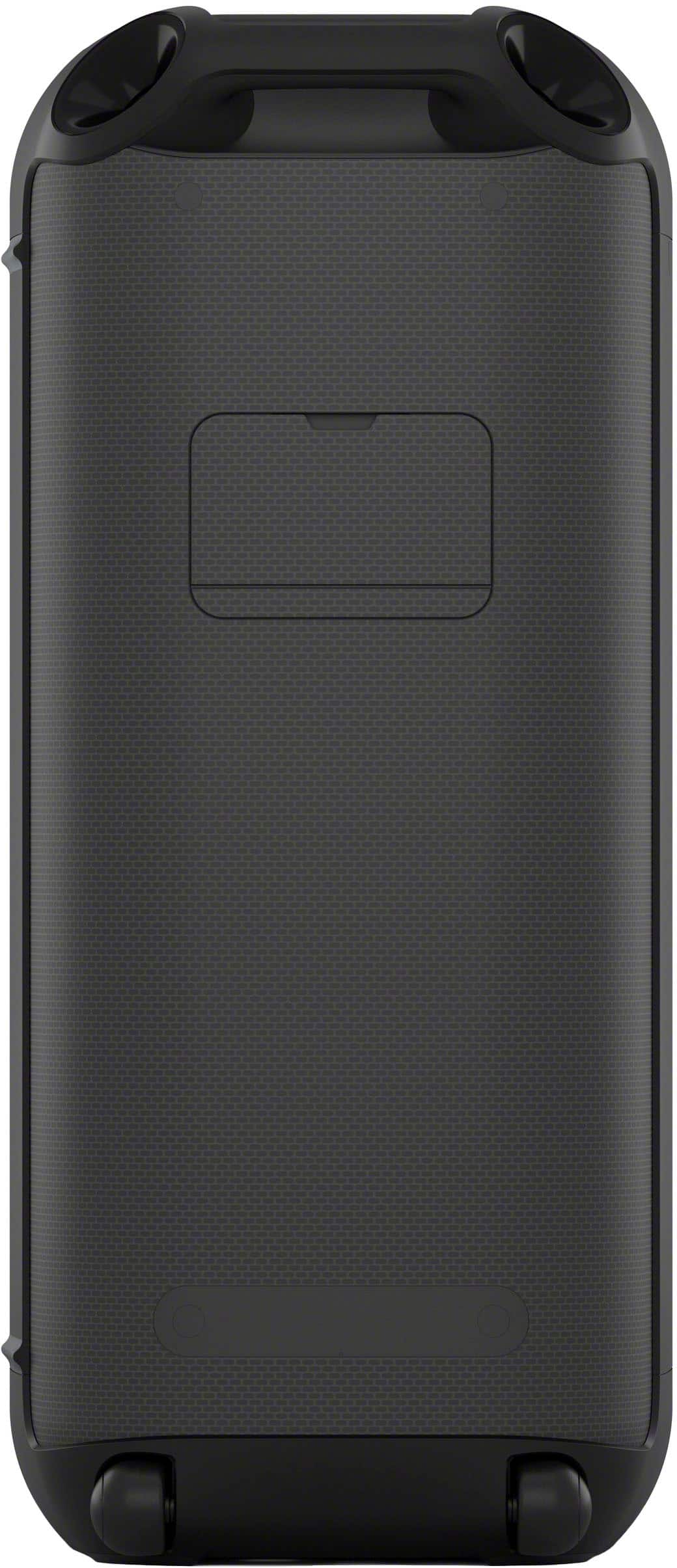
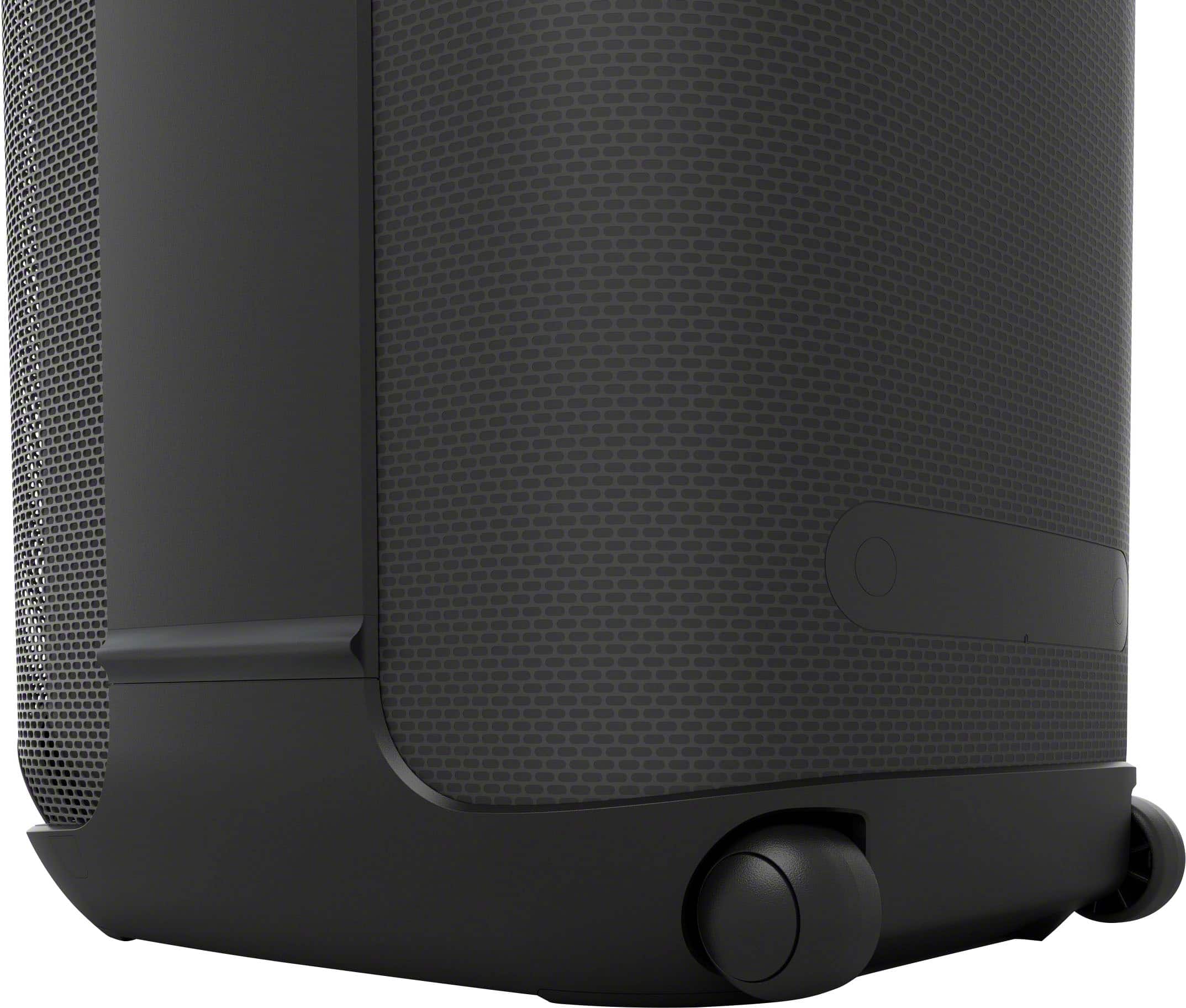
The SRS-XV800 weighs about 41 pounds and stands just over two feet tall—substantial but manageable with its built-in wheels and handle. Sony's X-Balanced woofer technology uses rectangular speaker cones instead of traditional circular ones, which allows for larger surface area in the same cabinet space. This translates to more air movement and deeper bass without the distortion you'd typically get from pushing smaller drivers harder.
What makes this speaker genuinely impressive is its 25-hour battery life. That's not marketing fluff—our research into user reviews consistently confirms all-day and all-night operation. The battery uses quick-charge technology, giving you three hours of playback from just a 10-minute charge. For anyone who's ever had a party die because the speaker ran out of juice, this is game-changing.
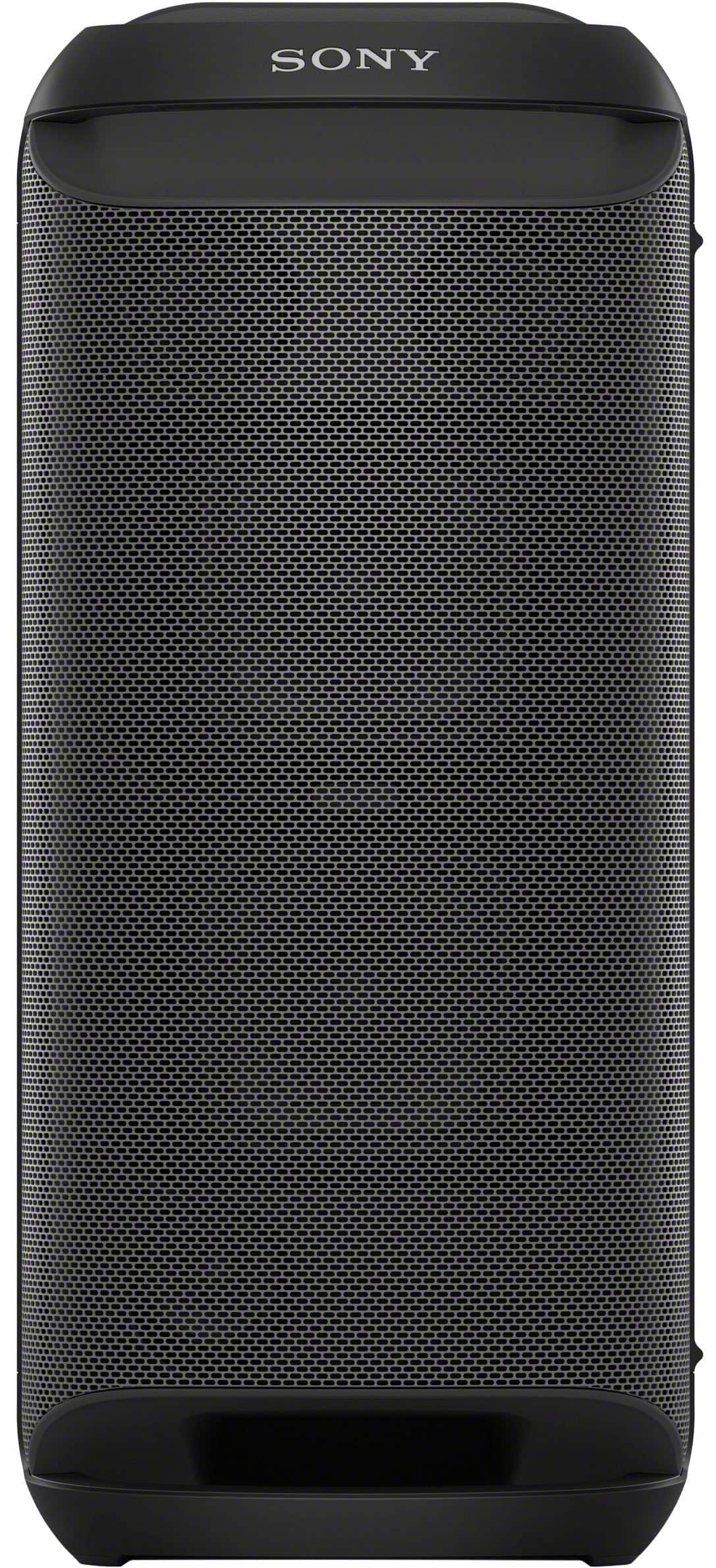
The XV800's omnidirectional sound comes from five dome tweeters—three facing forward and two facing backward. Tweeters handle high frequencies (treble), and this arrangement means you get crisp highs no matter where you're standing in relation to the speaker. The two 6.75-inch X-Balanced woofers handle the mids and bass, while a passive radiator (essentially a speaker cone without a motor) enhances low-frequency response.
Sony's LDAC Bluetooth codec is worth understanding. Standard Bluetooth compresses audio significantly, but LDAC can transmit nearly three times more data, preserving much more of the original sound quality. If you're streaming high-quality music from services like Tidal or Apple Music, you'll hear a noticeable difference compared to basic SBC codec.
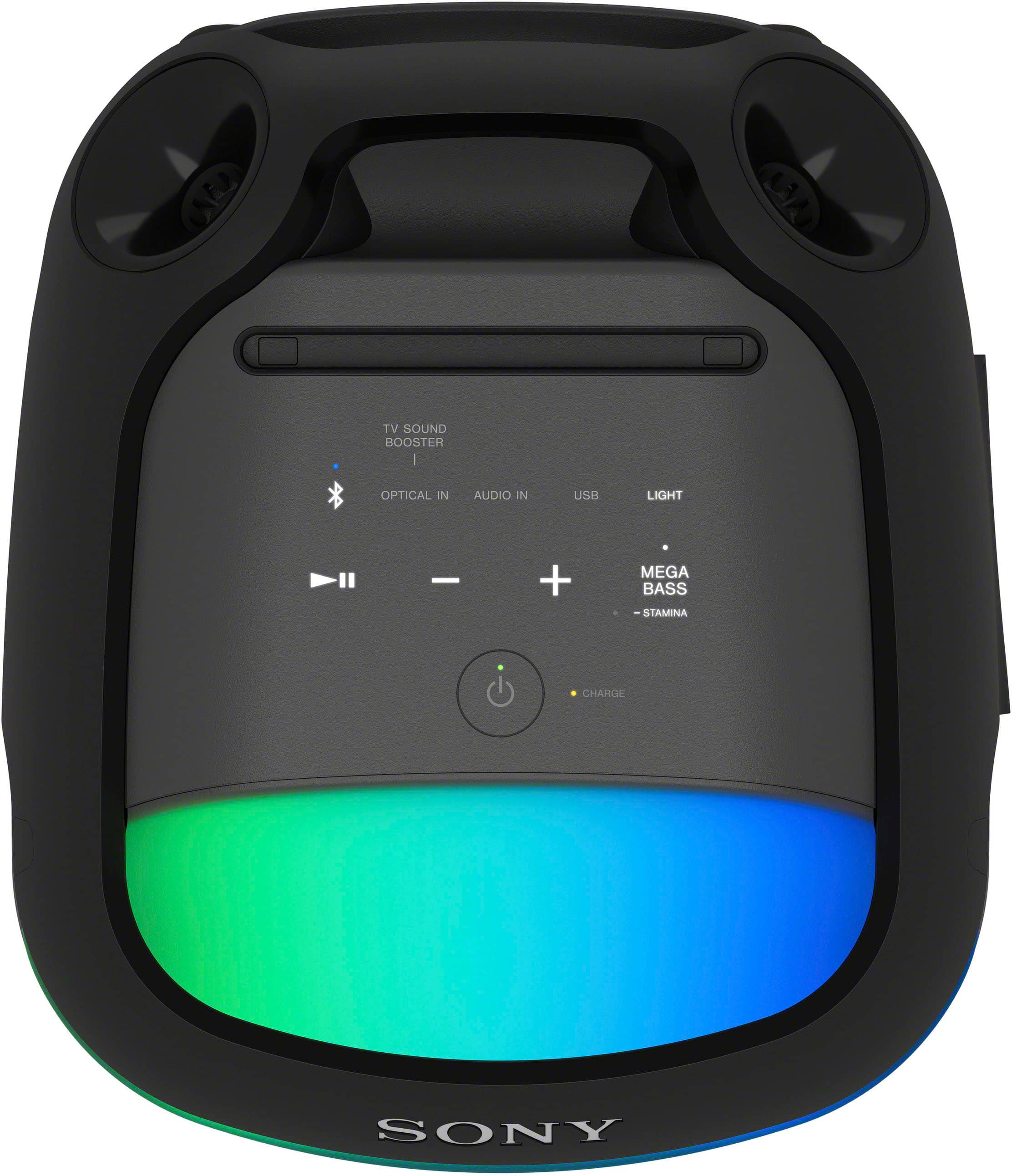
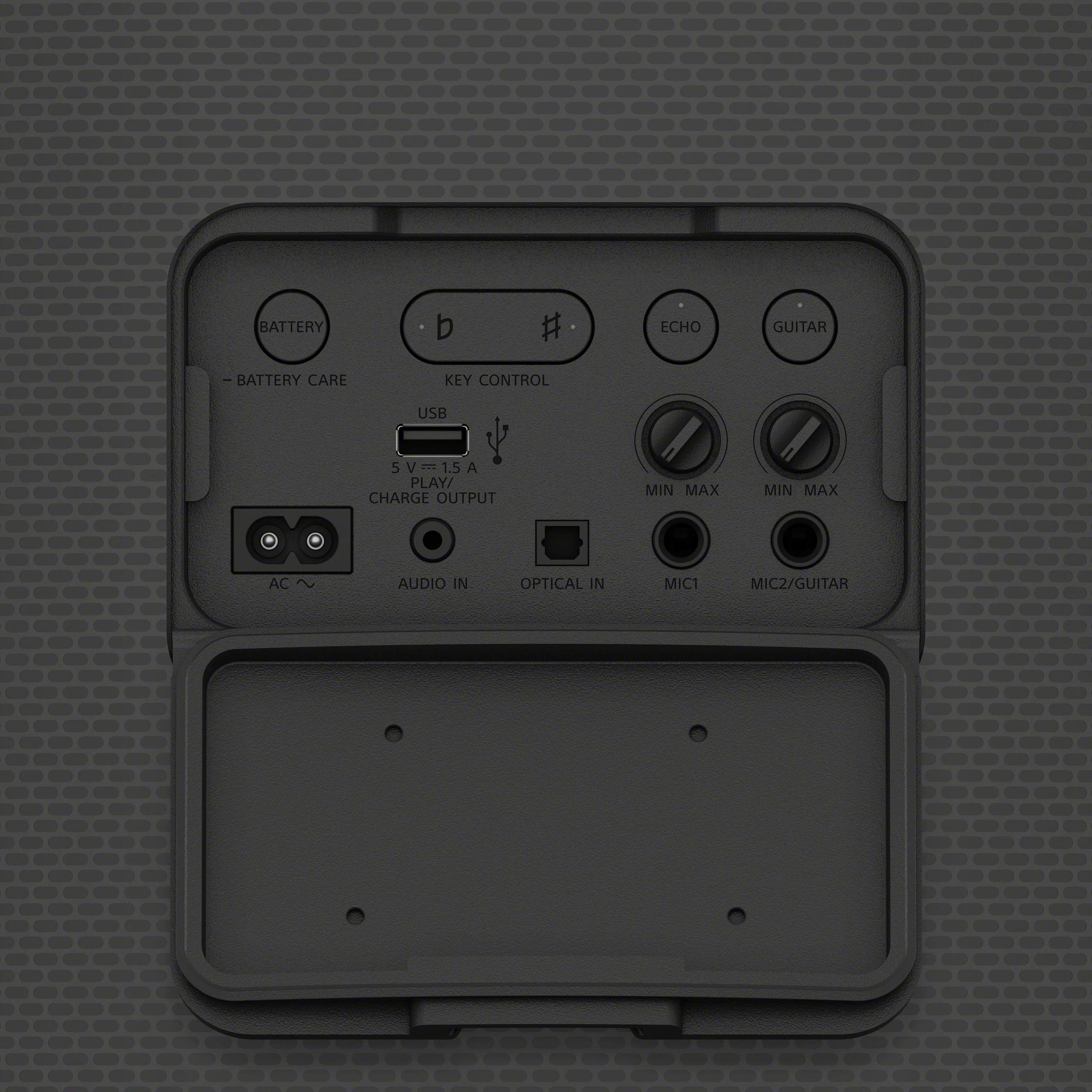
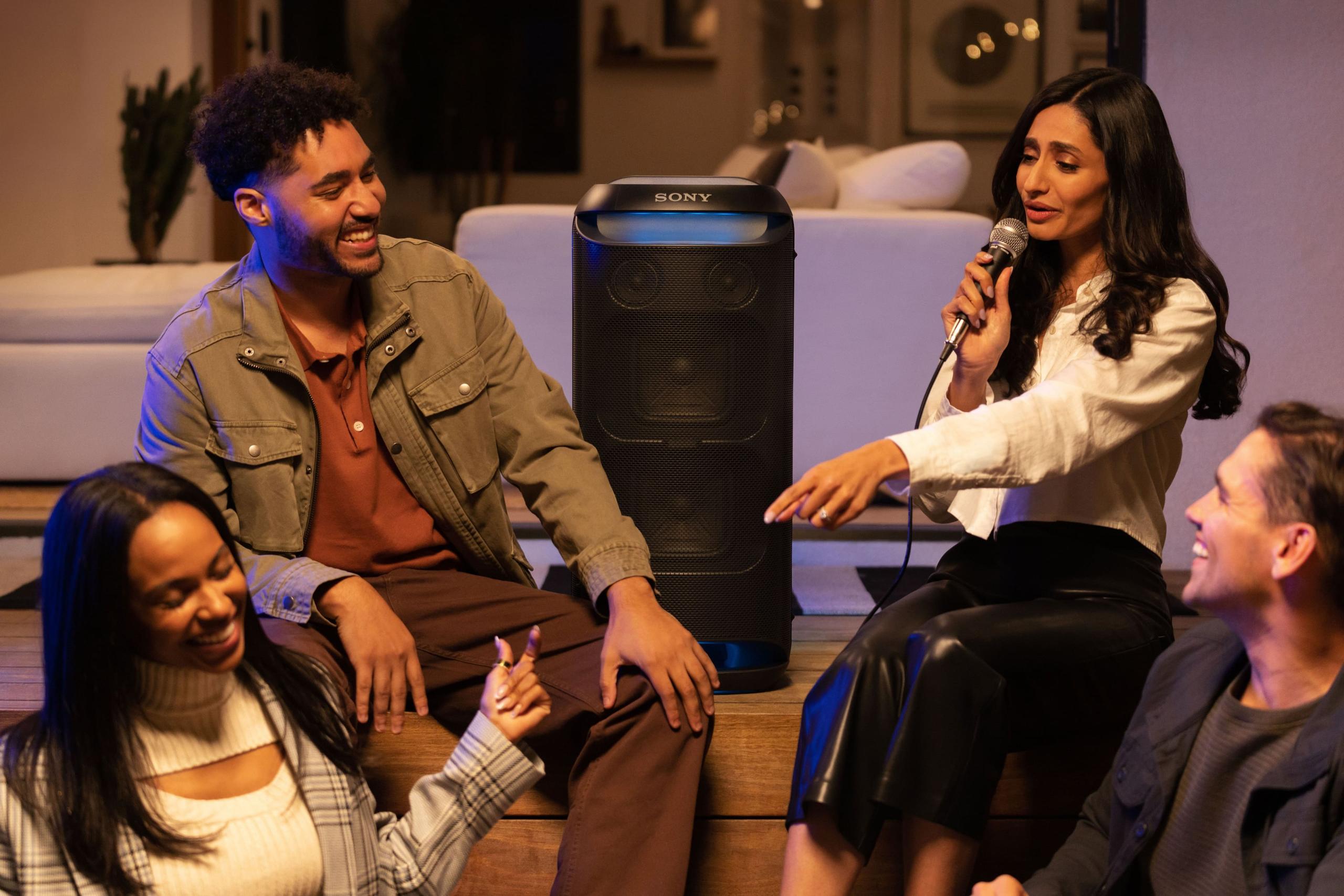
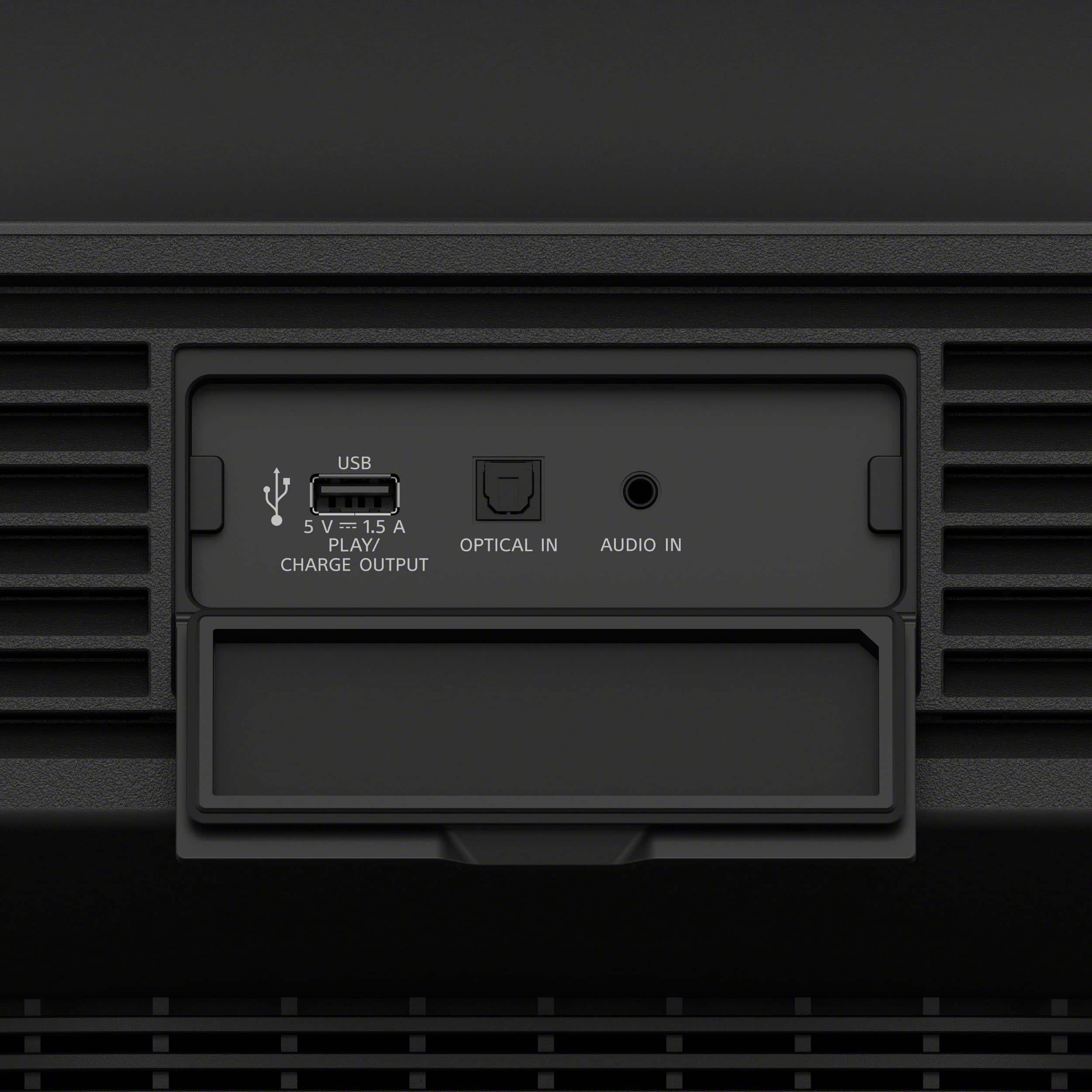
The connectivity options make the SRS-XV800 remarkably versatile. Beyond Bluetooth, you get a 3.5mm aux input, USB port for thumb drives, optical digital input for TVs, and separate 1/4-inch inputs for microphones and guitars with independent volume controls. This means you can have music playing via Bluetooth while someone uses the microphone for karaoke—a surprisingly rare feature in this price range.
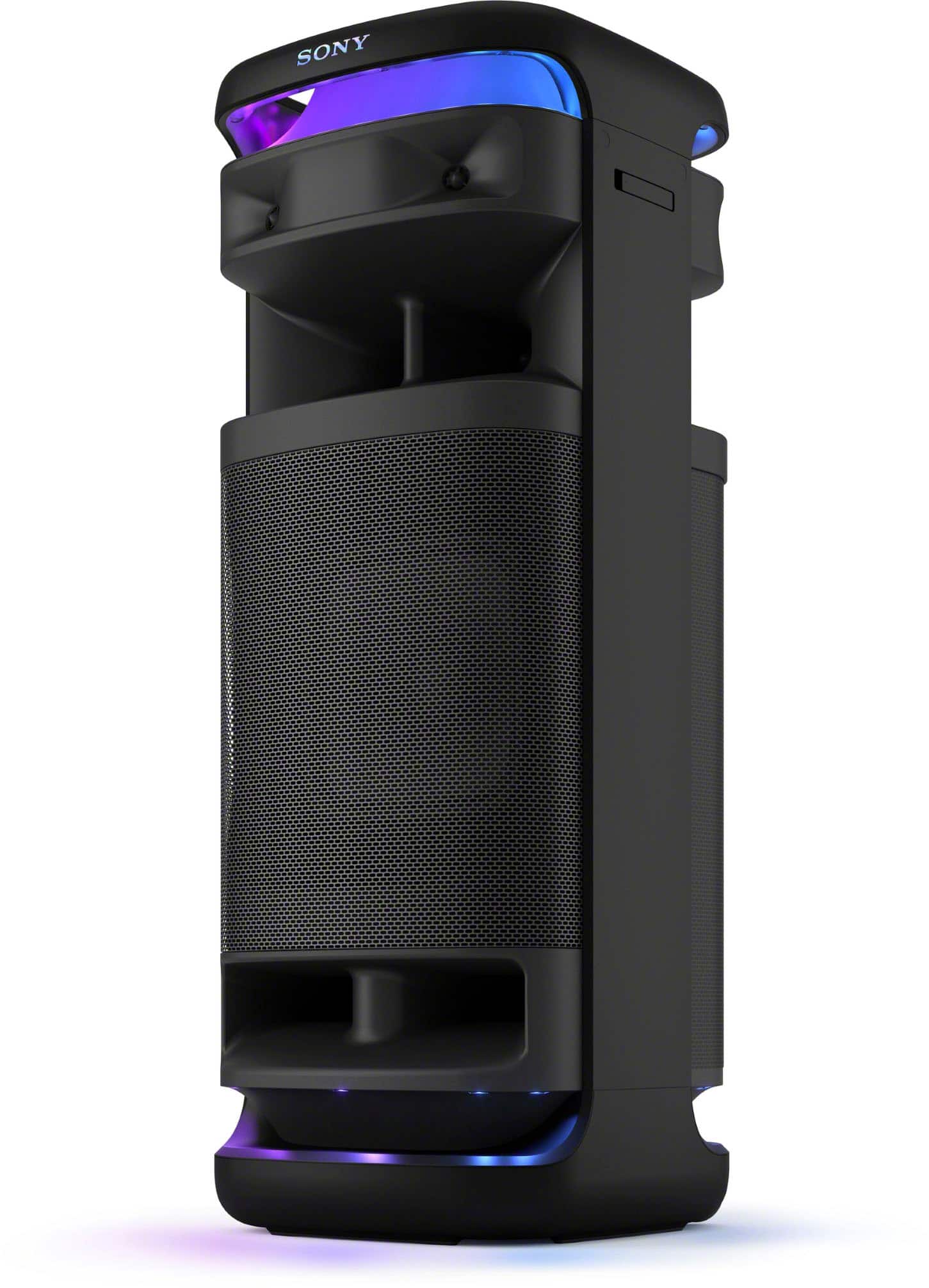
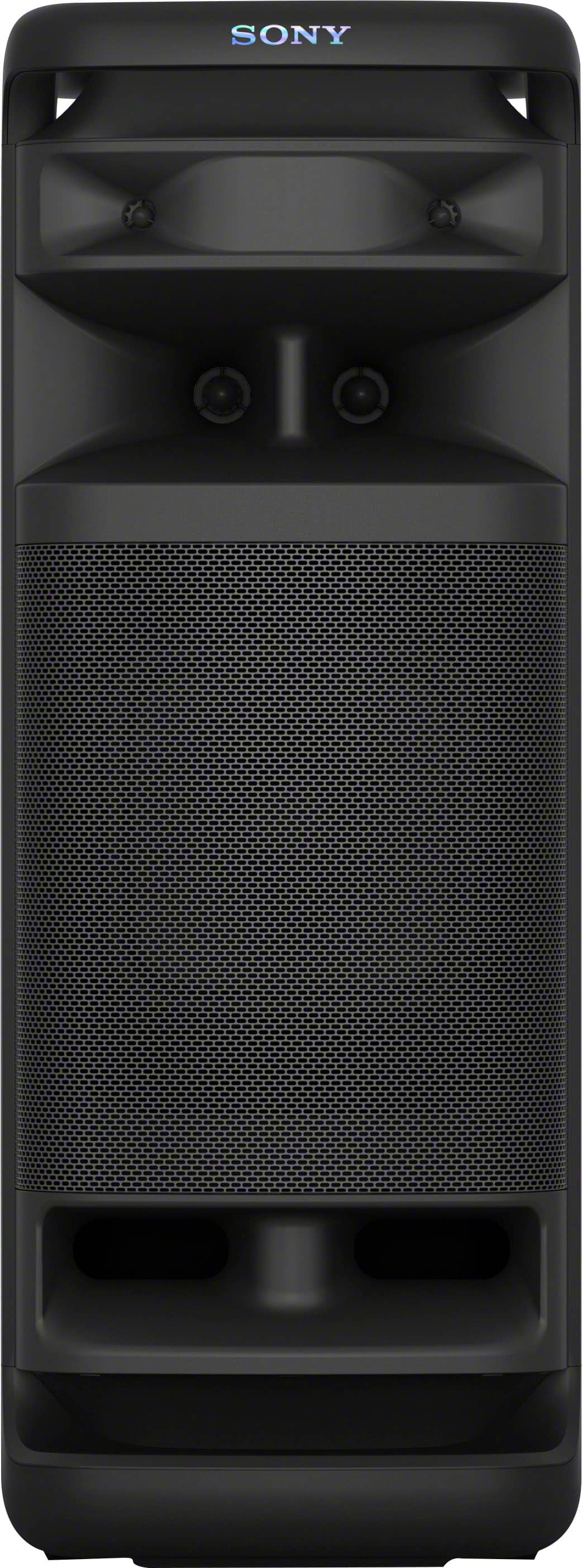
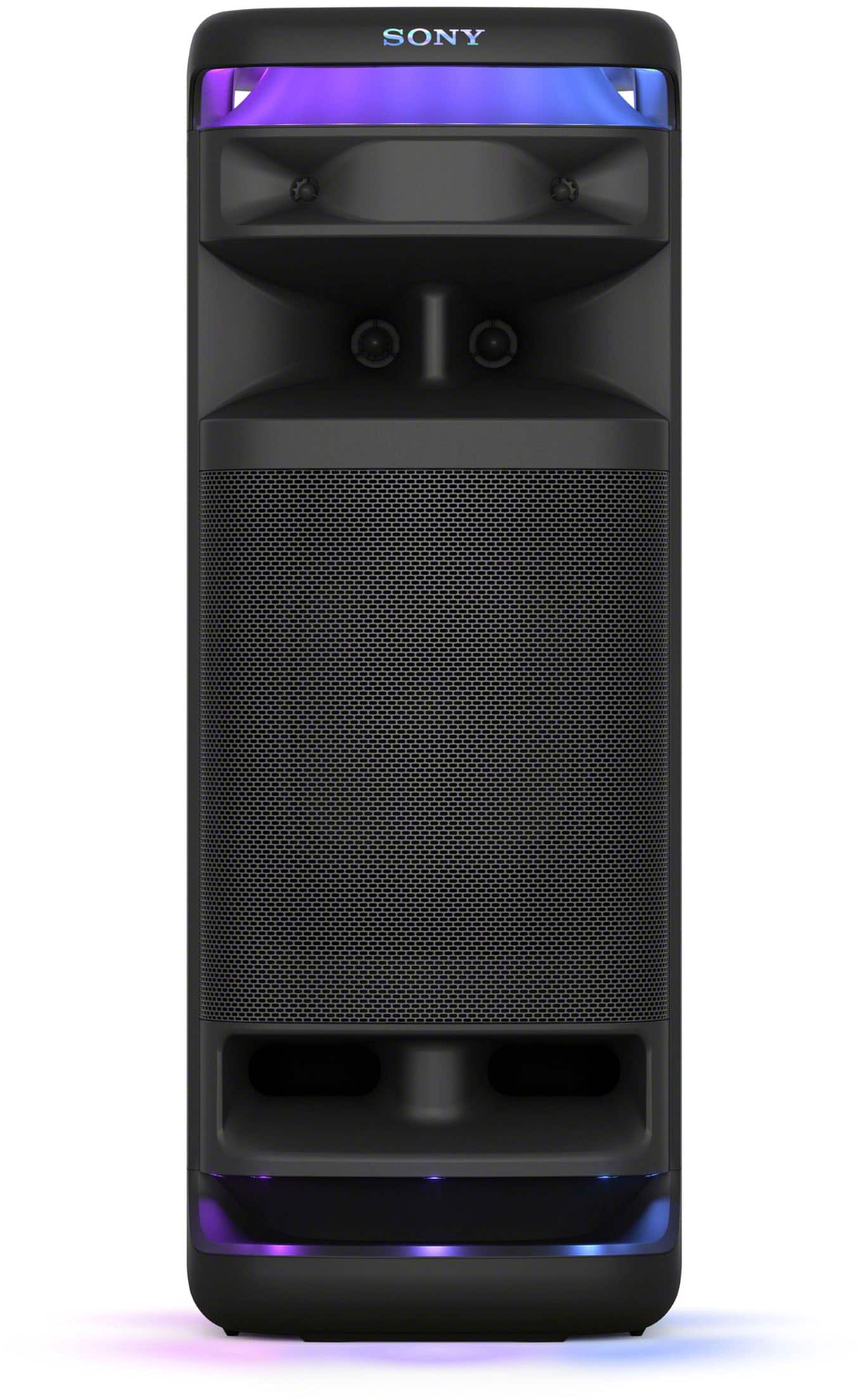
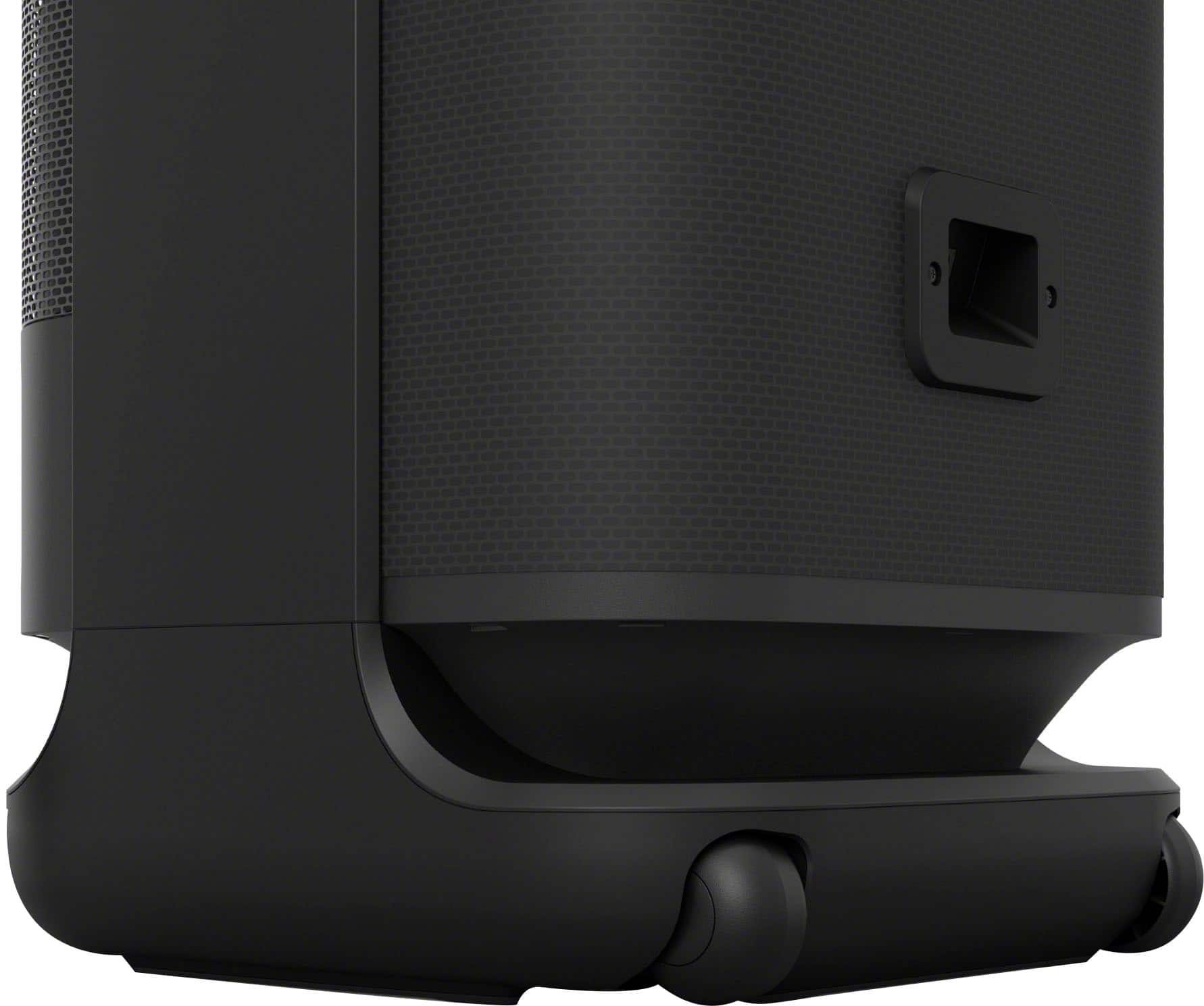
The ULT Tower 10 is an entirely different animal. Standing nearly four feet tall and weighing about 64 pounds, it's designed for fixed installations where maximum output matters more than mobility. The 3-way driver configuration includes a massive 12.6-inch by 12.6-inch X-Balanced woofer—that square footage is crucial for moving the air volume needed for deep, room-filling bass.
Professional measurements show the ULT Tower 10 achieving nearly 110 decibels of clean output. To put that in perspective, that's comparable to a live rock concert or standing next to a chainsaw. Most portable speakers start distorting badly around 95-100 dB, so this is genuinely professional-grade capability.
The 3-way design separates different frequency ranges among specialized drivers. The massive woofer handles deep bass, two 3.25-inch midrange drivers reproduce vocals and instruments, and four 1.6-inch tweeters (two front, two rear) create 360-degree high-frequency coverage. This division of labor allows each driver to operate in its optimal range without compromise.
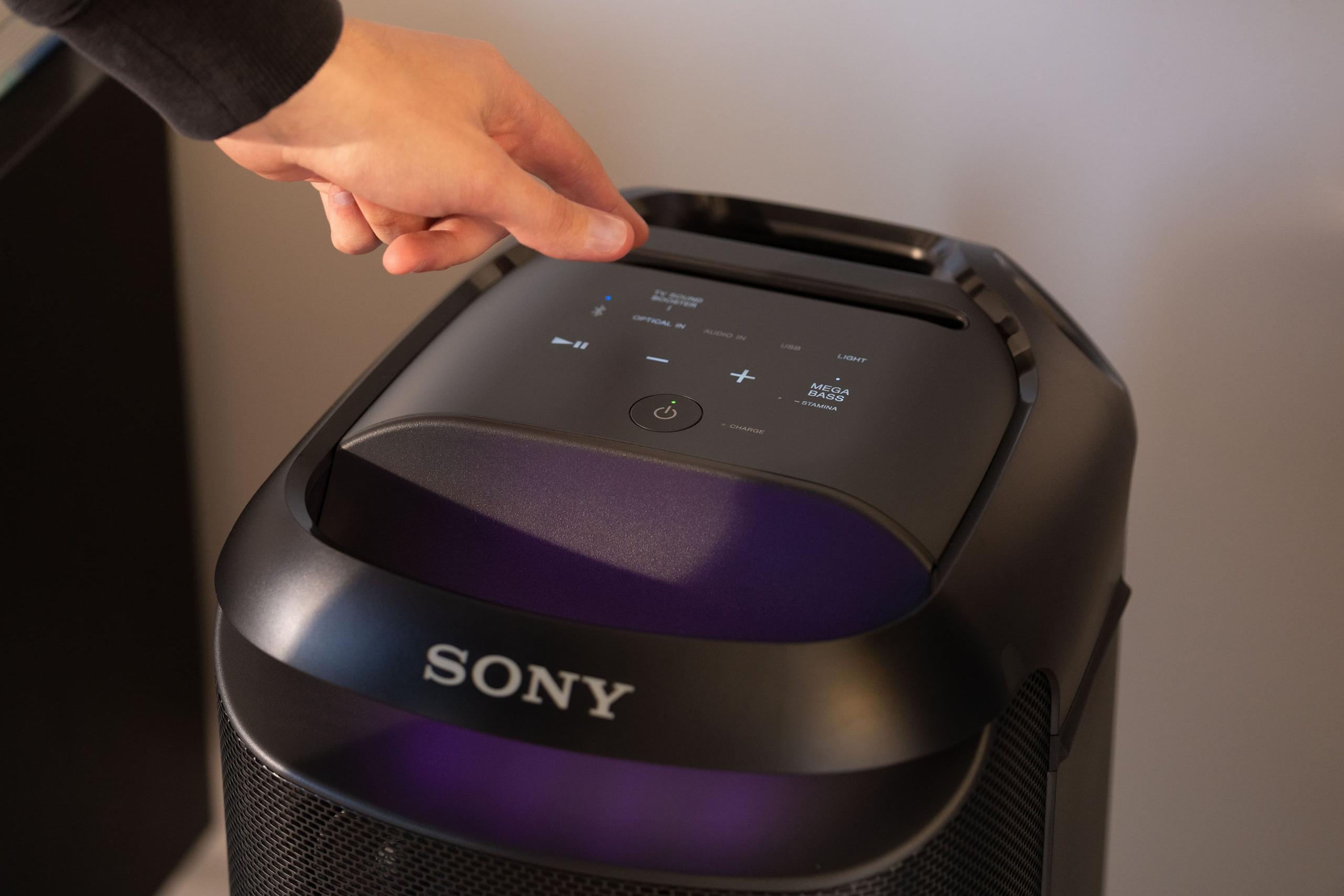
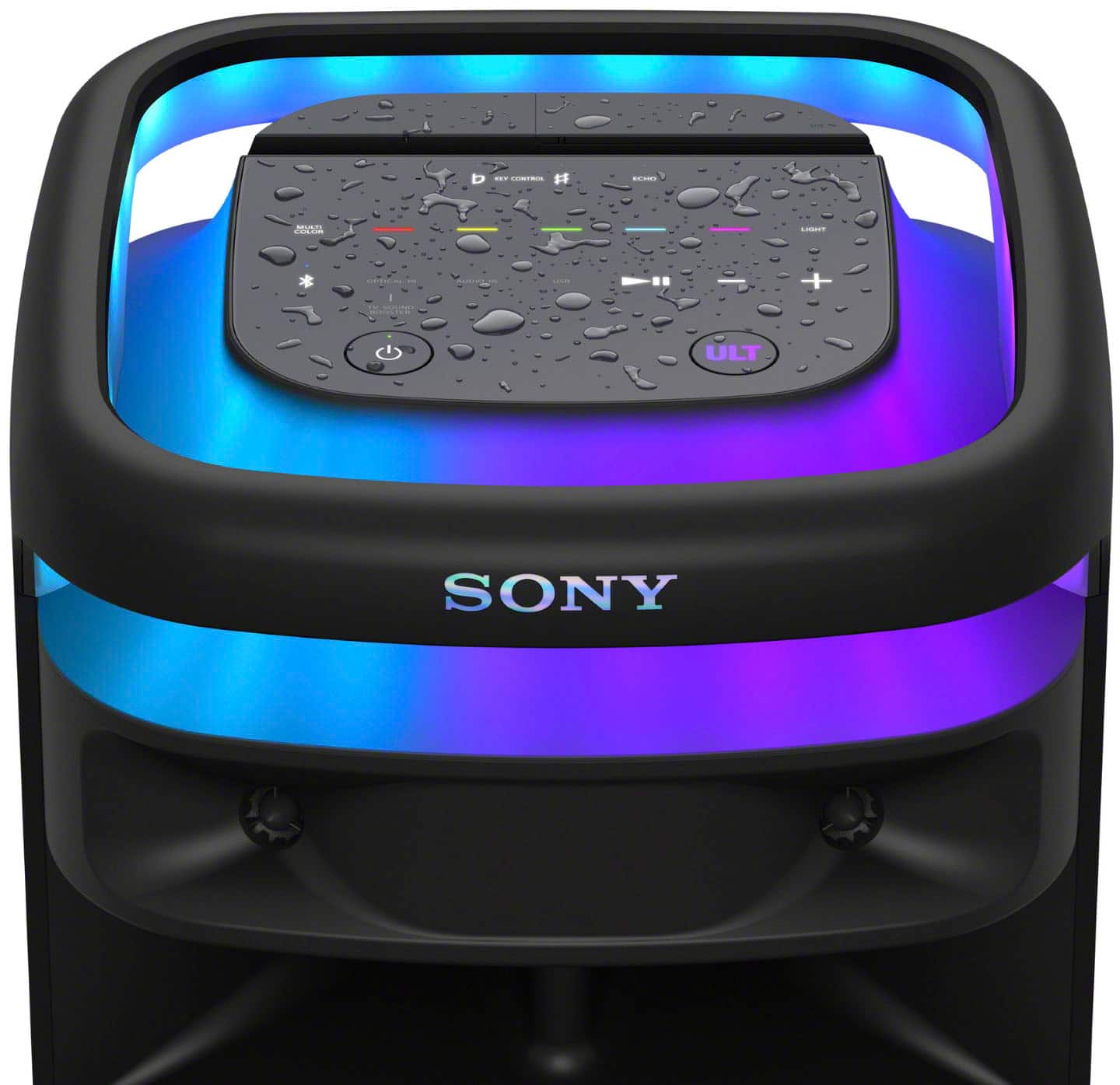
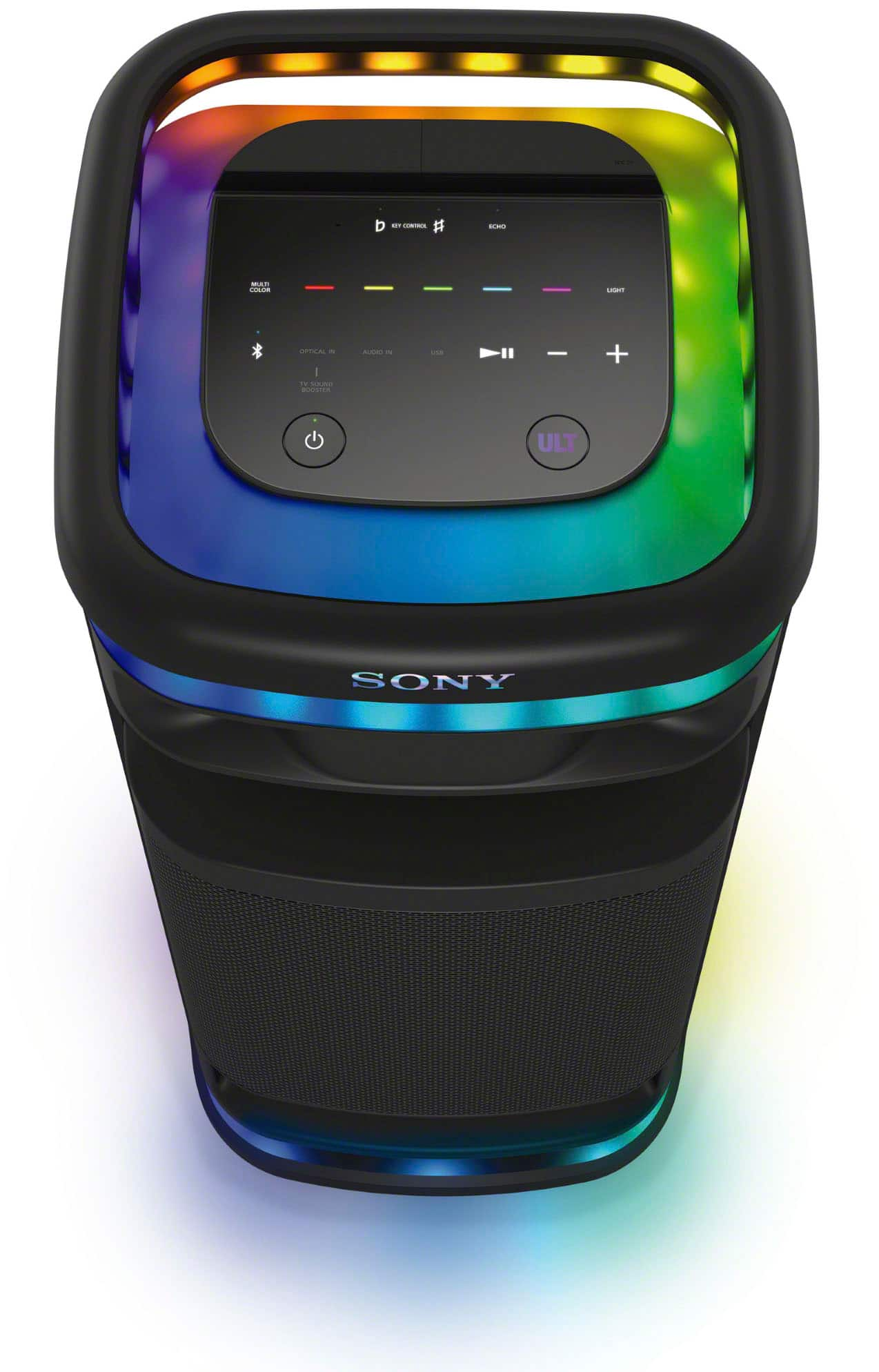
Sony's ULT (Ultimate Low-frequency Technology) button provides two bass enhancement modes. ULT 1 emphasizes the deepest frequencies for hip-hop and electronic music, while ULT 2 boosts the punchier upper bass frequencies that make rock and pop music more exciting. The difference is immediately audible and allows you to tailor the sound to different musical genres.
The ULT Tower 10's Sound Field Optimization uses built-in microphones to analyze your room's acoustics and automatically adjust the sound. This is similar to the room correction found in high-end home theater receivers, but automated for party use. The 7-band equalizer in the Sony Music Center app provides additional fine-tuning control that most users will never need but audio enthusiasts will appreciate.
The ULT Tower 10 is the clear winner for pure output. Its measured 110 dB capability means it can fill large indoor spaces or outdoor areas without strain. The SRS-XV800 doesn't publish maximum SPL figures, but user reports suggest it's powerful enough for medium-sized gatherings—probably maxing out around 95-100 dB based on its 70W RMS amplification and driver configuration.
For most home party scenarios, the XV800 provides plenty of volume. Where you'll notice the difference is in large spaces or outdoor environments where sound has room to dissipate. The ULT Tower 10 maintains clarity and impact at volumes that would leave the XV800 struggling.
Both speakers use Sony's X-Balanced woofer technology, but size matters. The ULT Tower 10's 12.6-inch woofer simply moves more air than the XV800's dual 6.75-inch drivers. Professional reviews consistently rate the ULT Tower 10 as delivering more substantial, room-shaking bass.
However, the XV800 shouldn't be underestimated. Its MEGA BASS mode and passive radiator design deliver impressive low-end for its size. For most residential use, it provides enough bass impact without overwhelming neighbors or rattling pictures off walls.
Interestingly, both speakers receive praise for maintaining relatively natural sound signatures despite their party-focused design. The ULT Tower 10 earned an 8.9/10 rating for tonal balance in professional testing—remarkable for a speaker designed primarily for high-volume use.
The XV800 offers multiple sound modes including Clear Audio+ for more natural reproduction and LIVE SOUND mode for concert-like ambiance. The TV Sound Booster mode optimizes the speaker for movie and gaming audio when connected via optical cable.
This is where the SRS-XV800 shows its versatility advantage. While both speakers offer similar input options, the XV800 provides separate dedicated inputs for microphones and guitars, allowing simultaneous use of multiple audio sources. This makes it more suitable for live performances or complex setups where you need multiple inputs active simultaneously.
The ULT Tower 10 includes a wireless microphone in the box—a nice touch that adds significant value. However, its single combo mic/guitar input limits flexibility compared to the XV800's separate inputs.
The most fundamental difference between these speakers is power source. The SRS-XV800's 25-hour battery life enables truly portable use—beach parties, camping trips, tailgate parties, outdoor weddings, anywhere electrical outlets aren't available or convenient.
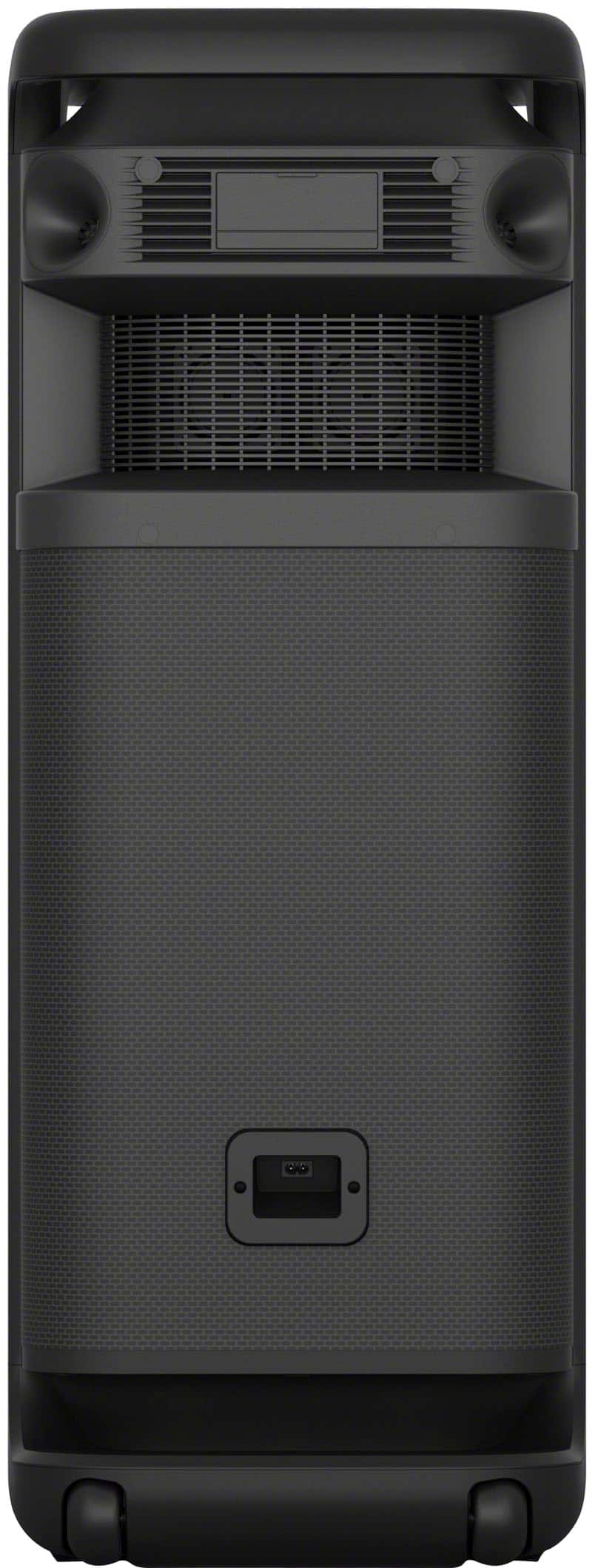
The ULT Tower 10 requires AC power, period. This isn't necessarily a limitation if you're setting up a permanent party space in your basement or if you're using it for indoor events with reliable power access. But it completely eliminates outdoor use unless you have a generator.
From a technical standpoint, AC power allows the ULT Tower 10 to draw much more current for higher output without weight and cost penalties of massive battery systems. Battery-powered speakers must balance power consumption with battery capacity and weight—a compromise the ULT Tower 10 doesn't face.
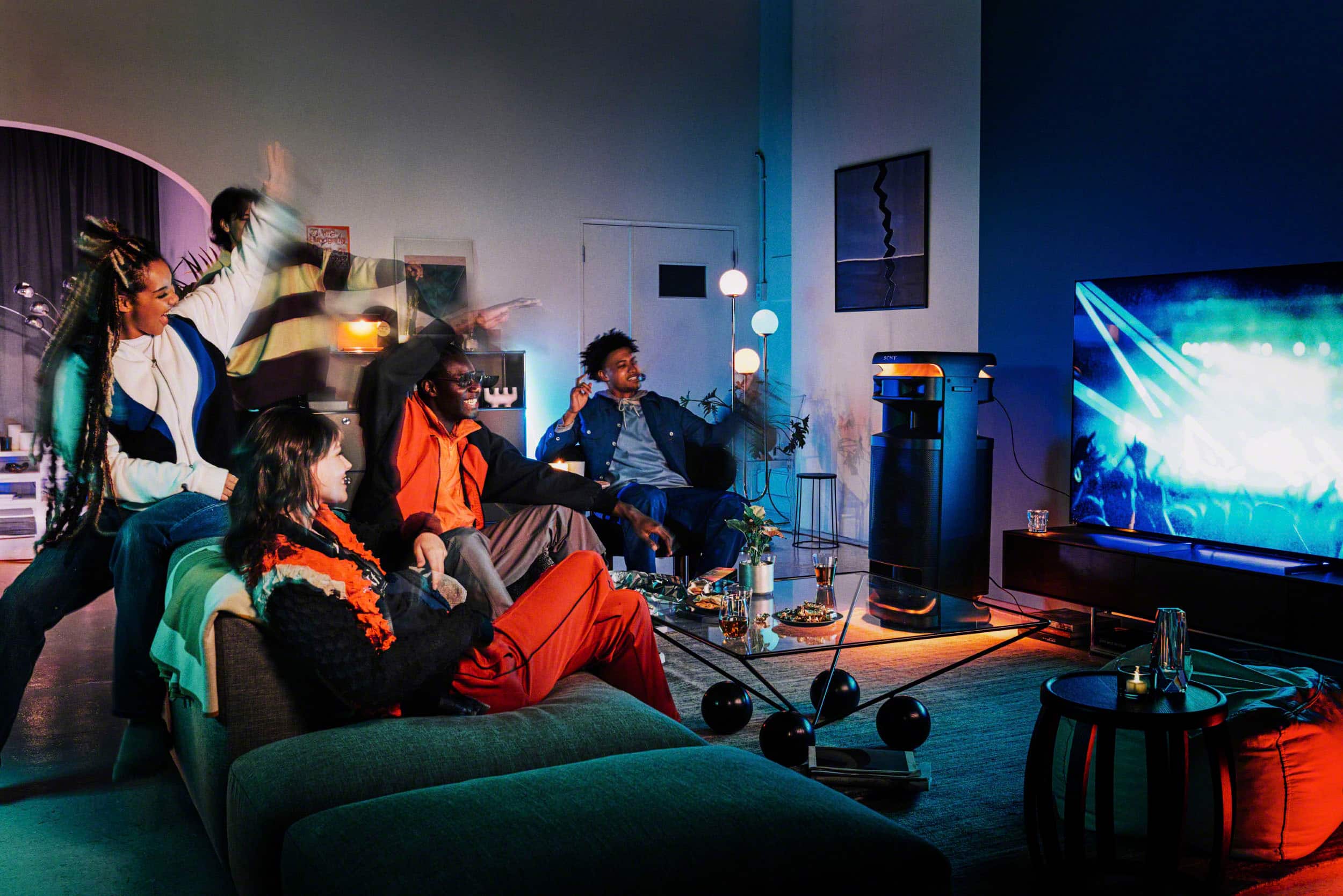
Both speakers can enhance your TV audio, but they approach it differently. The SRS-XV800 works well as a portable soundbar alternative—you can wheel it into your living room for movie night and wheel it out for parties. The optical input provides clean digital audio from your TV, and the TV Sound Booster mode optimizes the frequency response for dialogue clarity and enhanced bass.
The ULT Tower 10 is more like having a permanent audio upgrade. Its larger drivers and higher output capability make it excellent for action movies and gaming where you want visceral bass impact. However, its size and weight make it less practical for temporary setups.
For dedicated home theater use, neither speaker is ideal compared to proper surround sound systems. But if you want one speaker that can handle both TV audio and party duties, both Sony models work well, with the choice depending on your space and portability needs.
At the time of writing, the SRS-XV800 costs significantly less than the ULT Tower 10—roughly $550 difference. This isn't just a price gap; it reflects different target markets and use cases.
The XV800 delivers exceptional value for its versatility. Factor in the battery operation, water resistance, and genuine portability, and you're getting capabilities that would require multiple products to replicate. The long battery life alone justifies much of the cost for users who need portable audio.
The ULT Tower 10 commands premium pricing but delivers performance that justifies the cost if you need maximum output. Professional reviews consistently rate it highly for price-performance despite the higher cost, reflecting the engineering and acoustic performance you're getting.
Consider total cost of ownership beyond the initial purchase. The XV800 works anywhere without additional power infrastructure. The ULT Tower 10 might require electrical upgrades, generator rental for outdoor events, or professional transport for mobile use.
The SRS-XV800 makes sense for anyone who values flexibility over maximum performance. If you host parties in different locations, enjoy outdoor entertaining, or live in an apartment where you can't permanently install a large speaker system, the XV800 provides the best combination of performance and practicality.
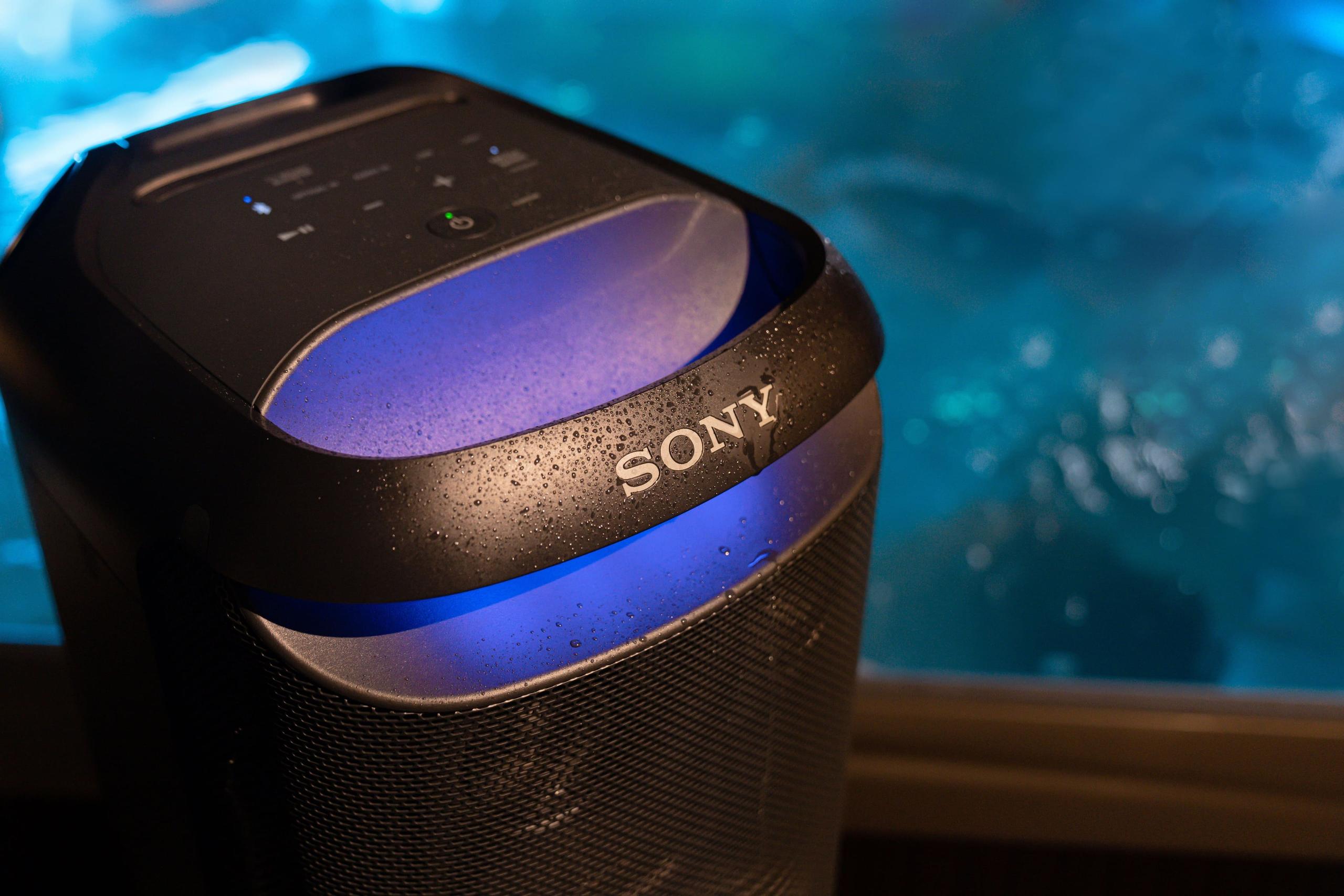
College students, apartment dwellers, outdoor enthusiasts, and anyone who hosts parties at various venues will appreciate the battery operation and manageable size. The water resistance makes it particularly attractive for poolside use or outdoor events where weather might be a concern.
The ULT Tower 10 is for users who prioritize audio performance above all else and have a dedicated space for serious entertaining. Homeowners with finished basements, large living areas, or outdoor spaces with permanent power access will appreciate the acoustic capabilities.
DJs, event planners, or serious audio enthusiasts who want professional-grade performance for home use should consider the ULT Tower 10. Its higher output capability and sophisticated sound processing make it suitable for larger gatherings where audio quality can't be compromised.
After extensive research into user experiences and professional evaluations, it's clear these speakers serve different markets despite superficial similarities. The SRS-XV800 excels at being genuinely portable while delivering impressive performance for its size and power consumption. The ULT Tower 10 prioritizes acoustic performance and maximum output for users who don't need portability.
Most buyers will be happier with the XV800 unless they specifically need the higher output of the ULT Tower 10. The battery operation, lower cost, and versatility make it suitable for more real-world scenarios. However, if maximum volume and bass impact are your priorities, and you have a permanent location for the speaker, the ULT Tower 10 delivers performance that justifies its premium pricing.
The technology improvements in both speakers since their release years have been minimal—mostly firmware updates for app compatibility and bug fixes. Sony got both products right from launch, which speaks to the maturity of the underlying technologies and careful market positioning.
Your choice ultimately depends on whether you value maximum flexibility or maximum performance. Both speakers deliver on their respective promises, making this less about finding the "better" speaker and more about matching the right tool to your specific entertaining needs and lifestyle.
| Sony SRS-XV800 X-Series Party Speaker | Sony ULT Tower 10 Party Speaker |
|---|---|
| Power Source - Critical for venue flexibility and outdoor use | |
| 25-hour rechargeable battery with quick charge | AC power only (no battery operation) |
| Maximum Output - Determines how loud your party can get | |
| 70W RMS (suitable for medium gatherings) | 110 dB measured output (professional concert levels) |
| Weight & Portability - Affects how easily you can move it between venues | |
| 40.8 lbs with wheels and handle (genuinely portable) | 63.9 lbs, 43.6" tall (requires two people to move) |
| Water Resistance - Important for poolside and outdoor parties | |
| IPX4 rating (splash-resistant when vertical) | Basic splash protection only |
| Driver Configuration - Impacts sound quality and bass response | |
| 2-way: 5 tweeters, 2 X-Balanced woofers, passive radiator | 3-way: 4 tweeters, 2 midrange, 1 massive X-Balanced woofer |
| Bass Enhancement Technology - How deep and punchy the low end gets | |
| MEGA BASS button for enhanced bass response | Dual ULT modes (ULT1 for deep bass, ULT2 for punchy bass) |
| Sound Customization - Flexibility to tune audio for different music styles | |
| 3-band custom EQ, multiple sound modes | 7-band EQ, Sound Field Optimization, ULT presets |
| Input Flexibility - How many audio sources you can use simultaneously | |
| Separate mic and guitar inputs with independent volume controls | Single combo mic/guitar input with mode switch |
| Included Accessories - What's in the box affects total value | |
| Optical cable, AC power cord | Wireless microphone with batteries, optical cable, AC cord |
| Bluetooth Audio Quality - Affects wireless streaming fidelity | |
| Bluetooth 5.2 with LDAC, AAC, SBC codecs | Bluetooth 5.2 with LDAC, AAC codecs |
| Party Connect Capability - For linking multiple speakers together | |
| Up to 100 compatible Sony speakers with synchronized lighting | Up to 100 compatible Sony speakers with synchronized lighting |
| Lighting Effects - Visual enhancement for party atmosphere | |
| Programmable LED effects via app control | 360° LED ring with floor lighting, comprehensive app control |
| Best Use Scenarios - Where each speaker truly excels | |
| Outdoor parties, multiple venues, apartment living, portable karaoke | Fixed installations, large indoor spaces, maximum volume requirements |
The Sony SRS-XV800 X-Series Party Speaker is significantly better for outdoor events due to its 25-hour battery life and IPX4 water resistance rating. The Sony ULT Tower 10 Party Speaker requires AC power, making it impractical for outdoor use unless you have a generator. The SRS-XV800 also has wheels and handles for easy transport to different outdoor venues.
The primary difference is power source and portability. The Sony SRS-XV800 X-Series Party Speaker runs on battery power for up to 25 hours and weighs 40.8 pounds with wheels, while the Sony ULT Tower 10 Party Speaker requires wall power, weighs 63.9 pounds, and stands nearly 4 feet tall. This makes the XV800 portable and the ULT Tower 10 a stationary powerhouse.
The Sony ULT Tower 10 Party Speaker delivers significantly more volume, reaching 110 dB output levels compared to the Sony SRS-XV800's 70W RMS rating. The ULT Tower 10 also has superior bass with its massive 12.6-inch woofer and dual ULT bass modes, while the SRS-XV800 uses dual 6.75-inch woofers with MEGA BASS technology.
Both speakers support karaoke, but differently. The Sony ULT Tower 10 Party Speaker includes a wireless microphone in the box and has integrated mic holders. The Sony SRS-XV800 X-Series Party Speaker has separate dedicated microphone and guitar inputs with independent volume controls, offering more flexibility for multiple performers simultaneously.
The Sony SRS-XV800 X-Series Party Speaker offers better overall value due to its lower price point, battery operation, water resistance, and genuine portability. The Sony ULT Tower 10 costs significantly more but delivers professional-grade performance and maximum output for users who need the highest volume levels and don't require portability.
Both speakers can enhance TV audio through optical inputs and dedicated TV sound modes. The Sony SRS-XV800 X-Series Party Speaker works well as a portable soundbar alternative that you can move in and out of your living room. The Sony ULT Tower 10 Party Speaker provides more powerful home theater audio with deeper bass impact for action movies, but its size makes it better suited for permanent installation.
Yes, both the Sony SRS-XV800 and Sony ULT Tower 10 support Sony's Party Connect feature, allowing you to wirelessly link up to 100 compatible Sony speakers together. This synchronizes music playback and lighting effects across all connected speakers. You can also pair two identical units for true stereo separation.
The Sony SRS-XV800 X-Series Party Speaker is much better for apartment living due to its smaller size, battery operation (no need for permanent setup), and moderate volume levels that won't overwhelm small spaces. The Sony ULT Tower 10 Party Speaker is too large and powerful for most apartment environments and may disturb neighbors.
The Sony SRS-XV800 X-Series Party Speaker offers 25 hours of continuous playback with quick-charge capability (3 hours playback from 10-minute charge). The Sony ULT Tower 10 Party Speaker has no battery and requires constant AC power connection, making it unsuitable for locations without electrical outlets.
The Sony ULT Tower 10 Party Speaker offers more advanced sound customization with a 7-band equalizer, Sound Field Optimization technology, and dual ULT bass modes. The Sony SRS-XV800 provides a 3-band EQ, multiple sound modes (MEGA BASS, Clear Audio+, LIVE SOUND), and TV Sound Booster, which is sufficient for most users but less comprehensive.
The Sony ULT Tower 10 Party Speaker is better suited for DJ use with its higher output capability, professional-grade volume levels, and sophisticated app-based DJ effects. The Sony SRS-XV800 X-Series Party Speaker offers more input flexibility with separate mic and guitar inputs, making it versatile for live performances where multiple audio sources need independent control.
For large indoor parties where maximum volume and bass impact are priorities, the Sony ULT Tower 10 Party Speaker is the clear choice with its 110 dB output capability and room-filling 360-degree sound dispersion. However, if you need flexibility to move the speaker between rooms or venues, the Sony SRS-XV800 provides substantial power in a more manageable package.
We've done our best to create useful and informative comparisons to help you decide what product to buy. Our research uses advanced automated methods to create this comparison and perfection is not possible - please contact us for corrections or questions. These are the sites we've researched in the creation of this article: soundandvision.com - crutchfield.com - sciencefocus.com - sony.com - bestbuy.com - bestbuy.com - stereoguide.com - sony-mea.com - soundguys.com - electronics.sony.com - youtube.com - sony.com - youtube.com - device.report - youtube.com - youtube.com - adorama.com - sonylatvija.com - sony.com - stereoguide.com - crutchfield.com - youtube.com - electronics.sony.com - youtube.com - helpguide.sony.net - bestbuy.com - sony.com - us.community.sony.com - youtube.com - sony.com - nfm.com - sony.com - videoandaudiocenter.com - youtube.com

Privacy Policy
Terms and Conditions - Affiliate Policy
Home Security
© Copyright 2008-2026.
11816 Inwood Rd #1211, Dallas, TX 75244