



When it comes to throwing an epic party or bringing music to your next outdoor gathering, the right speaker can make or break the event. Today's party speakers have evolved far beyond simple Bluetooth connectivity – they're entertainment systems packed with karaoke features, light shows, and enough power to fill a backyard or basement with sound. But with so many options available, how do you choose between a genuinely portable option like the Philips TAX5206 and a powerhouse performer like the Sony SRS-XV800?
Both speakers were released in the early 2020s, arriving during a period when party speakers were rapidly evolving to include more sophisticated features. The Sony SRS-XV800 launched in 2023 with advanced audio codecs and app integration, while the Philips TAX5206 focused on practical portability and dedicated karaoke functionality. Since their release, the party speaker market has continued emphasizing battery life, multi-device connectivity, and entertainment features over pure audiophile sound quality.
Understanding what makes a great party speaker requires looking beyond simple specifications. The most important performance characteristics include maximum volume output (how loud it can get), sound quality consistency across volume levels, battery endurance for extended events, and entertainment features that enhance social gatherings. These factors matter more than traditional hi-fi metrics because party speakers serve a fundamentally different purpose than home stereo systems.
The heart of any party speaker lies in its ability to fill space with engaging sound, and this is where the fundamental differences between the Philips TAX5206 and Sony SRS-XV800 become apparent.
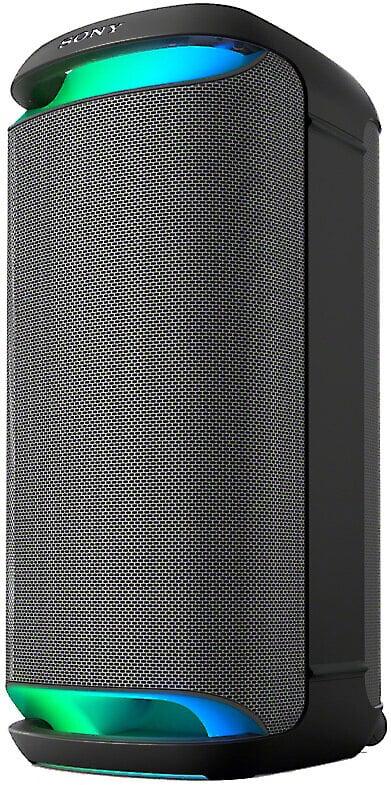
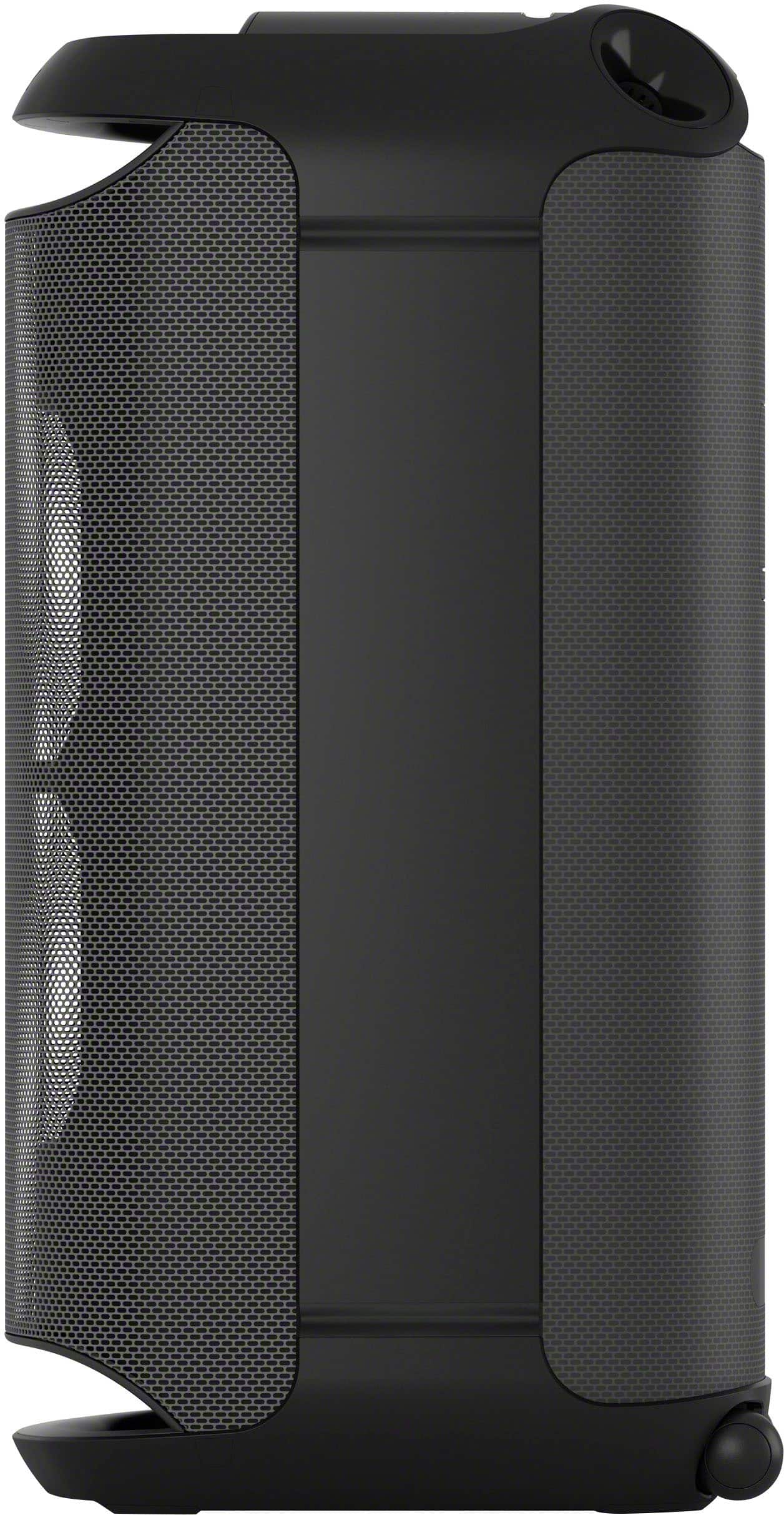
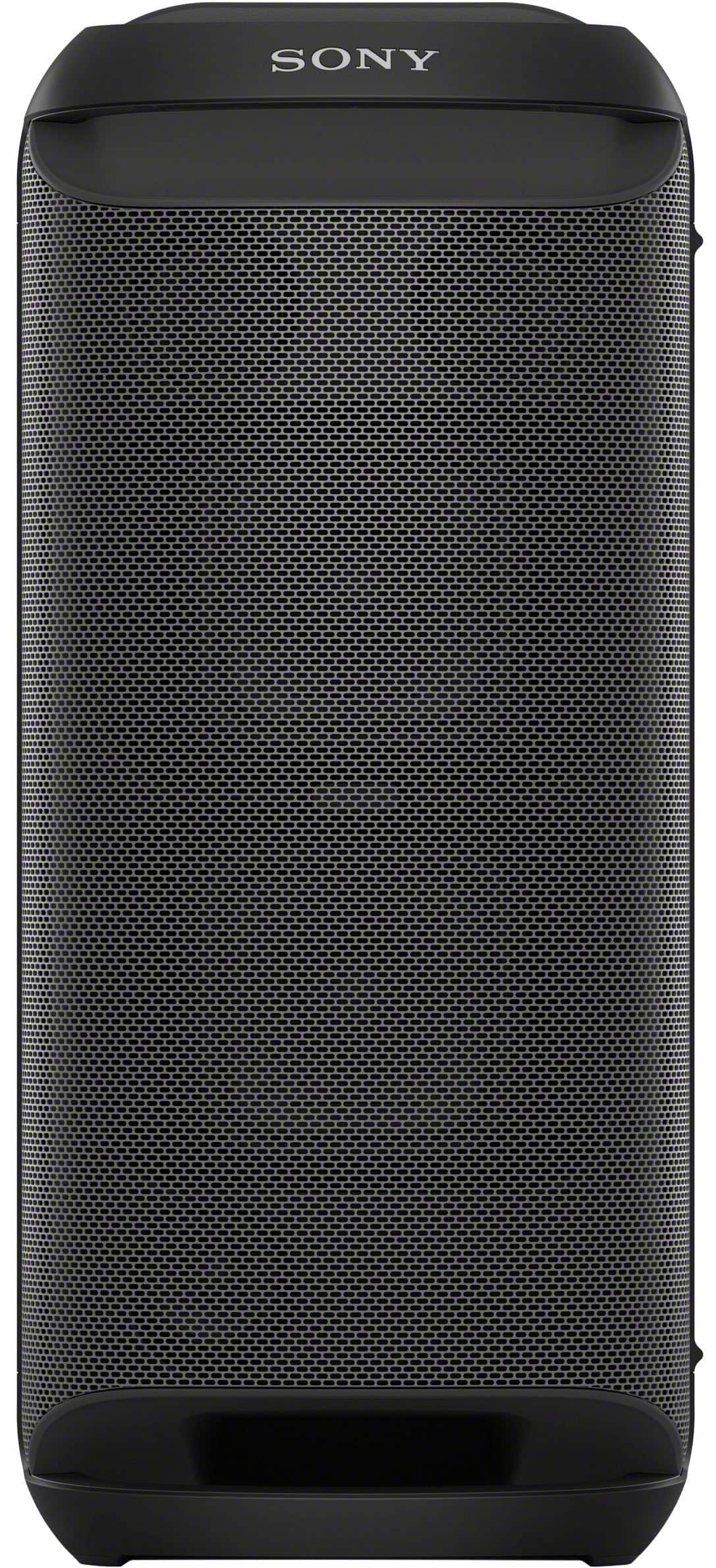
Maximum volume capability separates party speakers from regular Bluetooth speakers, and both models deliver impressive loudness through different approaches. The Sony SRS-XV800 uses a sophisticated driver arrangement with five dome tweeters – three positioned on the front and two on the rear – creating what Sony calls omnidirectional sound projection. This means the speaker radiates high-frequency sound in multiple directions rather than just forward, helping fill rooms more evenly.
Professional reviewers consistently describe the Sony SRS-XV800 as "hideously powerful" with exceptional room-filling capability. The speaker's 70W RMS output might seem modest on paper, but the omnidirectional design and advanced signal processing make it surprisingly effective at energizing large spaces. However, this power comes with a trade-off that's crucial to understand: while the Sony excels at moderate to high volumes, it becomes increasingly bass-heavy as you push toward maximum output, losing the balanced sound signature that makes music enjoyable.
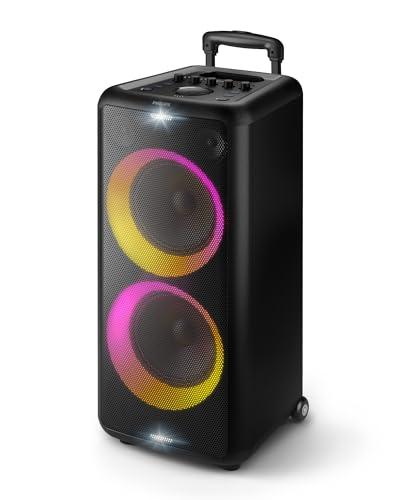
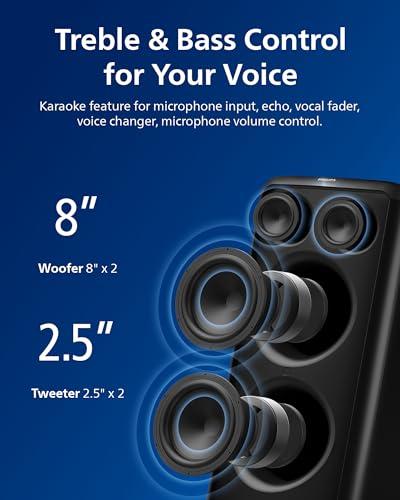
The Philips TAX5206 takes a more straightforward approach with 160W maximum output (80W RMS) through a traditional 2-way speaker design featuring two 8-inch woofers and two 2.5-inch tweeters. Professional reviewers rate its maximum loudness as "extremely loud" – a 10 out of 10 for volume capability. Importantly, the Philips maintains more consistent sound quality across its volume range, though the overall audio fidelity is considered moderate compared to premium alternatives.
This brings us to a critical consideration: sound quality versus maximum output. The Sony SRS-XV800 incorporates X-Balanced speaker technology, where the woofers use rectangular diaphragms instead of traditional circular ones. This design allows for larger surface area within the same speaker cabinet, theoretically producing more sound pressure with less distortion. The technology works particularly well for bass reproduction, with reviewers praising the Sony's deep, punchy low-end response.
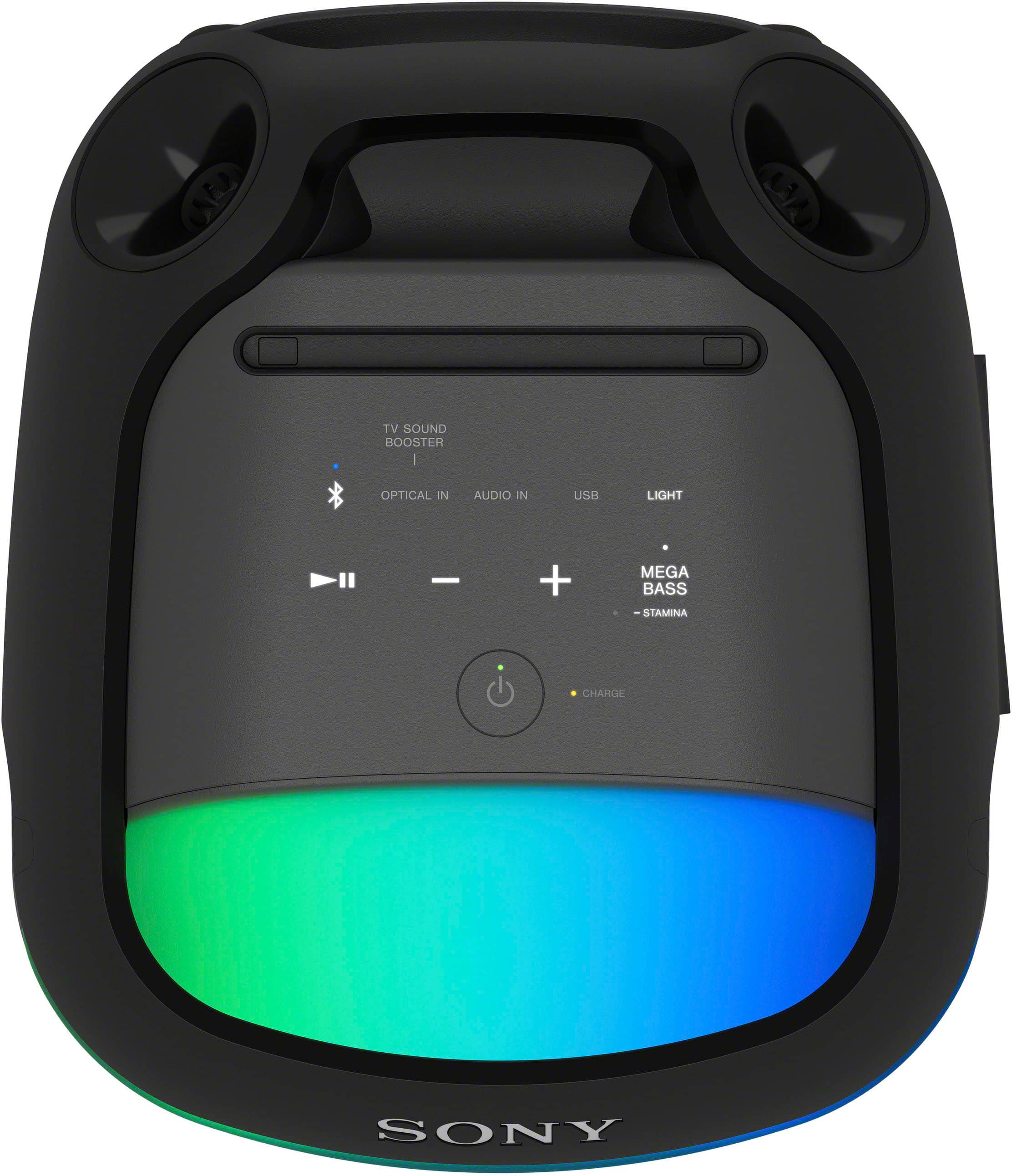
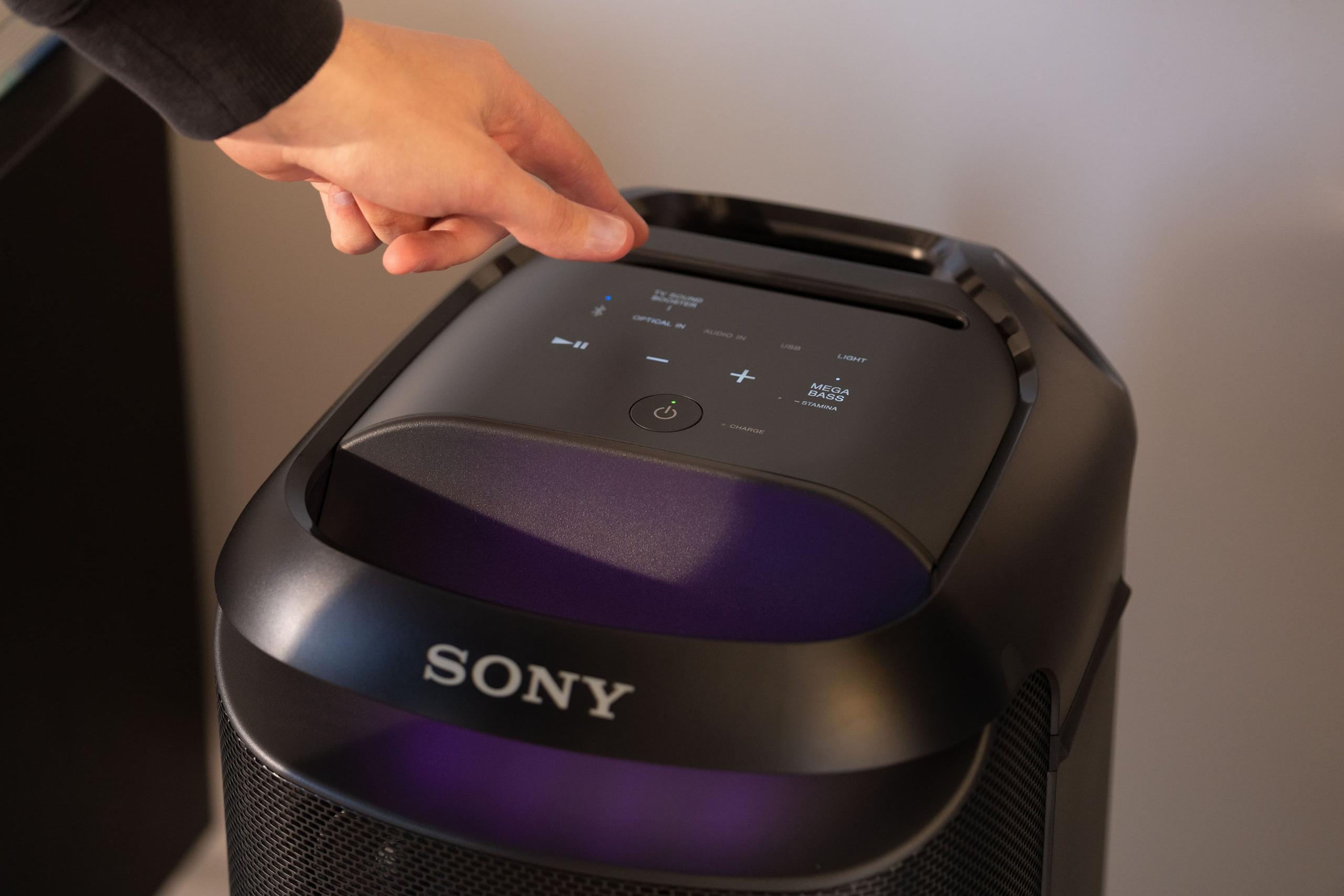
The Sony SRS-XV800 also includes multiple sound enhancement modes accessible through Sony's Music Center app. Clear Audio+ attempts to restore compressed audio details, while DSEE (Digital Sound Enhancement Engine) upscales lower-quality audio files. The MEGA BASS mode provides additional low-end emphasis, though using it can push the speaker further toward that bass-heavy character at high volumes.
In contrast, the Philips TAX5206 relies on physical controls rather than digital processing. Dedicated rotary knobs for bass and treble adjustment provide immediate, tactile control over the sound signature. While this approach lacks the sophistication of the Sony's digital processing, it offers more predictable results and doesn't require smartphone app interaction during parties.
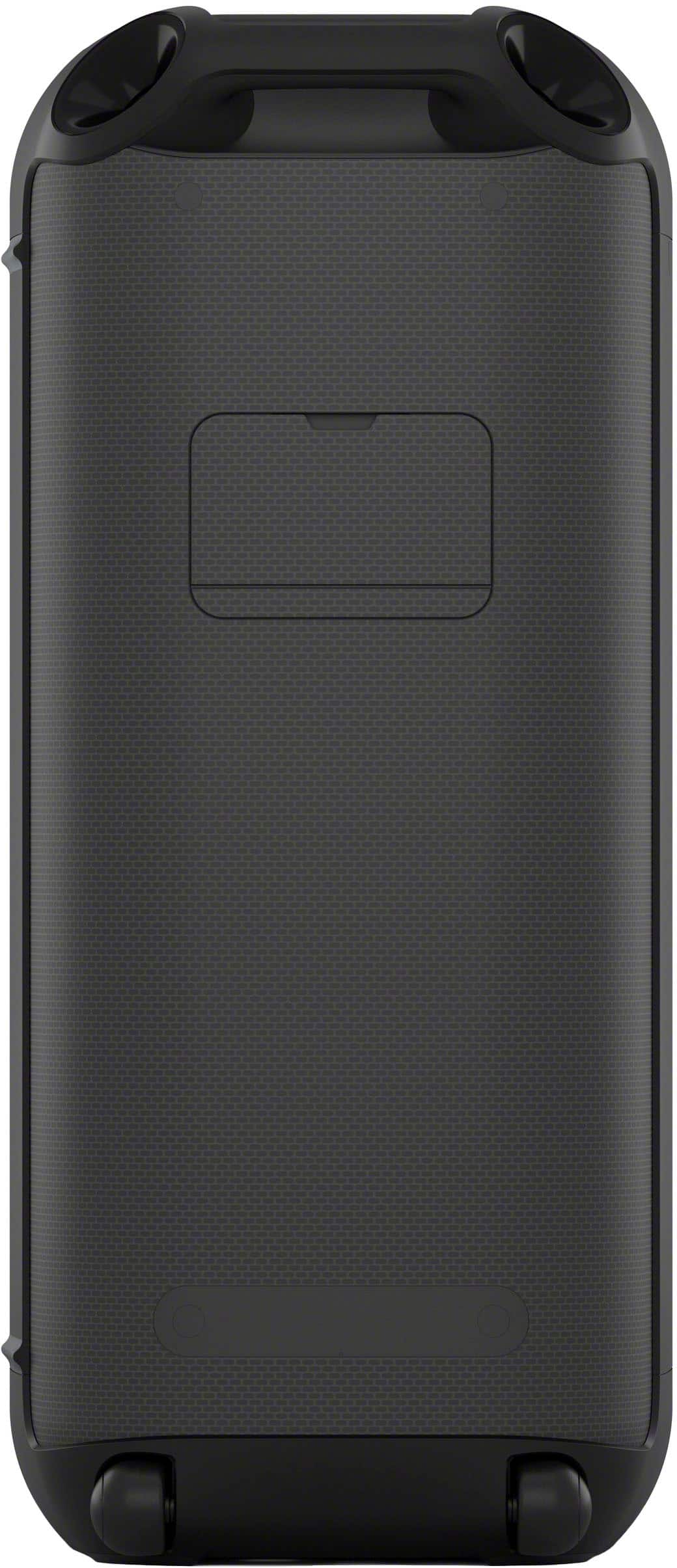
Bass reproduction deserves special attention because it's often what people remember most about party speakers. The Sony SRS-XV800 includes a rear-firing passive bass radiator in addition to its two active woofers. A passive radiator is essentially a woofer without a motor – it moves in response to air pressure changes inside the speaker cabinet, reinforcing bass frequencies without requiring additional amplification. This design contributes to the Sony's impressive low-end extension and impact.
The Philips TAX5206 achieves its bass response through active woofers alone, with reviewers rating the result as adequate but not exceptional. Professional reviews scored the Philips bass performance around 5 out of 10, describing it as "mediocre at best" even with bass controls maximized. This doesn't mean the bass is bad – it's simply less prominent and impactful than what the Sony delivers.
Party speakers live or die by their battery performance, and this category reveals another fundamental difference in design philosophy between these models.
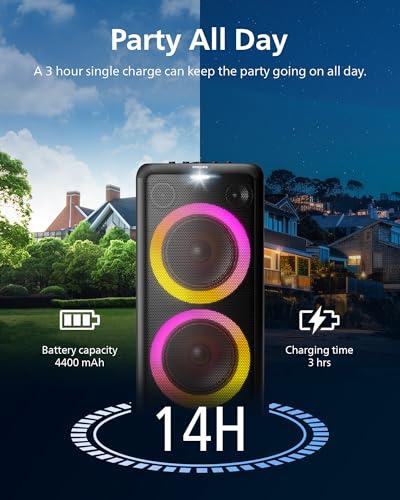
The Sony SRS-XV800 claims an impressive 25 hours of battery life, significantly longer than the Philips TAX5206's 14-hour rating. However, these numbers require context. The Sony's extended runtime comes with caveats – enabling features like MEGA BASS, lighting effects, or maximum volume will reduce actual playtime. The speaker includes a STAMINA mode that automatically disables power-hungry features to extend battery life, but this defeats the purpose of having those features available.
The Philips TAX5206 provides more consistent performance across its 14-hour rating. Professional reviewers noted that the speaker performs noticeably better when plugged into AC power compared to battery operation, but the difference is less dramatic than with some competitors. The 3-hour charging time matches the Sony's full charge duration.
Both speakers support playback while charging, which is essential for extended events. The Sony SRS-XV800 includes quick charging capability, providing up to 3 hours of playtime from just a 10-minute charge – a feature that could save a party when you've forgotten to charge the speaker beforehand.
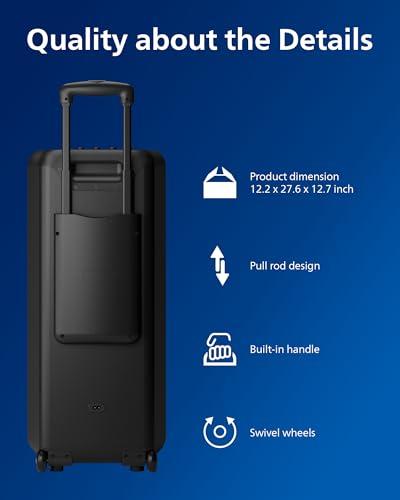
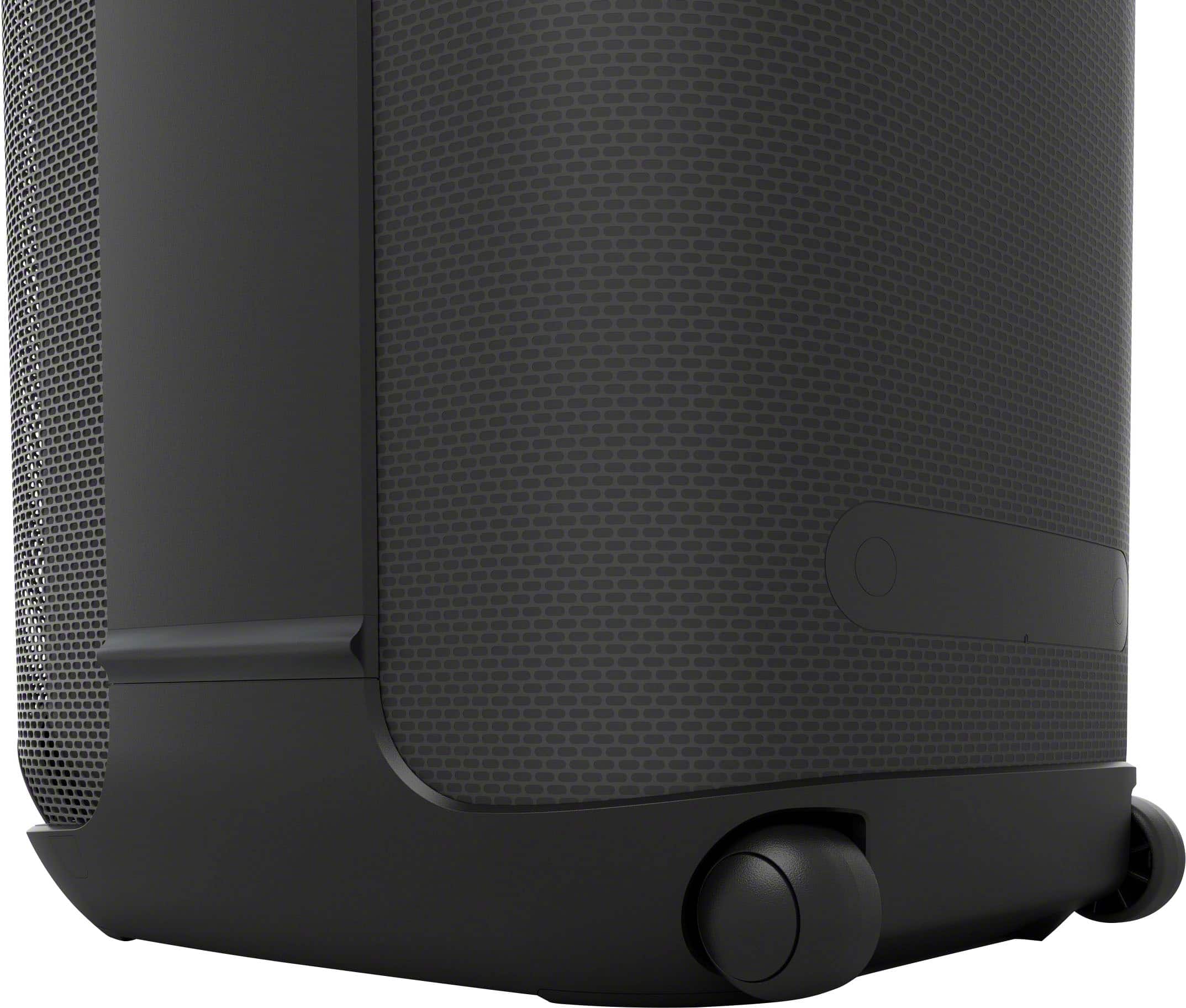
Here's where specifications meet reality: the Philips TAX5206 weighs 10.52kg (about 23 pounds), while the Sony SRS-XV800 tips the scales at 18.5kg (roughly 41 pounds). Both include wheels and handles, but the weight difference is substantial enough to affect real-world usability.
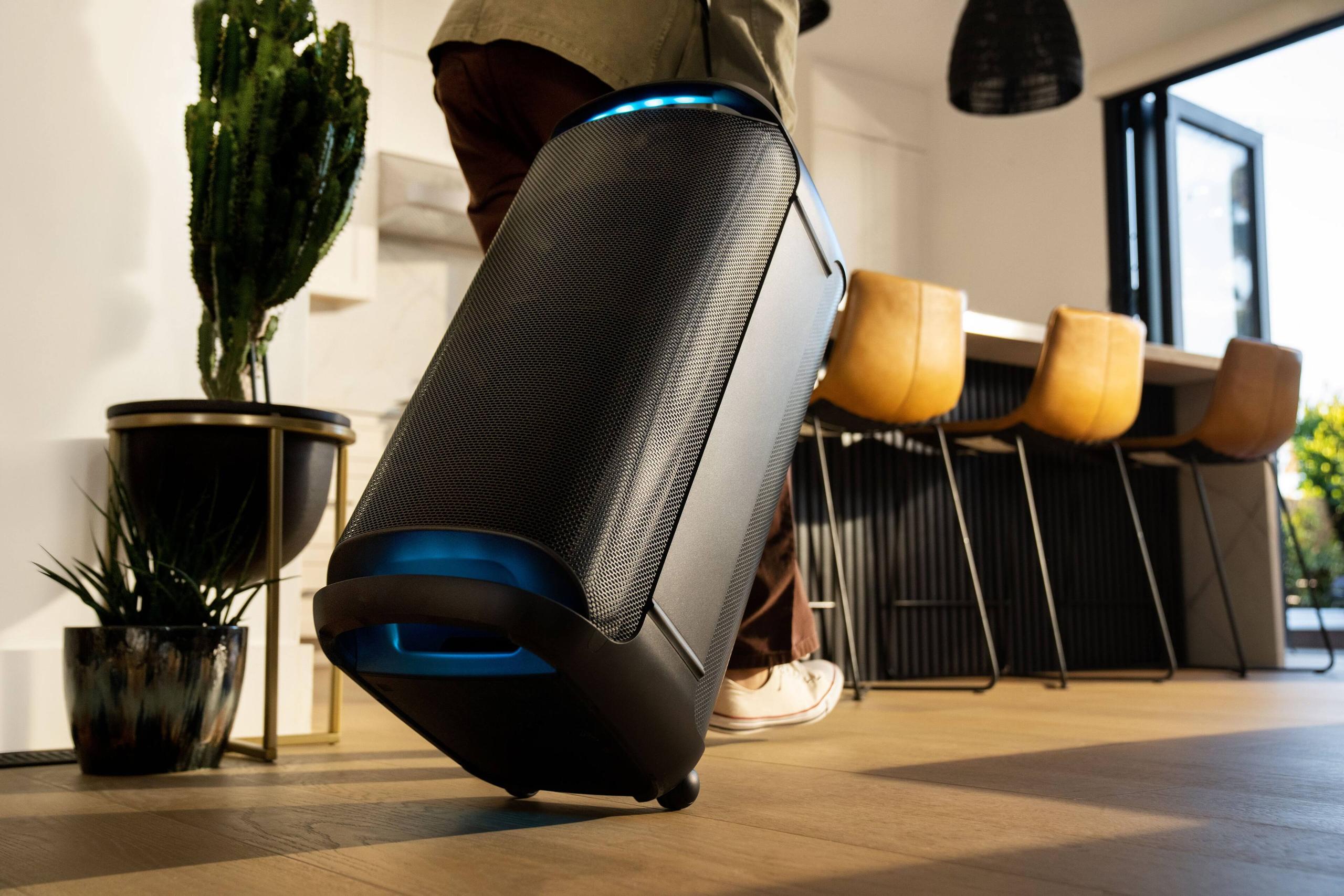
The Philips TAX5206 uses a genuine trolley design that makes it practical for one person to transport between locations. The speaker's proportions and weight distribution work well for navigating stairs, doorways, and uneven terrain. This design choice reflects Philips' focus on practical portability for users who frequently move their speaker between venues.
The Sony SRS-XV800's weight has drawn criticism from reviewers who question whether calling it "portable" is accurate. At 41 pounds, moving the speaker requires significant effort even with wheels. This weight comes from the larger drivers, more substantial cabinet construction, and bigger battery needed to power the Sony's advanced features for 25 hours.
Modern party speakers function as entertainment hubs, and both models include features designed to enhance social gatherings beyond simple music playback.
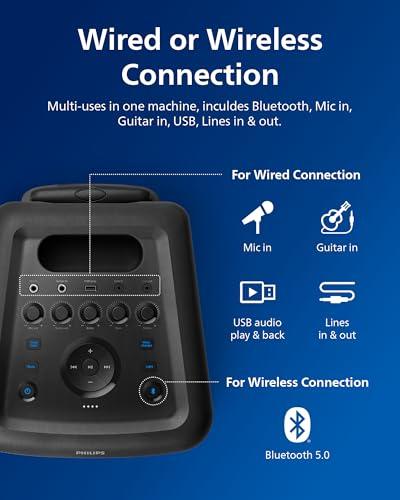
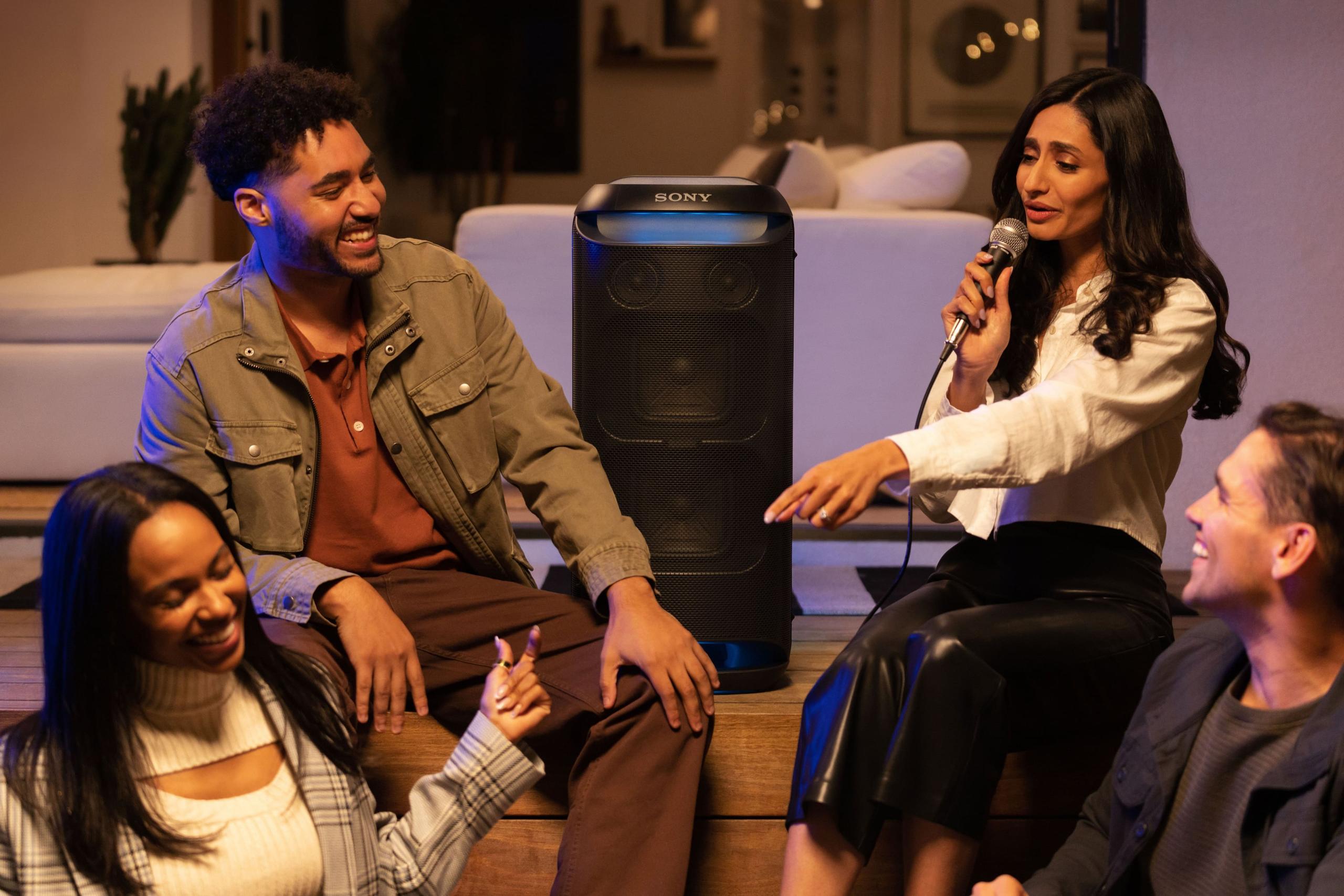
The Philips TAX5206 positions itself as a dedicated karaoke machine with comprehensive vocal processing features. The speaker includes separate 6.3mm inputs for microphone and guitar, each with independent volume controls. More importantly, it offers echo control, vocal fader, and voice changer effects specifically designed for karaoke performance. The vocal fader can reduce or eliminate existing vocals from songs, while the voice changer adds effects to make singing more entertaining.
These features transform the Philips TAX5206 into a complete karaoke system suitable for parties where singing is a primary activity. The dedicated controls and processing mean users don't need additional equipment or complex setup procedures – plug in a microphone and start singing.
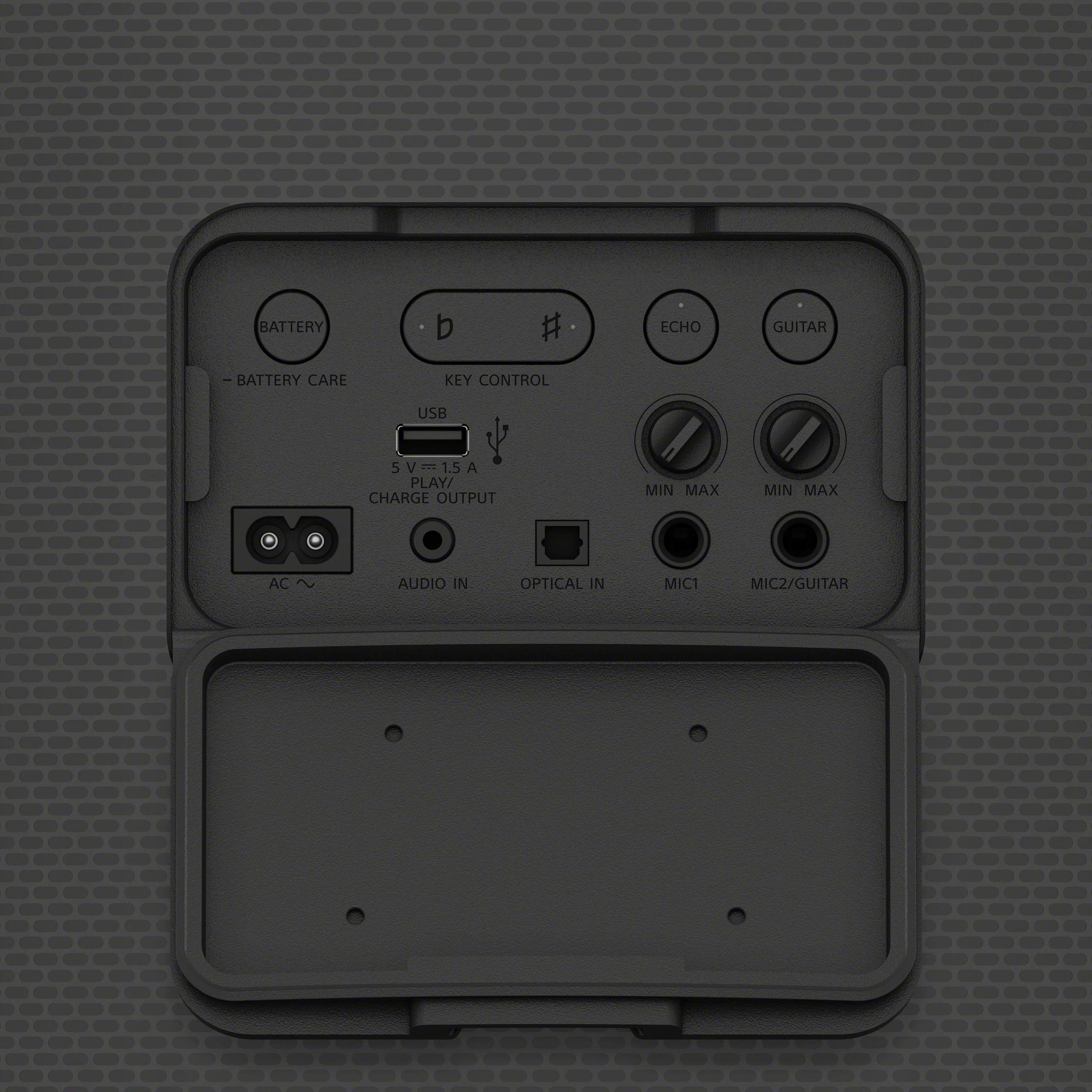
The Sony SRS-XV800 also supports microphone and guitar inputs, but with a different focus. Rather than dedicated karaoke processing, the Sony functions more like a portable PA system or guitar amplifier. The audio quality through these inputs is higher than the Philips, making it suitable for more serious musical performance or presentations. However, it lacks the specialized vocal effects that make karaoke entertaining for casual users.
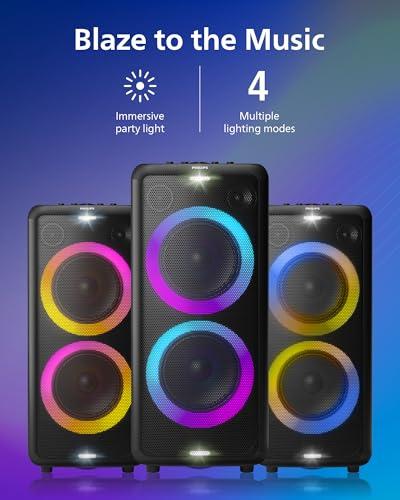
Both speakers include programmable LED lighting, but with different approaches. The Philips TAX5206 features a ring of colored lights around the speaker that pulse in synchronization with music playback. Users can select from four different lighting modes plus strobe effects, all controlled through buttons on the speaker itself.
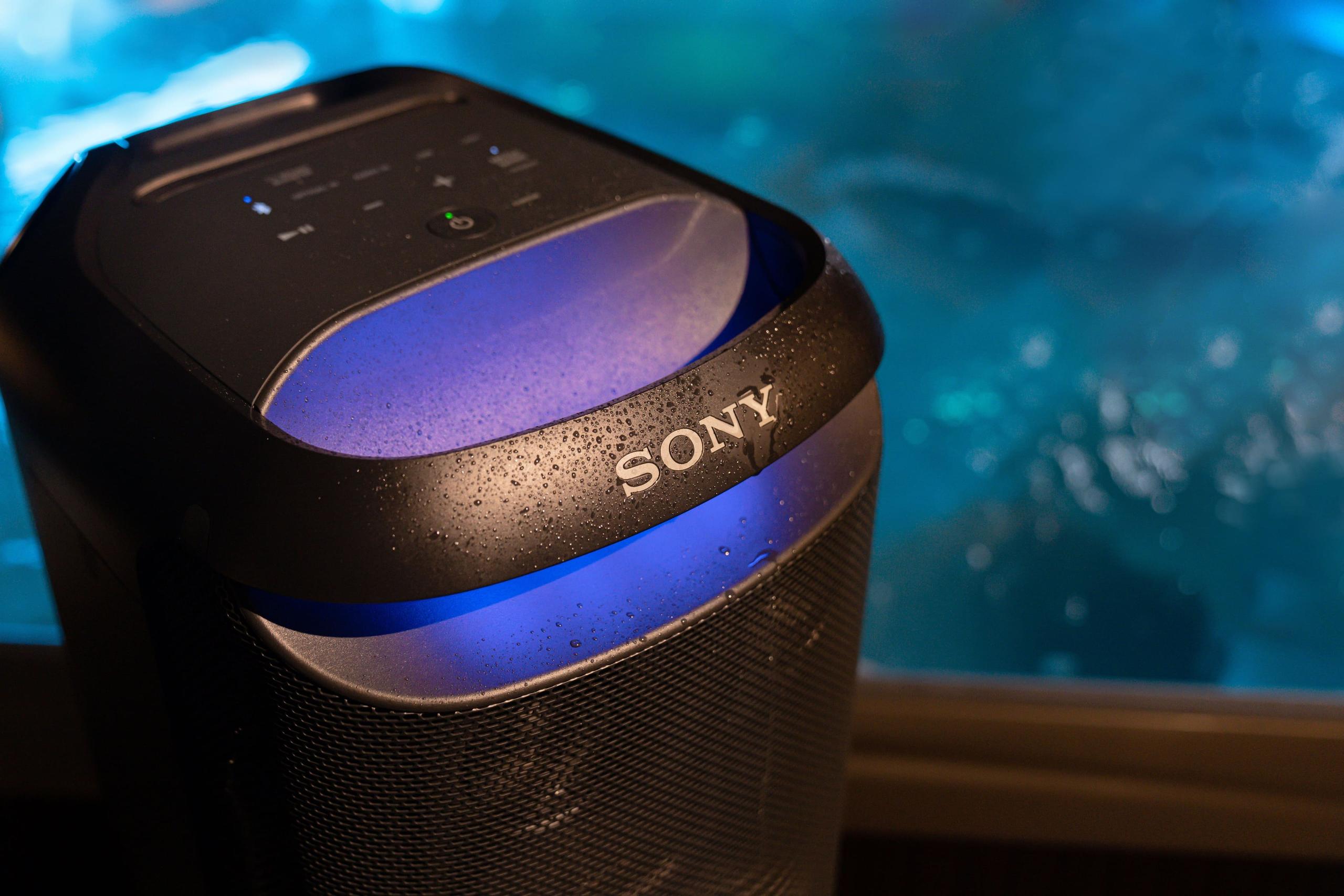
The Sony SRS-XV800 takes a more sophisticated approach with programmable LED ambient lighting controlled through Sony's Fiestable app. The lighting system offers more customization options and can create more complex light shows, but requires smartphone interaction for full functionality. Professional reviewers describe the Sony's lighting as "understated but effective" compared to some competitors with more aggressive light shows.
Modern party speakers need to connect to multiple audio sources, and both models offer comprehensive connectivity beyond basic Bluetooth. The Philips TAX5206 includes USB playback supporting MP3, WAV, WMA, and FLAC formats, plus 3.5mm line input and output connections. The line output enables connecting to additional speakers or amplifiers, while the USB port doubles as a 5V/1A power bank for charging devices.
The Sony SRS-XV800 elevates connectivity with support for advanced Bluetooth codecs including LDAC, which transmits significantly more audio data than standard Bluetooth compression. LDAC can improve sound quality when streaming from compatible devices, though most smartphones and tablets don't support this codec. The speaker also includes optical digital input for connecting to TVs, with a dedicated TV Sound Booster mode that enhances dialogue clarity and bass response for movies and shows.
Perhaps most impressively, the Sony SRS-XV800 supports Party Connect functionality, allowing users to wirelessly link up to 100 compatible Sony speakers together with synchronized music and lighting. While few people need 100 speakers, the ability to pair two Sony SRS-XV800 units for true stereo separation or connect multiple speakers for larger venues provides genuine utility.
At the time of writing, the Philips TAX5206 positioned itself as a mid-range option while the Sony SRS-XV800 commanded premium pricing, typically costing about 60% more than the Philips. This price difference reflects fundamental differences in target users and design priorities.
The Philips TAX5206 delivers exceptional value for users prioritizing karaoke functionality and genuine portability. Its dedicated vocal processing features would require additional equipment with other speakers, while the trolley design enables use cases that the heavier Sony simply can't accommodate. For users hosting regular karaoke nights or frequently moving their speaker between locations, the Philips provides functionality that's difficult to replicate with alternatives.
The Sony SRS-XV800's premium pricing reflects advanced audio technology, sophisticated connectivity options, and superior build quality. The X-Balanced woofer technology, LDAC codec support, and multi-speaker pairing capabilities justify the higher cost for users who value audio performance and advanced features. The longer 25-hour battery life and professional-grade input quality also contribute to the value proposition for serious users.
Both speakers represent different approaches to long-term value. The Philips TAX5206's simpler design and physical controls suggest potentially greater longevity – there are fewer complex components to fail, and operation doesn't depend on smartphone apps that might become obsolete. The replaceable components and straightforward repair access also favor long-term ownership.
The Sony SRS-XV800's advanced features require more complex internal components and software integration, potentially creating more failure points over time. However, Sony's reputation for build quality and the speaker's professional-grade construction suggest it's designed for extended use. The app-dependent features could become problematic if Sony discontinues software support in future years.
While both speakers are designed primarily for entertainment and parties, they can serve double duty in home theater applications, though with different strengths.
The Sony SRS-XV800 includes specific features for TV audio enhancement. The optical digital input allows direct connection to TVs, while the TV Sound Booster mode is specifically tuned to improve dialogue clarity and add bass impact to movies and shows. The speaker's omnidirectional sound design can provide a more immersive experience than traditional soundbars, particularly in larger rooms. However, the 41-pound weight means it's not practical for users who want to move the speaker between rooms regularly.
The Philips TAX5206 lacks dedicated TV integration features but can connect via 3.5mm audio input or Bluetooth. The lighter weight makes it more practical for users who want to move the speaker between entertainment areas, though the audio processing isn't optimized for movie dialogue like the Sony's dedicated mode.
For dedicated home theater use, neither speaker replaces a proper surround sound system, but both can significantly enhance TV audio compared to built-in speakers while maintaining the flexibility for party use.
After extensive research into professional reviews and user feedback, clear patterns emerge about who should choose each speaker.
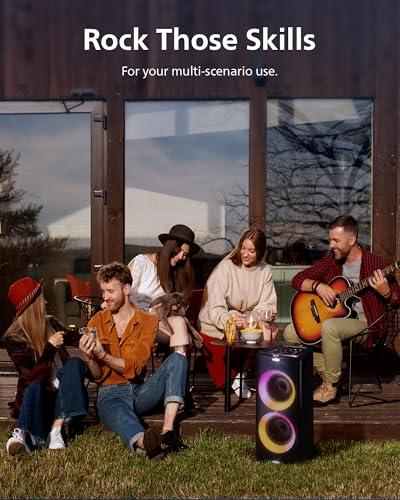
Choose the Philips TAX5206 if you prioritize genuine portability and karaoke entertainment. The 23-pound weight and trolley design make it practical for users who regularly transport their speaker to different venues – beach trips, backyard barbecues, or friend's houses. The dedicated karaoke features eliminate the need for additional equipment, making it ideal for users who view singing as an essential party element. The moderate pricing makes it accessible for users who want party speaker functionality without premium costs.
The Sony SRS-XV800 suits users who prioritize maximum audio performance and advanced connectivity over portability. The 41-pound weight relegates it to stationary or semi-permanent installations, but the superior audio output, longer battery life, and sophisticated features justify this limitation for serious users. The premium pricing reflects advanced technology that audiophile-minded users will appreciate, particularly the LDAC codec support and multi-speaker pairing capabilities.
Consider your typical use scenarios carefully. If you frequently host outdoor gatherings, need to move your speaker regularly, or want dedicated karaoke functionality, the Philips TAX5206 provides better practical value. If you have a dedicated entertainment space, prioritize audio quality, or want professional-grade features, the Sony SRS-XV800 delivers superior performance despite the weight and cost premium.
Both speakers represent solid choices within their respective target markets, but understanding these fundamental differences ensures you'll choose the model that best matches your actual needs rather than just impressive specifications.
| Philips TAX5206 | Sony SRS-XV800 |
|---|---|
| Maximum Power Output - Determines how loud your parties can get | |
| 160W max (80W RMS) - loud enough for most gatherings | 70W RMS - sounds louder due to omnidirectional design |
| Weight and True Portability - Critical for moving between venues | |
| 23 lbs (10.52kg) with trolley design - genuinely portable | 41 lbs (18.5kg) with wheels - requires significant effort to move |
| Battery Life - How long your party lasts without power | |
| 14 hours consistent performance | 25 hours (varies significantly with features enabled) |
| Driver Configuration - Affects sound quality and coverage | |
| 2x 8" woofers, 2x 2.5" tweeters (forward-firing) | 5 tweeters (3 front, 2 rear), 2x 6.69" X-Balanced woofers (omnidirectional) |
| Karaoke Features - Essential for sing-along entertainment | |
| Dedicated vocal processing with echo, voice changer, vocal fader | Basic mic/guitar inputs without specialized karaoke effects |
| Sound Quality Consistency - How well it sounds at different volumes | |
| Maintains balance across volume range (moderate overall quality) | Excellent at moderate volumes, becomes bass-heavy at maximum |
| Bluetooth Audio Quality - Affects wireless streaming performance | |
| Bluetooth 5.0 with SBC codec (standard quality) | Bluetooth 5.2 with LDAC, AAC, SBC (high-resolution capable) |
| Multi-Speaker Connectivity - For larger venues or stereo sound | |
| Basic multipoint pairing | Party Connect (up to 100 speakers), stereo pairing |
| Physical Controls vs App Dependency - User experience during parties | |
| Rotary knobs for immediate bass/treble adjustment | Advanced features require Sony Music Center app |
| Water Resistance - Important for outdoor and poolside use | |
| No specified rating (indoor/covered use recommended) | IPX4 when vertical, IPX2 horizontal (splash resistant) |
| TV Integration - Doubles as soundbar alternative | |
| 3.5mm input or Bluetooth only | Optical input with dedicated TV Sound Booster mode |
| Charging Speed - How quickly you can get back to the party | |
| 3 hours for full charge | 3 hours full charge, 10-minute quick charge for 3 hours playback |
| Value Proposition - What you get for your investment | |
| Excellent for karaoke-focused users prioritizing portability | Premium features and audio quality for stationary/semi-permanent setups |
The Sony SRS-XV800 sounds louder in most real-world situations despite lower power specs, thanks to its omnidirectional sound design that fills rooms more evenly. While the Philips TAX5206 has higher maximum wattage (160W vs 70W RMS), the Sony's advanced driver configuration and signal processing make it more effective at energizing large spaces.
The Philips TAX5206 is specifically designed for karaoke with dedicated vocal processing features including echo control, voice changer, and vocal fader effects. The Sony SRS-XV800 has mic inputs but lacks specialized karaoke processing, making the Philips the clear winner for sing-along entertainment.
The Sony SRS-XV800 offers up to 25 hours of battery life compared to the Philips TAX5206's 14 hours. However, the Sony's runtime varies significantly based on volume and features used, while the Philips provides more consistent performance throughout its battery cycle.
The Philips TAX5206 is genuinely portable at 23 pounds with a trolley design, making it easy for one person to transport. The Sony SRS-XV800 weighs 41 pounds and requires significant effort to move despite having wheels, making it better suited for semi-permanent setups.
The Sony SRS-XV800 excels for TV use with a dedicated optical input and TV Sound Booster mode that enhances dialogue and adds bass to movies. The Philips TAX5206 can connect to TVs via Bluetooth or aux input but lacks TV-specific audio processing features.
The Sony SRS-XV800 delivers superior sound quality with advanced audio processing, LDAC codec support, and X-Balanced woofer technology. The Philips TAX5206 provides adequate sound quality that's more consistent across volume levels, though it lacks the Sony's audio sophistication.
The Sony SRS-XV800 supports Party Connect to link up to 100 compatible Sony speakers wirelessly, plus stereo pairing between two units. The Philips TAX5206 offers basic multipoint Bluetooth pairing but lacks advanced multi-speaker connectivity features.
The Philips TAX5206 offers exceptional value for users prioritizing karaoke features and true portability at a lower price point. The Sony SRS-XV800 justifies its premium pricing with superior audio technology, longer battery life, and advanced connectivity options for serious audio enthusiasts.
The Sony SRS-XV800 has IPX4 water resistance when positioned vertically, making it splash-resistant for poolside use. The Philips TAX5206 has no specified water resistance rating, so it's best kept away from water and used in covered outdoor areas.
Both the Philips TAX5206 and Sony SRS-XV800 take about 3 hours for a full charge. However, the Sony offers quick charging that provides 3 hours of playback from just a 10-minute charge, which can be a party-saver when you've forgotten to charge beforehand.
The Sony SRS-XV800 delivers significantly better bass performance with X-Balanced woofers and a passive bass radiator, plus a dedicated MEGA BASS button for extra low-end impact. The Philips TAX5206 provides adequate but less impressive bass that reviewers rate as moderate compared to the Sony's powerful low-frequency response.
The Philips TAX5206 features physical rotary knobs for immediate bass, treble, and volume adjustments without needing a phone. The Sony SRS-XV800 requires the Sony Music Center app for advanced features, though it does have basic physical controls for essential functions.
We've done our best to create useful and informative comparisons to help you decide what product to buy. Our research uses advanced automated methods to create this comparison and perfection is not possible - please contact us for corrections or questions. These are the sites we've researched in the creation of this article: youtube.com - documents.philips.com - cutetechgadgets.com - odpbusiness.com - usa.philips.com - hitechers.com - youtube.com - documents.philips.com - youtube.com - walmart.com - walmart.com - device.report - flipkart.com - brightstarcomp.com - youtube.com - philips.co.in - documents.philips.com - fullspecs.net - documents.philips.com - soundandvision.com - crutchfield.com - sciencefocus.com - sony.com - bestbuy.com - bestbuy.com - stereoguide.com - sony-mea.com - soundguys.com - electronics.sony.com - youtube.com - sony.com - youtube.com - device.report - youtube.com - youtube.com - adorama.com - sonylatvija.com - sony.com

Privacy Policy
Terms and Conditions - Affiliate Policy
Home Security
© Copyright 2008-2026.
11816 Inwood Rd #1211, Dallas, TX 75244