

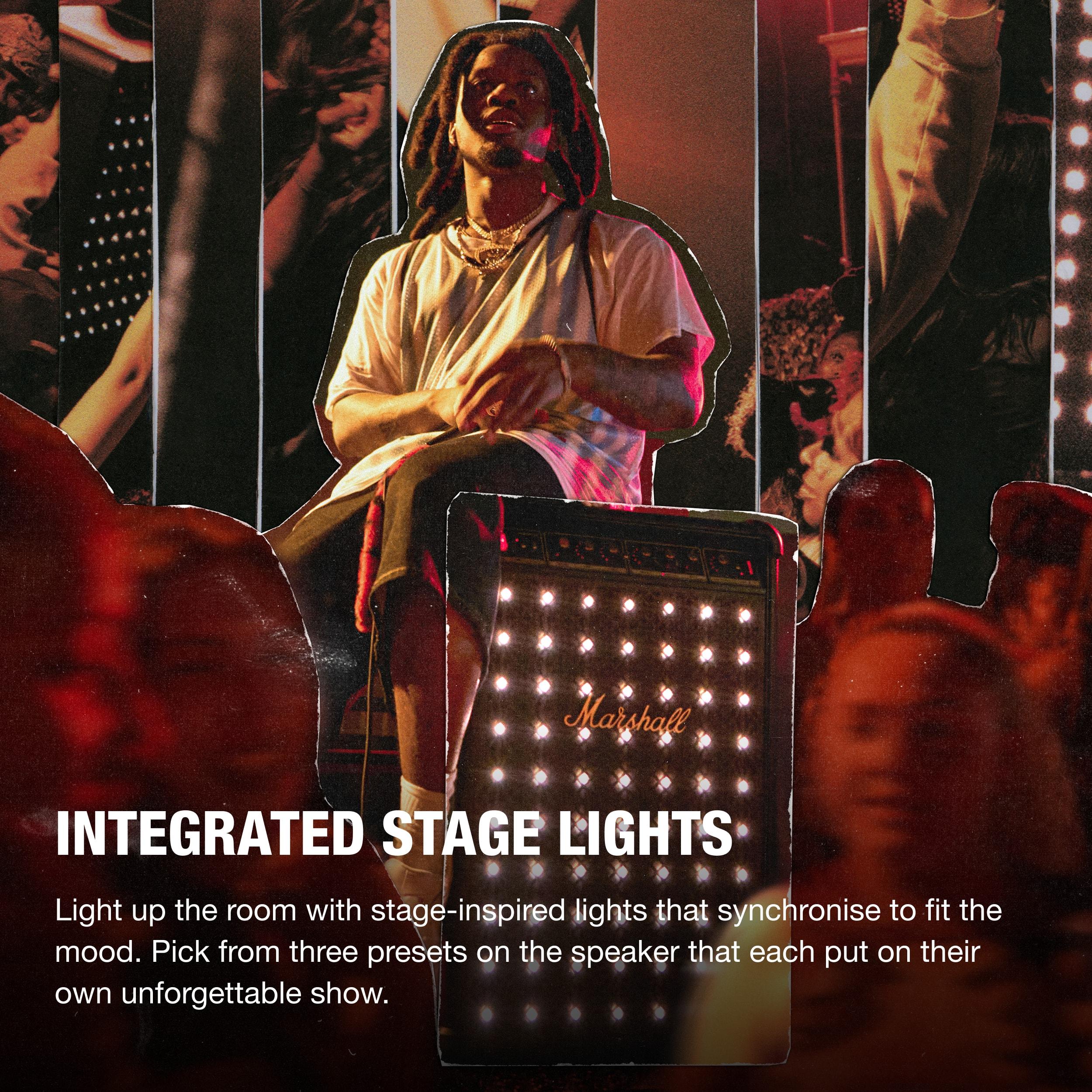
When Marshall introduced the Woburn III in 2022, it refined an already successful formula for premium home audio. Fast forward to 2025, and Marshall took a bold leap into uncharted territory with the Bromley 750 - their first dedicated party speaker. While both carry the iconic Marshall amplifier DNA, they represent fundamentally different philosophies about how we experience music.
These aren't competing products in the traditional sense. Think of it like comparing a luxury sedan to a pickup truck - both get you places, but they're built for entirely different journeys. The Woburn III is your refined living room companion, while the Bromley 750 is the life of the party, literally designed to be wheeled from backyard BBQs to beach gatherings.
Home speakers like the Woburn III prioritize precise sound reproduction, aesthetic integration, and features that enhance daily listening. They're optimized for consistent placement in treated indoor environments where factors like room acoustics (how sound bounces off walls and furniture) matter significantly.
Party speakers like the Bromley 750 tackle different challenges: they need to cut through ambient noise, perform in various outdoor conditions, and deliver enough volume to energize crowds. They're built for versatility rather than acoustic perfection, with rugged construction and features that support live performance or event hosting.
The key considerations when choosing between these categories are your primary listening environment, portability needs, volume requirements, and whether you need professional audio features like microphone inputs or instrument amplification.
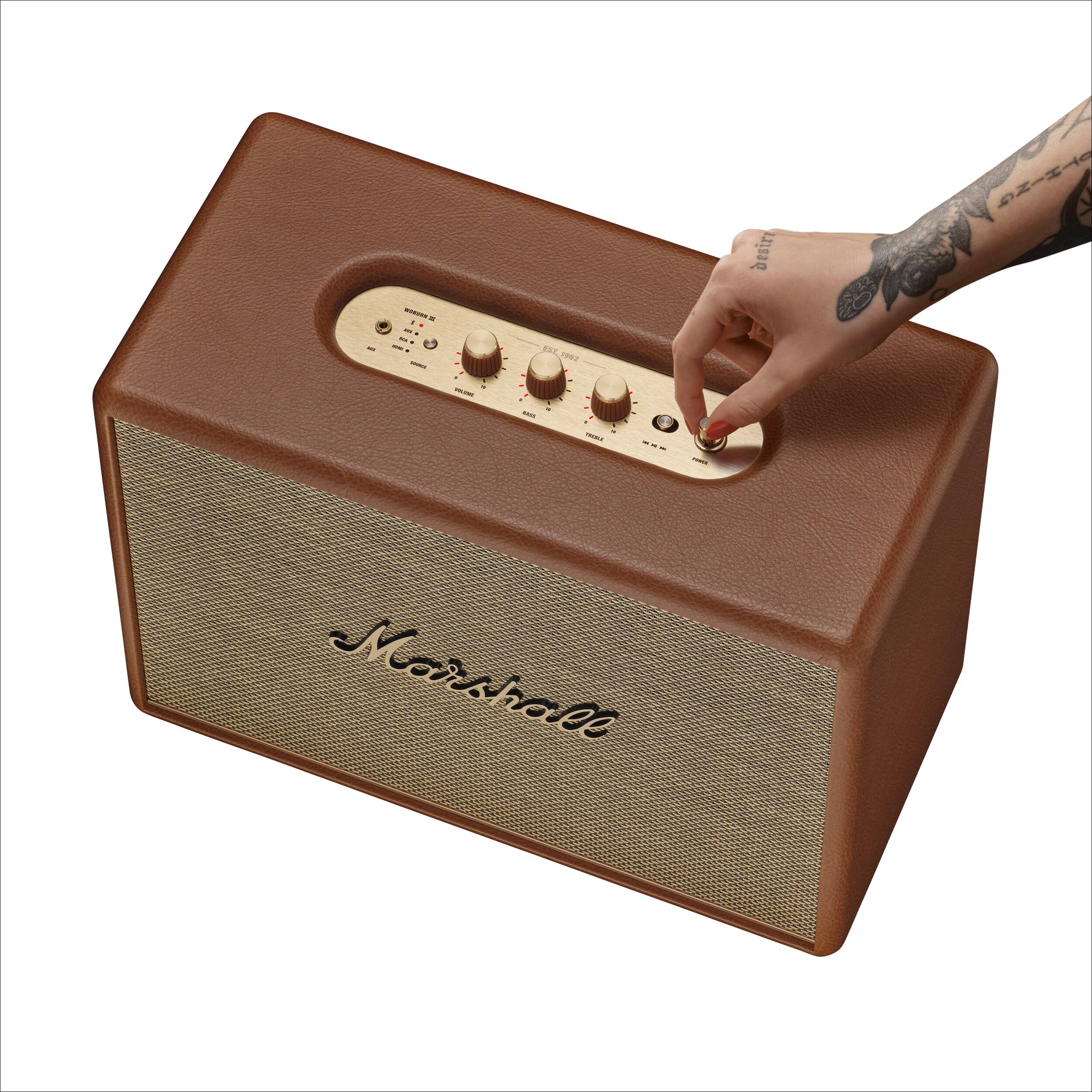
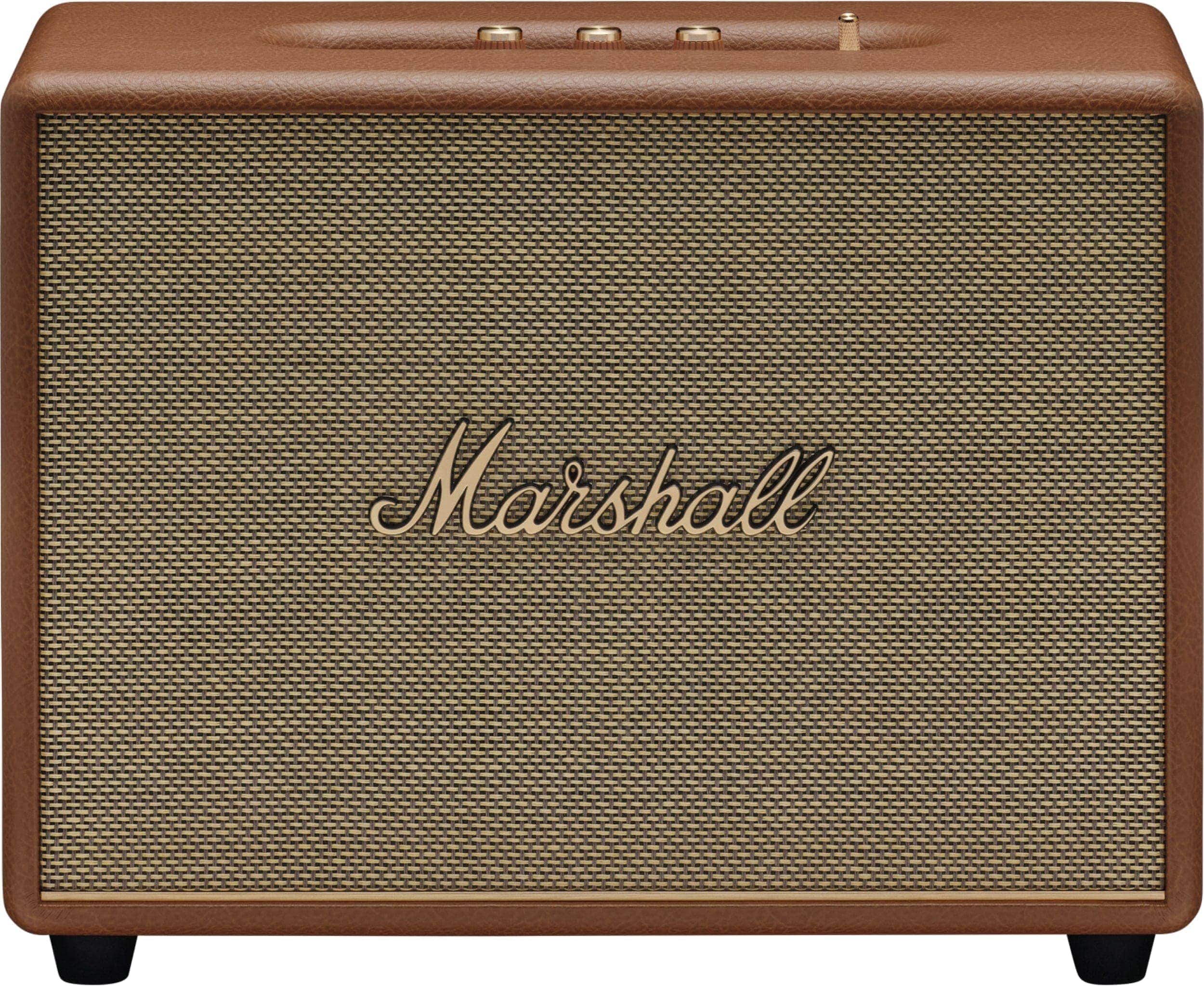
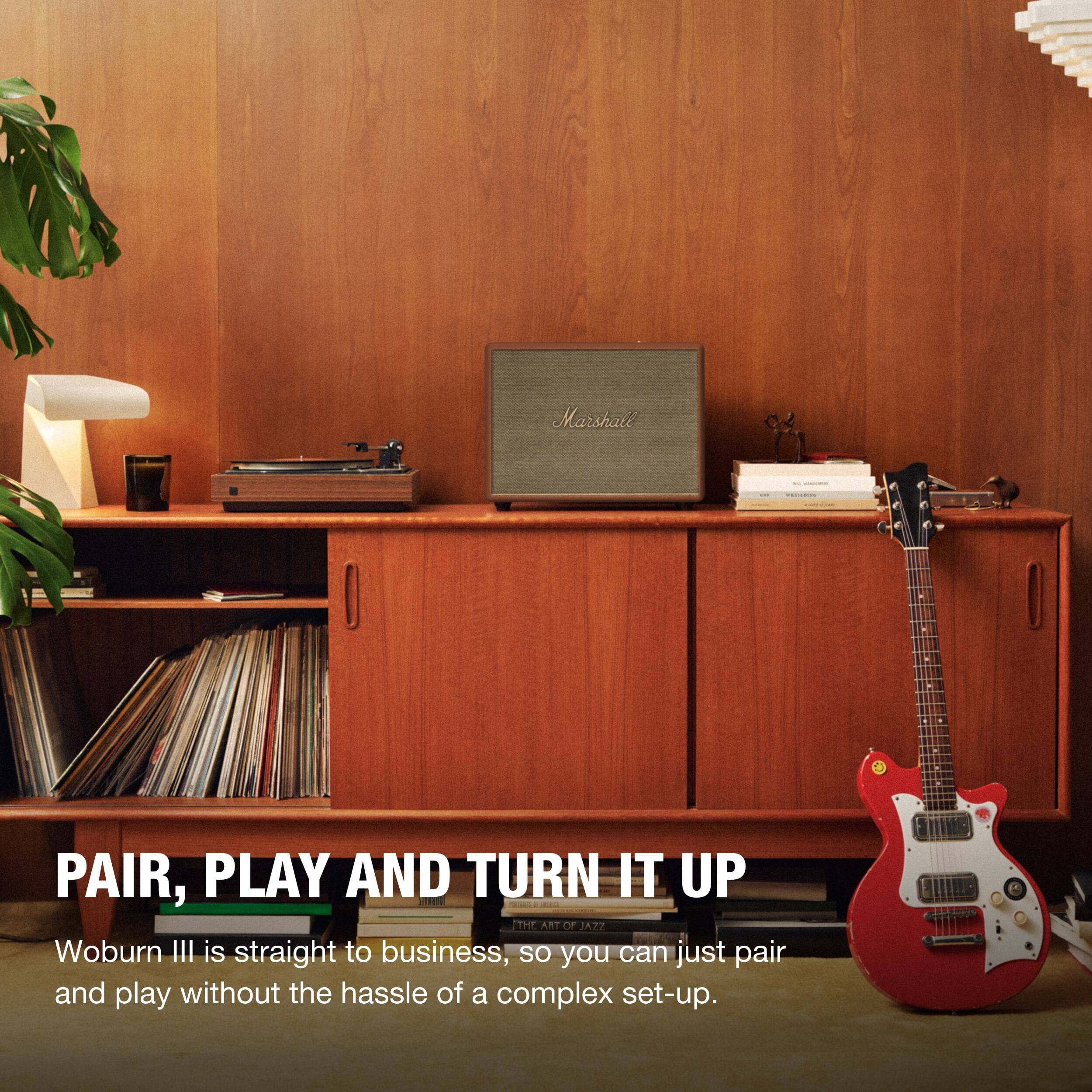
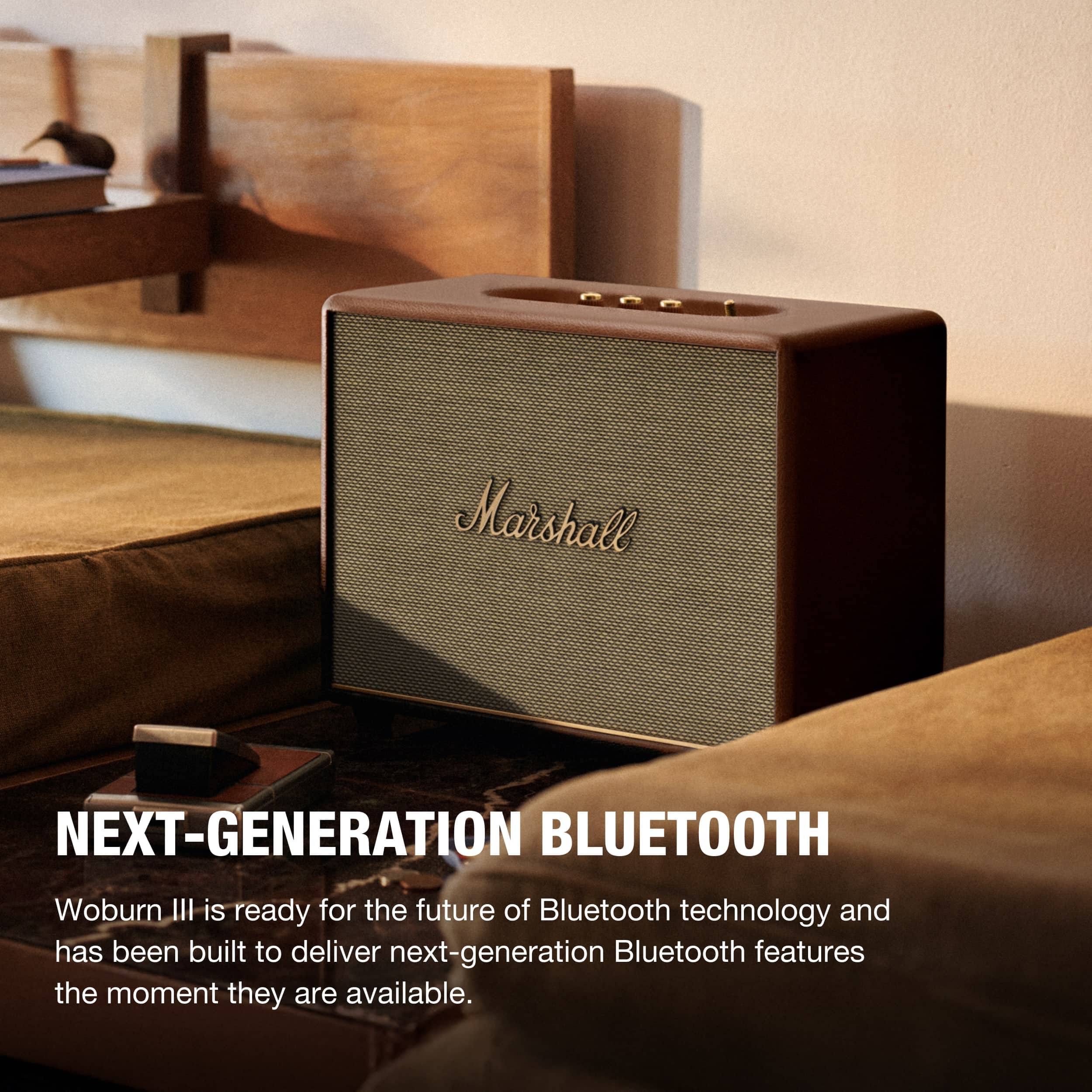
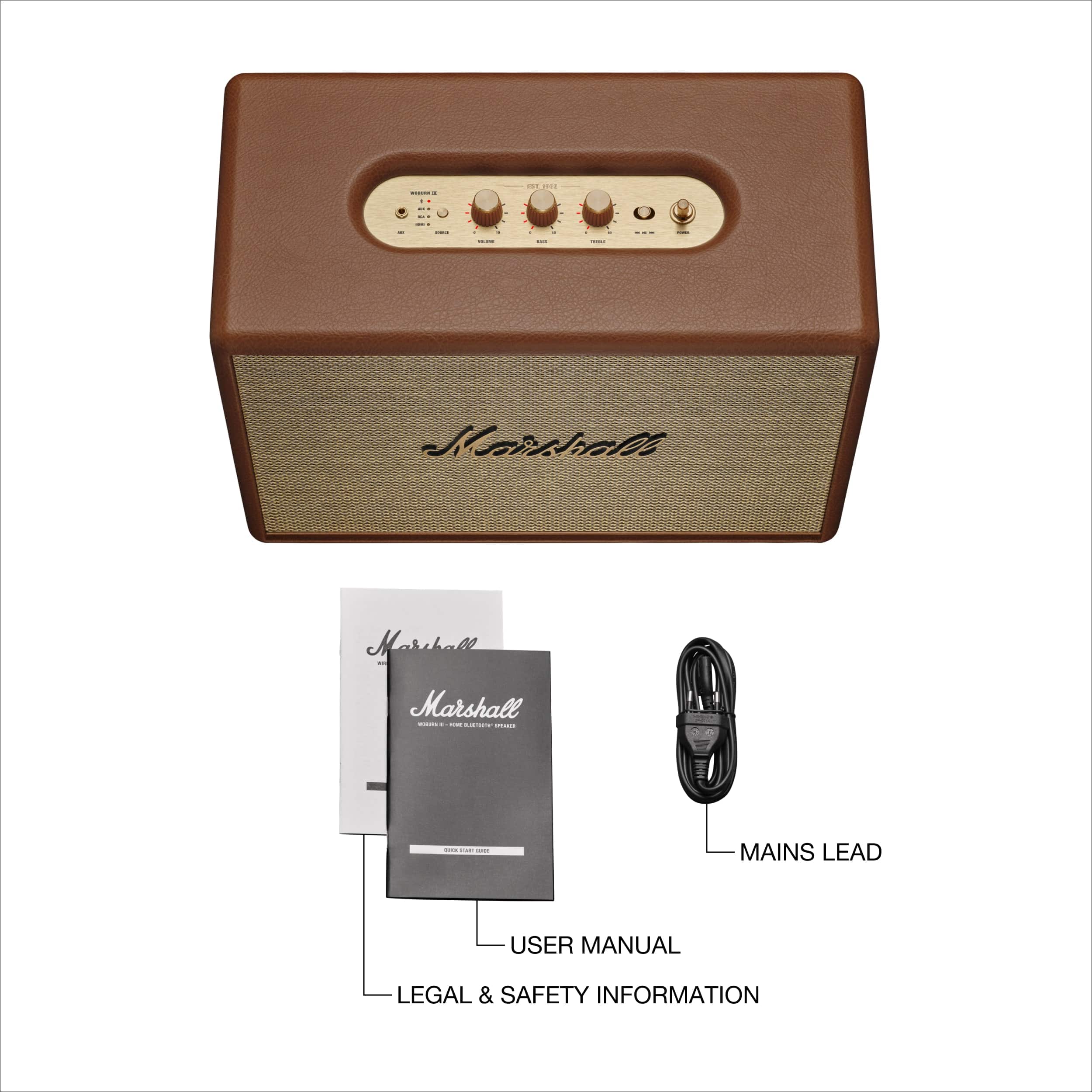
The Woburn III embodies Marshall's "amplifier as furniture" approach. At roughly 16 pounds and measuring about 16 inches wide, it's substantial enough to command presence without overwhelming a room. The vegan leather texture and brass control knobs mirror Marshall's legendary guitar amplifiers, but the proportions are refined for home use. This isn't just aesthetic choice - the compact footprint allows for optimal placement on shelves, entertainment centers, or dedicated speaker stands.
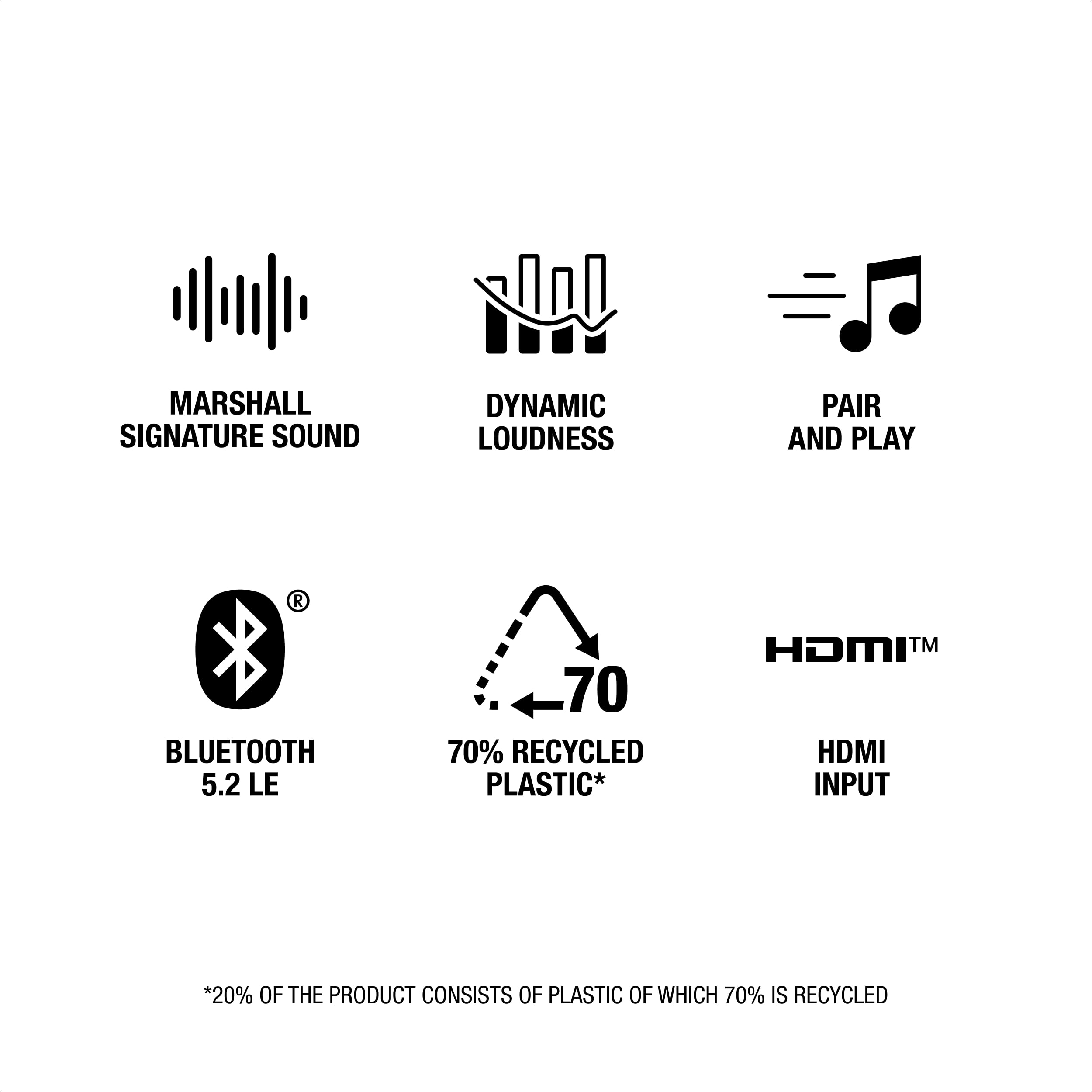
Marshall built the Woburn III using 70% recycled plastic with a PVC-free construction, showing their commitment to sustainability without compromising build quality. The bass-reflex cabinet design (a sealed enclosure with a port that enhances low-frequency response) optimizes the speaker for indoor acoustics where walls and furniture create natural sound reflection.
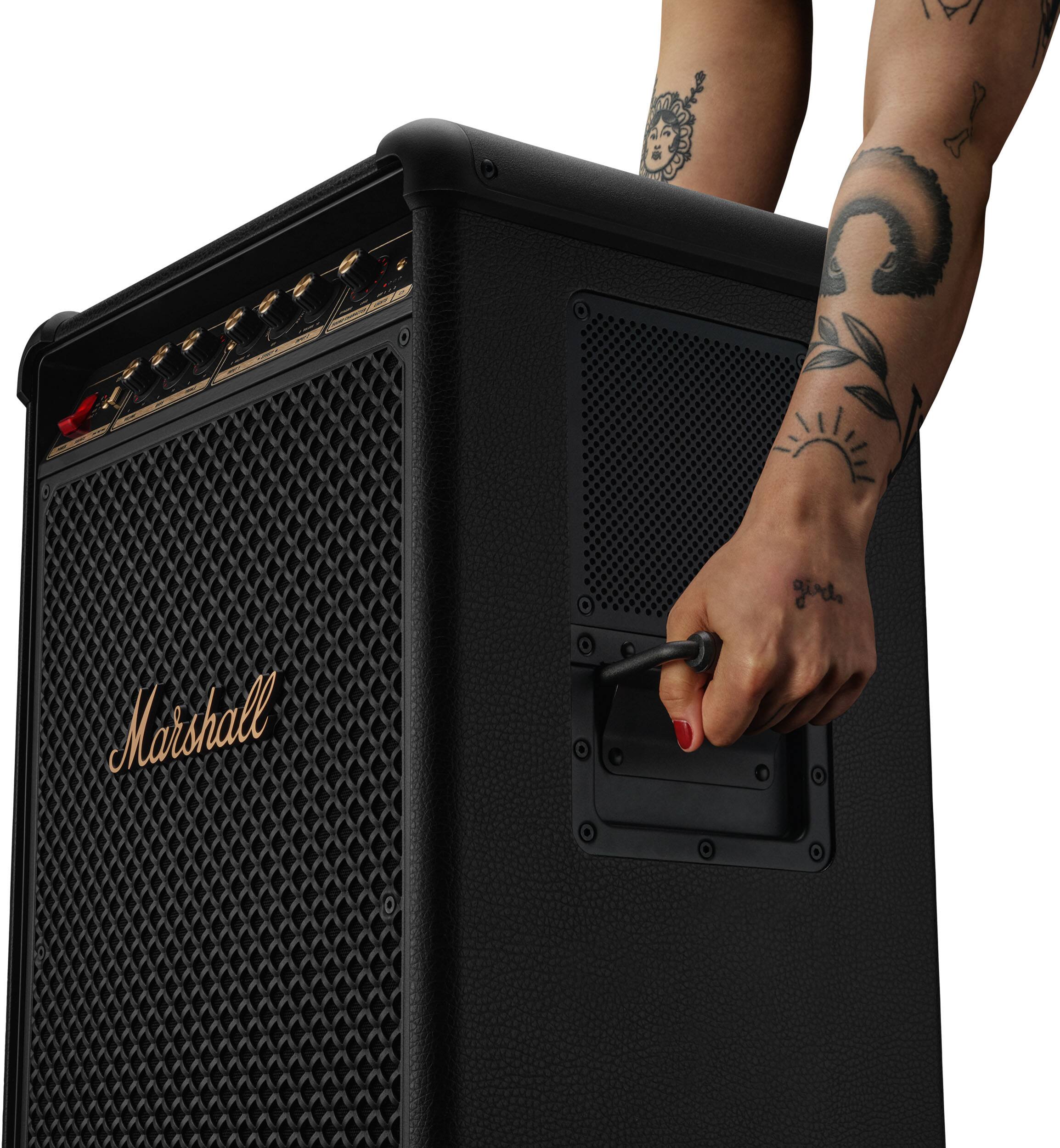
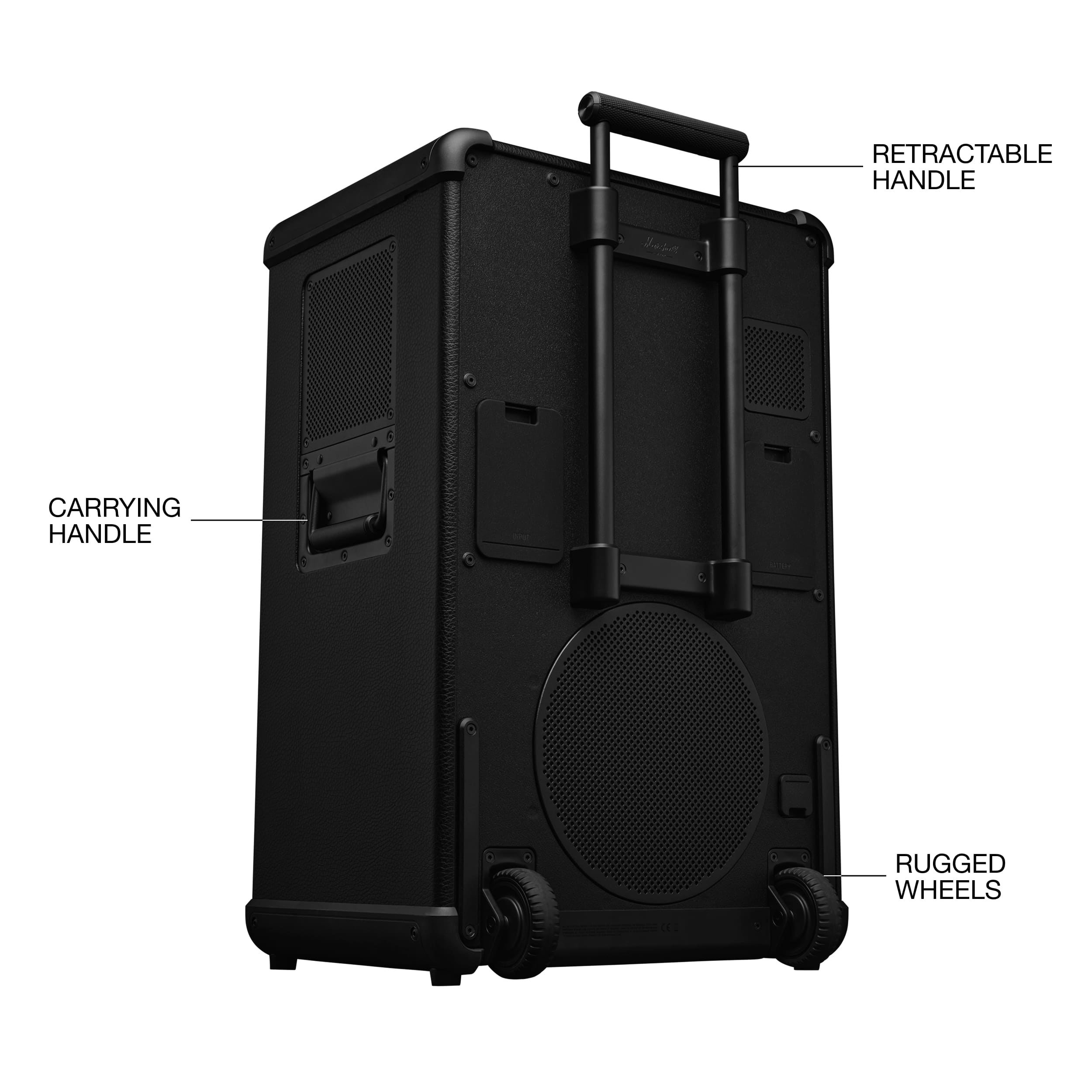
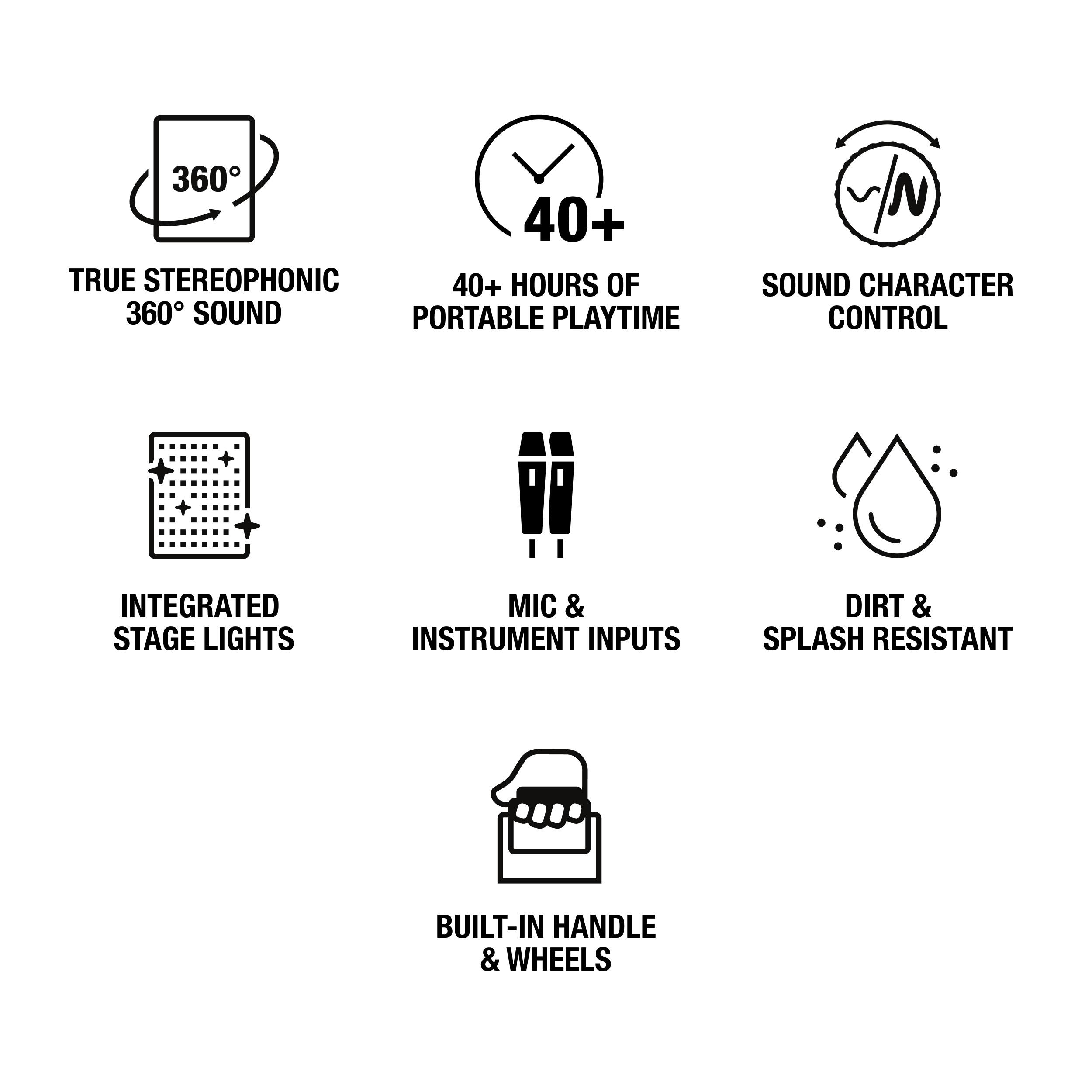
The Bromley 750 takes a radically different approach. Weighing over 50 pounds and standing nearly 26 inches tall, it's engineered like professional stage equipment. The IP54 rating means it can handle dust and water splashes - essential for outdoor use where weather isn't controllable. The built-in wheels aren't just convenience features; they're necessity when dealing with this level of mass and power.
What sets the Bromley 750 apart is its attention to practical mobility. The telescoping handle and side grips make it manageable for one person to transport, despite the substantial weight. The drainage system built into the drivers shows Marshall's understanding that party speakers need to survive real-world conditions that would damage traditional home audio equipment.
The power difference between these speakers tells the whole story. The Woburn III delivers 150 watts through a carefully tuned three-way system: one 90-watt Class D amplifier drives the 6-inch woofer, while four 15-watt amplifiers handle the midrange drivers and tweeters. Class D amplification is crucial here - it's highly efficient and generates minimal heat, allowing Marshall to pack serious power into a home-friendly form factor.
This power distribution isn't arbitrary. The Woburn III uses a bass-reflex design where the 6-inch woofer handles frequencies from 35Hz up to the crossover point (where it hands off to the midrange drivers). Those two 2-inch midrange drivers cover the critical vocal and instrument range, while the angled 0.75-inch tweeters handle everything above, extending to 20,000Hz - well beyond human hearing range.
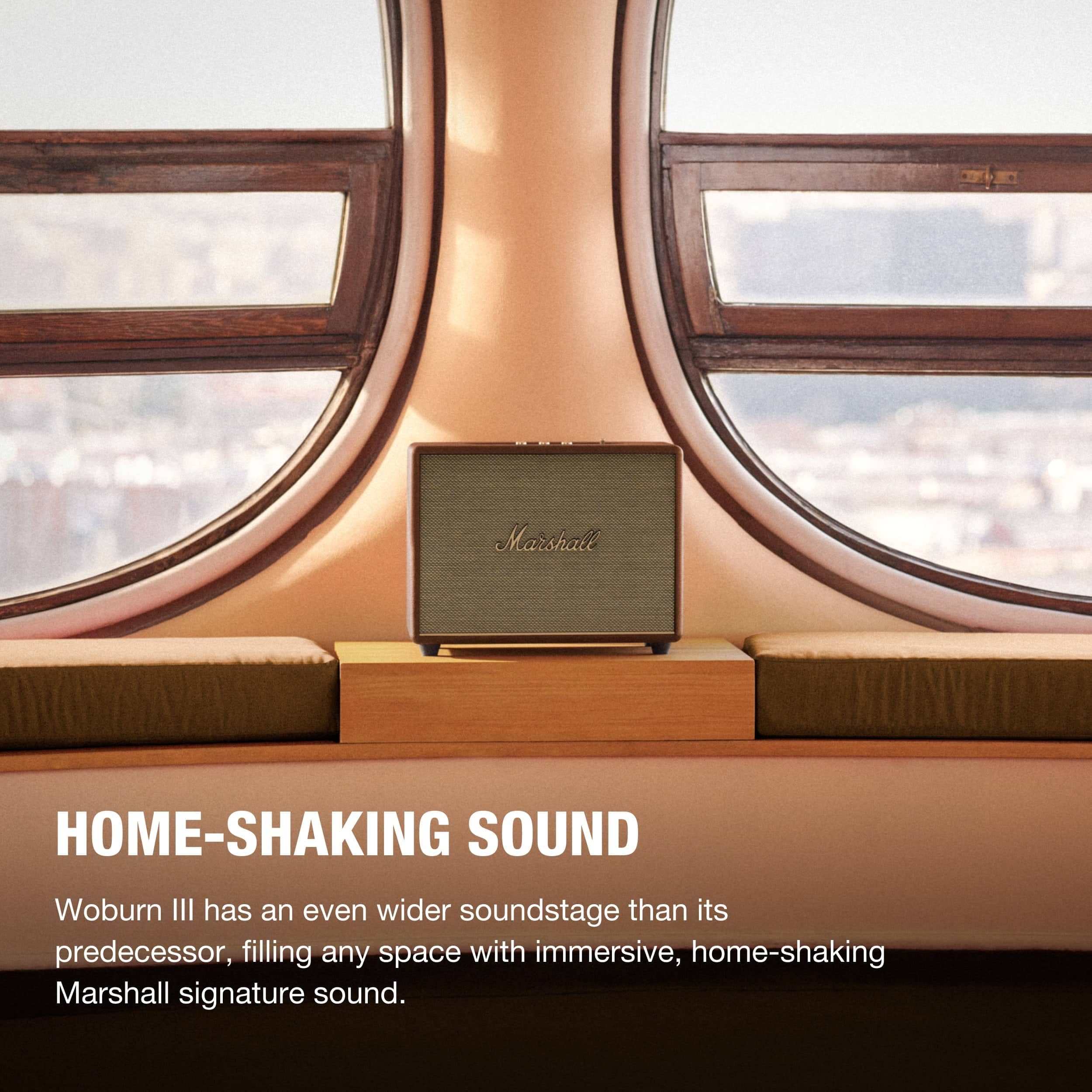
The angled tweeter design deserves special attention. By tilting these high-frequency drivers and incorporating waveguides (shaped acoustic channels that control sound dispersion), Marshall creates a wider stereo soundstage. This means you hear proper left-right separation and imaging even when you're not sitting in the perfect "sweet spot" directly in front of the speaker.
The Bromley 750 operates on an entirely different scale. With 500 watts distributed across eight Class D amplifiers, it can produce sound pressure levels approaching those of professional PA systems. The two 10-inch woofers alone receive 150 watts each - more power than the entire Woburn III system.
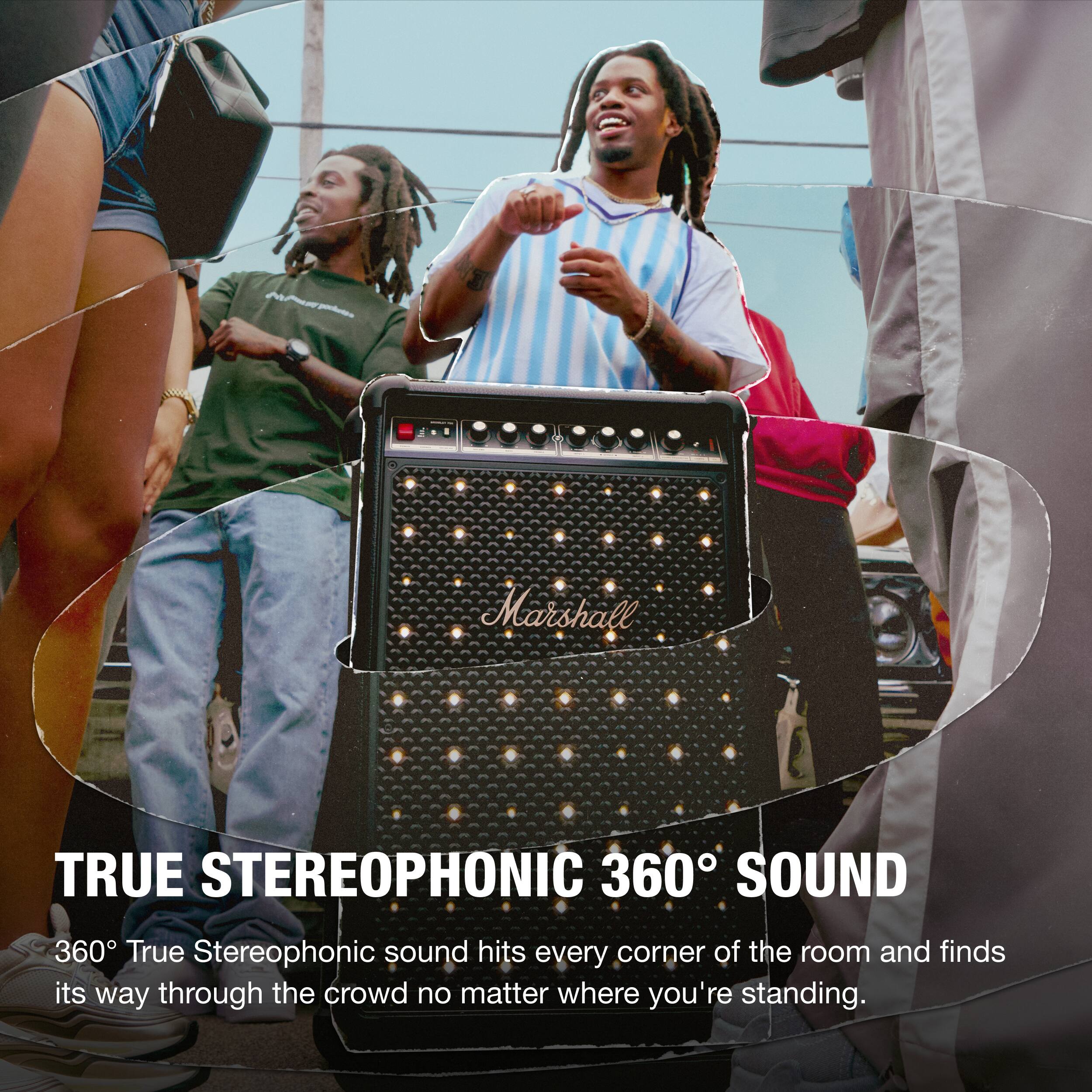
But raw power isn't the whole story. The Bromley 750 uses True Stereophonic technology, which distributes drivers around the entire enclosure. The front-firing, side-firing, rear-firing, and upward-firing drivers create 360-degree sound dispersion. This means everyone at a party hears consistent sound quality regardless of where they're standing - a crucial consideration when people are moving around rather than sitting in fixed listening positions.
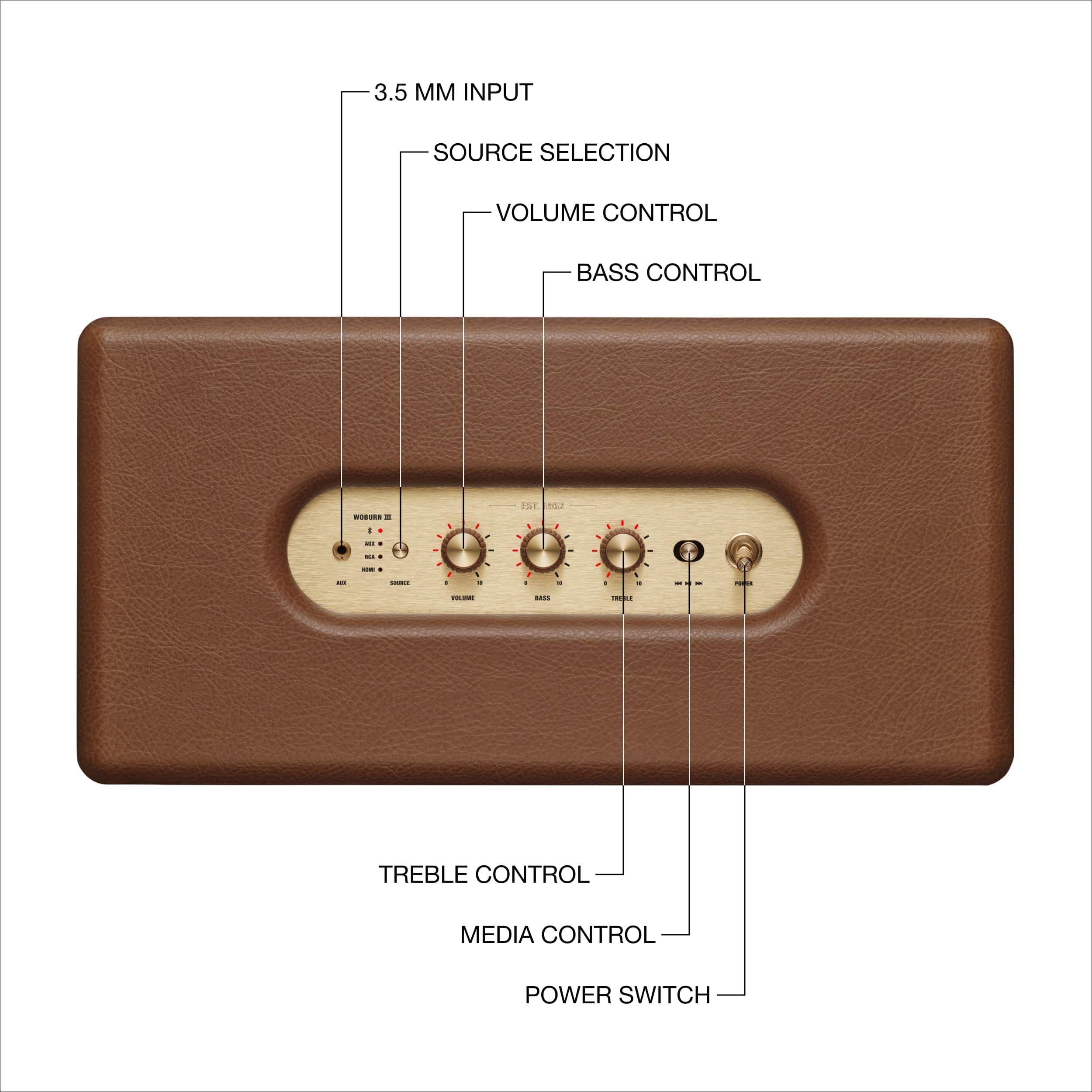
The Woburn III incorporates several technologies that enhance home listening. Dynamic Loudness automatically adjusts the tonal balance as you change volume levels. At low volumes, our ears naturally hear less bass and treble, so this feature compensates by boosting those frequencies. It's subtle but makes a significant difference for late-night listening or background music.
Placement Correction is equally clever. Using the Marshall app, you can tell the speaker whether it's placed against a wall, in a corner, or on a shelf. The speaker then adjusts its frequency response to counteract the acoustic effects of nearby surfaces. Corner placement, for example, naturally boosts bass due to boundary reinforcement, so the speaker reduces low-frequency output accordingly.
The HDMI ARC (Audio Return Channel) input transforms the Woburn III into a TV speaker system. When connected to a compatible TV, it automatically powers on with the television, follows volume commands from your TV remote, and includes a Night Mode that compresses dynamic range - reducing loud explosions while boosting quiet dialogue.
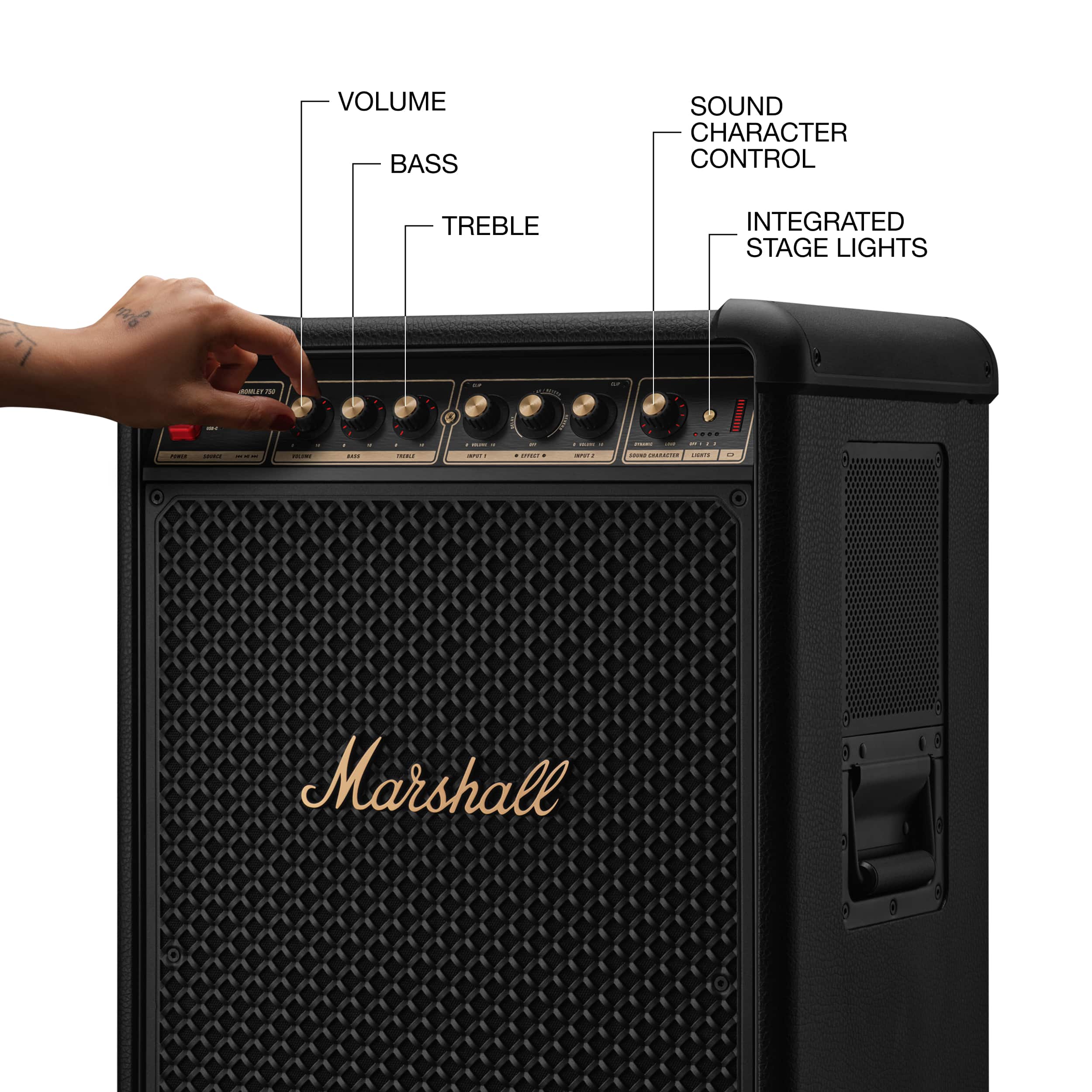
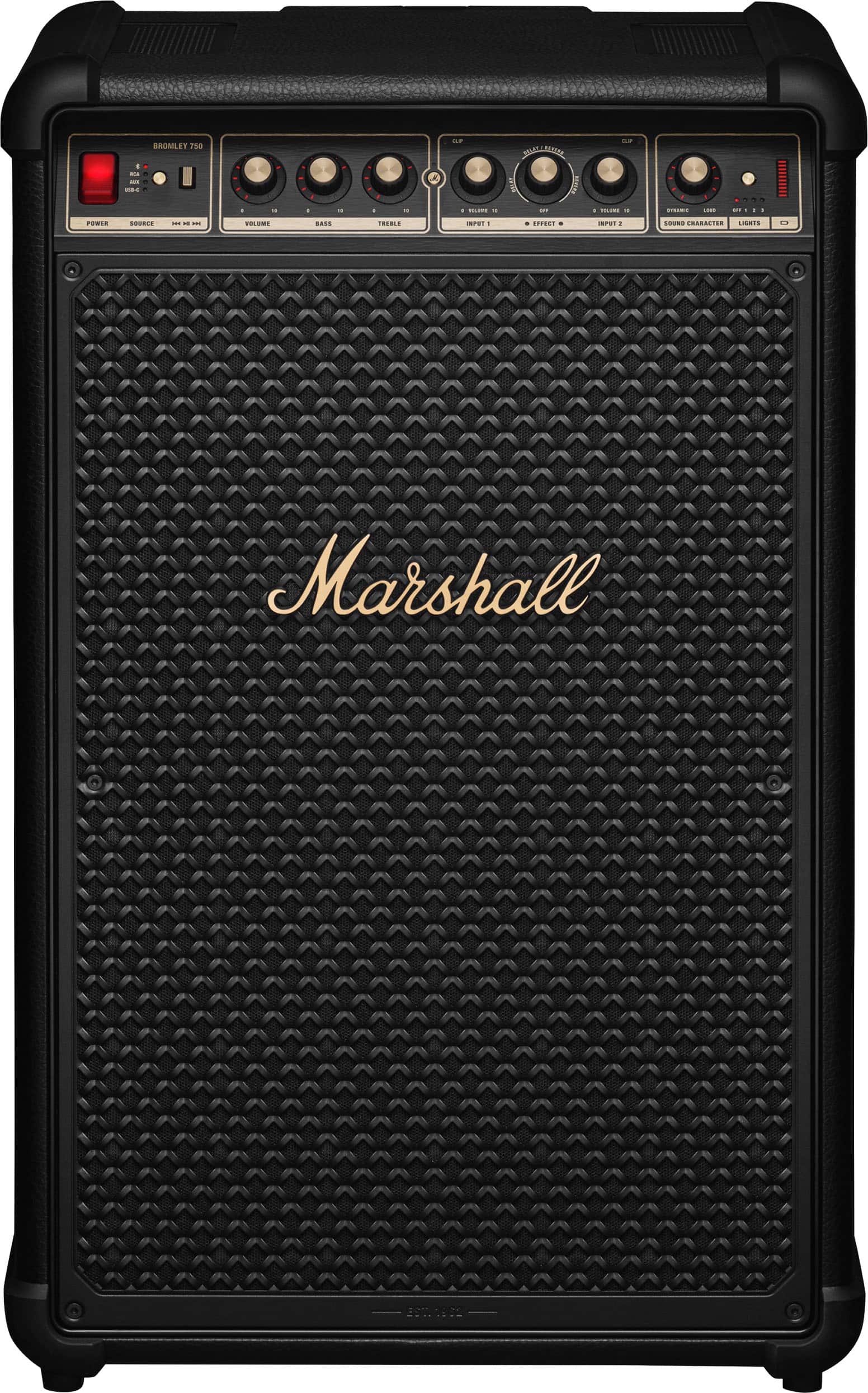
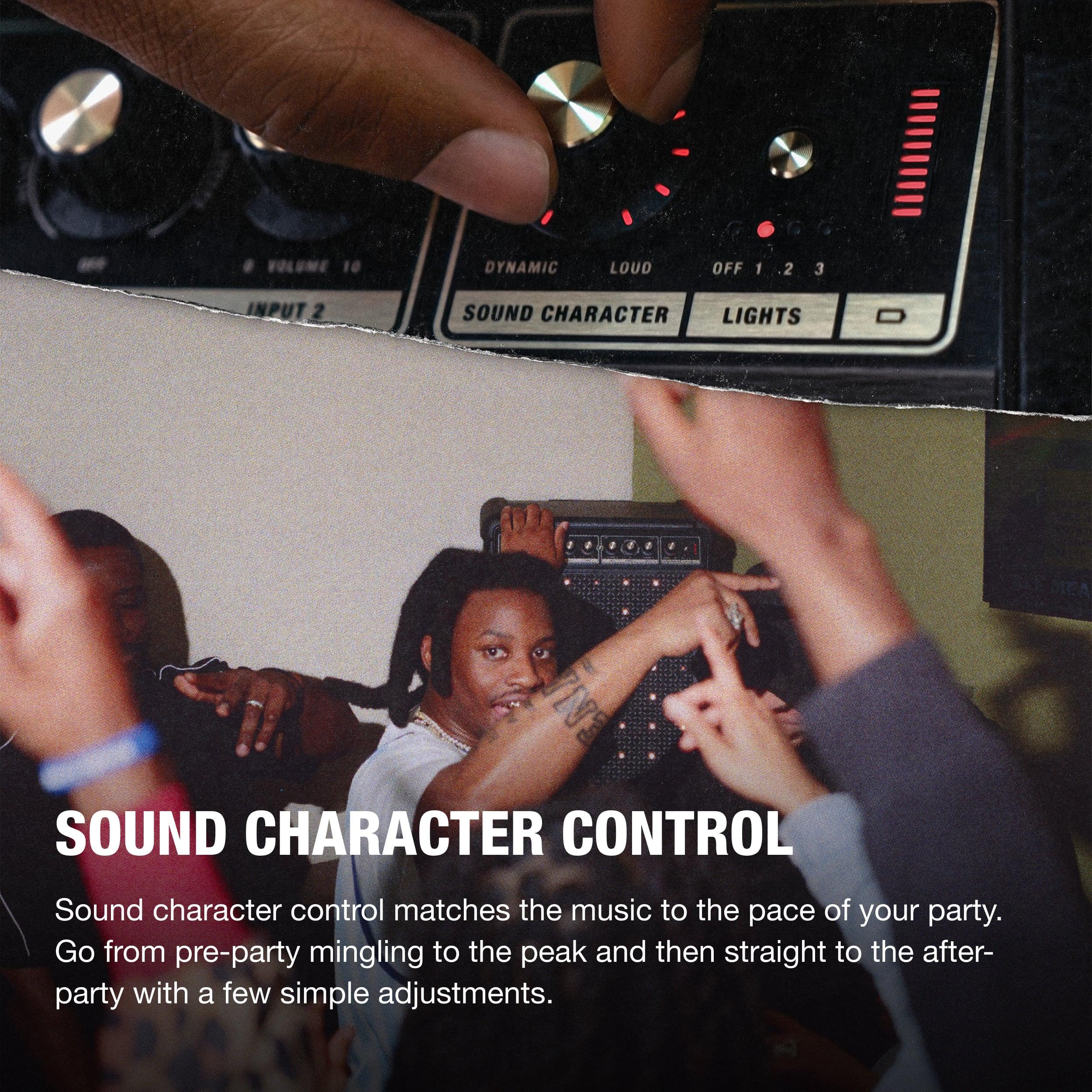
The Bromley 750 focuses on versatility and performance features. The Sound Character control is particularly innovative - it's not just an EQ setting but a fundamental change in how the speaker approaches dynamics. The "Dynamic" setting optimizes for detailed, nuanced listening with controlled peaks and valleys in volume. The "Loud" setting compresses the dynamic range and boosts presence frequencies, ensuring vocals and instruments cut through ambient noise and crowd chatter.
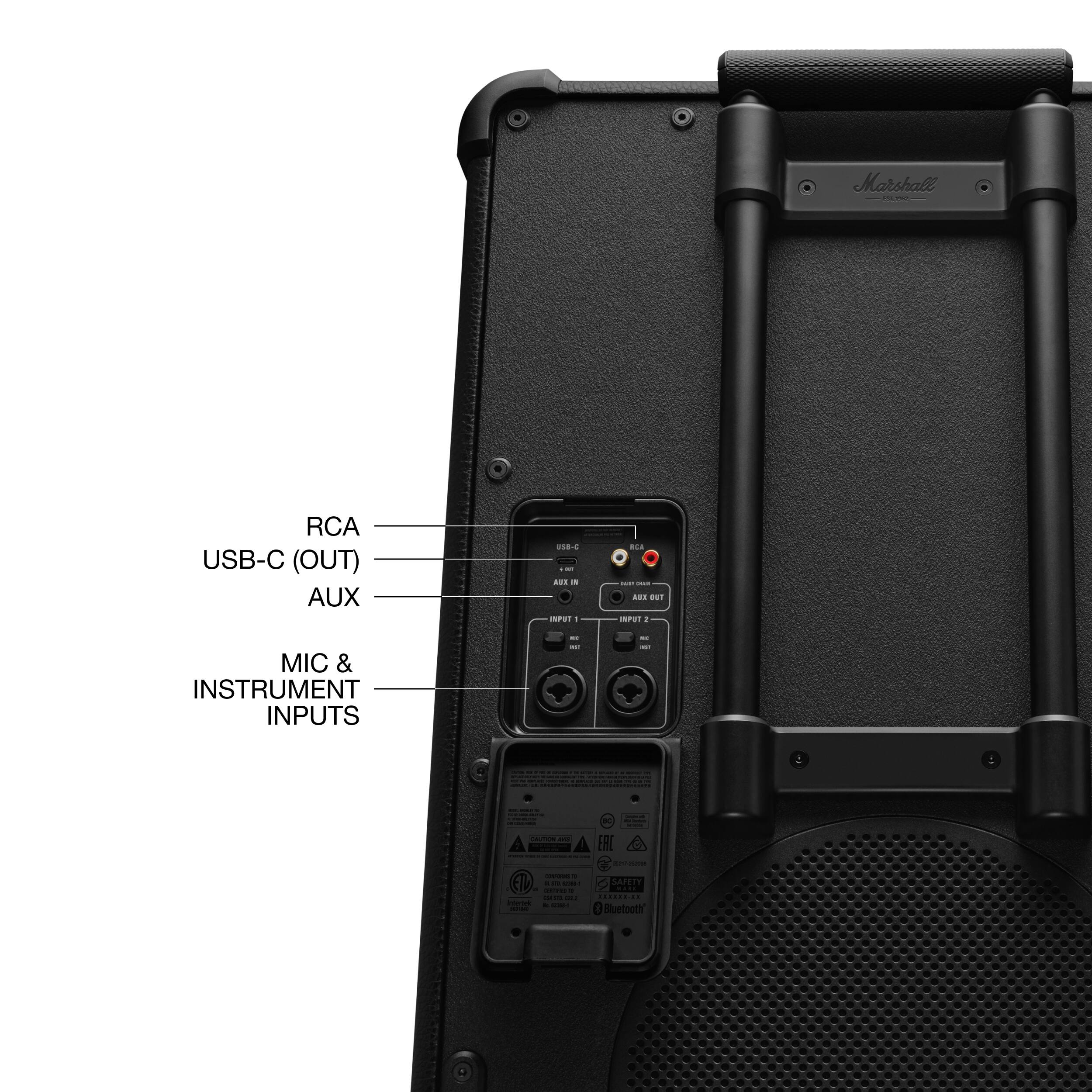
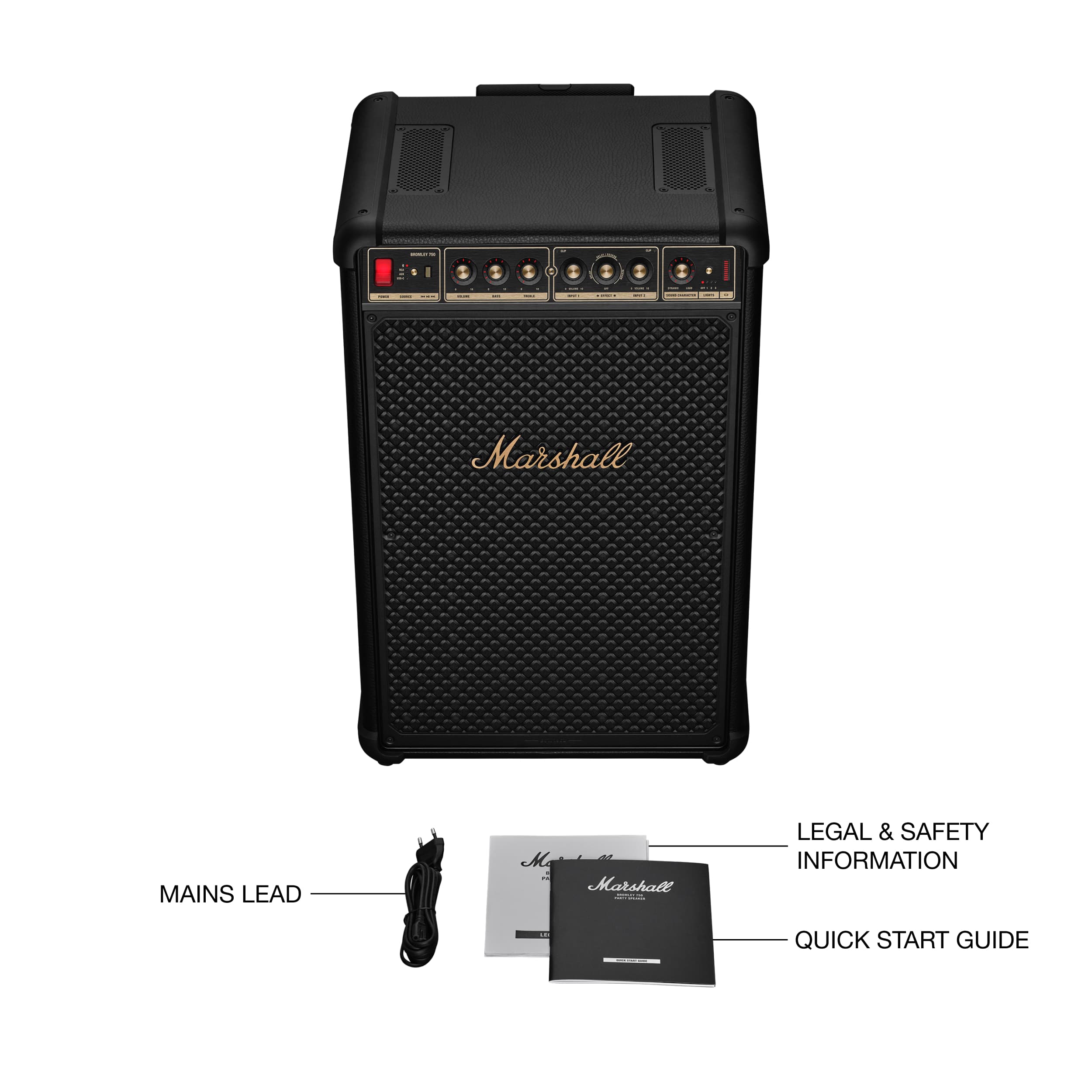
The XLR/quarter-inch combo inputs with onboard effects processing essentially turn the Bromley 750 into a portable PA system. You can connect microphones for announcements or karaoke, plug in guitars or keyboards for live performance, or connect DJ mixers for professional event hosting. The built-in reverb and delay effects eliminate the need for external processing equipment.
Both speakers support Bluetooth 5.2+ with multipoint connectivity, allowing simultaneous connection to two devices. This is practical for parties where multiple people want to queue up songs or for homes where family members share speaker control.
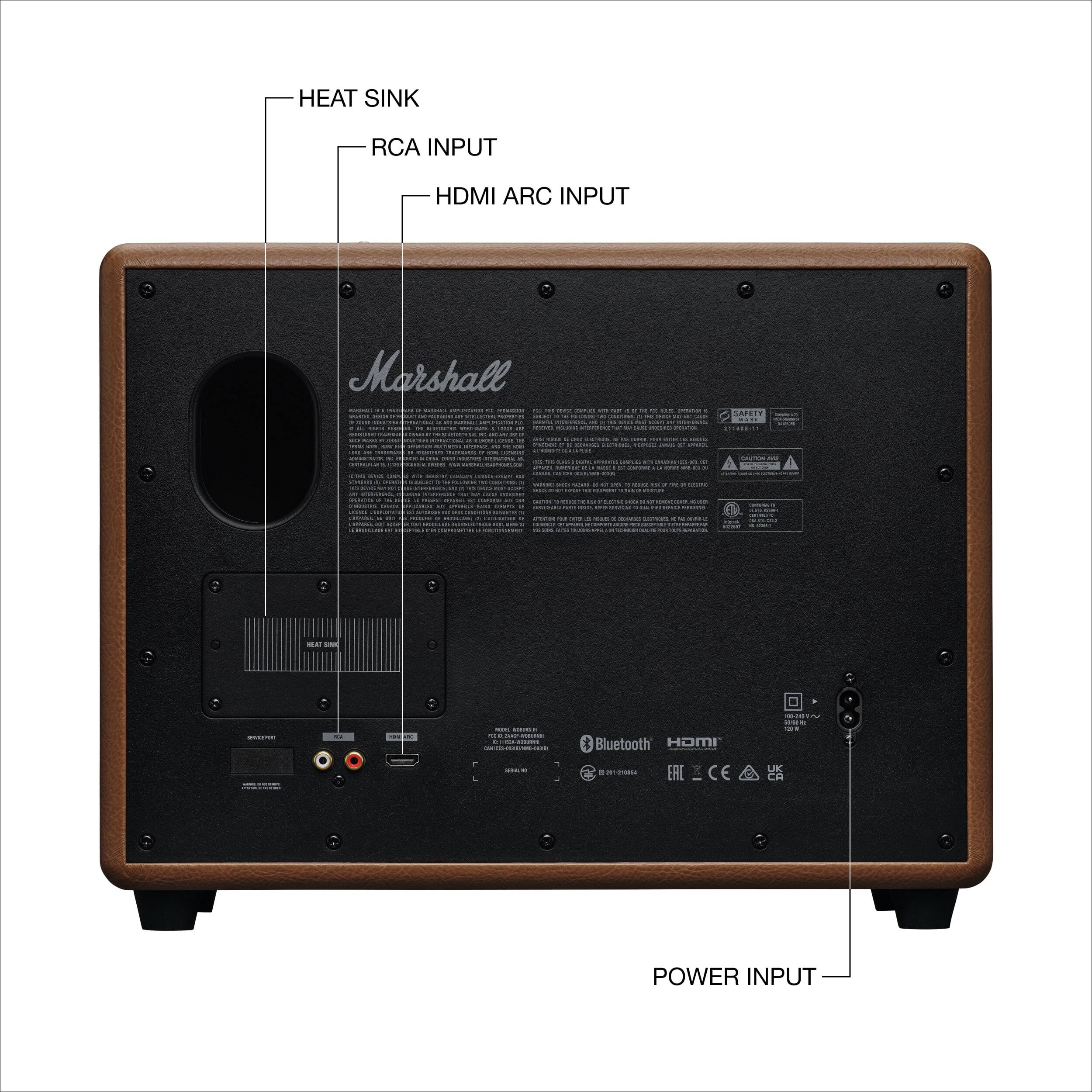
The Woburn III covers essential home connectivity: RCA inputs for traditional hi-fi components, 3.5mm auxiliary for phones and laptops, and that crucial HDMI ARC for TV integration. The Marshall app provides additional control and the ability to receive over-the-air firmware updates, future-proofing the speaker as Bluetooth standards evolve.
The Bromley 750 offers professional-grade connectivity that sets it apart from typical party speakers. The USB-C audio input provides high-quality digital connection for phones and tablets. The auxiliary output enables daisy-chaining multiple speakers together - imagine linking two or three Bromley 750 units for a truly massive sound system.
The Bluetooth 5.3 with Auracast support positions the Bromley 750 for future wireless audio sharing capabilities. Auracast will eventually allow multiple people to connect headphones to the same source or enable seamless handoff between compatible speakers.
Here's where the fundamental difference becomes clear. The Woburn III requires constant AC power, limiting it to locations near electrical outlets. This isn't a limitation for home use - it's a design choice that eliminates battery weight and ensures consistent, unrestricted power delivery.
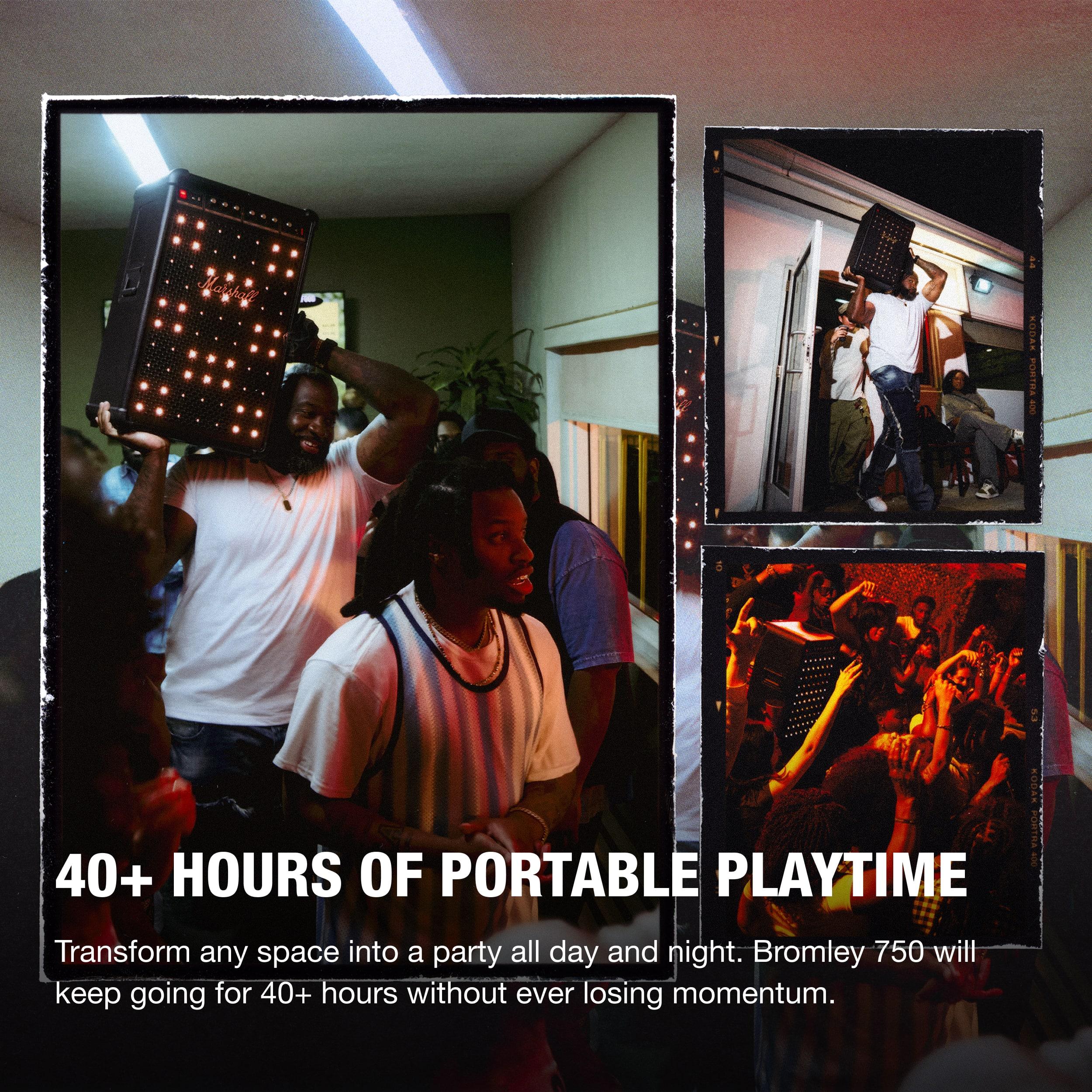
The Bromley 750 revolutionary battery system changes everything about portable audio. Over 40 hours of playback from a single charge means weekend-long events without power anxiety. But the genius lies in the removable, replaceable battery design. You can purchase additional battery packs for theoretically unlimited runtime, swapping them like camera batteries during extended events.
The battery doubles as a power bank, providing USB-C output for charging phones and tablets. This transforms the speaker into a mobile power station - essential when you're hours away from electrical infrastructure. The 20-minute quick charge providing 5 hours of playback ensures you're never completely stuck, even if you forget to charge beforehand.
Our research across expert and user reviews reveals consistent patterns in how these speakers perform in their intended environments. The Woburn III excels at reproducing nuanced details that matter in critical listening situations. The controlled dispersion and precise driver integration create accurate stereo imaging where instruments and vocals occupy specific positions in the soundstage.
The frequency response extends down to 35Hz, capturing the fundamental frequencies of bass guitars and kick drums without the bloated, one-note bass that plagues many consumer speakers. The midrange clarity ensures voices remain intelligible and natural, while the extended treble response preserves the spatial cues and harmonic content that make recordings feel alive and present.
For home theater use, the Woburn III provides significant advantages over TV speakers. The dedicated woofer handles movie soundtracks' low-frequency effects, while the clear midrange ensures dialogue intelligibility even during complex action sequences. The Night Mode compression prevents jarring volume swings that wake household members during late-night viewing.
The Bromley 750 approaches sound quality from a completely different angle. The 360-degree dispersion sacrifices some stereo imaging precision for consistent coverage throughout large spaces. When you're hosting 50 people in a backyard, ensuring everyone hears balanced sound matters more than perfect stereo positioning.
The frequency response extends slightly lower to 30Hz, and with significantly more power behind it, the bass impact is visceral rather than merely accurate. This isn't about critical listening - it's about creating energy and atmosphere that motivates people to dance and engage.
At the time of writing, the Woburn III positions itself in the premium home audio segment, typically priced comparably to high-end bookshelf speakers from established audio brands. The value proposition centers on getting Marshall's iconic aesthetic combined with genuinely excellent sound quality and modern connectivity features.
The Bromley 750 commands a significant premium - roughly double the Woburn III pricing at launch. However, this positions it against professional PA equipment and high-end party speakers rather than home audio. When you consider the professional connectivity, extreme battery life, weather resistance, and power output, the pricing becomes more reasonable.
The removable battery system adds long-term value that's often overlooked. Traditional portable speakers become obsolete when their batteries degrade, but the Bromley 750 remains relevant through battery replacement. For event professionals or serious enthusiasts, this feature alone justifies the price premium.
Choose the Woburn III if your priority is enhancing daily life at home. If you value nuanced music reproduction, need TV integration, and want a speaker that looks as good as it sounds in your living space, the Woburn III delivers exceptional value. It's particularly compelling for apartment dwellers who need serious sound quality without the size and power overkill of party-focused designs.
The Woburn III also makes sense for households that prioritize simplicity. The straightforward controls, automatic features like Dynamic Loudness, and seamless HDMI integration create an effortless listening experience that enhances rather than complicates daily routines.
Choose the Bromley 750 if you regularly host gatherings, attend outdoor events, or need a speaker that can handle anything you throw at it. The professional inputs make it valuable for musicians, DJs, or anyone who needs microphone and instrument connectivity. The extreme battery life and weather resistance open possibilities that simply aren't available with traditional speakers.
The Bromley 750 is also the clear choice for anyone who wants one speaker to handle multiple scenarios - from intimate indoor listening to large outdoor parties. The Sound Character control and 360-degree dispersion adapt to different environments better than any fixed-dispersion design could.
Both speakers represent Marshall's commitment to quality and innovation, but they're tools for completely different jobs. The Woburn III perfects the home listening experience, while the Bromley 750 redefines what's possible in portable audio. Your lifestyle and listening priorities will make the choice clear.
| Marshall Woburn III | Marshall Bromley 750 |
|---|---|
| Power Output - Determines maximum volume and room-filling capability | |
| 150W total (1×90W woofer, 4×15W mid/tweeters) | 500W total (8 Class D amplifiers) |
| Driver Configuration - Affects sound quality and dispersion pattern | |
| 3-way stereo: 1×6" woofer, 2×2" mids, 2×0.75" tweeters | 360° system: 2×10" woofers, 2×5.25" mids, 4 tweeters |
| Frequency Range - Lower numbers = deeper bass response | |
| 35Hz-20,000Hz (excellent bass extension for home use) | 30Hz-20,000Hz (slightly deeper bass with more power) |
| Portability - Critical for where and how you can use the speaker | |
| AC-powered only, 7.45kg, stationary home design | 40+ hour battery, 24kg with wheels and handle |
| Bluetooth Version - Affects connection stability and features | |
| 5.2 with multipoint (2 devices) | 5.3 with Auracast and multipoint |
| Professional Inputs - Essential for live performance or events | |
| None (home-focused: 3.5mm, RCA, HDMI ARC) | 2×XLR/6.35mm combo jacks with effects processing |
| Weather Resistance - Important for outdoor use | |
| None (indoor use only) | IP54 rating with drainage system |
| Sound Dispersion - Affects listening position flexibility | |
| Directional stereo with angled tweeters | 360° True Stereophonic (consistent sound from all angles) |
| TV Integration - Convenience for home theater use | |
| HDMI ARC with Night Mode and volume sync | None (party/event focused) |
| Battery Features - Determines portable usage scenarios | |
| No battery (requires wall power) | Removable battery, doubles as power bank, 20-min quick charge |
| Daisy-Chaining - Ability to connect multiple speakers | |
| Not supported | Yes, via AUX output for multi-speaker setups |
| Target Use Case - Who each speaker is designed for | |
| Premium home audio with TV integration | Portable parties, events, and professional applications |
The Marshall Woburn III is a stationary home speaker designed for living rooms and indoor listening, while the Marshall Bromley 750 is a portable party speaker built for outdoor events and large gatherings. The Woburn III focuses on refined sound quality and home theater integration, whereas the Bromley 750 prioritizes portability, weather resistance, and high-volume performance.
The Marshall Bromley 750 is significantly more powerful with 500 watts of amplification compared to the Woburn III's 150 watts. The Bromley 750 can reach much higher volume levels and is designed to fill large outdoor spaces, while the Woburn III provides ample power for home listening environments.
Only the Marshall Bromley 750 is suitable for outdoor use, featuring IP54 weather resistance and a built-in drainage system. The Woburn III lacks weather protection and requires AC power, making it unsuitable for outdoor environments. The Bromley 750 also includes a 40+ hour battery for true portability.
The Marshall Woburn III is specifically designed for home theater use with HDMI ARC connectivity, allowing it to connect directly to your TV with automatic volume control and power sync. It also includes a Night Mode that balances loud and quiet sounds for late-night viewing. The Bromley 750 lacks these home theater features.
The Woburn III delivers precise stereo imaging and detailed sound reproduction ideal for critical listening in home environments. The Bromley 750 uses 360-degree sound dispersion that prioritizes consistent coverage for crowds over pinpoint stereo accuracy. Both extend to similar frequency ranges, but serve different listening scenarios.
The Marshall Woburn III provides home-focused inputs including HDMI ARC, RCA, and auxiliary connections. The Bromley 750 offers professional connectivity with XLR/quarter-inch combo inputs for microphones and instruments, plus the ability to daisy-chain multiple speakers together for larger setups.
The Woburn III weighs about 16 pounds and requires wall power, making it suitable for occasional repositioning within a home but not truly portable. The Bromley 750 weighs over 50 pounds but includes built-in wheels, telescoping handle, and a 40+ hour battery, making it designed for true portability despite its size.
Only the Marshall Bromley 750 supports microphones and instruments through its dual XLR/quarter-inch combo inputs with built-in effects processing. This makes it suitable for karaoke, live performance, or DJ use. The Woburn III is designed purely for music playback without microphone capabilities.
The Marshall Woburn III offers excellent value for premium home audio with features like HDMI ARC and refined sound quality at its price point. The Bromley 750 costs significantly more but justifies the premium with professional features, extreme battery life, weather resistance, and much higher power output for its intended party/event use.
Both speakers support modern Bluetooth with multipoint connectivity for two simultaneous devices. The Woburn III uses Bluetooth 5.2, while the Bromley 750 features the newer Bluetooth 5.3 with Auracast support for future wireless audio sharing capabilities.
The Marshall Woburn III is ideal for apartment living with its compact size, home-focused features, and Dynamic Loudness technology that maintains sound quality at lower volumes. The Bromley 750 may be excessive for small spaces and could disturb neighbors due to its high power output and party-oriented design.
These speakers cannot be paired together as they serve different purposes and use different technologies. The Woburn III operates as a standalone stereo home speaker, while multiple Bromley 750 units can be daisy-chained together via auxiliary connections for larger event setups, but not with the Woburn III.
We've done our best to create useful and informative comparisons to help you decide what product to buy. Our research uses advanced automated methods to create this comparison and perfection is not possible - please contact us for corrections or questions. These are the sites we've researched in the creation of this article: loudersound.com - ash-asia.zendesk.com - armorsound.com - rtings.com - crutchfield.com - rtings.com - stereoguide.com - bestbuy.com - hometechnologyreview.com - crutchfield.com - sweetwater.com - rtings.com - youtube.com - greentoe.com - versus.com - idownloadblog.com - marshall.com - youtube.com - comparisontabl.es - youtube.com - versus.com - crutchfield.com - device.report - consumerreports.org - sg.tcacoustic.asia - stereoindex.com - safemark.com - smarthomesounds.co.uk - marshall.com - device.report - bestbuy.com - marshall.com - theluxereview.com - techradar.com - whathifi.com - routenote.com - techradar.com - marshall.com - newatlas.com - marshall.com - youtube.com - wallpaper.com - sweetwater.com - soundguys.com - t3.com - bestbuy.com - hiconsumption.com - architeg-prints.com

Privacy Policy
Terms and Conditions - Affiliate Policy
Home Security
© Copyright 2008-2026.
11816 Inwood Rd #1211, Dallas, TX 75244