



When it comes to Bluetooth speakers, you're essentially choosing between two different philosophies. Do you want premium sound quality that transforms your living room, or rugged portability that follows you to the beach? The Marshall Woburn III and Soundboks Go represent the pinnacle of these opposing approaches, and understanding their differences will help you make the right choice for your lifestyle.
Released in 2022, both speakers arrived during a fascinating period for audio technology. Bluetooth 5.0 had matured enough to handle high-quality wireless audio reliably, while battery technology finally allowed portable speakers to deliver serious power without constant charging anxiety. The Marshall Woburn III leveraged these advances to create a home speaker that could compete with traditional wired systems, while the Soundboks Go used them to build something closer to a portable PA system than a typical Bluetooth speaker.
The fundamental difference between home and portable speakers goes beyond just having a battery. Home speakers like the Marshall Woburn III are designed around the assumption that you'll place them in an optimal listening position and leave them there. This allows engineers to focus entirely on sound quality, using larger drivers, more sophisticated amplifier designs, and acoustic tuning that works best in enclosed spaces.
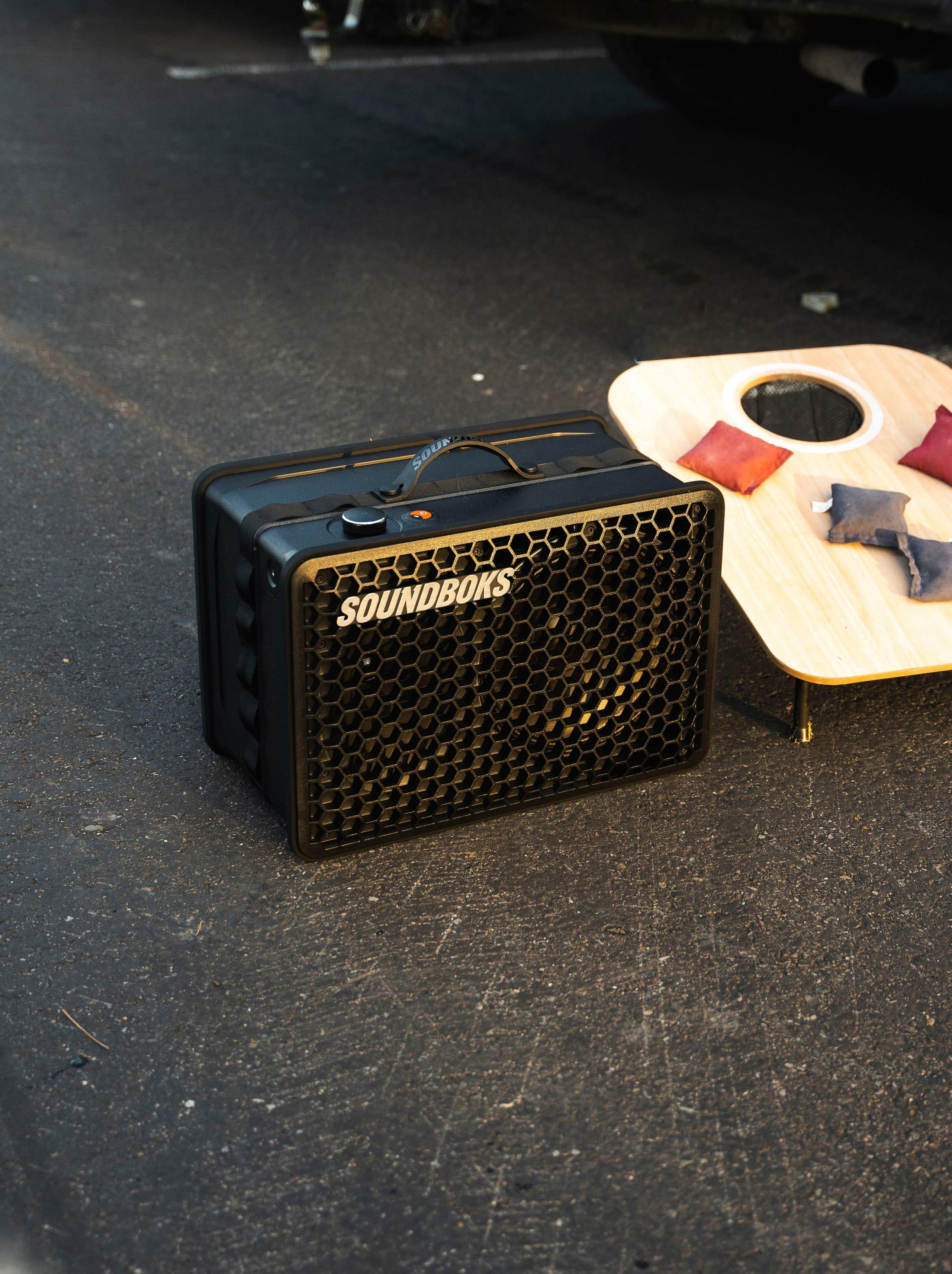
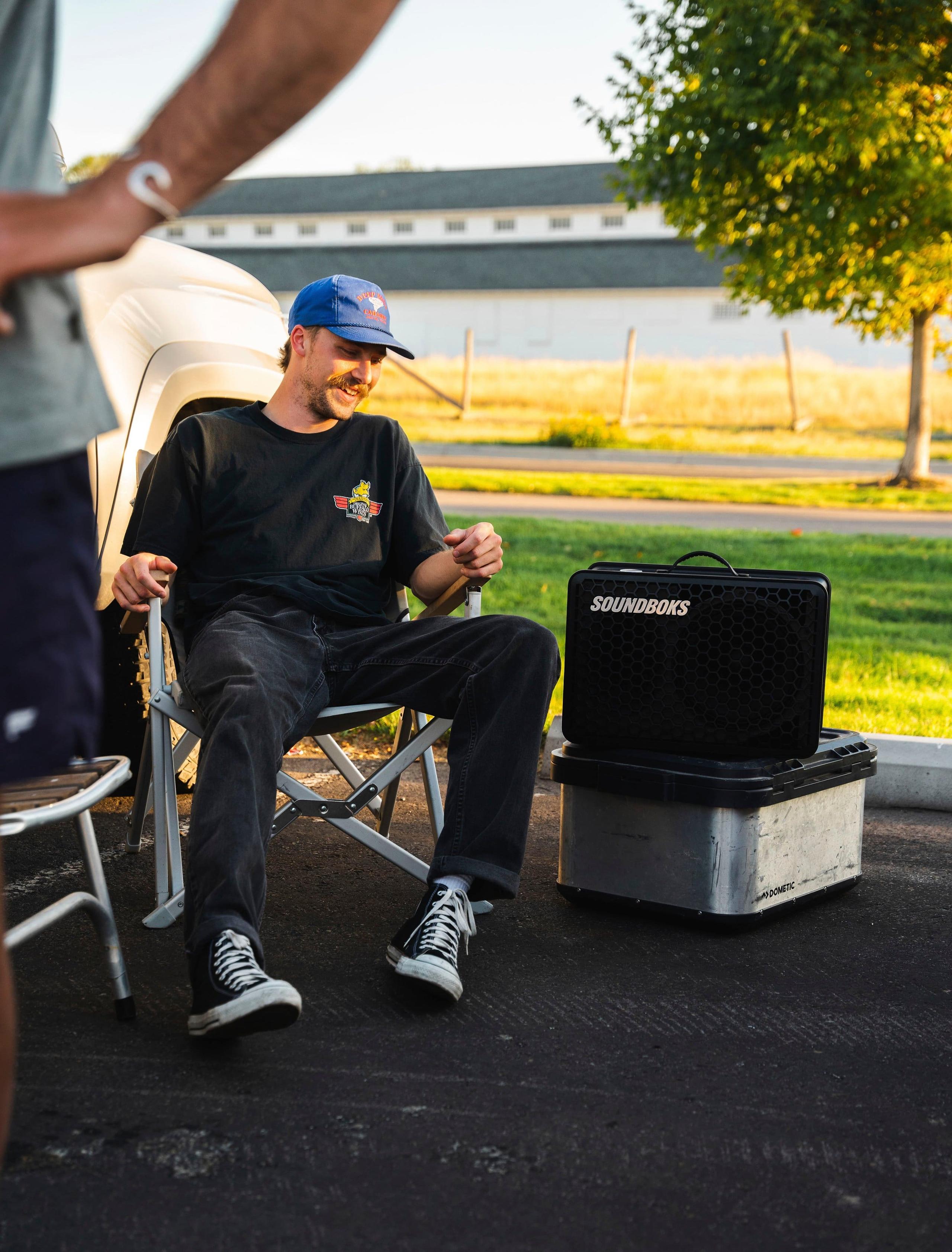
Portable speakers face entirely different challenges. The Soundboks Go needs to sound good whether it's sitting on a picnic table, hanging from a tree branch, or competing with wind and ambient noise at an outdoor gathering. This requires a completely different approach to driver design, amplification, and even the basic acoustic principles governing how sound waves behave.
The technical specifications tell this story clearly. A home speaker's frequency response (the range of sound frequencies it can reproduce) typically extends deeper into bass territory because it can use larger drivers and assume placement near walls that reinforce low frequencies. Portable speakers often sacrifice some of that deep bass extension in favor of efficiency and durability.
The Marshall Woburn III uses what's called a three-way driver system, which means it divides the audio spectrum into three parts, with dedicated drivers handling each range. The 6-inch woofer handles bass frequencies (roughly 35-200 Hz), the dual 2-inch midrange drivers cover vocals and most instruments (200-3,000 Hz), and the two 0.75-inch tweeters reproduce the high frequencies that add sparkle and detail to cymbals, vocal consonants, and the harmonics that make instruments sound realistic.
This approach matters because no single driver can efficiently reproduce the entire range of human hearing. When a driver tries to produce both deep bass and crisp highs, compromises are inevitable. The Marshall Woburn III avoids these compromises by giving each driver a focused job, resulting in clearer separation between instruments and more natural sound reproduction.
The angled tweeters deserve special mention here. By pointing slightly outward rather than straight forward, they create a wider "sweet spot" where the sound remains balanced. This means you don't have to sit in exactly the right position to hear proper stereo imaging—the sense of instruments being positioned left, right, and center in the musical performance.
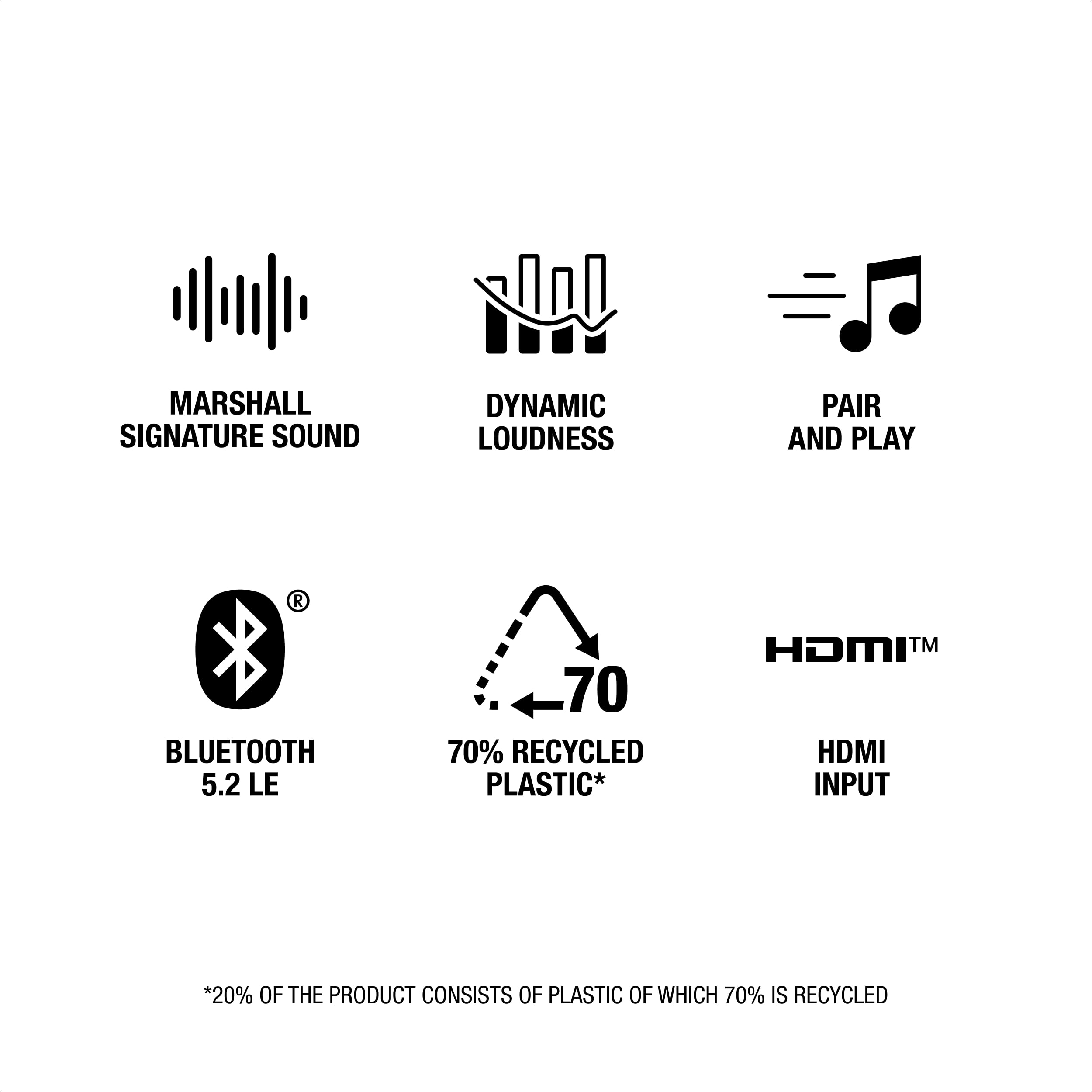
Dynamic Loudness is another standout feature that addresses a real problem with most speakers. At low volumes, our ears naturally hear less bass and treble, making music sound thin and lifeless. The Marshall Woburn III automatically adjusts the frequency balance as you change volume, ensuring your late-night listening sessions don't lose their musical impact.
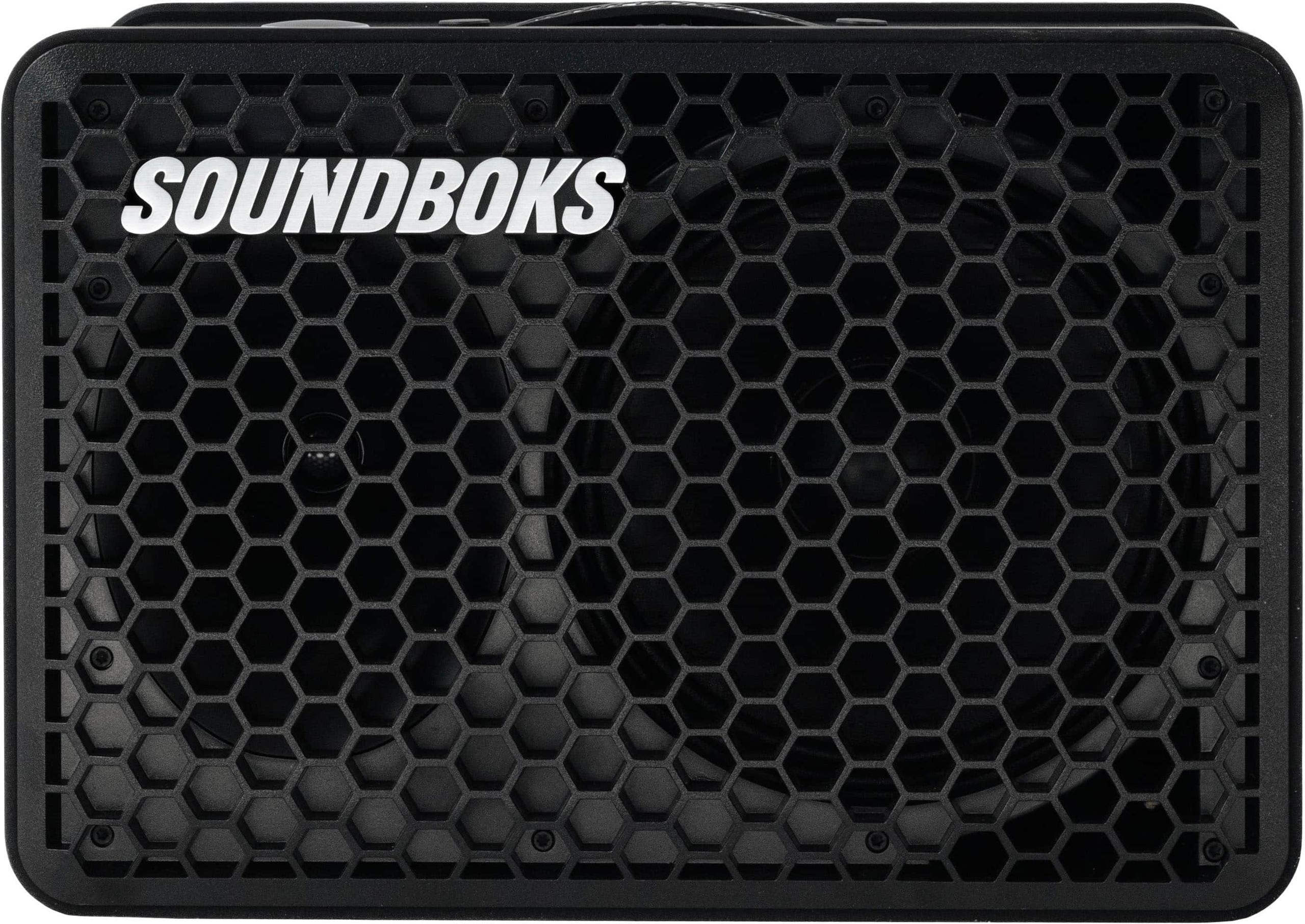
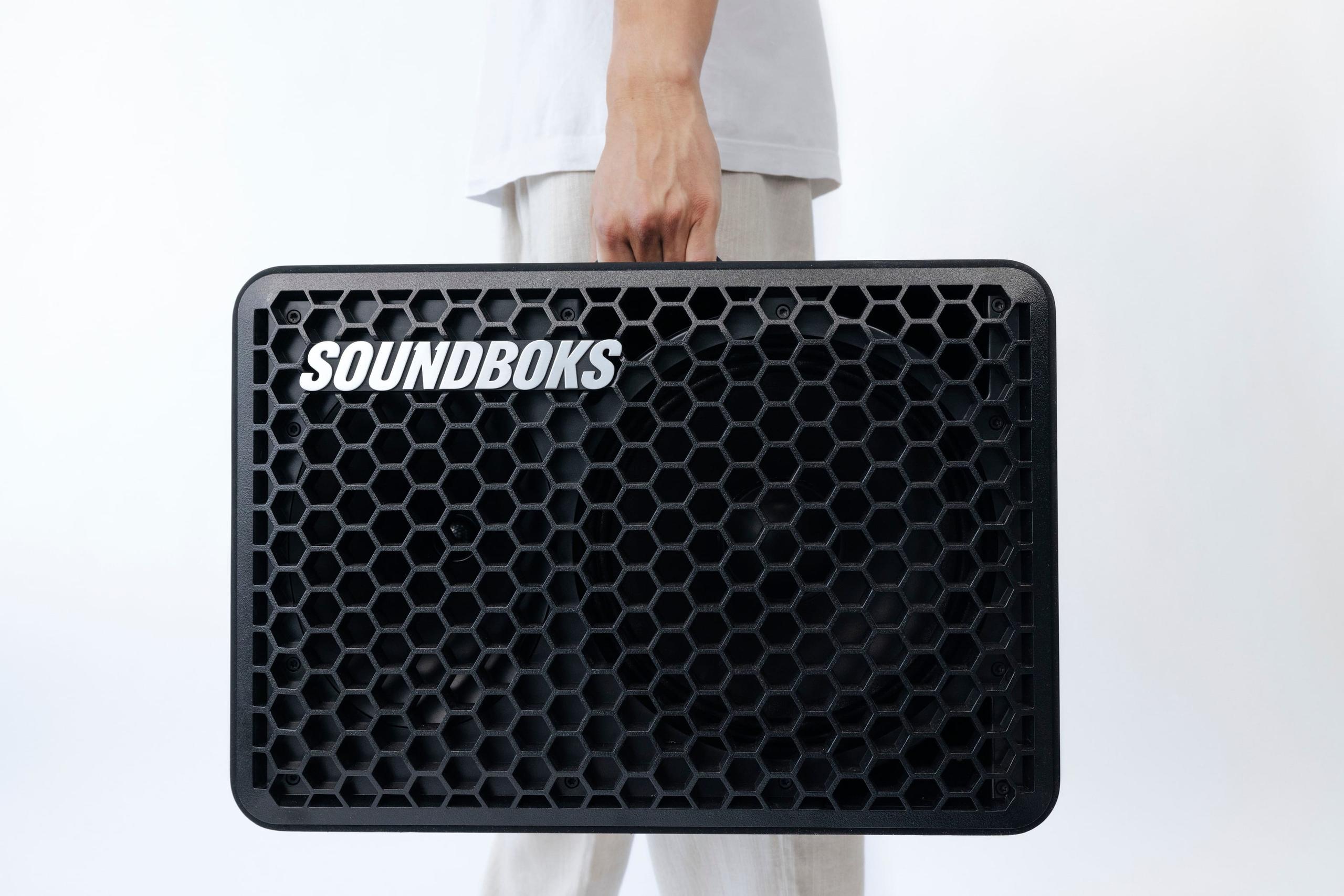
The Soundboks Go takes a radically different approach, prioritizing sheer acoustic power over nuanced sound reproduction. Its single 10-inch woofer and 1-inch tweeter configuration is simpler but optimized for efficiency and maximum output. This is essentially a two-way system (bass/midrange driver plus tweeter) that can push 121 decibels of sound pressure—loud enough to be heard clearly over a football field.
To put this in perspective, every 3-decibel increase represents a doubling of acoustic power. The Soundboks Go's 121 dB capability versus the Marshall Woburn III's 100.5 dB means the portable speaker can produce roughly 64 times more acoustic energy. That's the difference between background music and concert-level sound.
This massive output capability comes from the Class D amplification system using Merus Audio technology—a particularly efficient design that converts more electrical power into acoustic output while generating less heat. For a battery-powered speaker, this efficiency directly translates to longer playing time at high volumes.
The sound signature is intentionally V-shaped, meaning boosted bass and treble with slightly recessed midrange frequencies. While audiophiles might prefer more balanced tuning, this signature cuts through outdoor ambient noise and makes music sound exciting even at lower volumes where the extreme dynamics get compressed.
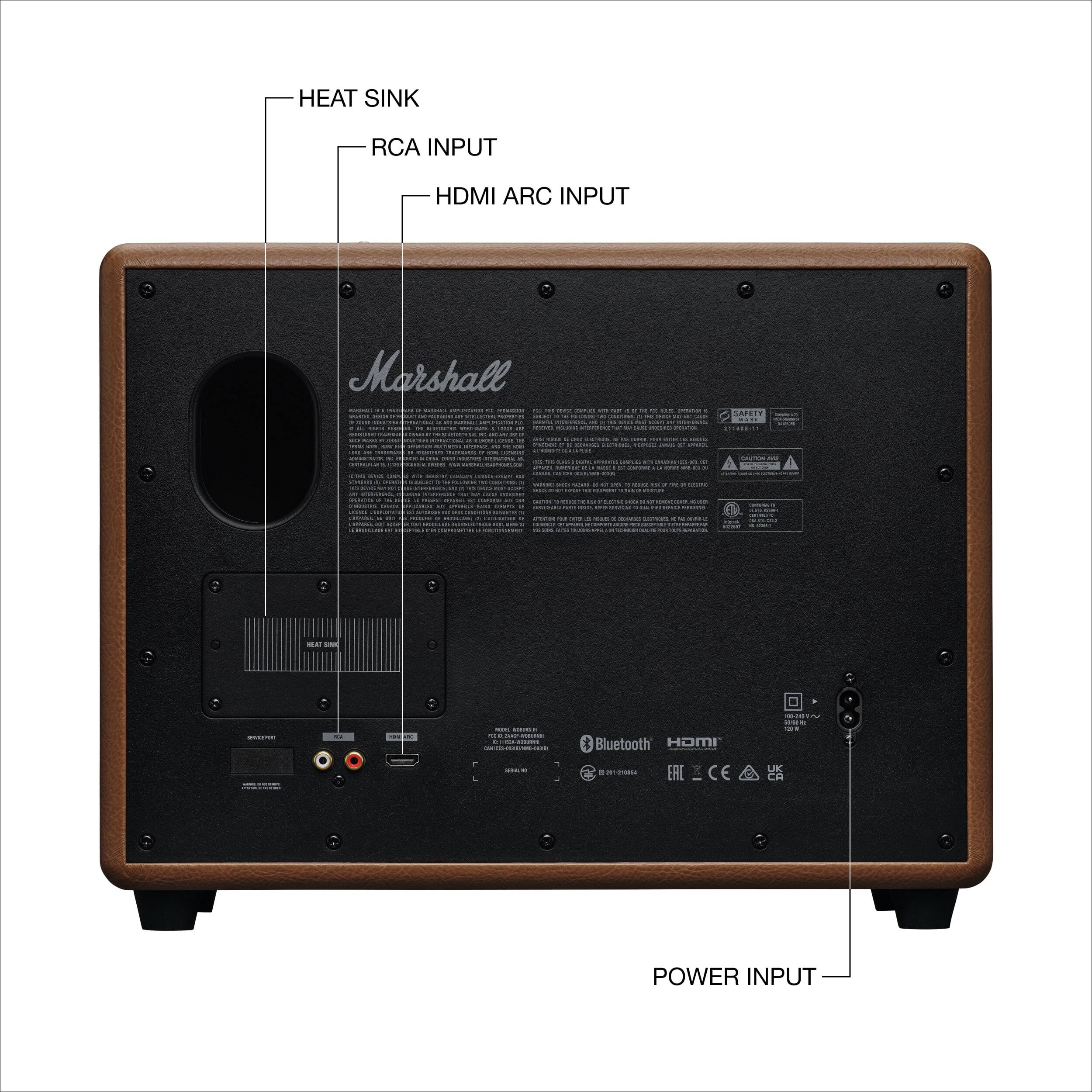
The Marshall Woburn III's HDMI ARC (Audio Return Channel) connection represents one of the biggest advances in home speaker technology. This single cable connection to your TV not only carries audio but also allows the TV remote to control the speaker's volume and power. The speaker can even detect when the TV turns on and automatically switch to the correct input.
For home theater use, this is transformative. Most TV speakers are terrible—thin, lacking bass, and positioned to bounce sound off your coffee table rather than toward your ears. The Marshall Woburn III solves this with dedicated Night Mode that automatically compresses loud sound effects while boosting dialogue, making late-night movie watching more neighbor-friendly without losing important audio details.
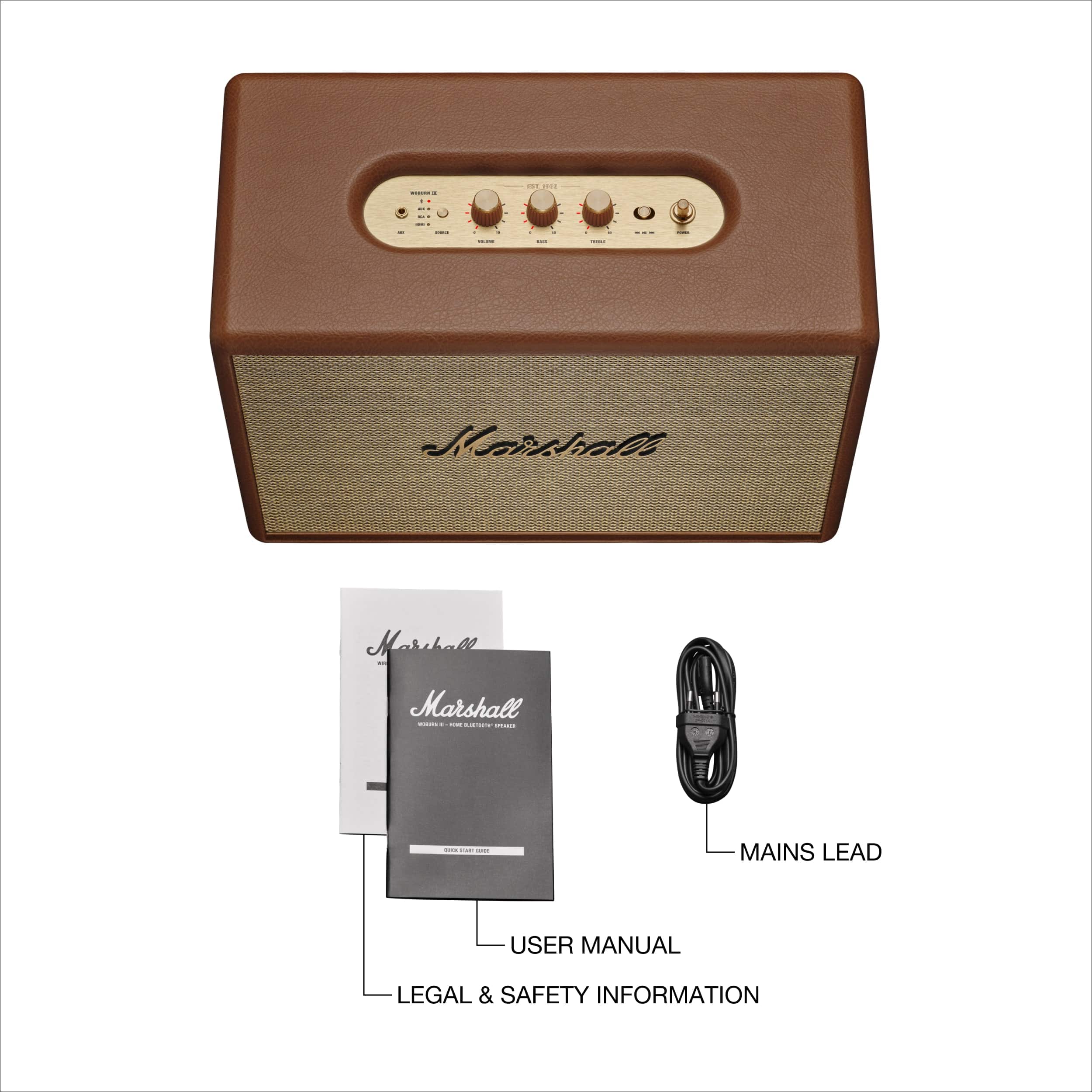
The multiple input options (RCA, 3.5mm auxiliary, HDMI ARC, and Bluetooth 5.2) mean you can connect virtually any audio source without adapters or complicated switching. The RCA inputs are particularly valuable for connecting turntables, CD players, or other traditional hi-fi components that many modern speakers ignore.
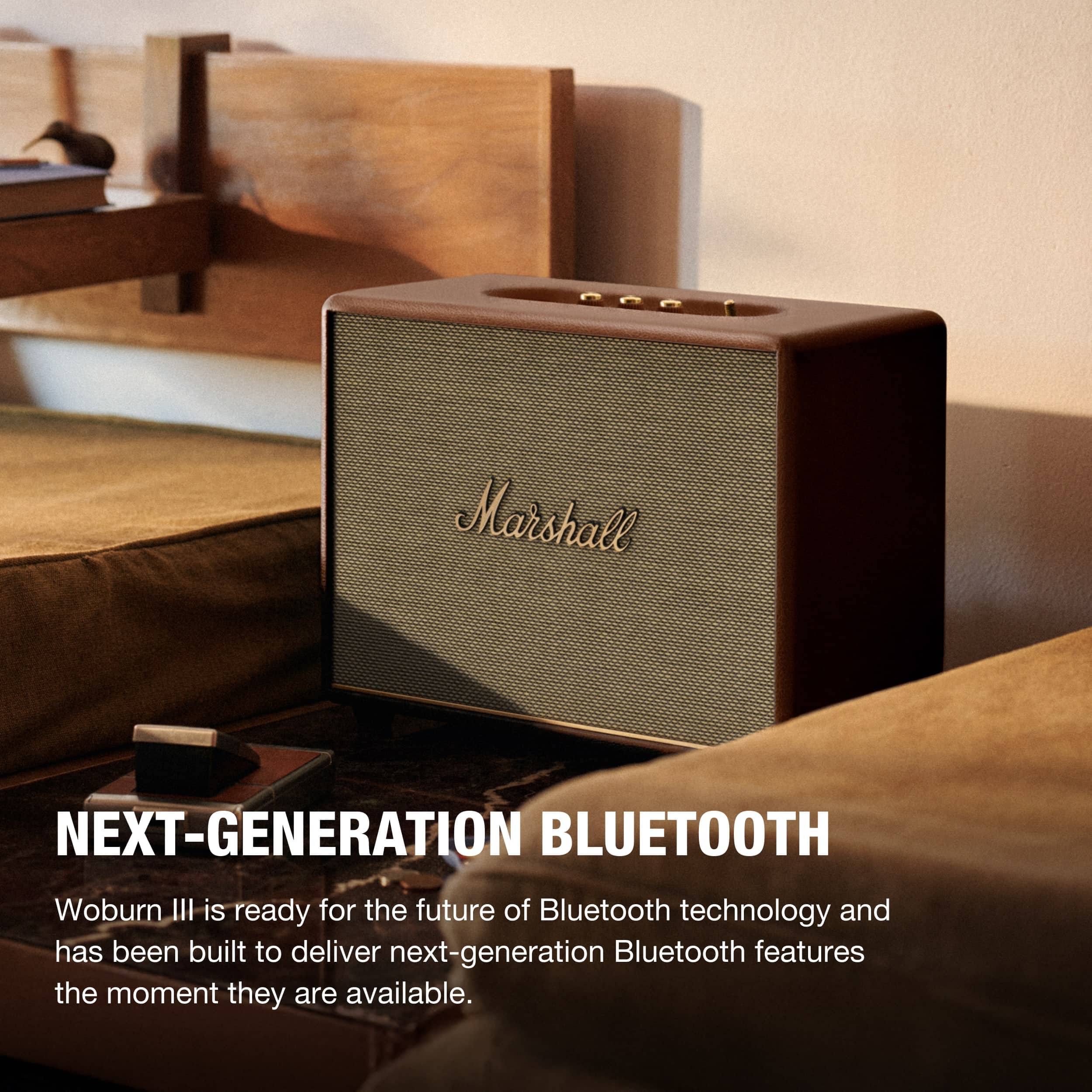
Bluetooth 5.2 brings multipoint capability, allowing two devices to stay connected simultaneously. While only one can play at a time, the seamless switching between your phone and laptop eliminates the constant pairing and unpairing that plagued earlier Bluetooth generations.
The Soundboks Go introduces SKAA (Secure Key Audio Architecture) technology that creates ultra-low-latency wireless networks between multiple speakers. Unlike standard Bluetooth, which can have noticeable delay between speakers, SKAA keeps multiple units synchronized within milliseconds. This TeamUP feature lets you connect up to five speakers for truly massive sound coverage.
This networking capability transforms how you think about portable audio. Instead of choosing between adequate volume and true stereo separation, you can place multiple Soundboks Go units around a space for both wide coverage and proper left/right channel separation. For outdoor events, this flexibility is unmatched by any traditional speaker system.
The swappable battery system deserves recognition as genuine innovation. While most portable speakers become expensive paperweights when their batteries die, the Soundboks Go's modular approach means you can keep spare batteries charged and swap them in minutes. Each battery provides 40 hours at moderate volumes or 10 hours at maximum output—impressive endurance that extends further with spare batteries.
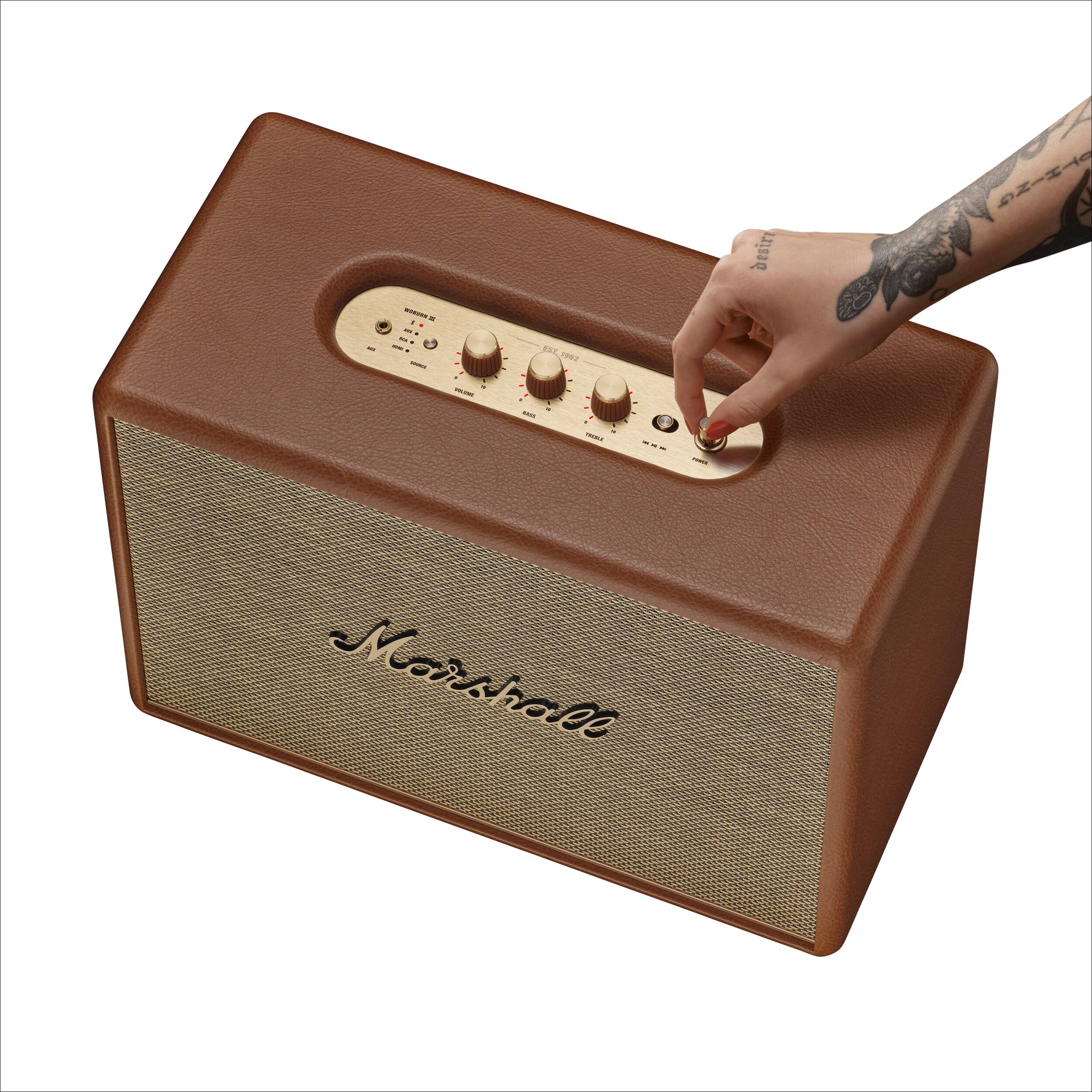
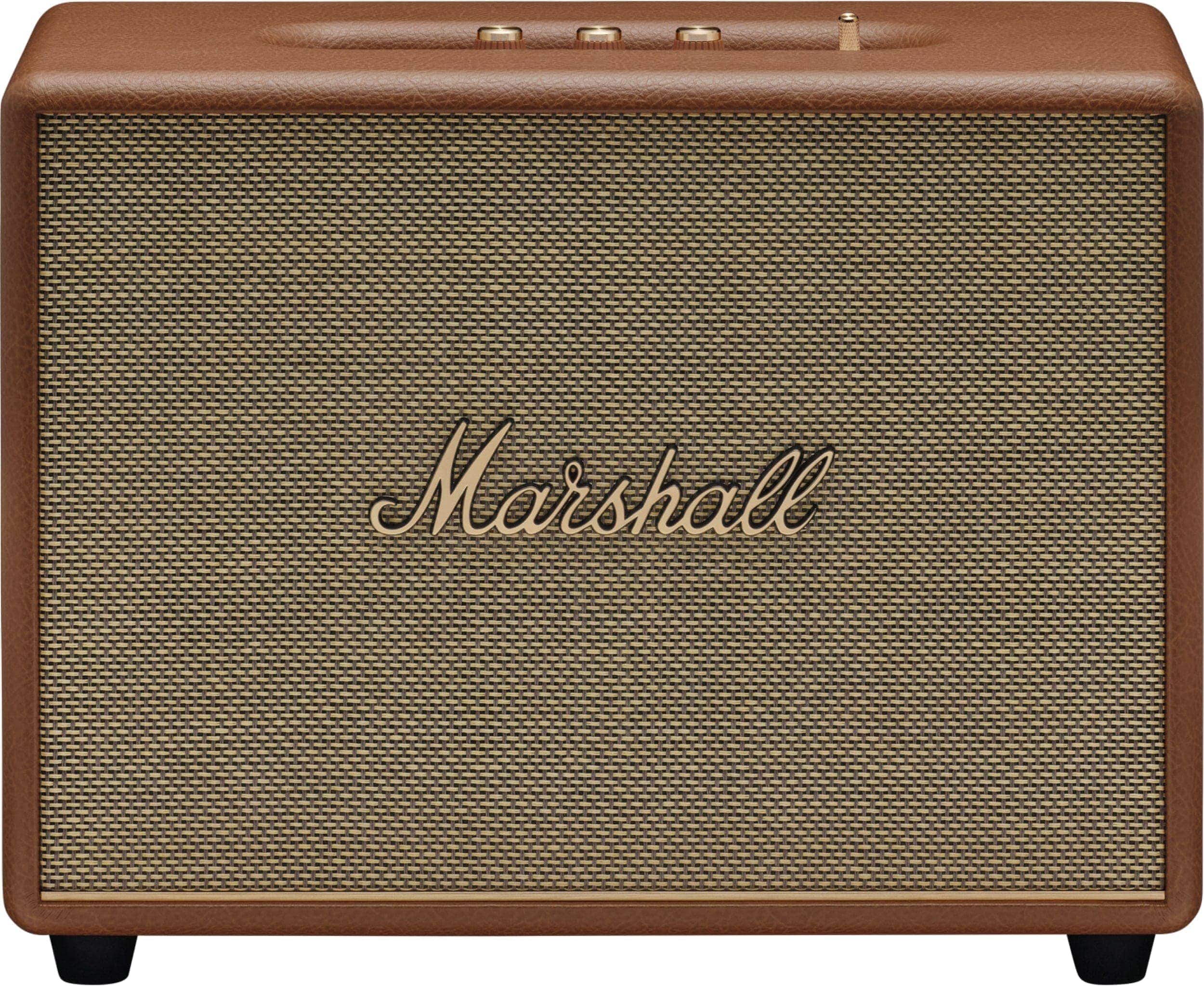
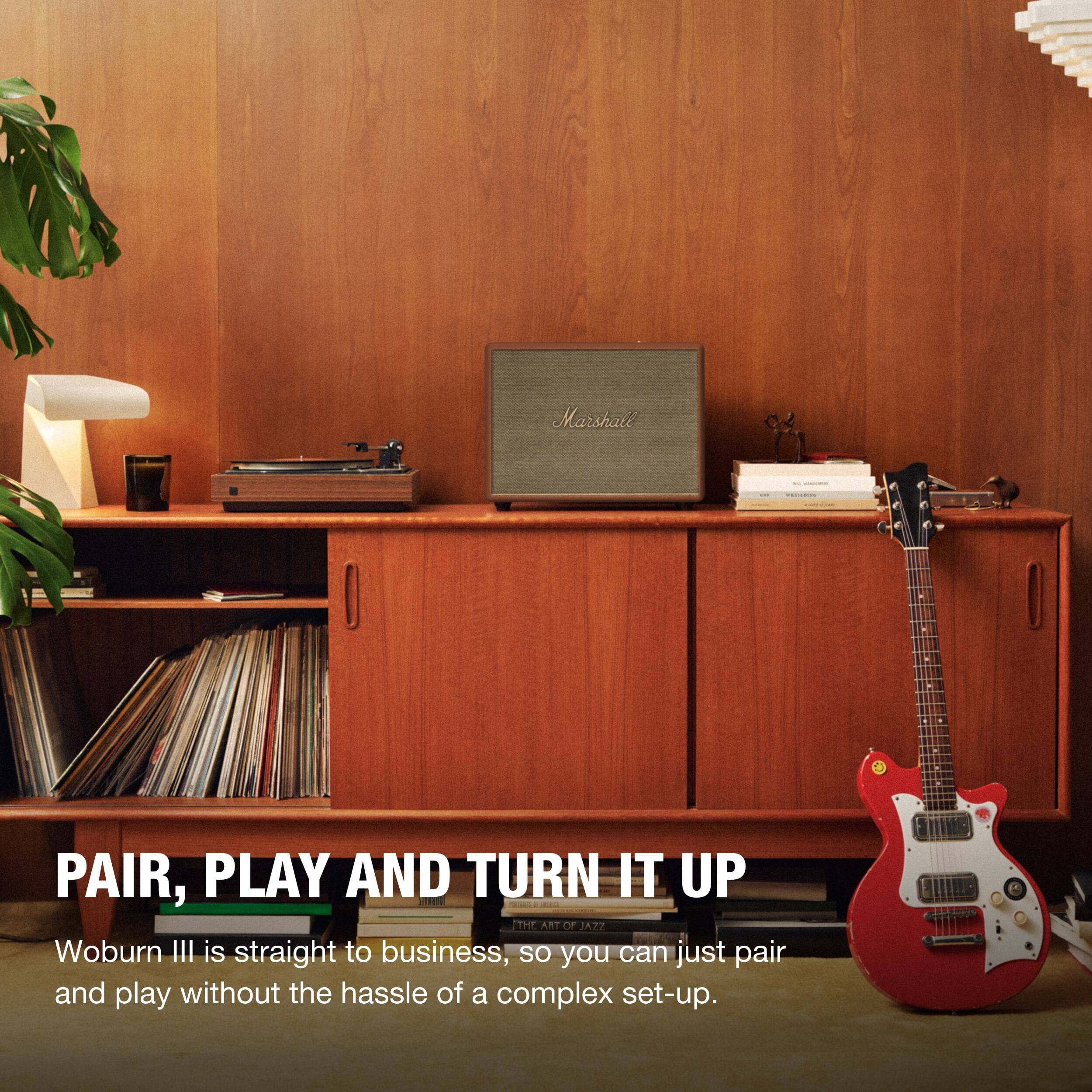
The Marshall Woburn III prioritizes visual appeal and premium materials over ruggedness. The vegan leather texture, brass control knobs, and iconic Marshall script logo create an aesthetic that complements modern living spaces while paying homage to classic guitar amplifiers. The 70% recycled plastic construction shows environmental consciousness without compromising build quality.
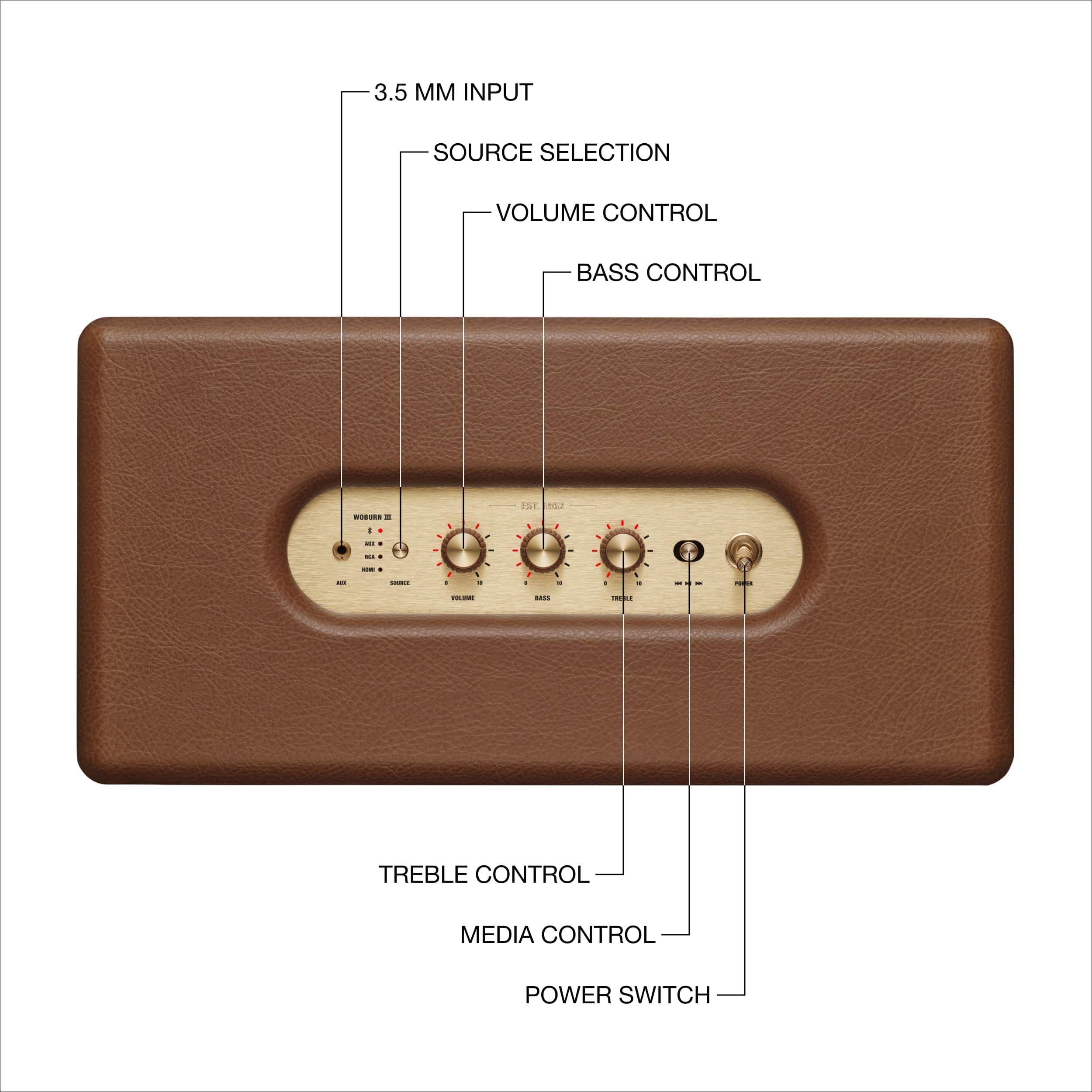
The analog controls feel substantial and provide immediate feedback—something increasingly rare in our digital world. The volume, bass, and treble knobs offer tactile control that smartphone apps can't match, especially when you want quick adjustments without looking away from a movie or conversation.
However, this premium construction comes with limitations. The Marshall Woburn III lacks any water resistance rating and clearly isn't designed for outdoor exposure. The fabric grille and leather-textured surfaces would suffer in humid or dusty conditions.
The Soundboks Go's IP65 rating means it can withstand dust storms and direct water spray—not just light splashes. The ABS and polycarbonate cabinet with silicone rubber bumpers can handle drops, impacts, and the kind of abuse that outdoor events inevitably deliver.
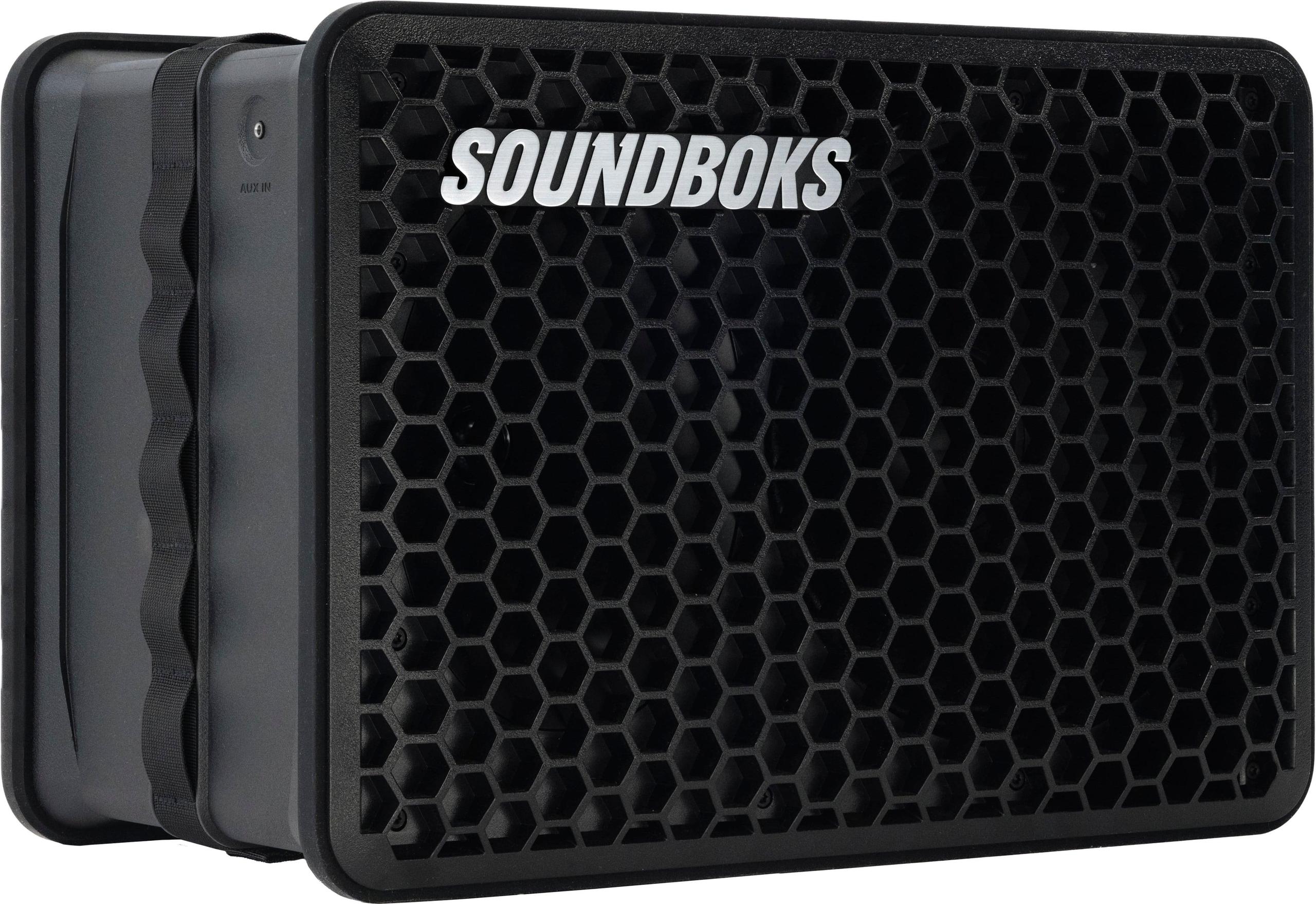
The built-in reinforced mounting points, carry handle, and strap attachment loops show careful consideration for real-world portable use. At 20 pounds, it's substantial enough to feel robust while remaining manageable for one person to carry reasonable distances.
The front-firing bass ports are both a strength and potential weakness. They allow powerful bass output but can collect debris in dusty environments and prevent placement directly against walls for bass reinforcement—a trade-off between portability and optimal acoustic placement.
When evaluating these speakers, certain measurements matter more than others. Maximum SPL (Sound Pressure Level) tells you how loud a speaker can get, but it doesn't indicate how it sounds at that volume. THD (Total Harmonic Distortion) at various volumes gives better insight into real-world performance—you want low distortion even at moderately high volumes where you'll actually listen.
Frequency response graphs, while technical, reveal a speaker's tonal balance. The Marshall Woburn III's relatively flat response through midrange frequencies means vocals and instruments sound natural, while the Soundboks Go's V-shaped curve prioritizes excitement and outdoor audibility over accuracy.
Battery life specifications for portable speakers should always be viewed skeptically. Manufacturers typically test at unrealistically low volumes with specific audio content. Real-world usage, especially outdoors where you need higher volumes, will significantly reduce runtime. The Soundboks Go's swappable battery system makes this less concerning than with sealed units.
For home theater use, the Marshall Woburn III offers compelling advantages beyond just HDMI ARC connectivity. Its stereo driver configuration creates proper left/right imaging that helps with directional audio cues in movies—gunshots coming from specific directions, cars panning across the screen, or subtle ambient sounds that establish atmosphere.
The Night Mode feature specifically addresses the "loud explosions, whispered dialogue" problem that plagues modern movie soundtracks. Rather than simply reducing volume, it uses dynamic range compression to maintain the impact of sound effects while ensuring you can hear every word without disturbing neighbors or family members.
However, serious home theater enthusiasts should understand that even the Marshall Woburn III represents a compromise compared to dedicated surround sound systems. It can't reproduce true 5.1 or Atmos surround sound, and while its bass extends impressively low for a single-cabinet speaker, it won't match a dedicated subwoofer for the deepest movie sound effects.
At the time of writing, both speakers command premium pricing that reflects their position as flagship models in their respective categories. The Marshall Woburn III competes with other high-end home Bluetooth speakers, where you're paying for brand prestige, build quality, and sophisticated acoustic engineering.
The Soundboks Go's pricing reflects its unique position in a market with few direct competitors. Most portable speakers either prioritize affordability with limited power, or offer professional features at significantly higher prices. The Go's combination of consumer-friendly operation with pro-level output and networking capabilities creates a unique value proposition.
Consider the total cost of ownership, though. The Marshall Woburn III plugs into the wall and should provide years of consistent performance without degradation. The Soundboks Go's battery will eventually wear out, and spare batteries represent additional investment for extended-use scenarios.
Choose the Marshall Woburn III if your primary use case involves stationary listening in home environments. Its superior sound quality, TV integration capabilities, and elegant aesthetics make it ideal for living rooms, bedrooms, or any space where you want premium audio without the complexity of traditional hi-fi systems. The multiple input options future-proof your investment as your source components evolve.
The Soundboks Go makes sense when portability and maximum output trump audiophile sound quality. Its ruggedized construction, networking capabilities, and impressive battery life serve outdoor enthusiasts, party hosts, and anyone who needs serious sound away from power outlets. The ability to scale up with multiple units makes it particularly attractive for events and gatherings.
For most people, the decision comes down to lifestyle. If you primarily listen to music at home and want to enhance your TV's audio, the Marshall Woburn III delivers superior value through better sound quality and seamless integration. If you frequently entertain outdoors, camp, or need audio that can travel, the Soundboks Go's unique combination of power and portability justifies its premium pricing.
Neither speaker represents a compromise within its category—both excel at their intended purposes. The key is honest assessment of how and where you'll actually use them most often.
| Marshall Woburn III | Soundboks Go |
|---|---|
| Speaker Type - Determines where and how you'll use it | |
| Premium home Bluetooth speaker (AC powered only) | Rugged portable speaker (battery powered) |
| Maximum Volume - How loud it can get | |
| 100.5 dB @ 1m (loud enough for large rooms) | 121 dB (concert-level volume for outdoor events) |
| Driver Configuration - Affects sound quality and stereo imaging | |
| 3-way stereo: 6" woofer + dual 2" mids + dual 0.75" tweeters | 2-way mono: 10" woofer + 1" tweeter |
| Total Power Output - Raw amplification strength | |
| 150W Class D (distributed across 5 drivers) | 144W RMS Class D (Merus Audio technology) |
| Frequency Range - How deep the bass goes and how crisp the highs are | |
| 35-20,000 Hz (excellent bass extension for home use) | 40-20,000 Hz (optimized for outdoor projection) |
| Connectivity Options - How many ways you can connect audio sources | |
| Bluetooth 5.2, HDMI ARC, RCA, 3.5mm aux | Bluetooth 5.0, 3.5mm aux, SKAA wireless networking |
| Multi-Speaker Capability - Can you connect multiple units together | |
| No pairing capability (single speaker only) | TeamUP network up to 5 speakers with ultra-low latency |
| TV Integration - How well it works with your television | |
| HDMI ARC with TV remote control and Night Mode | No TV integration features |
| Water/Dust Resistance - Protection from elements | |
| None (indoor use only) | IP65 rated (dust-proof and water-resistant) |
| Battery Life - How long it runs unplugged | |
| No battery (requires wall power) | 40 hours moderate / 10 hours max volume |
| Weight and Portability - How easy it is to move around | |
| 16.4 lbs, designed to stay in place | 20.3 lbs with handle, designed for transport |
| Sound Tuning - What the audio signature emphasizes | |
| Balanced audiophile tuning with Dynamic Loudness | V-shaped (boosted bass/treble) for outdoor excitement |
| Smart Features - App control and customization | |
| Marshall app with EQ, placement correction | Soundboks app with sound profiles, security features |
| Build Materials - What it's made from and how it looks | |
| Vegan leather texture, brass knobs, classic Marshall styling | Military-grade ABS/polycarbonate with rubber bumpers |
The Marshall Woburn III is specifically designed for home use with HDMI ARC connectivity, multiple wired inputs, and premium aesthetics that complement living spaces. The Soundboks Go is built for portability and outdoor use, making it less ideal for permanent home setups due to its rugged design and mono audio output.
The Marshall Woburn III offers excellent TV integration through HDMI ARC, allowing your TV remote to control volume and power while providing features like Night Mode for better dialogue clarity. The Soundboks Go can connect to TVs via 3.5mm aux cable but lacks advanced TV integration features.
The Soundboks Go produces significantly higher volume at 121 dB maximum output, making it suitable for large outdoor events and parties. The Marshall Woburn III reaches 100.5 dB, which is plenty loud for home listening but not designed for outdoor gatherings or concerts.
The Marshall Woburn III requires AC power and must be plugged into a wall outlet at all times. The Soundboks Go runs on a rechargeable battery providing 40 hours of playback at moderate volume, with the option to swap batteries for extended use.
The Marshall Woburn III delivers superior sound quality with its 3-way stereo driver system, balanced frequency response, and Dynamic Loudness technology. The Soundboks Go prioritizes volume and outdoor performance over audiophile sound quality, with a V-shaped sound signature optimized for excitement rather than accuracy.
The Soundboks Go is specifically built for outdoor use with IP65 water and dust resistance, rugged construction, and powerful output that cuts through ambient noise. The Marshall Woburn III lacks weather protection and is designed exclusively for indoor use.
The Soundboks Go excels at parties with its massive 121 dB output, ability to network up to 5 speakers together, portable battery power, and weatherproof construction. The Marshall Woburn III is better suited for intimate home gatherings rather than large parties.
The Marshall Woburn III provides true stereo sound with separate left and right channels through its dual driver configuration. The Soundboks Go is a mono speaker, though you can create stereo by pairing two units through the TeamUP feature.
Both speakers offer bass and treble control, but differently. The Marshall Woburn III features physical brass knobs on top plus app-based EQ and placement correction. The Soundboks Go relies primarily on the mobile app for sound profile adjustments and custom EQ settings.
The Marshall Woburn III cannot be paired with other speakers and functions as a standalone unit only. The Soundboks Go can connect up to 5 units using SKAA wireless technology for synchronized playback across multiple speakers.
The Soundboks Go offers superior durability with its IP65 rating, military-grade construction, rubber bumpers, and drop-resistant design. The Marshall Woburn III uses premium materials but is designed for protected indoor environments and lacks weather resistance.
The fundamental difference is purpose: the Marshall Woburn III is a premium home audio solution emphasizing sound quality, TV integration, and elegant aesthetics, while the Soundboks Go is a rugged portable powerhouse designed for maximum volume, outdoor durability, and event-level audio performance.
We've done our best to create useful and informative comparisons to help you decide what product to buy. Our research uses advanced automated methods to create this comparison and perfection is not possible - please contact us for corrections or questions. These are the sites we've researched in the creation of this article: loudersound.com - ash-asia.zendesk.com - armorsound.com - rtings.com - crutchfield.com - rtings.com - stereoguide.com - bestbuy.com - hometechnologyreview.com - crutchfield.com - sweetwater.com - rtings.com - youtube.com - greentoe.com - versus.com - idownloadblog.com - marshall.com - youtube.com - comparisontabl.es - youtube.com - versus.com - crutchfield.com - device.report - consumerreports.org - sg.tcacoustic.asia - stereoindex.com - safemark.com - smarthomesounds.co.uk - marshall.com - device.report - bestbuy.com - marshall.com - bestbuy.com - beachaudio.com - youtube.com - crutchfield.com - digitaldjtips.com - comparisontabl.es - eftm.com - sweetwater.com - bestbuy.com - compsource.com - sweetwater.com - store.djtechtools.com - youtube.com - scheels.com - soundboks.com - connection.com - scheels.com - skaastore.com - thomannmusic.com - soundboks.eu - gearjunkie.com

Privacy Policy
Terms and Conditions - Affiliate Policy
Home Security
© Copyright 2008-2026.
11816 Inwood Rd #1211, Dallas, TX 75244