

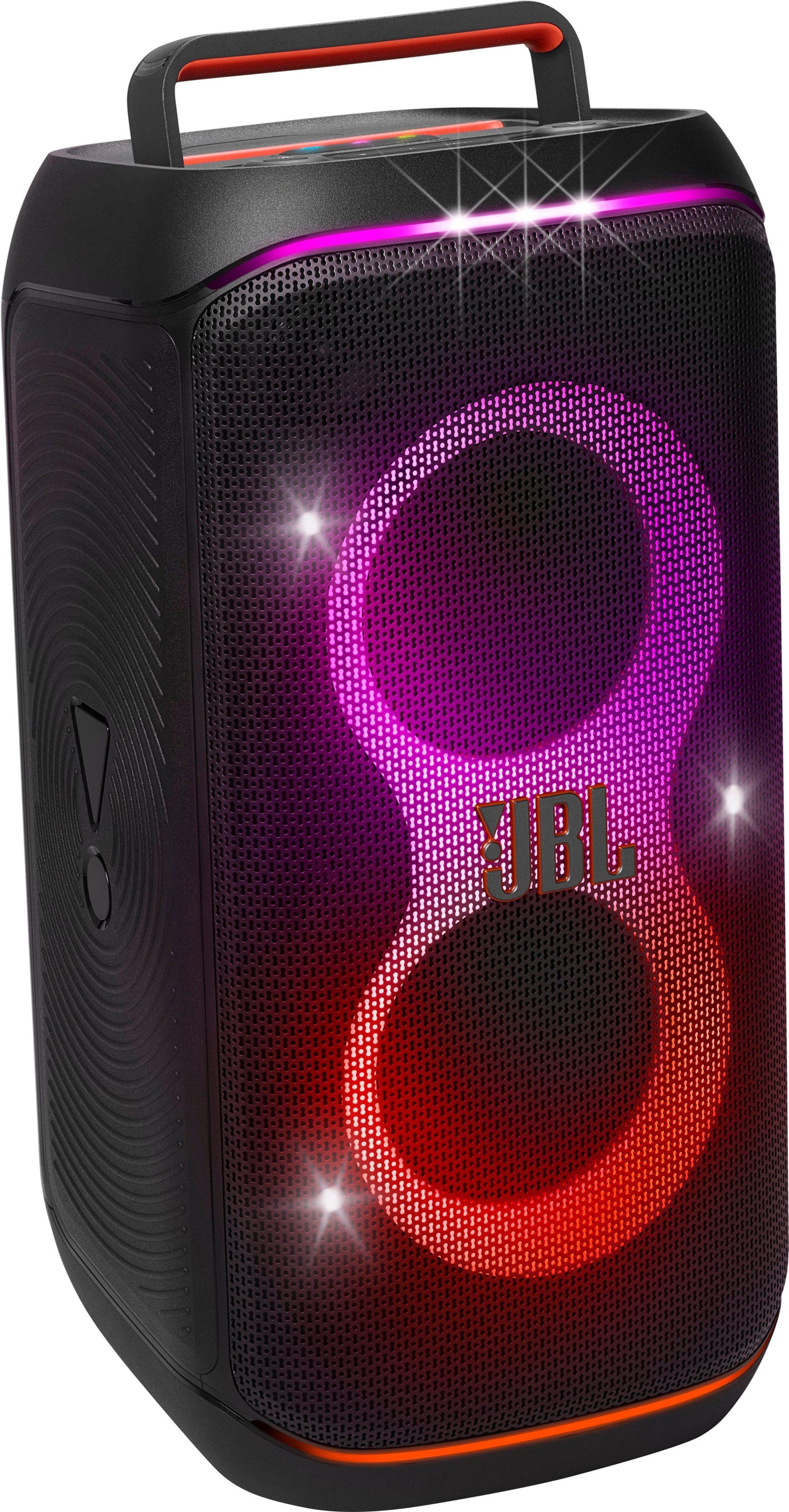
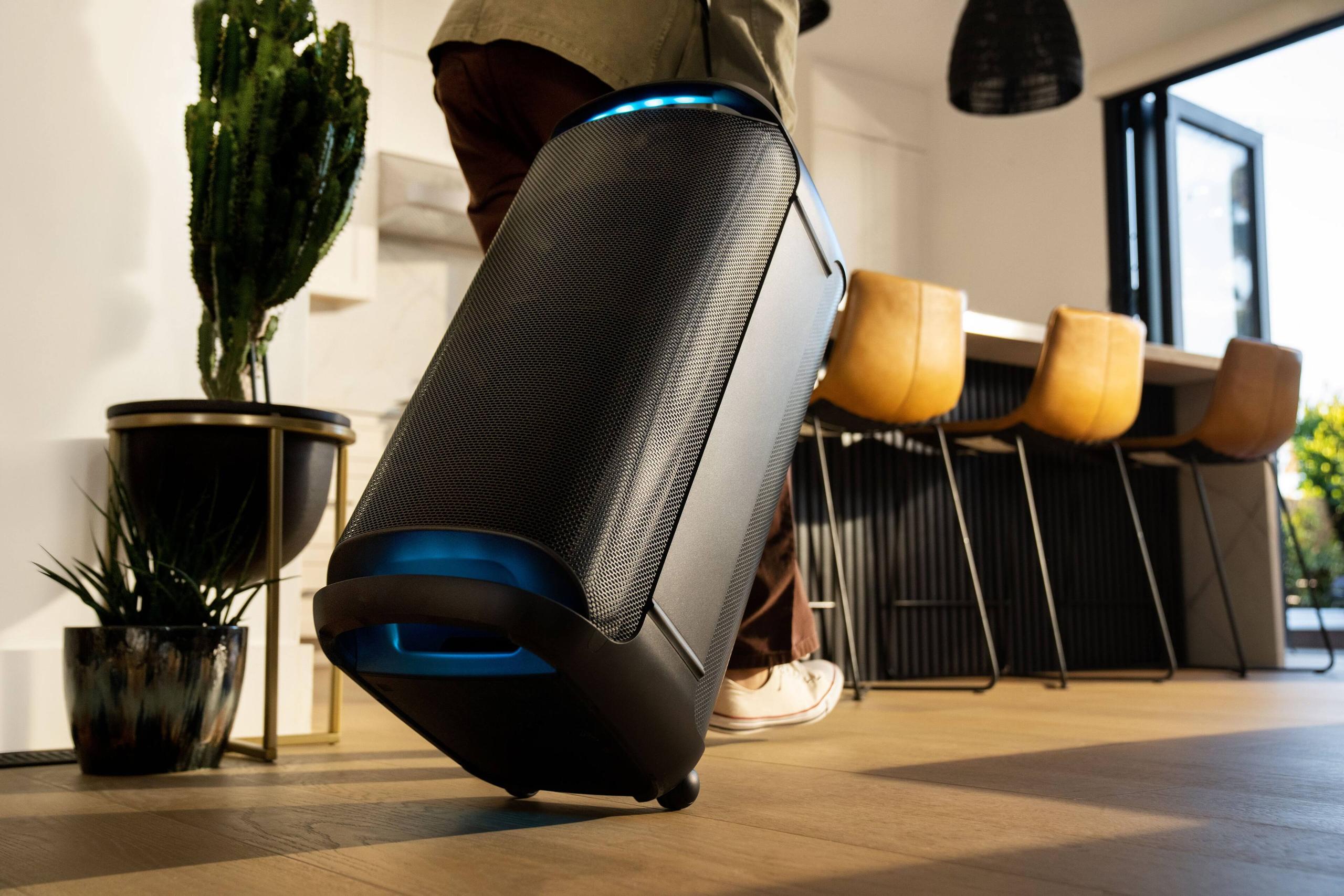
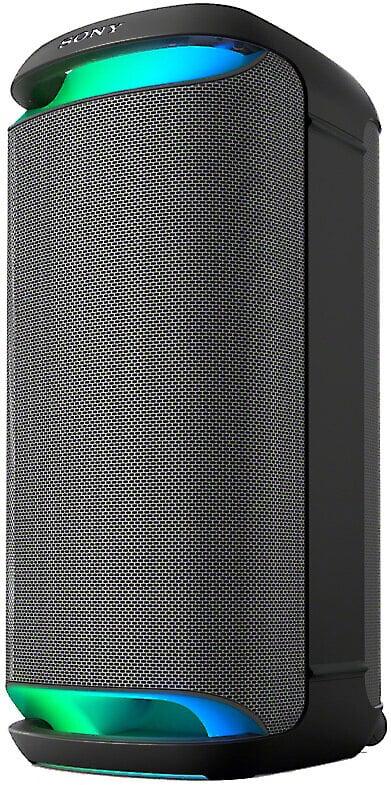
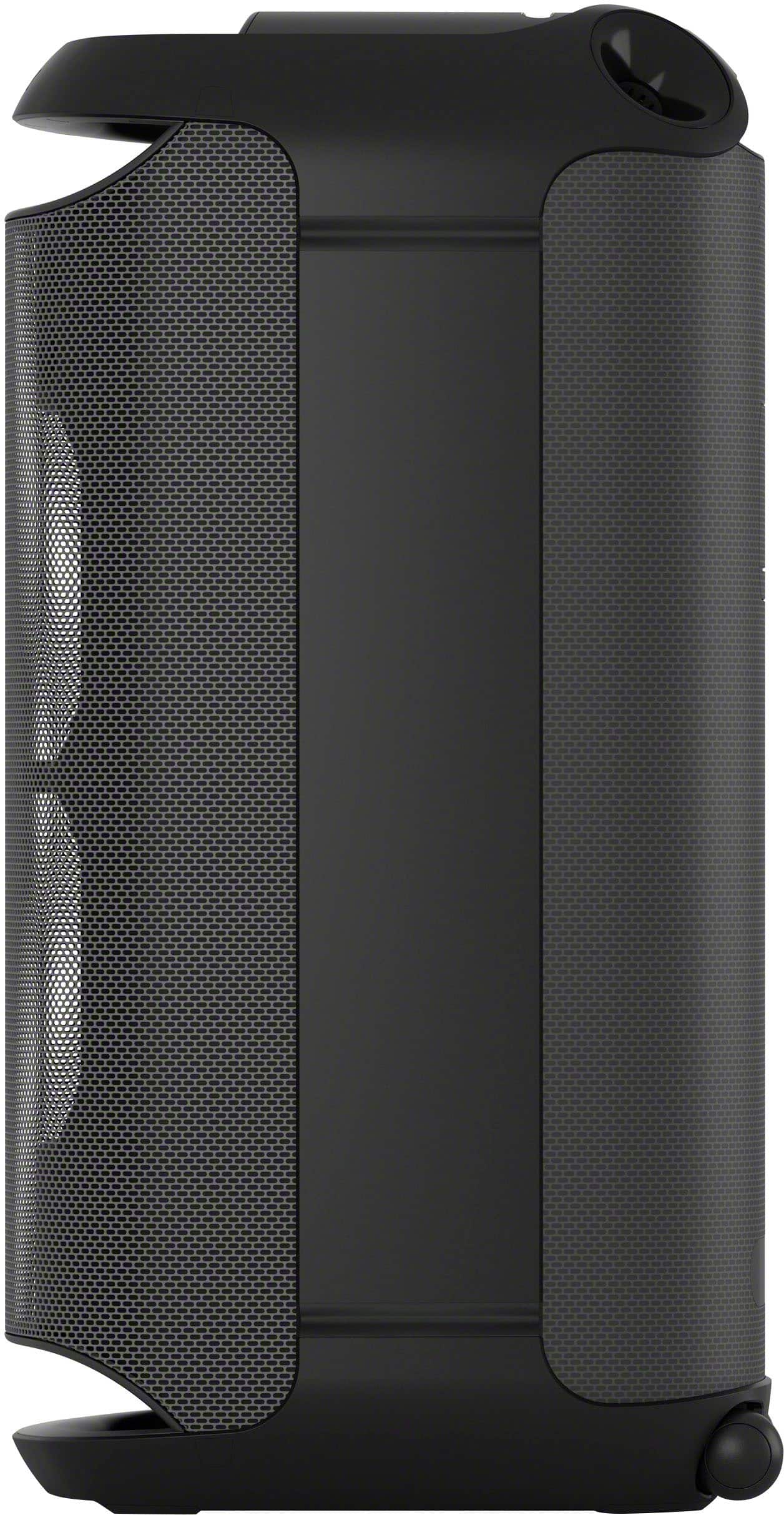
Party speakers have evolved dramatically since their early days. What started as simple boom boxes have transformed into sophisticated entertainment systems that can power entire events. If you're considering investing in a serious party speaker, two models consistently rise to the top: the JBL PartyBox Club 120 and the Sony SRS-XV800. Both launched in the last few years—the Sony in 2023 and the JBL in 2024—representing the latest thinking in portable party audio technology.
But here's the thing: despite similar pricing at the time of writing, these speakers take completely different approaches to the same goal. One prioritizes raw power and visual spectacle, while the other focuses on endurance and versatility. Understanding these differences is crucial to making the right choice for your specific needs.
Before diving into the comparison, it's worth understanding what separates party speakers from regular Bluetooth speakers. These aren't just louder versions of your desktop speaker—they're engineered for completely different use cases.
Party speakers need to deliver clean, powerful sound at high volumes without distortion. They must handle bass-heavy music that would cause smaller speakers to struggle or shut down. Most importantly, they need to fill large spaces with sound, whether that's a backyard, garage, or community center.
The most critical performance metrics for party speakers include maximum SPL (Sound Pressure Level—basically how loud they can get), frequency response (how well they reproduce different pitches from deep bass to high treble), and dynamic range (how well they handle sudden changes from quiet to loud passages in music). Battery life becomes crucial since these speakers often operate far from power outlets.
The most significant difference between the JBL PartyBox Club 120 and Sony SRS-XV800 lies in their raw power delivery. The JBL pumps out 160 watts RMS (Root Mean Square—a measurement of continuous power output), while the Sony delivers approximately 77 watts. That might seem like a technical detail, but it translates into dramatic real-world differences.
Based on extensive research into user experiences and expert reviews, the JBL PartyBox Club 120 consistently delivers 3-4 decibels more volume than the Sony, with some frequency ranges showing even larger gaps. Since the decibel scale is logarithmic, every 3dB increase represents a doubling of perceived loudness. This means the JBL doesn't just sound a little louder—it sounds significantly more powerful.
The power difference becomes most apparent with bass-heavy music. Users consistently report that the JBL PartyBox Club 120 produces "wall-shaking bass" that you can feel physically, while the Sony requires much higher volume settings to achieve similar impact. For outdoor events or large indoor spaces, this power advantage is game-changing.
However, more power isn't always better. The Sony SRS-XV800 achieves its longer battery life partly by operating at lower power levels. This creates a fundamental trade-off: do you want maximum impact for shorter periods, or moderate power for extended use?
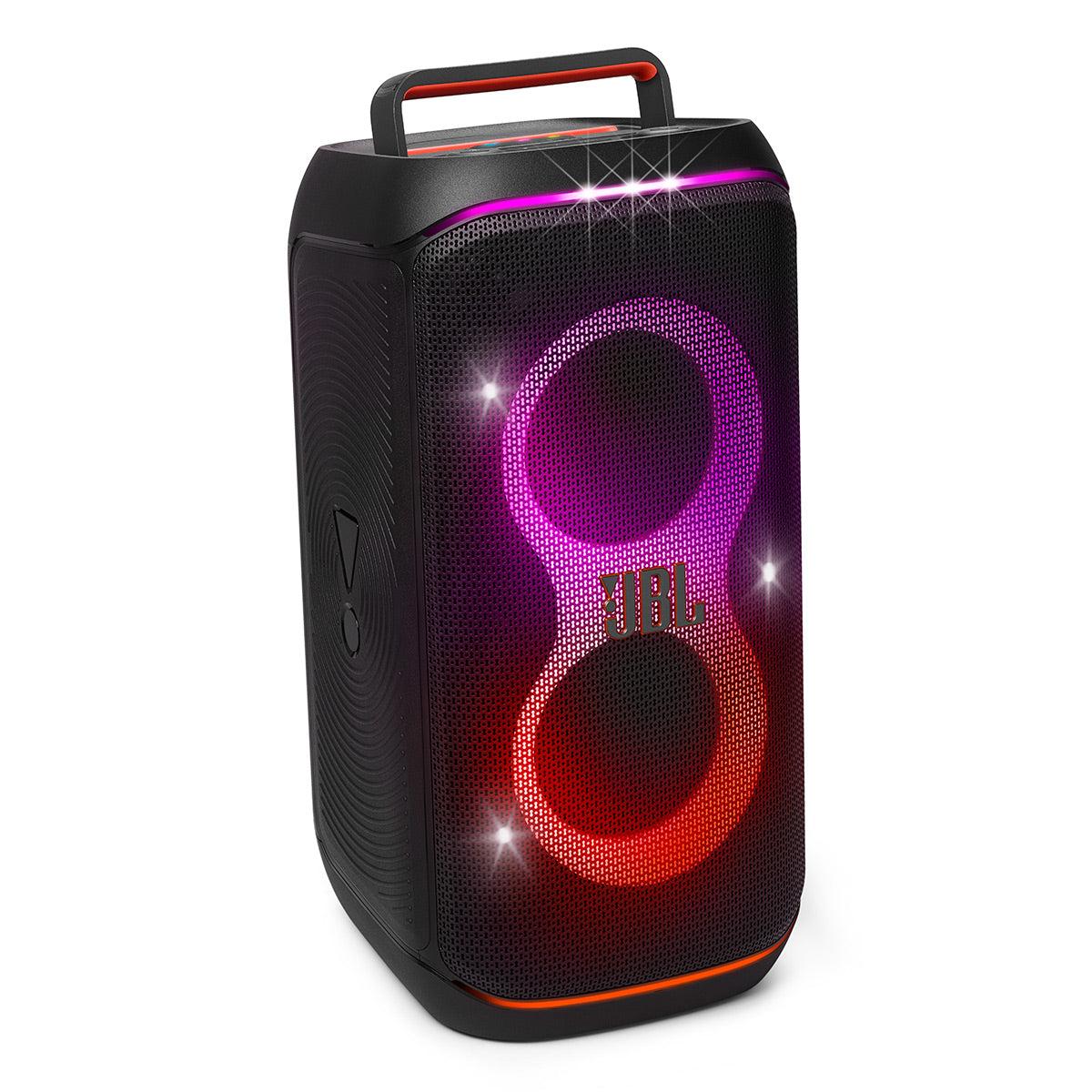
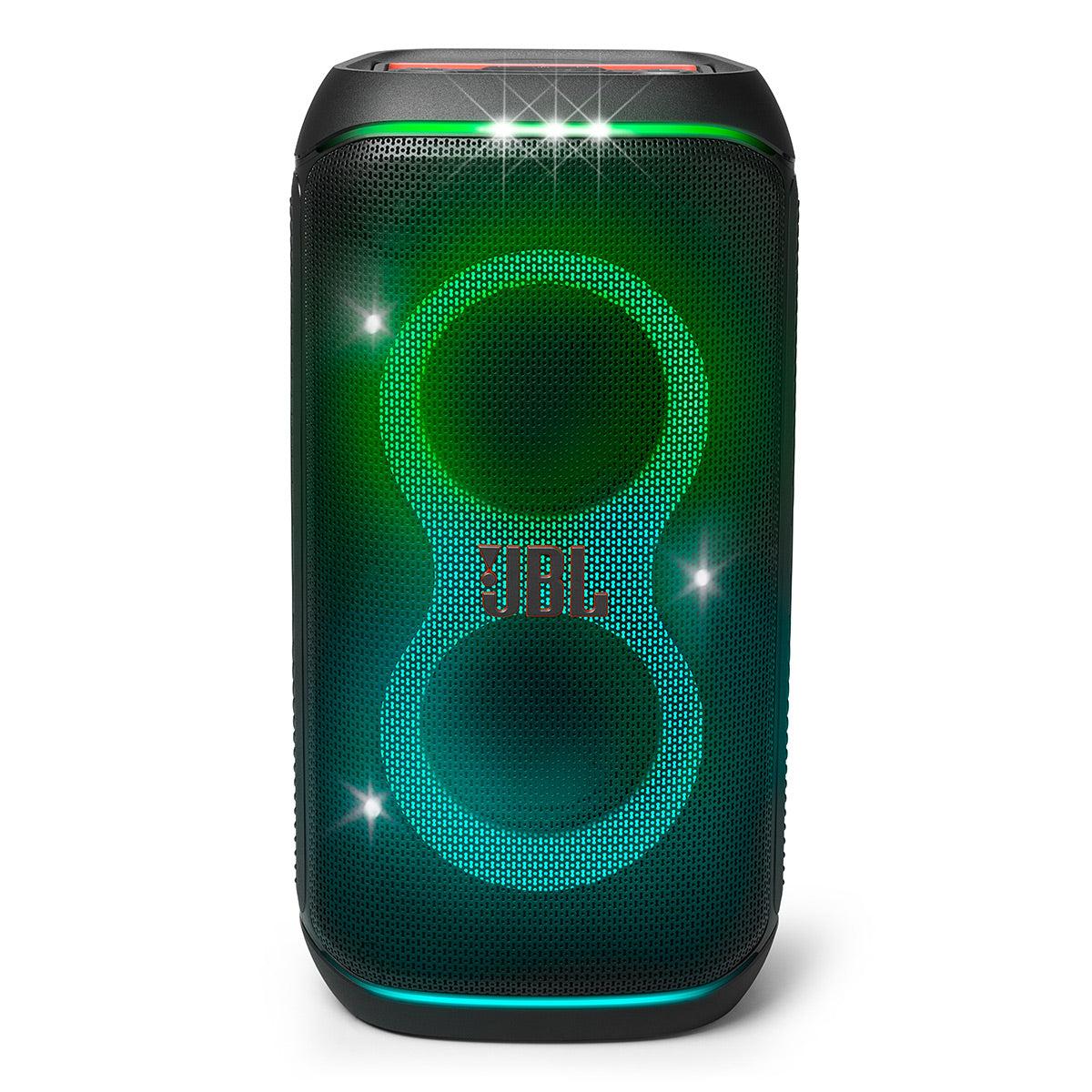
While both speakers deliver impressive audio quality, they approach sound reproduction differently. The JBL PartyBox Club 120 uses a straightforward two-way design with dual 5.25-inch woofers (for bass and midrange) and dual 2.25-inch tweeters (for high frequencies). This configuration delivers what reviewers consistently describe as "balanced sound across the frequency spectrum."
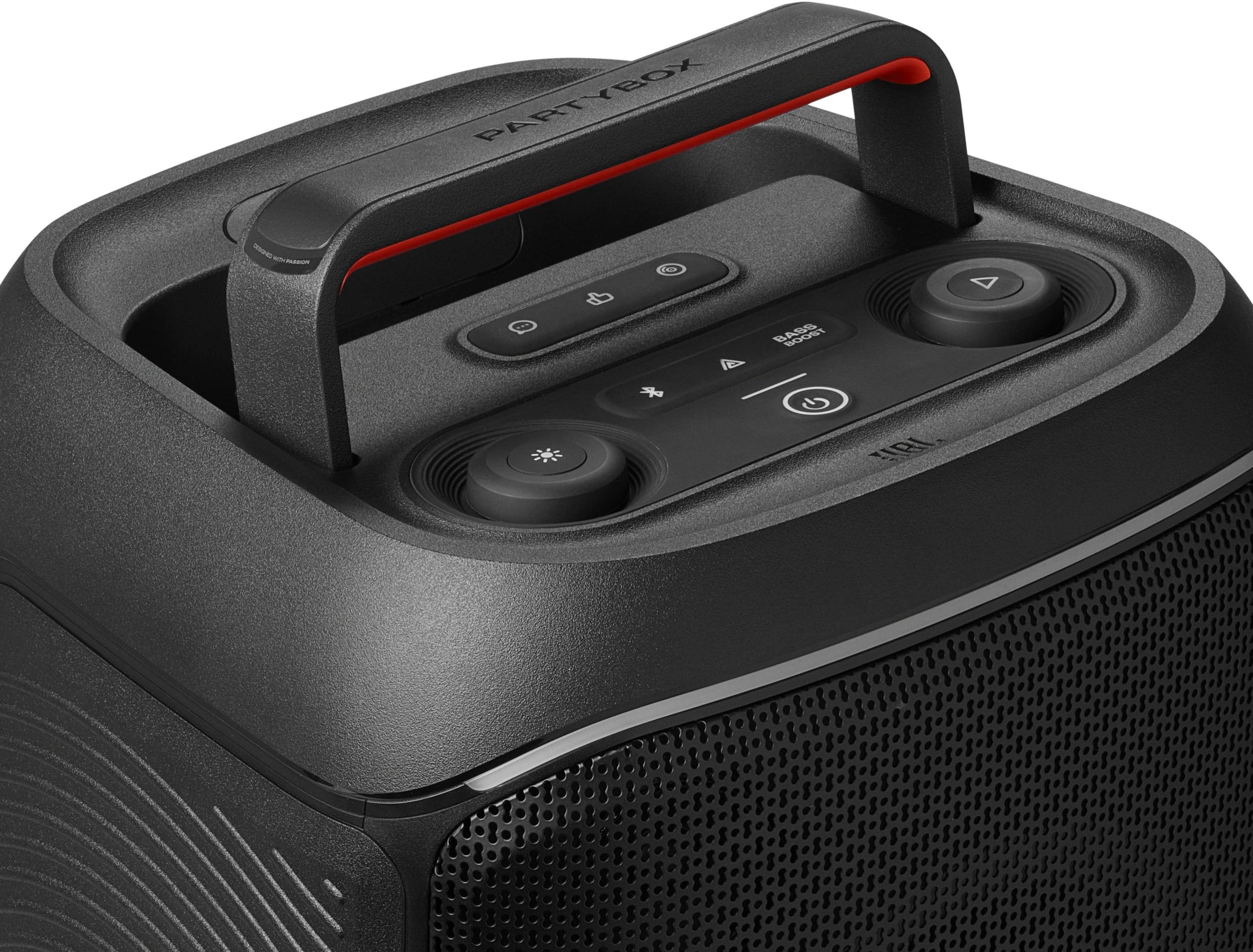
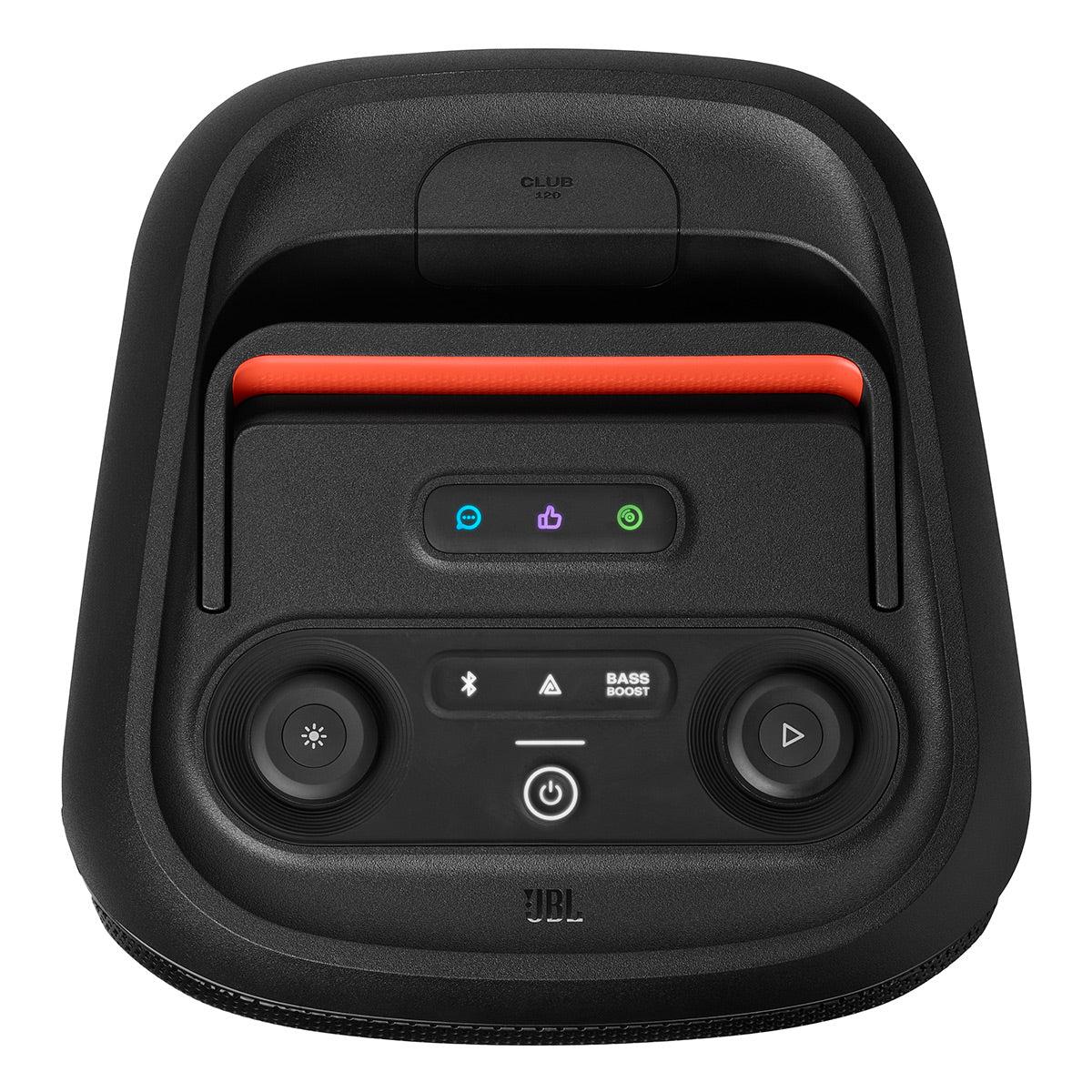
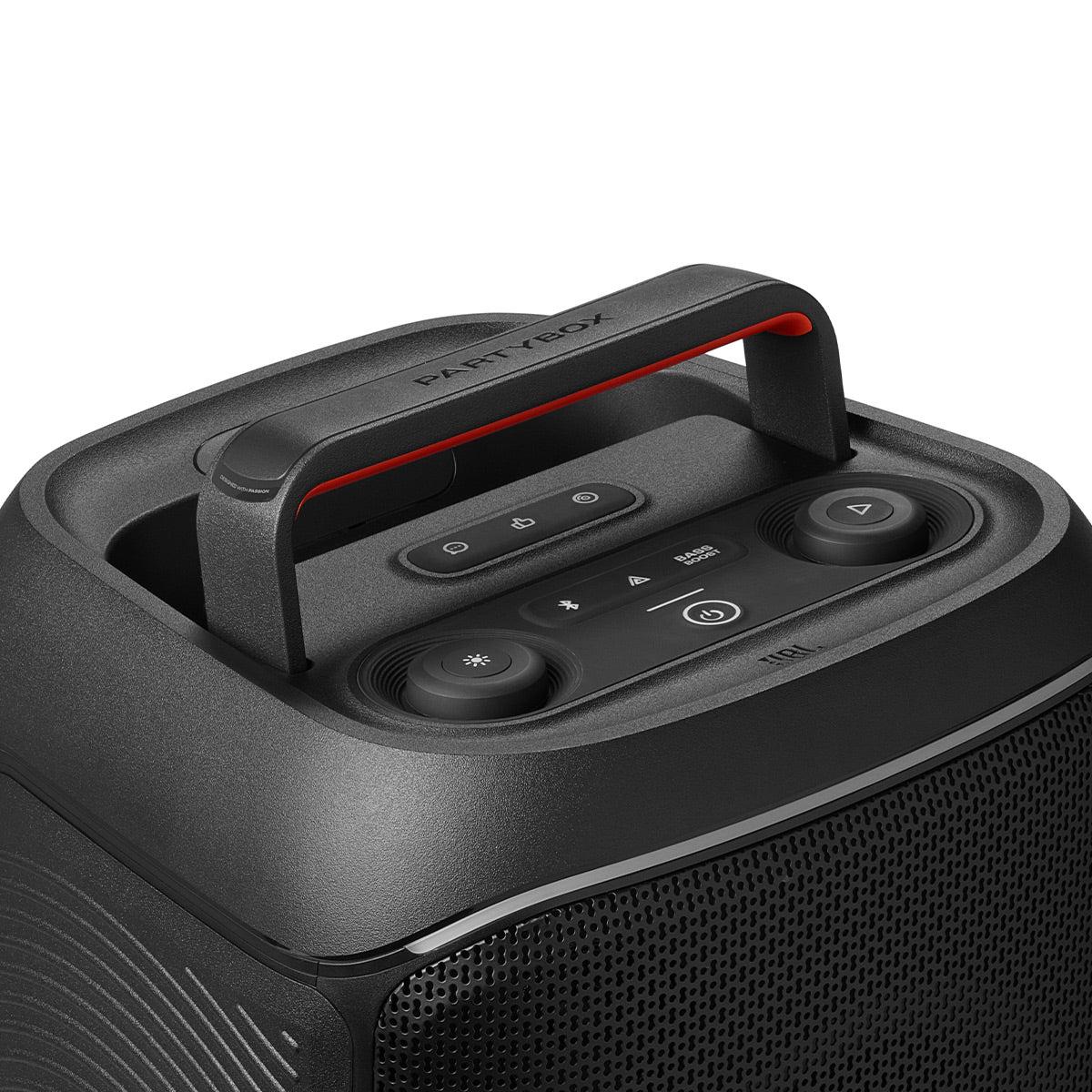
The JBL's sound signature emphasizes the company's characteristic warm bass response while maintaining clarity in vocals and instruments. This balance makes it versatile across different music genres—it handles everything from hip-hop to rock to acoustic music effectively. The bass enhancement feature, called "Bass Boost," adds extra low-end punch when you want that club-like experience.
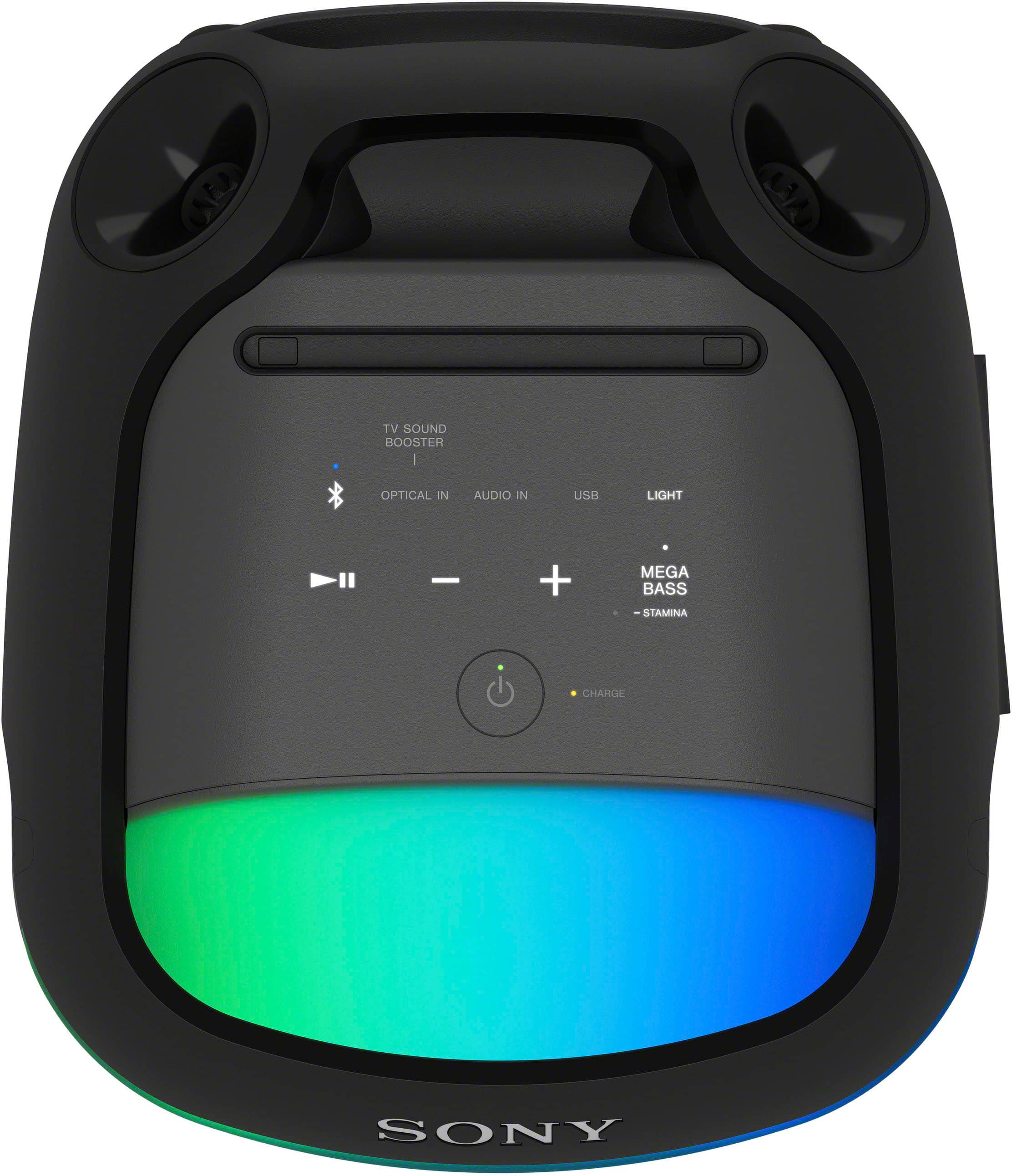
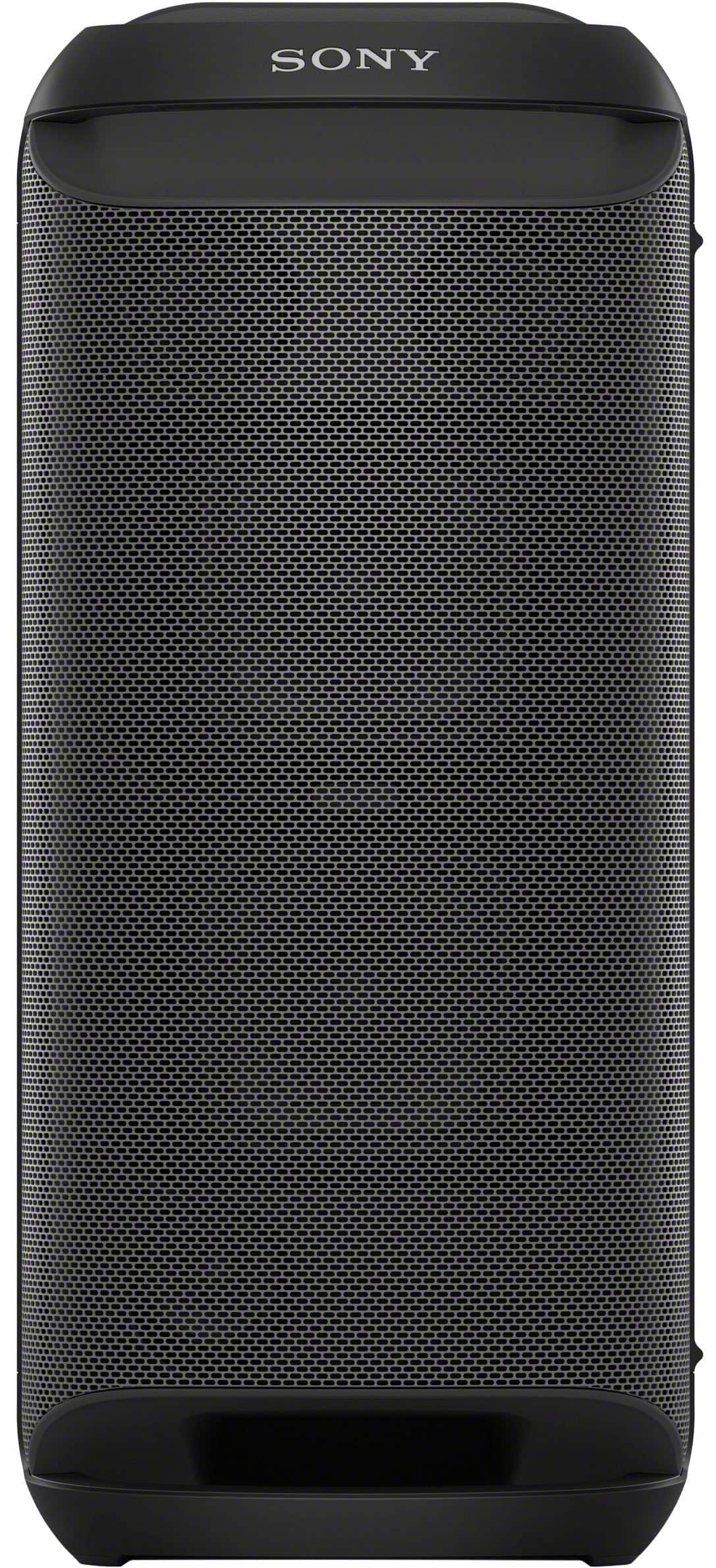
The Sony SRS-XV800 takes a more sophisticated approach with its omnidirectional design. It uses five dome tweeters positioned strategically around the cabinet—three facing forward and two facing backward. This creates 360-degree sound dispersion, meaning the audio spreads more evenly throughout a room rather than projecting primarily in one direction.
Sony's X-Balanced Speaker Technology deserves special mention. Instead of traditional round drivers, Sony uses rectangular woofers that provide more surface area within the same cabinet space. This design reduces distortion and allows for cleaner bass reproduction, though it doesn't match the raw power of the JBL's approach.
The omnidirectional design excels in situations where people are gathered around the speaker rather than positioned in front of it. However, this comes at the cost of maximum output—the Sony's sound energy is dispersed in all directions rather than focused forward for maximum impact.
Battery performance represents perhaps the most dramatic difference between these speakers. The Sony SRS-XV800 delivers up to 25 hours of playback, while the JBL PartyBox Club 120 provides up to 12 hours. That's more than double the runtime—a significant advantage for all-day events.
But here's where the story gets more nuanced. The Sony achieves its impressive battery life through several factors: lower power consumption due to reduced maximum output, and dynamic power management that adjusts consumption based on volume levels and enabled features. When you activate the lighting effects and crank up the bass enhancement, actual battery life decreases substantially for both speakers.
The JBL PartyBox Club 120 offers a unique solution: a swappable battery system. You can purchase additional battery packs and swap them out when the first one depletes. This feature, rare in the party speaker category, theoretically provides unlimited runtime if you're willing to invest in extra batteries.
The JBL also includes fast charging technology—10 minutes of charging provides about 80 minutes of playback time. This can be a lifesaver during events when you need a quick power boost during a brief break.
For practical use, the Sony's longer battery life suits situations like camping trips, all-day outdoor gatherings, or events where you don't want to worry about power management. The JBL's approach works better for users who prioritize maximum performance and don't mind planning around shorter battery cycles or investing in additional batteries.
Both speakers weigh approximately 24 pounds, placing them in the "portable but substantial" category. However, they handle mobility completely differently.
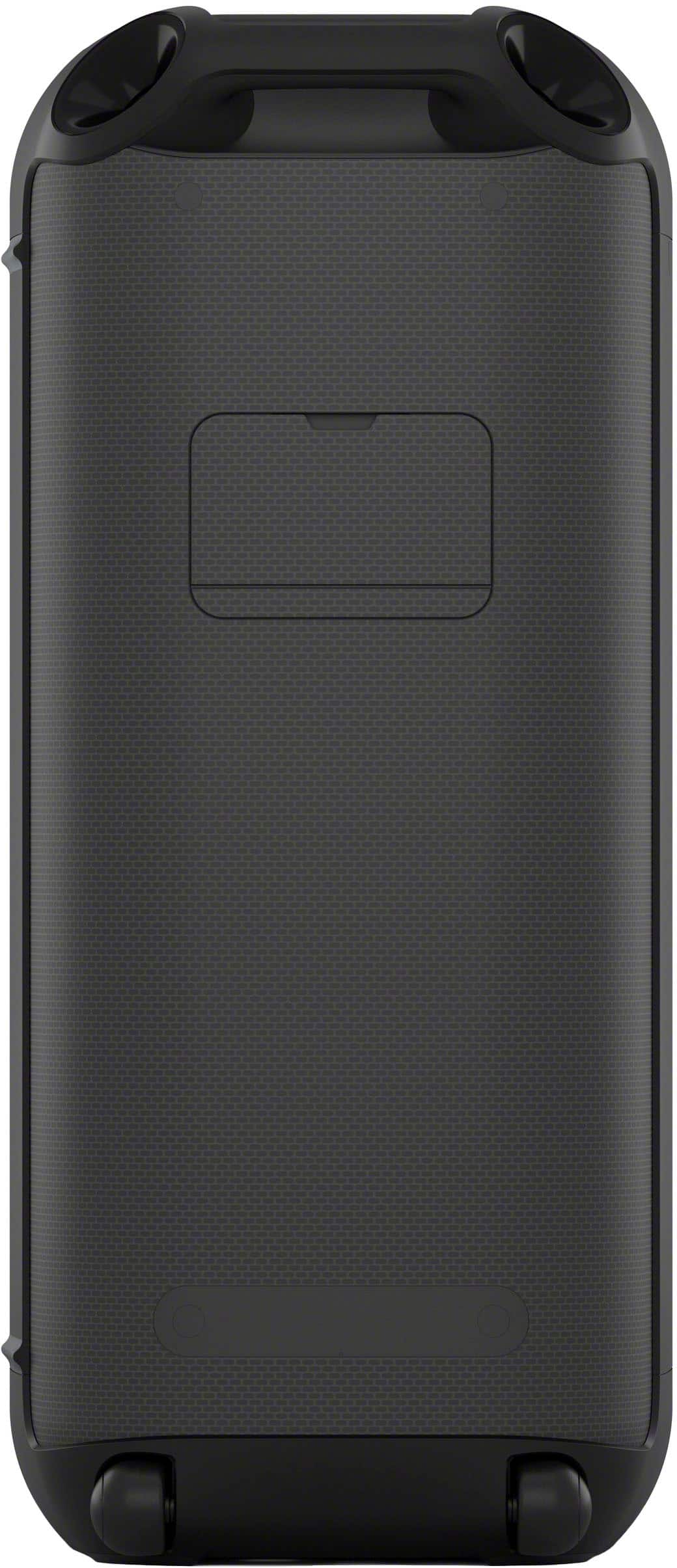
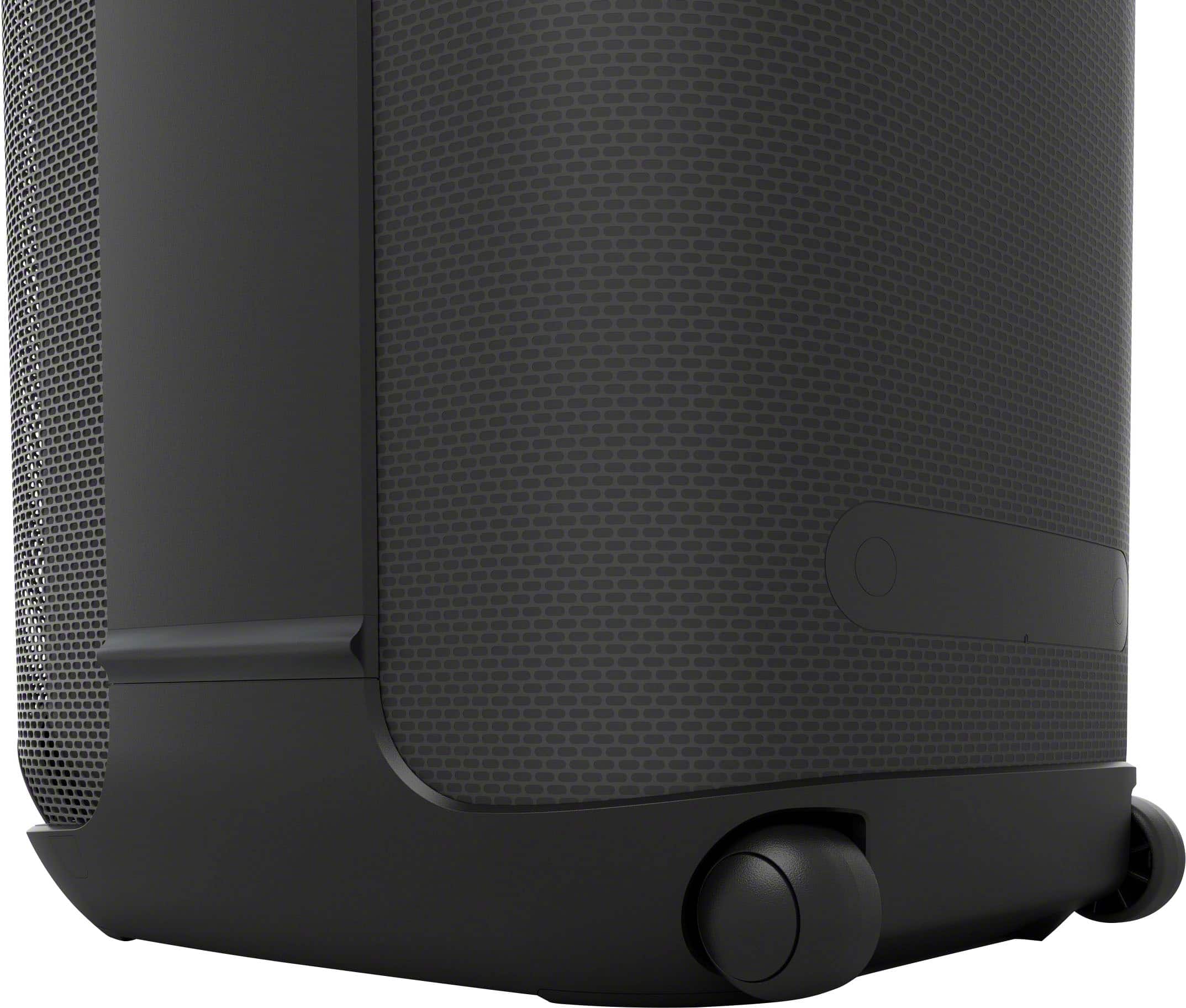
The Sony SRS-XV800 includes built-in wheels and a retractable handle, similar to rolling luggage. This design excels on smooth surfaces—you can easily roll it across floors, sidewalks, or parking lots. The wheels make it particularly user-friendly for people who might struggle with lifting heavy objects.
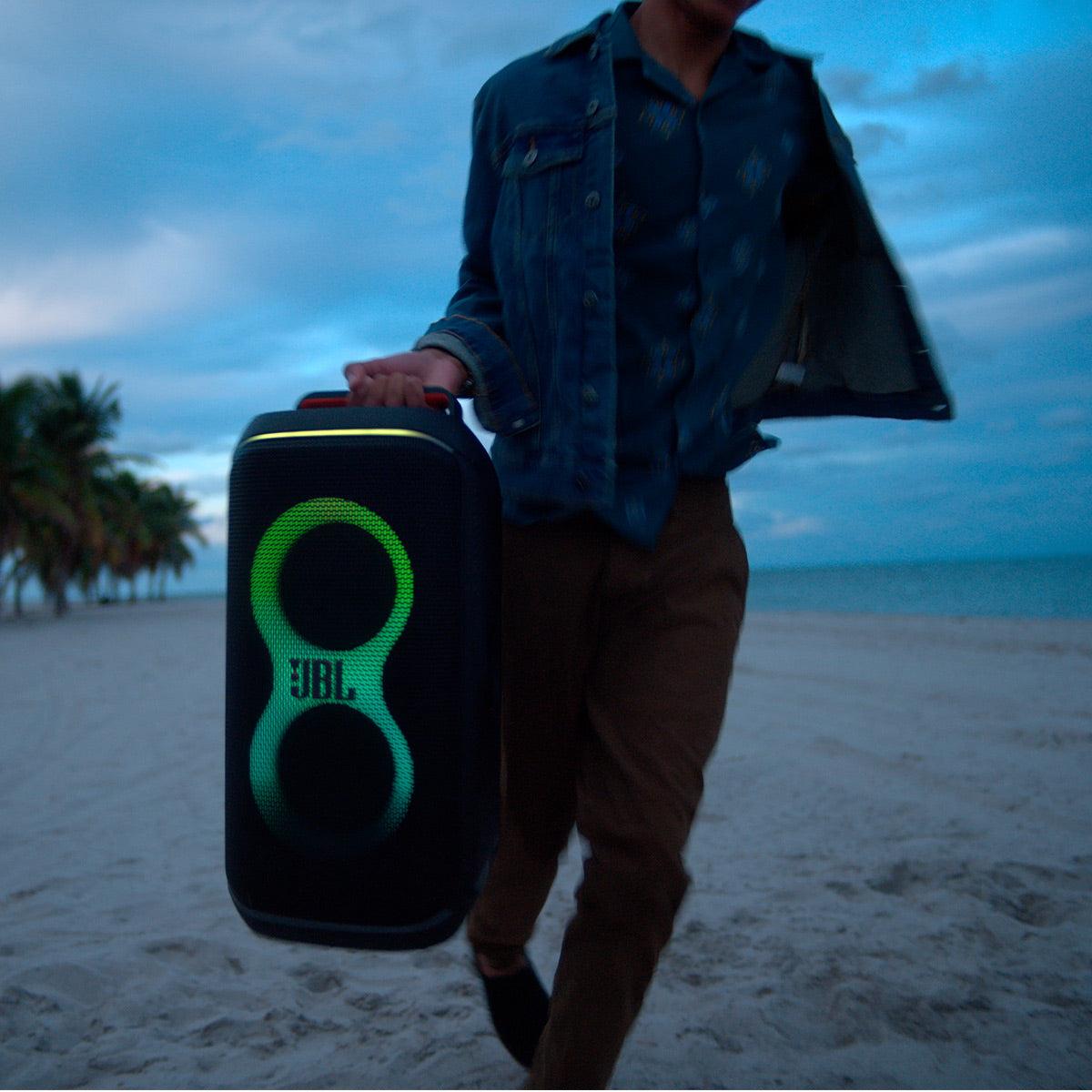
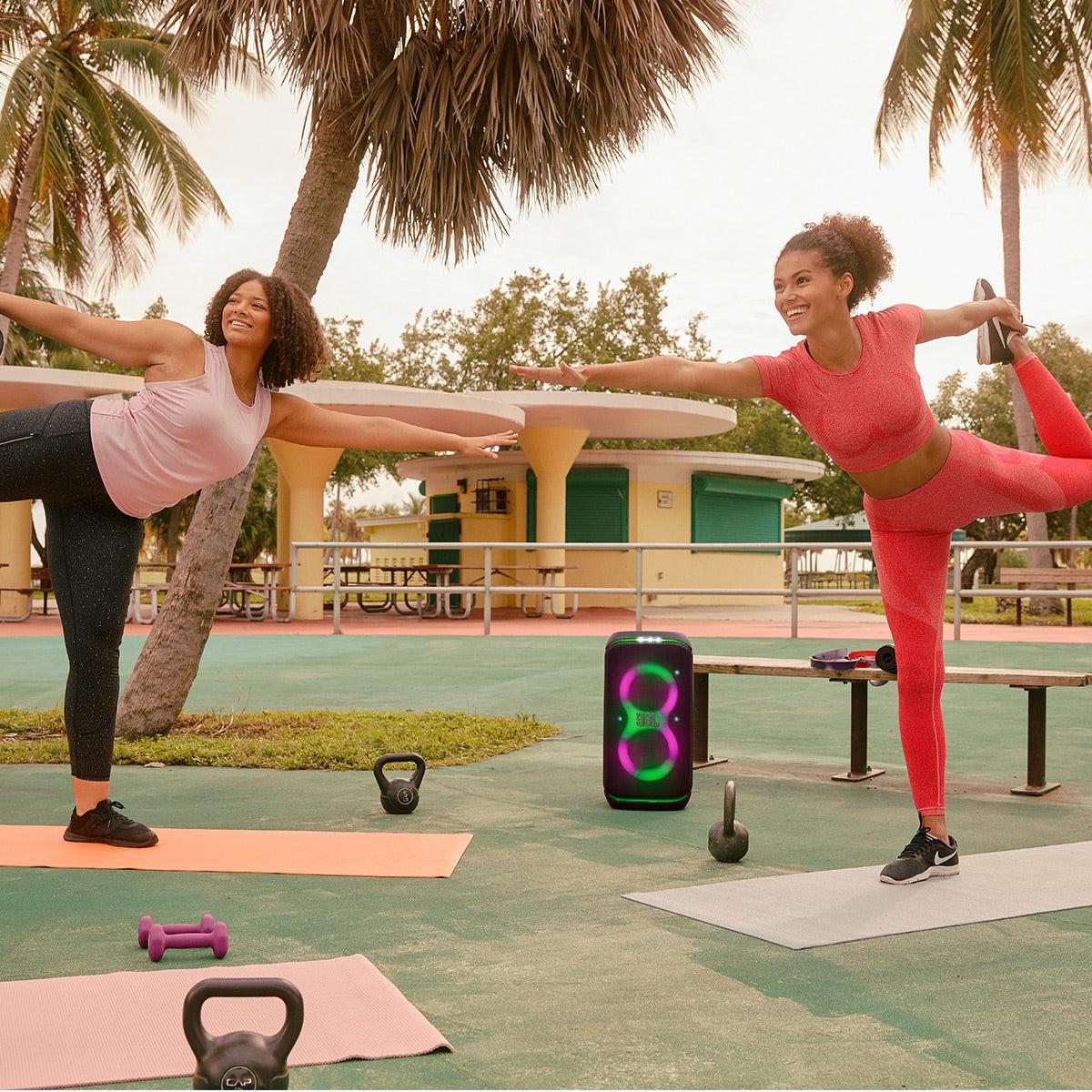
The JBL PartyBox Club 120 takes the traditional approach with dual carrying handles that fold down when not in use. While this requires more physical effort, it provides better control when navigating stairs, loading into vehicles, or positioning on uneven surfaces like grass or sand.
In terms of overall size, the Sony is taller and has a larger footprint, while the JBL is more compact. The size difference affects not just transport but also placement options—the JBL fits more easily into car trunks and storage spaces.
Both speakers offer comprehensive connectivity, but with subtle differences that might matter depending on your use case. The JBL PartyBox Club 120 features Bluetooth 5.4, the newer standard that provides better range and connection stability compared to the Sony's Bluetooth 5.2.
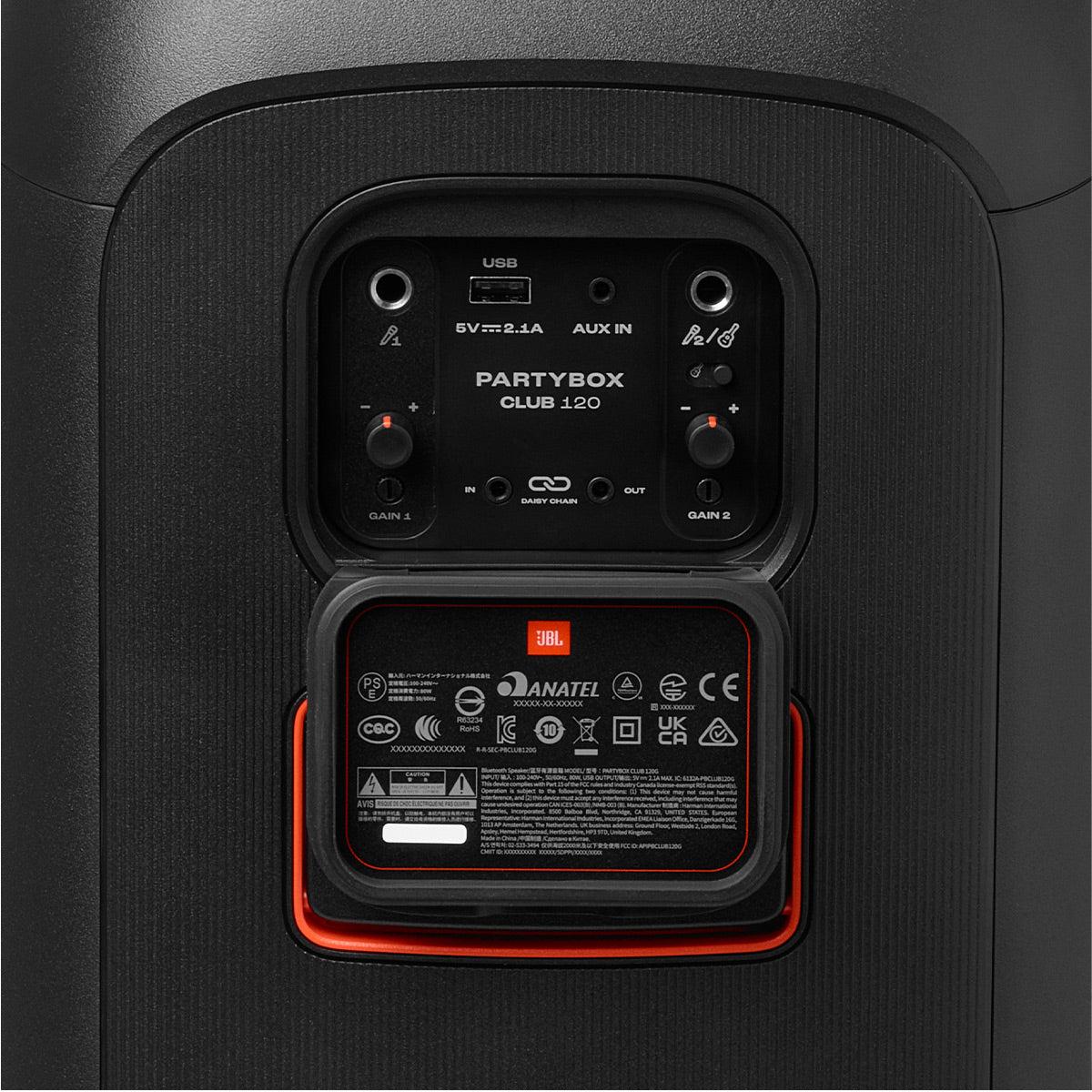
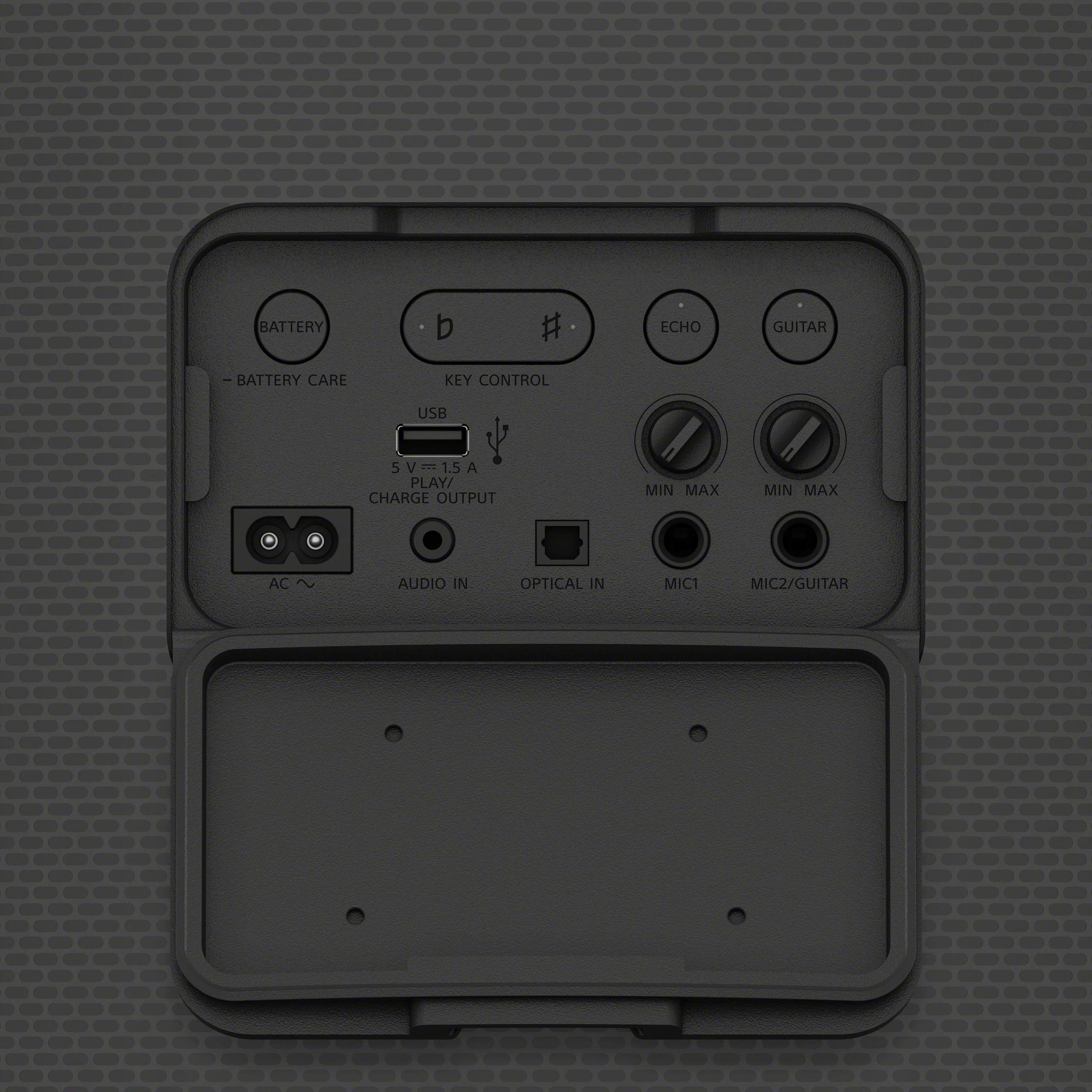
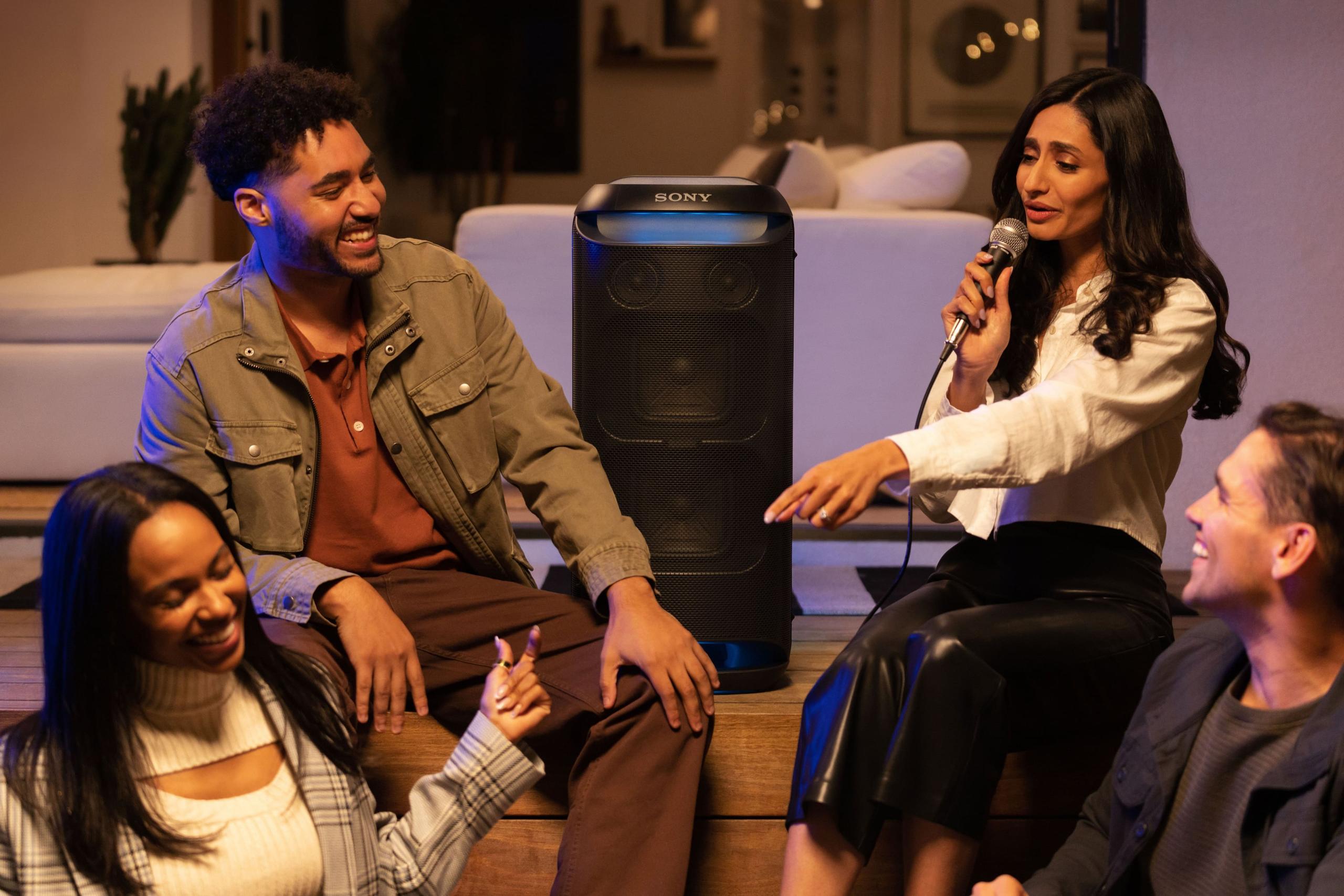
For traditional connections, both include 3.5mm auxiliary inputs, USB-A ports for playing music from flash drives, and quarter-inch inputs for microphones and guitars. The microphone and guitar inputs include independent volume controls, making both speakers suitable for karaoke, live performance, or even as guitar amplifiers.
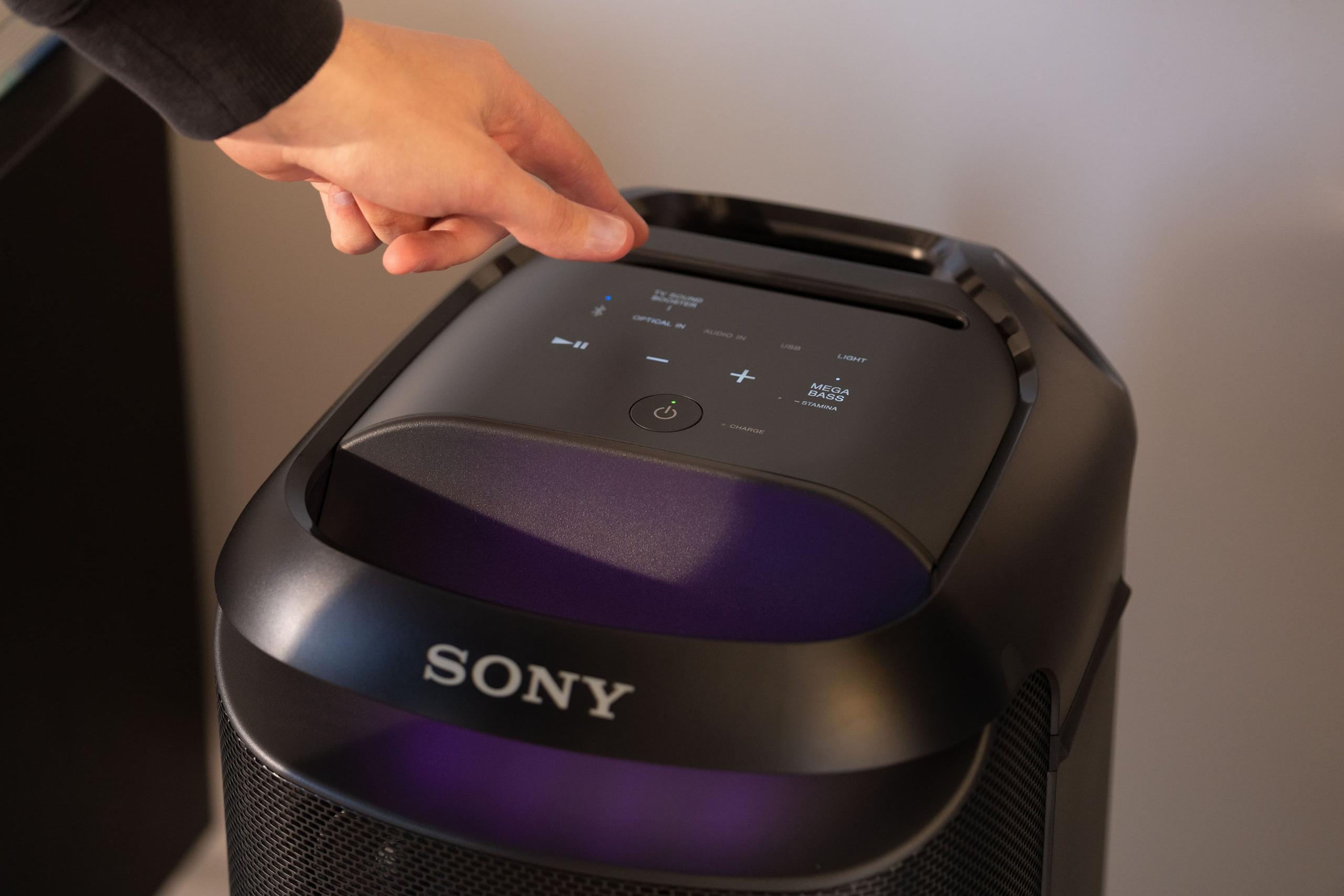
The Sony SRS-XV800 adds one unique feature: an optical digital input for connecting directly to TVs. This transforms the speaker into a powerful soundbar alternative, especially useful for outdoor movie nights or enhancing TV audio in large rooms. The TV Sound Booster mode optimizes the audio specifically for dialogue clarity and enhanced bass in movie content.
Both speakers support multi-speaker connectivity, but through different proprietary systems. The JBL uses Auracast technology for wireless linking, while Sony employs its Party Connect system. In practice, both allow you to sync multiple speakers for larger events, though mixing brands isn't possible.
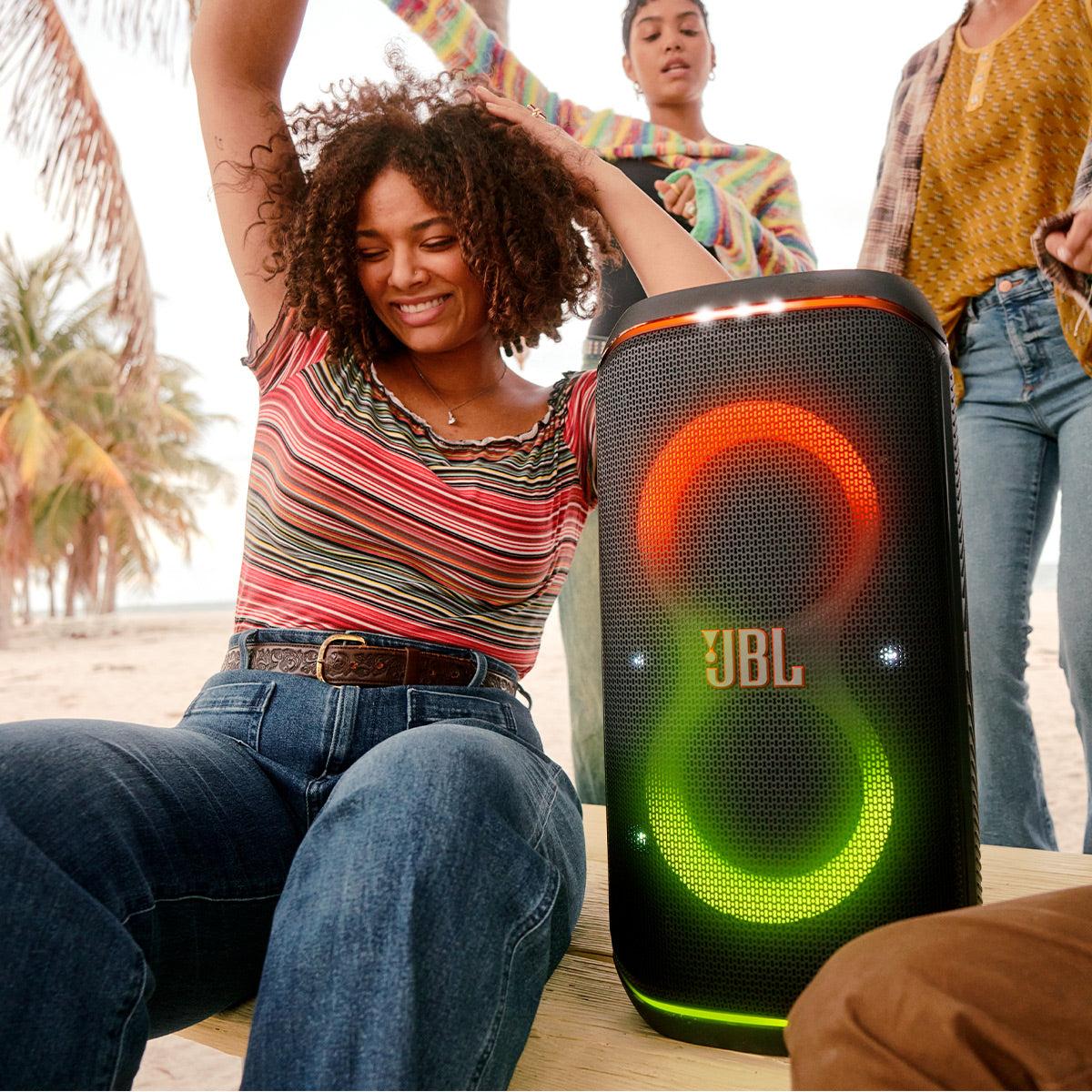
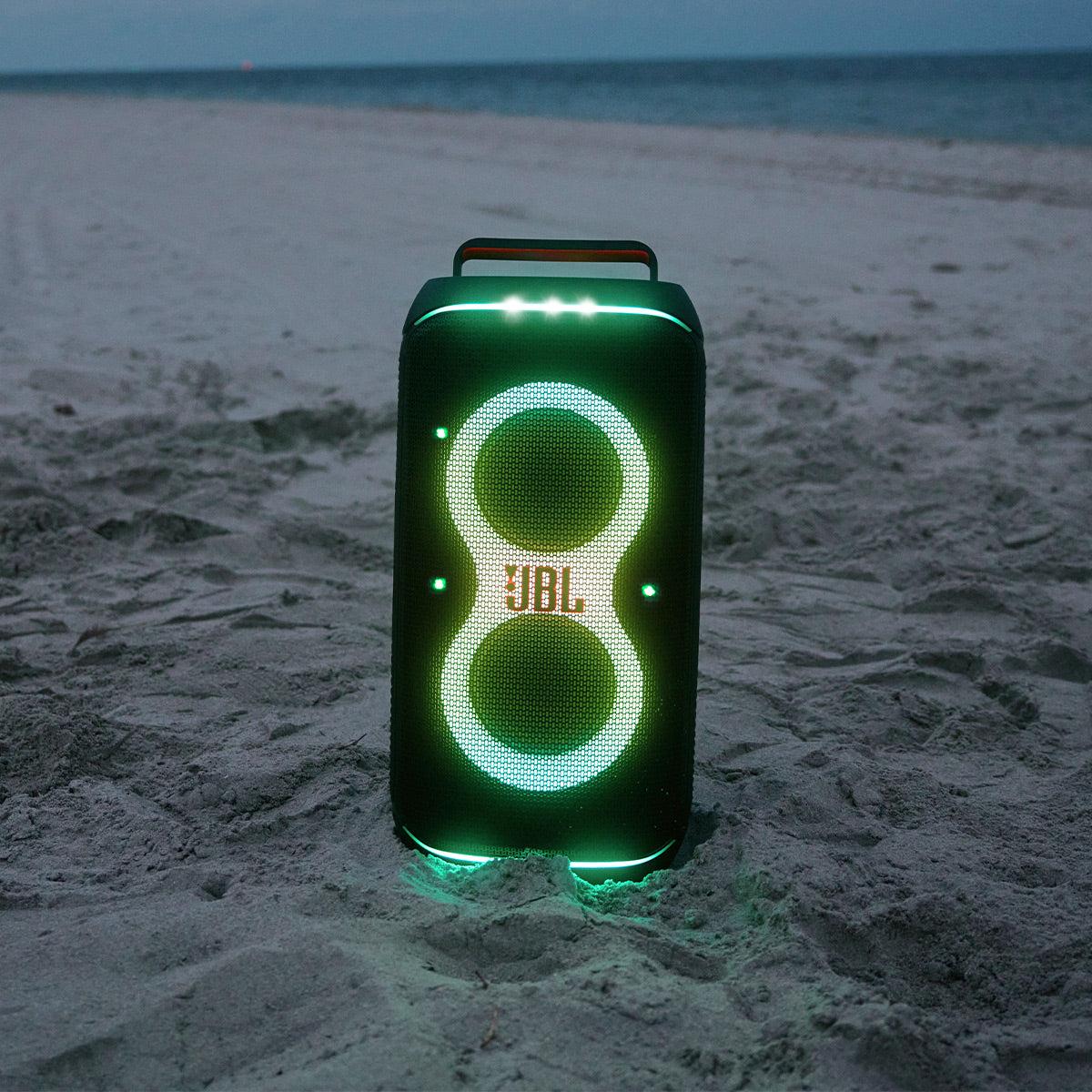
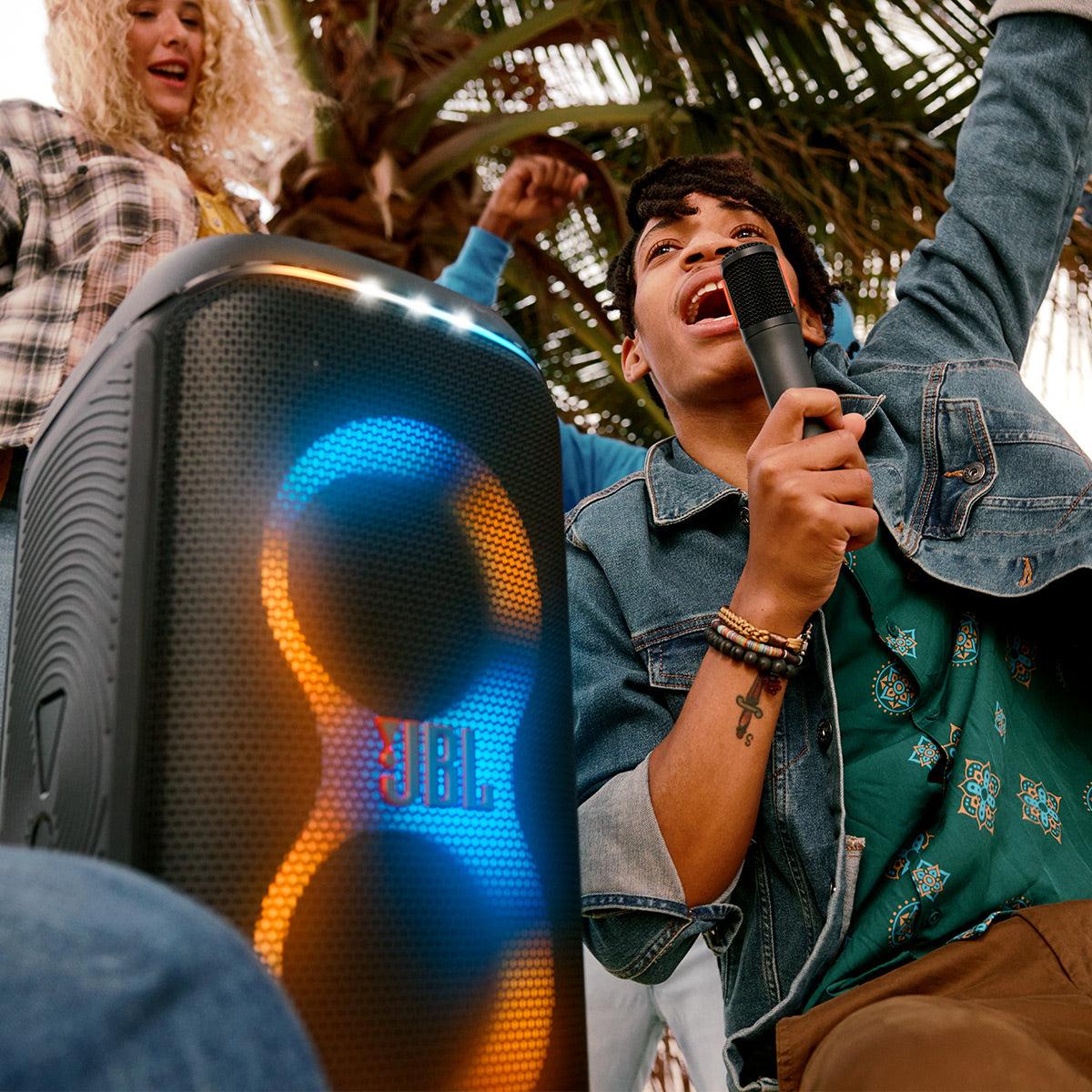
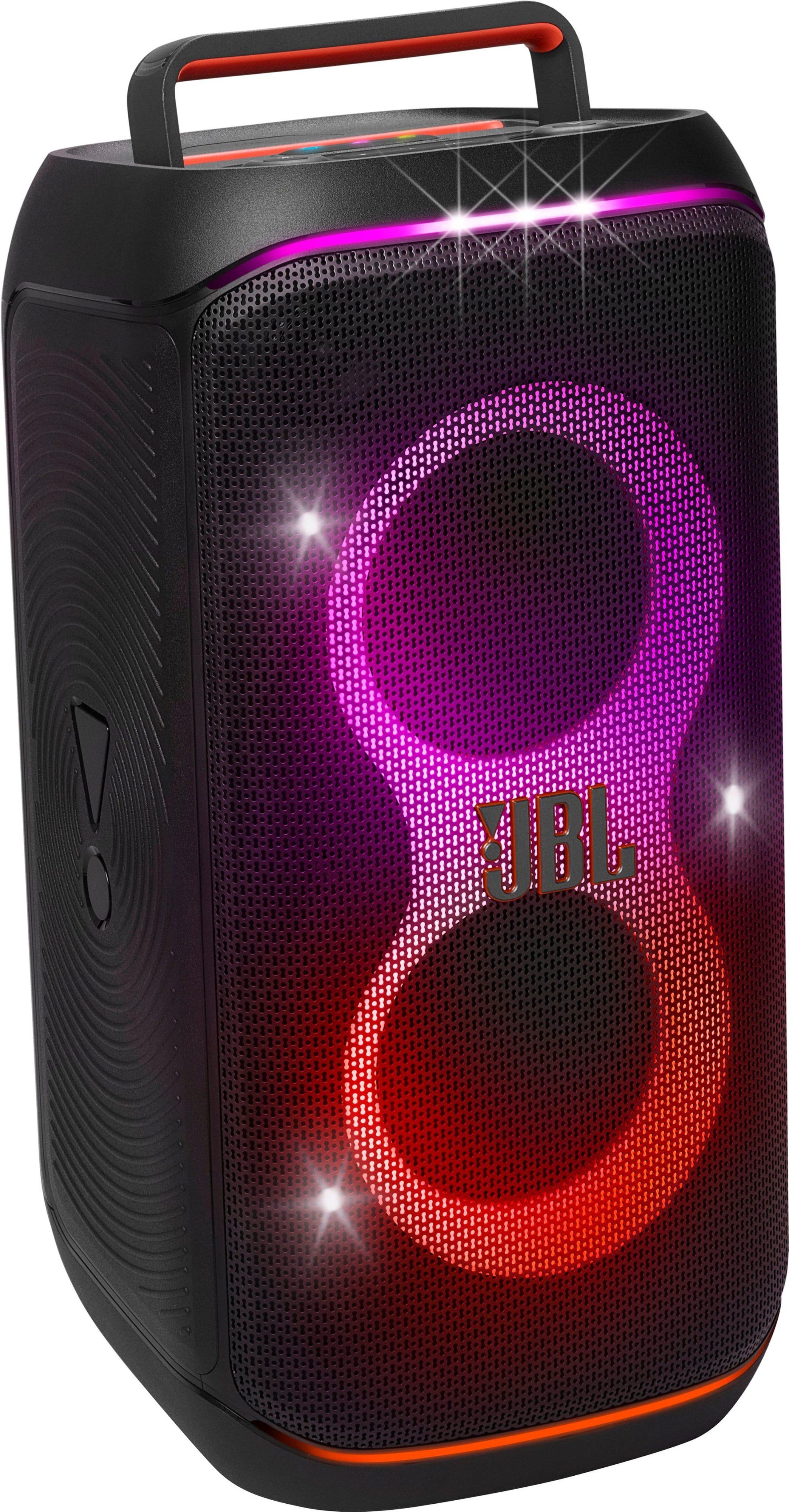
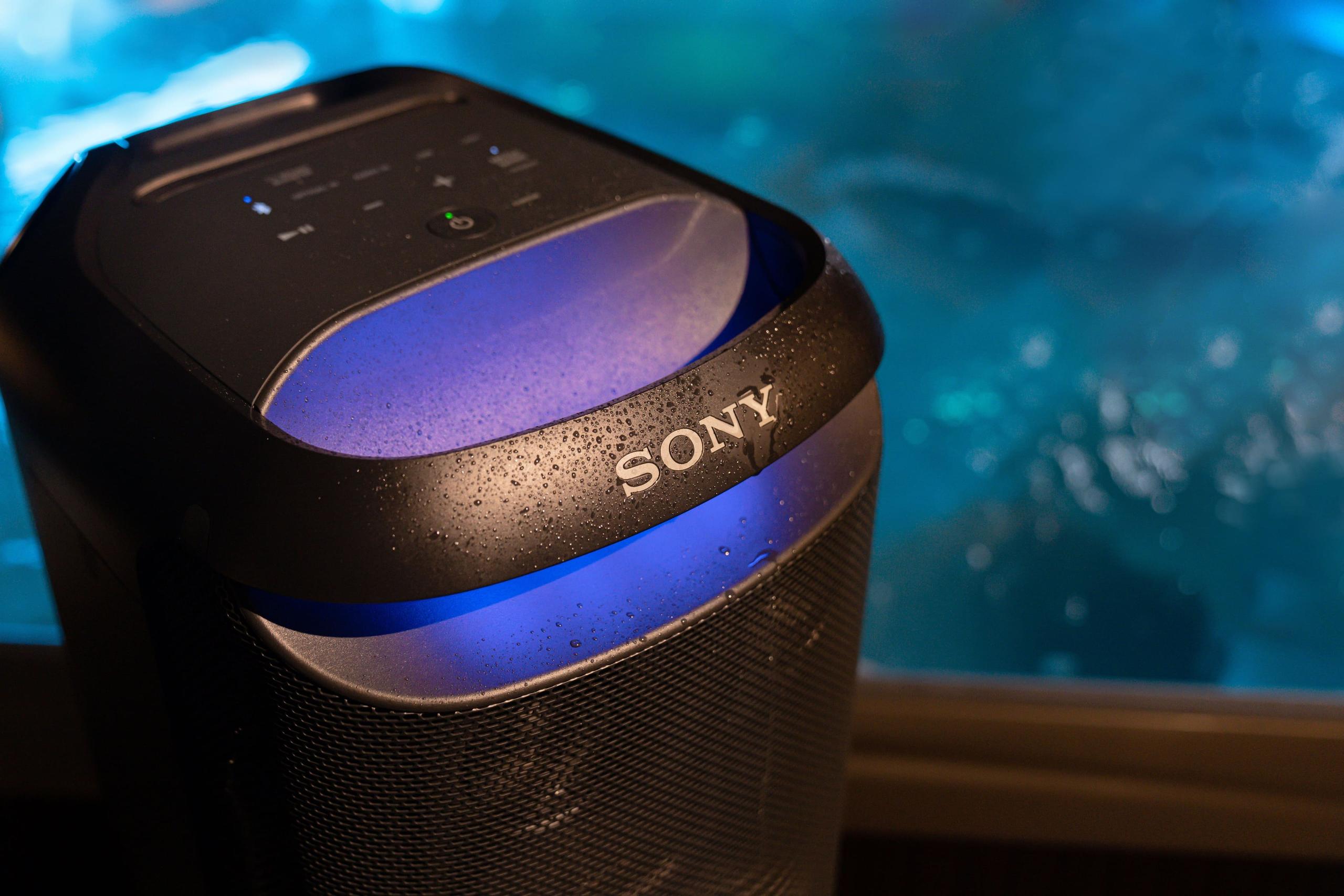
Party speakers aren't just about sound—lighting effects have become increasingly important for creating atmosphere. The JBL PartyBox Club 120 includes what the company calls a "customizable RGB lightshow" with multiple types of effects: starry lights, light trails, and strobe effects that synchronize with the music's beat.
The JBL's lighting system is notably more intense and customizable than the Sony's. Through the JBL PartyBox app, you can control colors, patterns, and intensity levels. The strobe effects are particularly impressive for dance-oriented events, creating that club-like atmosphere that transforms any space.
The Sony SRS-XV800 includes ambient lighting effects controlled through Sony's Fiestable app, but they're more subdued. The Sony's approach focuses on mood lighting rather than intense visual spectacle. This might appeal to users who want some visual enhancement without the potentially overwhelming effects of the JBL's system.
For users who prioritize the visual component of their parties, the JBL clearly leads. For those who prefer subtle lighting or might find intense strobing effects annoying, the Sony's approach is more appropriate.
Both speakers include companion smartphone apps that extend functionality beyond physical controls. The JBL PartyBox app provides extensive customization options including a 5-band equalizer, lighting control, DJ effects, and speaker pairing management. The app also includes AI Sound Boost, which uses real-time analysis to optimize performance and reduce distortion at high volumes.
Sony's approach splits between two apps: Music Center for basic controls and EQ adjustment, and Fiestable for party-specific features like lighting and motion control. The Sony apps include some unique features like gesture control, where you can change tracks or adjust volume by moving your phone.
However, based on user feedback, Sony's app ecosystem has reliability issues. Users frequently report connectivity problems and crashes, particularly when trying to sync multiple speakers. The JBL app receives consistently better reviews for stability and ease of use.
While both speakers excel at parties, they also work as powerful home theater solutions. The Sony SRS-XV800 has a clear advantage here with its optical input and TV Sound Booster mode. You can connect it directly to your TV and use it as an incredibly powerful soundbar alternative.
The omnidirectional design benefits home theater use—instead of sitting in front of a directional speaker, the Sony fills your entire room with sound. This creates a more immersive experience for movies and games.
The JBL PartyBox Club 120 can work for home theater through Bluetooth or auxiliary connection, but lacks the TV-specific optimization. However, its more powerful output and balanced sound signature might appeal to users who want maximum impact for action movies or gaming.
For dedicated home theater use, the Sony's features and design make more sense. For users who want one speaker that excels at both parties and movie nights, the choice depends on whether you prioritize the Sony's convenience features or the JBL's superior power.
Both speakers incorporate recent technological advances that distinguish them from older models. The JBL PartyBox Club 120, being the newer release, includes the latest Bluetooth 5.4 standard and more advanced battery management. The Auracast connectivity represents JBL's investment in emerging wireless standards that should provide better compatibility with future devices.
Sony's X-Balanced Speaker Technology and LDAC codec support represent the company's focus on audio quality improvements. LDAC allows wireless transmission of high-resolution audio over Bluetooth, potentially providing better sound quality from compatible devices.
The replaceable battery in the JBL PartyBox Club 120 is particularly forward-thinking. As battery technology improves, you could potentially upgrade to higher-capacity cells rather than replacing the entire speaker.
After extensive research into user experiences and expert opinions, clear usage patterns emerge for each speaker.
Choose the JBL PartyBox Club 120 if you prioritize maximum audio impact. This speaker excels for outdoor events, dance parties, or any situation where you need to fill large spaces with powerful, clear sound. The intense lighting effects and superior bass response create the ultimate party atmosphere. The swappable battery system and fast charging make it suitable for event hosts who can manage power requirements in exchange for peak performance.
The JBL also works better for mixed-use scenarios where you want one speaker for both critical music listening and party use. Its balanced sound signature handles different genres effectively, making it more versatile than typical party speakers.
Choose the Sony SRS-XV800 if you need all-day operation without power management concerns. The 25-hour battery life makes it ideal for camping, all-day festivals, or extended gatherings where charging isn't practical. The wheeled design benefits users who prioritize easy transport over maximum portability.
The Sony's omnidirectional design and TV integration make it excellent for users who want one device that serves as both party speaker and home theater enhancement. If you're looking for a speaker that does multiple jobs well rather than one job exceptionally, the Sony offers more versatility.
At similar price points (at the time of writing), these speakers represent different philosophies rather than direct competitors. The JBL PartyBox Club 120 maximizes performance and visual impact, accepting shorter battery life as the trade-off. The Sony SRS-XV800 prioritizes endurance and versatility, accepting lower maximum output for longer operation and broader functionality.
For serious party hosts who want to create the most impactful audio and visual experience, the JBL's superior power and lighting effects justify its limitations. For users who want a reliable, long-lasting speaker that handles multiple roles effectively, the Sony's balanced approach and extended battery life provide better overall value.
Both speakers represent significant investments that should provide years of reliable service. The choice ultimately comes down to whether you prioritize peak performance or sustained operation—and fortunately, either choice will significantly upgrade your party and entertainment capabilities.
| JBL PartyBox Club 120 | Sony SRS-XV800 |
|---|---|
| Power Output - Determines maximum volume and bass impact | |
| 160W RMS (significantly louder, better for large spaces) | 77W RMS (adequate for moderate gatherings) |
| Battery Life - Critical for extended events without power access | |
| Up to 12 hours (shorter but includes swappable battery option) | Up to 25 hours (more than double runtime for all-day events) |
| Weight & Portability - Affects ease of transport to different venues | |
| 24.35 lbs with dual fold-down handles (requires lifting) | 40.8 lbs with built-in wheels (easier rolling transport) |
| Sound Design - Impacts how audio fills your space | |
| Directional 2-way system (focused forward projection) | Omnidirectional 360° with 5-tweeter array (room-filling sound) |
| Lighting Effects - Visual enhancement for party atmosphere | |
| Customizable RGB with intense strobes and light trails | Ambient LED lighting with subtle mood effects |
| Water Resistance - Protection for outdoor use | |
| IPX4 splashproof (handles rain and spills) | IPX4 splashproof when vertical (same protection level) |
| Bluetooth Version - Affects connection stability and range | |
| 5.4 (latest standard, better connectivity) | 5.2 (reliable but older standard) |
| Charging Features - Convenience during events | |
| 10min charge = 80min play, replaceable battery | Standard charging, non-removable battery |
| TV Integration - Home theater versatility | |
| Bluetooth/AUX only (party-focused design) | Optical input with TV Sound Booster mode |
| Multi-Speaker Connectivity - Expanding your sound system | |
| Auracast wireless pairing and TWS | Party Connect (up to 100 speakers) and Stereo Pair |
| Microphone/Guitar Inputs - Live performance capabilities | |
| 2x 1/4" inputs with individual controls | 2x 1/4" inputs with individual controls |
| App Experience - Control and customization quality | |
| JBL PartyBox app (reliable, extensive features) | Sony Music Center + Fiestable (more features but less reliable) |
The JBL PartyBox Club 120 is significantly louder, delivering 160W RMS compared to the Sony SRS-XV800's 77W output. In real-world testing, the JBL consistently produces 3-4 decibels more volume, which translates to noticeably more powerful sound for large outdoor gatherings and dance parties.
The Sony SRS-XV800 offers up to 25 hours of battery life, while the JBL PartyBox Club 120 provides up to 12 hours. However, the JBL features a replaceable battery system, allowing you to swap in fresh batteries for extended use, while the Sony's battery is permanently installed.
The JBL PartyBox Club 120 is better suited for outdoor parties due to its higher power output and more intense lighting effects. Its directional sound projection and superior bass response make it ideal for filling large outdoor spaces, though both speakers offer IPX4 water resistance for splash protection.
The Sony SRS-XV800 excels as a TV soundbar alternative with its dedicated optical input and TV Sound Booster mode, which optimizes audio for movies and shows. The JBL PartyBox Club 120 can connect to TVs via Bluetooth or AUX but lacks TV-specific audio optimization features.
The Sony SRS-XV800 includes built-in wheels and weighs 40.8 pounds, making it easier to roll across smooth surfaces despite being heavier. The JBL PartyBox Club 120 weighs 24.35 pounds with dual fold-down handles, requiring lifting but offering better control on stairs and uneven surfaces.
Yes, both the JBL PartyBox Club 120 and Sony SRS-XV800 feature dual 1/4-inch inputs for microphones and guitars with individual volume controls. This makes both speakers suitable for karaoke, live performances, and acoustic guitar amplification at parties or events.
The JBL PartyBox Club 120 offers more balanced sound across all frequencies with superior clarity at high volumes, making it better for critical music listening. The Sony SRS-XV800 provides 360-degree omnidirectional sound that fills rooms more evenly but with less overall power and impact.
The JBL PartyBox Club 120 features more intense and customizable RGB lighting with strobes, light trails, and starry effects that sync to music beats. The Sony SRS-XV800 offers more subtle ambient LED lighting effects that provide mood enhancement without the intense club-like visual experience.
Both speakers support multi-speaker connectivity but use different systems. The JBL PartyBox Club 120 uses Auracast technology for wireless pairing, while the Sony SRS-XV800 employs Party Connect to link up to 100 compatible Sony speakers. You cannot mix the two brands in a connected system.
The JBL PartyBox Club 120 offers superior charging convenience with its fast charge feature that provides 80 minutes of playback from just 10 minutes of charging. The Sony SRS-XV800 uses standard charging without quick-charge capabilities, though its longer overall battery life reduces charging frequency.
Both speakers work well indoors, but the Sony SRS-XV800 is better suited for home use with its omnidirectional sound distribution, TV connectivity options, and more subtle lighting effects. The JBL PartyBox Club 120 can be overwhelming in smaller indoor spaces due to its powerful output and intense visual effects.
Value depends on your priorities: the JBL PartyBox Club 120 provides superior audio power, balanced sound quality, and intense party features for users wanting maximum impact. The Sony SRS-XV800 offers better value for users prioritizing all-day battery life, home theater versatility, and easier transport with its wheeled design.
We've done our best to create useful and informative comparisons to help you decide what product to buy. Our research uses advanced automated methods to create this comparison and perfection is not possible - please contact us for corrections or questions. These are the sites we've researched in the creation of this article: stereoguide.com - armorsound.com - rtings.com - rtings.com - bestbuy.com - youtube.com - soundguys.com - youtube.com - lbtechreviews.com - youtube.com - youtube.com - versus.com - jbl.com - rtings.com - versus.com - ro.harmanaudio.com - dell.com - jbl.com - jbl.com - projectorscreenstore.com - soundandvision.com - crutchfield.com - sciencefocus.com - sony.com - bestbuy.com - bestbuy.com - stereoguide.com - sony-mea.com - soundguys.com - electronics.sony.com - youtube.com - sony.com - youtube.com - device.report - youtube.com - youtube.com - adorama.com - sonylatvija.com - sony.com

Privacy Policy
Terms and Conditions - Affiliate Policy
Home Security
© Copyright 2008-2026.
11816 Inwood Rd #1211, Dallas, TX 75244