

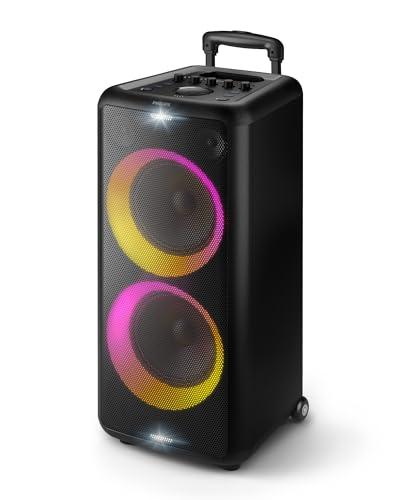


When you're shopping for a Bluetooth speaker, you might think all wireless speakers serve the same basic purpose—playing music without wires. But the reality is far more nuanced. The Philips TAX5206 and Marshall Woburn III represent two completely different philosophies in speaker design, and understanding these differences is crucial to making the right choice for your needs.
The Bluetooth speaker market has evolved dramatically since the early 2010s when most wireless speakers were simple, underpowered devices. Today's market splits into distinct categories, each optimized for specific use cases.
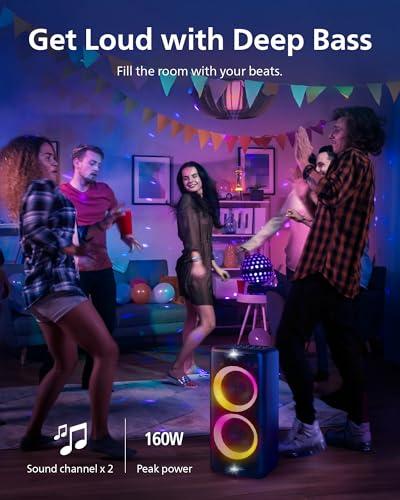
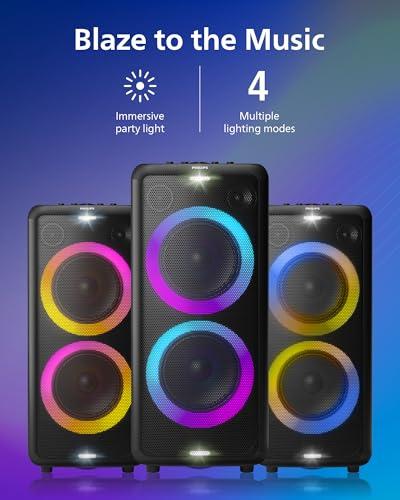
Party speakers like the Philips TAX5206 emerged around 2015-2016 as manufacturers realized people wanted speakers that could create an atmosphere, not just play music. These speakers prioritize features that enhance social gatherings: party lighting, karaoke capabilities, massive battery life, and robust portability. They're designed to be the center of attention at outdoor events, beach trips, and backyard barbecues.
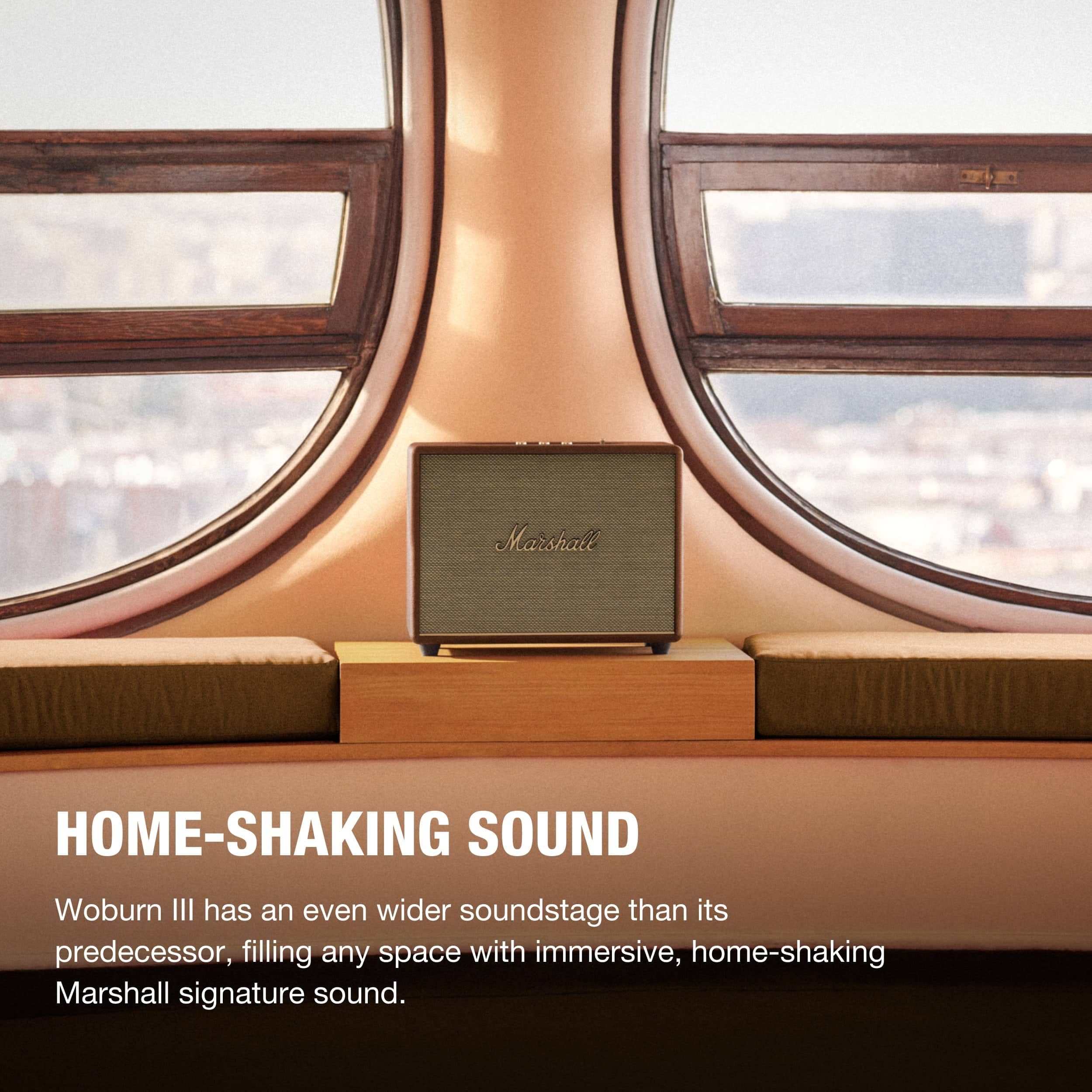
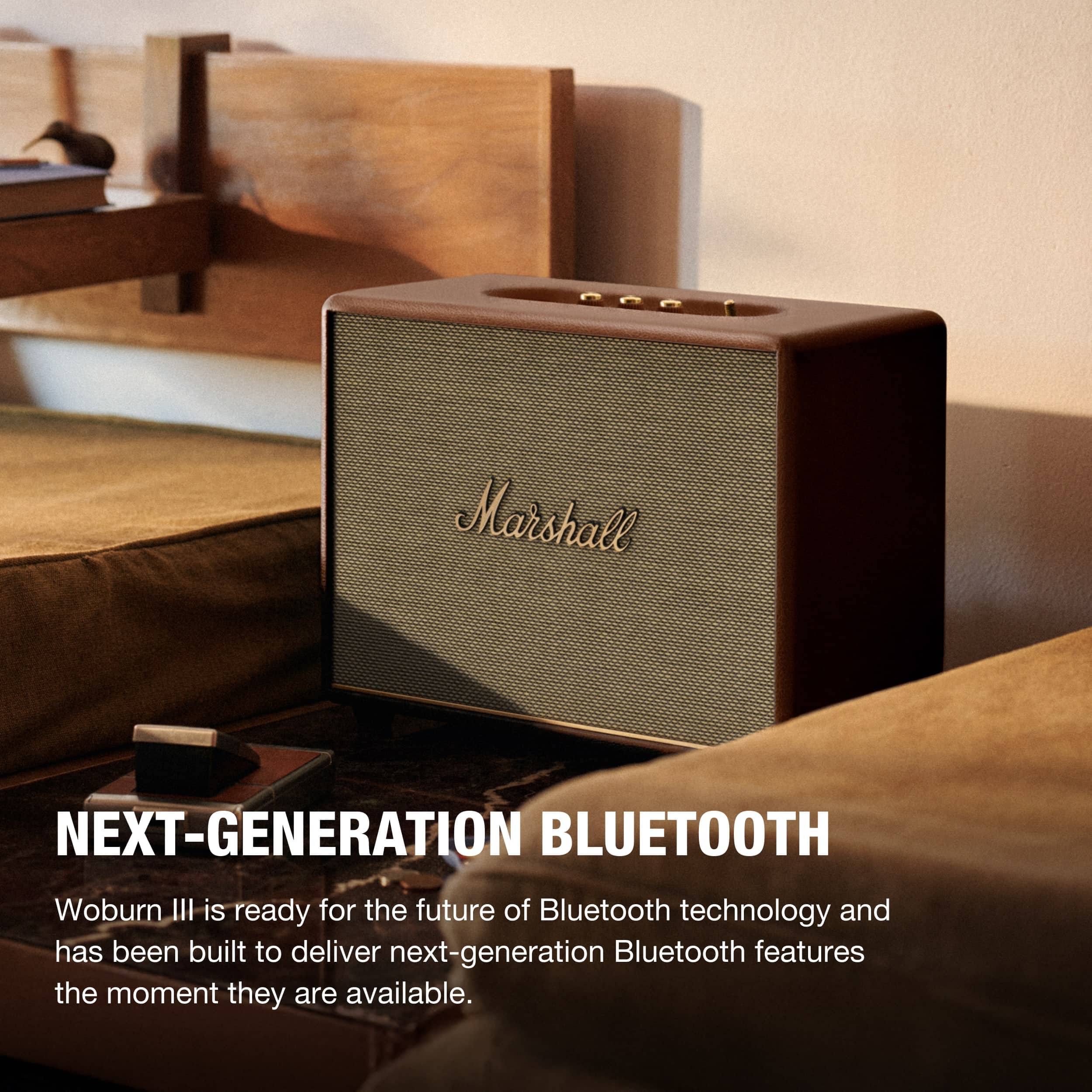
Premium home speakers like the Marshall Woburn III, which launched in 2022 as part of Marshall's third-generation home lineup, take the opposite approach. They focus on audiophile-grade sound quality, elegant room integration, and sophisticated acoustic engineering. These speakers are meant to disappear into your living space while delivering music with exceptional clarity and power.
The key insight here is that these aren't just different products—they're solving different problems entirely. One creates a party atmosphere, while the other creates a premium listening experience.
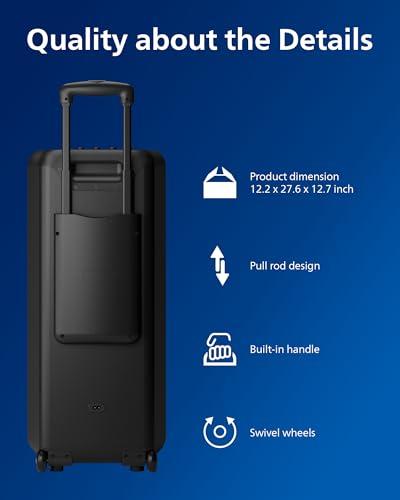
The Philips TAX5206 embodies the "take the party anywhere" philosophy with its distinctive trolley design. Picture a traditional guitar amplifier on wheels—that's essentially what Philips created. The built-in handle and wheels aren't just convenience features; they're fundamental to the product's identity as a truly mobile entertainment system.
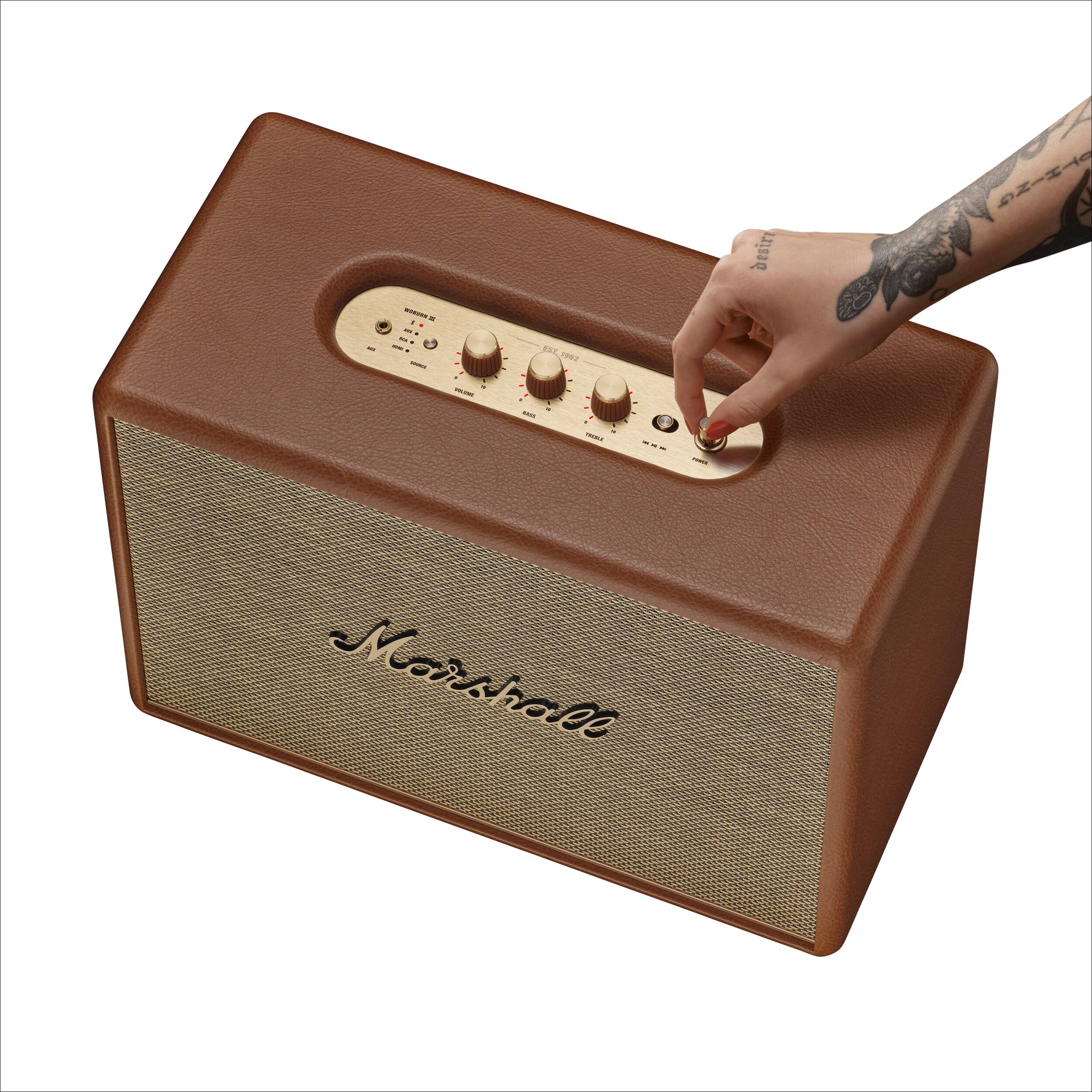
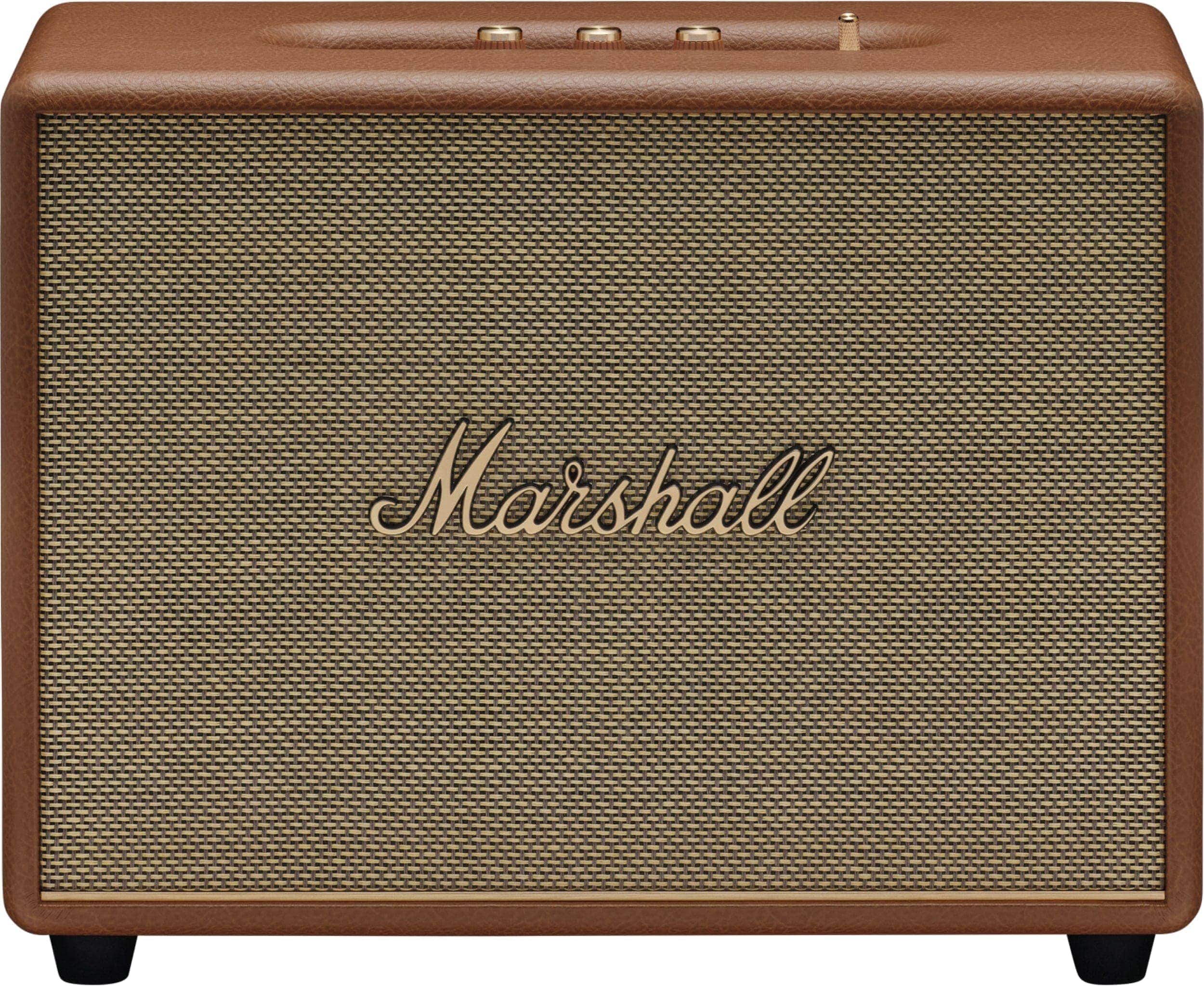
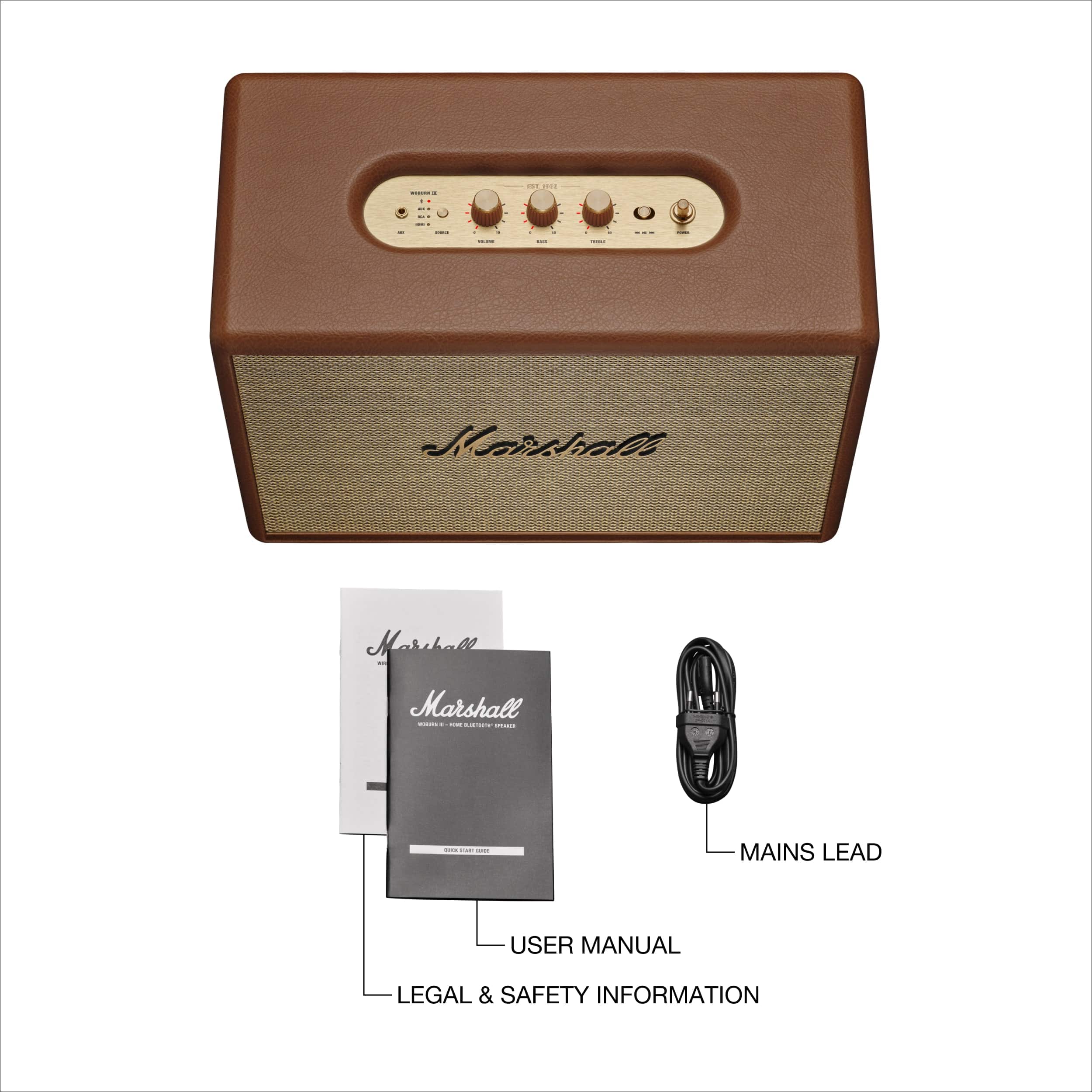
In contrast, the Marshall Woburn III draws inspiration from Marshall's legendary guitar amplifier heritage, but it's designed to stay put. At over 16 pounds with no battery capability, it's a statement piece meant to anchor your home audio setup. The brass control knobs and vintage amplifier aesthetic aren't just nostalgic touches—they signal this speaker's serious approach to audio quality.
Understanding speaker drivers is like understanding the engine in a car—it determines everything about performance. The Marshall Woburn III uses what's called a three-way driver system, which is significantly more sophisticated than typical Bluetooth speakers.
Here's how it works: The single 6-inch woofer (the largest driver) handles deep bass frequencies from 35Hz up to around 500Hz. Two 2-inch midrange drivers take over from there, covering the critical frequency range where most vocals and instruments live. Finally, two 0.75-inch tweeters, positioned at angles with special waveguides (shaped channels that direct sound), handle the crisp high frequencies up to 20,000Hz.
This separation of duties means each driver can be optimized for its specific frequency range, resulting in cleaner, more accurate sound. The angled tweeters are particularly clever—they create a wider stereo image, so the music doesn't sound like it's coming from a single point but rather fills the room naturally.
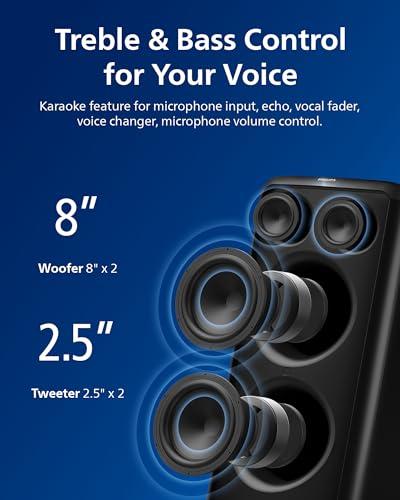
The Philips TAX5206 takes a simpler two-way approach with dual 8-inch woofers and dual 2.5-inch tweeters. While this might sound less sophisticated, those larger woofers can move more air, creating substantial bass impact that's perfect for outdoor environments where sound needs to travel farther and compete with ambient noise.
Power ratings in speakers can be misleading because manufacturers often quote peak power (what the speaker can handle for brief moments) rather than RMS power (what it can sustain continuously). The Marshall Woburn III delivers 150 watts total with careful distribution: 90 watts to the woofer and 15 watts each to the midrange drivers and tweeters. This thoughtful power allocation ensures each driver receives exactly what it needs.
The Philips TAX5206 claims 160 watts maximum but only 80 watts RMS, which tells us its peak rating is more for marketing than real-world performance. However, that 80 watts RMS is still substantial for a battery-powered speaker and explains why it can fill outdoor spaces effectively.
The Marshall Woburn III extends down to 35Hz, which means it can reproduce the deepest bass notes in most music. For context, the lowest note on a standard bass guitar is around 41Hz, so this speaker can handle nearly everything you'll encounter in recorded music. The upper limit of 20,000Hz matches the theoretical limit of human hearing.
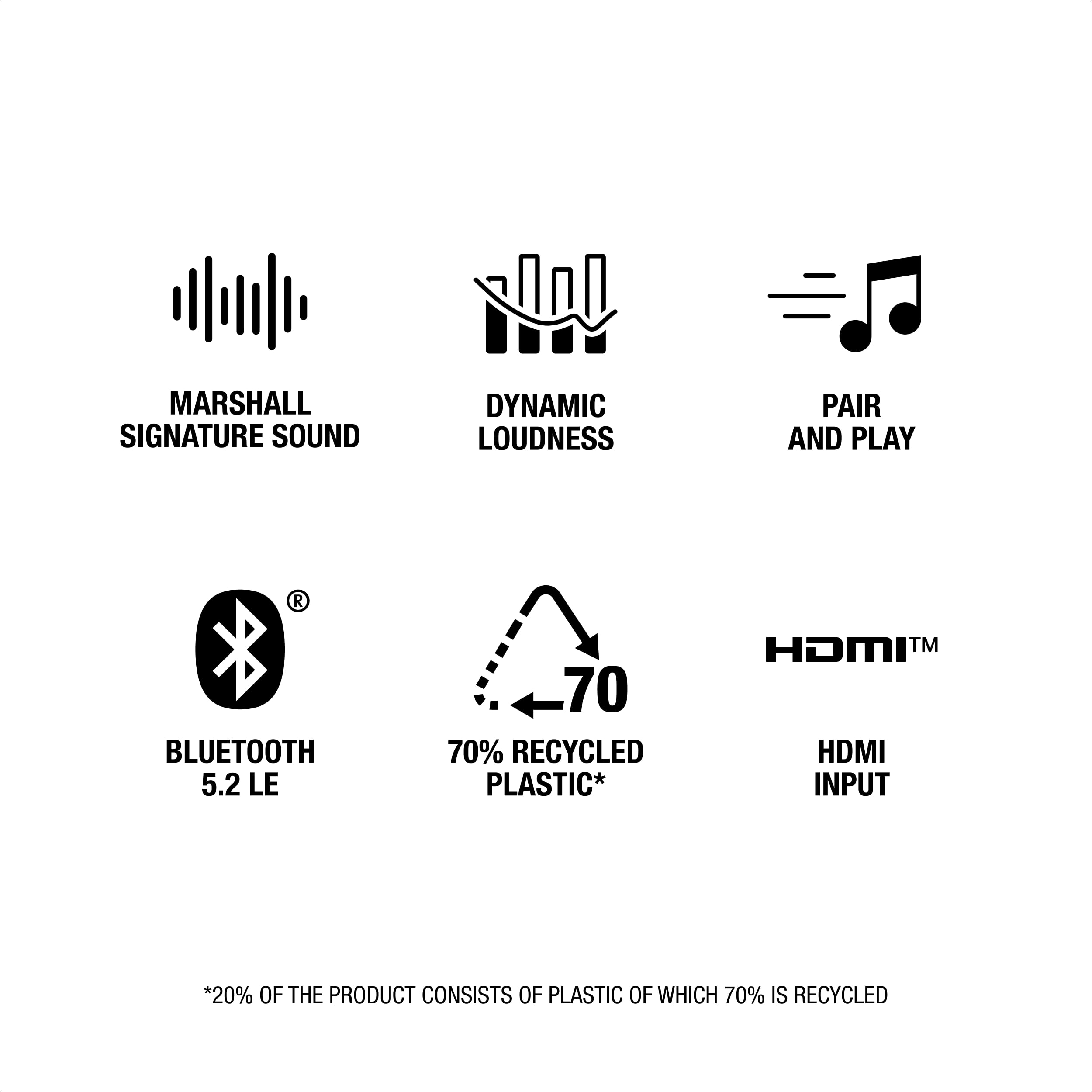
What sets the Marshall apart is its Dynamic Loudness feature—a technology that automatically adjusts the tonal balance as you change volume. At low volumes, our ears naturally perceive less bass and treble, so Dynamic Loudness boosts these frequencies to maintain the music's full character. It's like having a sound engineer constantly fine-tuning your music.
The Philips covers 40Hz to 20KHz, which is still excellent, but that 5Hz difference at the bottom end is more significant than it sounds. Those extra-low frequencies add substantial weight and fullness to music, especially electronic genres and movie soundtracks.
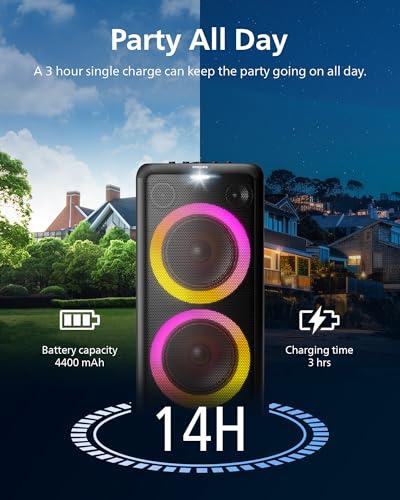
This is where the fundamental difference between these speakers becomes crystal clear. The Philips TAX5206 contains a 4400mAh lithium-ion battery that provides up to 14 hours of playback—enough for an entire day at the beach or a long outdoor event. The trolley design with proper wheels means you're not struggling to carry a heavy speaker; you're simply rolling it wherever you need it.
The battery technology in modern portable speakers has improved dramatically since the early days. Lithium-ion cells now offer better energy density and longer lifespans, while power management systems ensure the speaker doesn't suddenly die mid-song. The Philips also functions as a power bank, so you can charge your phone from the speaker's battery—a genuinely useful feature during long outdoor events.
The Marshall Woburn III, conversely, requires constant AC power. This isn't a limitation—it's a design choice that enables superior audio performance. Without the constraints of battery power and portable design, Marshall's engineers could focus entirely on acoustic excellence and robust amplification.
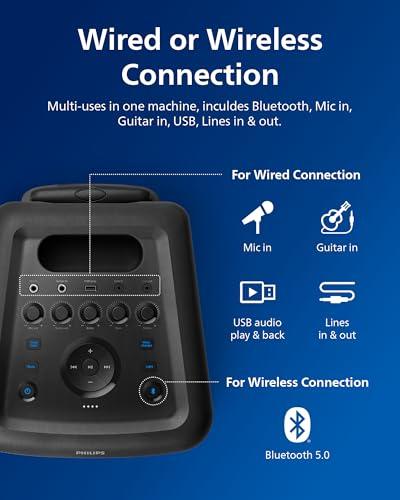
Both speakers support Bluetooth, but the Marshall Woburn III uses the newer Bluetooth 5.2 standard compared to the Philips's Bluetooth 5.0. This difference matters more than version numbers suggest. Bluetooth 5.2 offers better connection stability, improved power efficiency, and readiness for future features like LE Audio, which promises better sound quality and new capabilities like audio sharing.
The Marshall's multipoint connectivity allows simultaneous connections to two devices—meaning you and a friend can both have your phones connected and easily switch who's controlling the music without the usual Bluetooth pairing dance.
Where the Philips TAX5206 shines is in live performance connectivity. The dedicated 6.3mm inputs for microphone and guitar, each with individual volume controls, transform this speaker into a complete karaoke and performance system. The echo control, vocal fader, and voice changer effects aren't gimmicks—they're genuinely useful for creating an engaging party atmosphere.
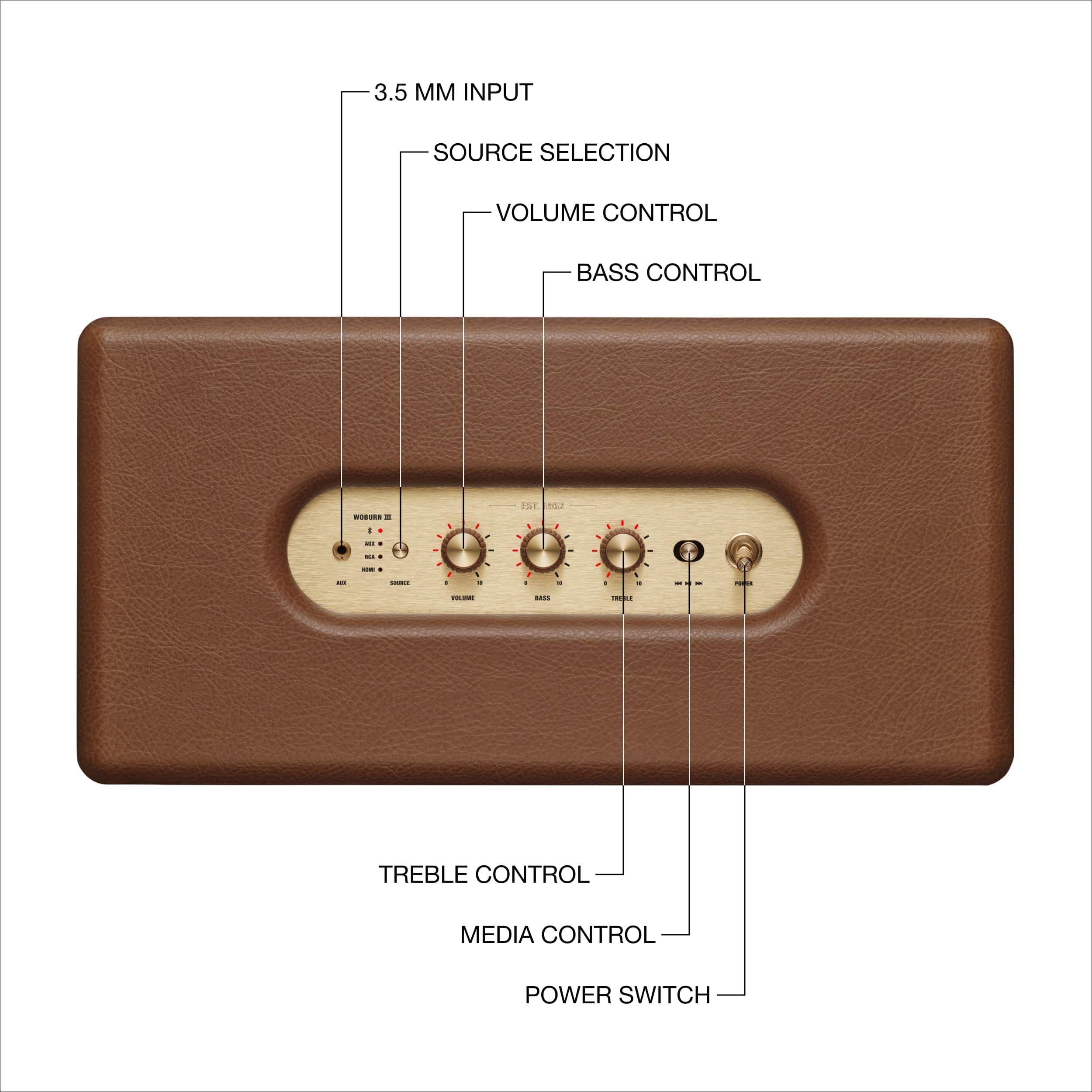
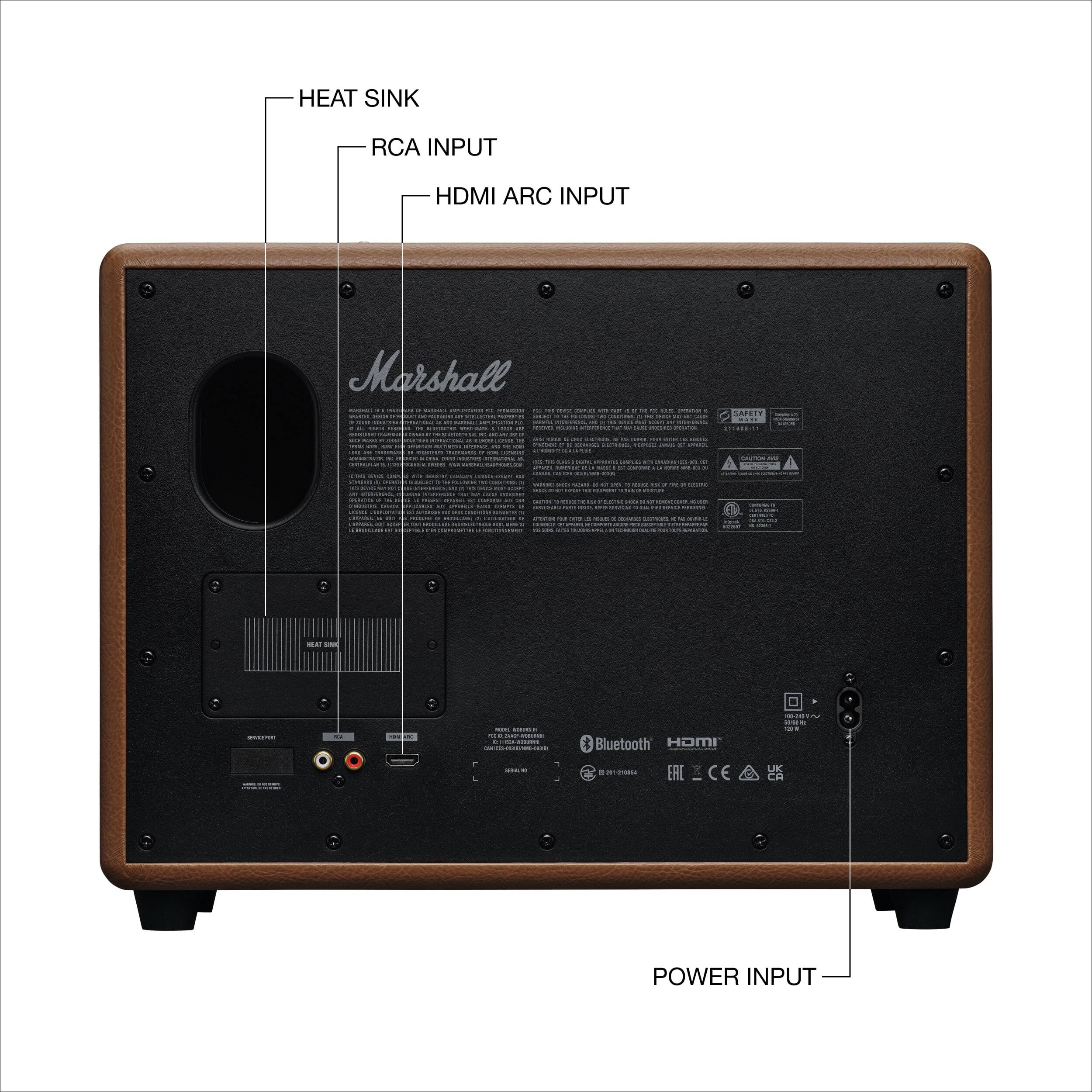
The Marshall's HDMI ARC input is a standout feature for home theater use. ARC (Audio Return Channel) allows your TV to send audio directly to the speaker, and the speaker can control the TV's volume and power functions. The Night Mode feature, available when connected via HDMI, automatically reduces loud sounds and boosts quiet dialogue—perfect for late-night movie watching without disturbing others.
The Philips TAX5206 is designed to create entertainment, while the Marshall Woburn III is designed to deliver it with excellence.
The Philips's party lighting system synchronizes with your music, featuring a ring of LEDs that pulse and change colors with the beat. While some might dismiss this as flashy, the psychological impact of synchronized lighting on party atmosphere is well-documented. The strobe effect and multiple lighting modes can genuinely enhance social gatherings, especially in low-light outdoor settings.
The karaoke features go beyond basic microphone input. The voice changer effect can add fun character to performances, while the vocal fader allows you to reduce or eliminate original vocals from songs, creating true karaoke backing tracks. The echo control adds professional polish to vocal performances.
The Marshall takes a more sophisticated approach with its companion app offering placement compensation—a feature that adjusts the speaker's output based on where it's positioned in your room. Place it near a wall, and the app reduces bass to prevent boomy sound. Position it in a corner, and it makes different adjustments. This level of acoustic intelligence was rare in consumer speakers until recently.
For home theater use, the Marshall Woburn III is in a different league entirely. The HDMI ARC connection means setup is simple—one cable to your TV, and you're done. The speaker automatically powers on when you turn on your TV and adjusts volume with your TV remote.
The acoustic performance makes a dramatic difference for movie watching. The three-way driver system ensures dialogue comes through clearly (thanks to dedicated midrange drivers), while the substantial bass response adds impact to action scenes. The 100.5 dB maximum output at one meter means it can easily fill large living rooms without distortion.
The Philips TAX5206 can technically connect to your TV via Bluetooth or the auxiliary input, but it lacks the seamless integration and acoustic refinement for serious home theater use. Its party-oriented tuning emphasizes bass impact over dialogue clarity, and the two-way driver system can't match the Marshall's midrange definition.
At the time of writing, these speakers occupy different price tiers, with the Marshall Woburn III commanding roughly twice the price of the Philips TAX5206. This price difference reflects their different design philosophies and target markets.
The Philips offers exceptional value for its feature set. You're getting portability, entertainment features, decent audio quality, and impressive battery life at a mid-range price point. For someone who wants one speaker to handle parties, outdoor events, and casual home listening, it's hard to find better value.
The Marshall represents premium pricing for premium performance. The advanced driver configuration, sophisticated acoustic engineering, premium materials, and brand heritage justify the higher cost for serious listeners. However, its limited use cases (home-only) mean you're paying more for less versatility.
Choose the Philips TAX5206 if:
You need genuine portability for outdoor events, beach trips, or camping. The 14-hour battery life and trolley design make it genuinely practical for mobile use. If you host parties or enjoy karaoke, the entertainment features add real value. For renters who move frequently or people who want one speaker for multiple locations, the portability is invaluable.
The sound quality, while not audiophile-grade, is more than adequate for most music and perfectly suited to party environments where bass impact matters more than nuanced midrange detail. If your budget is limited and you want maximum features per dollar, this speaker delivers exceptional value.
Choose the Marshall Woburn III if:
You prioritize audio quality above all else and have a dedicated space for serious listening. The three-way driver system and careful acoustic tuning deliver genuinely impressive sound quality that rivals dedicated hi-fi systems. For home theater use, the HDMI ARC integration and acoustic performance make it an excellent TV speaker upgrade.
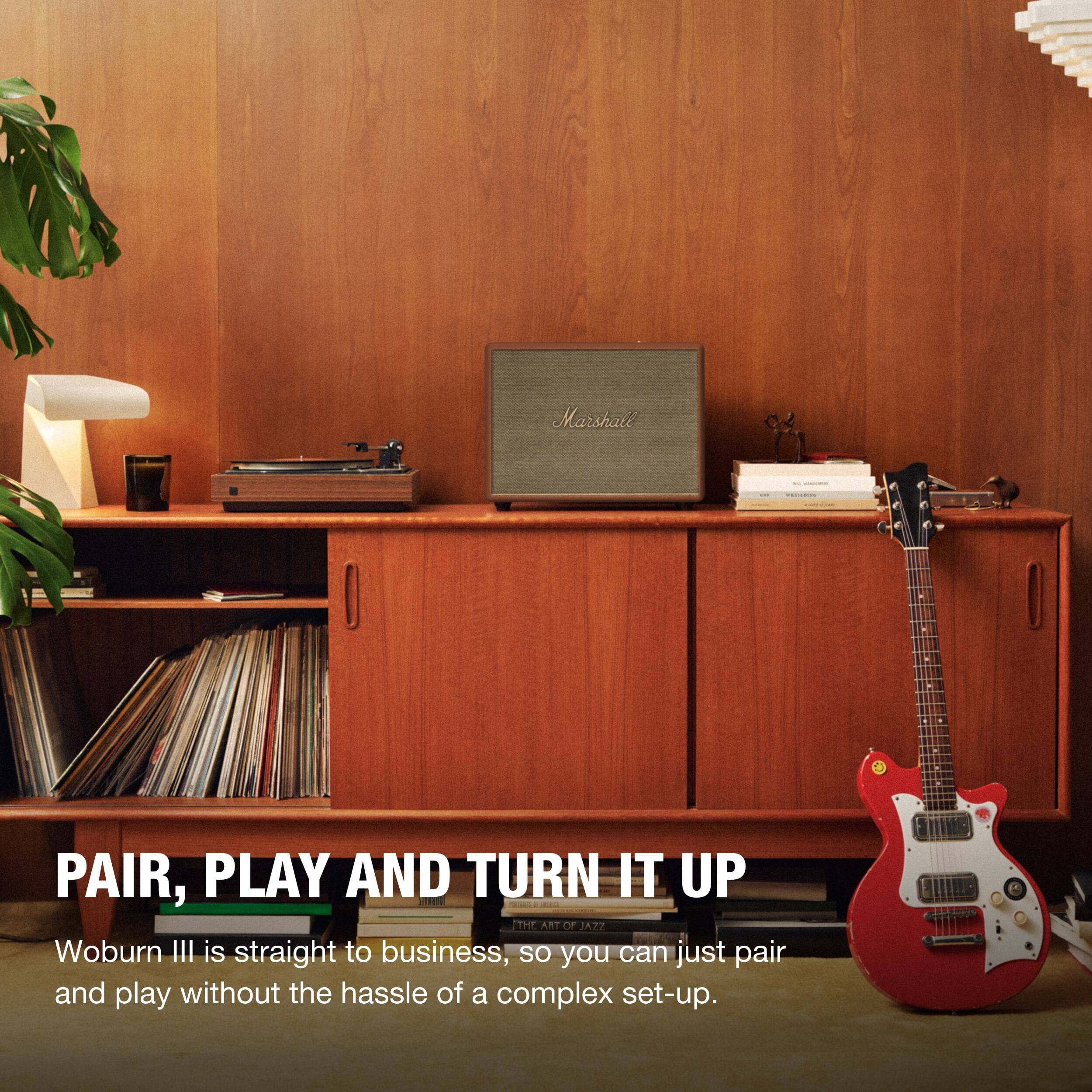
If you appreciate premium build quality and design aesthetics, the Marshall's classic amplifier styling and robust construction feel substantial and look elegant in most home environments. The future-proof Bluetooth 5.2 and over-the-air update capability mean it will remain current as technology evolves.
After extensive research into user experiences and professional reviews, it's clear these speakers excel in their respective domains. The Philips TAX5206 is genuinely excellent at creating party atmospheres and delivering powerful, portable sound. The Marshall Woburn III is exceptional at high-quality home audio and seamless entertainment system integration.
The decision ultimately comes down to lifestyle alignment. If your music listening involves multiple locations, outdoor activities, or social gatherings, the Philips's versatility and entertainment features make it the clear choice. If you have a dedicated listening space and prioritize acoustic excellence over portability, the Marshall's superior sound quality and home integration justify its premium pricing.
Don't try to force either speaker into a role it wasn't designed for. A Marshall Woburn III won't magically become portable, and a Philips TAX5206 won't match the Marshall's acoustic refinement. Understanding and embracing these differences is the key to choosing the speaker that will actually enhance your daily life rather than compromise it.
| Philips TAX5206 | Marshall Woburn III |
|---|---|
| Power Source - Determines where you can use the speaker | |
| Built-in 4400mAh battery, 14 hours playback + AC power | AC power only, no battery option |
| Portability - Critical for outdoor events and moving between locations | |
| Trolley design with wheels and handle, 10.52kg | Stationary home speaker, 7.45kg, no mobility features |
| Audio Power - Impacts volume and room-filling capability | |
| 80W RMS, 160W peak output | 150W total (90W woofer + 60W mids/tweeters) |
| Driver Configuration - Determines sound quality and frequency separation | |
| 2-way: 2x 8" woofers, 2x 2.5" tweeters | 3-way: 1x 6" woofer, 2x 2" midrange, 2x 0.75" tweeters |
| Frequency Response - Shows bass depth and treble extension | |
| 40Hz - 20KHz (-12dB) | 35Hz - 20KHz (deeper bass extension) |
| Bluetooth Technology - Affects connection stability and future features | |
| Bluetooth 5.0, 10m range, SBC codec | Bluetooth 5.2, 10m range, multipoint connection |
| Entertainment Features - Party and social functionality | |
| Karaoke (mic/guitar inputs), party lights, voice effects | Premium home audio focus, no entertainment features |
| TV Integration - Home theater connectivity | |
| Basic aux/Bluetooth connection only | HDMI ARC with TV volume sync and Night Mode |
| Sound Customization - Audio tuning options | |
| Rotary bass/treble controls, karaoke effects | App-based EQ, placement compensation, Dynamic Loudness |
| Build Quality and Design - Durability and aesthetics | |
| Party-focused plastic construction | Premium materials, Marshall amplifier aesthetic, brass controls |
| Use Case Flexibility - Where and how you can use it | |
| Outdoor events, parties, karaoke, portable use | Home listening, TV audio, stationary premium sound |
The Philips TAX5206 is specifically designed for outdoor parties with its built-in 14-hour battery, trolley design with wheels, and party lighting effects. The Marshall Woburn III requires AC power and cannot be used outdoors without a power source, making the Philips TAX5206 the clear choice for portable party use.
The Marshall Woburn III excels for home theater with its HDMI ARC connection that syncs with your TV's volume and power controls, plus Night Mode for late-night viewing. While the Philips TAX5206 can connect to TVs via Bluetooth or aux cable, it lacks the seamless integration and audio clarity needed for serious home theater use.
The Marshall Woburn III delivers superior sound quality with its 3-way driver system, deeper bass extension to 35Hz, and 150W of carefully distributed power. The Philips TAX5206 offers good sound for parties but cannot match the Marshall's acoustic refinement and clarity for critical music listening.
The Philips TAX5206 is built for karaoke with dedicated microphone and guitar inputs, echo control, voice changer effects, and vocal fader features. The Marshall Woburn III has no microphone inputs or karaoke features, making the Philips TAX5206 the only option for live performance use.
The Philips TAX5206 is designed for portability with its trolley wheels, carry handle, and 14-hour battery life. The Marshall Woburn III weighs over 16 pounds, requires constant AC power, and is intended as a stationary home speaker, making it unsuitable for travel or portable use.
Both speakers support Bluetooth connectivity, but the Marshall Woburn III uses newer Bluetooth 5.2 with multipoint support (connect two devices simultaneously) compared to the Philips TAX5206's Bluetooth 5.0. Both offer reliable wireless connection within 10 meters.
The Marshall Woburn III produces 100.5 dB maximum output and fills large rooms effectively with its superior driver configuration. While the Philips TAX5206 can also get very loud and is designed for outdoor use, the Marshall provides cleaner sound at high volumes in indoor spaces.
The Marshall Woburn III offers a comprehensive app with placement compensation, EQ settings, and firmware updates. The Philips TAX5206 relies primarily on physical rotary controls for bass, treble, and volume adjustments, with more limited app functionality.
The Philips TAX5206 provides exceptional value with its combination of portability, battery life, karaoke features, and party lighting at a lower price point. The Marshall Woburn III costs significantly more but delivers premium audio quality and home integration features that justify the higher price for serious listeners.
The Philips TAX5206 works excellently both indoors and outdoors thanks to its battery power and portable design. The Marshall Woburn III is limited to indoor use only due to its AC power requirement and lack of weather resistance.
The Marshall Woburn III offers HDMI ARC, RCA inputs, and 3.5mm aux for home audio equipment. The Philips TAX5206 provides mic/guitar inputs, USB playback, line out, and 3.5mm aux, making it more versatile for live performance but less suitable for hi-fi home integration.
The Philips TAX5206 features a 4400mAh battery providing 14 hours of playback and can function as a power bank to charge other devices. The Marshall Woburn III has no battery and requires constant AC power, limiting it to locations with electrical outlets but enabling higher sustained power output.
We've done our best to create useful and informative comparisons to help you decide what product to buy. Our research uses advanced automated methods to create this comparison and perfection is not possible - please contact us for corrections or questions. These are the sites we've researched in the creation of this article: youtube.com - documents.philips.com - cutetechgadgets.com - odpbusiness.com - usa.philips.com - hitechers.com - youtube.com - documents.philips.com - youtube.com - walmart.com - walmart.com - device.report - flipkart.com - brightstarcomp.com - youtube.com - philips.co.in - documents.philips.com - fullspecs.net - documents.philips.com - loudersound.com - ash-asia.zendesk.com - armorsound.com - rtings.com - crutchfield.com - rtings.com - stereoguide.com - bestbuy.com - hometechnologyreview.com - crutchfield.com - sweetwater.com - rtings.com - youtube.com - greentoe.com - versus.com - idownloadblog.com - marshall.com - youtube.com - comparisontabl.es - youtube.com - versus.com - crutchfield.com - device.report - consumerreports.org - sg.tcacoustic.asia - stereoindex.com - safemark.com - smarthomesounds.co.uk - marshall.com - device.report - bestbuy.com - marshall.com

Privacy Policy
Terms and Conditions - Affiliate Policy
Home Security
© Copyright 2008-2026.
11816 Inwood Rd #1211, Dallas, TX 75244