

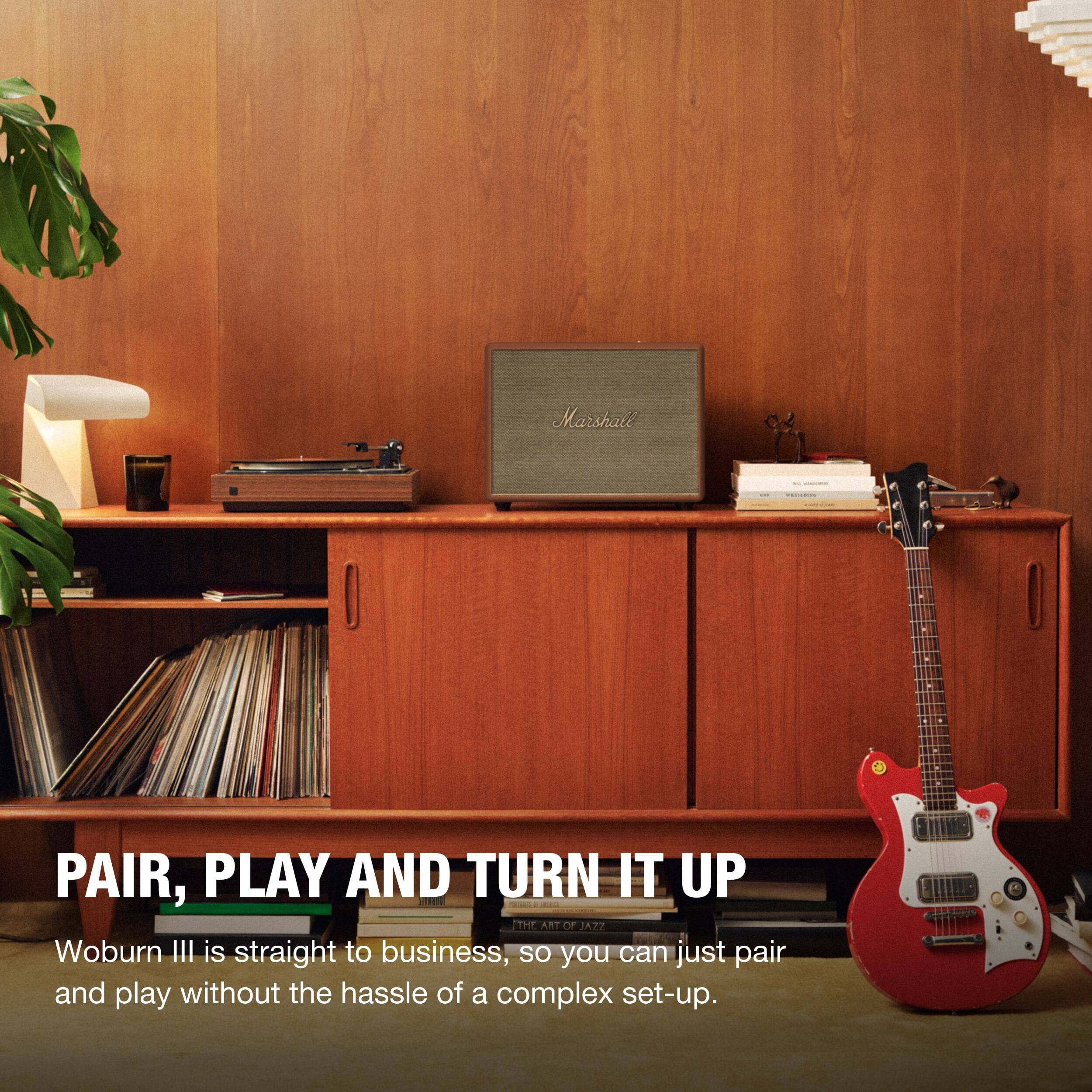
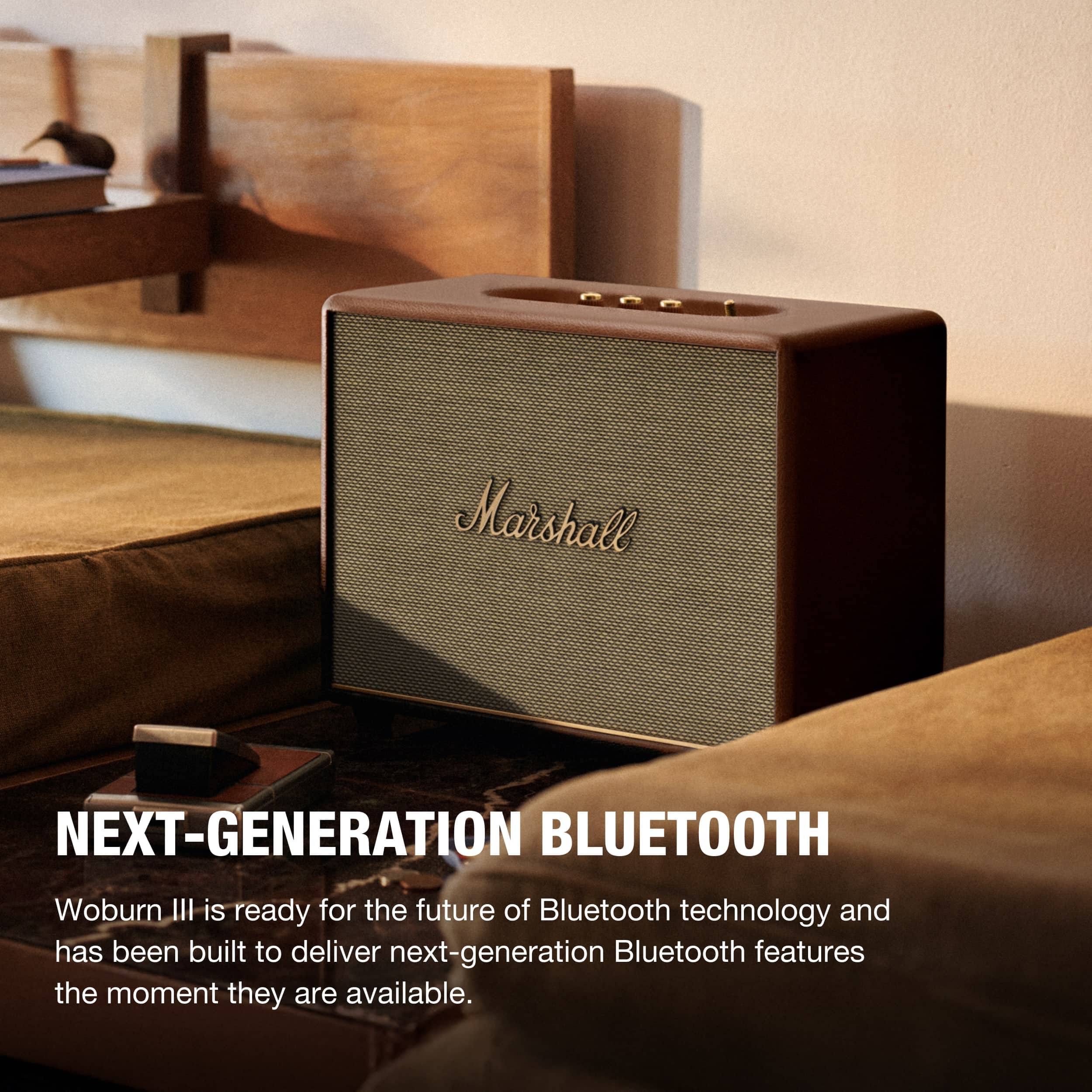
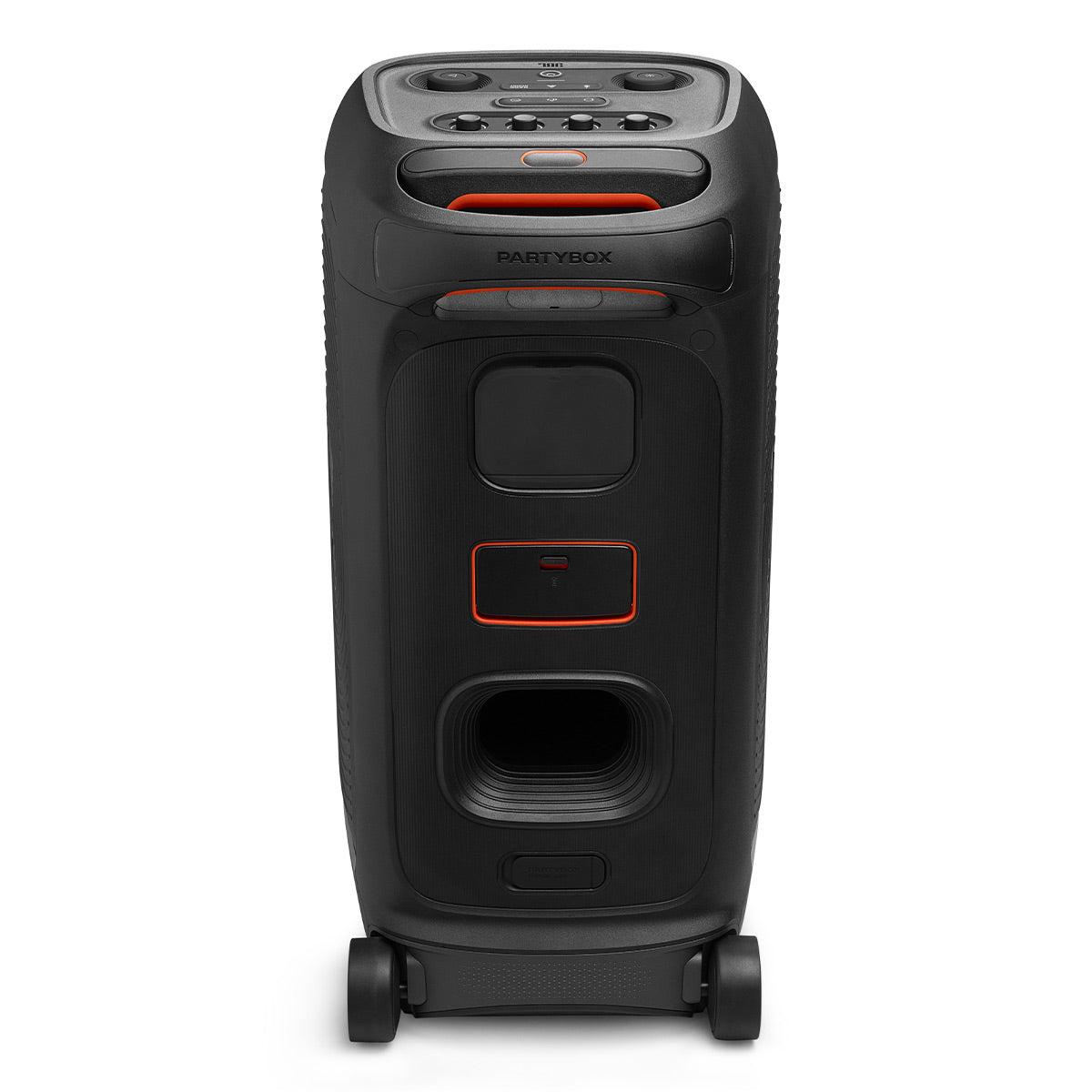
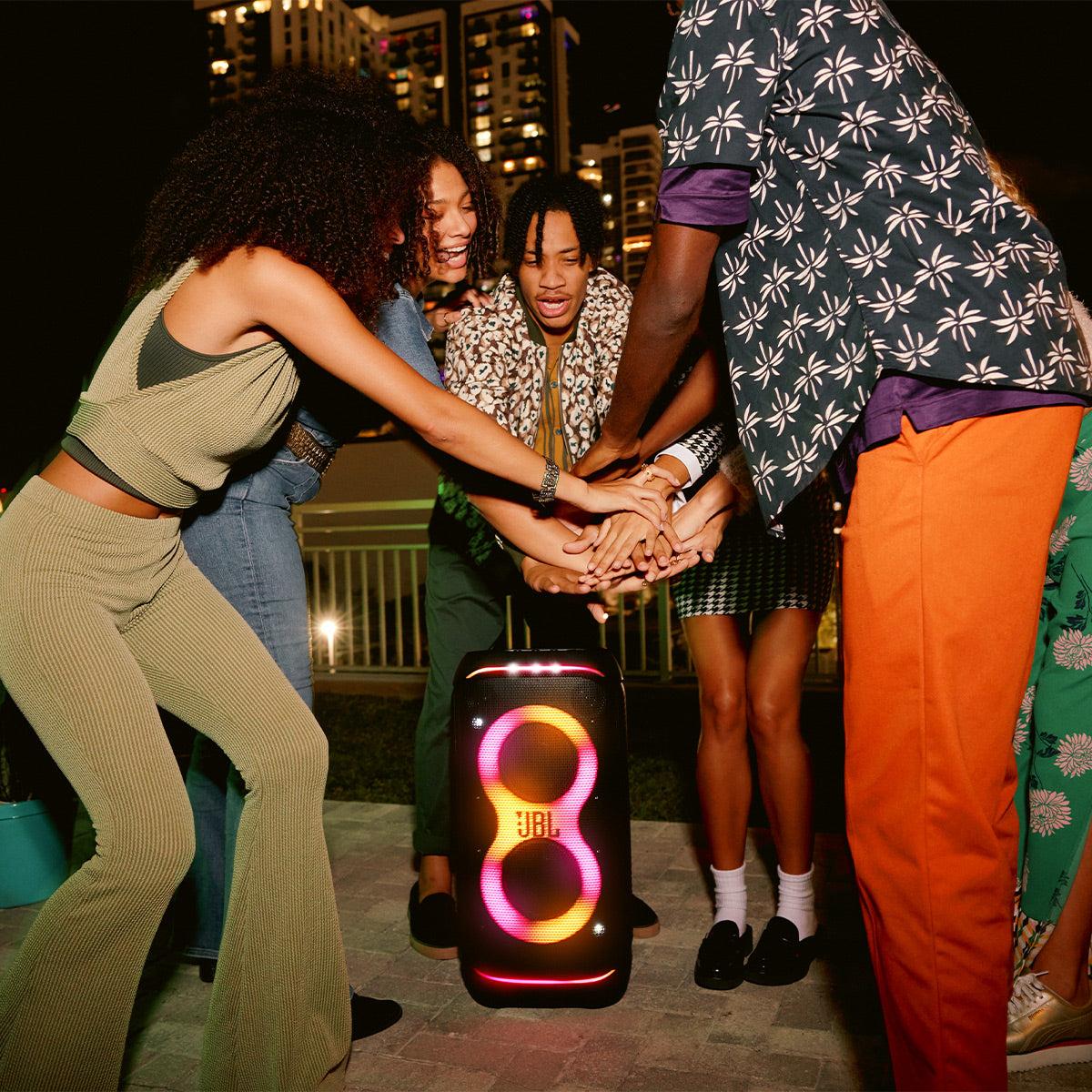
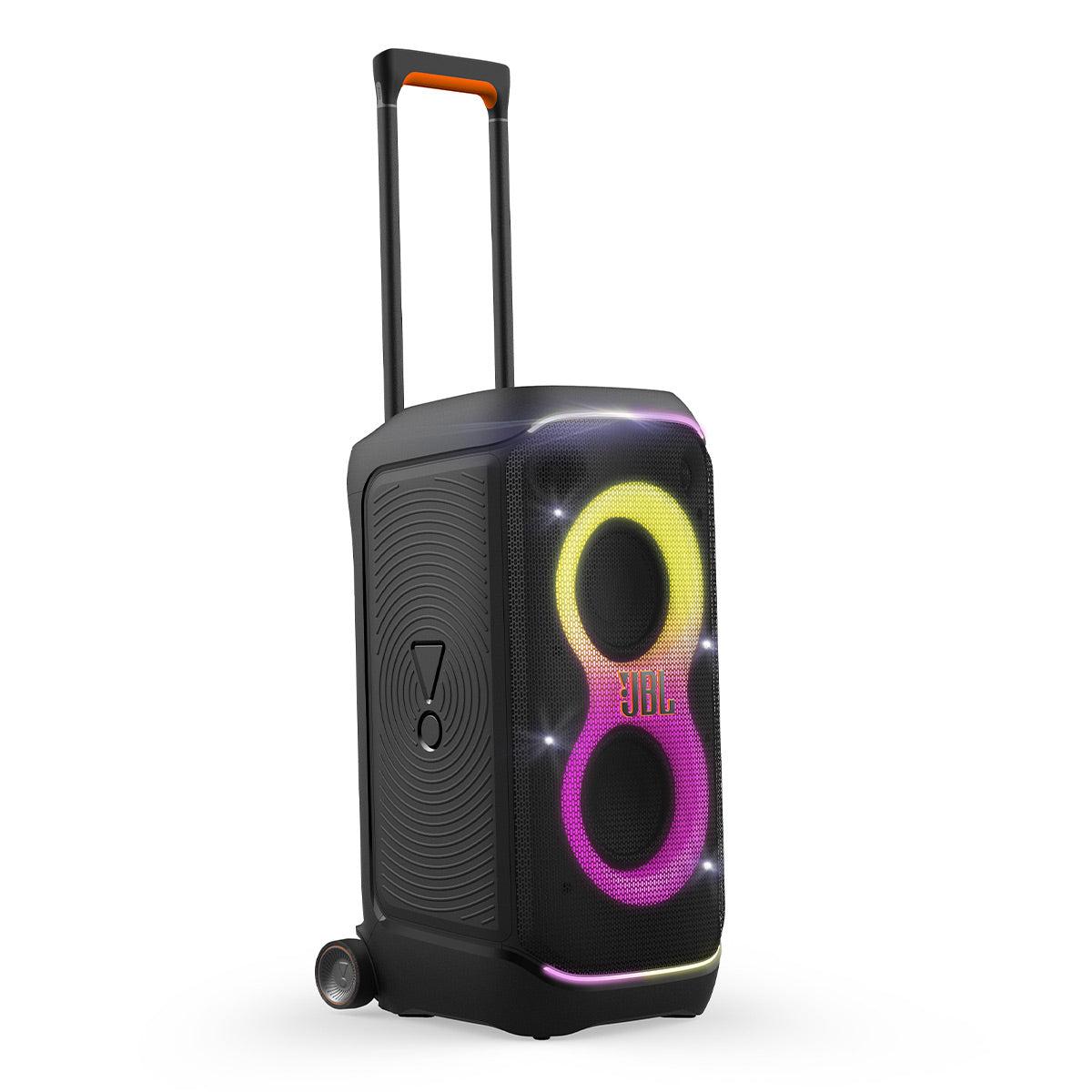
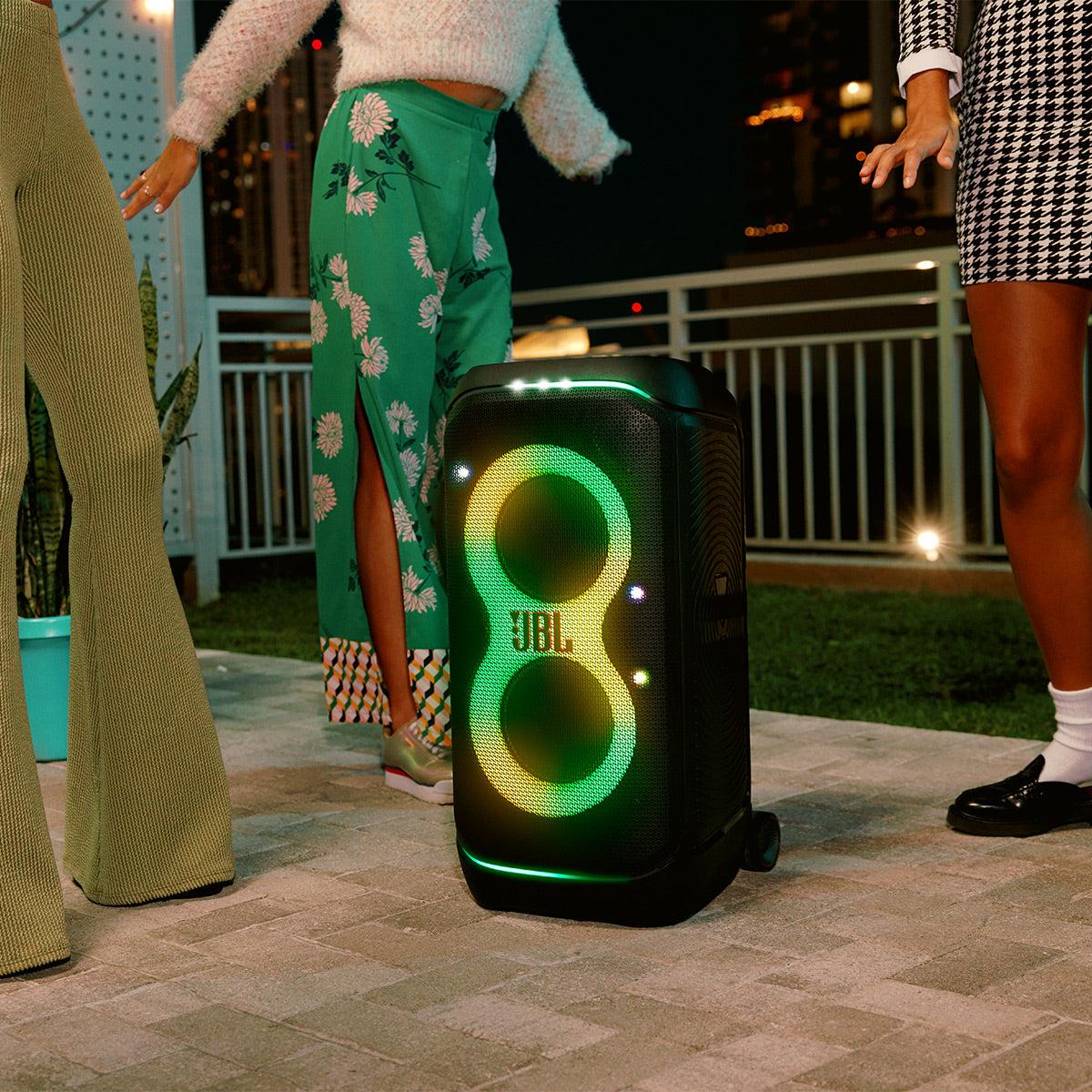


When you're looking at spending serious money on a speaker, the choice between the Marshall Woburn III and JBL PartyBox Stage 320 represents a fundamental decision about how you want to experience music. These two speakers, despite sitting at similar price points at the time of writing, couldn't be more different in their approach to audio entertainment.
The Marshall Woburn III, released in 2022, is Marshall's flagship home speaker that prioritizes audiophile-quality sound reproduction. The JBL PartyBox Stage 320, launched in 2024, is JBL's latest portable powerhouse designed for high-energy entertainment. Understanding which approach suits your lifestyle requires diving deep into what makes each speaker unique.
Home audio speakers and portable party speakers serve fundamentally different purposes, even when they share some basic functions like playing music via Bluetooth. Think of it like comparing a high-end home theater projector to a portable camping projector—both display movies, but they're engineered for completely different scenarios.
Home audio speakers like the Marshall Woburn III focus on creating an immersive listening experience within your living space. They're designed for critical listening—meaning you can hear subtle details in recordings, from the reverb on a guitar amp to the breathing between vocal phrases. These speakers typically feature multiple drivers (the individual speakers inside the cabinet) working together to reproduce different frequency ranges with precision.
Portable party speakers like the JBL PartyBox Stage 320 prioritize impact and entertainment value. They're built to fill large spaces with energetic sound, withstand outdoor conditions, and provide features that enhance social gatherings. The audio tuning emphasizes punch and excitement over nuanced detail.
The key considerations when choosing between these categories include where you'll primarily use the speaker, whether you need portability, how important audio fidelity is to you, and what additional features matter for your lifestyle.
The most significant performance difference between the Marshall Woburn III and JBL PartyBox Stage 320 lies in their approach to sound reproduction, and this impacts everything from the music you'll enjoy most to how they perform in different room sizes.
The Marshall Woburn III uses a sophisticated three-way stereo configuration that creates what audio engineers call "soundstage"—the illusion that instruments and vocals are positioned in specific locations between and around the speakers. This is achieved through its unique driver arrangement: one 6-inch woofer handles bass frequencies, two 2-inch midrange drivers reproduce vocals and most instruments, and two 3/4-inch tweeters (angled outward with specially designed waveguides) create the high-frequency detail and stereo imaging.
This three-way design matters because it allows each type of driver to focus on what it does best. The dedicated midrange drivers—absent in most portable speakers—mean vocals sound incredibly clear and natural. When you're listening to complex music like jazz or classical, you can actually hear the spatial relationships between instruments. The angled tweeters with waveguides (curved reflectors that control sound dispersion) create a stereo field that, according to user reviews, "chases you around the room."
The Marshall's frequency response extends down to 35Hz, which approaches the lowest notes a human ear can perceive. More importantly, the bass is controlled and articulate rather than simply loud. You can distinguish between different bass instruments and hear the attack and decay of individual notes.
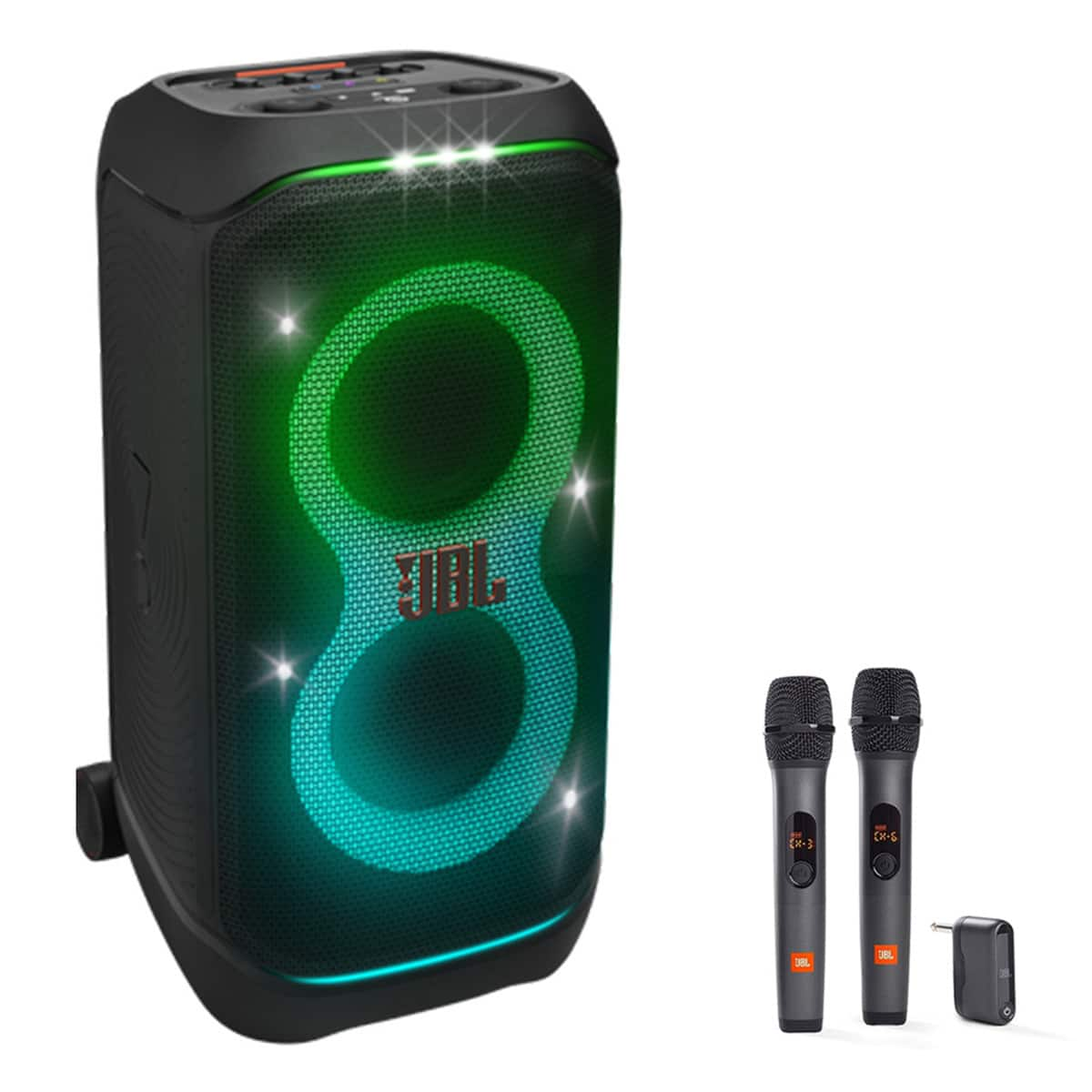
The JBL PartyBox Stage 320, in contrast, delivers its 240 watts through a mono configuration optimized for maximum impact. Its dual 6.5-inch woofers and two 1-inch tweeters prioritize volume and bass punch over stereo imaging. This isn't a limitation—it's a deliberate design choice for its intended use.
The speaker's AI Sound Boost technology represents a significant advancement in portable audio. This feature analyzes the incoming audio signal in real-time, automatically adjusting the sound processing to minimize distortion while maximizing loudness and bass output. When you're playing music at high volumes—something you'll definitely do with 240 watts available—this technology keeps the sound clean and punchy rather than harsh and compressed.
The PartyBox Stage 320's bass response is tuned for impact rather than accuracy. Those dual 6.5-inch woofers create the kind of low-end punch that gets people moving at parties. The bass boost feature offers two levels: Level 1 provides fuller bass for general listening, while Level 2 adds a special kick in the upper bass range that's perfect for electronic music and hip-hop.
When evaluating these speakers, the most important performance characteristics depend entirely on your intended use. For home listening, frequency response accuracy, stereo imaging width, and low-volume detail retention matter most. For party use, maximum clean volume, bass impact, and large space projection take priority.
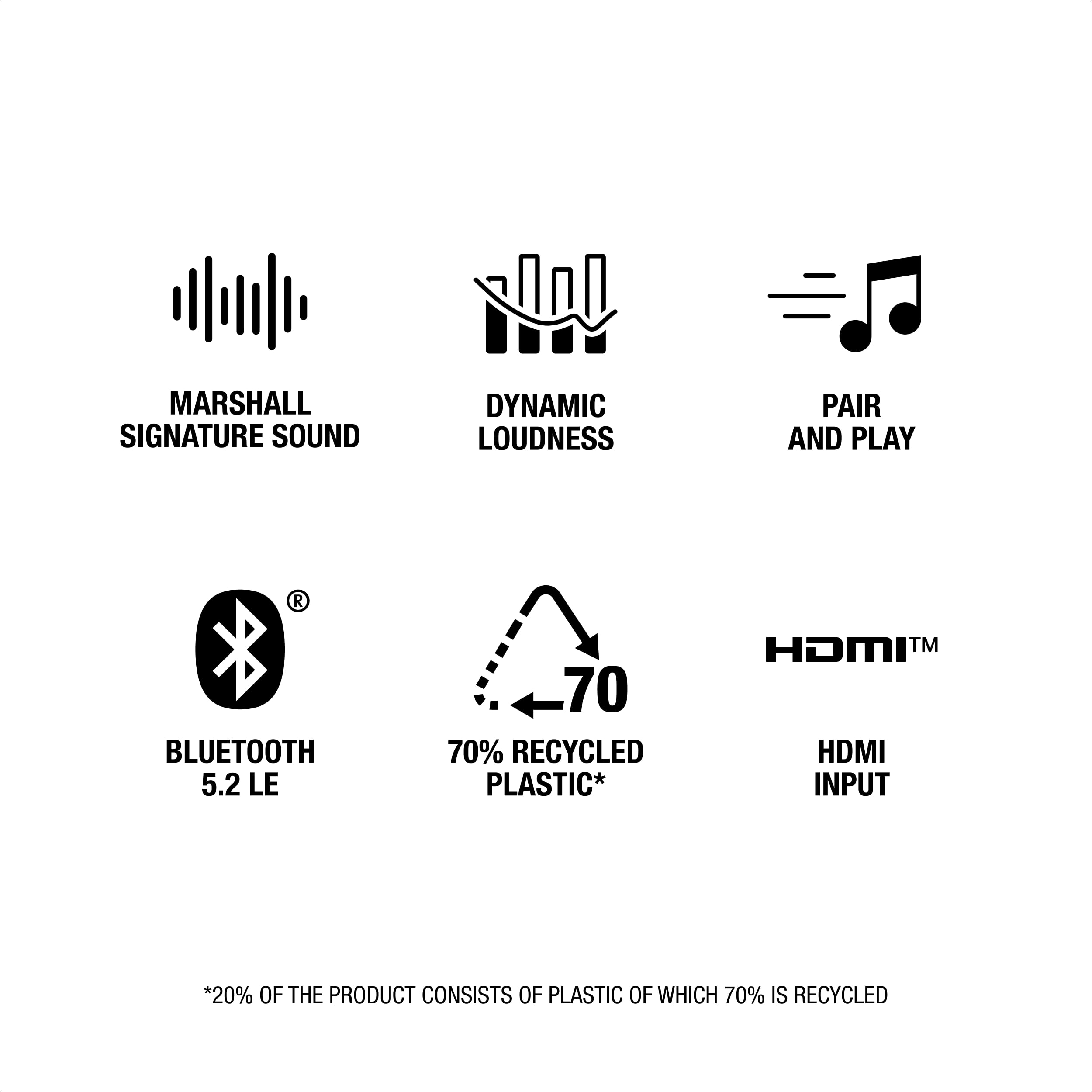
The Marshall Woburn III excels in what audio engineers call "near-field listening"—when you're relatively close to the speaker and can appreciate subtle details. Its Dynamic Loudness technology automatically adjusts the tonal balance at different volume levels, ensuring bass and treble remain present even during quiet evening listening sessions.
The JBL PartyBox Stage 320 dominates in "far-field projection"—filling large spaces with energetic sound. Its higher power output (240W vs 150W) and focus on mid-bass punch mean it can maintain excitement and clarity even when you're across a large backyard or basement party space.
The portability difference between these speakers fundamentally changes how you can use them, and this extends far beyond just their weight and size.
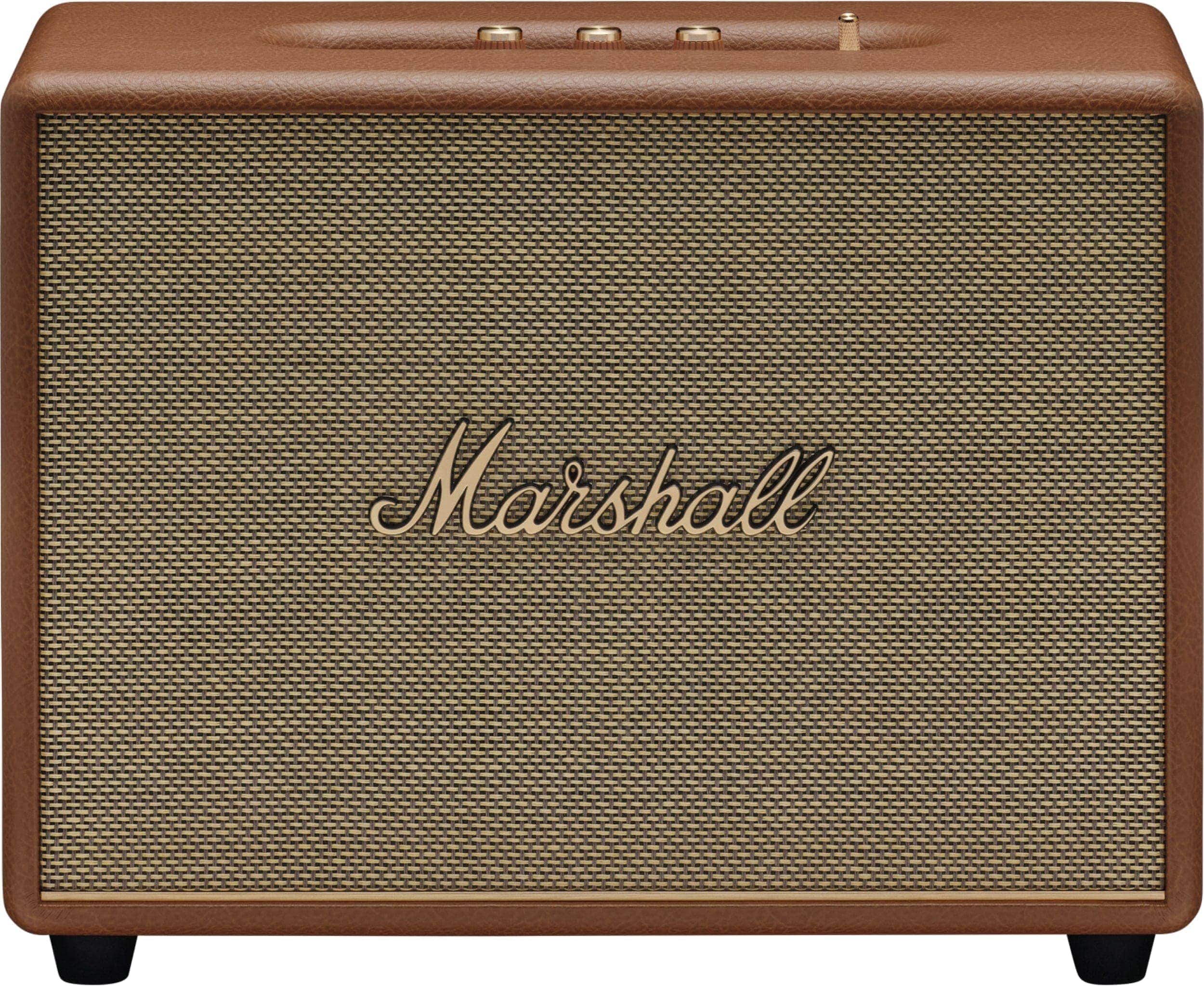
The Marshall Woburn III weighs 7.45kg (about 16.4 pounds) with dimensions that fit comfortably on most furniture surfaces. More importantly, it's designed for permanent placement with features that optimize performance based on location. Its Placement Compensation technology automatically adjusts the sound based on whether the speaker is placed near walls or in corners—something that significantly impacts bass response in real rooms.
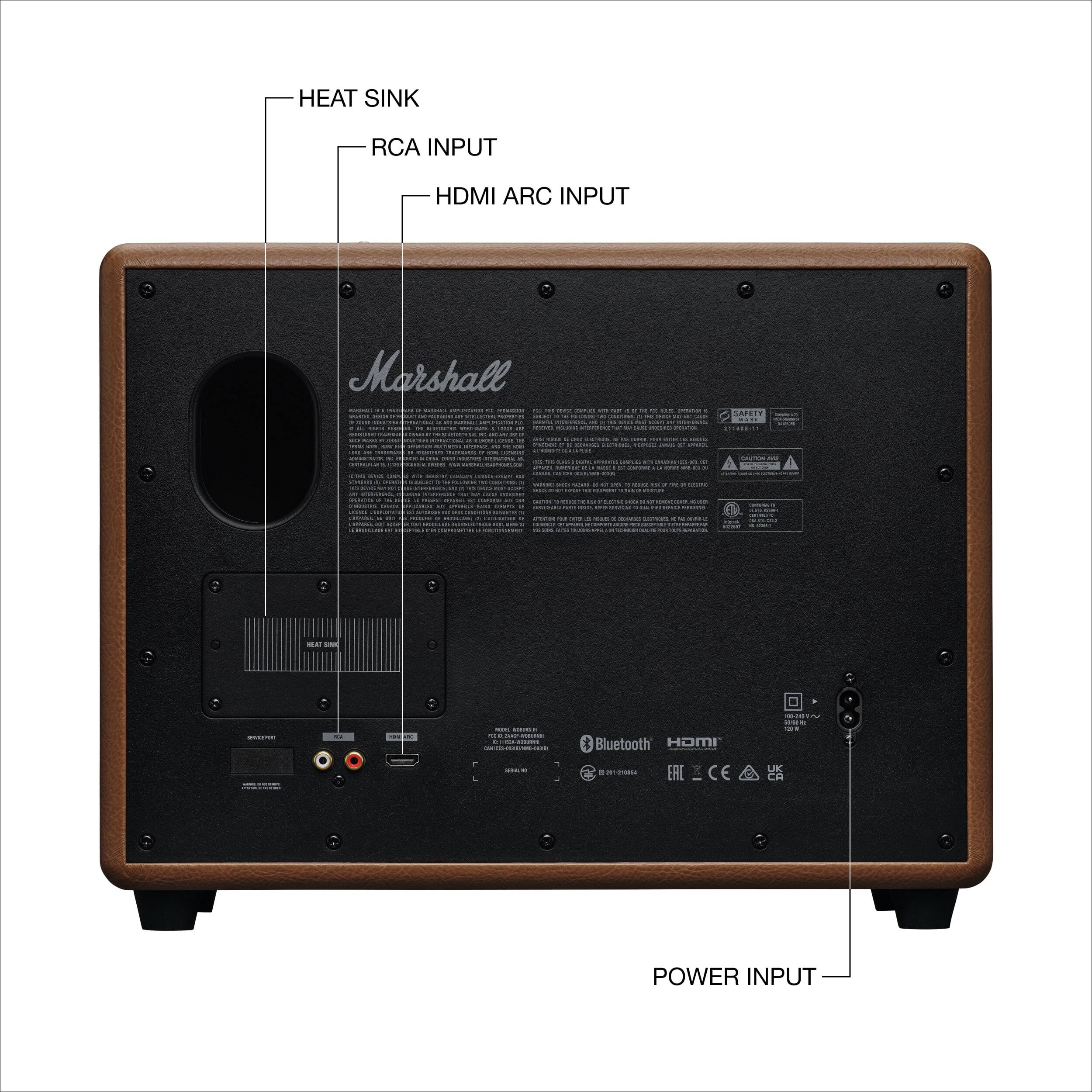
The HDMI ARC (Audio Return Channel) input represents a major advantage for home theater use. This connection allows the Marshall to receive audio directly from your TV, automatically power on when the TV turns on, and respond to your TV remote's volume controls. The Night Mode feature, active when connected via HDMI, intelligently reduces loud sounds while boosting quiet dialogue—perfect for late-night movie watching without disturbing others.
The AC-only power design means consistent performance without battery degradation concerns. You never have to worry about the speaker dying mid-song or gradually losing performance as batteries age.
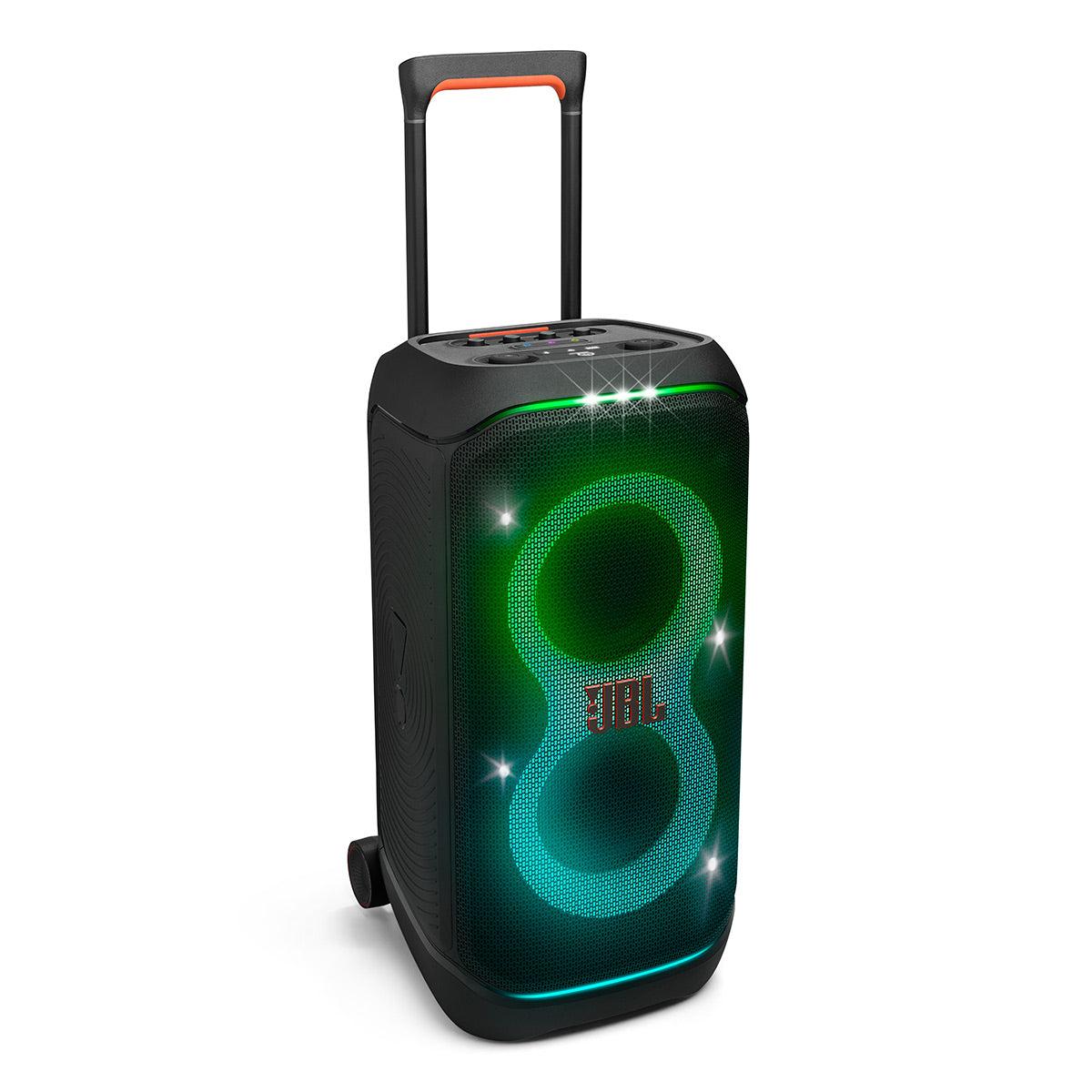
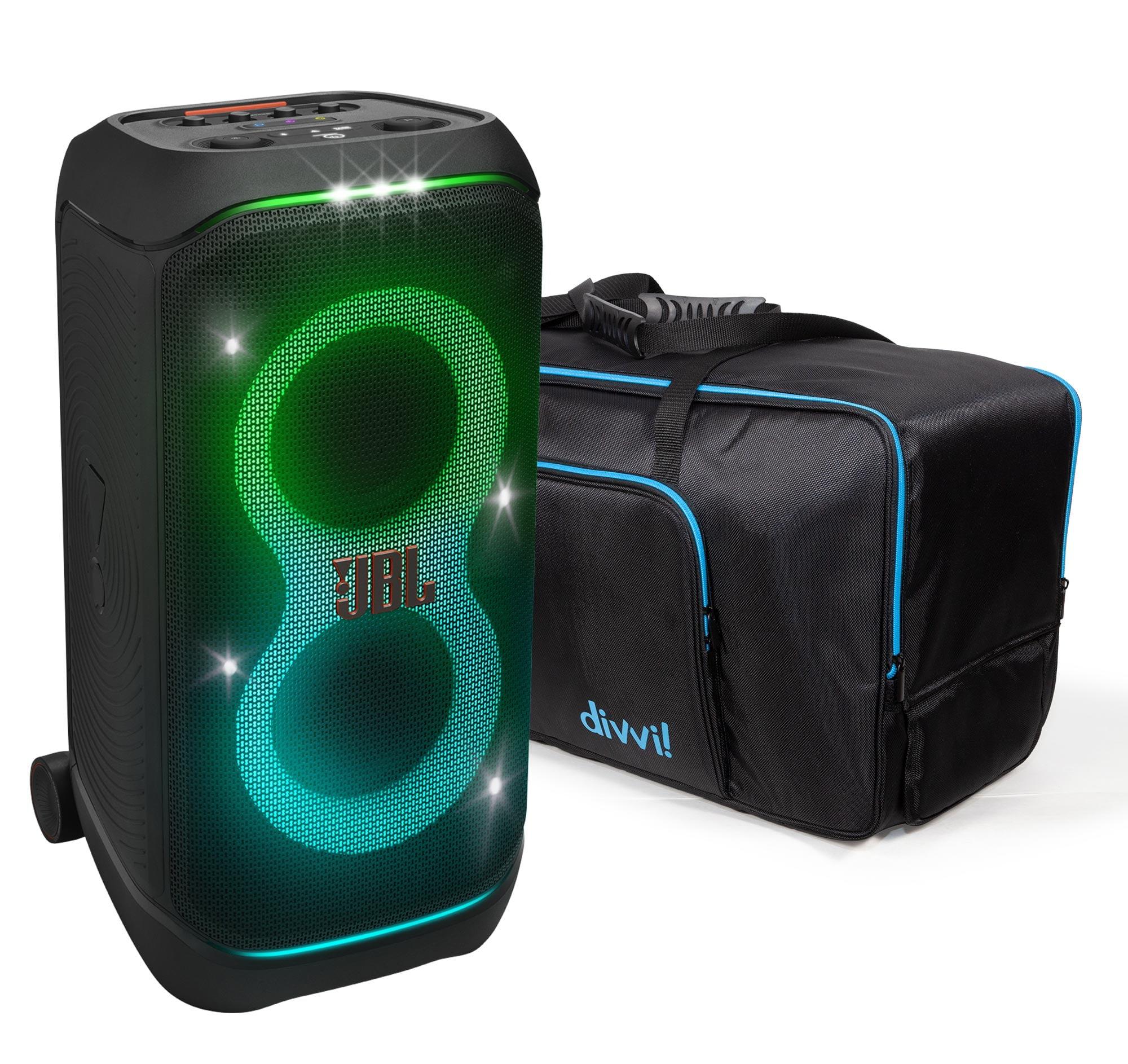
The JBL PartyBox Stage 320 addresses the traditional problem with powerful speakers: they're too heavy and awkward to move. At 16.5kg (36.4 pounds), it's significantly heavier than the Marshall, but the integrated wide wheels and telescopic handle transform it into a rolling suitcase for audio.
The 18-hour battery life (based on moderate volume levels) provides genuine all-day use, and the 10-minute quick charge feature delivers 2 hours of playback—enough to save a party when you've forgotten to charge ahead of time. The replaceable battery system, new for 2024, means you can swap in fresh battery packs for extended events without any downtime.
The IPX4 splash-proof rating means the speaker can handle poolside parties, light rain, and beach use without concern. This isn't full waterproofing—you can't submerge it—but it's sufficient for real-world outdoor conditions.
Both speakers embrace modern connectivity, but their feature sets reflect their different intended uses and the evolution of audio technology since their respective release dates.
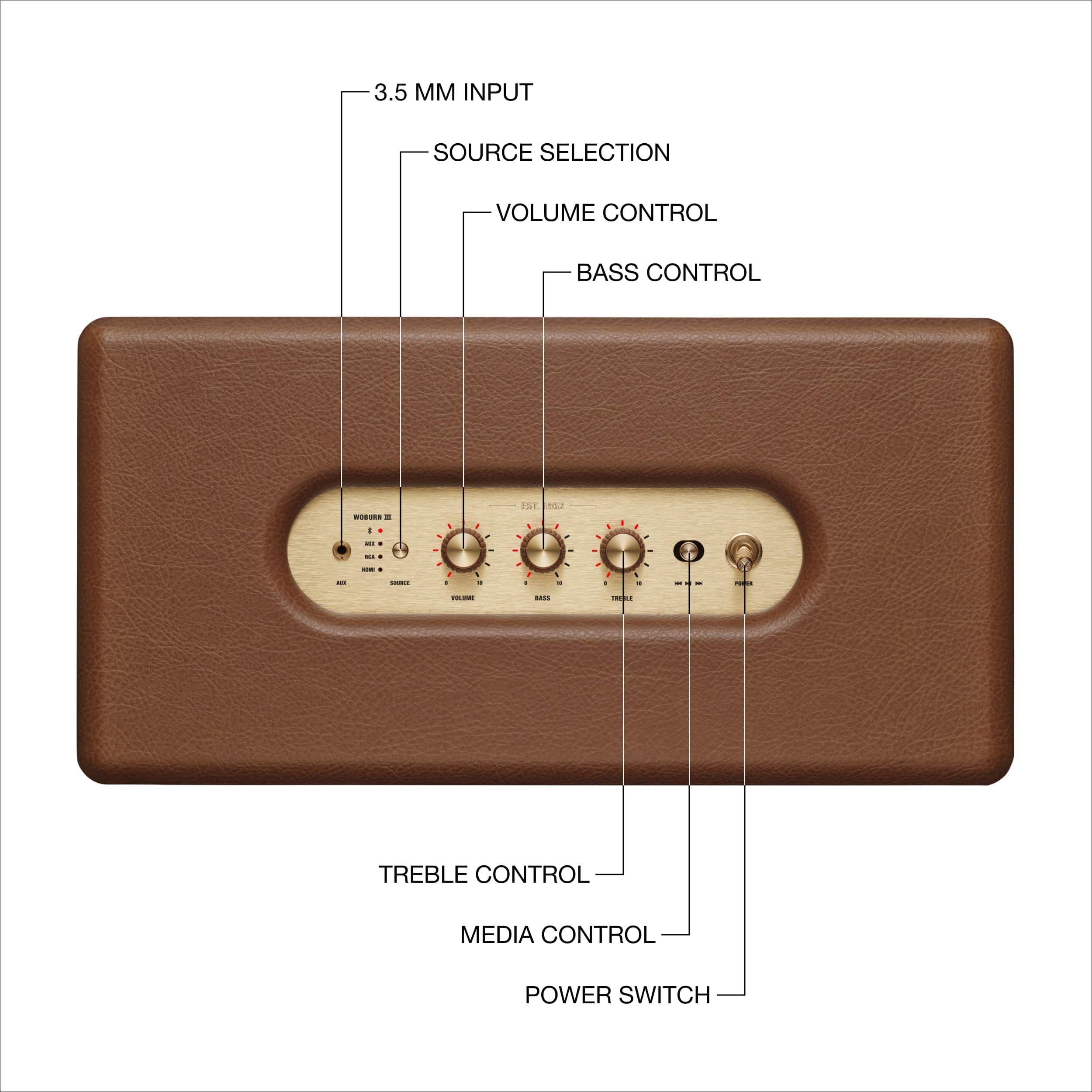
The Marshall Woburn III offers Bluetooth 5.2 with multipoint connectivity, allowing two devices to stay connected simultaneously—useful when family members want to switch between phone playlists without re-pairing. The multiple wired inputs (HDMI ARC, RCA, and 3.5mm) accommodate everything from modern TVs to vintage turntables.
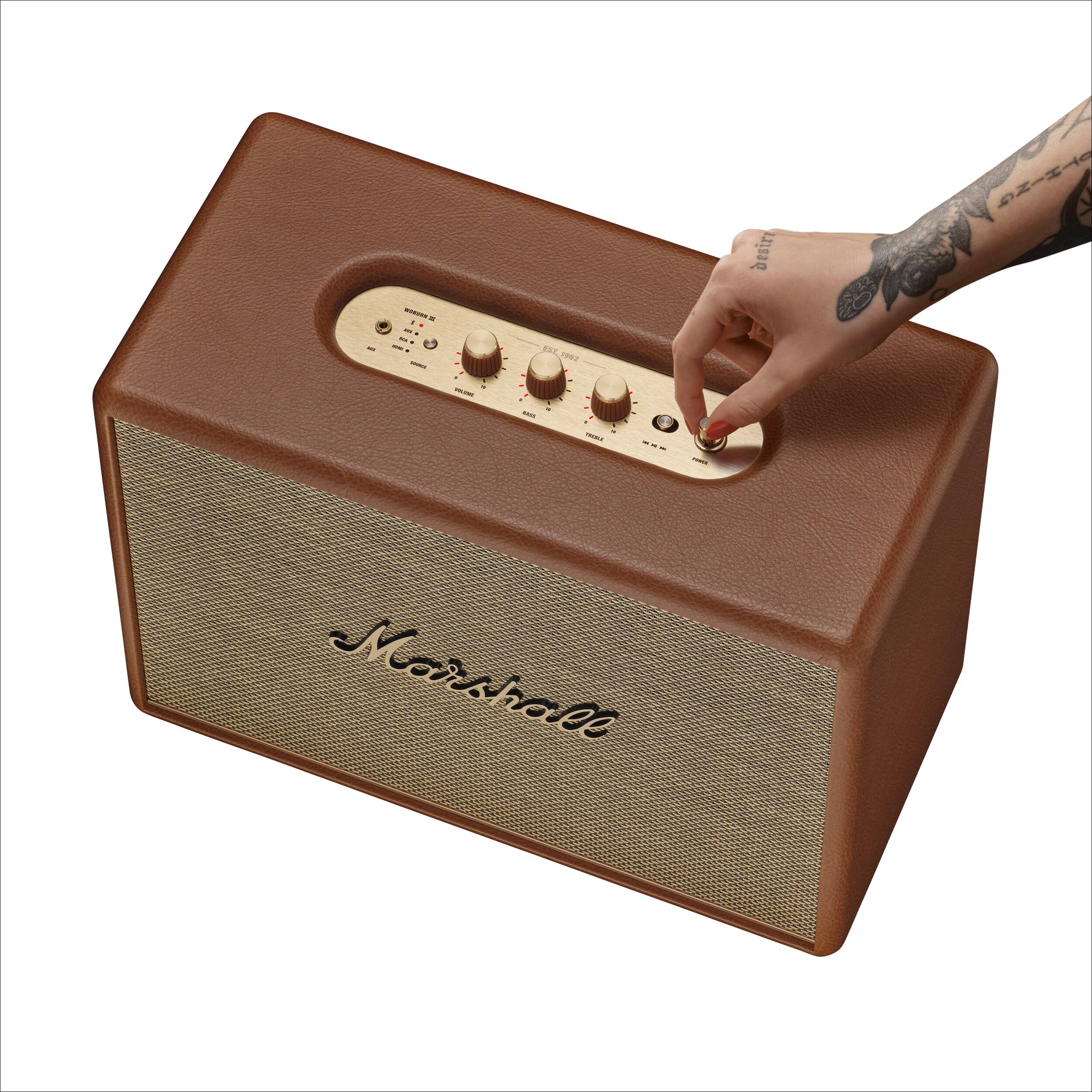
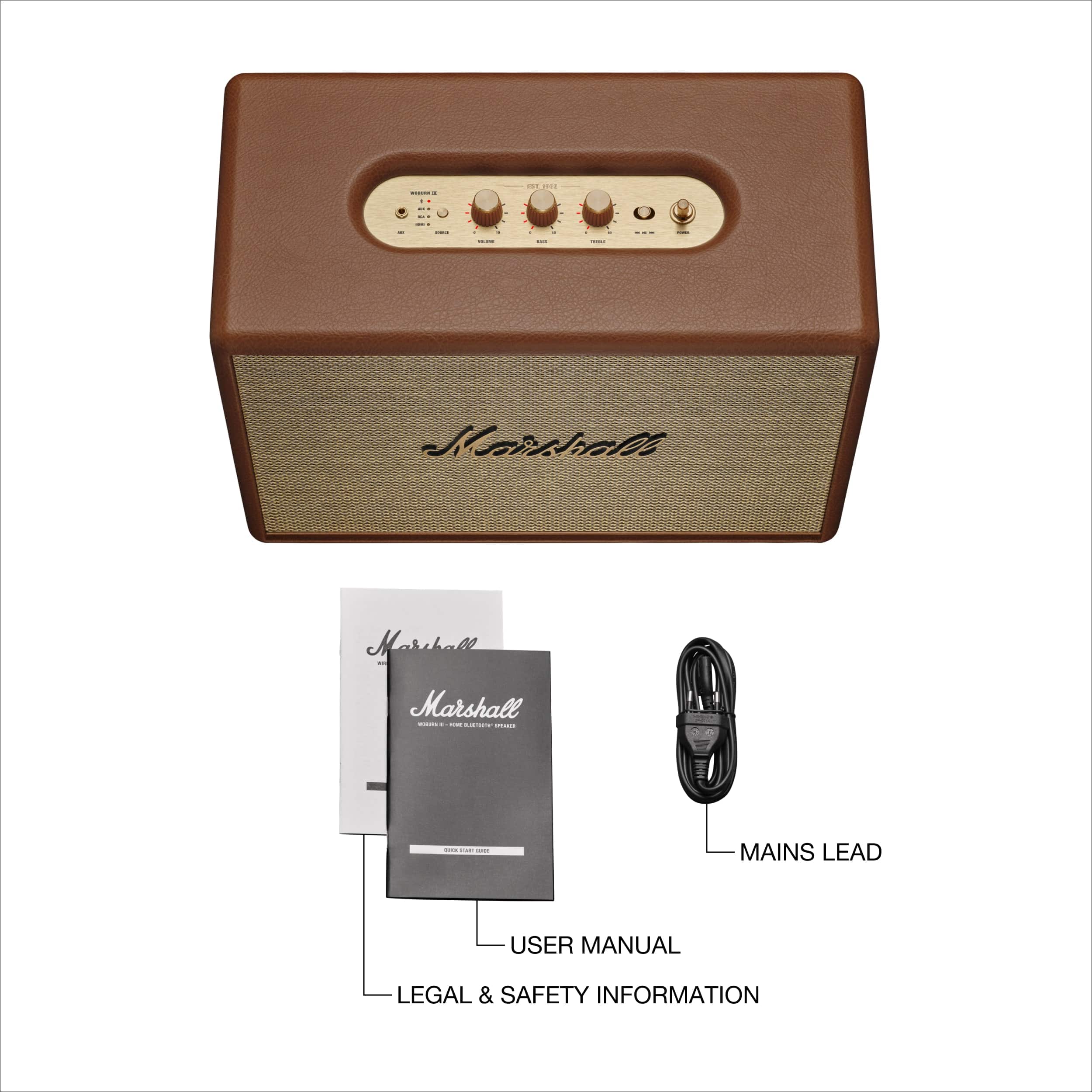
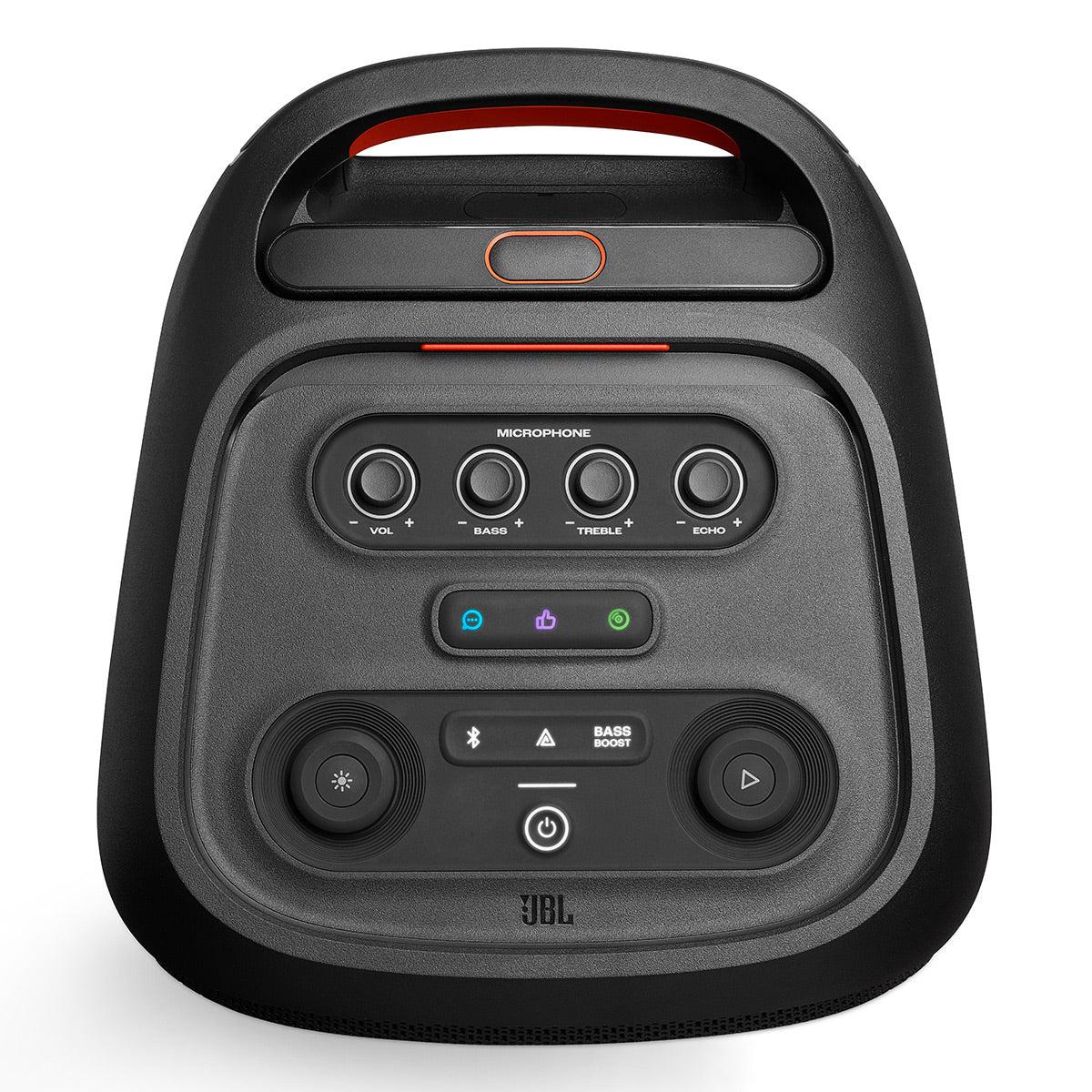
The analog controls on the top panel—volume, bass, and treble knobs plus playback controls—provide immediate tactile feedback. There's something satisfying about turning a physical knob rather than fumbling with app sliders, especially when the speaker sits across the room from your usual seating position.
The Marshall Bluetooth app handles sound customization with features like the 5-band equalizer and room-specific adjustments, but the speaker functions perfectly without smartphone dependency.
The JBL PartyBox Stage 320 incorporates Bluetooth 5.4—the latest standard at the time of writing—with Auracast capability for wireless multi-speaker connections. This means you can wirelessly chain multiple compatible JBL speakers for larger events without running cables.
The dual 1/4-inch TRS inputs (the same connection type used by professional microphones and instruments) with independent gain controls transform the speaker into a portable PA system. The reverb and echo controls, adjustable through both the app and physical controls, mean you can host karaoke sessions or small acoustic performances with professional-level features.
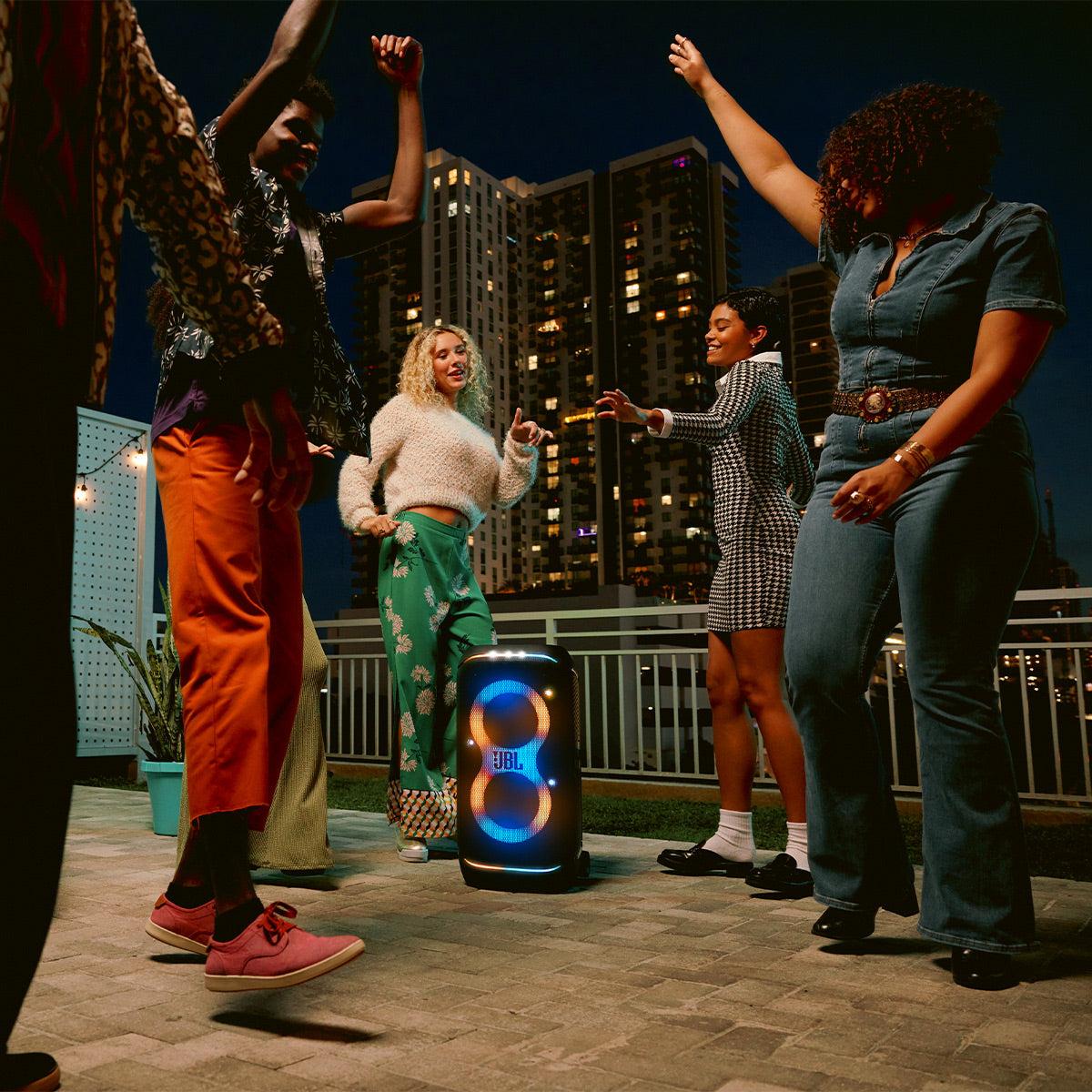
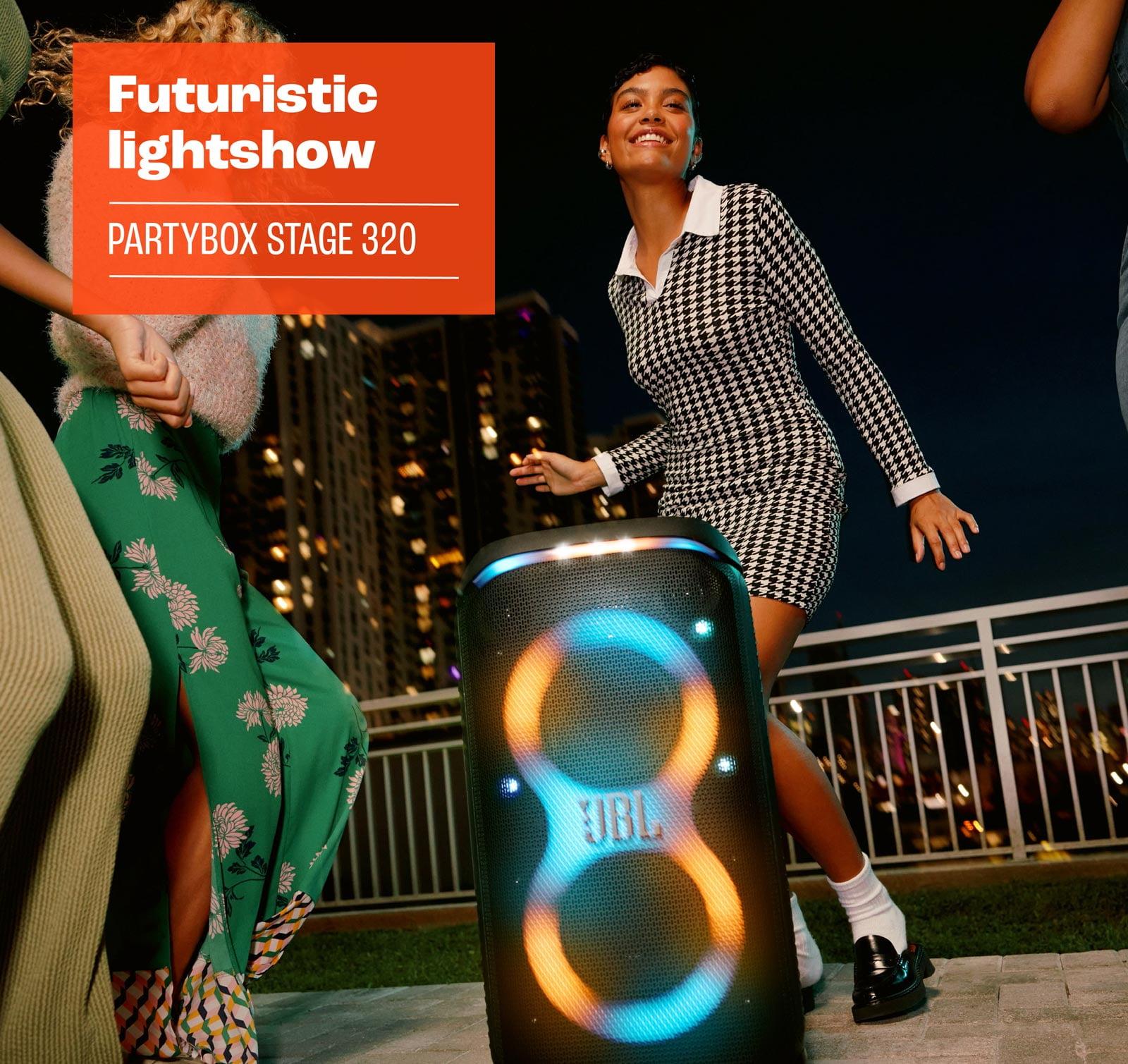
The 5-band equalizer provides more detailed sound tuning than most portable speakers offer, while the synchronized LED light show—controllable through the app—adds visual excitement that complements the audio experience.
For home theater use, the Marshall Woburn III clearly takes the lead, but understanding why reveals important insights about speaker design priorities.
The HDMI ARC connection provides seamless integration with modern TVs, automatically switching inputs and managing volume through your existing remote. The stereo configuration creates proper left-right imaging for movie soundtracks, while the dedicated midrange drivers ensure dialogue clarity—crucial for understanding conversations in action movies or shows with complex audio mixes.
The Night Mode feature intelligently compresses dynamic range, reducing the volume difference between quiet dialogue and loud explosions. This solves the common problem of constantly adjusting volume during movies to avoid waking others.
The JBL PartyBox Stage 320, while powerful enough for movie audio, lacks the stereo imaging and dialogue optimization that make for compelling home theater experiences. Its mono configuration and party-tuned frequency response work better for music than the nuanced audio mixes found in films.
At similar price points (at the time of writing), these speakers offer different types of value that extend beyond their initial purchase price.
The Marshall Woburn III represents long-term value through durability and consistent performance. With no battery to degrade and robust construction, it should provide years of reliable service. The classic design ages well aesthetically, and the over-the-air firmware updates ensure compatibility with future Bluetooth standards and features.
The JBL PartyBox Stage 320 provides immediate versatility value—it's effectively a portable sound system, lighting rig, and PA system in one package. However, the battery will eventually need replacement, and the complex feature set means more potential points of failure over time.
Based on our research into user experiences and expert reviews, the decision comes down to your primary use case and lifestyle priorities.
Choose the Marshall Woburn III if you:
Choose the JBL PartyBox Stage 320 if you:
The Marshall Woburn III and JBL PartyBox Stage 320 represent two excellent approaches to audio entertainment, each optimized for different scenarios. The Marshall delivers sophisticated home audio with exceptional clarity and integration features, while the JBL provides versatile entertainment power with unmatched portability and party features.
Your lifestyle should ultimately drive this decision. If you're building a home audio system and want something that enhances both your music listening and TV watching, the Marshall offers superior value. If you need a speaker that can energize parties, survive outdoor conditions, and provide entertainment features beyond just playing music, the JBL becomes the obvious choice.
Both speakers justify their price points within their respective categories, but they serve fundamentally different needs. Understanding these differences—and honestly assessing how you'll actually use your speaker—will lead you to the right choice for your specific situation.
| Marshall Woburn III | JBL PartyBox Stage 320 |
|---|---|
| Power Output - Determines maximum volume and bass impact | |
| 150W total (3-way system with dedicated midrange) | 240W total (higher max volume, party-focused) |
| Speaker Configuration - Affects sound quality and stereo imaging | |
| True stereo with 1×6" woofer, 2×2" mids, 2×0.75" tweeters | Mono with 2×6.5" woofers, 2×1" tweeters |
| Portability - Key factor for where you can use it | |
| Stationary (7.45kg, AC power only) | Portable (16.5kg with wheels, 18-hour battery) |
| Weather Resistance - Important for outdoor use | |
| None (indoor use only) | IPX4 splash-proof (poolside/light rain safe) |
| Connectivity Options - Affects how you can connect devices | |
| Bluetooth 5.2, HDMI ARC, RCA, 3.5mm | Bluetooth 5.4, 2×1/4" mic/guitar, 3.5mm, USB-A |
| Frequency Response - Shows bass depth and treble extension | |
| 35-20,000 Hz (deeper bass extension) | 40-20,000 Hz (still excellent range) |
| Home Theater Integration - Critical for TV audio use | |
| HDMI ARC with Night Mode and volume sync | Basic 3.5mm connection only |
| Performance Features - Shows microphone/karaoke capability | |
| None (pure audio playback) | Dual mic/guitar inputs with reverb/echo |
| Entertainment Features - Adds visual excitement for parties | |
| None (focus on audio quality) | LED light show with app control |
| Sound Tuning Control - Allows customization of audio | |
| Analog bass/treble + app EQ | 5-band EQ + bass boost levels |
| Multi-Speaker Capability - For expanding your system | |
| Bluetooth multipoint (2 devices) | Auracast wireless chaining |
| Long-term Maintenance - Affects ownership costs over time | |
| No battery degradation concerns | Replaceable battery (eventual replacement needed) |
The Marshall Woburn III is significantly better for home use. It's designed as a stationary home speaker with HDMI ARC for TV integration, true stereo sound, and compact dimensions that fit well on furniture. The JBL PartyBox Stage 320 is primarily designed for parties and outdoor events, making it oversized and overpowered for typical home listening.
Only the JBL PartyBox Stage 320 is suitable for outdoor parties. It features an 18-hour battery, IPX4 splash-proof rating, wheels for transport, and 240W of power to fill large outdoor spaces. The Marshall Woburn III requires AC power and has no weather protection, making it unsuitable for outdoor use.
The Marshall Woburn III has superior sound quality for critical listening. Its three-way stereo configuration with dedicated midrange drivers delivers exceptional clarity, accurate stereo imaging, and controlled bass. The JBL PartyBox Stage 320 prioritizes volume and impact over audio fidelity, with a party-tuned sound signature.
The Marshall Woburn III excels for home theater with its HDMI ARC connection, which provides automatic TV integration, volume sync, and Night Mode for late-night viewing. The JBL PartyBox Stage 320 only offers basic 3.5mm connection and lacks the stereo imaging and dialogue clarity needed for optimal TV audio.
The JBL PartyBox Stage 320 is the portable option with built-in battery, telescopic handle, and wheels for easy transport. Despite weighing 16.5kg, its mobility features make it practical to move. The Marshall Woburn III is designed for stationary use and requires constant AC power.
Only the JBL PartyBox Stage 320 supports microphones and instruments with dual 1/4" TRS inputs, independent gain controls, and built-in reverb/echo effects for karaoke or live performance. The Marshall Woburn III has no microphone inputs and is designed purely for audio playback.
The JBL PartyBox Stage 320 gets significantly louder with 240W of power compared to the Marshall Woburn III's 150W. The JBL is designed to fill tennis court-sized outdoor areas, while the Marshall is optimized for home listening volumes with superior clarity.
Only the JBL PartyBox Stage 320 features LED lighting with synchronized light shows, ring lights, and strobe effects controllable via app. The Marshall Woburn III focuses purely on audio performance without any lighting effects.
Both speakers offer different connectivity strengths. The Marshall Woburn III provides HDMI ARC, RCA, and 3.5mm inputs ideal for home entertainment systems. The JBL PartyBox Stage 320 offers microphone inputs, USB-A playback, and Auracast for wireless speaker chaining, better suited for entertainment and performance use.
Only the JBL PartyBox Stage 320 has a battery, providing up to 18 hours of playback with replaceable battery packs available. The Marshall Woburn III is AC-powered only, ensuring consistent performance but requiring a wall outlet at all times.
Value depends on your needs. The Marshall Woburn III offers exceptional value for home audio with premium sound quality, TV integration, and no battery replacement costs. The JBL PartyBox Stage 320 provides excellent value as a complete entertainment system with portability, microphone inputs, and lighting effects for parties.
The Marshall Woburn III supports Bluetooth multipoint, allowing two devices to stay connected simultaneously for easy switching between sources. The JBL PartyBox Stage 320 offers Auracast technology for wirelessly chaining multiple compatible JBL speakers together, plus standard Bluetooth connectivity for source devices.
We've done our best to create useful and informative comparisons to help you decide what product to buy. Our research uses advanced automated methods to create this comparison and perfection is not possible - please contact us for corrections or questions. These are the sites we've researched in the creation of this article: loudersound.com - ash-asia.zendesk.com - armorsound.com - rtings.com - crutchfield.com - rtings.com - stereoguide.com - bestbuy.com - hometechnologyreview.com - crutchfield.com - sweetwater.com - rtings.com - youtube.com - greentoe.com - versus.com - idownloadblog.com - marshall.com - youtube.com - comparisontabl.es - youtube.com - versus.com - crutchfield.com - device.report - consumerreports.org - sg.tcacoustic.asia - stereoindex.com - safemark.com - smarthomesounds.co.uk - marshall.com - device.report - bestbuy.com - marshall.com - stereoguide.com - soundguys.com - rtings.com - soundguys.com - soundguys.com - rtings.com - jbl.com - youtube.com - youtube.com - youtube.com - youtube.com - rtings.com - 9to5toys.com - versus.com - cdw.com - jbl.com - projectorscreenstore.com - projectorscreen.com - ro.harmanaudio.com - jbl.co.nz - bestbuy.com - youtube.com

Privacy Policy
Terms and Conditions - Affiliate Policy
Home Security
© Copyright 2008-2026.
11816 Inwood Rd #1211, Dallas, TX 75244