

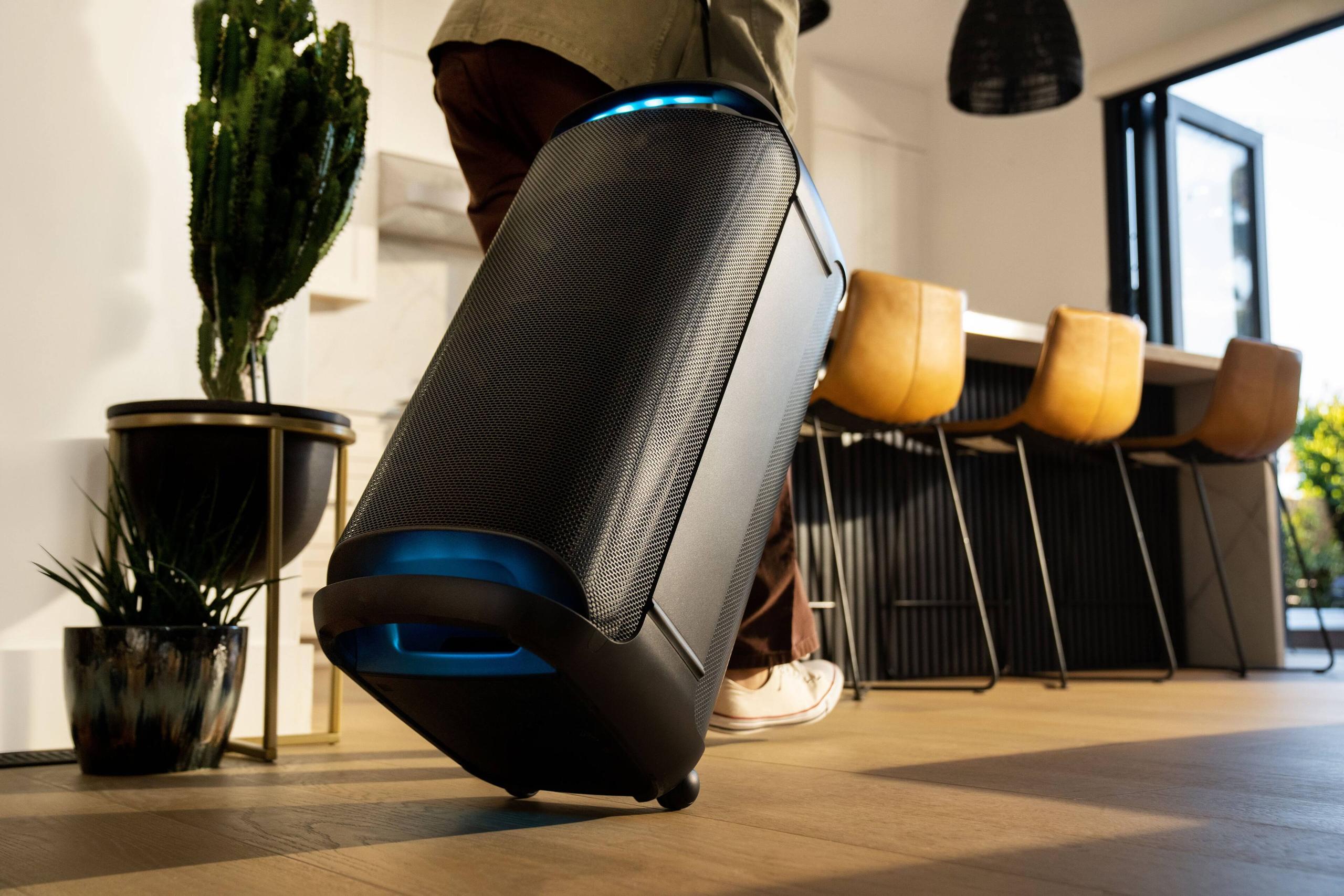
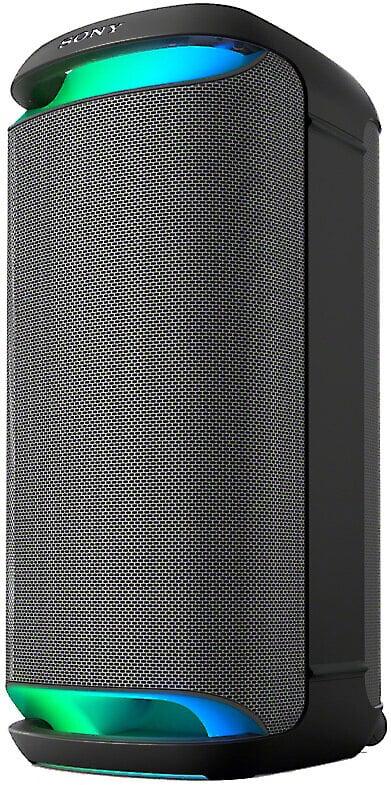
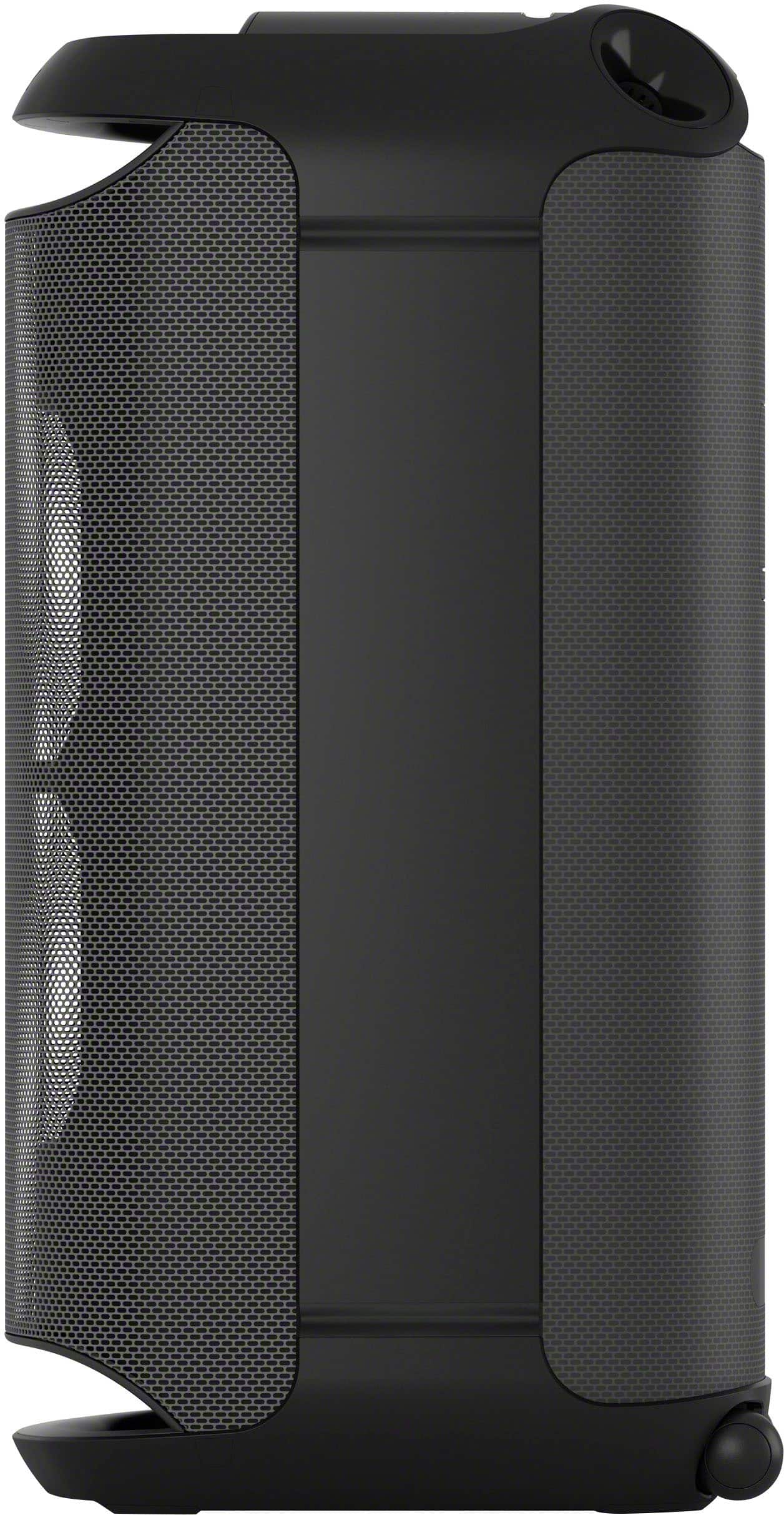
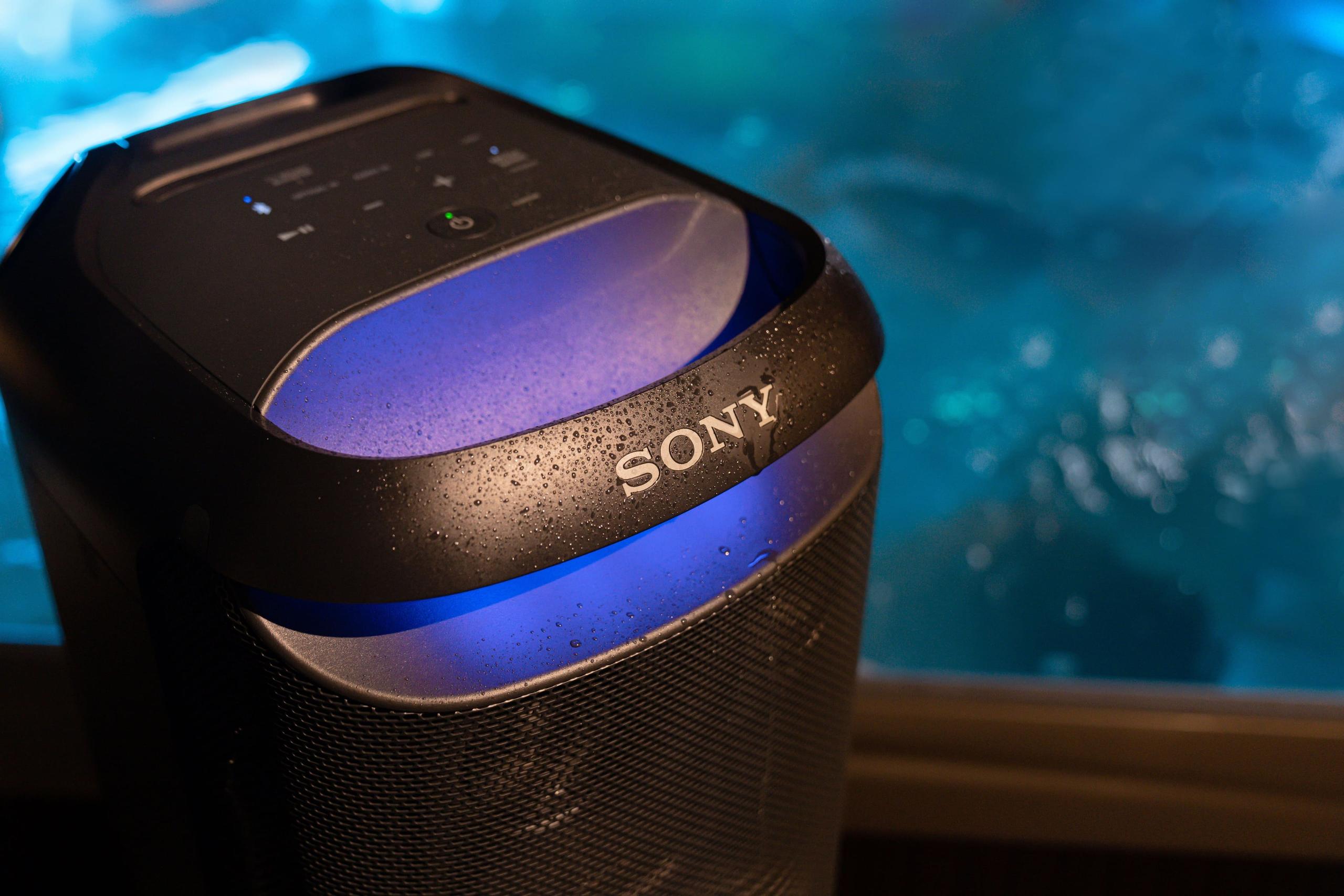
If you're shopping for a party speaker in 2024, you've probably noticed that the market has evolved dramatically over the past few years. What started as simple Bluetooth speakers with loud volume has transformed into sophisticated audio systems with advanced features, customizable sound profiles, and impressive battery technology. Sony has been at the forefront of this evolution, and their two standout models—the SRS-XV800 and ULT FIELD 7—represent two very different approaches to party audio.
The party speaker category itself has grown beyond simple "loud music boxes" into specialized tools for different social situations. These speakers need to balance maximum volume output with audio quality, while also considering portability, durability, and additional features like lighting effects and connectivity options. Understanding what makes each speaker unique will help you choose the right one for your specific needs and budget.
Before diving into the comparison, it's helpful to understand what's actually happening inside these speakers that makes them different from regular home audio systems. Party speakers prioritize what audio engineers call "sound pressure level" (SPL)—essentially how loud they can get without distortion. This requires powerful amplifiers, robust drivers (the individual speakers inside the cabinet), and smart engineering to prevent the sound from becoming muddy when you crank up the volume.
Both the Sony SRS-XV800 and Sony ULT FIELD 7 were released in 2023 and 2024 respectively, incorporating several years of technological advancement in battery efficiency, Bluetooth connectivity, and digital signal processing. The improvements since earlier party speakers from just a few years ago are substantial—better codec support for higher-quality wireless audio, more sophisticated bass enhancement, and smarter power management for longer battery life.
The fundamental difference between these speakers reflects two distinct philosophies about how people use party audio. The SRS-XV800 takes the "stationary powerhouse" approach, while the ULT FIELD 7 embraces "mobile freedom."
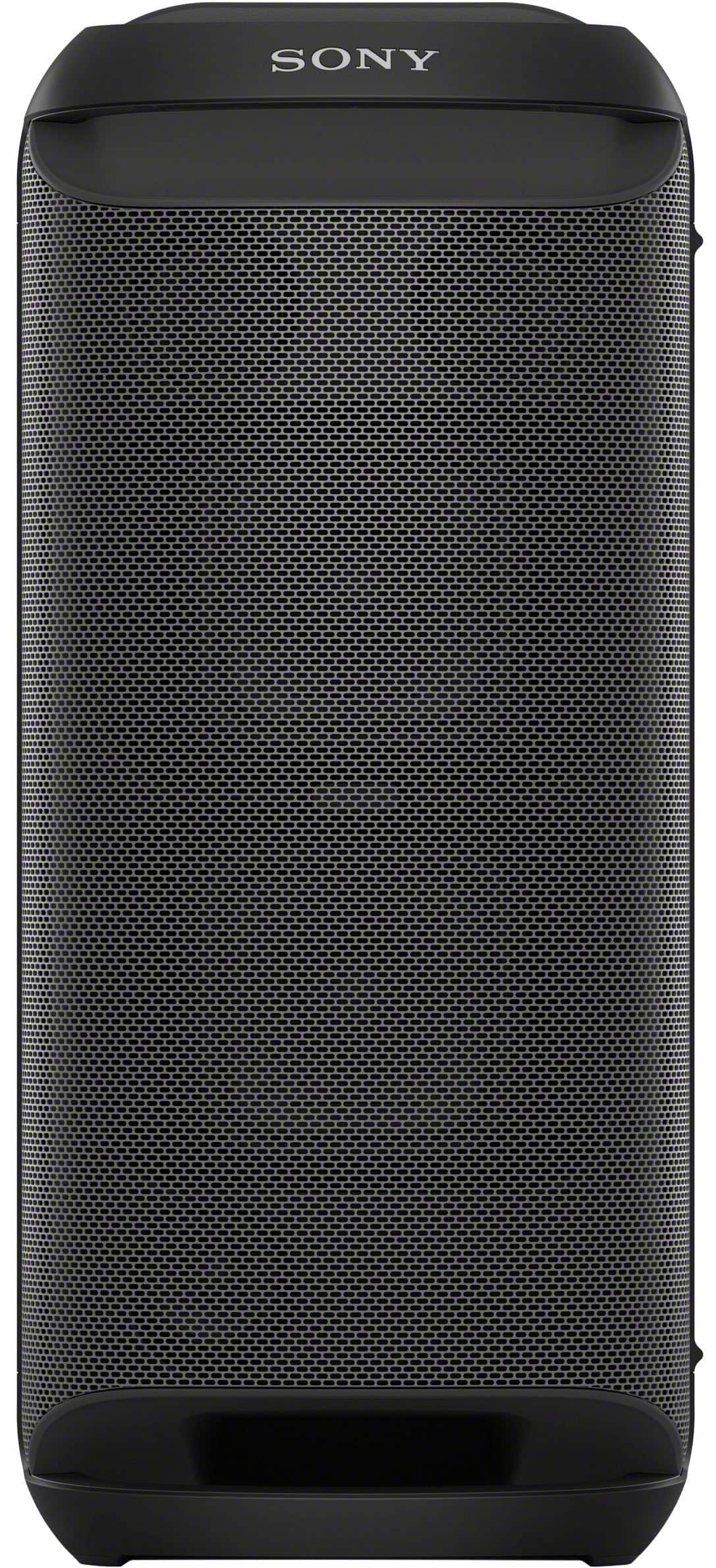
The XV800 weighs in at over 40 pounds, which immediately tells you this isn't a speaker you'll be carrying around casually. Sony designed this as what they call an "omnidirectional" speaker, meaning it projects sound in all directions rather than focusing it forward like traditional speakers. This is achieved through a sophisticated driver arrangement: three tweeters (high-frequency speakers) firing forward, two more tweeters pointing backward, plus two large woofers (low-frequency speakers) and a passive radiator for bass reinforcement.
The key innovation here is Sony's "X-Balanced" woofer design. Instead of traditional circular speaker cones, these use a rectangular shape that increases the surface area by roughly 20%. More surface area means more air movement, which translates to both louder volume and deeper bass without pushing the drivers to their mechanical limits. This design reduces distortion—that harsh, fuzzy sound you get when speakers are working too hard.
At the time of writing, the XV800 sits in the premium category price-wise, reflecting its sophisticated engineering and build quality. The investment makes sense if you're someone who frequently hosts gatherings in fixed locations and wants the absolute best sound coverage possible.
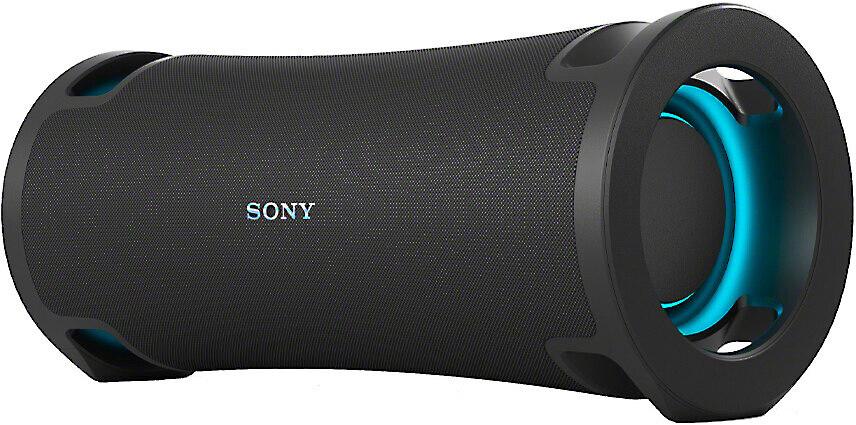
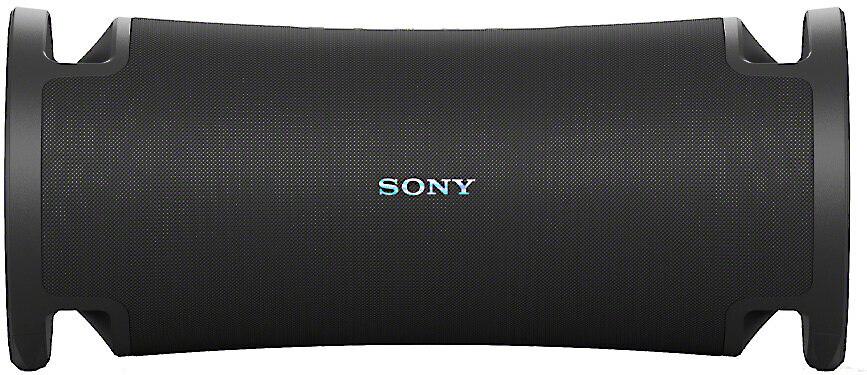
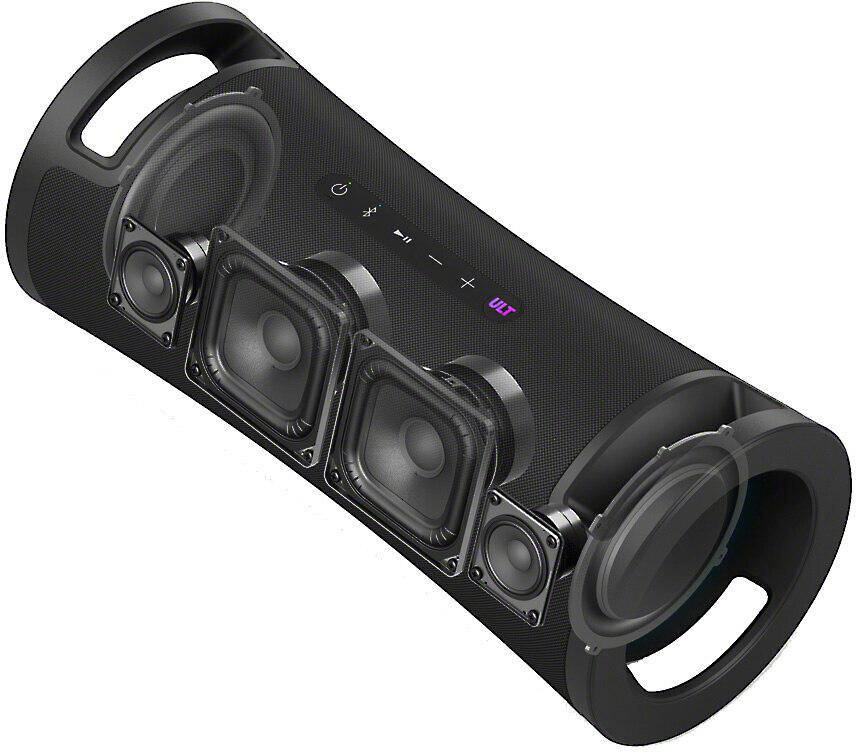
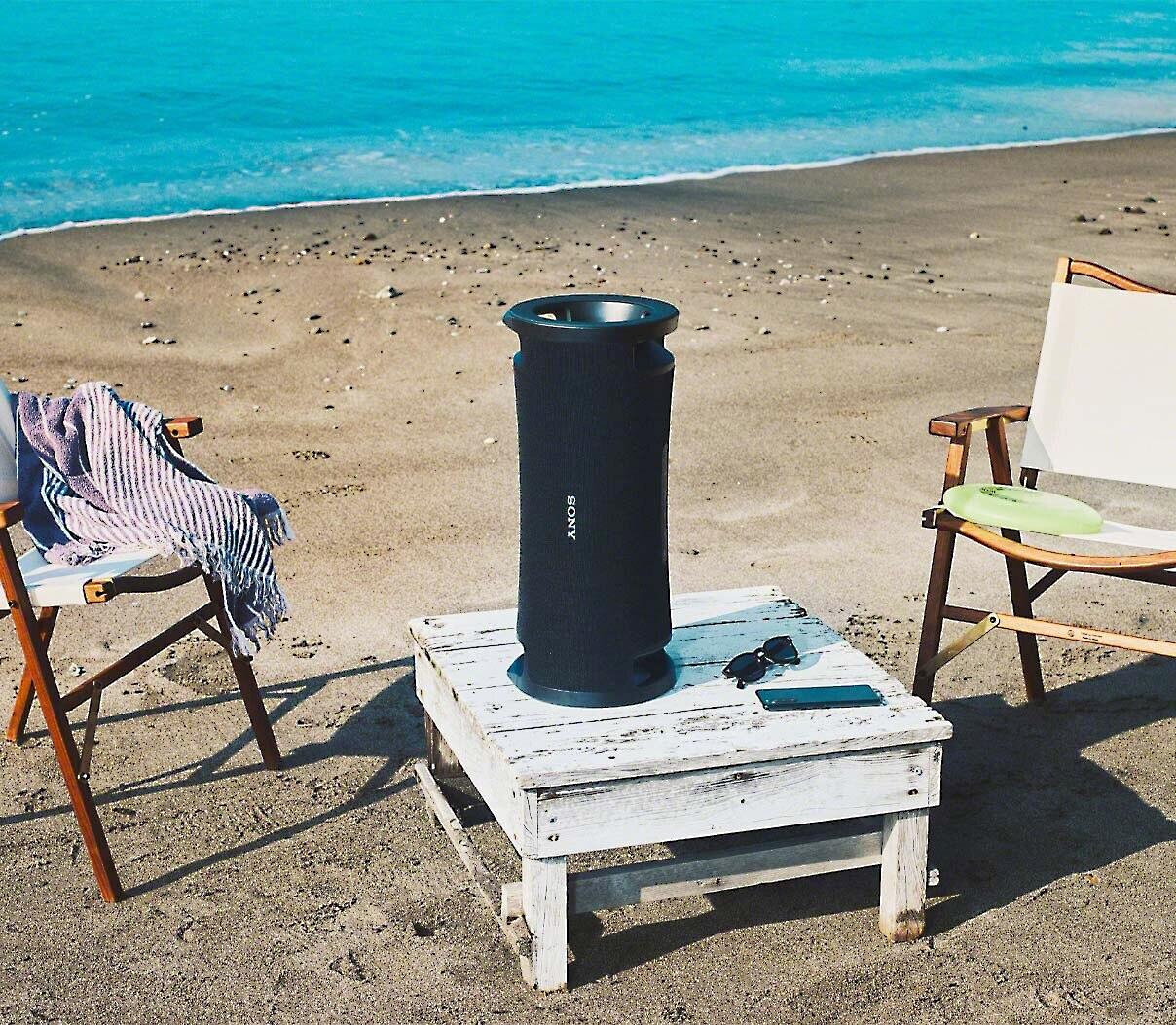
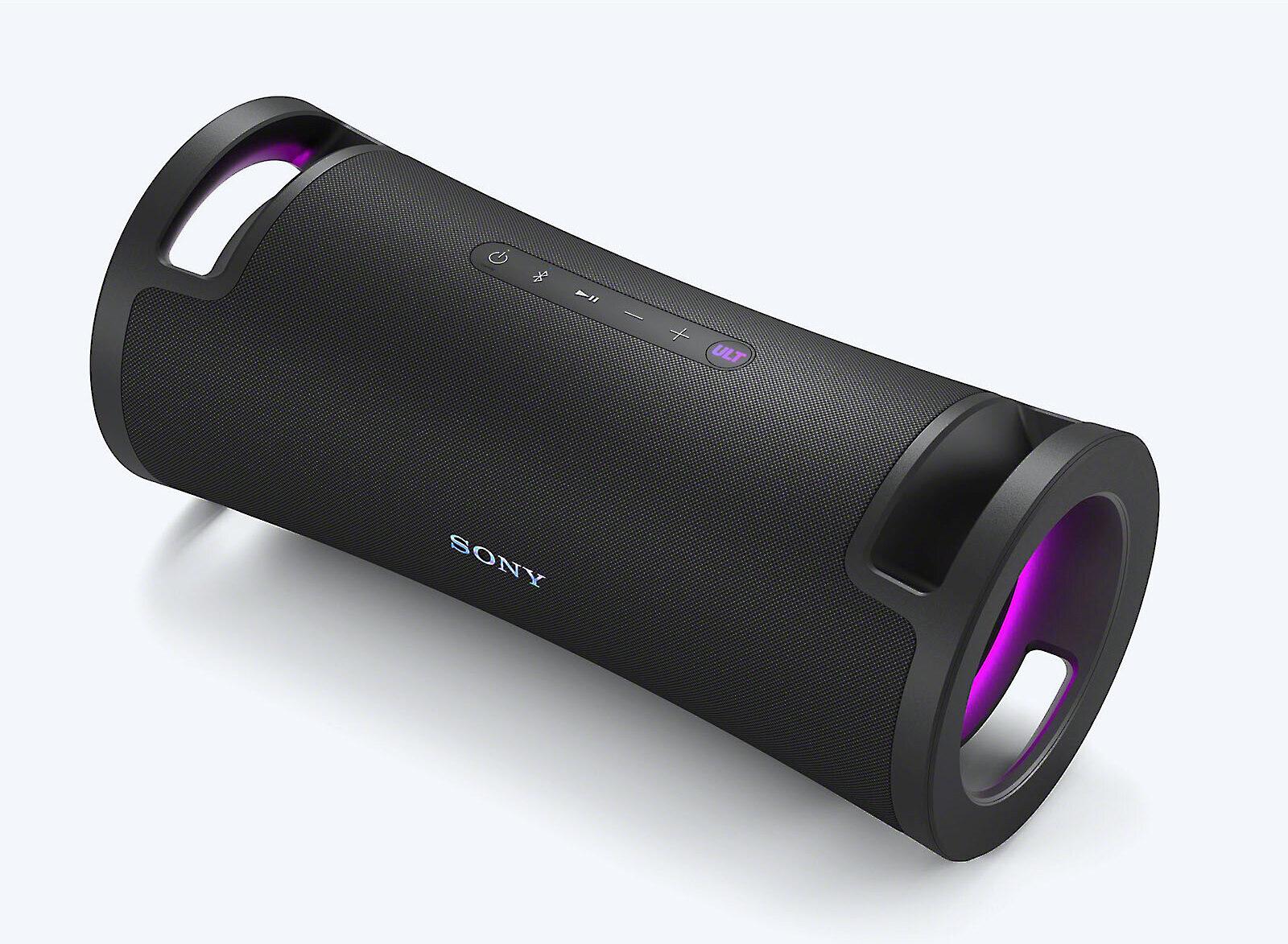
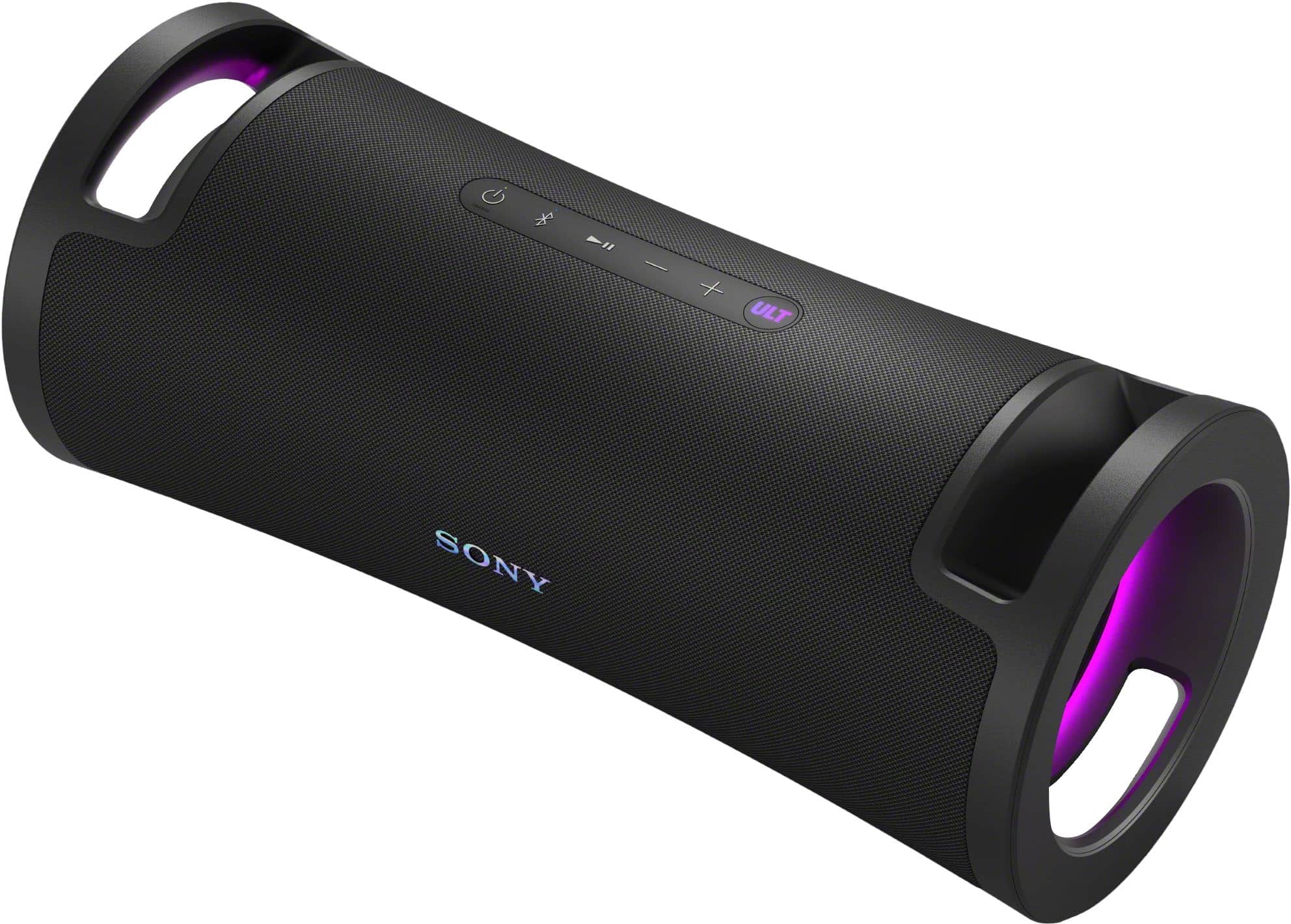
The ULT FIELD 7, released in 2024, represents Sony's response to users who prioritized mobility over maximum power. At roughly 14 pounds, it's about one-third the weight of the XV800, with a completely different approach to sound reproduction. Instead of omnidirectional coverage, it focuses on efficient forward projection with Sony's new "ULT" technology—essentially a smart bass enhancement system with two different modes.
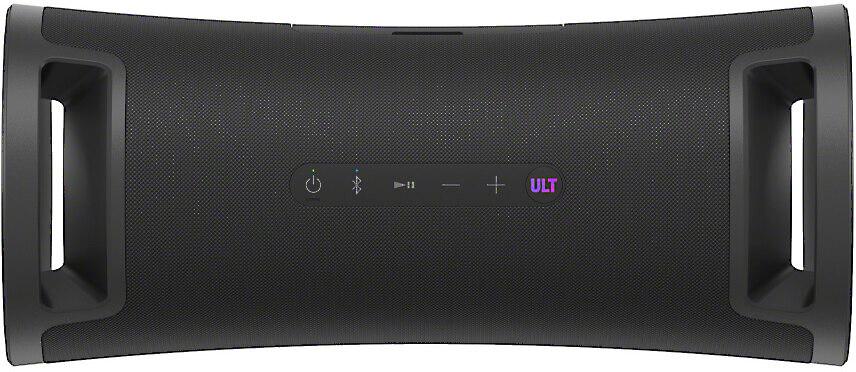
The ULT button gives you two levels of bass boost: ULT1 adds depth and resonance to low frequencies, while ULT2 provides more aggressive, punchy bass for electronic music and hip-hop. This flexibility addresses one of the biggest challenges with portable speakers—different music genres and listening environments require different bass characteristics.
Priced more accessibly than the XV800, the ULT FIELD 7 targets users who want good sound quality without the premium price tag or stationary limitations.
The most obvious difference between these speakers is sheer power output. The XV800 can fill a large backyard or basement party space with ease, while the ULT FIELD 7 is better suited for smaller gatherings or outdoor activities where you don't need to overpower ambient noise.
Based on our research into user experiences and expert reviews, the XV800 maintains clarity even at maximum volume levels—something that's genuinely impressive for a party speaker. Many competing models start to sound harsh or distorted when pushed hard, but Sony's driver configuration and amplifier design keep the sound balanced. This matters more than you might think; a speaker that sounds great at moderate volume but falls apart when loud isn't really serving its purpose at a party.
The ULT FIELD 7 takes a different approach. It can't match the XV800's absolute volume, but it includes "Sound Field Optimization"—a feature that automatically adjusts the audio based on environmental noise. If you're at a busy beach or park, the speaker detects the ambient sound and tweaks its output to maintain clarity. This kind of smart processing wasn't available in party speakers just a few years ago.
Bass response is often the make-or-break factor for party speakers, and these two models handle it very differently. The XV800's dual X-Balanced woofers plus passive radiator create what audio engineers call "extended low-frequency response"—deep bass that you feel as much as hear. The passive radiator is essentially a speaker without a magnet that moves in response to air pressure from the active woofers, reinforcing bass frequencies without requiring additional power.
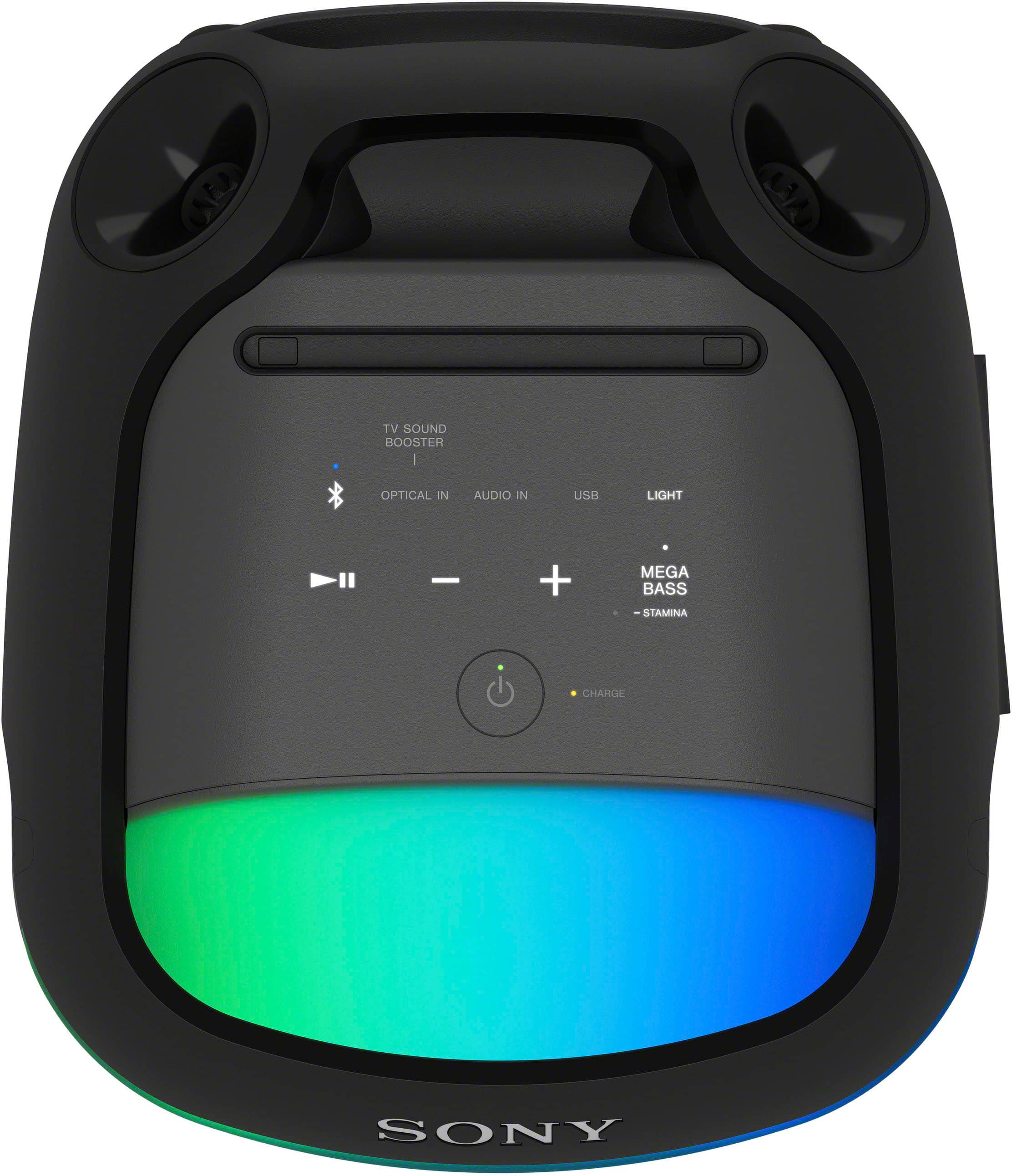
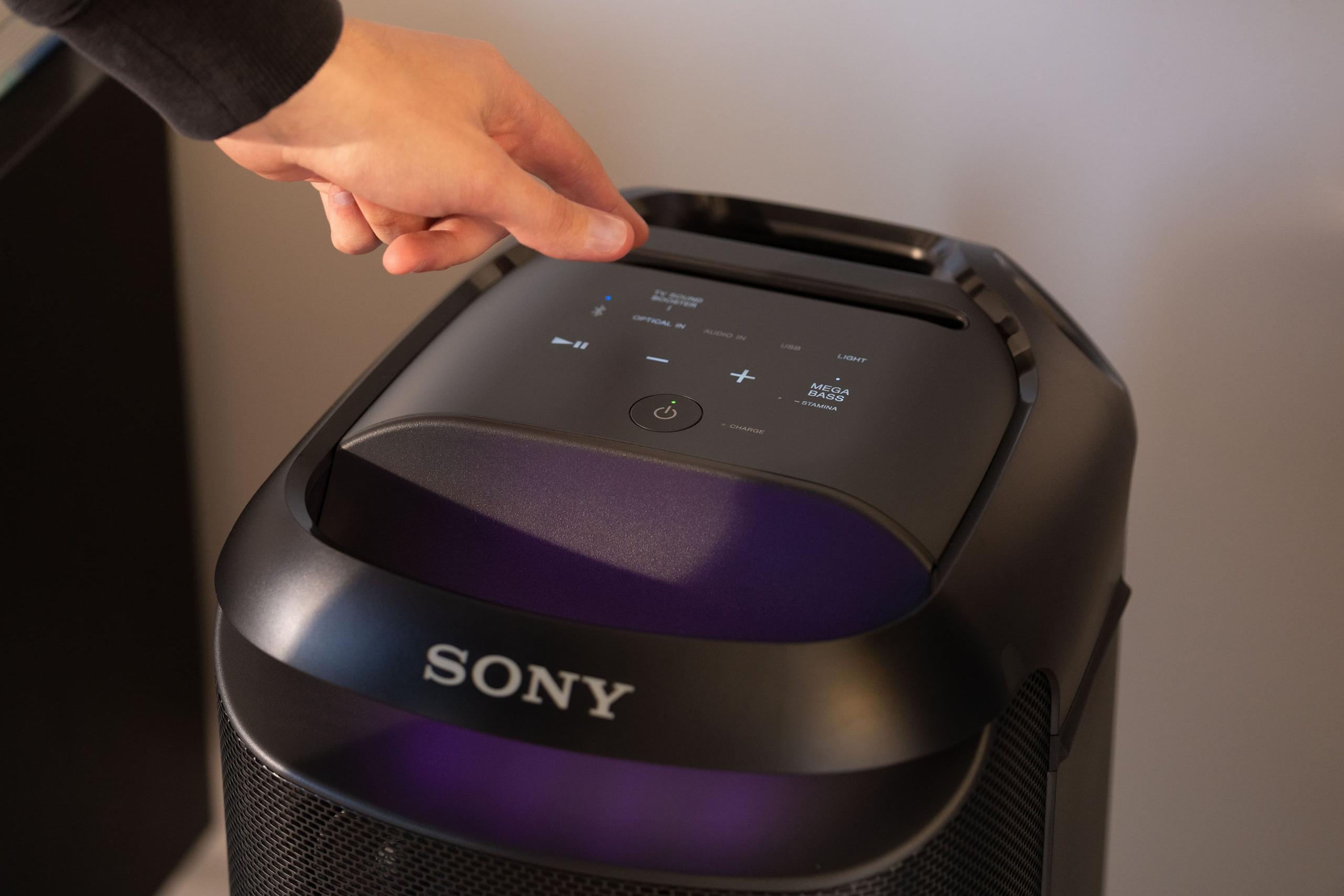
User feedback consistently highlights the XV800's bass as one of its strongest features. The MEGA BASS button provides additional low-end emphasis when you want that club-like thump, but the baseline sound remains well-balanced for other music genres. This versatility matters because not every song benefits from excessive bass boost.
The ULT FIELD 7's bass approach is more flexible but less powerful overall. The ULT button's two modes let you tailor the bass to your music and environment, which is particularly useful for outdoor use where bass tends to dissipate quickly. However, based on reviews and user experiences, the bass can become compressed (artificially limited) at higher volumes, reducing the dynamic impact that makes party music exciting.
"Soundstage" refers to how speakers create the perception of space and instrument placement in music. The XV800's omnidirectional design creates an impressive sense of envelopment—you're not just hearing music from one direction, but experiencing it filling the space around you. This is particularly effective for parties where people move around rather than sitting in fixed listening positions.
The trade-off with the ULT FIELD 7 is more traditional directional sound. Reviews note that the listening experience changes depending on where you're positioned relative to the speaker. This isn't necessarily negative—it can actually provide better stereo separation if you're sitting directly in front—but it means the speaker works best when positioned thoughtfully rather than just placed anywhere in the space.
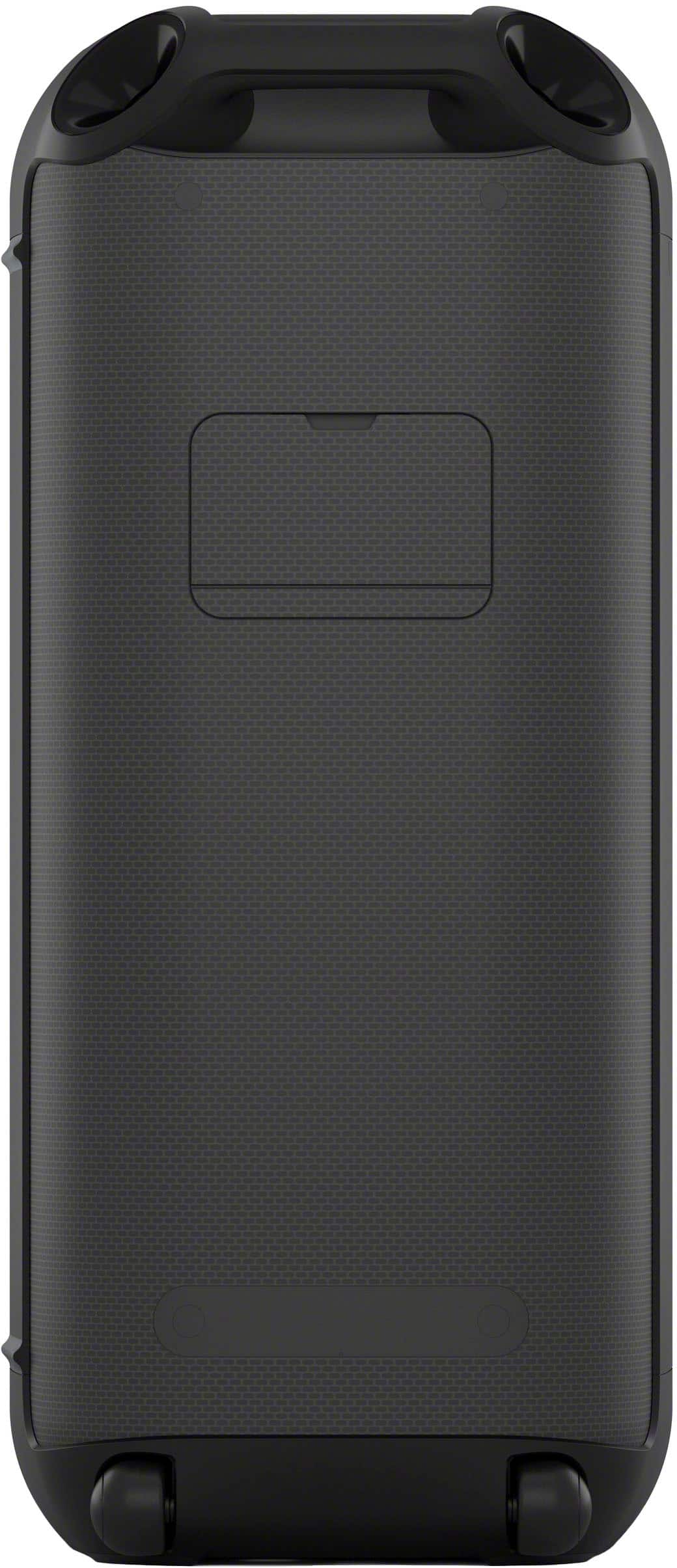
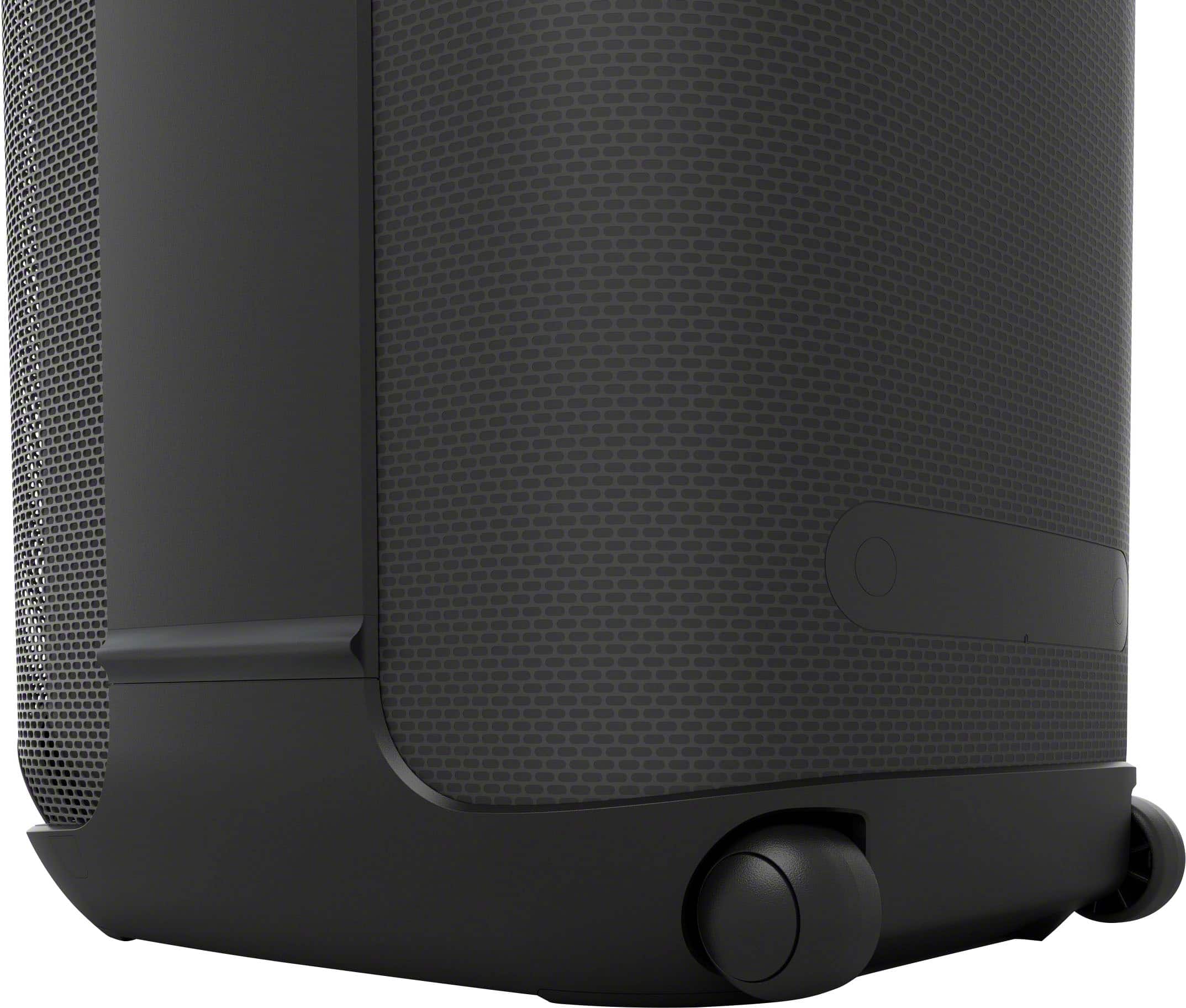
The portability difference between these speakers extends beyond just weight. The XV800 includes wheels and a handle, acknowledging that while it's heavy, people still need to move it occasionally. Based on user feedback, the wheels work adequately on smooth surfaces but struggle on grass, gravel, or stairs. This reinforces that it's designed for semi-permanent placement rather than frequent transport.
The ULT FIELD 7 includes both handles and an optional shoulder strap, making it genuinely portable for hiking, beach trips, or moving between venues. At 14 pounds, it's manageable for most people to carry for extended periods, though it's still substantial enough to deliver meaningful sound output.
The water resistance ratings tell an important story about intended use. The XV800 carries IPX4 rating when vertical (IPX2 horizontal), which means it can handle light splashing but shouldn't be exposed to heavy rain or poolside use. IPX4 specifically means protection against water splashing from any direction, but not water immersion.
The ULT FIELD 7 boasts IP67 rating—a significant upgrade. The "6" means complete dust protection, while "7" indicates it can withstand temporary submersion in water up to 1 meter deep. This makes it suitable for beach use, poolside parties, or camping where weather conditions might be unpredictable.
Both speakers incorporate modern lithium-ion battery technology with intelligent power management, but their approaches differ significantly. The XV800 claims 25 hours of playback time, while the ULT FIELD 7 advertises 30 hours. However, real-world battery performance depends heavily on volume levels, bass enhancement settings, and whether you're using additional features like lighting.
Based on user experiences, both speakers deliver close to their advertised battery life under moderate listening conditions. The XV800's quick-charge feature—3 hours of playback from a 10-minute charge—is particularly useful for parties where you might have forgotten to charge beforehand.
The ULT FIELD 7 includes a "STAMINA" mode that prioritizes battery life by disabling lighting effects and some sound processing features. This kind of intelligent power management reflects how much battery technology has improved since earlier party speakers that might only last 8-10 hours.
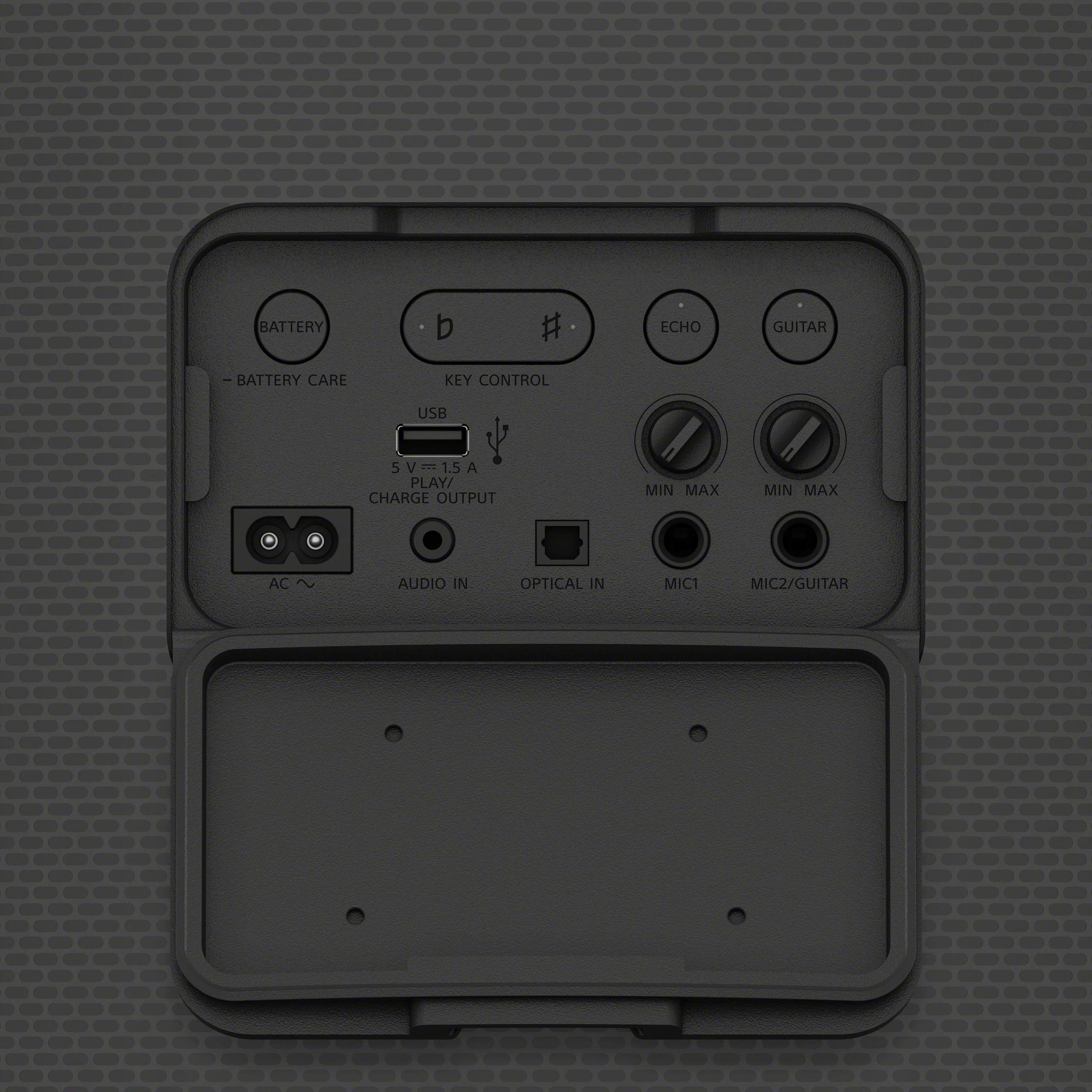
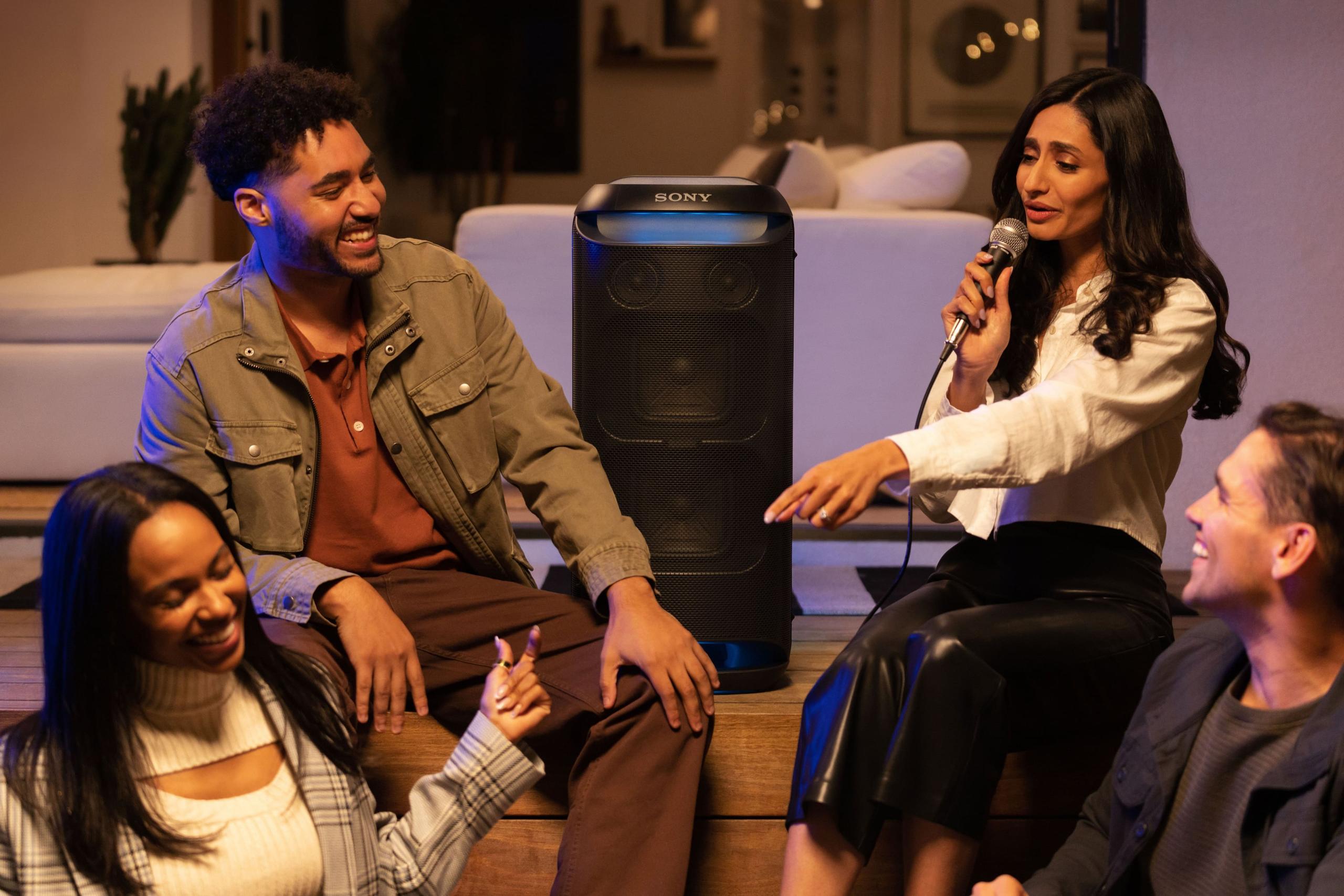
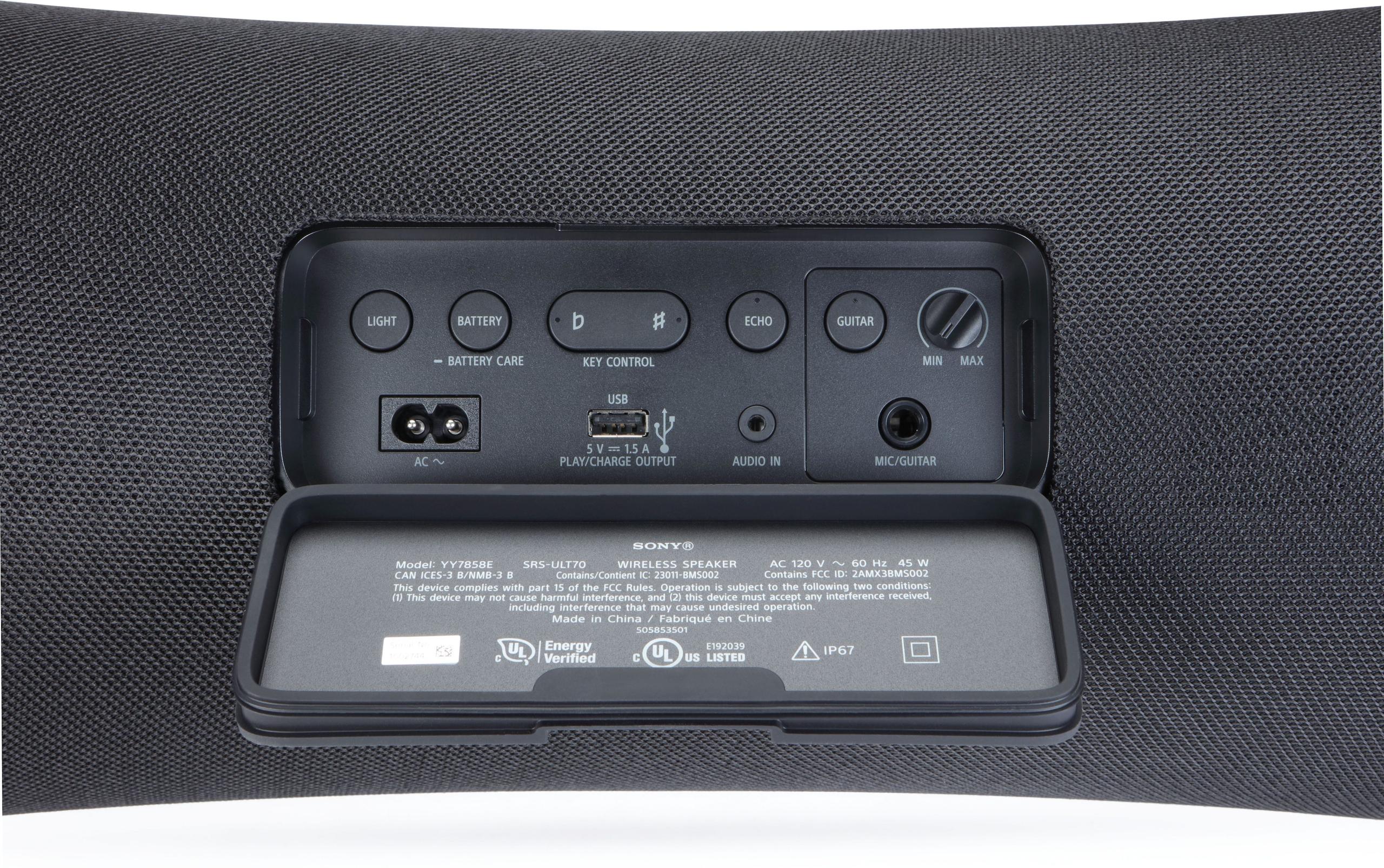
The XV800 stands out with its comprehensive connectivity options. The optical digital input allows connection to TVs for enhanced movie and gaming audio—essentially functioning as a soundbar alternative. The dedicated microphone and guitar inputs with independent volume controls turn it into a legitimate PA system for karaoke or small performances.
This versatility extends its usefulness beyond pure party applications. User reviews frequently mention using it as a home theater enhancement, taking advantage of the TV Sound Booster feature that synchronizes audio while adding the speaker's powerful bass response. The optical connection provides higher-quality audio than Bluetooth, with lower latency (delay) for video synchronization.
Both speakers support advanced Bluetooth codecs, but with different emphases. The XV800 includes LDAC support, which transmits roughly three times more data than standard Bluetooth, preserving more musical detail in wireless streaming. This matters most with high-quality source material and good headphones or speakers.
The ULT FIELD 7 uses Bluetooth 5.3 versus the XV800's 5.2, providing slightly better connection stability and range. In practice, both maintain reliable connections, but the newer version in the ULT FIELD 7 offers marginal improvements in crowded wireless environments.
Both speakers support Sony's Party Connect technology, allowing multiple units to be linked for synchronized playback and lighting effects. This feature has evolved significantly since early wireless speaker linking, which often suffered from audio delays between speakers. Current implementations maintain tight synchronization across up to 100 connected speakers, though most users realistically use 2-4 speakers maximum.
For home theater use, the XV800 offers compelling advantages despite not being specifically designed as a soundbar. The optical input provides direct connection to TVs, while the TV Sound Booster mode optimizes the sound signature for dialogue clarity and movie soundtrack dynamics. The omnidirectional sound field can actually enhance the movie experience by creating ambient sound that envelops the listening area rather than focusing it directionally.
However, both speakers lack the precise stereo imaging and center channel dialogue optimization of dedicated home theater systems. They're best viewed as entertainment enhancement rather than serious home theater solutions. The ULT FIELD 7's more directional sound might actually provide better stereo separation for movie watching, though it lacks the optical input for direct TV connection.
At the time of writing, the price difference between these speakers reflects their different target markets and engineering approaches. The XV800 commands a premium price but delivers genuinely premium performance in sound quality, build materials, and feature completeness. If you frequently host large gatherings and want maximum sound quality, the price-per-performance ratio makes sense.
The ULT FIELD 7 offers better value for most users who prioritize portability and all-weather durability over maximum sound output. Its more accessible pricing makes it appealing for occasional party use or outdoor activities where the XV800's limitations would be problematic.
After analyzing user experiences, expert reviews, and technical specifications, clear usage patterns emerge for each speaker.
Choose the XV800 if you're a serious entertainer who hosts regular gatherings in fixed locations. Its sound quality justifies the weight penalty if you're not frequently moving it. The professional input options and TV integration make it versatile enough to serve multiple purposes beyond parties. Users who prioritize maximum sound quality and don't mind the premium price will appreciate its engineering sophistication.
The ULT FIELD 7 makes more sense for active users who want good sound quality without the limitations of a stationary system. Its weather resistance and true portability open up usage scenarios impossible with the XV800. For most people who throw occasional parties or enjoy outdoor activities with music, it provides the better balance of performance, features, and value.
Both speakers represent excellent engineering for their intended purposes, but serve fundamentally different lifestyles. The XV800 rewards users who can utilize its stationary advantages—maximum sound quality, omnidirectional coverage, and professional features. The ULT FIELD 7 excels for users who value flexibility, portability, and all-weather capability over absolute performance.
The decision ultimately comes down to how you actually use a party speaker. If you're honest about your usage patterns—where you'll use it, how often you'll move it, and what features you'll actually utilize—the choice becomes clearer. Both speakers deliver on their intended promises; choosing the wrong one typically results from misunderstanding your own needs rather than any deficiency in the products themselves.
| Sony SRS-XV800 X-Series Party Speaker | Sony ULT FIELD 7 Portable Speaker |
|---|---|
| Sound Output Power - Determines maximum volume and room-filling capability | |
| 70W RMS with omnidirectional coverage | 45W with directional sound projection |
| Weight & Portability - Critical for how and where you'll actually use the speaker | |
| 40.8 lbs with wheels and handle (semi-portable) | 13.9 lbs with carrying handles and strap (truly portable) |
| Battery Life - How long your party can last without plugging in | |
| Up to 25 hours with quick charge (3 hours from 10-min charge) | Up to 30 hours with quick charge capability |
| Water Resistance - Protection level for outdoor and poolside use | |
| IPX4 vertical/IPX2 horizontal (splash resistant only) | IP67 (dust-proof and submersible up to 1 meter) |
| Speaker Configuration - Affects sound quality and coverage area | |
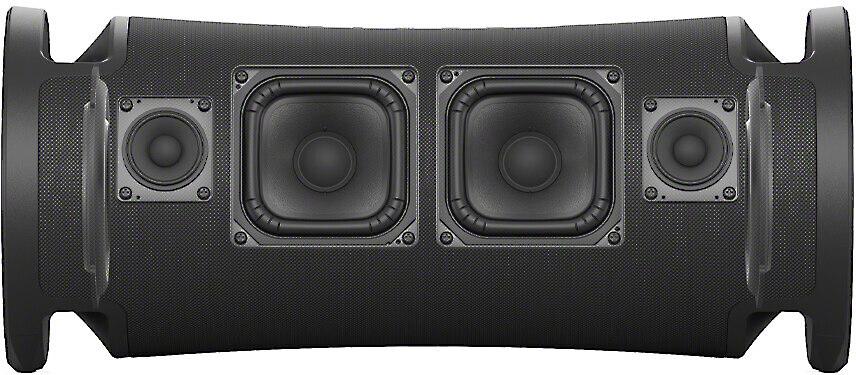
| 5 tweeters (3 front, 2 rear) + 2 X-Balanced woofers + passive radiator | Stereo tweeter/woofer array with ULT bass enhancement |
| Bass Enhancement Technology - Customization options for different music styles | |
| MEGA BASS button with fixed enhancement level | ULT button with 2 selectable bass modes (ULT1/ULT2) |
| Connectivity Options - Input versatility for different audio sources | |
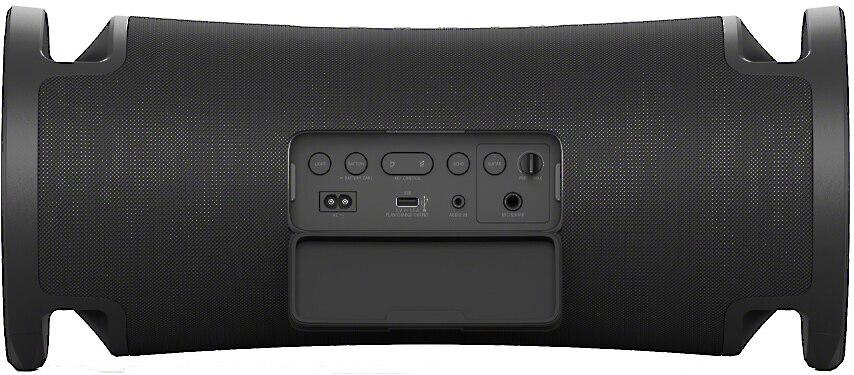
| Bluetooth 5.2, optical digital, USB-A, aux, mic, guitar inputs | Bluetooth 5.3, USB-A, aux, guitar/mic input |
| Professional Features - Additional capabilities beyond music playback | |
| TV Sound Booster, karaoke with echo/key control, Party Connect | Sound Field Optimization, karaoke effects, Sound Connect |
| Dimensions - Physical footprint in your space | |
| 12.48" × 28.35" × 14.76" (tower design) | 20.16" × 8.82" × 8.74" (compact horizontal) |
| Sound Distribution - How evenly sound spreads throughout the space | |
| 360-degree omnidirectional (consistent from any position) | Directional (best sound directly in front of speaker) |
| Lighting Effects - Visual enhancement for party atmosphere | |
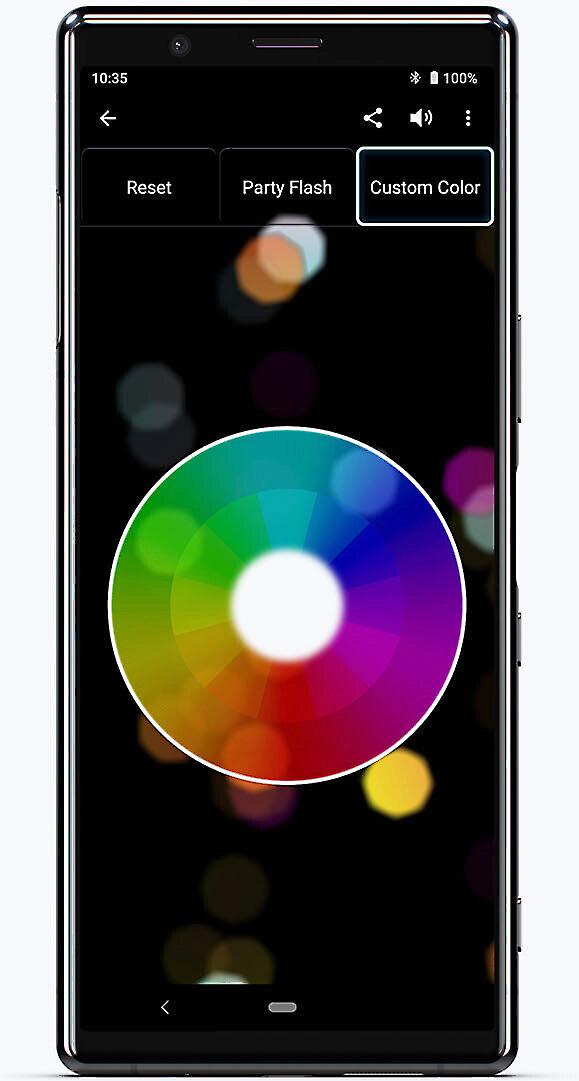
| Programmable LED ambient lighting via app control | Multi-colored LED lighting synced to music |
| Best Use Case - Ideal scenarios for each speaker | |
| Stationary parties, home theater enhancement, large spaces | Portable events, outdoor activities, frequent transport |
The Sony SRS-XV800 is significantly better for large rooms due to its 360-degree omnidirectional sound design and higher 70W power output. Its five-tweeter array and dual X-Balanced woofers fill large spaces evenly, while the Sony ULT FIELD 7 is designed for smaller gatherings and directional sound projection.
The primary difference is portability versus power. The Sony SRS-XV800 weighs 40.8 pounds and focuses on maximum sound quality for stationary use, while the Sony ULT FIELD 7 weighs only 13.9 pounds and prioritizes true portability with weather resistance for outdoor activities.
Both offer excellent bass but in different ways. The Sony SRS-XV800 delivers deeper, more powerful bass through its X-Balanced woofers and passive radiator. The Sony ULT FIELD 7 provides more customizable bass with its ULT button offering two different bass enhancement modes to match your music style.
The Sony SRS-XV800 works well as a home theater enhancement with its optical digital input and TV Sound Booster feature that optimizes dialogue and movie soundtracks. The Sony ULT FIELD 7 lacks optical input but can connect via Bluetooth for casual TV audio improvement.
The Sony ULT FIELD 7 is far more durable outdoors with its IP67 rating, meaning it's dust-proof and can survive temporary water submersion. The Sony SRS-XV800 only has IPX4/IPX2 water resistance, suitable for light splashing but not heavy rain or poolside use.
The Sony ULT FIELD 7 offers up to 30 hours of battery life, while the Sony SRS-XV800 provides up to 25 hours. Both support quick charging, with the XV800 offering 3 hours of playback from just a 10-minute charge.
The Sony SRS-XV800 is superior for karaoke with dedicated microphone and guitar inputs, independent volume controls, and echo/key control features. While the Sony ULT FIELD 7 has karaoke capabilities, it offers more basic mic input functionality.
Yes, both speakers support multi-speaker connectivity. The Sony SRS-XV800 uses Party Connect to link up to 100 compatible Sony speakers, while the Sony ULT FIELD 7 uses Sound Connect for similar multi-speaker synchronization of audio and lighting effects.
The Sony SRS-XV800 delivers superior overall sound quality with its omnidirectional design, higher power output, and X-Balanced woofer technology that reduces distortion. The Sony ULT FIELD 7 offers good sound quality for its size but can't match the XV800's clarity and power.
For occasional parties, the Sony ULT FIELD 7 offers better value with its lower price point, portability, and weather resistance. The Sony SRS-XV800 is better suited for frequent entertainers who prioritize maximum sound quality and don't mind the higher cost and weight.
The Sony ULT FIELD 7 is much easier to transport at 13.9 pounds with carrying handles and an optional shoulder strap. The Sony SRS-XV800 weighs 40.8 pounds and requires its built-in wheels for movement, making it suitable for semi-permanent placement rather than frequent transport.
The Sony SRS-XV800 offers more comprehensive connectivity with Bluetooth 5.2, optical digital input, USB-A, auxiliary, microphone, and guitar inputs. The Sony ULT FIELD 7 provides Bluetooth 5.3, USB-A, auxiliary, and guitar/mic input, focusing on essential connections for portable use.
We've done our best to create useful and informative comparisons to help you decide what product to buy. Our research uses advanced automated methods to create this comparison and perfection is not possible - please contact us for corrections or questions. These are the sites we've researched in the creation of this article: soundandvision.com - crutchfield.com - sciencefocus.com - sony.com - bestbuy.com - bestbuy.com - stereoguide.com - sony-mea.com - soundguys.com - electronics.sony.com - youtube.com - sony.com - youtube.com - device.report - youtube.com - youtube.com - adorama.com - sonylatvija.com - sony.com - rtings.com - hifipicks.com - thesonyshop.ca - techradar.com - rtings.com - sony-africa.com - videoandaudiocenter.com - sony.com - youtube.com - johnlewis.com

Privacy Policy
Terms and Conditions - Affiliate Policy
Home Security
© Copyright 2008-2026.
11816 Inwood Rd #1211, Dallas, TX 75244