

When you're shopping for a premium portable speaker, the choices can feel overwhelming. Two speakers that often come up in discussions are the JBL EON ONE Compact and the Sony SRS-XV800, but here's the thing—they're actually designed for completely different purposes, even though they both deliver impressive sound and run on batteries.
Think of it this way: the JBL EON ONE Compact is like having a professional sound engineer in a compact package, while the Sony SRS-XV800 is your dedicated party DJ with all the bells and whistles. Both launched in the early 2020s during a boom in portable audio technology, but they took very different approaches to solving the "great sound anywhere" problem.
The fundamental difference between these speakers comes down to their design philosophy. The JBL EON ONE Compact, released in 2020, represents JBL's answer to performers who were tired of lugging around multiple pieces of equipment. It's what's called a "personal PA system"—PA stands for "Public Address," which is basically a fancy way of saying it's designed to amplify your voice or instrument for an audience.
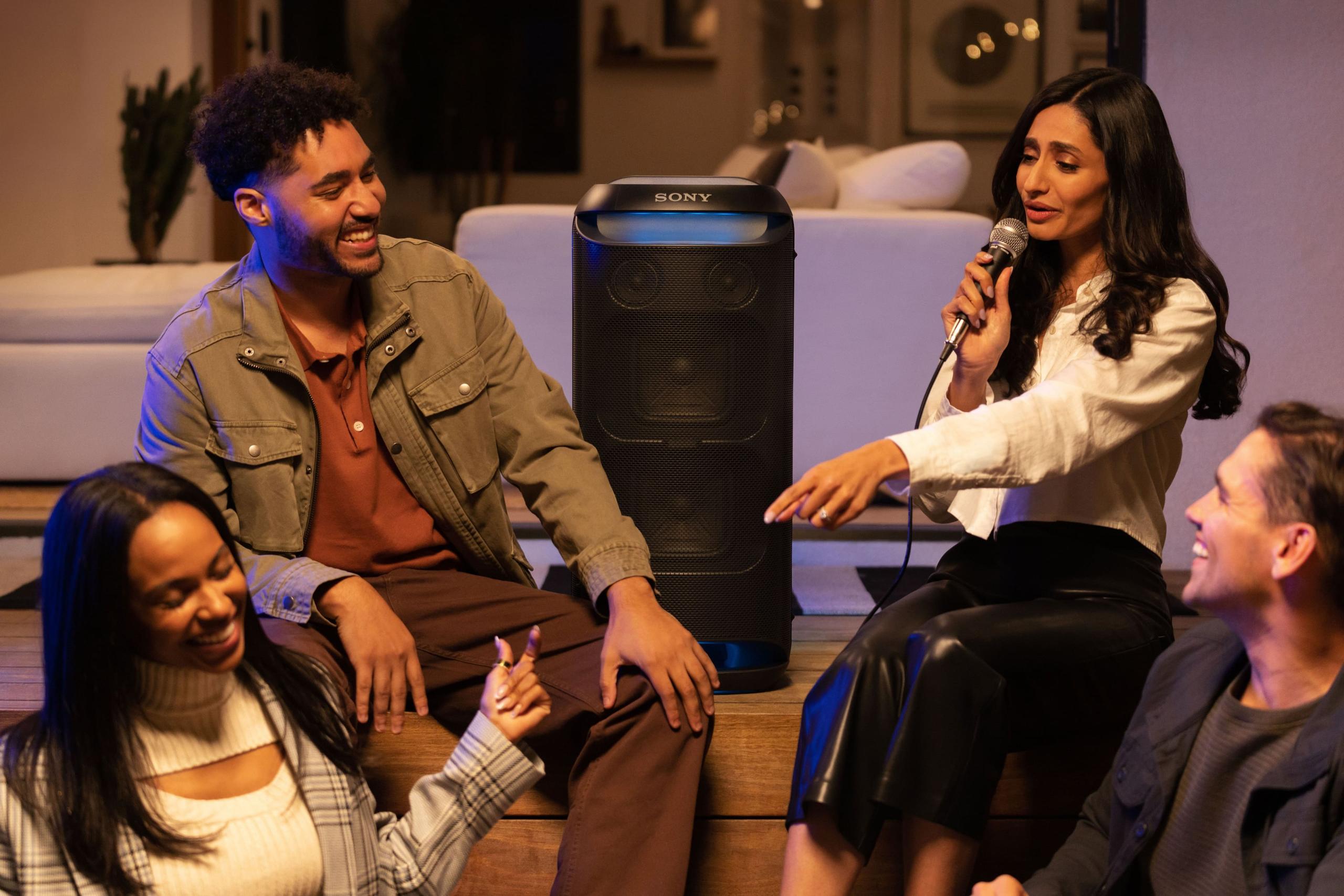
The Sony SRS-XV800, which hit the market in 2023, took a different path. Sony looked at the growing trend of home entertainment and outdoor gatherings and said, "What if we made a speaker that could fill any space with incredible music and create an atmosphere?" The result is what's technically called an "omnidirectional party speaker"—meaning it shoots sound in all directions to create an immersive listening experience.
Since their releases, both categories have continued to evolve. The PA speaker market has gotten more compact and feature-rich, while party speakers have become more sophisticated with better app integration and multi-room capabilities. These two represent some of the best thinking in their respective categories.
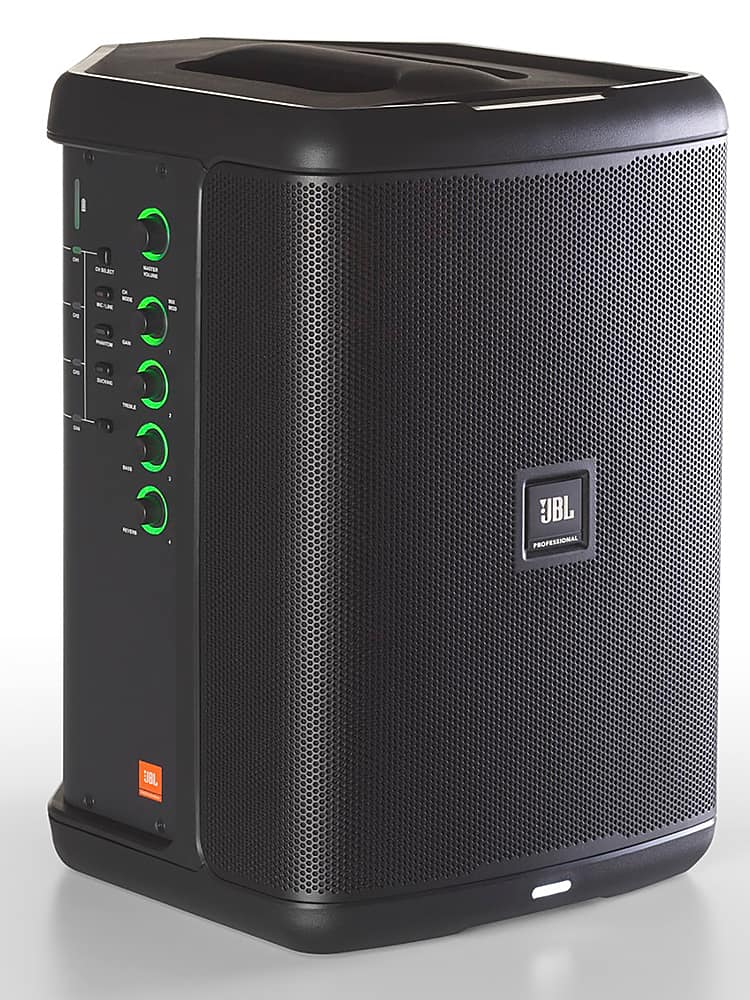
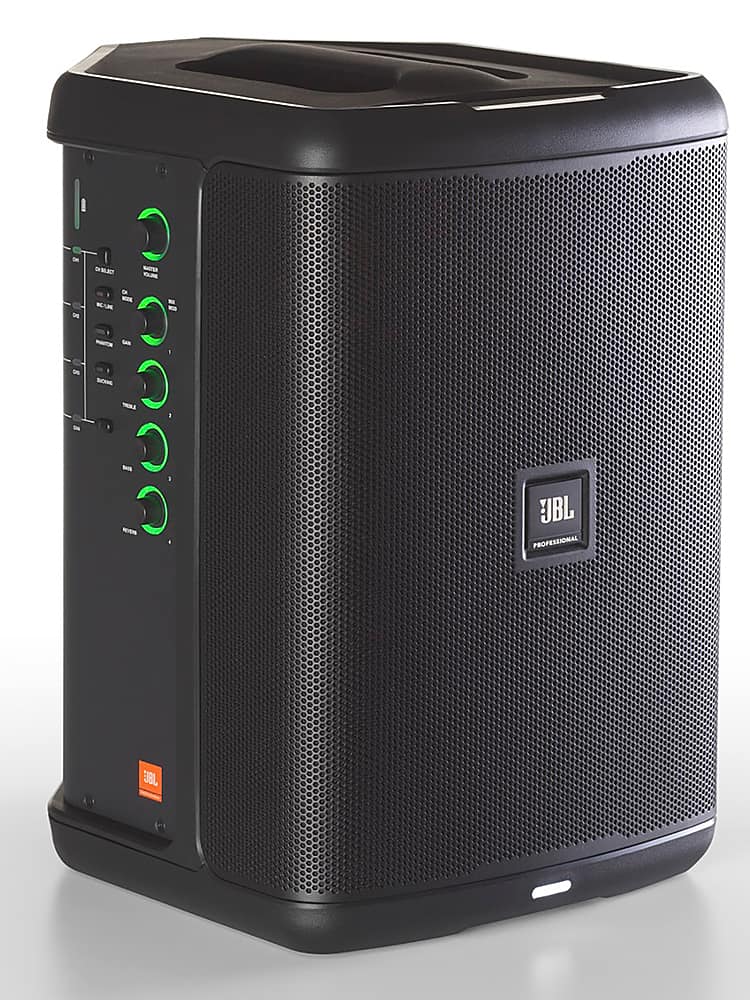
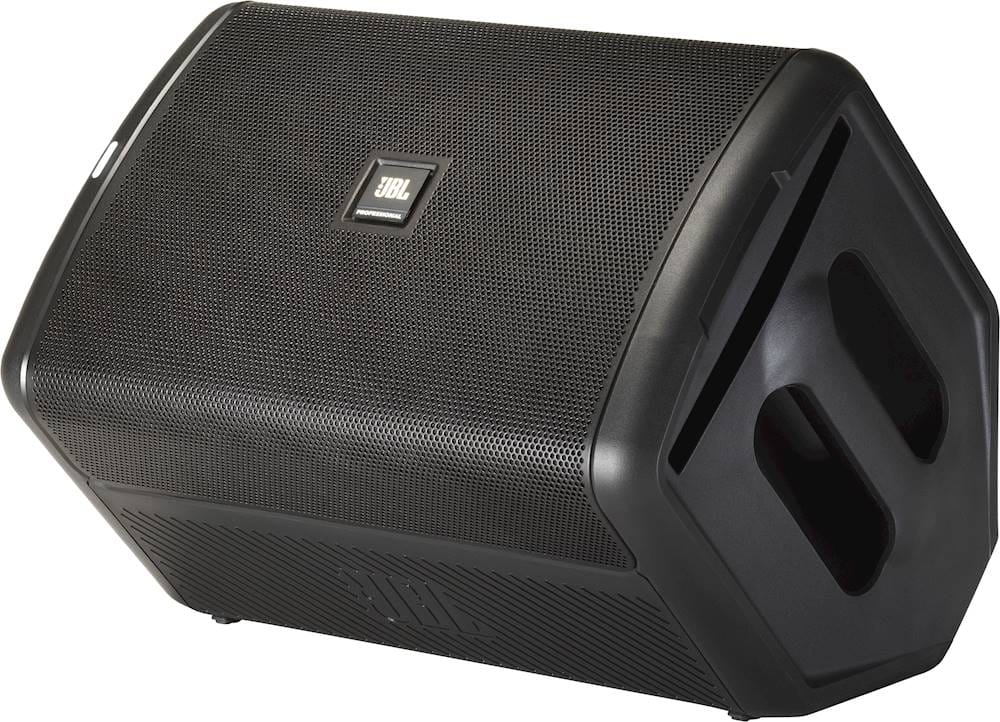
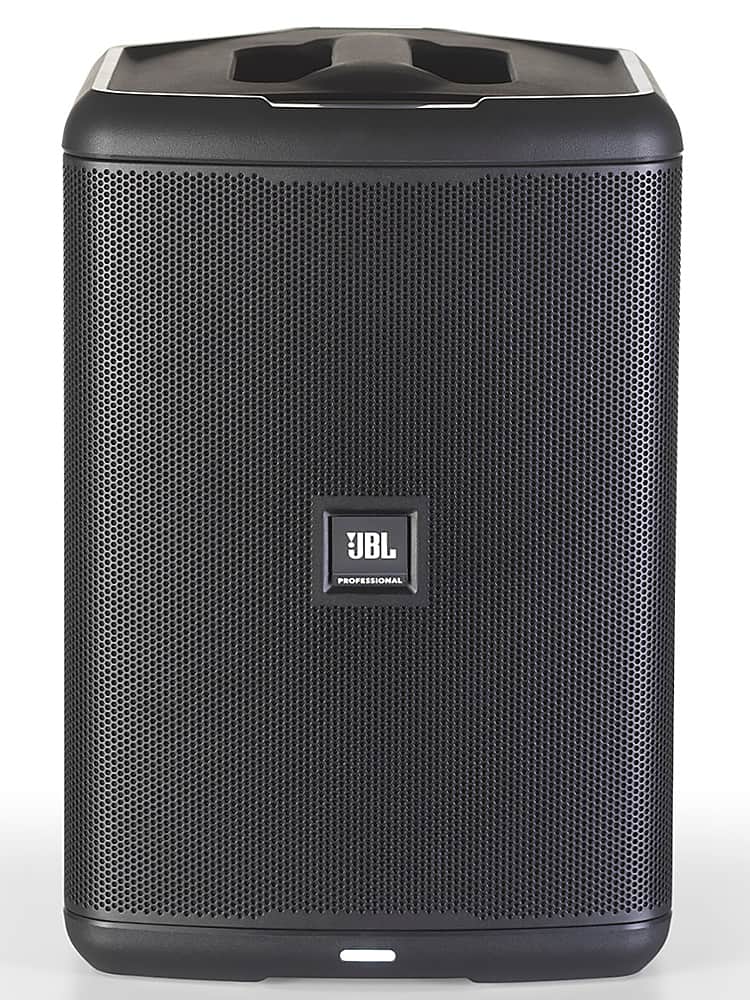
The JBL EON ONE Compact produces sound that's designed for one primary goal: making sure everyone in your audience can hear you clearly. Its single 8-inch woofer and 1-inch tweeter work together to create what audio engineers call a "near-field" sound pattern—basically, it projects sound forward in a controlled beam rather than scattering it everywhere.
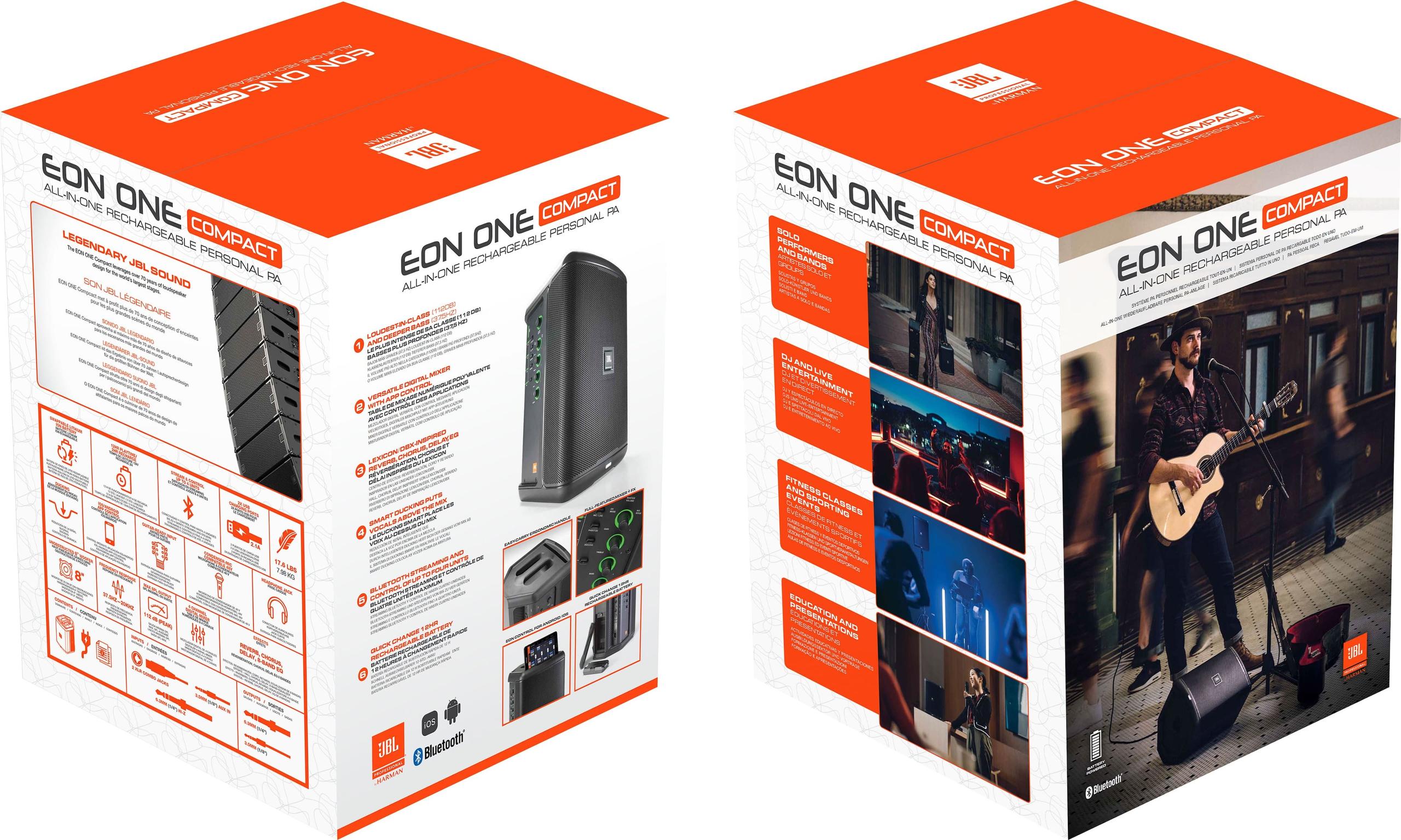
This design choice has real consequences. The frequency response extends down to 37.5 Hz, which is impressively low for a speaker this size. To put that in perspective, that's getting into the range where you can actually feel bass notes in your chest, not just hear them. The maximum sound pressure level (SPL) of 112 dB means it can get seriously loud—loud enough for a small outdoor wedding or a fitness class of 50 people.
What makes the JBL special is its clarity at high volumes. Most portable speakers start to sound harsh or muddy when you push them hard, but the EON ONE Compact maintains vocal intelligibility even when it's cranked up. This comes from JBL's professional audio heritage—they've been making speakers for concert venues for decades, and that expertise shows.
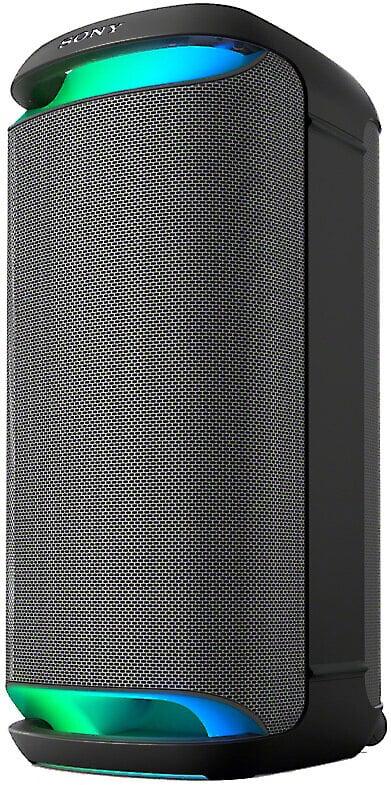
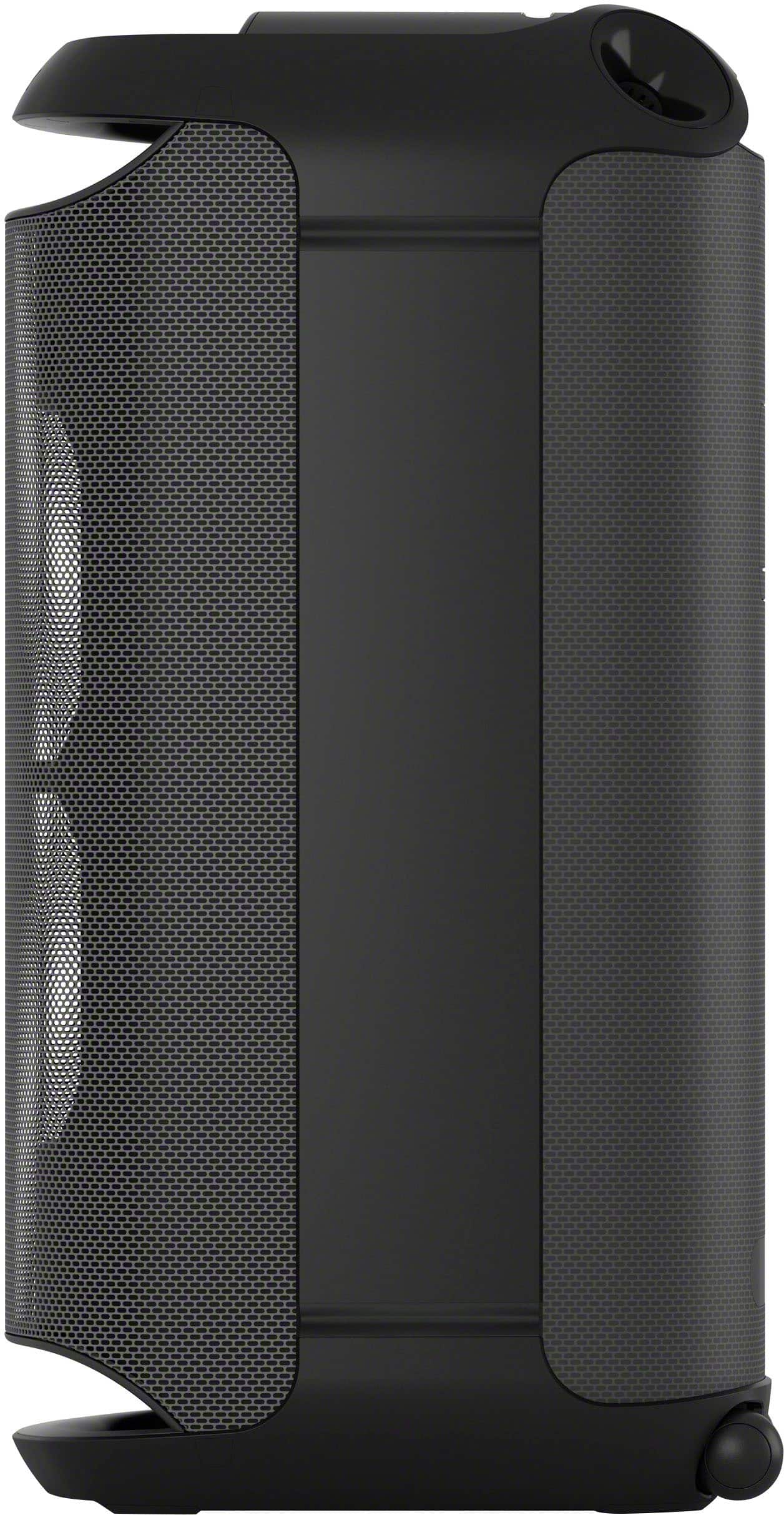
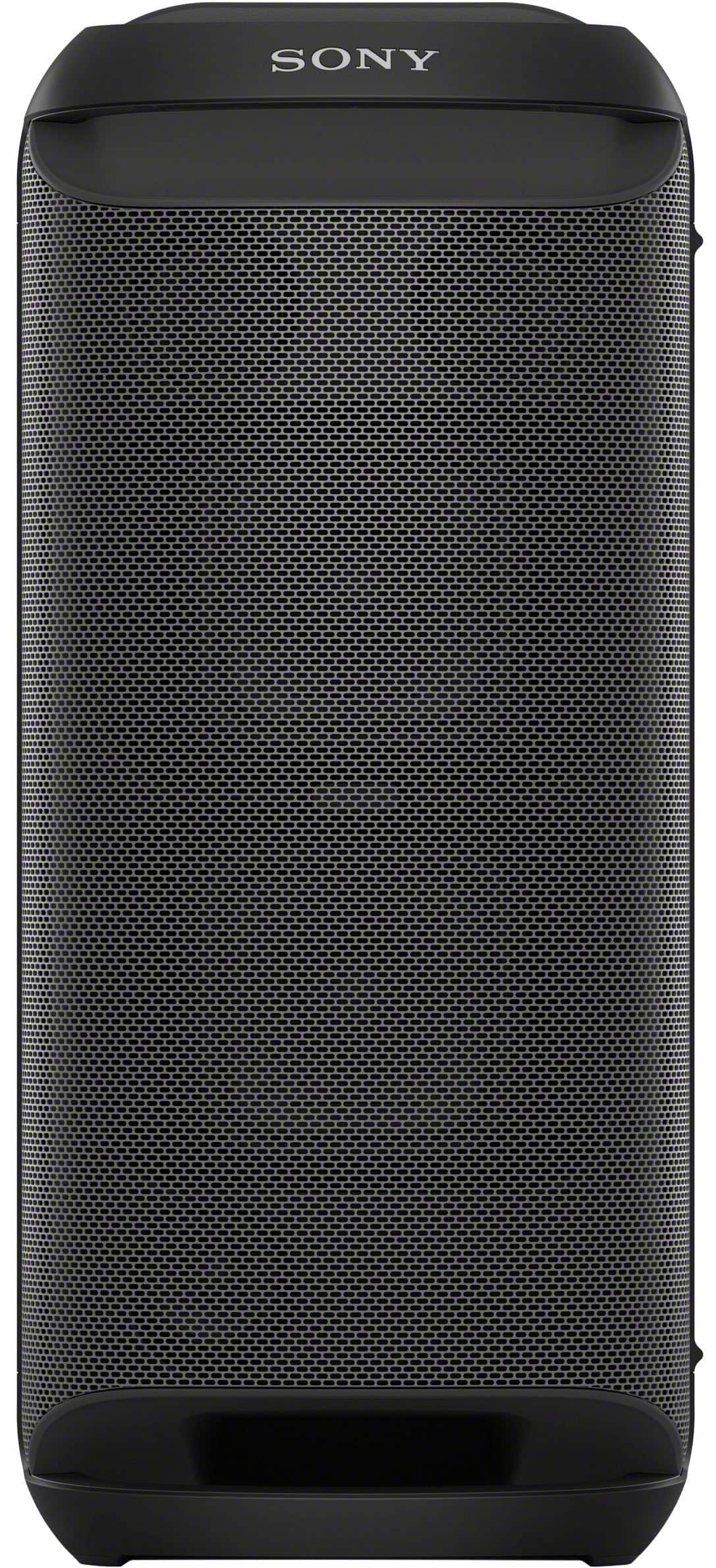
The Sony SRS-XV800 takes a completely different approach with what Sony calls "omnidirectional sound." Instead of one tweeter, it uses five dome tweeters—three facing forward and two facing backward. These work together to create what's essentially a bubble of sound around the speaker.
The real star of the show is Sony's X-Balanced woofer technology. Traditional speakers use circular drivers, but Sony's X-Balanced drivers are rectangular. This might sound like a marketing gimmick, but it's actually pretty clever engineering. The rectangular shape allows for a larger surface area in the same space, which means more air movement and potentially deeper bass. The Sony also includes a passive bass radiator—think of it as a speaker driver without the motor that helps extend low-frequency response.
Where the Sony really shines is in creating an immersive listening environment. When you're sitting around it at a party or gathering, everyone gets a similar listening experience regardless of where they're positioned. The frequency response extends down to 20 Hz, which on paper looks better than the JBL, though real-world performance depends heavily on the room and positioning.
Based on extensive user feedback and professional reviews, these speakers excel in different scenarios. The JBL EON ONE Compact consistently gets praise for vocal clarity and its ability to cut through ambient noise. If you're performing or presenting, people will be able to understand every word even in noisy environments.
The Sony SRS-XV800, on the other hand, creates a more enveloping musical experience. Reviews consistently mention how it makes recorded music sound spacious and engaging, particularly with the MEGA BASS feature activated. However, some reviewers note that vocals can sound slightly harsh at very high volumes compared to the JBL's more refined vocal reproduction.
This is where the Sony SRS-XV800 pulls significantly ahead. With up to 25 hours of playback time, it more than doubles the JBL EON ONE Compact's 12-hour battery life. For all-day events, pool parties, or camping trips, this difference is huge.
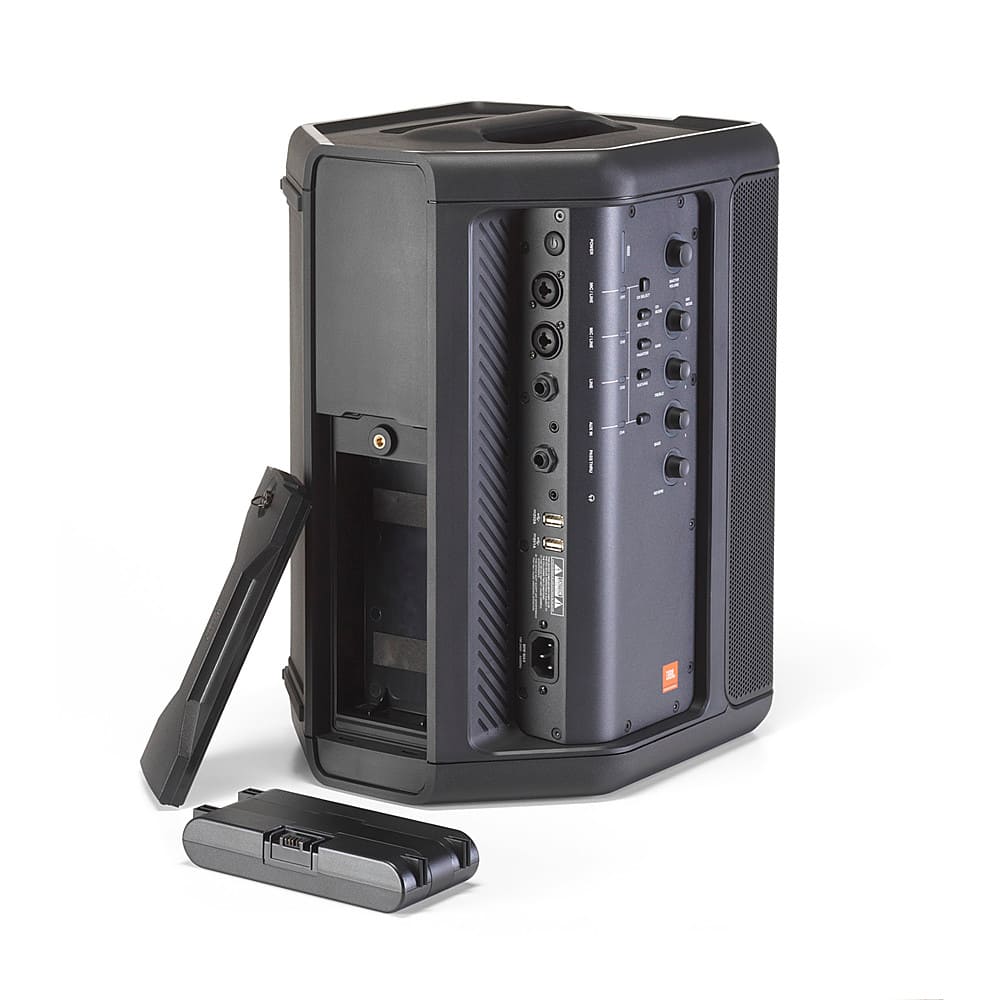
But here's where the JBL shows its professional DNA: the battery is completely removable without any tools. You can swap in a fresh battery in seconds, which means theoretically unlimited runtime if you invest in spare batteries. This is a feature borrowed from professional audio equipment, where downtime isn't acceptable.
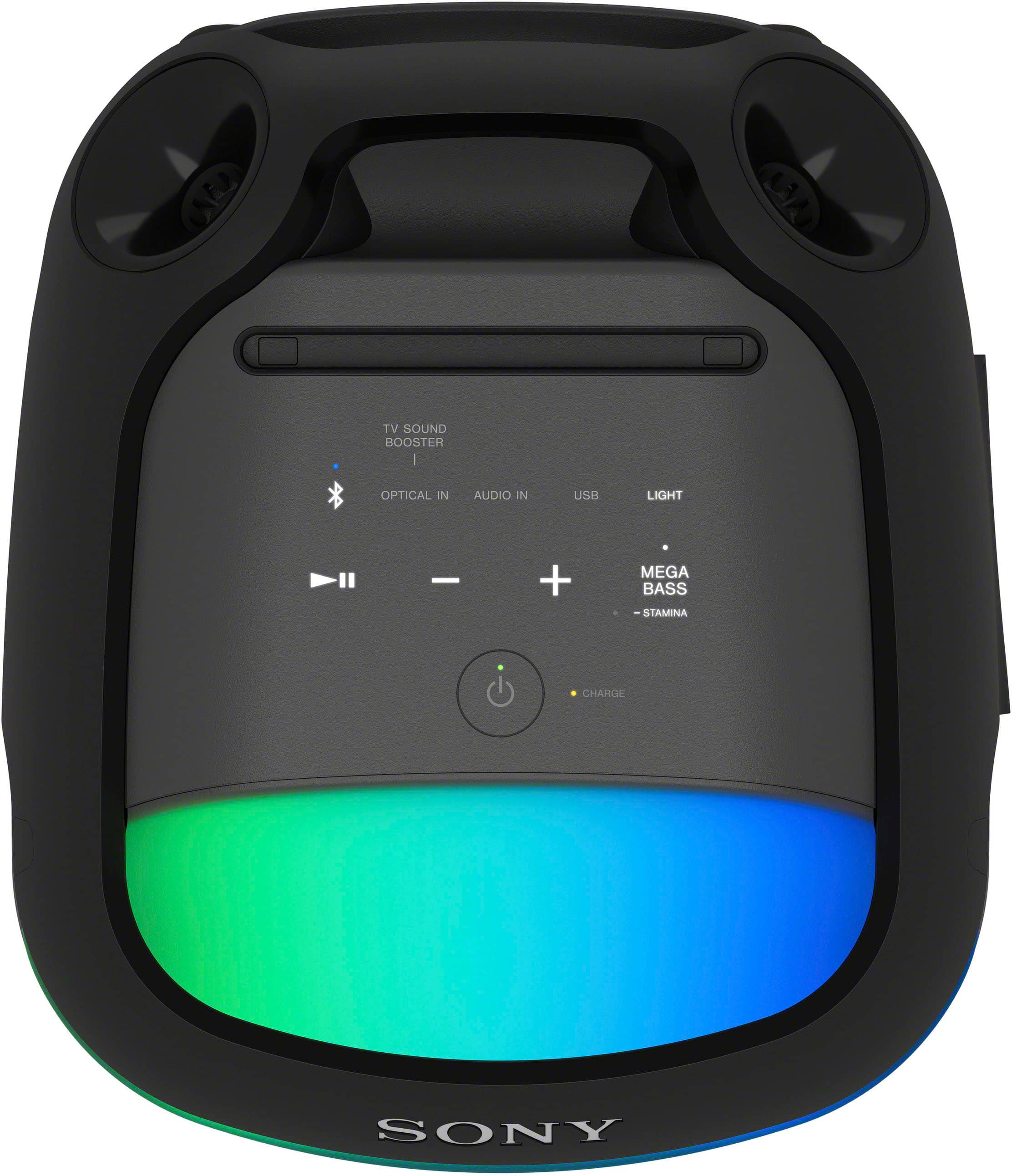
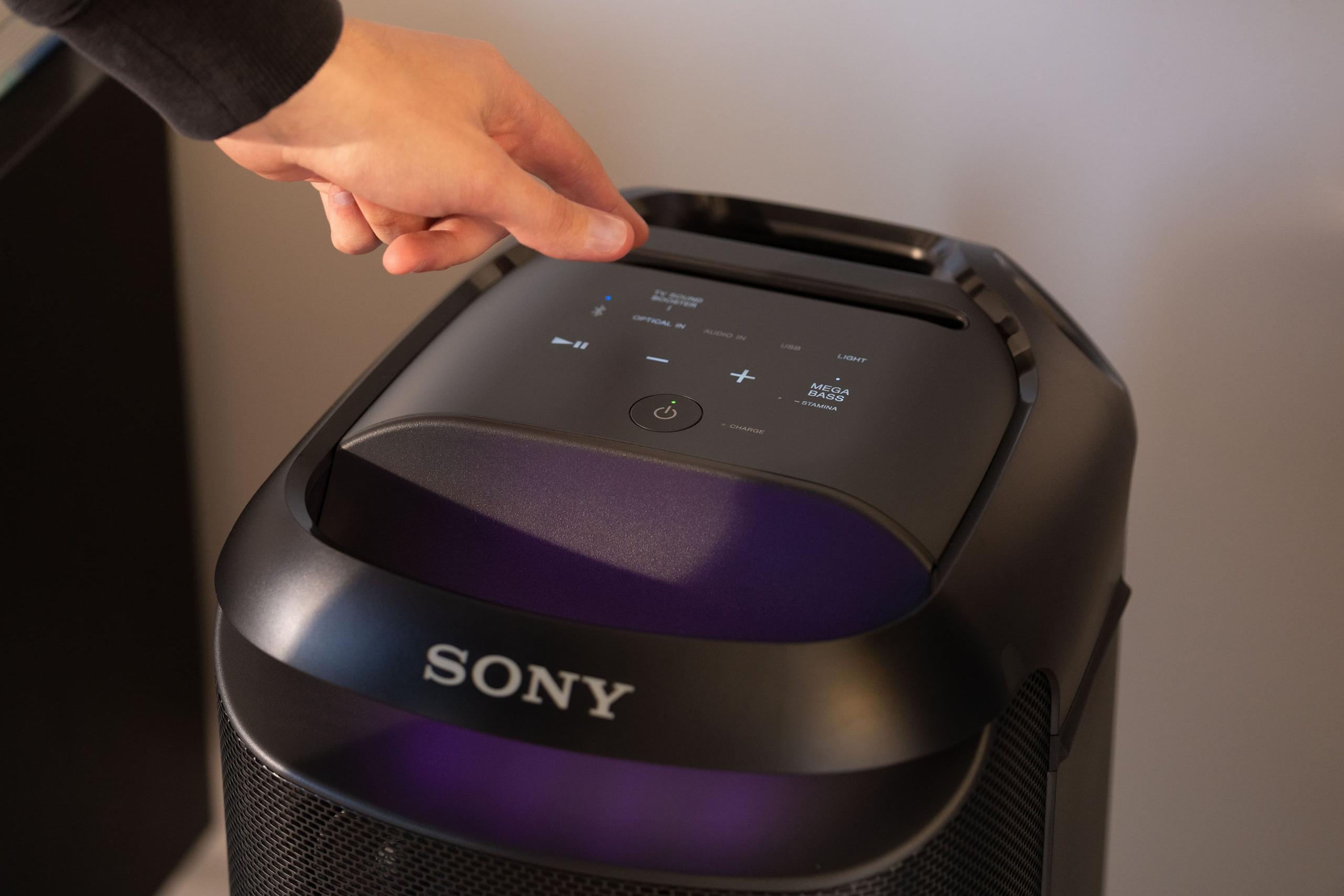
The Sony also includes a "STAMINA" mode that automatically disables the LED lighting and some sound processing features to extend battery life even further. It's a smart compromise that lets you prioritize runtime when you need it most.
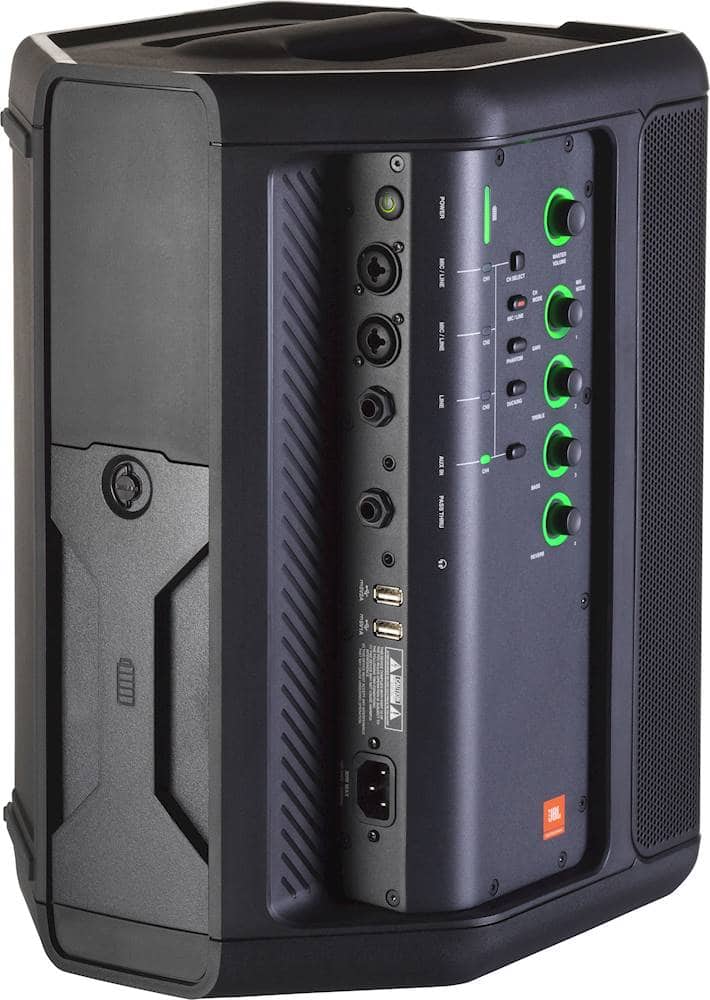
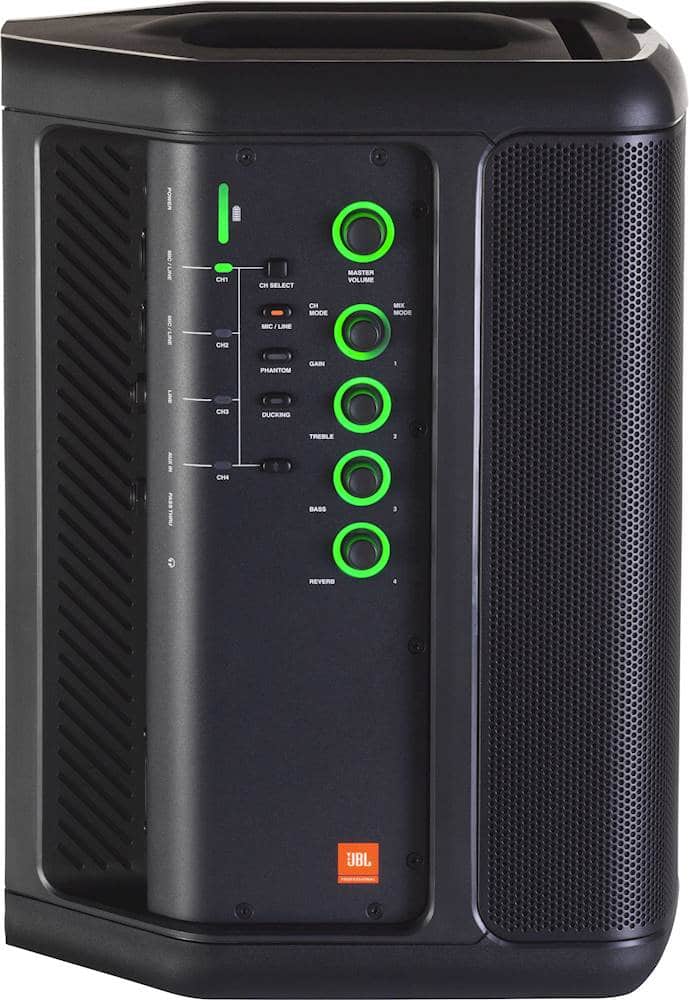
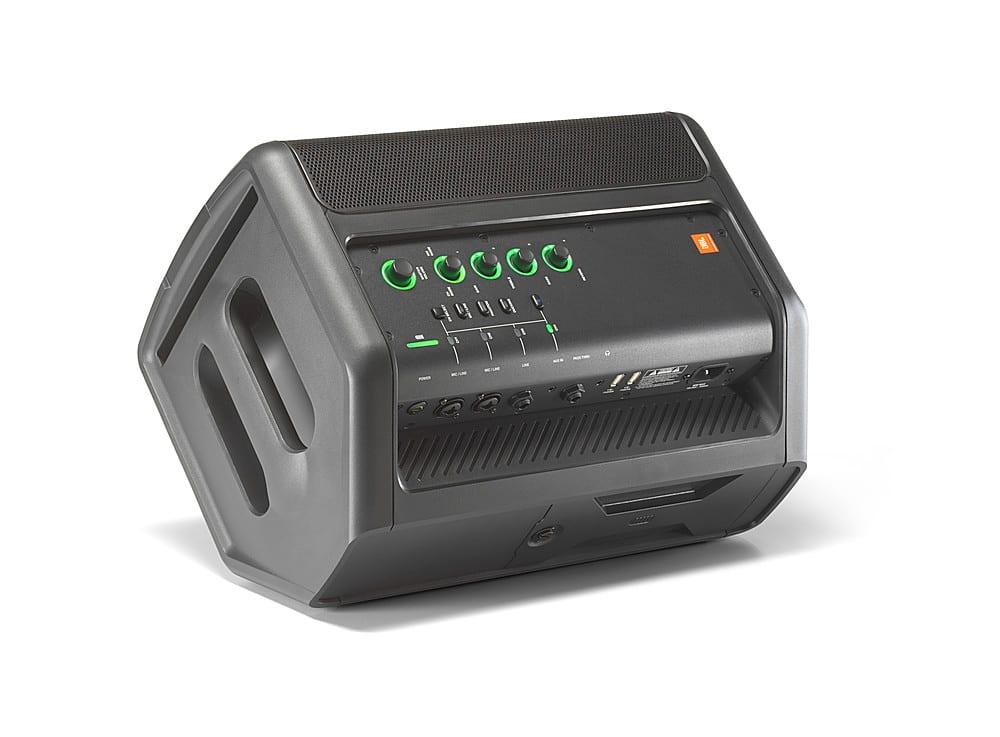
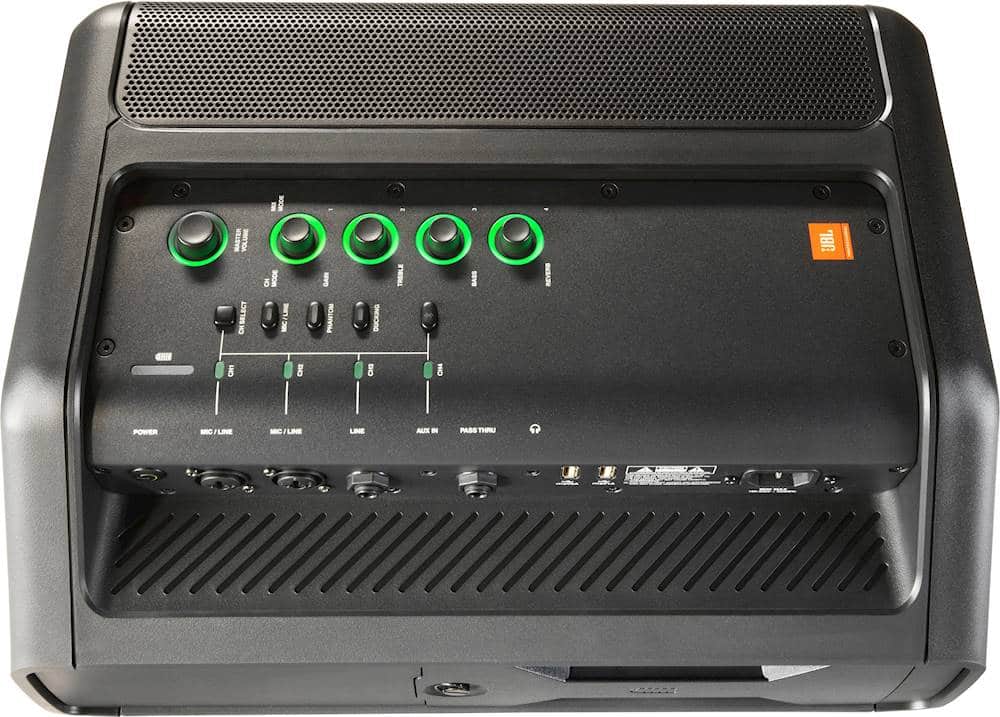
The JBL EON ONE Compact is essentially a complete recording studio mixer shrunk down into a portable speaker. It features a 4-channel digital mixer with two XLR/TRS combo inputs—these are the same professional connections you'd find in recording studios and concert venues.
The phantom power feature on the first channel is particularly important if you understand microphones. Many high-quality condenser microphones need power to operate, and phantom power provides that 48-volt supply right through the microphone cable. This means you can use professional-grade mics without any additional equipment.
The Hi-Z (high impedance) input is specifically designed for electric guitars and basses. Most speakers can't handle the signal from an electric guitar properly, but the JBL includes the right input circuitry to make your guitar sound natural and full.
Perhaps most cleverly, the JBL includes a "ducking" feature. When you're speaking into a microphone, it automatically lowers the volume of the background music so your voice cuts through clearly. Once you stop talking, the music comes back up automatically. This is invaluable for presentations, wedding toasts, or any situation where you need to speak over music.
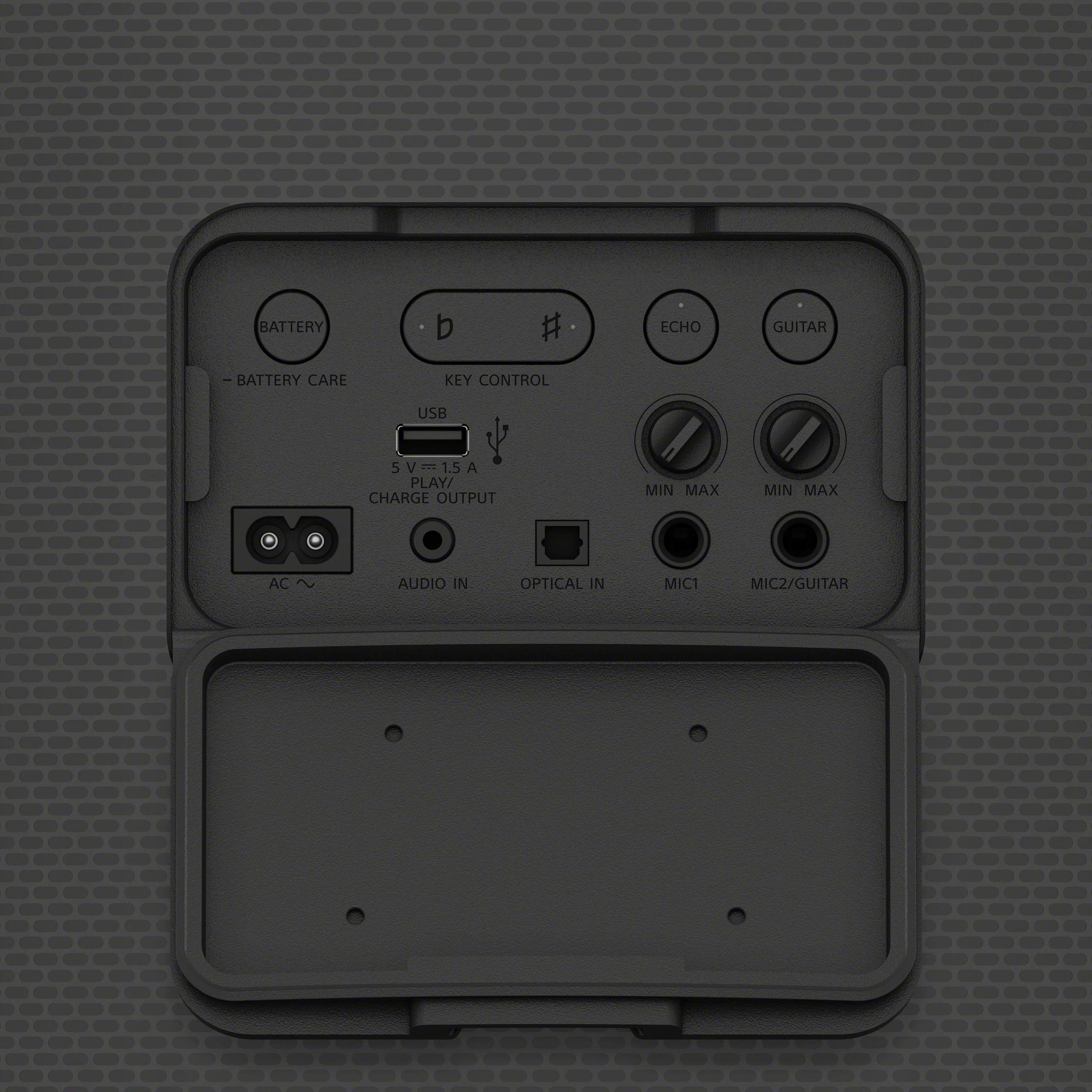
The Sony SRS-XV800 approaches connectivity from a consumer entertainment perspective. It supports LDAC, Sony's high-quality Bluetooth codec that can transmit much more audio data than standard Bluetooth. If you have an Android phone that supports LDAC, you'll get noticeably better wireless sound quality.
The Party Connect feature lets you link up to 100 compatible Sony speakers together for massive sound coverage. While most people won't need 100 speakers, linking even two or three can create impressive sound for large gatherings.
The TV Sound Booster feature with optical input is particularly interesting for home use. You can connect it to your TV and use it as a dramatically more powerful soundbar alternative. The Sony can decode TV audio and apply its own processing to make movies and shows sound much more dynamic.
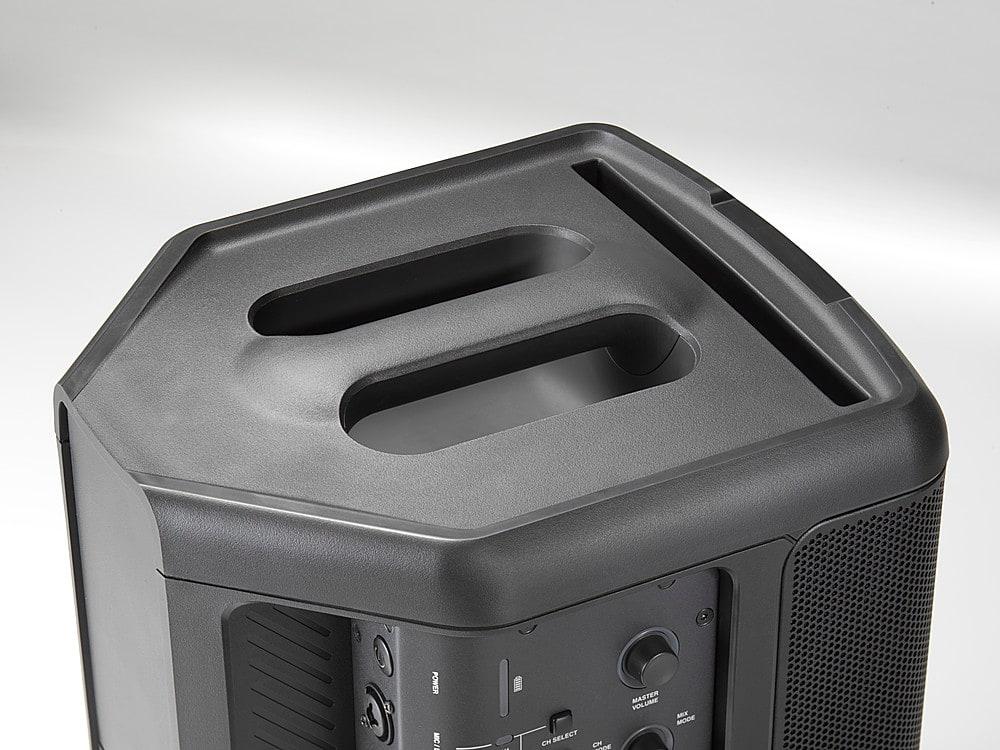
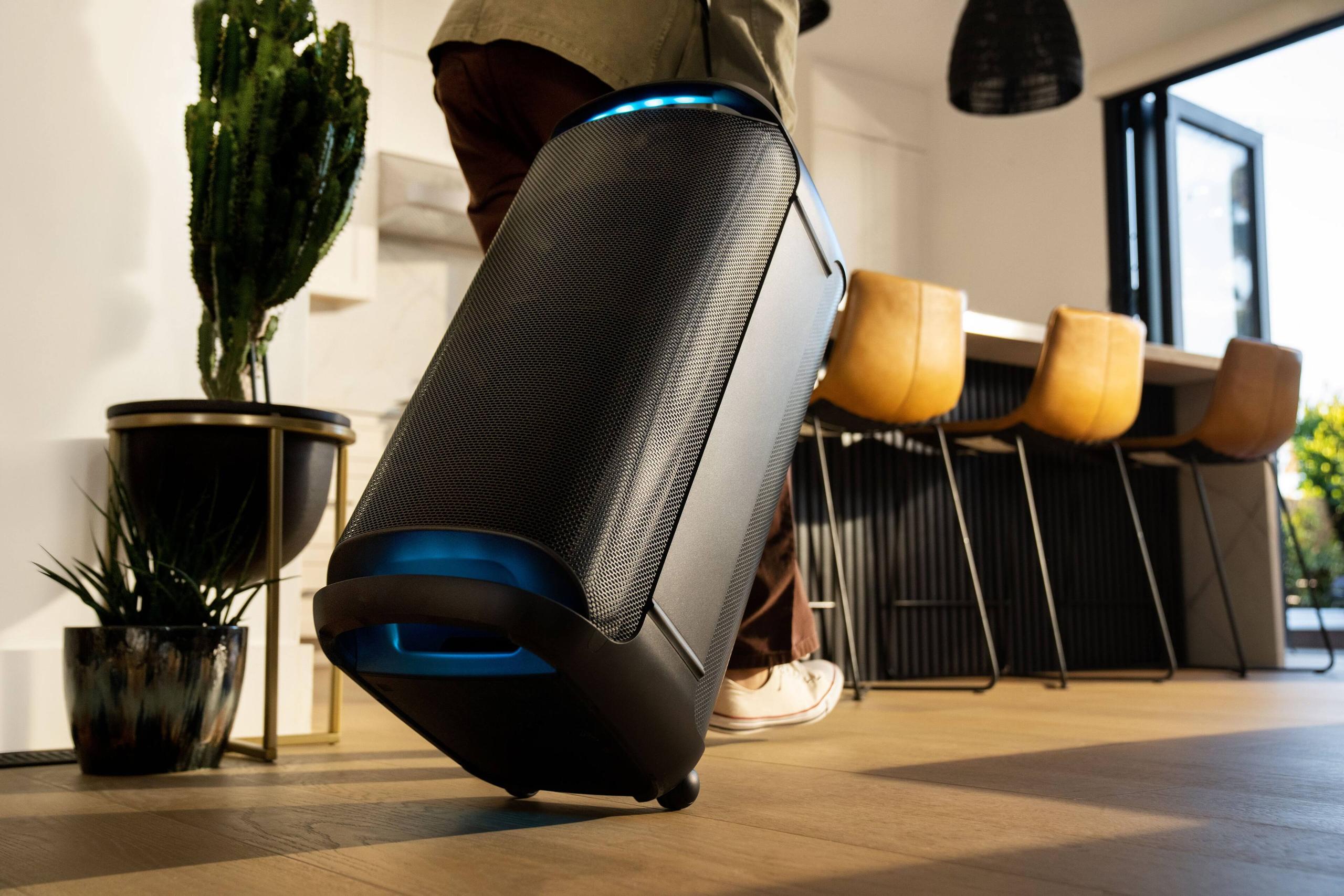
Here's where the philosophy differences become most apparent. The JBL EON ONE Compact weighs just 17.6 pounds and is designed to be carried by one person with its integrated handle. It's genuinely portable in the truest sense—you can grab it and go without thinking twice.
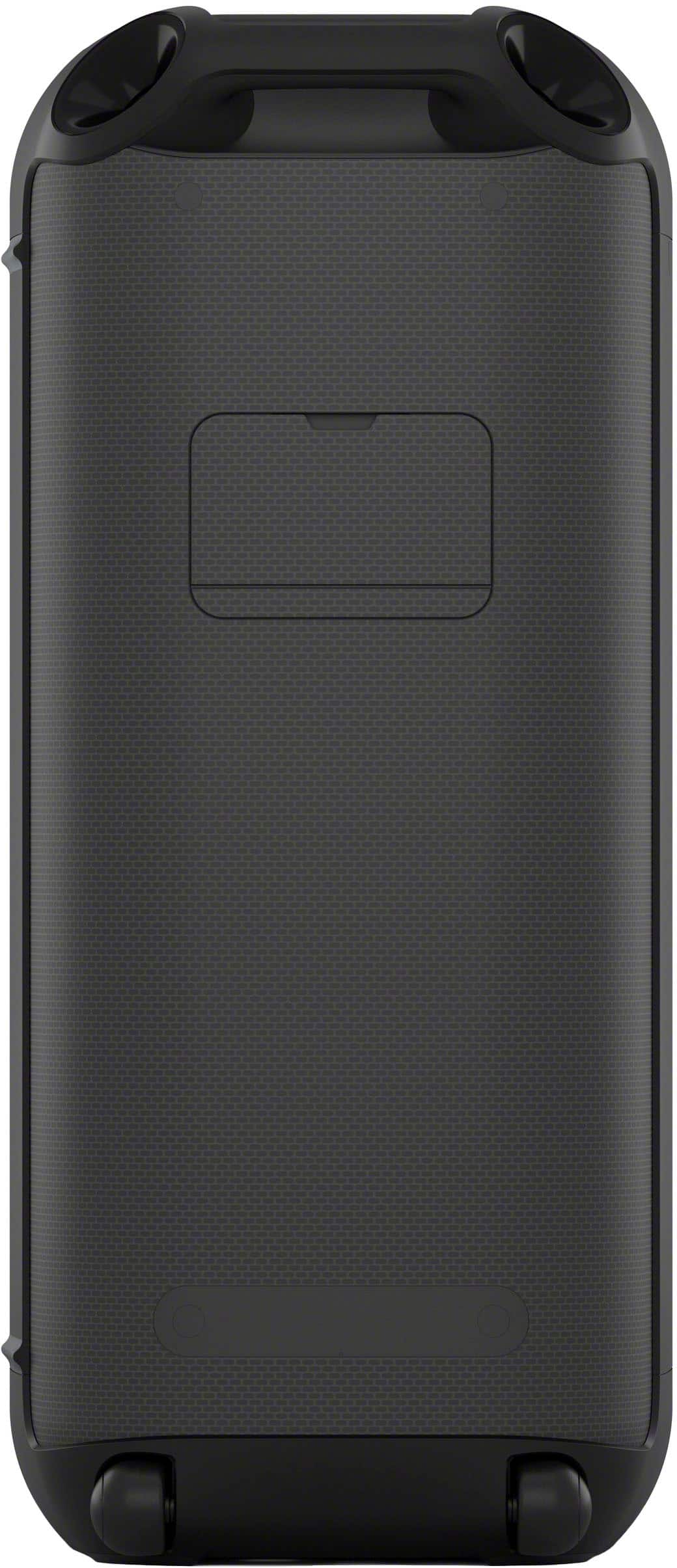
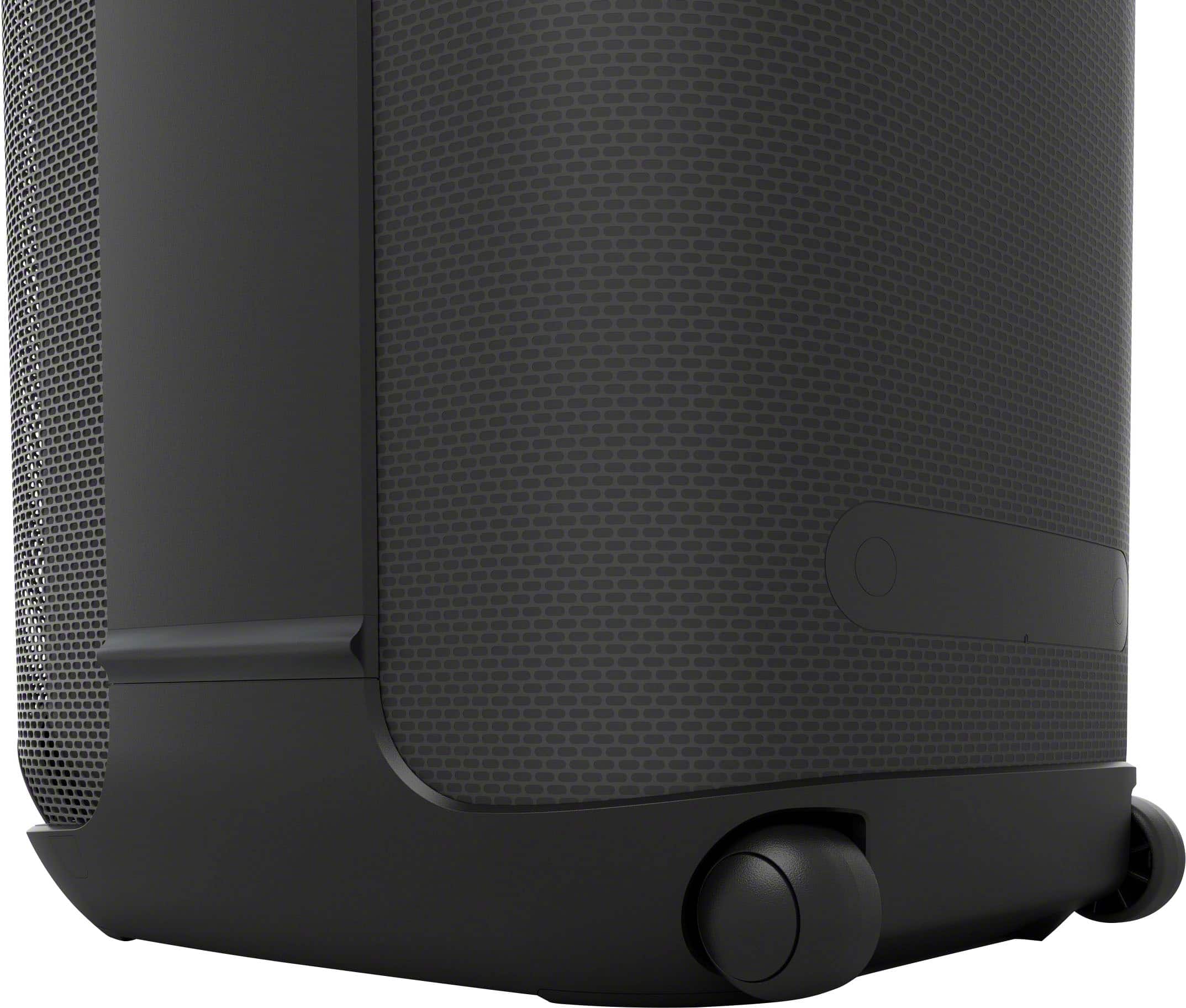
The Sony SRS-XV800, at over 40 pounds, requires a different approach. Sony included wheels and a telescoping handle, similar to rolling luggage. It's more about moving it into position and leaving it there rather than carrying it around constantly.
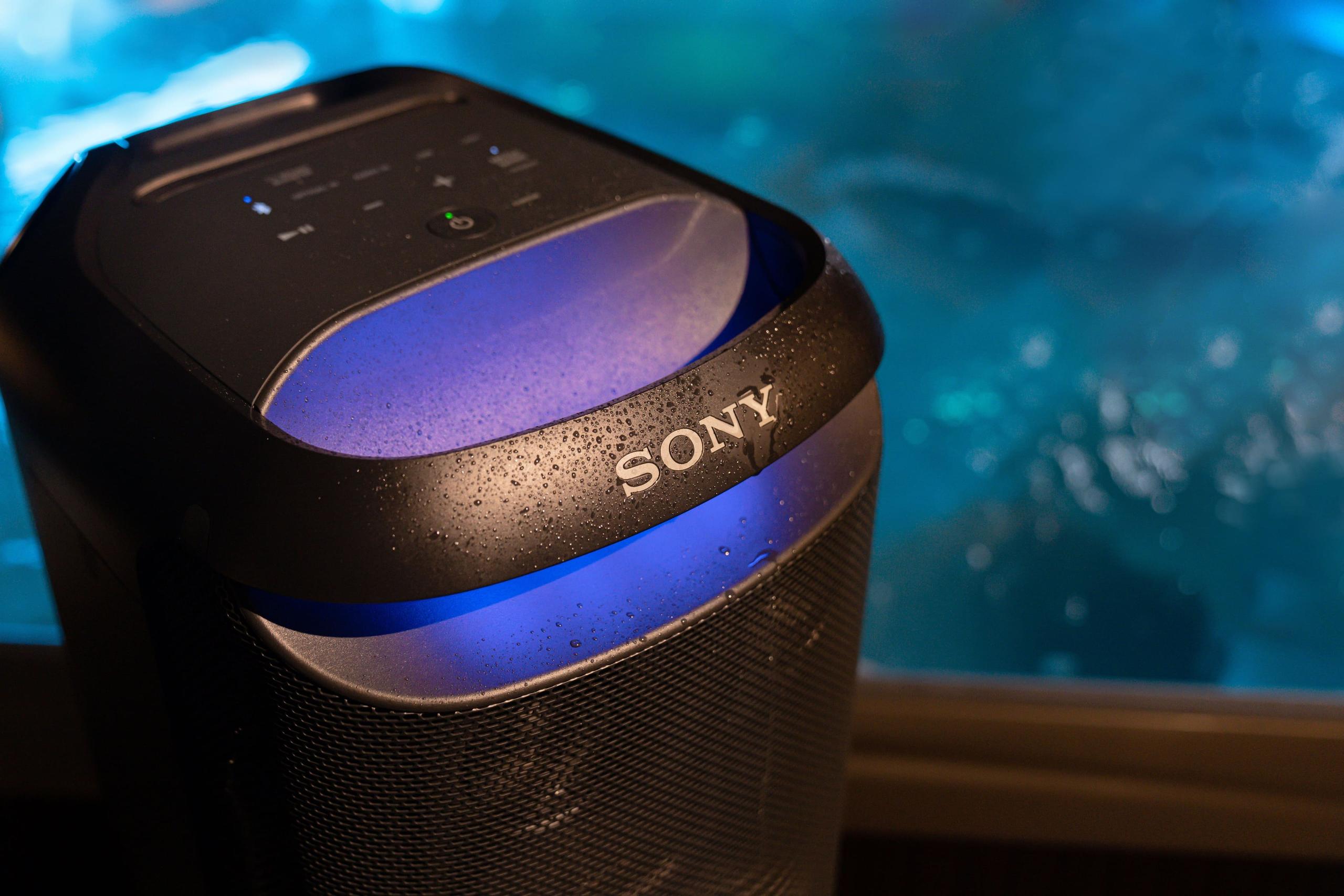
The Sony also includes IPX4 water resistance when positioned vertically, meaning it can handle splashes and light rain. This makes it much better suited for poolside use or outdoor events where weather might be a concern. The JBL lacks any water resistance rating, which limits its outdoor applications.
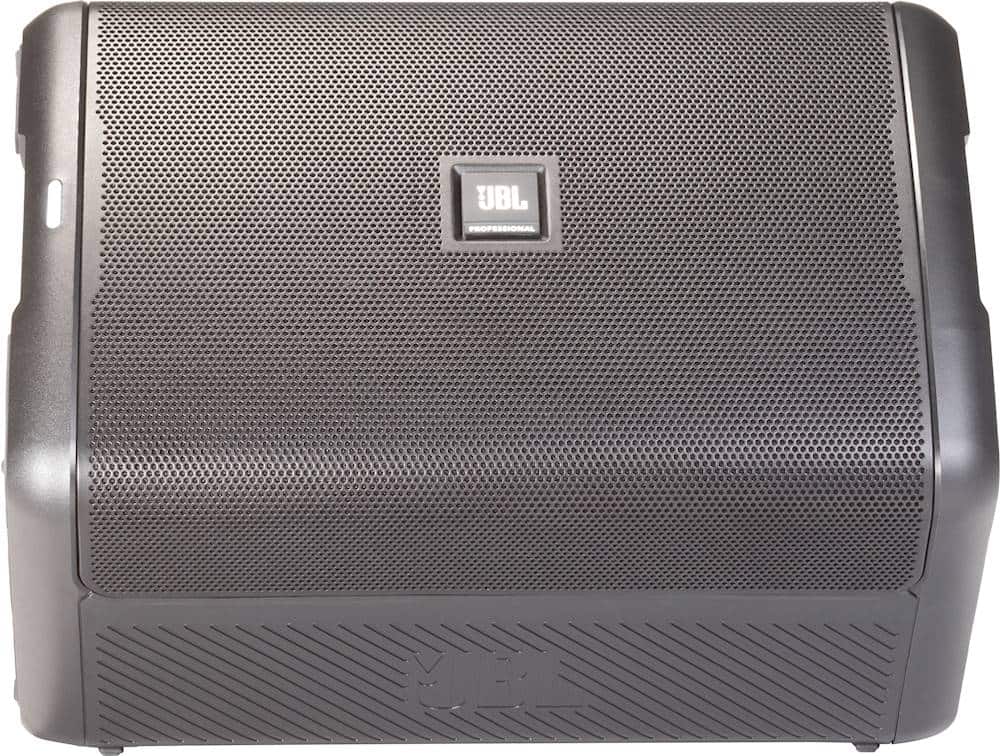
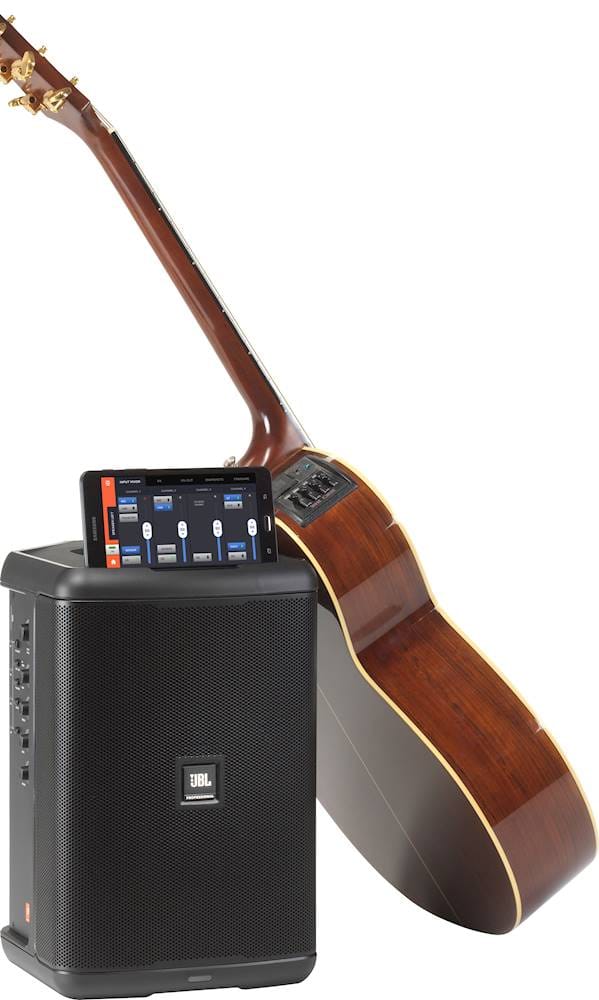
The JBL EON ONE Compact includes several features that show its professional heritage. The built-in tablet stand might seem minor, but when you're performing with backing tracks or presenting with slides, having a secure place for your device is invaluable. The dual USB charging ports ensure your devices stay powered throughout your performance.
The JBL Pro Connect app gives you remote control over all the mixing functions, which means you can adjust your sound from anywhere in the room. This is particularly useful when you're setting up for a presentation and need to walk around to hear how it sounds in different spots.
The Sony SRS-XV800 includes programmable LED lighting that can sync with your music to create a light show. While this might seem gimmicky, it genuinely adds to the party atmosphere, especially in darker environments.
The automatic orientation detection is a subtle but clever feature. The Sony knows whether it's positioned vertically or horizontally and adjusts its sound processing accordingly. This ensures optimal performance regardless of how you place it.
When evaluating these speakers, the most important performance characteristics differ based on your intended use.
For the JBL EON ONE Compact, vocal intelligibility is paramount. This is measured by how clearly speech comes through at various volumes and in different acoustic environments. Professional reviews consistently rate the JBL highly in this area, with many noting that vocals remain clear even at high volumes where other speakers start to sound strained.
Maximum SPL (sound pressure level) is also crucial for PA applications. The JBL's 112 dB rating means it can handle small to medium venues without breaking a sweat. This is genuinely loud—enough to be heard clearly over moderate ambient noise.
For the Sony SRS-XV800, bass extension and soundstage width matter more. The omnidirectional design creates what audio engineers call "soundstage width"—the perception that music is coming from a wide area rather than a point source. User reviews consistently praise this effect, particularly for electronic music and modern pop recordings.
The Sony's frequency response extending down to 20 Hz means it can reproduce the deepest bass notes in most music, though achieving this requires the MEGA BASS feature and appropriate positioning.
While neither speaker is specifically designed as a home theater solution, both have interesting applications in this space.
The Sony SRS-XV800 actually works quite well as a soundbar alternative, thanks to its TV Sound Booster feature and optical input. For smaller rooms or apartments where a full surround sound system isn't practical, it can provide a significant upgrade over built-in TV speakers. The omnidirectional sound helps create a more enveloping experience than traditional soundbars, though you'll miss the precise left-right separation of a proper stereo setup.
The JBL EON ONE Compact is less suited for home theater use due to its focused, directional sound pattern. However, if you frequently host movie nights or gaming sessions where you might want to add commentary or discussion, the microphone inputs could be useful for creating a more interactive experience.
At the time of writing, these speakers occupy different price tiers, with the Sony SRS-XV800 typically commanding a lower price point than the JBL EON ONE Compact. This pricing reflects their target markets—the Sony is positioned as a premium consumer product, while the JBL targets semi-professional and professional users.
The value equation depends heavily on your intended use. If you need the professional mixing capabilities of the JBL, buying separate components (mixer, speakers, microphone preamp) would likely cost significantly more and wouldn't be nearly as portable. In this context, the JBL's higher price represents good value for professional and semi-professional users.
The Sony offers impressive performance at its price point for consumers who primarily want exceptional music reproduction with party features. The longer battery life and larger sound coverage area provide tangible benefits that justify the investment for many users.
You're a performer, presenter, or anyone who regularly needs to amplify vocals or instruments. The JBL EON ONE Compact excels when you need professional-grade features in a truly portable package. Singer-songwriters will appreciate the ability to plug in a microphone and guitar simultaneously. Fitness instructors get the benefit of automatic music ducking when they need to give instructions. Corporate presenters can rely on its exceptional vocal clarity to ensure their message comes across clearly.
The JBL also makes sense if you value long-term reliability and support. The seven-year warranty (with three years on the battery) demonstrates JBL's confidence in the product's durability, and their professional audio support network means help is available when you need it.
You prioritize music listening quality and want a speaker that can anchor social gatherings. The Sony SRS-XV800 is ideal for pool parties, backyard barbecues, camping trips, or any scenario where you want to create an immersive musical atmosphere. The 25-hour battery life means it can literally run all day without needing a charge.
The Sony also makes sense for households that want to upgrade their home entertainment setup without the complexity of a full surround sound system. The TV connectivity and omnidirectional sound can transform your movie and gaming experience.
These speakers represent two different philosophies about portable audio, and both execute their respective visions exceptionally well. The JBL EON ONE Compact is fundamentally a professional tool that happens to be portable, while the Sony SRS-XV800 is a consumer entertainment device that happens to be moveable.
Your choice should align with your primary use case. If you're a performer, presenter, or someone who regularly needs professional audio capabilities, the JBL provides features that simply aren't available elsewhere in such a compact package. If you're looking to enhance your entertainment experiences and create memorable gatherings, the Sony offers superior music reproduction with features designed to bring people together.
Both speakers have earned their place in the market by excelling at their intended purposes. The key is understanding which purpose aligns with your needs and choosing accordingly.
| JBL EON ONE Compact | Sony SRS-XV800 |
|---|---|
| Weight & Portability - Critical for frequent transport | |
| 17.6 lbs with carry handle (true single-person portability) | 40.8 lbs with wheels and handle (semi-portable, better for stationary use) |
| Battery Life - Determines how long your event can run | |
| 12 hours with swappable battery system | 25 hours with internal battery (more than double runtime) |
| Maximum Output - How loud it can get for your audience | |
| 112 dB SPL (loud enough for 50+ people outdoors) | Power consumption 77W (SPL not specified, designed for ambient listening) |
| Bass Extension - How deep the low frequencies go | |
| 37.5 Hz (impressively deep for size, felt bass response) | 20 Hz (deeper on paper, achieved through passive radiator) |
| Speaker Configuration - Affects sound dispersion pattern | |
| 8" woofer + 1" tweeter (focused, directional sound) | 2 X-Balanced woofers + 5 tweeters (360° omnidirectional coverage) |
| Professional Audio Inputs - Essential for live performance | |
| 4-channel mixer, XLR/TRS inputs, phantom power, Hi-Z guitar input | Basic mic/guitar inputs with karaoke features (no phantom power or pro mixing) |
| Bluetooth Audio Quality - Affects wireless streaming fidelity | |
| Standard SBC/AAC codecs | LDAC high-resolution codec support (significantly better wireless quality) |
| Water Resistance - Important for outdoor events | |
| No water resistance rating | IPX4 rated (splash-resistant, suitable for poolside use) |
| Unique Features - What sets each apart | |
| Music ducking, tablet stand, professional effects, swappable battery | LED light shows, Party Connect (link 100 speakers), TV optical input, MEGA BASS |
| Primary Use Case - Who each speaker is designed for | |
| Performers, presenters, fitness instructors needing PA capabilities | Party hosts, music lovers wanting immersive sound and extended battery life |
| Warranty Coverage - Indicates manufacturer confidence | |
| 7 years (3 years on battery) - exceptional for portable audio | 1 year standard consumer warranty |
The Sony SRS-XV800 is specifically designed for parties with 360-degree omnidirectional sound that fills rooms evenly, programmable LED lighting effects, and 25-hour battery life for all-day events. The JBL EON ONE Compact focuses more on professional presentations and performances rather than ambient party atmosphere.
The JBL EON ONE Compact delivers professional-grade vocal clarity and focused sound projection, making it ideal for speeches and live performances. The Sony SRS-XV800 offers immersive music reproduction with deeper bass extension and wider soundstage, optimized for recorded music listening rather than live sound reinforcement.
The Sony SRS-XV800 provides up to 25 hours of playback time, more than double the JBL EON ONE Compact's 12-hour battery life. However, the JBL features a swappable battery system that allows unlimited runtime with spare batteries.
The Sony SRS-XV800 works well as a soundbar alternative with its optical input and TV Sound Booster feature, creating an immersive listening experience for movies and shows. The JBL EON ONE Compact isn't designed for home theater use due to its directional sound pattern and professional audio focus.
The JBL EON ONE Compact is significantly more portable at 17.6 pounds with a single carry handle, designed for one-person transport. The Sony SRS-XV800 weighs over 40 pounds and includes wheels for moving, making it better suited for stationary setups rather than frequent transport.
The JBL EON ONE Compact excels with microphones, featuring professional XLR inputs, phantom power for condenser mics, and a 4-channel digital mixer with effects. The Sony SRS-XV800 has basic microphone inputs for karaoke but lacks professional mixing capabilities and phantom power.
The Sony SRS-XV800 has IPX4 water resistance for splash protection and 25-hour battery life, making it better for poolside parties and outdoor events. The JBL EON ONE Compact lacks water resistance but offers superior sound projection for outdoor performances and presentations.
The Sony SRS-XV800 supports Party Connect to link up to 100 compatible Sony speakers for massive sound coverage. The JBL EON ONE Compact can be daisy-chained using its pass-through output but is designed more for individual use as a complete PA system.
Both speakers offer comprehensive app control, but serve different purposes. The JBL EON ONE Compact provides professional mixing control through the JBL Pro Connect app, while the Sony SRS-XV800 focuses on music enhancement, lighting effects, and multi-speaker management through Sony's Music Center app.
The Sony SRS-XV800 creates 360-degree omnidirectional sound coverage using five tweeters, filling entire rooms evenly. The JBL EON ONE Compact projects sound in a focused, directional pattern designed to reach audiences clearly rather than provide ambient room filling.
The JBL EON ONE Compact is specifically designed for performers with professional mixing capabilities, guitar inputs, phantom power, and automatic music ducking features. The Sony SRS-XV800 is optimized for music playback rather than live performance applications.
The JBL EON ONE Compact offers exceptional coverage with a 7-year warranty (3 years on battery), reflecting its professional-grade construction. The Sony SRS-XV800 includes a standard 1-year consumer warranty but features IPX4 water resistance and durable party-focused design elements like LED lighting and robust wheels.
We've done our best to create useful and informative comparisons to help you decide what product to buy. Our research uses advanced automated methods to create this comparison and perfection is not possible - please contact us for corrections or questions. These are the sites we've researched in the creation of this article: bestbuy.com - crutchfield.com - noisegate.com.au - zzounds.com - jblpro.com - youtube.com - soundonsound.com - jblpro.com - youtube.com - youtube.com - jbl.com - samash.com - sweetwater.com - avnow.com - soundonsound.com - youtube.com - kh.jbl.com - talkbass.com - techradar.com - proav.com - gearspace.com - jazzguitar.be - sweetwater.com - youtube.com - crutchfield.com - forums.musicplayer.com - adn.harmanpro.com - device.report - bgs.cc - youtube.com - soundandvision.com - crutchfield.com - sciencefocus.com - sony.com - bestbuy.com - bestbuy.com - stereoguide.com - sony-mea.com - soundguys.com - electronics.sony.com - youtube.com - sony.com - youtube.com - device.report - youtube.com - youtube.com - adorama.com - sonylatvija.com - sony.com

Privacy Policy
Terms and Conditions - Affiliate Policy
Home Security
© Copyright 2008-2026.
11816 Inwood Rd #1211, Dallas, TX 75244