

Choosing the right Bluetooth speaker has become surprisingly complex. What started as simple portable music players have evolved into specialized audio systems serving vastly different needs. Today's speakers fall into distinct categories: refined home audio systems designed for critical listening and seamless integration, and party powerhouses built for maximum volume and entertainment features.
The Marshall Woburn III and JBL PartyBox 720 represent these opposing philosophies perfectly. Released in 2022 and 2024 respectively, both speakers showcase how modern Bluetooth technology has matured, but they target completely different audiences. Understanding which approach fits your lifestyle will save you from buyer's remorse and ensure you get the performance you actually need.
The Bluetooth speaker market has fractured into specialized niches because one size truly doesn't fit all. Home speakers prioritize audio fidelity, aesthetic integration, and features that enhance daily listening experiences. They're designed to become part of your living space, offering refined sound reproduction that reveals details in your favorite music.
Party speakers take the opposite approach, maximizing volume output, durability, and crowd-pleasing features like light shows and microphone inputs. They're built to energize gatherings, survive outdoor conditions, and project sound across large spaces where subtle audio nuances matter less than sheer impact.
The key considerations when choosing between these categories include your primary listening environment, portability needs, audio quality expectations, and whether you value entertainment features over pure sound reproduction. Your decision should align with how you actually plan to use the speaker most often.
The Marshall Woburn III takes the audiophile approach with sophisticated three-way driver engineering. This means it uses separate drivers optimized for different frequency ranges: a 6-inch woofer handles deep bass, dual 2-inch midrange drivers reproduce vocals and instruments, and angled 0.75-inch tweeters deliver crisp highs. This separation allows each driver to specialize, resulting in cleaner sound with better instrument separation—you can actually distinguish individual instruments in complex recordings.
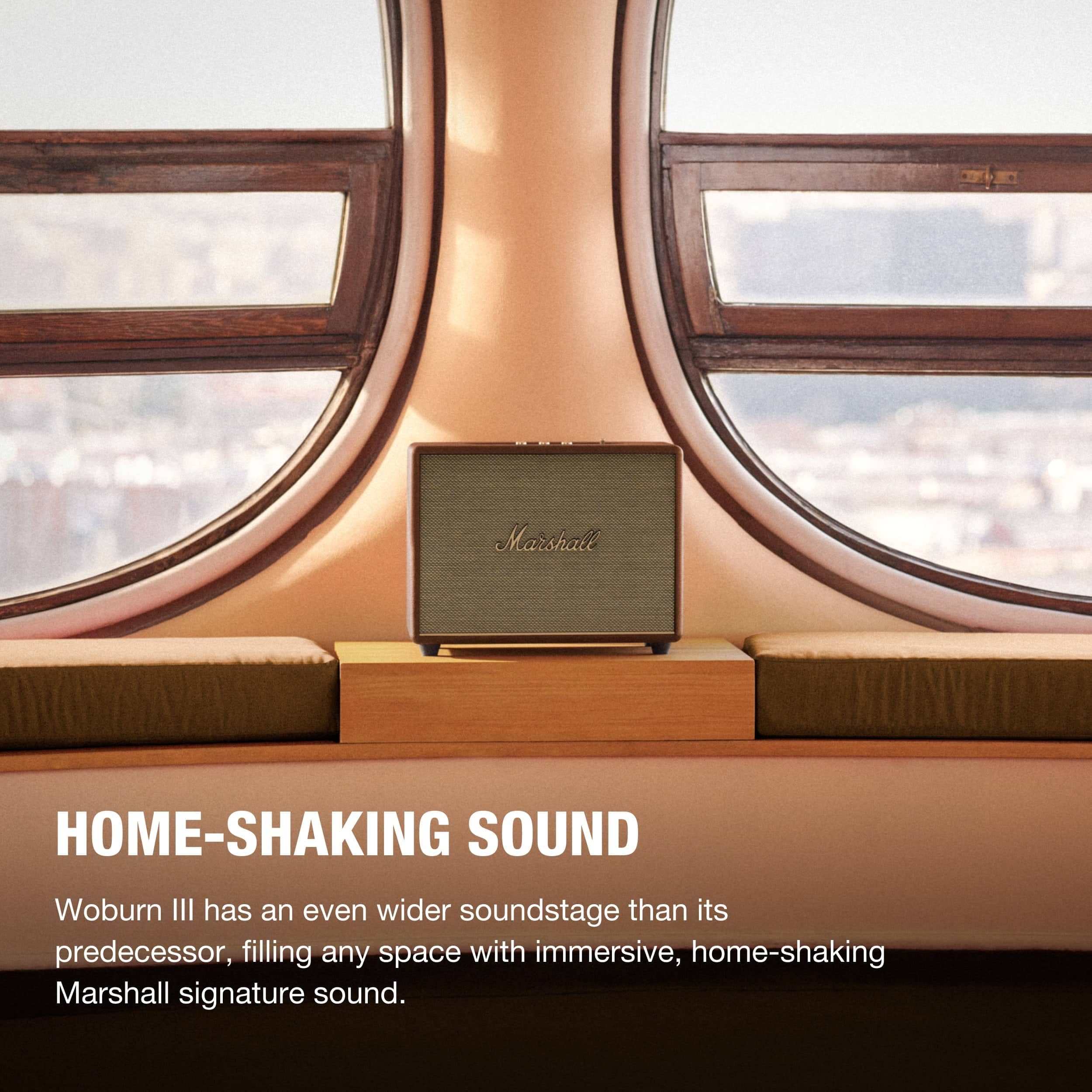
The angled tweeters represent thoughtful engineering. By positioning them at slight angles with updated waveguides (shaped channels that direct sound), Marshall creates a wider stereo soundstage that fills rooms more evenly. The bass-reflex cabinet design uses precisely tuned ports to extend low-frequency response while maintaining control, preventing the muddy bass that plagues many speakers.
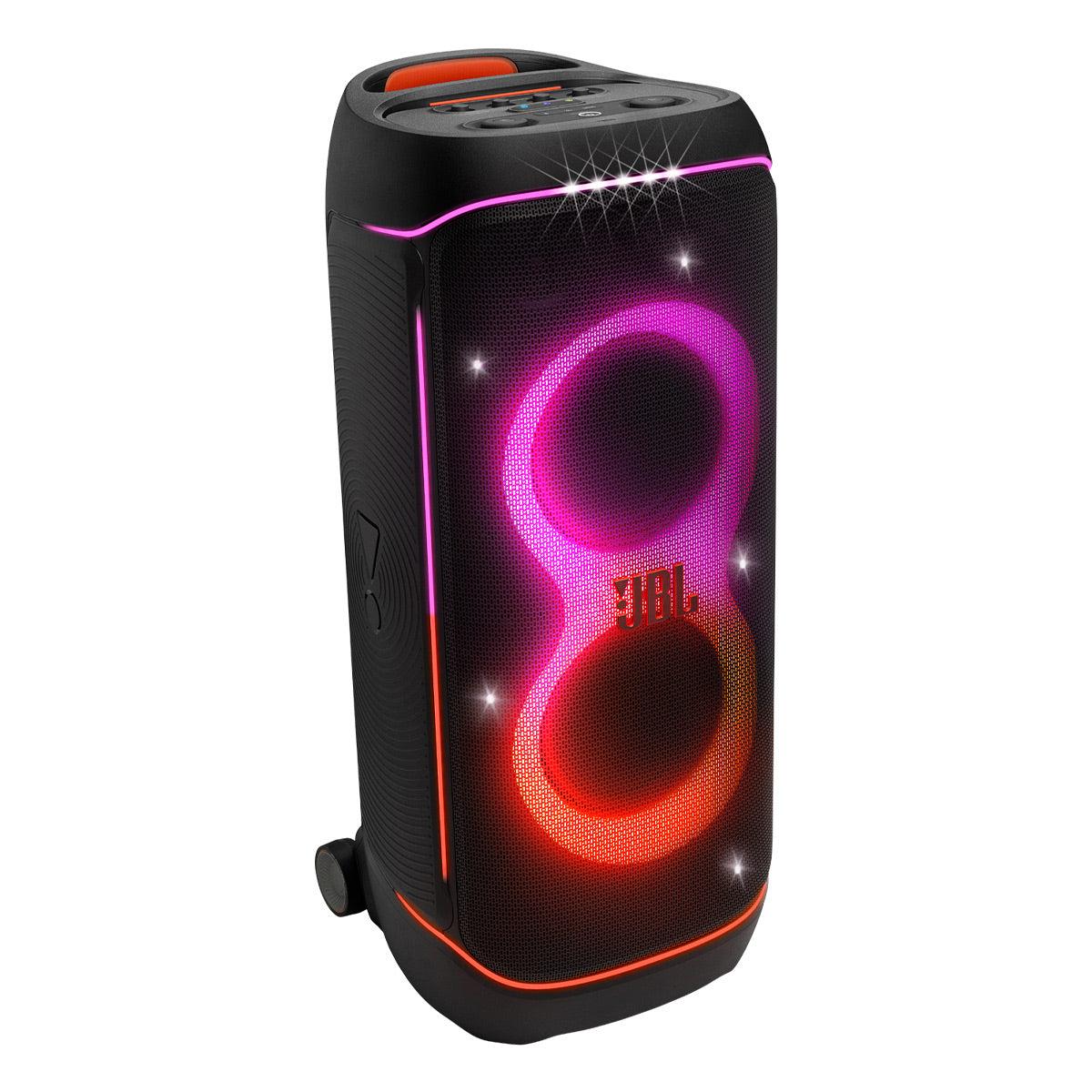
The JBL PartyBox 720 prioritizes raw power and crowd-pleasing impact through dual massive 9-inch woofers paired with 1.25-inch tweeters. While this two-way design lacks dedicated midrange drivers, JBL compensates with AI Sound Boost technology that analyzes audio in real-time and optimizes performance for maximum impact. The larger woofers move significantly more air, creating the chest-thumping bass that energizes parties and makes electronic music feel visceral.
Raw numbers tell an important story here. The Marshall Woburn III delivers 150 watts distributed across its five drivers, achieving a maximum sound pressure level of 100.5 dB at one meter. This might seem modest compared to party speakers, but it's actually impressive for home listening. Most people rarely need more than 85-90 dB for comfortable listening, and the Woburn III's clean amplification means it maintains clarity even when pushed to its limits.
The JBL PartyBox 720 unleashes 800 watts of power—more than five times the Marshall's output. This massive power enables it to fill basketball courts and outdoor venues with ease. However, raw wattage doesn't tell the whole story. The PartyBox 720's power serves a different purpose: projecting sound across large spaces and overcoming ambient noise at parties where people are talking and moving around.
The frequency response tells another important story. The Marshall Woburn III extends from 35Hz to 20kHz, covering nearly the full range of human hearing with emphasis on accuracy. The PartyBox 720 reaches slightly lower at 32Hz but prioritizes the 40-200Hz range where dance music and hip-hop derive their impact.
Both speakers offer app-based sound customization, but their approaches reflect their different missions. The Marshall Bluetooth app provides placement compensation—a clever feature that adjusts the sound based on whether you've positioned the speaker near walls or in corners. This corrects for acoustic reflections that can muddy the sound, ensuring optimal performance regardless of placement.
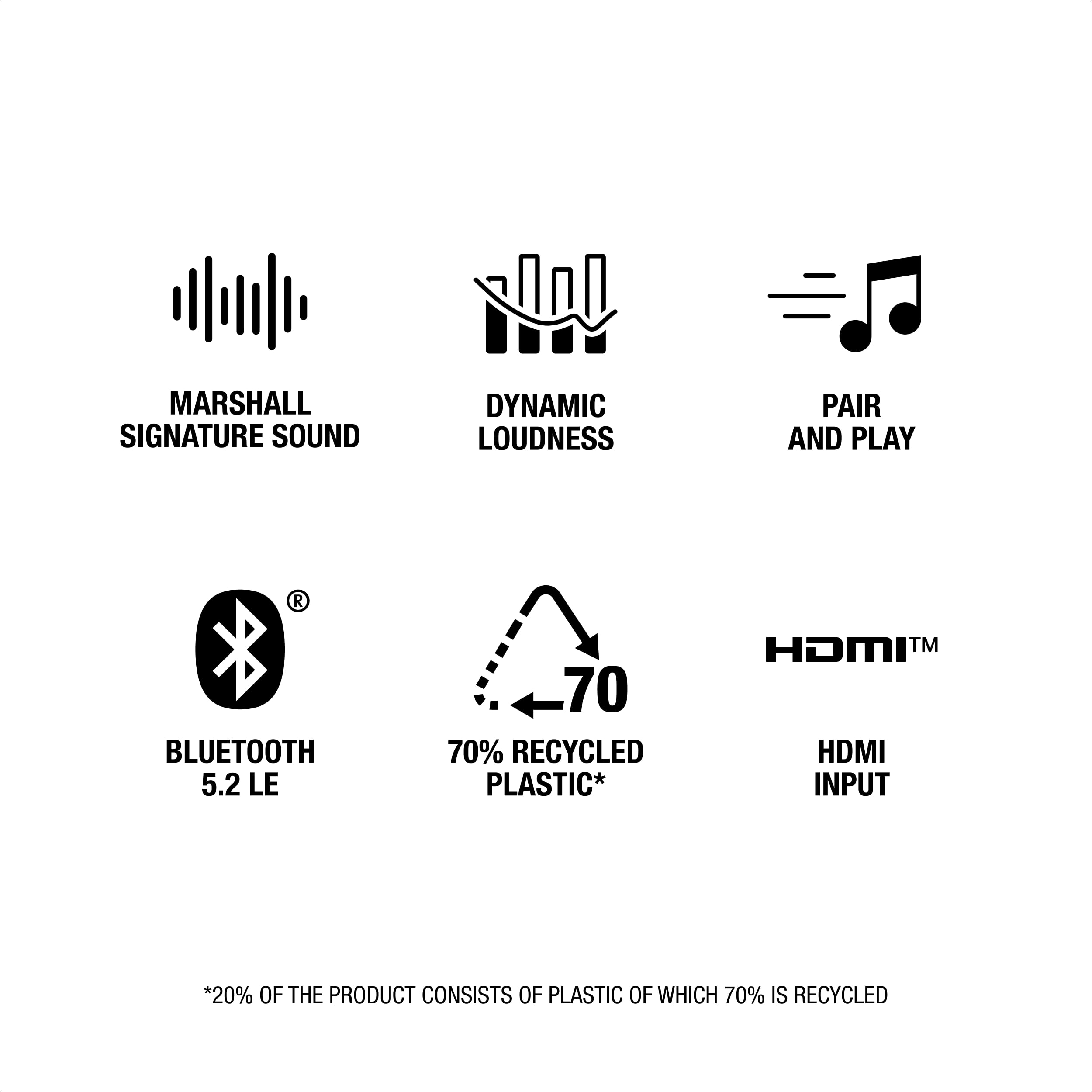
The app also enables Dynamic Loudness, which automatically adjusts the tonal balance at different volume levels. At low volumes, human ears perceive less bass and treble, so this feature boosts these frequencies to maintain balanced sound during late-night listening sessions.
The JBL PartyBox app focuses on party optimization with a seven-band graphic equalizer offering precise frequency control. More importantly, it synchronizes lighting effects with music and provides presets optimized for different music genres and party scenarios.
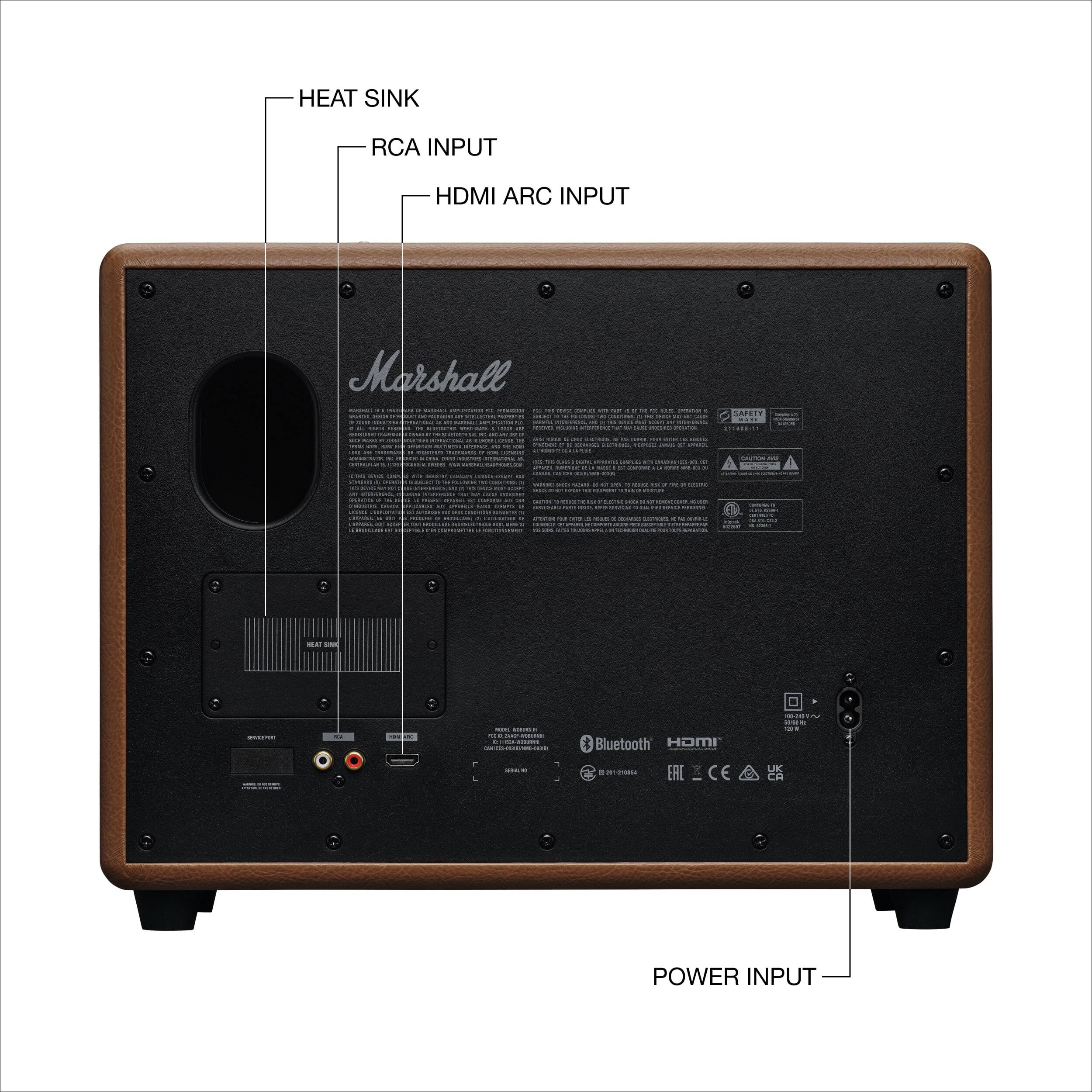
The Marshall Woburn III excels at becoming part of your home entertainment system through its HDMI ARC (Audio Return Channel) connection. This feature transforms the speaker into a premium TV soundbar, automatically powering on when you start watching and following your TV's volume controls. The HDMI connection also enables Night Mode, which reduces sudden loud sounds while boosting dialogue—perfect for late-night movie watching without disturbing others.
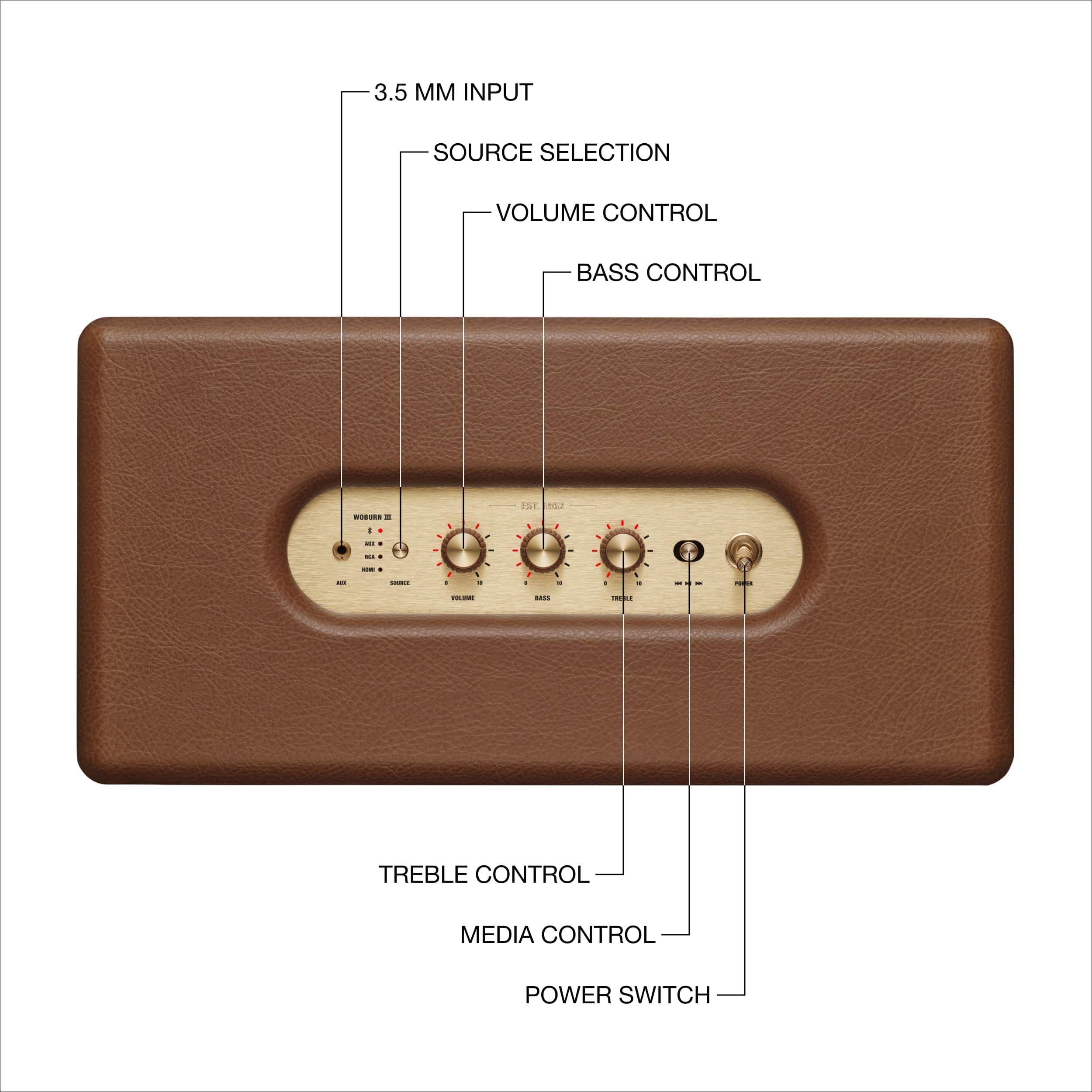
Additional inputs include RCA connections for turntables and hi-fi components, plus a 3.5mm auxiliary input for phones and tablets. This versatility makes the Marshall equally capable with vintage vinyl records and modern streaming sources.
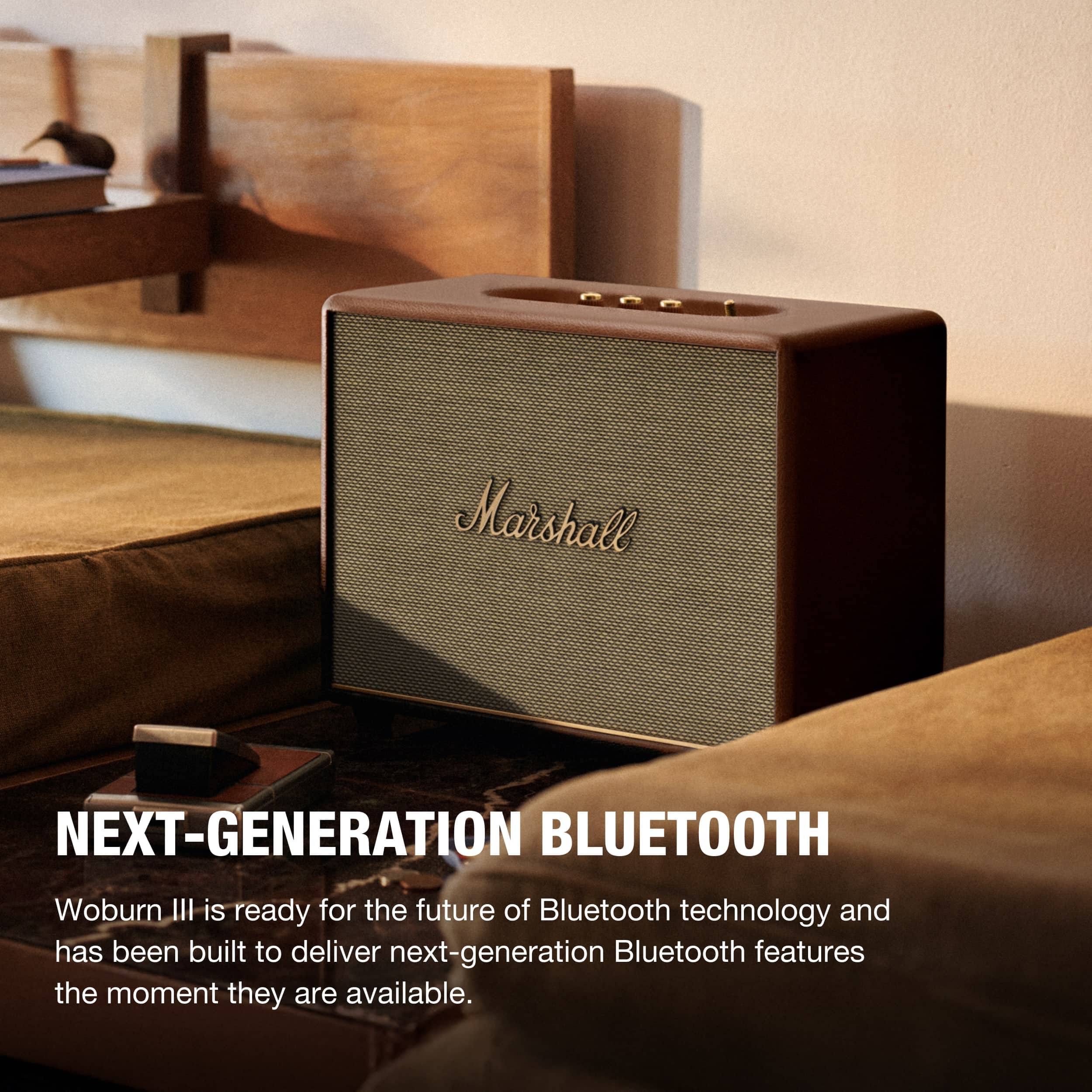
Bluetooth 5.2 brings notable improvements over earlier versions, including better connection stability and multipoint connectivity. This means you can pair two devices simultaneously—perhaps your phone and laptop—and seamlessly switch between them without reconnecting.
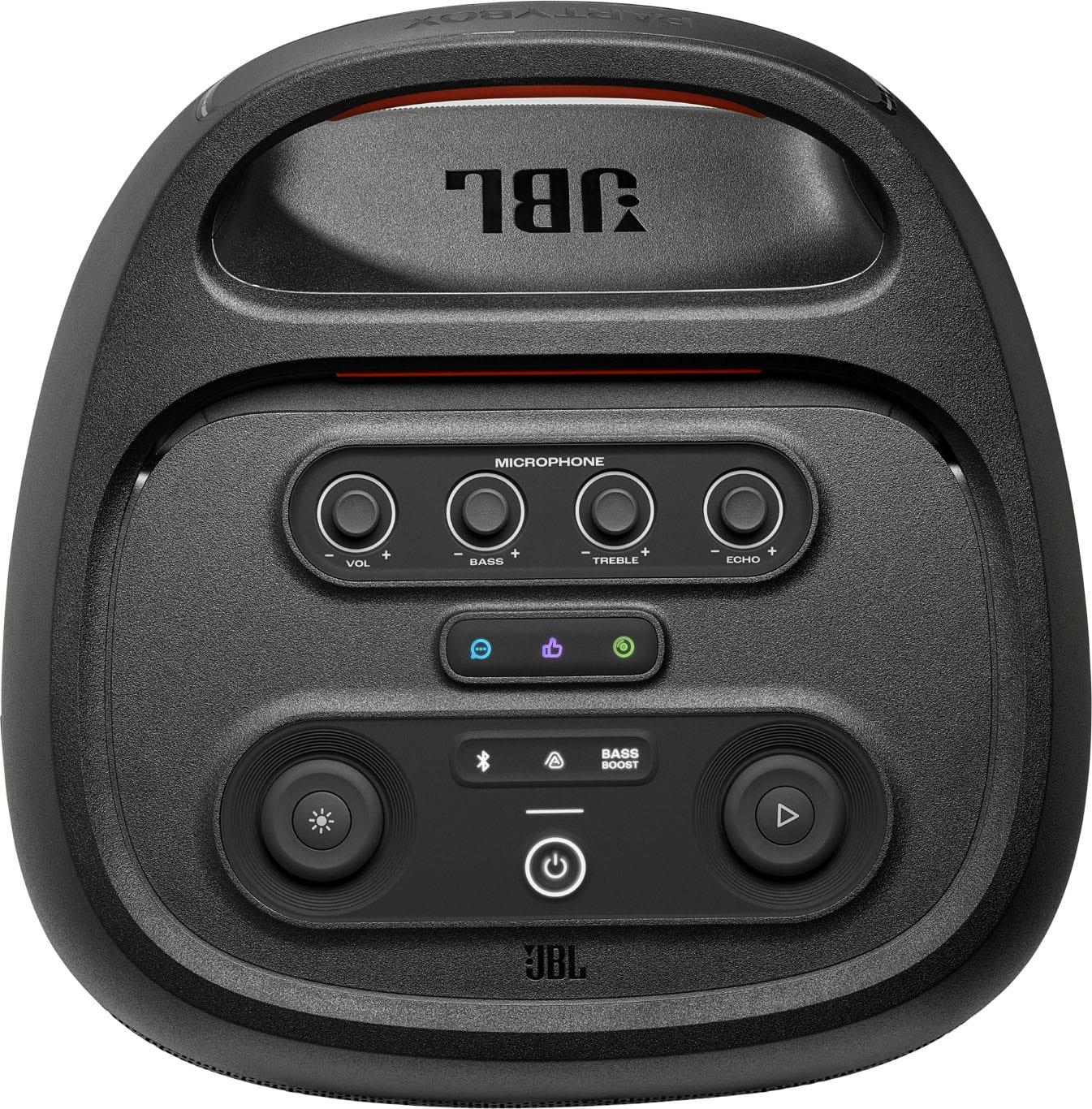
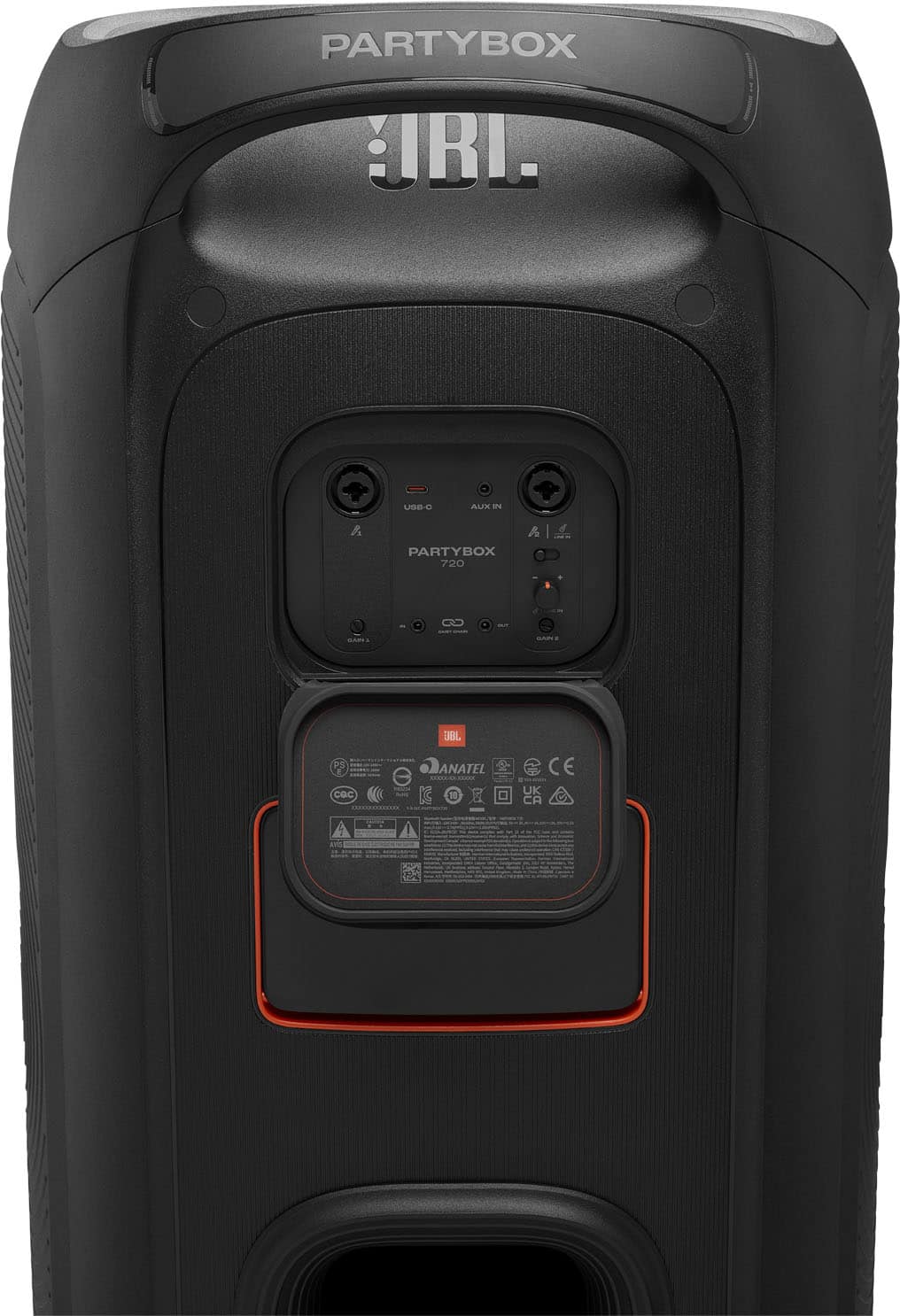
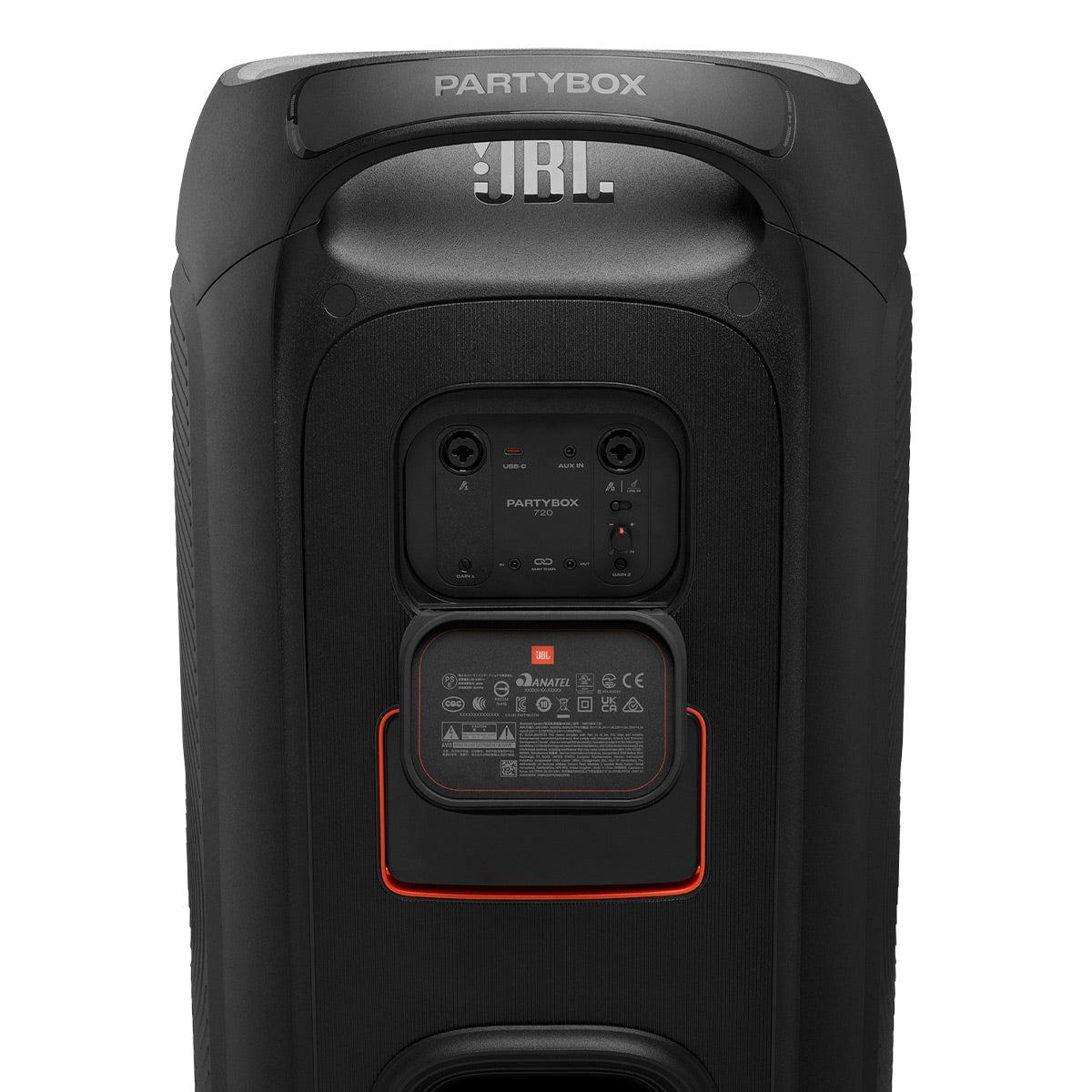
The JBL PartyBox 720 prioritizes live event capabilities with dual XLR inputs supporting both microphones and musical instruments. These professional-grade connections include individual volume controls, bass and treble adjustments, and echo effects for karaoke performances. You can literally plug in guitars or keyboards and perform live, making this speaker a complete portable PA system.
The USB-C port serves dual purposes: high-quality audio streaming from compatible devices and device charging to keep phones powered during extended parties. Bluetooth 5.4 with Auracast technology enables wireless linking of multiple compatible speakers, creating a distributed sound system that can cover massive venues.
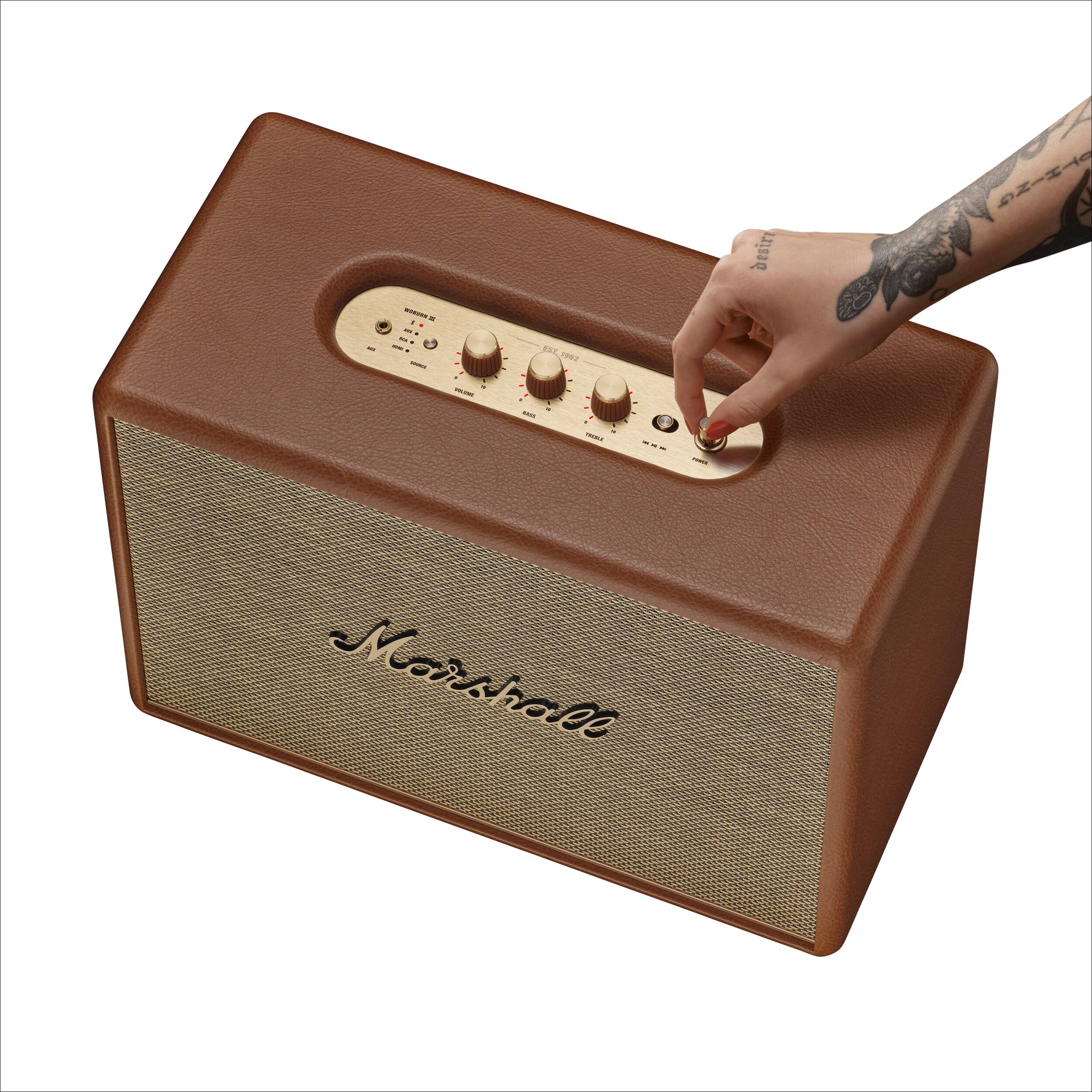
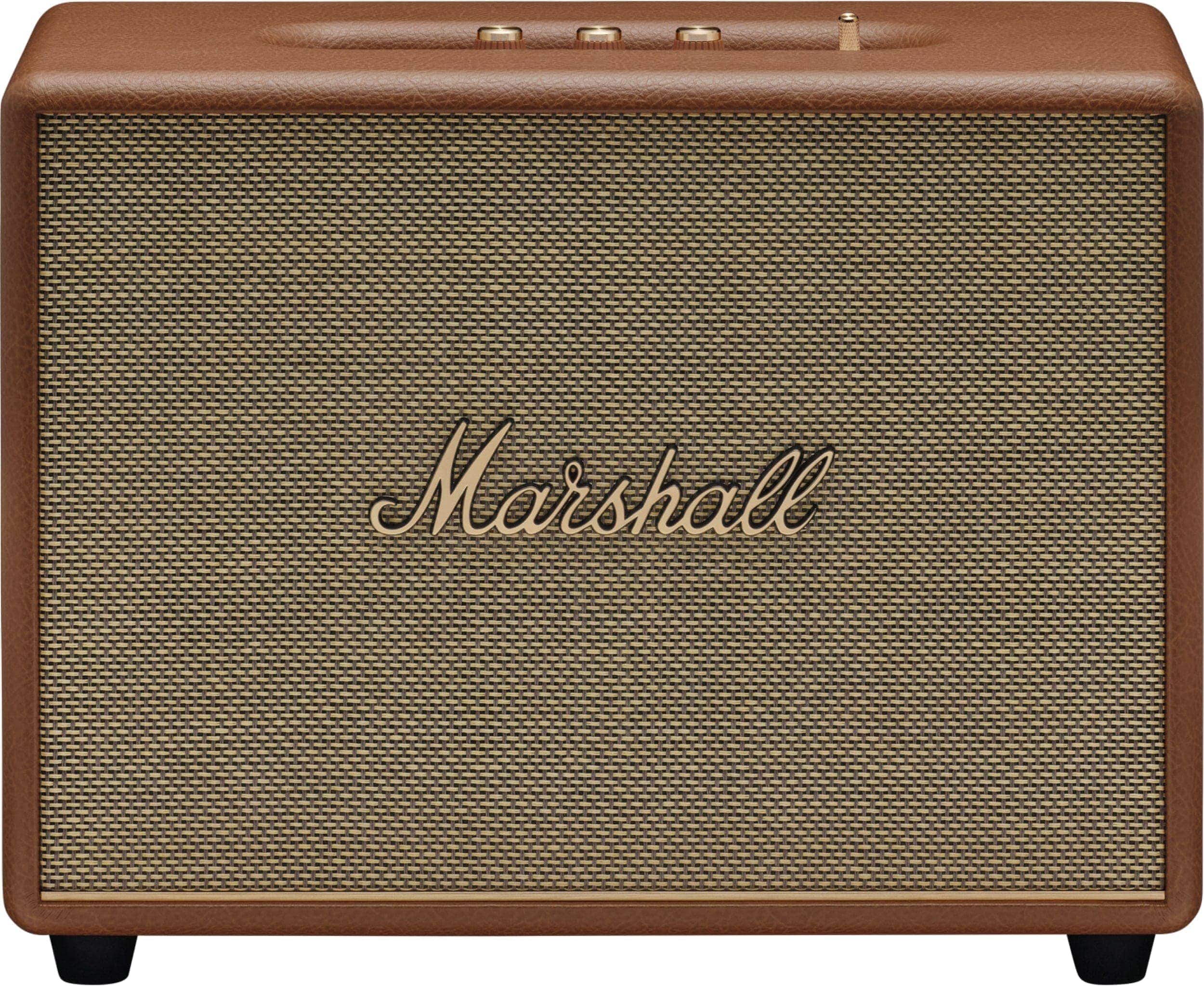
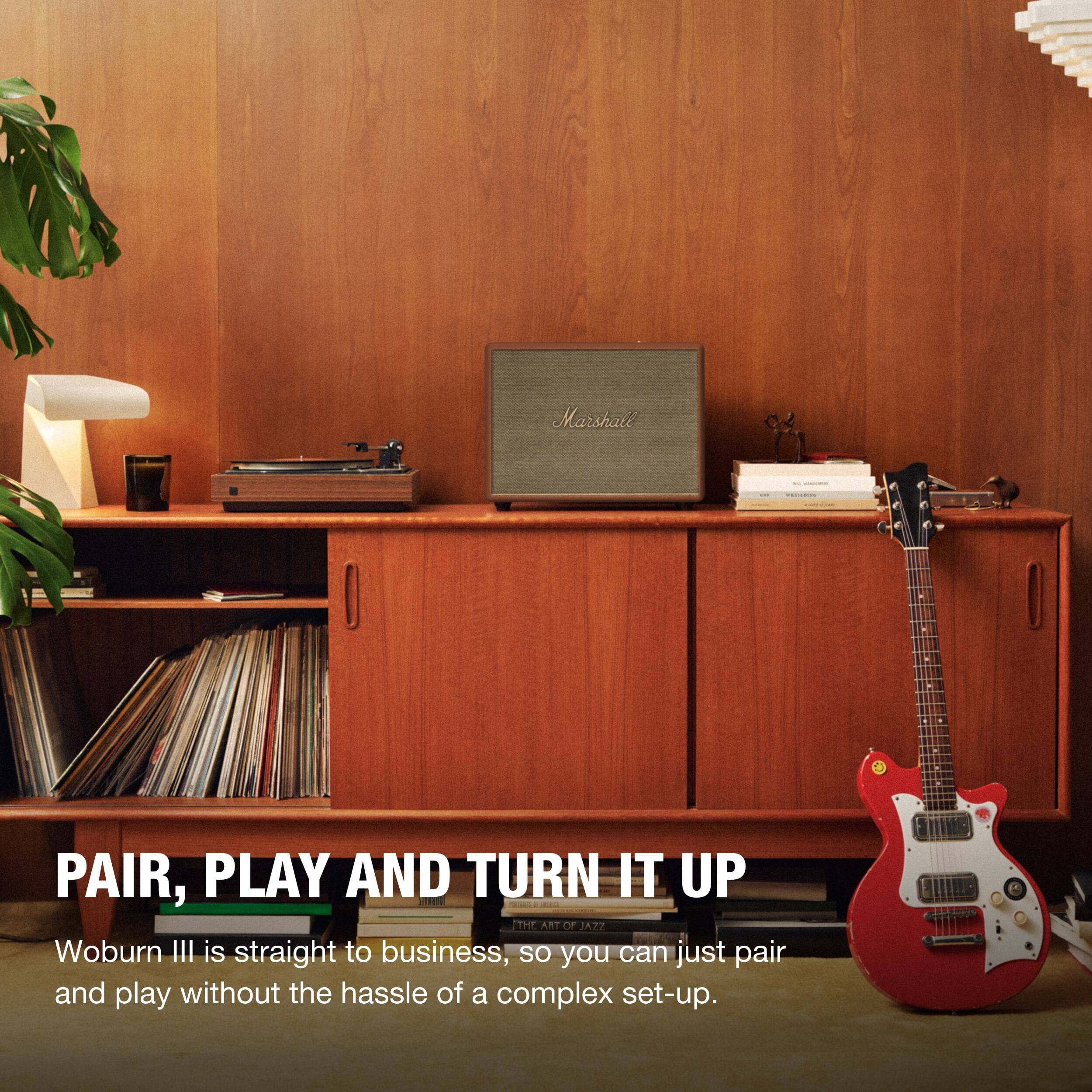
The Marshall Woburn III weighs 31 kilograms and requires constant AC power, clearly designed as stationary furniture that enhances room aesthetics. Its construction uses 70% recycled plastic with a vegan leather texture that mimics Marshall's classic amplifier styling. The brass control knobs and script logo create an instantly recognizable vintage aesthetic that complements most home décor styles.
This stationary approach offers advantages: consistent power delivery, no battery degradation concerns, and the ability to use larger, heavier drivers for better sound quality. The substantial weight also helps minimize vibrations that can color the sound.
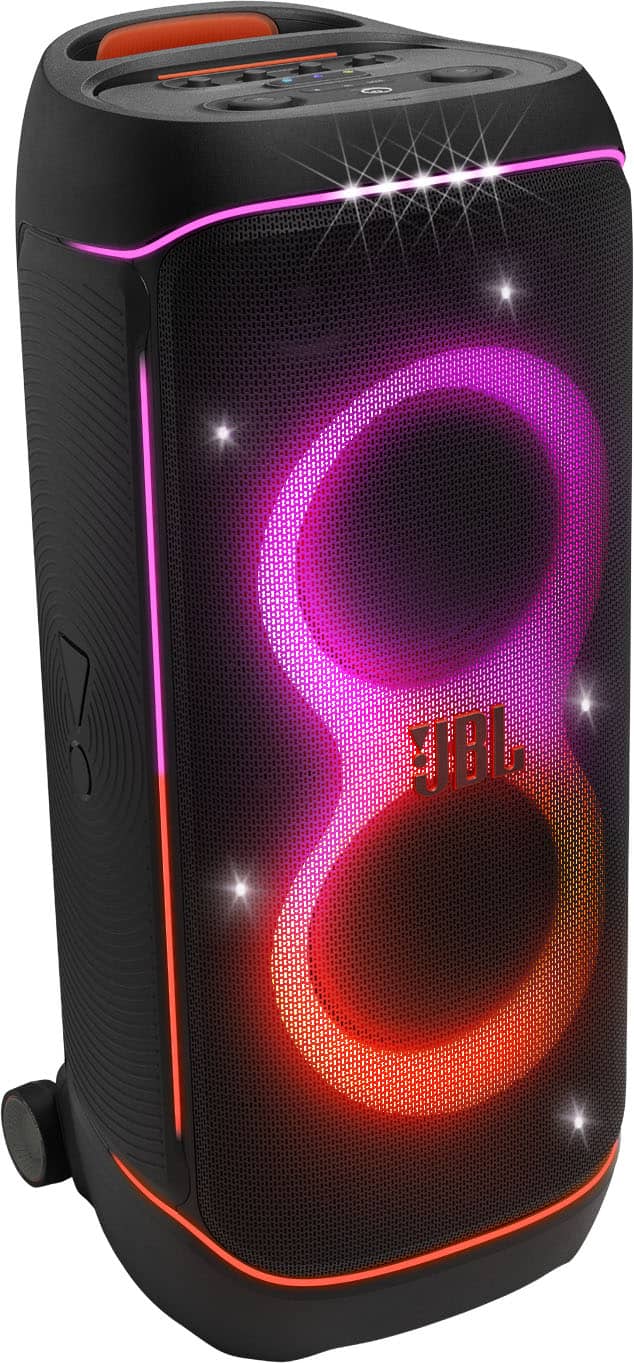
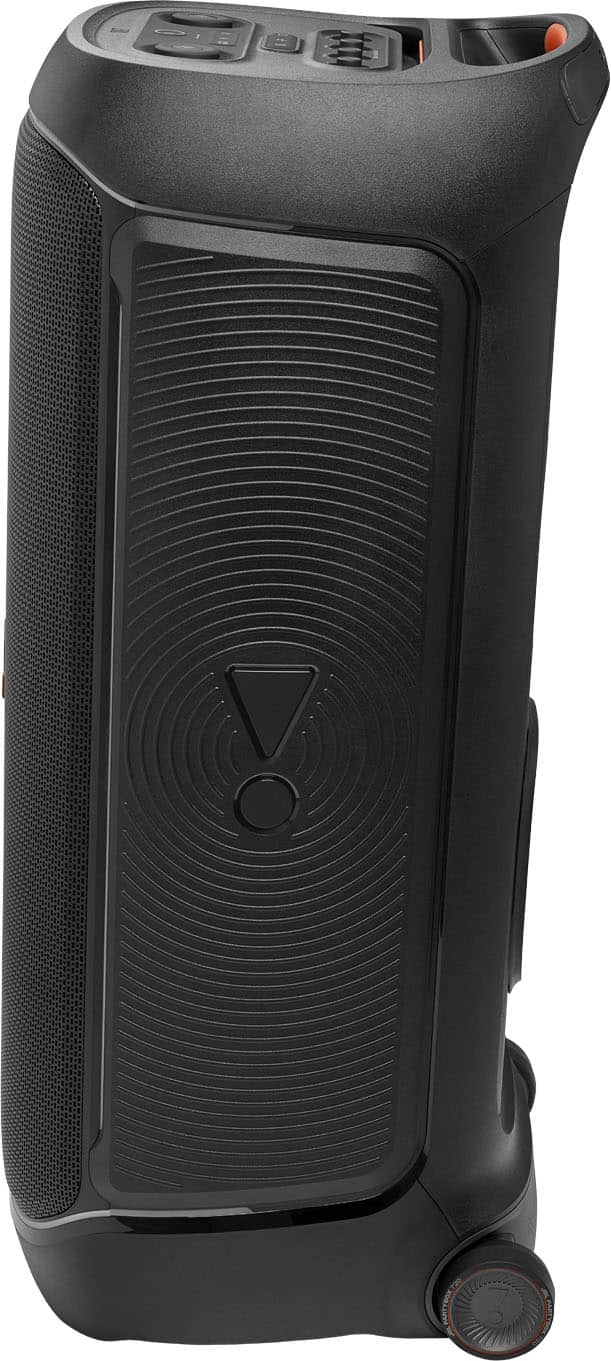
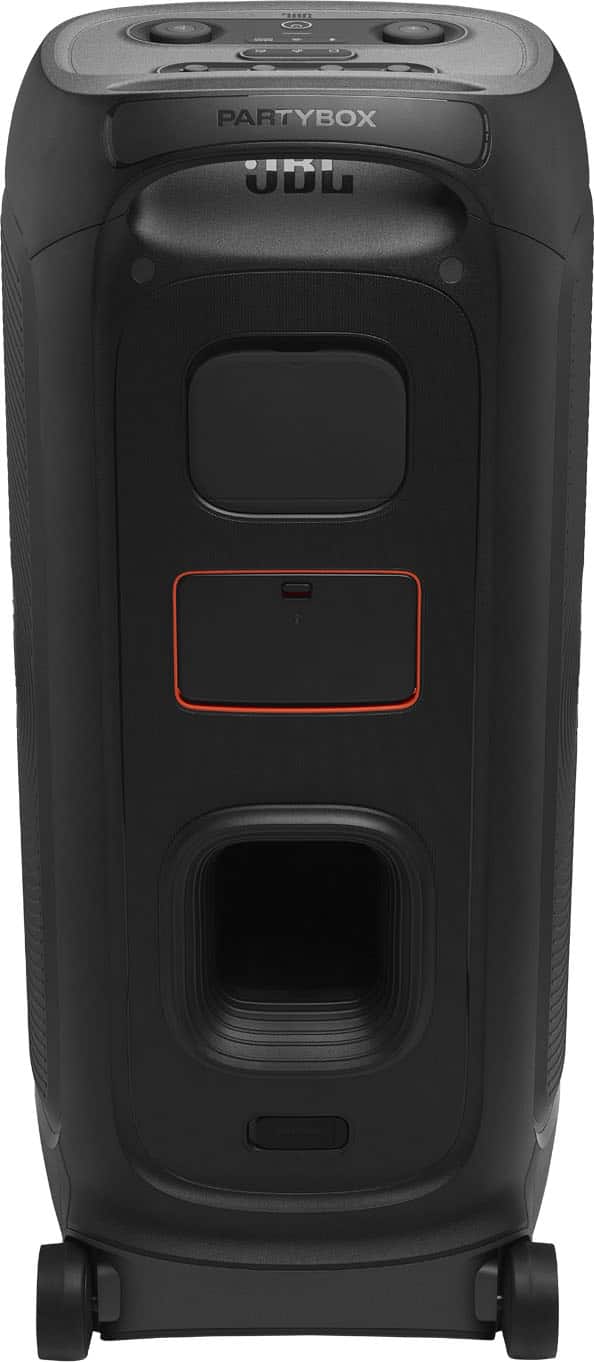
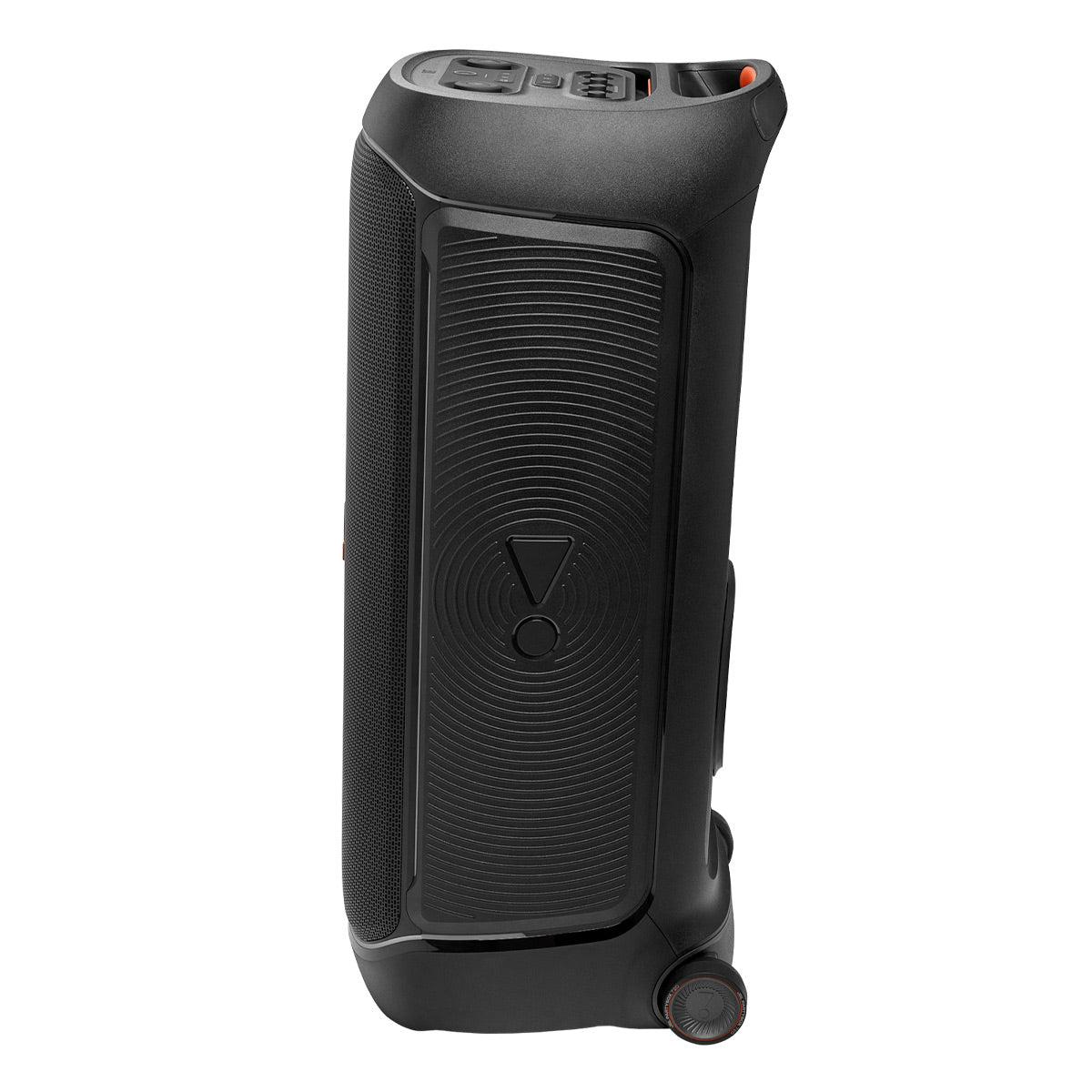
The JBL PartyBox 720 weighs the same but includes integrated wheels and handles for true portability. Its IPX4 splash-proof rating means it can handle poolside splashes and light rain—crucial for outdoor gatherings. The industrial design prioritizes durability with reinforced corners and a robust grille system that protects the drivers during transport.
The Marshall requires wall power, which limits placement flexibility but ensures consistent performance. There's no battery anxiety or performance degradation over time, and the speaker automatically enters standby mode after ten minutes of inactivity to save energy.
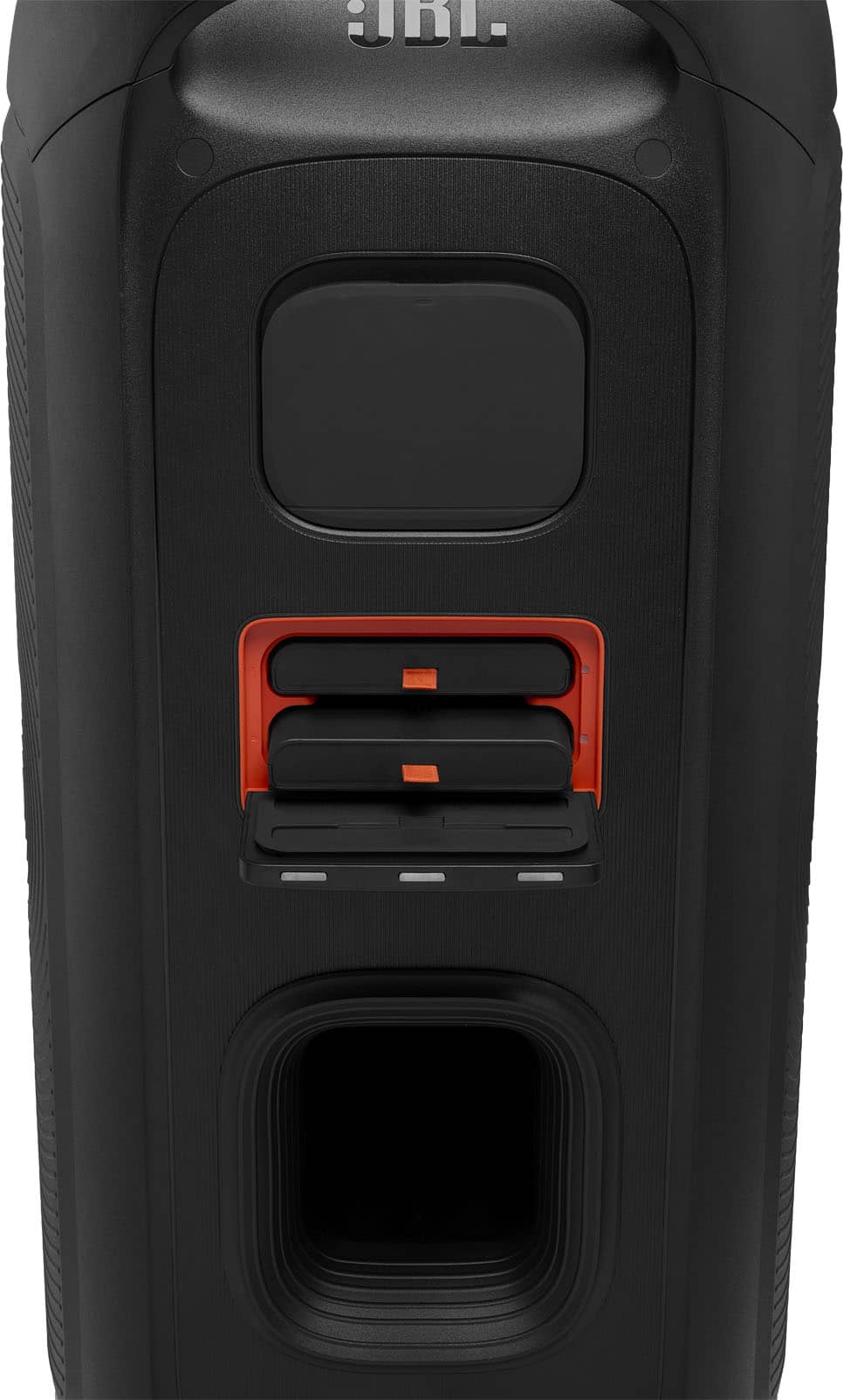
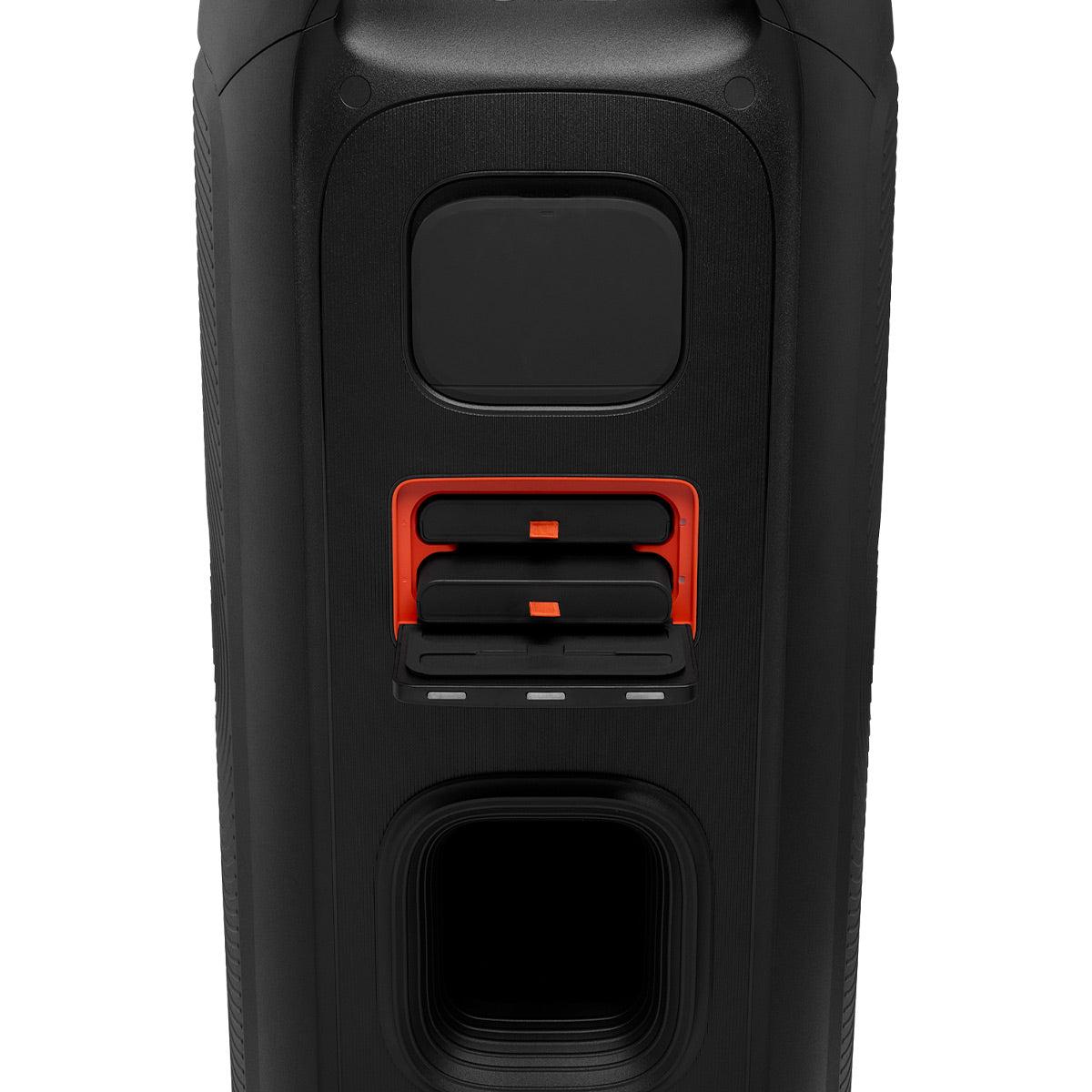
The JBL PartyBox 720 runs on dual removable battery packs, each providing up to 15 hours of playback. The hot-swappable design means you can replace depleted batteries without interrupting the party, theoretically providing unlimited runtime. Fast charging delivers two additional hours after just ten minutes of charging—crucial when you need quick power boosts.
The Marshall Woburn III takes a purist approach, focusing entirely on audio with no visual distractions. Its entertainment value comes from revealing musical details you might miss with lesser speakers. The tactile analog controls provide satisfying interaction without requiring smartphone apps for basic functions.
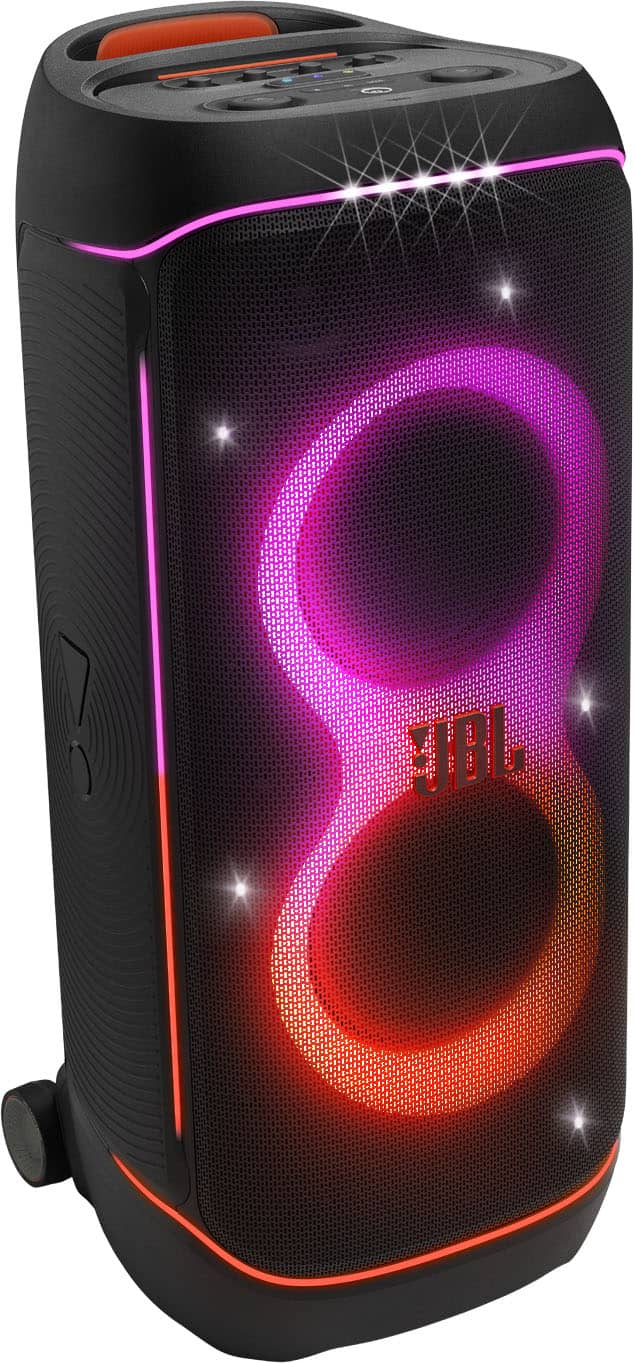
The JBL PartyBox 720 transforms any space with its 360-degree light show featuring starry effects, flowing trails, and pulsing strobes that synchronize with music. These aren't gimmicky additions—they genuinely enhance party atmospheres and create focal points that draw people together. The lighting effects are programmable through the app and can be customized for different events.
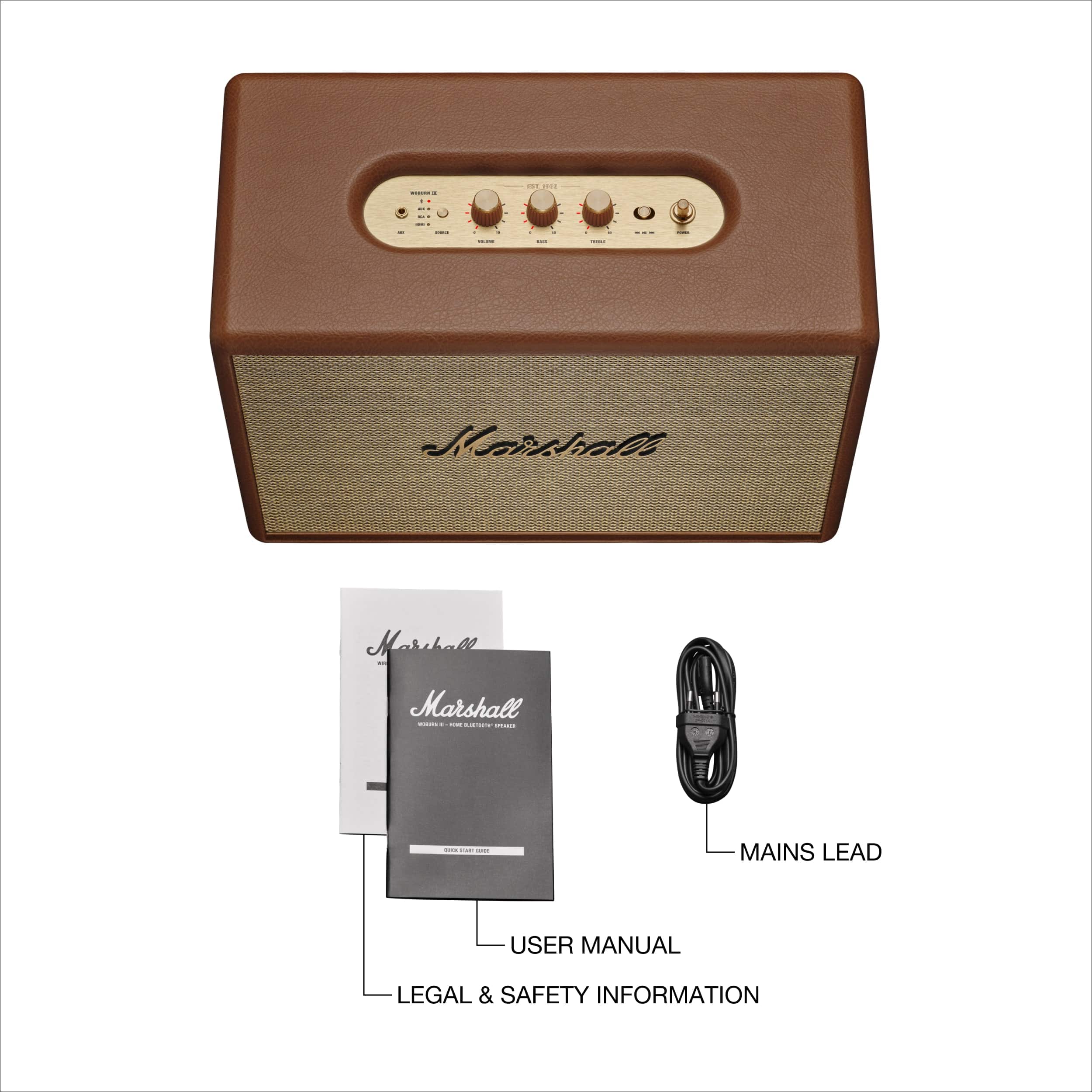
The Marshall's top-panel controls reflect thoughtful design: a substantial volume knob, dedicated bass and treble controls, source selection, and track navigation. These analog controls provide immediate access to essential functions without fumbling with phones in dark rooms.
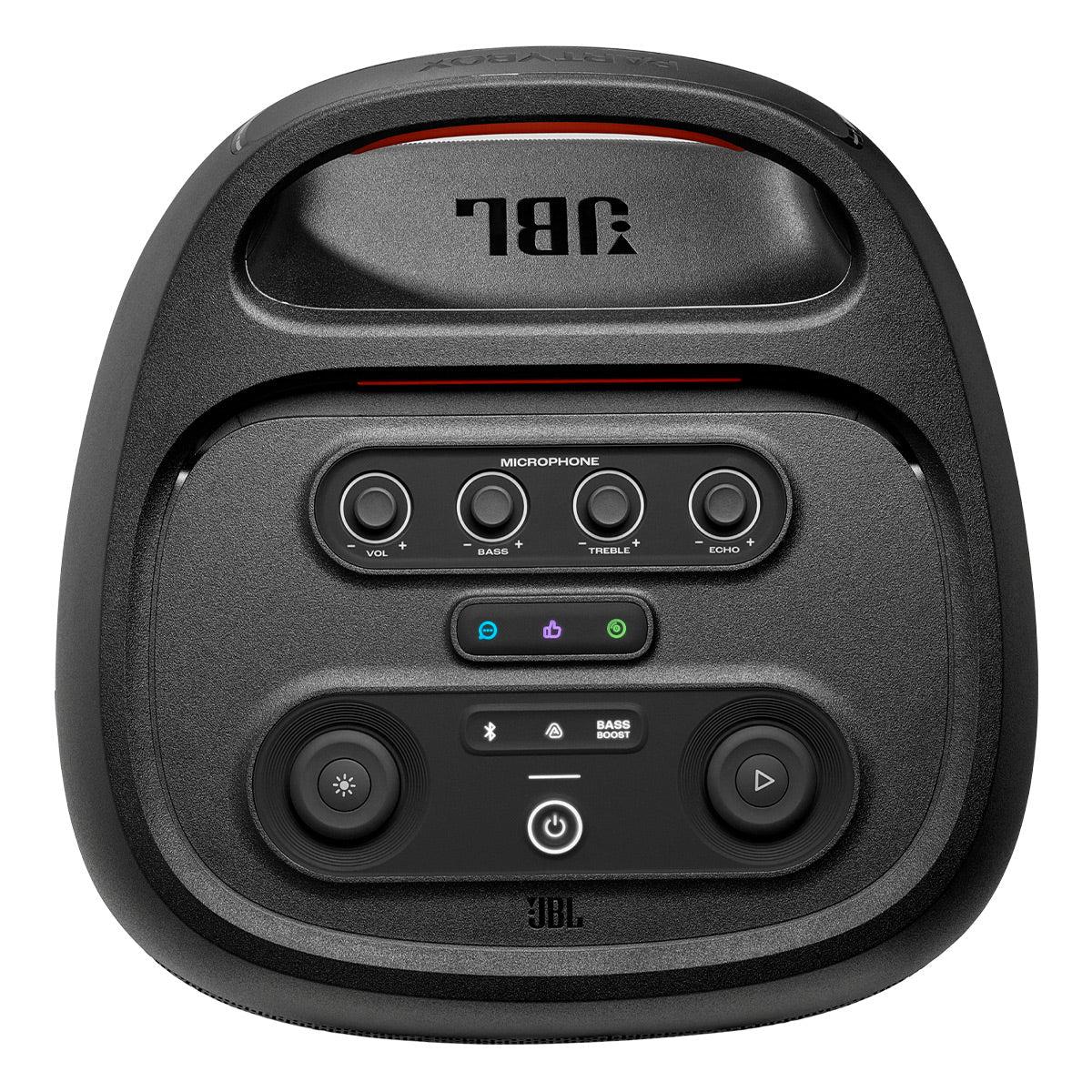
The PartyBox 720 includes comprehensive microphone controls with volume, bass, treble, and echo adjustments directly on the speaker. This makes it viable for impromptu karaoke sessions or announcements without external mixing equipment.
For home theater use, the Marshall Woburn III clearly wins through its HDMI ARC integration and audio-focused design. Its three-way driver system reproduces dialogue clearly while providing substantial bass for action sequences. The Night Mode feature specifically addresses home theater needs by compressing dynamic range for comfortable late-night viewing.
The controlled bass response works better in living rooms where overpowering low-end can disturb neighbors or family members. The wide soundstage created by the angled tweeters provides immersive surround-like effects from a single speaker.
The JBL PartyBox 720 can certainly handle TV audio through Bluetooth, but its party-optimized tuning emphasizes impact over subtlety. The overwhelming bass might prove fatiguing during extended viewing sessions, and the lack of HDMI connection eliminates convenient TV integration features.
At the time of writing, the Marshall Woburn III commands a premium price that reflects its audiophile engineering and luxury materials. This investment makes sense for users who prioritize sound quality and plan to use the speaker daily for critical listening. The timeless design and quality construction suggest it will remain both functional and aesthetically relevant for many years.
The JBL PartyBox 720 costs more but delivers tremendous value for event audio when you consider the massive power output, professional connectivity, integrated lighting, and portability features. For users who regularly host gatherings or need portable PA capabilities, the feature set justifies the higher price.
Both speakers benefit from firmware updates via their respective apps, ensuring they remain current with evolving Bluetooth standards and gain new features over time. The Marshall focuses on audio refinements, while the JBL typically adds new lighting effects and connectivity features.
Choose the Marshall Woburn III if you're building a sophisticated home audio system where sound quality matters most. It excels for critical music listening, seamless TV integration, and situations where aesthetic integration with home décor is important. The refined three-way audio system reveals musical details that party speakers simply can't match, making it ideal for jazz, classical, acoustic music, and any genre where subtlety matters.
The Marshall also makes sense for apartment dwellers who need powerful sound without disturbing neighbors, thanks to its controlled bass response and Dynamic Loudness feature that maintains balance at lower volumes.
Choose the JBL PartyBox 720 if you regularly host gatherings, need truly portable high-powered audio, or want a speaker that can handle both background music and live performance scenarios. Its massive power output, rugged construction, and entertainment features create party atmospheres that dedicated home speakers simply cannot match.
The PartyBox 720 particularly excels for electronic music, hip-hop, rock, and any genre that benefits from visceral bass impact. Its versatility as both a party speaker and portable PA system provides excellent value for users with varied audio needs.
Consider your primary use case honestly. If you listen to music alone or with small groups in controlled environments, the Marshall's refined approach will provide more long-term satisfaction. If you need audio that energizes crowds and survives real-world conditions, the JBL's party-focused design delivers unmatched capability.
Both speakers excel in their intended domains and represent solid investments for their target users. The key is matching the speaker's strengths to your actual listening habits rather than being swayed by impressive specifications that don't align with your needs.
| Marshall Woburn III | JBL PartyBox 720 |
|---|---|
| Total Power Output - Determines maximum volume and room-filling capability | |
| 150W RMS (ideal for medium-large rooms) | 800W RMS (fills basketball courts and outdoor venues) |
| Driver Configuration - Affects sound quality and frequency separation | |
| 3-way system: 6" woofer + dual 2" mids + dual 0.75" tweeters | 2-way system: dual 9" woofers + dual 1.25" tweeters |
| Frequency Response - Shows bass depth and treble extension | |
| 35Hz - 20kHz (audiophile-grade full range) | 32Hz - 20kHz (slightly deeper bass for party music) |
| Weight and Portability - Critical for intended use scenarios | |
| 31kg, AC-powered only (stationary home use) | 31kg with wheels/handle, battery-powered (truly portable) |
| Battery Life - Matters for outdoor/portable use | |
| No battery (requires wall outlet) | Up to 15 hours per battery pack (hot-swappable) |
| Water Resistance - Important for outdoor/poolside use | |
| None (indoor use only) | IPX4 splash-proof (handles poolside splashes) |
| TV Integration - Key for home theater setups | |
| HDMI ARC with auto power/volume control + Night Mode | Bluetooth only (no seamless TV integration) |
| Lighting Effects - Entertainment value for gatherings | |
| None (audio-focused design) | 360° synchronized light show with multiple modes |
| Microphone/Instrument Inputs - Live performance capability | |
| None | Dual XLR inputs with echo effects and mixing controls |
| Multi-Speaker Linking - Expandability for larger venues | |
| Not supported | Auracast wireless linking + stereo pairing |
| Bluetooth Version - Affects connection quality and features | |
| 5.2 with multipoint (connect 2 devices) | 5.4 with Auracast broadcasting capability |
| Sound Character - Tonal balance and listening experience | |
| Balanced audiophile tuning with controlled bass | Party-optimized with emphasized bass impact |
| Build Materials - Affects aesthetics and sustainability | |
| 70% recycled plastic, vegan leather texture | Industrial-grade construction for durability |
| Release Year - Shows technology generation | |
| 2022 (mature home audio platform) | 2024 (latest party speaker technology) |
The Marshall Woburn III is significantly better for home use. It's designed specifically for indoor environments with HDMI ARC connectivity for seamless TV integration, refined three-way audio for critical listening, and a classic aesthetic that complements home décor. The JBL PartyBox 720 is built for parties and events with industrial styling and party-focused features that aren't ideal for daily home listening.
Yes, but only the Marshall Woburn III excels as a TV soundbar. It features HDMI ARC connectivity that automatically powers on with your TV, follows volume controls, and includes Night Mode for comfortable late-night viewing. The JBL PartyBox 720 can connect via Bluetooth but lacks TV-specific features and its party-tuned sound isn't optimized for dialogue clarity.
The JBL PartyBox 720 is dramatically louder with 800W output versus the Marshall Woburn III's 150W. The JBL is specifically designed for parties with massive bass output, 360-degree light shows, microphone inputs for karaoke, and rugged portability. The Marshall focuses on refined home listening rather than party volume.
The Marshall Woburn III requires constant AC power and cannot run on batteries. The JBL PartyBox 720 can run on dual removable battery packs for up to 15 hours, with hot-swappable batteries for unlimited runtime. This makes the JBL truly portable while the Marshall is designed for stationary home use.
The Marshall Woburn III delivers superior sound quality for critical music listening. Its three-way driver system with dedicated midrange drivers provides better instrument separation, clearer vocals, and more balanced sound across all frequencies. The JBL PartyBox 720 prioritizes impact and volume over audio refinement, making it better for party atmosphere than audiophile listening.
Only the JBL PartyBox 720 is suitable for outdoor use. It features IPX4 splash-proof rating, battery power, wheels and handles for easy transport, and rugged construction designed for events. The Marshall Woburn III lacks water resistance, requires AC power, and isn't designed for outdoor conditions.
The Marshall Woburn III is much better for apartments. Its controlled bass response won't disturb neighbors, Dynamic Loudness maintains balanced sound at lower volumes, and its refined audio works well in smaller spaces. The JBL PartyBox 720 produces overwhelming bass that can cause noise complaints and is designed for much larger spaces than typical apartments.
The Marshall Woburn III supports multipoint Bluetooth, allowing two devices to stay connected simultaneously for easy switching between phone and laptop audio. The JBL PartyBox 720 focuses on single-device connections but can link wirelessly with other compatible JBL speakers using Auracast technology for expanded coverage.
Value depends on your needs. The Marshall Woburn III offers excellent value for home listening with premium audio engineering, multiple connectivity options, and timeless design. The JBL PartyBox 720 provides tremendous value for event use, considering its massive power, portability, lighting effects, and professional features. Choose based on whether you prioritize home audio quality or party capabilities.
Only the JBL PartyBox 720 accepts microphones with dual XLR inputs, individual volume controls, and echo effects for karaoke or announcements. It essentially functions as a portable PA system. The Marshall Woburn III has no microphone inputs and focuses purely on music playback rather than live performance features.
Both excel at bass but serve different purposes. The Marshall Woburn III delivers controlled, accurate bass that extends to 35Hz with excellent definition for all music genres. The JBL PartyBox 720 produces more powerful, chest-thumping bass optimized for electronic music and party atmosphere. The Marshall offers better bass quality while the JBL provides more bass quantity and impact.
The Marshall Woburn III is specifically designed for home theater with HDMI ARC connectivity, Night Mode for dialogue clarity, and balanced sound that works well for movies and TV. The three-way drivers provide clear dialogue reproduction and controlled bass that won't overwhelm your living room. The JBL PartyBox 720 lacks TV integration features and its party-tuned sound emphasizes bass over dialogue clarity, making it less suitable for home theater applications.
We've done our best to create useful and informative comparisons to help you decide what product to buy. Our research uses advanced automated methods to create this comparison and perfection is not possible - please contact us for corrections or questions. These are the sites we've researched in the creation of this article: loudersound.com - ash-asia.zendesk.com - armorsound.com - rtings.com - crutchfield.com - rtings.com - stereoguide.com - bestbuy.com - hometechnologyreview.com - crutchfield.com - sweetwater.com - rtings.com - youtube.com - greentoe.com - versus.com - idownloadblog.com - marshall.com - youtube.com - comparisontabl.es - youtube.com - versus.com - crutchfield.com - device.report - consumerreports.org - sg.tcacoustic.asia - stereoindex.com - safemark.com - smarthomesounds.co.uk - marshall.com - device.report - bestbuy.com - marshall.com - stereoindex.com - youtube.com - youtube.com - youtube.com - youtube.com - comparisontabl.es - jbl.com - youtube.com - youtube.com - youtube.com - bestbuy.com - versus.com - youtube.com - youtube.com - versus.com - youtube.com - jbl.com - news.jbl.com - engadget.com - news.harman.com - youtube.com - creativeaudio.net - jbl.com - skybygramophone.com - crutchfield.com - manuals.plus - youtube.com

Privacy Policy
Terms and Conditions - Affiliate Policy
Home Security
© Copyright 2008-2026.
11816 Inwood Rd #1211, Dallas, TX 75244