

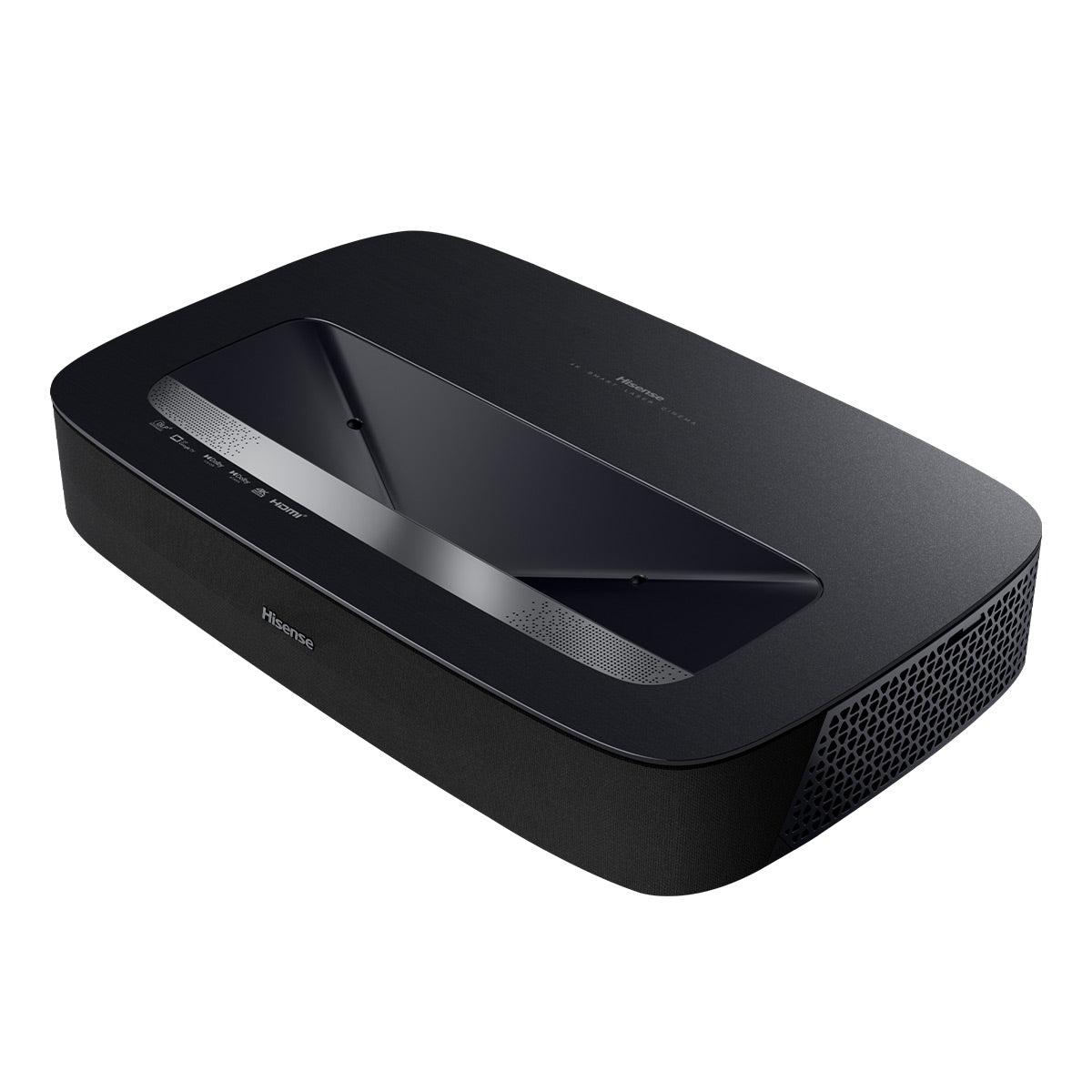
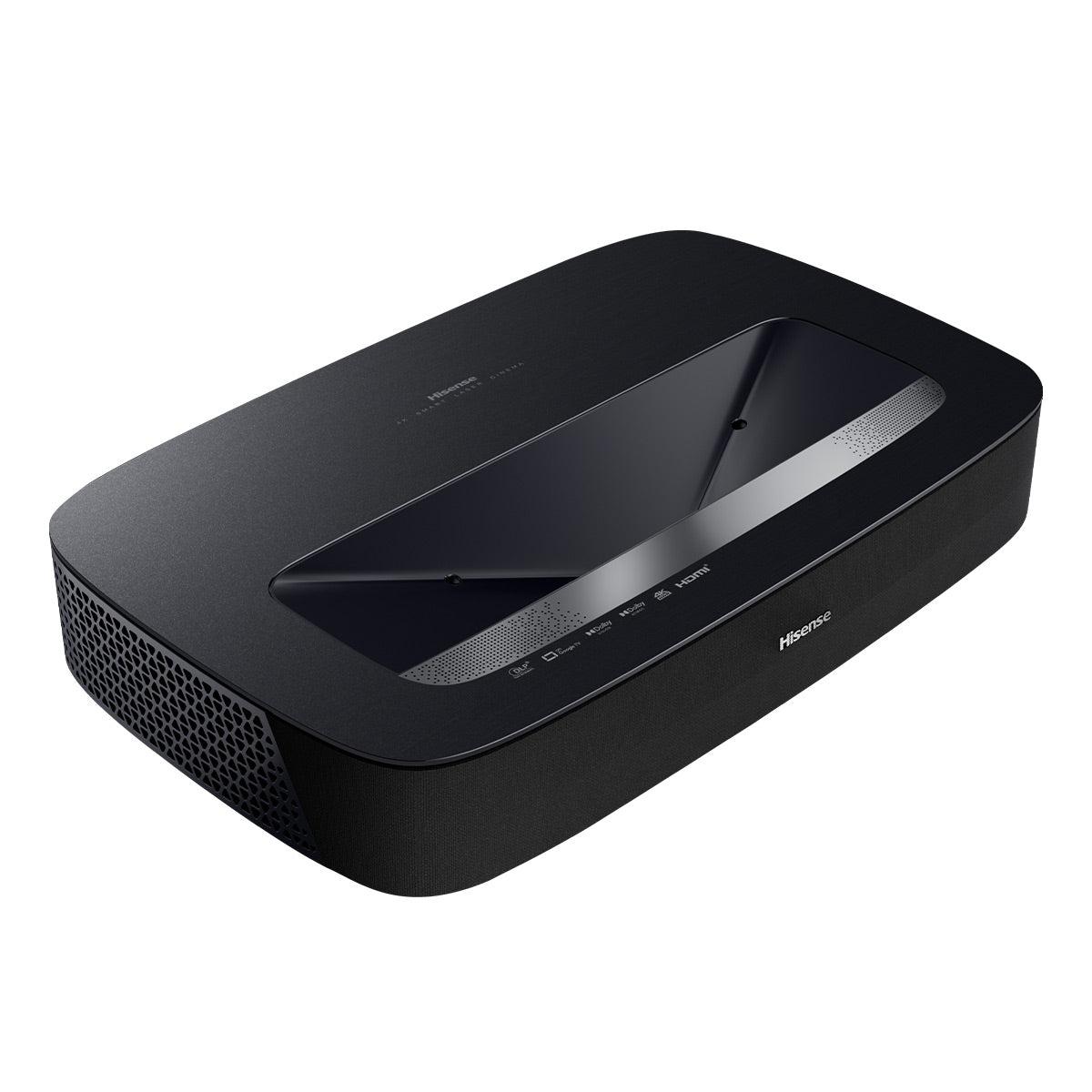
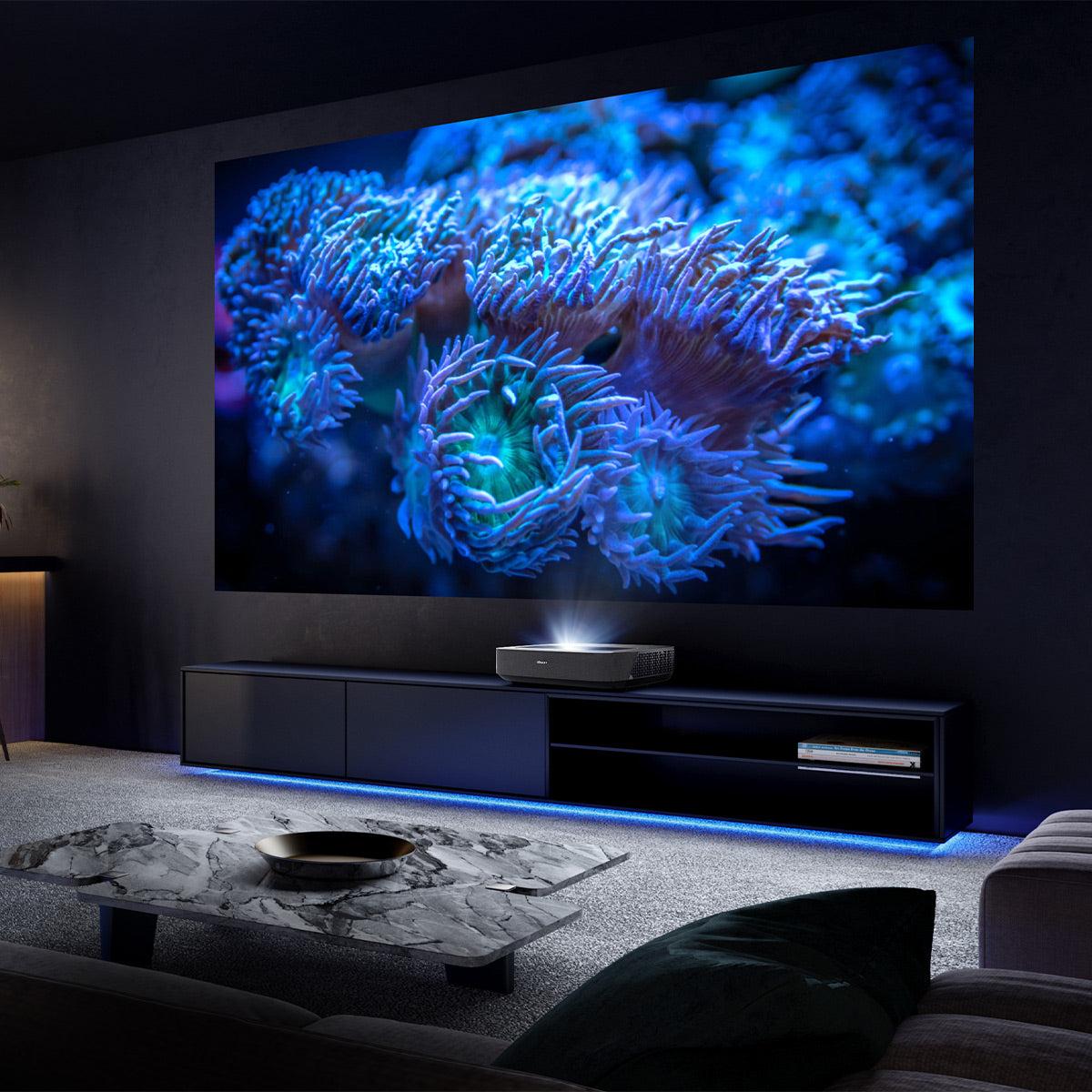
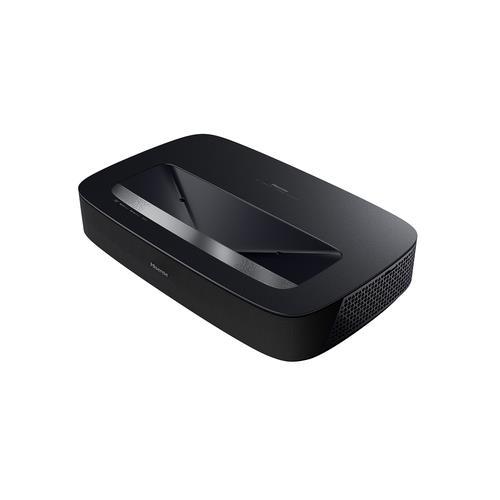
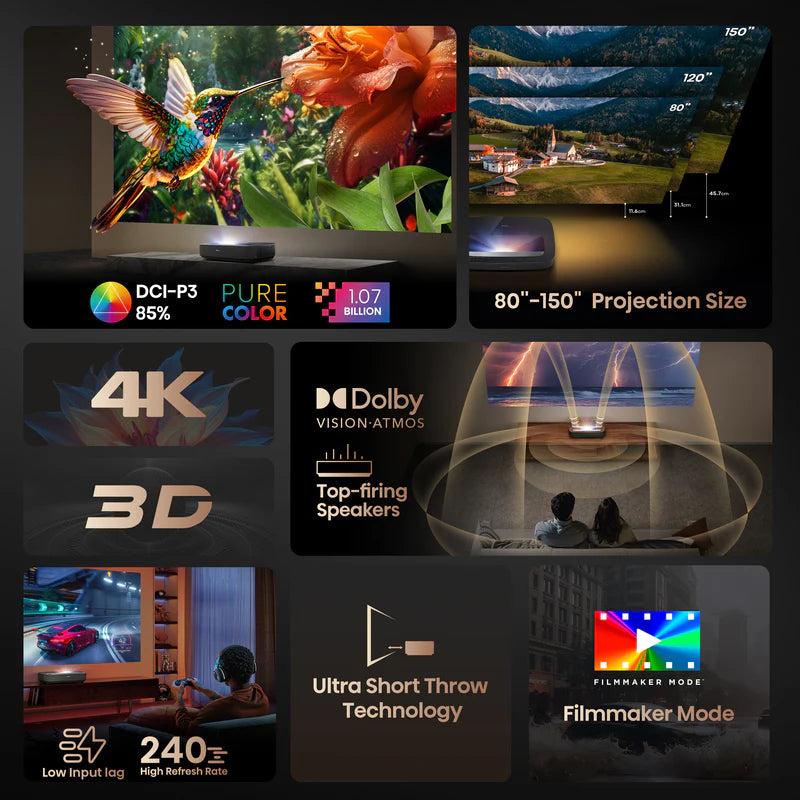
If you've been dreaming of a massive 100-inch screen in your living room but don't want to mount a traditional projector on your ceiling or worry about people walking through the light beam, ultra short throw (UST) projectors might be exactly what you're looking for. These clever devices sit just inches from your wall, projecting enormous, crisp images while taking up about as much space as a soundbar.
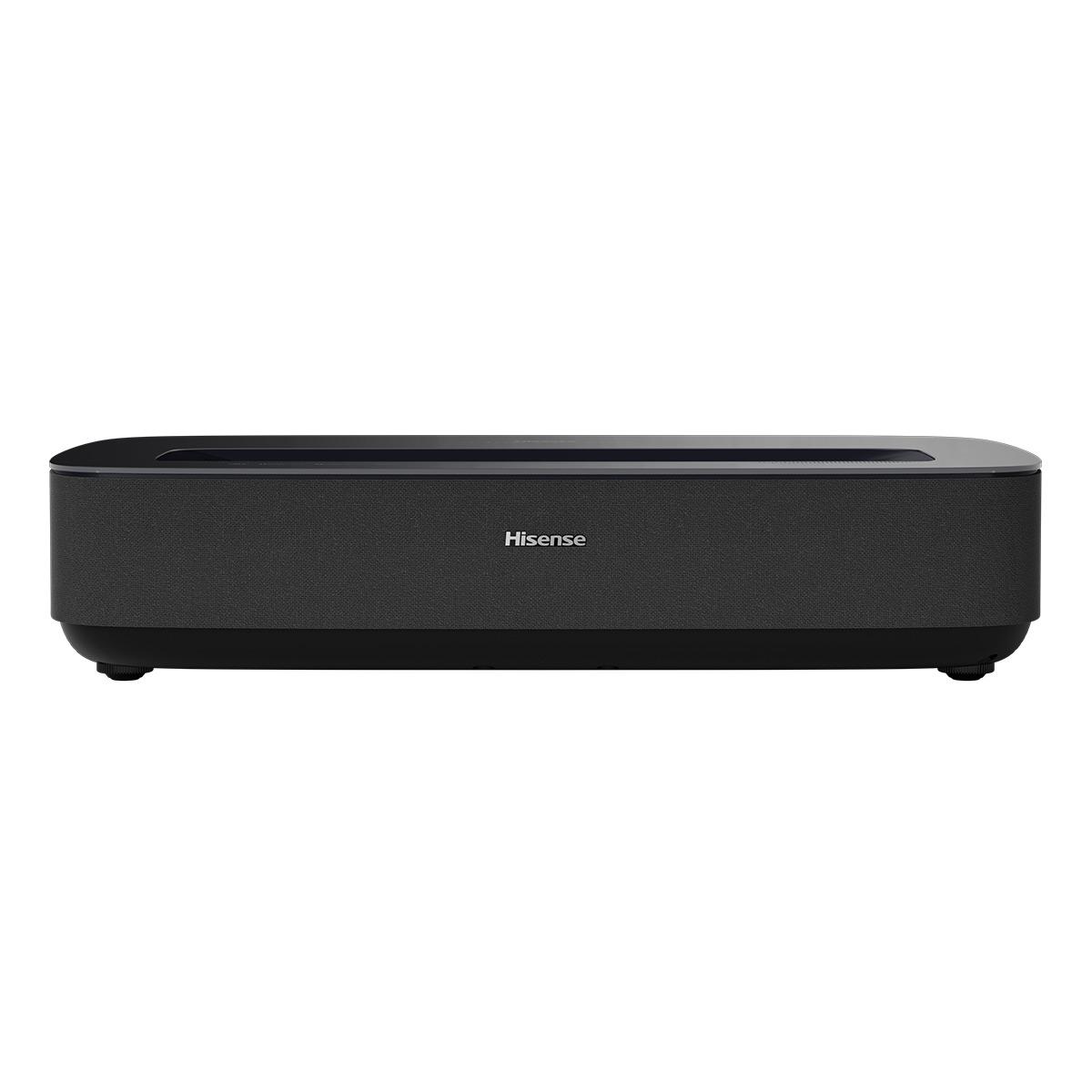
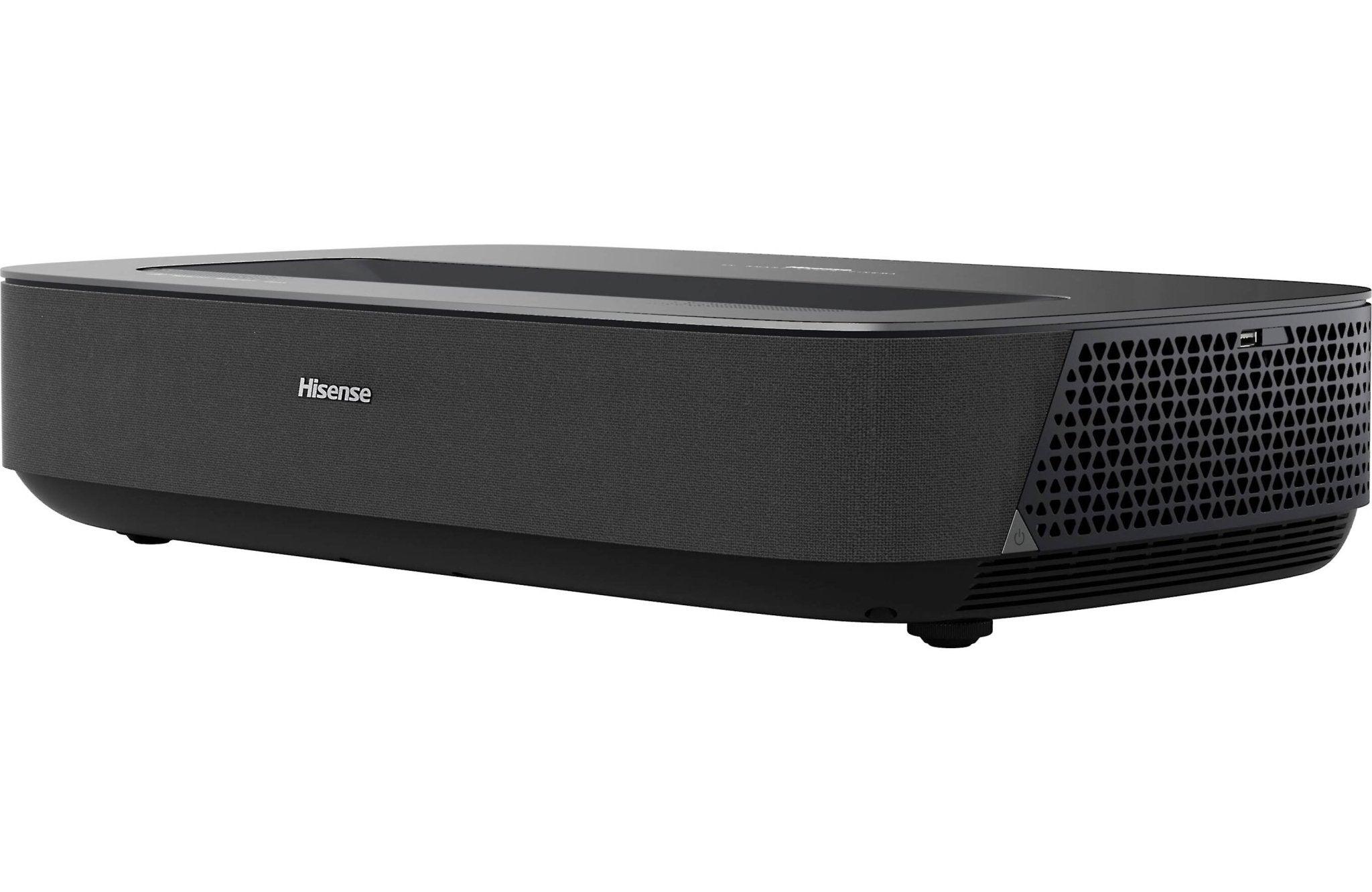
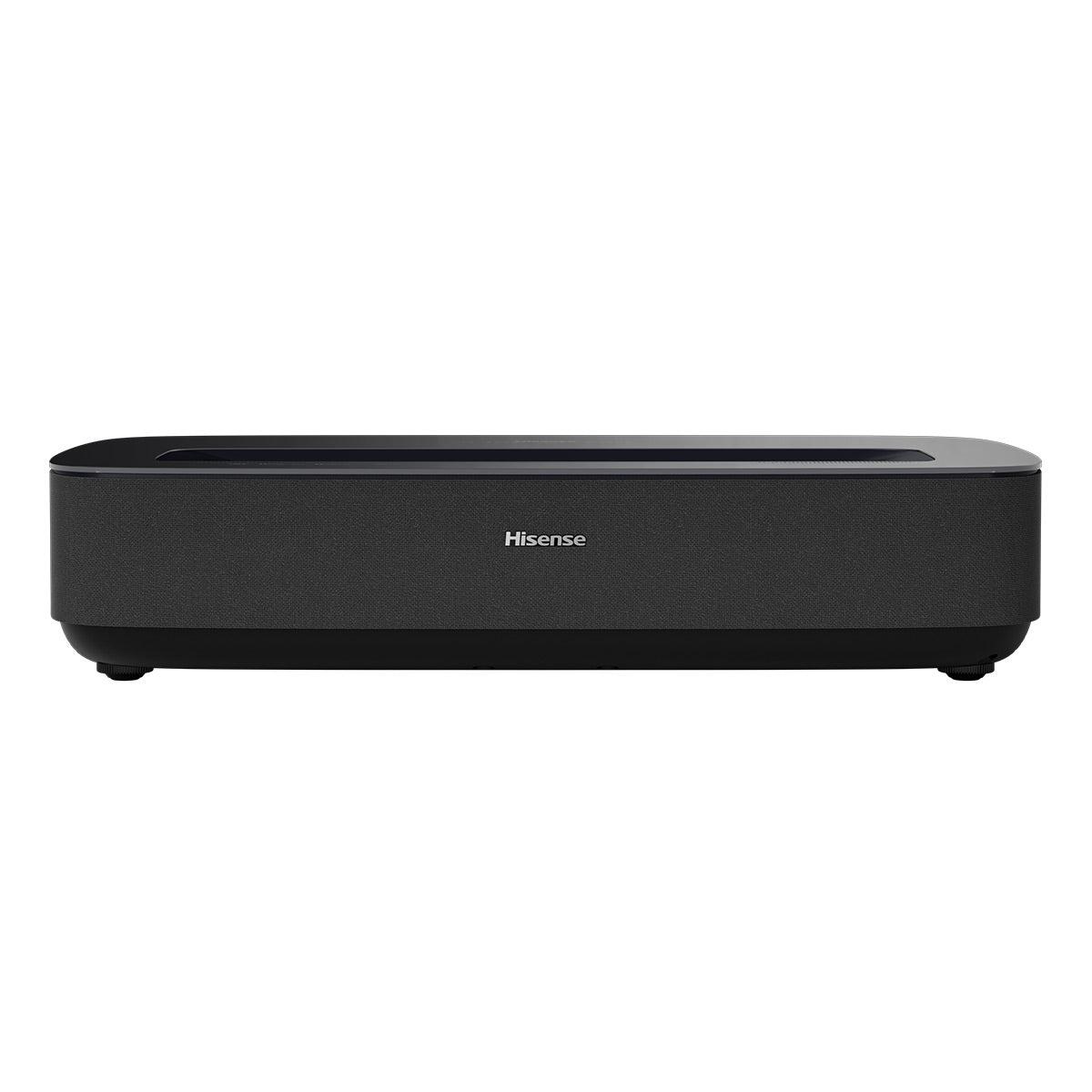
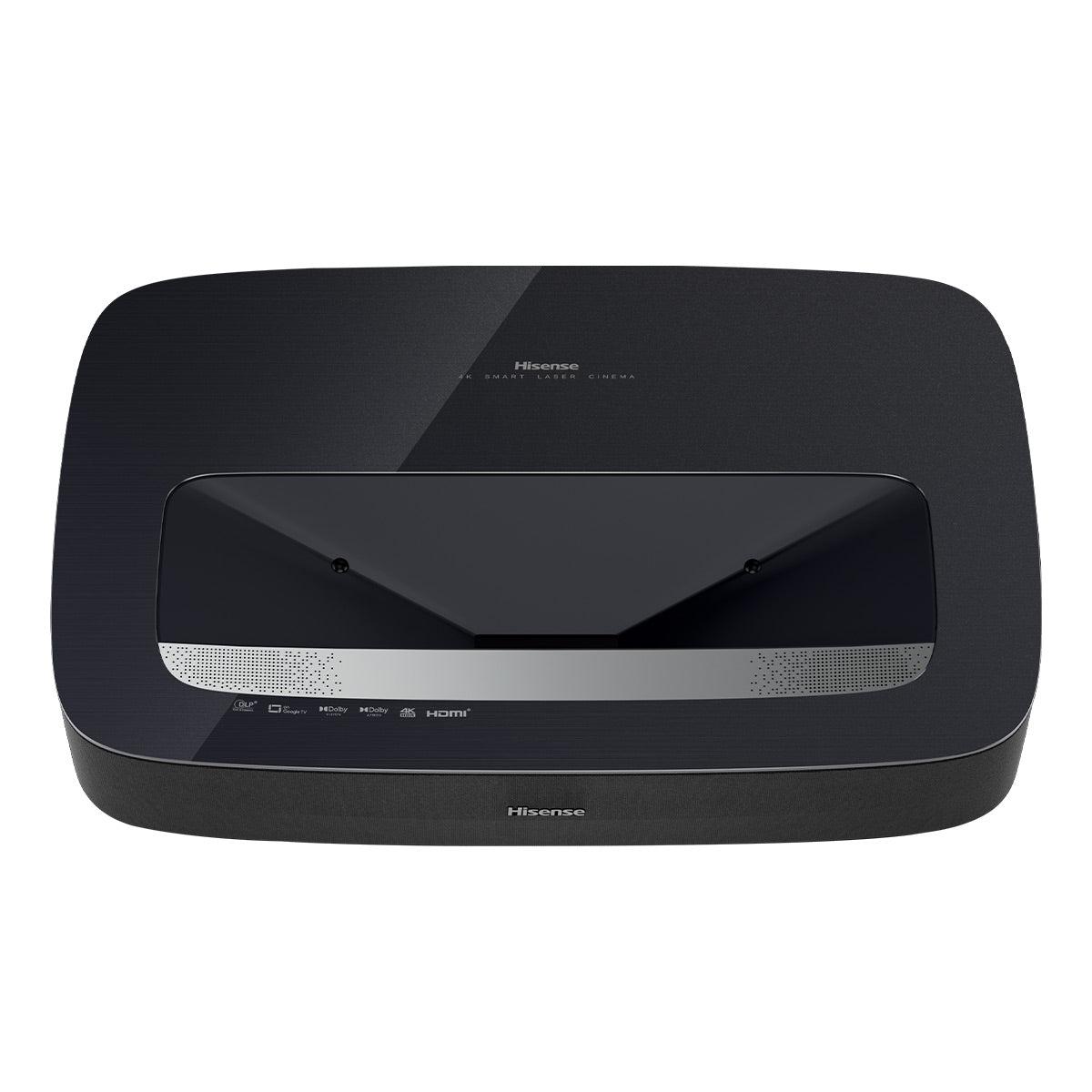
Today we're comparing two popular 4K laser projectors that represent very different approaches to this technology: the premium AWOL Vision LTV-3000 Pro and the value-focused Hisense PL1. Both launched in 2023, but they target completely different audiences and price points. Understanding their differences will help you decide which approach makes more sense for your home theater setup.
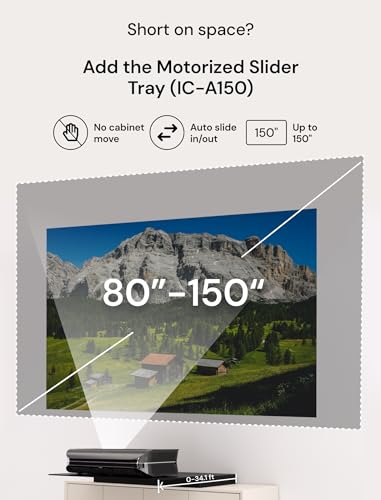
Before diving into the comparison, it's worth understanding what makes UST projectors special. Traditional projectors need several feet of space between the device and your wall - typically 8-12 feet for a 100-inch image. Ultra short throw projectors use specialized optics with an extremely wide-angle lens and complex mirror systems to project large images from just inches away. This 0.25:1 throw ratio (technical speak for how close the projector can sit relative to screen size) means you can get a 100-inch image with the projector sitting just 8-10 inches from your wall.
This design eliminates many traditional projection problems. No one can walk through the light beam and cast shadows on your screen. You don't need ceiling mounts or long cable runs. The projector can sit on a TV stand or low cabinet, making installation as simple as plugging in a regular TV. The downside? UST projectors are significantly more expensive than traditional projectors due to their complex optical systems and typically require specialized ambient light rejecting (ALR) screens for best performance.
The most fundamental difference between the AWOL Vision LTV-3000 Pro and Hisense PL1 lies in their laser light sources, and this difference ripples through every aspect of their performance.
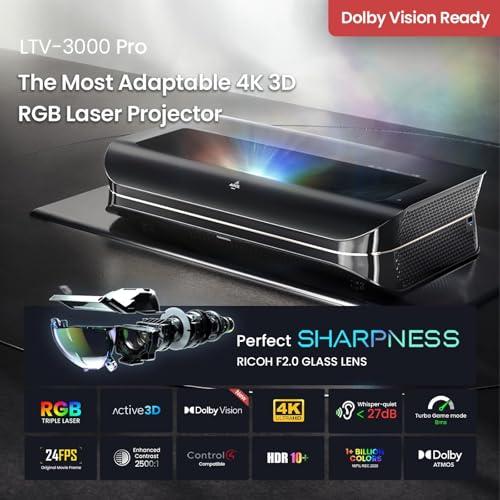
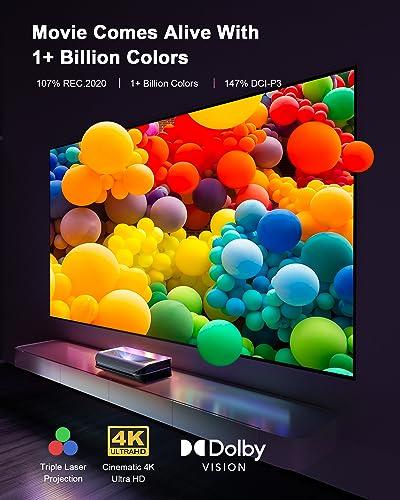
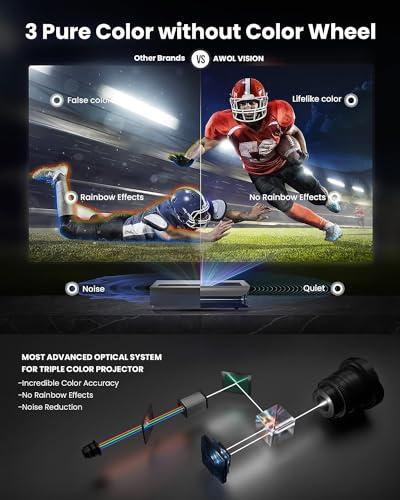
The AWOL Vision LTV-3000 Pro uses what's called RGB triple laser technology. Instead of one laser, it has three separate lasers - one red, one green, and one blue. These combine to create white light without needing a spinning color wheel (a rapidly rotating disc with colored filters that many projectors use). This approach delivers several advantages: more accurate colors since you're getting pure laser light in each primary color, no possibility of rainbow artifacts (flashes of red, green, and blue some people see with color wheel projectors), and more consistent brightness across different colors.
The Hisense PL1 takes the more traditional approach with a single blue laser combined with a phosphor wheel. The blue laser hits phosphor materials that convert some of the blue light to yellow, which then gets filtered to create red and green. This system works well and costs significantly less to manufacture, but it can't match the color purity and consistency of true RGB lasers.
In practical terms, this means the AWOL Vision LTV-3000 Pro will display more vivid, accurate colors - particularly important for HDR content where color accuracy directly impacts the viewing experience. The color difference is most noticeable in saturated scenes like nature documentaries, animated movies, or video games with rich color palettes.
Both projectors deliver impressive brightness levels, but they achieve it differently. The AWOL Vision LTV-3000 Pro produces 2,000 ISO lumens with peak capabilities reaching 3,000 lumens, while the Hisense PL1 delivers 2,200 ANSI lumens. These numbers might seem close, but the RGB laser system in the AWOL provides more consistent brightness across different colors.
Here's why this matters: when a projector displays a bright red Ferrari, a single laser system might struggle to maintain brightness in that red channel, making the car appear darker or less vibrant. The RGB system maintains full brightness across all colors simultaneously. This becomes particularly important in rooms with ambient light, where every lumen of brightness helps combat light pollution from windows or room lighting.
Both projectors can handle moderate ambient light reasonably well, but neither will match a bright LCD TV in a sun-soaked living room. For best results, you'll want to control lighting somewhat - think movie theater dim rather than complete darkness. The AWOL Vision LTV-3000 Pro has a slight edge here due to its more efficient light output and better contrast ratio of 2,500:1 compared to the Hisense's dynamic contrast specifications.
If gaming factors into your projector decision, the performance gap between these models becomes dramatic. Input lag - the delay between pressing a button and seeing the result on screen - is crucial for responsive gaming, especially competitive multiplayer games.
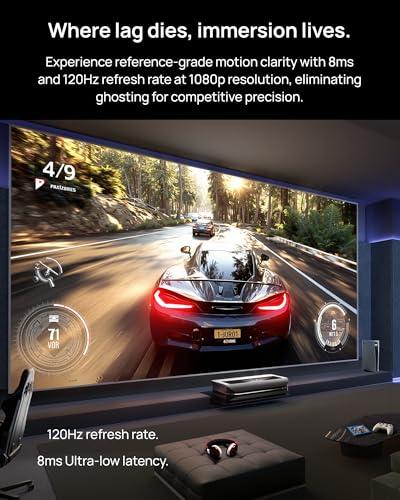
The AWOL Vision LTV-3000 Pro delivers exceptional gaming performance with just 15ms input lag at 4K resolution and an impressive 8ms at 1080p when using its turbo gaming mode. These numbers rival dedicated gaming monitors and make the AWOL suitable for serious gaming across all genres.
The Hisense PL1, unfortunately, falls short in this area with 46.6ms input lag at 4K. While this might be acceptable for casual single-player gaming or turn-based strategy games, it's too slow for competitive shooters, fighting games, or racing games where split-second timing matters. The difference between 15ms and 46ms is immediately noticeable to most gamers - it's the difference between responsive controls and a sluggish, disconnected feeling.
This performance gap alone makes the AWOL Vision LTV-3000 Pro the clear choice for households where gaming is important. The Hisense PL1 works fine for movie nights and casual gaming but isn't suitable for serious gaming sessions.
High Dynamic Range (HDR) content has become the standard for streaming services, 4K Blu-rays, and gaming. HDR expands both the range of colors and the difference between bright and dark areas, creating more lifelike images. However, not all HDR implementations are equal.
The AWOL Vision LTV-3000 Pro supports the full range of HDR formats: HDR10, HDR10+, Dolby Vision, and HLG. More importantly, its RGB laser system can display 107% of the Rec.2020 color space - an extremely wide color gamut that captures more colors than most displays can show. This translates to more vibrant sunsets, richer forest greens, and more realistic skin tones.
The Hisense PL1 supports HDR10, Dolby Vision, and HLG but lacks HDR10+ support. It covers 85% of the DCI-P3 color space, which is still quite good and sufficient for most content, but noticeably narrower than the AWOL's capabilities. In side-by-side comparisons, the AWOL would show more saturated colors and smoother gradients, particularly in HDR content designed to showcase wide color gamuts.
For movie enthusiasts who prioritize image quality above all else, the AWOL Vision LTV-3000 Pro offers a measurably superior experience. However, the Hisense PL1 still delivers excellent HDR performance that will satisfy most viewers, especially those coming from standard LCD TVs.
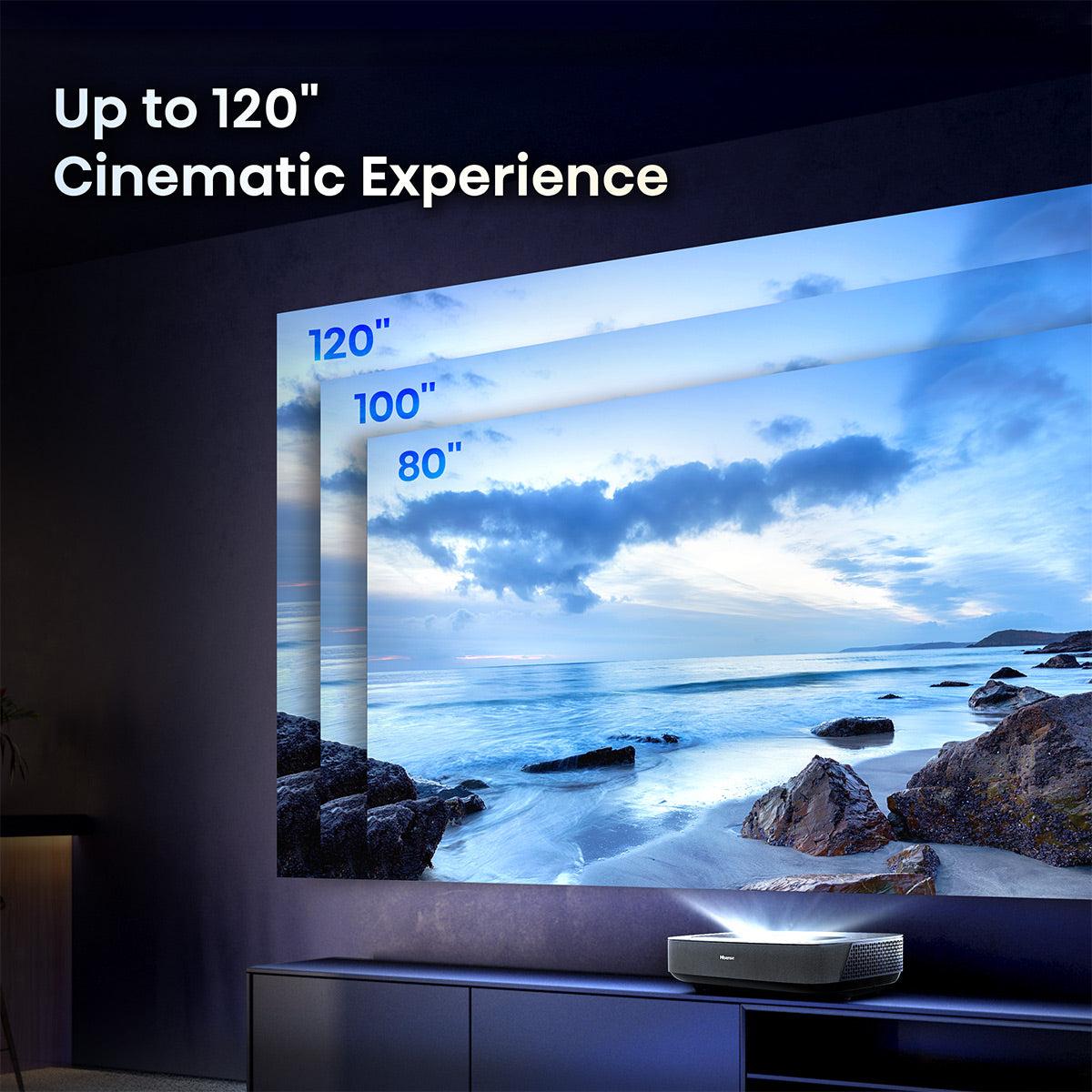
One area where the AWOL Vision LTV-3000 Pro pulls ahead is maximum screen size capability. While the Hisense PL1 tops out at 120 inches, the AWOL can project images up to 150 inches - a massive difference that opens up possibilities for dedicated home theater rooms or large living spaces.
The throw distances are similar for both projectors at smaller sizes, but the AWOL's extended range means you can achieve that true cinema experience if you have the wall space. A 150-inch screen has nearly 70% more viewing area than a 120-inch screen - it's the difference between impressive and truly immersive.
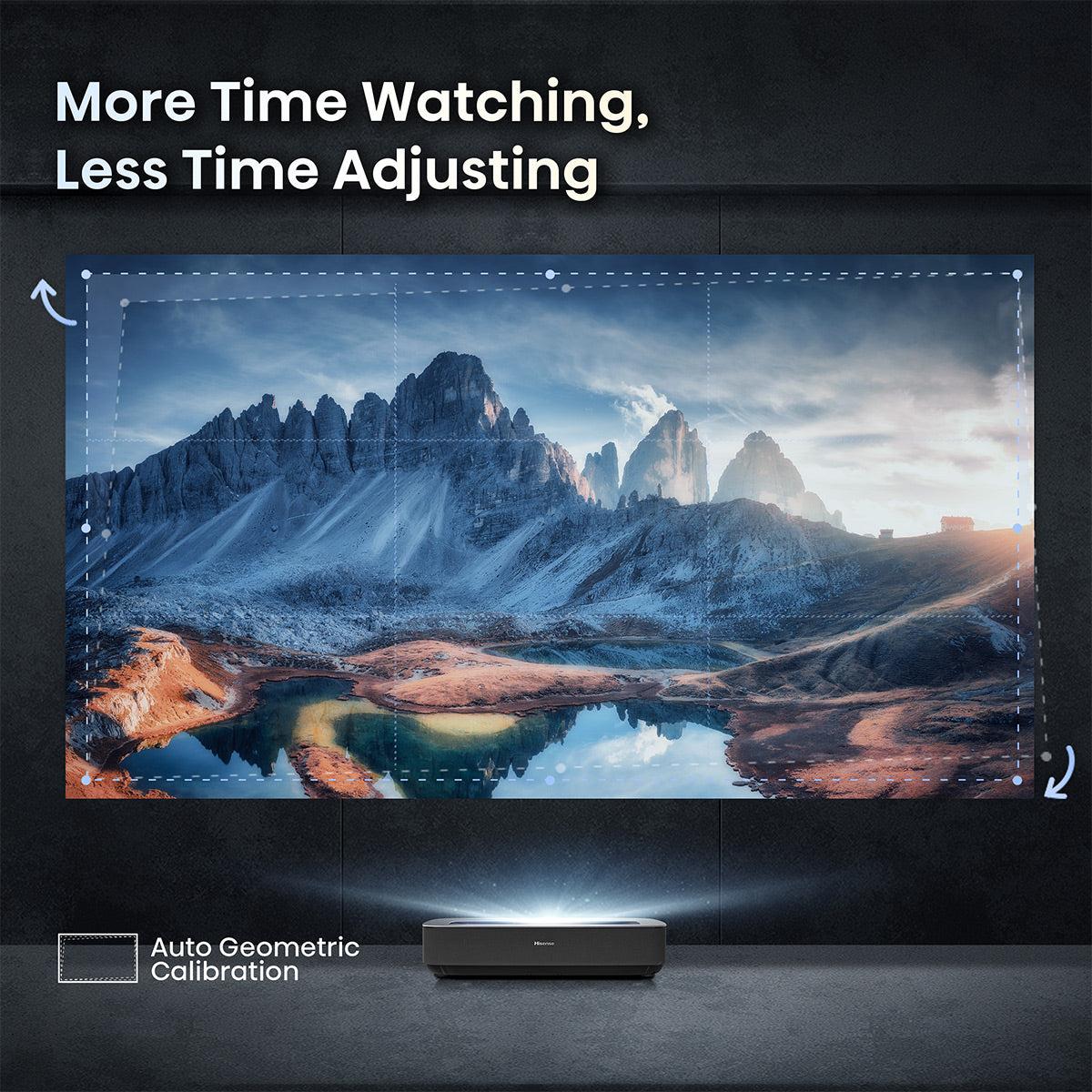
Both projectors include geometric correction features to help with installation, but they take different approaches. The Hisense PL1 offers auto geometric correction that can be controlled via a mobile app, making setup more user-friendly. The AWOL Vision LTV-3000 Pro provides 8-point keystone correction and powered focus but requires more manual adjustment. For most users, either system will work fine, but the Hisense's automated approach reduces installation complexity.
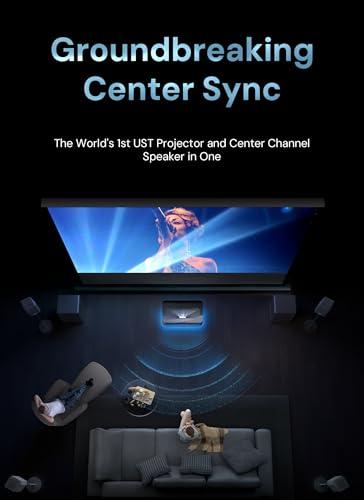
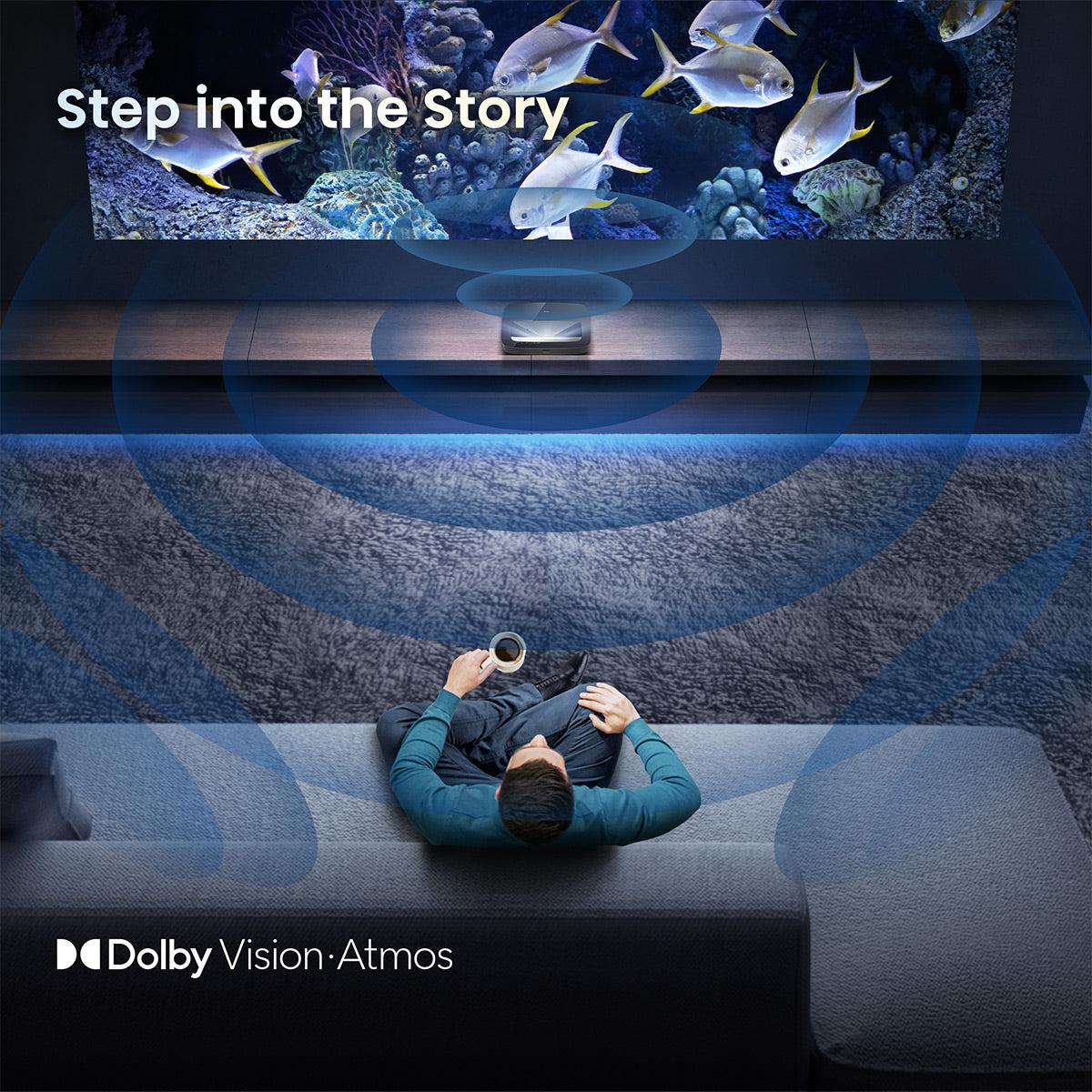
Both projectors include substantial built-in audio systems - unusual for projectors, which typically have weak speakers as afterthoughts. This makes sense for UST projectors since they're designed to replace TVs, and most people expect decent built-in audio.
The AWOL Vision LTV-3000 Pro includes a 36-watt stereo system (18 watts per channel) with Dolby Atmos processing, while the Hisense PL1 features a 30-watt system (15 watts per channel) also with Dolby Atmos support. Both systems sound surprisingly good for built-in projector audio, with enough power and spatial processing to fill a medium-sized room.
The AWOL's slightly more powerful system provides a bit more dynamic range and better bass response, but both are adequate for casual viewing. Serious home theater enthusiasts will likely want to add a soundbar or full surround system anyway, but it's nice to have respectable built-in audio for quick setup or secondary viewing areas.
Here's where the Hisense PL1 takes a clear lead. It features integrated Google TV, providing seamless access to streaming apps, voice control, and content recommendations. The interface is polished, responsive, and familiar to anyone who's used modern smart TVs.
The AWOL Vision LTV-3000 Pro takes a different approach, running Android 9.0 as its base operating system but including a Fire TV Stick 4K Max for streaming capabilities. This means you'll navigate between two different interfaces - the projector's settings menu and the Fire TV interface for content. It's not as elegant as the Hisense's integrated approach, but it does mean you can easily upgrade your streaming capabilities by swapping the Fire TV stick for newer hardware.
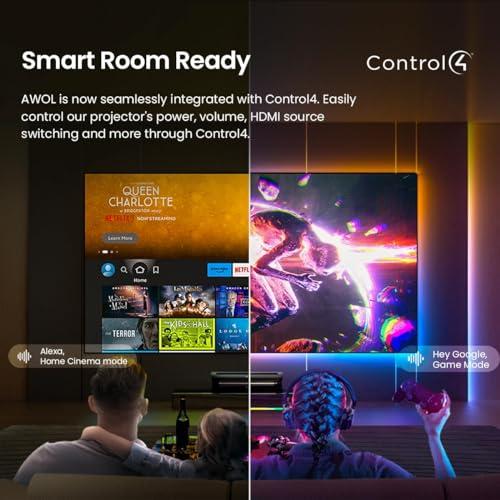
The AWOL does offer something the Hisense lacks: extensive smart home integration. It supports professional control systems like Control4, Crestron, and Savant, making it suitable for high-end home theater installations with automated lighting, motorized screens, and integrated control systems.
At the time of writing, these projectors occupy very different price segments, with the AWOL Vision LTV-3000 Pro commanding a premium of roughly $1,000 over the Hisense PL1. This price difference reflects genuine technological advantages, but whether those advantages justify the cost depends entirely on your priorities and usage patterns.
The Hisense PL1 represents exceptional value in the UST projector market. It delivers about 75% of the AWOL Vision LTV-3000 Pro's performance at roughly 50% of the cost. For families wanting to upgrade from a 65-75 inch TV to a 100+ inch projection system, the Hisense offers a compelling entry point without requiring a massive budget increase.
The AWOL Vision LTV-3000 Pro justifies its premium through measurable advantages in color accuracy, gaming performance, maximum screen size, and professional integration capabilities. For enthusiasts who will utilize these advantages, the extra cost delivers proportional value.
Choose the AWOL Vision LTV-3000 Pro if you're a serious gamer who needs low input lag, want maximum screen size flexibility above 120 inches, prioritize color accuracy for movie watching, have challenging ambient light conditions, or plan to integrate the projector into a sophisticated home theater system. The premium pays for itself through superior performance in these specific use cases.
The Hisense PL1 makes more sense for budget-conscious buyers who primarily watch streaming content, prefer integrated smart platforms over external devices, need the most compact UST solution available, or can control room lighting for optimal viewing. It's also the better choice for casual gamers who can tolerate higher input lag.
After extensive research into expert reviews and user experiences, both projectors represent solid choices within their respective market segments, but they serve different audiences.
The AWOL Vision LTV-3000 Pro is the enthusiast's choice. Its RGB triple laser technology, exceptional gaming performance, and maximum screen size capabilities make it worth the premium for users who will actually utilize these advantages. It's particularly compelling for dedicated home theater rooms where image quality and performance matter more than cost considerations.
The Hisense PL1 offers tremendous value for mainstream users. It delivers genuine 4K projection with good HDR support, adequate brightness, and excellent smart TV integration at a price point that makes large-screen projection accessible to more households. While it can't match the AWOL's gaming performance or color accuracy, it provides an excellent viewing experience for typical family use.
The decision ultimately comes down to priorities: maximum performance and future-proofing versus excellent value and simplicity. Both approaches have merit, and both projectors successfully deliver on their respective value propositions in the rapidly evolving UST projector market.
| AWOL Vision LTV-3000 Pro | Hisense PL1 |
|---|---|
| Laser Technology - Determines color accuracy and longevity | |
| RGB Triple Laser (no color wheel) | Single Blue Laser + Phosphor Wheel |
| Brightness - Critical for ambient light performance | |
| 2,000 ISO lumens (3,000 peak) | 2,200 ANSI lumens |
| Color Gamut - Affects HDR content vibrancy | |
| 107% Rec.2020 coverage (exceptional) | 85% DCI-P3 coverage (very good) |
| Gaming Input Lag - Essential for responsive gaming | |
| 15ms at 4K/60Hz, 8ms at 1080p/120Hz | 46.6ms at 4K/60Hz (too slow for competitive gaming) |
| Maximum Screen Size - Determines theater scale possibilities | |
| 80-150 inches (massive home theater capability) | 80-120 inches (large but limited) |
| HDR Format Support - Future-proofing for premium content | |
| HDR10, HDR10+, Dolby Vision, HLG | HDR10, Dolby Vision, HLG (no HDR10+) |
| Contrast Ratio - Affects dark scene detail | |
| 2,500:1 native | 2,000,000:1 dynamic (with processing) |
| Built-in Audio - Eliminates need for external speakers | |
| 36W Dolby Atmos (18W x2) | 30W Dolby Atmos (15W x2) |
| Smart Platform - Streaming and interface experience | |
| Android 9.0 + Fire TV Stick 4K Max included | Native Google TV integration |
| HDMI Connectivity - Multiple device support | |
| 3 HDMI ports (one with eARC) | 2 HDMI 2.1 ports |
| Physical Size - Cabinet and placement flexibility | |
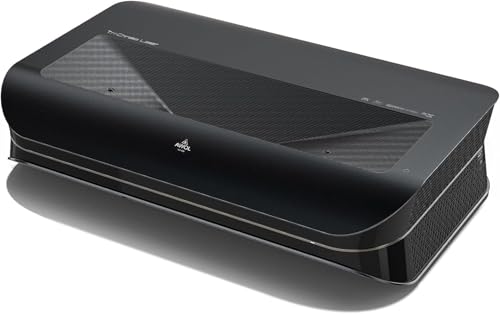
| 23.6" x 5.7" x 13.9", 21 lbs | 20.9" x 4.7" x 13.2", 17 lbs (more compact) |
| Smart Home Integration - Professional installation compatibility | |
| Control4, Crestron, Savant support | Standard smart TV features only |
| Setup Complexity - Installation ease | |
| Manual focus and 8-point correction | Auto geometric correction via mobile app |
The AWOL Vision LTV-3000 Pro is significantly better for gaming with just 15ms input lag at 4K resolution and 8ms at 1080p. The Hisense PL1 has 46.6ms input lag, which is too slow for competitive gaming but acceptable for casual single-player games.
The AWOL Vision LTV-3000 Pro delivers superior picture quality with RGB triple laser technology covering 107% of Rec.2020 color space, while the Hisense PL1 uses single laser technology covering 85% DCI-P3. The AWOL provides more accurate colors and better HDR performance.
Both projectors offer similar brightness levels - the Hisense PL1 produces 2,200 ANSI lumens while the AWOL Vision LTV-3000 Pro delivers 2,000 ISO lumens with 3,000 peak lumens. The AWOL's RGB laser system provides more consistent brightness across different colors.
The AWOL Vision LTV-3000 Pro supports screen sizes up to 150 inches, while the Hisense PL1 maxes out at 120 inches. If you want the largest possible home theater experience, the AWOL offers significantly more screen real estate.
The AWOL Vision LTV-3000 Pro has slightly better audio with 36W Dolby Atmos speakers compared to the Hisense PL1's 30W Dolby Atmos system. Both provide surprisingly good sound quality for built-in projector speakers.
Yes, but the AWOL Vision LTV-3000 Pro supports more HDR formats including HDR10, HDR10+, Dolby Vision, and HLG. The Hisense PL1 supports HDR10, Dolby Vision, and HLG but lacks HDR10+ compatibility.
The Hisense PL1 is easier to install with auto geometric correction controlled via mobile app. The AWOL Vision LTV-3000 Pro requires more manual adjustment with 8-point keystone correction and powered focus controls.
The Hisense PL1 has integrated Google TV for seamless streaming, while the AWOL Vision LTV-3000 Pro uses Android 9.0 with an included Fire TV Stick 4K Max. The Hisense offers a more elegant single-interface experience.
The Hisense PL1 provides exceptional value, delivering about 75% of the AWOL Vision LTV-3000 Pro's performance at roughly half the cost. The AWOL justifies its premium through superior gaming performance, larger screen capability, and better color accuracy.
Both work well for home theaters, but the AWOL Vision LTV-3000 Pro is better suited for dedicated theater rooms with its superior color accuracy, larger screen sizes, and professional control system integration. The Hisense PL1 excels in family rooms and multipurpose spaces.
Both projectors use ultra short throw technology with similar 0.25:1 throw ratios, sitting just inches from the wall. The AWOL Vision LTV-3000 Pro needs 1.5-2.7 feet for its full size range, while the Hisense PL1 requires 1.5-2.2 feet for its smaller maximum screen size.
Choose the AWOL Vision LTV-3000 Pro if you're a serious gamer, want maximum screen size flexibility, or prioritize the best possible picture quality. Select the Hisense PL1 if you want excellent 4K projection at a more affordable price point with integrated smart features and easier setup.
We've done our best to create useful and informative comparisons to help you decide what product to buy. Our research uses advanced automated methods to create this comparison and perfection is not possible - please contact us for corrections or questions. These are the sites we've researched in the creation of this article: bestbuy.com - projectorcentral.com - rtings.com - techaeris.com - hometechnologyreview.com - awolvision.de - androidcentral.com - awolvision.com - projectorreviews.com - dreamediaav.com - bestbuy.com - youtube.com - youtube.com - awolvisionpro.com - awolvision.com - awolvision.com - projectorscreen.com - dreamediaav.com - projectorcentral.com - trustedreviews.com - crutchfield.com - hometheaterhifi.com - projectorcentral.com - projectorreviews.com - vividstormscreen.com - bhphotovideo.com - shi.com - crutchfield.com

Privacy Policy
Terms and Conditions - Affiliate Policy
Home Security
© Copyright 2008-2026.
11816 Inwood Rd #1211, Dallas, TX 75244