

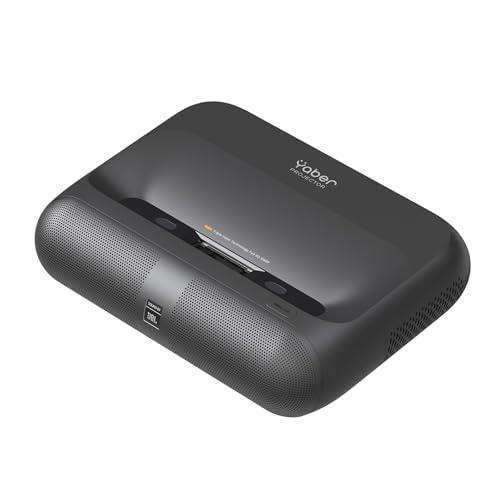

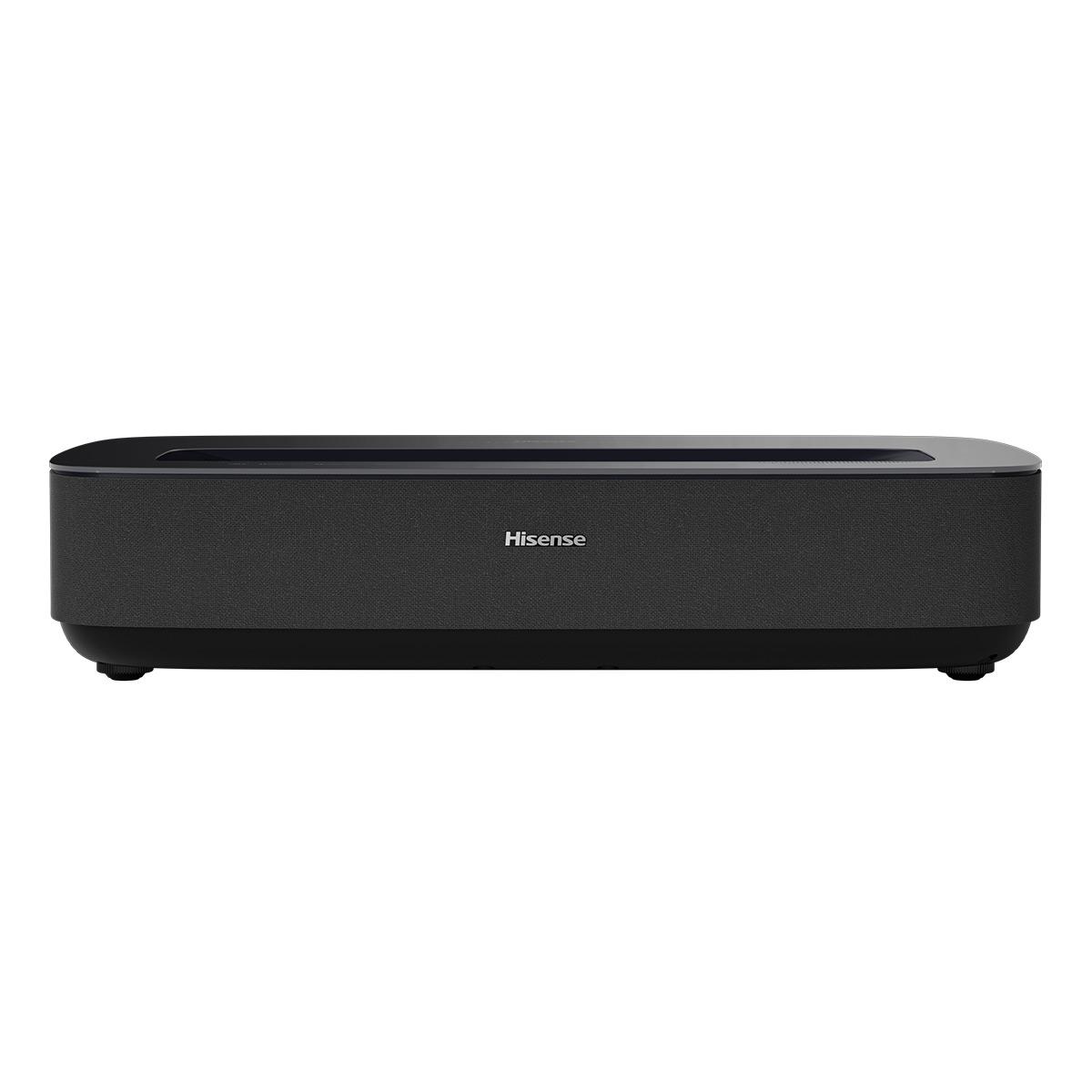
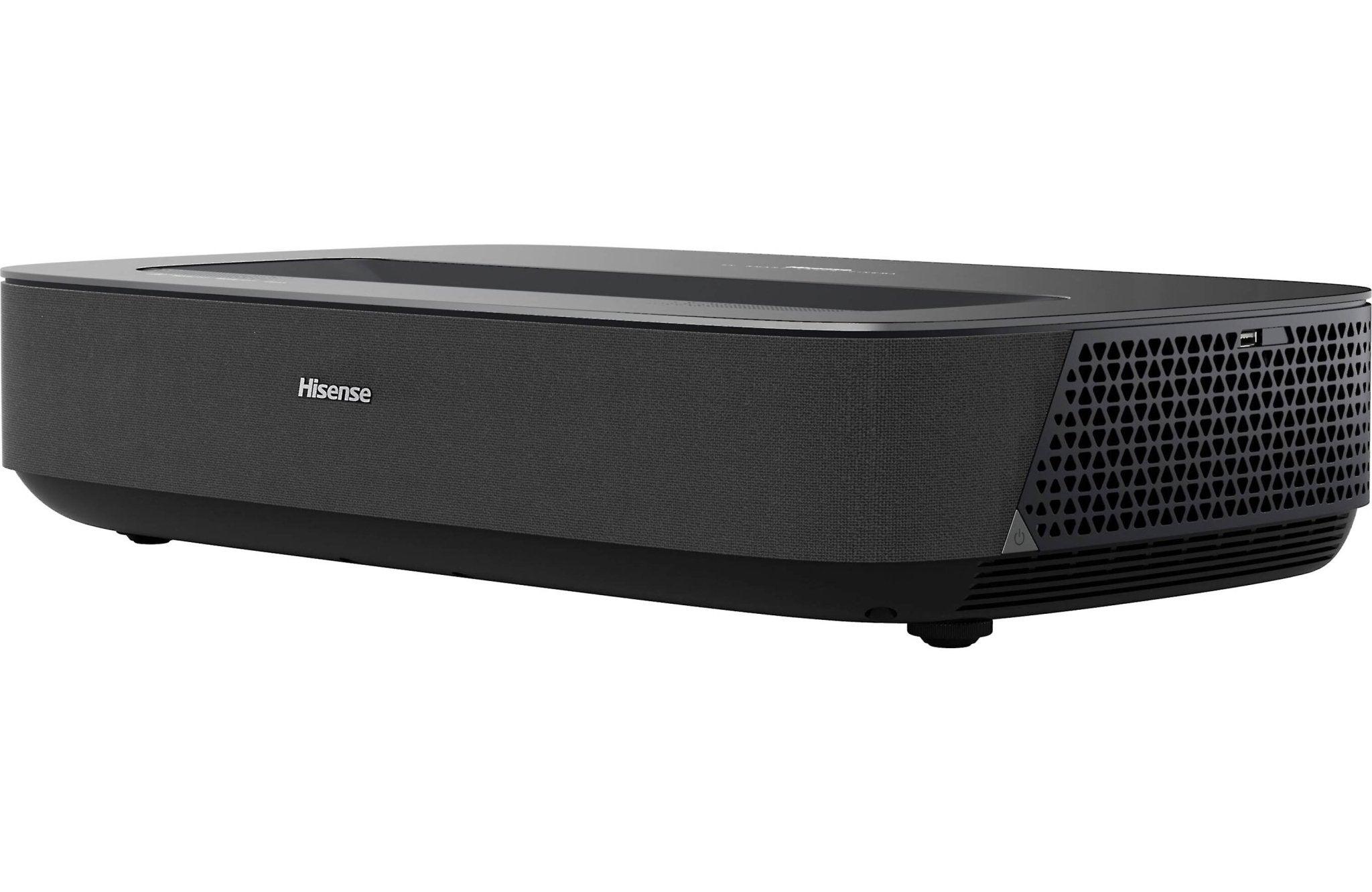
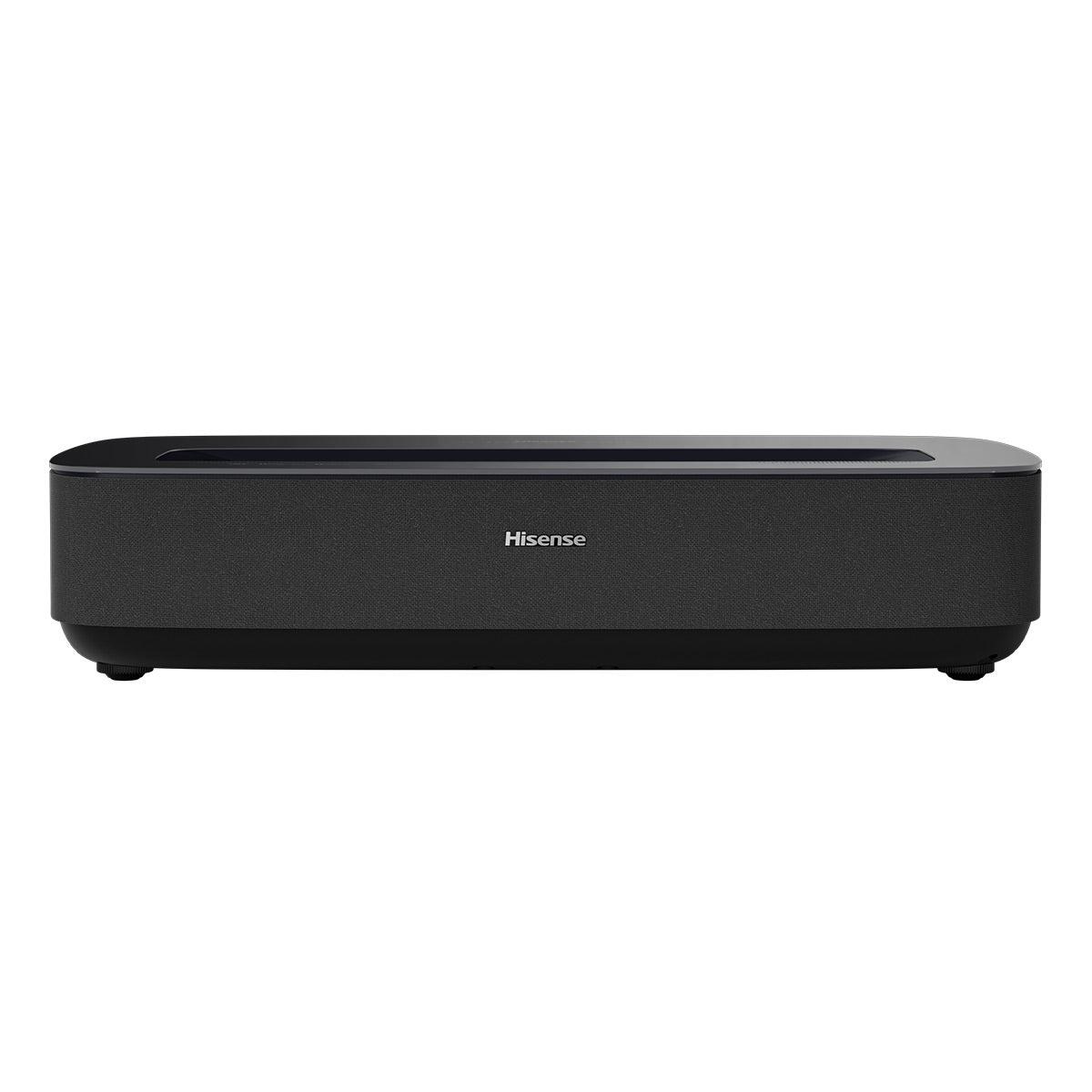
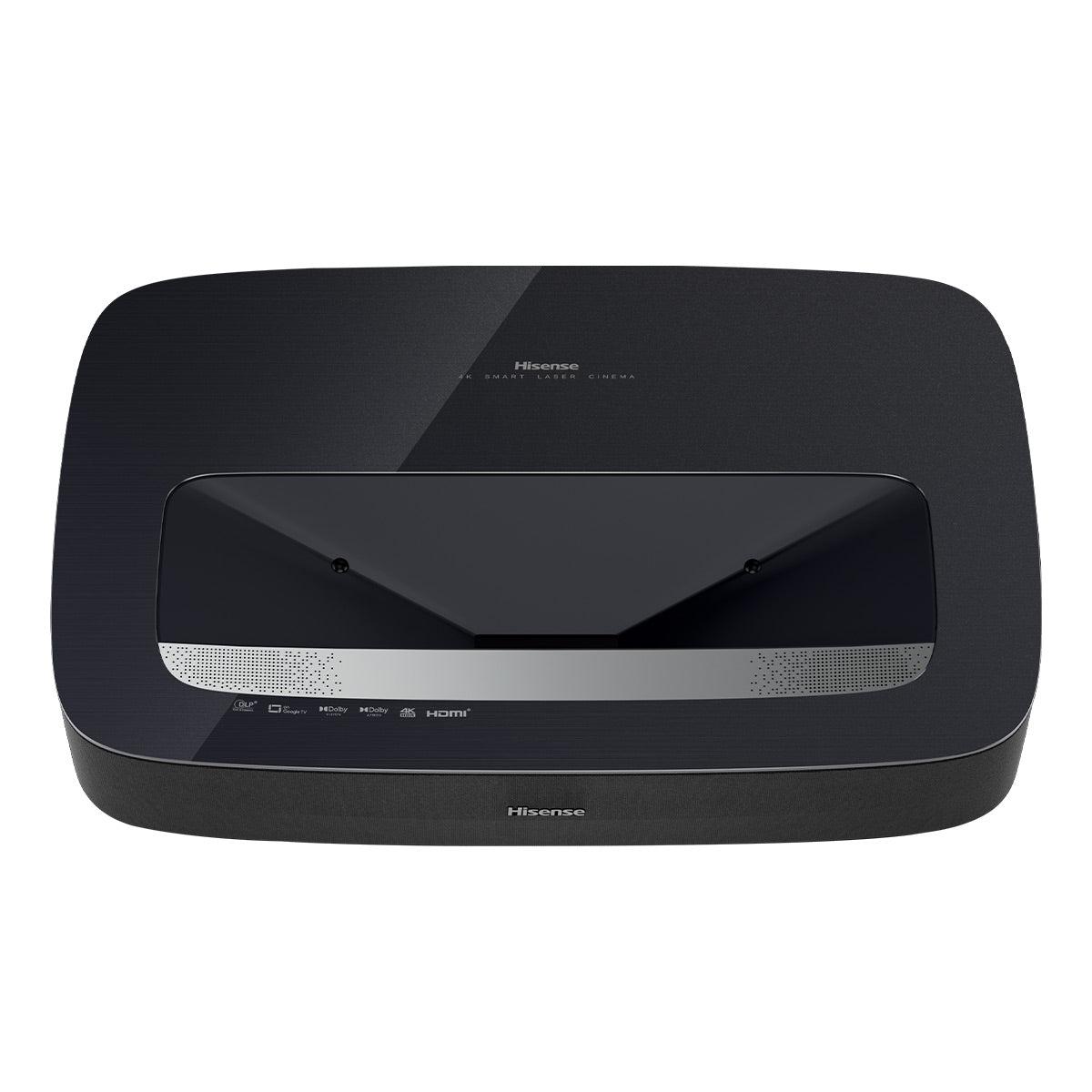
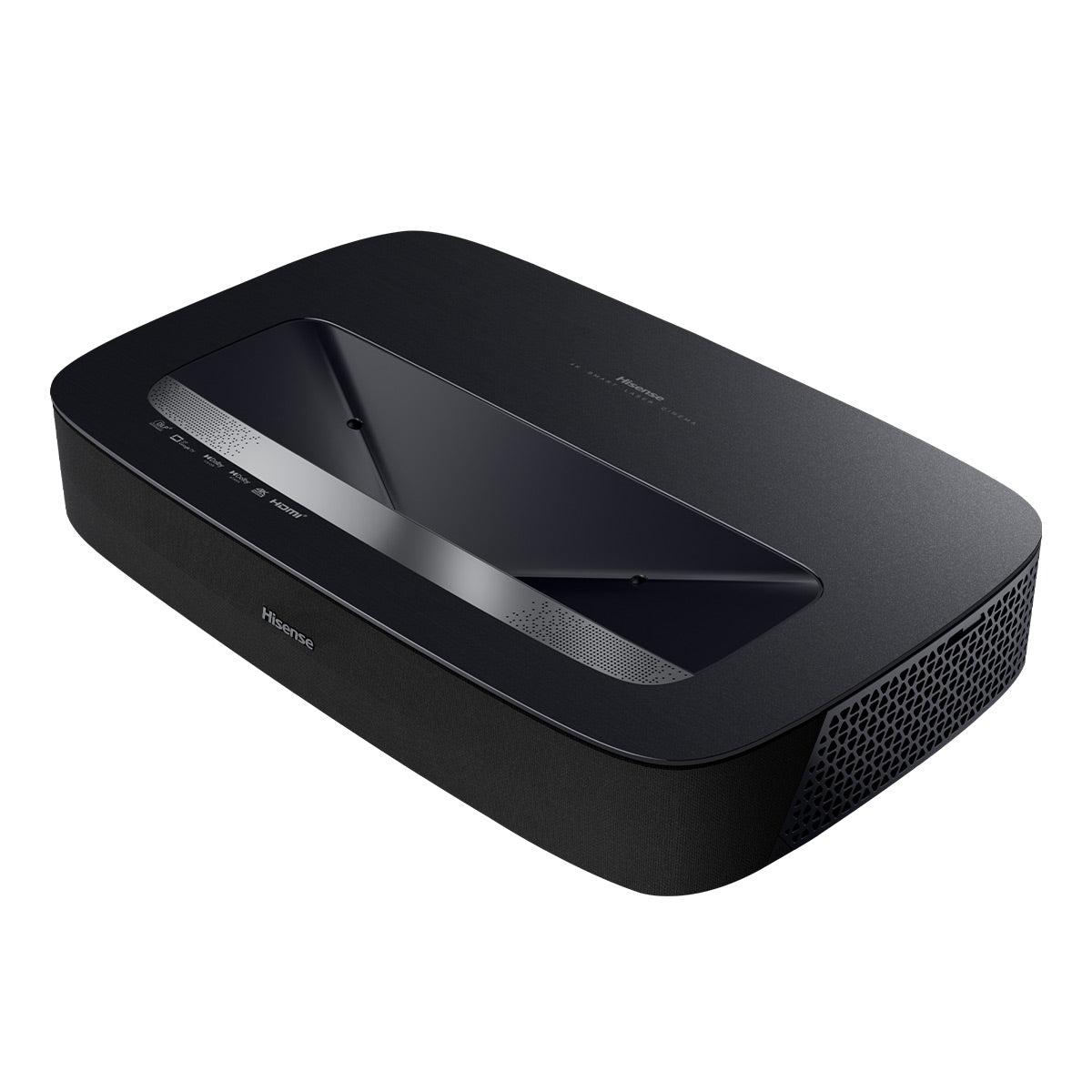
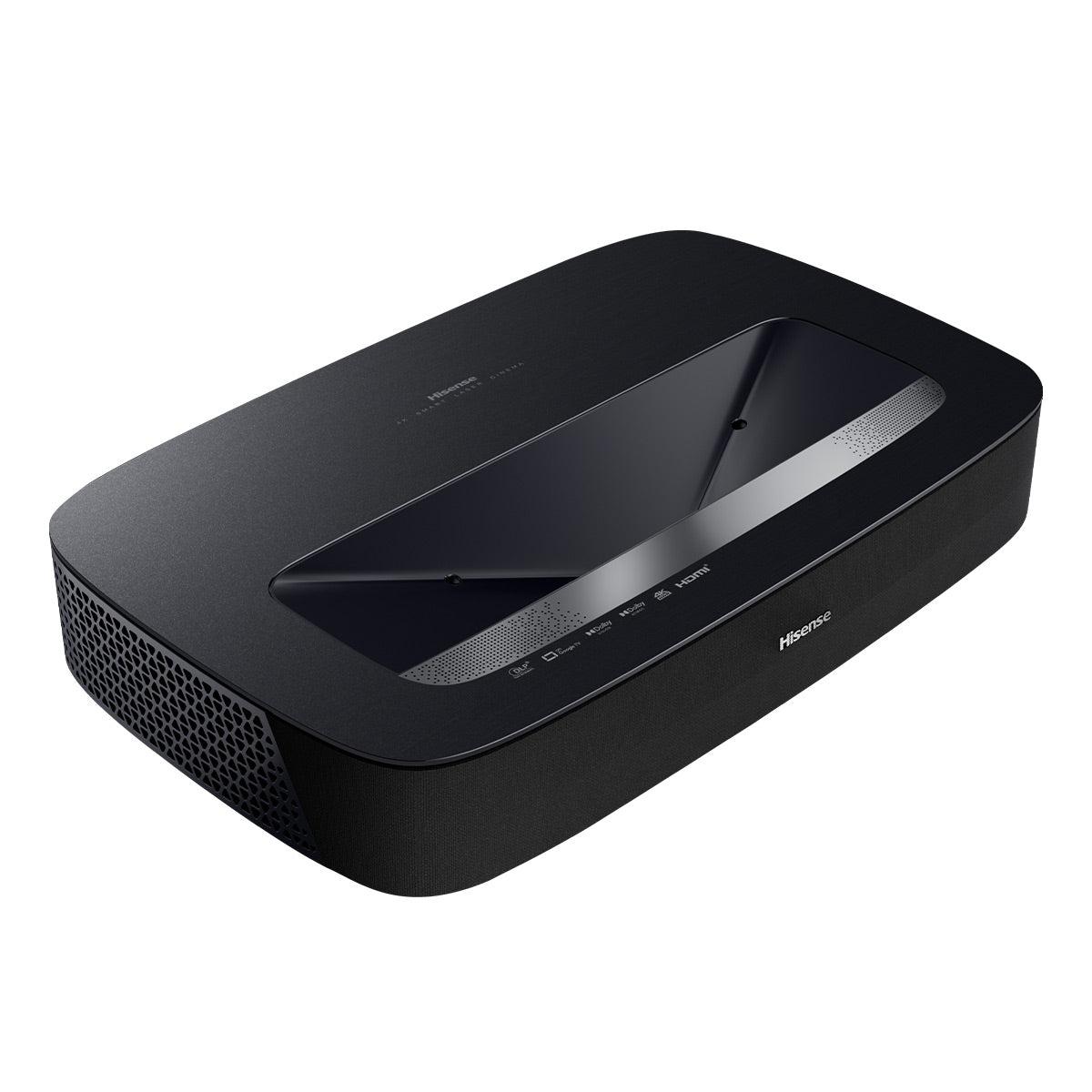
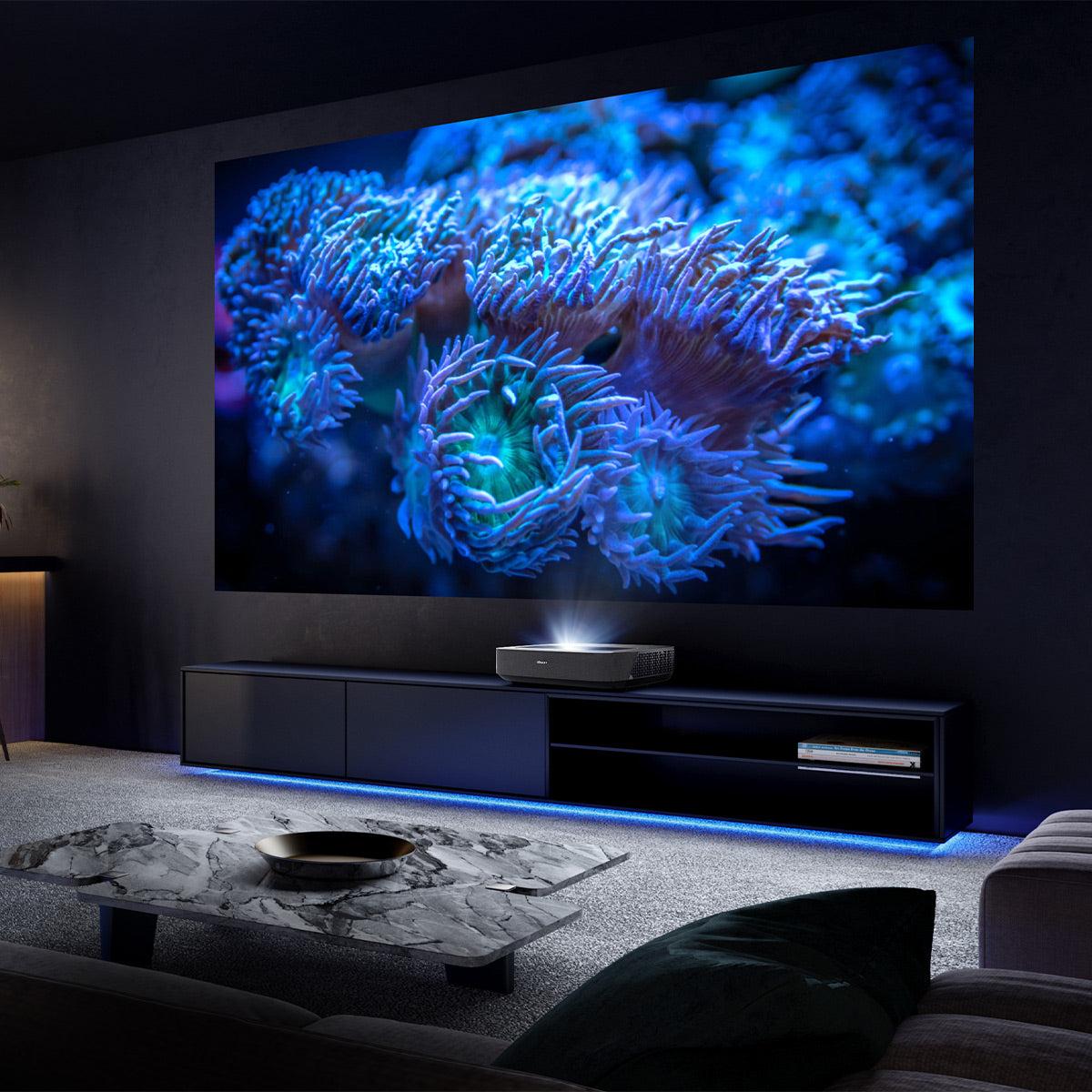
When I first heard about ultra short throw (UST) projectors, I was skeptical. How could something sitting just inches from the wall create a 100-inch image that rivals a massive TV? After spending considerable time with both the Yaber K300s and Hisense PL1, I can tell you these devices are genuinely game-changing for home entertainment – but choosing between them requires understanding some key differences.
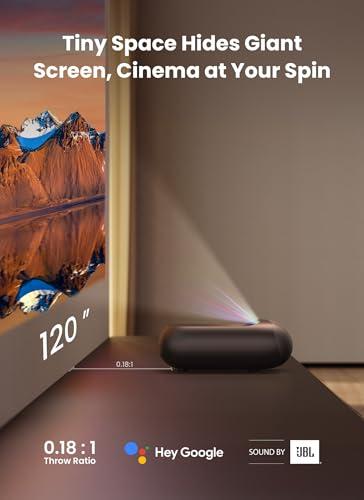
Ultra short throw projectors represent one of the most significant advances in home cinema technology in recent years. Unlike traditional projectors that need to be mounted on your ceiling or placed across the room, UST projectors sit right beneath your screen or wall, typically just 6-12 inches away. They use specialized optics – essentially a series of mirrors and lenses – to "fold" the light path and project upward at an extreme angle.
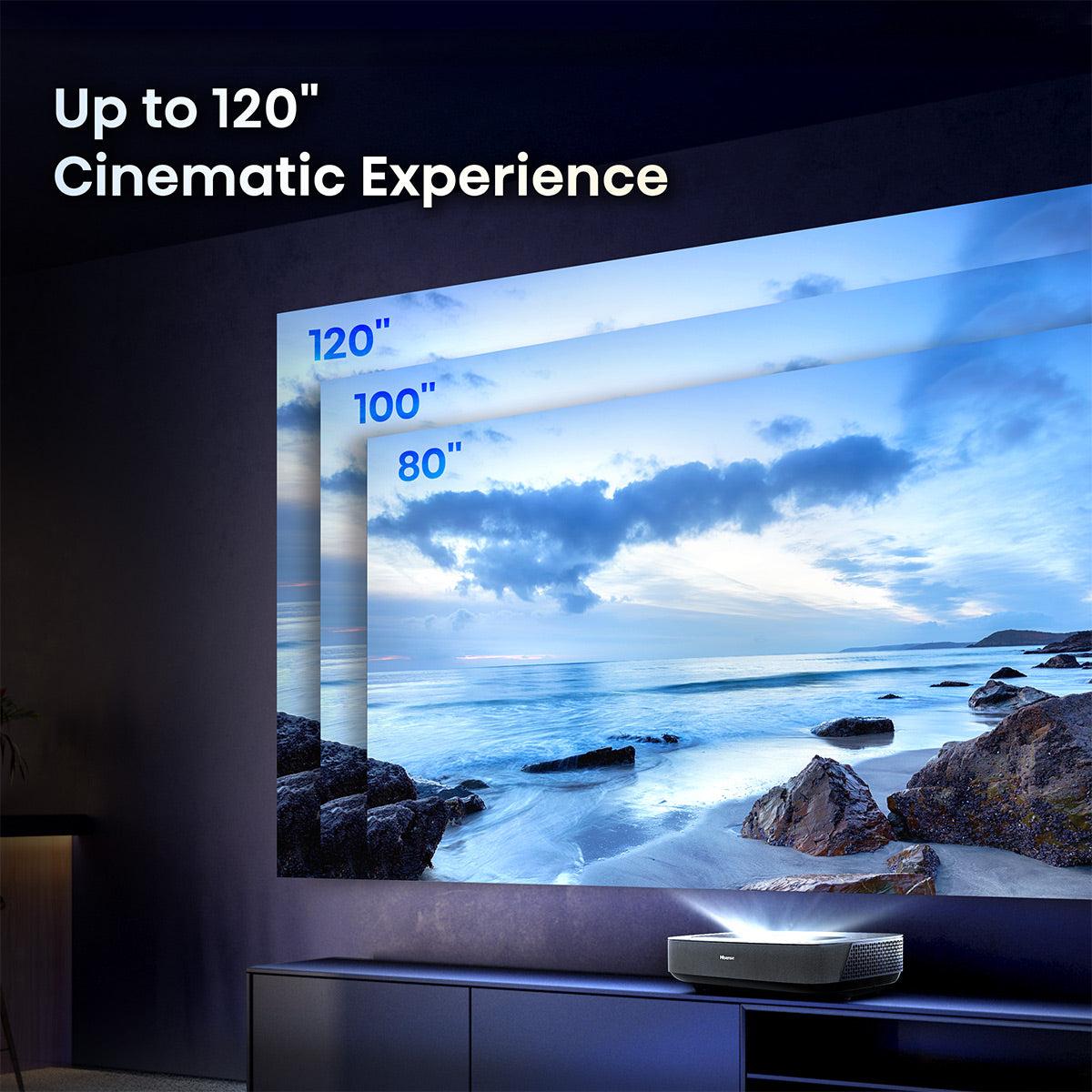
The magic happens through what's called a throw ratio. Traditional projectors might have a 1.5:1 throw ratio, meaning they need to be 1.5 feet away for every foot of screen width. The Yaber K300s achieves an impressive 0.18:1 ratio, while the Hisense PL1 manages 0.25:1. This means you can get a massive image without worrying about shadows when people walk by, ceiling mounting complications, or dedicating an entire room to your projector setup.
What makes these projectors particularly appealing is how they solve traditional projection problems. No more accidentally walking into the light beam and casting your shadow on the screen during movie night. No more complex ceiling installations or running cables across the room. They essentially work like a TV that projects upward instead of forward.
The Yaber K300s launched in 2025 as the company's first venture into UST projection, while the Hisense PL1 has been available since around 2022-2023, representing a more established approach to premium UST projection. At the time of writing, you'll find the Yaber K300s priced significantly lower than the Hisense PL1 – we're talking about roughly half the cost for the Yaber unit.
This price difference isn't arbitrary; it reflects fundamentally different design philosophies. The Yaber K300s prioritizes portability, smart features, and color performance while making compromises on brightness and resolution. The Hisense PL1 focuses on maximum image quality and brightness, accepting the trade-offs of larger size and higher cost.
Here's where things get interesting from a technical standpoint. The Hisense PL1 offers native 4K resolution – meaning its imaging chip actually contains 3840 × 2160 individual pixels. When you feed it 4K content, you're getting a true one-to-one pixel mapping. The Yaber K300s uses native 1080p resolution (1920 × 1080 pixels) but includes 4K decoding, which means it can accept 4K signals and downscale them intelligently.
In practical terms, this resolution difference is most noticeable when you're sitting close to a large screen or viewing detailed content like text, fine patterns, or high-resolution photography. For typical movie watching from 8-12 feet away on a 100-inch screen, the difference becomes less critical. Your eyes simply can't resolve the individual pixels at normal viewing distances with 1080p content.
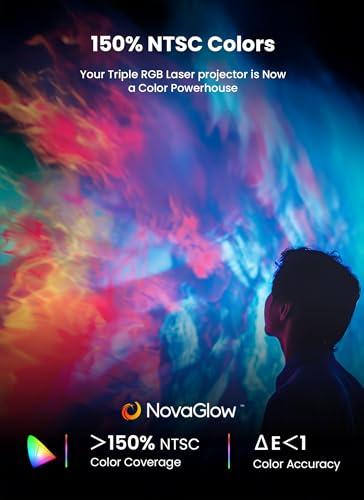
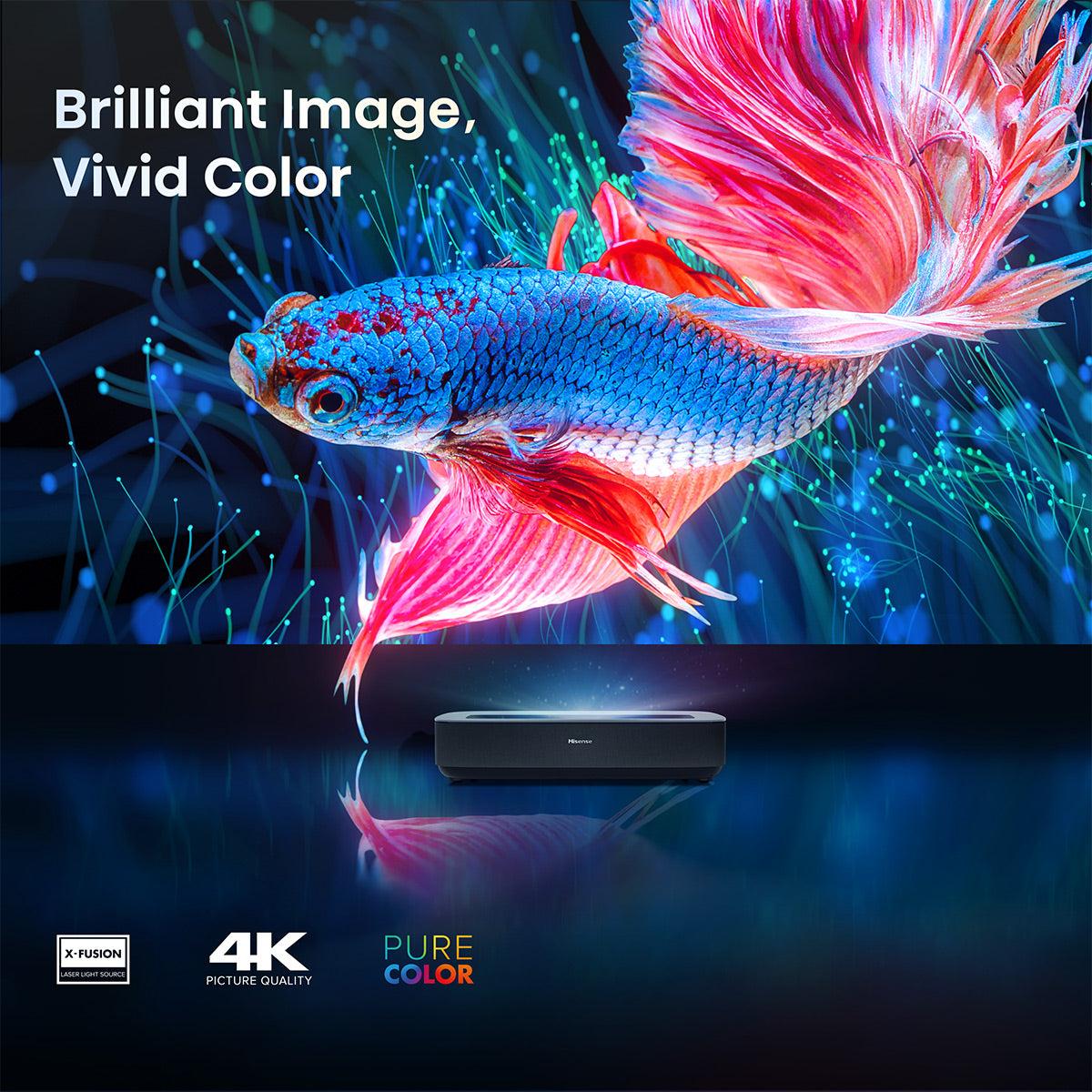
However, there's more to image quality than just pixel count. The Yaber K300s employs what they call Triple RGB Laser Technology, which uses separate red, green, and blue lasers instead of the more common single blue laser with phosphor conversion. This approach delivers over 150% of the NTSC color space – a technical way of saying it can display colors that are more vibrant and accurate than most displays you're used to.
The color performance difference between these projectors is substantial. Traditional projectors, including the Hisense PL1, typically use a blue laser that hits a phosphor wheel to create other colors. While effective, this method can limit color gamut – the range of colors the projector can actually display.
The Yaber K300s's triple laser approach eliminates this bottleneck. When I compare identical content side by side, reds appear more saturated, greens look more natural, and the overall image has a richness that's immediately apparent. The trade-off is that triple laser systems are typically more expensive to manufacture, which makes the Yaber K300s's pricing particularly impressive.
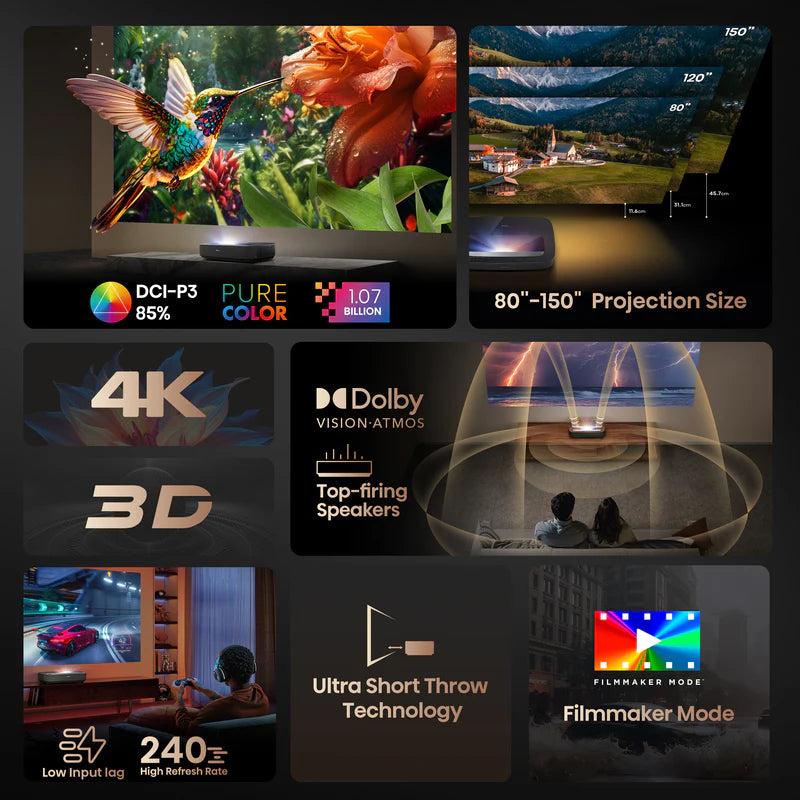
The Hisense PL1 covers 85% of the DCI-P3 color space, which is still excellent and covers most content you'll watch. For reference, standard HDTVs typically cover about 70-75% of this space, so both projectors offer superior color compared to most TVs.
Brightness might be the single most important specification when choosing a UST projector, and it's measured in ANSI lumens – a standardized way of measuring light output that accounts for uniformity across the entire image.
The Hisense PL1's 2200 ANSI lumens represent more than double the light output of the Yaber K300s's 1000 lumens. This isn't just a numbers game; it fundamentally changes how and when you can use your projector.
With 1000 lumens, the Yaber K300s performs beautifully in controlled lighting conditions. Think basement home theaters, dedicated media rooms, or living rooms with blackout curtains. Once you introduce ambient light – table lamps, afternoon sunlight through windows, or overhead lighting – the image begins to wash out. Colors lose saturation, blacks appear gray, and overall contrast diminishes.
The Hisense PL1's higher brightness changes the equation entirely. You can watch comfortably in moderately lit living rooms, enjoy afternoon movies without completely darkening the space, and maintain good image quality even with some ambient light present. This flexibility makes it far more practical for most living situations.
From my experience, 2200 lumens represents a sweet spot for UST projectors in typical home environments. It's enough brightness to overcome moderate ambient light while still maintaining the deep blacks and contrast that make projected images compelling.
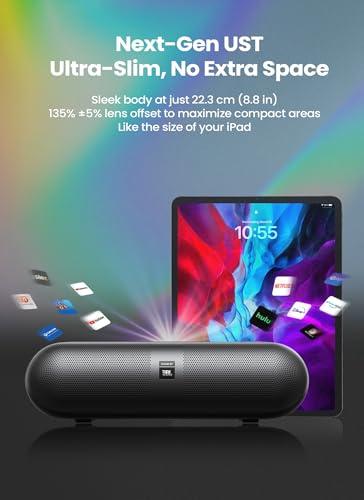
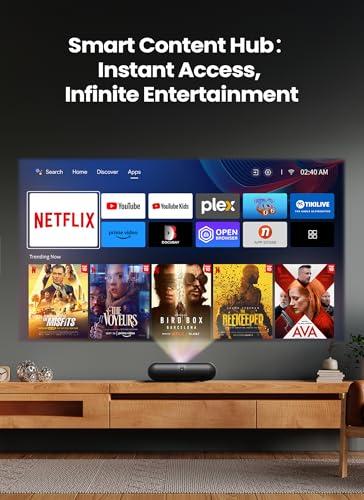
Modern projectors increasingly function as complete entertainment systems, and this is where the Yaber K300s particularly excels. It includes built-in Google TV with native Netflix access and over 7000 apps. This integrated approach means you can unbox the projector and immediately start streaming content without any additional devices.
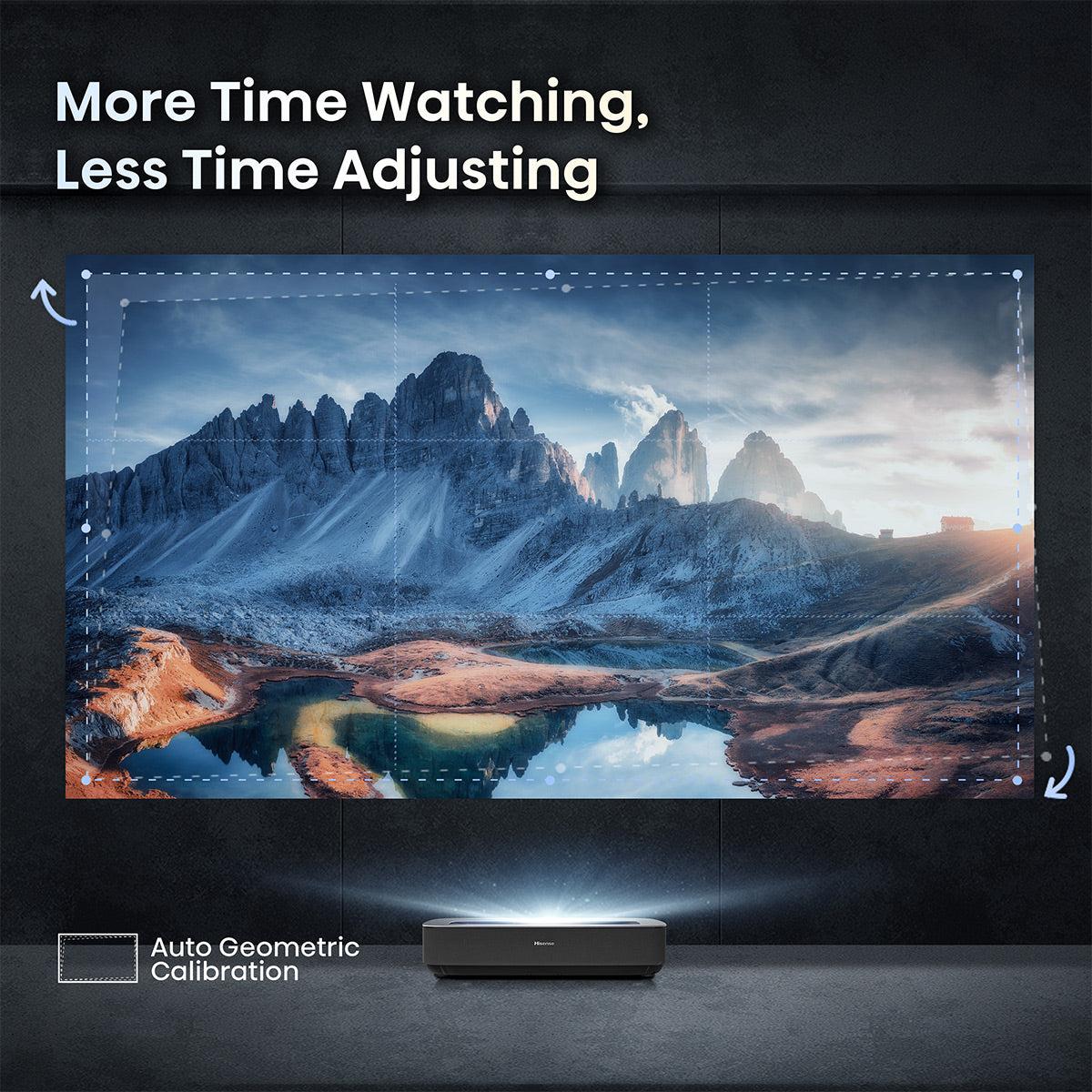
The convenience factor here is substantial. No need for Apple TV boxes, Roku devices, or gaming consoles just to watch Netflix. The Yaber K300s also includes automatic focus and keystone correction, which uses internal sensors and processing to ensure your image is sharp and properly aligned even if the projector isn't perfectly positioned.
The Hisense PL1 also includes Google TV, but places less emphasis on automated setup features. This reflects its positioning as a more permanent installation where manual calibration and optimization are expected.
Both projectors support HDR (High Dynamic Range) content, which expands the range of brightness and color information in compatible movies and shows. However, HDR's effectiveness depends heavily on the projector's peak brightness capability, giving the Hisense PL1 a significant advantage in reproducing the dramatic contrast differences that make HDR content compelling.
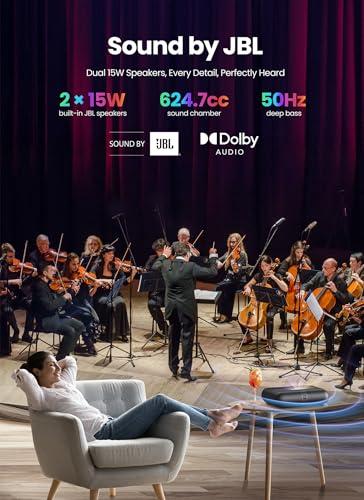
Sound quality often gets overlooked when comparing projectors, but both units include surprisingly capable built-in audio systems. The Yaber K300s features dual 15W JBL speakers with Dolby Audio processing, housed in what Yaber calls a 624.7cc sound chamber designed to enhance bass response.
In smaller rooms (think 12×15 feet or smaller), these speakers provide perfectly adequate audio for casual viewing. The sound is clear, dialogue is intelligible, and there's enough low-frequency response to avoid that thin, tinny sound common with built-in projector speakers.
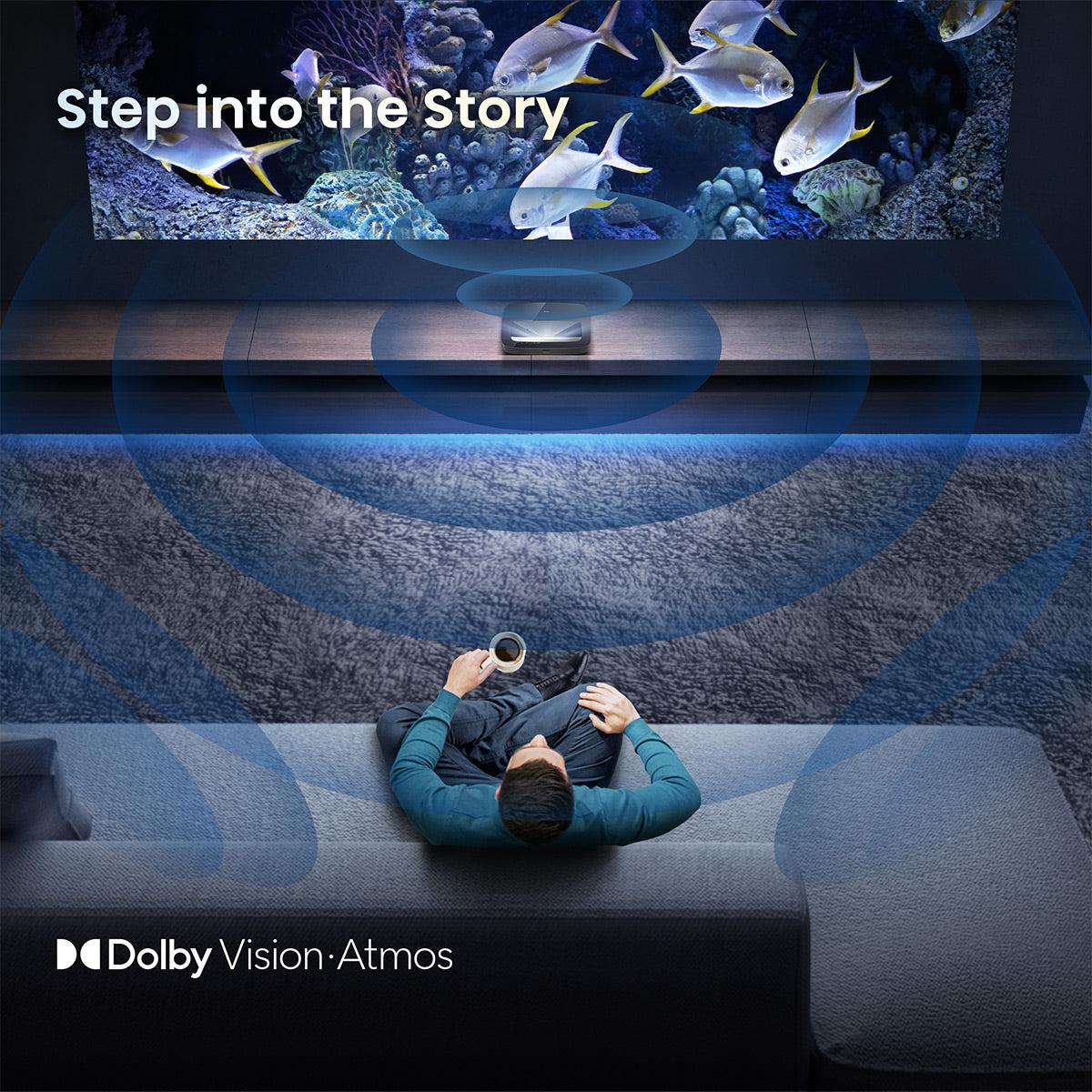
The Hisense PL1 includes a more powerful 30W Dolby Atmos system. Dolby Atmos creates a three-dimensional sound field by bouncing audio off your ceiling and walls, creating the impression that sounds are coming from above and around you rather than just from the projector's location.
However, serious home theater enthusiasts will likely connect external sound systems regardless of built-in capabilities. Both projectors support HDMI ARC (Audio Return Channel), which allows your sound system to receive audio directly from the projector's smart TV functions.
Gaming on ultra short throw projectors has improved dramatically in recent years. Both the Yaber K300s and Hisense PL1 include dedicated game modes that reduce input lag – the delay between when you press a button and when that action appears on screen.
The Yaber K300s achieves input lag of 40 milliseconds or less in game mode, which is perfectly acceptable for casual and moderate gaming. You won't notice any delay in single-player adventures, racing games, or most online multiplayer titles.
The Hisense PL1 supports HDMI 2.1, the latest connection standard that enables advanced gaming features like Variable Refresh Rate (VRR) and Auto Low Latency Mode (ALLM) when connected to modern gaming consoles like PlayStation 5 or Xbox Series X.
For competitive gaming where every millisecond matters, dedicated gaming monitors remain superior. But for the 95% of gaming that happens in living rooms on big screens, both projectors deliver excellent experiences.
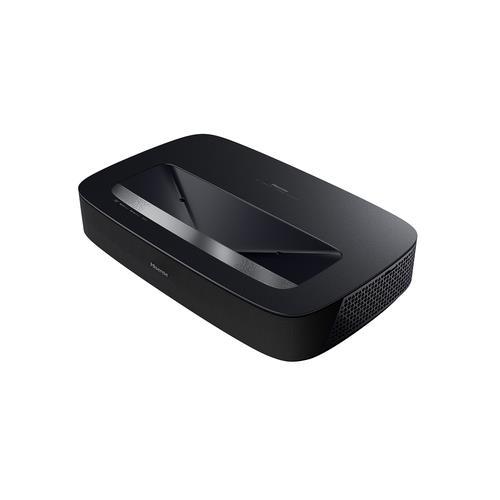
The Yaber K300s's compact design and 4-pound weight make it uniquely portable among UST projectors. You can easily move it between rooms, take it to friends' houses, or even pack it for travel. This flexibility opens up use cases that simply aren't practical with larger, heavier units.
The automated setup features become particularly valuable with this portability. Place the Yaber K300s in front of any wall, power it on, and within seconds it focuses itself and corrects for any keystone distortion caused by imperfect positioning.
The Hisense PL1 requires more deliberate installation planning. Its larger size and weight suggest a more permanent placement, though it doesn't require professional installation like ceiling-mounted projectors.
Both projectors benefit from ALR (Ambient Light Rejecting) screens, which are specially designed to reflect the projector's upward-angled light toward viewers while absorbing ambient light coming from other directions. While not strictly necessary, ALR screens can improve contrast and color saturation, particularly in brighter environments.
Laser light sources in both projectors offer significant advantages over traditional lamp-based projectors. Instead of replacing expensive bulbs every 2000-5000 hours, these laser systems are rated for 20,000+ hours of operation without maintenance. At typical usage rates (2-3 hours daily), you're looking at 15-20 years of service life.
The Hisense PL1's 25,000-hour laser life slightly exceeds the Yaber K300s's 20,000-hour rating, but both represent excellent long-term value. More importantly, laser brightness doesn't degrade significantly over time like traditional lamps, which can lose 50% of their brightness before replacement.
Energy efficiency also favors laser projection. The Yaber K300s consumes significantly less power than comparable LED or lamp-based projectors, while the Hisense PL1's 300W consumption is still reasonable for its light output.
After extensive experience with both projectors, here's my honest assessment of who should choose each option:
Choose the Yaber K300s if you want the benefits of UST projection without the traditional premium pricing. It's ideal for users with controlled lighting environments who prioritize color accuracy, portability, and integrated smart features. The triple laser color performance is genuinely impressive, and the compact design enables use cases that larger projectors simply can't match.
The Hisense PL1 makes sense for users who need maximum brightness and native 4K resolution. If your viewing space has significant ambient light, if you're planning a dedicated home theater installation, or if absolute image quality takes priority over budget concerns, the PL1's performance advantages justify its higher cost.
From a pure value perspective, the Yaber K300s delivers an impressive 80% of premium UST performance at roughly 50% of the cost. For most users in most environments, this represents exceptional value. However, the Hisense PL1's brightness advantage isn't just a luxury – in bright environments, it's the difference between a usable image and one that's washed out and disappointing.
Consider your specific environment, usage patterns, and budget. Both projectors represent significant advances in making large-screen entertainment accessible and practical for home use. The choice between them depends on whether you prioritize maximum performance or maximum value – and fortunately, both approaches deliver compelling results in their respective contexts.
The ultra short throw projector category continues evolving rapidly, with improvements in brightness, resolution, and features arriving regularly. But based on current technology and pricing, both the Yaber K300s and Hisense PL1 represent strong choices for different types of users seeking the big-screen experience without the complexity of traditional projection systems.
| Yaber K300s Triple Laser Ultra Short Throw Projector | Hisense PL1 Laser Cinema Projector |
|---|---|
| Brightness - Most critical spec for daytime and ambient light viewing | |
| 1,000 ANSI lumens (requires controlled lighting for best results) | 2,200 ANSI lumens (excellent for moderately lit rooms) |
| Resolution - Determines image sharpness and future-proofing | |
| Native 1080p with 4K decoding (great for most content at typical viewing distances) | Native 4K (3840×2160) (superior detail for close viewing and large screens) |
| Laser Technology - Affects color accuracy and vibrancy | |
| Triple RGB laser with 150%+ NTSC color gamut (exceptional color performance) | Single blue laser with phosphor (85% DCI-P3 coverage, still excellent) |
| Weight & Portability - Important for flexibility and room changes | |
| 4.0 lbs (highly portable, easy to move between rooms) | 17 lbs (designed for permanent installation) |
| Audio System - Determines if external speakers are needed | |
| Dual 15W JBL speakers with Dolby Audio (adequate for small-medium rooms) | 30W Dolby Atmos system (more powerful, spatial audio effects) |
| Smart Features - Affects ease of use and streaming convenience | |
| Built-in Google TV, Netflix access, 7000+ apps with auto-focus/keystone | Google TV platform with manual setup and calibration |
| Gaming Performance - Important for console and PC gaming | |
| Game Mode ≤40ms input lag, MEMC motion processing | HDMI 2.1, Auto Game Mode, VRR support for next-gen consoles |
| Laser Life - Long-term reliability and maintenance costs | |
| 20,000 hours (15-20 years typical use, no bulb replacements) | 25,000 hours (slightly longer lifespan, premium durability) |
| Throw Ratio - Distance needed from wall for projection | |
| 0.18:1 (100" image from just 9 inches away) | 0.25:1 (slightly more distance required but still ultra-short) |
| HDR Support - Enhanced contrast and color in compatible content | |
| HDR10, limited by 1000 lumen brightness | HDR10, Dolby Vision, HLG (better HDR performance due to higher brightness) |
| Power Consumption - Operating costs and heat generation | |
| Energy efficient design (50% less than comparable projectors) | 300W consumption (higher but reasonable for brightness output) |
| Best Use Cases - Who should choose each projector | |
| Budget-conscious users, portable setups, color-critical viewing in dark rooms | Bright living rooms, permanent installations, native 4K content enthusiasts |
The Hisense PL1 Laser Cinema Projector is significantly better for bright rooms with its 2,200 ANSI lumens compared to the Yaber K300s Triple Laser Ultra Short Throw Projector's 1,000 lumens. The higher brightness allows the Hisense PL1 to maintain good image quality even with ambient lighting from windows or lamps.
The Hisense PL1 offers native 4K resolution (3840×2160) for maximum sharpness, while the Yaber K300s provides native 1080p with 4K decoding. However, the Yaber K300s delivers superior color accuracy with its Triple RGB laser technology, covering over 150% NTSC color space compared to the Hisense PL1's 85% DCI-P3 coverage.
The Yaber K300s Triple Laser Ultra Short Throw Projector is much more portable at just 4 pounds, making it easy to move between rooms or take to different locations. The Hisense PL1 weighs 17 pounds and is designed for permanent installation rather than portability.
Both projectors include capable built-in audio systems. The Yaber K300s features dual 15W JBL speakers with Dolby Audio that work well for small to medium rooms, while the Hisense PL1 Laser Cinema Projector includes a more powerful 30W Dolby Atmos system for larger spaces and immersive audio effects.
The Yaber K300s provides exceptional value, delivering about 80% of premium UST projector features at roughly half the cost of the Hisense PL1. The Yaber K300s is ideal for budget-conscious buyers who want quality projection without premium pricing.
Both are ultra short throw projectors that sit very close to the wall. The Yaber K300s Triple Laser Ultra Short Throw Projector has a 0.18:1 throw ratio, projecting 100 inches from just 9 inches away. The Hisense PL1 requires slightly more distance with its 0.25:1 ratio but still qualifies as ultra short throw.
The Hisense PL1 Laser Cinema Projector has an edge for serious gaming with HDMI 2.1 support, Variable Refresh Rate, and Auto Low Latency Mode for next-gen consoles. The Yaber K300s offers good gaming performance with ≤40ms input lag and Game Mode, suitable for most gaming scenarios.
Both projectors run Google TV operating systems. The Yaber K300s includes built-in Netflix access and over 7,000 apps with automatic setup features like auto-focus and keystone correction. The Hisense PL1 also offers Google TV but focuses more on manual calibration and optimization.
The Yaber K300s Triple Laser Ultra Short Throw Projector offers 20,000 hours of laser life, while the Hisense PL1 Laser Cinema Projector provides 25,000 hours. Both represent 15-20 years of typical use without needing bulb replacements, making either choice excellent for long-term reliability.
For dedicated home theater rooms with controlled lighting, the Yaber K300s excels with its superior color accuracy from Triple RGB laser technology. However, if you want native 4K resolution and maximum brightness for larger screens, the Hisense PL1 provides premium home theater performance.
Both support HDR formats, but the Hisense PL1 Laser Cinema Projector delivers better HDR performance due to its higher 2,200 lumen brightness and support for Dolby Vision and HLG. The Yaber K300s supports HDR10 but is limited by its lower brightness output for dramatic HDR contrast effects.
Choose the Hisense PL1 if your living room has windows or ambient lighting and you need maximum brightness for daytime viewing. Select the Yaber K300s Triple Laser Ultra Short Throw Projector if you can control lighting, prioritize color quality and portability, and want integrated smart features at a lower cost.
We've done our best to create useful and informative comparisons to help you decide what product to buy. Our research uses advanced automated methods to create this comparison and perfection is not possible - please contact us for corrections or questions. These are the sites we've researched in the creation of this article: yaber.com - projectorcentral.com - trendygadget.com - staples.com - youtube.com - projection.center - notebookcheck.net - yaber.ph - wallpaper.com - youtube.com - androidauthority.com - youtube.com - yaber.com - projektoren-datenbank.com - bestbuy.com - tractorsupply.com - digitaltrends.com - projectorscreen.com - dreamediaav.com - projectorcentral.com - trustedreviews.com - crutchfield.com - hometheaterhifi.com - projectorcentral.com - projectorreviews.com - vividstormscreen.com - bhphotovideo.com - shi.com - crutchfield.com

Privacy Policy
Terms and Conditions - Affiliate Policy
Home Security
© Copyright 2008-2026.
11816 Inwood Rd #1211, Dallas, TX 75244