

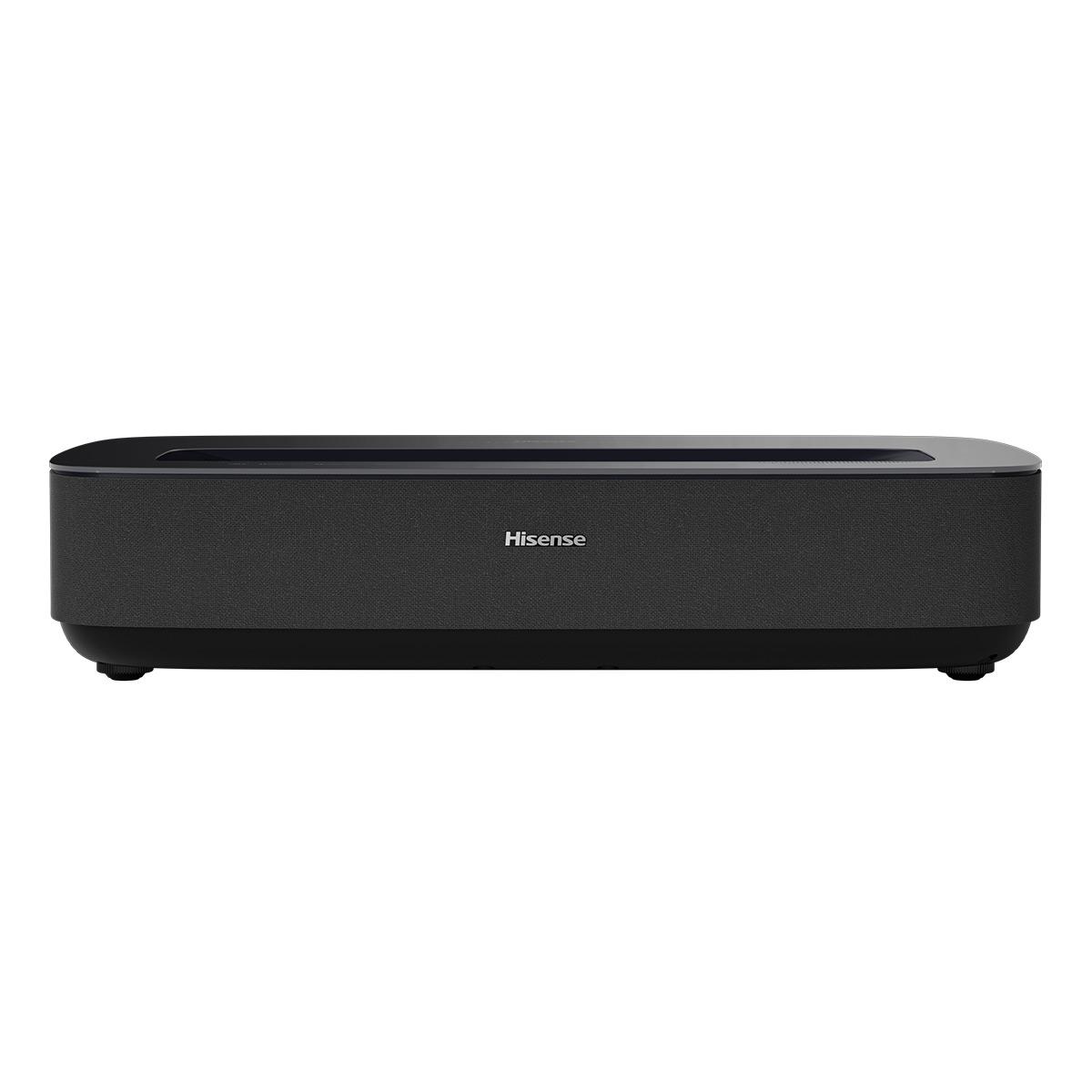
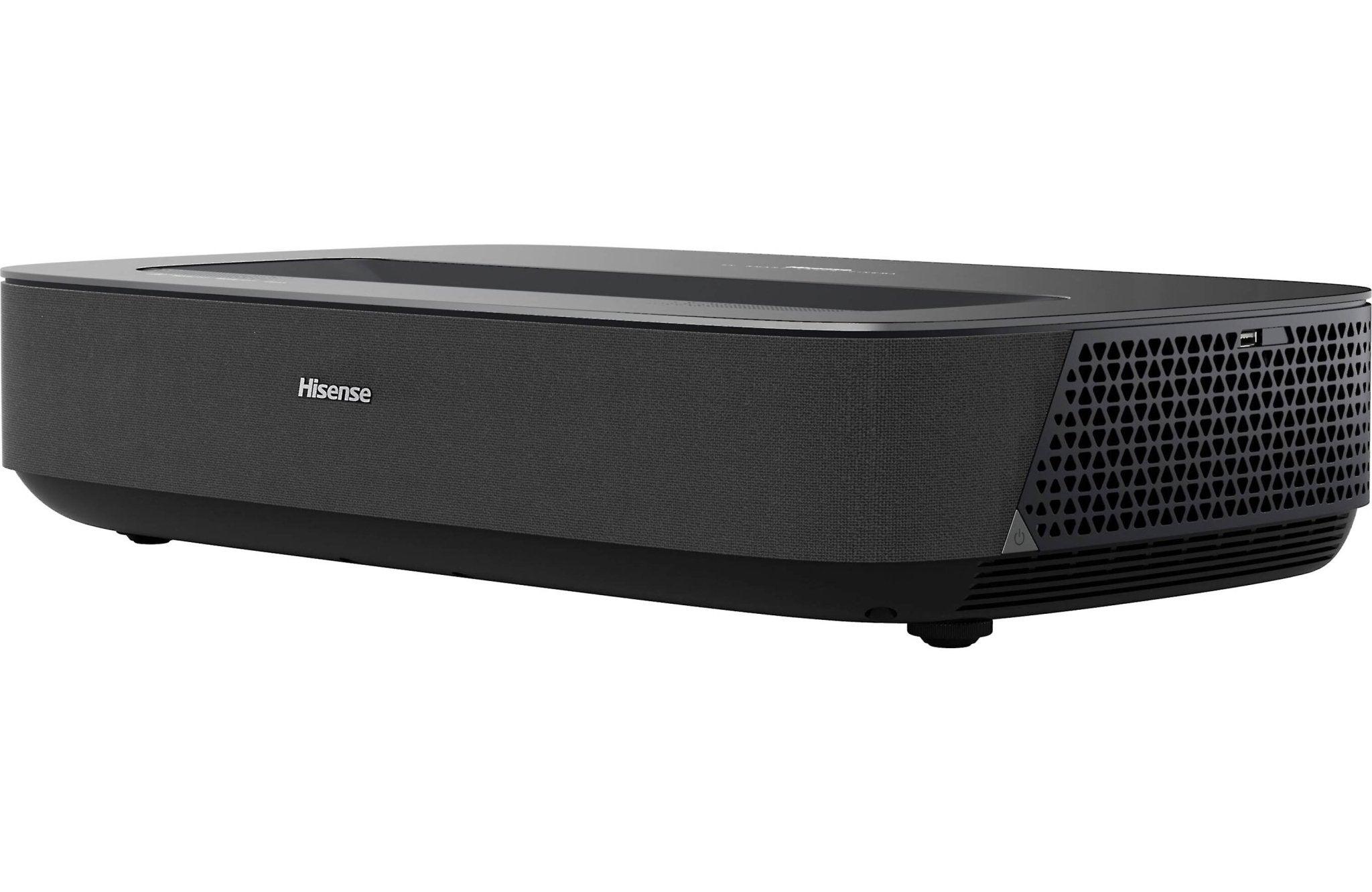
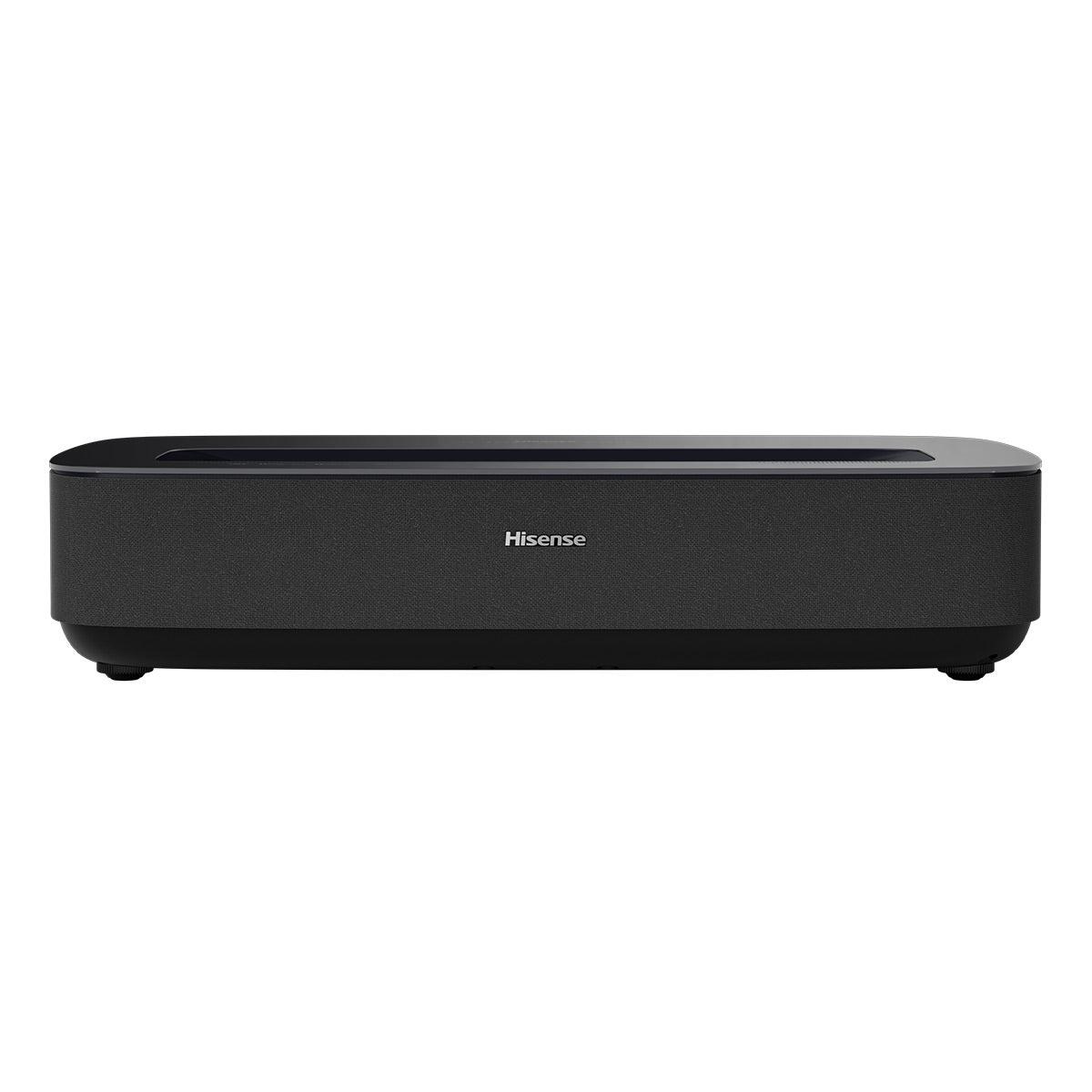
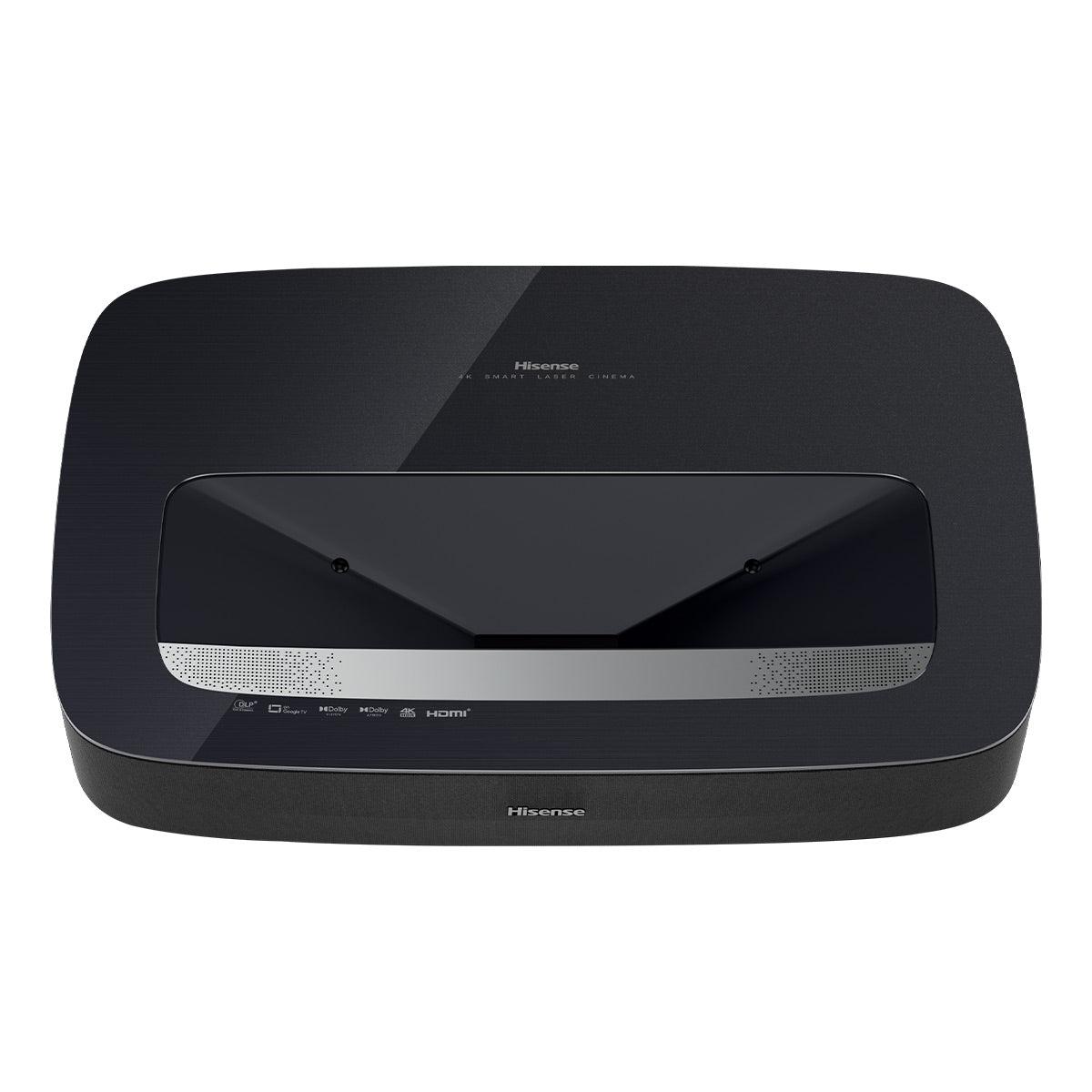
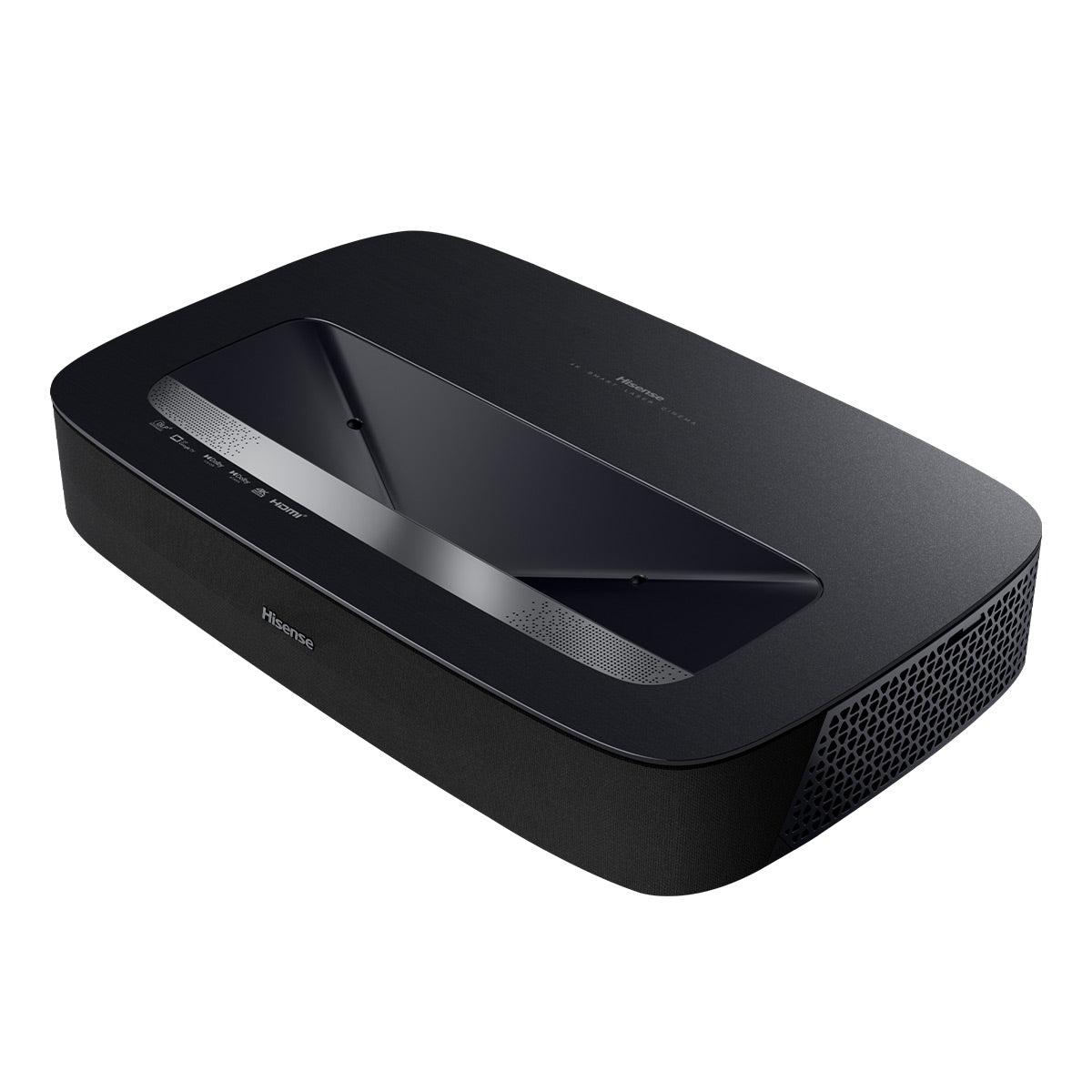
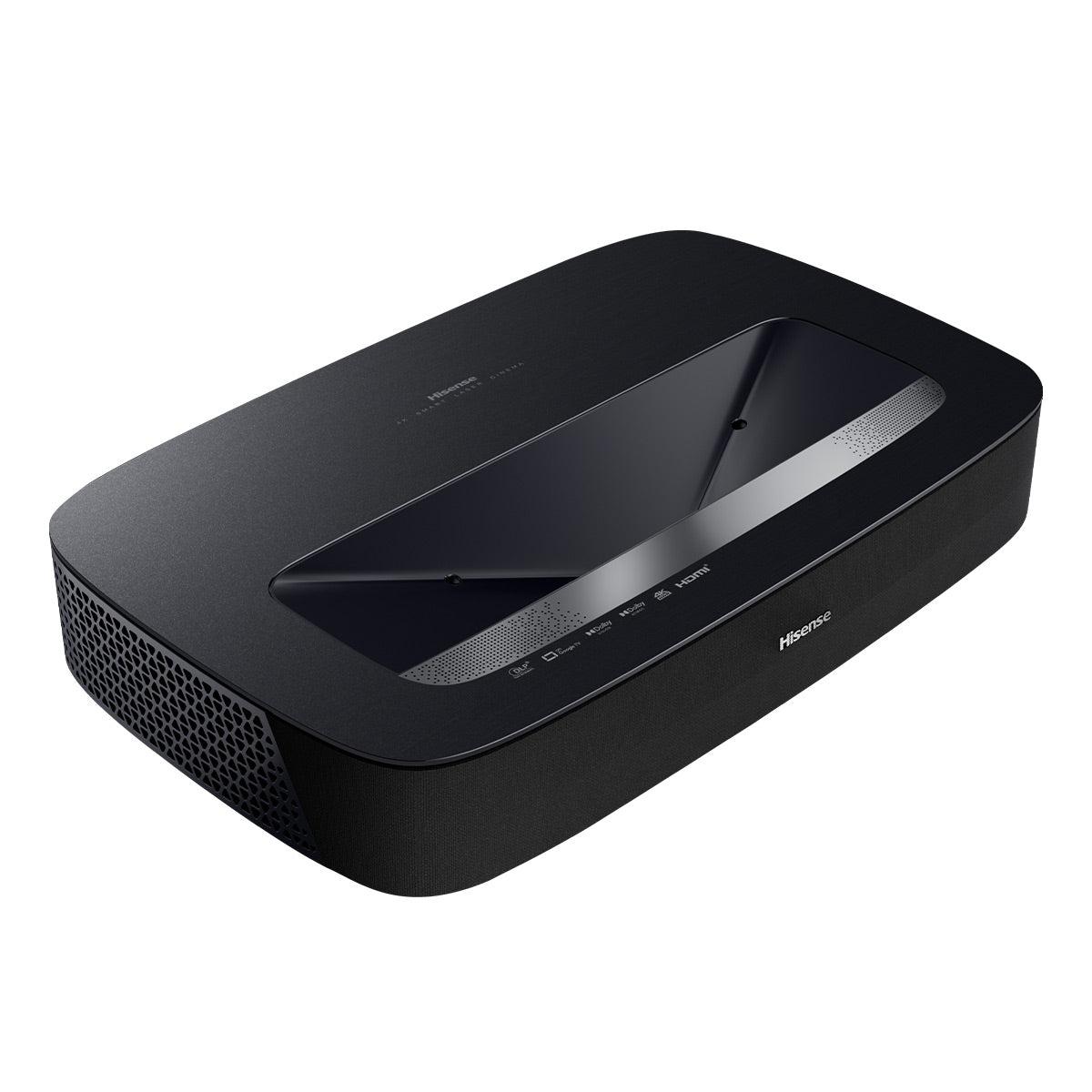
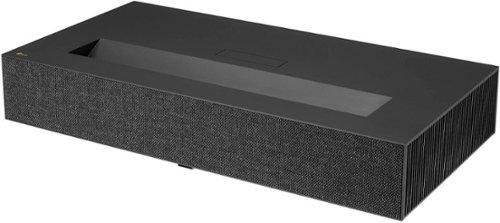
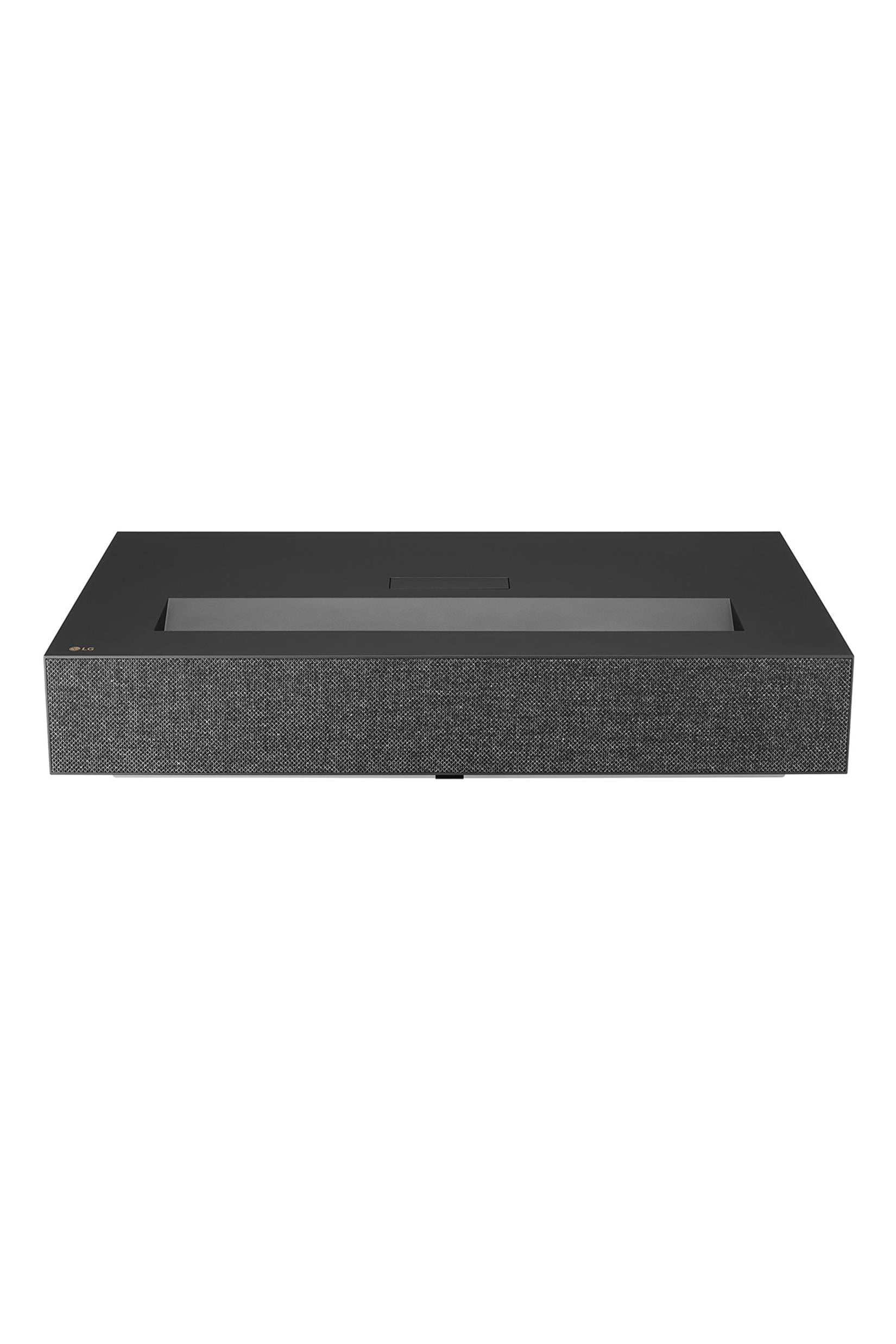
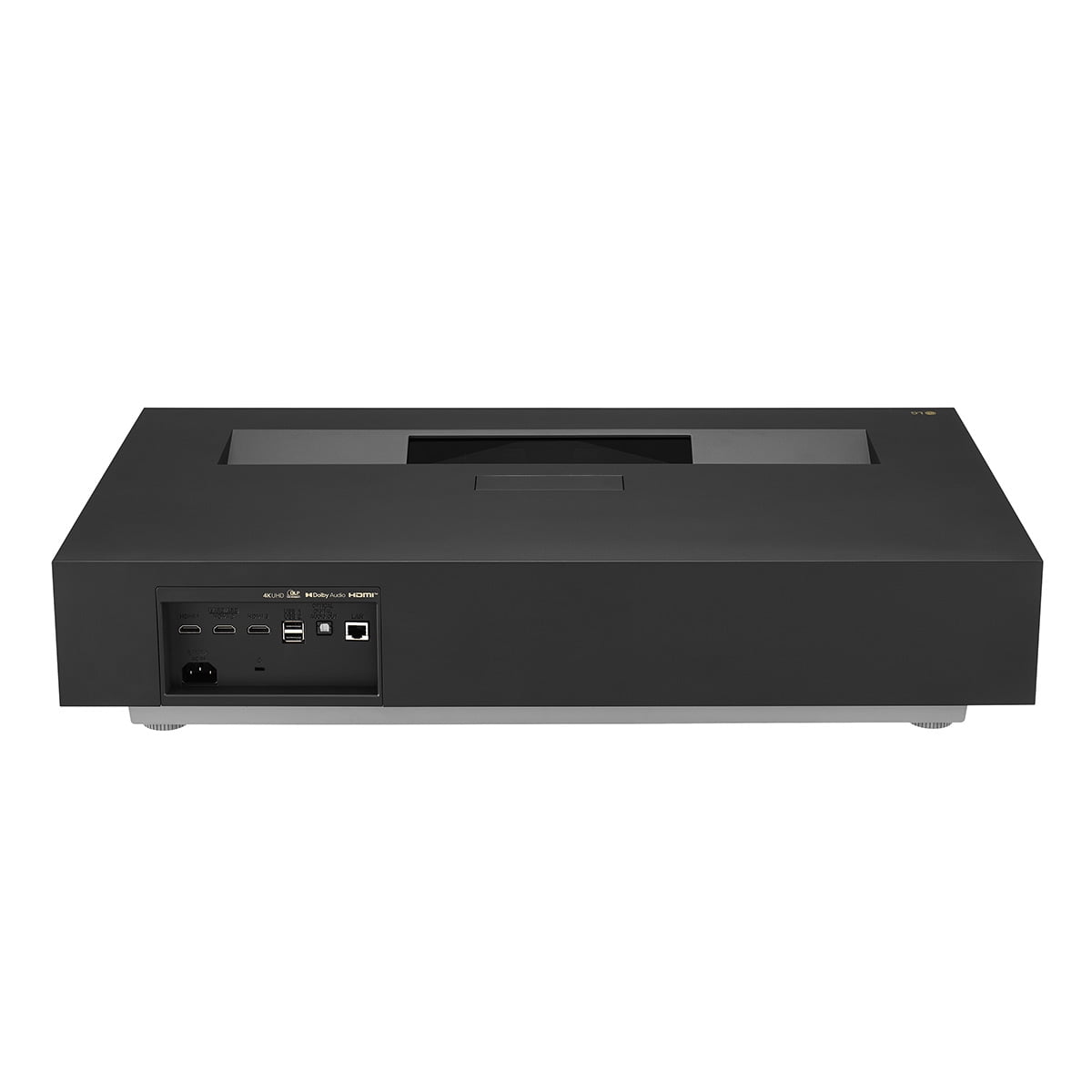
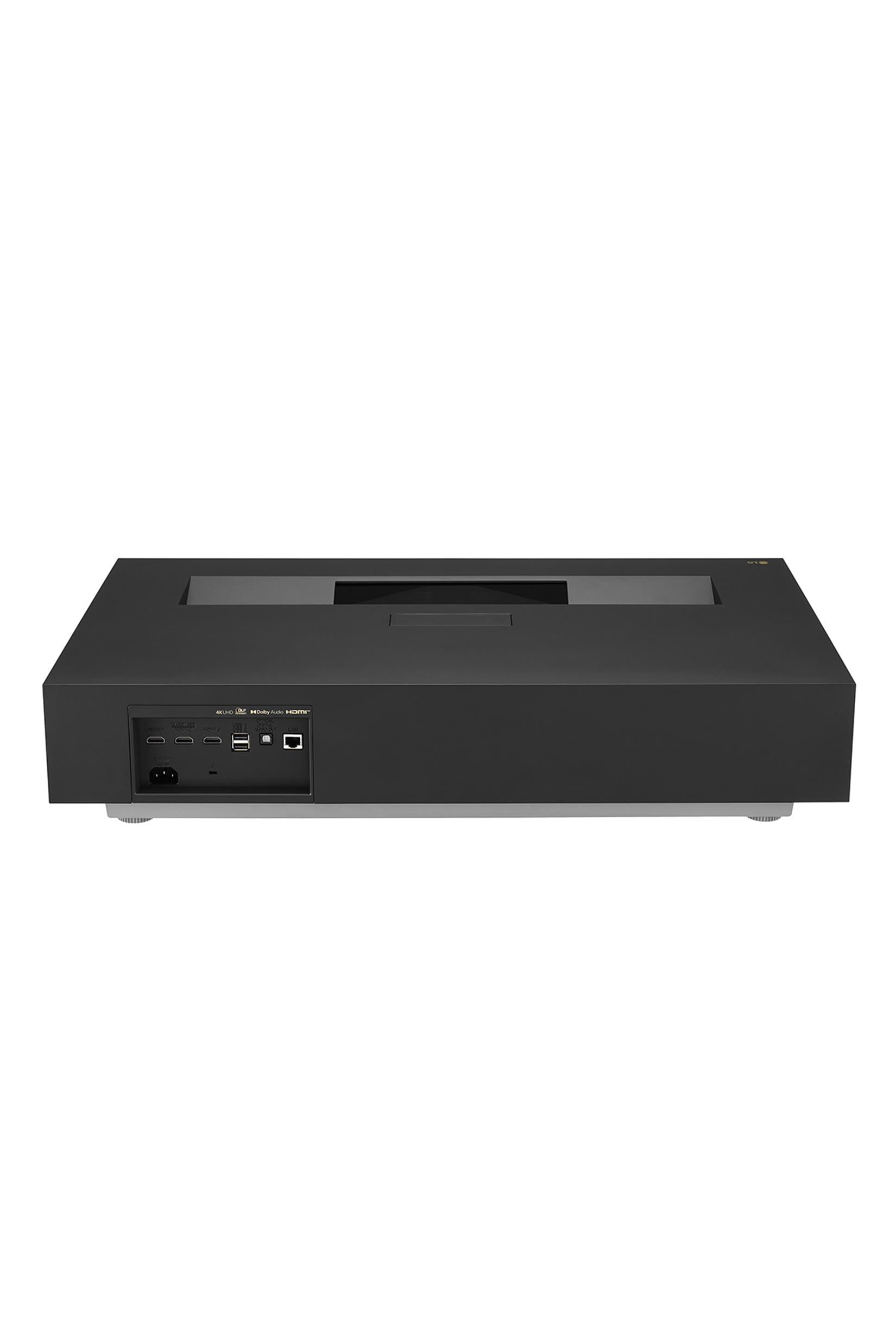
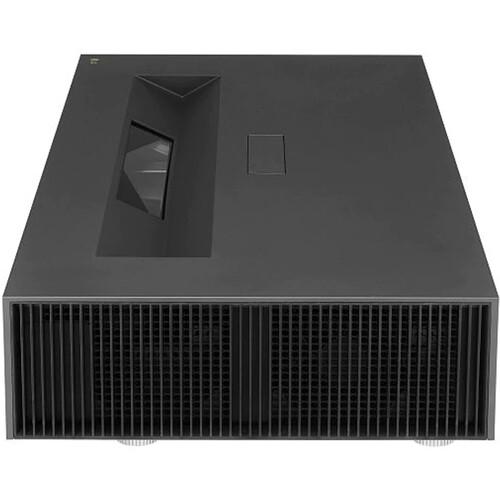
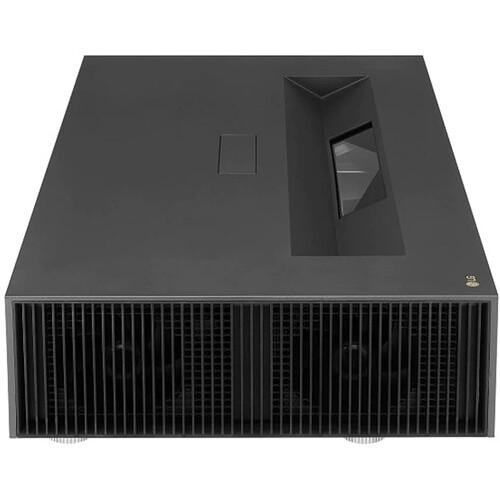
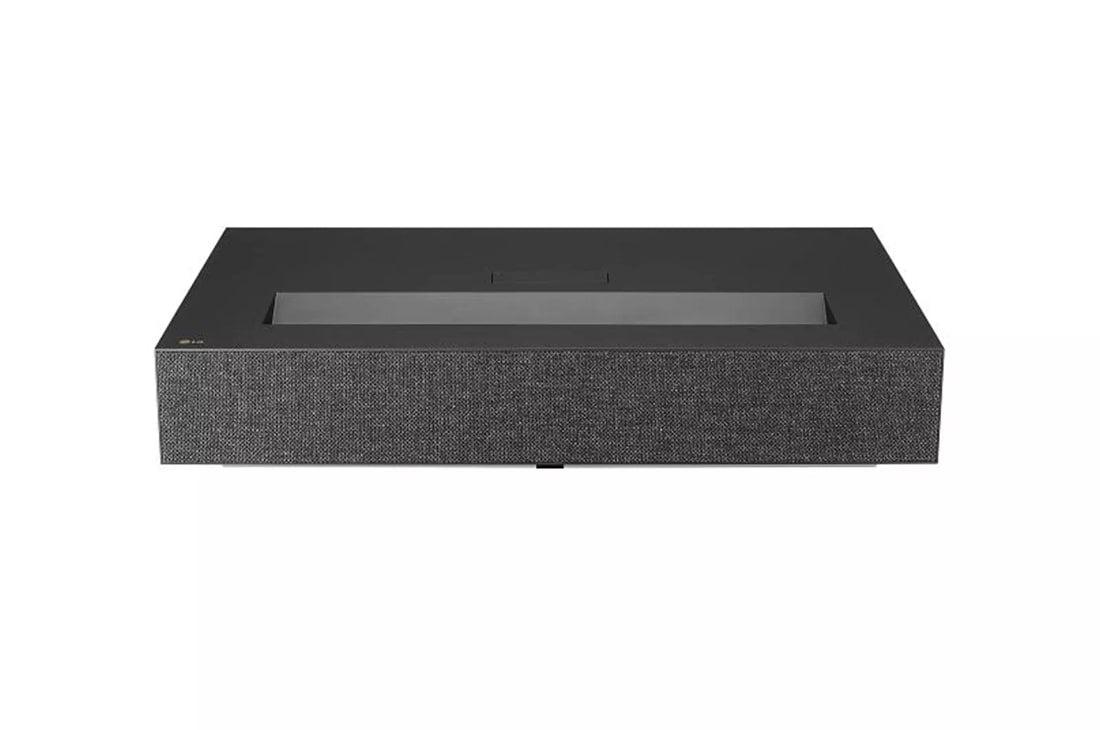
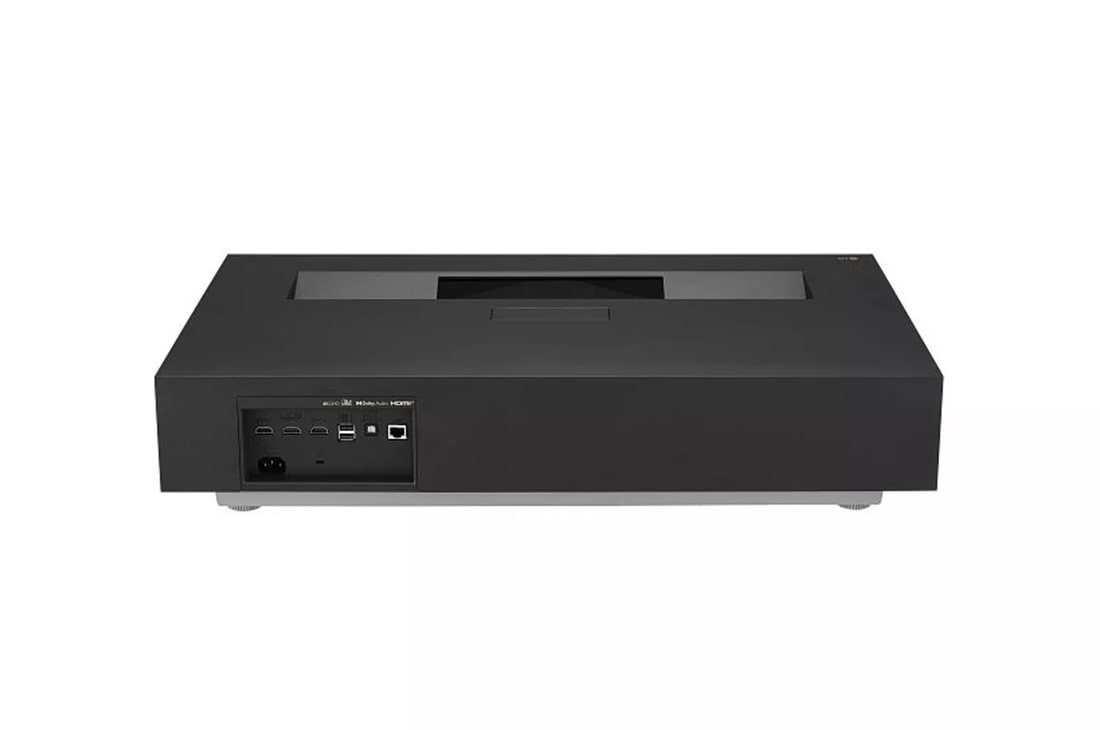
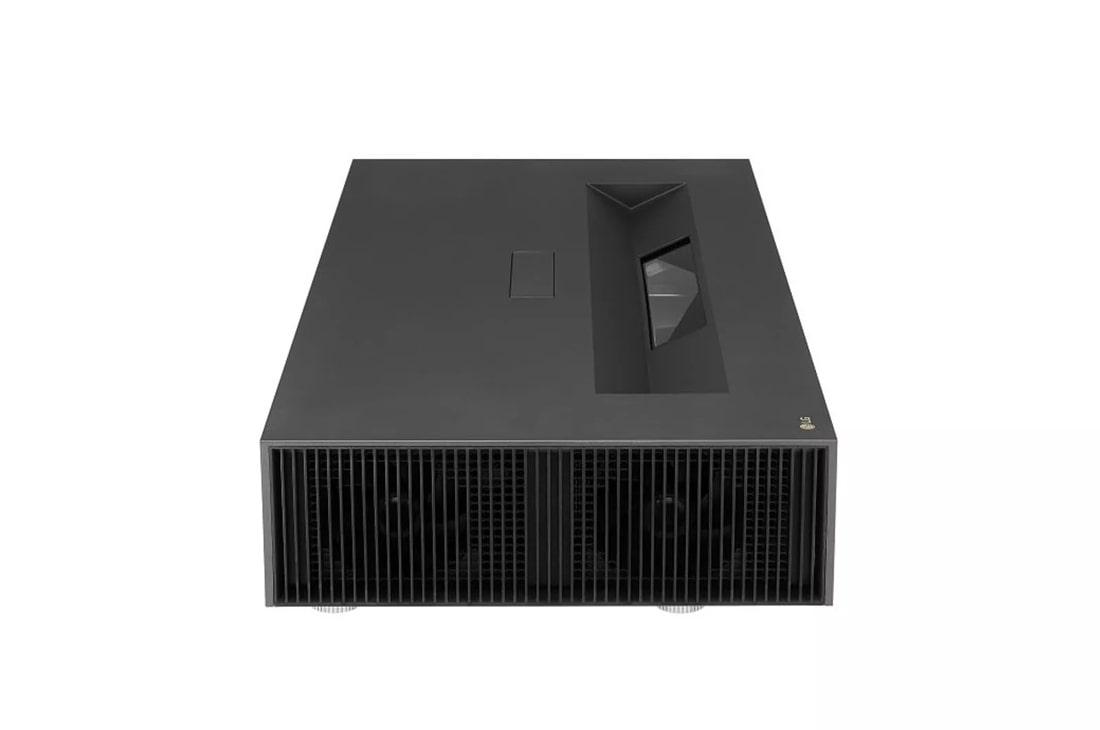
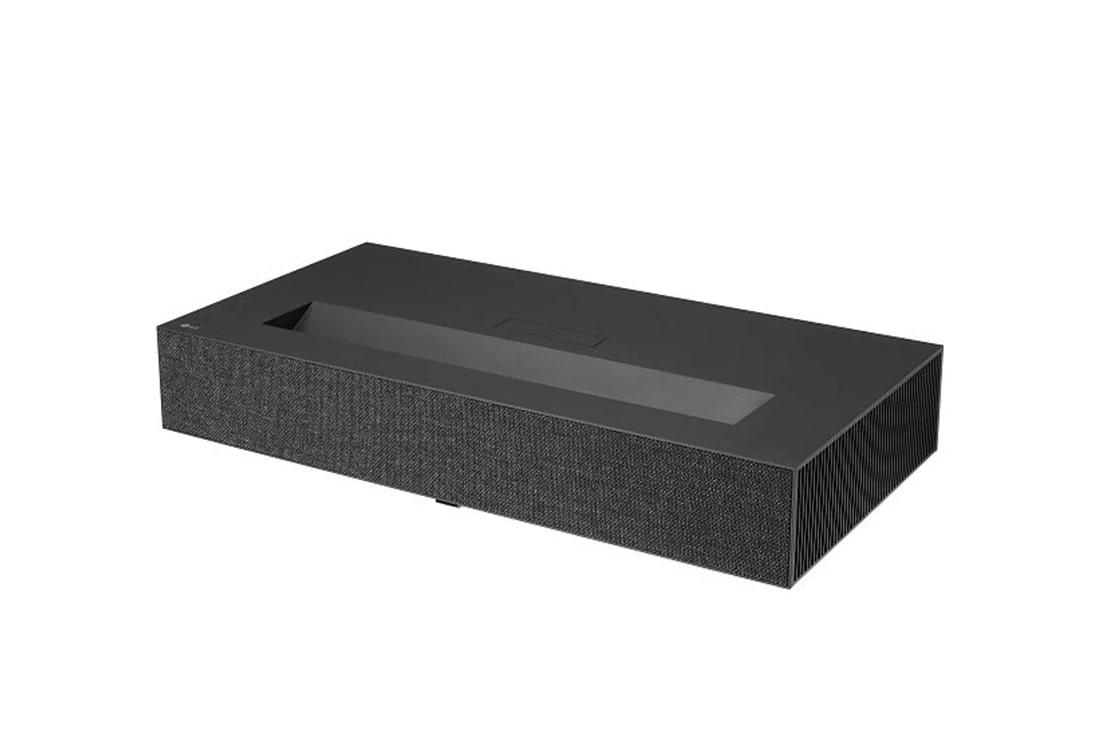
When it comes to creating a high-end home theater experience, ultra short throw (UST) laser projectors have revolutionized what's possible. Today, we're comparing two leading options: the Hisense PL1 ($2,498) and LG CineBeam HU915QB ($2,739). Both offer impressive technology, but they take different approaches to delivering that big-screen experience.
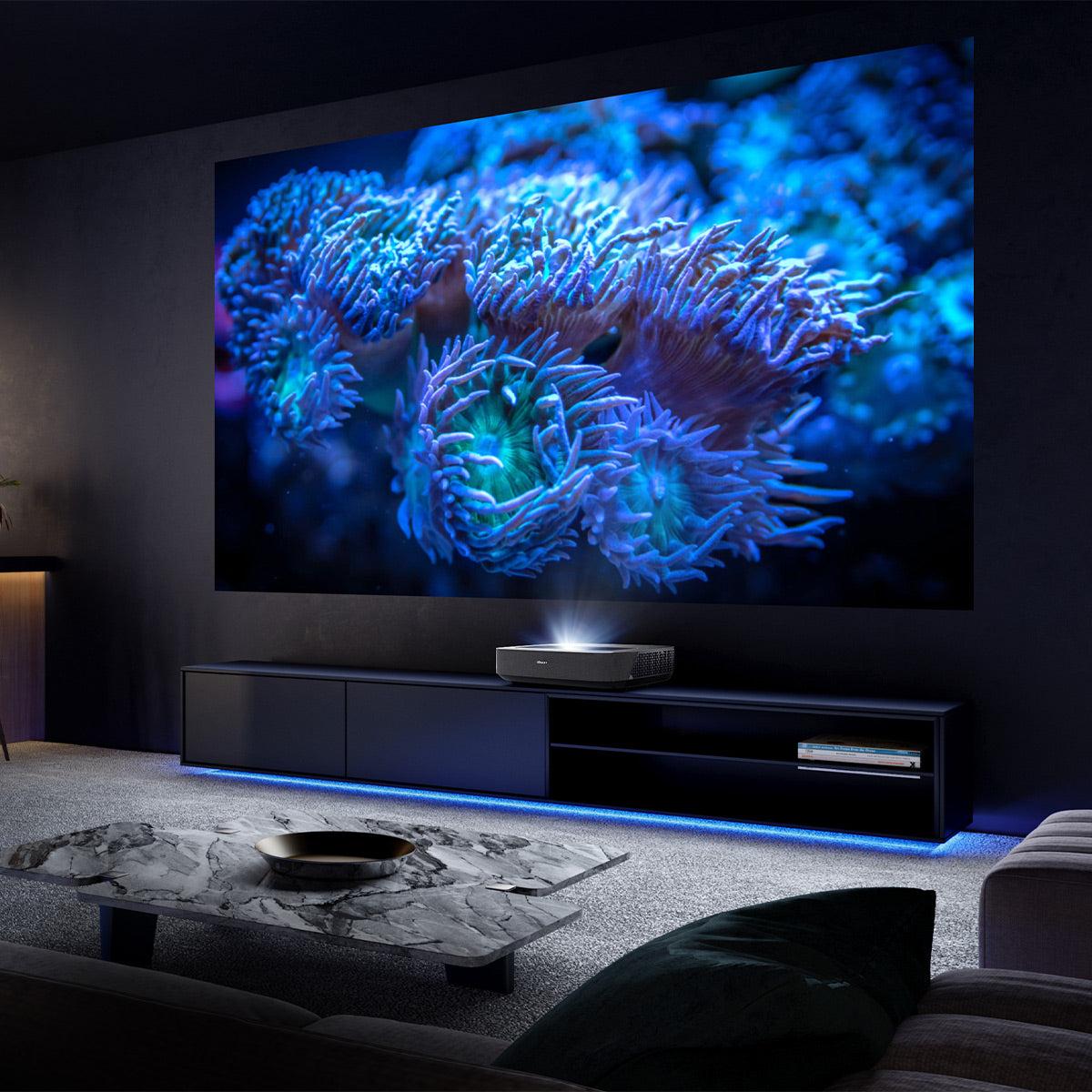
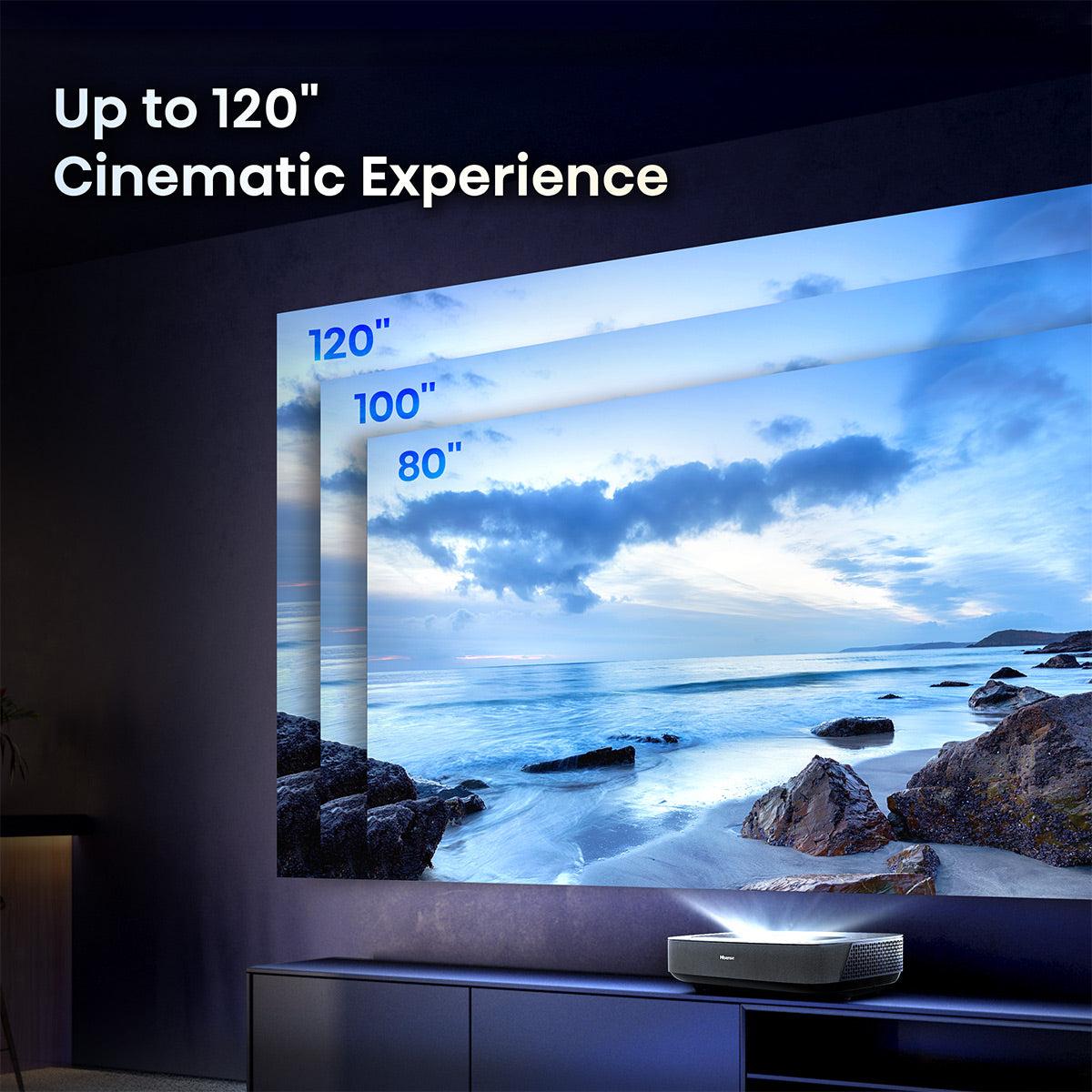
Unlike traditional projectors that need significant distance to create large images, UST projectors sit just inches from your wall. They use advanced optics and laser light sources to project massive screens (80-120 inches) from very close distances. This technology eliminates ceiling mounting hassles and shadow problems when people walk in front of the projector.
The latest laser light sources offer several advantages over traditional lamp-based projectors:
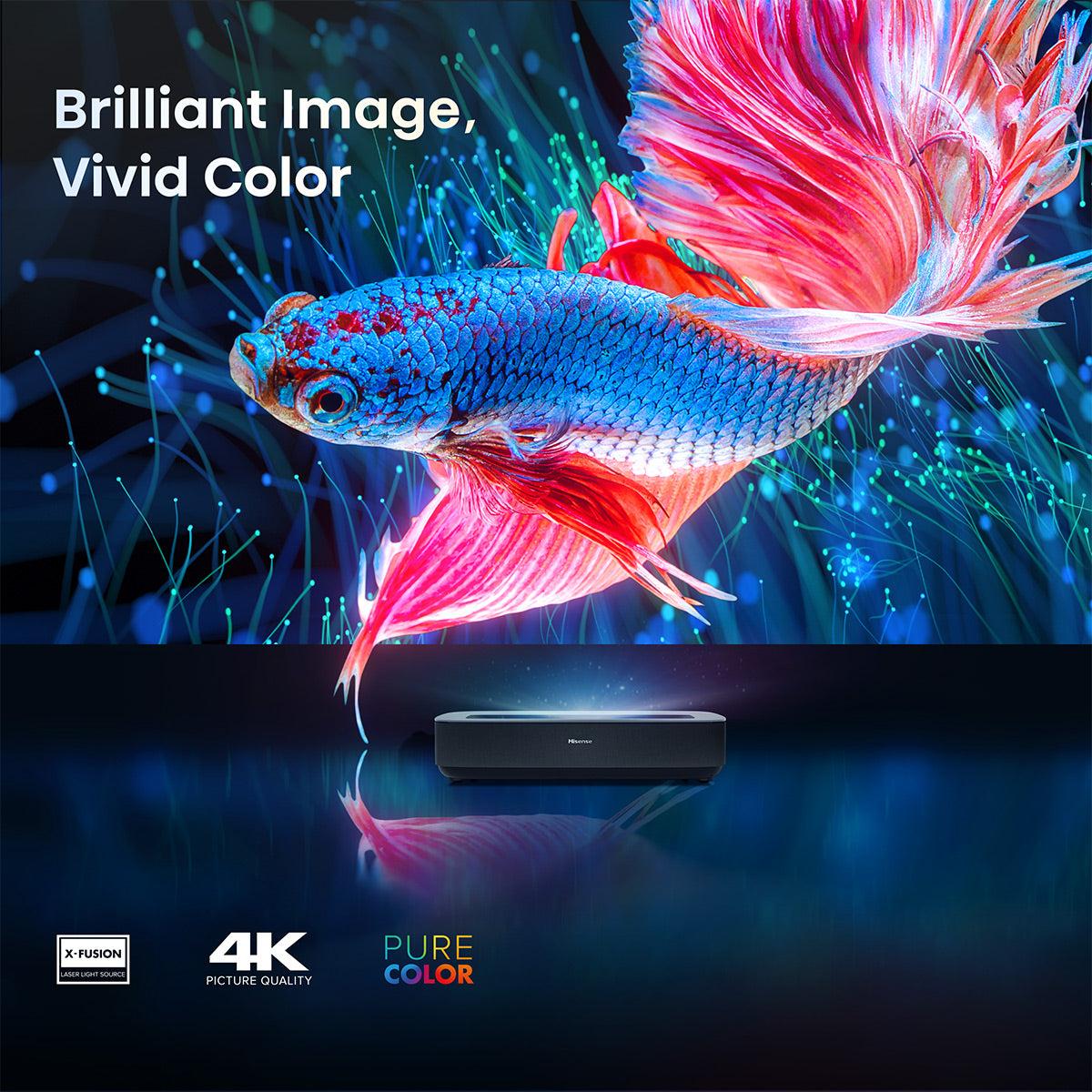
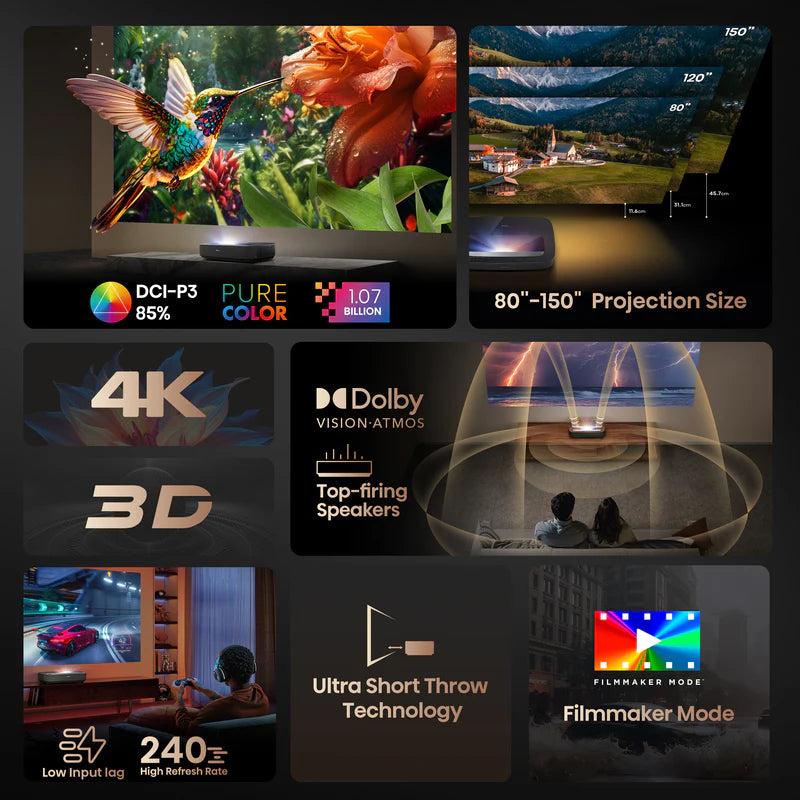
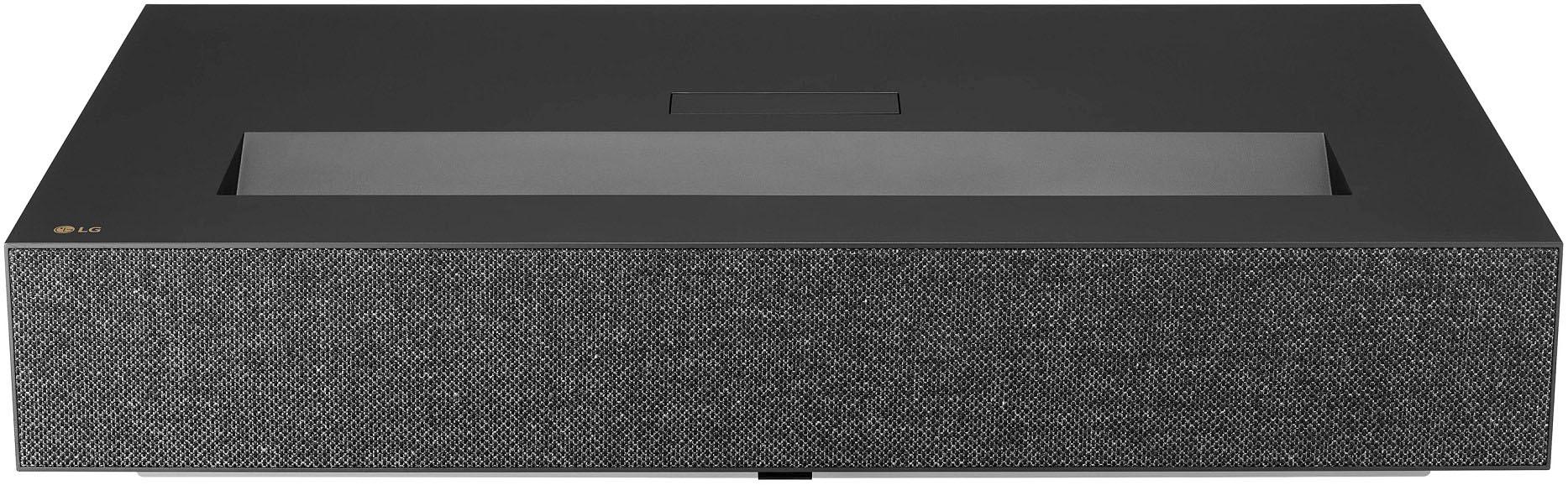
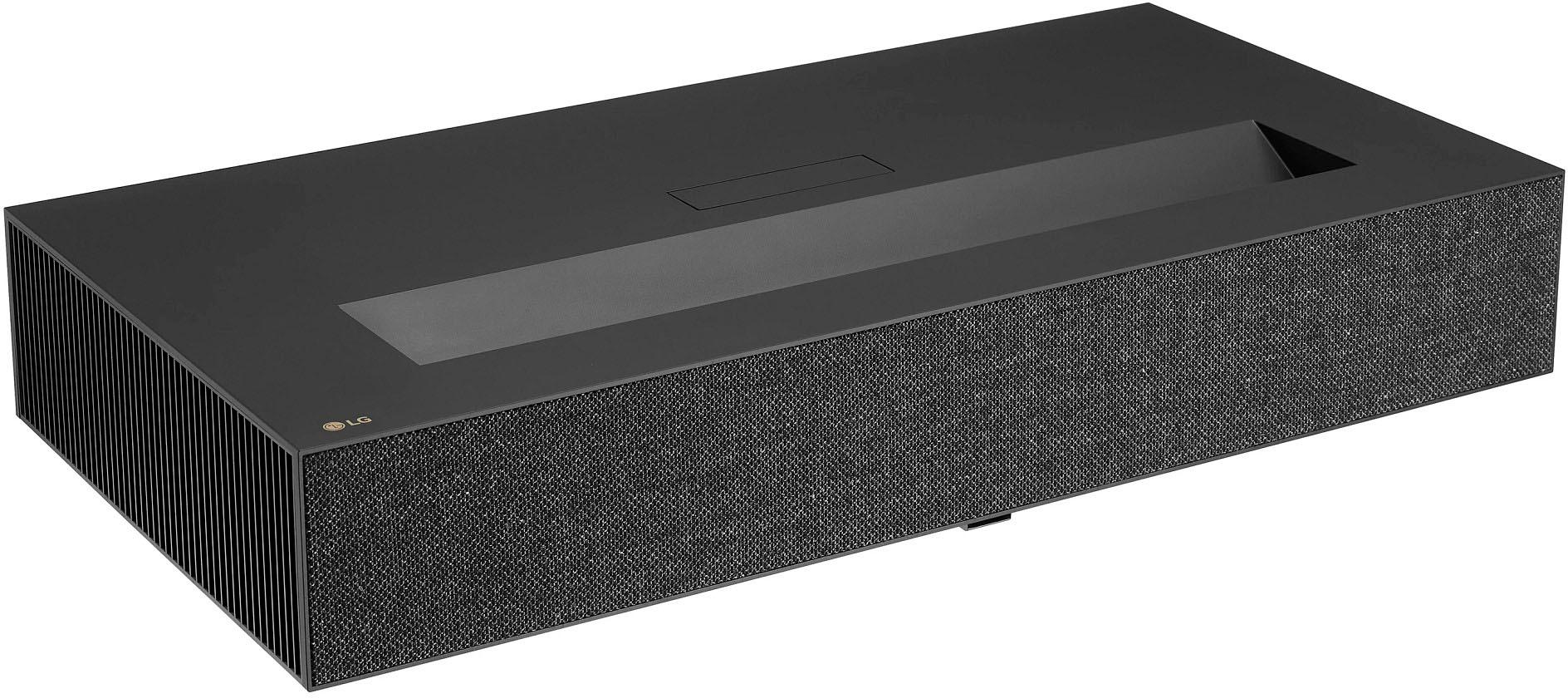
The LG HU915QB takes the lead here with its triple laser system (using separate red, green, and blue lasers) to achieve 100% of the DCI-P3 color space. This means it can display more colors with better accuracy than the Hisense PL1, which uses a single blue laser with a phosphor wheel to create other colors. While the PL1's 85% DCI-P3 coverage is still impressive, the difference is noticeable when viewing high-quality content.
Both projectors deliver excellent brightness, but there's a meaningful difference:
This 800-lumen advantage means the LG performs better in rooms with some ambient light. However, in a properly darkened home theater, both projectors provide plenty of brightness for HDR content.
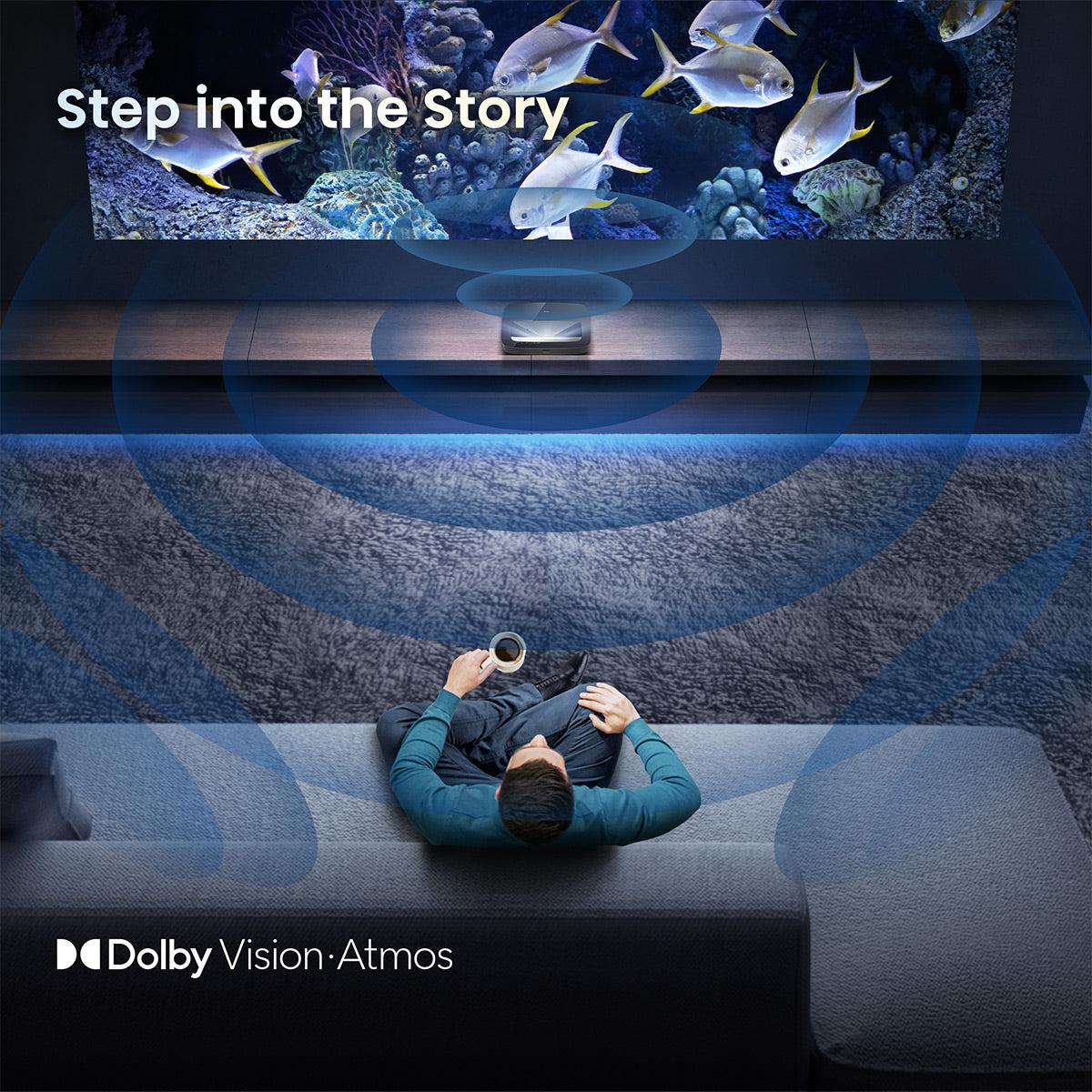
The PL1 actually takes the lead here with support for:
The HU915QB supports HDR10 and HLG but lacks Dolby Vision. However, it compensates with superior HDR processing and dynamic tone mapping, which automatically adjusts the image to optimize HDR performance scene-by-scene.
Both projectors offer smart TV platforms, but their approaches differ significantly:
The Hisense PL1 uses Google TV, providing:
The LG HU915QB features webOS:
For gamers, there's a clear winner. The PL1 offers:
The HU915QB, while capable of gaming, shows higher input lag (around 67ms) and lacks some gaming-specific features. It's designed more for premium movie watching than competitive gaming.
Both projectors excel at easy setup, but they handle it differently:
PL1:
HU915QB:
Released in 2024, the Hisense PL1 represents newer technology at a lower price point. It brings competitive performance and features while undercutting many competitors. The inclusion of Dolby Vision at this price point is particularly impressive.
The LG HU915QB, released in 2022, justifies its higher price through superior color accuracy, brightness, and professional-grade features. Its triple laser system remains a significant technological advantage.
For dedicated home theater use, consider:
Choose the Hisense PL1 if:
Choose the LG HU915QB if:
Both projectors represent excellent choices in the UST category, but they serve slightly different users. The Hisense PL1 offers tremendous value and gaming performance, while the LG HU915QB delivers superior image quality for dedicated home theater enthusiasts.
For most users, the PL1's combination of features, performance, and value makes it the smarter choice. However, if you're building a premium home theater and demand the absolute best image quality, the HU915QB's superior color accuracy and brightness make it worth the extra investment.
Remember to factor in your room conditions, primary use case, and budget when making the final decision. Either way, you'll be getting a capable UST projector that can transform your viewing experience.
| Hisense PL1 ($2,498) | LG CineBeam HU915QB ($2,739) |
|---|---|
| Resolution - Both offer true 4K for maximum detail | |
| 3840 x 2160 (4K UHD) | 3840 x 2160 (4K UHD) |
| Brightness - Critical for ambient light performance | |
| 2,200 ANSI lumens (good for dark rooms) | 3,000 ANSI lumens (handles ambient light better) |
| Color Gamut - Determines color accuracy and vibrancy | |
| 85% DCI-P3 (single blue laser) | 100% DCI-P3 (triple RGB laser system) |
| HDR Support - Affects contrast and color depth | |
| HDR10, Dolby Vision, HLG | HDR10, HLG (no Dolby Vision) |
| Throw Ratio - Determines installation distance | |
| 0.22:1 (needs 4.3" per 100" screen) | 0.19:1 (needs 3.9" per 100" screen) |
| Gaming Features - Important for responsive gameplay | |
| Low input lag, 240Hz@1080p, ALLM | Higher input lag (67ms), basic gaming support |
| Smart Platform - Affects content access and usability | |
| Google TV (wider app selection) | webOS (professional calibration support) |
| Sound System - Built-in audio capability | |
| 40W Dolby Atmos | 40W 2.2 Channel |
| Laser Life - Long-term durability | |
| 25,000 hours | 20,000 hours |
| Contrast Ratio - Impact on image depth | |
| 2,000,000:1 dynamic | 2,000,000:1 dynamic |
| Release Date - Indicates technology generation | |
| 2024 (newer technology) | 2022 (established performance) |
| Special Features - Additional capabilities | |
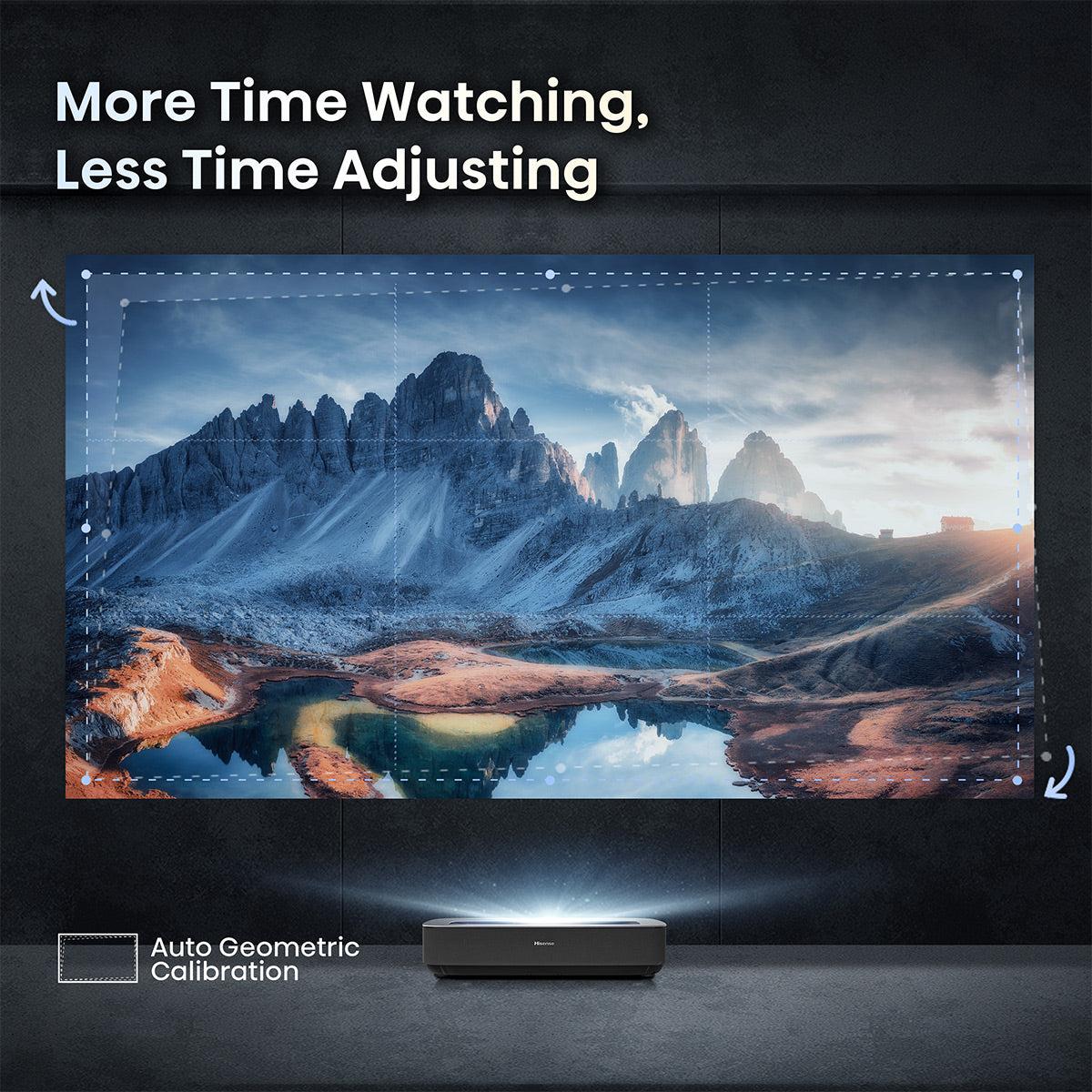
| Auto geometry correction, AI upscaling | Calman AutoCal, advanced tone mapping |

Privacy Policy
Terms and Conditions - Affiliate Policy
Home Security
© Copyright 2008-2026.
11816 Inwood Rd #1211, Dallas, TX 75244