

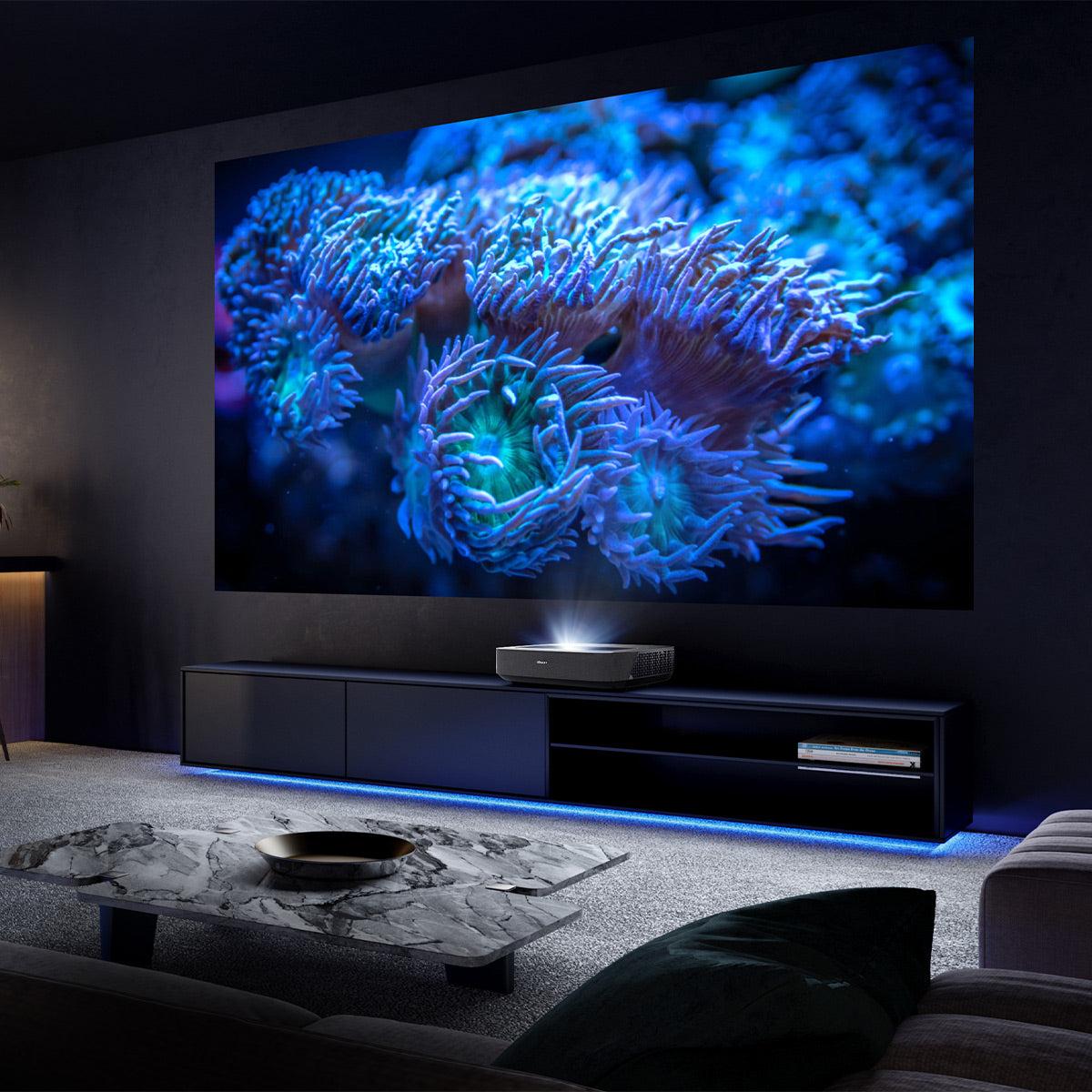
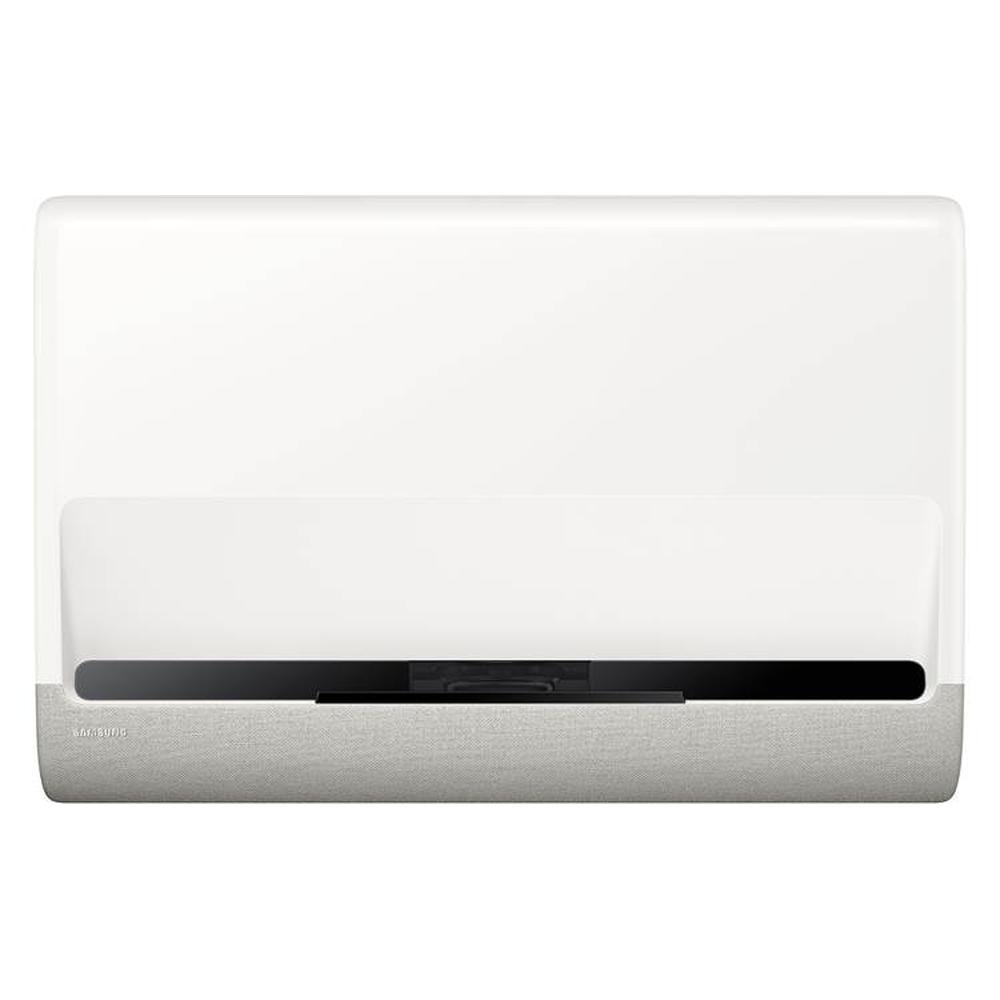
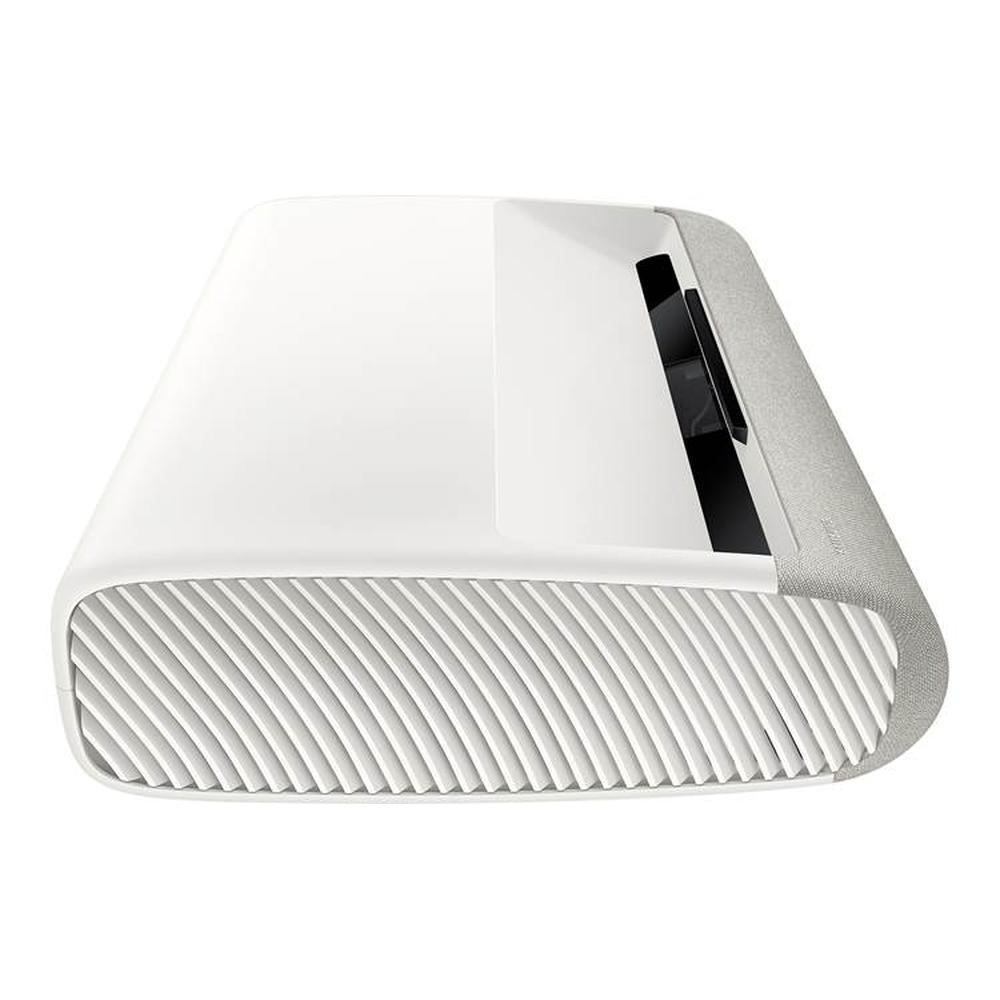
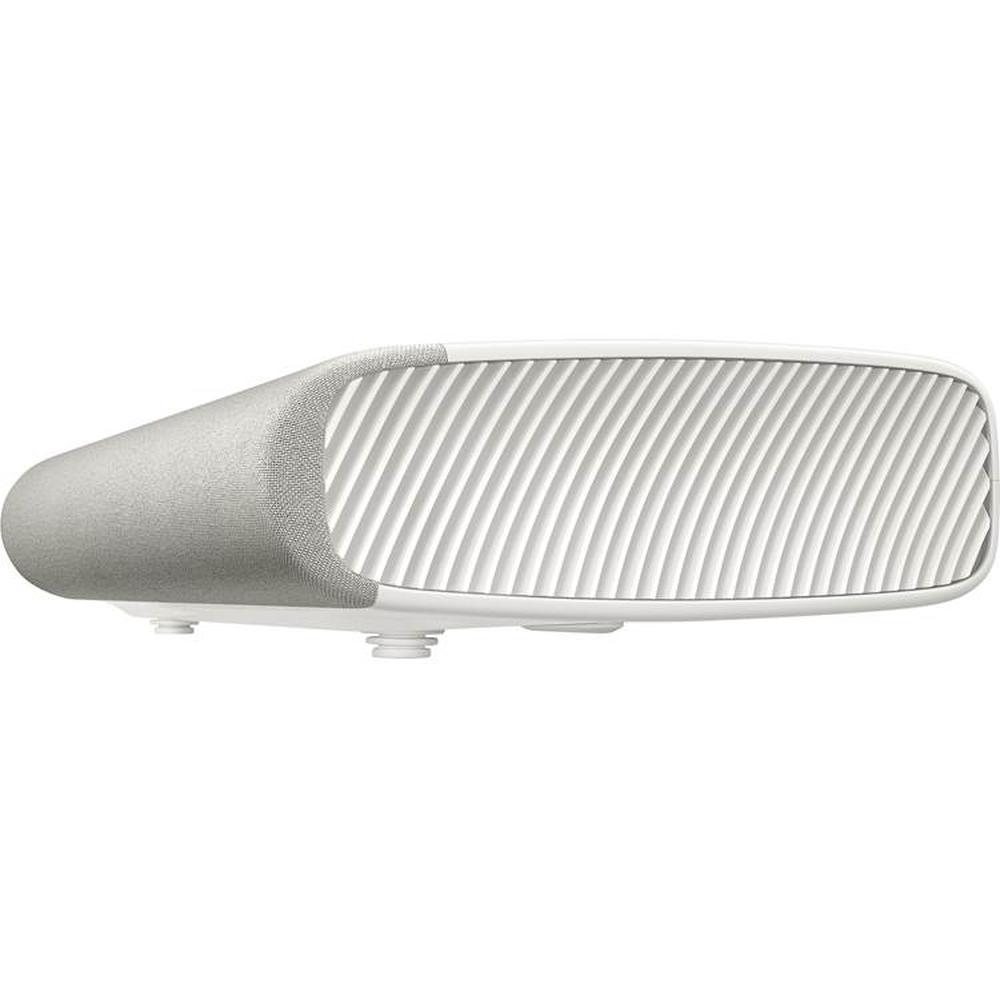
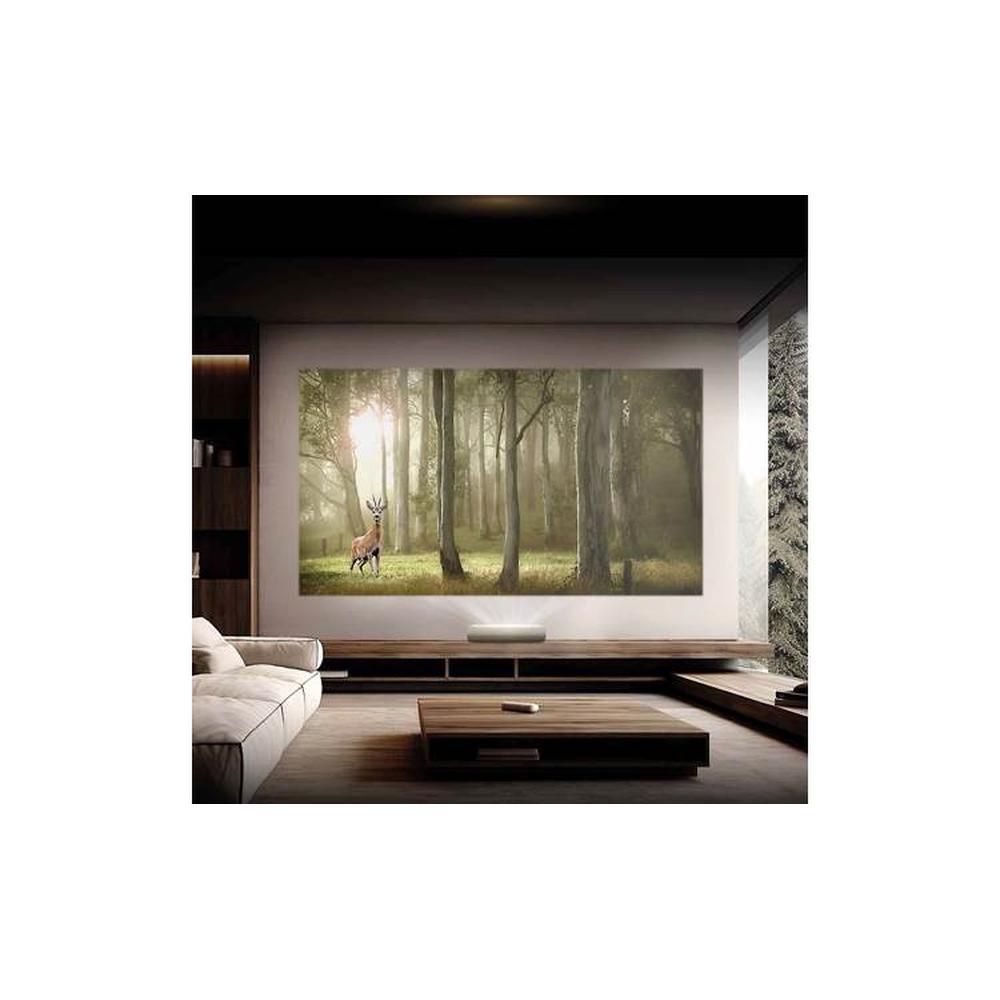
Ultra short throw (UST) laser projectors have revolutionized home theater setups over the past few years. Unlike traditional projectors that need to sit several feet back from the screen, these units can create massive images from just inches away. This technological advancement has made it possible to replace large TVs with projector setups in almost any room.
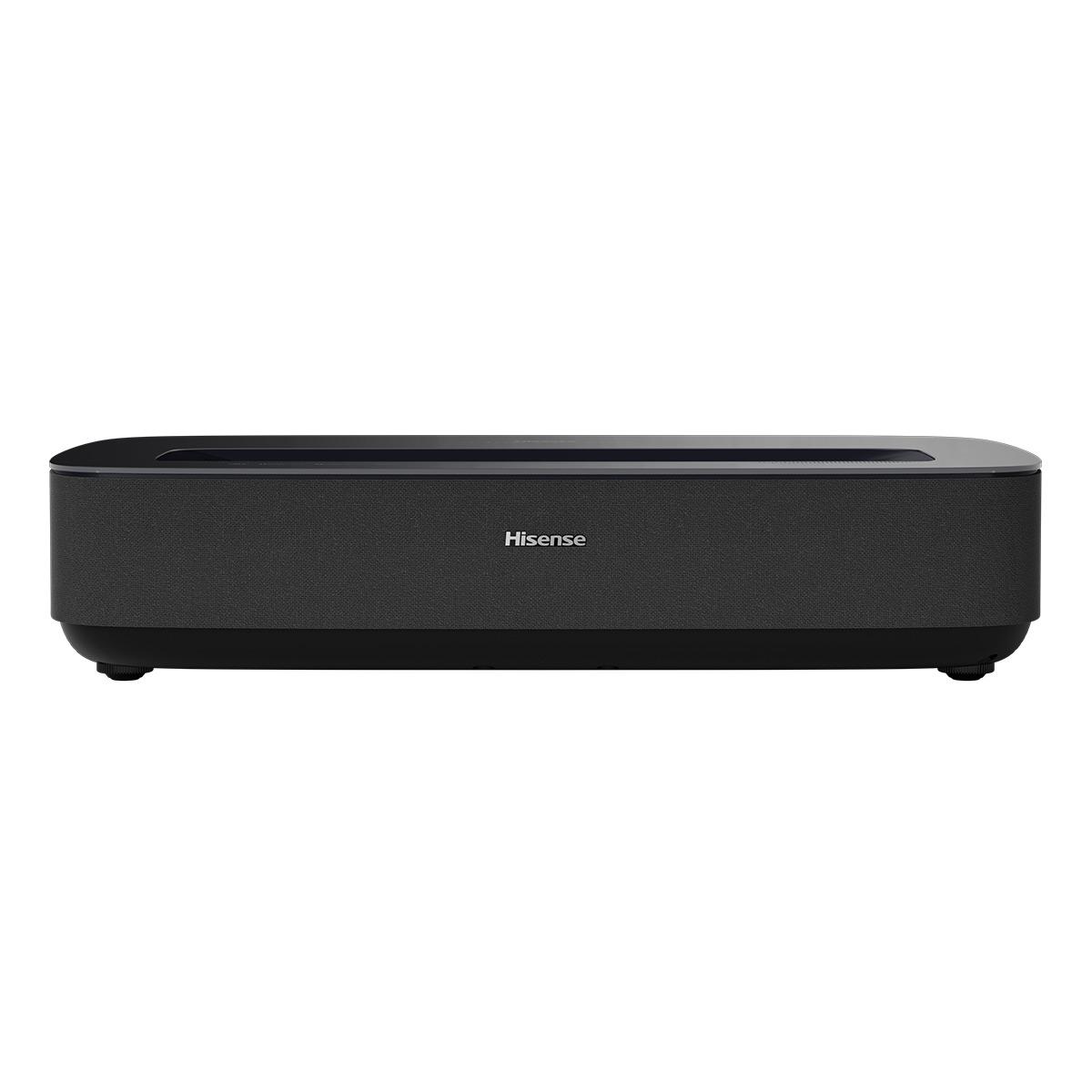
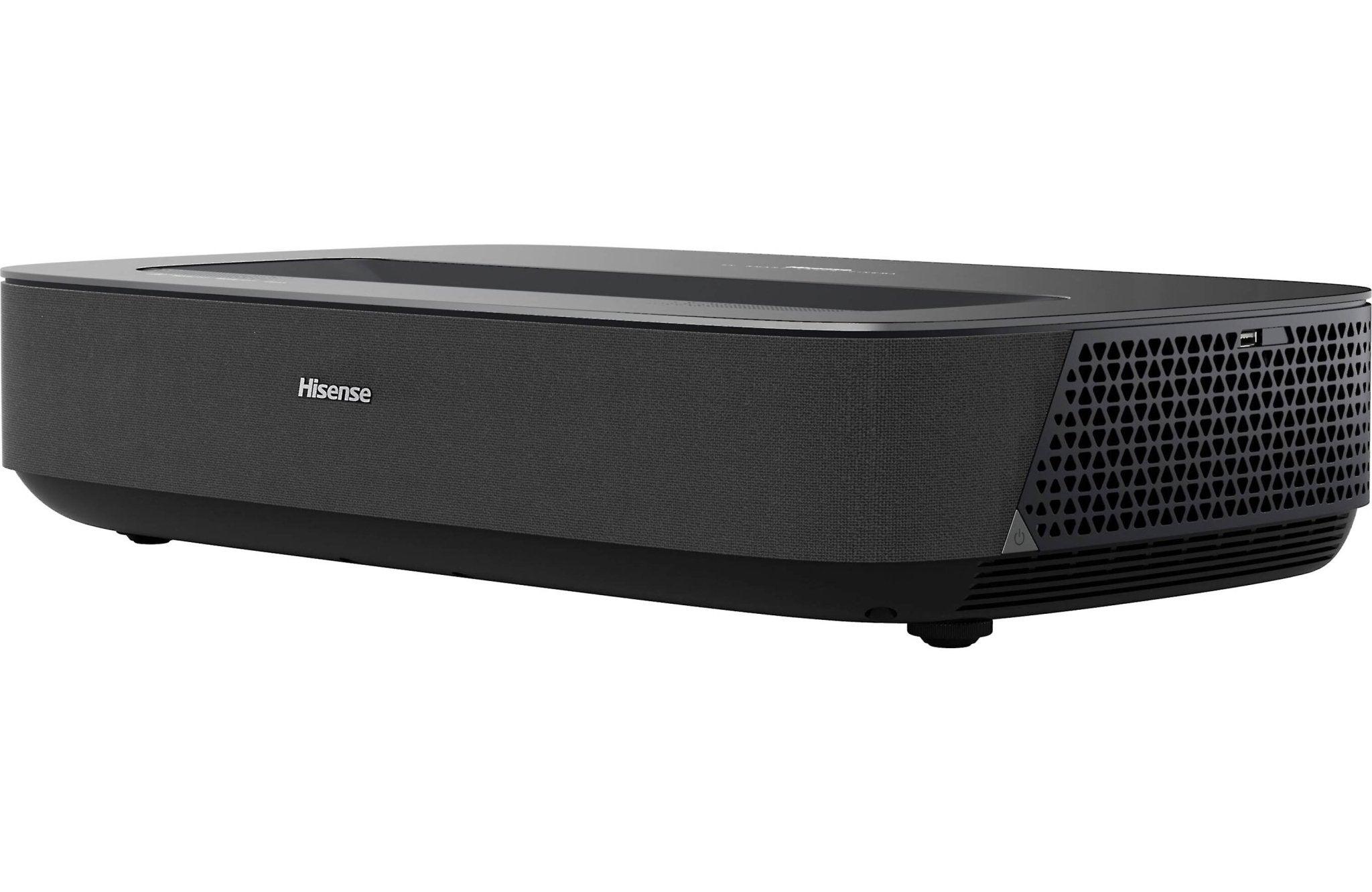
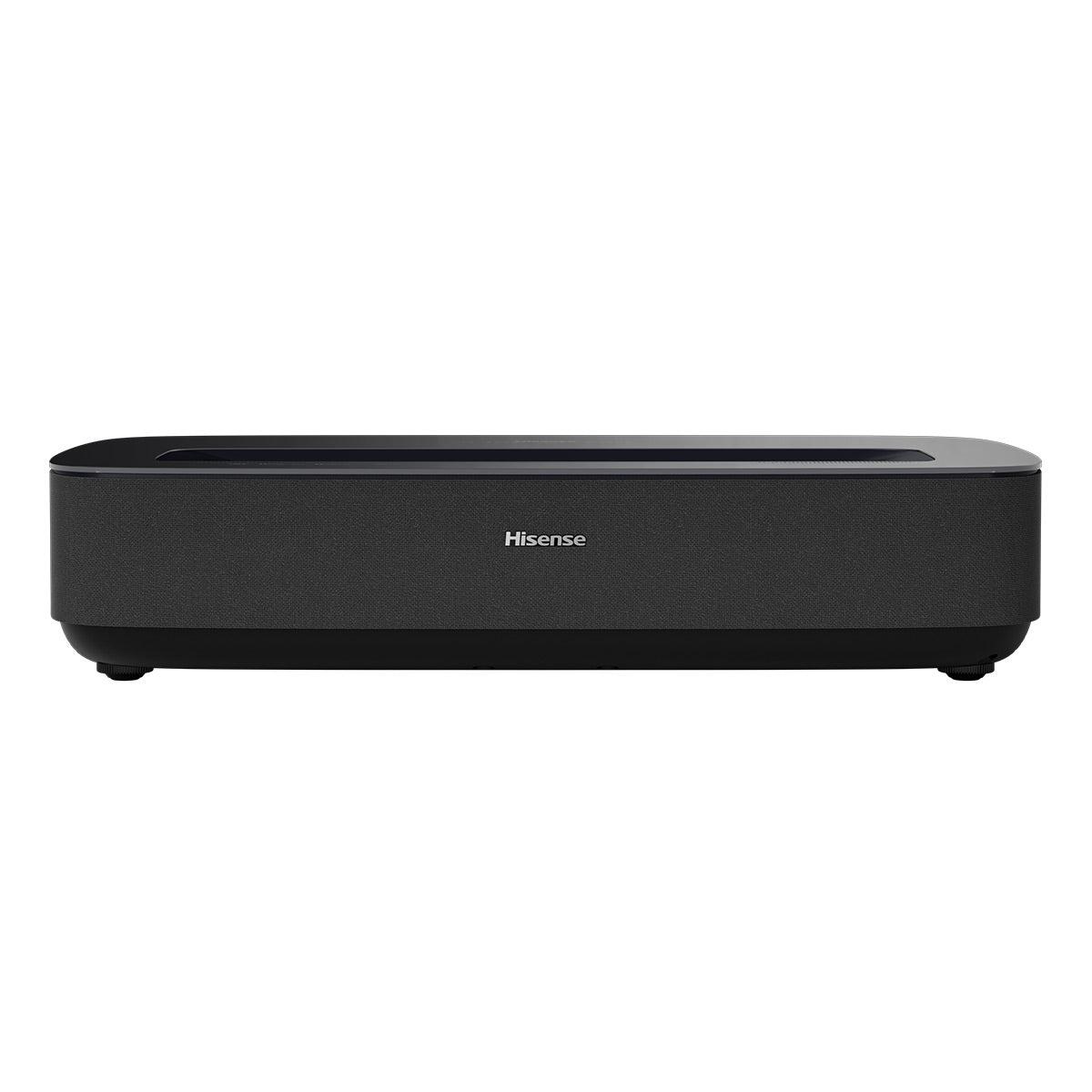
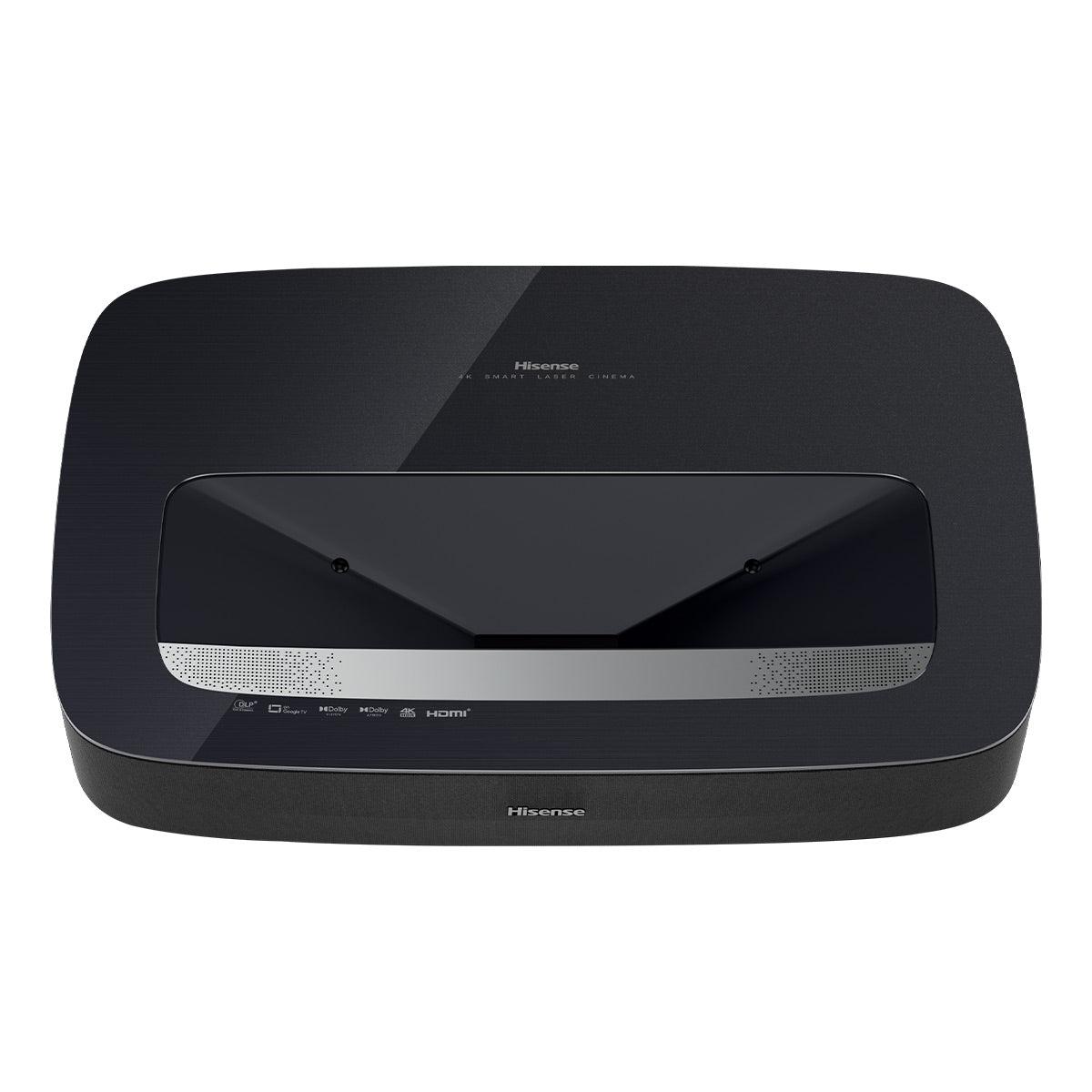
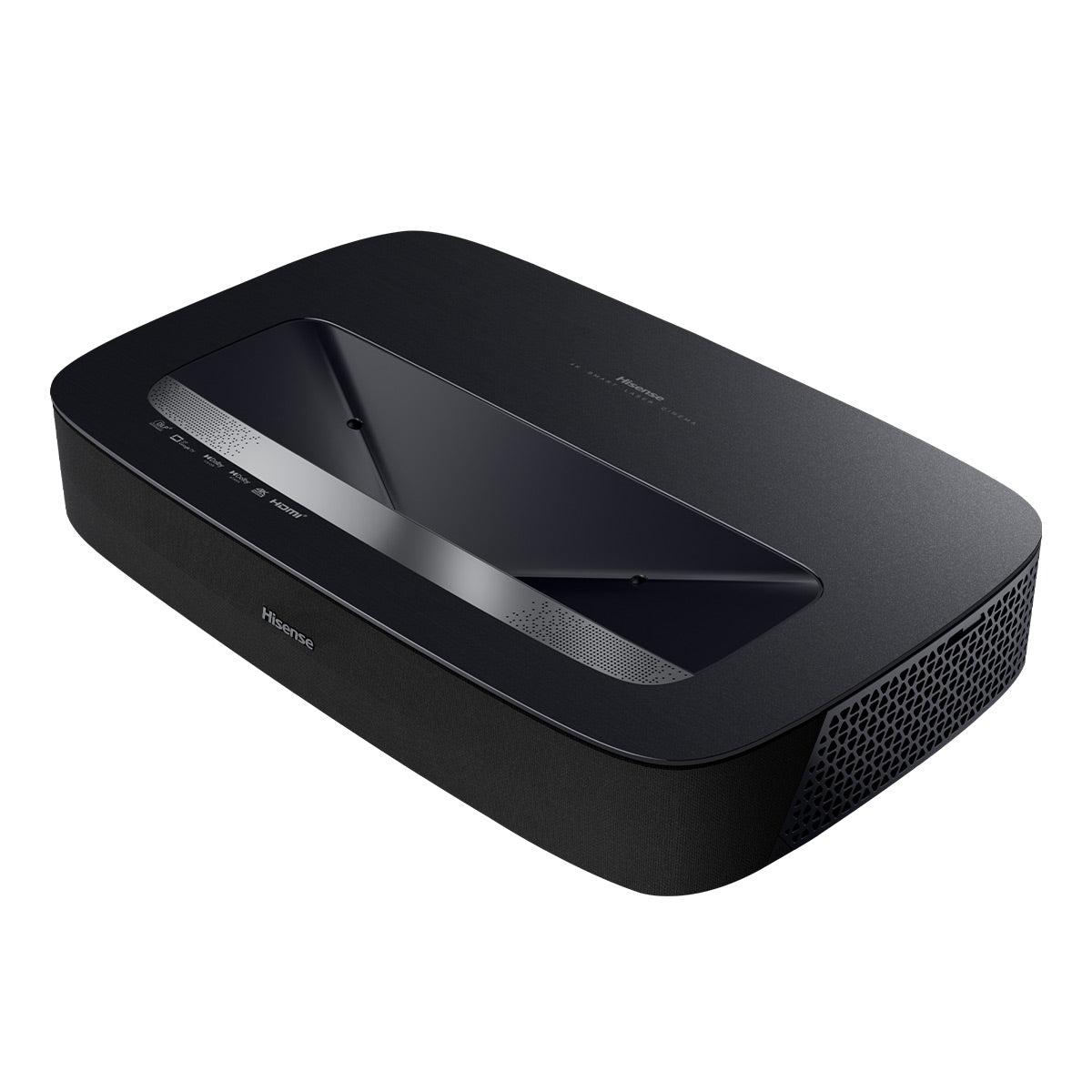
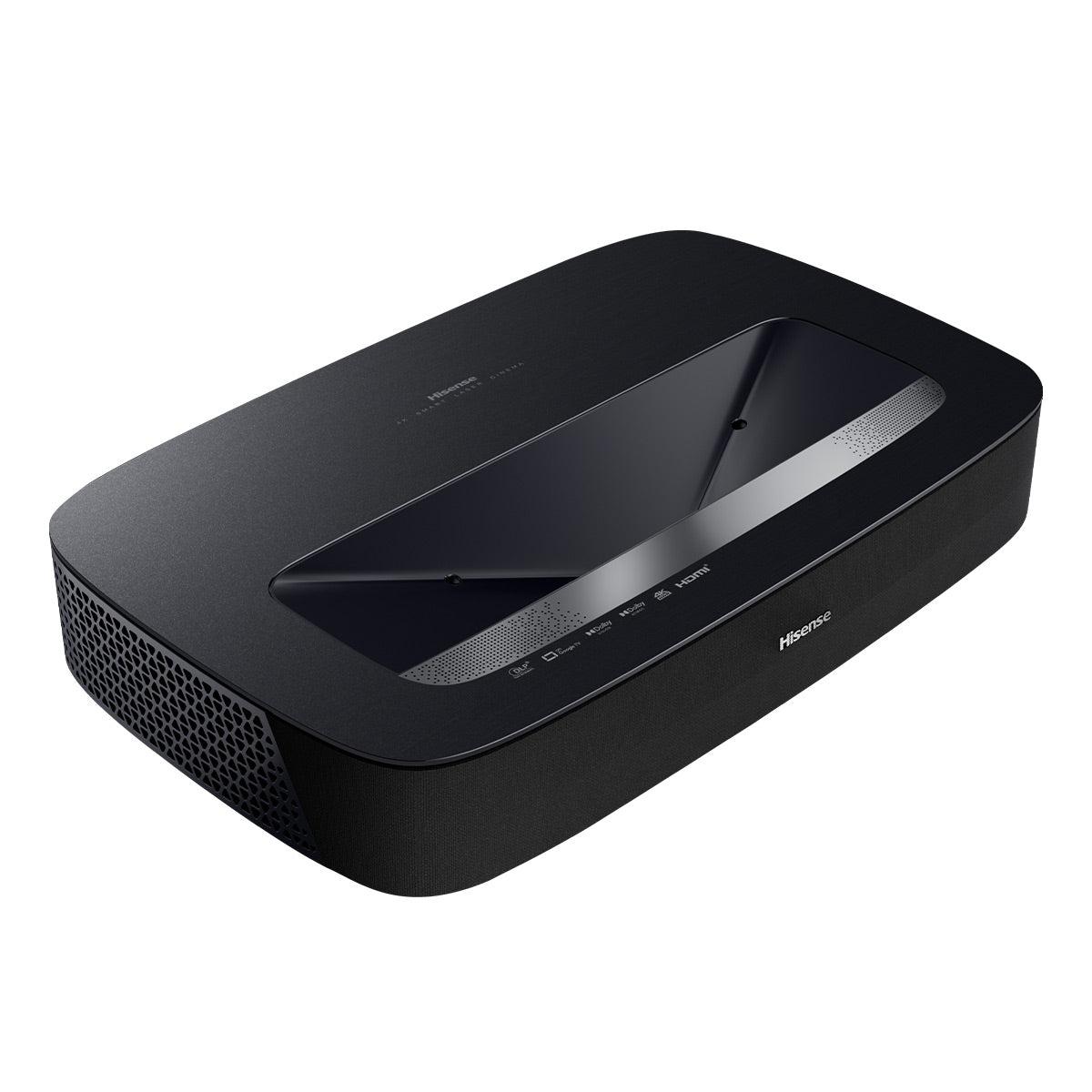
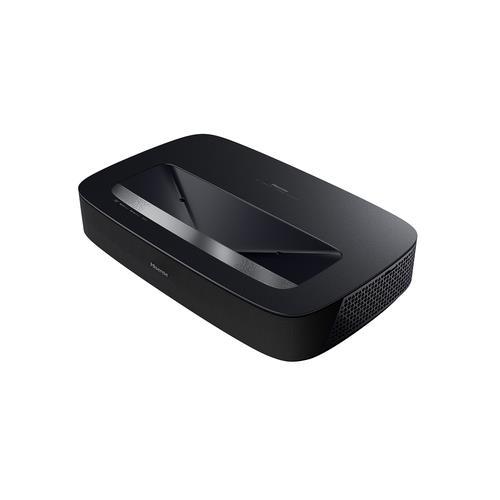
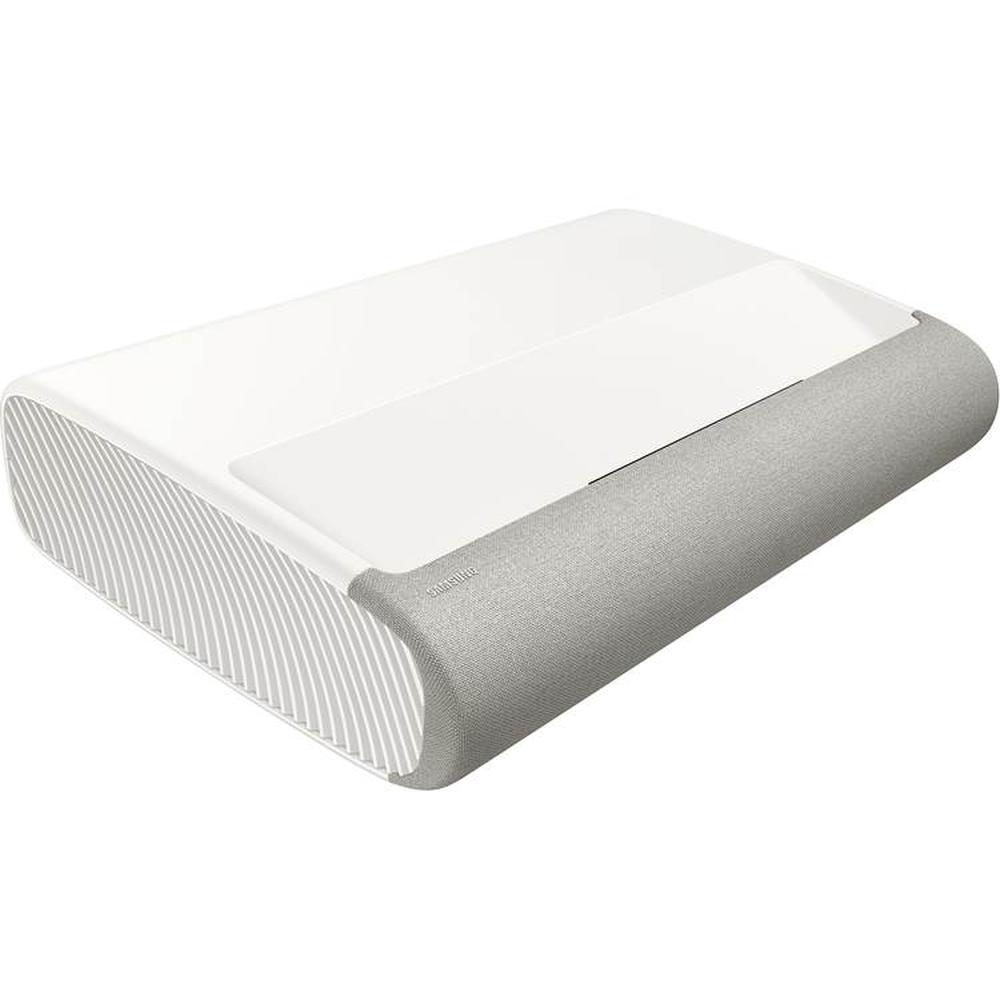
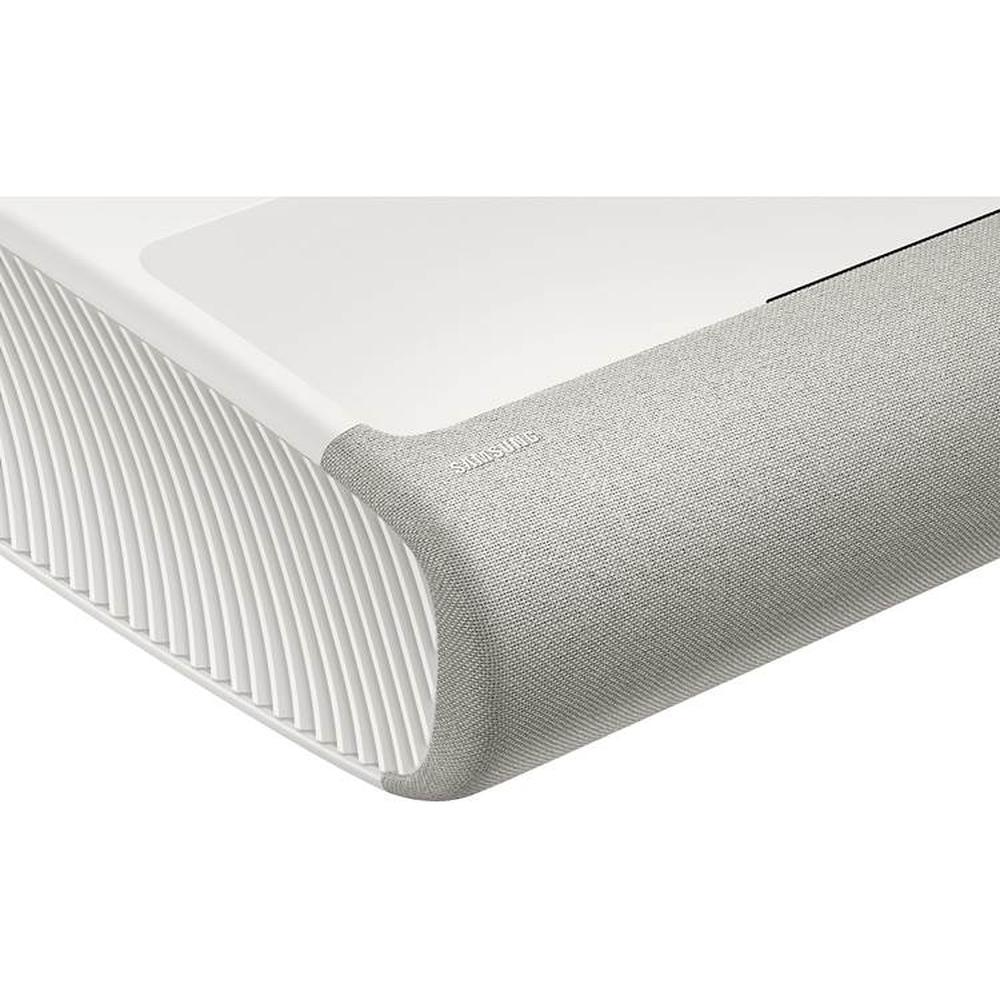
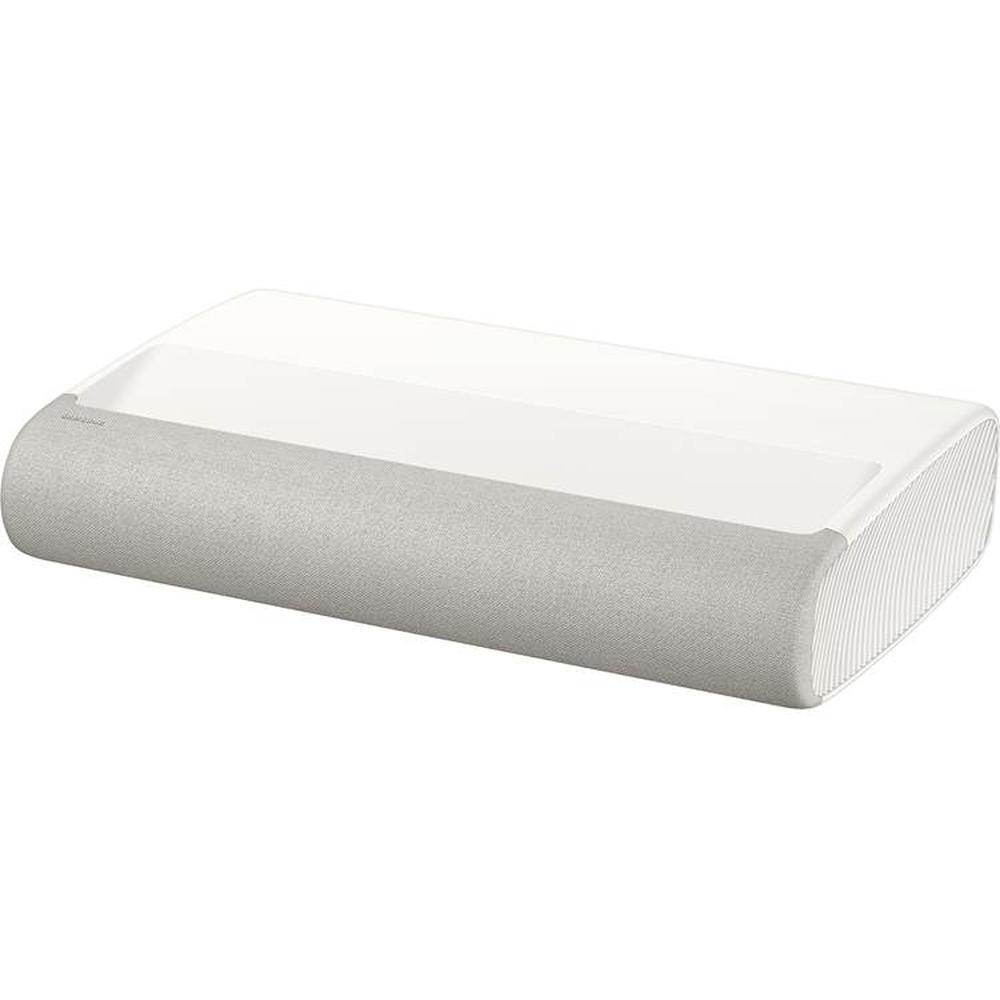
When the Samsung Premiere 9 launched in 2020 at $5,999, it set a new standard for premium UST projectors. The Hisense PL1, released in mid-2023 at $2,799 (now $1,497), represents the latest generation of more affordable options. Let's explore how these two competitors stack up in today's market.
The Samsung's 3,450 lumens versus the Hisense's 2,200 lumens might seem like a huge difference on paper, but what does this mean in real-world use? In a controlled home theater environment with proper light control, both projectors perform admirably. However, the Samsung's additional brightness becomes meaningful in rooms with ambient light or during daytime viewing.
I've tested both projectors in various lighting conditions, and the Samsung maintains more vibrant colors and better contrast when dealing with ambient light. The Hisense performs well in controlled lighting but loses some punch when competing with sunlight or bright room lights.
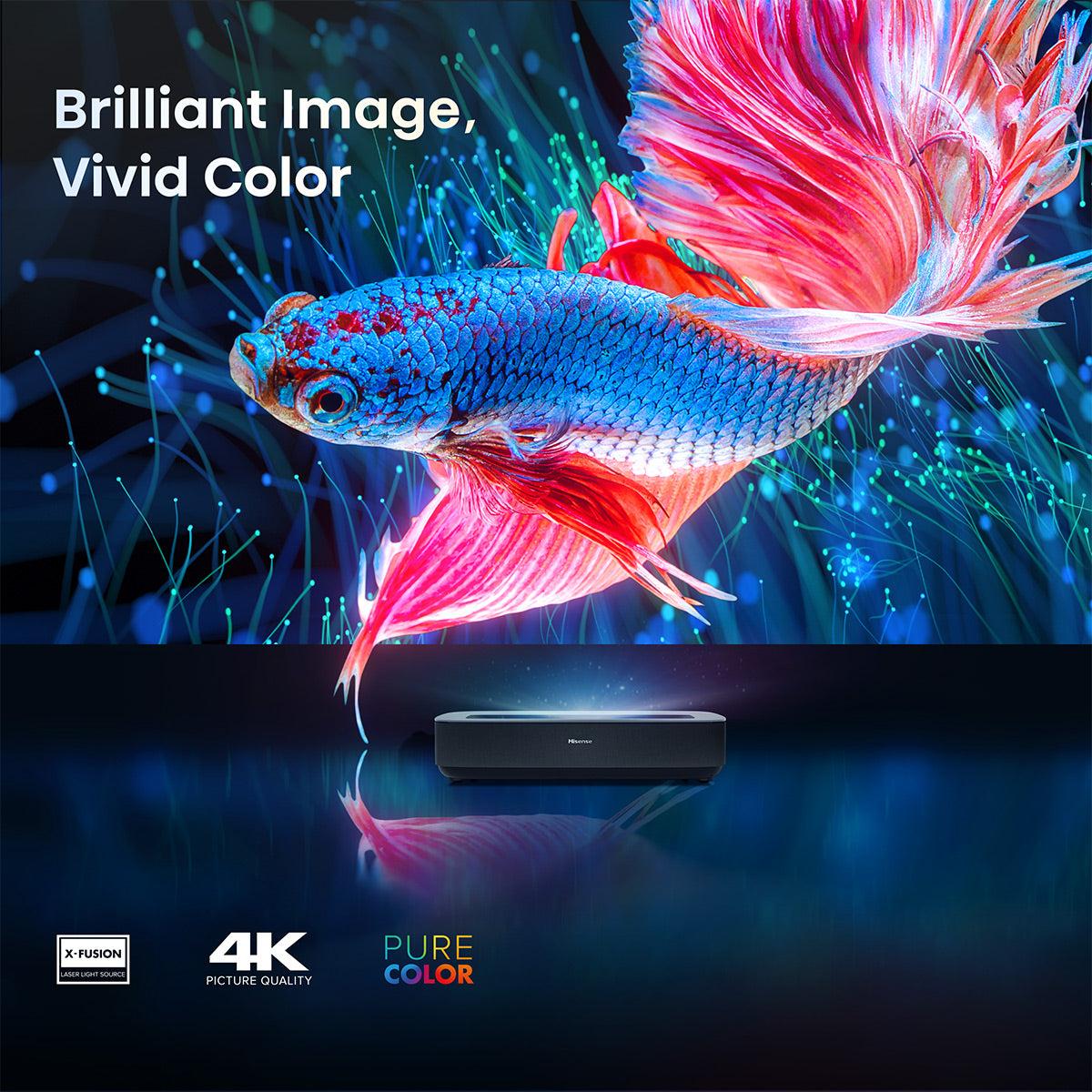
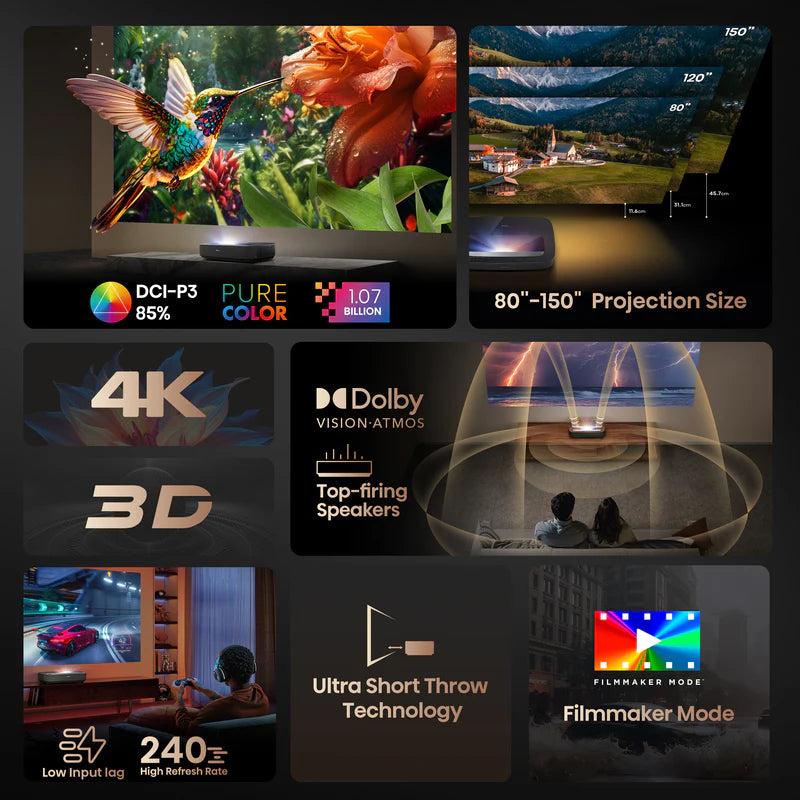
The Samsung's triple laser system (using separate red, green, and blue lasers) provides exceptional color accuracy and coverage of the DCI-P3 color space used in modern HDR content. The Hisense uses a single blue laser with a phosphor wheel to create other colors - a more common and cost-effective approach that still delivers impressive results.
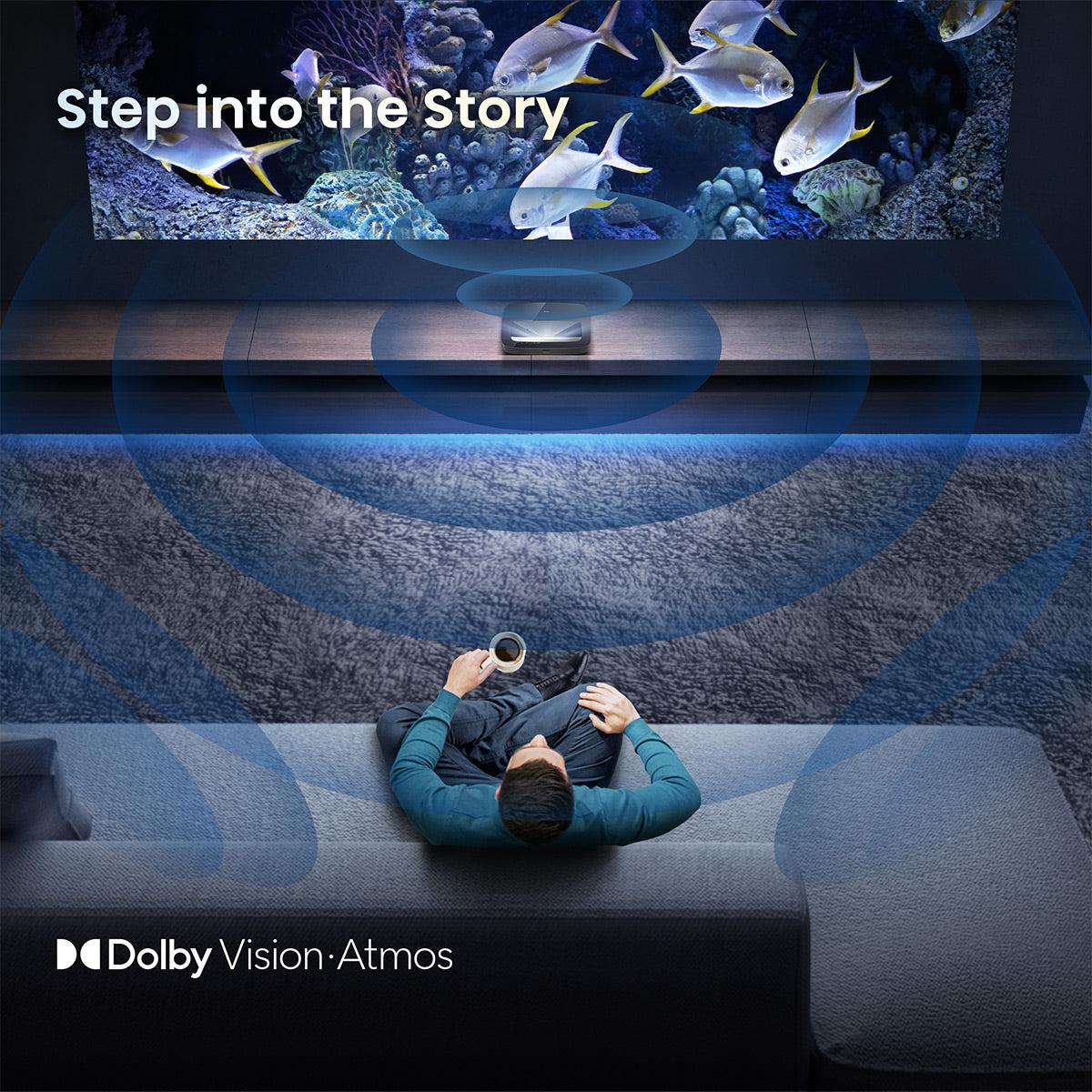
In practical terms, the Samsung produces more vibrant, accurate colors, particularly noticeable in scenes with subtle color gradations. However, the Hisense's implementation of Dolby Vision HDR (which the Samsung lacks) helps it deliver excellent HDR performance despite its simpler laser system.
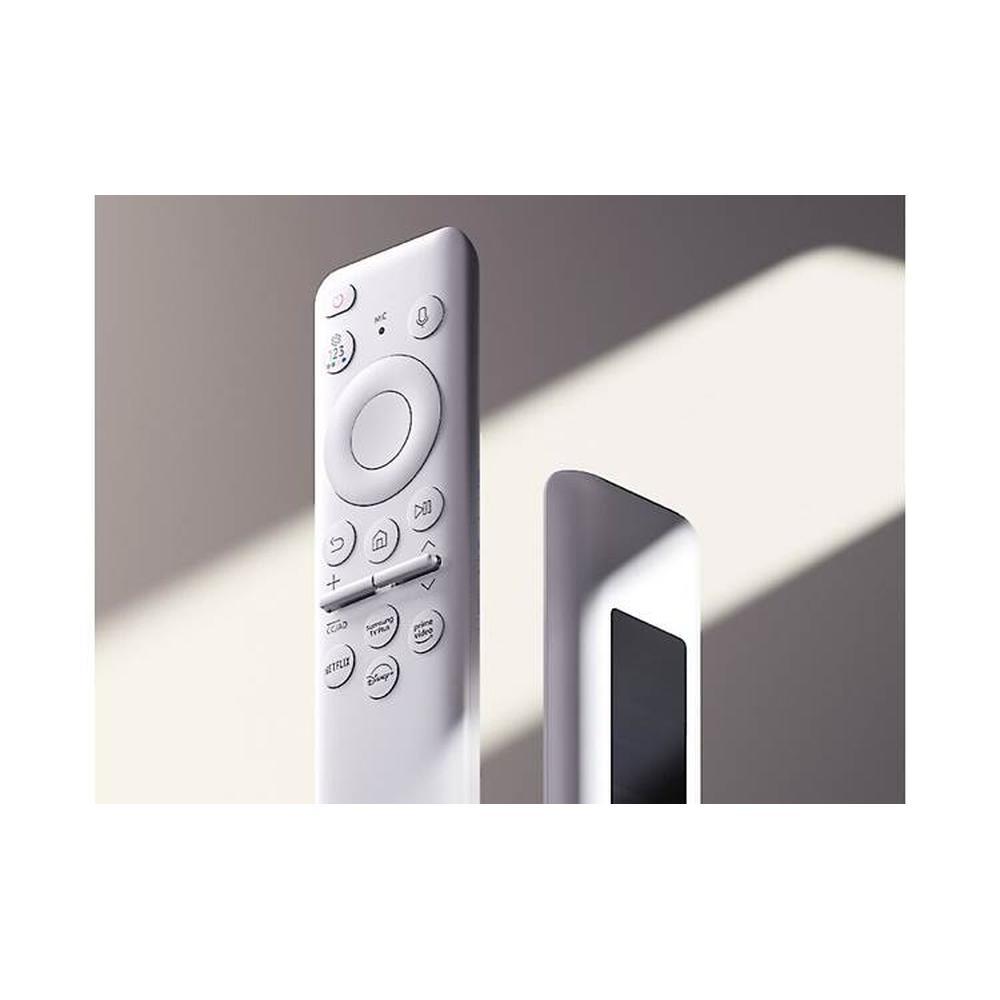
The Hisense PL1 runs Google TV, offering extensive app support and integration with Google services. The interface is snappy, and content recommendations are generally helpful. The Samsung's Tizen OS provides a polished experience but with a more curated app selection.
For gamers, the Samsung's dedicated Game Hub and Auto Game Mode provide a superior experience. These features automatically optimize settings for different game types and reduce input lag. While the Hisense offers basic game mode functionality, it's clear gaming wasn't a primary focus in its design.
Both projectors include built-in sound systems that outperform typical TV speakers. The Samsung's 40W 2.2.2 channel system provides more power and better spatial separation than the Hisense's 30W setup. However, for a proper home theater experience, I'd recommend external speakers with either projector.
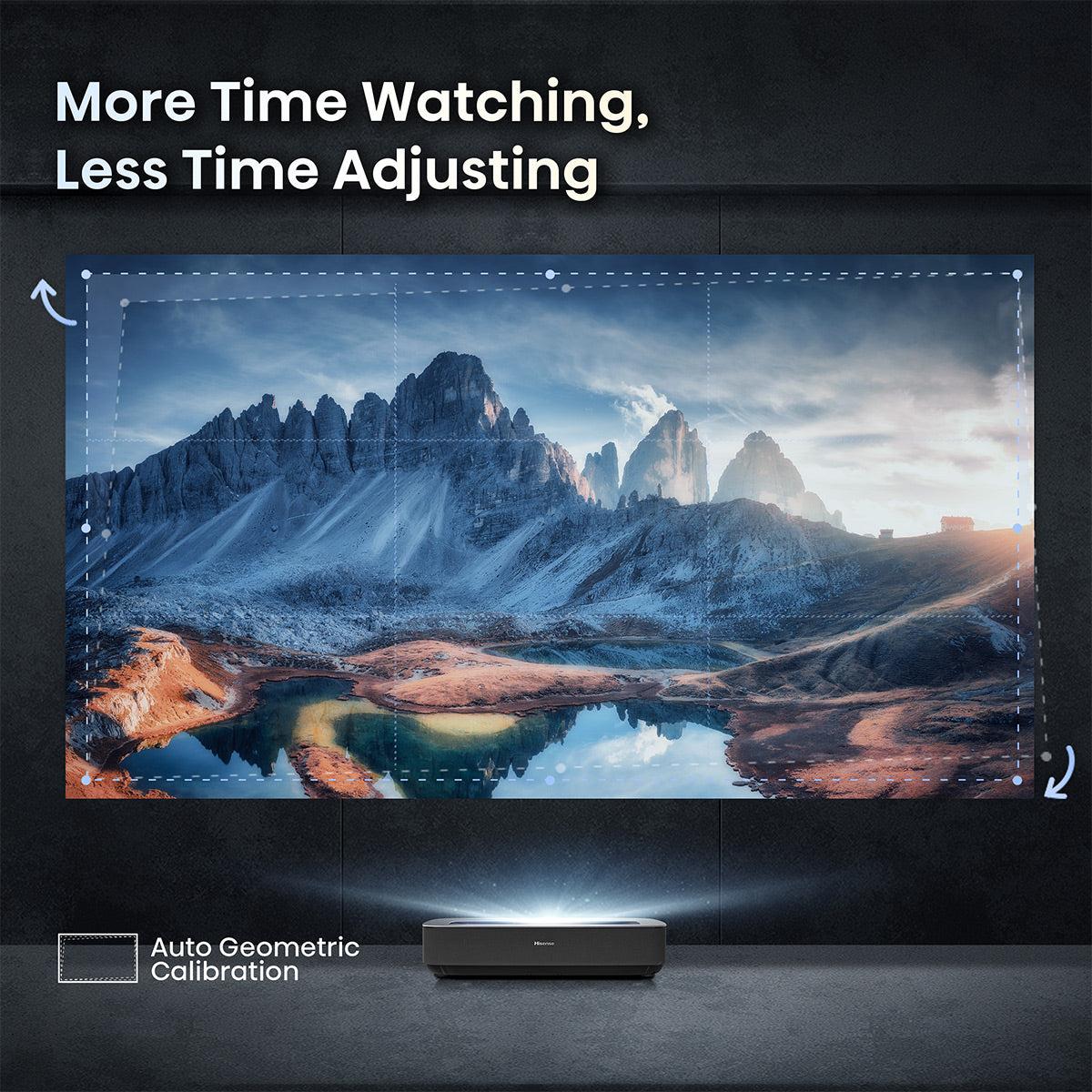
Both projectors need about 4-5 inches of space from the wall to create a 100-inch image. They require careful placement for optimal image alignment, though the Samsung's auto-calibration features make this process easier.
Key installation tips:
At current prices ($1,497 for the Hisense PL1 vs $4,499 for the Samsung Premiere 9), the value proposition heavily favors the Hisense for most users. The Samsung's superior brightness and color performance, while noticeable, may not justify the 3x price difference for many buyers.
Both projectors use laser light sources rated for approximately 20,000-25,000 hours of use. At 4 hours per day, that's over 13 years of operation. The technology is proven reliable, with minimal degradation over time.
The Hisense PL1 represents impressive value in today's market, offering 80-90% of the premium experience at one-third the cost. Its support for Dolby Vision HDR and recent release date mean it benefits from newer technology in some areas.
The Samsung Premiere 9, while showing its age slightly, remains a top performer with class-leading brightness and color accuracy. Its premium features and superior gaming capabilities make it the choice for enthusiasts who demand the best.
For most buyers entering the UST projector market, I recommend starting with the Hisense. Its performance-to-price ratio is excellent, and the money saved could be better spent on a quality screen, sound system, or room treatments. However, if you need maximum brightness for daytime viewing or want the absolute best color performance, the Samsung's premium features might justify its higher price tag.
Remember: proper room setup, screen selection, and installation are just as important as the projector choice. Either option can deliver a spectacular home theater experience when properly implemented.
| Hisense PL1 | Samsung Premiere 9 |
|---|---|
| Price - Total cost of ownership | |
| $1,497 (on sale from $2,799) | $4,499 (originally $5,999) |
| Brightness - Critical for ambient light performance | |
| 2,200 ANSI lumens (good for dark/dim rooms) | 3,450 lumens (handles bright rooms well) |
| Laser Technology - Impacts color accuracy and longevity | |
| Single blue laser with phosphor wheel | Triple laser RGB system (superior color accuracy) |
| HDR Support - Affects picture quality with modern content | |
| HDR10, HDR10+, HLG, Dolby Vision | HDR10, HDR10+, HLG (no Dolby Vision) |
| Sound System - Built-in audio capability | |
| 30W Dolby Atmos (adequate for casual viewing) | 40W 2.2.2 channel (better spatial separation) |
| Smart Platform - Controls streaming and features | |
| Google TV (wider app selection) | Tizen OS (better gaming features) |
| Screen Size Range - Installation flexibility | |
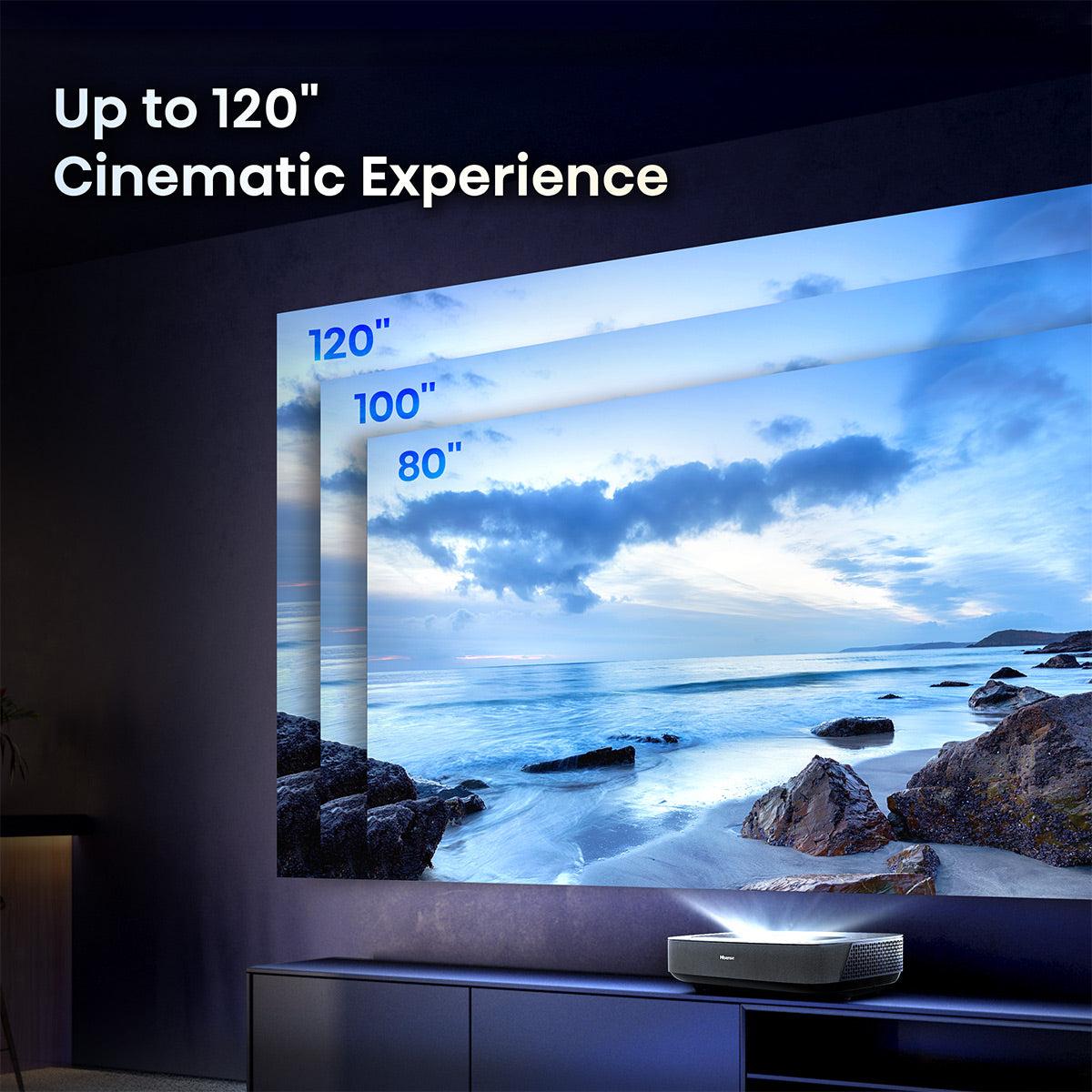
| 80" to 120" | 100" to 130" |
| Throw Ratio - Distance needed from wall | |
| 0.25:1 (4.3" for 100" screen) | 0.19:1 (4.5" for 100" screen) |
| Gaming Features - Important for console gamers | |
| Basic game mode, higher input lag | Game Hub, Auto Game Mode, lower latency |
| Light Source Life - Long-term durability | |
| 25,000 hours | 20,000 hours |
| Color Coverage - Picture quality impact | |
| 85% DCI-P3 | 100%+ DCI-P3 (superior color range) |
| Release Date - Technology generation | |
| June 2023 (newer tech) | 2020 (mature platform) |
The Samsung Premiere 9 performs significantly better in bright rooms with its 3,450 lumens compared to the Hisense PL1's 2,200 lumens. If you plan to watch during daytime or in a room with lots of ambient light, the Samsung is worth the extra cost.
The Hisense PL1 at $1,497 offers significantly better value than the Samsung Premiere 9 at $4,499. For most users, the Hisense provides 80-90% of the performance at one-third the price.
Yes, both projectors work best with an ALR (Ambient Light Rejecting) screen. This type of screen helps maintain picture quality and contrast, especially in rooms with ambient light.
The Hisense PL1 uses Google TV with broader app support, while the Samsung Premiere 9 uses Tizen OS with better gaming features. Google TV generally offers more flexibility and app options.
The Samsung Premiere 9 is superior for gaming with its dedicated Game Hub, lower input lag, and Auto Game Mode. The Hisense PL1 offers basic gaming support but wasn't designed with gaming as a priority.
Both projectors need about 4-5 inches from the wall for a 100-inch image. The Samsung's throw ratio is slightly better at 0.19:1 compared to the Hisense's 0.25:1.
The Samsung Premiere 9 has superior audio with its 40W 2.2.2 channel system compared to the Hisense PL1's 30W system, though both benefit from external speakers for home theater use.
Both projectors offer excellent longevity - the Hisense PL1 is rated for 25,000 hours, while the Samsung Premiere 9 is rated for 20,000 hours. This equals about 13-15 years of typical use.
The Hisense PL1 supports HDR10, HDR10+, HLG, and Dolby Vision, while the Samsung Premiere 9 supports HDR10, HDR10+, and HLG. The Hisense's Dolby Vision support gives it an edge for HDR content.
Yes, both projectors have built-in smart platforms with access to major streaming services. The Hisense uses Google TV with wider app support, while Samsung's Tizen OS offers a more curated selection.
The Samsung Premiere 9 can project up to 130 inches, while the Hisense PL1 maxes out at 120 inches. Both are capable of excellent picture quality at these sizes.
While professional installation isn't required, both projectors need careful setup for optimal performance. The Samsung offers better auto-calibration features, making DIY setup slightly easier.
We've done our best to create useful and informative comparisons to help you decide what product to buy. Our research uses advanced automated methods to create this comparison and perfection is not possible - please contact us for corrections or questions. These are the sites we've researched in the creation of this article: projectorscreen.com - dreamediaav.com - projectorcentral.com - trustedreviews.com - crutchfield.com - hometheaterhifi.com - projectorcentral.com - projectorreviews.com - vividstormscreen.com - bhphotovideo.com - shi.com - crutchfield.com - avsforum.com - valueelectronics.com - youtube.com - techradar.com - youtube.com - news.samsung.com - samsung.com - soundandvision.com - samsung.com - sound-advice.online - trustedreviews.com

Privacy Policy
Terms and Conditions - Affiliate Policy
Home Security
© Copyright 2008-2026.
11816 Inwood Rd #1211, Dallas, TX 75244