

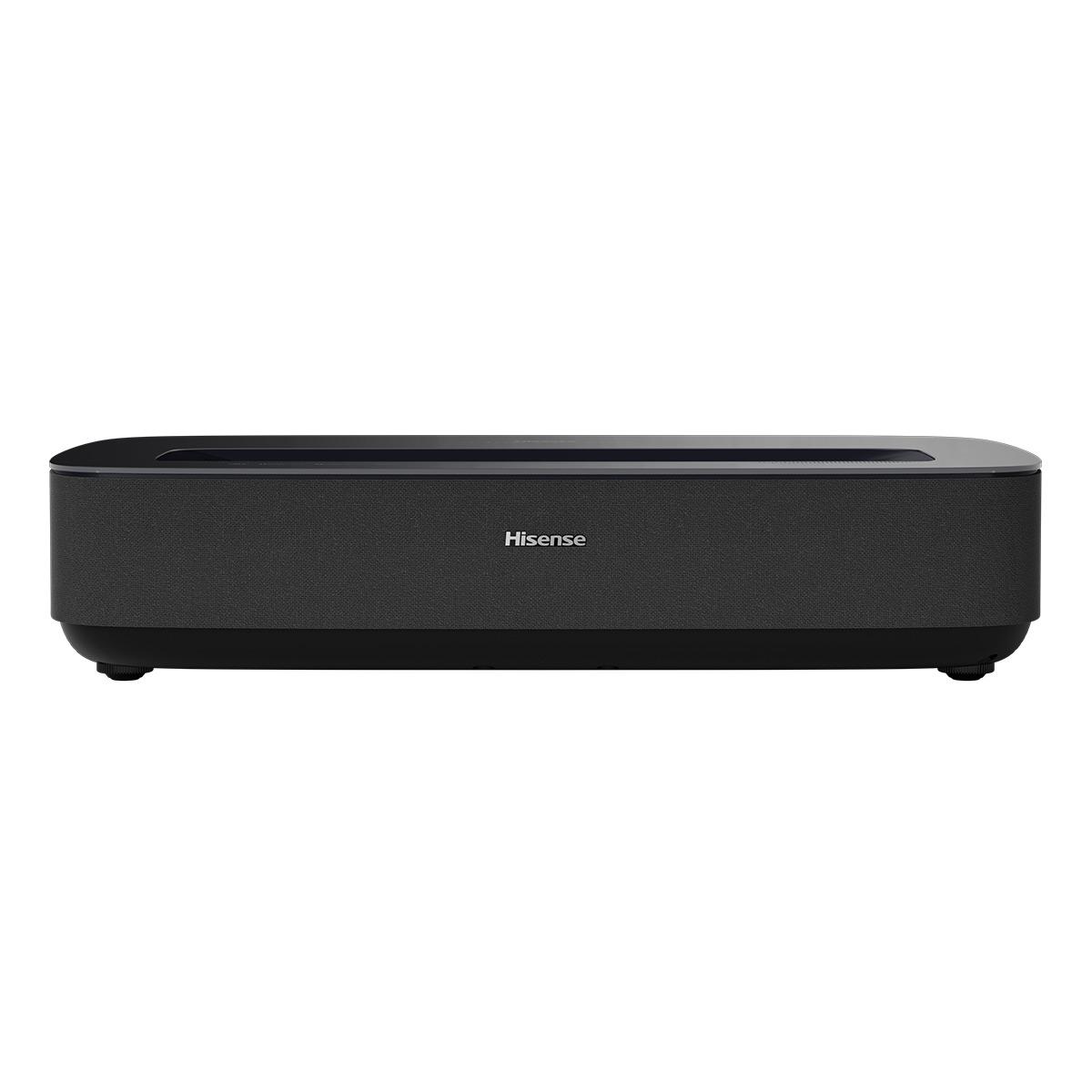
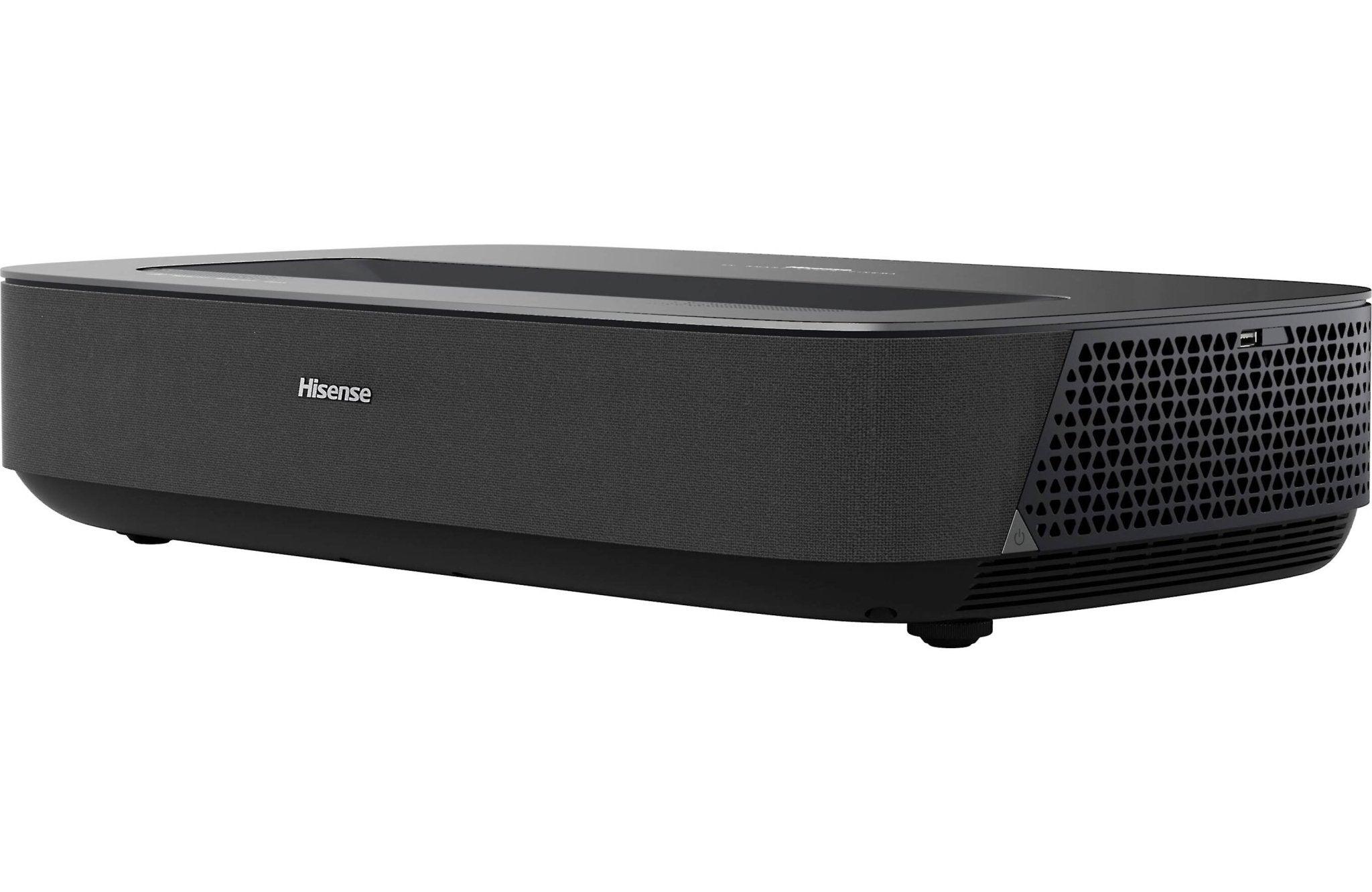
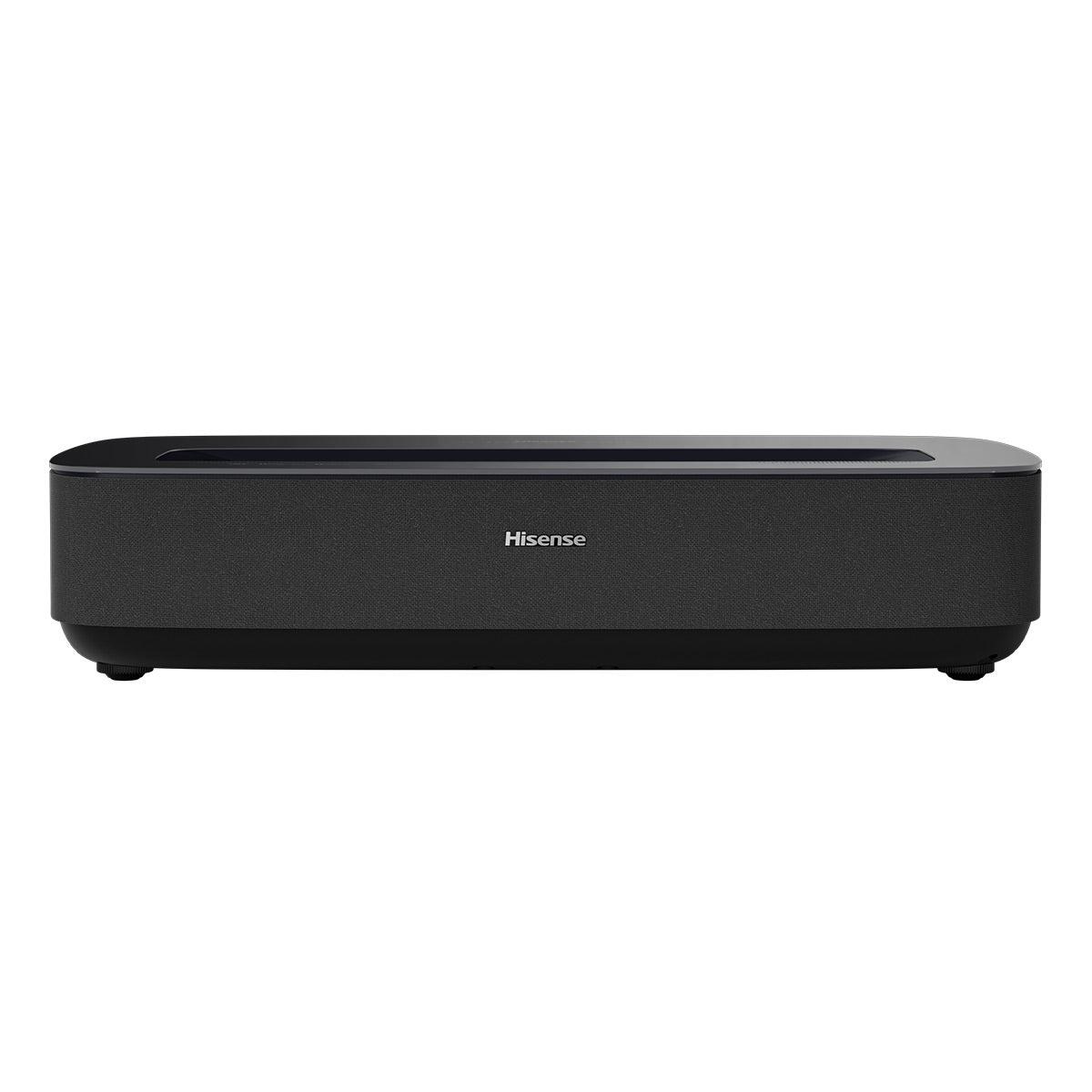
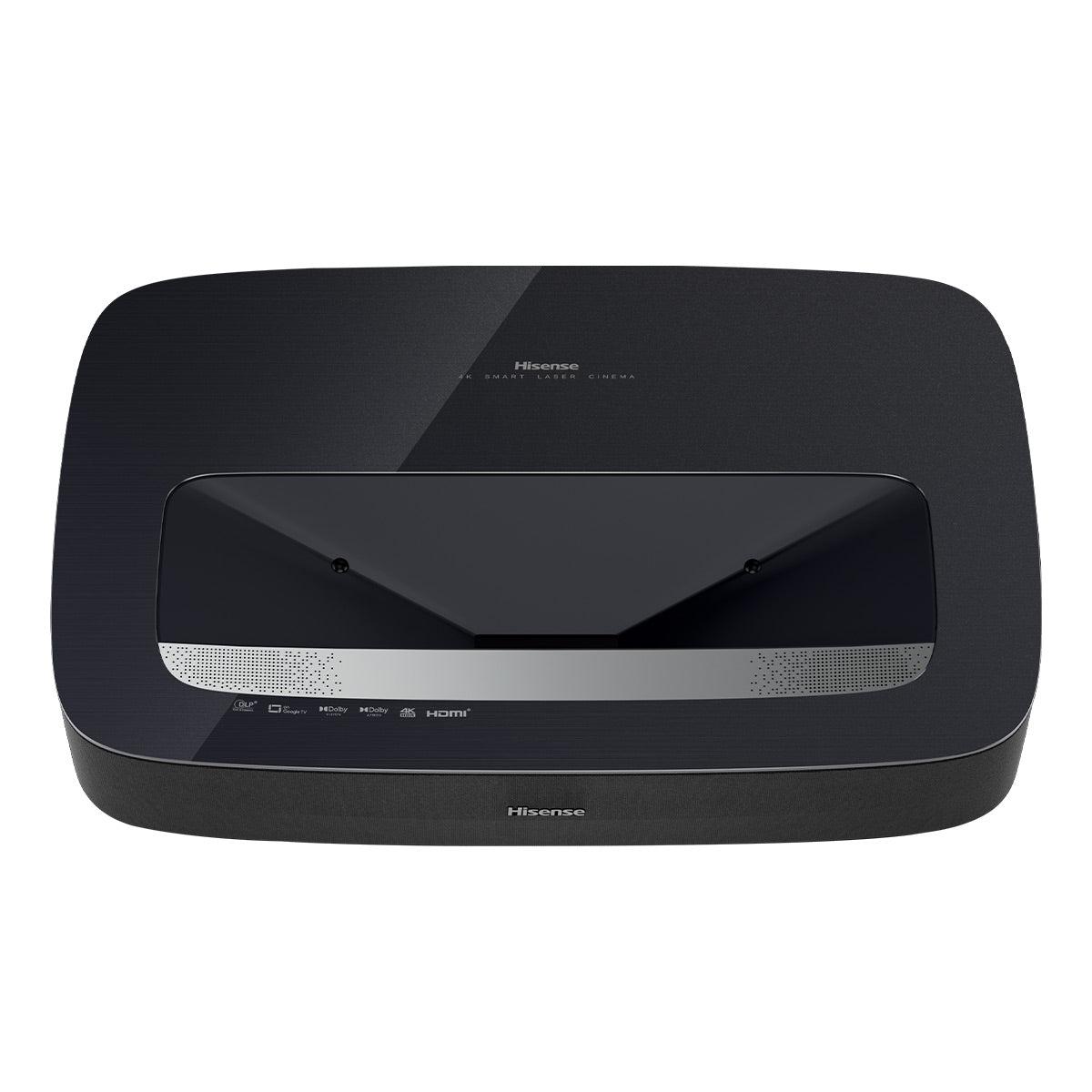
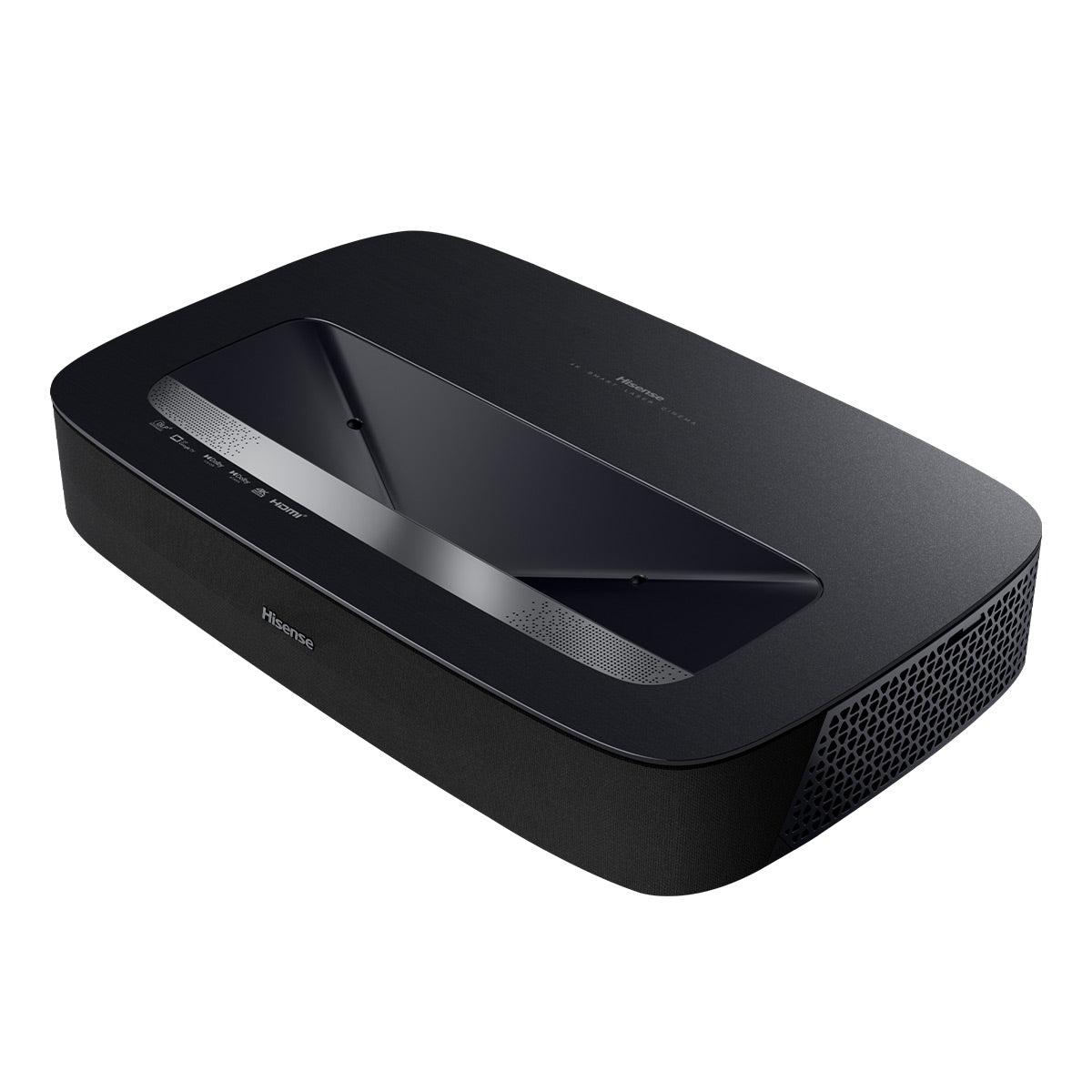
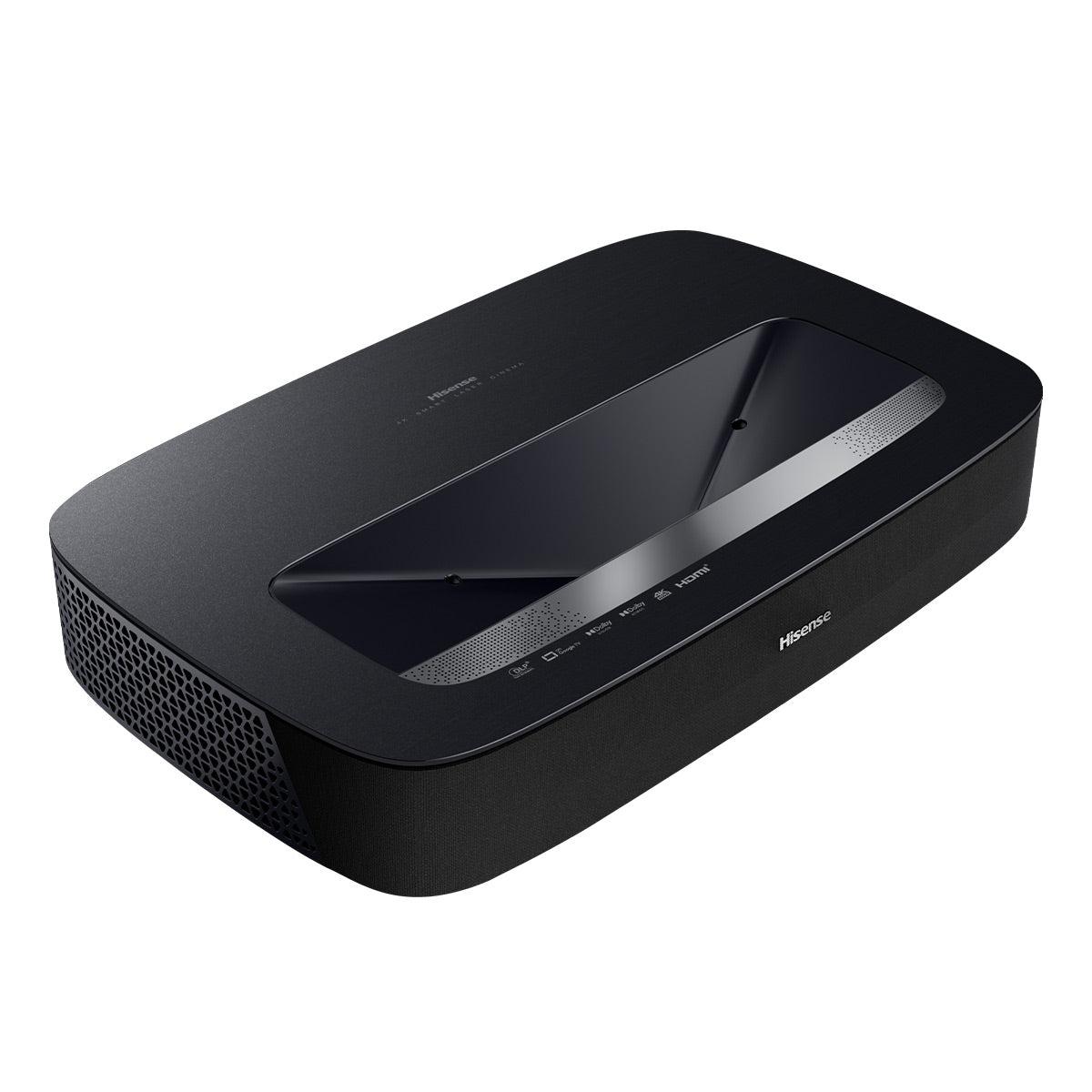
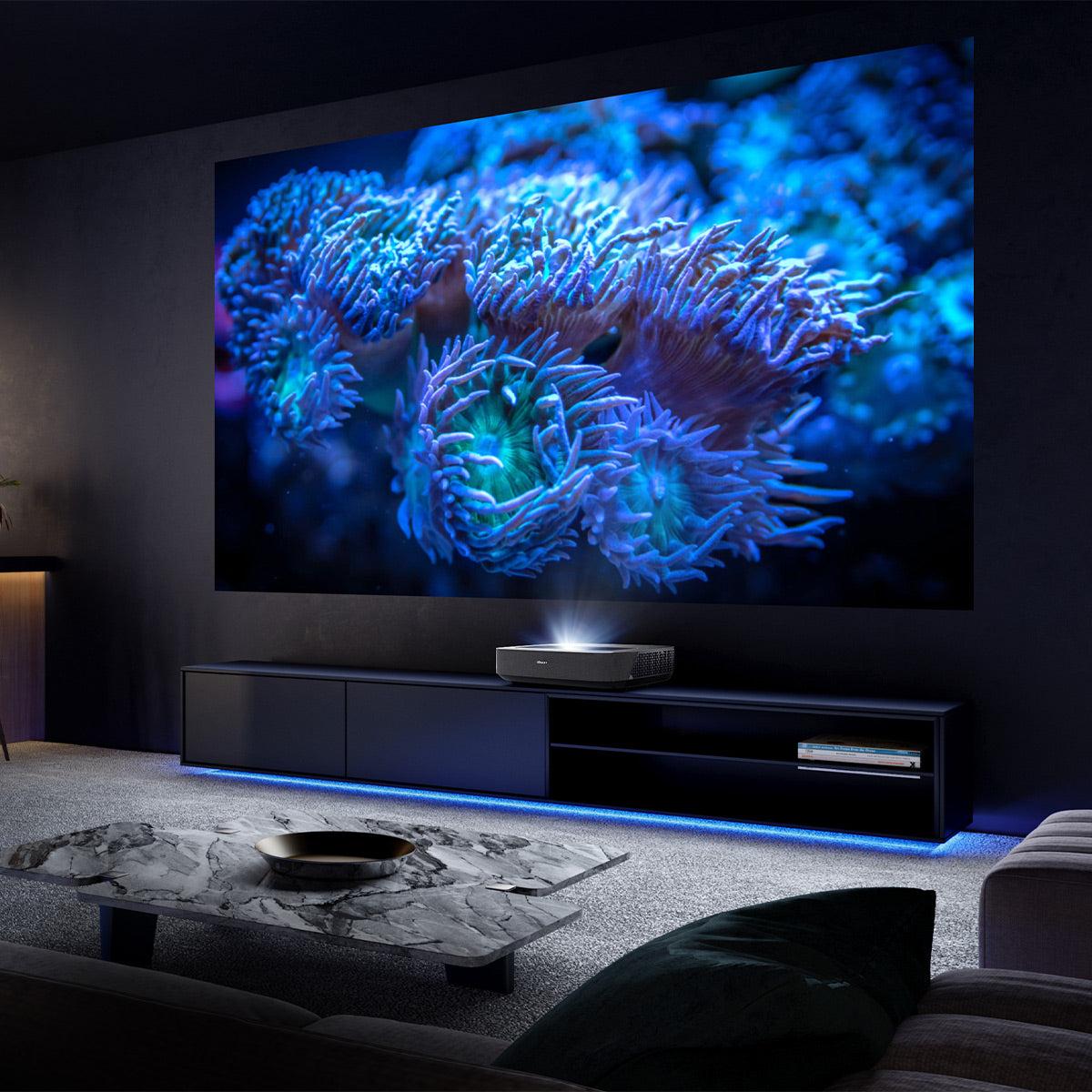
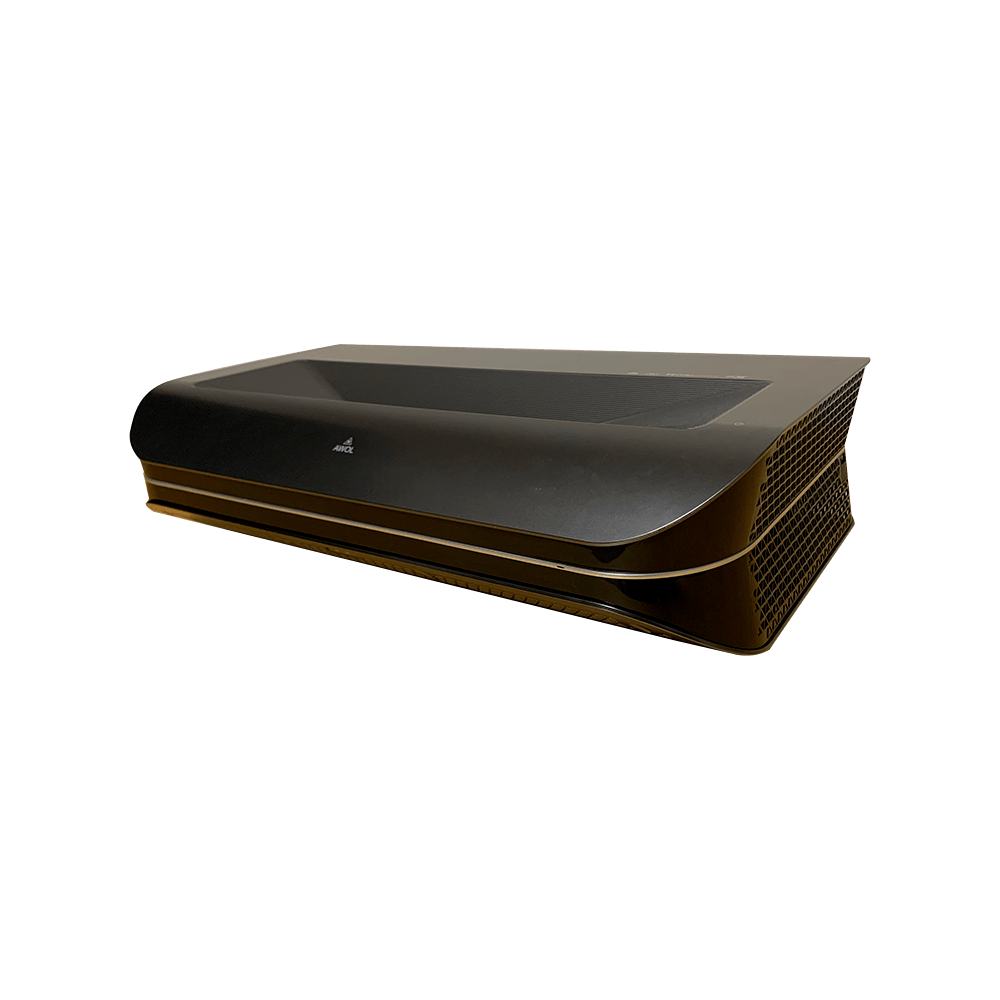
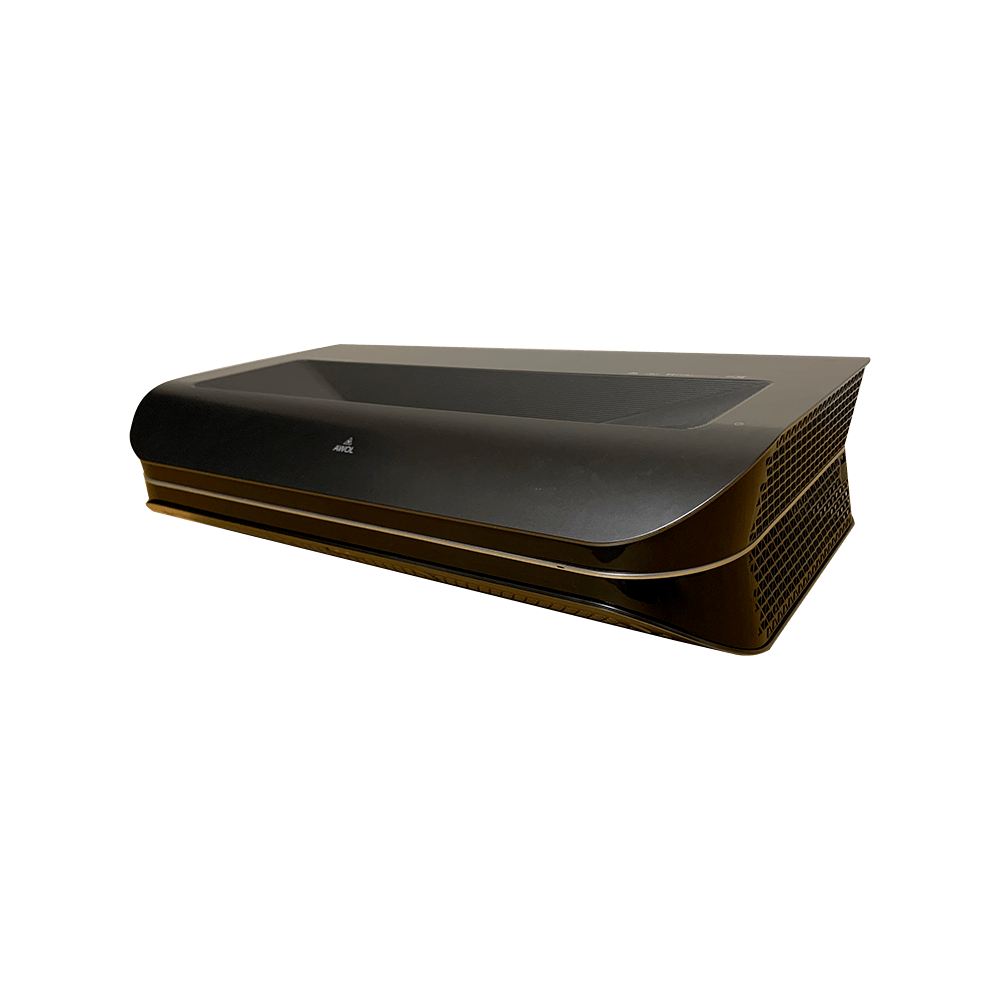
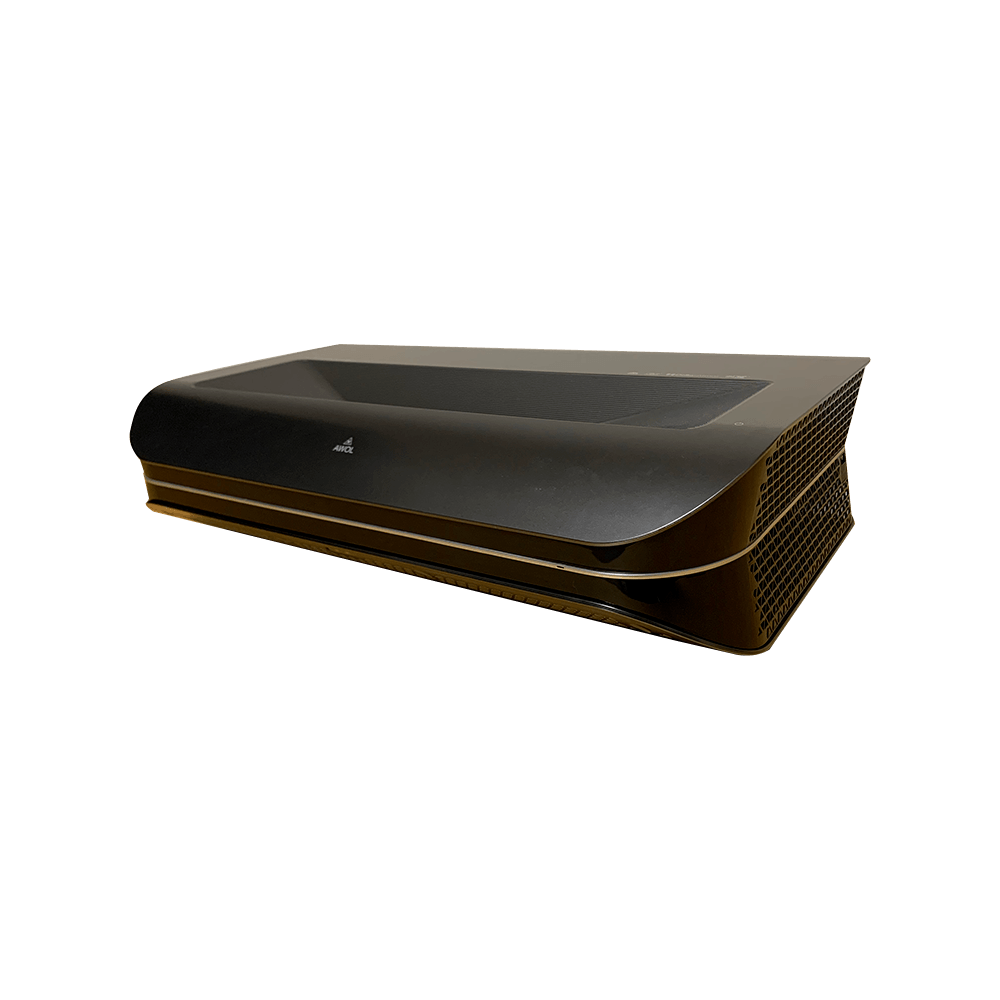

Ultra short throw (UST) projectors have revolutionized home theater by enabling massive screen sizes from just inches away from your wall. No more ceiling mounts, no more shadows when someone walks by - just cinema-sized entertainment in a clean, modern package. But with both the Hisense PL1 ($2,497) and AWOL Vision LTV-2500 ($2,499) offering compelling features at similar price points, choosing between them requires understanding some key technical differences.
Both projectors leverage laser technology, but in notably different ways. The PL1 uses a single blue laser with a phosphor wheel to create other colors - a proven approach that delivers good brightness and color accuracy. In contrast, the LTV-2500 employs three separate RGB lasers, enabling it to produce an exceptionally wide color range covering 107% of the BT.2020 color space (the standard for ultra-high-definition content).
This fundamental difference in light sources impacts several aspects of performance. The PL1's simpler design typically means better reliability and lower cost, while the LTV-2500's triple laser system can produce more nuanced colors and potentially better contrast.
The PL1 edges out the LTV-2500 in raw brightness (2200 vs 2000 ANSI lumens). While this difference might seem small, it matters in rooms with ambient light. The PL1 maintains better image visibility during daytime viewing, though both projectors really shine in controlled lighting.
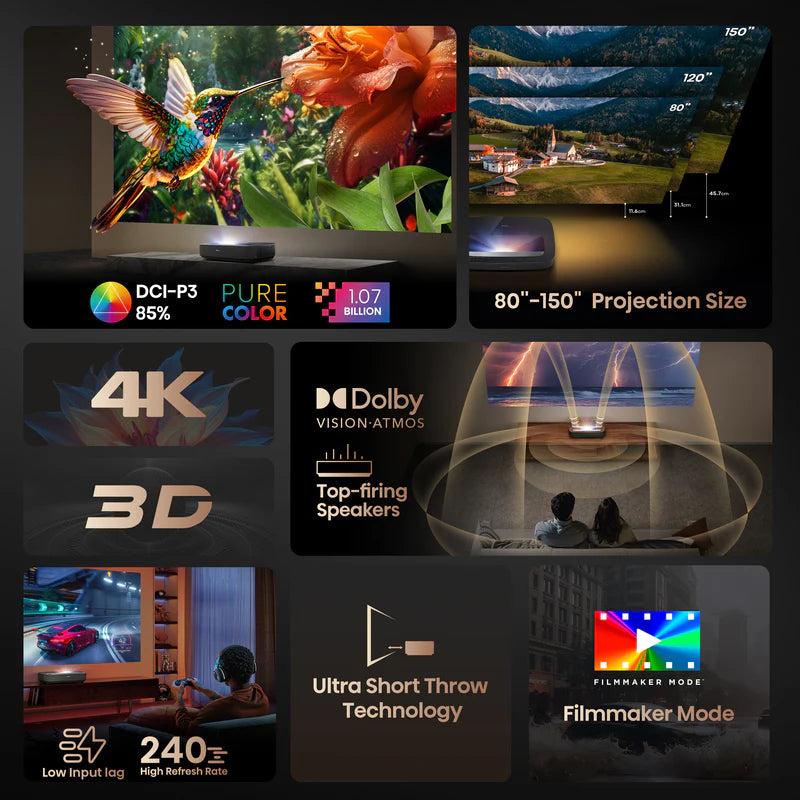
Despite its lower brightness, the LTV-2500's triple laser system produces more vibrant colors. Its wider color gamut means it can display more of the colors present in modern HDR content. The PL1 still offers respectable color performance with 85% of the DCI-P3 color space, but can't match the LTV-2500's color range.
Both projectors support HDR content, but handle it differently. The PL1 offers HDR10 and Dolby Vision support, while the LTV-2500 includes HDR10+ and superior tone mapping. In practical terms, the LTV-2500 does a better job preserving detail in both bright and dark scenes, particularly noticeable in challenging content like dark movies or high-contrast games.
Here's where the LTV-2500 really stands out. Its low input lag (15ms at 4K/60Hz, dropping to 8ms at 1080p/120Hz) makes it significantly better for gaming than the PL1. For context, most TVs considered "good" for gaming have input lag around 15-20ms. The LTV-2500's performance puts it in elite company for gaming displays.
The PL1 integrates Google TV, providing access to streaming services without additional devices. This convenience factor shouldn't be underestimated - it means one less remote and simpler setup. The LTV-2500 requires an external streaming device, but this could be an advantage if you prefer choosing your own smart platform or upgrading it independently.
For dedicated home theater spaces, both projectors offer distinct advantages. The PL1's higher brightness helps with occasional ambient light, while the LTV-2500's superior contrast and color range deliver a more cinema-like experience in dark rooms.
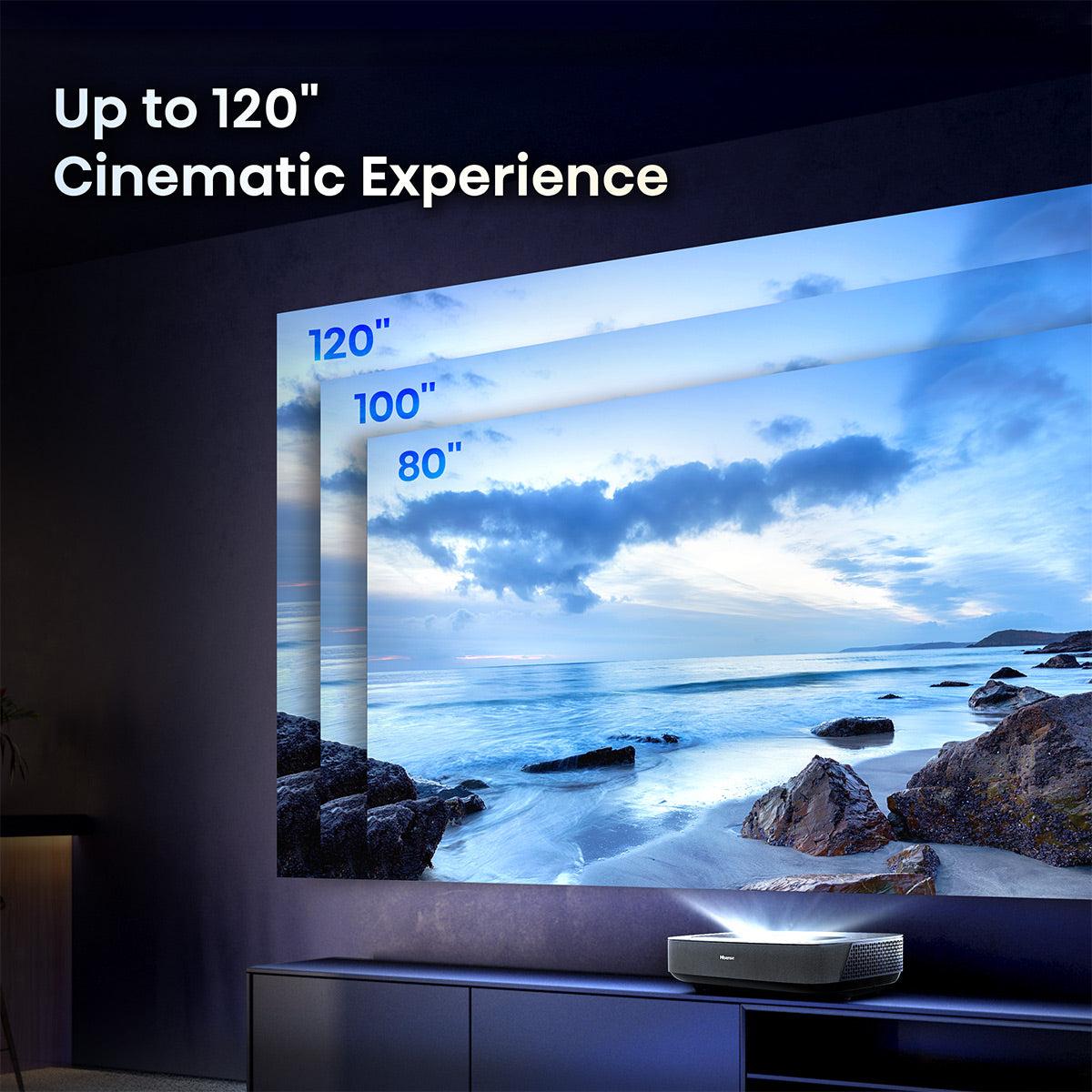
The LTV-2500's larger maximum screen size (150" vs 120") might matter if you're planning an elaborate home theater. However, most rooms work best with 100-120" screens anyway, making this difference less relevant for many users.
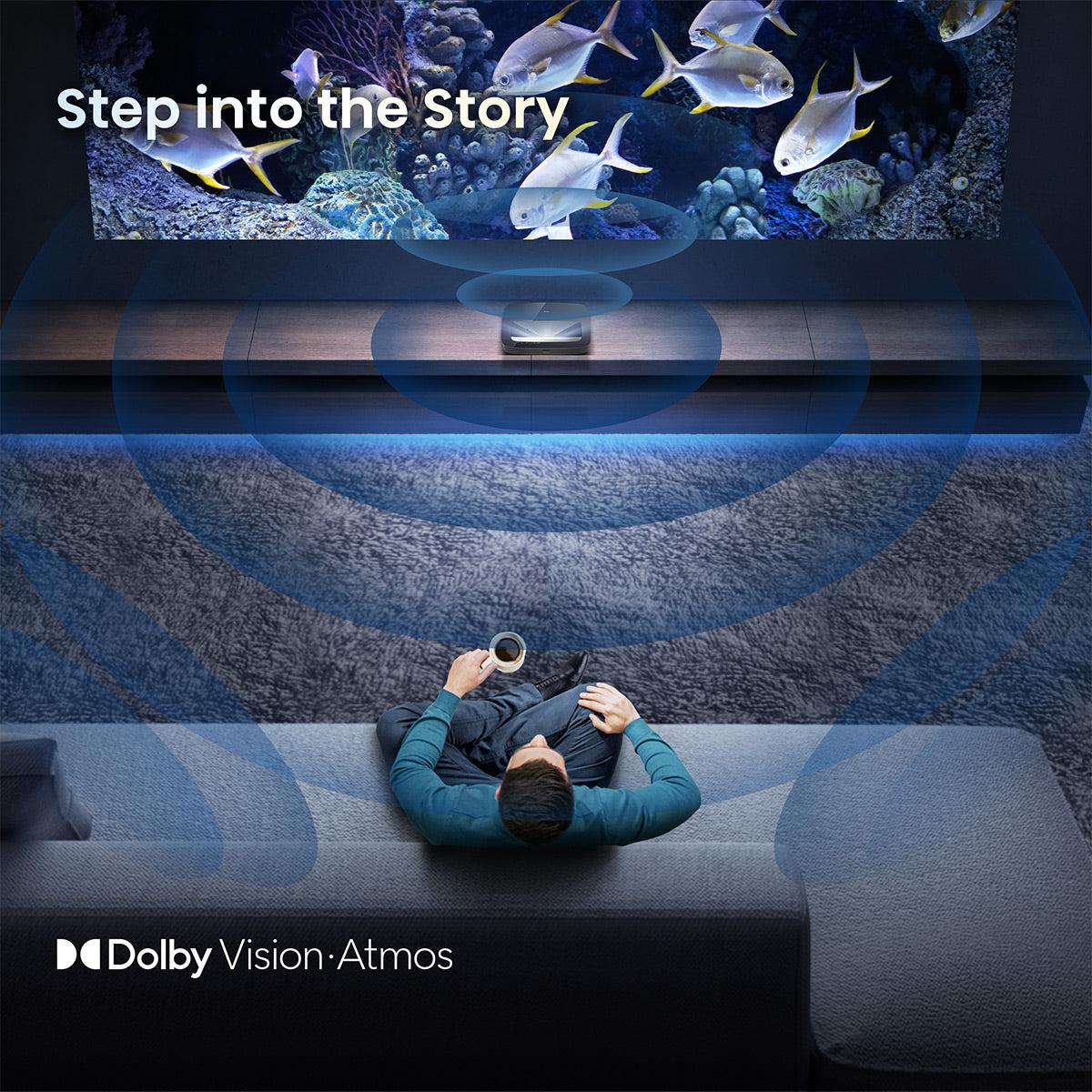
Both projectors feature built-in sound systems (30W Dolby Atmos for PL1, 36W stereo for LTV-2500), but serious home theater setups will want external audio regardless.
The PL1, released in June 2023, represents Hisense's latest UST technology, while the LTV-2500 arrived in late 2022. Both incorporate recent advances in laser projection, but their approaches differ. The PL1's single laser system builds on years of refined technology, while the LTV-2500's triple laser system pushes boundaries in color reproduction.
At nearly identical price points (~$2,500), these projectors offer different value propositions:
Your choice should depend primarily on your use case:
Choose the PL1 if:
Choose the LTV-2500 if:
Both projectors represent excellent value in the UST market, but they target slightly different users. The PL1 offers a more approachable, all-in-one solution that works well in various lighting conditions. The LTV-2500 delivers superior picture quality and gaming performance for enthusiasts willing to manage a slightly more complex setup.
For most users, the decision will come down to whether the LTV-2500's superior picture quality and gaming performance justify giving up the PL1's integrated features and slightly higher brightness. In a dedicated home theater room, the LTV-2500's advantages become more pronounced, while the PL1 might be the better choice for a multi-purpose living room.
| Hisense PL1 | AWOL Vision LTV-2500 |
|---|---|
| Brightness - Critical for ambient light performance | |
| 2200 ANSI lumens (better for bright rooms) | 2000 ANSI lumens (requires more light control) |
| Light Engine - Impacts color accuracy and longevity | |
| Single blue laser with phosphor (proven technology) | RGB triple laser (superior color range) |
| Color Gamut - Determines color richness and accuracy | |
| 85% DCI-P3 (good for most content) | 107% BT.2020 (exceptional color range) |
| Screen Size Range - Affects room placement flexibility | |
| 80-120 inches (standard range) | Up to 150 inches (more flexible) |
| Input Lag - Critical for gaming performance | |
| Standard lag (casual gaming only) | 15ms@4K, 8ms@1080p (excellent for gaming) |
| Smart Features - Impacts ease of use | |
| Built-in Google TV (more convenient) | External device required (more flexible) |
| HDR Support - Affects contrast and color depth | |
| HDR10, Dolby Vision, HLG | HDR10+, Superior tone mapping |
| Audio System - Built-in sound quality | |
| 30W Dolby Atmos (good for casual use) | 36W stereo with better clarity |
| Throw Distance - Installation flexibility | |
| 0.25:1 ratio (standard UST range) | 0.25:1 ratio (standard UST range) |
| Price - Value consideration | |
| $2,497 (better all-in-one value) | $2,499 (better performance value) |
The Hisense PL1 with 2200 ANSI lumens performs better in bright rooms compared to the AWOL LTV-2500's 2000 ANSI lumens. The PL1's higher brightness makes it more suitable for rooms with ambient light.
The AWOL LTV-2500 delivers superior picture quality with its triple laser system and wider color gamut (107% BT.2020). The Hisense PL1 offers good picture quality but can't match the AWOL's color range and contrast.
The AWOL LTV-2500 is significantly better for gaming with its low input lag (15ms at 4K/60Hz, 8ms at 1080p/120Hz). The Hisense PL1 has standard input lag, making it suitable only for casual gaming.
Yes, both the Hisense PL1 and AWOL LTV-2500 perform best with ALR (Ambient Light Rejecting) screens specifically designed for UST projectors. This is essential for optimal picture quality.
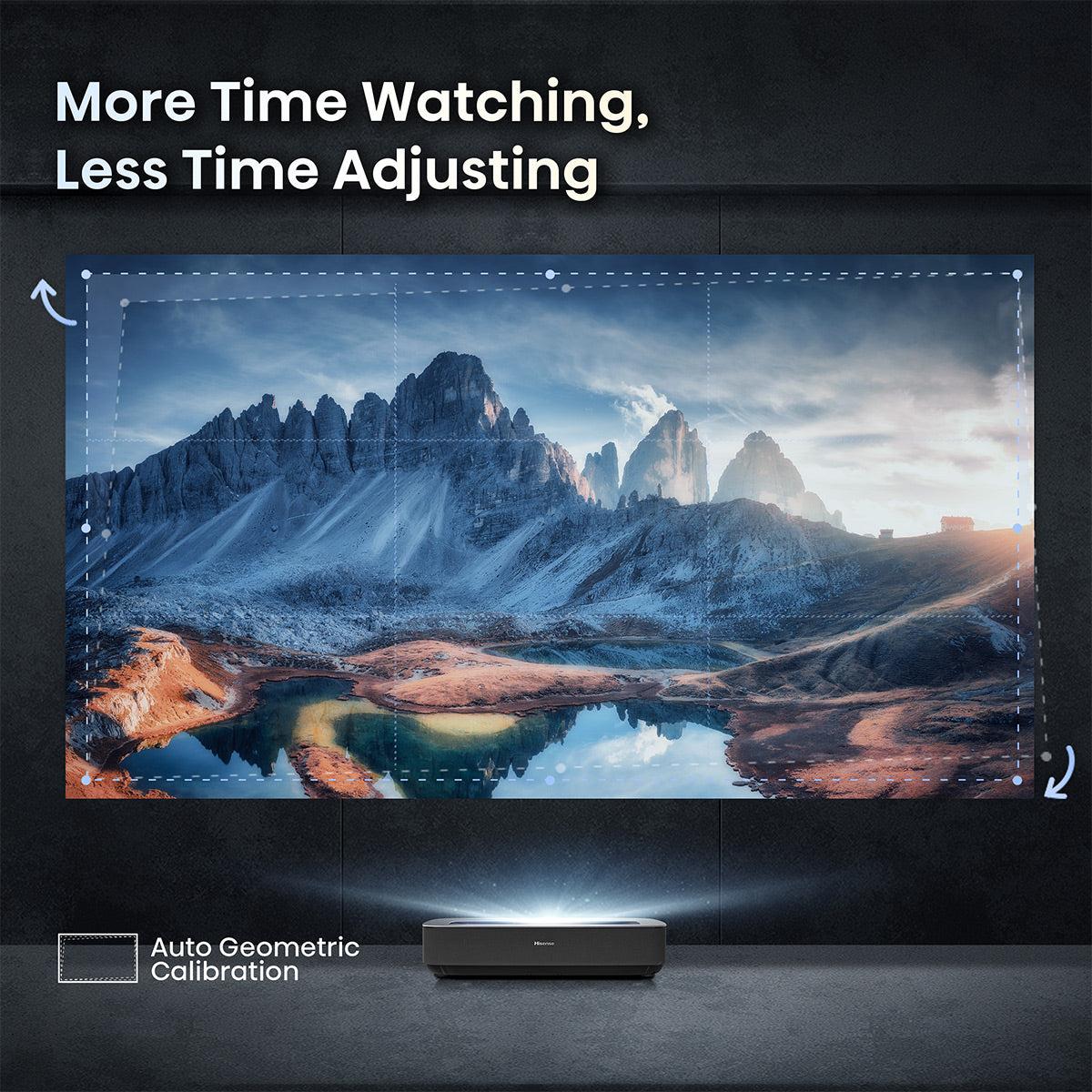
The Hisense PL1 is easier to set up with its built-in Google TV and automatic geometry correction. The AWOL LTV-2500 requires an external streaming device and manual adjustment.
Both the Hisense PL1 and AWOL LTV-2500 have a rated laser life of approximately 25,000 hours, which equals about 17 years at 4 hours of daily use.
The Hisense PL1 includes built-in Google TV for streaming, while the AWOL LTV-2500 requires an external streaming device. The PL1 offers a more integrated experience.
The AWOL LTV-2500 can project up to 150 inches, while the Hisense PL1 maxes out at 120 inches. Consider your room size when choosing.
Yes, both support HDR, but differently. The Hisense PL1 supports HDR10 and Dolby Vision, while the AWOL LTV-2500 offers HDR10+ with superior tone mapping.
The AWOL LTV-2500 features 36W stereo speakers with better clarity, while the Hisense PL1 has 30W Dolby Atmos. However, both would benefit from external speakers for home theater use.
Both projectors are priced similarly around $2,500. The Hisense PL1 offers better value as an all-in-one solution, while the AWOL LTV-2500 provides better value for performance-focused users.
While both perform best in controlled lighting, the Hisense PL1 handles ambient light better than the AWOL LTV-2500. However, for optimal picture quality, darker rooms are recommended for both.
We've done our best to create useful and informative comparisons to help you decide what product to buy. Our research uses advanced automated methods to create this comparison and perfection is not possible - please contact us for corrections or questions. These are the sites we've researched in the creation of this article: projectorscreen.com - dreamediaav.com - projectorcentral.com - trustedreviews.com - crutchfield.com - hometheaterhifi.com - projectorcentral.com - projectorreviews.com - vividstormscreen.com - bhphotovideo.com - shi.com - crutchfield.com - projectorjunkies.com - dreamediaav.com - projectorjunkies.com - avsforum.com - nothingprojector.com - projectorreviews.com - vividstorm.eu - projectorcentral.com - projectorcentral.com - projectorcentral.com - avsforum.com - dreamediaav.com

Privacy Policy
Terms and Conditions - Affiliate Policy
Home Security
© Copyright 2008-2026.
11816 Inwood Rd #1211, Dallas, TX 75244