

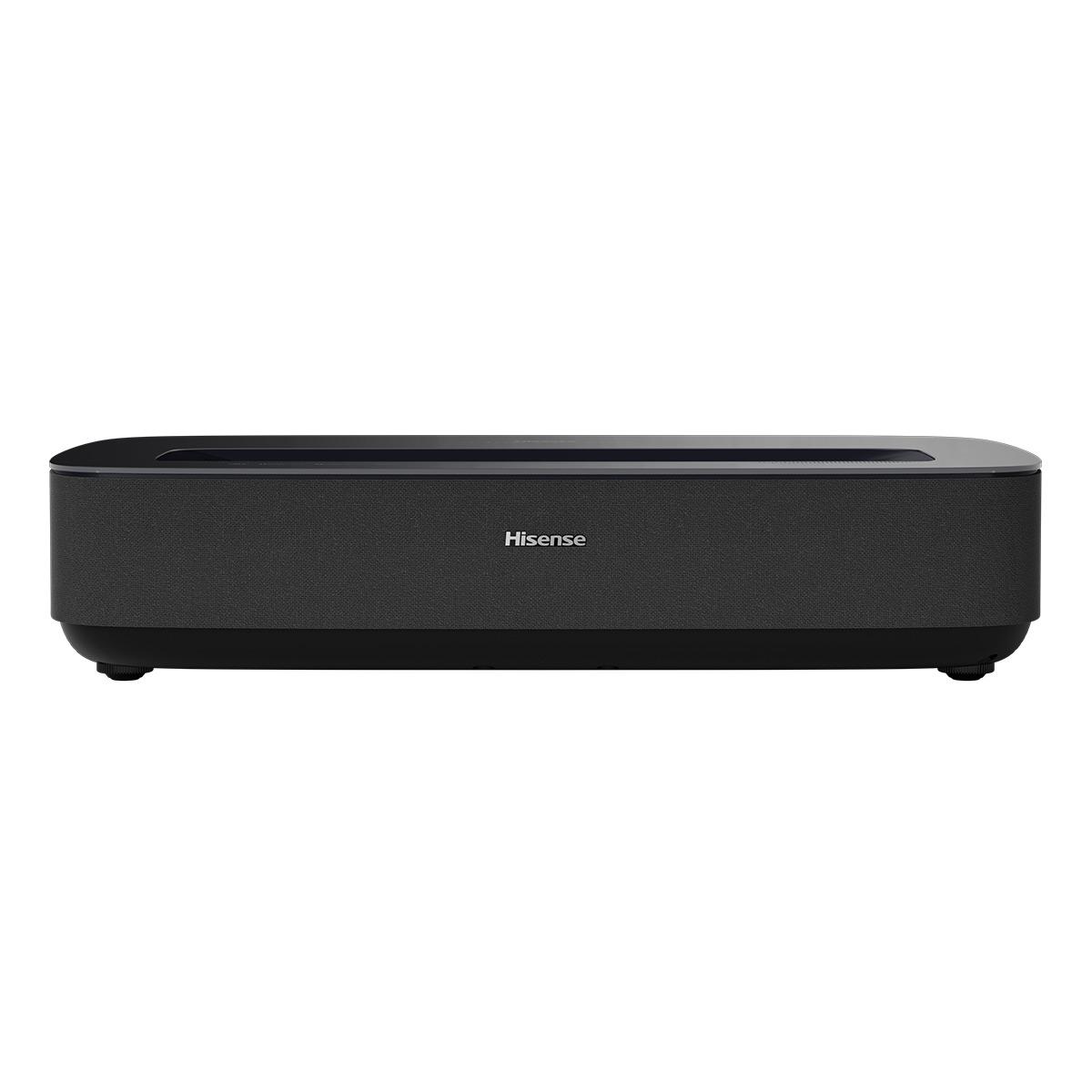
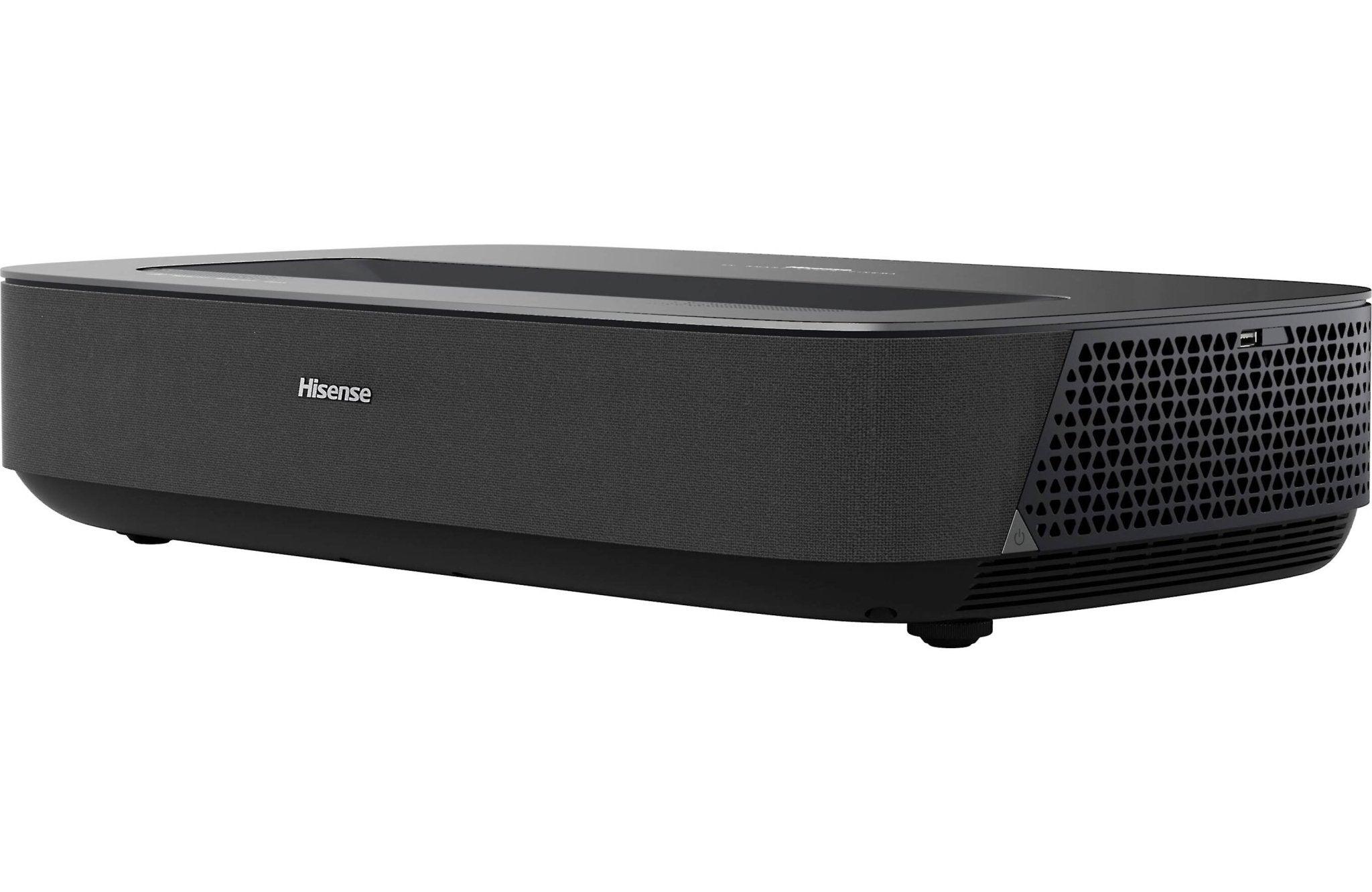
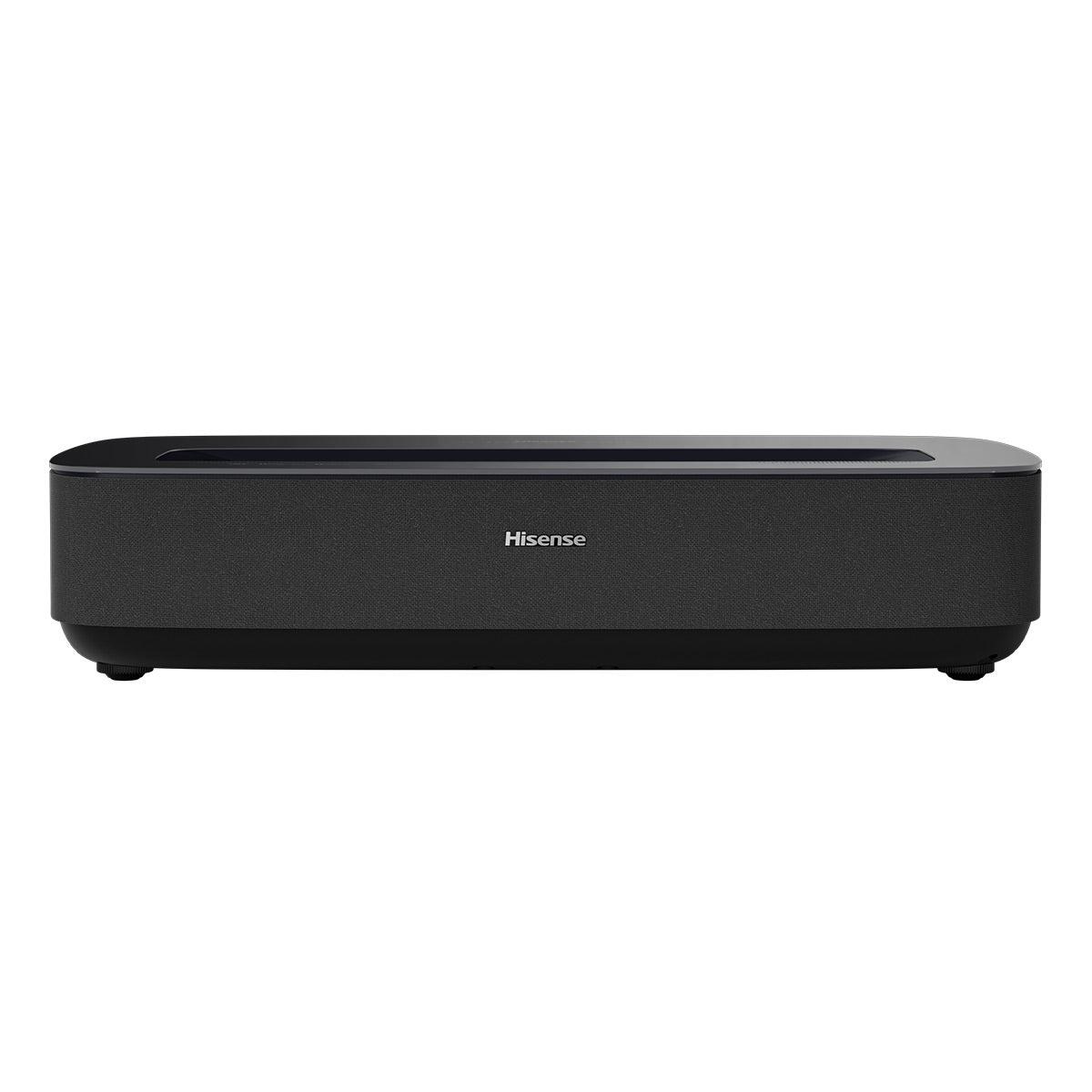
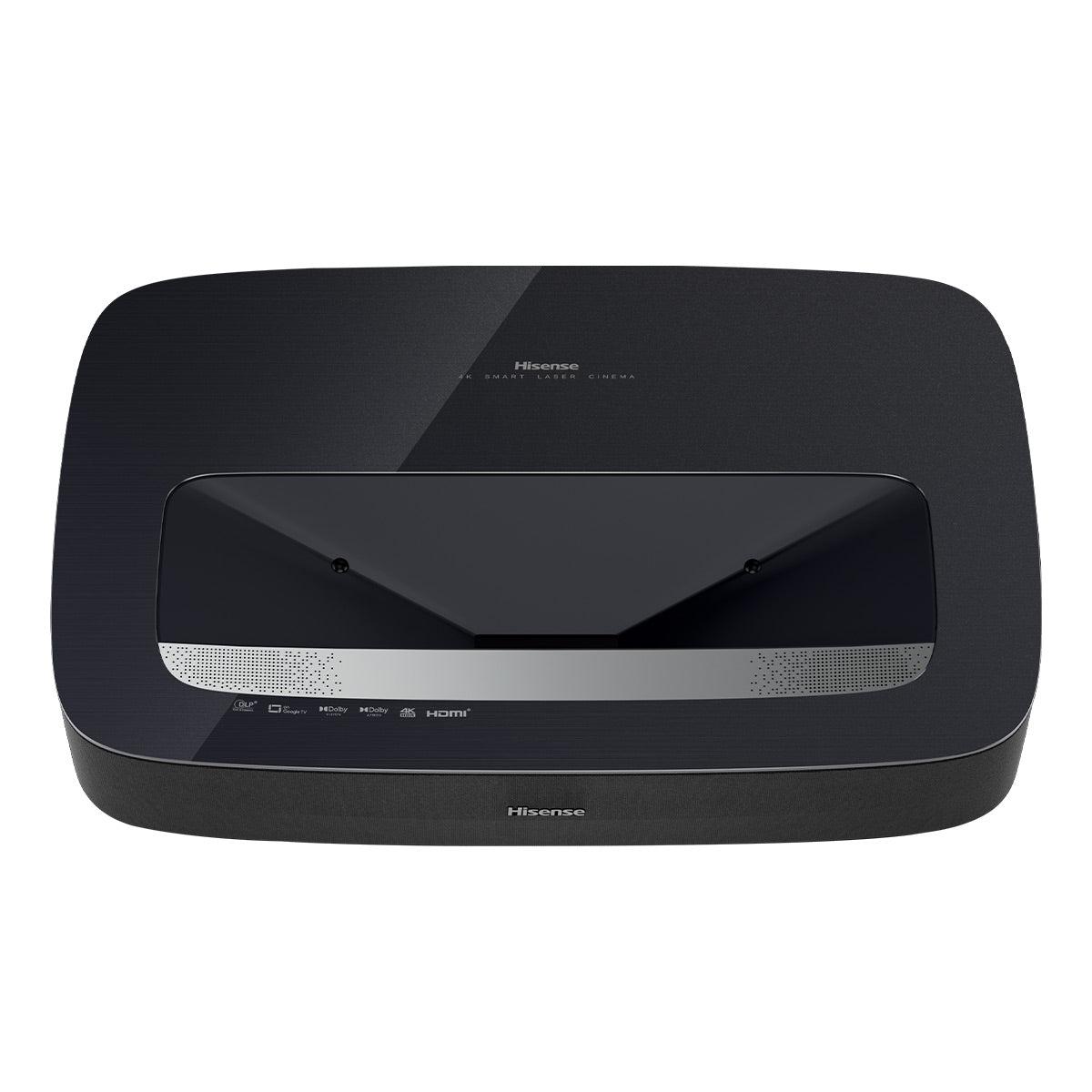
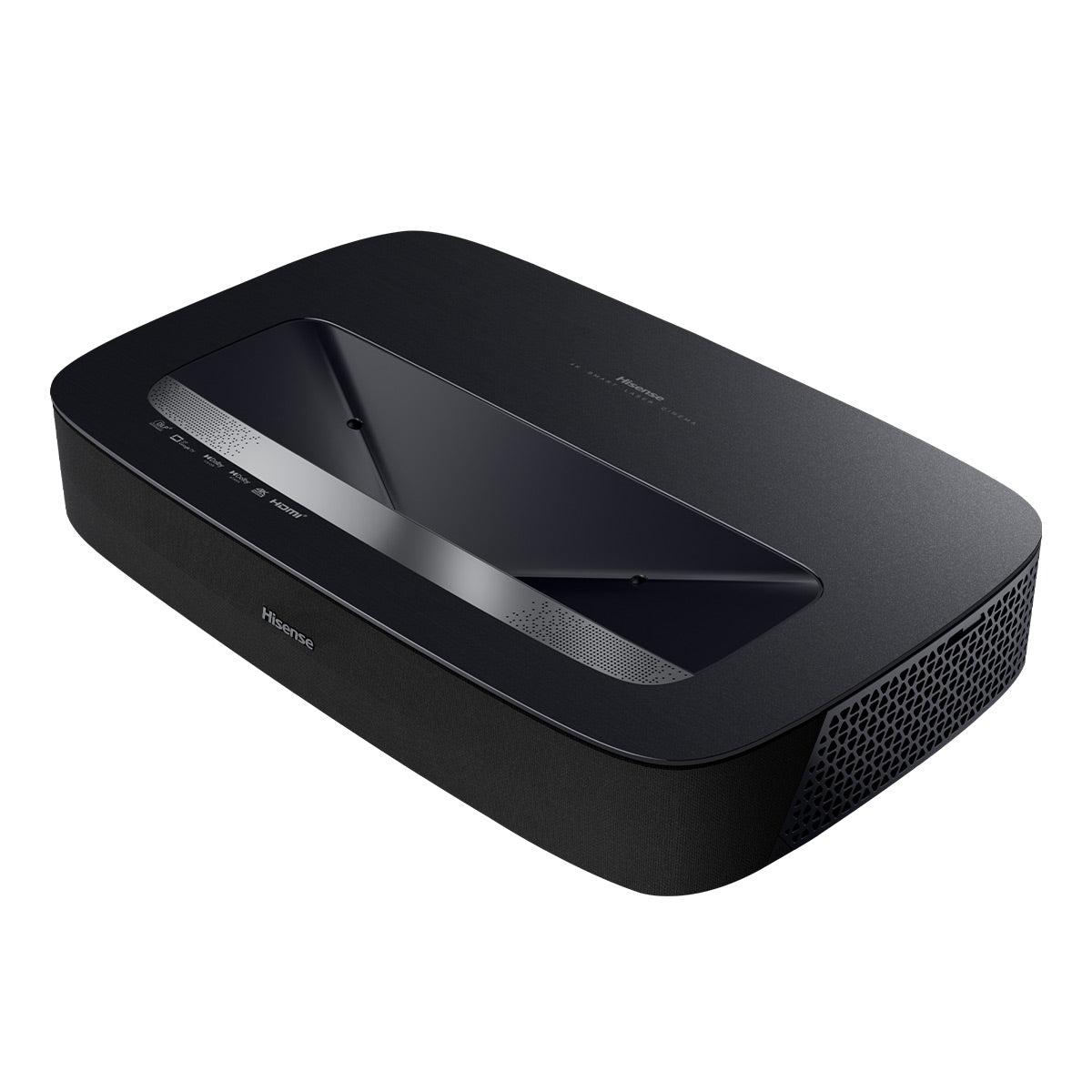
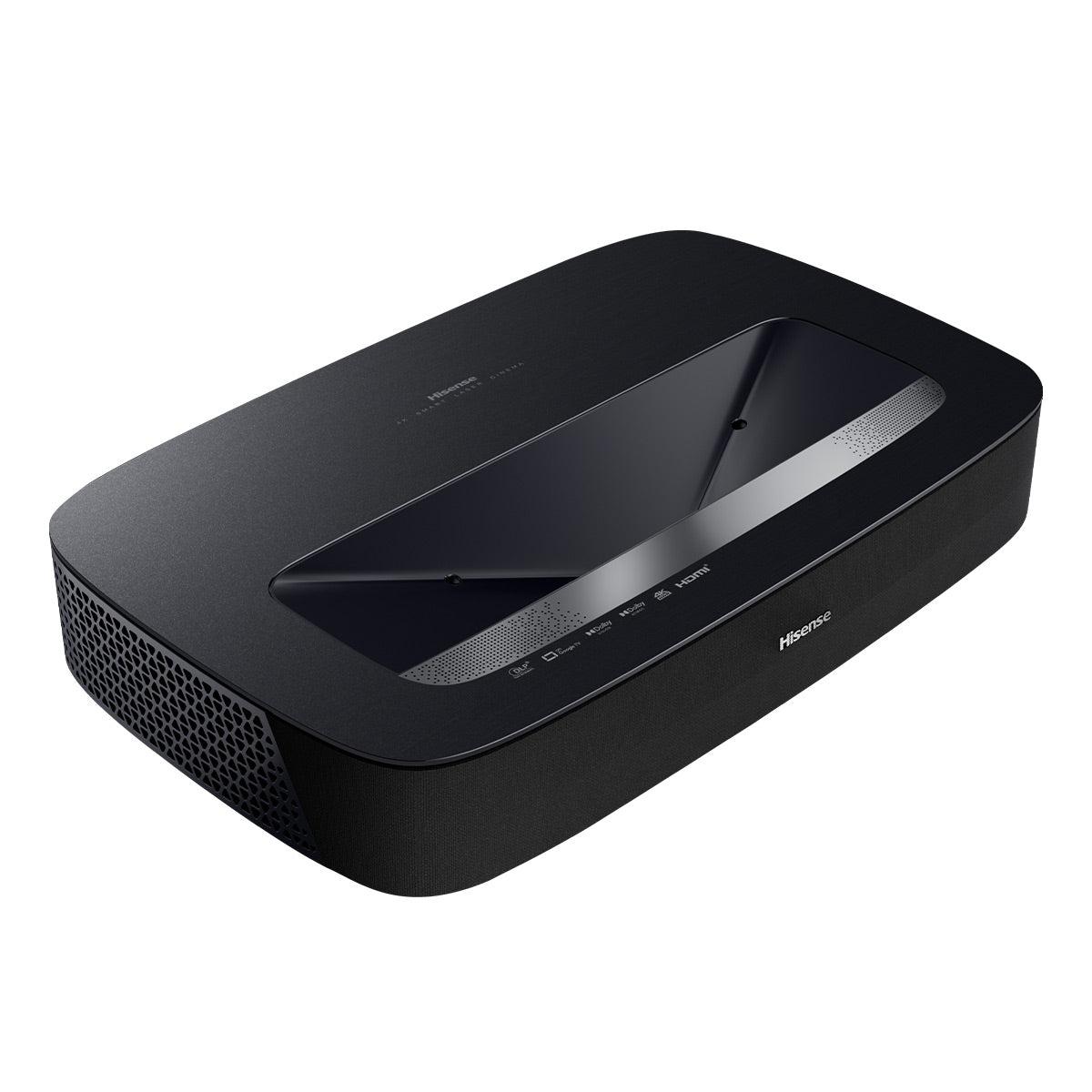
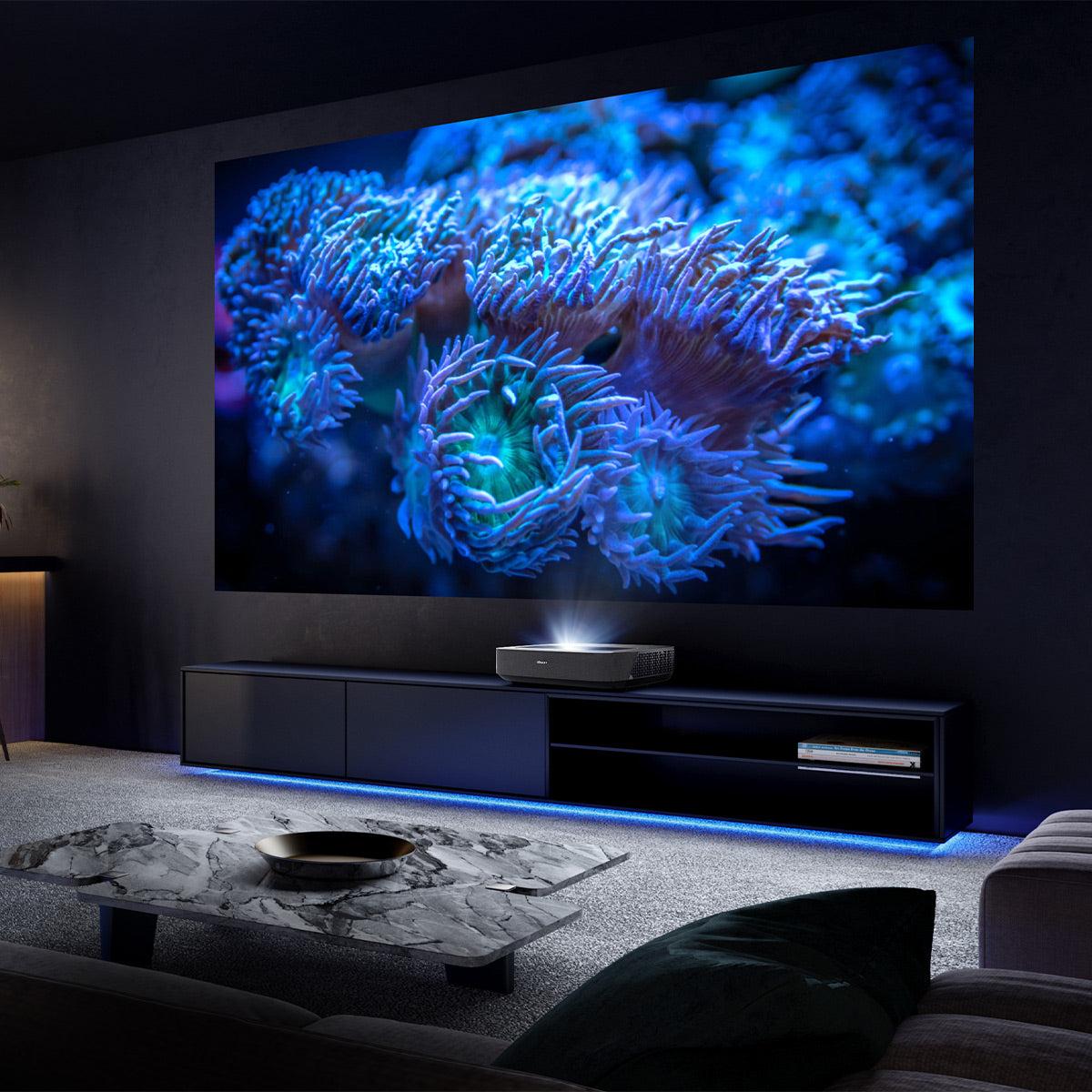
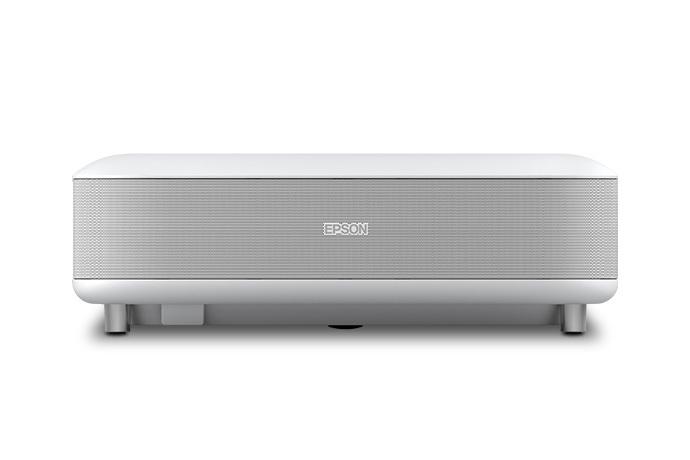
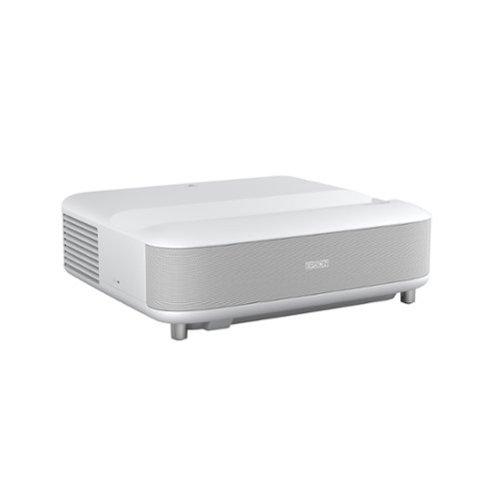


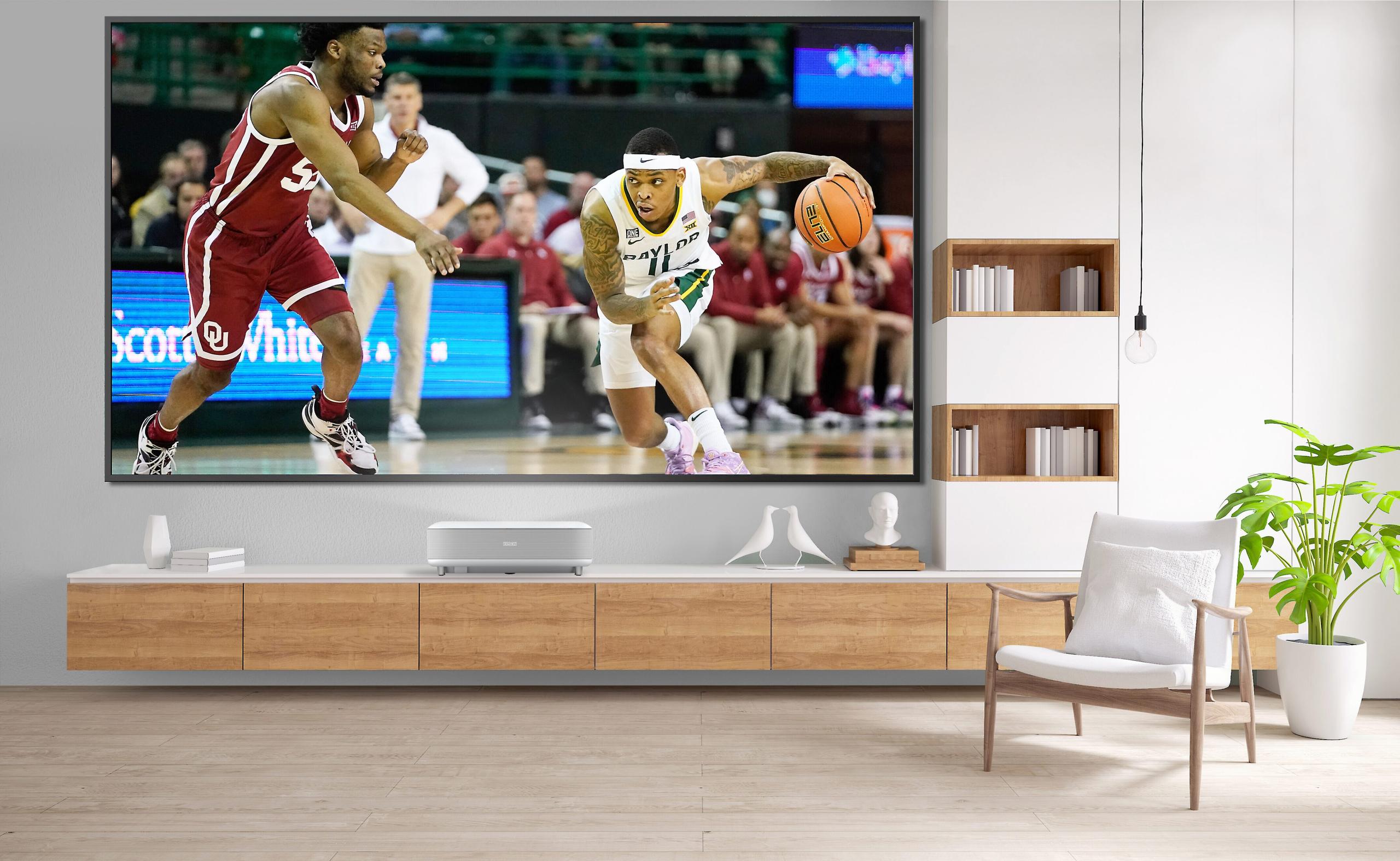
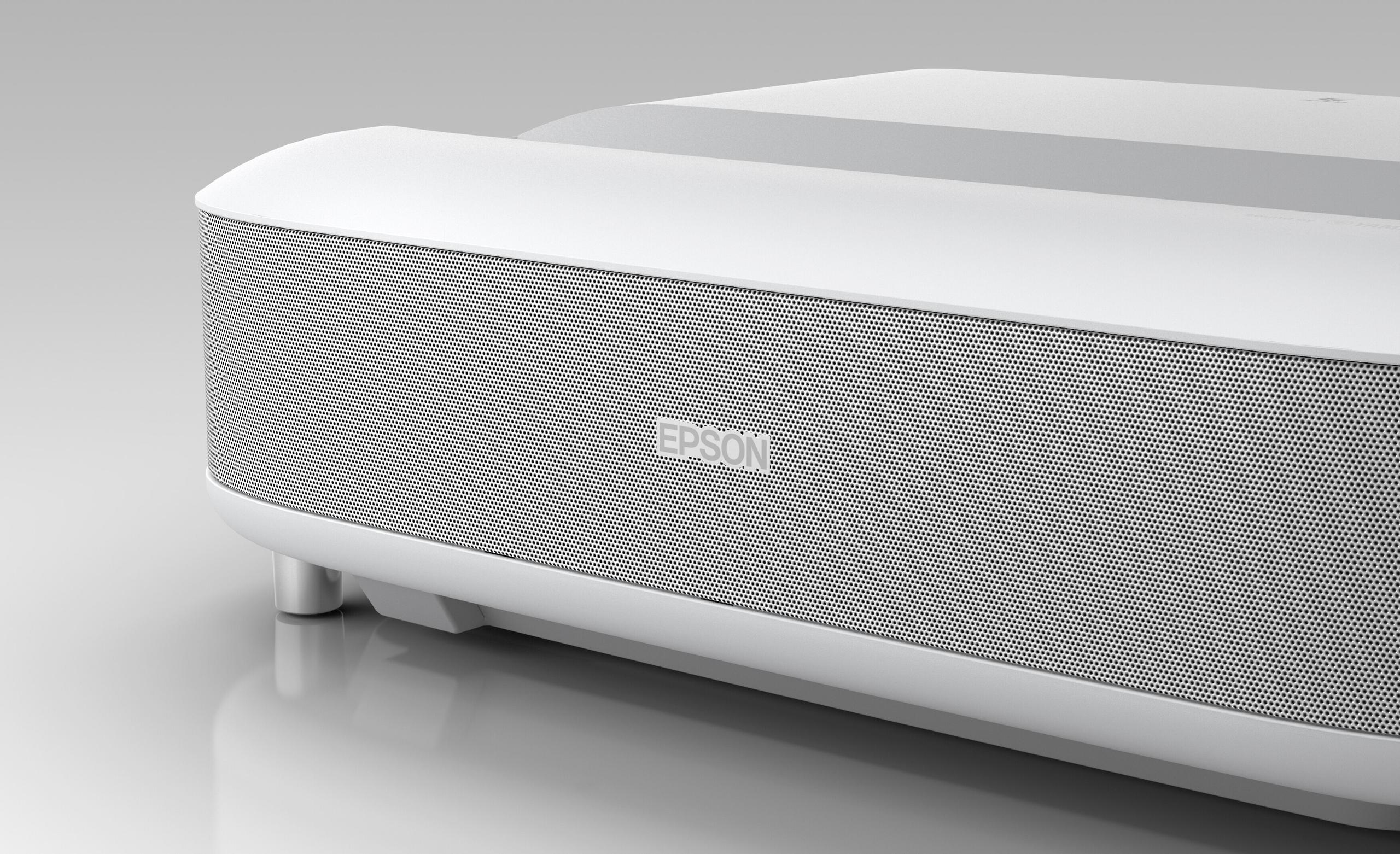
When it comes to creating a big-screen experience at home, ultra short throw (UST) laser projectors have revolutionized what's possible. Two compelling options released in 2023 are the Hisense PL1 ($2,499) and the Epson EpiqVision Ultra LS650 ($1,999). Let's dive into how these projectors compare and which might be right for your setup.
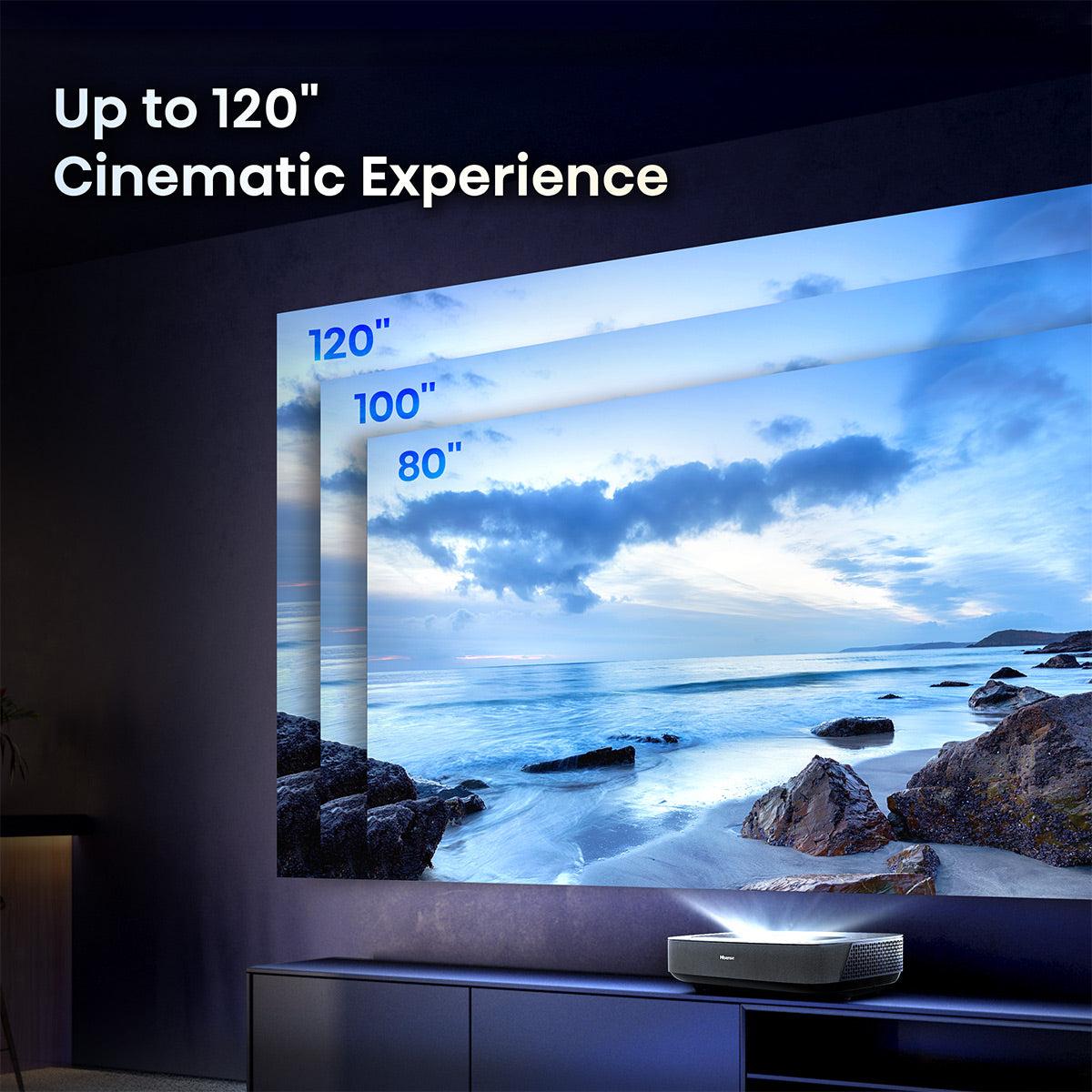
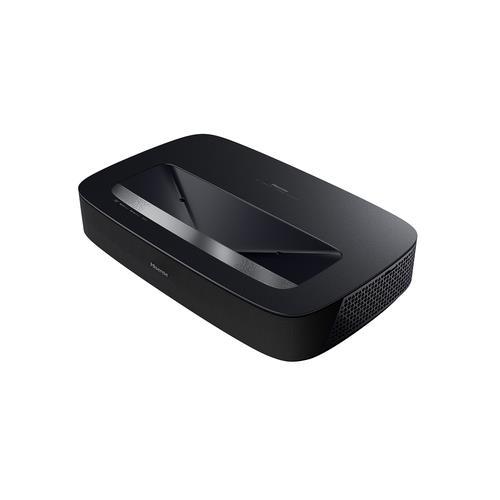
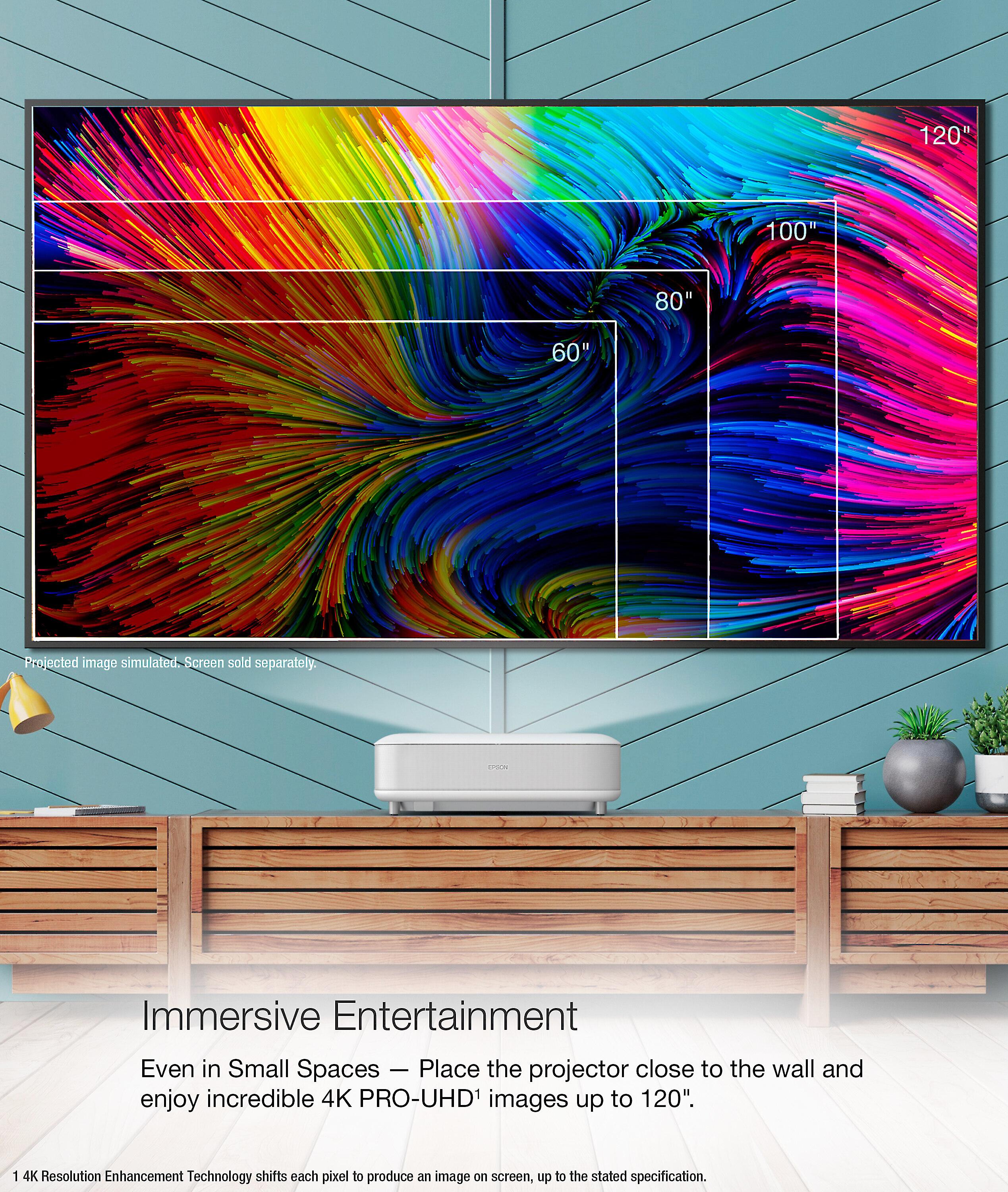
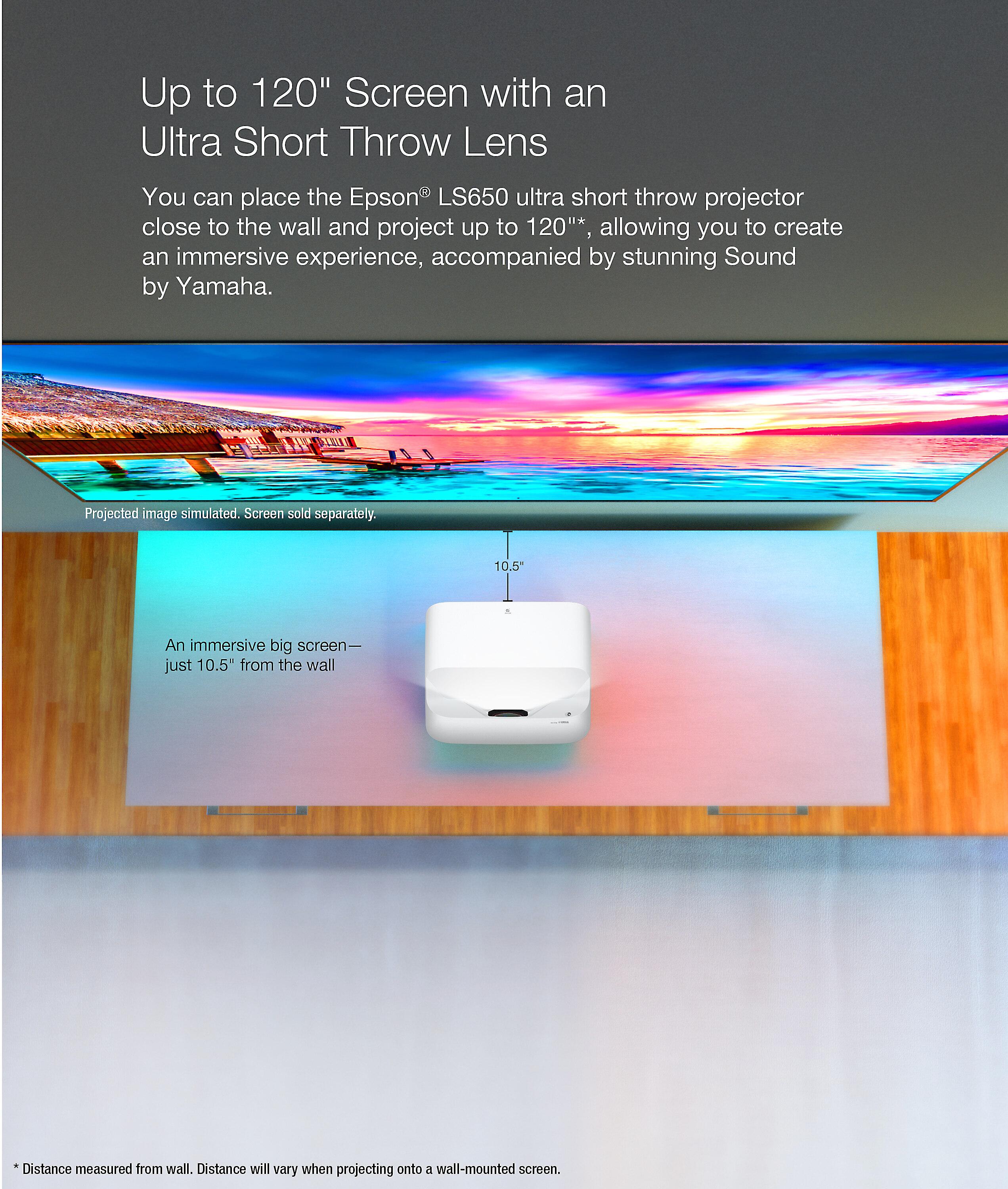
Unlike traditional projectors that need to sit far from the screen, UST projectors use specialized optics to create large images from just inches away. This clever design lets you place them in a TV stand while projecting images up to 120 inches - that's a massive 10-foot diagonal picture! Both of these projectors use laser light sources, which offer consistent brightness and typically last 20,000+ hours without needing replacement.
The Hisense PL1 uses a single DLP chip with true 4K resolution (3840x2160 pixels). DLP (Digital Light Processing) technology uses millions of tiny mirrors that flip thousands of times per second to create the image. It's known for sharp detail and excellent motion handling, though some viewers may notice an occasional rainbow effect - brief color flashes during high-contrast scenes.
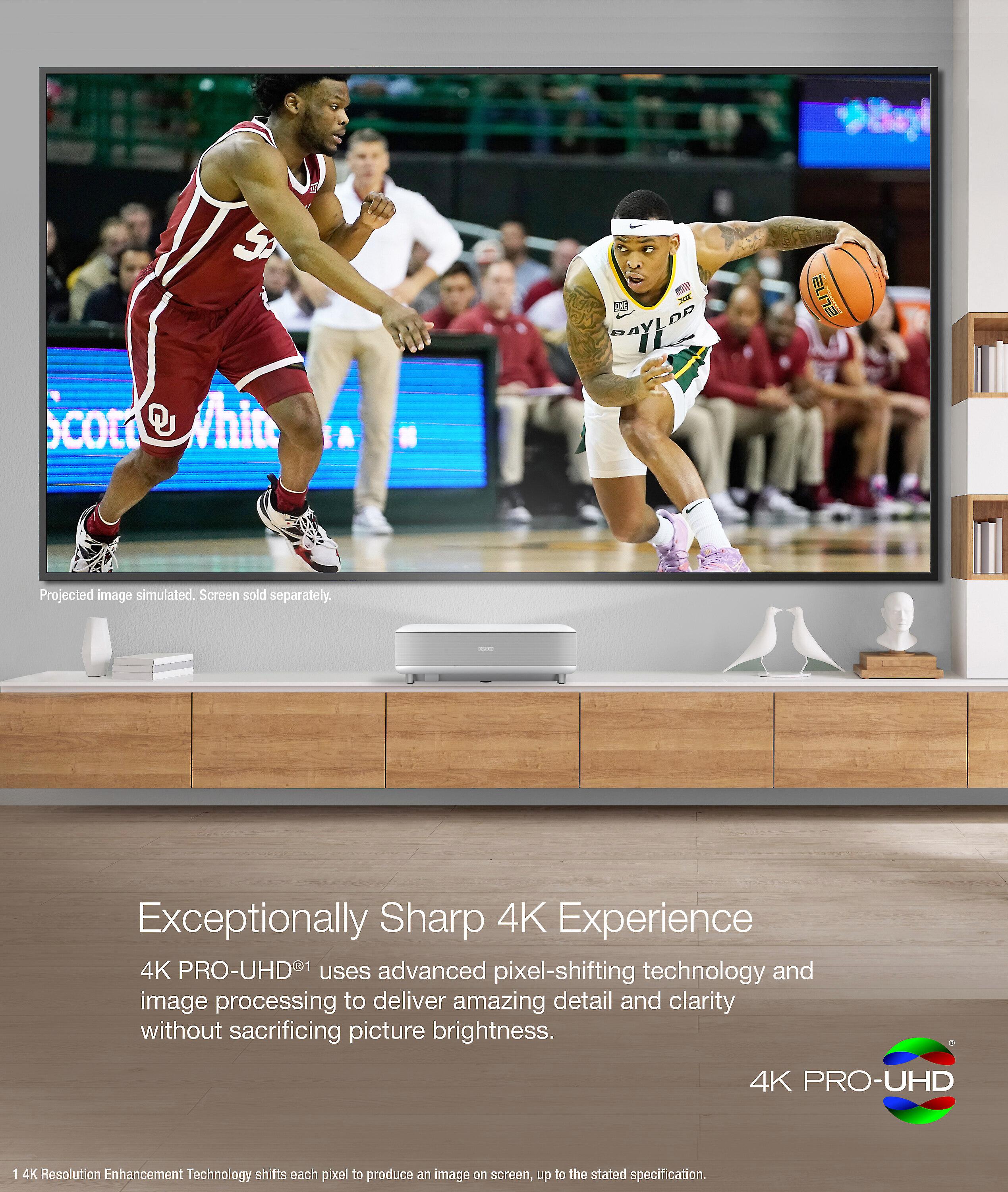
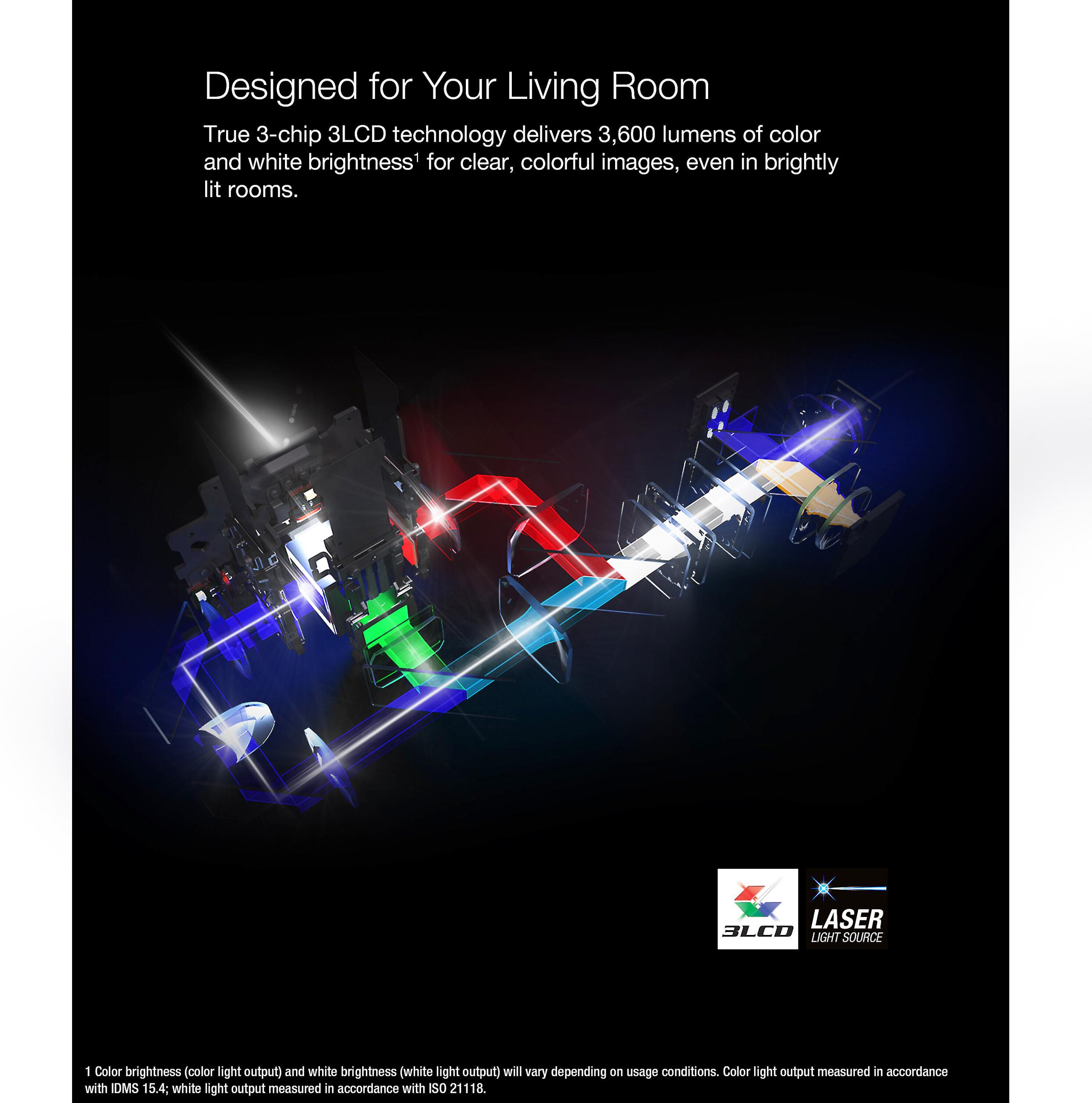
The Epson LS650 takes a different approach with 3LCD technology, using three separate LCD panels (one each for red, green, and blue). While it's not native 4K, it uses pixel-shifting to create a 4K-like image. The benefit? No rainbow effect and potentially better color uniformity. In practice, both produce detailed images that look great at normal viewing distances.
Here's where things get interesting. The Epson boasts 3,600 ANSI lumens compared to the Hisense's 2,200 ANSI lumens. What does this mean in real terms? The Epson can handle significantly more ambient light without washing out the image. If you're planning to use the projector in a living room with windows or during daytime viewing, the Epson has a clear advantage.
However, in a dedicated home theater or dark room, the Hisense's lower brightness isn't a disadvantage. In fact, it might provide better contrast and black levels in controlled lighting conditions. The Hisense also includes more sophisticated HDR processing, supporting Dolby Vision alongside HDR10 and HLG, while the Epson only handles HDR10 and HLG.
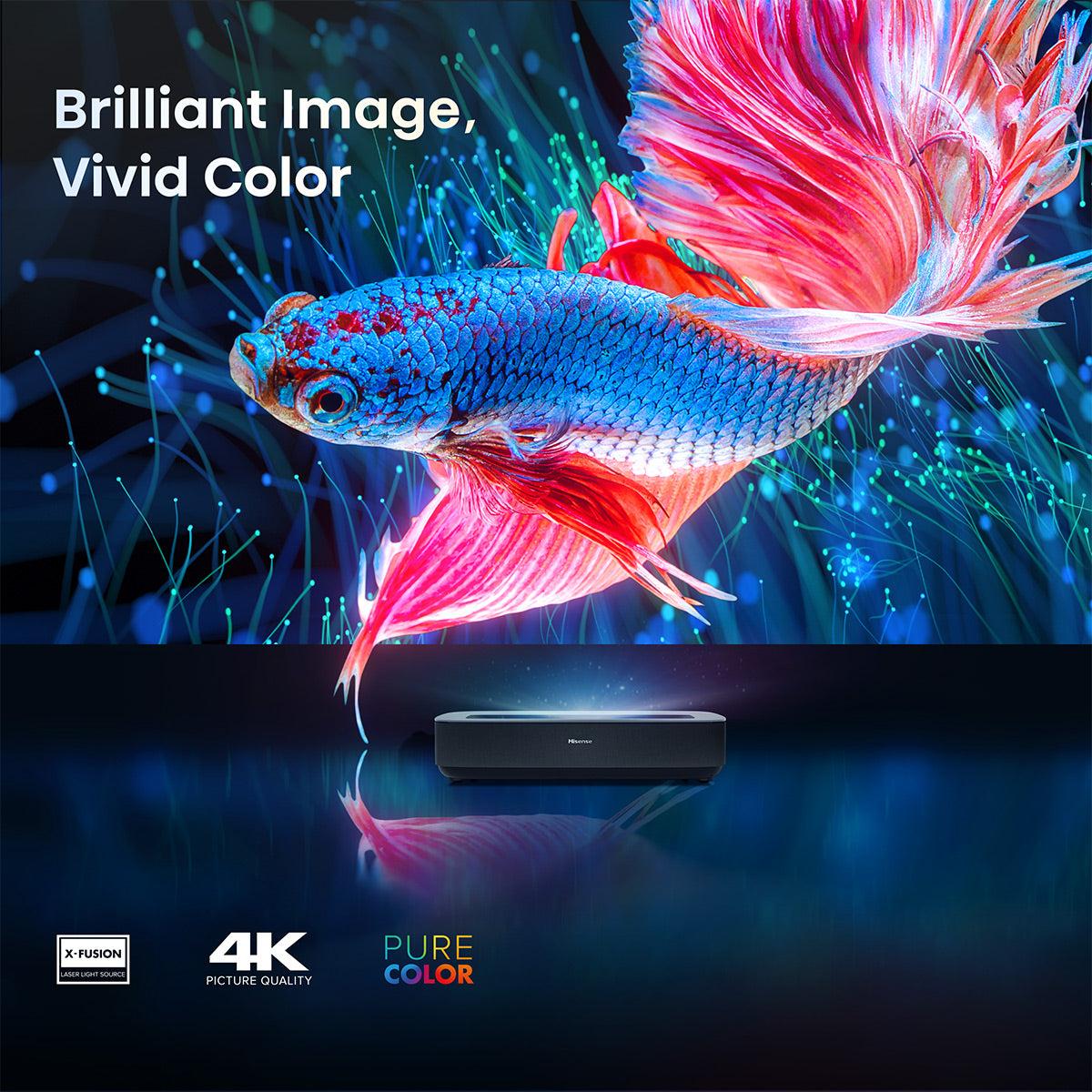
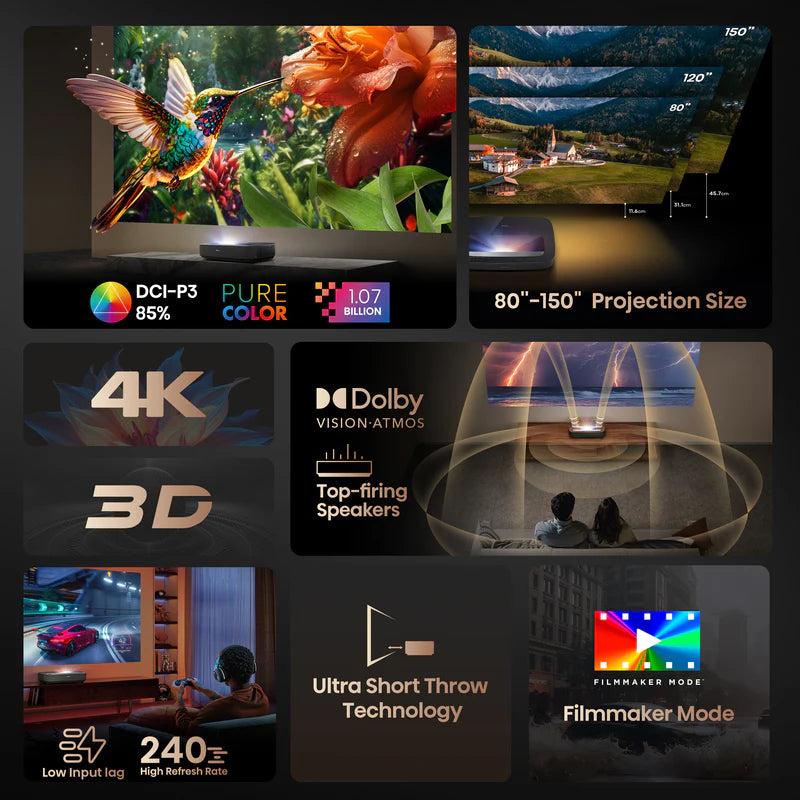
The Hisense PL1's coverage of 85% of the DCI-P3 color space is impressive, offering rich, cinema-quality colors. Combined with its Filmmaker Mode, which disables unnecessary processing to show content as directors intended, it's a serious choice for movie enthusiasts.
The Epson focuses on achieving 100% of the more limited Rec.709 color space. While this means less expansive color capabilities, it ensures accurate reproduction of most streaming content and broadcast TV. Both projectors offer various picture modes and adjustments, though the Hisense provides more extensive calibration options.
Both projectors include smart TV platforms - Google TV on the Hisense and Android TV on the Epson. In practice, Google TV offers a more refined experience with better content recommendations and a smoother interface. However, both give you access to major streaming services without needing an external device.
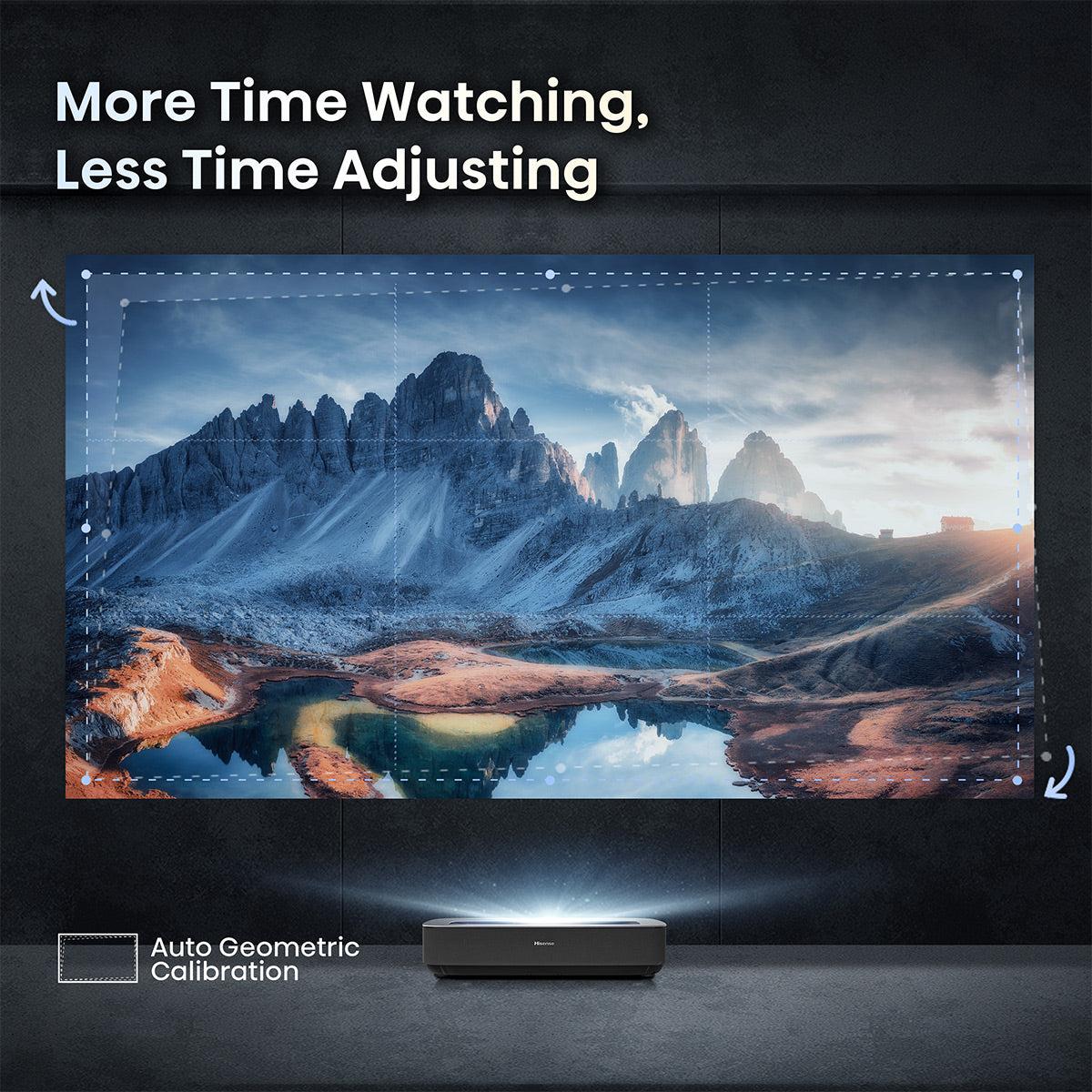
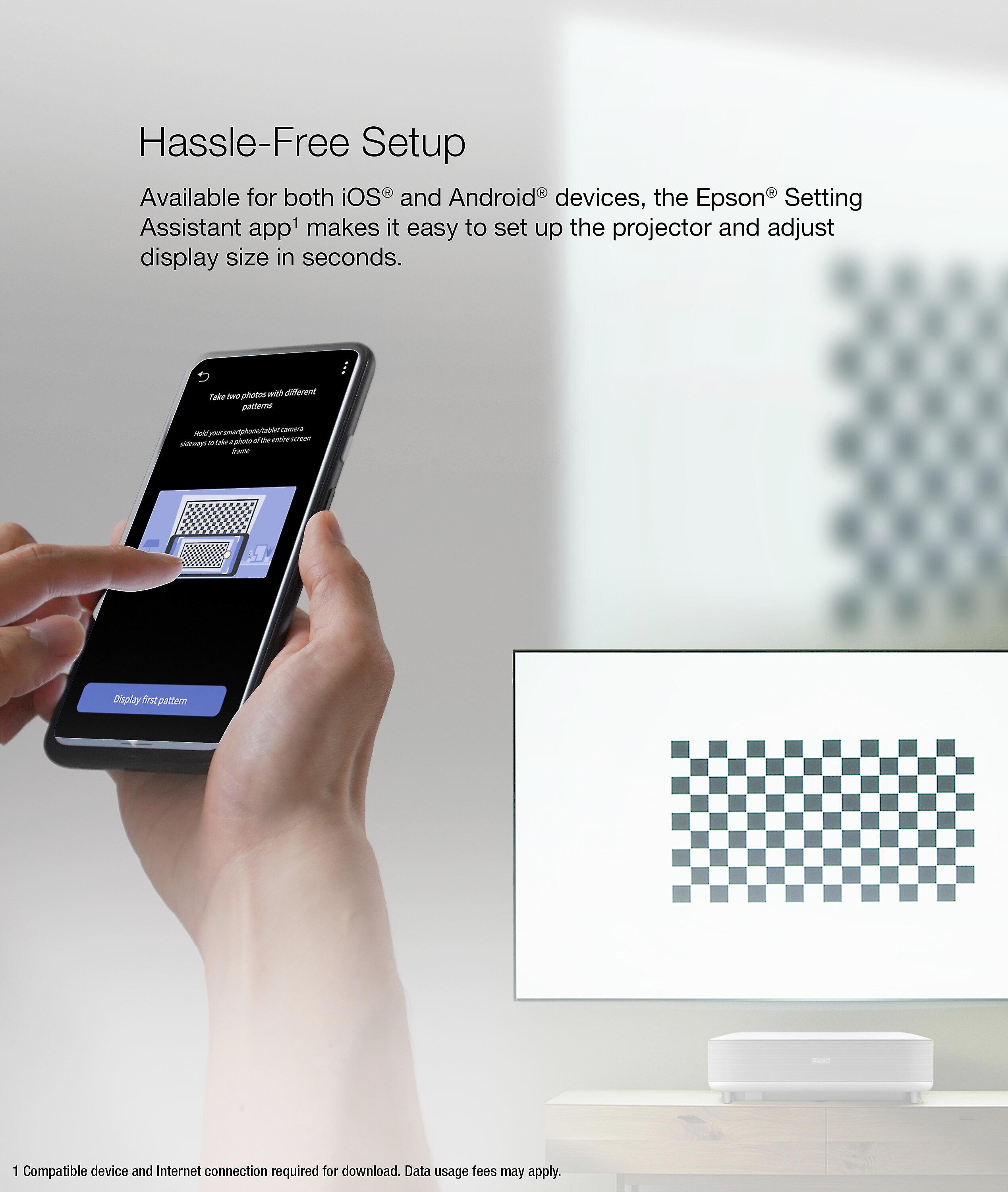
The Hisense's auto-geometry correction feature is particularly clever, using your smartphone to automatically align the image. The Epson's setup process is also straightforward but requires more manual adjustment.
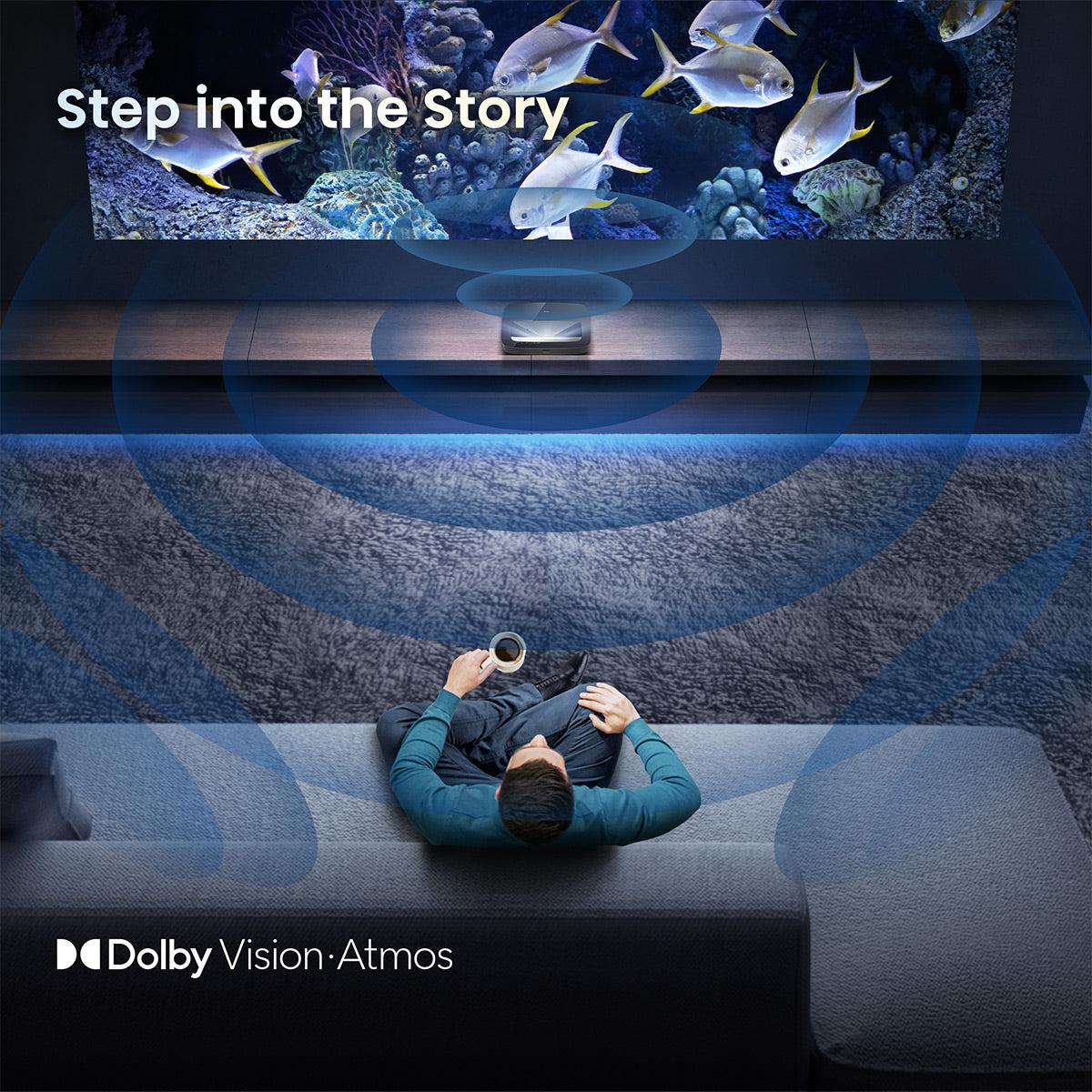
Built-in audio has become increasingly important for UST projectors, and both units deliver here. The Hisense includes a 30W Dolby Atmos system that provides surprisingly immersive sound. The Epson counters with a Yamaha-designed 2.1 channel system (2x25W) that offers clear dialogue and decent bass response.
For serious home theater use, you'll want to connect external speakers or a soundbar, but both projectors' built-in audio works well for casual viewing.
Both projectors support gaming at 4K/60Hz, though neither offers 120Hz modes found on some TVs. The Hisense includes an automatic game mode with lower input lag, while the Epson requires manual activation of its fast response setting. Both perform adequately for casual gaming, but competitive gamers might prefer a gaming-focused TV.
At $500 less, the Epson LS650 presents strong value, especially considering its higher brightness. However, the Hisense PL1 justifies its premium with better HDR support, superior color coverage, and more refined smart features.
Both use laser light sources rated for 20,000+ hours (Hisense claims 25,000), meaning they should last over a decade with typical use. The lack of replacement bulbs helps offset the initial investment compared to traditional projectors.
Consider these key factors when choosing between these projectors:
Both projectors represent impressive technological achievements, offering different strengths for different situations. The Epson LS650 excels in bright rooms and provides excellent value, while the Hisense PL1 edges ahead in image quality and features for dedicated home theater use.
For most users, room lighting should be the primary deciding factor. The Epson's extra brightness makes it more versatile in typical living rooms, while the Hisense's superior HDR and color performance shine in controlled lighting conditions. Either way, you're getting a capable large-screen solution that can transform your home entertainment experience.
| Hisense PL1 Laser Cinema | Epson EpiqVision Ultra LS650 |
|---|---|
| Price - Current Market Position | |
| $2,499 (Premium features) | $1,999 (Better value) |
| Display Technology - Impacts image clarity and color reproduction | |
| Single-chip DLP with true 4K resolution | 3LCD with pixel-shifted 4K (no rainbow effect) |
| Brightness - Critical for ambient light performance | |
| 2,200 ANSI lumens (best for controlled lighting) | 3,600 ANSI lumens (excellent bright room performance) |
| HDR Support - Affects contrast and color in HDR content | |
| HDR10, Dolby Vision, HLG (comprehensive) | HDR10, HLG (basic support) |
| Color Gamut - Determines color richness | |
| 85% DCI-P3 (superior color range) | 100% Rec.709 (standard color space) |
| Screen Size Range - Installation flexibility | |
| 80" - 120" from 12.2" distance | 60" - 120" from 15.2" distance |
| Smart Platform - Streaming capability | |
| Google TV (more refined interface) | Android TV (occasionally laggy) |
| Audio System - Built-in sound quality | |
| 30W Dolby Atmos (more immersive) | 2x25W Yamaha (good stereo) |
| Laser Life - Long-term durability | |
| 25,000 hours | 20,000 hours |
| Gaming Features - Response time and capabilities | |
| Auto Game Mode, ALLM, 4K/60Hz | Basic Game Mode, 4K/60Hz |
| Notable Features - Additional value | |
| Auto geometry correction, Filmmaker Mode | Higher brightness, 3LCD (no rainbow effect) |
The Epson LS650 is significantly better for bright rooms with its 3,600 ANSI lumens compared to the Hisense PL1's 2,200 lumens. If you have windows or ambient light, the Epson is the clear choice.
The Hisense PL1 has superior picture quality with true 4K resolution and better HDR support (including Dolby Vision). However, this advantage is most noticeable in controlled lighting conditions.
At $1,999, the Epson LS650 offers better value compared to the Hisense PL1 at $2,499. The Epson's higher brightness and solid performance make it a strong value proposition.
Yes, both projectors feature built-in smart TV platforms and speakers, making them viable TV replacements. The Epson works better in bright rooms like a TV, while the Hisense offers superior dark-room performance.
The Hisense PL1 is better for movies with its Filmmaker Mode, superior HDR support, and better color coverage. It's ideal for a dedicated home theater setup.
While both work on white walls, an ALR (Ambient Light Rejecting) screen is recommended for best performance. This is especially important for the Hisense PL1 in rooms with ambient light.
Both support 4K/60Hz gaming, but the Hisense PL1 has slightly better gaming features with Auto Game Mode and ALLM. However, neither matches the low latency of gaming TVs.
The Hisense PL1 is rated for 25,000 hours, while the Epson LS650 offers 20,000 hours. Both should last 10+ years with typical use.
Yes, both have good built-in audio. The Hisense offers 30W Dolby Atmos sound, while the Epson features a Yamaha-designed 2.1 system. However, external speakers are recommended for home theater use.
Both are ultra-short throw projectors. The Hisense PL1 needs about 12.2 inches for a 100-inch image, while the Epson LS650 needs about 15.2 inches.
The Hisense PL1 uses Google TV, which offers a more refined experience than the Epson's Android TV. Both support major streaming services but Google TV has better content recommendations.
No, both are relatively easy to set up. The Hisense PL1 has an advantage with automatic geometry correction using your smartphone, while the Epson LS650 requires manual adjustment but is still straightforward.
We've done our best to create useful and informative comparisons to help you decide what product to buy. Our research uses advanced automated methods to create this comparison and perfection is not possible - please contact us for corrections or questions. These are the sites we've researched in the creation of this article: projectorscreen.com - dreamediaav.com - projectorcentral.com - trustedreviews.com - crutchfield.com - hometheaterhifi.com - projectorcentral.com - projectorreviews.com - vividstormscreen.com - bhphotovideo.com - shi.com - crutchfield.com - techradar.com - youtube.com - projectorscreen.com - news.epson.com - projectorcentral.com - projectorreviews.com - avsforum.com - projectorcentral.com - news.epson.com - audiogeneral.com

Privacy Policy
Terms and Conditions - Affiliate Policy
Home Security
© Copyright 2008-2026.
11816 Inwood Rd #1211, Dallas, TX 75244