

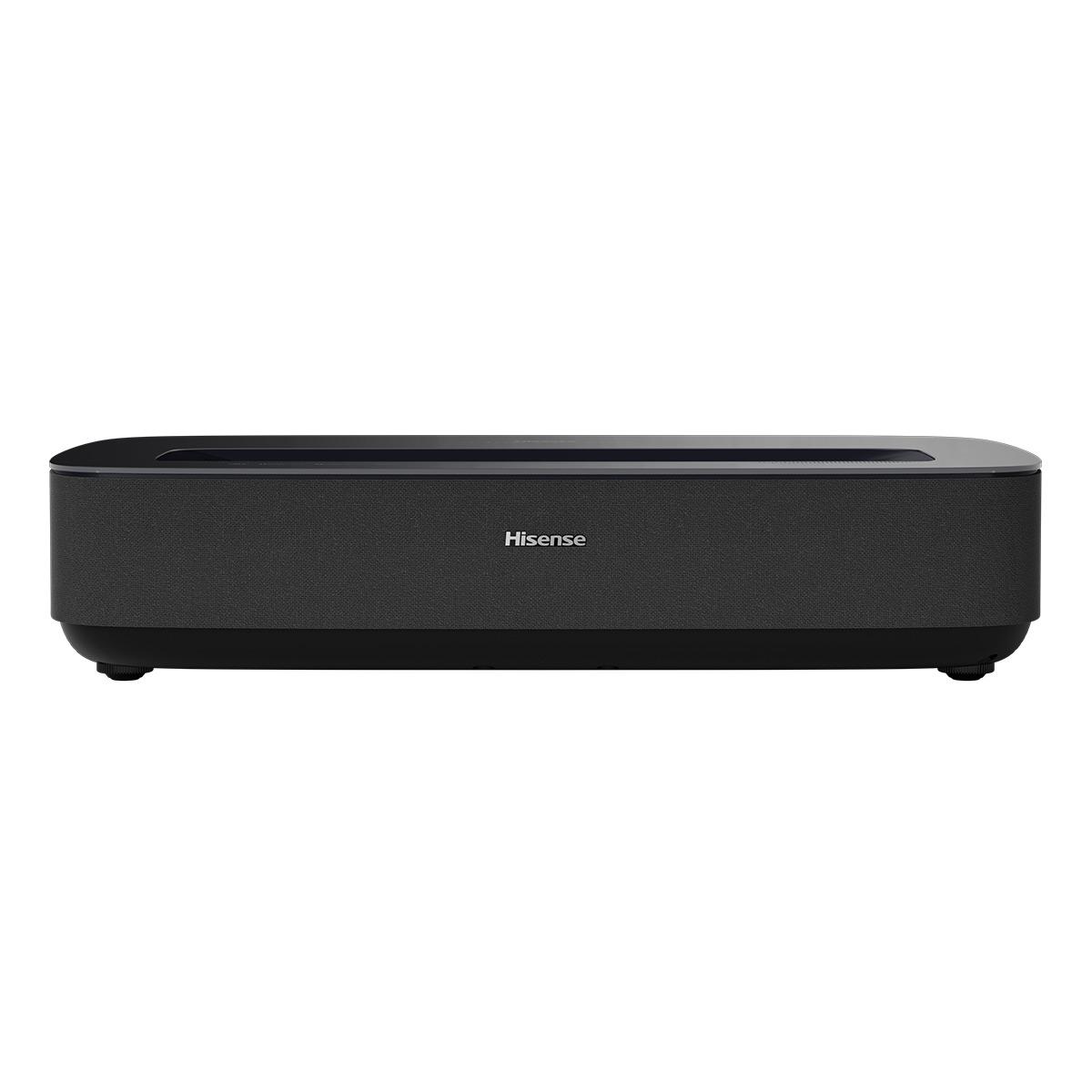
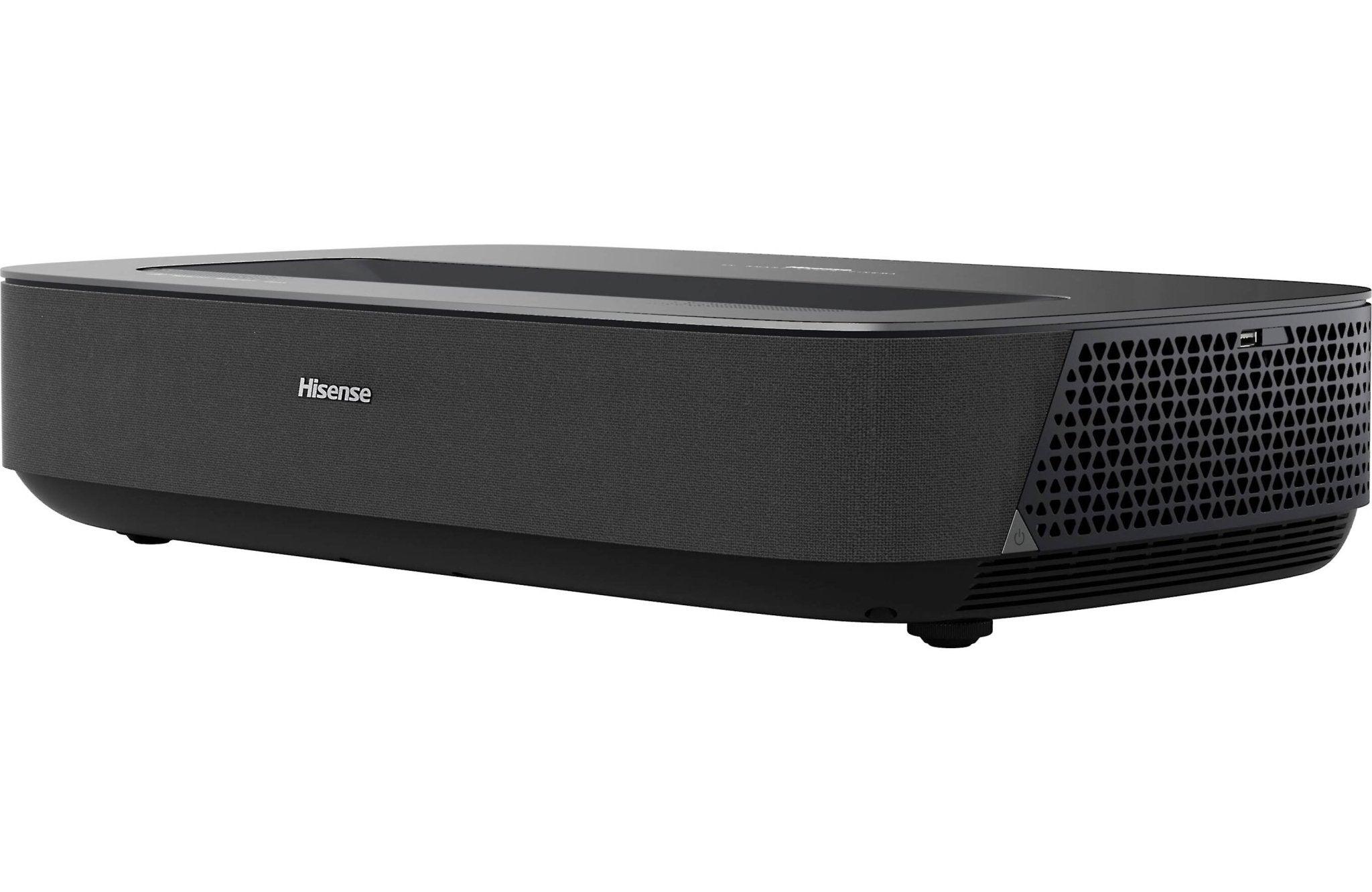
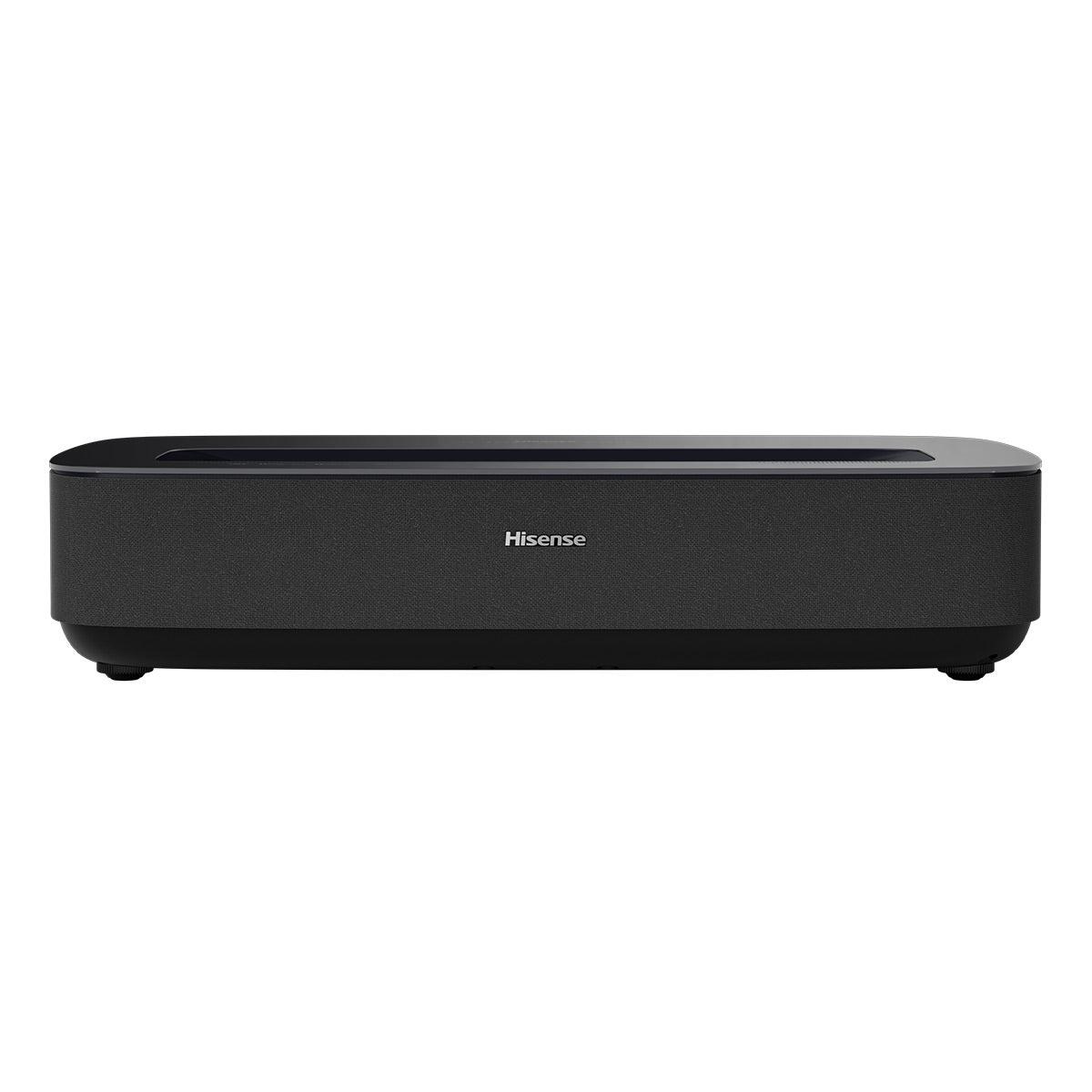
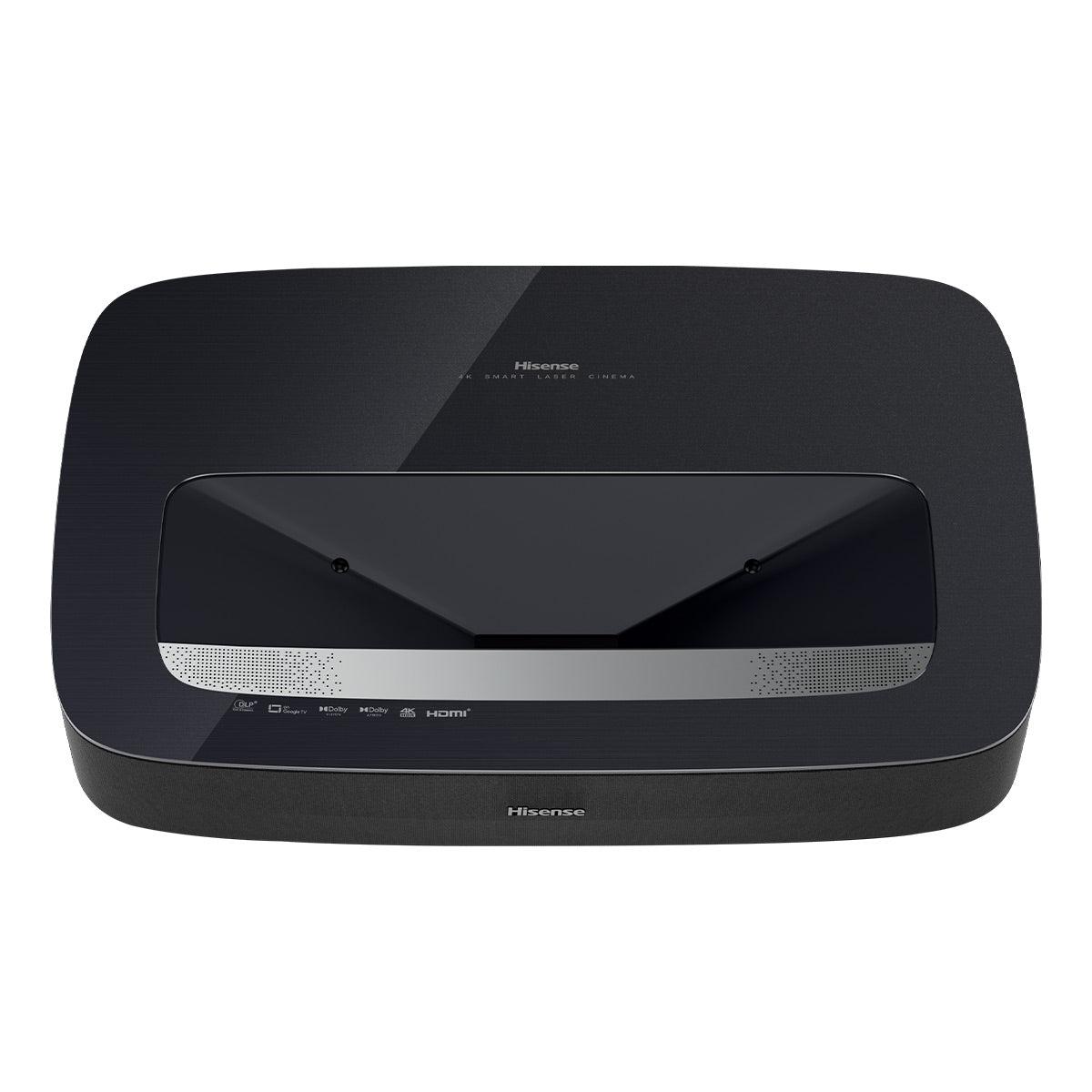
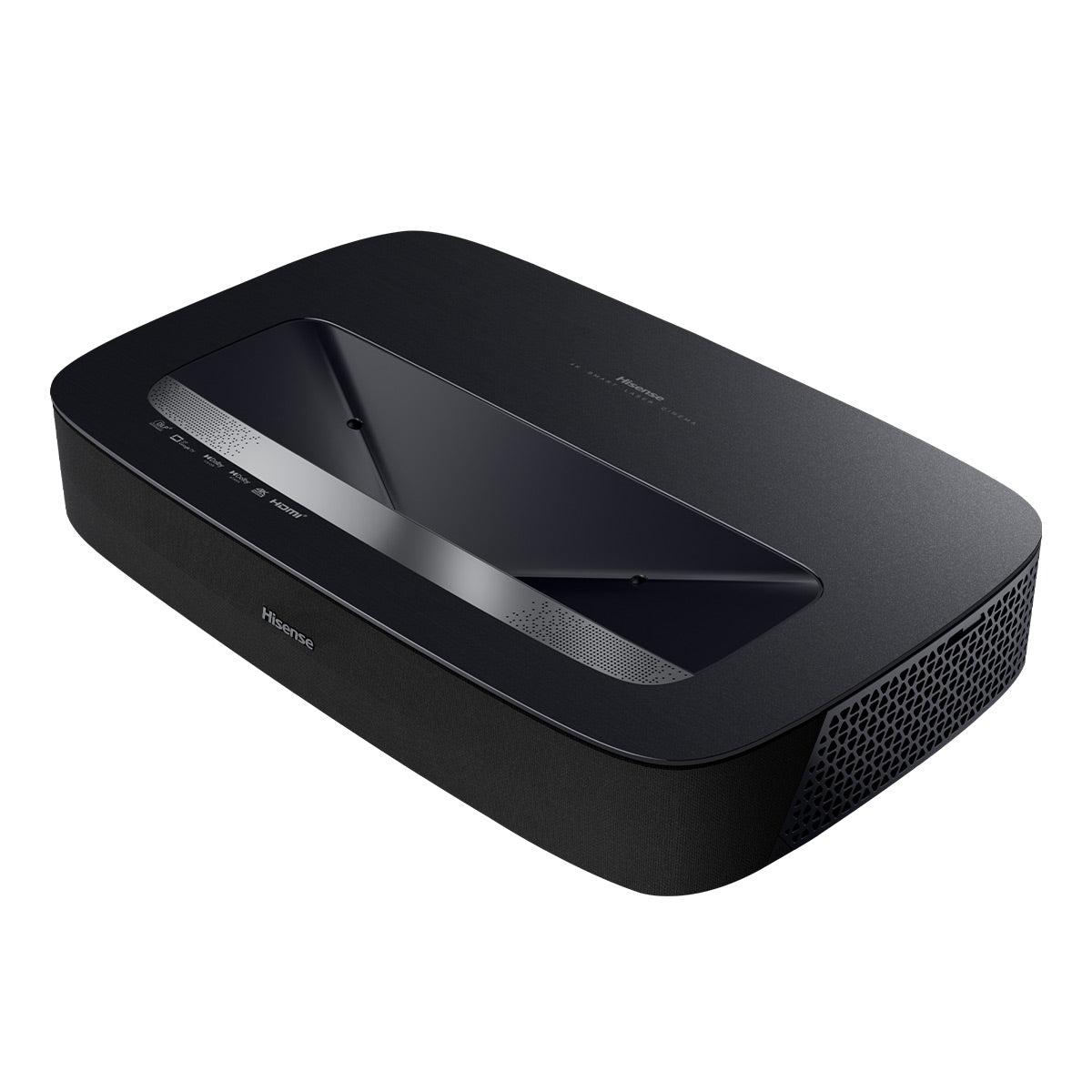
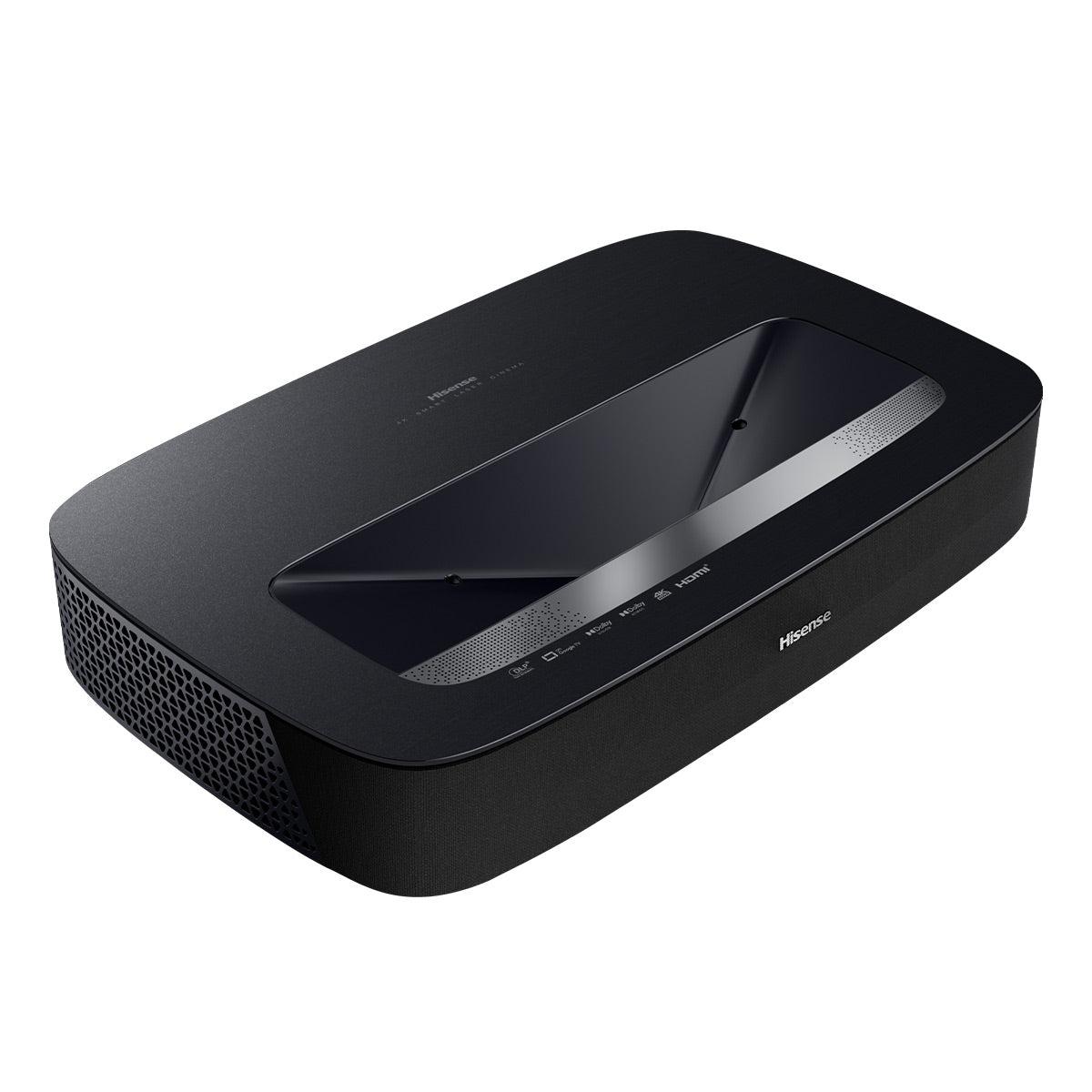
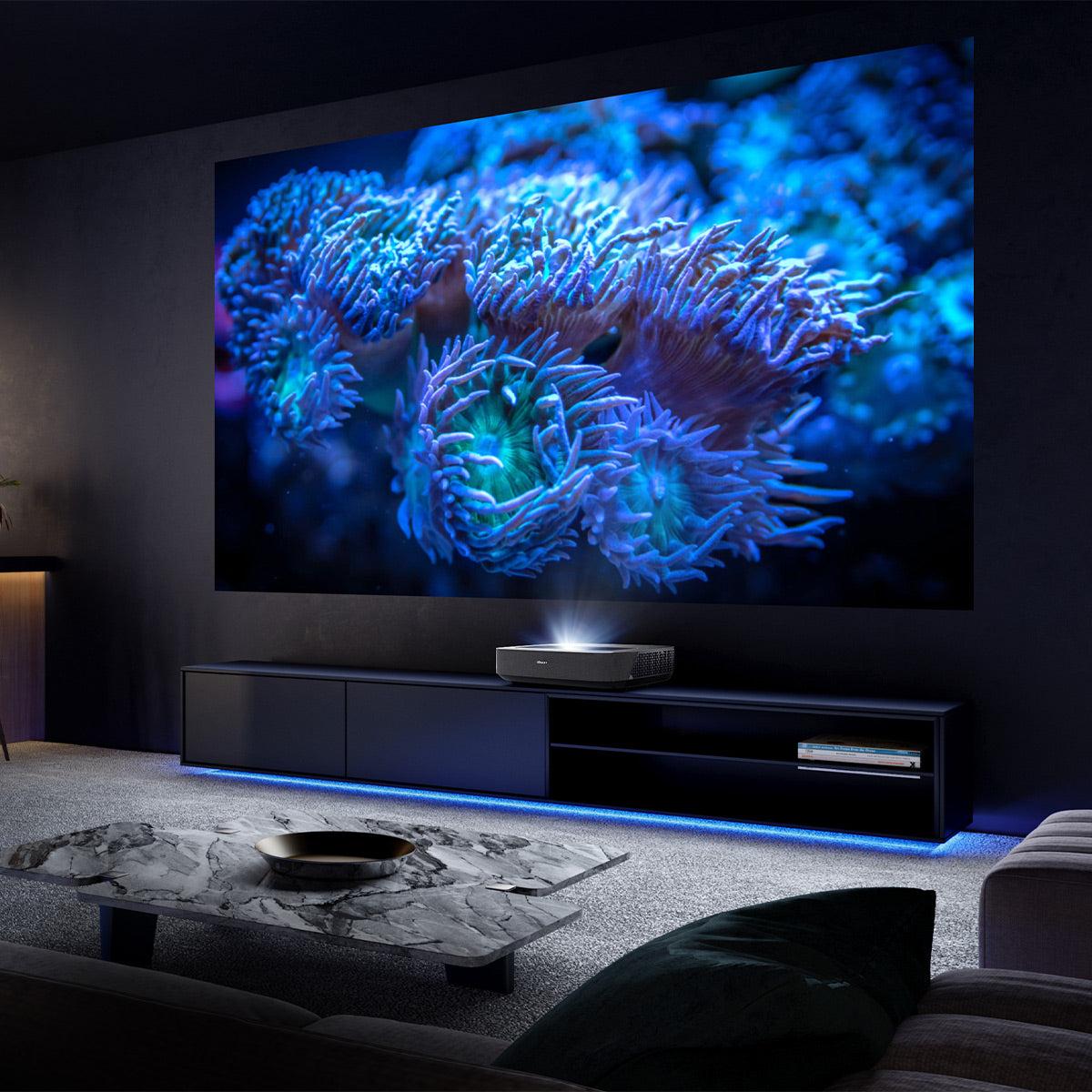
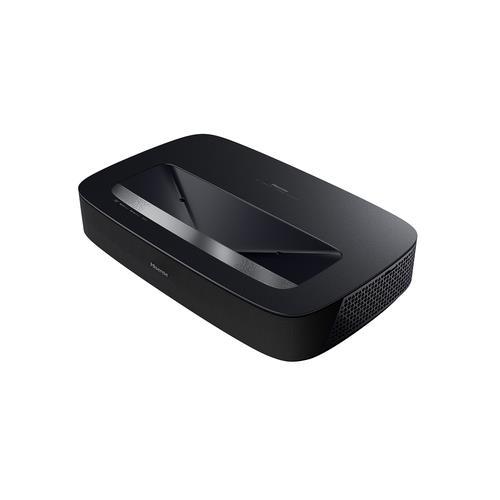
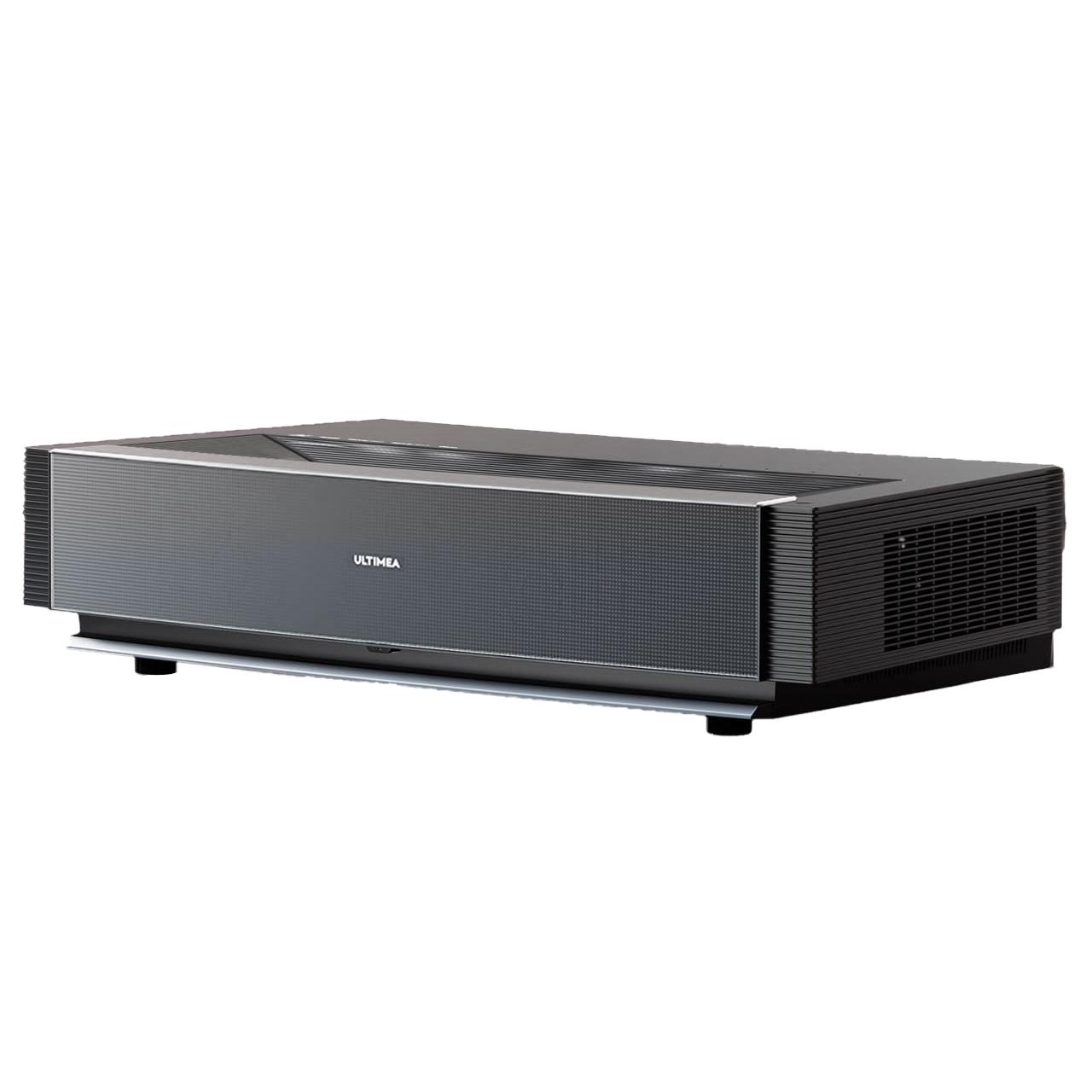
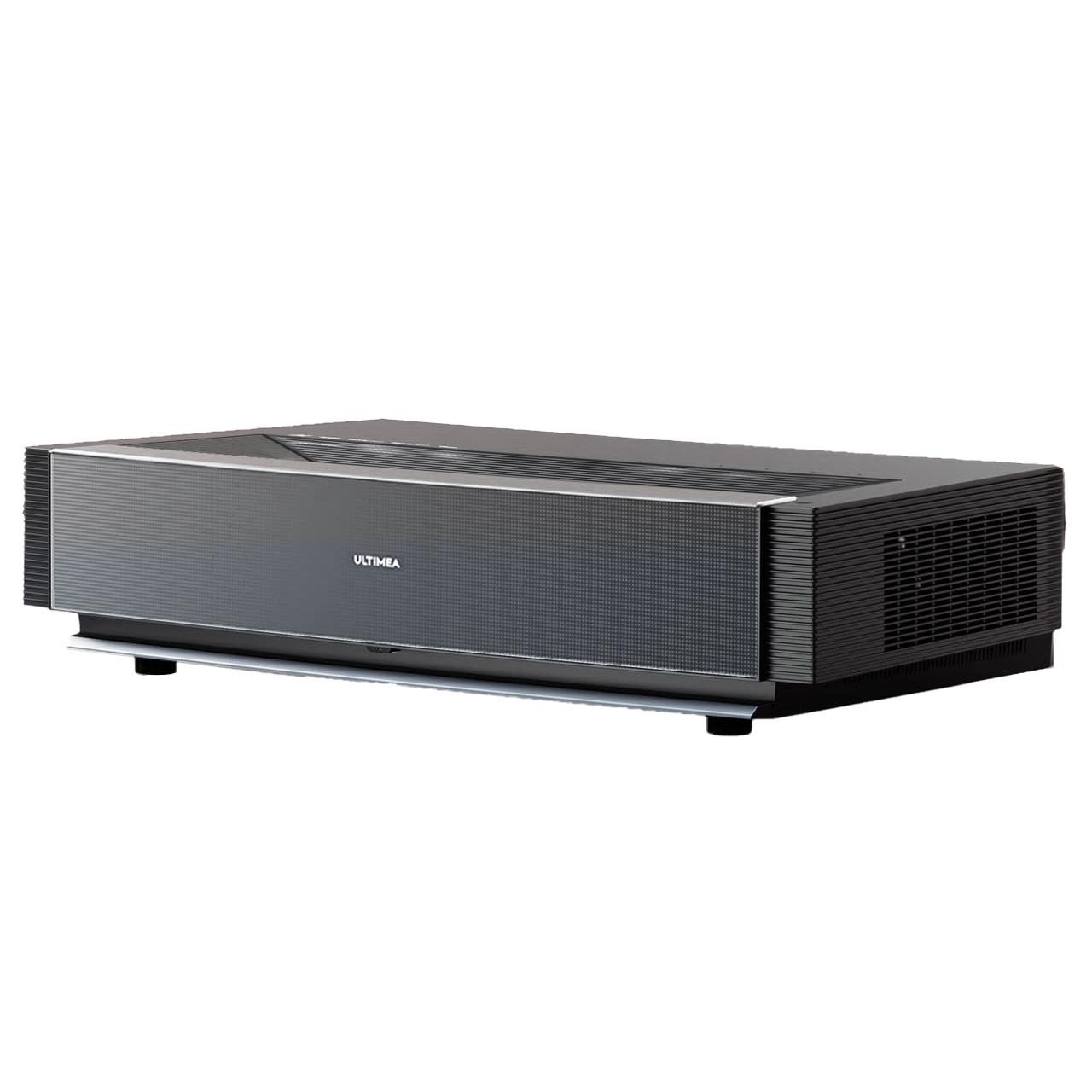
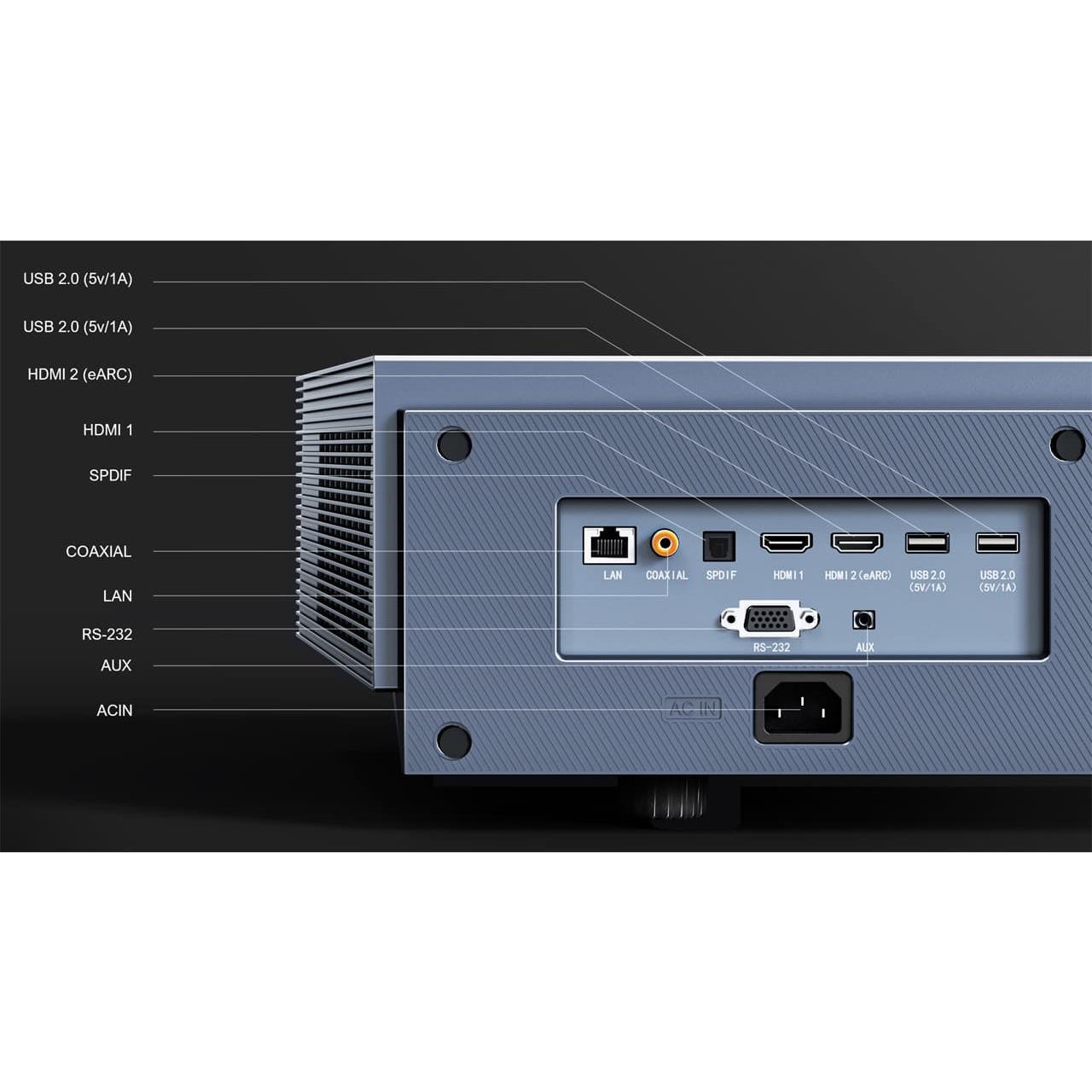
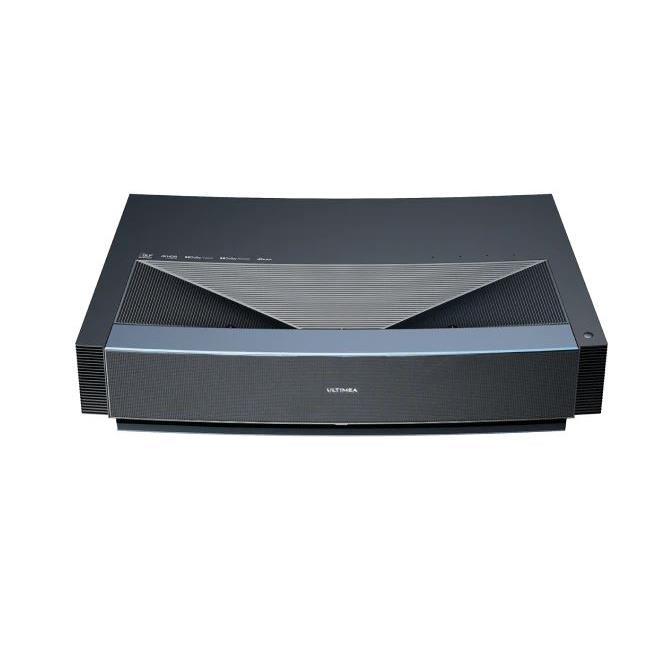
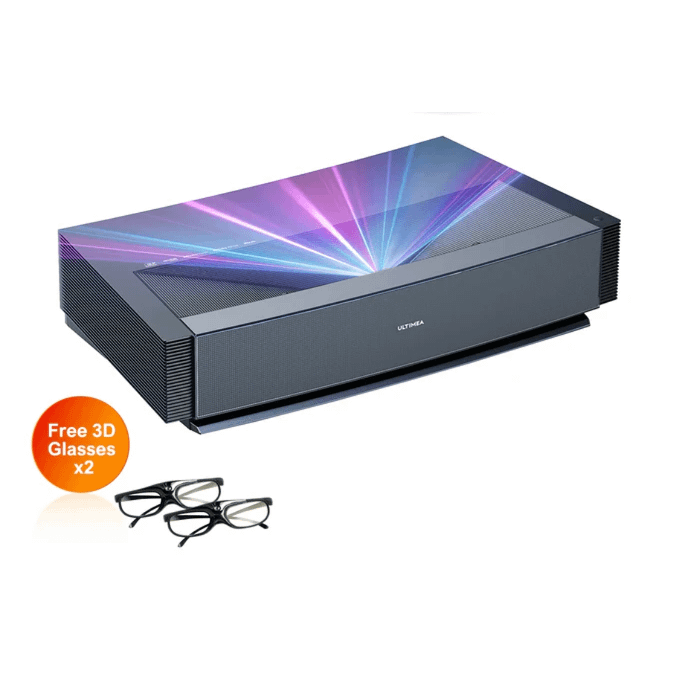
If you're looking to create a true home theater experience or replace a large TV, ultra short throw (UST) laser projectors offer an exciting solution. Let's dive into a detailed comparison of two leading options - the Hisense PL1 ($2,498) and Ultimea Thor T60 ($2,199-4,999).
Unlike traditional projectors that need significant distance, UST projectors sit just inches from your wall. Using advanced optics and laser light sources, they can create massive images (80-150 inches) while taking up minimal space. This technology has revolutionized home theater by offering TV-like convenience with cinema-sized pictures.
The key advantages of laser projectors include:
Both projectors launched in 2023, representing the latest in UST technology. The Hisense PL1 uses a single blue laser with a phosphor wheel (a proven technology that converts blue laser light into other colors), while the Thor T60 employs a more advanced RGB triple laser system that can produce purer colors directly.
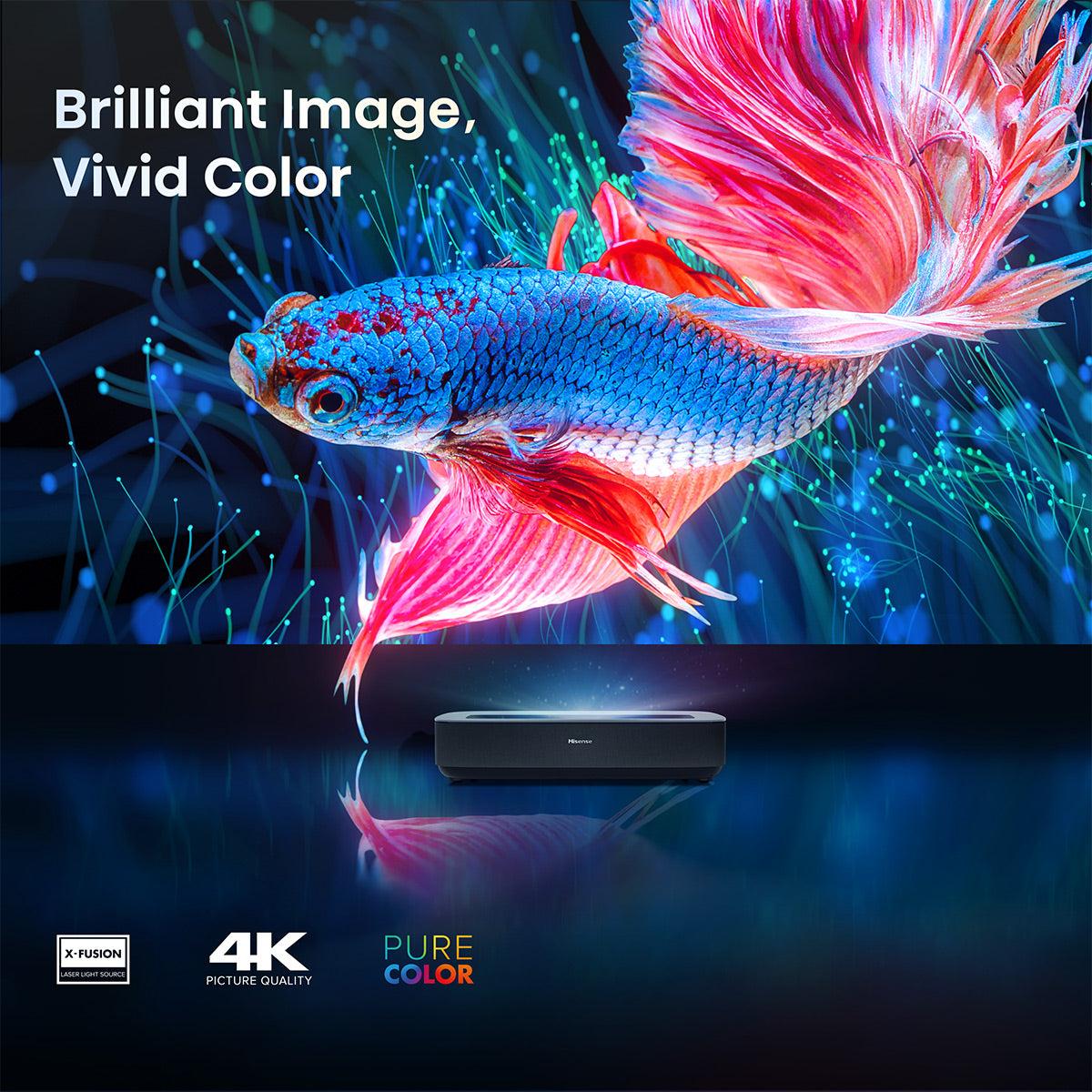
The PL1's X-Fusion Laser Engine technology focuses on color accuracy and natural image reproduction. Meanwhile, the Thor T60's triple laser approach delivers significantly higher brightness but requires more sophisticated color management.
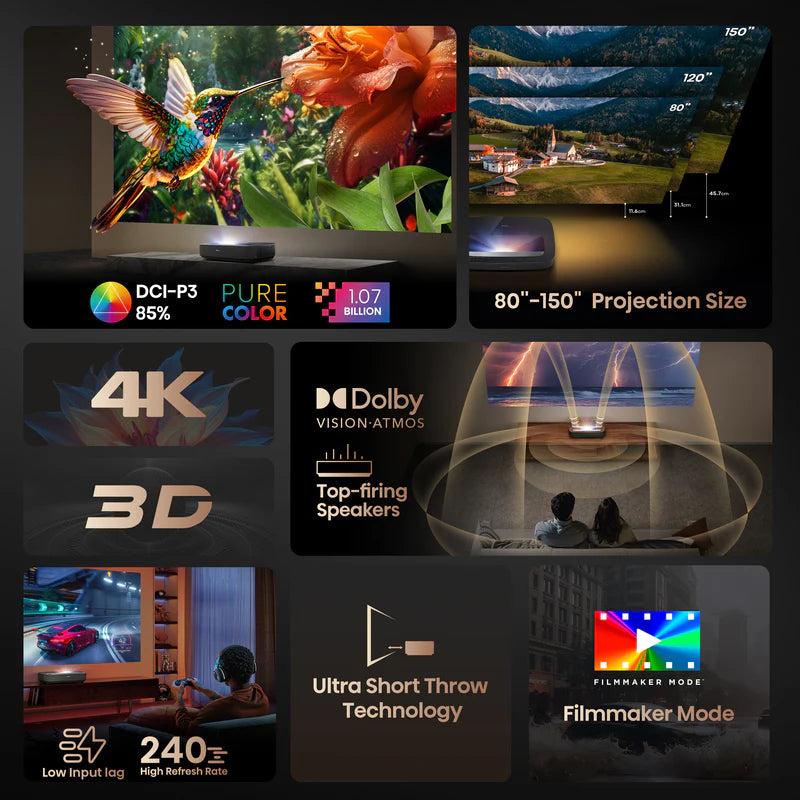
The Thor T60's 4,000 ANSI lumens nearly doubles the PL1's 2,100 lumens. This difference is substantial - the Thor T60 can maintain vibrant images even with some lights on, while the PL1 performs best in controlled lighting. For reference, most home theater projectors operate at 1,500-2,500 lumens.
Both projectors handle color differently:
The PL1's more conservative approach often results in more natural, accurate colors out of the box. The Thor T60's wider gamut can produce more vivid colors but may need calibration for accuracy.
The PL1 claims a 2,000,000:1 dynamic contrast ratio versus the Thor T60's 4,000:1 native contrast. While these numbers aren't directly comparable (dynamic vs native), real-world testing suggests the PL1 has an edge in dark scene detail, particularly in light-controlled rooms.
The Hisense PL1 uses Google TV, offering:
The Thor T60's Android TV 11 provides:
For gamers, input lag (the delay between controller input and screen response) is crucial:
Both support 4K/60Hz gaming, but the Thor T60's lower input lag makes it more suitable for competitive gaming.
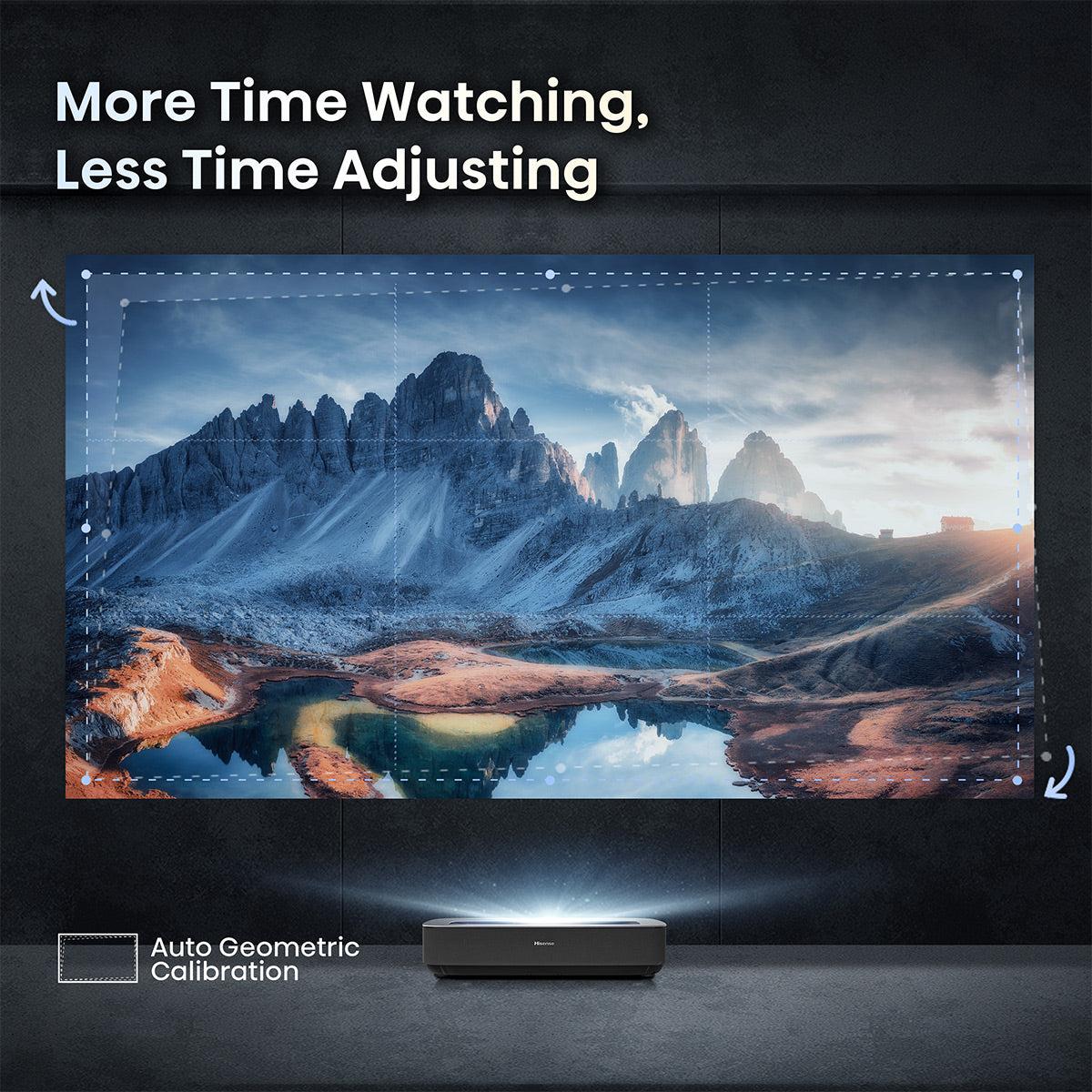
Both projectors require careful placement and ideally an ALR (ambient light rejecting) screen for best performance. The PL1's auto geometric correction makes initial setup easier, while the Thor T60 offers more adjustment options but requires more expertise to optimize.
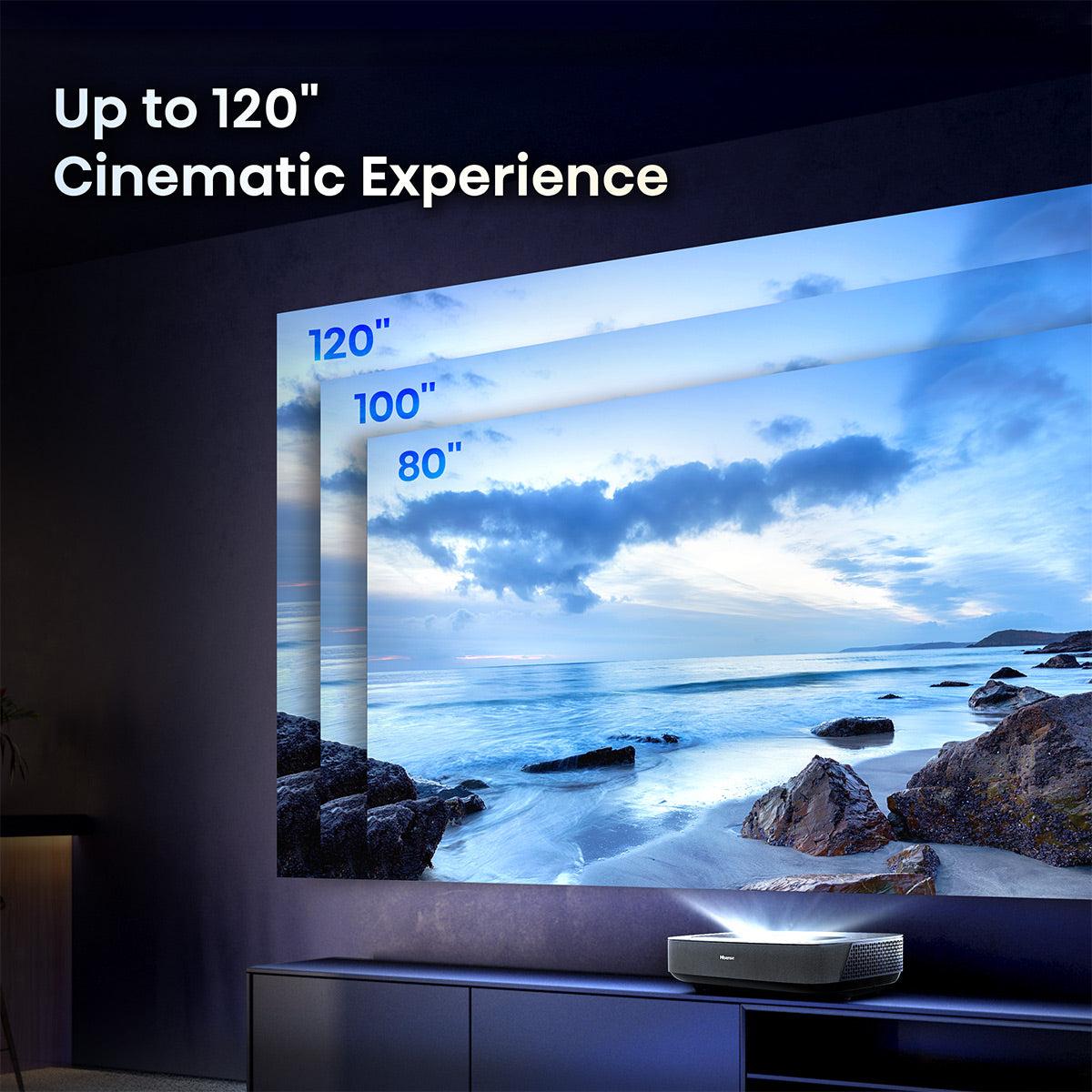
Screen size ranges:
The Hisense PL1 offers:
The Thor T60 provides:
Choose the Hisense PL1 if you:
The Thor T60 makes more sense if you:
Both projectors represent excellent value compared to large-format TVs, offering similar or better picture quality at sizes where TVs become prohibitively expensive. The PL1 excels in controlled environments with its superior processing and ease of use, while the Thor T60 offers more raw performance for those willing to put in setup effort.
Remember that room conditions significantly impact projector performance. In a light-controlled room, the PL1's lower brightness isn't a major limitation. However, in rooms with ambient light, the Thor T60's extra brightness becomes a crucial advantage.
For home theater enthusiasts, both projectors deliver cinema-quality experiences, but their strengths suit different scenarios. The PL1's focus on accuracy and ease of use makes it perfect for movie lovers, while the Thor T60's brightness and gaming performance appeal to multi-purpose room setups.
| Hisense PL1 ($2,498) | Ultimea Thor T60 ($2,199-4,999) |
|---|---|
| Light Source - Affects color accuracy and brightness | |
| Single blue laser with phosphor wheel | RGB triple laser system |
| Brightness - Critical for ambient light performance | |
| 2,100 ANSI lumens (best for dark rooms) | 4,000 ANSI lumens (works well in bright rooms) |
| Screen Size Range - Determines installation flexibility | |
| 80" to 120" | 80" to 150" |
| Color Gamut - Affects color vibrancy and accuracy | |
| 85% DCI-P3 (more accurate, natural colors) | 120% BT.2020 (wider range, more vivid) |
| Contrast Ratio - Important for black levels and HDR | |
| 2,000,000:1 dynamic | 4,000:1 native |
| Smart Platform - Affects content access and ease of use | |
| Google TV (includes Netflix, more polished) | Android TV 11 (more customizable, no native Netflix) |
| Gaming Performance - Critical for gamers | |
| 35ms input lag | 10-25ms input lag |
| Audio System - Built-in sound quality | |
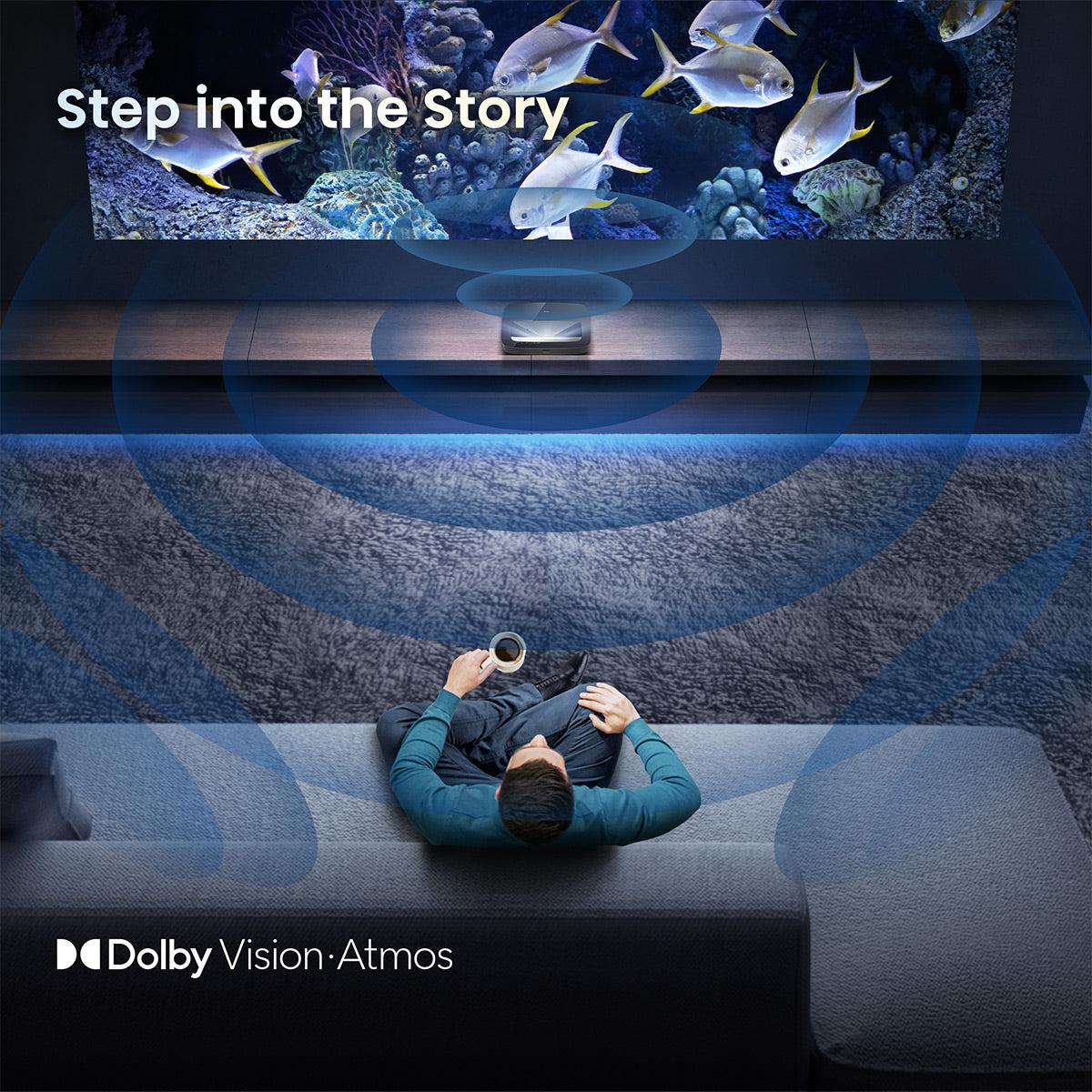
| 30W Dolby Atmos (better sound processing) | 2x15W Dolby Atmos (standard quality) |
| HDR Support - Affects dynamic range | |
| HDR10, Dolby Vision, HLG | HDR10, Dolby Vision |
| Laser Life - Long-term value | |
| 25,000 hours | 30,000 hours |
| Setup Features - Installation ease | |
| Auto geometric correction, auto focus | 8-point keystone, manual focus |
| Noise Level - Important for quiet scenes | |
| 28dB | 25dB |
The Ultimea Thor T60 is significantly brighter at 4,000 ANSI lumens compared to the Hisense PL1's 2,100 ANSI lumens, making it better suited for rooms with ambient light.
The Thor T60 offers superior gaming performance with 10-25ms input lag, while the Hisense PL1 has around 35ms input lag. Both support 4K/60Hz gaming.
The Hisense PL1 uses Google TV with native Netflix support and a more polished interface, while the Thor T60 uses Android TV 11 which is more customizable but lacks native Netflix support.
The Hisense PL1 is consistently priced at $2,498, while the Thor T60 ranges from $2,199 to $4,999 depending on retailer and promotions.
The Hisense PL1 offers better out-of-box color accuracy, while the Thor T60 has a wider color gamut but may need calibration for optimal accuracy.
The Thor T60 can project up to 150 inches, while the Hisense PL1 maxes out at 120 inches.
The Hisense PL1 offers automatic geometric correction and easier setup, while the Thor T60 requires more manual adjustment but offers more fine-tuning options.
Both projectors offer excellent longevity - the Hisense PL1 promises 25,000 hours, while the Thor T60 claims 30,000 hours of laser life.
The Hisense PL1 generally offers better movie-watching experience in dark rooms due to better contrast and color accuracy, while the Thor T60 performs better in rooms with some ambient light.
Yes, both the Hisense PL1 and Thor T60 support true 4K (3840x2160) resolution.
The Hisense PL1 supports HDR10, Dolby Vision, and HLG, while the Thor T60 supports HDR10 and Dolby Vision, making them both capable HDR performers.
For controlled lighting environments, the Hisense PL1 offers better value with its consistent pricing and reliable performance. For bright rooms or larger screens, the Thor T60 provides better value with its higher brightness and larger screen size capability.
We've done our best to create useful and informative comparisons to help you decide what product to buy. Our research uses advanced automated methods to create this comparison and perfection is not possible - please contact us for corrections or questions. These are the sites we've researched in the creation of this article: projectorscreen.com - dreamediaav.com - projectorcentral.com - trustedreviews.com - crutchfield.com - hometheaterhifi.com - projectorcentral.com - projectorreviews.com - vividstormscreen.com - bhphotovideo.com - shi.com - crutchfield.com - avsforum.com - projectorcentral.com - toidsdiyaudio.com - avsforum.com - projectorcentral.com - thesmarthomehookup.com - techradar.com - ultimea.com - ustprojector.com - en.prnasia.com - avsforum.com

Privacy Policy
Terms and Conditions - Affiliate Policy
Home Security
© Copyright 2008-2026.
11816 Inwood Rd #1211, Dallas, TX 75244