

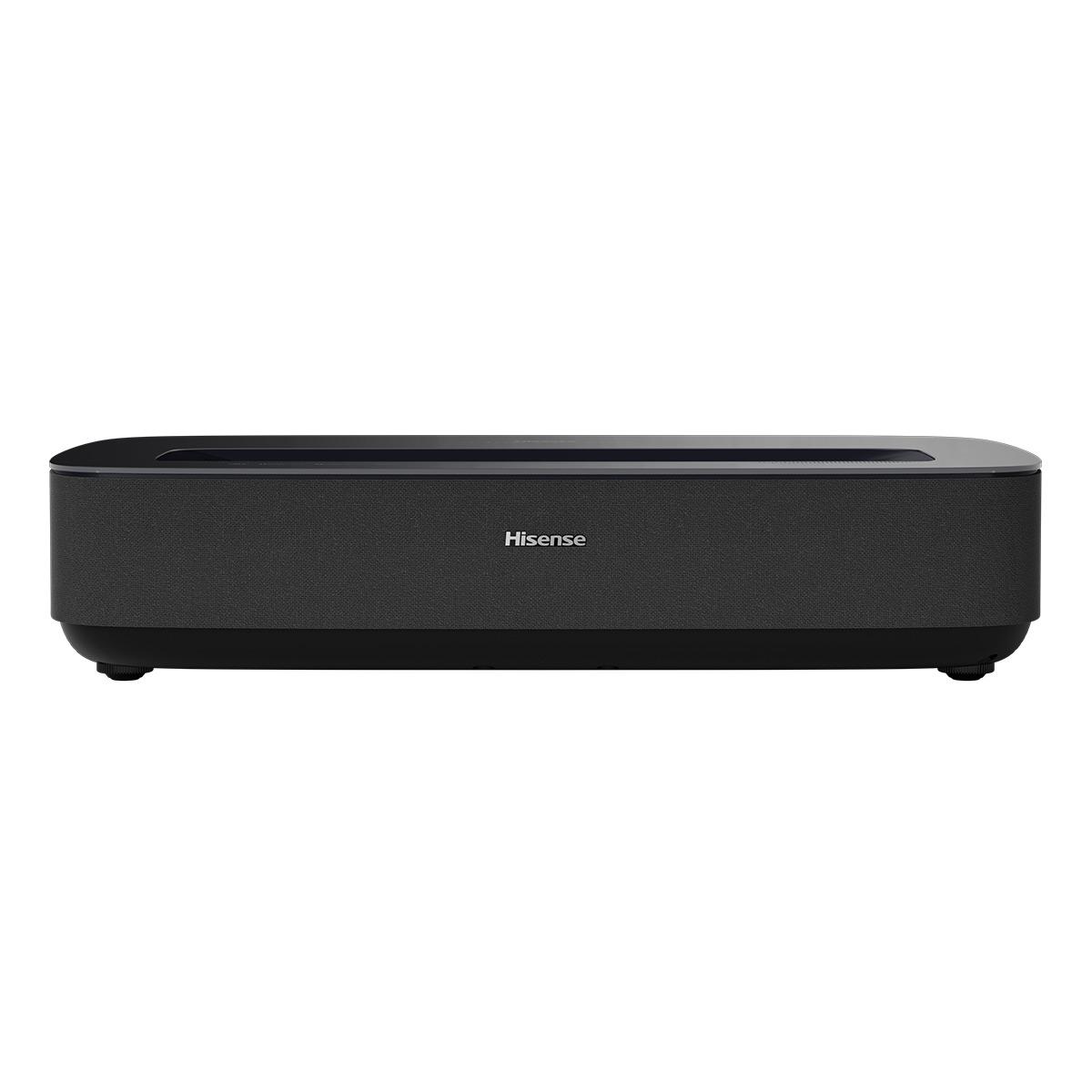
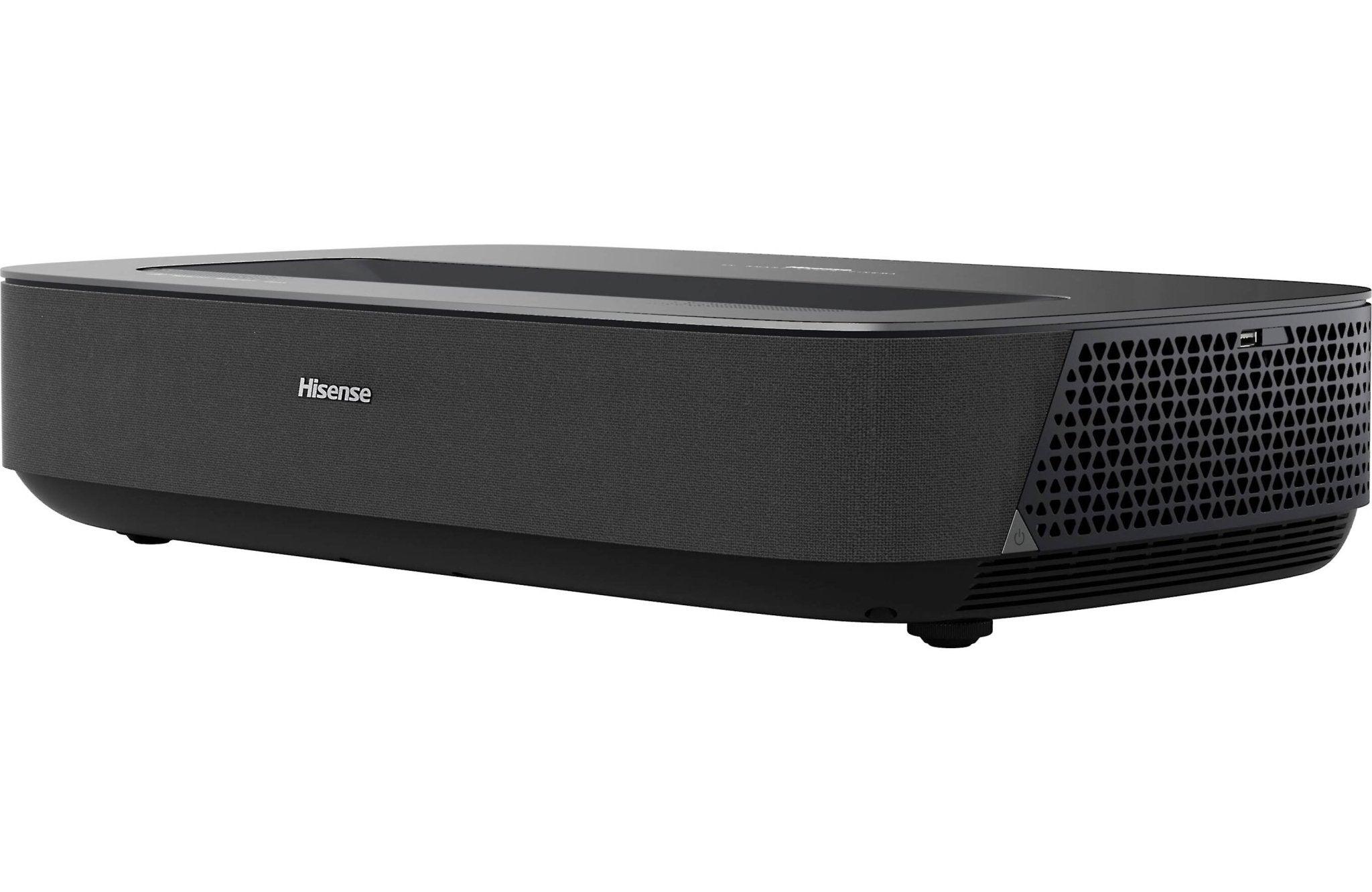
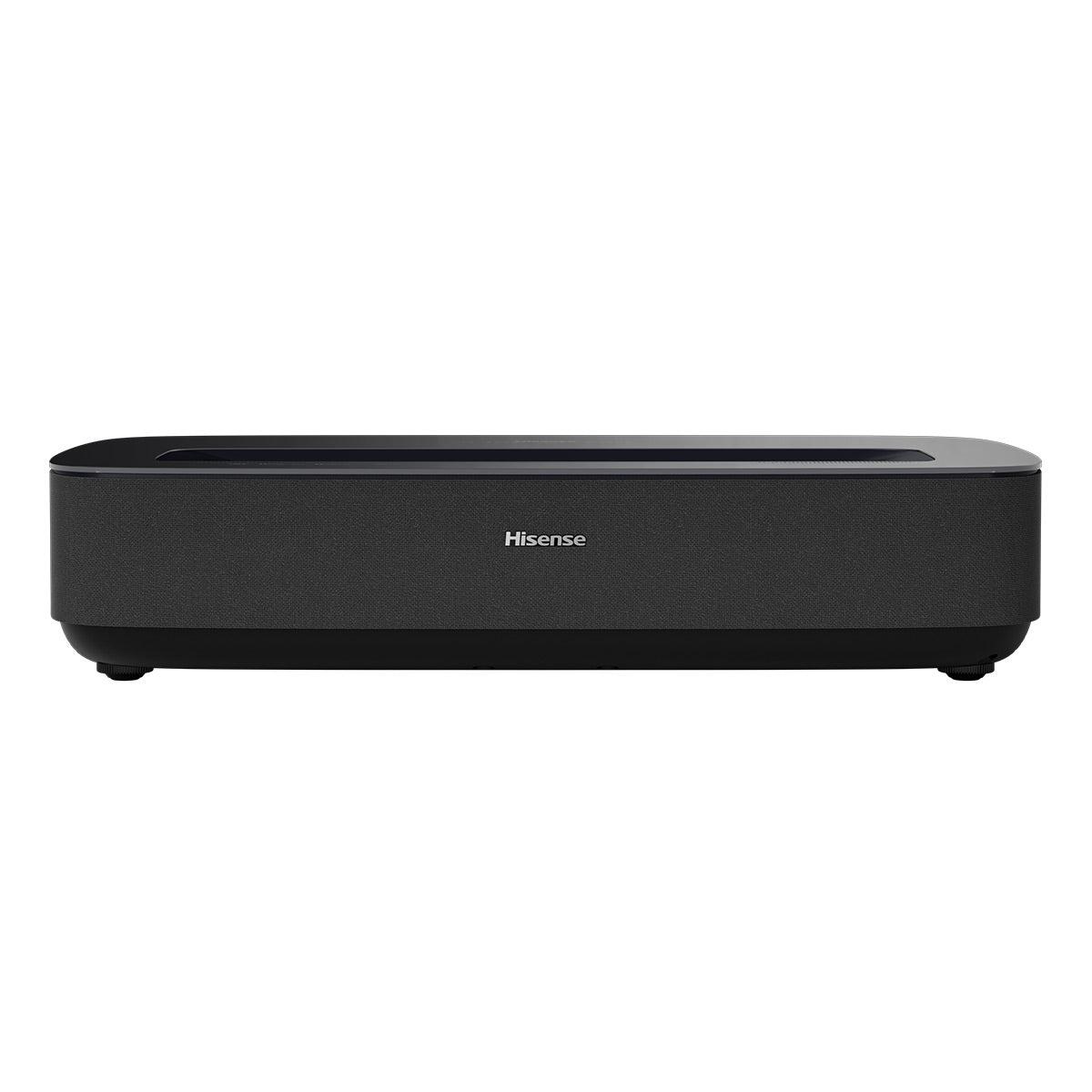
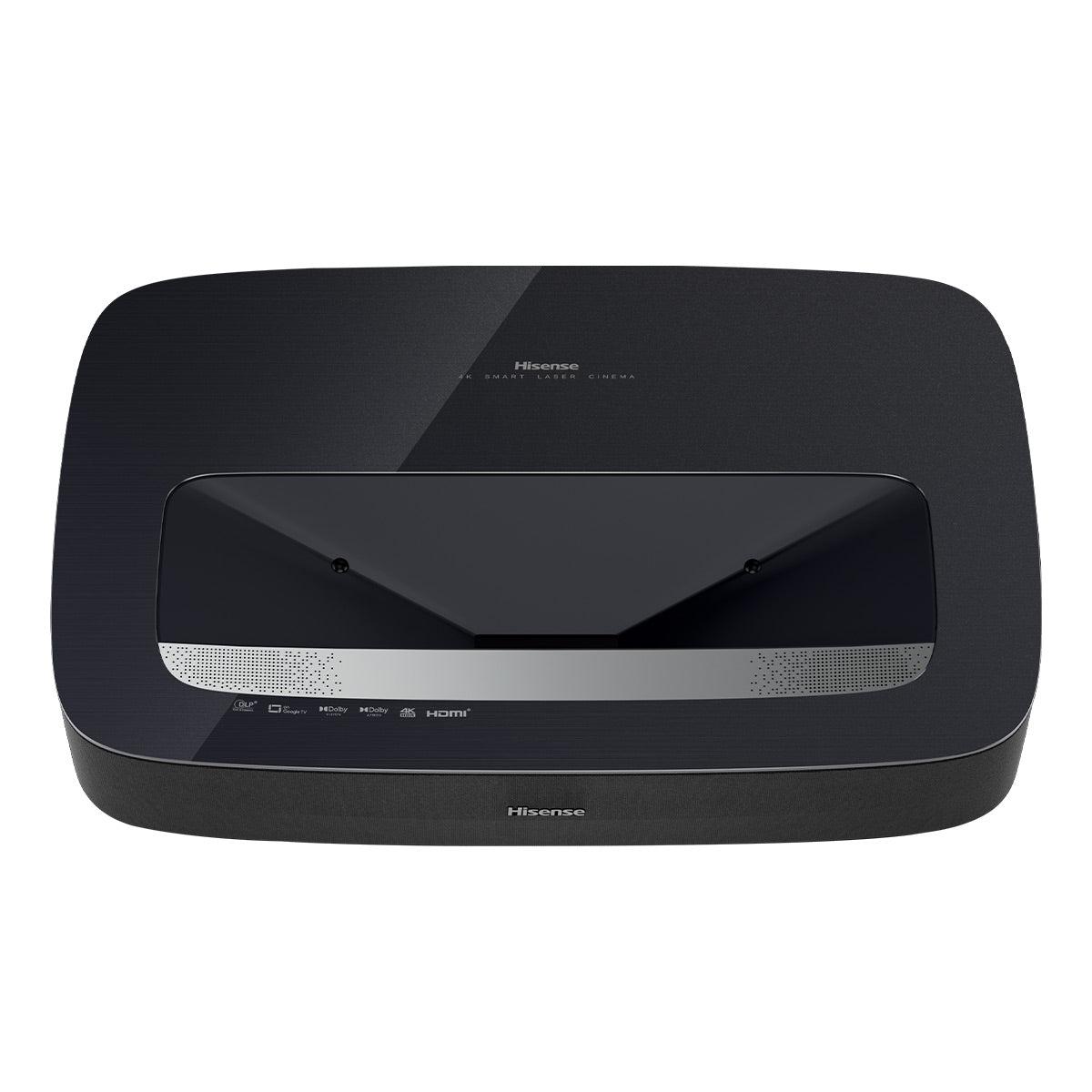
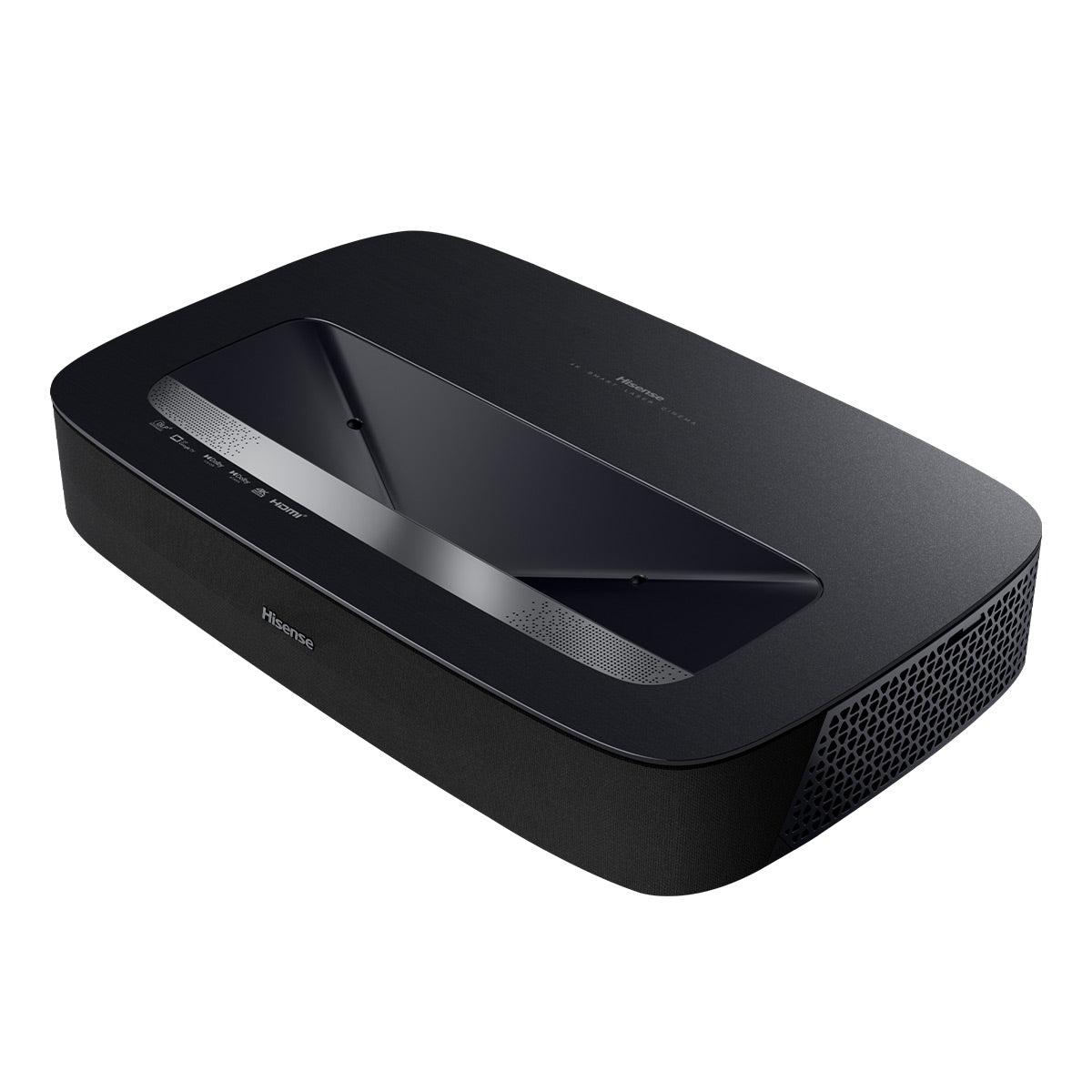
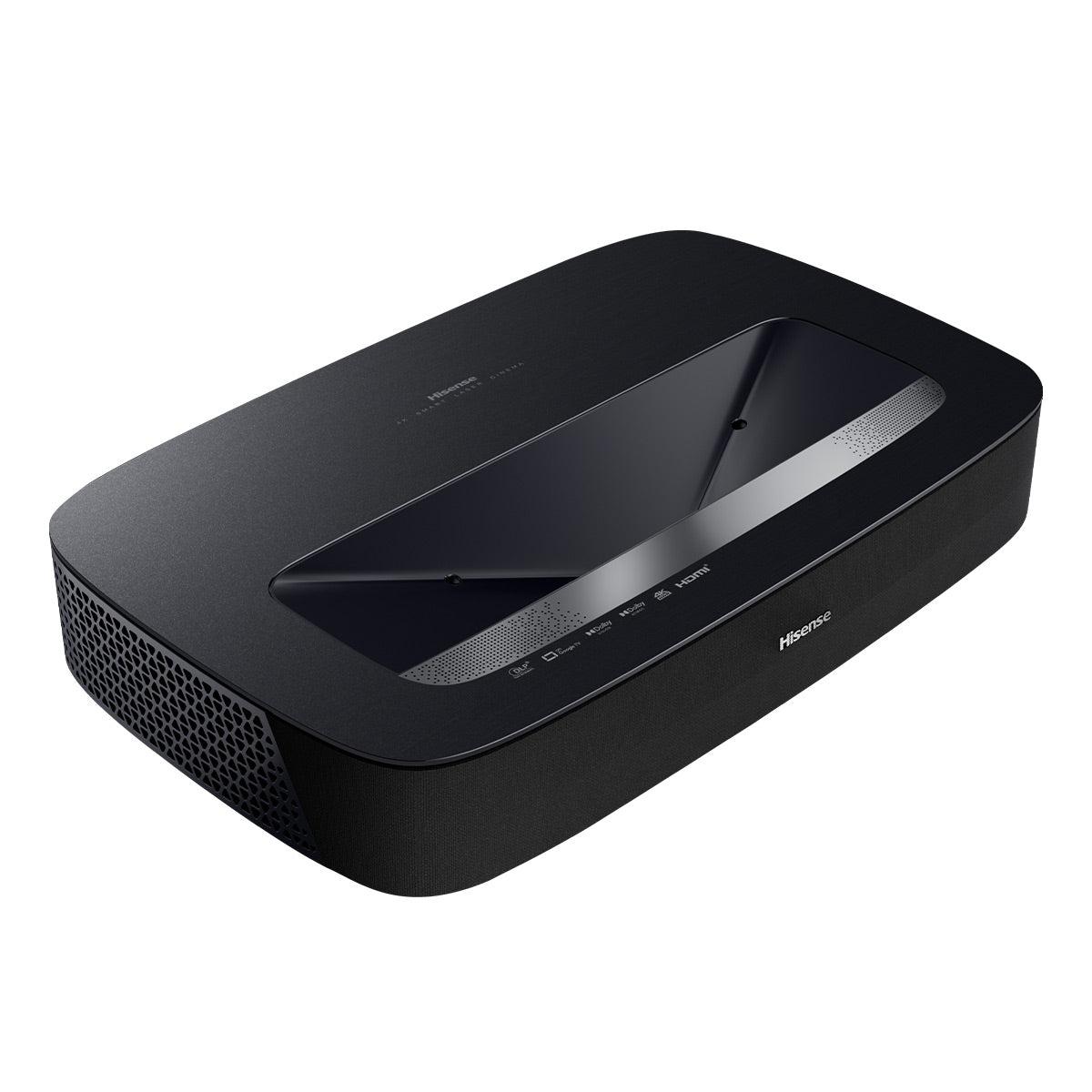
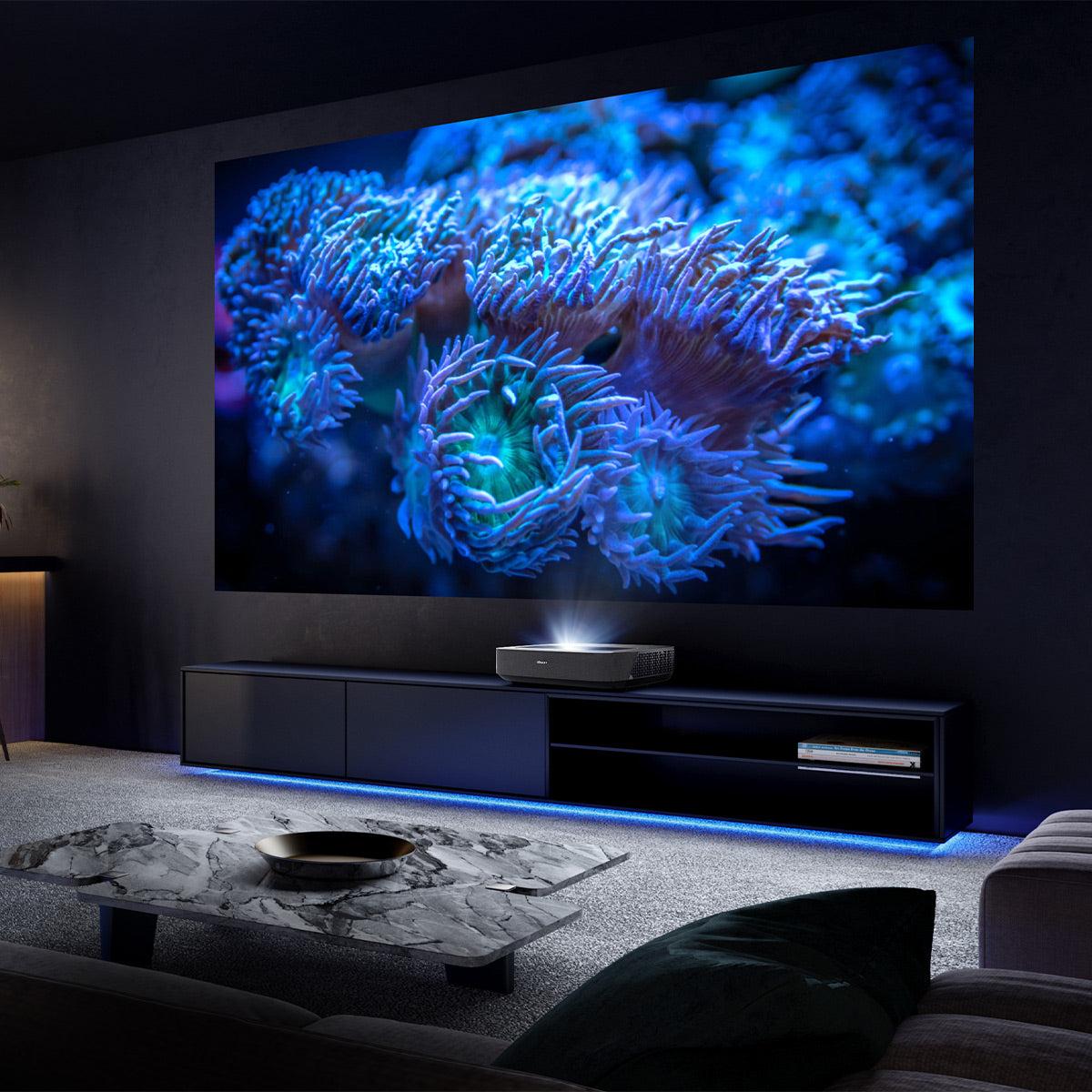
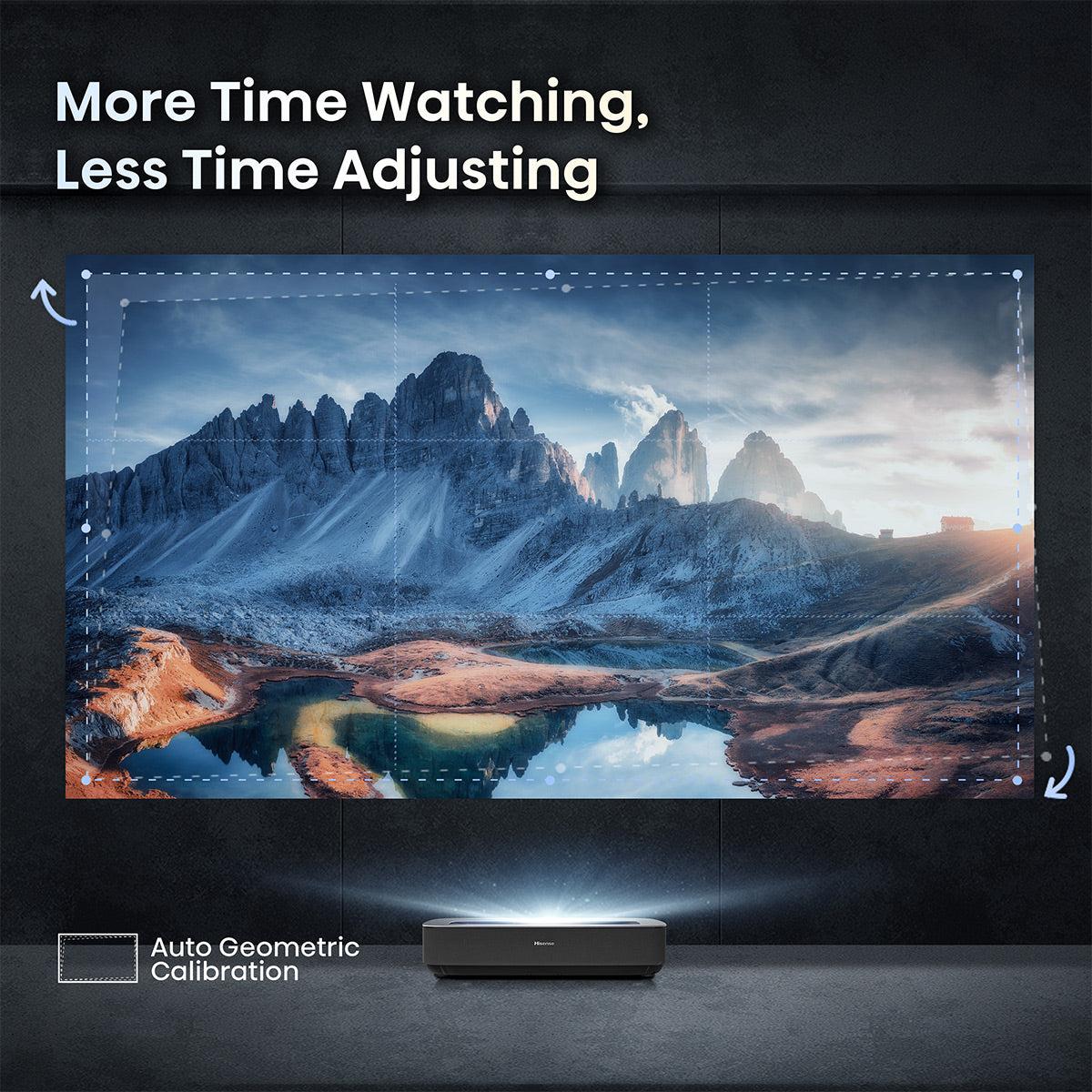
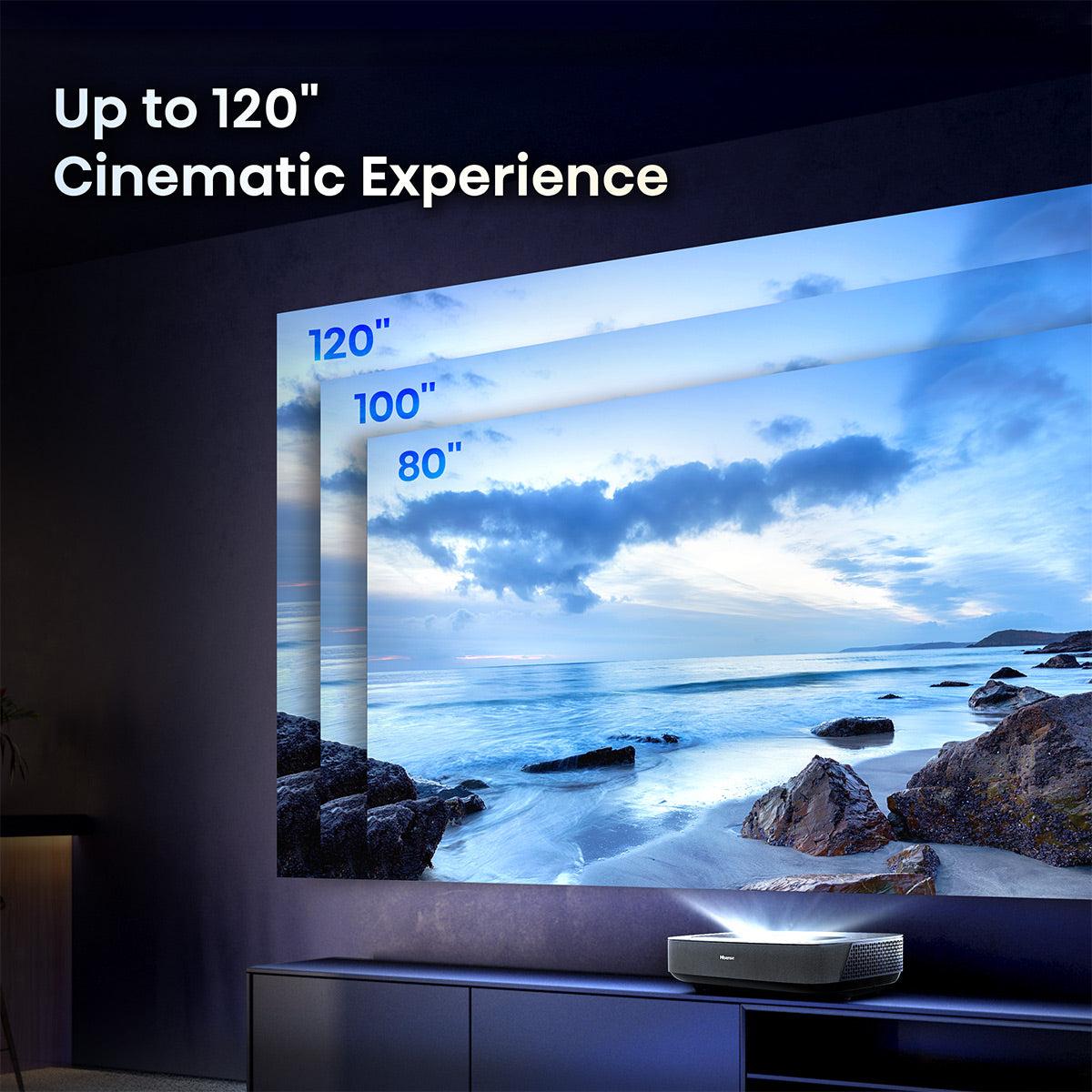
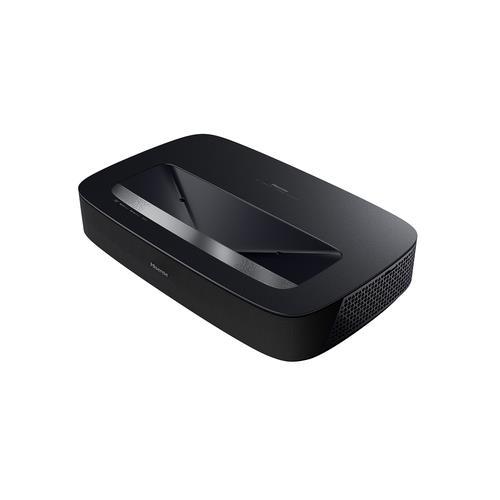
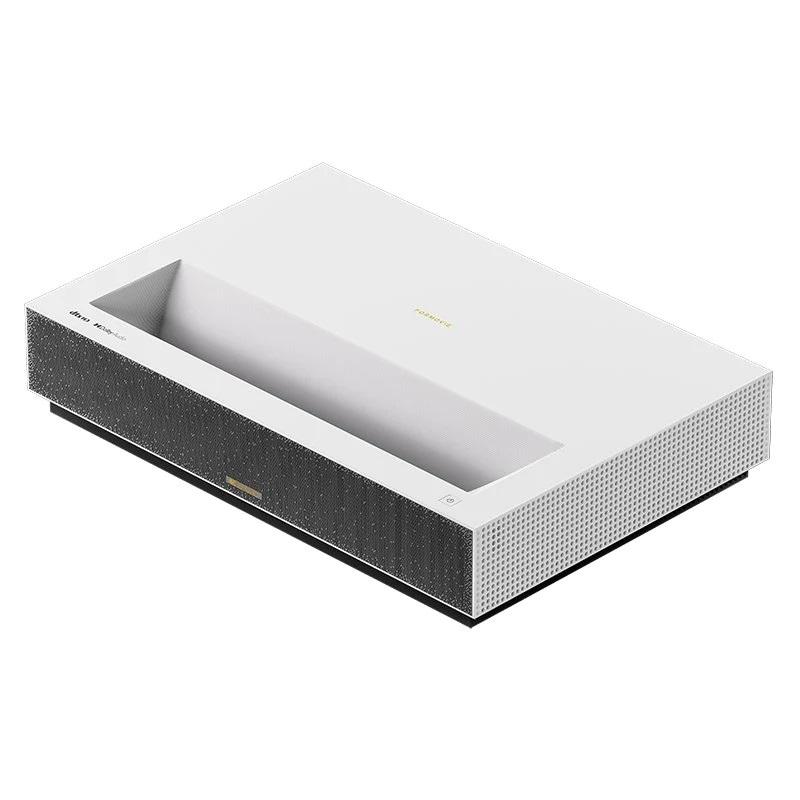
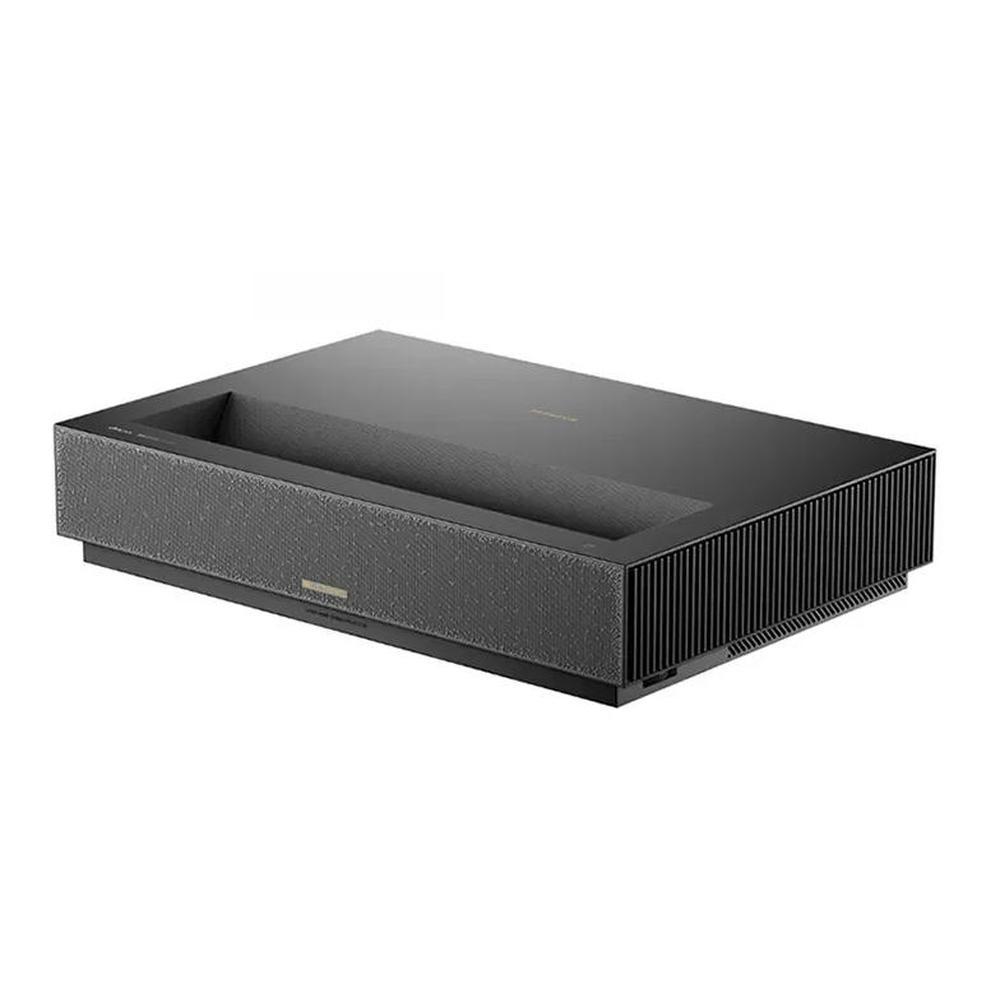
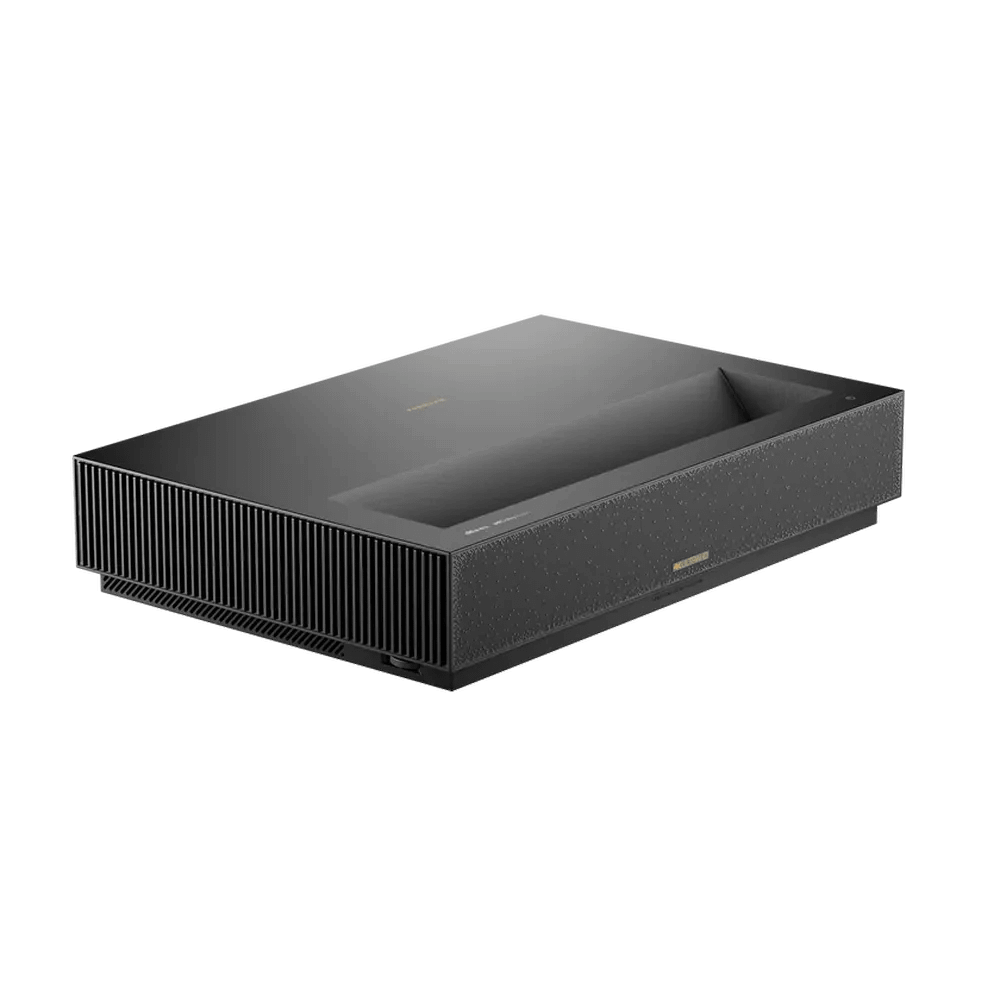
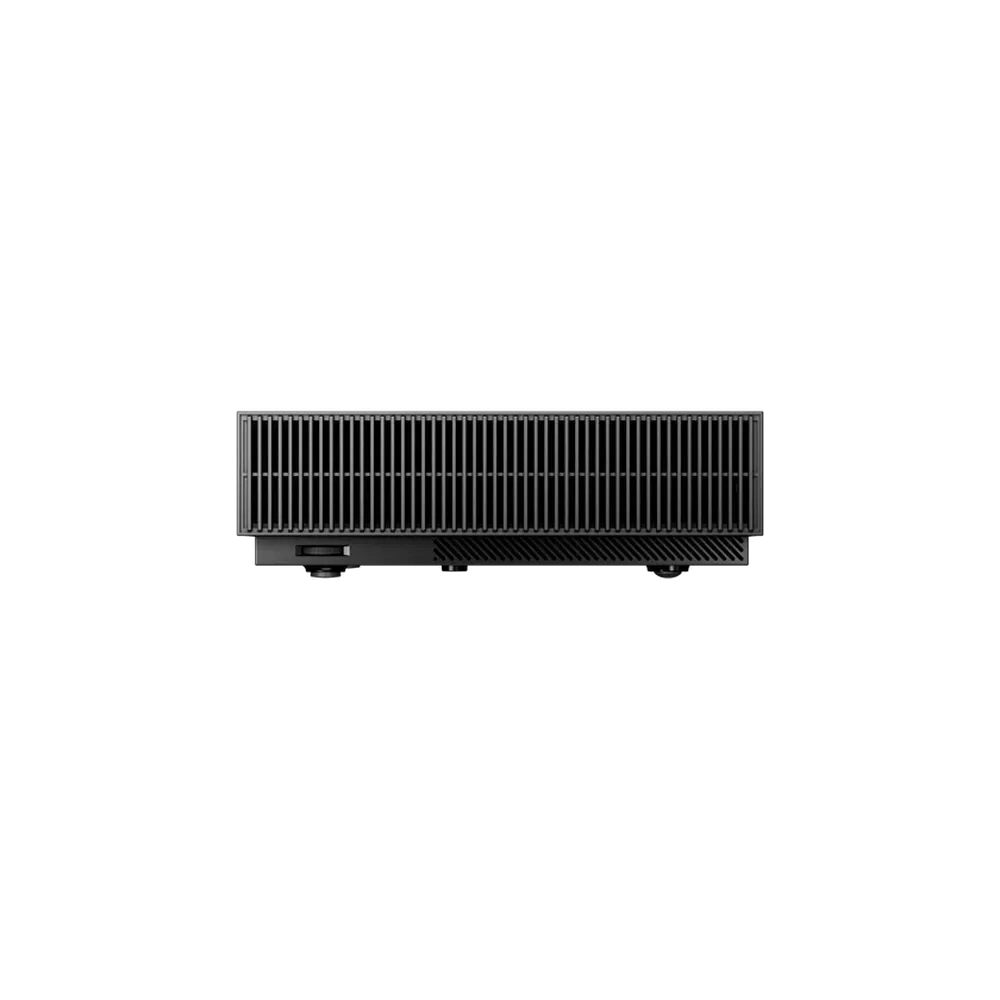
Ultra short throw (UST) laser projectors have revolutionized home theater by offering massive screens without the traditional projector mounting hassles. These devices sit just inches from your wall, using advanced optics to create huge images from very close distances. Unlike regular projectors mounted across the room, UST projectors eliminate the problem of people walking through the beam and simplify cable management.
The Hisense PL1 ($2,498) and Formovie C3 ($1,799) represent two compelling but different approaches to this technology. Both launched in 2022, they showcase how far UST projection has come, especially in terms of brightness, color accuracy, and smart features.
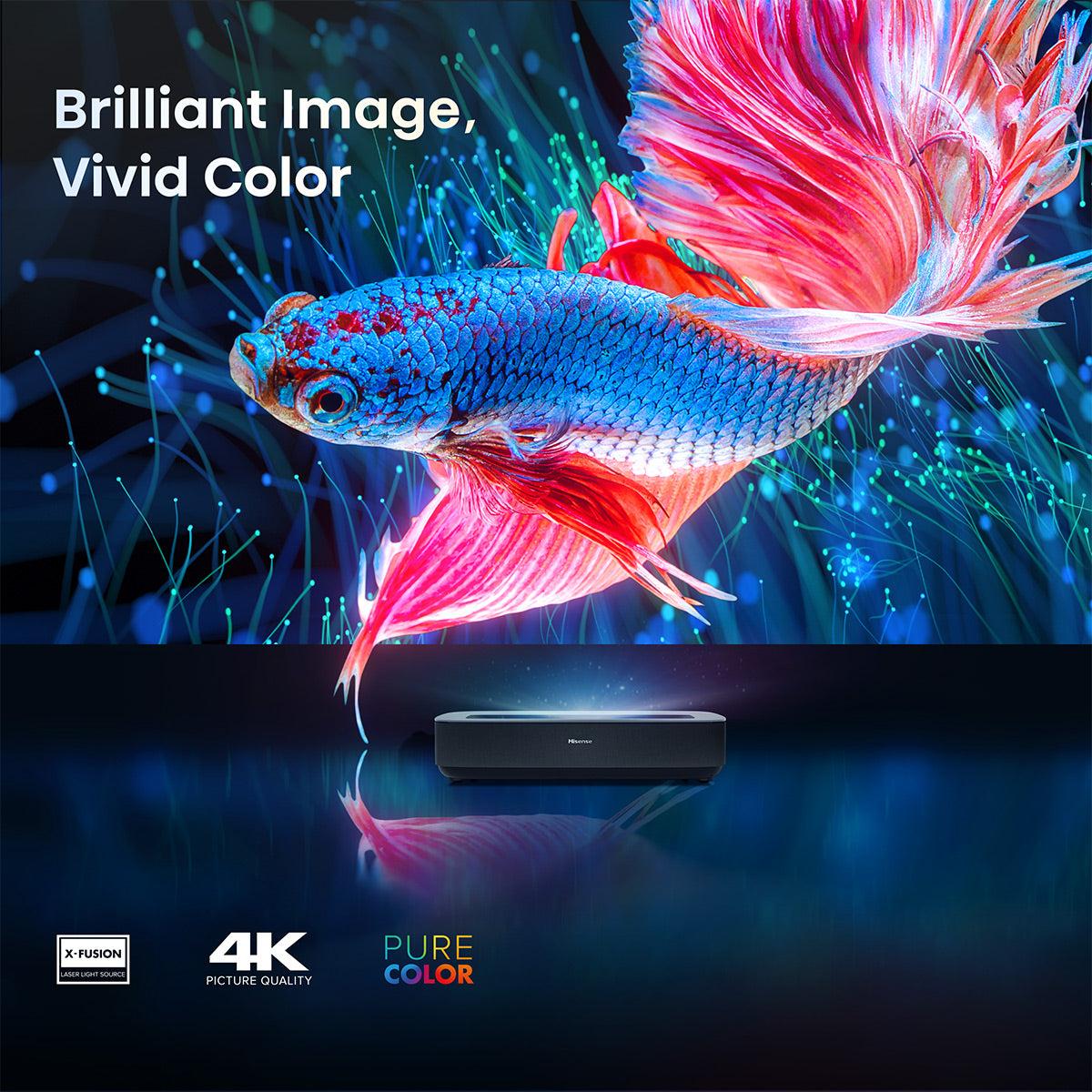
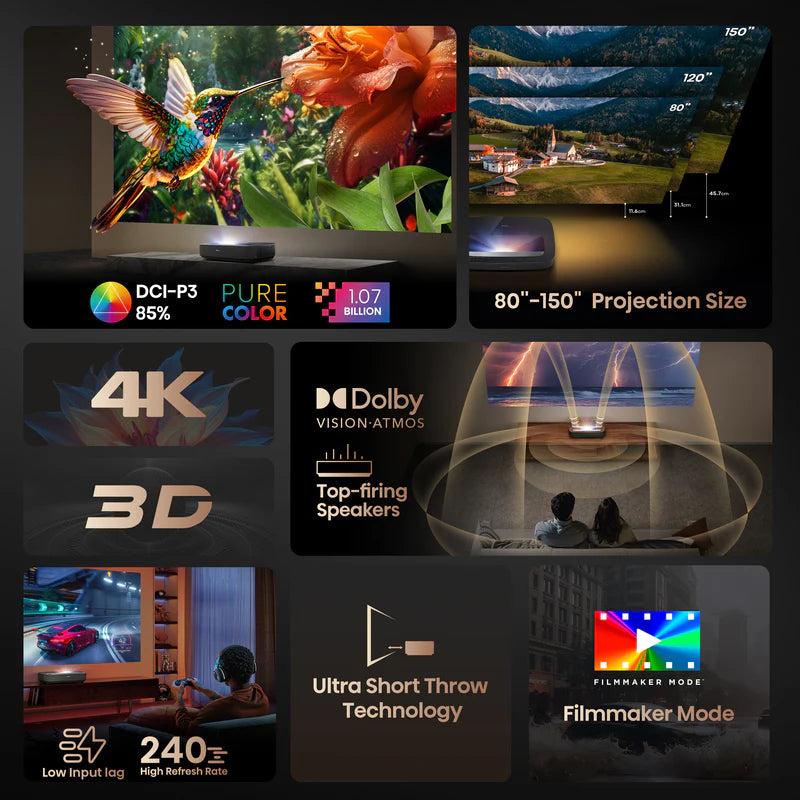
Both projectors deliver true 4K resolution (3840 x 2160 pixels) using DLP technology. DLP (Digital Light Processing) uses millions of tiny mirrors to create images, offering excellent response times and preventing color misalignment that can occur with other technologies.
The PL1 has an edge in HDR processing, supporting Dolby Vision - an advanced HDR format that adjusts picture settings scene-by-scene. The C3 supports standard HDR10, which still offers improved contrast and color over regular content but without the dynamic optimization.
With nearly identical brightness ratings (PL1: 2100 lumens, C3: 2200 lumens), both projectors work well in moderately lit rooms. However, the PL1's superior contrast ratio (2,000,000:1 vs C3's 3000:1) suggests better black levels and overall picture depth. This matters particularly when watching movies in darker rooms, where shadow detail becomes more apparent.
The PL1 covers 85% of the DCI-P3 color space (the standard used for digital cinema), while the C3 achieves 110% of the more basic Rec.709 standard. In practical terms, the PL1 likely produces more vibrant and accurate colors, especially with HDR content. Additionally, its CalMAN calibration support allows professional fine-tuning for the absolute best picture quality.
The Hisense PL1 comes with a full Western-focused smart TV platform, offering native access to popular streaming services like Netflix, Amazon Prime, and Disney+. Its interface will feel familiar to smart TV users.
The Formovie C3 uses FengOS, which presents challenges for Western users. You'll likely want to connect a streaming device like an Apple TV, Roku, or Fire TV Stick. Both projectors offer multiple HDMI inputs (PL1: 2 ports, C3: 3 ports), with the C3 having a slight edge by including eARC support for advanced audio setups.
Both projectors need proper placement for optimal performance. The PL1 projects 80-120 inch images, while the C3 extends up to 200 inches. Remember that ambient light control becomes more critical with larger screen sizes - even these bright projectors can look washed out in sunny rooms.
While both can project onto a white wall, investing in a proper ALR (Ambient Light Rejecting) screen makes a huge difference. These specialized screens reject overhead light while reflecting the projector's image, improving contrast and color saturation dramatically.
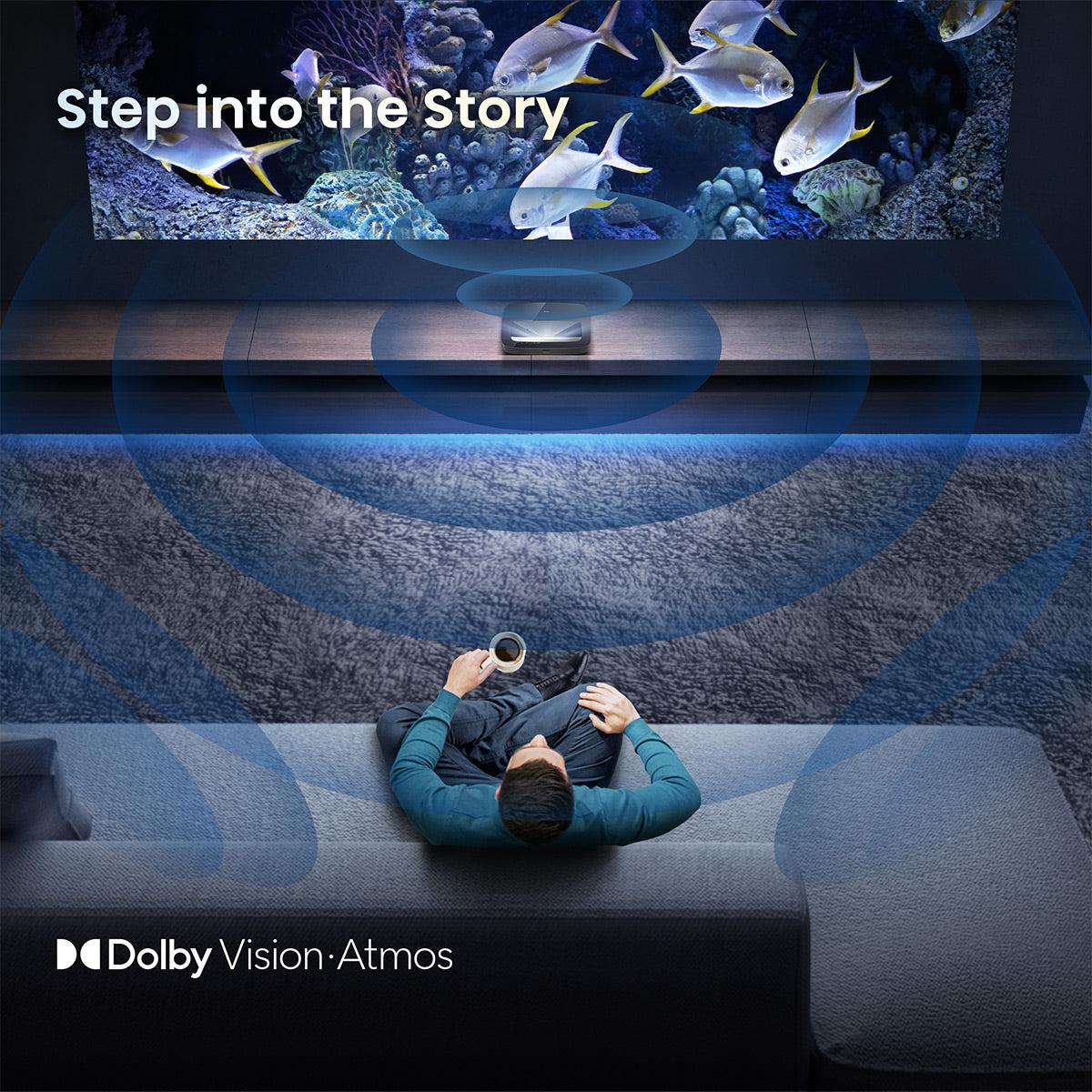
The PL1 features a 30W Dolby Atmos-capable sound system, while the C3 offers dual 15W speakers with Dolby Audio support. Both provide decent sound for casual viewing, but a dedicated sound system would better match the impressive visuals. The C3's additional HDMI port with eARC makes connecting external audio systems slightly more flexible.
The $700 price difference between these projectors requires careful consideration. The Formovie C3 offers excellent core performance at a lower price point, making it attractive for budget-conscious buyers who already own streaming devices. The Hisense PL1's premium features - particularly Dolby Vision support, better contrast, and integrated streaming - might justify its higher cost for serious home theater enthusiasts.
Since their 2022 release, both projectors have received firmware updates improving their performance. The PL1's Dolby Vision implementation has been refined, while the C3 has gained better motion handling through software updates. The category as a whole has seen improvements in laser light source efficiency and color accuracy, though these specific models maintain their original specifications.
Both projectors represent excellent value in the UST laser projector category, with each having clear strengths. The PL1 offers a more polished, premium experience with better HDR handling and smart features. The C3 delivers impressive core performance at a lower price point, though it requires more setup consideration for Western users.
For most users, the decision will likely come down to budget and intended use. Home theater enthusiasts might prefer the PL1's superior contrast and Dolby Vision support, while more casual users could find the C3's value proposition more compelling, especially if they already own streaming devices.
Remember that proper room setup, including ambient light control and screen selection, will have a major impact on performance regardless of which projector you choose. Both represent significant improvements over traditional TV viewing, offering massive, engaging images that can transform any living space into a cinema-like environment.
| Hisense PL1 | Formovie C3 |
|---|---|
| Price - Key factor in overall value proposition | |
| $2,498 - Premium features justify higher cost | $1,799 - Excellent value for core performance |
| Brightness - Critical for ambient light performance | |
| 2,100 ANSI lumens - Good for moderate lighting | 2,200 ANSI lumens - Slightly brighter |
| HDR Support - Impacts color and contrast with modern content | |
| Dolby Vision, HDR10, HLG - Superior HDR processing | HDR10 only - Basic HDR support |
| Contrast Ratio - Determines black levels and image depth | |
| 2,000,000:1 - Excellent dark room performance | 3,000:1 - Good but noticeably lower contrast |
| Color Gamut - Affects color vibrancy and accuracy | |
| 85% DCI-P3 - Cinema-grade color space | 110% Rec.709 - Standard HD color space |
| Screen Size Range - Determines installation flexibility | |
| 80"-120" - More limited range | 80"-200" - Greater size flexibility |
| Smart Features - Affects need for external devices | |
| Full Western streaming support built-in | Limited Western apps, external device recommended |
| Audio System - Important for all-in-one setup | |
| 30W Dolby Atmos - Superior built-in audio | 2x15W Dolby Audio - Good but basic audio |
| HDMI Ports - Determines connectivity options | |
| 2x HDMI 2.1 | 3x HDMI 2.1 (one eARC) |
| Professional Calibration - Important for enthusiasts | |
| CalMAN ready - Professional calibration capable | Basic calibration options only |
| Operating System - Affects ease of use | |
| Google TV - Familiar interface | FengOS - Limited Western support |
| Lamp Life - Long-term ownership consideration | |
| 25,000 hours rated life | 25,000 hours rated life |
The Hisense PL1 is better for dedicated home theater use due to its superior Dolby Vision HDR support and higher contrast ratio. However, the Formovie C3 still offers good performance at a lower price point.
The Formovie C3 is slightly brighter at 2,200 ANSI lumens compared to the PL1's 2,100 lumens, but the difference is minimal and barely noticeable in real-world use.
The Hisense PL1 has better smart features with full Western streaming app support, while the Formovie C3 requires an external streaming device for most users due to its limited Western app support.
The Formovie C3 is more affordable at $1,799, while the Hisense PL1 costs $2,498. The $700 difference reflects the PL1's additional features and capabilities.
Both projectors offer similar gaming performance with standard refresh rates. Neither has specific gaming advantages over the other.
While both can project onto a white wall, an ALR (Ambient Light Rejecting) screen is recommended for either projector to achieve the best image quality, especially in rooms with ambient light.
The Hisense PL1 has superior built-in audio with a 30W Dolby Atmos system, compared to the Formovie C3's 2x15W Dolby Audio speakers.
The Formovie C3 can project up to 200 inches, while the Hisense PL1 maxes out at 120 inches, making the C3 more flexible for larger spaces.
Yes, both projectors support true 4K (3840 x 2160) resolution using DLP technology.
The Hisense PL1 has superior HDR support with Dolby Vision, HDR10, and HLG, while the Formovie C3 only supports basic HDR10.
Both projectors are rated for 25,000 hours of laser light source life, which equals about 17 years at 4 hours of daily use.
Both projectors require similar setup effort, but the Hisense PL1's more limited screen size range (80"-120") might make it slightly easier to position correctly compared to the C3's wider range.
We've done our best to create useful and informative comparisons to help you decide what product to buy. Our research uses advanced automated methods to create this comparison and perfection is not possible - please contact us for corrections or questions. These are the sites we've researched in the creation of this article: projectorscreen.com - dreamediaav.com - projectorcentral.com - trustedreviews.com - crutchfield.com - hometheaterhifi.com - projectorcentral.com - projectorreviews.com - vividstormscreen.com - bhphotovideo.com - shi.com - crutchfield.com - youtube.com - projectorcentral.com - rtings.com - formovie.com - projectorsg.com - projector.com.bd - formovie.in - avsforum.com - projector.my - aytexcel.com - nothingprojector.com

Privacy Policy
Terms and Conditions - Affiliate Policy
Home Security
© Copyright 2008-2026.
11816 Inwood Rd #1211, Dallas, TX 75244