

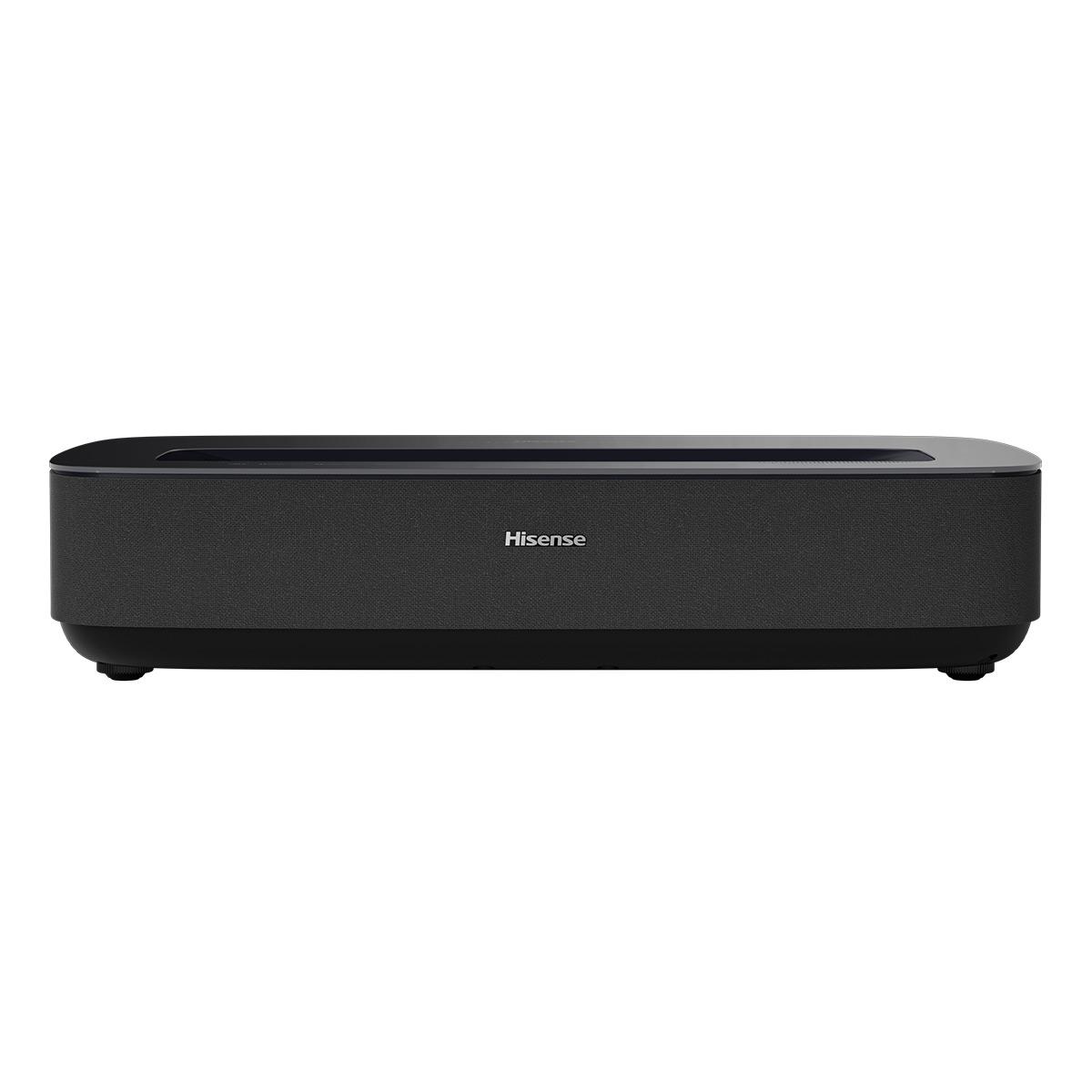
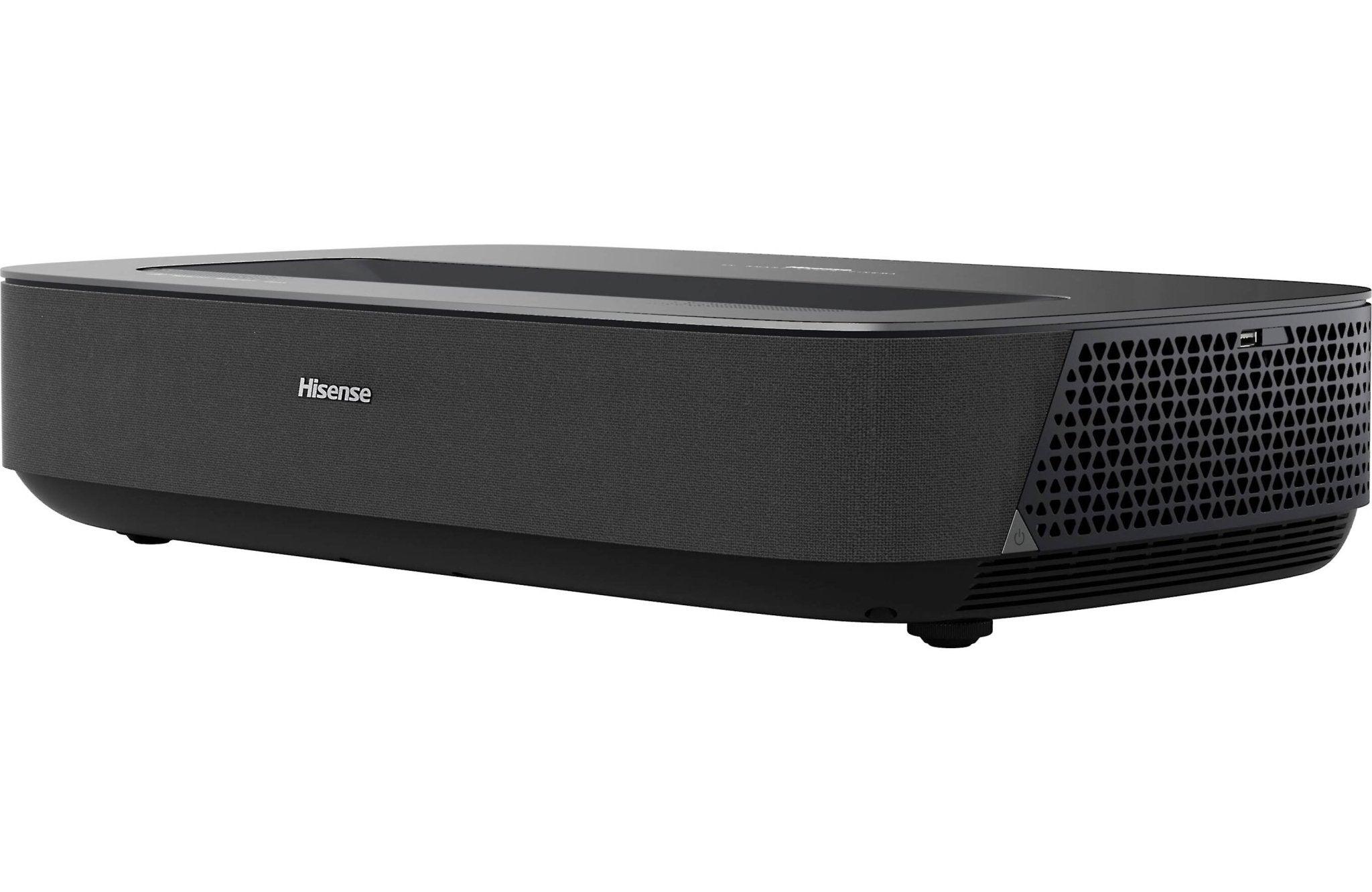
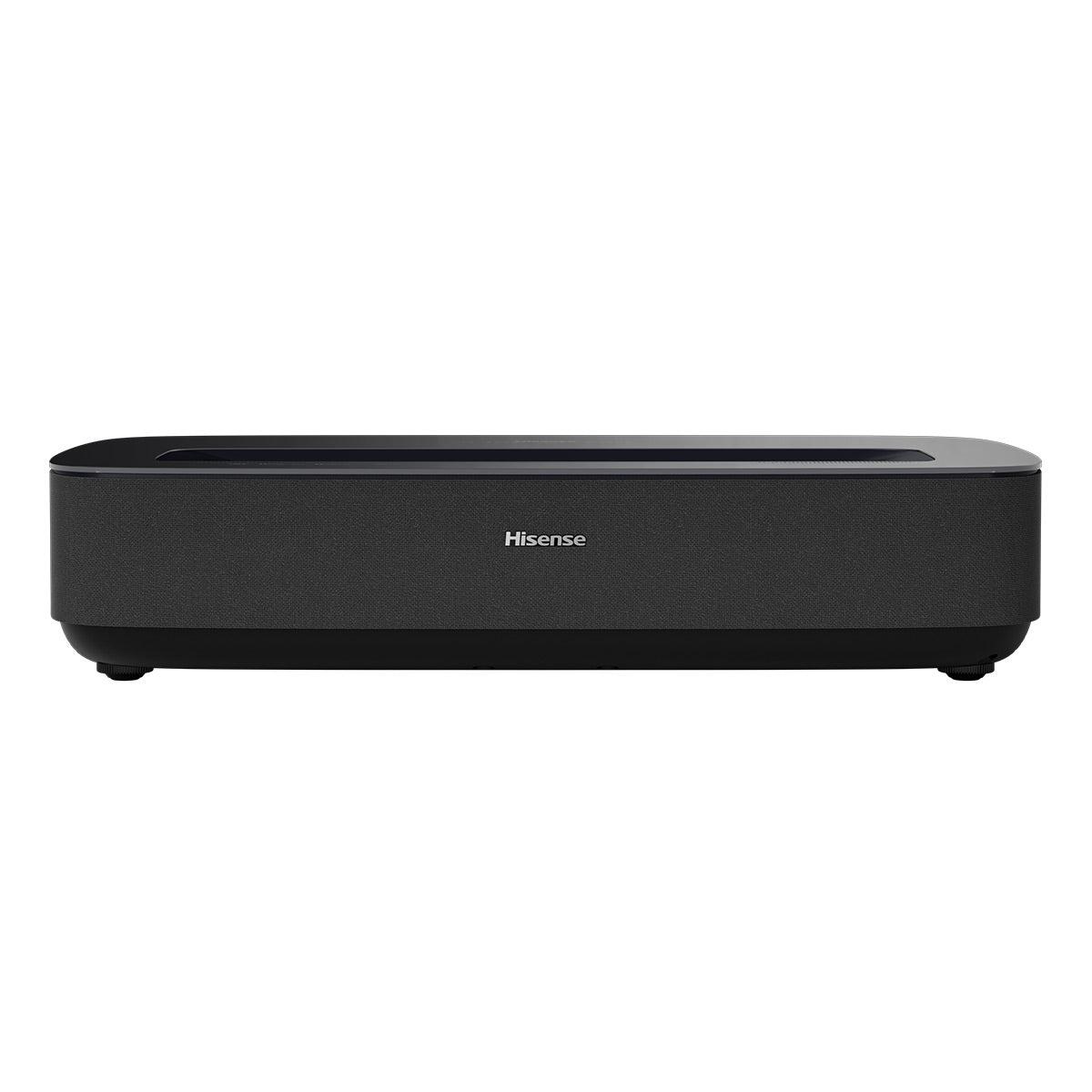
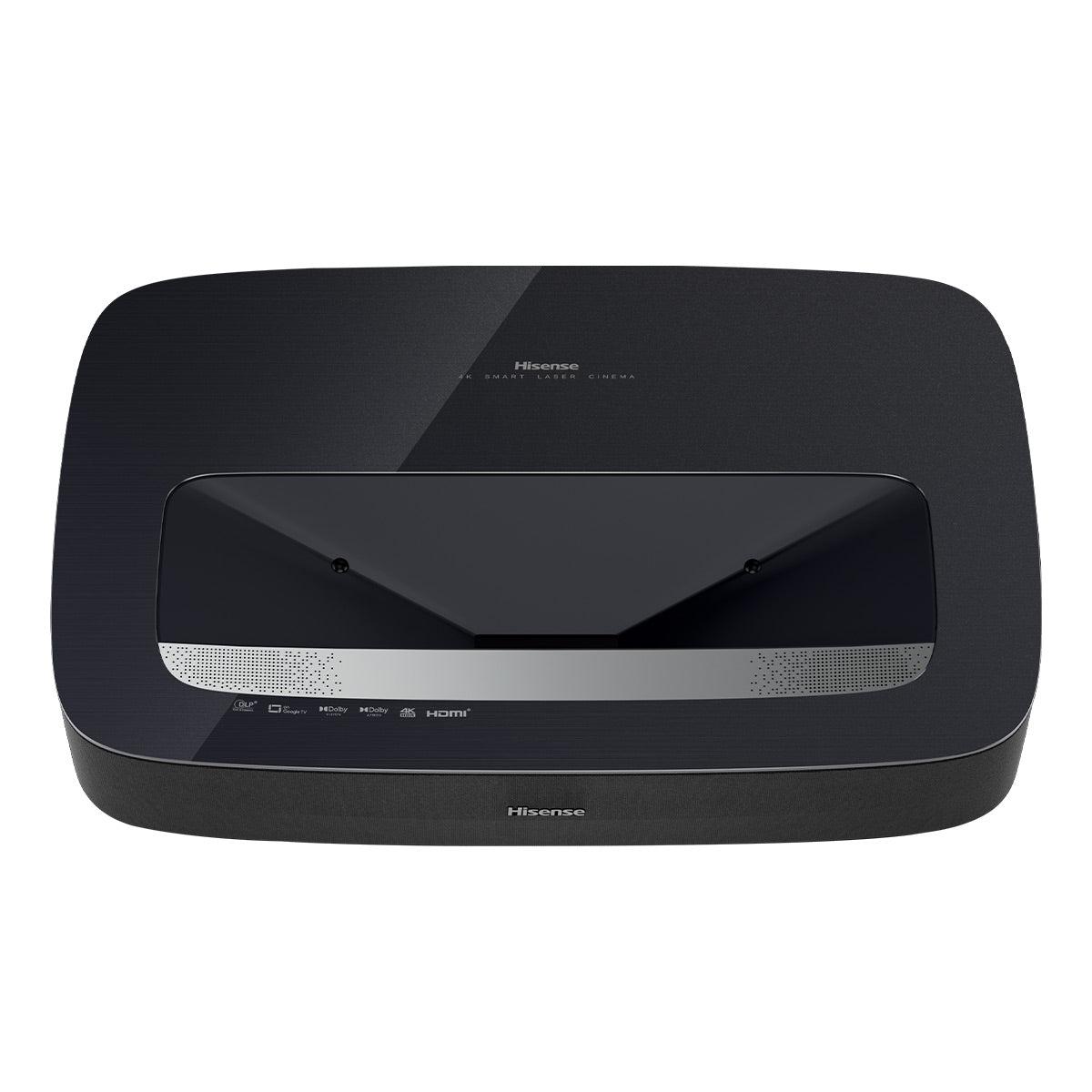
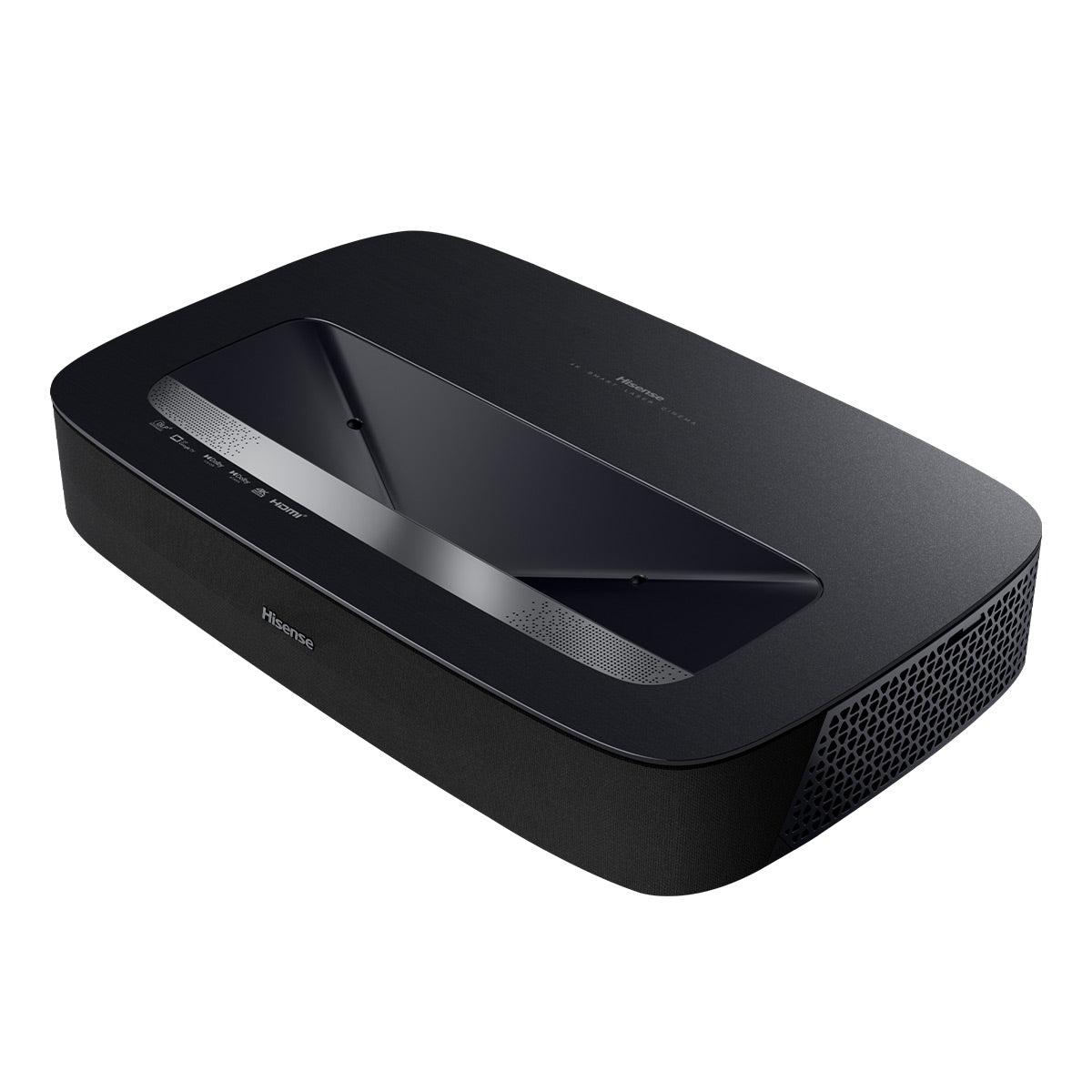
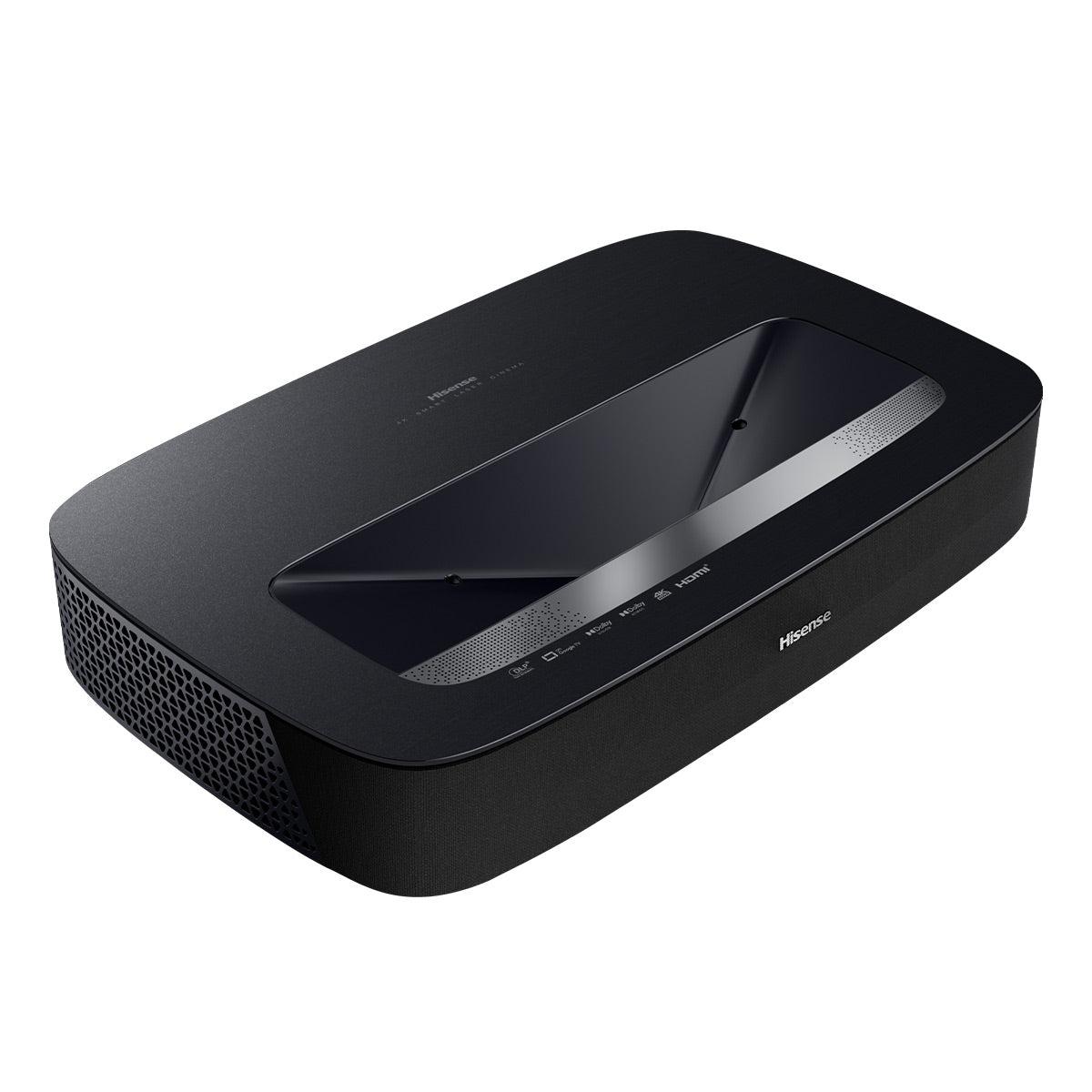
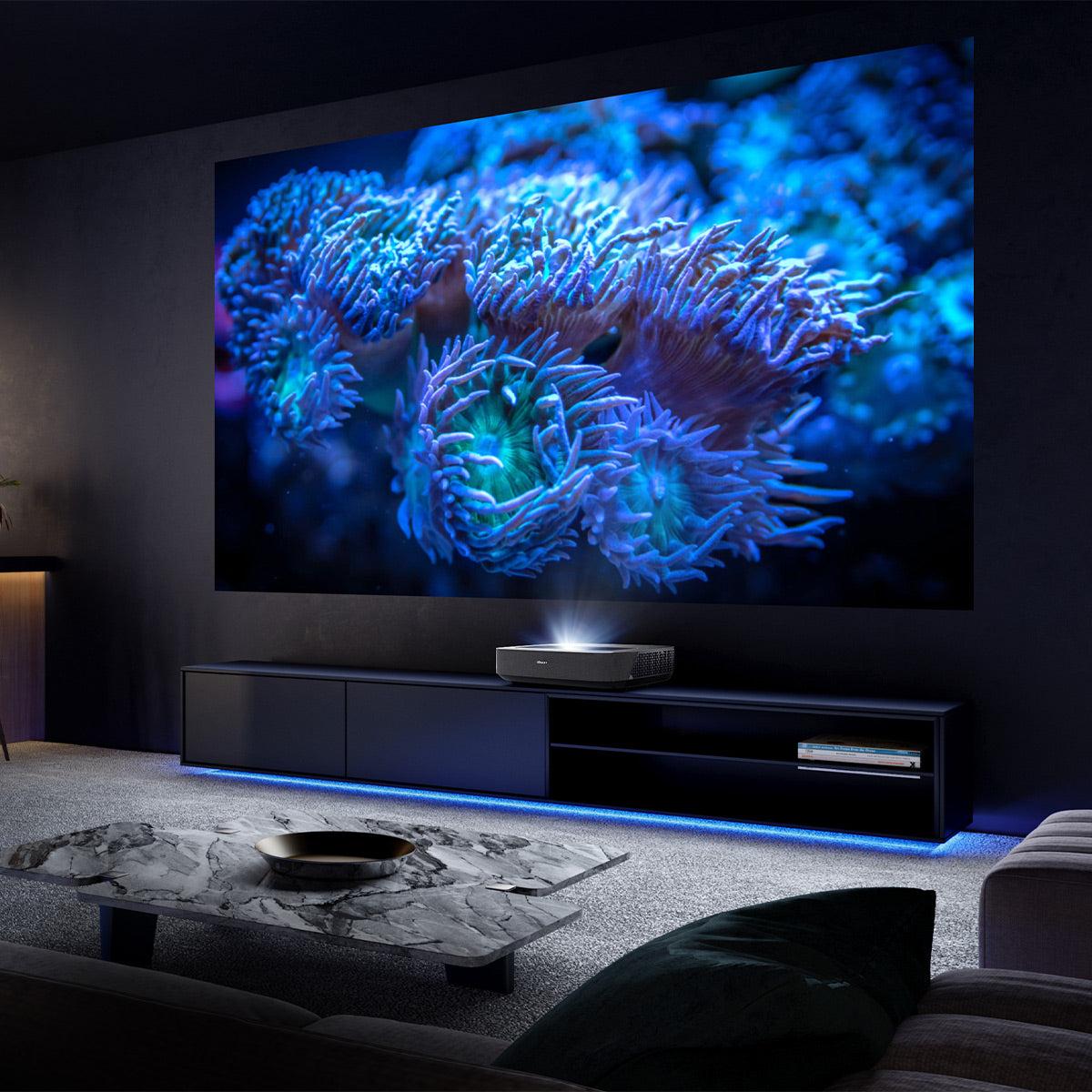
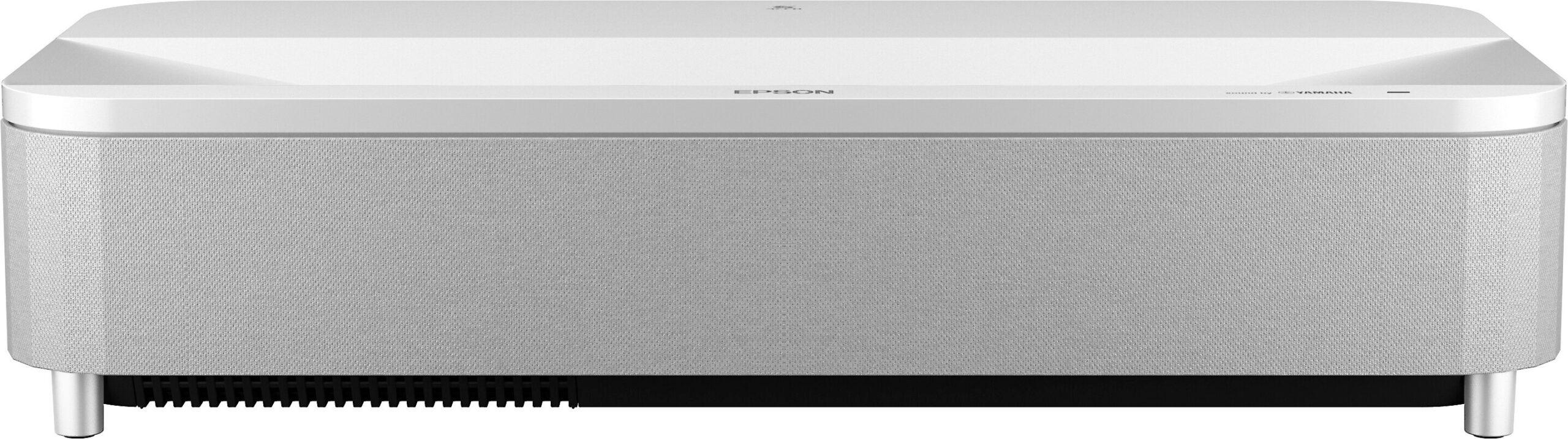
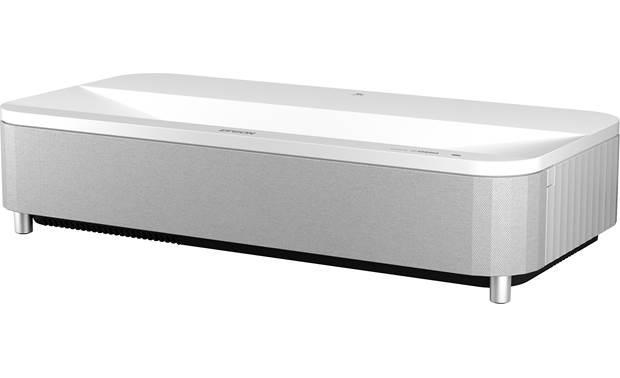
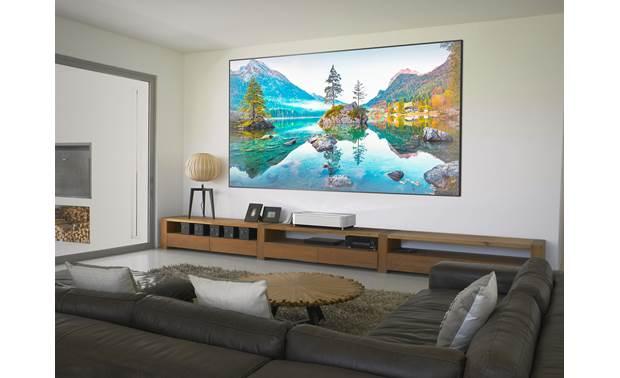
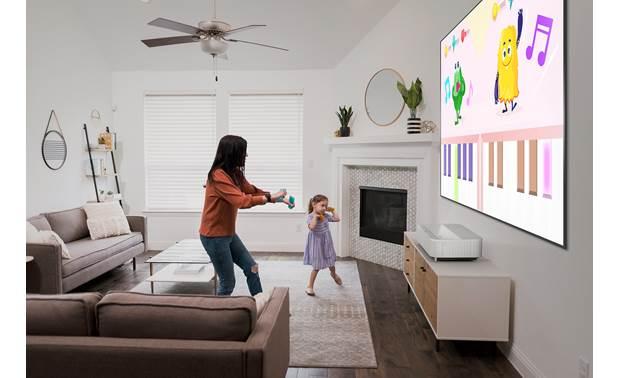
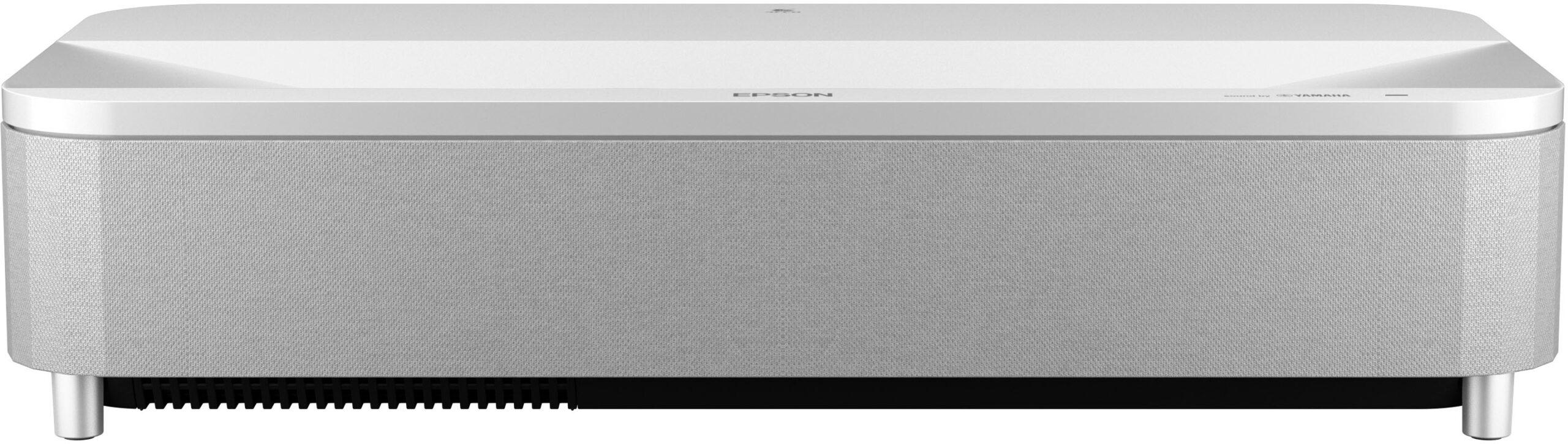
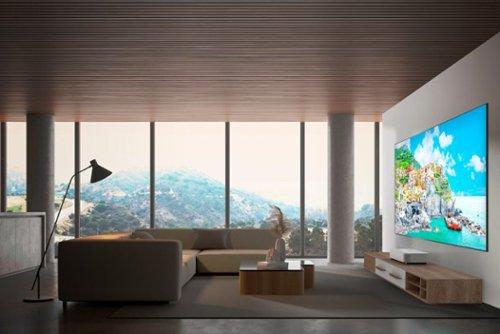
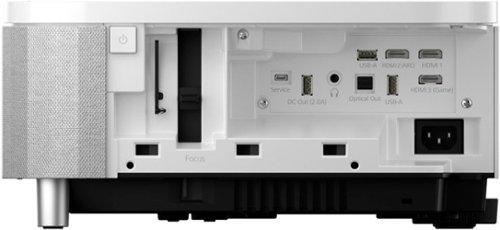
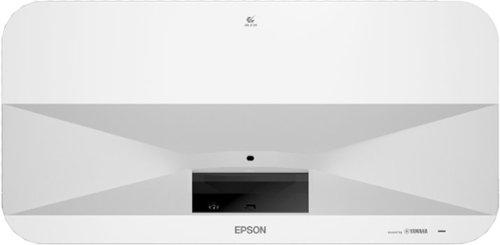
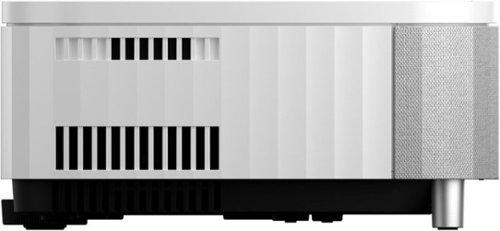
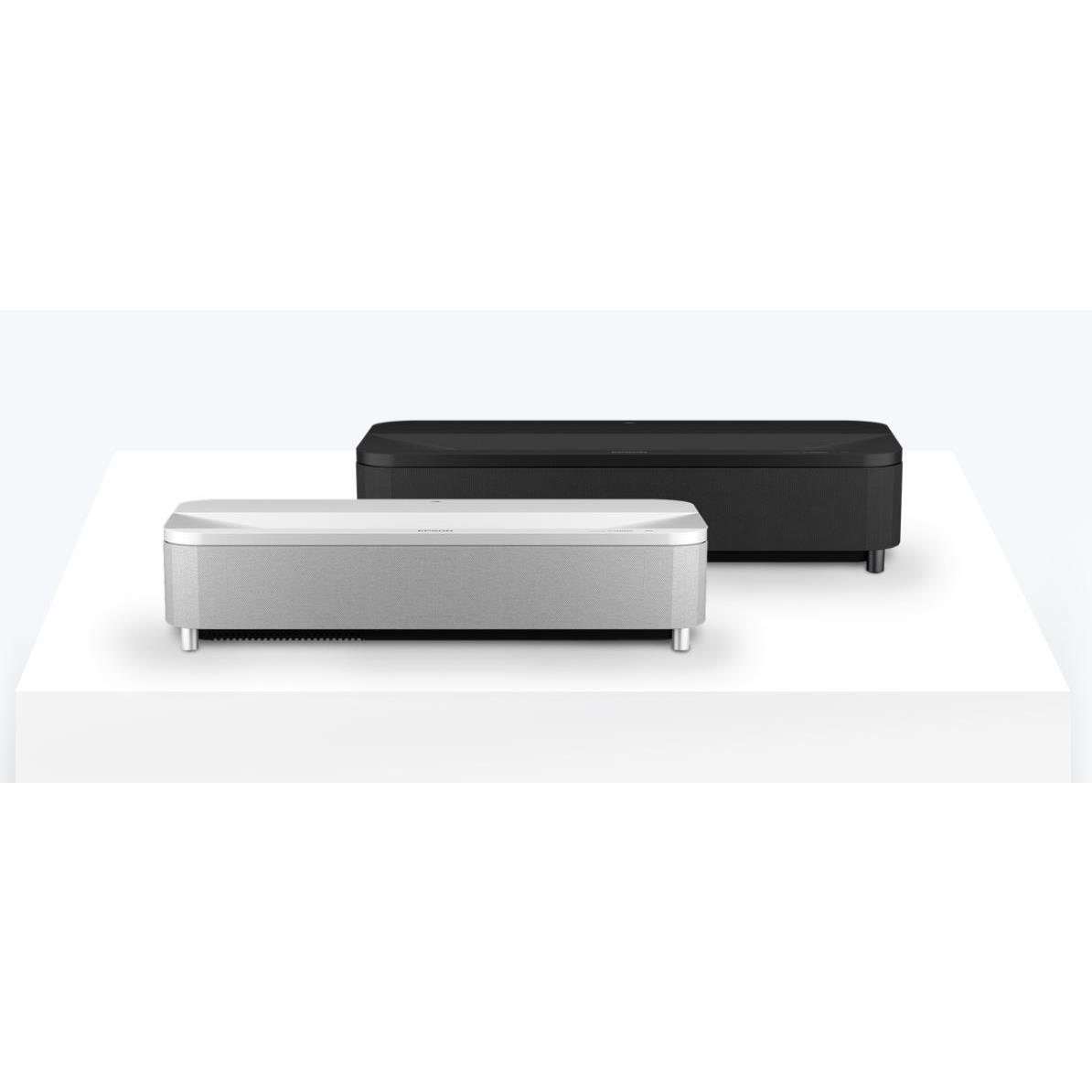
When it comes to creating a modern home theater setup, ultra short throw (UST) laser projectors have revolutionized what's possible. Today, we're comparing two leading options: the newer Hisense PL1 at $2,498 and the Epson EpiqVision Ultra LS800 at $2,973. These projectors can turn any wall into a massive screen while sitting just inches away, making them practical alternatives to traditional large TVs.
Before diving into the specifics, let's understand what makes these projectors special. Unlike traditional projectors that need to sit far from the screen, UST projectors use advanced lens designs and laser light sources to create huge images from very close distances. This technology has matured significantly in recent years, with both brightness and image quality improving dramatically.
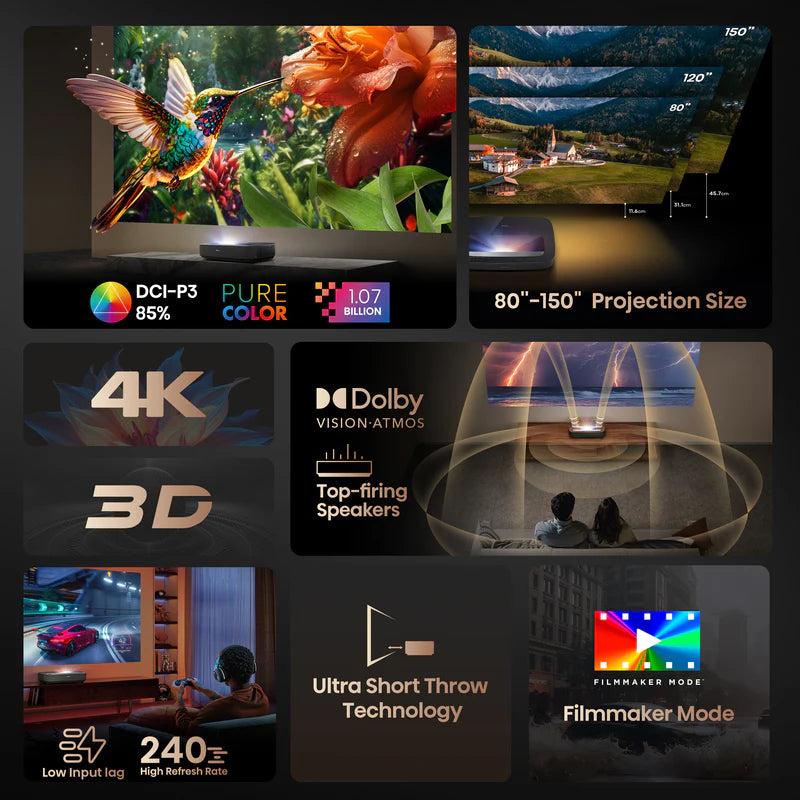
The most noticeable difference between these projectors is their brightness capability. The LS800 delivers an impressive 4,000 lumens, while the PL1 outputs 2,200 lumens. What does this mean in real-world use? The LS800's extra brightness makes it much more versatile - it can deliver vibrant images even with some lights on or during daytime viewing. The PL1, while still bright, performs best in controlled lighting conditions.
Think of it this way: the LS800 can serve as a true TV replacement in your living room, while the PL1 is more suited to a dedicated home theater space where you can control the lighting.
Both projectors approach 4K resolution differently. The Hisense PL1 uses true 4K DLP technology, delivering native 3840x2160 resolution. The LS800 uses pixel-shifting technology with its 3LCD system to achieve 4K PRO-UHD. While both look sharp, there are subtle differences:
HDR support is another key differentiator. The PL1 supports HDR10, HDR10+, Dolby Vision, and HLG, while the LS800 only handles HDR10 and HLG. This broader format support gives the PL1 an advantage for streaming content, where Dolby Vision is increasingly common.
For gamers, input lag and refresh rate are crucial. The LS800 excels here with:
The PL1 offers decent gaming performance with Auto Low Latency Mode (ALLM) but can't match the LS800's responsiveness. If gaming is a priority, the LS800 has a clear advantage.
The throw ratio difference between these projectors is significant:
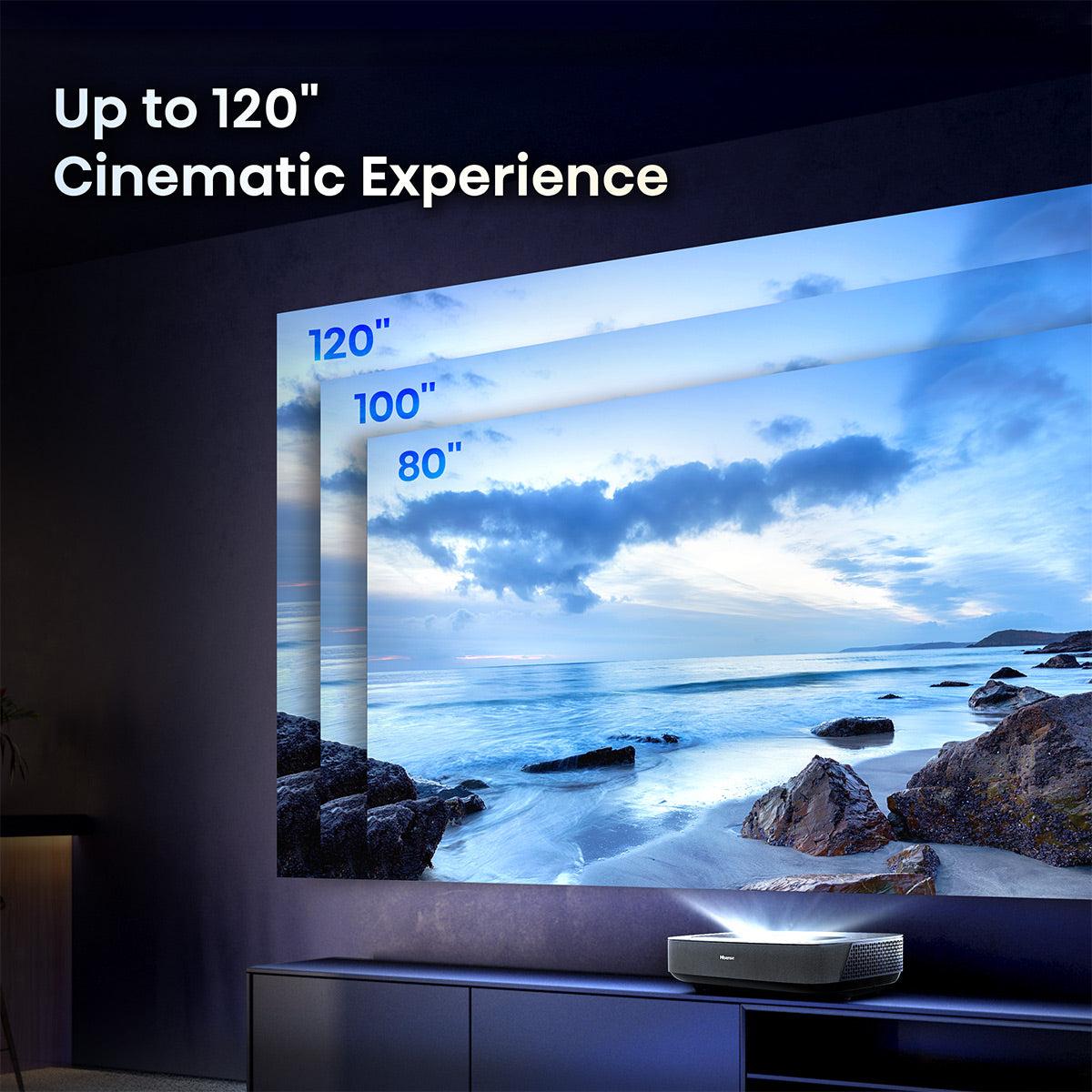
This means the LS800 can create the same size image while sitting closer to the wall - about 5-6 inches closer for a 100-inch image. This could be crucial depending on your furniture arrangement.
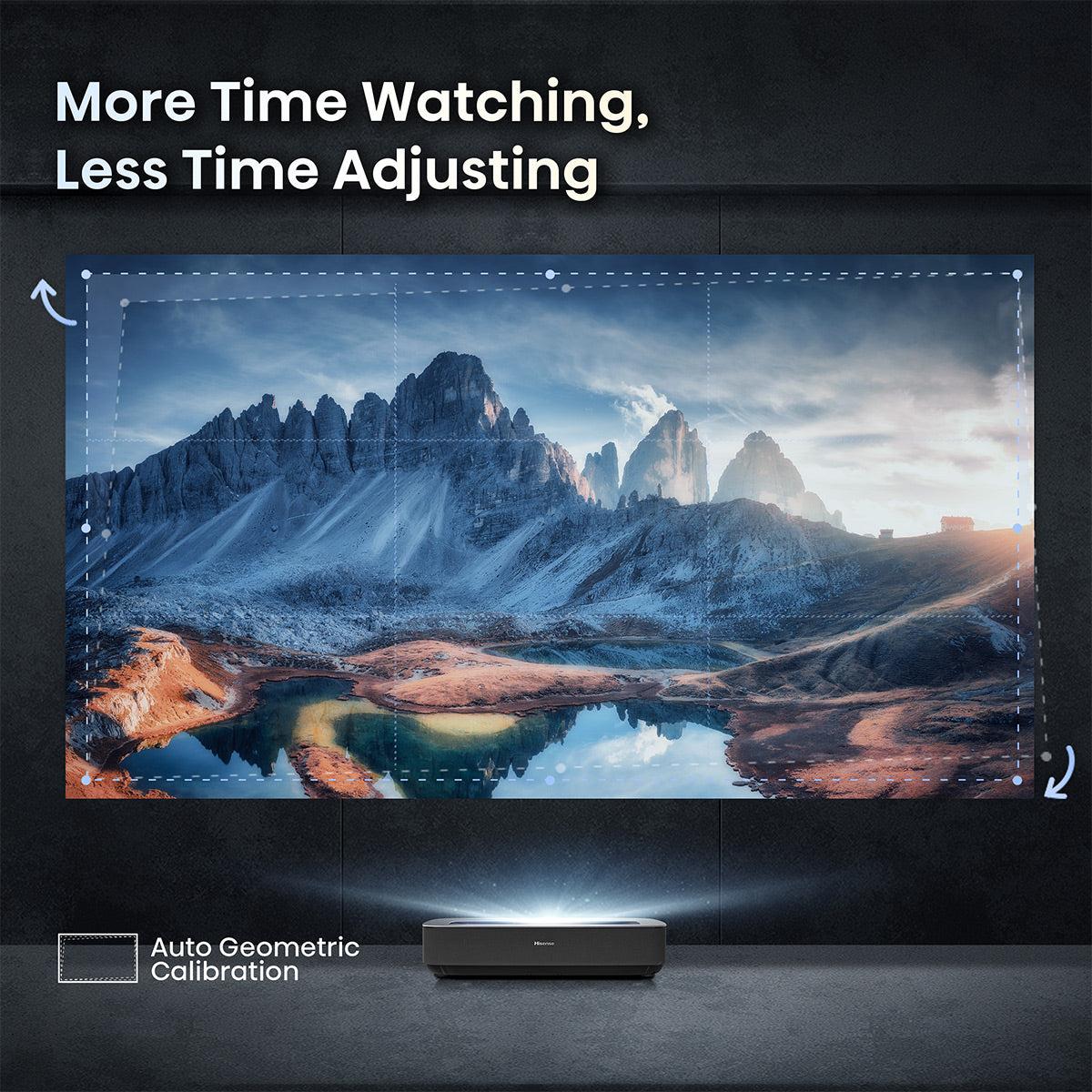
Both projectors offer automatic geometry correction and focus, but the LS800's shorter throw ratio makes it more forgiving during setup.
Released in 2023, the PL1 represents Hisense's latest technology at a competitive price point. The LS800, while slightly older (2022), justifies its higher price through superior brightness and gaming features.
Consider these value factors:
Both projectors offer modern smart platforms:
The main difference is in the interface experience - Google TV tends to offer better content recommendations and a more refined user experience.
Choose the Hisense PL1 if:
Choose the Epson LS800 if:
In my experience testing these projectors, the decision largely comes down to your viewing environment. The LS800's brightness makes it more versatile for everyday use, while the PL1's superior HDR support and native 4K resolution make it excellent for dedicated theater spaces.
Remember that both projectors represent significant improvements over previous generations in terms of brightness, color accuracy, and smart features. Whichever you choose, you'll be getting a capable home theater centerpiece that can deliver a massive, immersive image without the installation complications of traditional projectors.
| Hisense PL1 Laser Cinema Projector | Epson EpiqVision Ultra LS800 3LCD Laser Projector |
|---|---|
| Price - Total investment required | |
| $2,498 | $2,973 |
| Brightness - Critical for ambient light performance | |
| 2,200 ANSI lumens (best in controlled lighting) | 4,000 ANSI lumens (excellent in bright rooms) |
| Resolution Technology - Impacts image clarity and detail | |
| True 4K (3840x2160) using DLP | Pixel-shifted 4K using 3LCD (from 1080p base) |
| Throw Ratio - Determines placement flexibility | |
| 0.25:1 (needs ~14" for 100" screen) | 0.16:1 (needs ~9" for 100" screen) |
| HDR Support - Affects dynamic range and color | |
| HDR10, HDR10+, Dolby Vision, HLG | HDR10, HLG only |
| Gaming Performance - Important for responsiveness | |
| ALLM support, moderate input lag | 16.7ms input lag, 120Hz@1080p support |
| Color Performance - Impact on image quality | |
| 85% DCI-P3, good color accuracy | Better color accuracy with 3LCD system |
| Smart Platform - Streaming capability | |
| Google TV (newer interface) | Android TV (standard interface) |
| Audio System - Built-in sound quality | |
| 30W Dolby Atmos speakers | 20W Yamaha 2.1 system |
| Light Source Lifespan - Long-term durability | |
| 25,000 hours | 20,000 hours |
| Contrast Ratio - Black level performance | |
| 2,000,000:1 dynamic | 2,500,000:1 dynamic |
| Weight - Installation consideration | |
| 17 lbs | 27.6 lbs |
| Best Use Case - Primary application | |
| Dedicated home theater rooms, movie enthusiasts | Bright living rooms, gaming, all-purpose viewing |
The Epson LS800 is significantly brighter at 4,000 lumens compared to the Hisense PL1's 2,200 lumens, making it better suited for rooms with ambient light.
The Epson LS800 offers superior gaming performance with 16.7ms input lag and 120Hz support at 1080p, while the Hisense PL1 provides basic gaming features with ALLM support.
The Hisense PL1 is more affordable at $2,498, while the Epson LS800 costs $2,973.
The Hisense PL1 offers true 4K resolution and more HDR formats, while the Epson LS800 provides better color accuracy and brightness. Picture quality preference depends on viewing conditions.
The Epson LS800 can sit closer to the wall with its 0.16:1 throw ratio, needing about 9 inches for a 100-inch screen, while the Hisense PL1 requires about 14 inches.
The Hisense PL1 has an advantage for movies with its Dolby Vision support and true 4K resolution, but requires a darker room. The Epson LS800 performs better in brighter conditions.
Yes, both projectors include smart features - the Hisense PL1 uses Google TV while the Epson LS800 uses Android TV.
The Hisense PL1 has a slightly longer rated laser life at 25,000 hours compared to the Epson LS800's 20,000 hours.
Both projectors work best with ALR (Ambient Light Rejecting) screens, but this is especially important for the Hisense PL1 due to its lower brightness.
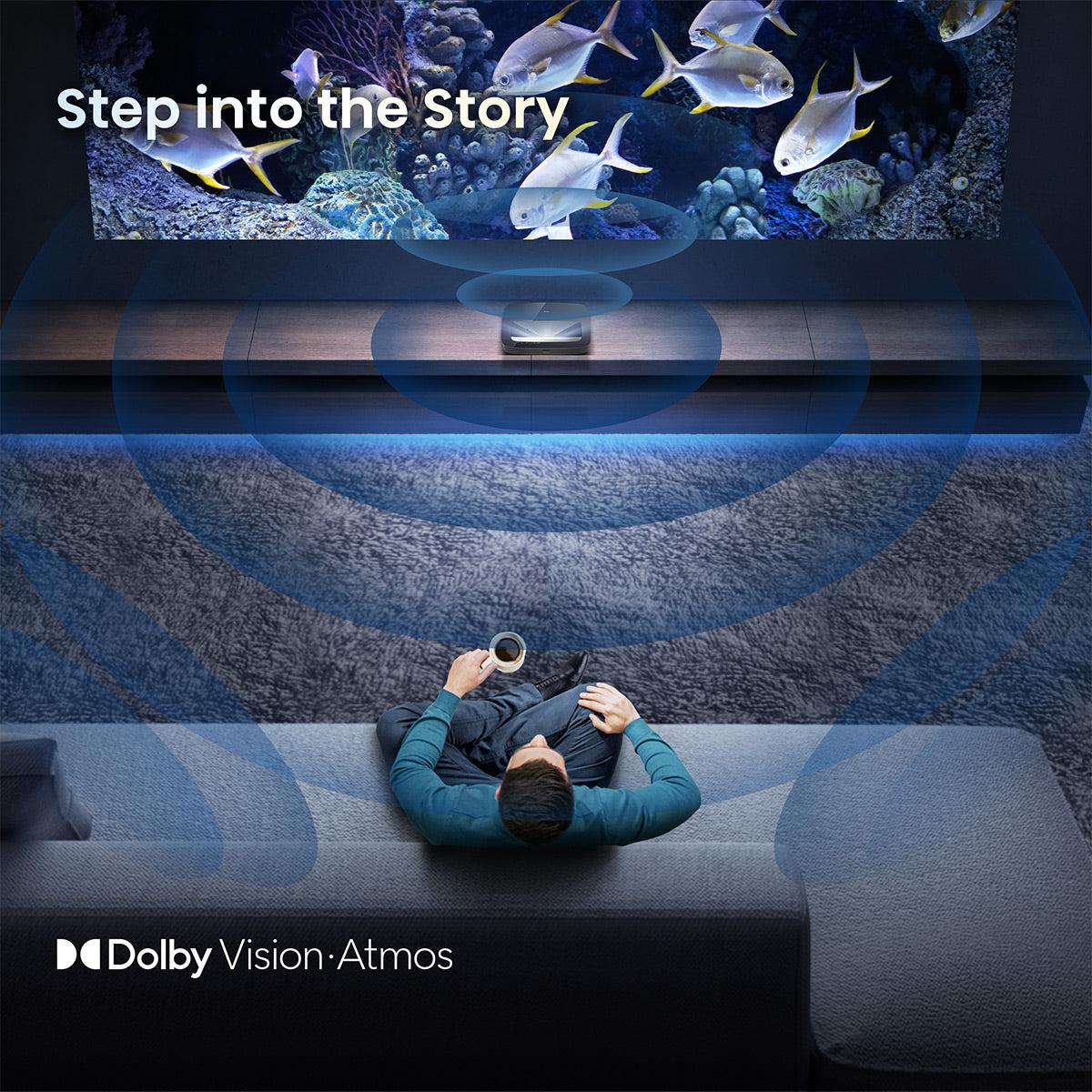
The Hisense PL1 features 30W Dolby Atmos speakers, while the Epson LS800 includes a 20W Yamaha 2.1 system.
The Epson LS800 is better suited as a TV replacement due to its higher brightness, while the Hisense PL1 works best in controlled lighting conditions.
Both offer automatic geometry correction, but the Epson LS800 is generally easier to position due to its shorter throw ratio and more forgiving setup requirements.
We've done our best to create useful and informative comparisons to help you decide what product to buy. Our research uses advanced automated methods to create this comparison and perfection is not possible - please contact us for corrections or questions. These are the sites we've researched in the creation of this article: projectorscreen.com - dreamediaav.com - projectorcentral.com - trustedreviews.com - crutchfield.com - hometheaterhifi.com - projectorcentral.com - projectorreviews.com - vividstormscreen.com - bhphotovideo.com - shi.com - crutchfield.com - techradar.com - danamic.org - projectorscreen.com - projectorcentral.com - epson.com - dreamediaav.com - dell.com - rtings.com - avsforum.com - audiogeneral.com - news.epson.com - projectorcentral.com

Privacy Policy
Terms and Conditions - Affiliate Policy
Home Security
© Copyright 2008-2026.
11816 Inwood Rd #1211, Dallas, TX 75244