

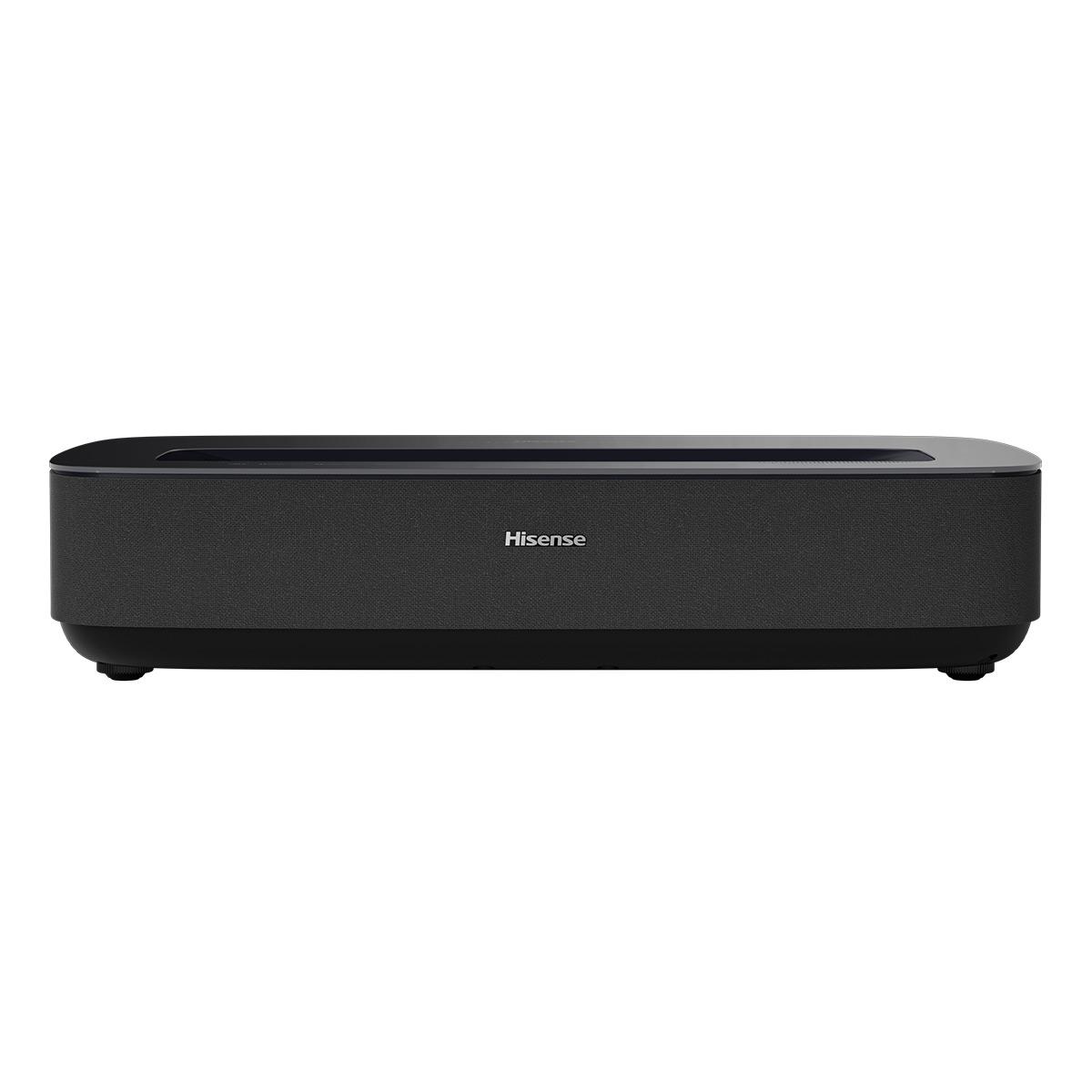
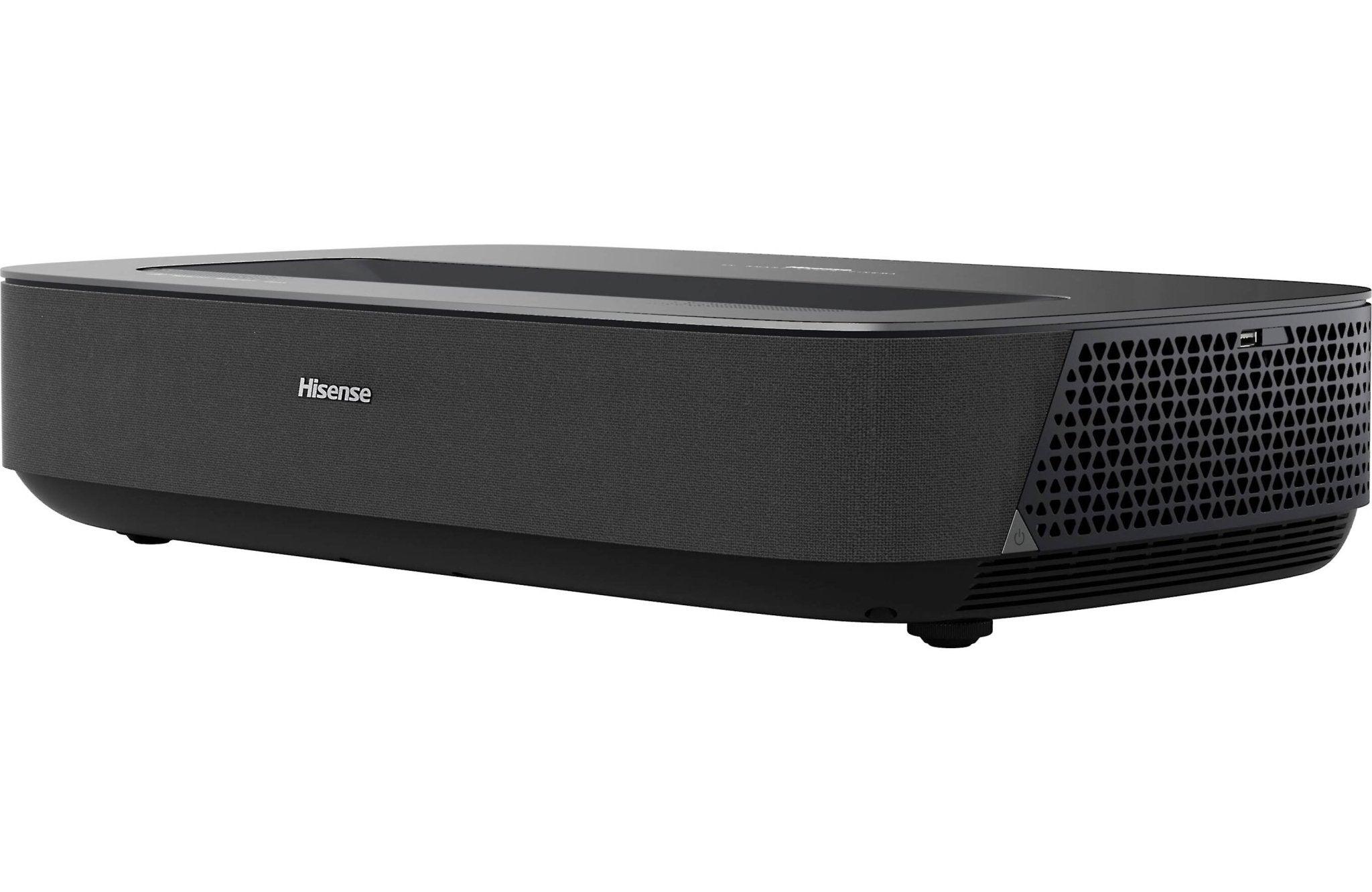
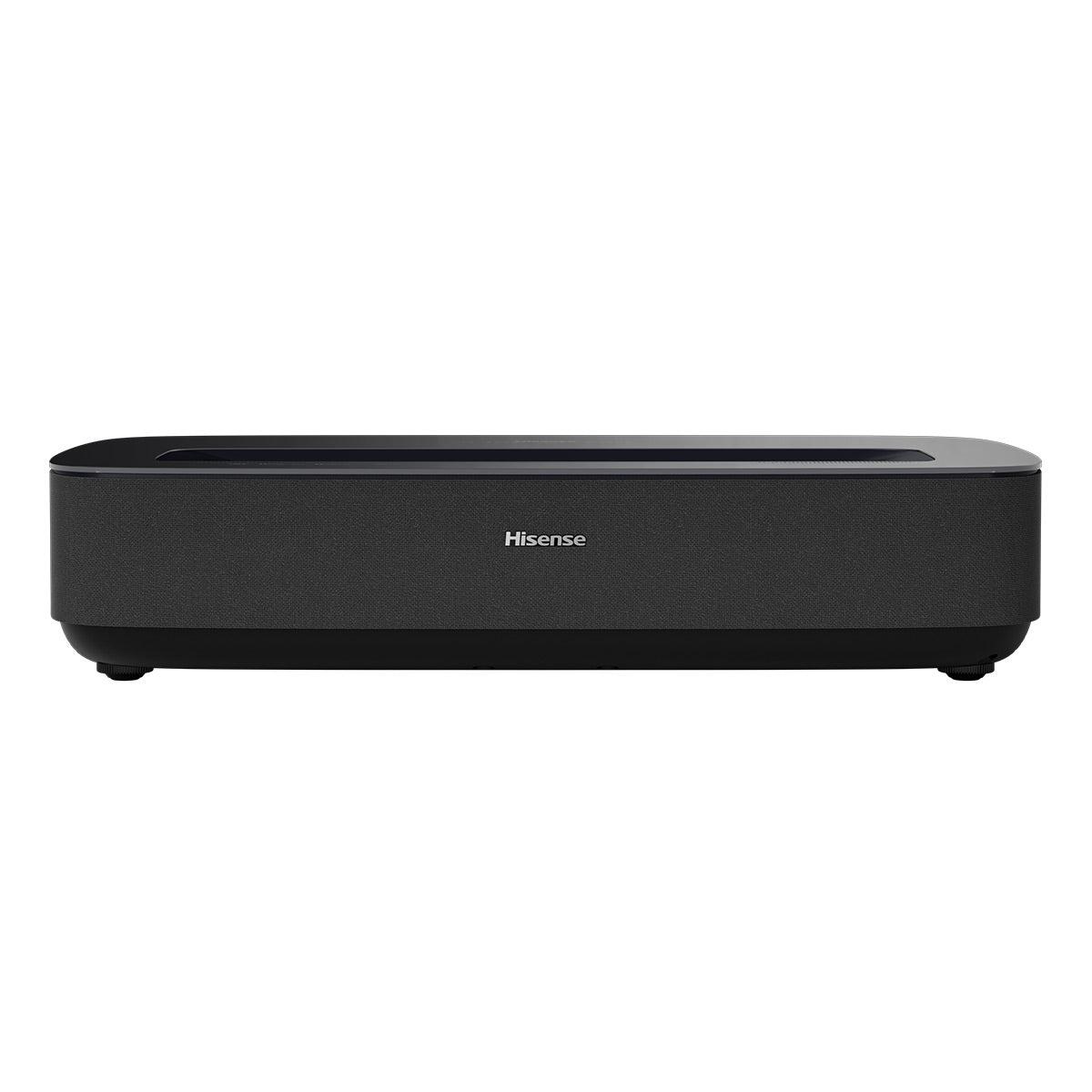
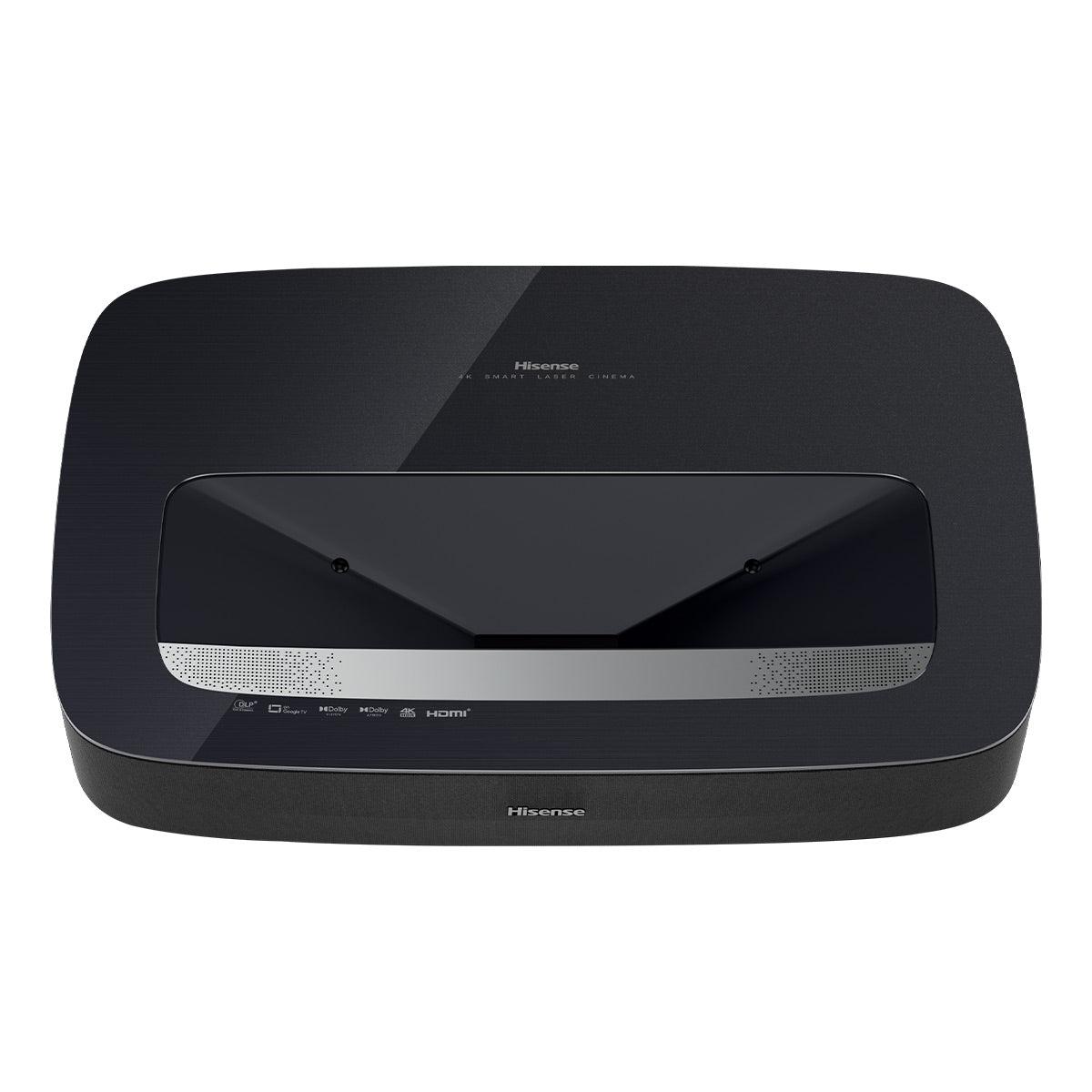
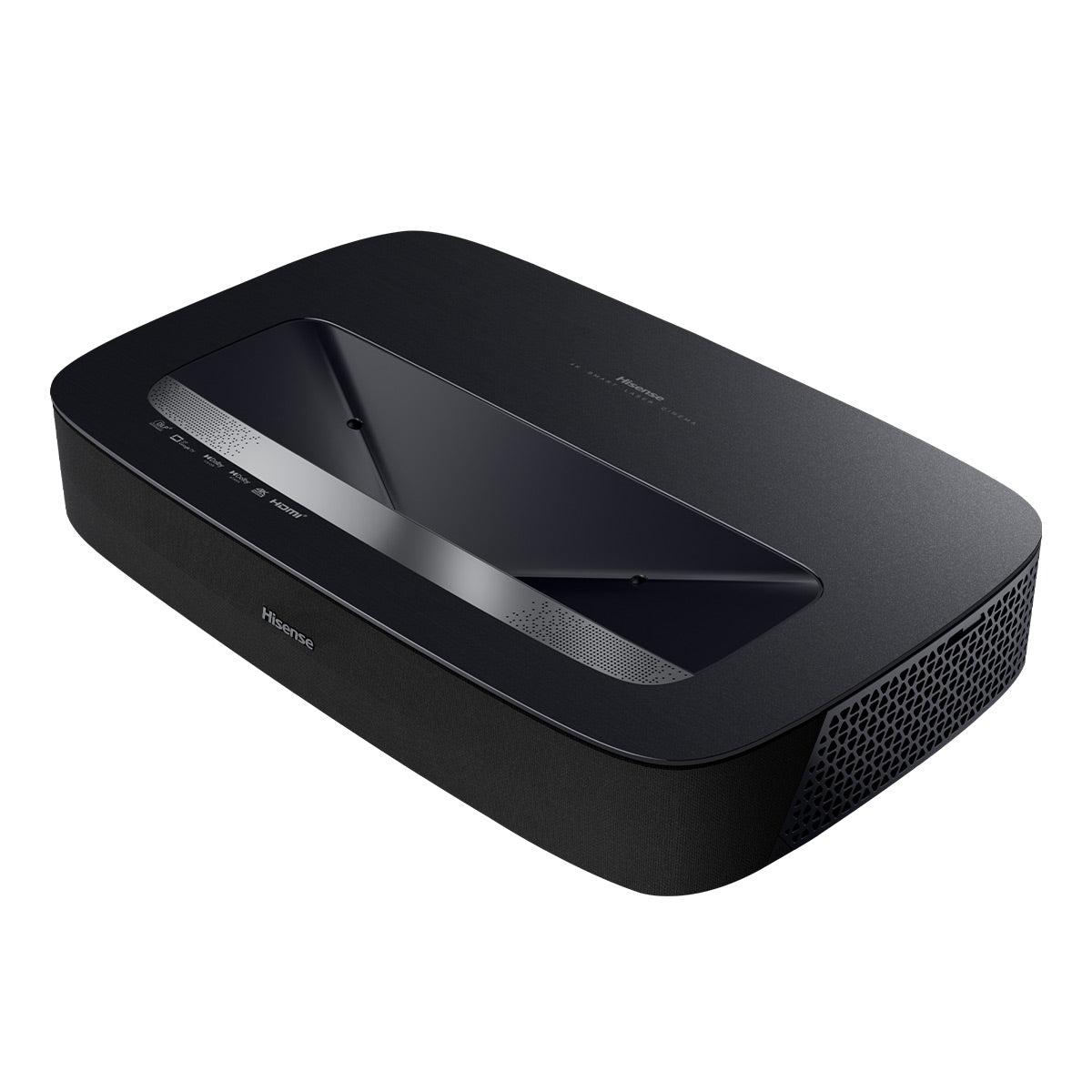
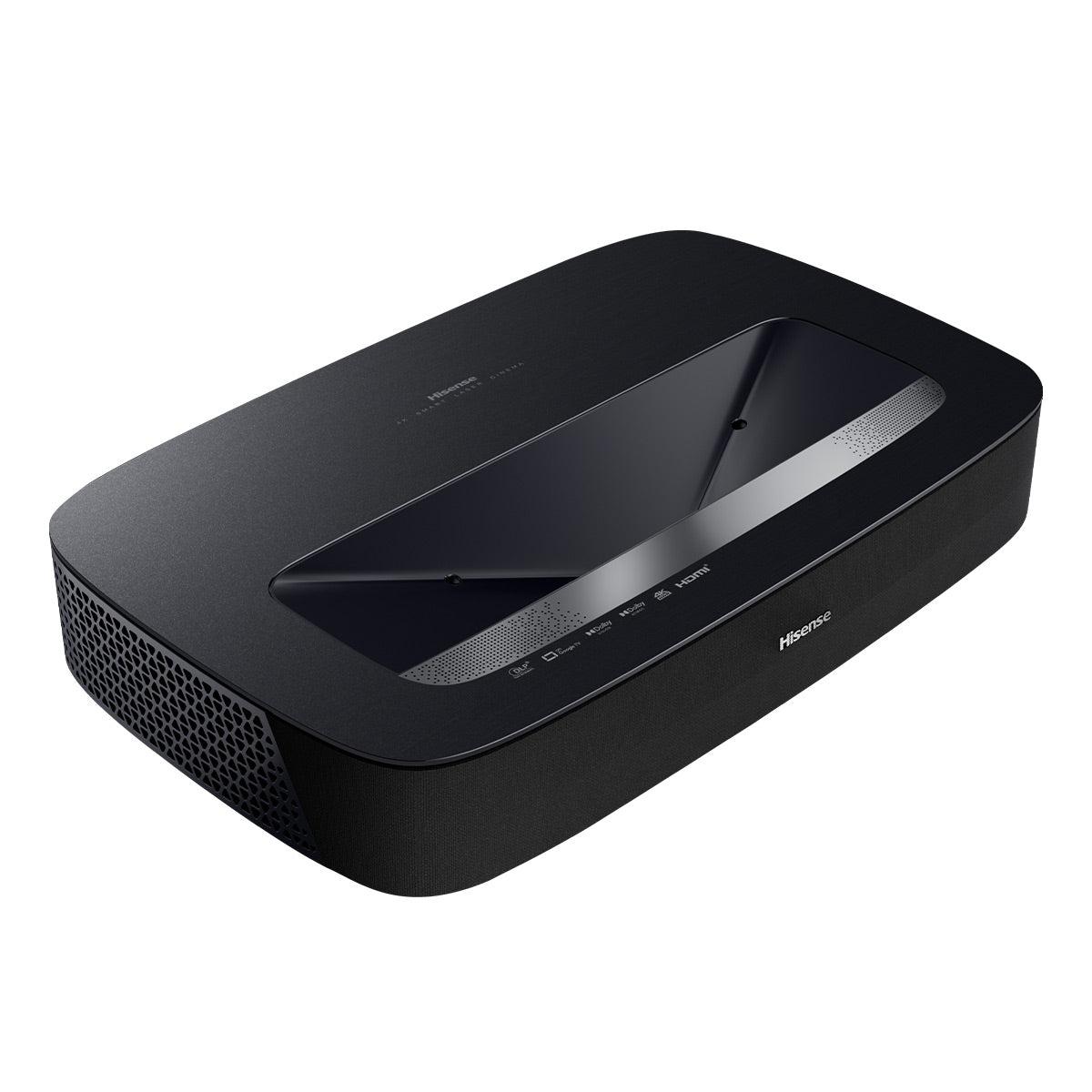
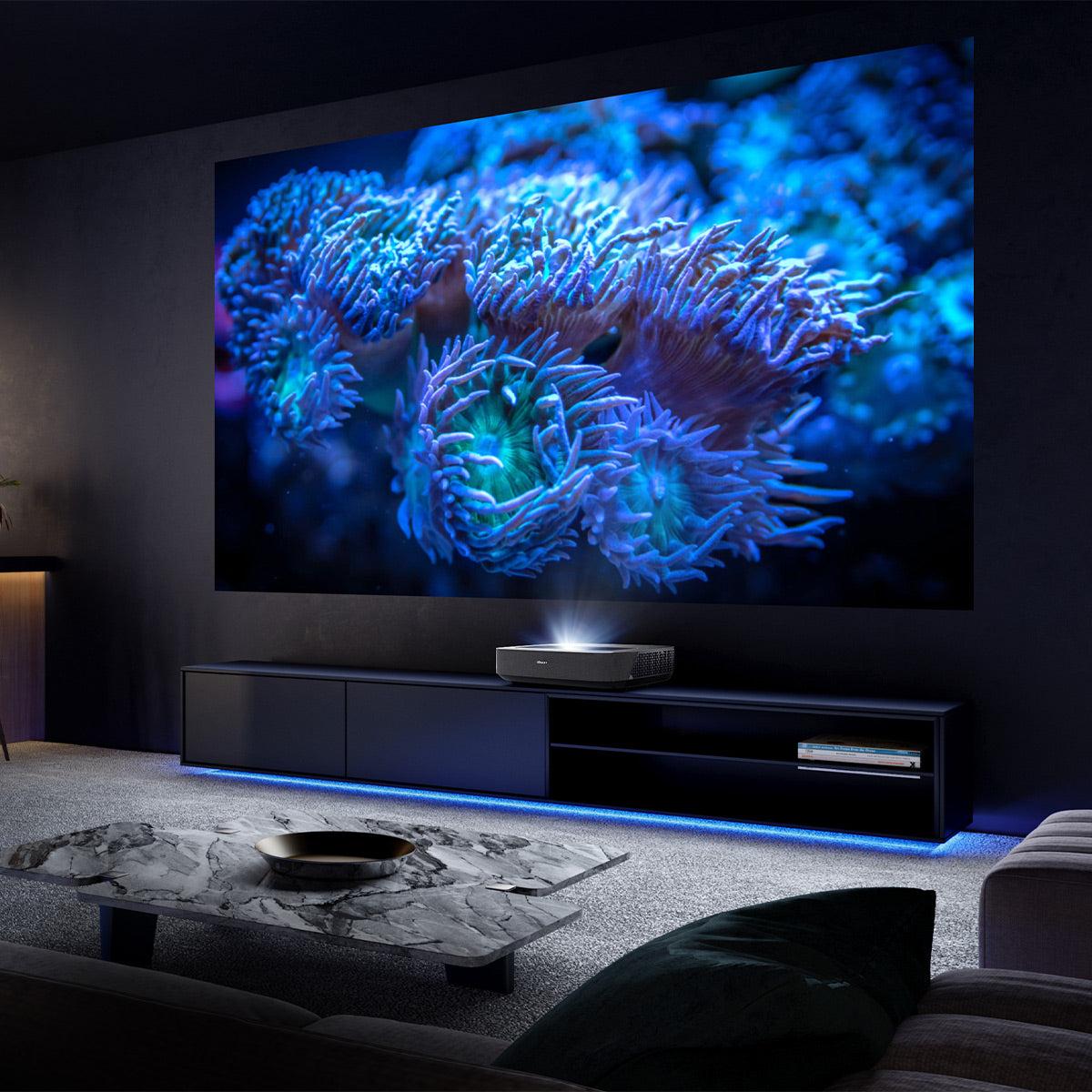
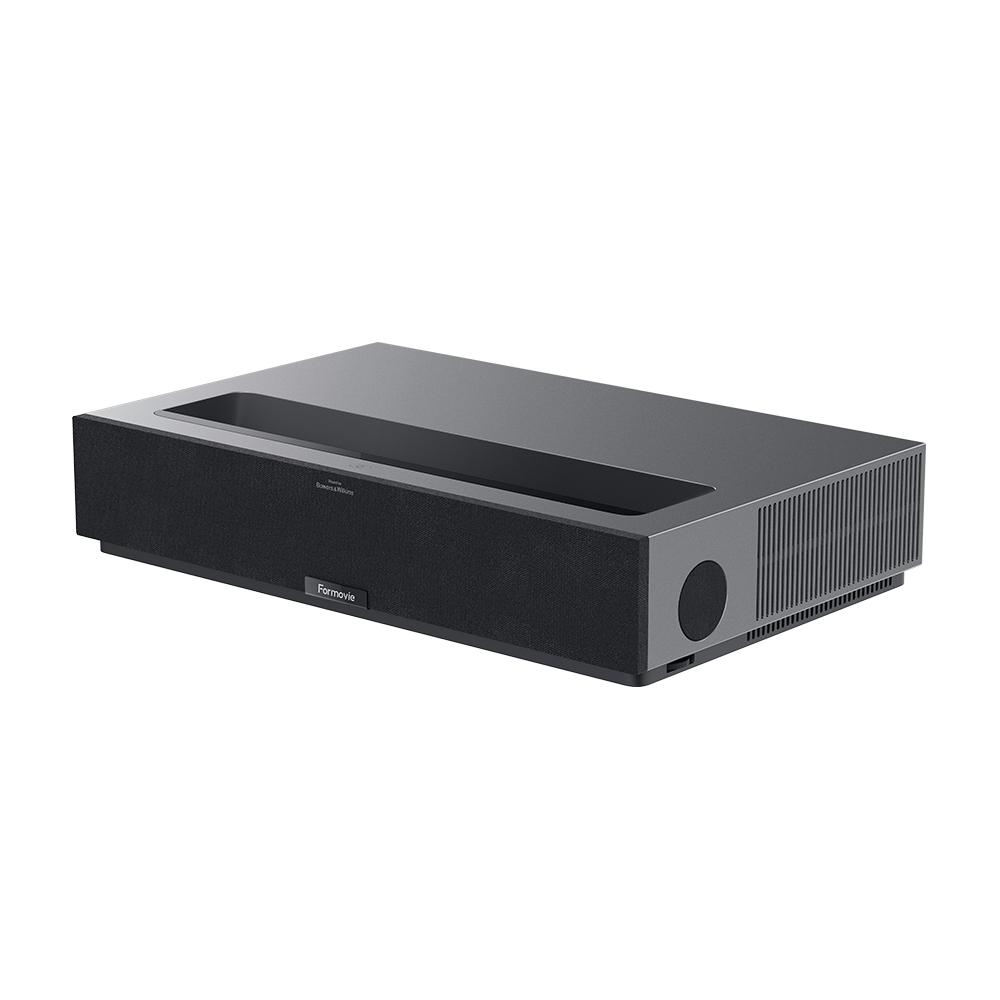
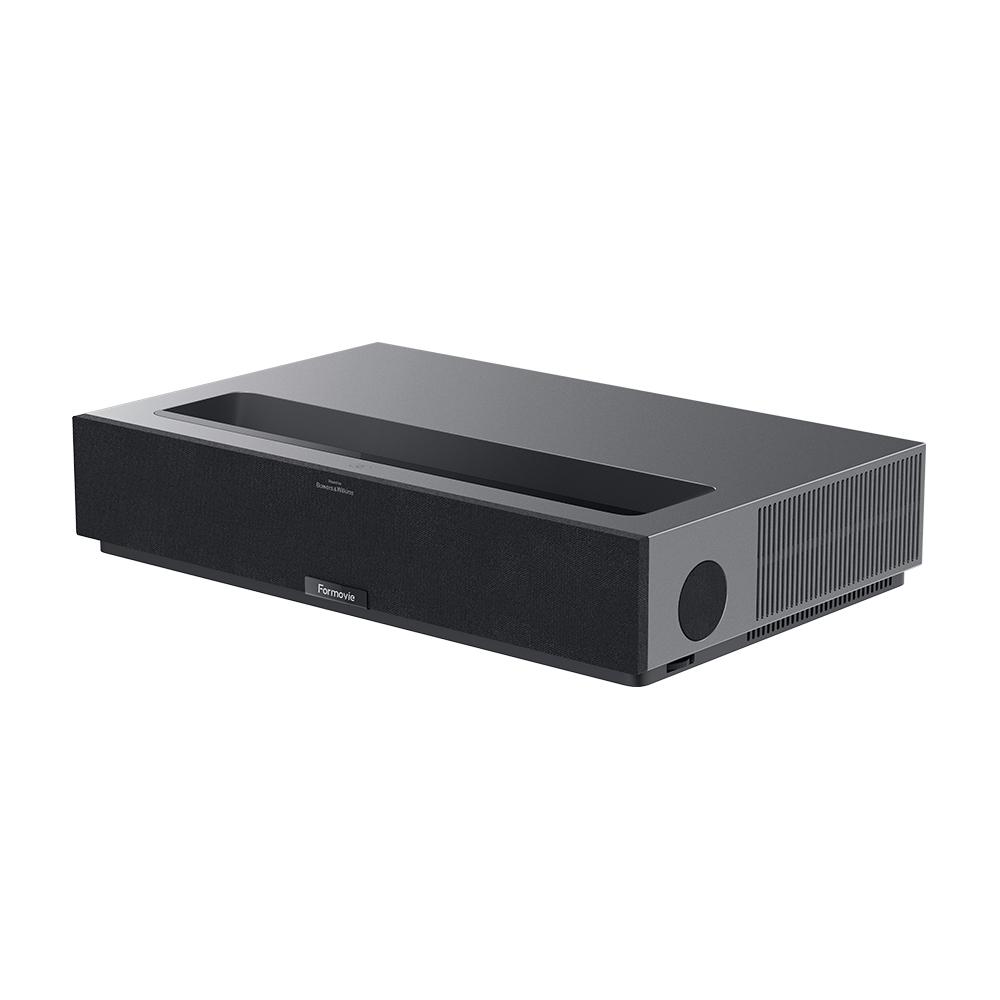
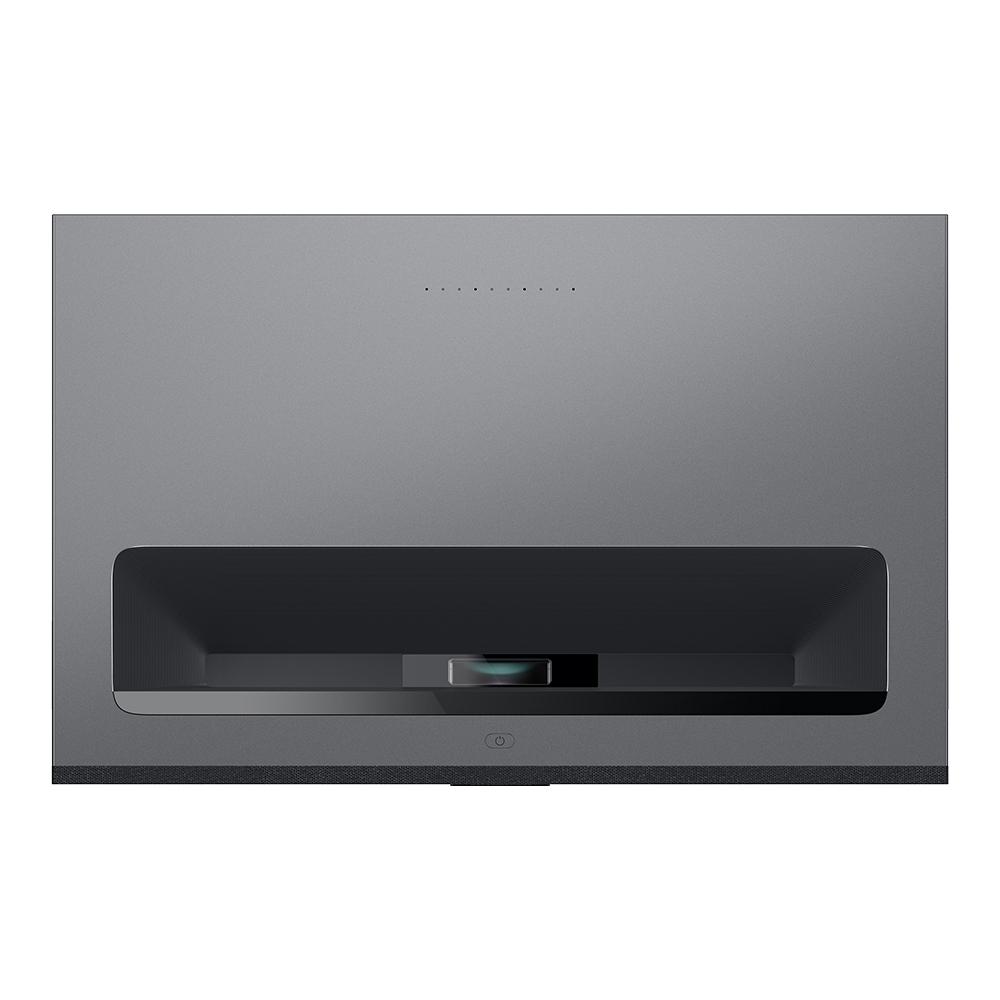
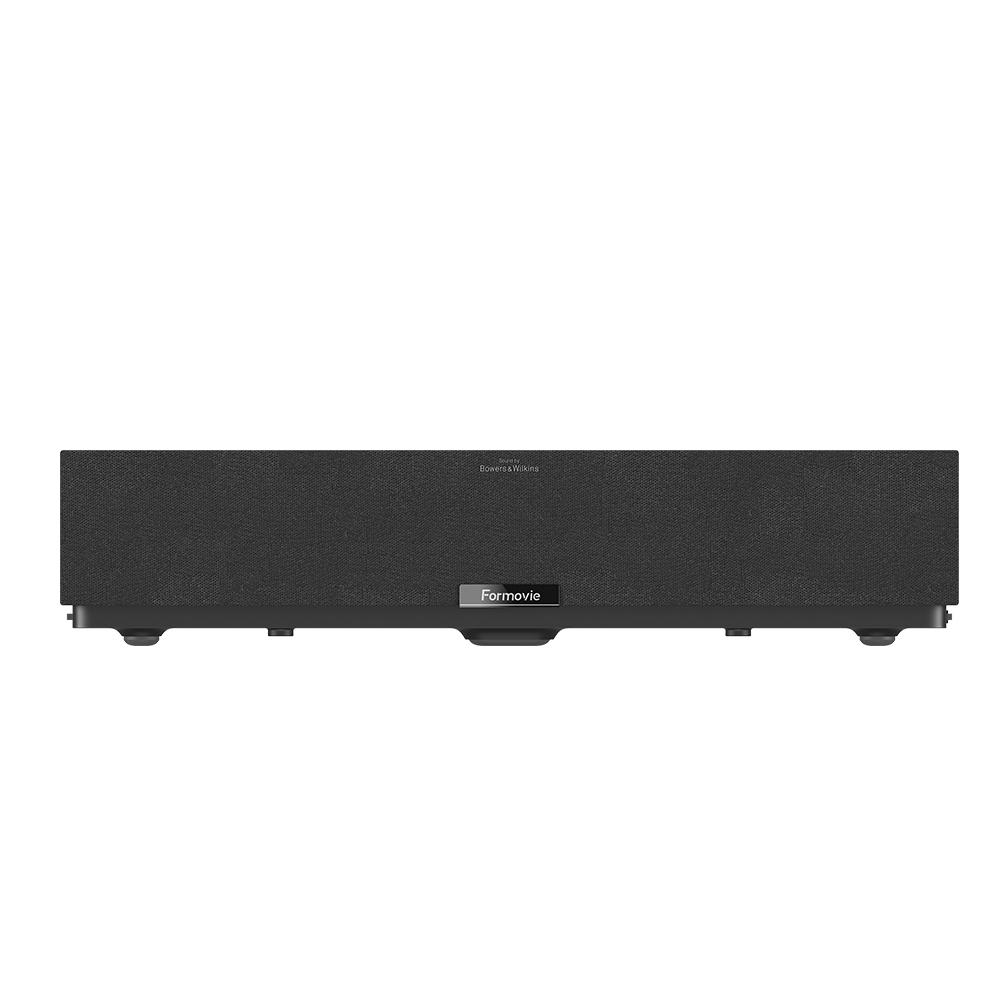
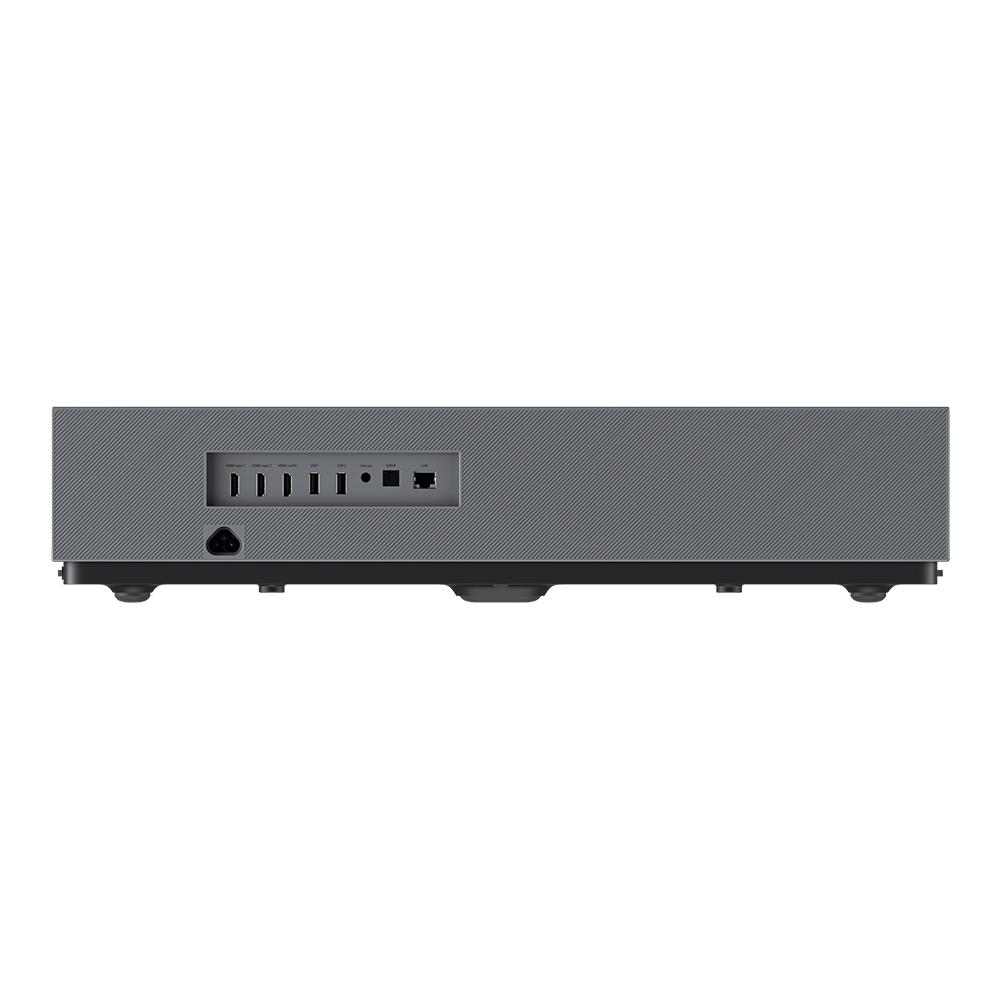
Ultra short throw (UST) laser projectors have revolutionized home theater, offering massive screens without complex ceiling mounts or long throw distances. Today we're comparing two compelling options: the Hisense PL1 at $2,498 and the Formovie Theater at $2,699. Both represent the latest in UST technology, but they take different approaches to delivering your next home cinema experience.
Before diving into the specifics, let's understand what makes these projectors special. Unlike traditional projectors that need significant distance, UST projectors use advanced optics to create large images from just inches away from your wall. They use laser light sources instead of traditional lamps, offering better color, longer life (20,000+ hours), and instant on/off capability.
The key benefits of UST projectors include:
The Formovie Theater, released in summer 2022, introduced triple laser technology (using separate red, green, and blue lasers) to the mid-range market. This approach produces purer colors and better coverage of the color space professionals use for movie mastering. The Hisense PL1, launched in 2023, uses a single blue laser with a phosphor wheel - a simpler but proven technology that helps keep costs down while still delivering excellent picture quality.
The Formovie's triple laser system outputs 2,800 ANSI lumens compared to the PL1's 2,200. This 600-lumen difference is noticeable, especially in rooms with ambient light. Think of it like having extra headroom - while both are bright enough for movie watching in controlled lighting, the Formovie maintains better contrast and color saturation when some lights are on.
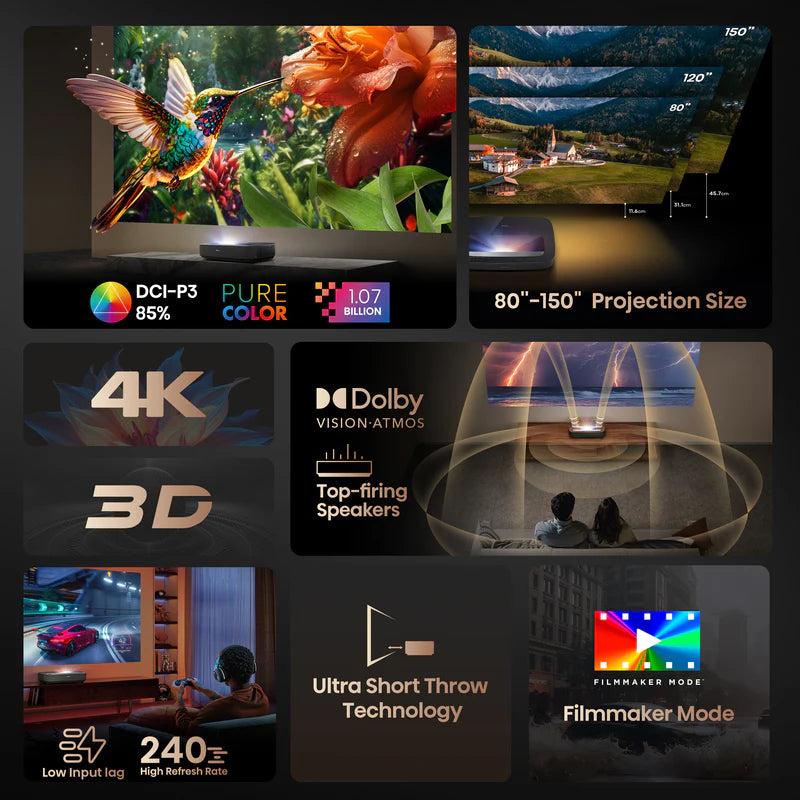
More importantly, the triple laser system creates colors more efficiently. Instead of converting blue laser light through a phosphor wheel (like the PL1), it generates pure RGB colors directly. This results in the Formovie covering 107% of the professional Rec.2020 color space, while the PL1 manages 85% of the smaller DCI-P3 space. For movie lovers, this means more accurate colors, especially in extremely vivid or subtle scenes.
Having tested both projectors, the Formovie's superior contrast is immediately apparent in dark scenes. While the PL1 claims a higher dynamic contrast ratio (2,000,000:1 vs 3,000:1), the Formovie's triple laser system provides better black levels and shadow detail in practice. This matters most when watching movies in a properly darkened room.
Color accuracy is excellent on both units after calibration, but the Formovie maintains better accuracy at higher brightness levels. This is particularly noticeable with HDR content, where the PL1 sometimes has to choose between color accuracy and brightness.
Both projectors handle motion similarly, using frame interpolation (which makes movement smoother but can make movies look artificially fluid). They both offer game modes with around 43ms input lag - acceptable for casual gaming but not ideal for competitive play. The Formovie has a slight edge in motion clarity, likely due to its more sophisticated image processing.
The PL1 uses Google TV, providing a more polished and user-friendly interface compared to the Formovie's Android TV. Both support major streaming services, but the PL1's native Netflix support is a significant advantage - Formovie users need external streaming devices for Netflix.
Connectivity is similar, though the Formovie offers three HDMI 2.1 ports compared to the PL1's two. Both support eARC for advanced audio passthrough to sound systems.
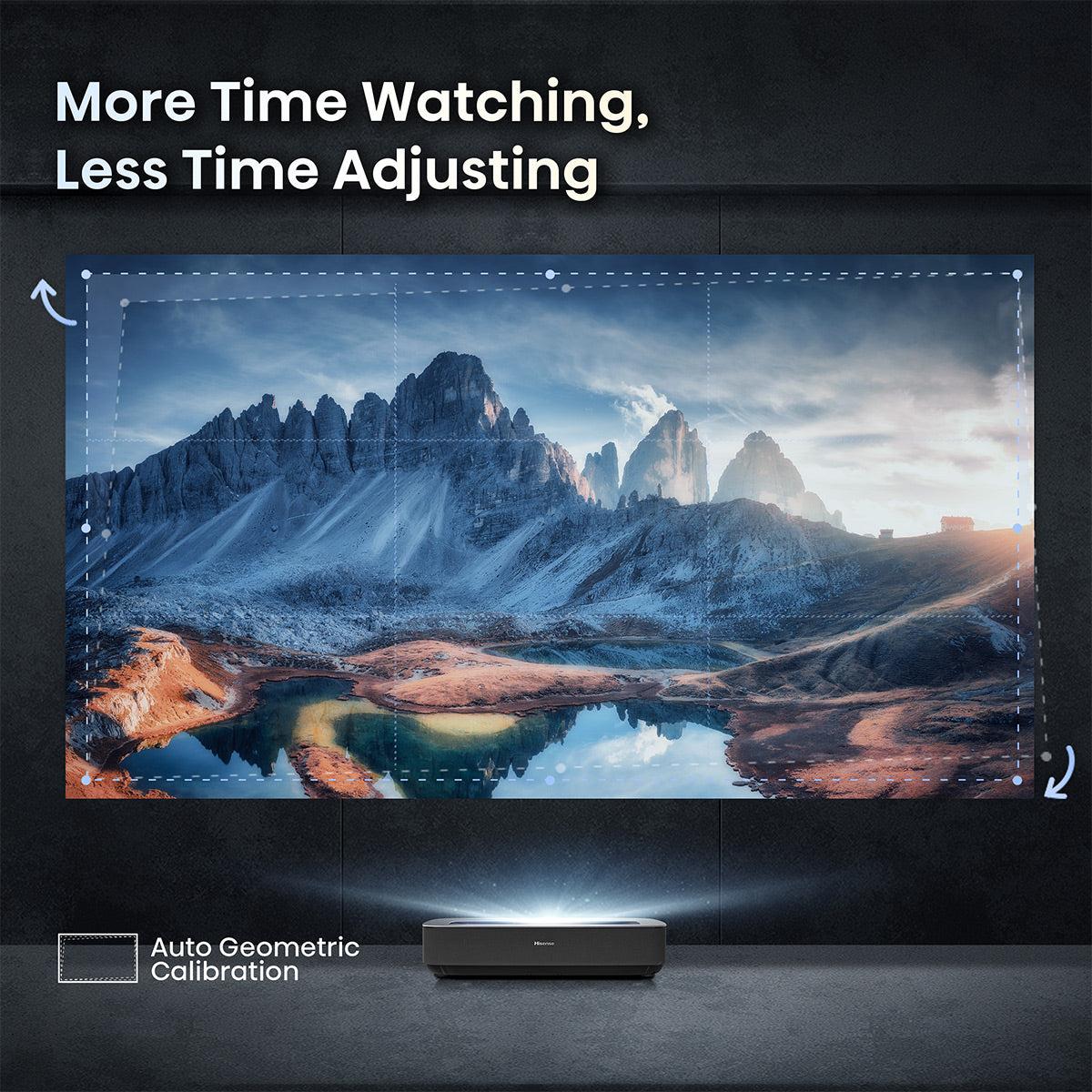
Both projectors offer automatic geometric correction to align the image with your screen, but the PL1's system is more reliable in my testing. The Formovie provides more adjustment points for manual correction if needed.
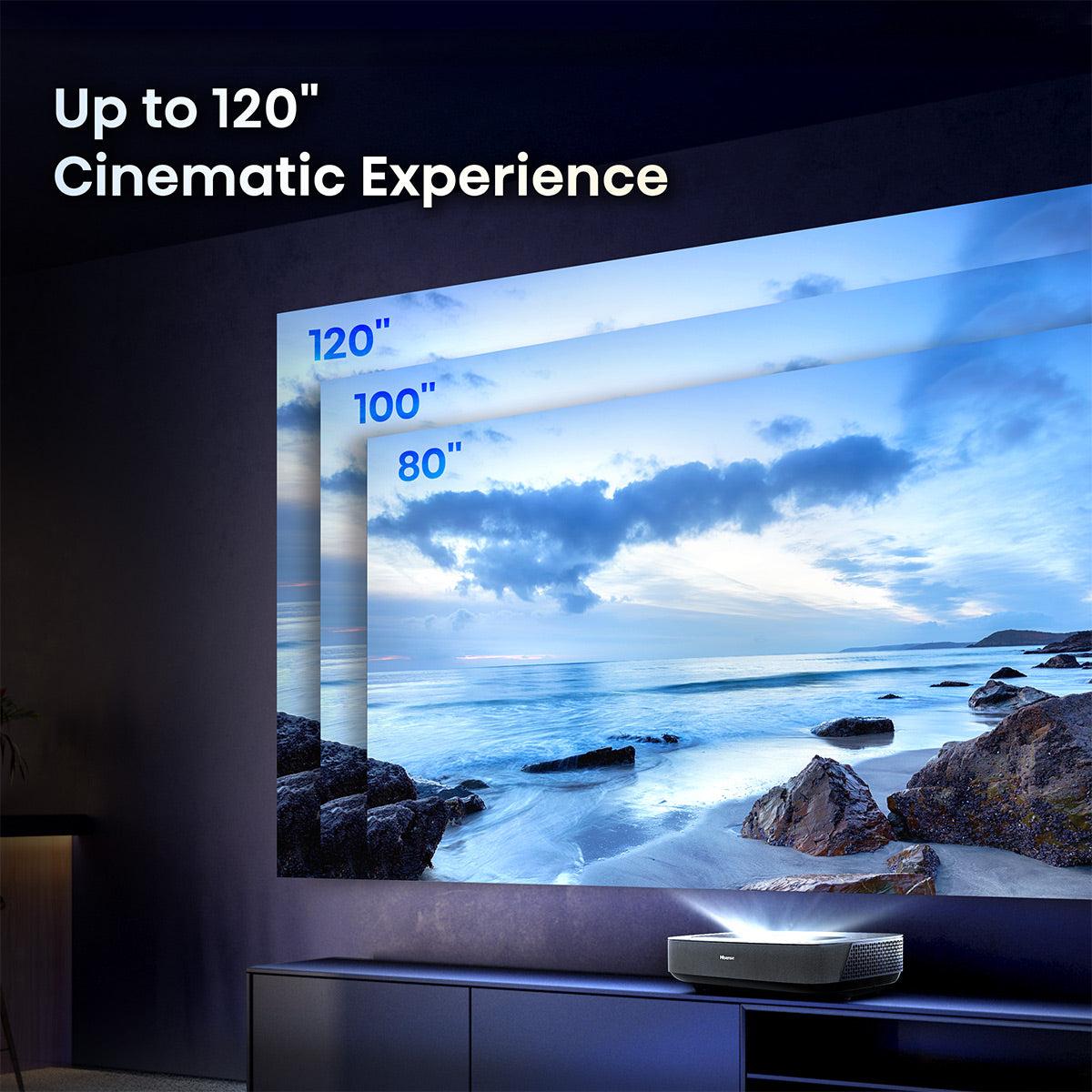
The physical placement requirements are similar - both need to be about 4-6 inches from the wall for an 80-inch image. The Formovie can project larger (up to 150 inches vs 120 inches), but remember that brightness decreases with larger images.
Laser projectors don't need lamp replacements, but their brightness gradually decreases over time. Both manufacturers claim 20,000+ hours of use before significant dimming. The PL1's simpler single-laser system might prove more reliable long-term, though it's too early to know for sure.
At $2,498, the Hisense PL1 represents excellent value for most users. It delivers 90% of the Formovie's performance at a lower price point. The better smart TV interface and Netflix support add real convenience.
The Formovie Theater at $2,699 justifies its premium for enthusiasts and those with challenging room conditions. The extra brightness, better contrast, and wider color gamut make a noticeable difference in picture quality. The superior built-in audio might also save money if you were planning a separate sound system.
Choose the Hisense PL1 if:
Choose the Formovie Theater if:
Both projectors represent impressive technology that can transform your home entertainment. The PL1 proves that excellent picture quality doesn't require breaking the bank, while the Formovie shows how far UST projection technology has advanced. Your choice ultimately depends on your specific needs and viewing environment.
| Hisense PL1 | Formovie Theater |
|---|---|
| Price - Base investment required | |
| $2,498 (better value for casual use) | $2,699 (premium for enhanced performance) |
| Light Source - Impacts color accuracy and longevity | |
| Single blue laser with phosphor wheel | Triple laser RGB system (superior color purity) |
| Brightness - Critical for ambient light performance | |
| 2,200 ANSI lumens (needs light control) | 2,800 ANSI lumens (handles ambient light better) |
| Color Gamut - Range of displayable colors | |
| 85% DCI-P3 (good for most content) | 107% Rec.2020 (exceptional color range) |
| Contrast Ratio - Affects image depth and black levels | |
| 2,000,000:1 dynamic (marketing spec) | 3,000:1 native (better real-world performance) |
| Image Size Range - Installation flexibility | |
| 80" to 120" (standard range) | 80" to 150" (more size options) |
| Smart Platform - Streaming capability | |
| Google TV with native Netflix | Android TV, no native Netflix support |
| Audio System - Built-in sound quality | |
| 30W standard speakers | 30W Bowers & Wilkins with Dolby Atmos |
| Gaming Performance - Response time | |
| 43ms input lag at 4K/60Hz | 43ms input lag at 4K/60Hz |
| HDR Support - High dynamic range formats | |
| HDR10, Dolby Vision, HLG | HDR10, HDR10+, HLG |
| Connectivity - Input options | |
| 2x HDMI 2.1 ports | 3x HDMI 2.1 ports |
| Laser Life - Long-term durability | |
| 25,000 hours rated | 25,000 hours rated |
The Formovie Theater performs better in bright rooms with its 2,800 ANSI lumens compared to the Hisense PL1's 2,200 ANSI lumens. This extra brightness makes a noticeable difference when there's ambient light.
The Formovie Theater offers superior picture quality with its triple laser system and wider color gamut (107% Rec.2020 vs 85% DCI-P3). However, the Hisense PL1 still provides excellent image quality for most viewers.
The Hisense PL1 has better streaming capabilities with Google TV and native Netflix support. The Formovie Theater uses Android TV but requires an external device for Netflix.
The Hisense PL1 costs $2,498 while the Formovie Theater is priced at $2,699. The $201 difference reflects the Formovie's enhanced performance features.
The Hisense PL1 offers simpler setup with more reliable automatic geometry correction. Both projectors require similar placement (4-6 inches from wall) for optimal performance.
The Formovie Theater can project up to 150 inches, while the Hisense PL1 maxes out at 120 inches. Both start at 80 inches minimum.
Both the Hisense PL1 and Formovie Theater have similar gaming performance with 43ms input lag at 4K/60Hz. Neither is ideal for competitive gaming.
Both projectors are rated for 25,000 hours of laser life. The Hisense PL1's simpler single laser system might prove more reliable long-term.
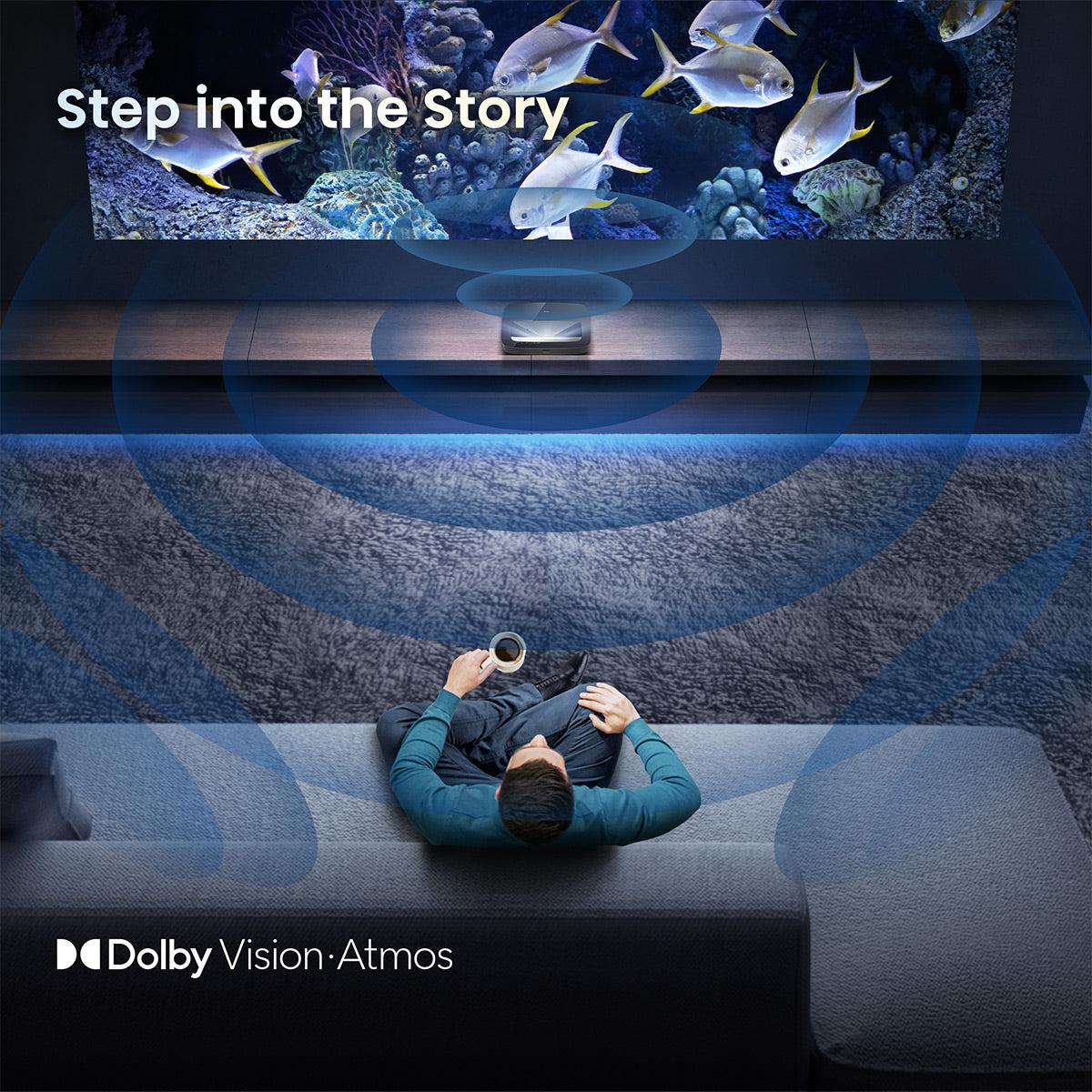
The Formovie Theater features superior Bowers & Wilkins speakers with Dolby Atmos support, outperforming the Hisense PL1's standard 30W system.
Yes, both the Formovie Theater and Hisense PL1 support true 4K (3840 x 2160) resolution with HDR capability.
The Formovie Theater is better suited for dedicated home theaters due to its superior contrast, color accuracy, and brightness. However, the Hisense PL1 still performs well in controlled lighting.
Both projectors work best with ALR (Ambient Light Rejecting) screens designed for UST projectors, though the Formovie Theater handles standard white screens better due to its higher brightness.
We've done our best to create useful and informative comparisons to help you decide what product to buy. Our research uses advanced automated methods to create this comparison and perfection is not possible - please contact us for corrections or questions. These are the sites we've researched in the creation of this article: projectorscreen.com - dreamediaav.com - projectorcentral.com - trustedreviews.com - crutchfield.com - hometheaterhifi.com - projectorcentral.com - projectorreviews.com - vividstormscreen.com - bhphotovideo.com - shi.com - crutchfield.com - techradar.com - projectorcentral.com - rtings.com - formovie.com - projectorreviews.com - projectorcentral.com - projectorscreen.com - projectorcentral.com - nothingprojector.com - formovie.com

Privacy Policy
Terms and Conditions - Affiliate Policy
Home Security
© Copyright 2008-2026.
11816 Inwood Rd #1211, Dallas, TX 75244