

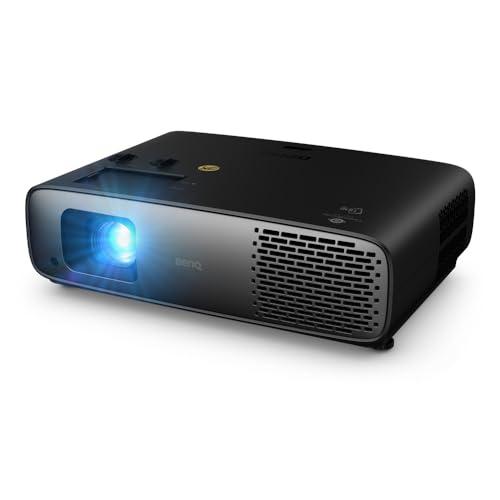

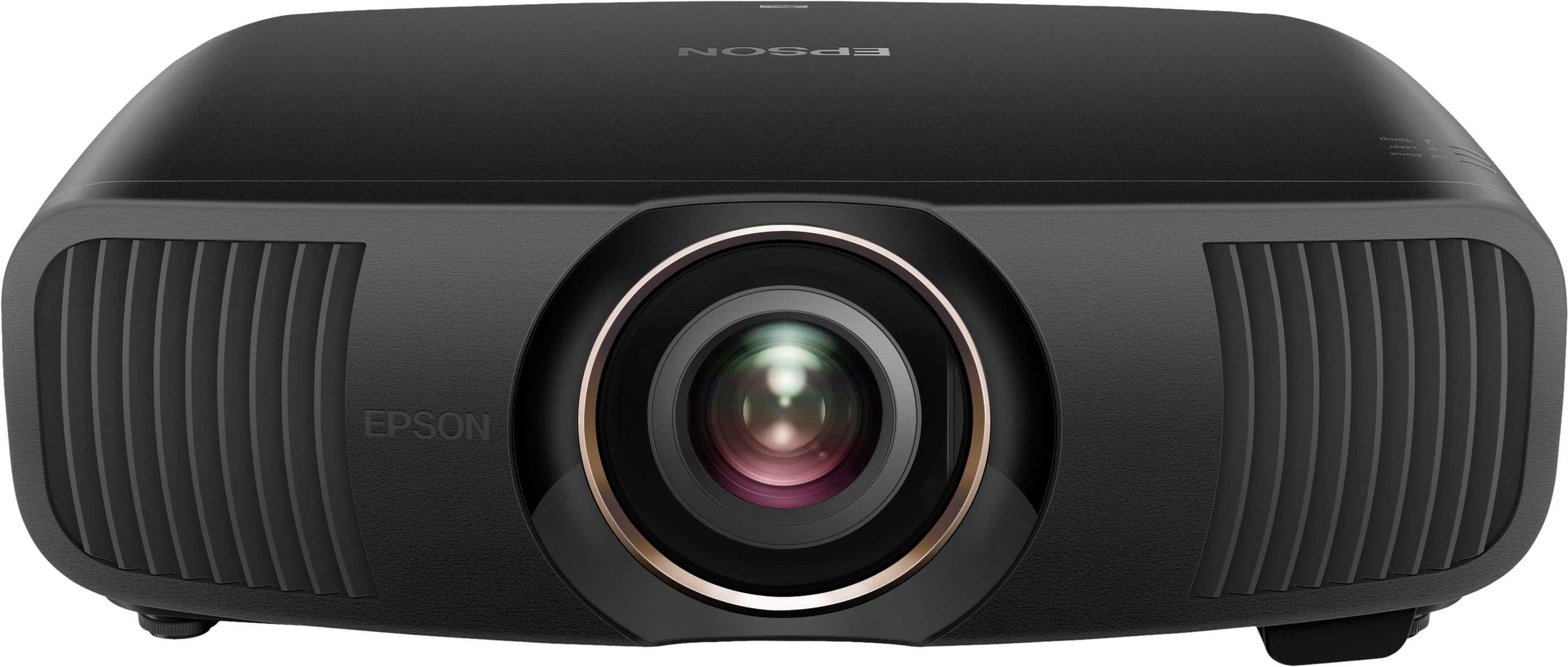
When you're shopping for a premium 4K home theater projector, you're entering a world where technical specifications can feel overwhelming and marketing claims don't always tell the whole story. The good news? Two standout models have emerged that represent different philosophies in achieving cinematic excellence: the BenQ W4100i with its innovative 4LED technology and the Epson QB1000 with its professional-grade 3LCD laser system.
Both projectors launched in 2024, representing the latest evolution in home theater display technology. They arrive at a time when 4K content has become mainstream, HDR (High Dynamic Range) processing has matured significantly, and gaming performance has become a crucial consideration for many buyers. Understanding which approach better serves your specific needs requires diving into the technical details that actually matter for your viewing experience.
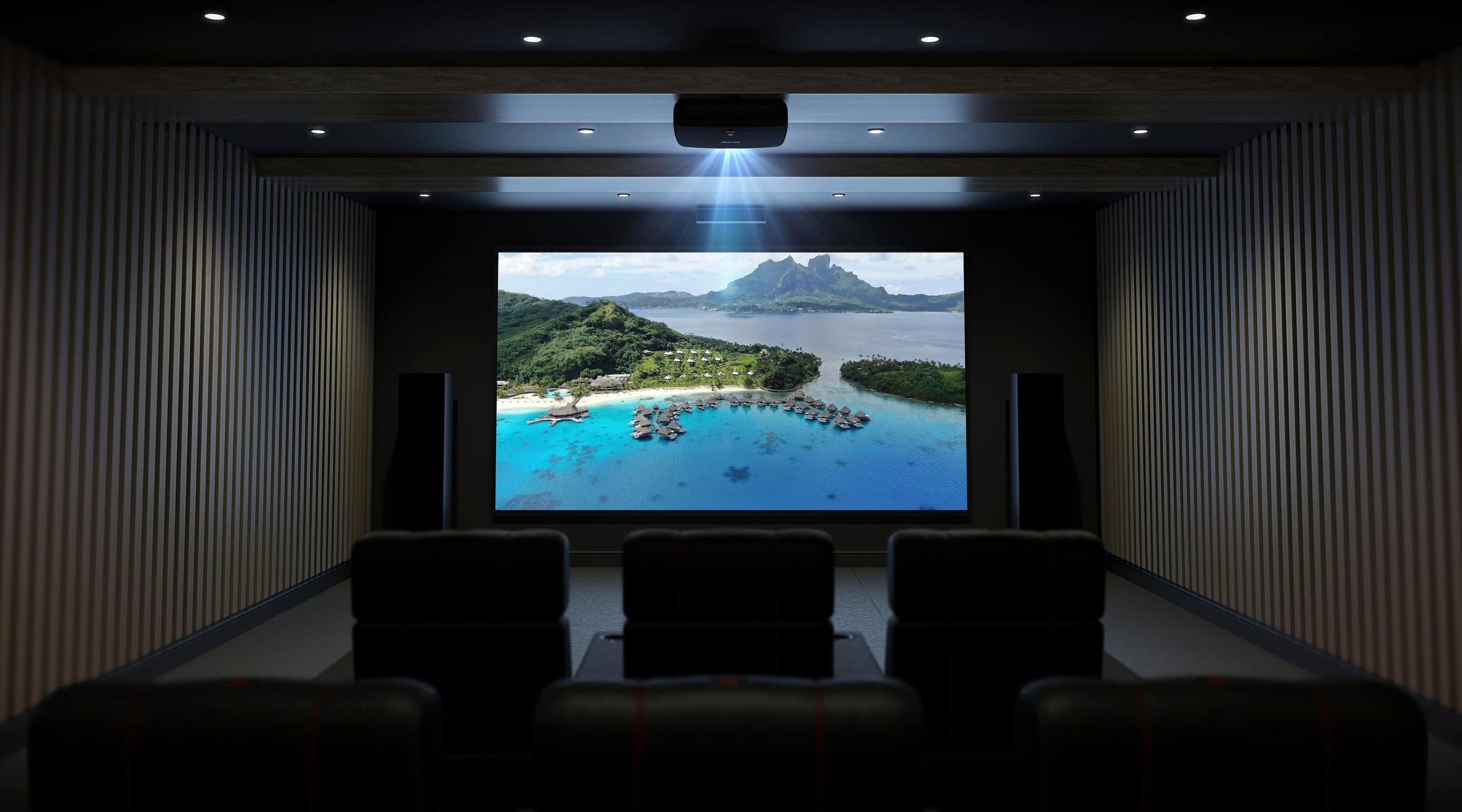
The fundamentals of projector selection haven't changed much over the years, but the technology has evolved dramatically. You're looking for a device that can fill a large screen—typically 100 to 150 inches—with bright, detailed, and color-accurate imagery while handling the varying lighting conditions of real homes.
The key performance areas that separate good projectors from exceptional ones are brightness output (measured in lumens, which determines how well the image holds up against ambient light), contrast ratio (the difference between the brightest whites and darkest blacks), color accuracy (how faithfully the projector reproduces the colors that filmmakers intended), and resolution handling (how effectively the projector displays fine details).
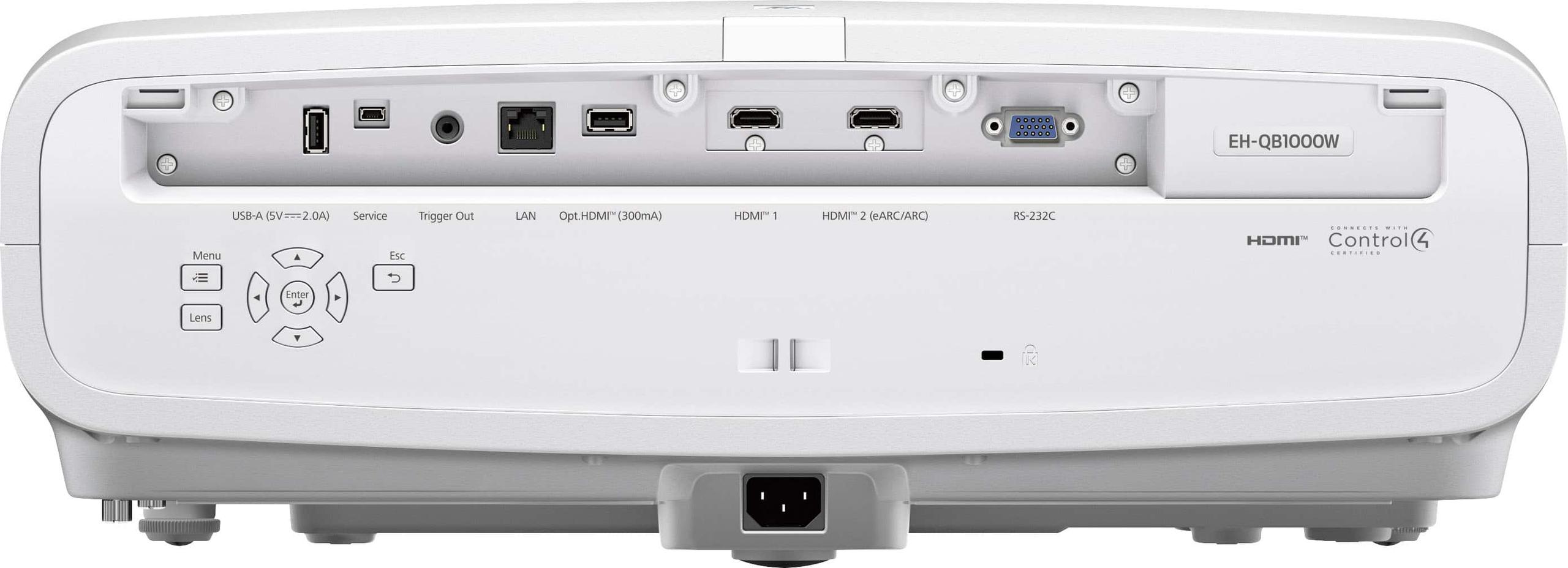
Modern projectors also need robust connectivity, including multiple HDMI 2.1 inputs for the latest gaming consoles and streaming devices, plus smart features that eliminate the need for external media players. Installation flexibility matters too—lens shift, zoom range, and keystone correction can mean the difference between a professional-looking setup and a compromised installation.
The BenQ W4100i and Epson QB1000 represent fundamentally different approaches to creating exceptional 4K images, and understanding these differences helps explain why each excels in certain scenarios.
The W4100i builds on DLP (Digital Light Processing) technology, which uses millions of tiny mirrors on a chip to create images. What makes this projector special is its 4LED light source—traditional DLP projectors use a single white light source with a spinning color wheel, but BenQ's system uses four separate LEDs: red, green, blue, and an additional blue LED for enhanced brightness.
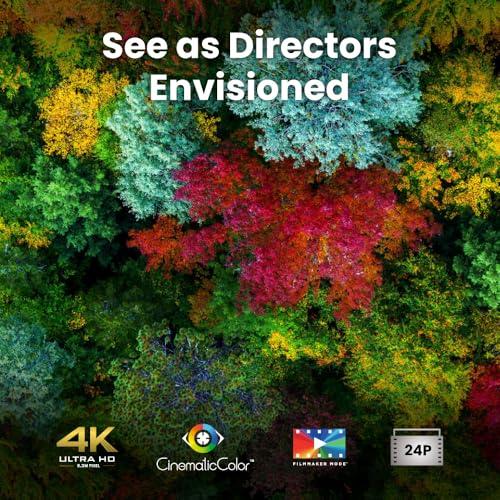
This RGBB (red, green, blue, blue) configuration eliminates the rainbow effect that some people notice with single-chip DLP projectors—those brief flashes of red, green, and blue that can appear during eye movements or rapid scene changes. The extra blue LED also boosts overall brightness while maintaining color accuracy, creating what BenQ calls its CinematicColor technology.
The W4100i uses XPR (eXpanded Pixel Resolution) 4K technology, which means it takes a native resolution of about 2.7 million pixels and uses precise pixel-shifting to display all 8.3 million pixels of true 4K content. While this isn't native 4K, the implementation is so refined that detecting the difference requires extremely close viewing distances that no one uses in practice.
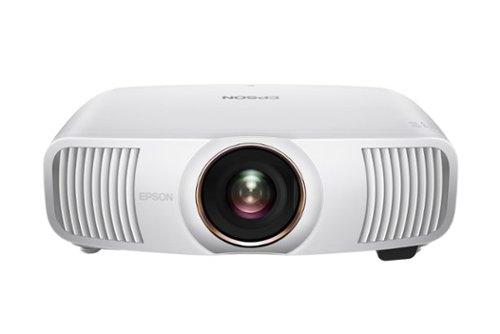
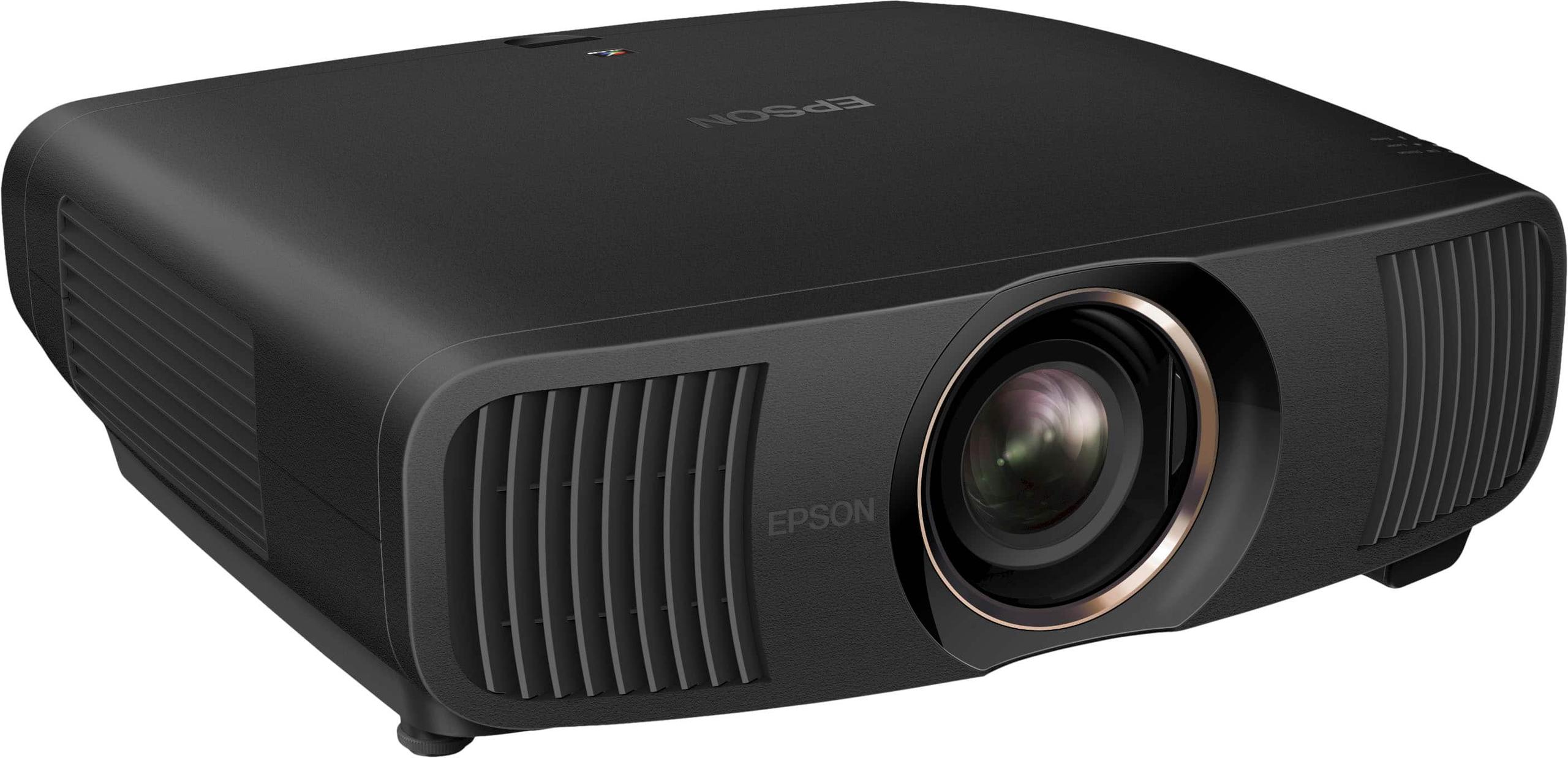
The QB1000 takes a completely different approach with true 3LCD technology. Instead of using mirrors, LCD projectors pass light through liquid crystal panels that act like sophisticated shutters, controlling how much light reaches the screen. The "3LCD" designation means there are separate LCD panels for red, green, and blue light, allowing all three colors to be displayed simultaneously.
Epson pairs this with a laser array light source rather than traditional lamps or LEDs. Lasers provide exceptional brightness consistency over their lifespan (rated at 20,000 hours for the QB1000) and enable precise control over light output for better contrast performance.
The QB1000 displays true 4K resolution—all 8.3 million pixels simultaneously—without any pixel-shifting technology. This is achieved through Epson's proprietary 4K enhancement processing combined with their three-chip architecture.
Both projectors deliver impressive brightness levels that put them in the "high-brightness" category for home theater use. The BenQ W4100i outputs 3,200 ANSI lumens, while the Epson QB1000 produces 3,300 lumens of both color and white brightness.
That 100-lumen difference isn't meaningful in real-world use, but the way each projector achieves and maintains its brightness reveals important differences. DLP projectors like the W4100i can sometimes sacrifice color saturation for brightness, but BenQ's 4LED system maintains vibrant colors even at maximum output. The separate color LEDs ensure that you're getting true red, green, and blue light rather than filtered white light.
The QB1000's 3LCD system has an inherent advantage here—because it uses separate panels for each color, there's no trade-off between brightness and color saturation. When Epson claims equal color and white brightness, they're highlighting a fundamental strength of LCD technology that eliminates the color brightness compromises found in some projection systems.
For practical use, both projectors work well in rooms with moderate ambient light—think family rooms with some natural light or basement theaters with occasional lighting. However, the QB1000 has a slight edge in challenging lighting conditions due to its superior contrast performance.
This is where the technical approaches create noticeable differences. The Epson QB1000 displays native 4K resolution, meaning every pixel of 4K content gets its own dedicated display element. Professional reviewers consistently praise its image sharpness, with one noting "easily the sharpest and highest resolution-appearing image seen from an Epson home theater projector."
The BenQ W4100i uses sophisticated pixel-shifting to achieve 4K-level detail, and the results are impressive. Users describe the image as "tack sharp" with individual pixels clearly resolved across the entire screen. While this isn't technically native 4K, the visual difference is minimal at normal viewing distances.
Both projectors benefit from high-quality glass lens systems, but the QB1000 takes this further with its VRX Cinema Lens featuring 15 precision glass elements. This contributes to edge-to-edge focus uniformity and minimal optical distortions that can soften projected images.
Here's where the Epson QB1000 pulls ahead significantly. Contrast ratio—the difference between the brightest whites and deepest blacks—is crucial for image depth and realism. The QB1000 achieves over 5,000,000:1 dynamic contrast through its UltraBlack technology and laser dimming algorithms.
This isn't just about specifications on paper. Professional reviews note that the QB1000 "handles mixed bright and dark content performance better than most projectors" and creates scenes with exceptional depth and dimensionality. The laser light source can dim or turn off completely during dark scenes, creating blacks that approach what you'd see from much more expensive projectors.
The BenQ W4100i achieves a respectable 3,000,000:1 dynamic contrast ratio with its Dynamic Black technology, but its LED light source can't achieve the same level of dimming as laser systems. This results in blacks that, while acceptable, don't quite match the QB1000's performance in dark room scenarios.
Both projectors excel at color reproduction, but they achieve it differently. The W4100i covers 100% of both DCI-P3 and Rec.709 color spaces with factory calibration ensuring Delta E values below 2—meaning colors are virtually indistinguishable from reference standards. Users consistently praise its natural color reproduction straight out of the box.
The QB1000 also provides excellent color accuracy through its 3LCD system and 10-bit HDR processing. Its Epson QZX Picture Processor handles real-time color optimization, dynamic contrast adjustments, and tone mapping to preserve the filmmaker's creative intent.
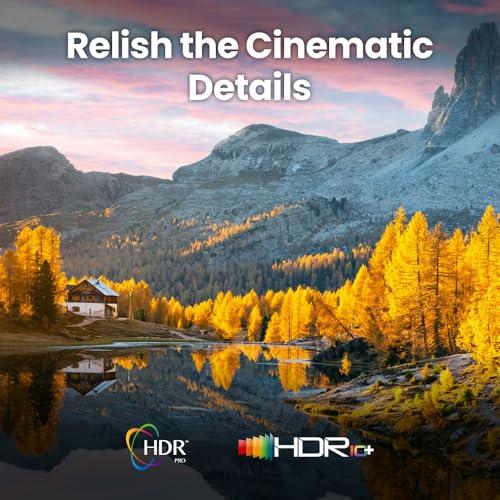
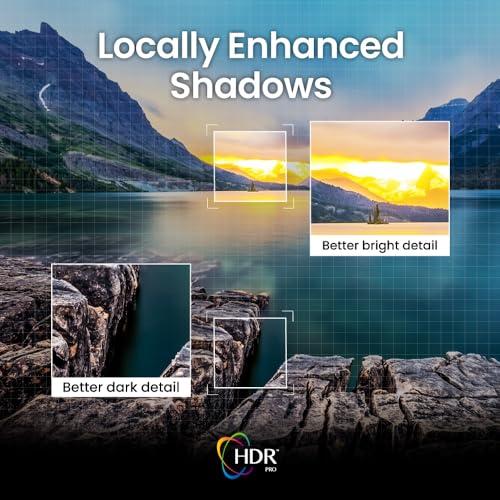
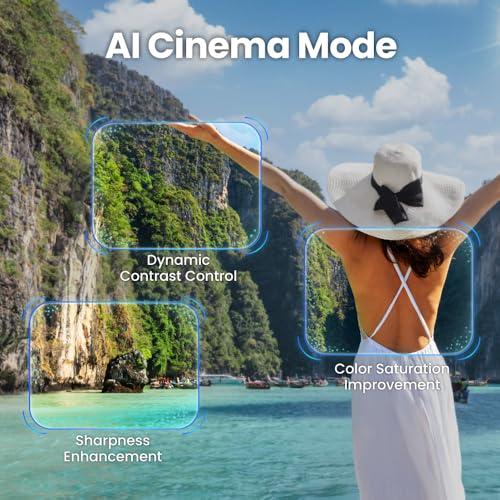
Both projectors support HDR10, HDR10+, and HLG formats, but their processing approaches differ. The W4100i includes HDR-PRO technology with frame-by-frame dynamic tone mapping, plus an AI Cinema Mode that analyzes streaming content in real-time to optimize compressed video quality.
The QB1000 focuses on preserving 100% of HDR source information through its advanced processing pipeline, with dynamic tone mapping that automatically adjusts to optimal HDR levels for each scene.
Gaming has become a major consideration for modern projectors, and both models deliver impressive performance. The BenQ W4100i offers exceptional responsiveness with input lag as low as 6.5ms at 1080p/240Hz and 17.9ms at 4K/60Hz. Its three HDMI 2.1 inputs support up to 4K/120Hz with Auto Low Latency Mode (ALLM) that automatically switches to game mode when it detects gaming content.
The Epson QB1000 features native 120Hz refresh rate capability and HDMI 2.1 with full 40 Gbps bandwidth support. Input lag stays below 20ms with ALLM optimization, making it suitable for competitive gaming on the latest consoles and high-end gaming PCs.
Both projectors represent a significant leap forward in gaming performance compared to projectors from just a few years ago, when input lag over 50ms was common and 4K/120Hz support was nonexistent.
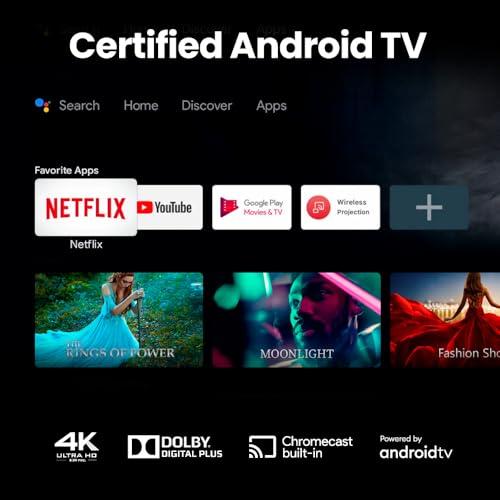
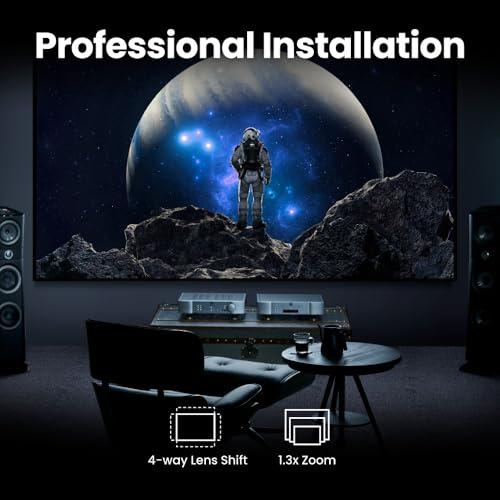
The BenQ W4100i offers solid installation flexibility with 1.3x optical zoom and lens shift capabilities (60% vertical, ±15% horizontal). Its included Android TV dongle provides direct access to Netflix, Disney+, Prime Video, and YouTube, eliminating the need for external streaming devices in many setups.
The Epson QB1000 goes further with professional-grade installation features, including 3-axis motorized lens shift with up to 96% horizontal and 47% vertical adjustment range. It also offers 10 lens memory presets, allowing you to store different configurations for various content types or screen sizes. These features typically require professional installation to fully utilize, but they enable perfect image placement in challenging room layouts.
At the time of writing, the BenQ W4100i positions itself as a high-value option in the premium 4K projector market, offering impressive performance with comprehensive smart features at a more accessible price point. Its 30,000-hour LED light source and three-year warranty provide solid long-term value.
The Epson QB1000 commands a premium price but justifies it with superior contrast performance, professional-grade optics, and installation flexibility. Its 20,000-hour laser life and enhanced warranty support (including 2-business day replacement service) appeal to users who prioritize ultimate performance and professional installation quality.
Choose the BenQ W4100i if you want excellent 4K performance with smart features built-in, strong gaming capabilities, and solid value for money. It's ideal for users who appreciate convenience features like integrated streaming and AI-enhanced image processing, while still demanding professional-level color accuracy and brightness performance.
The Epson QB1000 makes sense for enthusiasts who prioritize the absolute best image quality, especially contrast performance and image sharpness. Its professional installation features and superior optics justify the premium for dedicated home theater rooms where image quality trumps convenience features.
Both projectors represent significant achievements in 4K projection technology, bringing cinema-quality experiences to home environments in ways that weren't possible just a few years ago. Your choice ultimately depends on whether you prioritize the W4100i's convenience and value proposition or the QB1000's uncompromising pursuit of image excellence.
| BenQ W4100i 4K Home Theater Projector | Epson QB1000 4K 3LCD Laser Projector |
|---|---|
| Display Technology - Determines image quality approach and potential rainbow effects | |
| 4LED DLP with XPR 4K pixel-shifting (eliminates rainbow effect, excellent colors) | True 3LCD with native 4K resolution (no pixel-shifting, displays all 8.3M pixels simultaneously) |
| Brightness Output - Critical for ambient light performance and screen size flexibility | |
| 3,200 ANSI lumens (excellent for most home theater environments) | 3,300 ANSI lumens color and white brightness (slight edge in challenging lighting) |
| Contrast Performance - Most important for image depth and black level quality | |
| 3,000,000:1 dynamic contrast with Dynamic Black technology | 5,000,000:1+ dynamic contrast with UltraBlack™ and laser dimming (significantly better) |
| Light Source Lifespan - Affects long-term operating costs | |
| 30,000-hour 4LED system (10,000 hours longer than QB1000) | 20,000-hour laser array (maintenance-free but shorter lifespan) |
| Gaming Performance - Essential for console and PC gaming | |
| 6.5ms input lag (1080p/240Hz), 17.9ms (4K/60Hz), HDMI 2.1 with 4K/120Hz | Sub-20ms input lag, native 120Hz refresh, HDMI 2.1 with 40 Gbps bandwidth |
| Installation Flexibility - Determines placement options and setup complexity | |
| 1.3x zoom, 60% vertical/±15% horizontal lens shift, 2D keystone correction | 3-axis motorized lens shift (96% horizontal, 47% vertical), 10 lens memory presets |
| Smart Features - Built-in streaming capability | |
| Android TV dongle included (Netflix, Disney+, Prime Video, YouTube) | No built-in streaming (requires external devices) |
| Color Accuracy - Critical for faithful content reproduction | |
| 100% DCI-P3 and Rec.709 coverage, factory calibrated (Delta E < 2) | 100% color coverage with 10-bit HDR processing via QZX processor |
| HDR Support - Important for modern content compatibility | |
| HDR10, HDR10+, HLG with HDR-PRO dynamic tone mapping and AI Cinema Mode | HDR10, HDR10+, HLG with dynamic tone mapping and 100% HDR source preservation |
| Build Quality and Warranty - Long-term reliability and support | |
| 3-year limited warranty, compact design (6.1 kg) | 3-year warranty with 2-day replacement, professional VRX Cinema Lens, ISF certified |
| Value Positioning - Price-to-performance consideration | |
| Mid-premium pricing with excellent feature set and smart capabilities | Premium pricing justified by superior contrast and professional installation features |
The Epson QB1000 excels in dedicated home theater environments due to its superior contrast performance and deeper black levels. Its laser dimming technology and UltraBlack™ features create more cinematic image depth in dark rooms. However, the BenQ W4100i offers excellent performance for most home theaters while including convenient smart features like built-in Android TV streaming.
The BenQ W4100i uses DLP technology with tiny mirrors and a 4LED light source, eliminating rainbow effects while providing excellent color accuracy. The Epson QB1000 uses 3LCD technology with separate panels for red, green, and blue light, displaying true 4K resolution without pixel-shifting. Both approaches deliver excellent results, but 3LCD typically offers better contrast while DLP provides sharper motion handling.
Both projectors offer similar brightness levels - the BenQ W4100i produces 3,200 lumens while the Epson QB1000 delivers 3,300 lumens. The QB1000 has a slight advantage in challenging lighting conditions due to its superior contrast performance, but both handle moderate ambient light well enough for family room use.
Yes, both projectors excel at gaming. The BenQ W4100i offers exceptional input lag as low as 6.5ms at 1080p and supports 4K/120Hz gaming. The Epson QB1000 features native 120Hz refresh rates and sub-20ms input lag. Both include HDMI 2.1 ports and Auto Low Latency Mode for the latest gaming consoles.
The BenQ W4100i typically offers better value with its combination of excellent image quality, built-in smart features, and longer 30,000-hour light source lifespan. The Epson QB1000 commands a premium but justifies it with superior contrast performance and professional-grade installation features for users prioritizing ultimate image quality.
The BenQ W4100i includes an Android TV dongle with access to Netflix, Disney+, Prime Video, and YouTube, plus Google Assistant and Chromecast support. The Epson QB1000 focuses on image quality over smart features and requires external streaming devices for apps and content.
The Epson QB1000 significantly outperforms the BenQ W4100i in contrast with over 5,000,000:1 dynamic contrast ratio compared to 3,000,000:1. The QB1000's laser dimming and UltraBlack™ technology create deeper blacks and more dimensional images, especially important for dark movie scenes.
The Epson QB1000 displays true native 4K with all 8.3 million pixels shown simultaneously. The BenQ W4100i uses advanced XPR pixel-shifting technology to display 4K content, which produces excellent results virtually indistinguishable from native 4K at normal viewing distances.
The BenQ W4100i offers a longer 30,000-hour 4LED light source lifespan, while the Epson QB1000 provides 20,000 hours of laser operation. Both are maintenance-free systems that eliminate traditional lamp replacement costs, but the W4100i offers 50% longer operational life.
The BenQ W4100i offers good installation flexibility with lens shift and zoom features suitable for most home setups. The Epson QB1000 provides professional-grade installation options with extensive motorized lens shift (96% horizontal, 47% vertical) and 10 memory presets, making it ideal for complex installations but potentially requiring professional setup.
Both the BenQ W4100i and Epson QB1000 fully support HDR10, HDR10+, and HLG formats. The W4100i includes AI Cinema Mode for optimizing streaming content, while the QB1000 focuses on preserving 100% of HDR source information through advanced processing.
Both projectors can handle large screens up to 150 inches, but the Epson QB1000 has advantages for very large screens due to its superior contrast performance and professional optics. The BenQ W4100i also performs well on large screens while offering better value and convenience features for most home theater applications.
We've done our best to create useful and informative comparisons to help you decide what product to buy. Our research uses advanced automated methods to create this comparison and perfection is not possible - please contact us for corrections or questions. These are the sites we've researched in the creation of this article: blog.son-video.com - notebookcheck.net - whathifi.com - newatlas.com - hometheaterhifi.com - benq.com - youtube.com - shop.avispl.com - projectorcentral.com - benq.com - youtube.com - projectorcentral.com - benq.com - device.report - pssav.com - newegg.com - bestbuy.com - news.epson.com - projectorcentral.com - avscience.com - projectorscreen.com - epson.com - dreamediaav.com - epson.ca - epson.com - bestbuy.com - hifiheaven.net - bjorns.com - thepowercentre.ca - audiogeneral.com

Privacy Policy
Terms and Conditions - Affiliate Policy
Home Security
© Copyright 2008-2026.
11816 Inwood Rd #1211, Dallas, TX 75244