

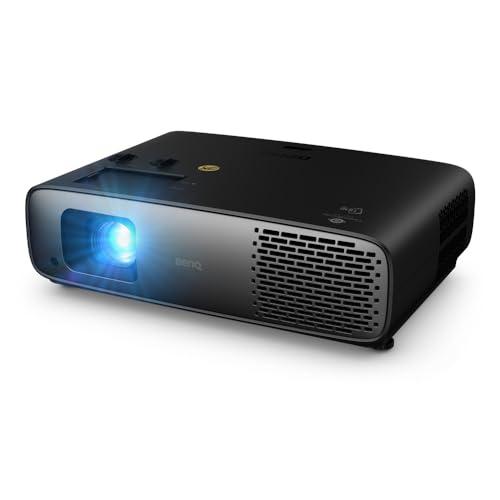
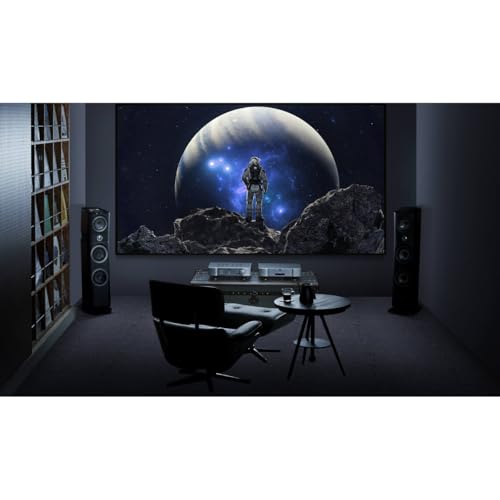

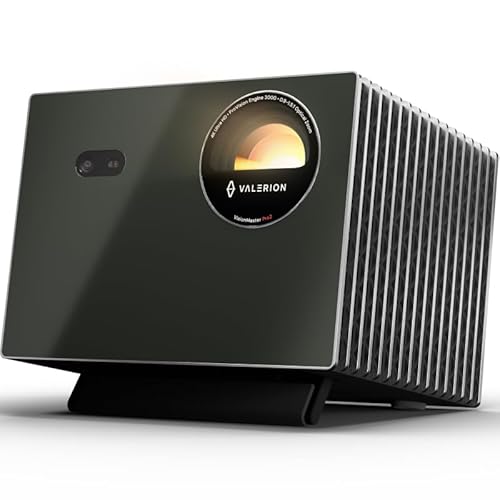

If you're serious about creating an amazing home theater experience, you've probably discovered that premium 4K projectors offer something special that TVs just can't match—that massive, immersive screen that transforms your living room into a cinema. But with so many options available, choosing between high-end models like the BenQ W4100i and the Valerion VisionMaster Pro 2 can feel overwhelming.
Both projectors launched in 2024 and represent the latest thinking in 4K projection technology, but they take remarkably different approaches to delivering that big-screen experience. At the time of writing, these models sit in the premium category with the BenQ W4100i positioned as the more expensive option, while the Valerion VisionMaster Pro 2 offers compelling features at a lower price point. The question isn't just which one costs less—it's which approach better matches what you actually need from your projector.
Before diving into specifics, let's establish what separates premium projectors from budget models. In this category, you're paying for three key advantages: exceptional image quality that rivals commercial theaters, advanced features that make daily use enjoyable, and the flexibility to work well in real-world rooms rather than perfectly dark basements.
The most important performance characteristics boil down to brightness (measured in ANSI lumens—basically how well the image holds up against ambient light), contrast ratio (the difference between the brightest whites and deepest blacks), color accuracy (how closely colors match what filmmakers intended), and input lag (the delay between pressing a button and seeing the result on screen, crucial for gaming).
These technical specifications matter because they directly impact your viewing experience. A projector with insufficient brightness will look washed out in anything but a pitch-black room. Poor contrast makes movies feel flat and lifeless. Inaccurate colors can make skin tones look sickly or landscapes appear unnatural. High input lag turns gaming into a frustrating experience where your reactions feel delayed.
The fundamental difference between the BenQ W4100i and Valerion VisionMaster Pro 2 starts with their light sources, which is like comparing the engines in two sports cars—they both get you where you're going, but the experience differs significantly.
The BenQ W4100i uses a 4LED system that combines red, green, blue, and an additional blue LED (hence RGBB). This approach has been refined over several years and eliminates one of the most annoying issues with laser projectors: laser speckle. If you've ever seen tiny shimmering dots or a slightly grainy texture on a projected image, that's laser speckle, and it can be distracting once you notice it. The 4LED system also provides consistent brightness across different color modes, meaning you don't have to choose between accurate colors and a bright image.
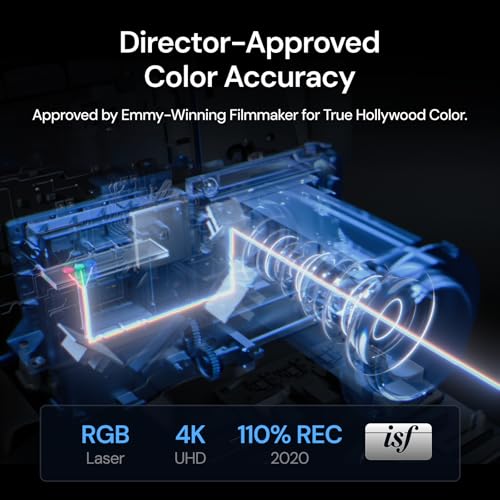
The Valerion VisionMaster Pro 2, on the other hand, employs RGB triple-laser technology—separate red, green, and blue lasers that combine to create the full spectrum. This newer approach can produce an incredibly wide color gamut (the range of colors a display can show), covering 110% of the Rec.2020 standard. To put that in perspective, most TVs struggle to hit 80% of that same standard. The result is colors so vibrant they can almost seem artificial if you're used to more conservative displays.
Both light sources are rated for 25,000-30,000 hours of use, which translates to roughly 15-20 years of typical home use. However, the laser system in the Valerion represents more cutting-edge technology that's likely to improve further in future generations.
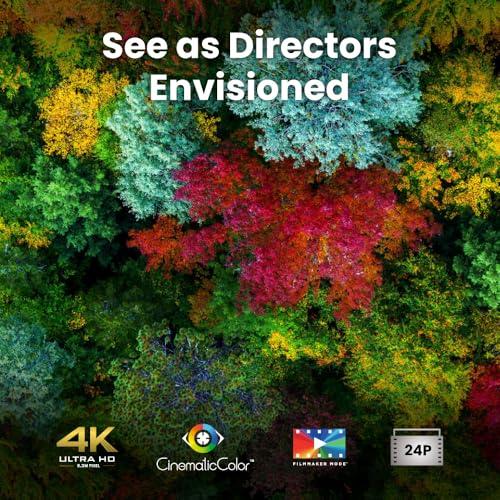
When it comes to pure image quality, these projectors represent two different philosophies. The BenQ W4100i prioritizes accuracy and consistency—it's the projector equivalent of a high-end studio monitor that professionals use for color-critical work. Each unit comes factory-calibrated with an individual report showing Delta E measurements under 2, which means colors are virtually indistinguishable from the reference standard.
This factory calibration is significant because most projectors, even expensive ones, require professional calibration to achieve accurate colors. With the BenQ W4100i, you can unbox it, plug it in, and immediately get colors that match what the director intended. The projector covers 100% of both DCI-P3 (the digital cinema standard) and Rec.709 (the broadcast television standard), ensuring compatibility with all current content.
The Valerion VisionMaster Pro 2 takes a different approach, prioritizing visual impact over strict accuracy. Out of the box, colors tend to run cool (slightly blue-tinted) and oversaturated, which many people actually prefer because it makes images pop off the screen. However, this projector includes comprehensive calibration tools—22-point white balance adjustment and a full color management system—so dedicated users can dial in accuracy that rivals the BenQ's factory settings.
In terms of brightness, both projectors deliver impressive output. The BenQ W4100i produces 3,200 ANSI lumens with remarkable consistency across different picture modes, while the Valerion hits about 3,054 ANSI lumens in testing, though this drops to around 2,500 lumens in the most accurate color modes. For context, 2,500 lumens is still plenty bright for most home theater environments.
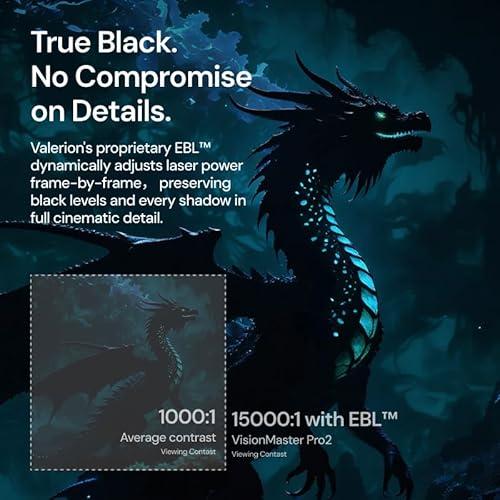
Where things get interesting is contrast ratio. The BenQ W4100i achieves its contrast through sophisticated image processing and its LED light source, while the Valerion uses a combination of laser control and an "Enhanced Black Level" mode that dramatically improves black depth in dark scenes. In practice, the Valerion often produces deeper blacks in movie content, while the BenQ maintains more consistent performance across all types of content.
Gaming has become a crucial consideration for modern projectors, especially with the PlayStation 5 and Xbox Series X pushing 4K gaming at higher frame rates. This is where the philosophical differences between these projectors become most apparent.
The BenQ W4100i delivers consistent gaming performance across all resolutions. At 1080p running at 240Hz (the highest refresh rate competitive gamers prefer), it achieves an impressive 6.5ms of input lag. More importantly for console gamers, it maintains excellent 17.9ms input lag at 4K/60Hz, which is the standard for next-generation gaming. This consistency means you can game at any resolution without worrying about performance compromises.
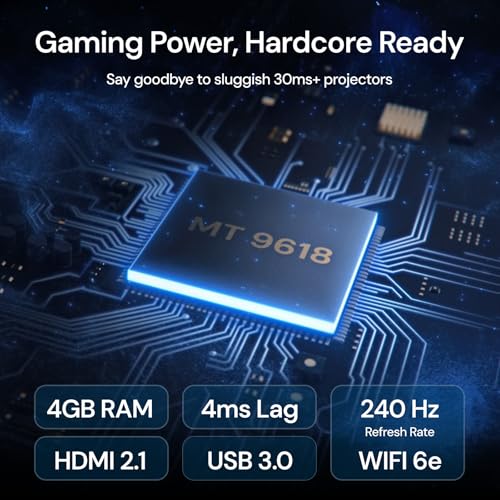
The Valerion VisionMaster Pro 2 tells a more complicated story. For competitive PC gaming at 1080p/240Hz, it's actually superior to the BenQ with just 4ms of input lag—that's fast enough for professional esports. However, when you switch to 4K gaming, performance falls off a cliff with input lag jumping to over 50ms. That level of delay makes fast-paced games feel sluggish and unresponsive.
This difference reflects each projector's target audience. The BenQ W4100i assumes you'll want consistent performance across all types of gaming, from casual console games to competitive PC titles. The Valerion seems designed for users who primarily game at high refresh rates on PC but occasionally watch 4K movies.
Both projectors support ALLM (Auto Low Latency Mode), which automatically switches to the fastest input mode when it detects a gaming signal, and both offer three HDMI 2.1 ports for connecting multiple high-bandwidth devices.
High Dynamic Range (HDR) content represents the biggest improvement in image quality since the jump to high definition, and both projectors handle it well—but with different strengths.
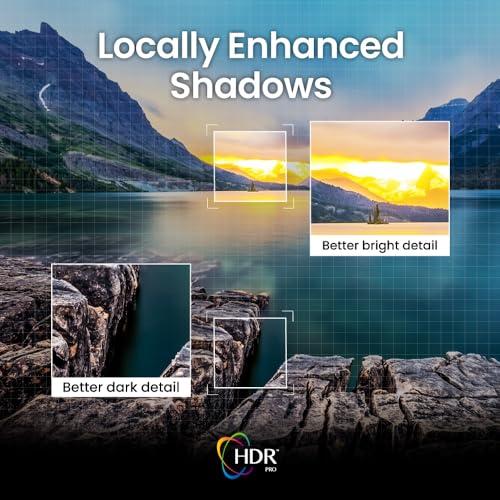
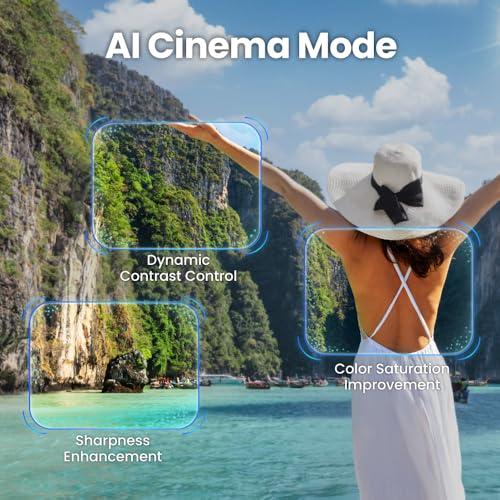
The BenQ W4100i supports HDR10, HDR10+, and HLG formats with its HDR-PRO dynamic tone mapping system. This technology analyzes each frame individually and adjusts brightness and contrast in real-time, ensuring both bright highlights and dark shadow details remain visible. The AI Cinema Mode goes further, using artificial intelligence to optimize compressed streaming content by reducing artifacts and enhancing detail—particularly valuable since most people watch more Netflix than Blu-ray discs these days.
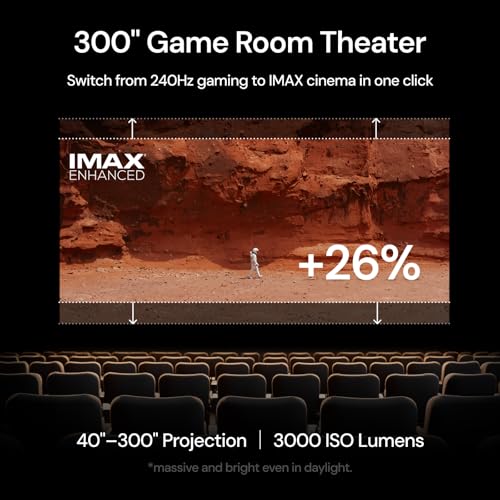
The Valerion VisionMaster Pro 2 supports all the same formats plus Dolby Vision and IMAX Enhanced—making it one of the few projectors to offer such comprehensive HDR support. Dolby Vision uses dynamic metadata to optimize each scene, while IMAX Enhanced provides specially formatted content designed for larger screens. The wider color gamut from the laser light source means HDR content often looks more dramatic and colorful on the Valerion, though this can sometimes cross the line into oversaturation.
For most viewers, both projectors will deliver excellent HDR performance. The BenQ's approach feels more natural and filmmaker-intended, while the Valerion's presentation is more immediately impressive but potentially less accurate.
Even the best projector becomes frustrating if it's difficult to set up or use daily. This is where the BenQ W4100i shows its traditional cinema projector heritage with superior installation flexibility.
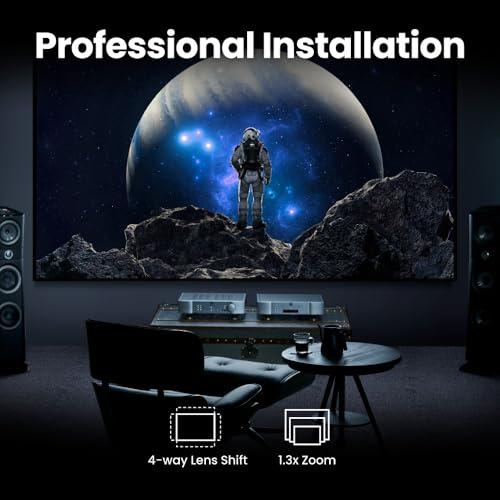
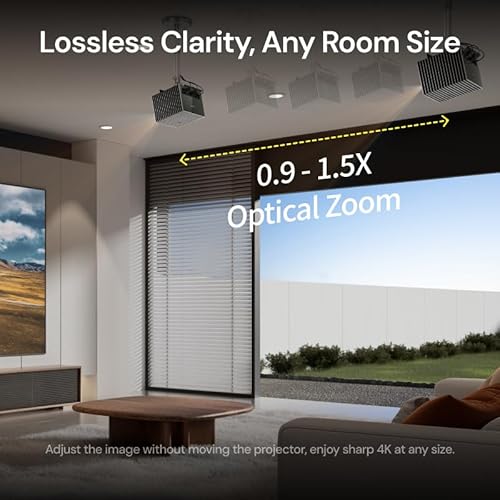
The BenQ offers both horizontal and vertical lens shift—the ability to move the projected image without physically moving the projector. This is incredibly valuable in real homes where the ideal projector location might be slightly off-center or at the wrong height. The 1.3x optical zoom provides additional placement flexibility, letting you fine-tune image size without losing sharpness.
The Valerion VisionMaster Pro 2 takes a more modern approach with automated features like autofocus, auto keystone correction, and screen alignment assistance. However, it lacks lens shift entirely, meaning you need to position it precisely or rely on keystone correction, which can reduce image quality by digitally warping the picture.
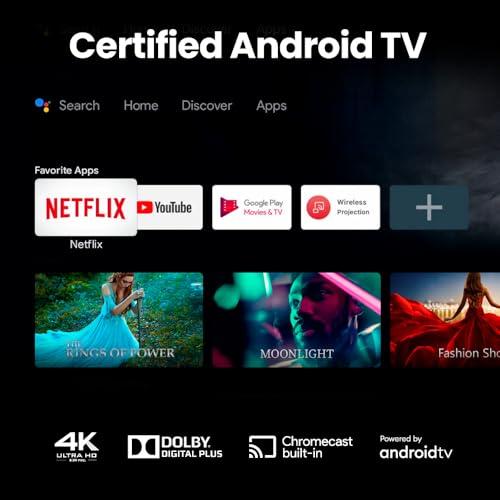
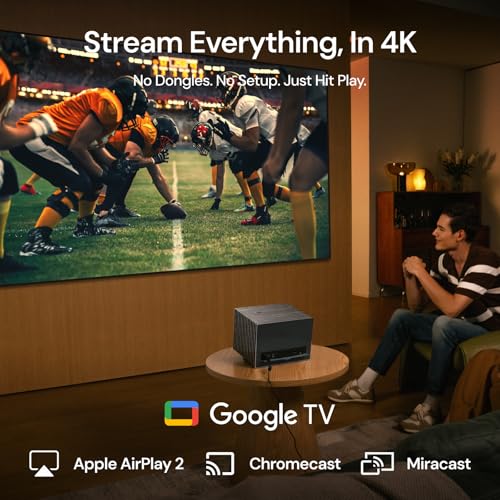
For smart features, the roles reverse. The BenQ W4100i includes a basic Android TV dongle that provides access to major streaming services but feels somewhat tacked-on to an otherwise cinema-focused design. The Valerion integrates Google TV seamlessly with Wi-Fi 6e, comprehensive smart home compatibility (Google Home, Alexa, Apple HomeKit), and a more polished user interface.
Both projectors include built-in audio that's adequate for casual viewing but insufficient for serious home theater use. The BenQ W4100i provides a 5W mono speaker, while the Valerion offers dual 12W speakers with DTS:X support. Neither will satisfy compared to a proper sound system, but the Valerion's audio is noticeably better for temporary setups or situations where external speakers aren't practical.
Connectivity options favor the Valerion with more modern standards including Wi-Fi 6e and Bluetooth 5.2, compared to the BenQ's more basic wireless capabilities. Both offer multiple HDMI 2.1 ports, but the Valerion includes more USB options and better integration with streaming devices.
At the time of writing, the BenQ W4100i commands a premium price that reflects its factory calibration, installation flexibility, and consistent performance. For users who want a "set it and forget it" experience with professional-grade image quality, the higher cost can be justified by the time and money saved on calibration and the peace of mind that comes from proven reliability.
The Valerion VisionMaster Pro 2 offers compelling value with its lower price point, wider feature set, and eye-catching image quality. However, achieving optimal performance requires investment in calibration time or professional setup, and the gaming limitations mean it's not ideal for all users.
Long-term considerations include light source longevity (both are rated similarly), brand support (BenQ has a longer track record in projection), and technology evolution (laser projection is likely to see more rapid advancement).
Choose the BenQ W4100i if you prioritize 4K gaming performance, want accurate colors without calibration hassles, need flexible installation options, or simply prefer the reliability of proven technology. It's the better choice for serious gamers, movie purists, and anyone who wants consistent performance across all content types. The higher price reflects genuine advantages that benefit daily use.
Choose the Valerion VisionMaster Pro 2 if you love vibrant, dramatic images, primarily game at 1080p high refresh rates, want comprehensive smart features, or prefer to get maximum features per dollar spent. It's ideal for users who enjoy tweaking settings, watch lots of streaming content, and want to be on the cutting edge of projection technology.
The decision ultimately comes down to your priorities: proven excellence with the BenQ W4100i, or exciting potential with some trade-offs in the Valerion VisionMaster Pro 2. Both represent the current state of the art in 4K projection, just with different philosophies about how to get there.
In my view, most buyers will be happier long-term with the BenQ W4100i's consistent performance and installation flexibility, despite the higher cost. However, the Valerion VisionMaster Pro 2 offers genuine advantages in specific scenarios and represents excellent value for the right user. Neither choice is wrong—they're just different approaches to the same goal of bringing the cinema experience home.
| BenQ W4100i 4K Home Theater Projector | Valerion VisionMaster Pro 2 Projector |
|---|---|
| Light Source Technology - Affects color quality, speckle, and long-term maintenance | |
| 4LED RGBB (30,000 hours) - Zero laser speckle, consistent brightness | RGB Triple Laser (25,000+ hours) - Wider colors, potential speckle |
| Brightness - Critical for rooms with ambient light | |
| 3,200 ANSI lumens (consistent across color modes) | 3,054 ANSI lumens (2,500 in accurate modes) |
| Color Gamut Coverage - Determines color vibrancy and accuracy | |
| 100% DCI-P3, 100% Rec.709 (cinema-accurate) | 110% Rec.2020 (exceptionally wide, more vibrant) |
| Factory Calibration - Saves time and money on professional setup | |
| Delta E <2 with individual calibration report included | Requires calibration for best accuracy (tools included) |
| HDR Format Support - Future-proofs for streaming and disc content | |
| HDR10, HDR10+, HLG with HDR-PRO tone mapping | Dolby Vision, HDR10+, HDR10, HLG, IMAX Enhanced |
| Gaming Input Lag at 1080p/240Hz - Essential for competitive gaming | |
| 6.5ms (excellent for all gaming types) | 4ms (class-leading for high refresh rate gaming) |
| Gaming Input Lag at 4K/60Hz - Critical for console gaming | |
| 17.9ms (excellent for PS5/Xbox Series X) | 50ms+ (poor, unsuitable for responsive 4K gaming) |
| Lens Flexibility - Determines installation options in real rooms | |
| 1.3x zoom + vertical/horizontal lens shift | 1.67x zoom but no lens shift (requires precise placement) |
| Smart Platform - Affects daily streaming experience | |
| Basic Android TV dongle included | Advanced Google TV built-in with Wi-Fi 6e |
| DLP Chip Size - Affects image processing and artifact reduction | |
| 0.65" (larger, fewer pixel-shifting artifacts) | 0.47" (smaller, more pixel-shifting required) |
| Contrast Performance - Impacts black levels and image depth | |
| 3,000,000:1 dynamic (consistent across content) | 15,000:1 dynamic with Enhanced Black Level mode |
| Best Use Cases - Who each projector serves best | |
| 4K gamers, movie purists, plug-and-play users | Streaming enthusiasts, 1080p gamers, calibration hobbyists |
The BenQ W4100i is significantly better for 4K gaming with just 17.9ms input lag at 4K/60Hz, making it excellent for PlayStation 5 and Xbox Series X gaming. The Valerion VisionMaster Pro 2 has poor 4K gaming performance with over 50ms input lag, which creates noticeable delays. However, for 1080p competitive gaming, the Valerion actually wins with 4ms input lag compared to the BenQ's 6.5ms.
Both projectors can handle moderate ambient light thanks to their high brightness levels. The BenQ W4100i produces 3,200 ANSI lumens consistently across all picture modes, while the Valerion VisionMaster Pro 2 delivers about 3,054 lumens but drops to 2,500 lumens in accurate color modes. For best results, both perform optimally in rooms with controlled lighting or dedicated home theater spaces.
The BenQ W4100i comes factory-calibrated with Delta E under 2, providing cinema-accurate colors right out of the box. The Valerion VisionMaster Pro 2 has a much wider color gamut covering 110% Rec.2020, making colors more vibrant and eye-catching, but requires calibration to achieve the same accuracy as the BenQ. Choose the BenQ for immediate accuracy or the Valerion for more dramatic colors.
The BenQ W4100i uses a 4LED system that eliminates laser speckle (tiny shimmering dots) and provides consistent brightness across color modes. The Valerion VisionMaster Pro 2 uses RGB triple-laser technology that can produce wider colors but may show slight laser speckle on certain screens. Both light sources last 25,000-30,000 hours, but the BenQ's LED approach is more mature and reliable.
The BenQ W4100i offers much more installation flexibility with both horizontal and vertical lens shift, allowing you to position the projector off-center while keeping the image perfectly aligned. The Valerion VisionMaster Pro 2 lacks lens shift entirely, requiring precise placement, though it does include helpful auto-focus and auto-keystone features. For challenging room layouts, the BenQ is significantly easier to install properly.
Yes, both support HDR but with different capabilities. The BenQ W4100i handles HDR10, HDR10+, and HLG with advanced HDR-PRO tone mapping that optimizes each frame. The Valerion VisionMaster Pro 2 supports all the same formats plus Dolby Vision and IMAX Enhanced, making it more future-proof for premium streaming content. The Valerion's wider color gamut also makes HDR content appear more vibrant.
The Valerion VisionMaster Pro 2 has superior smart capabilities with built-in Google TV, Wi-Fi 6e, and comprehensive smart home integration (Google Home, Alexa, Apple HomeKit). The BenQ W4100i includes a basic Android TV dongle that covers major streaming apps but feels more limited. For users who prioritize streaming and smart features, the Valerion is clearly better.
Both projectors can create massive images suitable for home theaters. The BenQ W4100i is optimized for screens up to 120 inches with excellent image quality, though it can stretch to 150 inches. The Valerion VisionMaster Pro 2 can also handle screens from 40 inches up to 300 inches thanks to its wider zoom range. Both deliver sharp 4K detail at typical home theater screen sizes of 100-120 inches.
The Valerion VisionMaster Pro 2 typically costs several hundred dollars less than the BenQ W4100i while offering more smart features, wider colors, and comprehensive HDR support including Dolby Vision. However, the BenQ provides factory calibration, better gaming performance, and superior installation flexibility. The Valerion offers more features per dollar, while the BenQ provides better out-of-box performance.
The BenQ W4100i comes pre-calibrated from the factory with an individual calibration report, so it delivers accurate colors immediately without additional work. The Valerion VisionMaster Pro 2 benefits significantly from calibration to achieve optimal color accuracy, though it includes comprehensive calibration tools. If you want plug-and-play accuracy, choose the BenQ. If you enjoy tweaking settings or plan to hire a calibrator, the Valerion can achieve similar results.
Both excel at movies but with different strengths. The BenQ W4100i provides cinema-accurate colors and filmmaker mode for authentic movie presentation, plus AI Cinema mode that optimizes streaming content. The Valerion VisionMaster Pro 2 offers more dramatic, vibrant colors and supports Dolby Vision for premium content. Movie purists typically prefer the BenQ's accuracy, while those who like punchy, eye-catching images gravitate toward the Valerion.
Choose the BenQ W4100i if you prioritize 4K gaming, want accurate colors without calibration, need flexible installation with lens shift, or prefer proven reliability. Choose the Valerion VisionMaster Pro 2 if you want vibrant colors and comprehensive smart features at a lower price, primarily game at 1080p high refresh rates, or enjoy the latest technology like Dolby Vision support. Both are excellent projectors with different strengths for different users.
We've done our best to create useful and informative comparisons to help you decide what product to buy. Our research uses advanced automated methods to create this comparison and perfection is not possible - please contact us for corrections or questions. These are the sites we've researched in the creation of this article: blog.son-video.com - notebookcheck.net - whathifi.com - newatlas.com - hometheaterhifi.com - benq.com - youtube.com - shop.avispl.com - projectorcentral.com - benq.com - youtube.com - projectorcentral.com - benq.com - device.report - pssav.com - newegg.com - projectorreviews.com - valerion.com - projectorcentral.com - soundandvision.com - valerion.com - projektoren-datenbank.com - rtings.com - youtube.com - techradar.com - valueelectronics.com - projectorcentral.com - hometechnologyreview.com - youtube.com - loprototypetech.com - hometheatershack.com - hometechnologyreview.com - bestbuy.com - en.homecinesolutions.fr

Privacy Policy
Terms and Conditions - Affiliate Policy
Home Security
© Copyright 2008-2026.
11816 Inwood Rd #1211, Dallas, TX 75244