

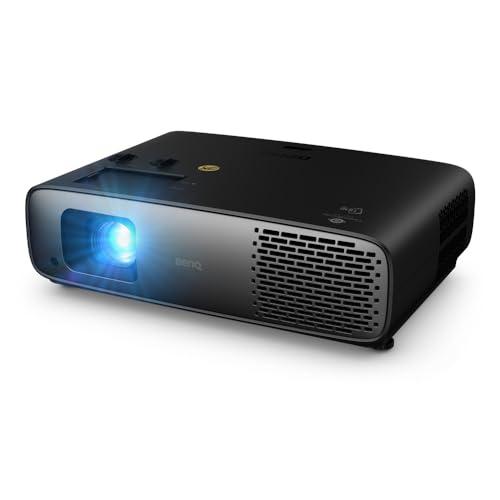
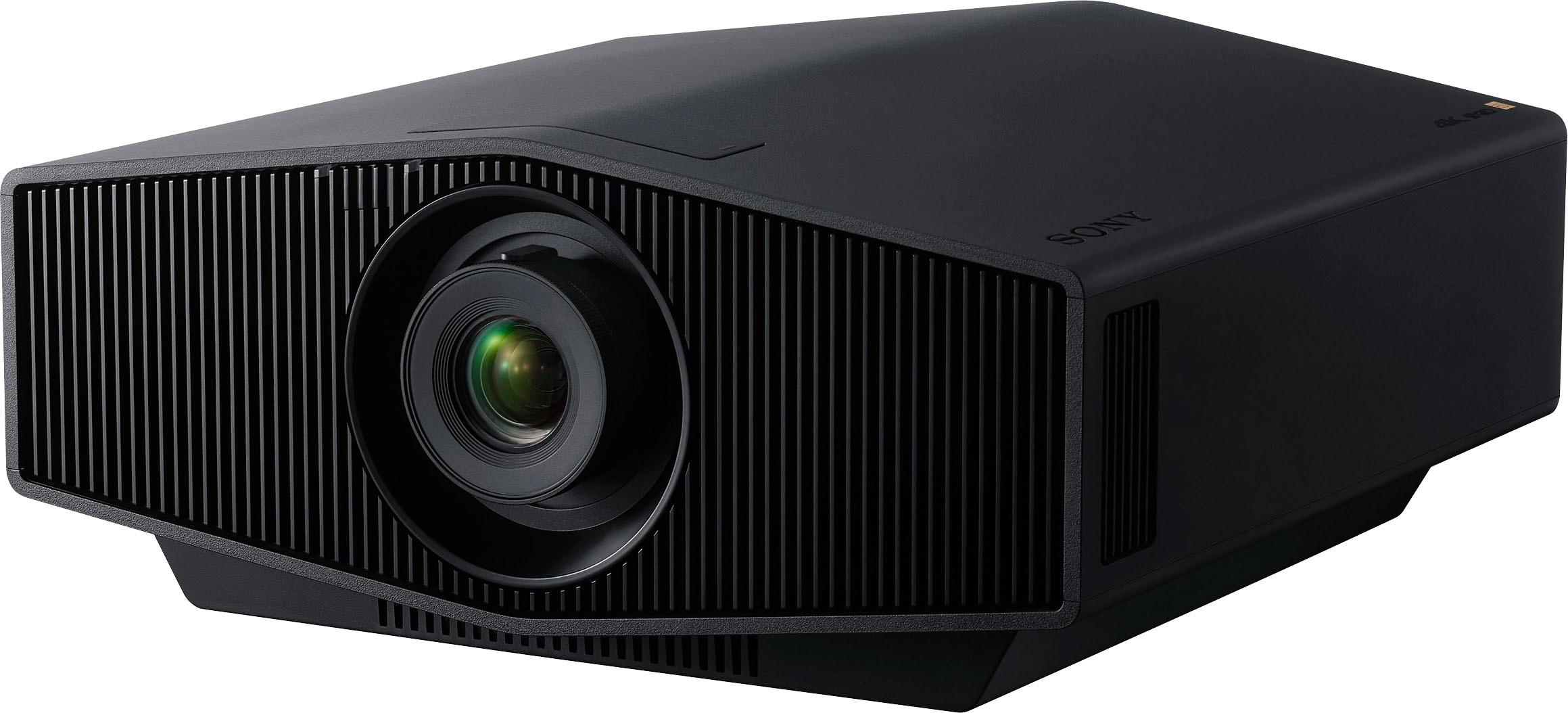
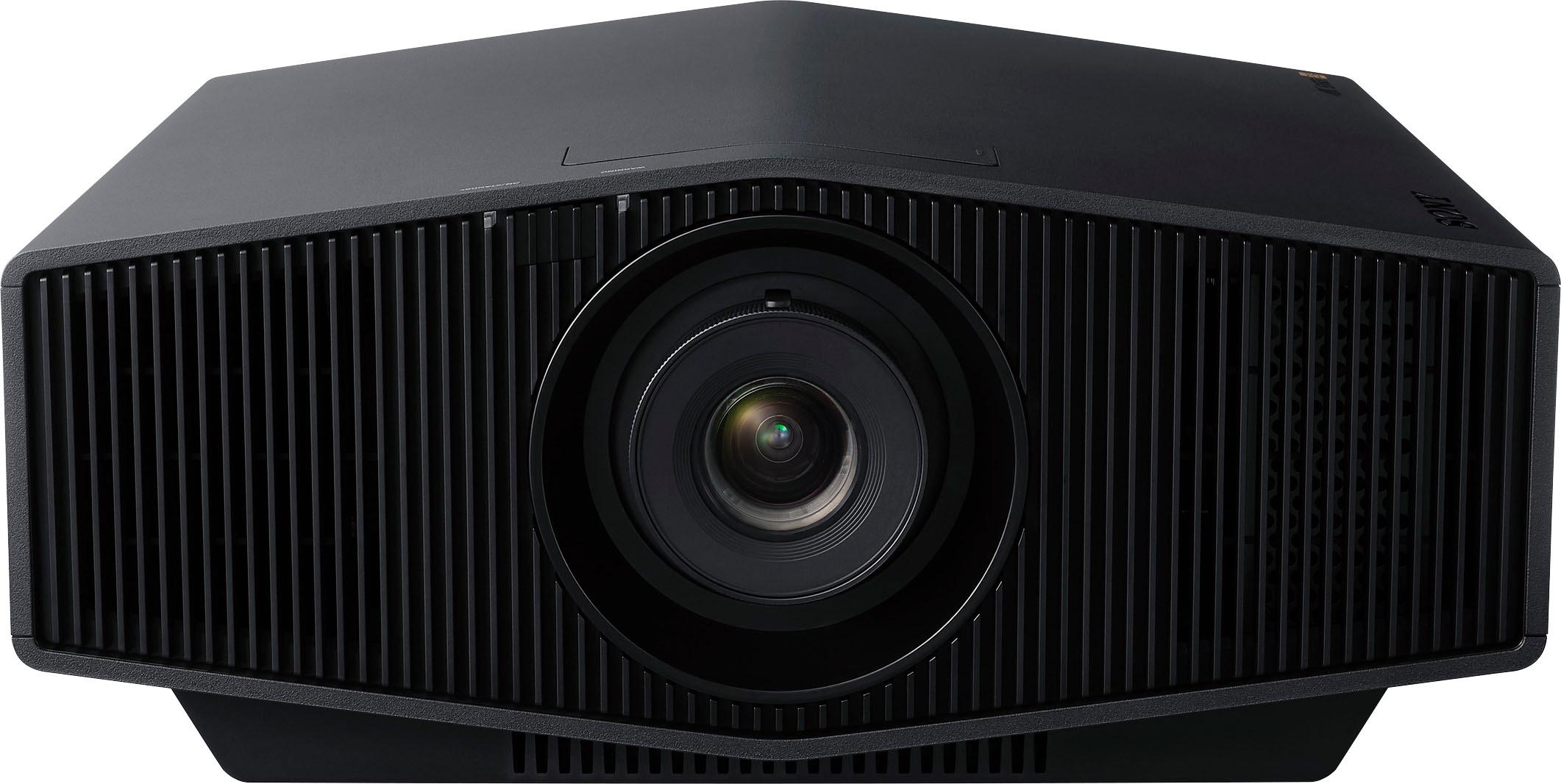
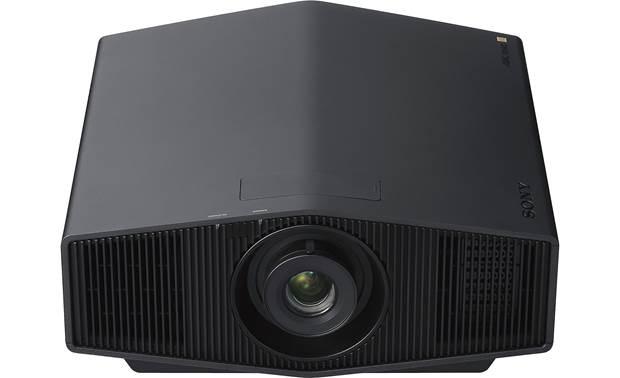
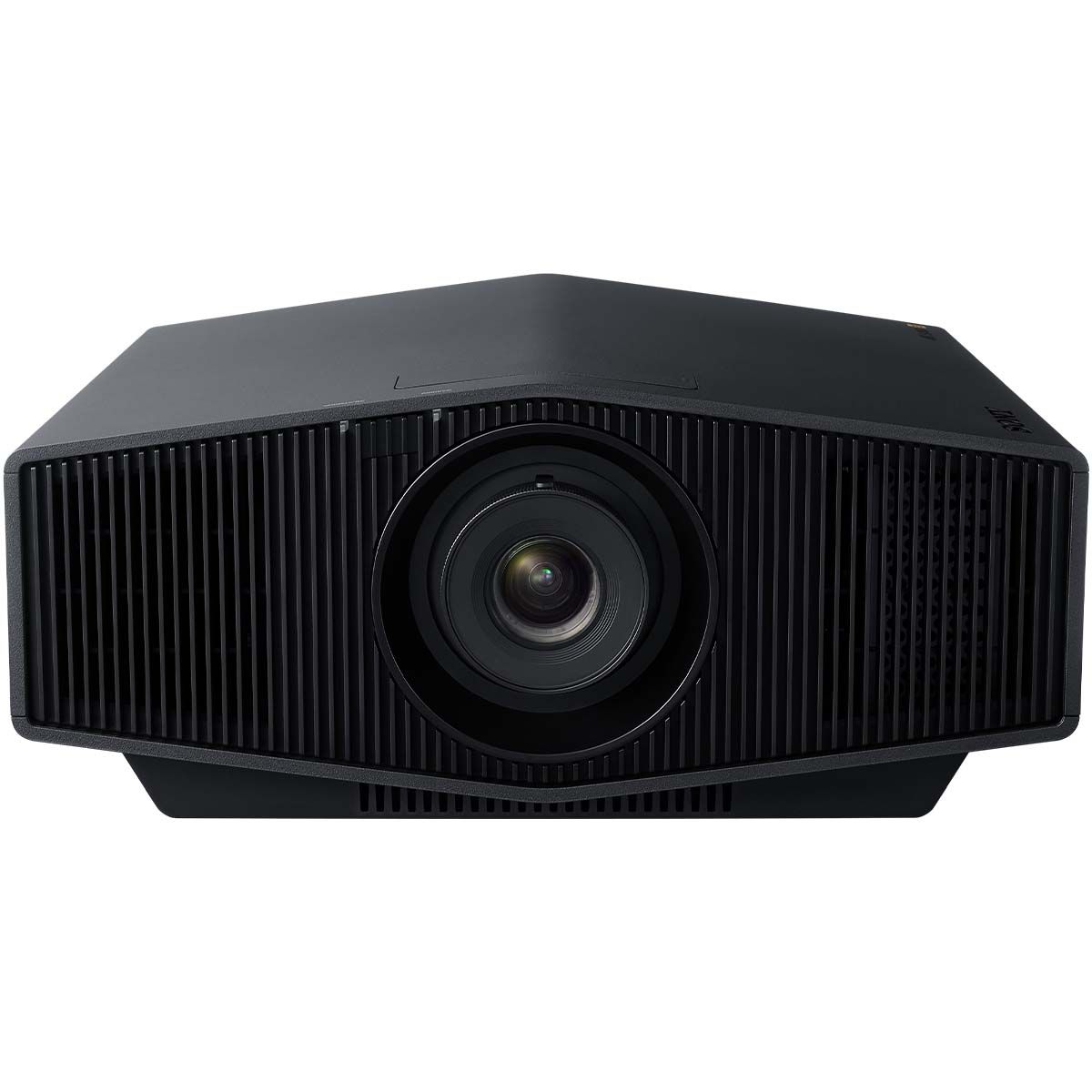
When you're ready to transform your living room or dedicated theater space into a cinema-worthy experience, choosing the right 4K projector becomes crucial. Two standout options that consistently appear on enthusiasts' shortlists are the BenQ W4100i and the Sony VPL-XW5000ES. Both deliver stunning large-screen visuals, but they take remarkably different approaches to achieving 4K excellence.
At the time of writing, these projectors sit in different price tiers, with the BenQ W4100i positioned as a premium mid-range option while the Sony VPL-XW5000ES commands a significant premium. This price difference reflects fundamental differences in technology, target audience, and intended use cases that we'll explore in detail.
Before diving into specifics, it's worth understanding what separates quality 4K home theater projectors from cheaper alternatives. The key factors that determine your viewing experience include the display technology (how the image is created), light source (LED vs laser), brightness measured in lumens (how well it performs with room lighting), color accuracy (how true-to-life colors appear), and contrast ratio (the difference between the darkest blacks and brightest whites).
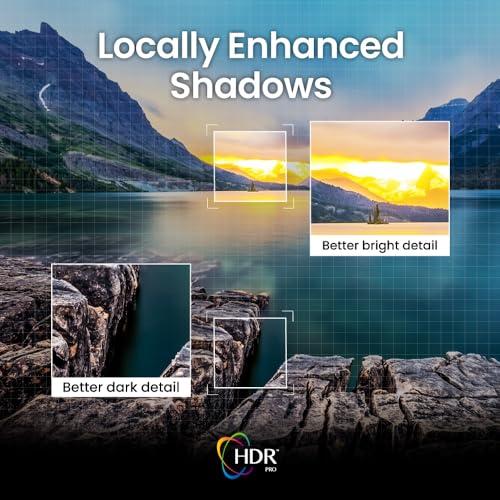
Modern 4K projectors also need to handle HDR content effectively. HDR, or High Dynamic Range, contains more color and brightness information than standard video, creating more lifelike images with better shadow detail and more vibrant highlights. How well a projector processes this HDR information significantly impacts your viewing experience.
The BenQ W4100i, released in 2024, uses DLP (Digital Light Processing) technology with a relatively large 0.65-inch chip. DLP works by using millions of tiny mirrors that tilt to reflect light either toward the screen (creating white pixels) or away from it (creating black pixels). To create colors, these mirrors work in coordination with a spinning color wheel or, in this case, multiple LED light sources.
What makes the BenQ W4100i interesting is its use of XPR (eXpanded Pixel Resolution) technology. This is essentially a sophisticated form of pixel-shifting where the projector displays multiple sub-frames rapidly, effectively doubling the resolution. While the chip natively displays 2,716 × 1,528 pixels, XPR creates the full 4K image by shifting these pixels multiple times per frame. Think of it like a painter making multiple quick brush strokes to fill in details – the end result looks like a complete 4K image.
The Sony VPL-XW5000ES, launched in 2022, takes a different approach entirely. It uses three separate SXRD (Silicon X-tal Reflective Display) chips – one each for red, green, and blue light. SXRD is Sony's version of LCD technology, but instead of light passing through the panel, it reflects off it. Each chip is smaller than the BenQ's single chip at 0.61 inches, but together they create true native 4K resolution without any pixel-shifting tricks.
This native 4K advantage means the Sony VPL-XW5000ES displays all 8.3 million pixels simultaneously, potentially offering superior fine detail reproduction. However, the BenQ W4100i's larger chip and advanced pixel-shifting means the difference isn't as dramatic as you might expect in real-world viewing.
One of the most significant differences between these projectors is brightness output. The BenQ W4100i produces up to 3,200 ANSI lumens, while the Sony VPL-XW5000ES maxes out at 2,000 lumens. This 60% brightness advantage for the BenQ isn't just a number on a spec sheet – it fundamentally changes where and how you can use the projector.
ANSI lumens measure the actual light output across the entire screen, giving you a realistic idea of how bright your image will appear. For context, most home theater environments work well with 1,500-2,500 lumens, while rooms with some ambient light need 2,500+ lumens for comfortable viewing.
The BenQ W4100i achieves this brightness through its 4-LED RGBB system, which uses four separate LEDs (red, green, blue, and an additional blue) to create the light spectrum. This approach provides vibrant colors while maintaining high brightness levels. The LED system also boasts an impressive 30,000-hour lifespan, meaning you could watch four hours daily for over 20 years before needing replacement.
The Sony VPL-XW5000ES uses a laser light source, which offers different advantages. Laser systems typically provide more consistent brightness over time and can achieve better contrast ratios. However, Sony's implementation prioritizes color accuracy and contrast over raw brightness. The laser system is rated for 20,000 hours – still excellent longevity, but not quite matching the BenQ's LED setup.
In practical terms, the brightness difference means the BenQ W4100i performs significantly better in rooms where you can't achieve complete darkness. If your theater space doubles as a family room, has windows, or you prefer watching with some ambient lighting, the BenQ's extra brightness becomes invaluable.
Both projectors excel at color reproduction but take different approaches. The BenQ W4100i covers 100% of both Rec.709 (the standard for HDTV) and DCI-P3 (digital cinema standard) color spaces. Each unit comes factory-calibrated with a Delta E rating below 2, which is professional-grade color accuracy. Delta E measures color error – anything below 2 is essentially imperceptible to the human eye.
The Sony VPL-XW5000ES pushes color coverage even further, achieving 110% of the Rec.2020 color space through its Triluminos Pro color engine. Rec.2020 is the future standard for 4K/8K content and covers a much wider range of colors than current standards. Sony's X1 Ultimate processor analyzes each frame and applies object-based processing, meaning it can enhance the color and contrast of individual elements within a scene rather than applying blanket adjustments.
This difference in approach reflects each manufacturer's philosophy. BenQ focuses on delivering accurate, reference-level colors that match director's intent, while Sony emphasizes expanding the color palette for more vivid, eye-catching visuals. Neither approach is wrong – it depends on your preferences and content sources.
For streaming content from Netflix, Disney+, or Amazon Prime, both projectors deliver excellent results. However, the Sony VPL-XW5000ES has an edge with premium formats like Dolby Vision and IMAX Enhanced content, which can take advantage of its expanded color processing capabilities.
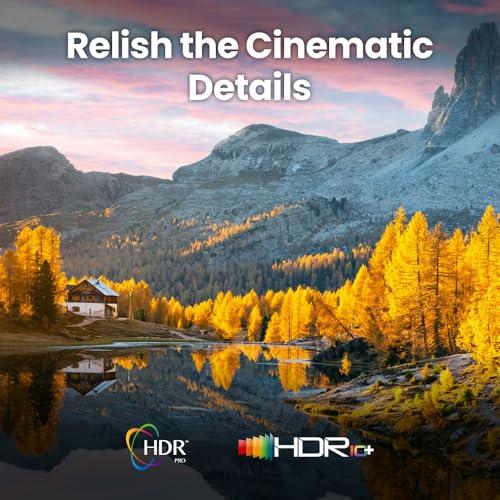
HDR support represents another area where these projectors differ significantly. The BenQ W4100i supports HDR10, HDR10+, and HLG formats, covering the vast majority of HDR content you'll encounter. Its HDR-PRO dynamic tone mapping analyzes each frame individually, adjusting brightness and contrast in real-time to optimize the HDR experience.
The Sony VPL-XW5000ES goes further with Dolby Vision support, which is considered the premium HDR format. Dolby Vision content includes frame-by-frame metadata that tells the projector exactly how to display each scene. Sony's Dynamic HDR Enhancer works with this metadata to adjust not just overall brightness, but laser output intensity for specific portions of the image.
Both projectors handle HDR well, but the Sony's more sophisticated processing becomes apparent with high-quality sources. The difference is most noticeable in challenging scenes with both very bright and very dark elements – think of a sunset scene with detailed shadows in the foreground and bright sky in the background.
For gamers, the BenQ W4100i offers clear advantages. It delivers 6.5ms input lag at 1080p/240Hz and 17.9ms at 4K/60Hz, which are excellent figures for a projector. Input lag measures the delay between when a console sends a signal and when it appears on screen – lower numbers mean more responsive gaming.
The projector includes three HDMI 2.1 ports and supports ALLM (Auto Low Latency Mode), which automatically switches to the fastest processing mode when it detects a gaming console. This makes it compatible with the latest PlayStation 5 and Xbox Series X features.
The Sony VPL-XW5000ES performs well for gaming too, achieving 4ms at 1080p/240Hz and 21ms at 4K/60Hz. However, it lacks support for 4K/120Hz gaming, which is a significant limitation for owners of current-generation consoles. This omission is puzzling given the projector's premium positioning and release date.
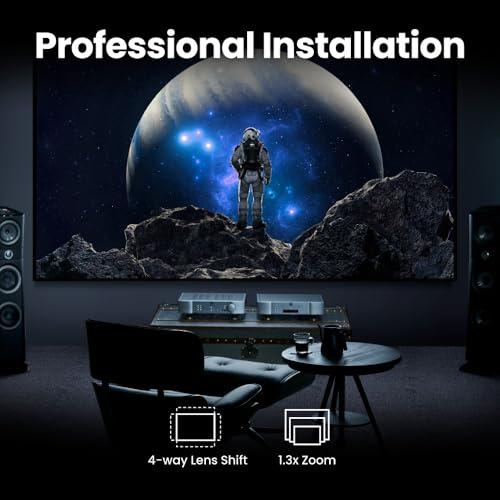
Setting up a projector properly requires precise positioning, and here the BenQ W4100i provides more flexibility. It offers 60% vertical lens shift (meaning you can move the image up or down by 60% of the screen height) and ±15% horizontal shift. The 1.3x optical zoom lets you adjust image size without moving the projector, while 2D keystone correction helps fix image geometry if you can't achieve perfect alignment.
These manual controls matter significantly if you're ceiling-mounting the projector or dealing with challenging room layouts. The ability to shift the lens means you don't need perfect projector placement – you can adjust the image position optically without degrading quality.
The Sony VPL-XW5000ES takes a more automated approach with autofocus and auto keystone correction, but offers limited manual lens controls. While convenient for basic setups, this automation can be limiting for custom installations or rooms with specific requirements.
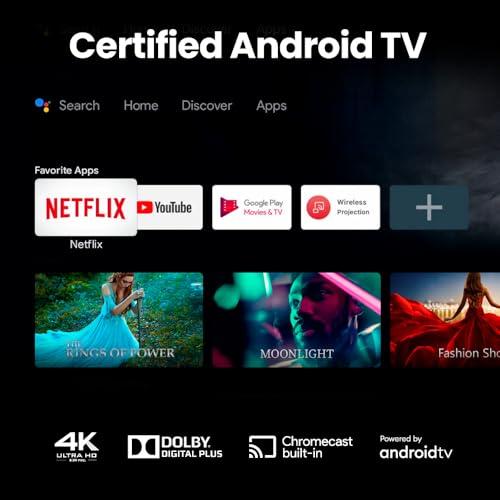
The BenQ W4100i includes a significant advantage in convenience through its built-in Android TV system. This provides direct access to Netflix, YouTube, Disney+, Amazon Prime Video, and other streaming services without requiring external devices. The interface includes Google Assistant for voice control and supports both Chromecast and Apple AirPlay for wireless content streaming.
This built-in streaming capability eliminates the need for additional devices, reduces cable clutter, and provides a single remote control experience. The Android TV implementation is responsive and includes regular updates for new streaming services and features.
The Sony VPL-XW5000ES requires external streaming devices, which some users actually prefer for better performance and more platform choices. However, this means additional cost, more cables, and multiple remote controls to manage.
Based on extensive research of professional reviews and user feedback, both projectors deliver exceptional image quality, but in different scenarios. The BenQ W4100i consistently receives praise for its versatility – users report excellent performance in rooms with some ambient light, smooth gaming experience, and convenient streaming integration.
The brightness advantage of the BenQ W4100i becomes particularly apparent in real-world use. Many users report being able to watch comfortably with table lamps on or during evening hours with some window light, scenarios where darker projectors would struggle.
The Sony VPL-XW5000ES earns acclaim for image processing quality and fine detail reproduction. Users consistently mention the superior sharpness and natural color rendition, particularly with high-quality sources like UHD Blu-rays. However, they also note that it demands careful room lighting control to achieve its best performance.
Motion handling differs between the two as well. The Sony VPL-XW5000ES includes sophisticated motion processing that works well for film content, maintaining the cinematic 24fps cadence while reducing judder. The BenQ W4100i offers good motion handling but focuses more on low-latency gaming performance.
The BenQ W4100i makes the most sense for households wanting versatility and convenience. If your projector will serve multiple purposes – movie nights, sports viewing, gaming, and casual TV watching – in a room that isn't completely light-controlled, the BenQ's brightness and smart features provide better overall value. It's particularly appealing for families or users who prioritize ease of use and don't want to manage multiple devices.
The gaming performance alone makes the BenQ W4100i the clear choice for households with PlayStation 5 or Xbox Series X consoles. The combination of low input lag and modern HDMI features ensures you'll get the full benefit of these powerful systems.
The Sony VPL-XW5000ES appeals to dedicated home theater enthusiasts who prioritize absolute image quality over convenience features. If you have a light-controlled theater room and primarily watch movies and premium streaming content, Sony's superior processing and native 4K implementation justify the higher cost. The projector rewards careful setup and optimal viewing conditions with reference-quality images that approach commercial cinema standards.
The Sony also makes sense for users who already have preferred streaming devices or gaming consoles and don't need built-in smart features. Some enthusiasts actually prefer external devices for streaming, finding them more responsive and feature-complete than built-in systems.
At the time of writing, the BenQ W4100i offers exceptional value for most users. Its combination of high brightness, gaming performance, smart features, and installation flexibility addresses the real-world needs of home theater enthusiasts without requiring perfect conditions or additional hardware.
The Sony VPL-XW5000ES commands its premium pricing through superior image processing and native 4K performance, but requires specific conditions and use cases to justify the investment. For dedicated theater spaces with serious movie enthusiasts, the Sony's advantages become worthwhile.
Both projectors represent excellent choices within their respective target markets, but the BenQ's broader appeal and practical advantages make it the better value for most home theater applications. The Sony remains the choice for users who demand absolute image quality and are willing to pay for that final margin of performance.
Your decision should ultimately depend on your room environment, primary use cases, and whether you value convenience features or pure image quality most highly. Either choice will deliver a spectacular large-screen experience that transforms your home entertainment setup.
| BenQ W4100i 4K Home Theater Projector | Sony VPL-XW5000ES 4K HDR Laser Home Theater Projector |
|---|---|
| Display Technology - Determines image quality approach and maintenance needs | |
| DLP with 0.65" chip + XPR 4K pixel-shifting | Native 4K SXRD with three 0.61" chips |
| 4K Implementation - Native vs emulated affects fine detail reproduction | |
| XPR pixel-shifting from 2,716×1,528 native | True native 4K (3840×2160) without processing |
| Brightness - Critical for rooms with ambient light | |
| 3,200 ANSI lumens (excellent for mixed-use spaces) | 2,000 lumens (requires darker viewing environment) |
| Light Source - Affects longevity and color consistency | |
| 4-LED RGBB system (30,000 hour lifespan) | Laser system (20,000 hour lifespan) |
| Color Coverage - Determines how vivid and accurate colors appear | |
| 100% Rec.709, 100% DCI-P3 with Delta E<2 calibration | 110% Rec.2020 with Triluminos Pro processing |
| HDR Support - Important for streaming and UHD content | |
| HDR10, HDR10+, HLG with dynamic tone mapping | HDR10+, Dolby Vision, IMAX Enhanced |
| Gaming Performance - Input lag matters for responsive gaming | |
| 6.5ms (1080p/240Hz), 17.9ms (4K/60Hz), supports 4K/120Hz | 4ms (1080p/240Hz), 21ms (4K/60Hz), no 4K/120Hz support |
| Installation Flexibility - Affects placement options and setup ease | |
| 60% vertical, ±15% horizontal lens shift, 1.3x zoom | Limited manual controls, 1.5x zoom, auto adjustments |
| Smart Features - Built-in streaming vs external device needs | |
| Android TV with Netflix, YouTube, Disney+, voice control | No built-in streaming (requires external devices) |
| Connectivity - Modern gaming and audio features | |
| 3× HDMI 2.1, ALLM support, eARC for Dolby Atmos | Standard HDMI inputs, eARC support |
| Best Use Case - Who should choose each projector | |
| Multi-purpose rooms, gaming, convenience-focused users | Dedicated theaters, movie purists, premium image quality |
The BenQ W4100i is significantly better for bright rooms, delivering 3,200 ANSI lumens compared to the Sony VPL-XW5000ES's 2,000 lumens. This 60% brightness advantage means the BenQ W4100i can handle ambient light from windows or lamps much more effectively, making it ideal for family rooms or spaces where you can't achieve complete darkness.
Only the Sony VPL-XW5000ES has true native 4K resolution using three separate SXRD chips. The BenQ W4100i uses XPR pixel-shifting technology to create 4K images from a lower native resolution. While both produce excellent 4K visuals, the Sony VPL-XW5000ES delivers slightly superior fine detail reproduction.
The BenQ W4100i is the better choice for gaming, offering lower input lag (17.9ms at 4K/60Hz vs 21ms), three HDMI 2.1 ports, and support for 4K/120Hz gaming with modern consoles. The Sony VPL-XW5000ES lacks 4K/120Hz support, which limits its compatibility with PlayStation 5 and Xbox Series X features.
The BenQ W4100i includes built-in Android TV with Netflix, YouTube, Disney+, and other streaming apps, so no external devices are required. The Sony VPL-XW5000ES has no built-in streaming capabilities and requires external devices like Apple TV, Roku, or gaming consoles for smart features.
Both projectors offer excellent color accuracy, but with different approaches. The BenQ W4100i provides factory calibration with Delta E<2 accuracy and covers 100% of cinema color standards. The Sony VPL-XW5000ES covers a wider 110% Rec.2020 color space with advanced processing, making it better for premium HDR content but potentially more saturated than reference standards.
The BenQ W4100i's LED light source is rated for 30,000 hours, while the Sony VPL-XW5000ES's laser system lasts 20,000 hours. Both offer excellent longevity - even with 4 hours of daily use, the BenQ W4100i would last over 20 years and the Sony VPL-XW5000ES would last about 13 years.
The BenQ W4100i offers more installation flexibility with 60% vertical lens shift, ±15% horizontal shift, and comprehensive manual controls. The Sony VPL-XW5000ES relies more on automatic adjustments with limited manual lens controls, making the BenQ W4100i better for challenging room layouts or ceiling mounting.
The BenQ W4100i supports HDR10, HDR10+, and HLG with dynamic tone mapping. The Sony VPL-XW5000ES supports HDR10+, Dolby Vision, and IMAX Enhanced formats. The Sony's Dolby Vision support gives it an advantage with premium streaming content and UHD Blu-rays.
The BenQ W4100i typically offers better value for most users, providing higher brightness, gaming features, built-in streaming, and installation flexibility at a more accessible price point. The Sony VPL-XW5000ES commands a premium for native 4K and superior image processing, making it worthwhile only for dedicated home theater enthusiasts.
Both projectors can handle large screens effectively. The BenQ W4100i's higher brightness makes it better suited for screens over 120 inches, especially in rooms with any ambient light. The Sony VPL-XW5000ES excels on large screens in dark rooms where its superior contrast and native 4K resolution become more apparent.
Both projectors operate quietly enough for home theater use, but the Sony VPL-XW5000ES's laser light source typically runs cooler and requires less fan noise than LED-based systems. However, the BenQ W4100i is still acceptably quiet for most viewing scenarios, and the difference is minimal in practice.
Both work well in dedicated theaters, but serve different priorities. The Sony VPL-XW5000ES is designed specifically for dark, controlled environments where its superior contrast and native 4K shine. The BenQ W4100i works excellently in dedicated theaters while also offering versatility for multi-purpose rooms, making it the more flexible choice overall.
We've done our best to create useful and informative comparisons to help you decide what product to buy. Our research uses advanced automated methods to create this comparison and perfection is not possible - please contact us for corrections or questions. These are the sites we've researched in the creation of this article: blog.son-video.com - notebookcheck.net - whathifi.com - newatlas.com - hometheaterhifi.com - benq.com - youtube.com - shop.avispl.com - projectorcentral.com - benq.com - youtube.com - projectorcentral.com - benq.com - device.report - pssav.com - newegg.com - whathifi.com - pro.sony - projectorscreen.com - bestbuy.com - bestbuy.com - bestbuy.com - bestbuy.com - pro.sony - abt.com - projectorreviews.com - merlinstv.com - hometheaterhifi.com

Privacy Policy
Terms and Conditions - Affiliate Policy
Home Security
© Copyright 2008-2026.
11816 Inwood Rd #1211, Dallas, TX 75244