

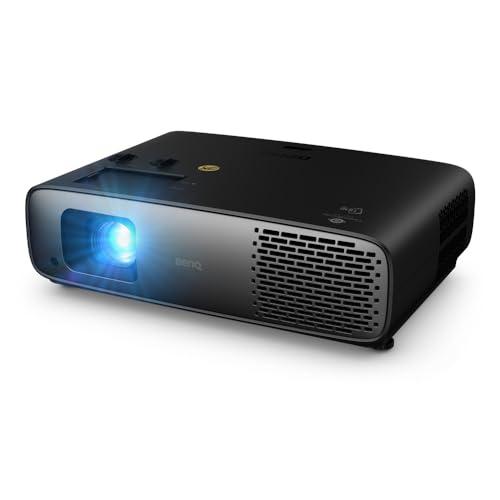
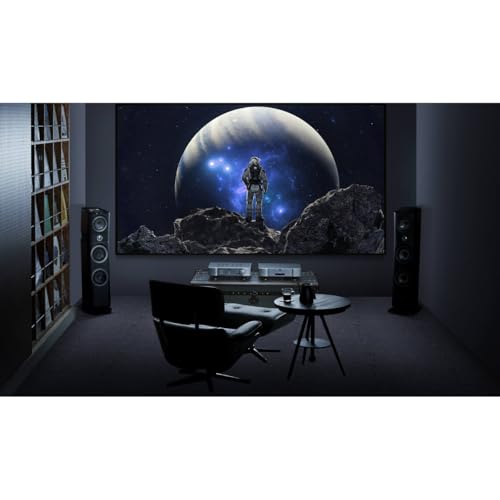
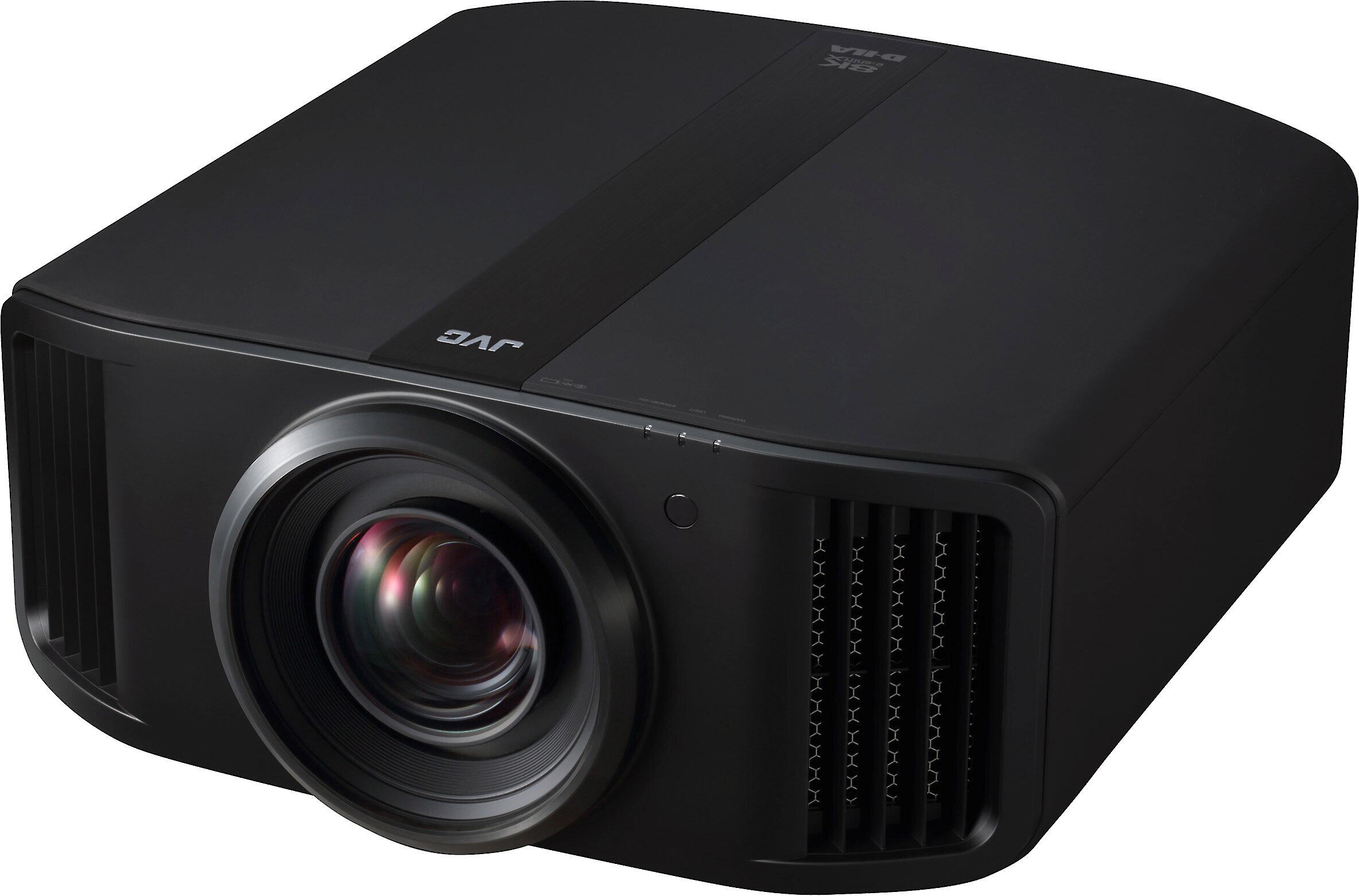
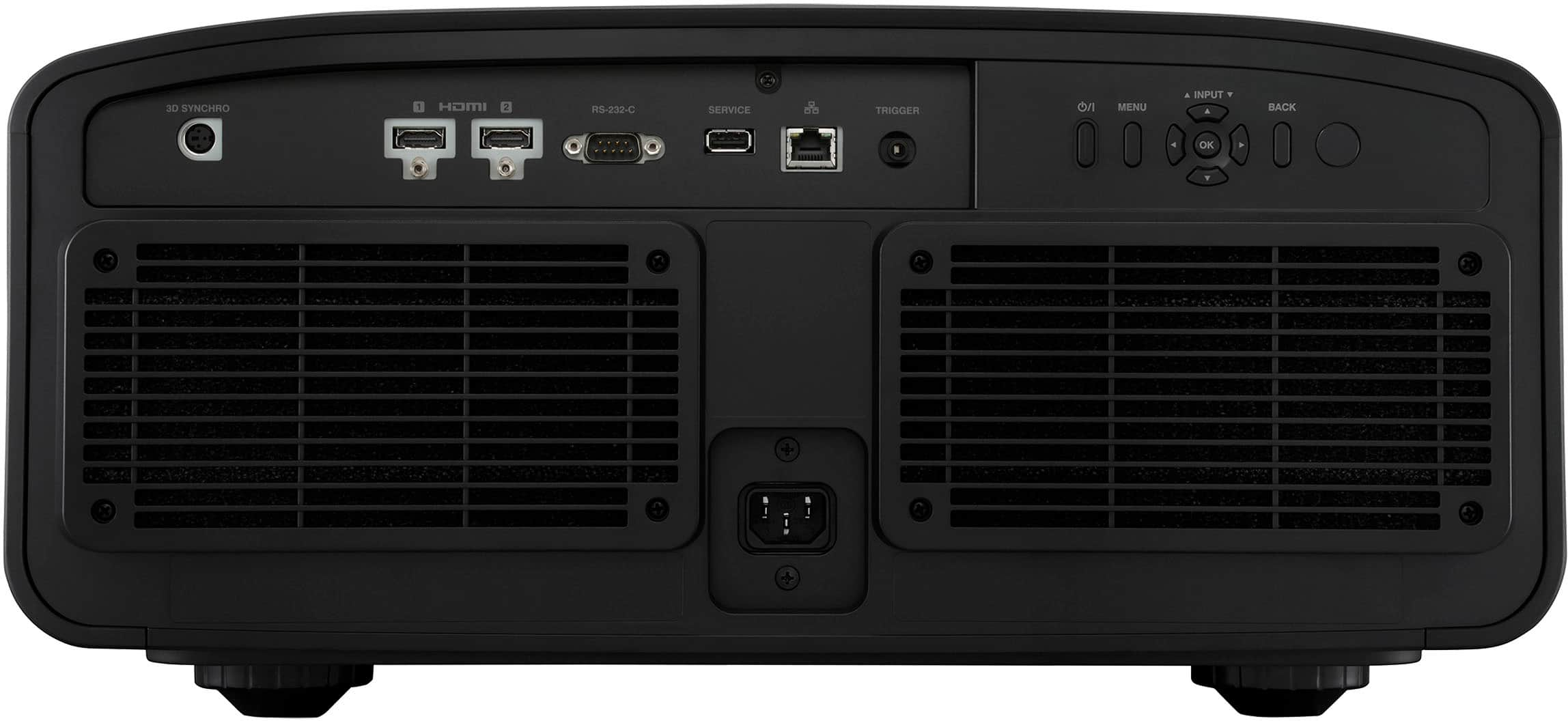

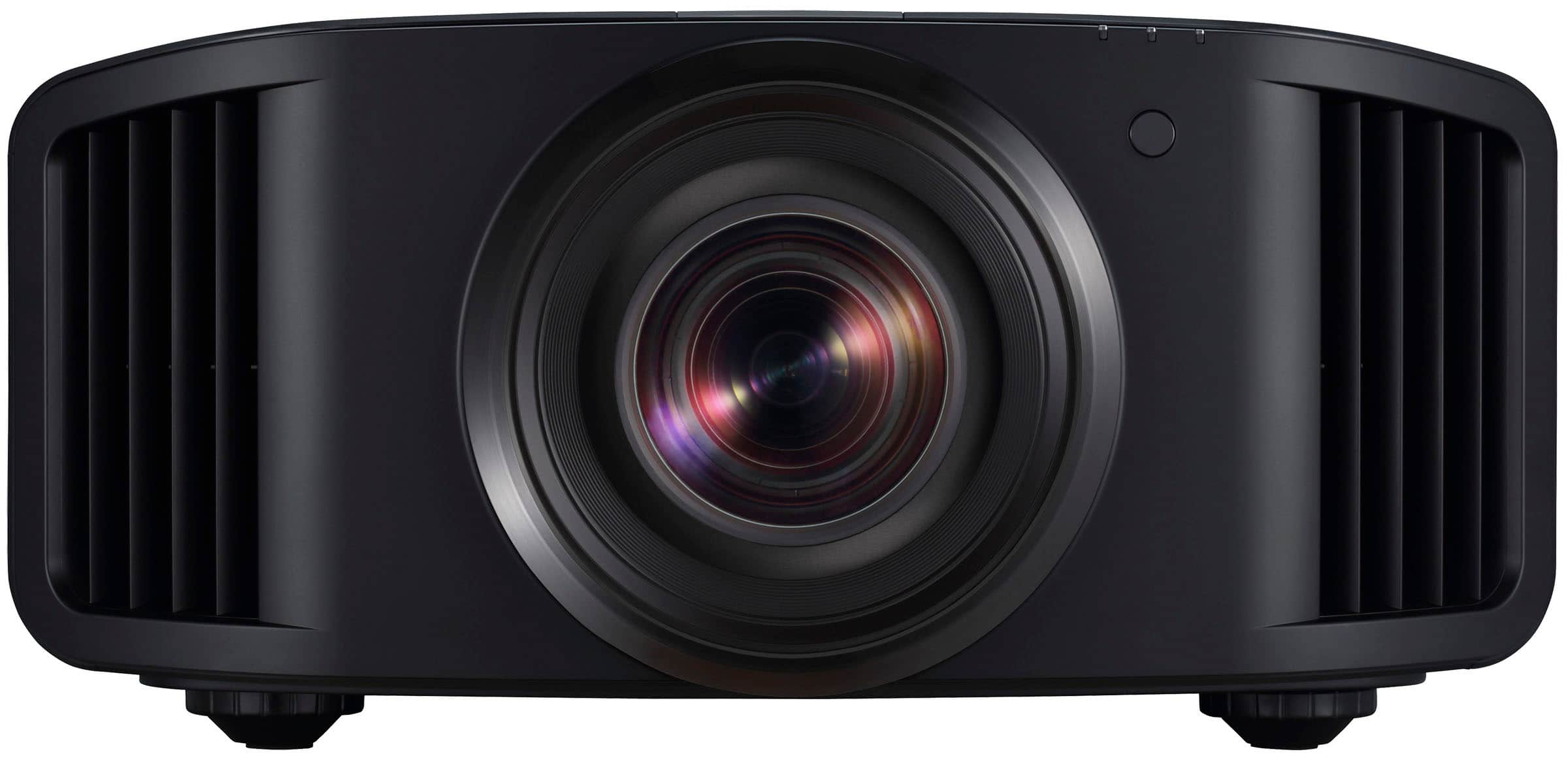
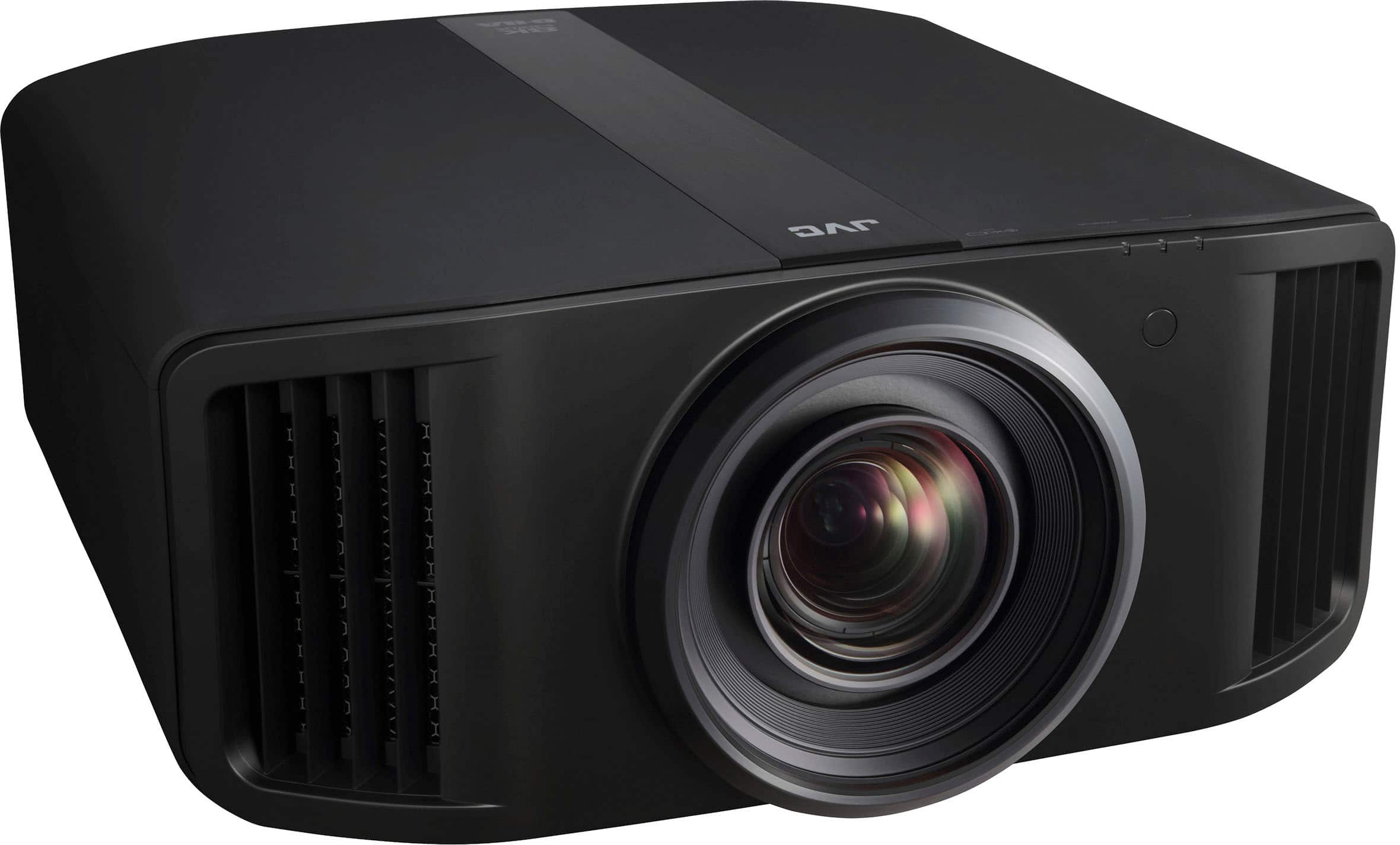
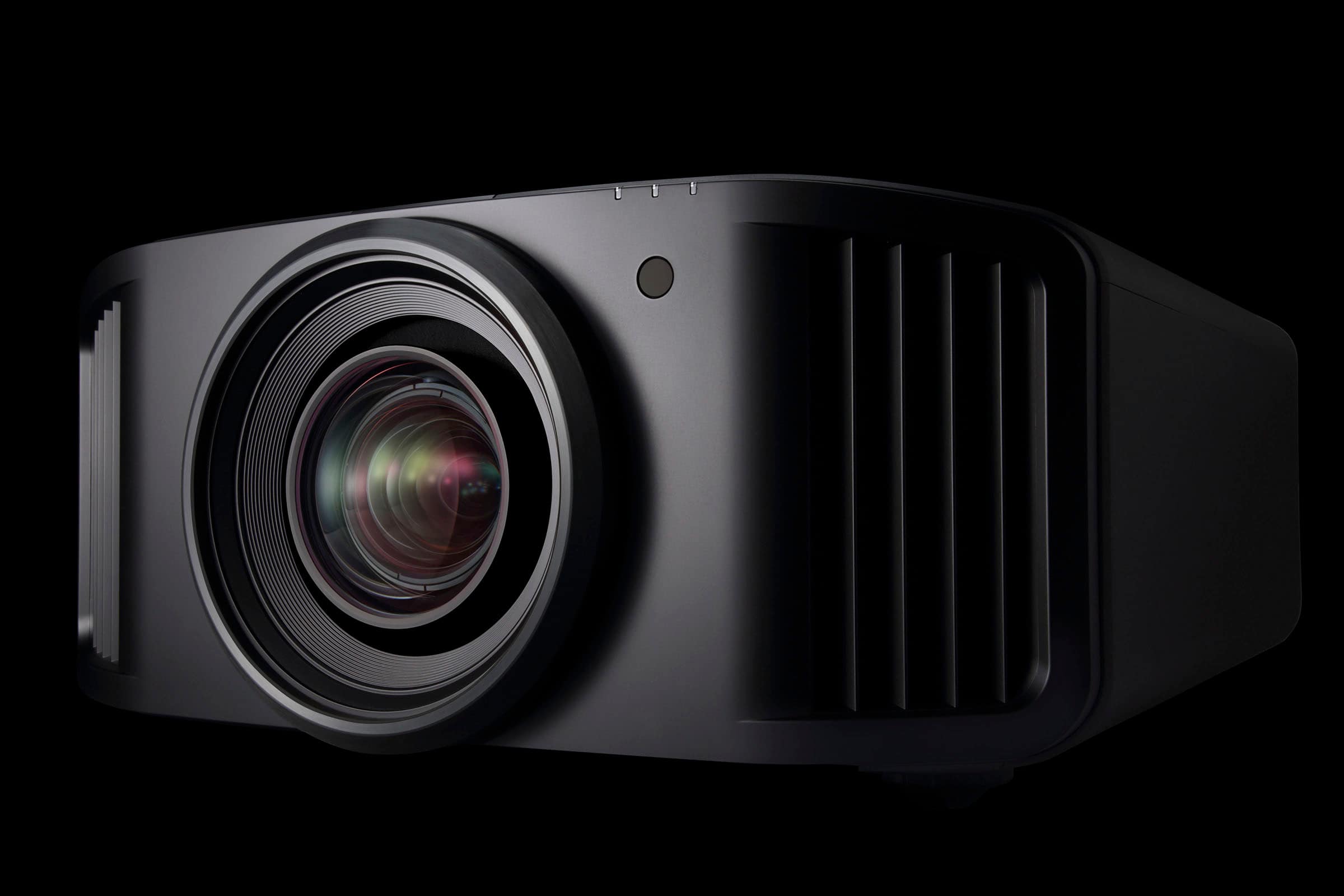
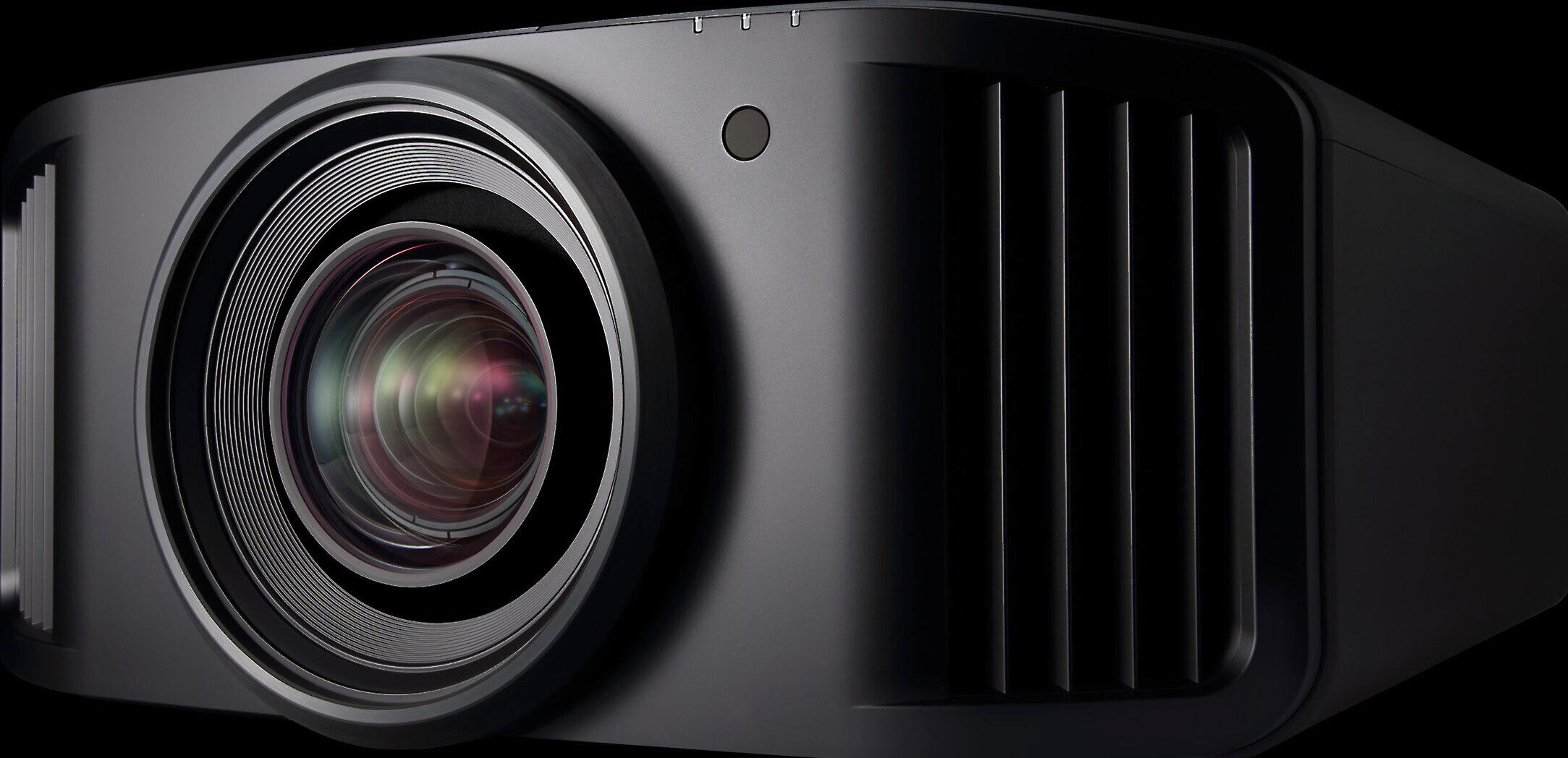
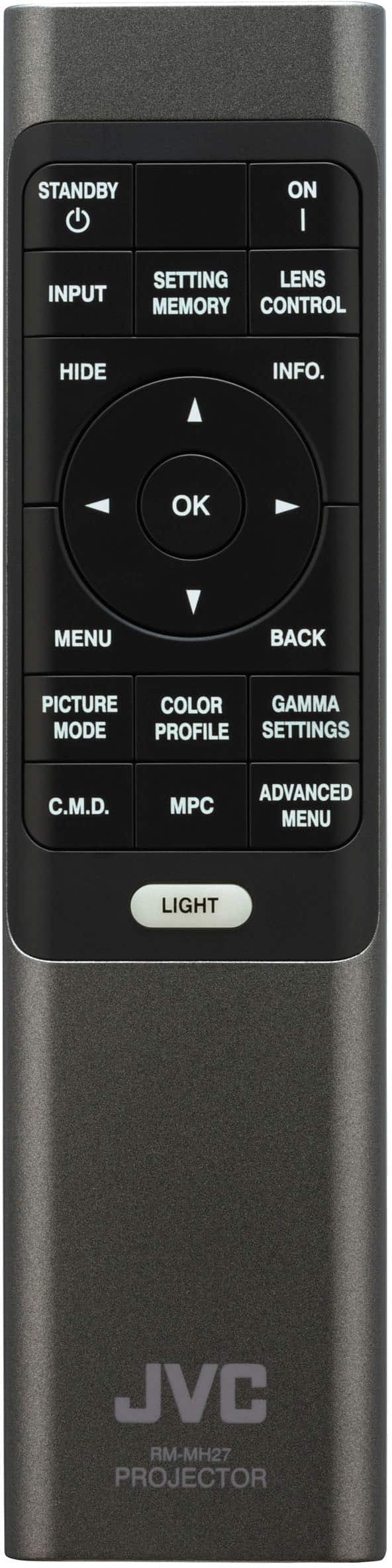
When it comes to creating a truly immersive home theater experience, few decisions carry as much weight as choosing the right projector. The world of home theater projection has evolved dramatically over the past decade, with manufacturers taking increasingly different approaches to deliver that coveted "cinema at home" experience. Today, we're comparing two projectors that represent fundamentally different philosophies: the BenQ W4100i, a versatile mid-range powerhouse from 2024, and the JVC DLA-NZ900, a flagship premium model that debuted the same year.
Before diving into specifics, it's worth understanding what makes a great home theater projector in 2024. The technology has matured significantly since the early days of bulky, dim LCD projectors that required completely dark rooms. Today's projectors use advanced light sources like LEDs and lasers, sophisticated image processing, and display technologies that can rival the best TVs for picture quality.
The key factors that separate good projectors from great ones include brightness (measured in lumens), contrast ratio (the difference between the darkest and brightest parts of an image), color accuracy, resolution handling, and increasingly important features like gaming performance and smart TV capabilities. The BenQ W4100i and JVC DLA-NZ900 approach these challenges from completely different angles, creating an interesting study in contrasts.
One of the most critical aspects of any projector is its light output. The BenQ W4100i uses a innovative 4-LED system (red, green, blue, plus an additional blue LED) that produces 3,200 ANSI lumens. This RGBB configuration is relatively new in the projector world and represents a significant improvement over traditional lamp-based systems. The additional blue LED helps boost overall brightness while maintaining color accuracy, and the entire LED array is rated to last 30,000 hours in eco mode—essentially a decade of regular use without maintenance.
The JVC DLA-NZ900, meanwhile, employs what JVC calls their "BLU-Escent" laser technology, outputting a slightly higher 3,300 lumens. This laser system combines blue laser diodes with phosphor materials to create the full color spectrum, offering excellent color consistency and a 20,000-hour lifespan. While the raw numbers are similar, the laser approach tends to provide more stable output over time and typically runs quieter.
In practical terms, both projectors offer enough brightness for most home theater applications. However, the BenQ W4100i has a slight edge for rooms that aren't completely light-controlled, thanks to its LED system's ability to maintain brightness levels even when the wide color gamut mode is activated. The JVC DLA-NZ900 is optimized more for dedicated, dark theater rooms where its superior contrast can truly shine.
This is where things get really interesting from a technical standpoint. The BenQ W4100i uses Digital Light Processing (DLP) technology with a 0.65-inch chip, combined with BenQ's third-generation XPR (eXpanded Pixel Resolution) system. This might sound complicated, but here's what it means: the projector takes a native resolution chip and rapidly shifts the pixels in multiple directions to create the appearance of higher resolution. It's essentially doubling the pixel count through extremely fast movement, creating what BenQ markets as 4K UHD output from what's technically a lower-resolution chip.
The JVC DLA-NZ900 takes a completely different approach with its D-ILA (Direct-drive Image Light Amplifier) technology. This system uses three separate 0.69-inch native 4K chips—one each for red, green, and blue. But JVC doesn't stop there; they've added their second-generation 8K e-shiftX technology, which can actually display 8K content by pixel-shifting the already-native 4K chips. It's like having a 4K foundation and then enhancing it further, rather than starting from a lower resolution.
From our research into user experiences and professional reviews, the difference is noticeable but context-dependent. The BenQ W4100i produces images that are genuinely difficult to distinguish from native 4K projectors when viewing typical content at normal seating distances. The JVC DLA-NZ900 shows its advantage primarily with native 4K source material and when viewers are sitting closer to large screens, where the superior detail processing becomes more apparent.
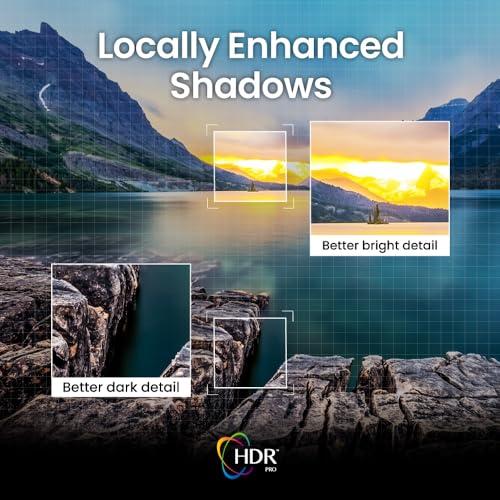
Contrast ratio—the difference between the deepest blacks and brightest whites—is where the price difference between these projectors becomes most evident. The BenQ W4100i achieves a dynamic contrast ratio of 3,000,000:1, which sounds impressive and delivers solid black levels for its price range. It uses technologies like Dynamic Black and Local Contrast Enhancer to improve depth and dimensionality in images.
The JVC DLA-NZ900, however, operates on another level entirely. JVC claims an "infinite" contrast ratio through their Dynamic Light Source Control, and based on professional measurements and user feedback, this isn't just marketing speak. The D-ILA technology, combined with premium optical components, produces what many consider the deepest, most natural blacks available in home projection. This creates that "floating in space" effect that separates good projectors from truly cinematic ones.
The practical impact is significant. When watching dark scenes in movies like "Blade Runner 2049" or "The Batman," the JVC DLA-NZ900 maintains detail in shadows while keeping blacks truly black, creating a more immersive, three-dimensional image. The BenQ W4100i handles these scenes well for its class, but there's a noticeable difference in depth and realism.
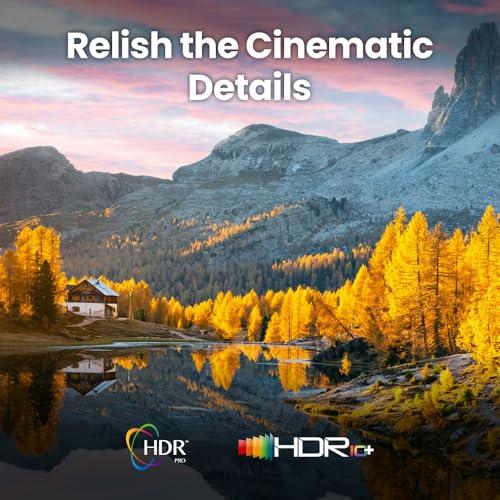
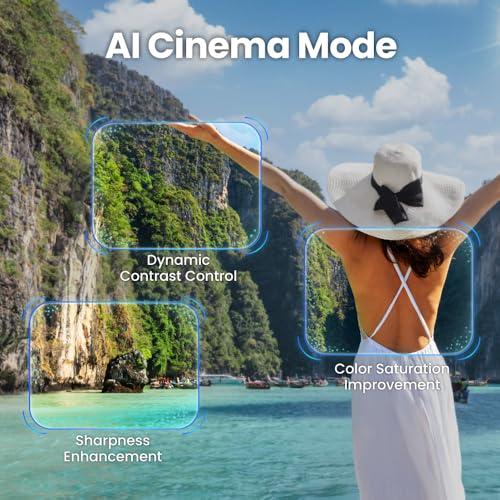
High Dynamic Range (HDR) has become the standard for premium content, and both projectors handle it differently. The BenQ W4100i supports HDR10, HDR10+, and HLG formats with its HDR-PRO technology. This system performs real-time tone mapping, essentially analyzing each frame and adjusting brightness and contrast dynamically. It's particularly effective with streaming content, where the AI Cinema Mode can actually improve compressed video by compensating for artifacts and enhancing detail.
The JVC DLA-NZ900 includes second-generation Frame Adapt HDR with Theater Optimizer, which sounds like marketing jargon but represents sophisticated technology. This system automatically measures the projector's brightness capabilities and the room's characteristics, then adjusts HDR tone mapping accordingly. It essentially eliminates the need for constant manual adjustments when switching between different HDR content.
From reviewing professional calibrations and user reports, the JVC DLA-NZ900 handles HDR with more sophistication, particularly with high-quality Blu-ray sources. However, the BenQ W4100i excels with streaming HDR content, where its AI processing can actually improve upon compressed sources.
This is one area where there's no contest. The BenQ W4100i was designed with modern gaming in mind, featuring input lag as low as 6.5 milliseconds at 1080p/240Hz and 17.9ms at 4K/60Hz. These numbers are genuinely competitive with gaming monitors, making it suitable for everything from casual console gaming to competitive esports. The projector includes three HDMI 2.1 ports, with one supporting 4K@120Hz, and automatic low-latency mode detection that works seamlessly with PlayStation 5 and Xbox Series X consoles.
The JVC DLA-NZ900 simply wasn't designed for gaming. While it produces beautiful images, it lacks the low-latency processing and gaming-specific features that modern consoles can take advantage of. If gaming is a priority, the BenQ W4100i wins decisively.
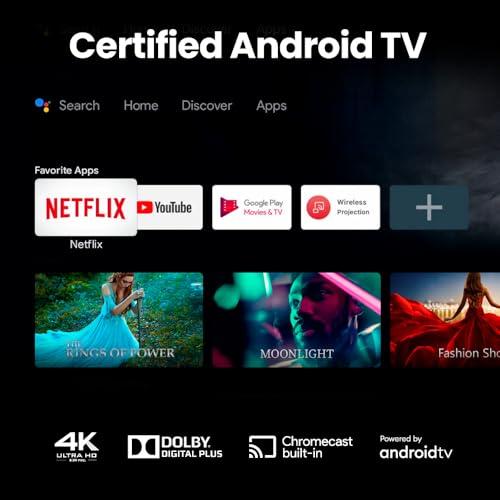
Modern projectors increasingly compete with smart TVs for convenience, and the BenQ W4100i embraces this trend fully. It includes an Android TV dongle for direct access to streaming services like Netflix, Disney+, and Prime Video. The interface supports voice control through Google Assistant, Chromecast casting, and Apple AirPlay. It's essentially a complete entertainment system in a single device.
The JVC DLA-NZ900 takes the opposite approach, focusing purely on projection quality and leaving smart features to external devices. This isn't necessarily a disadvantage—many enthusiasts prefer dedicated streaming devices for better performance and regular updates—but it does add complexity and cost to the overall system.
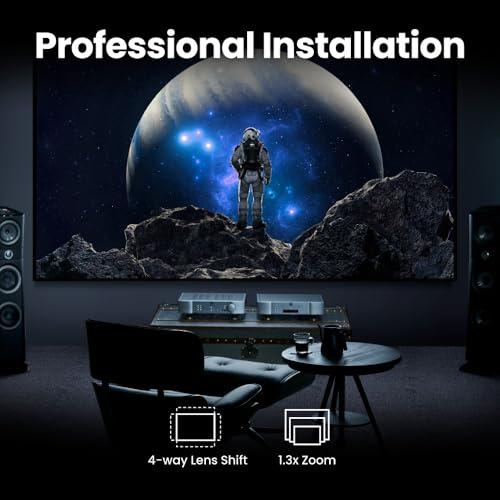
Both projectors offer extensive installation options, but with different strengths. The BenQ W4100i provides 1.3x optical zoom with 60% vertical and 15% horizontal lens shift, plus advanced keystone correction for challenging installations. It's designed to work in various room configurations, from dedicated theaters to living rooms with furniture constraints.
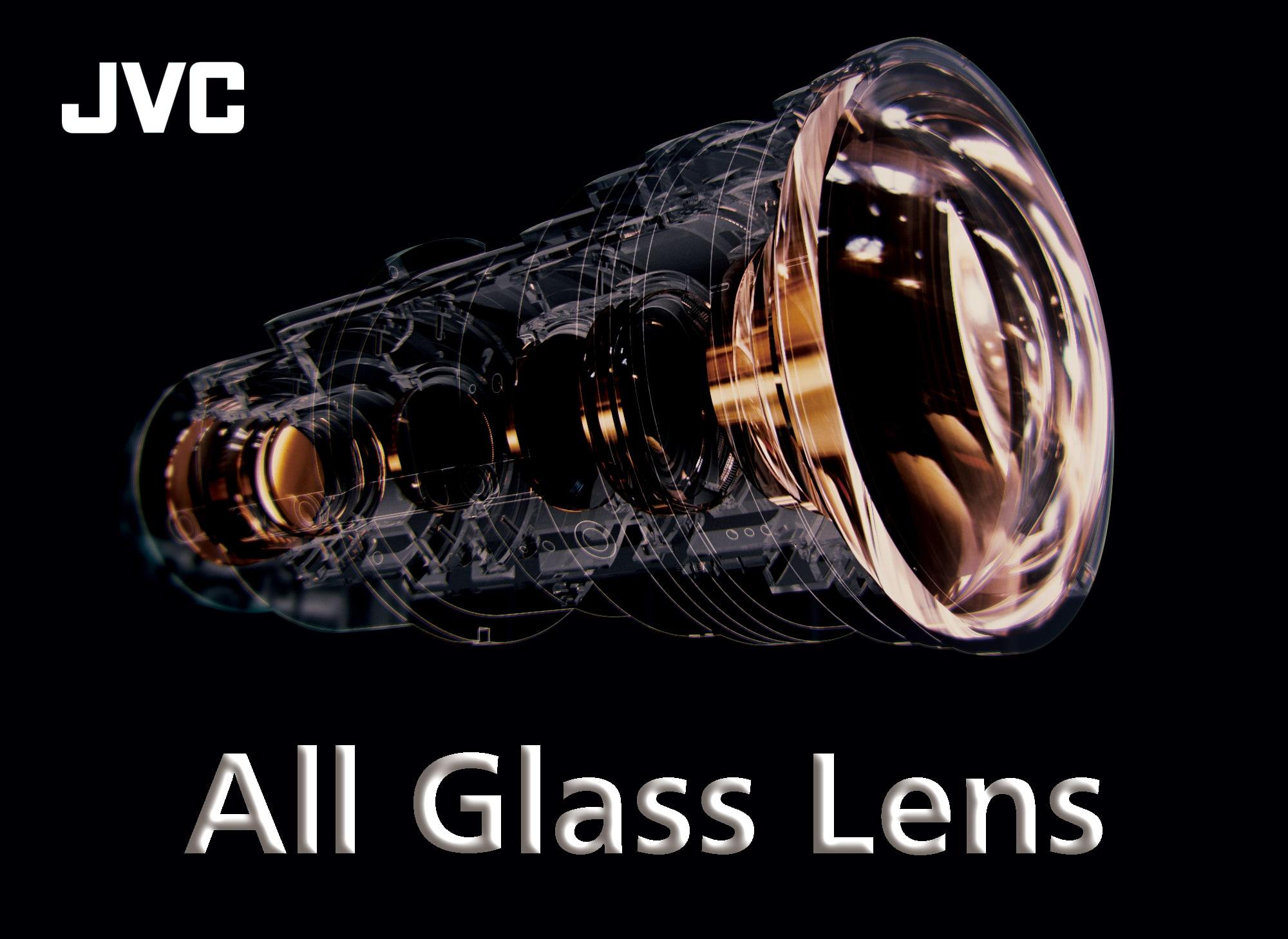
The JVC DLA-NZ900 features premium optics that justify much of its price premium. The 100mm diameter all-glass lens is 35% larger than typical projector lenses, with 18 elements in 16 groups for exceptional image quality. The motorized 2x zoom and extensive lens shift range provide more installation flexibility, while the superior optical design delivers sharper images across the entire screen.
At the time of writing, these projectors serve completely different market segments. The BenQ W4100i represents exceptional value in the mid-range category, typically priced around $3,000. For this investment, you get 4K imaging that's difficult to distinguish from native 4K in real-world viewing, excellent brightness for various room types, comprehensive gaming features, and built-in streaming capabilities. It's genuinely hard to find significant weaknesses at this price point.
The JVC DLA-NZ900 operates in flagship territory, with pricing that reflects its premium positioning—often eight to ten times the cost of the BenQ. This dramatic price difference isn't just about brand prestige; it reflects fundamentally different manufacturing approaches, with hand-selected components, precision optics, and processing capabilities that target the most demanding home theater enthusiasts.
The decision between these projectors ultimately comes down to priorities, budget, and intended use. The BenQ W4100i makes sense for most home theater enthusiasts who want excellent performance without extreme cost. It's particularly appealing for families who game regularly, watch lots of streaming content, or have multi-purpose entertainment rooms. The bright output handles ambient light well, making it suitable for spaces that aren't dedicated theaters.
The JVC DLA-NZ900 targets a specific audience: serious home theater enthusiasts with dedicated viewing rooms and budgets that prioritize ultimate image quality above all else. If you primarily watch high-quality Blu-ray content, have a light-controlled environment, and want the absolute best contrast and detail processing available, the JVC justifies its premium pricing.
Based on our evaluation of professional reviews, user feedback, and technical specifications, here's my recommendation framework: Choose the BenQ W4100i if you want the best overall value and versatility in modern home theater projection. Its combination of image quality, gaming performance, smart features, and reasonable pricing makes it an excellent choice for most users.
Consider the JVC DLA-NZ900 only if you have a serious budget for the absolute best image quality, understand that you'll need external streaming devices, and primarily watch high-quality source material in a dedicated theater environment. The image quality improvements are real and significant, but they come at a substantial premium that most users simply don't need.
The home theater projector market has never offered better options than it does today. Whether you choose the versatile excellence of the BenQ W4100i or the uncompromising premium performance of the JVC DLA-NZ900, you'll be getting technology that would have been unimaginable just a few years ago. The key is matching the projector to your specific needs, room, and budget rather than simply chasing specifications or brand names.
| BenQ W4100i 4K Home Theater Projector | JVC DLA-NZ900 8K Home Theater Projector |
|---|---|
| Display Technology - Affects image sharpness and detail quality | |
| 0.65" DLP with XPR 4K pixel-shifting (emulated 4K) | Native 4K D-ILA with 8K e-shiftX upscaling |
| Brightness - Determines screen size and ambient light tolerance | |
| 3,200 ANSI lumens (4-LED RGBB light source) | 3,300 ANSI lumens (BLU-Escent laser) |
| Contrast Ratio - Critical for deep blacks and image depth | |
| 3,000,000:1 dynamic contrast | Infinity:1 dynamic contrast (150,000:1 native) |
| Light Source Lifespan - Affects long-term ownership costs | |
| 30,000 hours (LED, maintenance-free) | 20,000 hours (laser, maintenance-free) |
| Color Coverage - Determines color accuracy and vibrancy | |
| 100% DCI-P3 & Rec.709 with factory calibration | Professional-grade color with premium processing |
| HDR Support - Essential for modern content quality | |
| HDR10, HDR10+, HLG with HDR-PRO tone mapping | HDR10, HDR10+, HLG with Frame Adapt HDR |
| Gaming Performance - Important for console and PC gaming | |
| 6.5ms lag (1080p), 17.9ms (4K), HDMI 2.1 with 4K@120Hz | Not optimized for gaming, standard processing only |
| Smart Features - Affects ease of use and content access | |
| Built-in Android TV, Chromecast, AirPlay, Google Assistant | No smart features, requires external streaming device |
| Lens System - Impacts installation flexibility and image quality | |
| 1.3x zoom, 60% vertical/±15% horizontal lens shift | Premium 100mm all-glass lens, 2x zoom, extensive shift |
| Installation Flexibility - Determines room placement options | |
| Good flexibility with keystone correction, suitable for various rooms | Excellent flexibility, optimized for dedicated theaters |
| Audio System - Built-in sound capabilities | |
| 5W mono speaker, eARC/SPDIF output | Basic audio, designed for external sound systems |
| 3D Support - For users with 3D content libraries | |
| DLP Link 3D compatible | Frame Packing, Side-by-Side, Top & Bottom 3D |
| Target Market - Who each projector is designed for | |
| Mainstream enthusiasts seeking versatile performance | Premium home theater purists with dedicated rooms |
| Value Proposition - Performance relative to typical pricing | |
| Exceptional mid-range value with comprehensive features | Flagship performance for serious enthusiasts with large budgets |
The BenQ W4100i is better for most home theater setups due to its versatile performance, built-in smart features, and ability to handle various room lighting conditions. It offers excellent 4K image quality, comprehensive gaming support, and streaming capabilities at a much more accessible price point than the JVC DLA-NZ900.
The main difference is that the BenQ W4100i uses DLP technology with 4K pixel-shifting for broad appeal and versatility, while the JVC DLA-NZ900 uses native 4K D-ILA technology with 8K upscaling for ultimate image quality in dedicated theater rooms. The JVC targets premium users willing to invest significantly more for superior contrast and detail.
The JVC DLA-NZ900 has superior picture quality with its native 4K D-ILA technology, infinite contrast ratio, and professional-grade image processing. However, the BenQ W4100i delivers excellent 4K image quality that most viewers find difficult to distinguish from native 4K in real-world viewing scenarios.
The BenQ W4100i is excellent for gaming with 6.5ms input lag, HDMI 2.1 support, and 4K@120Hz compatibility with modern consoles. The JVC DLA-NZ900 is not optimized for gaming and lacks low-latency features, making it unsuitable for serious gaming applications.
Both projectors offer similar brightness levels - the BenQ W4100i produces 3,200 ANSI lumens while the JVC DLA-NZ900 outputs 3,300 ANSI lumens. The BenQ W4100i may perform better in rooms with ambient light due to its LED technology and design philosophy.
The BenQ W4100i works well in rooms with moderate ambient light and is suitable for multi-purpose spaces. The JVC DLA-NZ900 is optimized for dedicated, light-controlled home theaters where its superior contrast performance can be fully appreciated.
The BenQ W4100i includes comprehensive smart features with built-in Android TV, streaming apps, Chromecast, AirPlay, and Google Assistant. The JVC DLA-NZ900 has no smart features and requires external streaming devices for content access.
The BenQ W4100i features a 4-LED light source rated for 30,000 hours of maintenance-free operation. The JVC DLA-NZ900 uses a BLU-Escent laser system with a 20,000-hour lifespan. Both eliminate the need for lamp replacements found in older projector technologies.
The BenQ W4100i offers exceptional value with its combination of 4K performance, gaming features, smart TV capabilities, and competitive pricing. The JVC DLA-NZ900 represents premium value for enthusiasts who prioritize absolute image quality and have budgets to match their performance demands.
Both projectors support HDR10, HDR10+, and HLG formats. The BenQ W4100i features HDR-PRO technology with real-time tone mapping, while the JVC DLA-NZ900 includes advanced Frame Adapt HDR processing that automatically optimizes content based on room conditions.
The BenQ W4100i offers good installation flexibility with lens shift and keystone correction, suitable for various room configurations. The JVC DLA-NZ900 provides superior installation options with its premium 100mm all-glass lens system, extensive motorized adjustments, and professional-grade mounting capabilities.
The BenQ W4100i can effectively fill screens up to 300 inches thanks to its high brightness output, making it suitable for large spaces. The JVC DLA-NZ900 is optimized for screens up to 150 inches in dedicated theater environments where its superior image processing and contrast can be fully utilized.
We've done our best to create useful and informative comparisons to help you decide what product to buy. Our research uses advanced automated methods to create this comparison and perfection is not possible - please contact us for corrections or questions. These are the sites we've researched in the creation of this article: blog.son-video.com - notebookcheck.net - whathifi.com - newatlas.com - hometheaterhifi.com - benq.com - youtube.com - shop.avispl.com - projectorcentral.com - benq.com - youtube.com - projectorcentral.com - benq.com - device.report - pssav.com - newegg.com - projectorcentral.com - valueelectronics.com - crutchfield.com - projectorreviews.com - soundapproach.com - houseofstereo.com - puretheatre.com - projectorscreen.com - projectorcentral.com - stereonet.com

Privacy Policy
Terms and Conditions - Affiliate Policy
Home Security
© Copyright 2008-2026.
11816 Inwood Rd #1211, Dallas, TX 75244