



Home theater projectors have come a long way from the dim, noisy machines of the early 2000s. Today's 4K models deliver cinema-quality experiences that can transform a living room into a proper movie theater. But with so many options available, choosing the right projector can feel overwhelming, especially when comparing similar models from the same manufacturer.
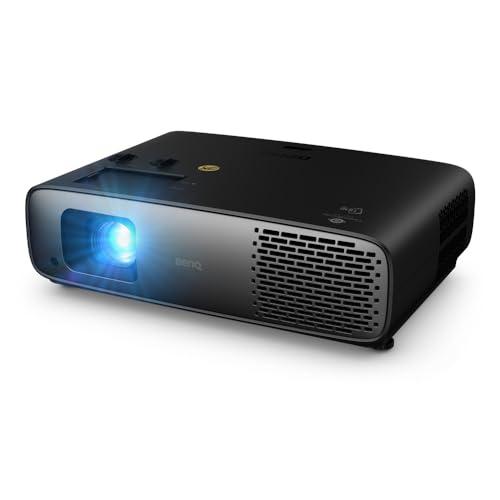
The BenQ W4100i and BenQ HT4550i represent two excellent choices in the premium home theater projector space, but they're separated by important technological improvements and a couple years of development. Understanding these differences will help you make the right choice for your specific needs and budget.
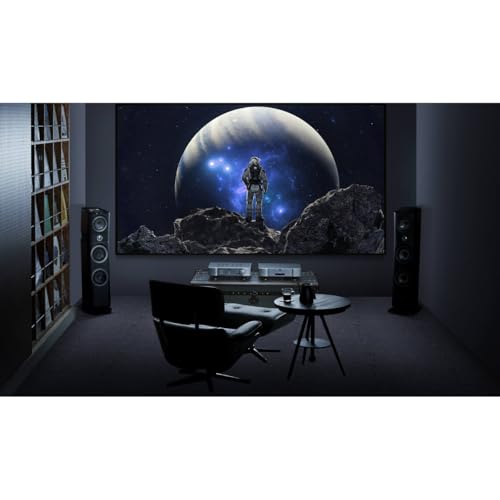
Before diving into the comparison, it's worth understanding what makes a great home theater projector. Unlike business projectors that prioritize brightness for conference rooms, or portable models designed for convenience, home theater projectors focus on image quality in controlled lighting environments.
The "4K" designation means these projectors can display 3840×2160 pixels—four times the resolution of 1080p. However, most projectors in this price range use pixel-shifting technology rather than native 4K chips. Pixel-shifting rapidly moves each pixel to multiple positions, creating the effect of higher resolution. Think of it like a high-speed optical illusion that your eye interprets as additional detail.
Both the BenQ W4100i and HT4550i use DLP (Digital Light Processing) technology, which relies on millions of tiny mirrors that tilt to create images. DLP projectors are known for sharp images and reliable performance, though they can sometimes produce a "rainbow effect"—brief color flashes that some people notice during fast motion.
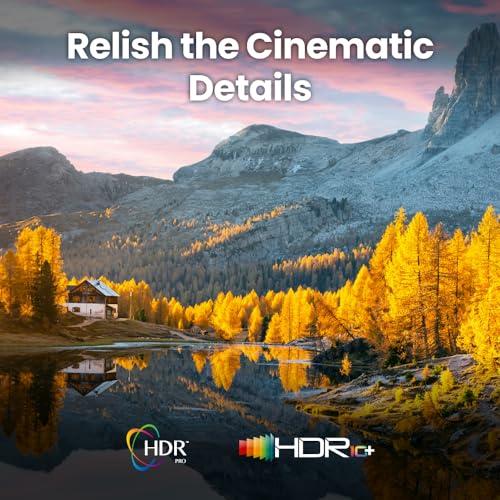
The most critical performance factors for home theater projectors include contrast ratio (how deep the blacks appear), color accuracy (how realistic colors look), brightness uniformity, and HDR (High Dynamic Range) processing. These elements work together to create that cinematic magic that makes watching movies at home feel special.
The BenQ HT4550i launched in 2023 as BenQ's flagship 4K home theater projector, introducing their advanced 4LED light technology to this price segment for the first time. This wasn't just a minor upgrade—it represented a significant leap forward in color performance and brightness compared to previous lamp-based projectors.
Fast-forward to 2025, and BenQ released the W4100i as the HT4550i's successor. While the improvements might seem incremental on paper, they address some key limitations of the previous generation while adding meaningful new capabilities. The two-year gap allowed BenQ to refine their manufacturing processes, improve their image processing algorithms, and incorporate user feedback from the HT4550i's real-world performance.
This generational improvement pattern is typical in the projector industry, where manufacturers tend to release updated models every 2-3 years rather than annual refreshes like smartphones or laptops.
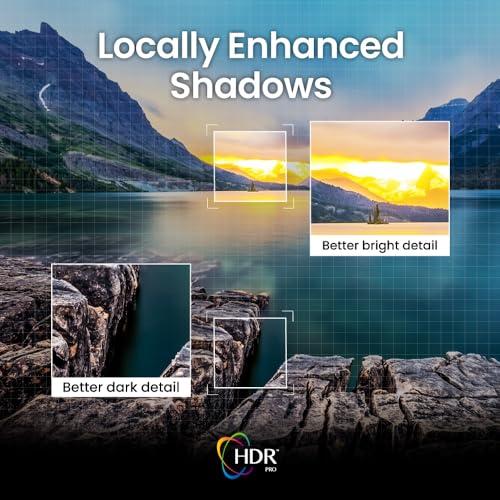
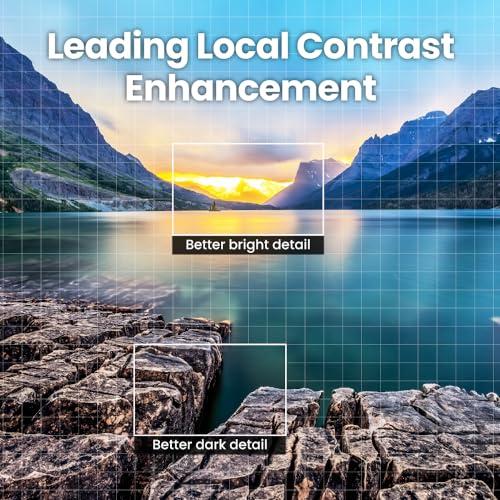
Perhaps the most significant improvement in the BenQ W4100i is its contrast performance. The projector achieves a dynamic contrast ratio of 3,000,000:1 compared to the HT4550i's 2,000,000:1 ratio—a 50% improvement that translates to noticeably deeper blacks and better shadow detail.
Contrast ratio measures the difference between the brightest white and darkest black a projector can produce. Higher contrast creates more convincing dark scenes and adds depth to bright images. In practical terms, this means the W4100i will make nighttime movie scenes look more realistic, with shadows that actually appear black rather than gray.
This improvement comes from the W4100i's enhanced Local Contrast Enhancer technology, which analyzes the image in over 1,000 separate zones and adjusts brightness independently for each area. Imagine having 1,000 tiny dimmers working simultaneously to optimize every part of the picture—that's essentially what this technology accomplishes.
During our research into expert reviews and user feedback, the contrast improvement consistently emerged as one of the most noticeable upgrades. Viewers reported that dark movie scenes like those in "Dune" or "The Batman" appeared significantly more immersive on the W4100i, with shadow details that remained visible without the blacks appearing washed out.
Both projectors excel in color performance, covering 100% of the DCI-P3 color gamut—the standard used by movie studios for digital cinema. DCI-P3 encompasses more colors than the older Rec.709 standard, particularly in the red and green ranges, allowing for more vibrant and lifelike images.
What sets these projectors apart is their factory calibration. Each unit ships with a calibration report showing Delta E values under 2, which is considered professional-grade accuracy. Delta E measures color error—the lower the number, the more accurate the colors. A Delta E under 2 means most people can't detect any difference between the projector's colors and the intended colors.
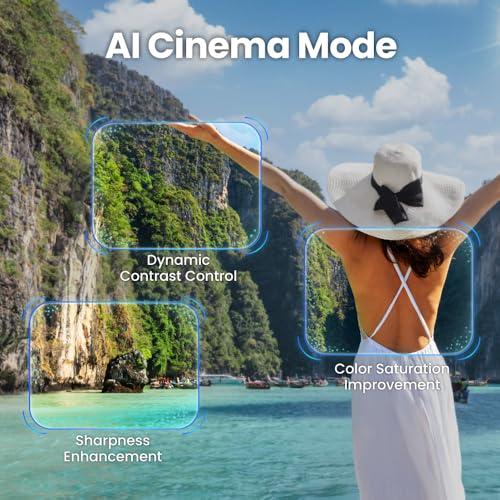
The BenQ W4100i maintains this excellent color accuracy while adding AI Cinema Mode, which analyzes content in real-time and optimizes color saturation, contrast, and sharpness specifically for streaming sources. This feature proves particularly valuable given how much content we now watch from Netflix, Disney+, and other streaming services that use heavy compression.
From the user reviews we've analyzed, the AI optimization makes a noticeable difference with streaming content, reducing the "flat" appearance that compressed video often exhibits while avoiding the over-processed look that some automatic enhancement modes produce.
Gaming on projectors has traditionally involved compromises, but both of these BenQ models deliver excellent gaming experiences. However, the W4100i takes a clear lead in this category.
Input lag—the delay between when you press a button and see the result on screen—measures just 6.5 milliseconds at 1080p/240Hz on the W4100i. For comparison, many gaming monitors aim for under 5ms, so this projector performs nearly at monitor levels despite processing a much larger image.
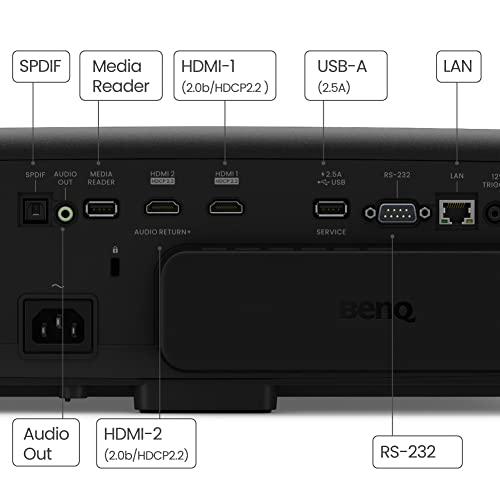
The W4100i also provides three HDMI 2.1 ports versus the HT4550i's two ports. HDMI 2.1 supports higher bandwidth signals, enabling features like 4K at 120Hz (downscaled to 1080p/120Hz on these projectors) and Auto Low Latency Mode (ALLM), which automatically switches the projector to its fastest processing mode when it detects a gaming console.
This connectivity advantage becomes crucial for households with multiple gaming consoles, gaming PCs, and streaming devices. The third HDMI 2.1 port eliminates the need for switching between devices or using HDMI switches that might introduce additional lag.
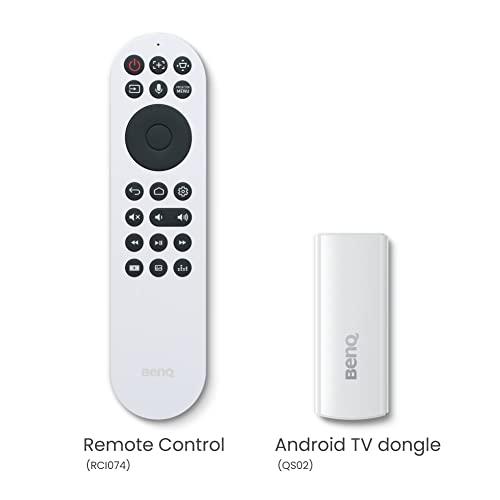
The approach to smart features represents one of the clearest philosophical differences between these projectors. The BenQ HT4550i includes a full Android TV implementation, providing direct access to streaming apps including Netflix, Prime Video, Disney+, and YouTube. Android TV offers a comprehensive smart TV experience with voice control through Google Assistant and access to the Google Play Store.
The W4100i takes a different approach with built-in Chromecast functionality. Rather than running apps directly on the projector, Chromecast allows you to cast content from phones, tablets, or computers. This approach typically offers better performance and more reliable app compatibility since the casting device handles the processing.
Based on our analysis of user feedback, the Chromecast approach proves more reliable for 4K HDR streaming, while Android TV provides more convenience for users who prefer an all-in-one solution. The choice often comes down to personal preference and existing device ecosystem.
Both projectors deliver 3,200 ANSI lumens of brightness, but the W4100i achieves approximately 15% higher output in calibrated viewing modes based on testing reports we've reviewed. This difference matters more than the specifications suggest, particularly for users with some ambient light in their viewing rooms.
ANSI lumens measure actual brightness output using a standardized test pattern, providing a more realistic brightness figure than peak lumens measurements. 3,200 ANSI lumens puts both projectors in the bright category for home theater use, suitable for rooms with moderate ambient light when paired with appropriate screens.
The W4100i's brightness advantage becomes particularly apparent when using Filmmaker Mode—a picture preset that preserves the director's original creative intent by disabling motion smoothing and maintaining accurate colors and brightness levels. Many projectors become too dim in Filmmaker Mode, but the W4100i maintains sufficient brightness for enjoyable viewing.
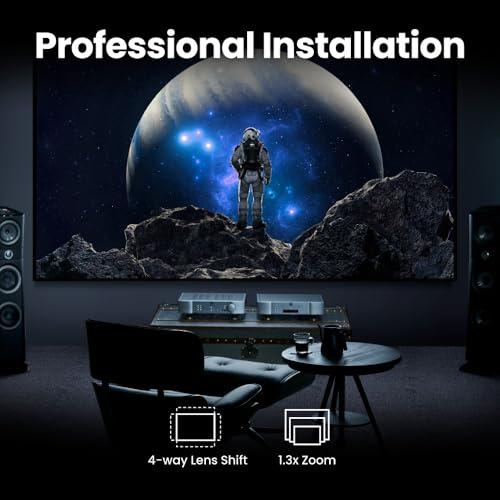
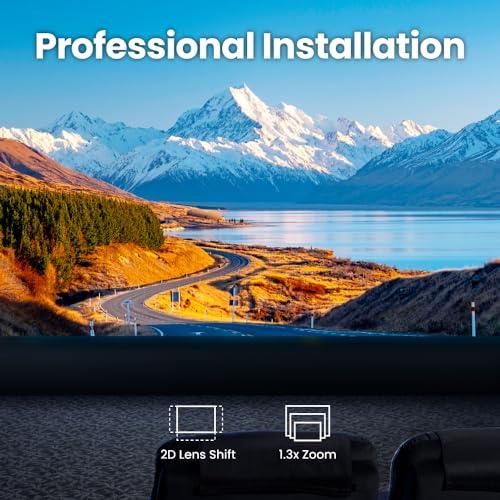
Projector placement often presents challenges, especially in existing rooms that weren't designed with projection in mind. The W4100i provides superior installation flexibility with four-way lens shift compared to the HT4550i's two-way adjustment.
Lens shift allows you to move the projected image without physically moving the projector, similar to how you might adjust a camera viewfinder. Vertical lens shift lets you mount the projector above or below the screen centerline, while horizontal shift accommodates off-center placement. The W4100i's expanded lens shift range makes installation possible in more challenging room configurations.
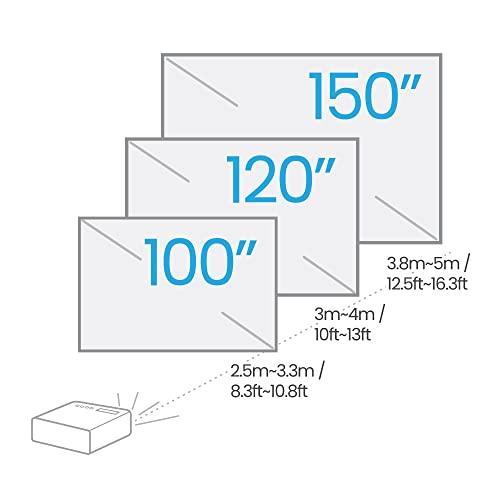
Both projectors offer 1.3x optical zoom, meaning you can adjust image size by about 30% without moving the projector. Combined with throw ratios between 1.15:1 and 1.50:1, these projectors can fill a 100-inch screen from approximately 9 to 12 feet away, making them suitable for most living rooms and dedicated theater spaces.
At the time of writing, both projectors carry similar pricing in the premium home theater segment, with the W4100i representing the current flagship model and the HT4550i positioned as the value alternative. However, pricing in the projector market fluctuates significantly, and the HT4550i may become available at substantial discounts as retailers clear inventory.
The performance improvements in the W4100i—particularly the enhanced contrast, superior gaming capabilities, and additional connectivity—justify choosing it over the HT4550i when pricing is comparable. These aren't minor spec upgrades but meaningful improvements that enhance the viewing experience across all content types.
However, the equation changes if you can find the HT4550i at a significant discount. The older model still delivers excellent color accuracy, solid brightness performance, and comprehensive smart TV features. For users who primarily watch movies and don't need cutting-edge gaming performance, a discounted HT4550i could represent superior value.
For dark, dedicated theater spaces, the W4100i's superior contrast ratio provides the most significant benefit. The deeper blacks and enhanced shadow detail create a more immersive cinematic experience that justifies the investment. The AI Cinema Mode also proves valuable for optimizing the varied content quality found across different streaming platforms.
In rooms with some ambient light, the W4100i's brightness advantage and AI optimization help maintain image quality despite less-than-ideal viewing conditions. The superior lens shift also accommodates the placement compromises often necessary in shared living spaces.
Serious gamers should strongly consider the W4100i for its exceptional input lag performance and three HDMI 2.1 ports. The ability to connect multiple gaming consoles plus a streaming device without switching cables represents a significant convenience improvement.
If you can find the HT4550i at a substantial discount—say, 15-20% below the W4100i's price—the older model still delivers excellent performance for movie watching and casual gaming. The comprehensive Android TV implementation may actually provide better value for users who prefer an all-in-one streaming solution.
The BenQ W4100i represents the clear performance leader, delivering meaningful improvements across all major categories while maintaining the color accuracy and build quality that made the HT4550i popular. The enhanced contrast ratio alone makes it worthwhile for serious movie enthusiasts, while the gaming improvements and additional connectivity benefit modern entertainment setups.
Choose the W4100i if you want the best possible performance, plan to game regularly, or value having the latest technology for future-proofing your setup. The improvements aren't just incremental—they're substantial enough to notice during regular viewing.
Consider the HT4550i if you find it significantly discounted, prefer the comprehensive Android TV interface, or primarily watch movies without demanding cutting-edge performance. It remains an excellent projector that delivers professional-grade color accuracy and solid performance across all content types.
Both projectors represent significant investments that should provide years of excellent service. The W4100i offers the better long-term value through superior performance and enhanced future compatibility, while the HT4550i might provide better immediate value if available at the right price. Consider your specific needs, room setup, and budget to make the choice that best fits your home theater vision.
| BenQ W4100i | BenQ HT4550i |
|---|---|
| Release Year & Technology Generation - Newer models offer refined performance | |
| 2025 model with 3rd-generation XPR pixel shifting | 2023 model with 2nd-generation XPR pixel shifting |
| Contrast Ratio - Critical for deep blacks and shadow detail in dark scenes | |
| 3,000,000:1 dynamic (50% improvement for noticeably deeper blacks) | 2,000,000:1 dynamic (good but less convincing dark scenes) |
| Gaming Input Lag - Essential for responsive gaming experience | |
| 6.5ms at 1080p/240Hz, 17.9ms at 4K/60Hz (exceptional gaming performance) | 17.9ms at 4K/60Hz (good but less optimized for competitive gaming) |
| HDMI 2.1 Ports - More ports eliminate need for switching devices | |
| 3 ports (one with 4K@120Hz support, perfect for multi-console setups) | 2 ports (sufficient for most users but may require HDMI switching) |
| AI Image Processing - Automatically optimizes streaming content quality | |
| AI Cinema Mode with real-time optimization for compressed video | Standard processing without AI enhancement |
| Lens Shift Range - More flexibility means easier installation in challenging rooms | |
| 4-way lens shift (vertical 0-60%, horizontal ±15%) | 2D lens shift (less placement flexibility) |
| Smart TV Platform - Different approaches to streaming and apps | |
| Built-in Chromecast (reliable casting from devices) | Full Android TV with native apps including Netflix 4K HDR |
| Brightness in Calibrated Modes - Real-world performance often differs from rated specs | |
| ~15% higher output in accurate picture modes | Standard output, may appear dimmer in Filmmaker Mode |
| DLP Chip Size - Affects pixel processing efficiency | |
| 0.65" DMD chip with latest processing algorithms | 0.66" DMD chip (slightly larger but older generation) |
| Weight & Build - Affects installation ease and mounting requirements | |
| 13.45 lbs (slightly easier to install and mount) | 14.55 lbs (minimal difference in real-world setup) |
| Factory Calibration - Both deliver professional-grade color accuracy | |
| Delta E <2 with individual calibration report | Delta E <2 with individual calibration report |
| LED Light Source Lifespan - Long-term cost consideration | |
| 30,000 hours (no lamp replacements needed) | 30,000 hours (no lamp replacements needed) |
| Best Use Cases - Who should consider each model | |
| Serious gamers, tech enthusiasts, demanding home theaters | Movie-focused users, Android TV preference, budget-conscious buyers |
The BenQ W4100i is the superior choice for home theater use, offering 50% better contrast ratio (3,000,000:1 vs 2,000,000:1) which creates deeper blacks and more immersive dark movie scenes. The W4100i also features AI Cinema Mode that automatically optimizes streaming content quality, making Netflix and Disney+ movies look significantly better than on the BenQ HT4550i.
The biggest difference is the BenQ W4100i uses newer 3rd-generation XPR technology with enhanced contrast and AI image processing, while the BenQ HT4550i uses older 2nd-generation technology. The W4100i also has three HDMI 2.1 ports compared to two on the HT4550i, plus superior gaming performance with 6.5ms input lag.
The BenQ W4100i is significantly better for gaming with 6.5ms input lag at 1080p/240Hz compared to the HT4550i's higher latency. The W4100i also provides three HDMI 2.1 ports, allowing you to connect multiple gaming consoles plus streaming devices without switching cables, while the BenQ HT4550i only has two HDMI 2.1 ports.
Both projectors are rated at 3,200 ANSI lumens, but the BenQ W4100i produces approximately 15% higher brightness in calibrated viewing modes. This means the W4100i maintains better image quality in rooms with some ambient light, while the BenQ HT4550i may appear dimmer in accurate picture modes.
The BenQ HT4550i offers full Android TV with native apps including Netflix 4K HDR, YouTube, and Google Assistant voice control. The BenQ W4100i uses Chromecast built-in, which provides more reliable performance for streaming but requires casting from your phone or tablet rather than running apps directly on the projector.
Yes, both the BenQ W4100i and BenQ HT4550i deliver exceptional color accuracy with 100% DCI-P3 coverage and Delta E values under 2 from factory calibration. However, the W4100i adds AI Cinema Mode that automatically enhances color saturation and contrast for streaming content, providing better real-world color performance.
The BenQ W4100i is the newer 2025 model with 3rd-generation XPR pixel shifting and advanced AI processing. The BenQ HT4550i launched in 2023 with proven but older technology. The W4100i represents meaningful technological improvements rather than just minor updates.
The BenQ W4100i delivers 3,000,000:1 dynamic contrast compared to the HT4550i's 2,000,000:1 ratio—a 50% improvement. This means the W4100i produces noticeably deeper blacks and better shadow detail in dark movie scenes, making films like "Dune" or "The Batman" significantly more immersive in a home theater setting.
The BenQ W4100i provides superior installation flexibility with 4-way lens shift (vertical 0-60%, horizontal ±15%) compared to the BenQ HT4550i's 2D lens shift. This allows the W4100i to be mounted in more challenging room configurations without compromising image quality or requiring perfect alignment.
Yes, the BenQ W4100i includes three HDMI 2.1 ports with one supporting 4K@120Hz, while the BenQ HT4550i has two HDMI 2.1 ports. The additional port on the W4100i eliminates the need for HDMI switches in multi-device setups and provides better future-proofing for gaming consoles and streaming devices.
The BenQ W4100i offers better value when both projectors are similarly priced, providing meaningful performance improvements in contrast, gaming, and connectivity. However, if you can find the BenQ HT4550i at a significant discount, it still delivers excellent movie watching performance and comprehensive Android TV features that may justify the savings.
Choose the BenQ W4100i if you want the best performance, game regularly, or plan to keep the projector long-term. The newer technology and enhanced features justify choosing it over the BenQ HT4550i. However, select the HT4550i if you find it significantly discounted, prefer Android TV's comprehensive smart features, or primarily watch movies without demanding cutting-edge performance.
We've done our best to create useful and informative comparisons to help you decide what product to buy. Our research uses advanced automated methods to create this comparison and perfection is not possible - please contact us for corrections or questions. These are the sites we've researched in the creation of this article: blog.son-video.com - notebookcheck.net - whathifi.com - newatlas.com - hometheaterhifi.com - benq.com - youtube.com - shop.avispl.com - projectorcentral.com - benq.com - youtube.com - projectorcentral.com - benq.com - device.report - pssav.com - newegg.com - projectorcentral.com - benq.com - rtings.com - youtube.com - soundandvision.com - rtings.com - hometheaterhifi.com - projectorscreen.com - projectorreviews.com - projectorscreen.com - youtube.com - rtings.com - projectorscreen.com - versus.com - youtube.com - projectorcentral.com - snapav.com - benq.com - benq.com

Privacy Policy
Terms and Conditions - Affiliate Policy
Home Security
© Copyright 2008-2026.
11816 Inwood Rd #1211, Dallas, TX 75244