


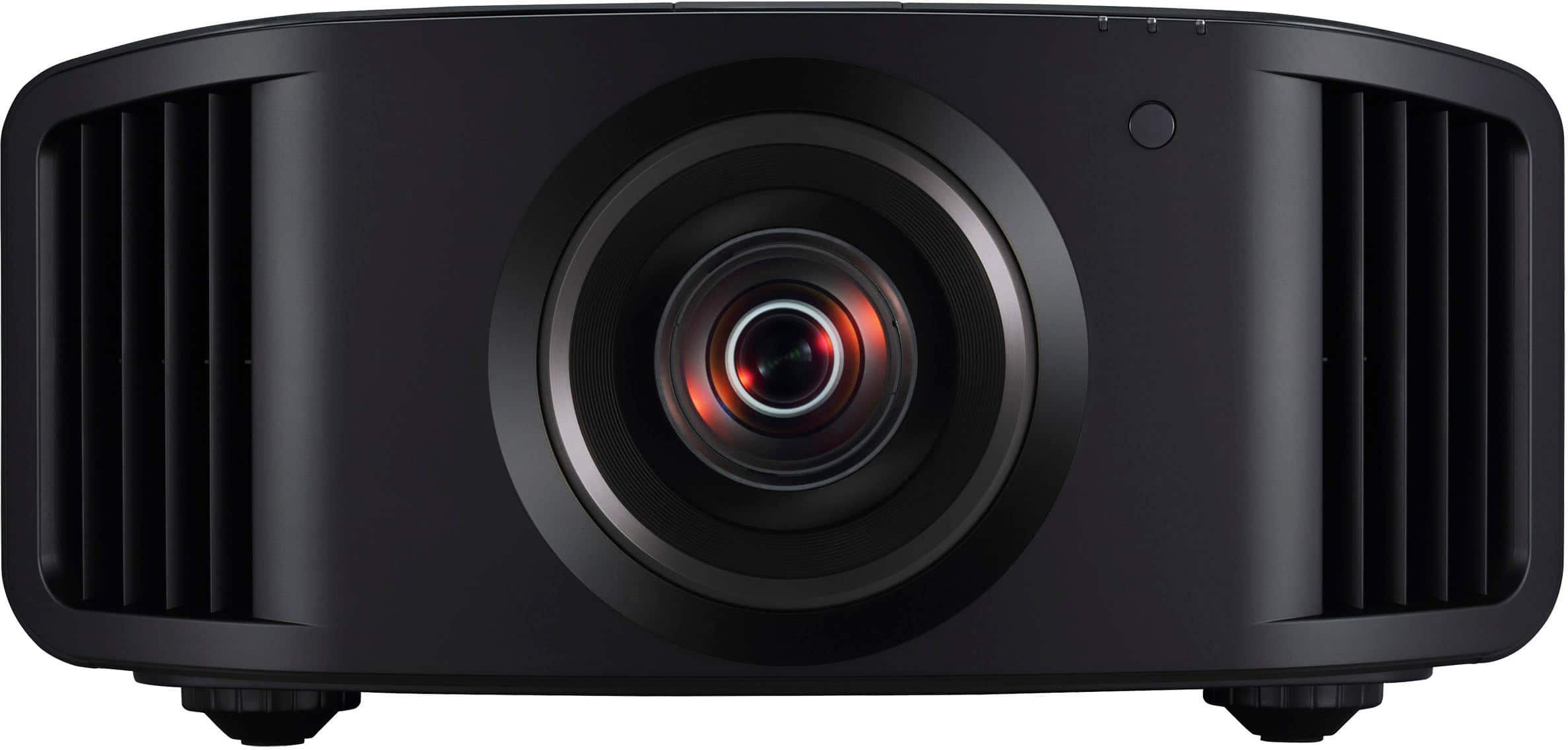
Home theater projectors have come a long way from the days of dim, blurry displays that required complete darkness. Today's models can deliver stunning 4K images that rival premium televisions, with some even pushing into 8K territory. But with options ranging from under $1,000 to over $20,000, choosing the right projector can feel overwhelming.
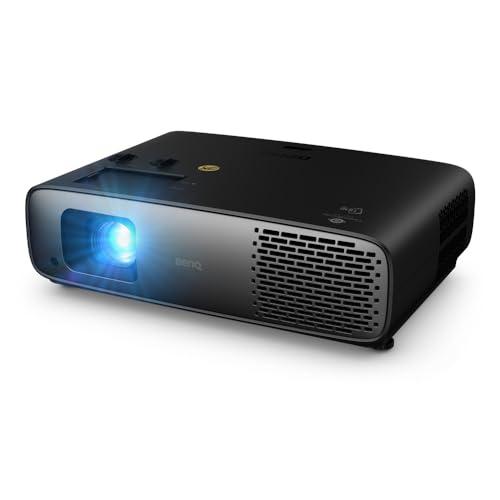
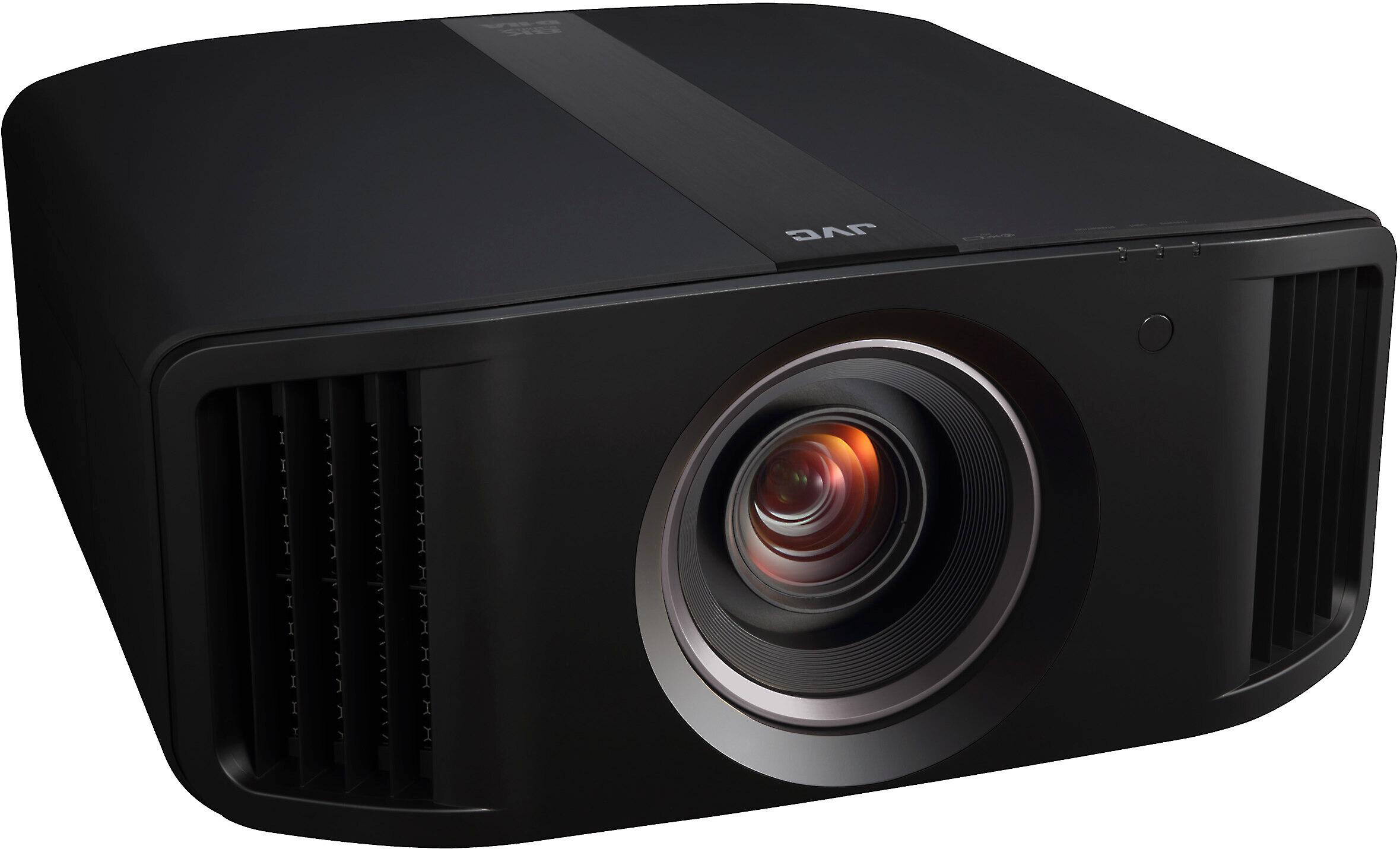
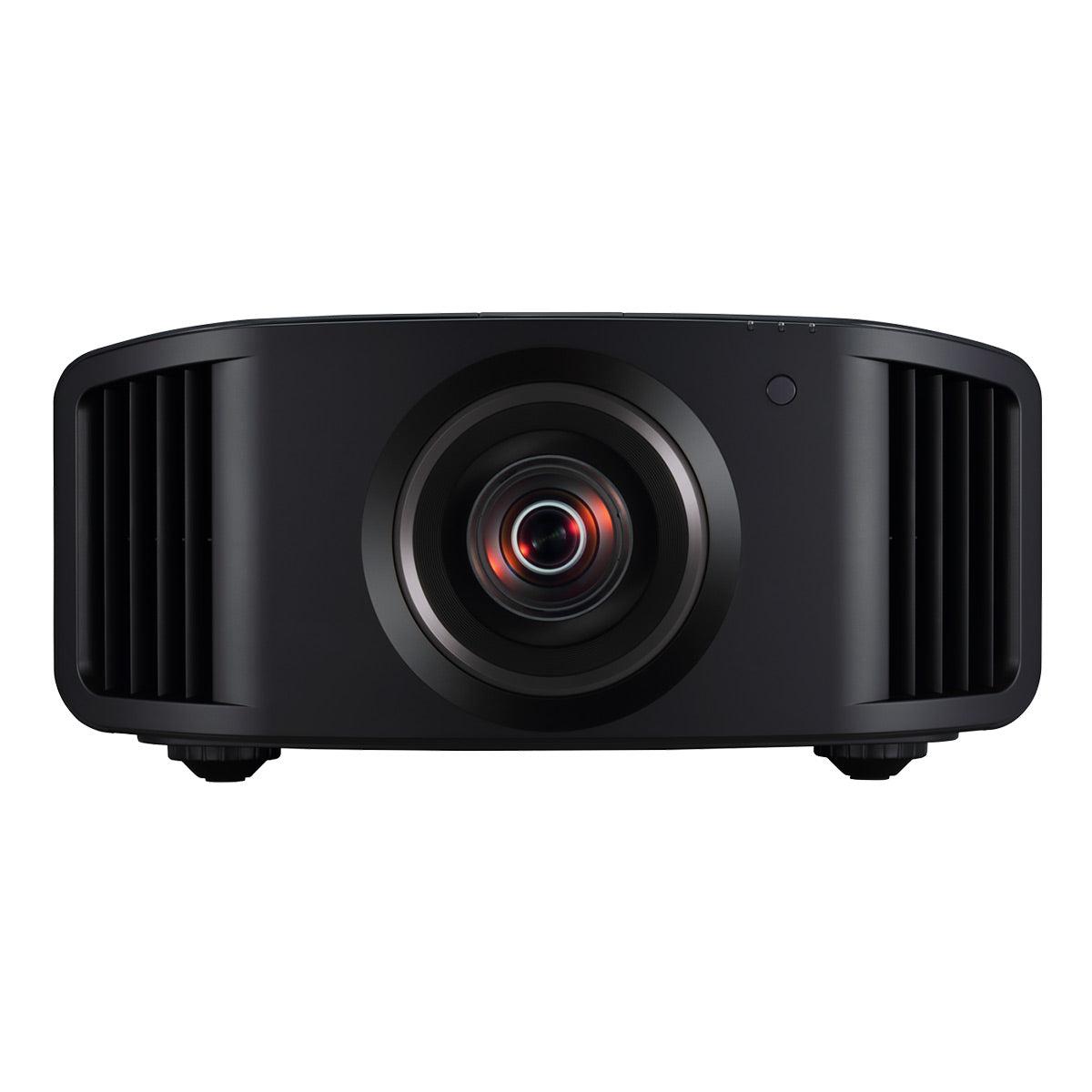
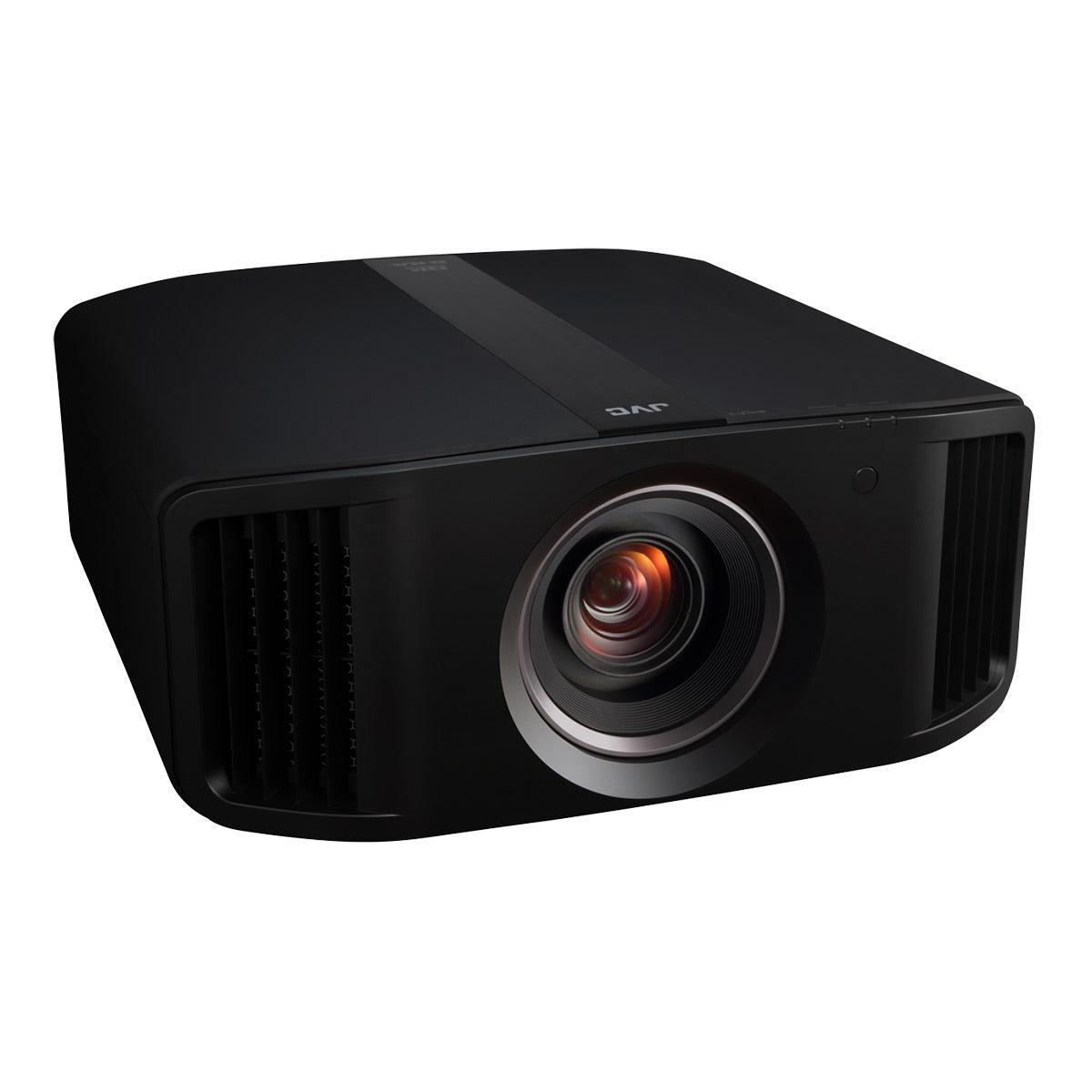
Two standout models that represent very different approaches are the BenQ W4100i and the JVC DLA-NZ800. Released in 2024 and 2025 respectively, these projectors showcase how far the technology has advanced while targeting distinctly different users. The BenQ W4100i focuses on versatility and value, while the JVC DLA-NZ800 prioritizes pure image quality for serious cinema enthusiasts.
Before diving into specifics, it's helpful to understand what makes modern projectors tick. At their core, projectors work by creating light and then shaping it into images. The key differences lie in how they generate that light and create those images.
Light sources have evolved dramatically. Older projectors used replaceable bulbs that dimmed over time and needed costly replacements every few thousand hours. Modern projectors like both our contenders use longer-lasting LED or laser light sources that can run for 20,000-30,000 hours without replacement – that's over a decade of typical use.
Display technology varies significantly. The BenQ W4100i uses DLP (Digital Light Processing), where millions of tiny mirrors flip rapidly to create images. It's a single-chip system that uses clever pixel-shifting technology called XPR to display 4K resolution from a chip that doesn't natively have 8.3 million pixels. Think of it as taking a smaller image and rapidly shifting it in precise patterns to fill in the gaps, creating the appearance of higher resolution.
The JVC DLA-NZ800 takes a different approach with D-ILA technology (Direct Drive Image Light Amplifier), which is similar to LCD but uses liquid crystal on silicon for better contrast. It employs three separate chips – one each for red, green, and blue – and truly displays native 4K resolution without any pixel-shifting tricks.
Brightness, measured in lumens, might be the most underestimated specification when buying a projector. Many people assume any projector will work in their living room, but brightness determines whether you'll get a watchable image or a washed-out disappointment.
The BenQ W4100i delivers 3,200 ANSI lumens from its 4LED light source. This is genuinely impressive brightness that allows for flexible room use. You can watch content with some ambient light, use larger screen sizes (up to 150 inches), and not feel trapped in a cave-like environment. The 4LED system uses four separate LED colors – red, green, blue, and an additional blue – which creates more vibrant colors while maintaining high brightness.
In contrast, the JVC DLA-NZ800 produces 2,700 lumens from its laser light source. While still substantial, this 500-lumen difference becomes significant in real-world use. The laser system offers better longevity and more precise control with 101-step brightness adjustment, but it requires a more controlled viewing environment to truly shine.
Based on our research into user experiences, the brightness difference translates to practical usage scenarios. The BenQ W4100i works well in family rooms with moderate ambient light, while the JVC DLA-NZ800 demands a dedicated theater room with controlled lighting for optimal performance.
The resolution story reveals fundamental philosophical differences between these projectors. Resolution refers to how many individual picture elements (pixels) can be displayed, and more pixels generally mean sharper, more detailed images.
The BenQ W4100i uses a 0.65-inch DLP chip with approximately 2.7 million native pixels, then employs third-generation XPR (eXpanded Pixel Resolution) technology to display 4K content. XPR rapidly shifts the image by half a pixel in multiple directions, effectively doubling the perceived resolution. Modern XPR technology is remarkably effective – most viewers cannot distinguish it from native 4K in typical viewing scenarios.
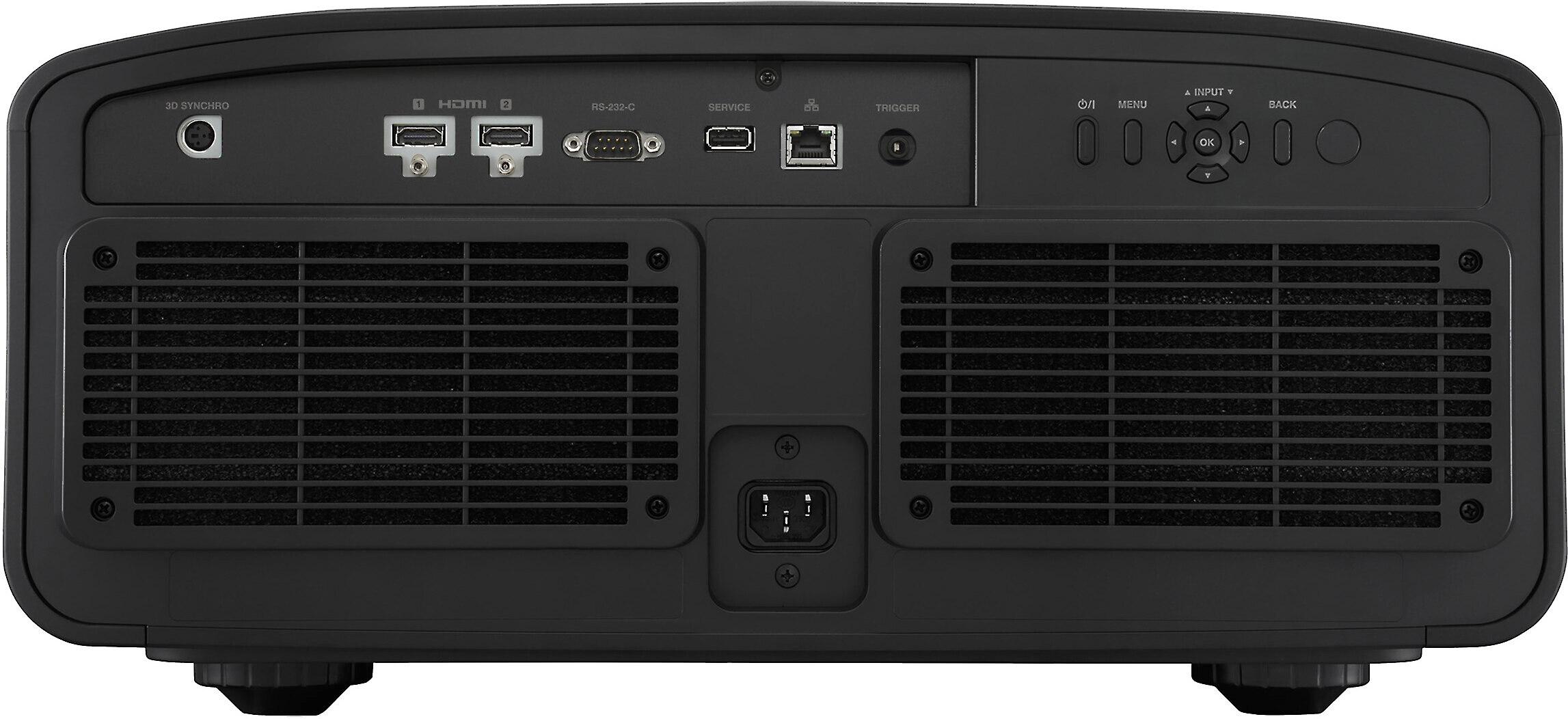
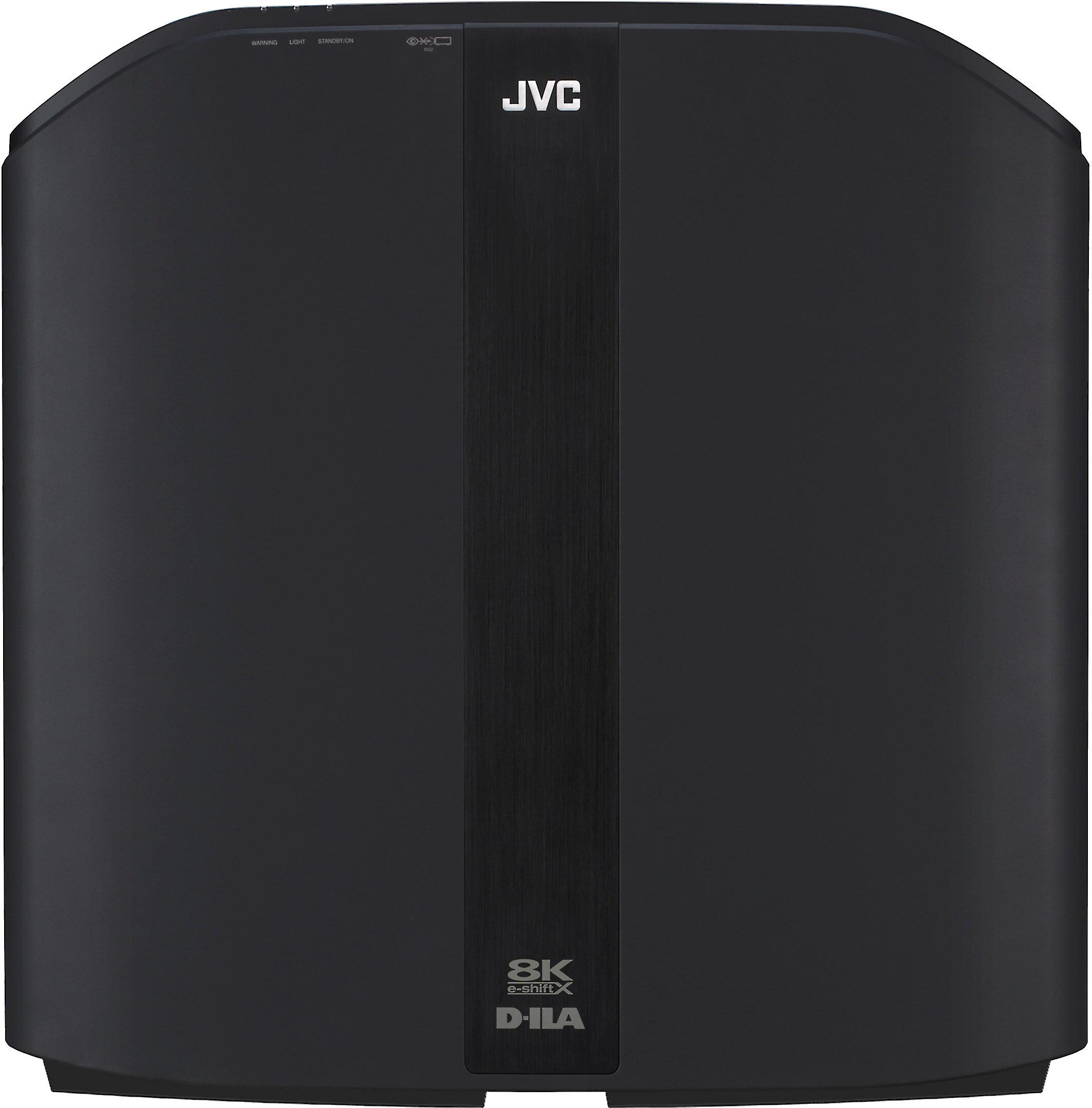
The JVC DLA-NZ800 takes the purist approach with three 0.69-inch D-ILA chips, each containing the full 2.07 million pixels needed for native DCI 4K (4096×2160). It doesn't need pixel-shifting because it physically has all the pixels required. Additionally, it offers 8K e-shift technology that can enhance detail even further, creating an 8192×4320 display through precise pixel manipulation.
Expert reviews consistently note that while both deliver excellent 4K experiences, the JVC DLA-NZ800 provides superior fine detail rendering, particularly visible in textures, fabric patterns, and complex scenes with lots of small elements. However, the BenQ W4100i delivers a 4K experience that satisfies the vast majority of viewers at a fraction of the cost.
Contrast ratio – the difference between the darkest blacks and brightest whites a projector can display – profoundly affects image quality. High contrast creates depth, makes colors appear more vibrant, and produces that "pop" that separates good images from great ones.
Here's where the technology differences become most apparent. The BenQ W4100i achieves a 3,000,000:1 dynamic contrast ratio. This sounds impressive, but it's achieved through dynamic adjustment of the light source – essentially dimming the entire image to make dark scenes appear darker. While effective, this approach has limitations in scenes with both bright and dark elements.
The JVC DLA-NZ800 delivers a 100,000:1 native contrast ratio, meaning it can simultaneously display deep blacks and bright whites within the same frame. D-ILA technology excels at blocking light when displaying black, creating an almost organic depth to images. User reviews consistently praise its "inky blacks" that make the JVC DLA-NZ800 feel more cinematic than competitors.
In practical terms, this means the JVC DLA-NZ800 excels in dark movie scenes – think space movies, nighttime sequences, or any content with dramatic lighting. The BenQ W4100i handles these scenes well for its price category but can't match the depth and realism of premium D-ILA technology.
Both projectors cover 100% of the DCI-P3 color gamut, the standard used for digital cinema projection. This means they can display the full range of colors that filmmakers intended when mastering movies. However, their approaches differ significantly.
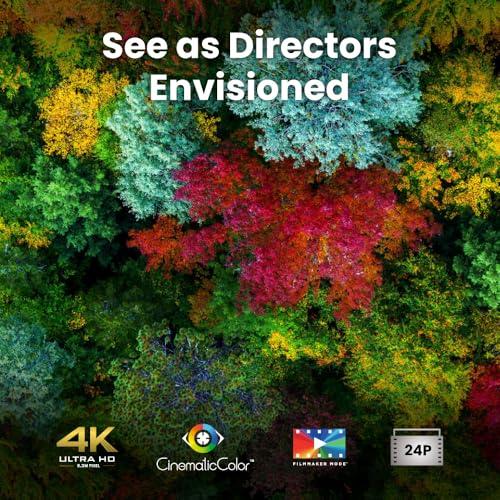
The BenQ W4100i comes factory-calibrated with a Delta E rating below 2, indicating extremely accurate color reproduction straight out of the box. Delta E measures the difference between intended and actual colors – lower numbers mean more accurate colors. Its CinematicColor technology ensures colors remain vibrant while staying true to source material.
The JVC DLA-NZ800 also achieves excellent color accuracy but requires careful setup to reach its potential. It includes multiple color modes and precise adjustment capabilities that allow for professional-level calibration. When properly configured, many reviewers consider its color reproduction among the best available in home cinema projectors.
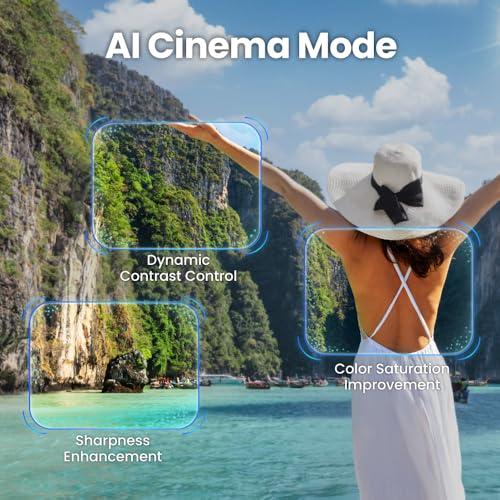
The BenQ W4100i includes AI Cinema Mode, which analyzes content in real-time to optimize color saturation, sharpness, and HDR performance. This proves particularly valuable for streaming content, which often arrives compressed and can benefit from enhancement. The JVC DLA-NZ800 takes a purist approach, focusing on accurate reproduction without artificial enhancement.
High Dynamic Range (HDR) represents one of the biggest advances in home entertainment technology. HDR content contains much more information about brightness and color than standard content, potentially creating more lifelike images. However, projectors must properly process this information to realize the benefits.
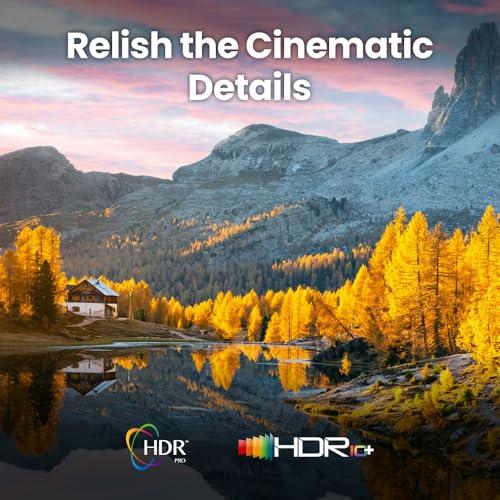
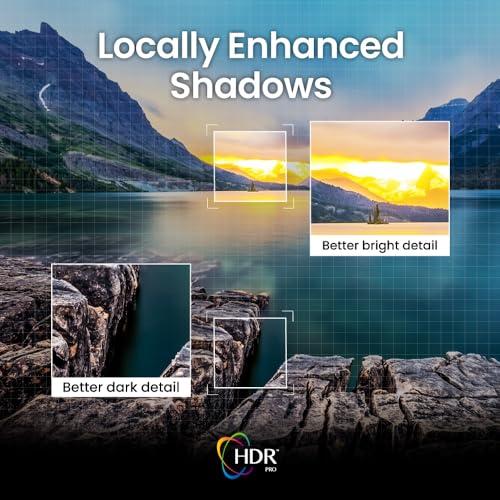
Both projectors support HDR10 and HDR10+, the most common HDR formats. The BenQ W4100i features HDR-PRO technology with dynamic tone mapping that adjusts brightness and contrast frame-by-frame. This helps optimize HDR content for the projector's capabilities, ensuring you see detail in both bright highlights and dark shadows.
The JVC DLA-NZ800 includes Gen2 Frame Adapt HDR with sophisticated real-time tone mapping. It analyzes each scene's peak brightness and performs intelligent adjustments to maximize detail and color accuracy. Reviews suggest its HDR processing rivals dedicated video processors costing thousands of dollars.
Based on expert evaluations, the JVC DLA-NZ800 delivers superior HDR performance, particularly in complex scenes with challenging lighting. However, the BenQ W4100i provides excellent HDR reproduction that satisfies most viewers while offering better performance in brighter rooms where HDR benefits are more visible.
Gaming capabilities represent a clear differentiator between these projectors. Input lag – the delay between when a gaming console sends a signal and when the projector displays it – can make or break gaming experiences, particularly in competitive scenarios.
The BenQ W4100i excels in gaming performance with input lag as low as 6.5 milliseconds at 1080p/240Hz and 17.9 milliseconds at 4K/60Hz. These are exceptional figures that rival dedicated gaming monitors. It includes three HDMI 2.1 inputs supporting 4K@120Hz and features like ALLM (Auto Low Latency Mode) that automatically optimizes settings when gaming consoles are detected.
The JVC DLA-NZ800 is not optimized for gaming. While it can display gaming content beautifully, its input lag is significantly higher, making it unsuitable for competitive gaming or fast-action games where responsiveness matters.
For families wanting a projector that handles both movie nights and gaming sessions, the BenQ W4100i represents the clear choice. The JVC DLA-NZ800 serves dedicated cinema enthusiasts who prioritize movie watching over gaming.
Real-world installation flexibility often determines whether a projector works in your specific room. Both projectors offer good installation options, but with different strengths.
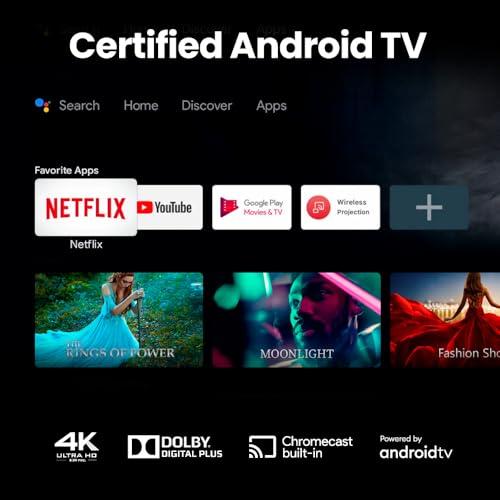
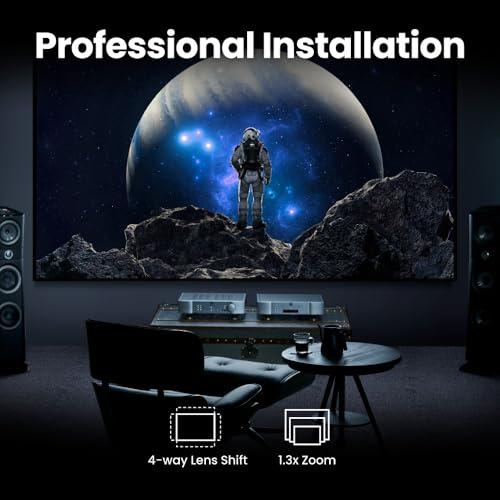
The BenQ W4100i provides 1.3x optical zoom and lens shift capabilities (60% vertical, ±15% horizontal) that accommodate various room layouts. Its compact design makes it suitable for shelf mounting or simple ceiling installation. The included Android TV dongle provides immediate access to streaming services without additional devices.
The JVC DLA-NZ800 offers more extensive installation flexibility with 2x motorized zoom and greater lens shift range (±80% vertical, ±34% horizontal). This allows for challenging installations where the projector cannot be positioned directly in front of the screen. However, it requires more careful setup and calibration to achieve optimal performance.
Both projectors work with screens ranging from 60 to over 150 inches, though optimal performance occurs within specific ranges based on brightness and room conditions.
At the time of writing, these projectors occupy very different market positions. The BenQ W4100i represents exceptional value in the sub-$3,000 category, delivering premium features and performance at an accessible price point. The JVC DLA-NZ800 competes in the luxury segment above $15,000, targeting serious enthusiasts willing to invest significantly for best-in-class image quality.
The value equation isn't simply about upfront cost. Consider total ownership experience: the BenQ W4100i works well in various environments, handles multiple content types excellently, and provides features like gaming capability and smart streaming that add daily value. The JVC DLA-NZ800 delivers an arguably superior cinematic experience but requires a dedicated environment and careful setup to realize its potential.
For most buyers, the BenQ W4100i represents the sweet spot of performance, features, and value. It excels in multi-purpose rooms, handles ambient light well, offers excellent gaming performance, and delivers genuinely impressive 4K images that satisfy the majority of viewers. Its AI enhancement features prove particularly valuable for modern streaming content.
Choose the BenQ W4100i if you want a versatile projector for family use, gaming capabilities, flexible room installation, or simply the best performance per dollar in home theater projection.
The JVC DLA-NZ800 serves discriminating enthusiasts with dedicated theater rooms and budgets to match their ambitions. Its native 4K resolution, exceptional contrast, and cinematic presentation create an experience that justifies its premium positioning for serious movie lovers.
Choose the JVC DLA-NZ800 if you prioritize ultimate image quality, have a light-controlled theater environment, primarily watch movies and cinematic content, and want the finest home theater experience available.
Both projectors represent excellent choices within their respective categories. The decision ultimately depends on your specific needs, room environment, and budget priorities. Either way, you'll enjoy a significant upgrade over standard television displays and entry-level projectors.
| BenQ W4100i | JVC DLA-NZ800 |
|---|---|
| Display Technology - Determines image quality and longevity | |
| Single 0.65" DLP chip with XPR 4K pixel-shifting | Three 0.69" native 4K D-ILA chips with 8K e-shift |
| Native Resolution - True vs emulated 4K affects fine detail rendering | |
| 2,716 x 1,528 pixels (4K via pixel-shifting) | 4,096 x 2,160 pixels (true native DCI 4K) |
| Brightness - Critical for room lighting flexibility and screen size | |
| 3,200 ANSI lumens (excellent for ambient light) | 2,700 ANSI lumens (requires darker rooms) |
| Light Source - Affects lifespan and maintenance costs | |
| 4LED system (30,000 hour lifespan) | Laser with 101-step control (20,000 hours) |
| Contrast Ratio - Determines black levels and image depth | |
| 3,000,000:1 dynamic contrast | 100,000:1 native contrast (superior blacks) |
| Color Gamut - Affects color accuracy and vibrancy | |
| 100% DCI-P3, 100% Rec.709 with factory calibration | 100% DCI-P3 (with filter), exceptional accuracy |
| HDR Support - Essential for modern content quality | |
| HDR10, HDR10+, HLG with dynamic tone mapping | HDR10, HDR10+ with Gen2 Frame Adapt HDR |
| Gaming Performance - Input lag matters for responsive gameplay | |
| 6.5ms (1080p/240Hz), 17.9ms (4K/60Hz) - excellent | Higher latency, not optimized for gaming |
| HDMI Connectivity - Determines device compatibility | |
| 3x HDMI 2.1 ports (4K@120Hz support) | 2x HDMI 2.1 ports (48Gbps, 8K/60p capable) |
| Lens Flexibility - Affects installation options in your room | |
| 1.3x zoom, 60% vertical/±15% horizontal shift | 2x motorized zoom, ±80% vertical/±34% horizontal |
| Smart Features - Built-in streaming convenience | |
| Android TV dongle included for Netflix, YouTube, etc. | No built-in smart features |
| Target Market - Who each projector serves best | |
| Multi-purpose rooms, gaming, value-focused buyers | Dedicated theaters, cinema purists, premium buyers |
The BenQ W4100i is significantly better for bright rooms with its 3,200 ANSI lumens output compared to the JVC DLA-NZ800's 2,700 lumens. The BenQ W4100i can handle moderate ambient light and works well in family rooms, while the JVC DLA-NZ800 requires a dedicated dark theater environment for optimal performance.
The JVC DLA-NZ800 displays true native 4K resolution using three separate D-ILA chips with 4,096 x 2,160 pixels. The BenQ W4100i uses pixel-shifting technology (XPR) to create 4K images from a lower-resolution chip. While both deliver excellent 4K experiences, the JVC DLA-NZ800 provides superior fine detail rendering.
The BenQ W4100i is far superior for gaming with input lag as low as 6.5ms at 1080p/240Hz and 17.9ms at 4K/60Hz. It includes three HDMI 2.1 ports and gaming-optimized features like ALLM (Auto Low Latency Mode). The JVC DLA-NZ800 is not designed for gaming and has much higher input lag.
The JVC DLA-NZ800 delivers superior contrast with 100,000:1 native contrast ratio, producing deeper blacks and more cinematic images. The BenQ W4100i offers 3,000,000:1 dynamic contrast but cannot match the natural depth and black levels of the JVC DLA-NZ800's D-ILA technology.
The BenQ W4100i provides exceptional value, delivering premium 4K performance at a fraction of the cost of the JVC DLA-NZ800. For most users, the BenQ W4100i offers 80% of the image quality at roughly 20% of the price, making it the clear value winner.
The BenQ W4100i includes an Android TV dongle with built-in access to Netflix, YouTube, Disney+, and other streaming platforms. The JVC DLA-NZ800 requires external streaming devices like Apple TV or gaming consoles for smart features and app access.
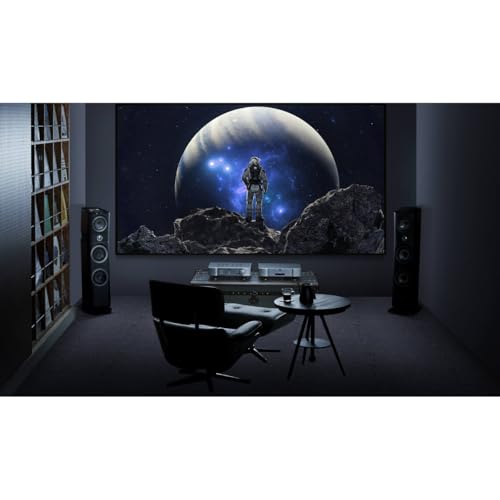
The JVC DLA-NZ800 excels in dedicated home theaters with its superior contrast, native 4K resolution, and cinematic image quality. However, the BenQ W4100i still delivers excellent home theater performance at a much lower cost and works better if your theater isn't completely light-controlled.
Both projectors offer good installation flexibility. The JVC DLA-NZ800 provides more extensive lens shift (±80% vertical, ±34% horizontal) and 2x motorized zoom for challenging installations. The BenQ W4100i offers 1.3x zoom and reasonable lens shift that accommodates most room layouts with easier setup.
Both projectors support HDR10 and HDR10+ formats with dynamic tone mapping. The JVC DLA-NZ800 has more sophisticated HDR processing with Gen2 Frame Adapt HDR that rivals expensive video processors. The BenQ W4100i provides excellent HDR performance with AI Cinema Mode optimization for streaming content.
The BenQ W4100i uses a 4LED light source rated for 30,000 hours with no maintenance required. The JVC DLA-NZ800 employs a laser light source with 20,000-hour lifespan and 101-step brightness control. Both eliminate the need for expensive lamp replacements found in older projectors.
The JVC DLA-NZ800 operates at just 24dB, making it virtually silent during movie viewing. The BenQ W4100i's noise level isn't specified but LED projectors typically run quieter than lamp-based models. For critical listening in dedicated theaters, the JVC DLA-NZ800 has the advantage.
Both projectors work with screens from 60 to over 150 inches diagonal. The BenQ W4100i's higher brightness makes it better suited for larger screens (120-150 inches) in rooms with ambient light. The JVC DLA-NZ800 excels on large screens in dark environments where its superior contrast and detail can be fully appreciated.
We've done our best to create useful and informative comparisons to help you decide what product to buy. Our research uses advanced automated methods to create this comparison and perfection is not possible - please contact us for corrections or questions. These are the sites we've researched in the creation of this article: blog.son-video.com - notebookcheck.net - whathifi.com - newatlas.com - hometheaterhifi.com - benq.com - youtube.com - shop.avispl.com - projectorcentral.com - benq.com - youtube.com - projectorcentral.com - benq.com - device.report - pssav.com - newegg.com - techradar.com - valueelectronics.com - stereonet.com - youtube.com - sound-advice.online - eu.jvc.com - shop.avispl.com - audioadvice.com - paulsonsav.com - nfm.com

Privacy Policy
Terms and Conditions - Affiliate Policy
Home Security
© Copyright 2008-2026.
11816 Inwood Rd #1211, Dallas, TX 75244