

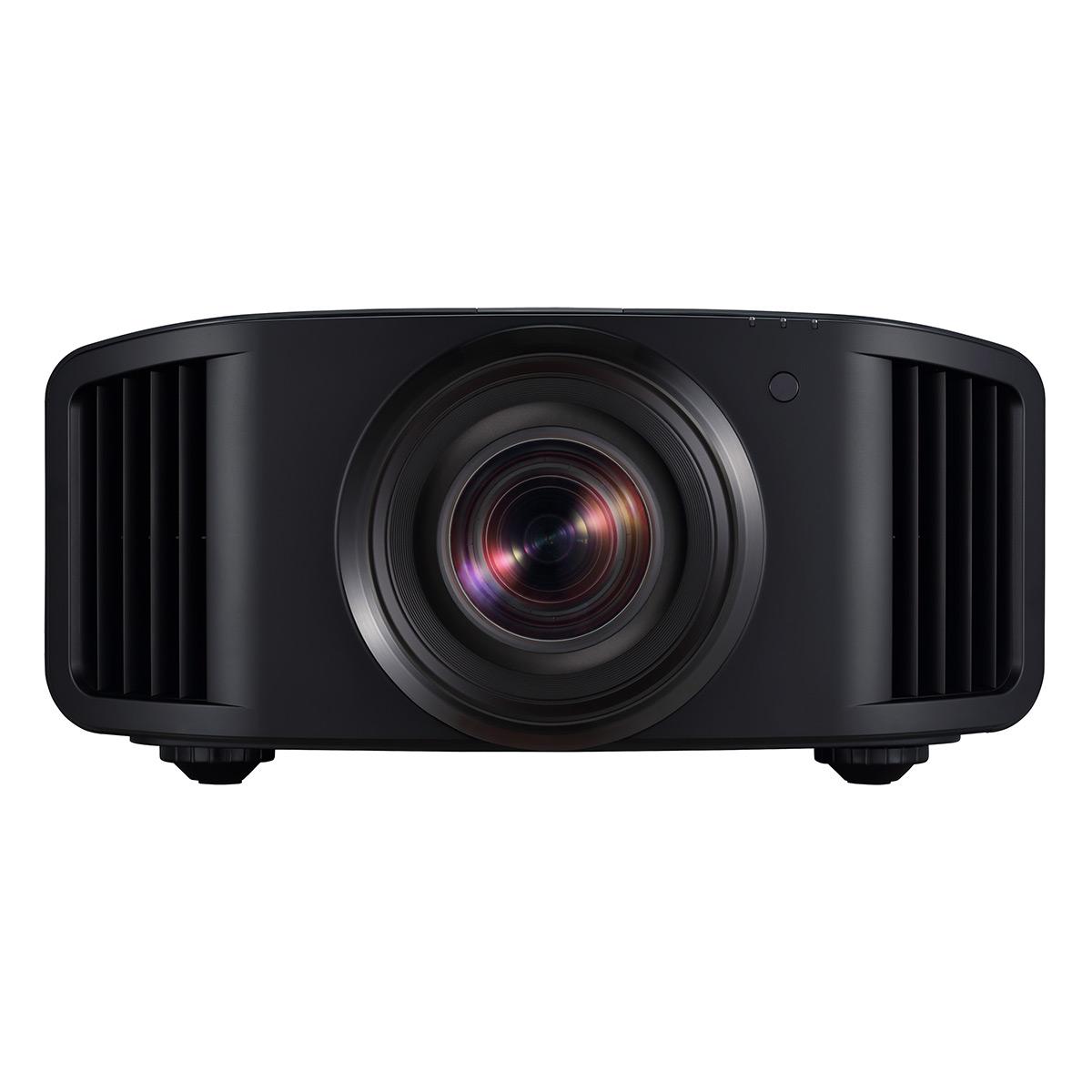
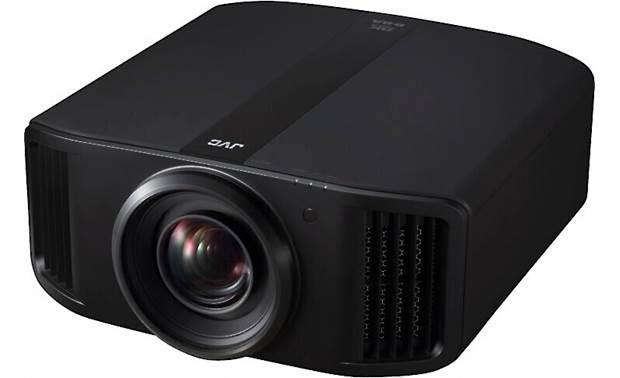
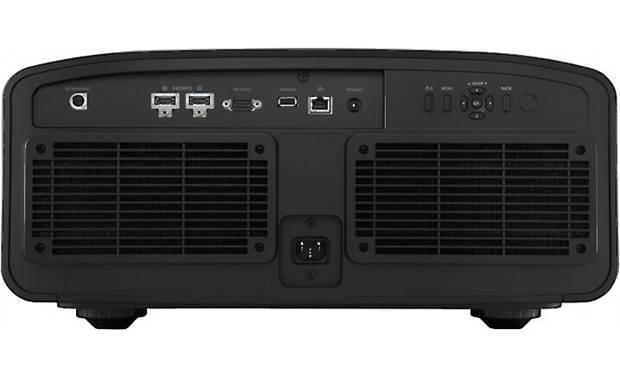
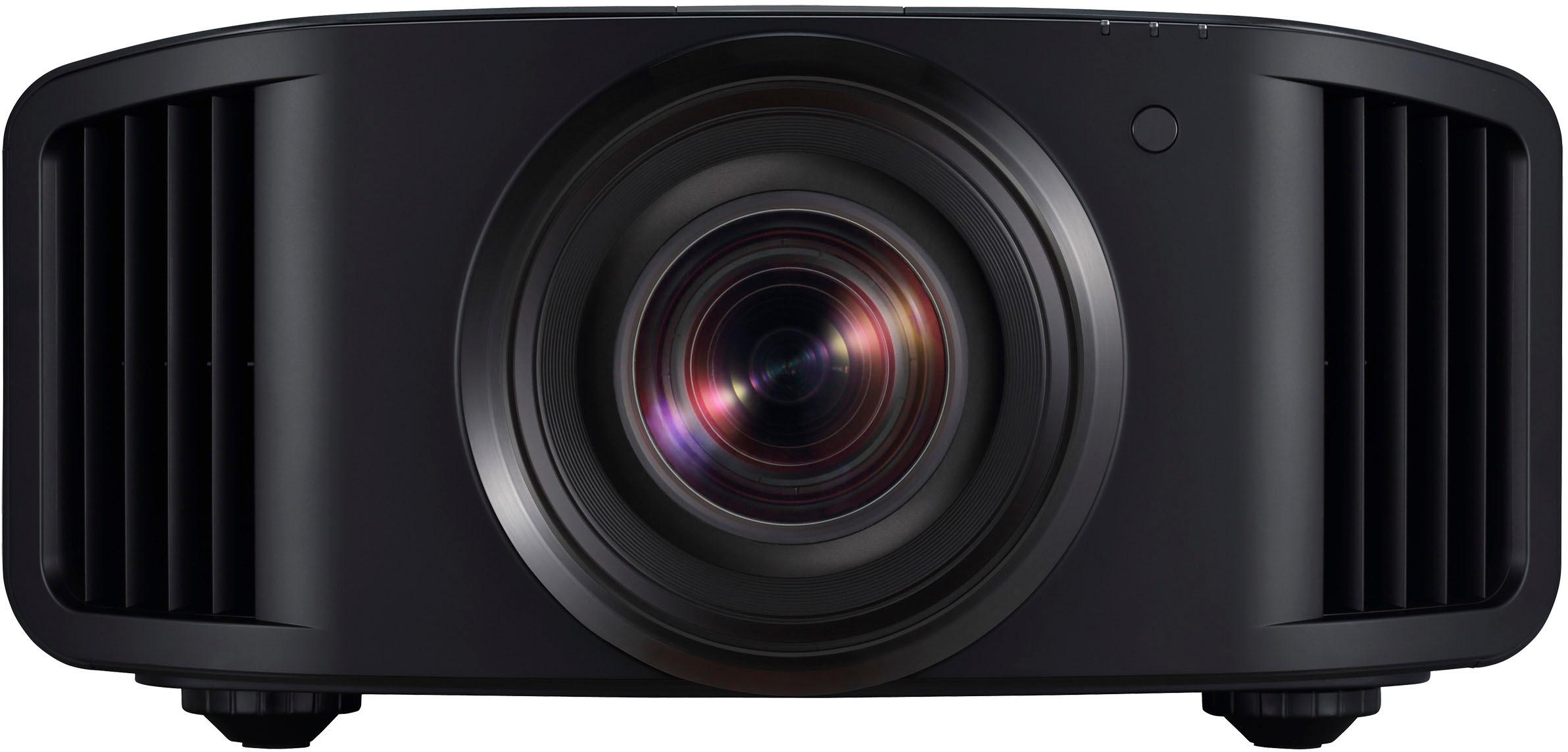
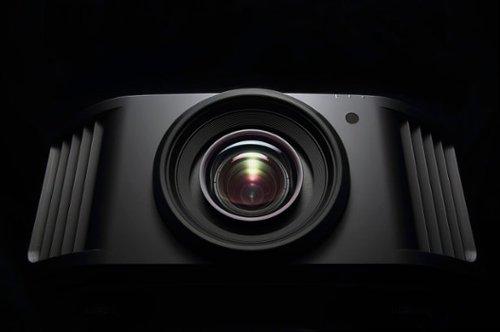
If you're in the market for a home theater projector, you've probably realized there's a massive range of options—from budget models under $1,000 to reference-grade units that cost more than a luxury car. Today we're comparing two projectors that represent opposite ends of the premium spectrum: the BenQ W4100i, a compelling mid-range 4K projector released in 2025, and the JVC DLA-NZ9, a flagship 8K laser projector that represents the absolute pinnacle of home cinema technology.
At the time of writing, these projectors sit in completely different price brackets—the BenQ W4100i targets serious home theater enthusiasts who want professional-grade performance without breaking the bank, while the JVC DLA-NZ9 commands a premium that's roughly eight times higher, aimed at dedicated cinephiles with custom theater rooms and matching budgets.
Before diving into specifics, it's worth understanding what separates good projectors from great ones. The most critical factors include resolution (how sharp the image looks), contrast ratio (the difference between the darkest blacks and brightest whites), color accuracy (how true-to-life colors appear), and brightness (measured in ANSI lumens—essentially how well the projector performs in rooms with ambient light).
HDR support has become increasingly important since around 2020. HDR (High Dynamic Range) allows projectors to display a wider range of brightness levels and colors than standard content, making images look more lifelike and detailed. Think of it as the difference between looking at a photograph and looking through a window—HDR content has that extra depth and realism.
Gaming performance has also become a major consideration. Input lag—the delay between when a gaming console sends a signal and when you see it on screen—can make or break competitive gaming. Anything under 20 milliseconds is considered excellent for gaming.
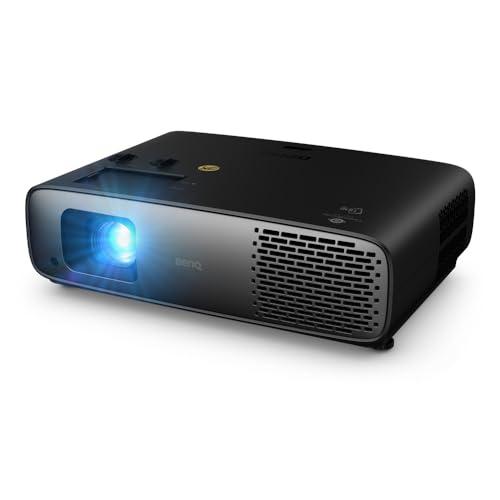
The BenQ W4100i represents BenQ's latest thinking on what a premium mid-range projector should offer in 2025. It's built around a 0.65-inch DLP (Digital Light Processing) chip using Texas Instruments' third-generation XPR technology. While this isn't technically "native" 4K—it uses pixel-shifting to display all 8.3 million pixels of 4K content—the difference is practically invisible during normal viewing.
What sets the W4100i apart is its 4LED RGBB light source. Traditional projectors use a single white light source filtered through a color wheel, but this system uses four separate LEDs: red, green, blue, and an additional blue LED. This approach delivers significantly better color accuracy and eliminates the rainbow effect that some people notice with single-chip DLP projectors. The 30,000-hour lifespan means you'll likely never need to replace anything—a huge advantage over traditional lamp-based projectors that require $200-400 lamp replacements every 2,000-4,000 hours.
The projector pumps out 3,200 ANSI lumens, which is exceptionally bright for this category. Based on our research into user experiences, this brightness level allows the BenQ W4100i to perform admirably even in family rooms with some ambient light—though like any projector, it truly shines in darker environments.
One of the most impressive aspects of the BenQ W4100i is its factory calibration. Each unit ships with an individual calibration report showing Delta E values below 2—a technical measurement that indicates colors are virtually indistinguishable from reference standards. To put this in perspective, many projectors costing twice as much don't achieve this level of color accuracy out of the box.
The projector covers 100% of both the DCI-P3 and Rec.709 color gamuts. DCI-P3 is the digital cinema standard used by movie theaters, while Rec.709 is the standard for HDTV. Having full coverage of both means you're seeing colors exactly as content creators intended, whether you're watching Netflix or a 4K Blu-ray.
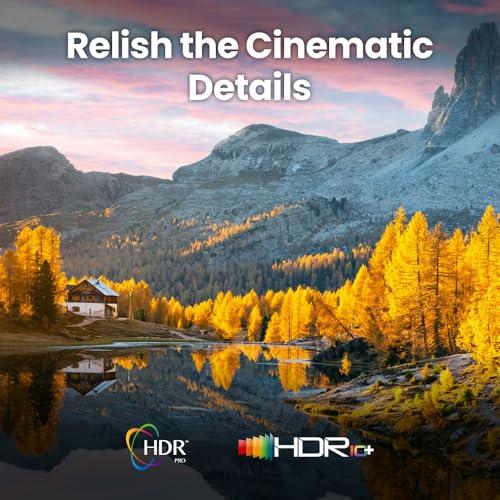
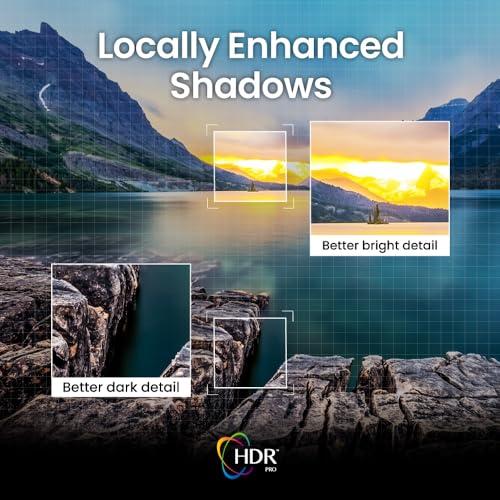
The W4100i's HDR implementation deserves special mention. Its HDR-PRO technology with dynamic tone mapping analyzes each frame individually and adjusts brightness and contrast in real time. This frame-by-frame optimization helps maintain detail in both bright highlights and dark shadows—something that's particularly noticeable in challenging HDR content like dimly lit scenes with bright windows or explosions.
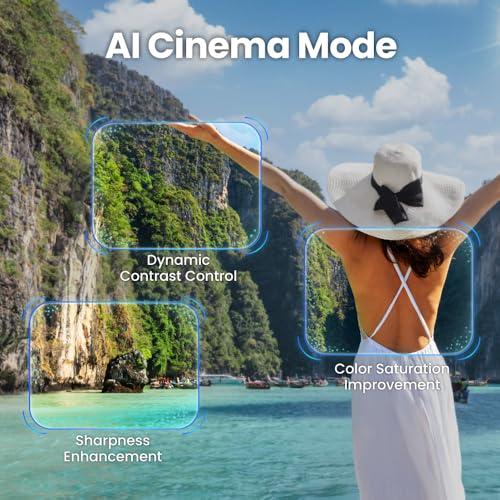
The AI Cinema Mode is particularly clever for streaming content. It analyzes compressed video from Netflix, Disney+, or other services and applies real-time enhancements to compensate for compression artifacts while boosting detail and color saturation. In our research, users consistently report that streaming content looks noticeably better with this mode engaged.
The JVC DLA-NZ9 operates in an entirely different league. Released as part of JVC's 2021 lineup refresh, it was positioned as the world's first home theater projector capable of true 8K input and display—a technological achievement that still hasn't been matched by most competitors.
At its heart are three native 0.69-inch 4K D-ILA devices (JVC's proprietary version of LCoS technology) combined with their 8K/e-shiftX system. Unlike the pixel-shifting in the BenQ W4100i, this system can actually display true 8K resolution—8192×4320 pixels. While native 8K content is still limited, the system excels at upscaling 4K content with extraordinary detail and clarity.
The optical system deserves particular attention. The DLA-NZ9 features a premium 100mm all-glass lens assembly with 18 elements arranged in 16 groups. Five of these are ED (Extra-low Dispersion) glass elements specifically designed to minimize chromatic aberration—the color fringing that can occur at the edges of high-contrast objects. This level of optical precision is typically found only in professional cinema equipment.
Where the JVC DLA-NZ9 truly separates itself is contrast performance. The native contrast ratio of 100,000:1 is simply in a different universe compared to most projectors. Combined with JVC's laser dimming technology, it can achieve what they claim is infinite dynamic contrast—meaning the darkest blacks approach the performance of OLED TVs.
This contrast advantage translates to dramatically better performance in dark scenes. Details that would be lost in shadows on other projectors remain clearly visible, while bright objects maintain their intensity without washing out the surrounding image. It's the kind of performance difference that's immediately obvious even to casual viewers.
The DLA-NZ9 uses JVC's third-generation BLU-Escent laser phosphor system. This technology combines blue laser diodes with an inorganic yellow phosphor and sophisticated color management to produce 3,000 lumens of brightness with exceptional color purity and a rated lifespan of 20,000 hours.
The laser system offers several advantages over both LED and traditional lamp technologies. It provides more consistent brightness over its lifespan, better color reproduction, and operates significantly quieter than most projectors in this performance category.
While both projectors can display 4K content beautifully, the JVC DLA-NZ9 has a clear advantage in fine detail reproduction. Its true native 4K chips combined with the premium optics reveal texture and detail that the BenQ W4100i simply can't match. However, this difference is most noticeable on screens larger than 120 inches at closer viewing distances—conditions that few home theaters actually achieve.
For the majority of users with 100-inch screens or smaller, viewed from typical living room distances, the BenQ W4100i delivers detail that's essentially indistinguishable from native 4K projectors. The pixel-shifting technology has matured significantly since its introduction, and third-generation XPR eliminates most of the artifacts that plagued earlier implementations.
This is where the BenQ W4100i shows its versatility. At 3,200 ANSI lumens with its efficient LED system, it can produce a satisfying image in rooms with moderate ambient light. User reports consistently indicate good performance even with some lights on or during daytime viewing with curtains drawn but not blackout conditions.
The JVC DLA-NZ9, despite its 3,000-lumen rating, is really designed for dark, dedicated theater rooms. Its strength lies not in raw brightness but in how it uses that brightness to create exceptional contrast and color depth. In a properly dark room, it can fill massive screens—up to 300 inches—with stunning image quality.
For gaming, the BenQ W4100i wins decisively. With input lag as low as 6.5 milliseconds at 1080p/240Hz and 17.9ms at 4K/60Hz, it rivals dedicated gaming monitors. Its three HDMI 2.1 inputs support 4K@120Hz, and the ALLM (Auto Low Latency Mode) automatically switches to game mode when it detects a gaming console.
The JVC DLA-NZ9, while capable of 4K@120Hz input, is optimized for cinema rather than gaming. Input lag is significantly higher, making it unsuitable for competitive gaming or fast-paced action games where every millisecond matters.
Both projectors handle HDR content exceptionally well, but through different approaches. The BenQ W4100i uses sophisticated processing to make the most of its more limited contrast range, with dynamic tone mapping that adapts to each scene. The result is HDR that looks vibrant and detailed, though not quite reaching the peak brightness or deep blacks of premium projectors.
The JVC DLA-NZ9 takes a more direct approach, using its superior native contrast to display HDR content closer to mastering monitors. Peak highlights are brighter, shadows retain more detail, and the overall image has the kind of depth and dimensionality that makes you forget you're looking at a projection.
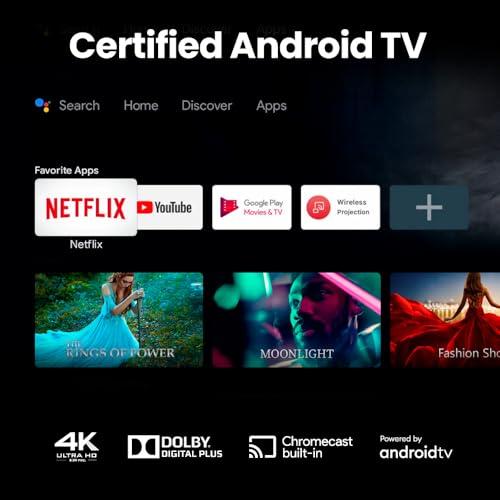
The BenQ W4100i includes a comprehensive smart TV experience through its included Android TV dongle. This provides direct access to Netflix, Prime Video, Disney+, YouTube, and other streaming services without requiring an external device. It also supports Chromecast, Google Assistant voice control, and Apple AirPlay for wireless casting from phones and tablets.
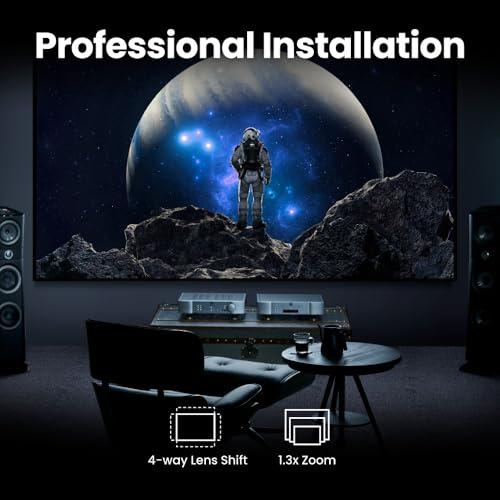
Installation flexibility is excellent, with 1.3x optical zoom, substantial lens shift capabilities (60% vertical, ±15% horizontal), and 2D keystone correction. The projector can adapt to various room layouts and mounting positions without compromising image quality.
The JVC DLA-NZ9 takes a different approach, focusing purely on image quality rather than convenience features. There are no built-in streaming apps—you'll need a separate media player, streaming device, or gaming console. However, it offers superior installation precision with motorized zoom, motorized focus, and extensive motorized lens shift (100% vertical, 43% horizontal). These premium features allow for exact image positioning and focus adjustments from your seat.
At the time of writing, the price difference between these projectors is substantial—the BenQ W4100i costs roughly one-eighth as much as the JVC DLA-NZ9. This raises an important question: is the performance difference worth the price premium?
For the BenQ W4100i, the value proposition is compelling. It delivers professional-grade color accuracy, excellent HDR performance, versatile brightness, and comprehensive smart features at a price point that makes premium home theater accessible to enthusiasts rather than just wealthy cinephiles. The 30,000-hour LED lifespan means no ongoing maintenance costs, and the gaming capabilities add versatility that many competing projectors lack.
The JVC DLA-NZ9 justifies its premium through uncompromising performance. Every aspect of the image—contrast, detail, color depth, motion handling—represents the current state of the art in home projection technology. However, this performance advantage is only fully realized in properly designed home theater environments with appropriate screen sizes, controlled lighting, and matching audio systems.
The BenQ W4100i is remarkably adaptable. It performs well in multi-purpose family rooms, guest bedrooms, or dedicated theater spaces. Its brightness and smart features make it suitable for casual viewing during the day or serious movie sessions at night. The compact size and flexible installation options mean it can work in spaces where larger, more demanding projectors would struggle.
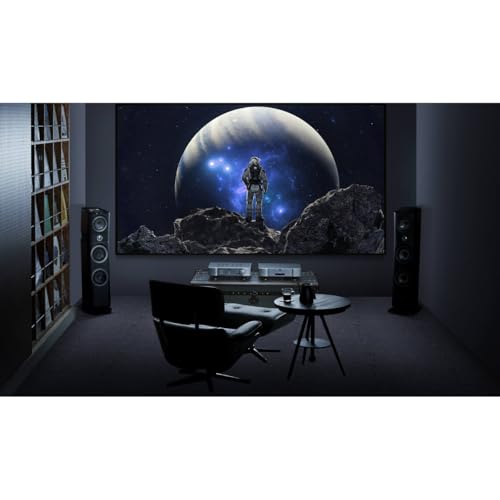
The JVC DLA-NZ9 demands more from its environment. To truly appreciate its capabilities, you need a room with excellent light control, a high-quality screen of at least 120 inches, and seating positioned at optimal viewing distances. It's also worth considering that the superior image quality reveals flaws in lower-quality content more readily—compressed streaming or low-bitrate sources that look acceptable on the BenQ W4100i may appear noticeably inferior on the JVC DLA-NZ9.
Choose the BenQ W4100i if you want excellent 4K home theater performance without the complexity and cost of a reference-grade system. It's ideal for:
Choose the JVC DLA-NZ9 if you're building a dedicated home theater and want the absolute best image quality available. It's designed for:
Both projectors excel in their intended markets, but they serve fundamentally different needs. The BenQ W4100i democratizes premium home theater, offering professional-grade performance with mainstream accessibility. The JVC DLA-NZ9 pushes the boundaries of what's possible in home projection, creating an experience that rivals or exceeds commercial cinema.
For most readers, the BenQ W4100i represents the sweet spot of performance, features, and value. It delivers a genuinely premium theater experience while maintaining the flexibility to work in real-world living situations. The JVC DLA-NZ9 serves a more specialized market—those who've already committed to the space, budget, and setup required to maximize its extraordinary capabilities.
The decision ultimately comes down to your room, your budget, and your priorities. If you want excellent home theater performance that works in various situations, the BenQ W4100i is hard to beat. If you're building a dedicated theater room and want the absolute best image quality money can buy, the JVC DLA-NZ9 represents the current pinnacle of home projection technology.
| BenQ W4100i | JVC DLA-NZ9 |
|---|---|
| Native Resolution - Determines image sharpness and detail clarity | |
| 4K via XPR pixel-shifting (3840×2160 display) | True native 8K (8192×4320) with three 0.69" D-ILA devices |
| Light Source Technology - Affects maintenance costs and longevity | |
| 4LED RGBB system, 30,000-hour lifespan (no lamp replacements) | BLU-Escent laser phosphor, 20,000-hour lifespan (superior brightness consistency) |
| Brightness Output - Critical for rooms with ambient light | |
| 3,200 ANSI lumens (excellent for family rooms with moderate lighting) | 3,000 lumens (optimized for dark, dedicated theater rooms) |
| Contrast Ratio - Determines black levels and image depth | |
| 3,000,000:1 dynamic (good blacks for price range) | 100,000:1 native, infinite dynamic (reference-grade black levels) |
| Color Gamut Coverage - Affects color accuracy and vibrancy | |
| 100% DCI-P3, 100% Rec.709 with factory calibration | 100%+ DCI-P3 with Cinema Filter (superior color volume) |
| HDR Support - Essential for modern streaming and 4K Blu-ray content | |
| HDR10, HDR10+, HLG with dynamic tone mapping and AI Cinema Mode | HDR10+, HLG with Frame Adapt HDR Gen 2 and Theater Optimizer |
| Gaming Performance - Input lag determines gaming responsiveness | |
| 6.5ms at 1080p/240Hz, 17.9ms at 4K/60Hz (excellent for gaming) | Cinema-focused with higher input lag (not optimized for gaming) |
| Installation Flexibility - Affects placement options in your room | |
| 1.3x optical zoom, 60% vertical/±15% horizontal lens shift | 2x motorized zoom/focus, 100% vertical/43% horizontal motorized shift |
| Smart Features - Determines need for external streaming devices | |
| Built-in Android TV with Netflix, Prime Video, Chromecast, Google Assistant | No built-in smart features (requires external media players) |
| Lens Quality - Impacts edge-to-edge sharpness and color fringing | |
| Standard glass lens with good optical performance | Premium 100mm all-glass lens with 18 elements and ED glass |
| 3D Support - For users with existing 3D movie collections | |
| DLP Link 3D compatible (glasses required) | Professional 3D support with multiple format compatibility |
| Target Screen Size - Recommended viewing setup | |
| 60-150 inches (optimal up to 120 inches) | 60-300 inches (designed for large dedicated theaters) |
| Room Requirements - Environmental needs for optimal performance | |
| Versatile: works in family rooms or dedicated theaters | Dark, controlled theater environment essential for best results |
The BenQ W4100i offers significantly better value for most users, delivering professional-grade 4K performance, excellent color accuracy, and gaming capabilities at a much lower price point. The JVC DLA-NZ9 provides superior image quality but costs roughly eight times more, making it only worthwhile for dedicated home theater rooms with large screens and controlled lighting.
The JVC DLA-NZ9 delivers superior image quality with true native 8K resolution, reference-grade contrast (100,000:1 native), and deeper black levels. However, the BenQ W4100i produces excellent 4K images that are virtually indistinguishable from native 4K projectors for most viewing situations, especially on screens under 120 inches.
The BenQ W4100i is significantly better for gaming, offering low input lag of 6.5ms at 1080p and 17.9ms at 4K, plus three HDMI 2.1 ports with 4K@120Hz support. The JVC DLA-NZ9 is cinema-focused with higher input lag, making it unsuitable for competitive gaming.
The BenQ W4100i performs well in rooms with moderate ambient light thanks to its 3,200 ANSI lumens brightness. The JVC DLA-NZ9 is designed for dark, dedicated theater rooms and won't perform optimally with ambient light despite its premium image quality.
Neither projector requires lamp replacements. The BenQ W4100i uses a 4LED light source rated for 30,000 hours, while the JVC DLA-NZ9 features a BLU-Escent laser system rated for 20,000 hours. Both eliminate ongoing maintenance costs associated with traditional lamp-based projectors.
The BenQ W4100i includes comprehensive smart features with built-in Android TV, Netflix, Prime Video, Disney+, Chromecast, and Google Assistant. The JVC DLA-NZ9 has no built-in smart features and requires external streaming devices or media players.
The BenQ W4100i works well with screens from 60-150 inches, with optimal performance up to 120 inches. The JVC DLA-NZ9 is designed for larger installations, supporting screens from 60-300 inches and performing best on screens 120 inches or larger in dedicated theater rooms.
Both projectors offer excellent color accuracy with 100% DCI-P3 coverage. The BenQ W4100i comes factory-calibrated with HDR-PRO dynamic tone mapping and AI Cinema Mode for streaming. The JVC DLA-NZ9 provides superior HDR performance with Frame Adapt HDR Generation 2 and better color volume due to its higher native contrast.
The BenQ W4100i is easier to install with good lens shift options, 2D keystone correction, and compact size that works in various room layouts. The JVC DLA-NZ9 offers premium motorized zoom, focus, and lens shift controls but requires more precise installation in properly designed theater environments.
The JVC DLA-NZ9 offers uncompromising image quality with true 8K resolution, reference-grade contrast ratios, superior black levels, and premium optics. It's designed for users building dedicated home theaters who want the absolute best image quality available and have the room setup to fully utilize its capabilities.
Yes, both handle 4K content excellently. The BenQ W4100i includes built-in streaming apps and AI Cinema Mode to enhance compressed streaming video. The JVC DLA-NZ9 requires external devices but delivers superior 4K upscaling and can also handle true 8K content when available.
Choose the BenQ W4100i for multi-purpose rooms. Its brightness works with moderate ambient light, built-in smart features eliminate the need for external devices, excellent gaming performance serves multiple family members, and the reasonable price point makes premium home theater accessible without requiring a dedicated theater room like the JVC DLA-NZ9.
We've done our best to create useful and informative comparisons to help you decide what product to buy. Our research uses advanced automated methods to create this comparison and perfection is not possible - please contact us for corrections or questions. These are the sites we've researched in the creation of this article: blog.son-video.com - notebookcheck.net - whathifi.com - newatlas.com - hometheaterhifi.com - benq.com - youtube.com - shop.avispl.com - projectorcentral.com - benq.com - youtube.com - projectorcentral.com - benq.com - device.report - pssav.com - newegg.com - whathifi.com - soundandvision.com - worldwidestereo.com - projectorreviews.com - worldwidestereo.com - us.jvc.com - crutchfield.com - abtvaustin.com - valueelectronics.com - projectorcentral.com

Privacy Policy
Terms and Conditions - Affiliate Policy
Home Security
© Copyright 2008-2026.
11816 Inwood Rd #1211, Dallas, TX 75244