

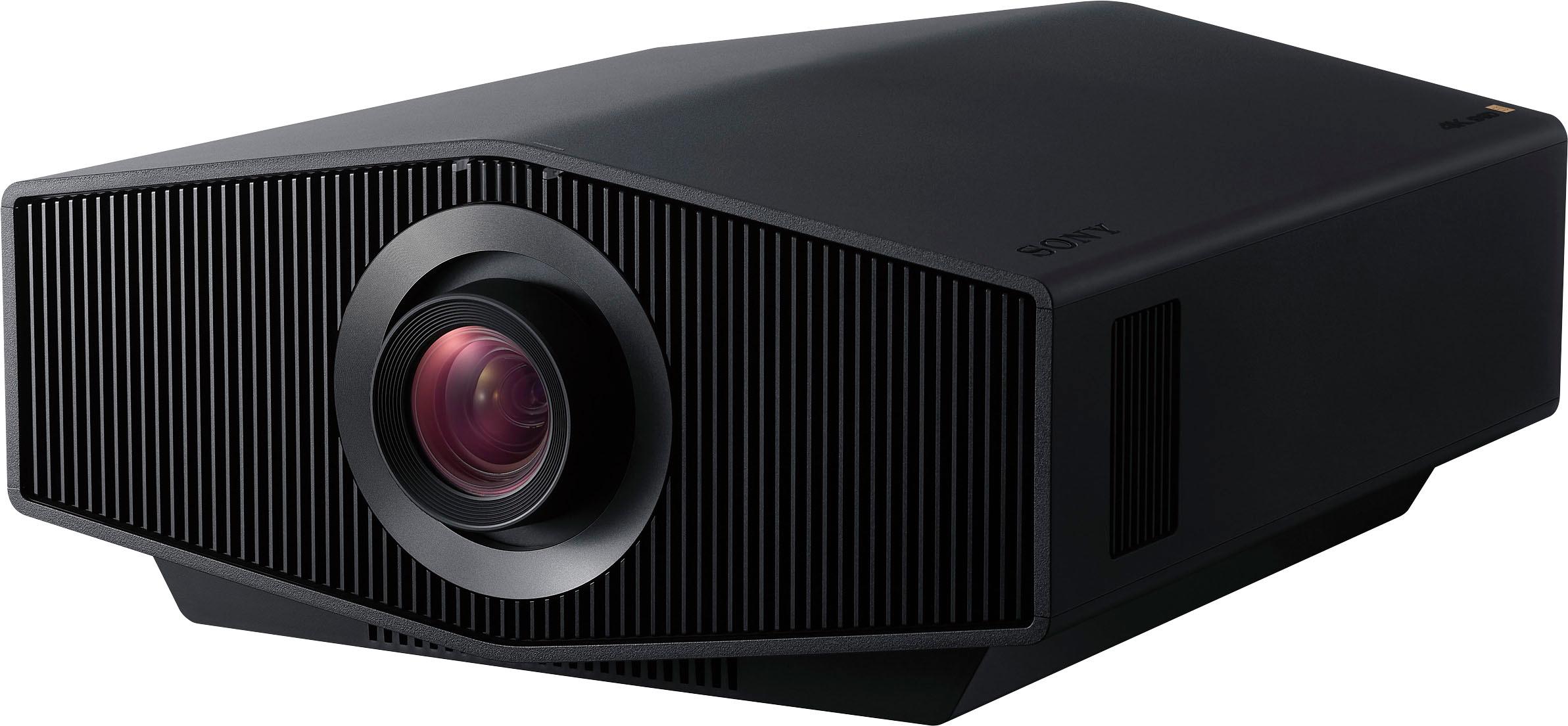
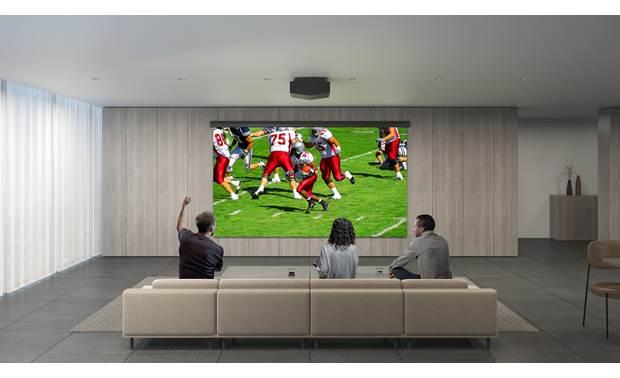
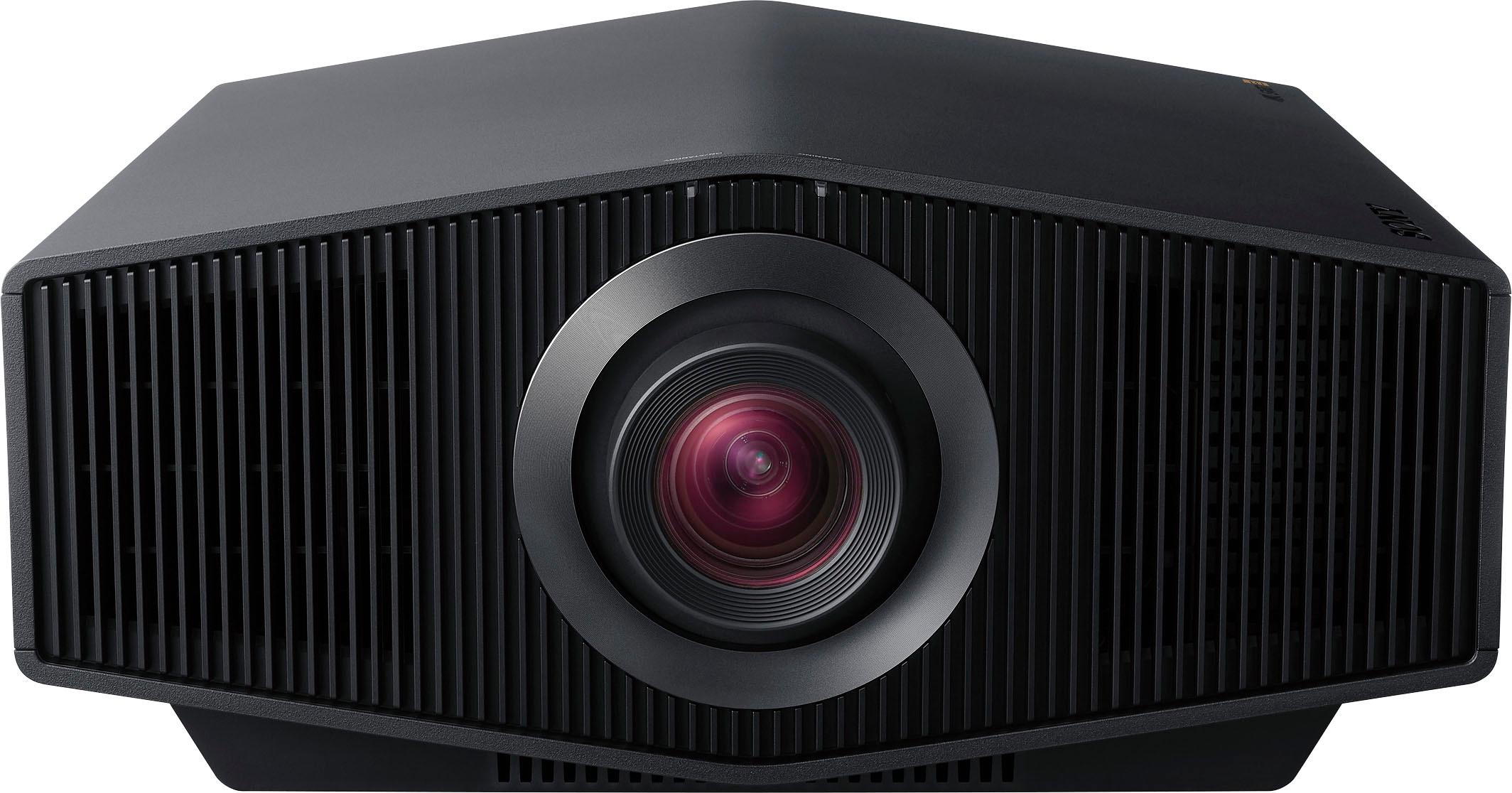
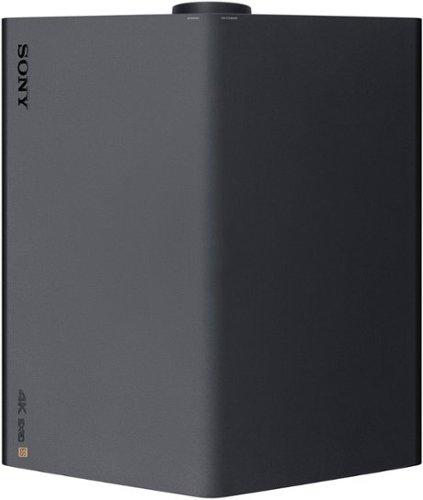
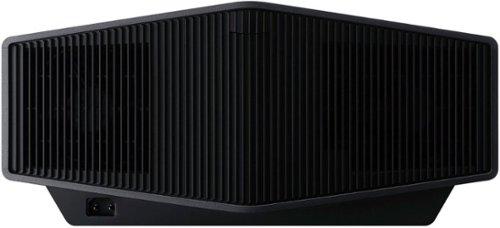
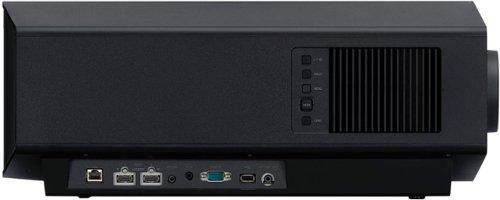
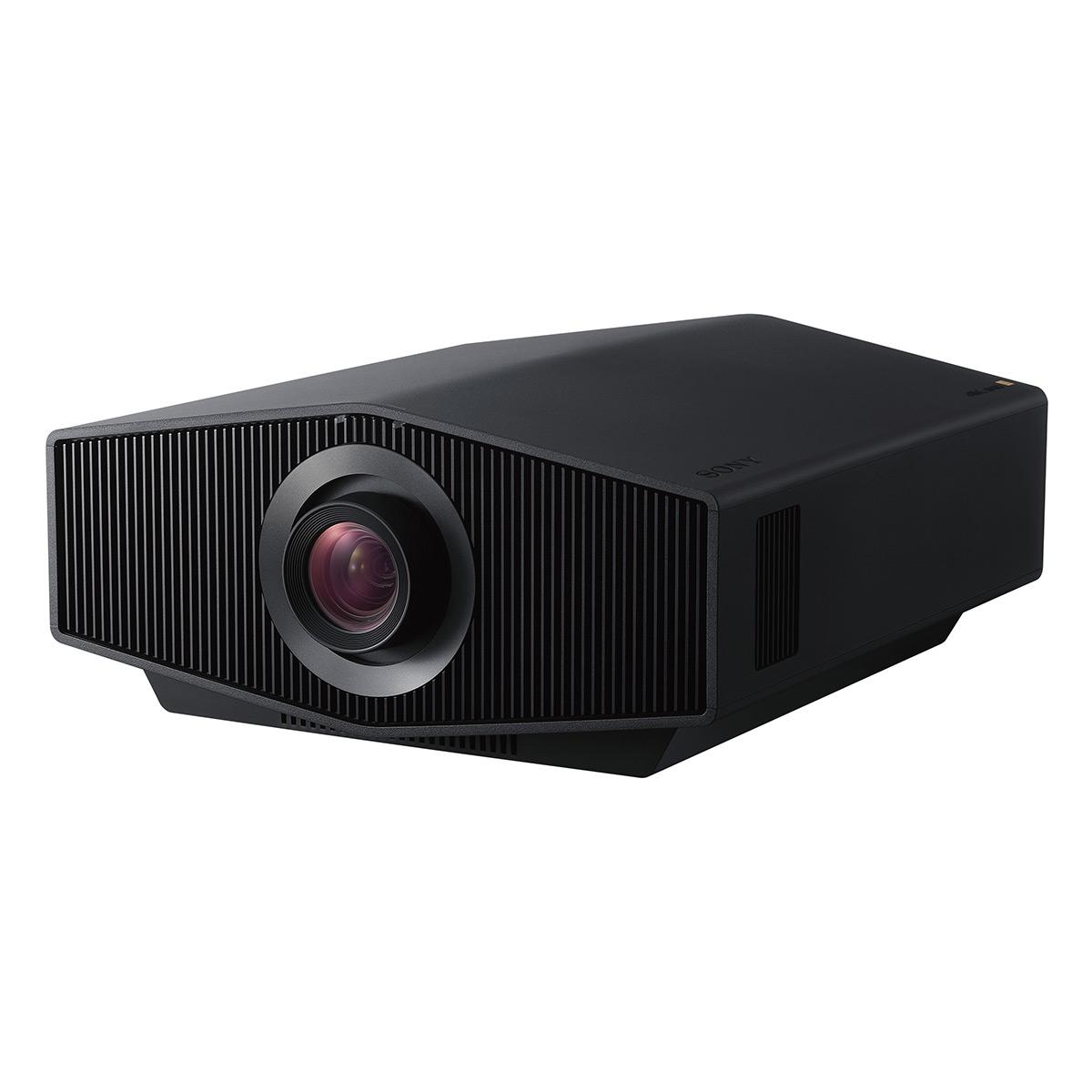
Choosing a 4K home theater projector in 2024 means navigating a landscape where premium image quality has become more accessible than ever. The BenQ W4100i and Sony VPL-XW7000ES represent two compelling but distinctly different approaches to delivering cinema-quality visuals in your living room. After extensive research into expert reviews and user experiences, these projectors showcase the fascinating divide between value-oriented innovation and premium engineering excellence.
Before diving into specifics, it's worth understanding what sets 4K home theater projectors apart from their cheaper cousins. These aren't the portable projectors you might use for backyard movies or business presentations. Instead, they're precision instruments designed to transform a wall or screen into a window to other worlds, delivering images so sharp and colorful that they rival or exceed what you'd see in most commercial cinemas.
The magic happens through three critical technologies working together: ultra-high resolution panels that can display over 8 million individual pixels, advanced light sources that can produce thousands of lumens of brightness, and sophisticated processors that optimize every frame in real-time. When shopping in this category, you're not just buying a display device—you're investing in an experience that can make your favorite movies, shows, and games feel completely transformed.
The most important considerations when evaluating these projectors include image quality (how sharp, colorful, and realistic the picture looks), brightness capabilities (whether you can use it in various lighting conditions), installation flexibility (how easy it is to set up in your specific room), and long-term value (how the projector will perform and hold up over years of use).
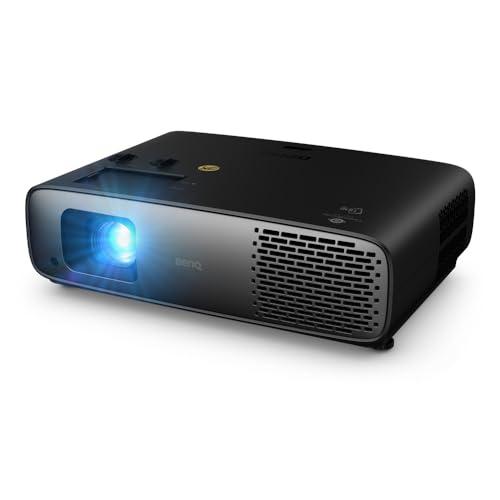
The BenQ W4100i, released in 2024, represents BenQ's latest refinement of their popular W-series home theater projectors. It builds on years of DLP projector expertise with a focus on delivering exceptional color accuracy and gaming performance at a more accessible price point. At the time of writing, it positions itself in the upper-mid-range market, offering features typically found in projectors costing significantly more.
The Sony VPL-XW7000ES, launched in 2022, comes from Sony's extensive experience in professional cinema equipment. It's part of their SXRD projector refresh that brought native 4K technology down from their flagship models. This projector sits firmly in the premium category, with pricing that reflects Sony's positioning as a luxury brand in the home theater space.
What's fascinating is that both projectors claim identical brightness specifications—3,200 lumens—yet they achieve this through completely different technological approaches, leading to meaningfully different viewing experiences.
The most fundamental difference between these projectors lies in how they create 4K images. The Sony VPL-XW7000ES uses true native 4K SXRD panels, meaning it has 8.3 million individual pixels physically present on its imaging chips. Each pixel in a 4K source maps directly to a physical pixel on the panel—no tricks, no compromises.
SXRD (Silicon X-tal Reflective Display) technology is Sony's proprietary version of LCoS (Liquid Crystal on Silicon), where liquid crystals are sandwiched between silicon backing and a reflective surface. This creates incredibly smooth images with virtually no visible pixel structure, even when sitting close to large screens. The Vertically Aligned Nematic liquid crystals Sony uses can achieve deeper black levels than many competing technologies because they can more completely block light when displaying dark content.
The BenQ W4100i, meanwhile, uses DLP (Digital Light Processing) technology with XPR (eXpanded Pixel Resolution) pixel-shifting. Its native resolution is actually 2,716 x 1,528 pixels, but it uses Texas Instruments' third-generation XPR technology to display every pixel of true 4K content by rapidly shifting the image diagonally. Think of it like a precision optical illusion—the DLP chip displays each frame multiple times with tiny positional offsets, creating the perception of higher resolution.
In practical terms, both approaches deliver genuinely sharp 4K images that are difficult to distinguish from each other during normal viewing. However, the Sony's native approach provides slightly better fine detail reproduction, especially with static images or when viewed very close to large screens. The BenQ's pixel-shifting can occasionally show subtle artifacts with specific content, but these are rarely noticeable during typical movie watching.
Color reproduction reveals another philosophical difference. The BenQ W4100i achieves 100% coverage of both DCI-P3 (the cinema standard) and Rec.709 (the broadcast standard) color spaces using its 4LED RGBB light source. This system adds an extra blue LED to the traditional red, green, blue arrangement, allowing for more saturated colors and better brightness efficiency.
More importantly, every BenQ W4100i undergoes individual factory calibration with a detailed report showing Delta E measurements—essentially how far each color deviates from the reference standard. Delta E values below 2 are considered indistinguishable from perfect accuracy to the human eye, and BenQ guarantees this level of precision out of the box. This means you get professional-level color accuracy without needing expensive calibration equipment.
The Sony VPL-XW7000ES covers 95% of DCI-P3 using Triluminos Pro technology, which might sound less impressive on paper but tells only part of the story. Sony's approach prioritizes natural color reproduction over maximum saturation. Their X1 Ultimate processor analyzes each frame and applies object-based processing, meaning it can optimize the color of a person's skin tone differently from the sky behind them, all in real-time.
From our research into professional reviews and user experiences, the BenQ tends to produce slightly more vibrant, eye-catching colors that immediately impress viewers. The Sony delivers more nuanced, natural-looking colors that may seem less dramatic initially but prove more comfortable for extended viewing sessions. Both approaches have merit—the BenQ excels at making content pop, while the Sony focuses on filmmaker-intended accuracy.
Contrast ratio—the difference between the brightest whites and deepest blacks—represents one of the most significant performance differences between these projectors. The Sony VPL-XW7000ES claims an infinite contrast ratio, which sounds like marketing hyperbole but actually reflects a genuine technical advantage.
SXRD panels can completely block light when displaying black, unlike DLP chips which always reflect some light due to their mirror-based design. Combined with Sony's laser light source control, this enables the Sony to display truly deep blacks that make dark movie scenes feel genuinely immersive. The effect is particularly noticeable in letterboxed content, where the black bars actually disappear into darkness rather than appearing as dark gray rectangles.
The BenQ W4100i specifies a 3,000,000:1 dynamic contrast ratio, achieved through its Dynamic Black technology that adjusts LED output based on scene content. While impressive, this represents contrast achieved through brightness modulation rather than true black level reproduction. In practice, this means the BenQ can create punchy, dramatic images but may show some grayness in dark scenes, particularly in completely dark viewing environments.
For most viewers in typical home environments with some ambient light, both projectors deliver satisfying contrast performance. However, in dedicated home theaters with controlled lighting, the Sony's superior black level reproduction becomes increasingly apparent and valuable.
Both projectors claim 3,200 lumens, but they achieve this brightness through fundamentally different technologies that affect not just how bright the image appears, but how it looks and how long the projector will last.
The BenQ W4100i uses a 4LED system rated for 30,000 hours in Eco mode or 20,000 hours in Normal mode. LED technology offers several advantages: instant on/off capability, no warm-up period, stable color output throughout the light source's life, and no mercury or other hazardous materials. The 4LED RGBB configuration allows BenQ to achieve high brightness without sacrificing color accuracy, since they can fine-tune each LED color independently.
The Sony VPL-XW7000ES employs laser diode technology with a 20,000-hour lifespan. Laser light sources offer incredibly pure colors and excellent brightness stability, but Sony's implementation focuses more on light quality than raw lifespan. Their Wide Dynamic Range Optics system maximizes the laser's potential, providing better light control and higher color volume—essentially maintaining color accuracy even at high brightness levels.
In practical terms, both projectors provide sufficient brightness for most home theater applications. The BenQ's longer-rated lifespan translates to potentially lower long-term operating costs, while the Sony's superior light quality may provide a more refined viewing experience in optimal conditions.
High Dynamic Range (HDR) content represents the current frontier in home video quality, offering brighter highlights, deeper shadows, and more realistic colors than standard dynamic range content. Both projectors support the major HDR formats, but their processing approaches differ significantly.
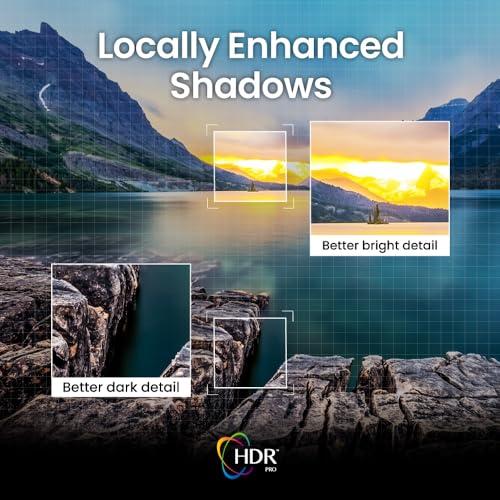
The BenQ W4100i supports HDR10, HDR10+, and HLG formats with its HDR-PRO dynamic tone mapping system. This technology analyzes each frame individually and adjusts brightness and contrast in real-time, ensuring that both bright and dark details remain visible throughout varying scene content. The Global and Local Contrast Enhancers work across different image regions to optimize contrast for both overall scenes and specific areas within frames.
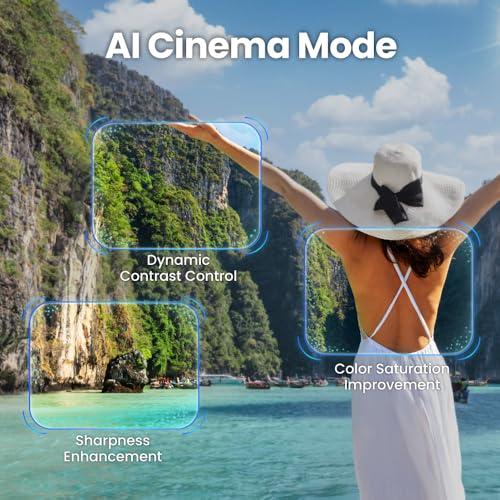
BenQ's AI Cinema Mode deserves special mention for streaming content optimization. This feature uses artificial intelligence to analyze compressed video streams in real-time, compensating for compression artifacts and enhancing detail that might otherwise be lost. Given that most viewers consume significant amounts of streaming content, this processing can meaningfully improve the viewing experience with Netflix, Amazon Prime, Disney+, and similar services.
The Sony VPL-XW7000ES takes a different approach with Object-based HDR Remaster and Dynamic HDR Enhancer technologies. Rather than applying blanket adjustments to entire frames, Sony's X1 Ultimate processor identifies individual objects within scenes and optimizes each separately. A person's face might receive different processing than the landscape behind them, resulting in more natural-looking images that maintain the filmmaker's artistic intent.
Based on professional reviews and user feedback, both systems deliver impressive HDR performance, but for different reasons. The BenQ tends to create more dramatically enhanced images that immediately grab attention, while the Sony provides more subtle, refined processing that may be less immediately obvious but more comfortable over time.
Gaming performance has become increasingly important as PlayStation 5 and Xbox Series X consoles push 4K resolution at higher frame rates. The BenQ W4100i clearly targets gaming enthusiasts with superior specifications across the board.
Input lag—the delay between controller input and on-screen response—measures just 6.5 milliseconds at 1080p/240Hz and 17.9 milliseconds at 4K/60Hz on the BenQ. These figures approach those of dedicated gaming monitors, making competitive gaming genuinely viable on a 100+ inch screen. The projector includes three HDMI 2.1 ports supporting 4K/120Hz, Variable Refresh Rate (VRR), and Auto Low Latency Mode (ALLM), ensuring compatibility with current and future gaming hardware.
The Sony VPL-XW7000ES offers respectable gaming performance with input lag under 21 milliseconds for 4K/60Hz and under 13 milliseconds for 2K/120Hz, but its two HDMI 2.0 ports limit next-generation console compatibility. While certainly usable for gaming, the Sony is clearly optimized for movie watching rather than interactive entertainment.
For serious gamers, the BenQ represents the clear choice. For occasional gaming with primary focus on movies, either projector will suffice.
Room compatibility and installation ease can make or break a projector purchase, especially in existing homes where dedicated theater construction isn't feasible.
The Sony VPL-XW7000ES excels in installation flexibility with its 2.1x motorized zoom lens and extensive lens shift capabilities—vertical adjustment up to ±85% and horizontal ±36%. This means you can position the projector significantly off-center or at different distances while maintaining a perfectly rectangular image. The Picture Position Memory feature stores five different lens configurations, allowing quick switching between different aspect ratios or screen sizes.
The motorized lens controls add convenience and precision, particularly valuable for permanent installations where fine-tuning might be needed after initial setup. The wider throw ratio range (1.35:1 to 2.84:1) accommodates more room configurations than the BenQ.
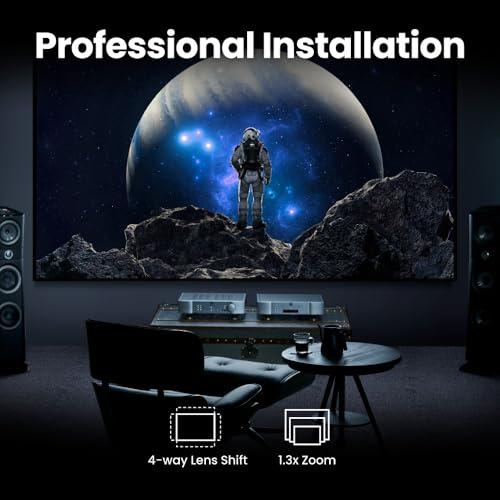
The BenQ W4100i offers more limited but still practical flexibility with 1.3x optical zoom and lens shift capabilities of 60% vertical and ±15% horizontal. While less extensive than Sony's system, these specifications handle most typical room layouts. The manual controls keep costs down while providing adequate adjustment range for most installations.
Both projectors are relatively compact and quiet enough for living room use, though the Sony's more refined industrial design and available white color option may better suit visible installations in upscale spaces.
Modern projectors increasingly need to handle streaming content directly, and the approaches here reflect each manufacturer's philosophy about integrated versus external solutions.
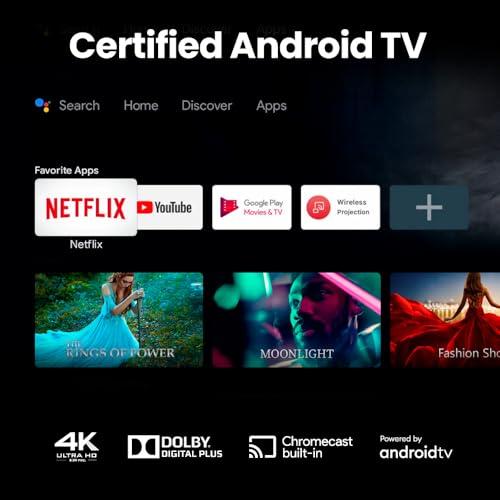
The BenQ W4100i includes an Android TV dongle that provides direct access to Netflix, Prime Video, Disney+, YouTube, and other major streaming services. The interface runs smoothly and includes Google Assistant support for voice control. Wi-Fi connectivity enables screen mirroring from phones and tablets via AirPlay or Google Cast, while Bluetooth allows wireless audio connections.
The Sony VPL-XW7000ES takes a more traditional approach with no built-in smart features, expecting users to connect external streaming devices, game consoles, or media players. While this requires additional hardware, it often provides better long-term flexibility as streaming platforms and standards evolve more rapidly than projector replacement cycles.
Both approaches have merit. The BenQ's integrated solution offers immediate convenience and reduces cable clutter, while Sony's external approach provides more control over the streaming experience and easier upgrades when new devices emerge.
Projector purchases represent significant investments that should provide years of reliable service. Both manufacturers have strong reputations, but their approaches to long-term value differ.
The BenQ W4100i offers potentially lower operating costs with its 30,000-hour LED lifespan and factory calibration that should maintain accuracy longer than manually calibrated units. The comprehensive warranty and BenQ's strong service network provide additional confidence.
The Sony VPL-XW7000ES represents more of a premium appliance approach, with higher initial investment justified by superior component quality and more sophisticated processing that should remain relevant longer. The shorter light source lifespan may require eventual service, but Sony's professional equipment heritage suggests robust long-term reliability.
After researching extensive professional reviews and user experiences, clear recommendations emerge for different use cases and priorities.
Choose the BenQ W4100i if you want exceptional value with minimal compromises. Its outstanding color accuracy, gaming performance, and integrated smart features make it ideal for versatile entertainment spaces where the projector might handle everything from Netflix binges to competitive gaming sessions. The longer light source lifespan and lower operating costs make it particularly attractive for frequent users. This projector excels in rooms with some ambient light and provides the most cinema-quality bang for your buck.
The Sony VPL-XW7000ES justifies its premium positioning for viewers who prioritize absolute image quality above other considerations. Its true native 4K resolution, superior contrast performance, and sophisticated processing deliver the most refined viewing experience possible. The extensive installation flexibility makes it perfect for dedicated home theaters or challenging room layouts. Choose Sony if you want the closest thing to a commercial cinema experience and have a controlled lighting environment to showcase its capabilities.
Both projectors deliver genuinely impressive 4K performance that will transform your viewing experience. The BenQ offers remarkable value and versatility, while the Sony provides premium refinement and installation flexibility. Your choice ultimately depends on whether you prioritize comprehensive features and value (BenQ) or absolute image quality and premium engineering (Sony).
Either way, you're getting a projector that can turn movie night into a genuine event—the kind that makes friends and family reluctant to leave when the credits roll.
| BenQ W4100i | Sony VPL-XW7000ES |
|---|---|
| Display Technology - Affects image sharpness and pixel visibility | |
| DLP with XPR pixel-shifting (2,716 x 1,528 native) | True native 4K SXRD panels (8.3 million pixels) |
| Light Source & Lifespan - Determines long-term operating costs | |
| 4LED RGBB system, 30,000 hours (Eco) / 20,000 hours (Normal) | Laser diode system, 20,000 hours |
| Brightness - Critical for room lighting flexibility | |
| 3,200 ANSI lumens | 3,200 lumens |
| Color Coverage - Affects color accuracy and vibrancy | |
| 100% DCI-P3 and Rec.709, factory calibrated to Delta E<2 | 95% DCI-P3 with Triluminos Pro technology |
| Contrast Ratio - Determines black level performance | |
| 3,000,000:1 dynamic contrast with Dynamic Black | ∞:1 (infinite) native contrast from SXRD panels |
| HDR Processing - Enhances dynamic range and realism | |
| HDR-PRO with frame-by-frame tone mapping, AI Cinema Mode | Object-based HDR Remaster with X1 Ultimate processor |
| Gaming Performance - Input lag for responsive gaming | |
| 6.5ms (1080p/240Hz), 17.9ms (4K/60Hz) | Under 21ms (4K/60Hz), under 13ms (2K/120Hz) |
| HDMI Connectivity - Future-proofs gaming and AV equipment | |
| 3 × HDMI 2.1 ports with 4K/120Hz support | 2 × HDMI 2.0 ports |
| Lens Flexibility - Affects installation options | |
| 1.3x zoom, 60% vertical/±15% horizontal lens shift | 2.1x motorized zoom, ±85% vertical/±36% horizontal lens shift |
| Throw Ratio - Determines distance needed from screen | |
| 1.15 ~ 1.50 | 1.35:1 ~ 2.84:1 |
| Smart Features - Built-in streaming capabilities | |
| Android TV dongle included with major streaming apps | No built-in smart features (external devices required) |
| Physical Design - Size and installation considerations | |
| 420.5 × 135.3 × 312.1 mm, 6.1 kg | Compact design (20% smaller than predecessor) |
| Target Market - Best suited for different buyer types | |
| Multi-purpose rooms, gamers, value-conscious buyers | Dedicated theaters, videophiles, premium installations |
The Sony VPL-XW7000ES delivers superior picture quality with true native 4K SXRD panels and infinite contrast ratio, providing sharper details and deeper blacks. However, the BenQ W4100i offers exceptional color accuracy with factory calibration to Delta E<2 standards and 100% DCI-P3 coverage. For most viewers, both provide excellent 4K image quality, but Sony edges ahead for pure image fidelity.
Both the BenQ W4100i and Sony VPL-XW7000ES produce 3,200 lumens, making them suitable for rooms with controlled lighting. The BenQ performs slightly better in moderately lit spaces due to its vibrant color reproduction, while the Sony excels in darker, dedicated home theater environments where its superior contrast can shine.
The BenQ W4100i is significantly better for gaming with 6.5ms input lag, three HDMI 2.1 ports supporting 4K/120Hz, and features like Auto Low Latency Mode. The Sony VPL-XW7000ES has higher input lag and only HDMI 2.0 ports, making it less ideal for serious gaming but still acceptable for casual play.
The BenQ W4100i offers a longer lifespan with its 4LED system rated for 30,000 hours in Eco mode, while the Sony VPL-XW7000ES uses laser technology rated for 20,000 hours. Both eliminate traditional lamp replacement, but the BenQ provides better long-term value with lower operating costs over time.
The Sony VPL-XW7000ES offers superior installation flexibility with 2.1x motorized zoom, extensive lens shift (±85% vertical, ±36% horizontal), and wider throw ratio options. The BenQ W4100i has more limited manual adjustments but still accommodates most room layouts with 1.3x zoom and reasonable lens shift capabilities.
The BenQ W4100i includes an Android TV dongle with built-in Netflix, Prime Video, Disney+, and other major streaming services, plus Google Assistant support. The Sony VPL-XW7000ES has no built-in smart features and requires external streaming devices like Apple TV or Fire TV Stick.
Both projectors excel at HDR but use different approaches. The Sony VPL-XW7000ES uses sophisticated Object-based HDR Remaster technology for more natural processing, while the BenQ W4100i employs HDR-PRO with AI Cinema Mode for enhanced streaming content. Sony provides more refined HDR, while BenQ offers more dramatic enhancement.
The Sony VPL-XW7000ES achieves true infinite contrast with its SXRD panels that can completely block light for perfect blacks. The BenQ W4100i uses dynamic contrast (3,000,000:1) through brightness modulation, which is impressive but can't match Sony's native black levels in dark viewing environments.
Both projectors are relatively compact for their class. The Sony VPL-XW7000ES is notably smaller (20% reduction in volume) and lighter than its predecessors, with optional white finish for visible installations. The BenQ W4100i maintains a practical black design suitable for most home theater setups.
The BenQ W4100i provides exceptional value with professional-grade color accuracy, gaming features, smart capabilities, and longer lifespan at a more accessible price point. The Sony VPL-XW7000ES justifies its premium positioning with superior native 4K resolution, contrast performance, and installation flexibility for dedicated home theaters.
Both the BenQ W4100i and Sony VPL-XW7000ES excel with large screens up to 150+ inches. The Sony's wider throw ratio range provides more placement flexibility for various screen sizes, while the BenQ's high brightness and color accuracy ensure vivid images even on very large displays.
Choose the BenQ W4100i for versatile entertainment spaces where you want excellent color accuracy, gaming capability, and integrated streaming at a competitive price. Select the Sony VPL-XW7000ES for dedicated home theaters where you prioritize absolute image quality, superior contrast, and professional-grade performance with maximum installation flexibility.
We've done our best to create useful and informative comparisons to help you decide what product to buy. Our research uses advanced automated methods to create this comparison and perfection is not possible - please contact us for corrections or questions. These are the sites we've researched in the creation of this article: blog.son-video.com - notebookcheck.net - whathifi.com - newatlas.com - hometheaterhifi.com - benq.com - youtube.com - shop.avispl.com - projectorcentral.com - benq.com - youtube.com - projectorcentral.com - benq.com - device.report - pssav.com - newegg.com - whathifi.com - electronics.sony.com - us.puretheatre.com - pro.sony - stereonet.com - pro.sony - valueelectronics.com - projectorreviews.com - pro.sony - leisuretheory.com

Privacy Policy
Terms and Conditions - Affiliate Policy
Home Security
© Copyright 2008-2026.
11816 Inwood Rd #1211, Dallas, TX 75244