

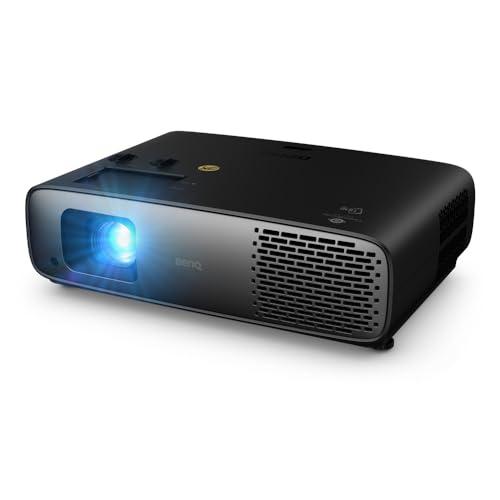

When you're ready to transform your living room or dedicated theater space into a true cinema experience, the world of 4K projectors offers some incredible options. But with prices ranging from affordable to eye-watering, choosing the right projector can feel overwhelming. Today, we're diving deep into two very different approaches to 4K projection: the BenQ W4100i and the JVC DLA-NZ700.
These aren't just random picks—they represent two distinct philosophies in projector design. The BenQ W4100i focuses on delivering premium features at a more accessible price point, while the JVC DLA-NZ700 pursues absolute image quality regardless of cost. Understanding which approach fits your needs will save you thousands and ensure you get exactly what you're looking for.
Before we dive into specifics, let's clarify what makes a projector truly great. Unlike TVs, projectors face unique challenges: they need to create massive, bright images while maintaining color accuracy and detail across screen sizes that can exceed 150 inches. This is no small feat, and it's why projector technology has evolved so dramatically in recent years.
The most critical factor is how each projector achieves 4K resolution. True native 4K means the projector's imaging chip physically contains over 8 million individual pixels (4,096 x 2,160). Pixel-shifting 4K uses advanced processing to display 4K content from lower-resolution chips by rapidly shifting pixels to create the full resolution image. Both approaches can look excellent, but they have different strengths and trade-offs.
Brightness, measured in ANSI lumens, determines how well your projector performs in various lighting conditions. Contrast ratio—the difference between the darkest blacks and brightest whites—affects image depth and realism. Color accuracy ensures that what you see matches what filmmakers intended. These specifications work together to create the overall viewing experience.
The BenQ W4100i, released in 2024, represents the latest in LED-based projector technology. BenQ designed it as a comprehensive home theater solution that doesn't compromise on essential features while maintaining reasonable pricing. It incorporates AI-enhanced processing and gaming optimizations that reflect how people actually use projectors today—streaming content, playing games, and watching movies all from the same device.
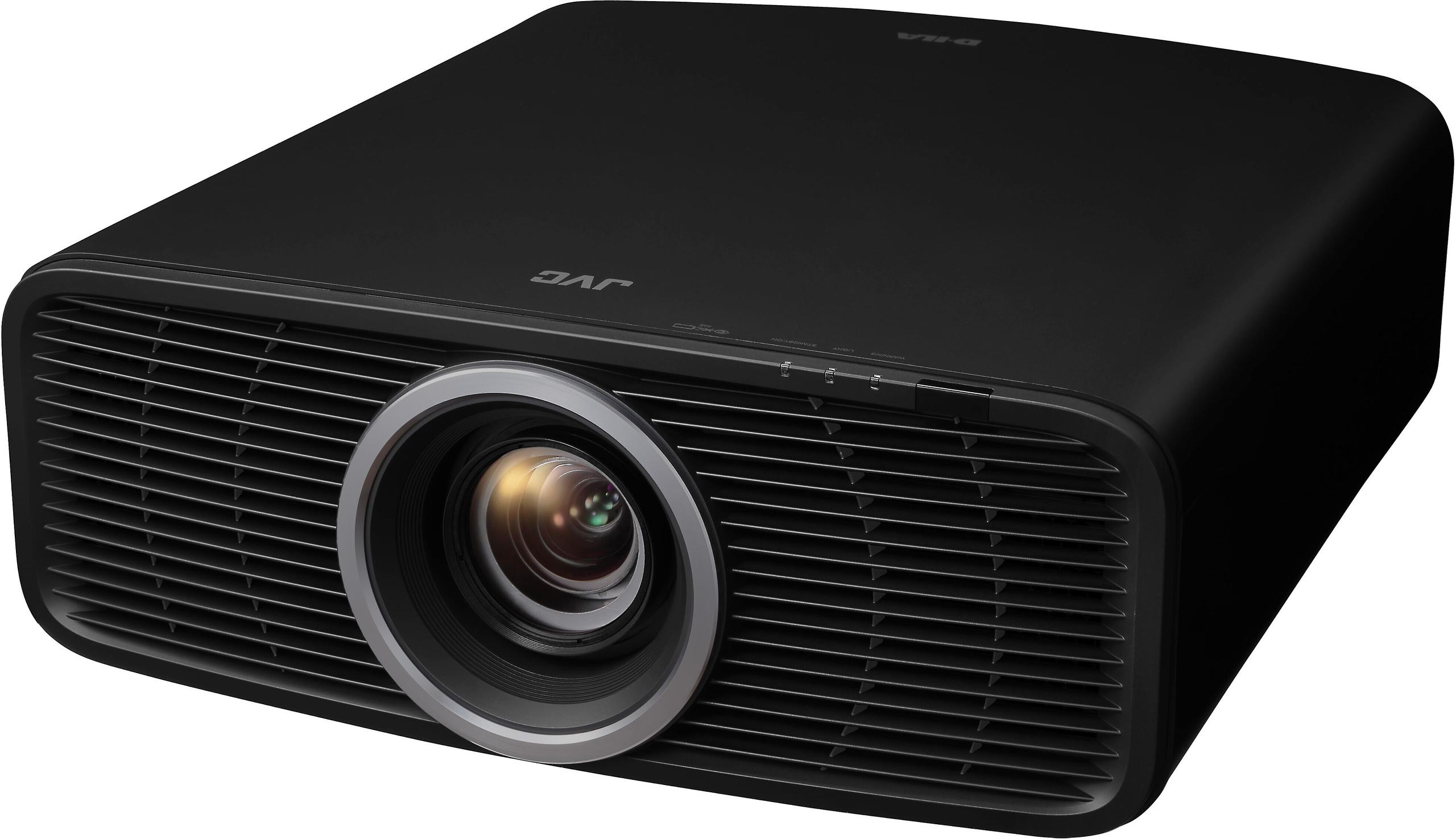
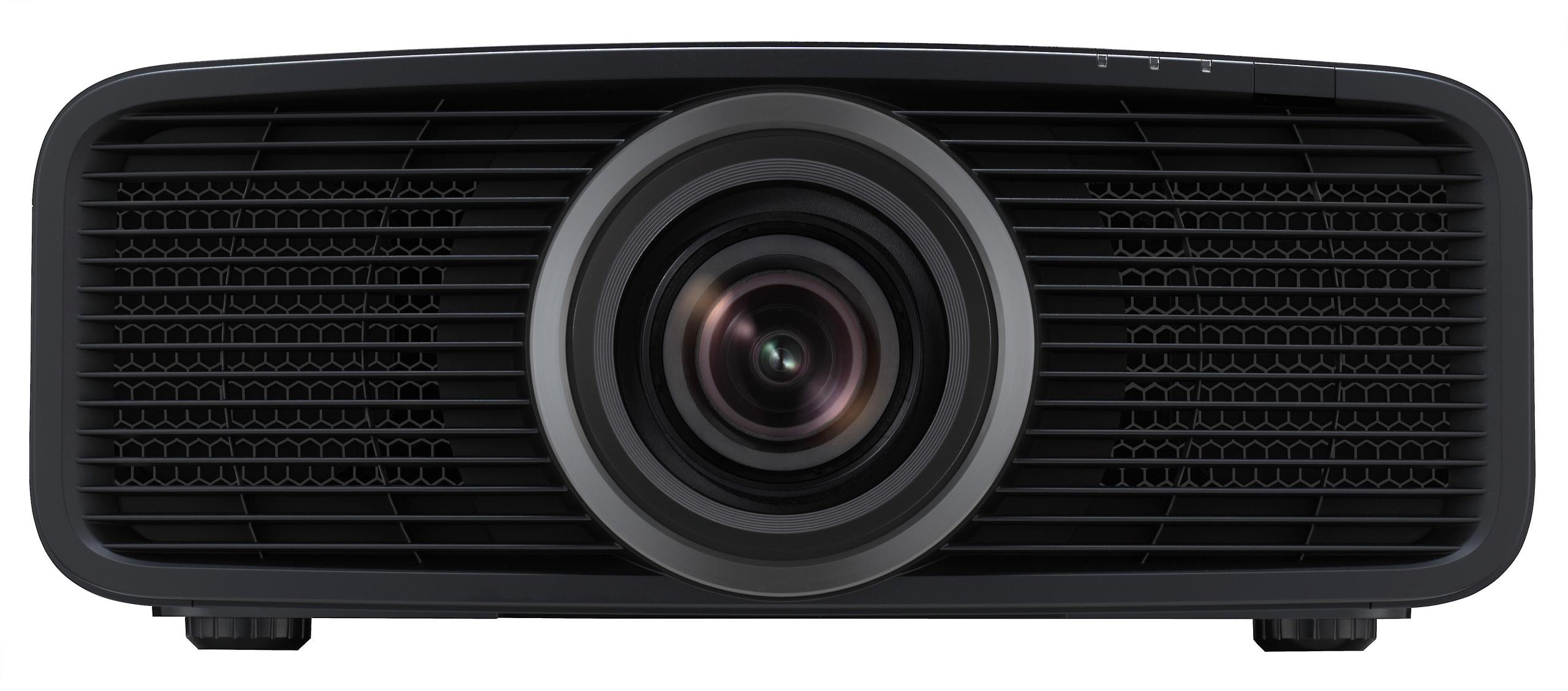
The JVC DLA-NZ700, also launched in 2024, takes a different approach entirely. JVC built this projector for one primary goal: delivering the best possible image quality in dedicated theater environments. It uses native 4K D-ILA technology (JVC's proprietary version of LCD imaging) combined with laser light sources to achieve reference-quality performance that rivals commercial cinema equipment.
These different design philosophies become apparent the moment you compare their specifications and real-world performance. The BenQ W4100i prioritizes versatility and value, while the JVC DLA-NZ700 focuses purely on image excellence.
The fundamental difference between these projectors lies in how they generate images. The BenQ W4100i uses Texas Instruments' DLP (Digital Light Processing) technology with pixel-shifting enhancement. Its native chip resolution is 2,716 x 1,528 pixels, but through precise pixel-shifting—literally moving pixels rapidly to different positions—it displays all 8.3 million pixels of 4K content.
This pixel-shifting approach has become incredibly sophisticated. The BenQ W4100i uses dual-axis shifting, meaning pixels move both horizontally and vertically to create the full 4K image. When done well, pixel-shifting can be virtually indistinguishable from native 4K in normal viewing conditions. The advantage is cost: achieving native 4K requires much more expensive imaging chips.
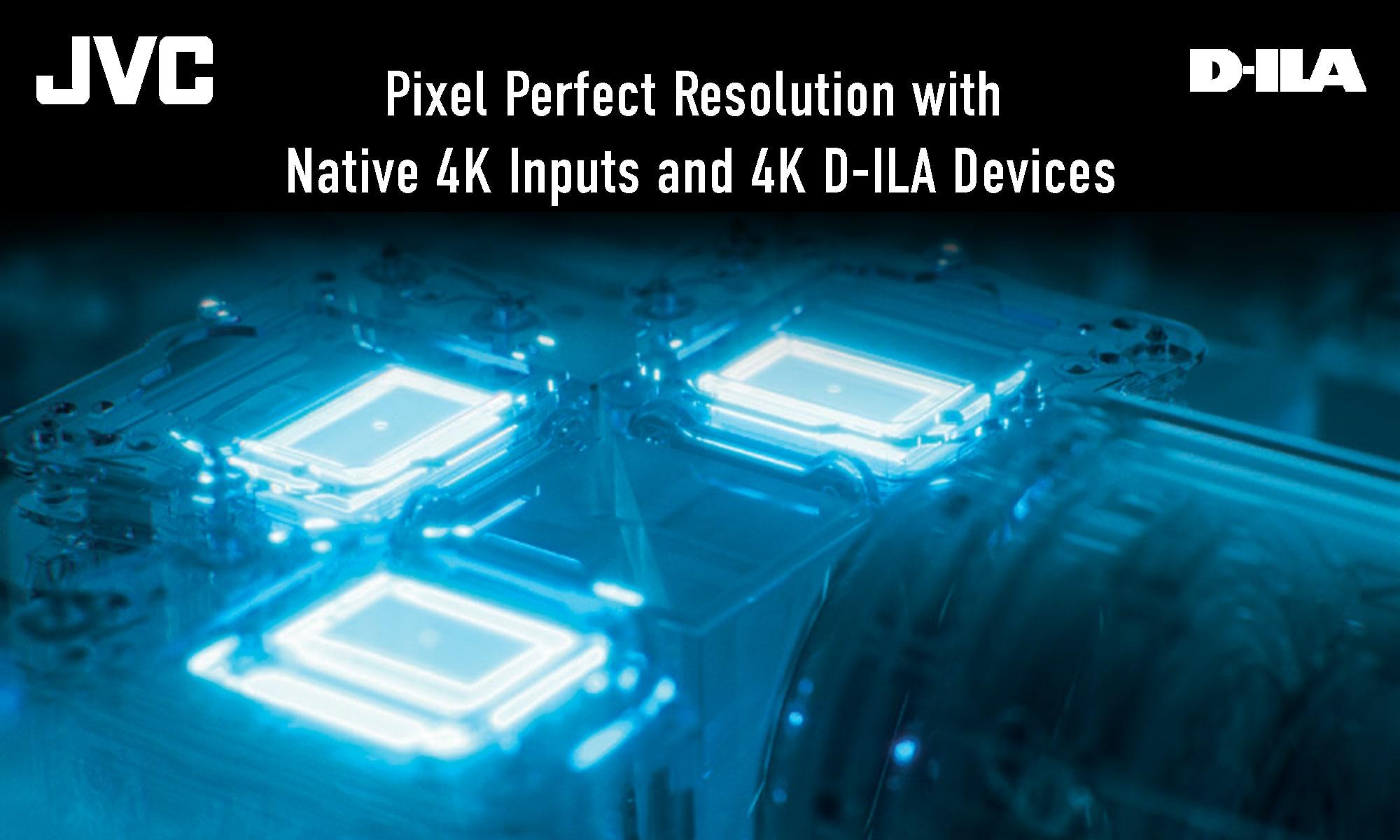
The JVC DLA-NZ700 takes the native approach with three 0.69-inch D-ILA chips—one each for red, green, and blue. D-ILA (Direct-drive Image Light Amplifier) is JVC's refined version of LCD technology that eliminates the pixel grid structure you might notice on cheaper projectors. Each chip physically contains 4,096 x 2,160 pixels, meaning there's no processing trickery needed to achieve 4K resolution.
Native 4K provides absolute clarity and eliminates any potential artifacts from pixel processing. The three-chip design also allows for superior color separation and accuracy. However, this approach requires precision manufacturing and significantly more expensive components.
Light source technology has revolutionized projectors in recent years. The BenQ W4100i uses a 4-LED array system featuring red, green, and two blue LEDs. This RGBB configuration allows for exceptional color reproduction while achieving 3,200 ANSI lumens of brightness—remarkably high for an LED-based system.
LED light sources offer several advantages: they're instant-on with no warm-up time, they maintain consistent color temperature throughout their lifespan, and they eliminate the rainbow effect that some people see with single-chip DLP projectors. The BenQ W4100i achieves 100% coverage of both DCI-P3 (the cinema standard) and Rec.709 (the HDTV standard) color spaces.
The JVC DLA-NZ700 employs BLU-Escent laser technology, using blue laser diodes combined with phosphor conversion to create the full color spectrum. While this produces "only" 2,300 lumens compared to the BenQ's 3,200, the laser offers a crucial advantage: a rated lifespan of 20,000 hours with consistent output.
Traditional projector lamps typically last 3,000-5,000 hours and can cost several hundred dollars to replace. Laser eliminates this ongoing expense while providing more stable color performance over time. The JVC DLA-NZ700 also achieves exceptional color accuracy, though its strength lies more in contrast performance than pure brightness.
Based on extensive review analysis and professional calibration reports, these projectors excel in different areas. The JVC DLA-NZ700 demonstrates superior contrast performance with its 80,000:1 native contrast ratio. This isn't just a specification—reviewers consistently note the projector's ability to render deep, inky blacks while maintaining detail in shadow areas.
This contrast advantage becomes most apparent in dark scenes and HDR content. The JVC DLA-NZ700's black levels approach those of OLED displays, creating images with exceptional depth and dimensionality. In a darkened theater room, this contrast performance makes the difference between a good image and a truly cinematic one.
The BenQ W4100i takes a different approach, prioritizing brightness and color vibrancy. Its 3,200 ANSI lumens make it usable in rooms with more ambient light, and its color processing ensures vibrant, engaging images even when perfect viewing conditions aren't possible. Professional reviews highlight its excellent color accuracy out of the box, with factory calibration achieving Delta E values below 2—meaning colors are virtually indistinguishable from reference standards.
For sharpness and detail, the JVC DLA-NZ700's native 4K resolution provides a subtle but noticeable advantage on very large screens (over 120 inches). However, the BenQ W4100i's pixel-shifting is so refined that most viewers won't notice the difference on typical home theater screen sizes of 100-120 inches.
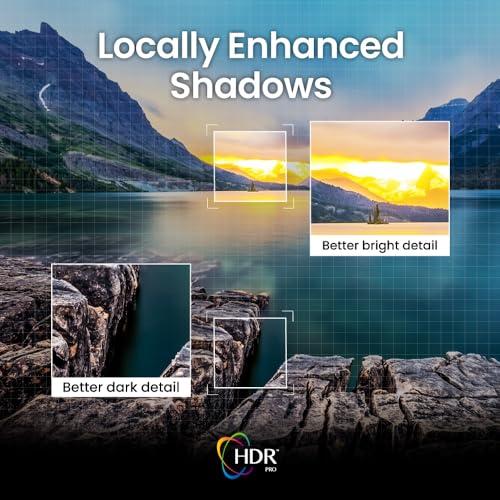
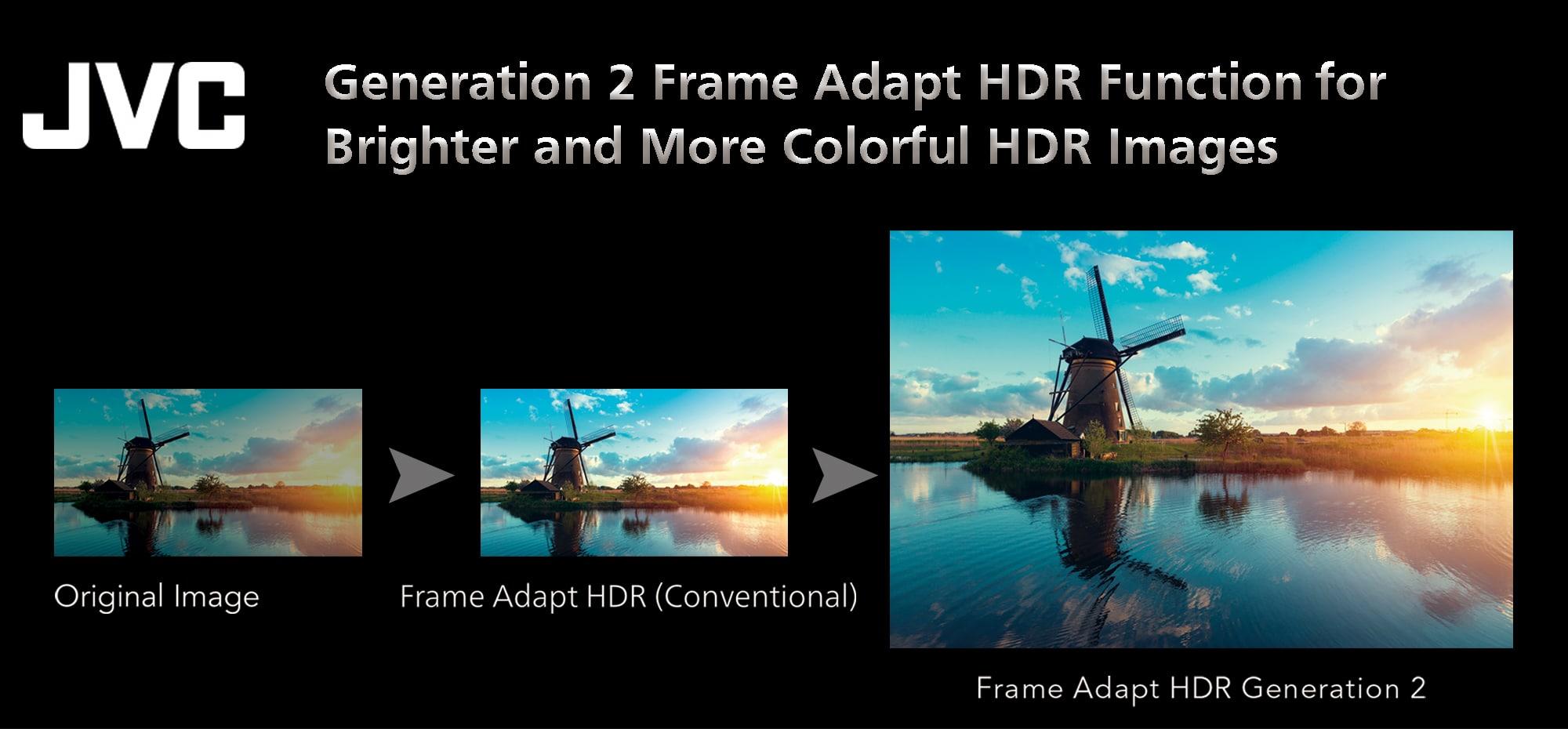
High Dynamic Range (HDR) processing has become crucial for modern projectors, and both models handle it differently. The BenQ W4100i features HDR-Pro technology with dynamic tone mapping. This system analyzes each frame and adjusts brightness, contrast, and color saturation in real-time to optimize HDR content for the projector's capabilities.
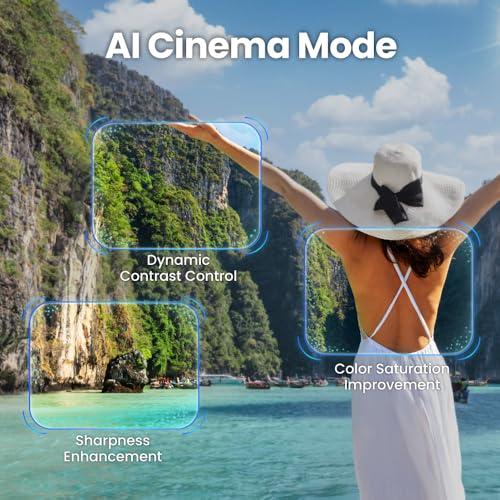
More impressively, the BenQ W4100i includes AI Cinema Mode, which uses artificial intelligence to enhance streaming content specifically. Since much streaming content is compressed and can appear softer than disc-based sources, this AI processing sharpens details, reduces compression artifacts, and enhances color saturation to compensate for streaming limitations.
The JVC DLA-NZ700 approaches HDR with Frame Adapt HDR and Deep Black Tone Control. Rather than aggressive processing, it focuses on preserving the natural contrast relationships in HDR content while extending shadow detail. This approach works particularly well with high-quality source material like 4K Blu-rays.
Both projectors support HDR10, HDR10+, and HLG formats, but they optimize for different viewing scenarios. The BenQ W4100i excels with streaming content and mixed lighting conditions, while the JVC DLA-NZ700 shines with premium source material in controlled environments.
Gaming has become a major consideration for projector buyers, and the BenQ W4100i clearly leads in this area. It achieves input lag as low as 6.5 milliseconds at 1080p/240Hz and 17.9ms at 4K/60Hz—performance that rivals dedicated gaming monitors. Its three HDMI 2.1 inputs support 4K/120Hz for next-generation consoles, and Automatic Low Latency Mode (ALLM) switches to optimal gaming settings when consoles are detected.
The JVC DLA-NZ700 isn't specifically optimized for gaming, focusing instead on cinematic presentation. While it can certainly handle gaming, its strength lies in single-player narrative games where image quality matters more than response time. For competitive gaming or fast-paced action, the BenQ W4100i provides a clear advantage.
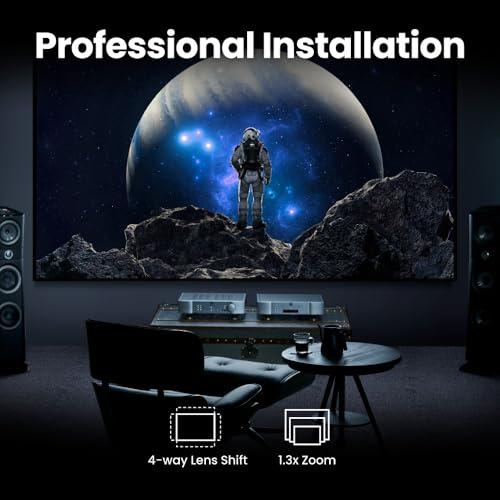
Room compatibility often determines which projector works best for your space. The BenQ W4100i offers excellent installation flexibility with its 1.15-1.50 throw ratio, meaning it can create a 100-inch image from 9.6-12.5 feet away. Its 1.3x optical zoom and motorized lens shift make positioning easier in various room configurations.
The superior brightness of the BenQ W4100i makes it more forgiving of ambient light. While any projector performs best in darkness, the BenQ can handle some room lighting without completely washing out the image. This makes it suitable for multi-purpose living rooms where complete light control isn't always possible.
The JVC DLA-NZ700 requires more careful room planning but offers greater flexibility once properly set up. Its 1.6x motorized zoom and wider throw ratio range (1.34-2.14) accommodate larger rooms and screens. However, its lower brightness means it really needs a light-controlled environment to deliver its best performance.
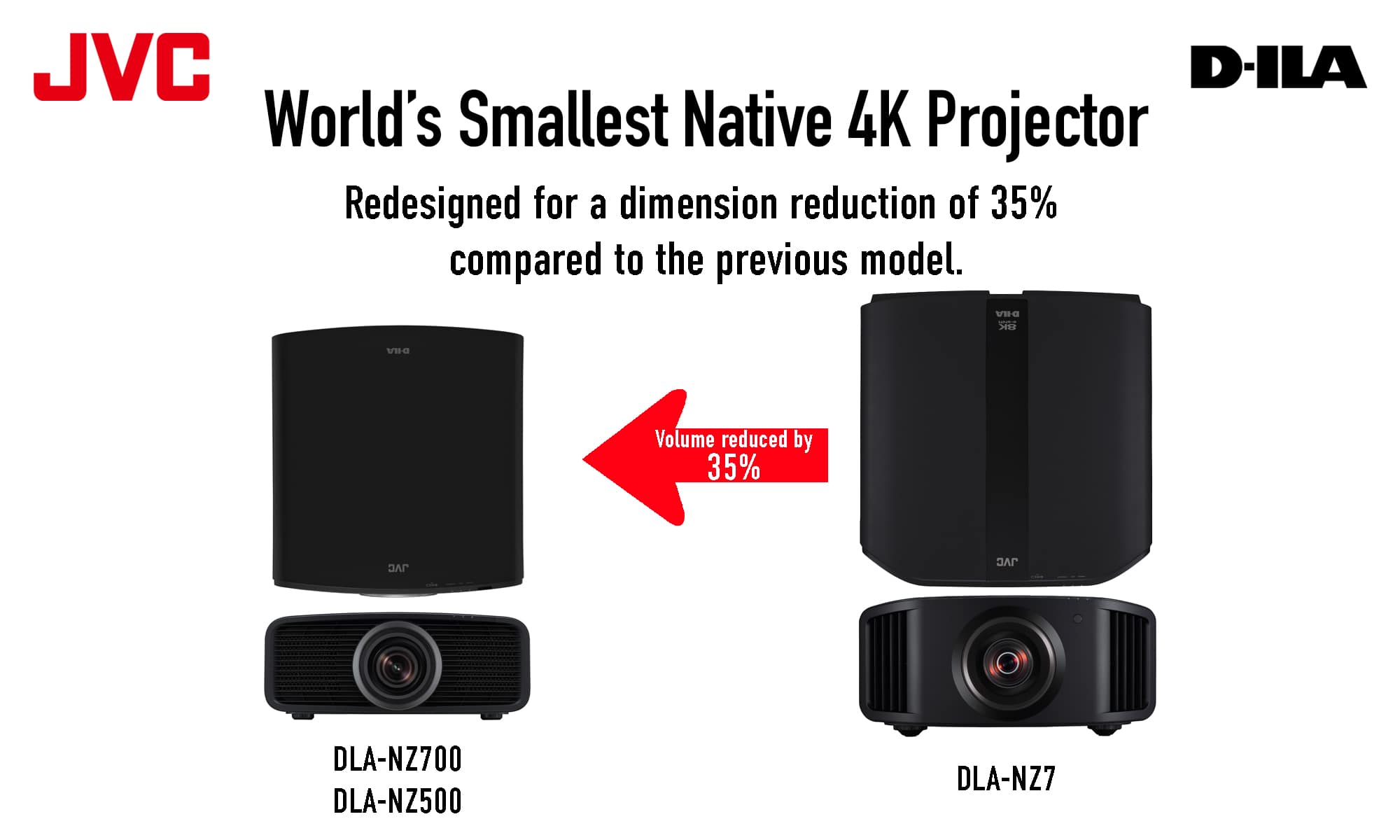
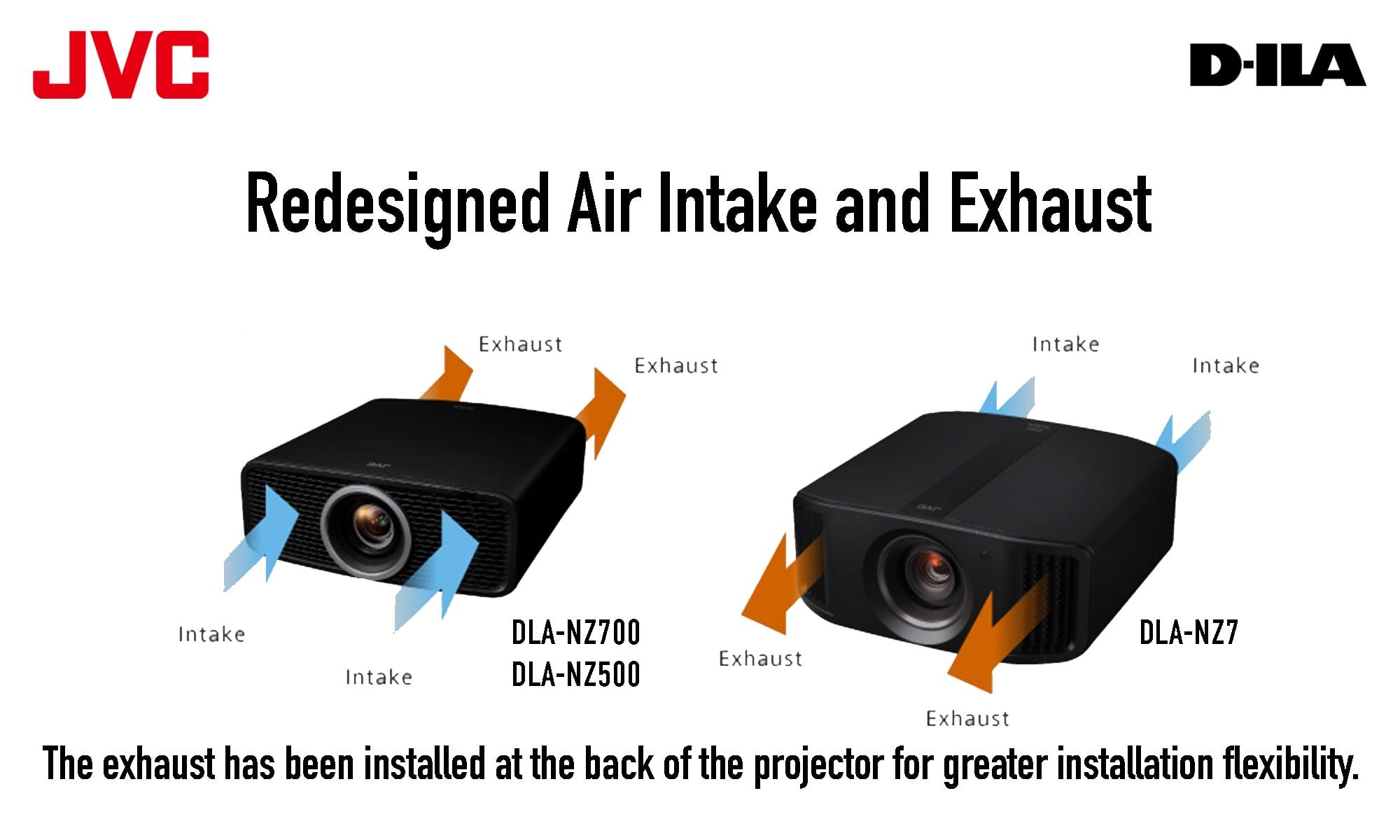
The JVC DLA-NZ700 is marketed as the world's smallest native 4K projector, which helps with ceiling mounting in rooms with limited space. Its compact design, despite the premium components inside, can be an advantage for installations where projector visibility is a concern.
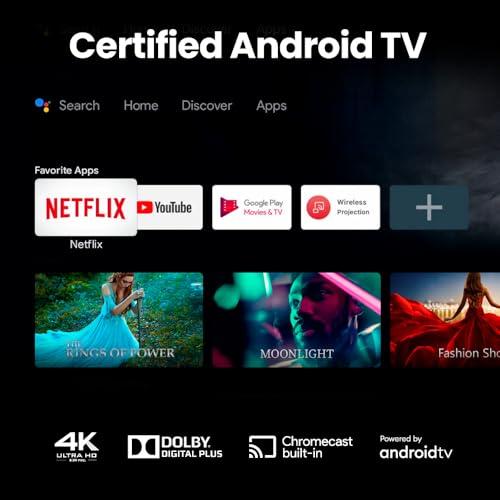
Modern projectors need to handle various content sources seamlessly. The BenQ W4100i includes an Android TV dongle for direct streaming access to Netflix, Disney+, Prime Video, and other services. Built-in Chromecast functionality and voice control through Google Assistant add convenience for daily use.
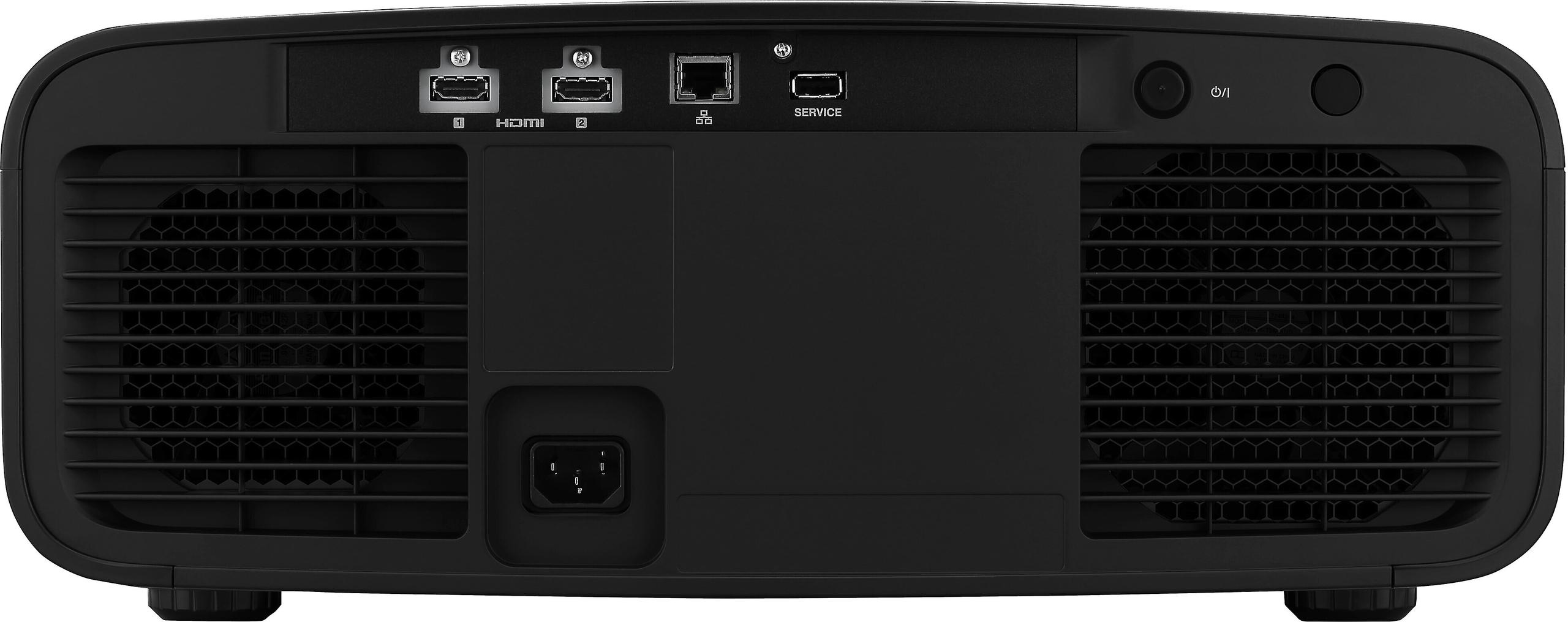
The JVC DLA-NZ700 focuses on connectivity rather than smart features. It provides multiple HDMI inputs including HDMI 2.1 for high-bandwidth sources, but expects users to connect external streaming devices rather than providing built-in smart functionality.
This difference reflects their target markets: the BenQ W4100i serves as a complete home entertainment solution, while the JVC DLA-NZ700 assumes users will have dedicated source components in their high-end theater systems.
At the time of writing, these projectors sit in very different price categories, with the JVC DLA-NZ700 costing roughly three times as much as the BenQ W4100i. This price difference reflects their different approaches and target markets.
The BenQ W4100i delivers remarkable value by including premium features typically found in much more expensive projectors. Its brightness, color accuracy, gaming features, and smart capabilities create a complete package that's hard to match at its price point. For most home theater enthusiasts, it provides 90% of the performance of projectors costing significantly more.
The JVC DLA-NZ700's higher price reflects its native 4K technology, laser light source, and reference-quality performance. While expensive upfront, the 20,000-hour laser lifespan eliminates ongoing lamp replacement costs that can add hundreds of dollars over a projector's lifetime.
The BenQ W4100i makes sense for the broadest range of users. Choose it if you're building your first serious home theater, want excellent gaming performance, need flexibility for different room lighting conditions, or simply want maximum value for your investment. Its combination of brightness, features, and performance delivers an exceptional experience without requiring perfect conditions or unlimited budget.
The JVC DLA-NZ700 justifies its premium price for specific situations. Choose it if you have a dedicated, light-controlled theater room where its superior contrast can be fully appreciated. If you demand absolute image quality, have very large screens where native 4K resolution becomes more apparent, or view this as a long-term investment where ongoing costs matter, the JVC's performance advantages become worth the price premium.
For most people building a home theater, the BenQ W4100i represents the sweet spot of performance and value. It delivers truly excellent results while remaining accessible and practical for everyday use. The JVC DLA-NZ700 serves the enthusiast market where image quality is the primary concern and budget is less constrained.
Both projectors represent excellent examples of their respective approaches to 4K projection. The BenQ W4100i proves that outstanding home theater experiences don't require five-figure investments, while the JVC DLA-NZ700 demonstrates what's possible when cost constraints are removed in favor of pure performance.
Consider your room environment, typical usage patterns, and long-term goals. If you want a projector that handles everything well—movies, streaming, gaming, and various lighting conditions—the BenQ W4100i delivers exceptional versatility. If you're creating a dedicated cinema space where image quality is paramount, the JVC DLA-NZ700 provides reference-level performance that will satisfy the most demanding viewers.
Either choice will transform your viewing experience compared to even the best TVs. The key is matching the projector's strengths to your specific needs and ensuring your expectations align with your investment level. Both represent excellent values within their respective price categories and will provide years of incredible home theater experiences.
| BenQ W4100i 4K Home Theater Projector | JVC DLA-NZ700 4K Laser Projector |
|---|---|
| 4K Resolution Technology - Determines image sharpness and detail quality | |
| 4K pixel-shifting (dual-axis enhancement from 2,716 x 1,528 native chip) | True native 4K D-ILA (4,096 x 2,160 pixels per chip, 3-chip design) |
| Brightness Output - Critical for room lighting flexibility and screen size | |
| 3,200 ANSI lumens (excellent for ambient light and larger screens) | 2,300 lumens (optimized for dark theater rooms) |
| Contrast Ratio - Affects black levels and image depth | |
| 3,000,000:1 dynamic contrast (good blacks with LED processing) | 80,000:1 native contrast (exceptional deep blacks without processing) |
| Light Source Technology - Impacts lifespan and maintenance costs | |
| 4-LED array (RGBB configuration, long lifespan, instant-on) | BLU-Escent laser diode (20,000-hour rated life, consistent output) |
| Gaming Performance - Input lag matters for competitive gaming | |
| 6.5ms at 1080p/240Hz, 17.9ms at 4K/60Hz, HDMI 2.1 with ALLM | Not gaming-optimized (suitable for single-player narrative games) |
| Installation Flexibility - Determines room placement options | |
| 1.3x optical zoom, 1.15-1.50 throw ratio, motorized lens shift | 1.6x motorized zoom, 1.34-2.14 throw ratio, compact design |
| Smart Features - Built-in streaming and convenience capabilities | |
| Android TV dongle included, Chromecast, Google Assistant, voice control | External streaming devices required (focus on premium connectivity) |
| Color Accuracy - Ensures faithful reproduction of filmmaker intentions | |
| 100% DCI-P3 & Rec.709, factory calibrated to Delta E<2 | 100% DCI-P3 & Rec.709, professional D-ILA color processing |
| HDR Processing - Enhances dynamic range for modern content | |
| HDR-Pro with AI Cinema Mode for streaming optimization | Frame Adapt HDR with Deep Black Tone Control for cinema content |
| Target Room Environment - Where each projector performs best | |
| Multi-purpose rooms with some ambient light acceptable | Dedicated dark theater rooms for optimal contrast performance |
| Best Use Cases - Primary scenarios where each excels | |
| Gaming, streaming, bright rooms, first home theater builds | Reference cinema quality, large screens, premium source material |
The BenQ W4100i is ideal for first-time home theater builders. It offers excellent image quality with easier setup, built-in streaming capabilities, and works well in various lighting conditions. The JVC DLA-NZ700 requires more expertise and a dedicated dark room to achieve its best performance.
The core difference is resolution technology: the BenQ W4100i uses advanced pixel-shifting to create 4K images from a lower-resolution chip, while the JVC DLA-NZ700 uses true native 4K with three separate imaging chips. Both deliver excellent 4K quality, but the JVC DLA-NZ700 provides slightly sharper detail on very large screens.
The BenQ W4100i produces 3,200 ANSI lumens compared to 2,300 lumens from the JVC DLA-NZ700. This 40% brightness advantage makes the BenQ W4100i much better for rooms with ambient light or multi-purpose living spaces.
The BenQ W4100i excels for gaming with 6.5ms input lag at high refresh rates and three HDMI 2.1 ports supporting 4K/120Hz. The JVC DLA-NZ700 works for gaming but isn't optimized for competitive play, making the BenQ W4100i the clear choice for serious gamers.
The JVC DLA-NZ700 delivers superior contrast with an 80,000:1 native ratio, producing deeper blacks and more realistic shadow detail. The BenQ W4100i offers good contrast but can't match the JVC DLA-NZ700's exceptional black level performance in dark rooms.
Neither projector uses traditional replaceable bulbs. The BenQ W4100i uses LED technology with a very long lifespan, while the JVC DLA-NZ700 features a laser light source rated for 20,000 hours. Both eliminate ongoing lamp replacement costs.
The BenQ W4100i includes built-in Android TV with direct access to Netflix, Disney+, and other streaming apps, plus AI Cinema Mode that enhances streaming quality. The JVC DLA-NZ700 requires external streaming devices but delivers superior image quality with premium content.
The BenQ W4100i works excellently up to 120-inch screens and adequately up to 150 inches. The JVC DLA-NZ700 performs well from 100 to 200+ inches, with its native 4K resolution providing advantages on larger screens where detail becomes more apparent.
The BenQ W4100i provides exceptional value with premium features at a much lower price point. The JVC DLA-NZ700 costs significantly more but delivers reference-quality performance. For most users, the BenQ W4100i offers the better value proposition.
Both projectors support HDR10, HDR10+, and HLG formats. The BenQ W4100i uses HDR-Pro processing with dynamic tone mapping, while the JVC DLA-NZ700 employs Frame Adapt HDR. Both handle 4K Blu-ray HDR content excellently, with the JVC DLA-NZ700 having a slight edge in dark room performance.
The BenQ W4100i needs 9.6-12.5 feet for a 100-inch screen with its 1.15-1.50 throw ratio. The JVC DLA-NZ700 requires 11.2-17.9 feet for the same screen size but offers more flexibility with its wider throw ratio range and compact design.
For dedicated dark theater rooms, the JVC DLA-NZ700 provides superior performance with exceptional contrast and native 4K resolution. However, the BenQ W4100i still delivers excellent theater performance at a much lower cost, making it a great choice for most dedicated theater setups.
We've done our best to create useful and informative comparisons to help you decide what product to buy. Our research uses advanced automated methods to create this comparison and perfection is not possible - please contact us for corrections or questions. These are the sites we've researched in the creation of this article: blog.son-video.com - notebookcheck.net - whathifi.com - newatlas.com - hometheaterhifi.com - benq.com - youtube.com - shop.avispl.com - projectorcentral.com - benq.com - youtube.com - projectorcentral.com - benq.com - device.report - pssav.com - newegg.com - simplehomecinema.com - soundapproach.com - jvc.com - projectorreviews.com - valueelectronics.com - youtube.com - crutchfield.com - stereonet.com - projectorcentral.com - manual3.jvckenwood.com

Privacy Policy
Terms and Conditions - Affiliate Policy
Home Security
© Copyright 2008-2026.
11816 Inwood Rd #1211, Dallas, TX 75244