

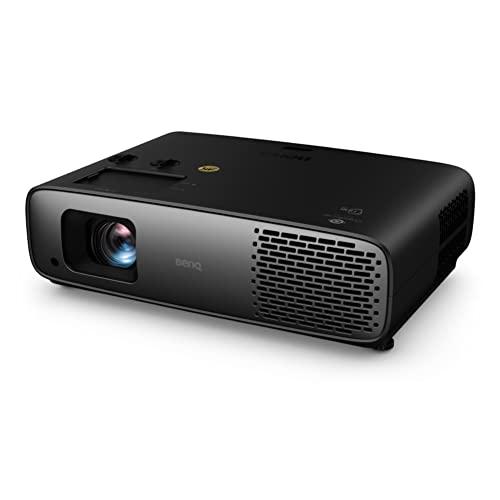

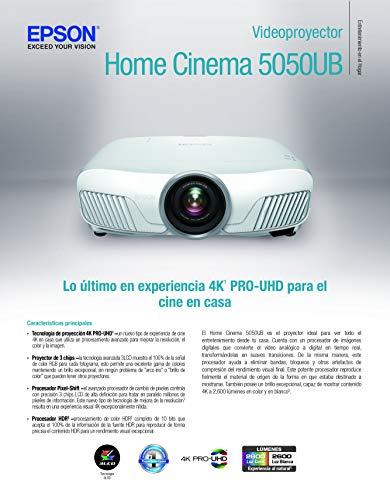
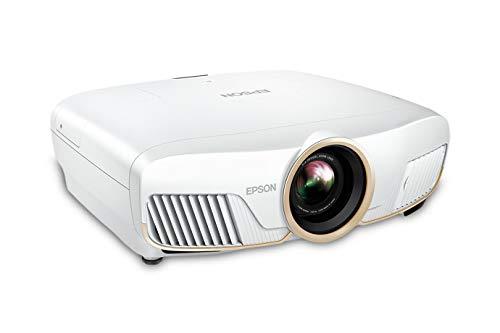
If you're serious about creating a home theater experience that rivals your local cinema, you've probably discovered that the $2,000-$3,000 projector category offers the best bang for your buck. Two projectors consistently rise to the top of recommendation lists in this price range: the BenQ HT4550i and the Epson Home Cinema 5050UB. Both promise 4K resolution and impressive brightness, but they achieve these goals through completely different approaches.
Understanding these differences is crucial because choosing the wrong projector for your specific setup and viewing habits can mean years of frustration. Let's dive deep into what makes each projector unique and help you decide which one belongs in your home theater.
Before comparing these specific models, it's worth understanding what separates good projectors from great ones. The most important factors are brightness (measured in ANSI lumens), contrast ratio (how deep the blacks appear compared to whites), color accuracy (how faithfully colors match the original content), and resolution (how sharp the image appears).
Display technology forms the foundation of everything else. The BenQ HT4550i uses DLP (Digital Light Processing), where millions of tiny mirrors flip rapidly to create images. The Epson 5050UB uses 3LCD technology, where light passes through three separate LCD panels—one each for red, green, and blue light—before being combined into the final image.
These different approaches create distinct viewing experiences. DLP projectors typically deliver sharper images and faster response times, making them excellent for sports and gaming. However, some viewers notice a "rainbow effect"—brief flashes of color separation—especially when moving their eyes quickly during dark scenes. 3LCD projectors eliminate this rainbow effect entirely but may show slight pixelation up close due to the gaps between pixels on LCD panels.
The BenQ HT4550i launched in 2023, representing BenQ's latest generation of 4LED technology. This marked a significant advancement from earlier projector designs that relied on single-color LED or traditional lamp technology. The timing is important because 2023 brought mature 4K pixel-shifting technology and widespread adoption of wider color gamuts that match modern streaming and Blu-ray standards.
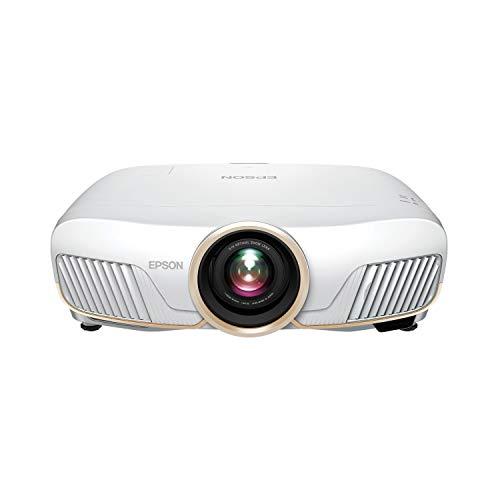
The Epson 5050UB, while older, has remained competitive through Epson's UltraBlack technology and superior lens engineering. Despite being lamp-based rather than LED-powered, it continues to offer performance characteristics that newer technologies haven't fully displaced—particularly in contrast performance.
Since 2020, the projector market has shifted toward LED and laser light sources due to their longevity and consistent brightness over time. Traditional lamp-based projectors like the Epson 5050UB represent mature technology that still offers certain advantages, but they're increasingly being replaced by newer light source technologies.
This is where things get technically interesting, and the differences significantly impact your viewing experience. Neither projector uses true native 4K panels—those exist primarily in $10,000+ commercial projectors. Instead, both use pixel-shifting technology, but in very different ways.
The BenQ HT4550i employs a 0.65-inch DLP chip with XPR (eXpanded Pixel Resolution) technology. This larger chip contains approximately 2.7 million individual mirrors, each representing a pixel. The XPR system rapidly shifts each pixel diagonally by half a pixel width, effectively creating 8.3 million addressable points on screen—true 4K resolution. The shifts happen so quickly (120 times per second) that your eye perceives a continuous 4K image.
The Epson 5050UB takes a different approach with three 0.74-inch LCD panels, each with native 1920x1080 resolution. Epson's 4K enhancement shifts pixels both horizontally and vertically, but only achieves 2x pixel shifting rather than 4x. This creates approximately 4 million addressable pixels—twice the resolution of standard 1080p, but only half of true 4K.
In practical viewing, the BenQ HT4550i delivers noticeably sharper text and fine details. When projecting computer interfaces or reading subtitles, the difference becomes immediately apparent. For movie content, both projectors look excellent, but the BenQ maintains an edge in scenes with fine textures like fabric, foliage, or architectural details.
Here's where the projectors diverge most dramatically in their engineering philosophy. The BenQ HT4550i uses a 4LED light source combining red, green, blue, and white LEDs to achieve its 3,200 ANSI lumens output. This system is rated for 20,000 to 30,000 hours of operation—potentially 15-20 years of typical home use—with minimal brightness degradation over time.
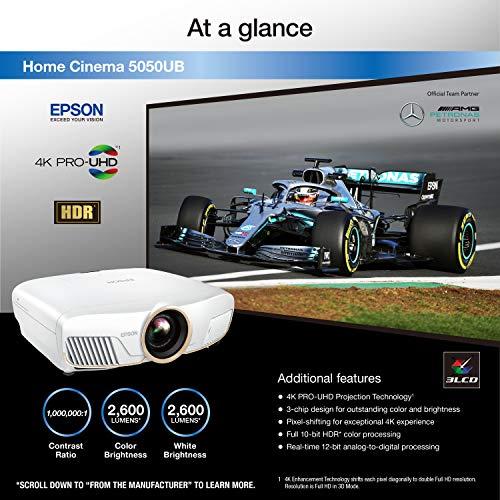
The Epson 5050UB relies on a traditional 250-watt ultra-high-efficiency (UHE) lamp. While this older technology achieves excellent brightness—actually exceeding its 2,600 lumen specification in testing—the lamp degrades over time and typically requires replacement every 3,000-4,000 hours of use.
This difference has profound implications beyond just maintenance. LED light sources provide instant on/off capability and maintain consistent color temperature throughout their lifespan. Lamp-based projectors require warm-up time and gradually shift toward yellow/green tints as the lamp ages. More importantly, lamp replacement costs (typically $250-300 per bulb) can add $800-1,200 to the projector's lifetime operating cost.
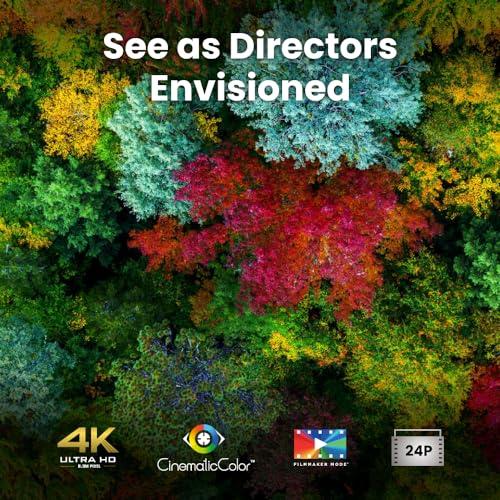
Both projectors deliver impressive brightness, but their approaches to color reproduction reveal important distinctions. The BenQ HT4550i achieves 100% coverage of the DCI-P3 color space—the standard used in commercial cinemas. This wider color gamut means more vibrant and accurate colors, particularly in scenes with saturated reds, deep blues, and rich greens.
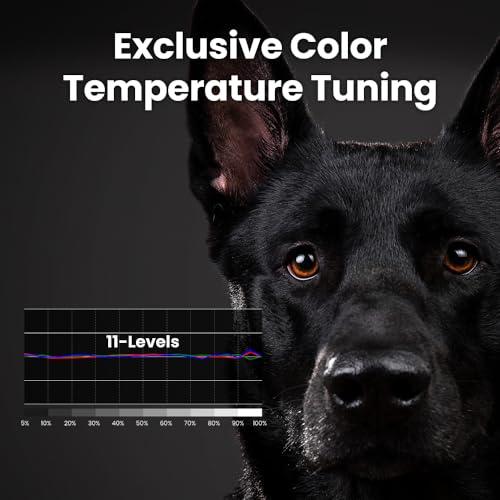
What's remarkable about the BenQ HT4550i is its factory calibration accuracy. Professional reviews consistently show Delta E values below 2 straight out of the box, meaning colors are so accurate that additional calibration provides minimal improvement. This level of precision typically requires expensive professional calibration on other projectors.
The Epson 5050UB also covers the DCI-P3 color space but takes a different approach through its 3LCD architecture. Because it processes red, green, and blue light simultaneously rather than sequentially, color brightness matches white brightness exactly. This prevents the color washing that can affect single-chip DLP projectors in very bright ambient light conditions.
In direct comparisons, both projectors deliver exceptional color accuracy after proper setup. The BenQ HT4550i edges ahead in factory accuracy and consistency, while the Epson 5050UB provides more extensive manual calibration controls for perfectionists who want to fine-tune every aspect of color reproduction.
If there's one area where the Epson 5050UB decisively outperforms the BenQ HT4550i, it's contrast performance. Epson's UltraBlack technology—a proprietary light polarization filter—delivers measured native contrast ratios of 8,000:1 compared to approximately 1,100:1 for the BenQ.
This dramatic difference becomes most apparent during dark scenes. When watching movies with lots of shadows, nighttime sequences, or letterboxed content with black bars, the Epson 5050UB produces significantly deeper blacks. Details that might be lost in dark gray on the BenQ remain visible as distinct shadow gradations on the Epson.
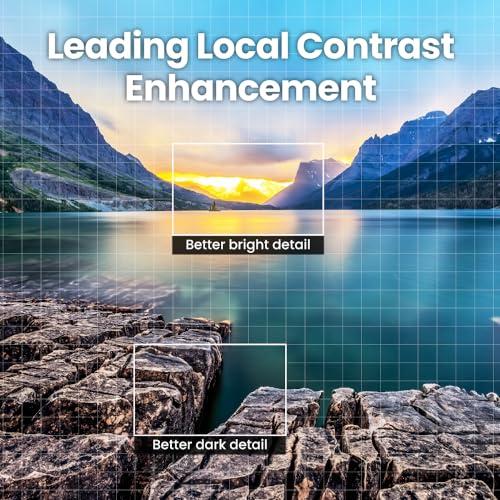
The BenQ HT4550i attempts to compensate through dynamic contrast technology, using local dimming across 1,000+ zones to selectively darken areas of the image. This helps considerably but cannot fully match the Epson's native contrast advantage.
For dedicated home theaters with controlled lighting, this contrast difference can be the deciding factor. The deeper blacks create a more immersive, cinema-like experience that many enthusiasts prize above other considerations.
Both projectors support HDR (High Dynamic Range) content, but they handle it quite differently. The BenQ HT4550i includes HDR-PRO technology with automatic tone mapping specifically optimized for the projector's brightness and color capabilities. It supports HDR10, HDR10+, and HLG formats with 10-bit color processing.
The Epson 5050UB offers more manual control through its 16-step real-time HDR adjustment feature. This allows you to customize the tone curve based on your viewing environment and personal preferences. However, it lacks support for HDR10+, which provides dynamic metadata for scene-by-scene optimization.
In practice, both projectors handle HDR content well, but the BenQ's automatic optimization tends to produce more consistently excellent results across different types of content. The Epson's manual controls appeal to enthusiasts who want maximum control but require more time investment to optimize properly.
For gaming enthusiasts, the BenQ HT4550i offers clear advantages. Its measured input lag of 17.9 milliseconds at 4K/60Hz ranks among the best for any 4K projector. The projector also supports high refresh rates up to 240Hz at 1080p resolution, making it excellent for PC gaming.
The Epson 5050UB delivers respectable 22.5-millisecond input lag, which feels responsive for most gaming but may be noticeable in competitive first-person shooters or precise platformers. It's limited to 60Hz refresh rates across all resolutions.
DLP technology inherently provides faster pixel response times than LCD, making the BenQ HT4550i better suited for fast-motion content like sports and action gaming where motion blur can be distracting.
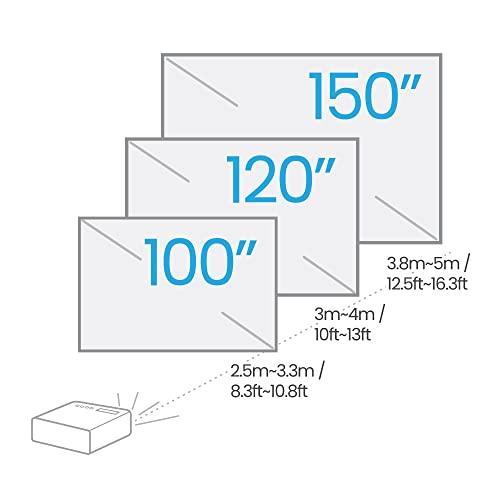
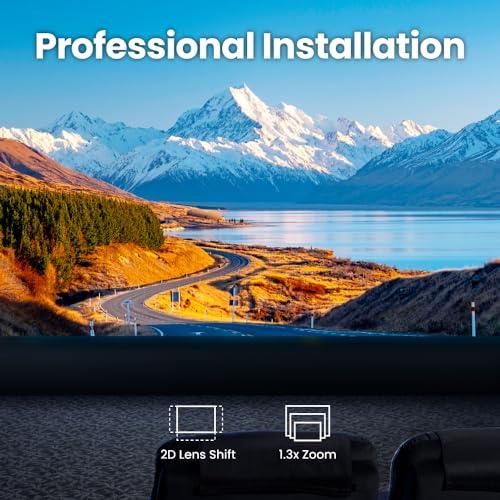
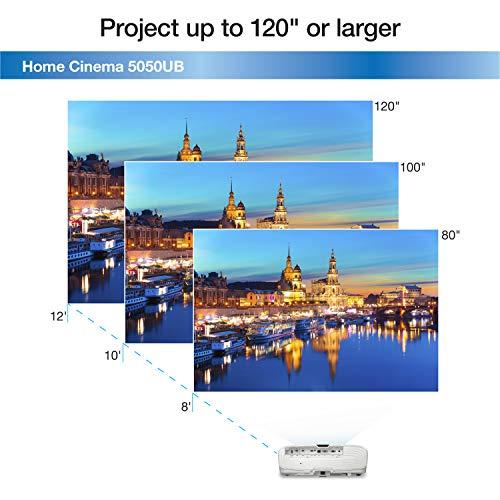
Here's where the Epson 5050UB regains significant ground. Its 2.1x powered zoom lens provides much greater installation flexibility compared to the BenQ's 1.3x manual zoom. More importantly, the Epson offers exceptional lens shift capabilities—up to 96% vertical and 47% horizontal adjustment—allowing optimal screen placement even in challenging room layouts.
The BenQ HT4550i provides more modest lens shift (15% horizontal, 60% vertical) but should accommodate most standard ceiling mount or rear shelf installations. Its compact 16.5" x 5.3" x 12.3" dimensions and 14.6-pound weight make it easier to mount securely.
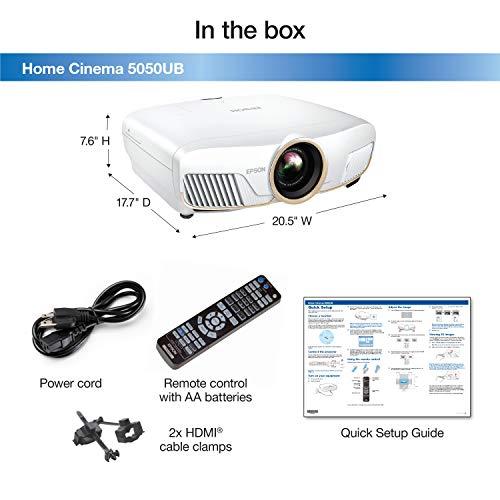
The Epson 5050UB is substantially larger at 20.5" x 17.7" x 7.6" and heavier at 24.7 pounds, requiring more robust mounting hardware and potentially limiting placement options in smaller rooms.
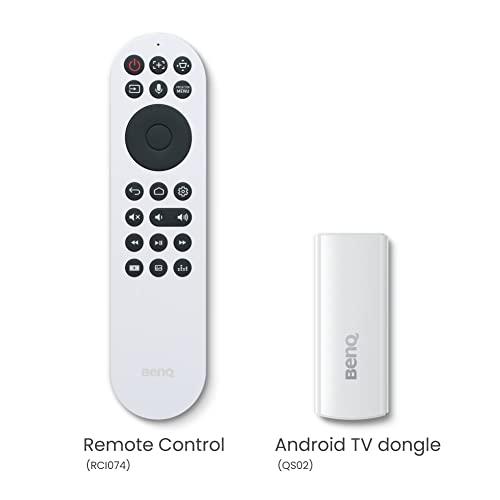
The BenQ HT4550i includes certified Android TV functionality with Netflix available in 4K HDR—a rarity among projectors due to Netflix's strict DRM requirements. This eliminates the need for external streaming devices and provides access to major streaming platforms through Google Play Store.
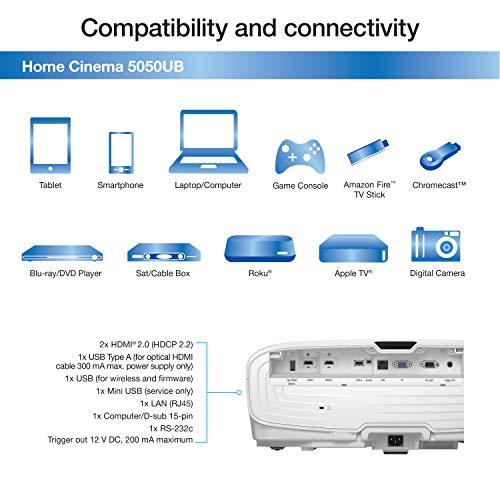
The Epson 5050UB includes no smart features, requiring separate streaming devices like Apple TV, Roku, or gaming consoles for modern content access. While this isn't necessarily a disadvantage for users who prefer dedicated streaming hardware, it does add complexity and cost to the overall setup.
At the time of writing, the BenQ HT4550i carries a higher initial purchase price, but its LED light source fundamentally changes the long-term value equation. Over a typical 10-year ownership period, you'll likely need to replace the Epson's lamp 3-4 times at approximately $300 per replacement.
The Epson 5050UB offers a lower entry price but higher long-term operating costs. When factoring in lamp replacements, the total cost of ownership often equals or exceeds the BenQ's initial price.
Beyond maintenance costs, consider brightness degradation. The BenQ HT4550i maintains consistent brightness throughout its lifespan, while lamp-based projectors gradually dim between replacements, potentially affecting your viewing experience.
The BenQ HT4550i makes the most sense for buyers who prioritize sharp 4K detail, modern conveniences, and long-term value. It's particularly well-suited for:
The Epson 5050UB appeals to traditional home theater enthusiasts who prioritize contrast and cinema-like black levels. Choose it if you:
After researching extensive professional reviews and user feedback, the BenQ HT4550i emerges as the more versatile choice for most home theater setups. Its combination of true 4K resolution, excellent color accuracy, LED reliability, and gaming performance addresses the needs of modern viewers who consume diverse content types.
However, the Epson 5050UB remains compelling for purists who prioritize contrast above all else and have the ideal viewing environment to showcase its strengths. Its superior black levels create an undeniably more cinematic experience in dark rooms.
Consider your specific priorities: If you value convenience, modern features, and long-term reliability, the BenQ HT4550i provides better overall value despite its higher initial cost. If you're building a dedicated home theater where contrast and black level performance matter most, the Epson 5050UB delivers superior image quality in its element.
Both projectors represent excellent choices within their respective strengths. Your decision should ultimately align with your viewing habits, room characteristics, and long-term ownership preferences.
| BenQ HT4550i | Epson Home Cinema 5050UB |
|---|---|
| Display Technology - Affects image quality, color accuracy, and potential visual artifacts | |
| Single-chip DLP with 0.65" DMD | 3LCD with three 0.74" LCD panels |
| True 4K Resolution - Critical for sharp text and fine details | |
| Yes, 3840x2160 via 4x pixel-shifting | No, 4096x2160 via 2x pixel-shifting from 1080p |
| Brightness - Determines usability in rooms with ambient light | |
| 3,200 ANSI lumens (measured ~2,850) | 2,600 ANSI lumens (measured ~3,030) |
| Native Contrast Ratio - Most important spec for deep blacks and shadow detail | |
| ~1,100:1 (compensated by dynamic contrast) | 8,000:1 (exceptional black levels) |
| Color Gamut Coverage - Wider gamuts produce more vibrant, cinema-accurate colors | |
| 100% DCI-P3 with factory calibration | 100% DCI-P3 with manual calibration options |
| Light Source Technology - Affects longevity, maintenance, and operating costs | |
| 4LED (20,000-30,000 hour lifespan) | UHE Lamp (3,500-5,000 hours, requires replacement) |
| Input Lag - Critical for gaming performance | |
| 17.9ms at 4K/60Hz, supports 240Hz at 1080p | 22.5ms at 4K/60Hz, 60Hz maximum |
| Lens Flexibility - Determines installation options and room placement | |
| 1.3x manual zoom, ±15% horizontal/0-60% vertical shift | 2.1x powered zoom, ±47% horizontal/±96% vertical shift |
| Smart Features - Built-in streaming eliminates need for external devices | |
| Android TV with Netflix 4K HDR support | None (requires external streaming devices) |
| Physical Size - Impacts mounting requirements and room aesthetics | |
| Compact: 16.5" x 5.3" x 12.3", 14.6 lbs | Large: 20.5" x 17.7" x 7.6", 24.7 lbs |
| Rainbow Effect - DLP artifacts some viewers notice during eye movement | |
| Possible (inherent to single-chip DLP) | None (eliminated by 3LCD design) |
| HDR Processing - Affects quality of modern streaming and UHD Blu-ray content | |
| HDR-PRO auto tone mapping, HDR10/HDR10+/HLG | 16-step manual HDR adjustment, HDR10/HLG only |
| Total Cost of Ownership - Including lamp replacements over 10 years | |
| Higher upfront cost, no maintenance required | Lower upfront cost, ~$900-1,200 in lamp replacements |
For most home theaters, the BenQ HT4550i offers better overall value with true 4K resolution, maintenance-free LED technology, and excellent color accuracy. However, the Epson 5050UB delivers superior contrast with deeper blacks that create a more cinematic experience in dark rooms. Choose the BenQ for modern convenience and sharpness, or the Epson for the best contrast performance.
The BenQ HT4550i uses single-chip DLP technology with a 4LED light source, while the Epson 5050UB uses 3LCD technology with a traditional lamp. DLP provides sharper images and faster response times but may show rainbow effects for some viewers. 3LCD eliminates rainbow effects entirely but uses a lamp that requires periodic replacement.
The BenQ HT4550i delivers true 4K resolution through 4x pixel-shifting, creating 8.3 million addressable pixels for exceptionally sharp text and fine details. The Epson 5050UB uses 2x pixel-shifting from native 1080p panels, producing about 4 million pixels - still excellent for movies but noticeably less sharp for computer use and gaming.
The BenQ HT4550i uses LED technology rated for 20,000-30,000 hours with no lamp replacements needed. The Epson 5050UB requires lamp replacement every 3,500-5,000 hours, with replacement bulbs typically costing several hundred dollars. Over 10 years of use, lamp costs can add significantly to the Epson's total ownership expense.
Both projectors deliver excellent brightness, with the BenQ HT4550i rated at 3,200 ANSI lumens and the Epson 5050UB at 2,600 lumens. In testing, the Epson actually measured slightly brighter at around 3,030 lumens. Both work well in moderately lit rooms, though the BenQ HT4550i maintains better color saturation in ambient light due to its DLP design.
The Epson 5050UB significantly outperforms with 8,000:1 native contrast compared to about 1,100:1 for the BenQ HT4550i. This means much deeper blacks and better shadow detail, especially important for dark movie scenes. The BenQ compensates with dynamic contrast technology, but cannot match the Epson's native performance in dark rooms.
The BenQ HT4550i excels for gaming with 17.9ms input lag and support for 240Hz at 1080p resolution. The Epson 5050UB offers respectable 22.5ms input lag but is limited to 60Hz refresh rates. For competitive gaming or fast-action sports, the BenQ HT4550i provides a noticeably more responsive experience.
The Epson 5050UB provides superior installation options with 2.1x powered zoom and extensive lens shift (±96% vertical, ±47% horizontal). The BenQ HT4550i offers 1.3x manual zoom with more limited lens shift capabilities. If you have challenging room layouts or need to project large images from short distances, the Epson offers more flexibility.
The BenQ HT4550i includes certified Android TV with Netflix 4K HDR support and access to major streaming apps. The Epson 5050UB has no built-in smart features and requires external streaming devices. The BenQ's integrated streaming eliminates cable clutter and provides convenient access to modern content sources.
Both projectors cover 100% of the DCI-P3 color space for cinema-accurate colors. The BenQ HT4550i comes factory-calibrated with exceptional accuracy straight from the box. The Epson 5050UB offers more extensive manual calibration controls for fine-tuning. For most users, the BenQ HT4550i provides better out-of-box color performance without additional setup.
The BenQ HT4550i is compact at 16.5" x 5.3" x 12.3" and weighs 14.6 pounds, making it easier to mount and less visually intrusive. The Epson 5050UB is much larger at 20.5" x 17.7" x 7.6" and weighs 24.7 pounds, requiring more robust mounting hardware and potentially limiting placement options in smaller rooms.
The BenQ HT4550i typically costs more upfront but eliminates ongoing lamp replacement expenses, making it more economical over time. The Epson 5050UB has a lower initial cost but requires multiple lamp replacements over its lifetime. When factoring in maintenance costs, the BenQ HT4550i often provides better total value for most home theater setups.
We've done our best to create useful and informative comparisons to help you decide what product to buy. Our research uses advanced automated methods to create this comparison and perfection is not possible - please contact us for corrections or questions. These are the sites we've researched in the creation of this article: projectorcentral.com - benq.com - rtings.com - youtube.com - soundandvision.com - rtings.com - hometheaterhifi.com - projectorscreen.com - projectorreviews.com - projectorscreen.com - youtube.com - rtings.com - projectorscreen.com - versus.com - youtube.com - projectorcentral.com - snapav.com - benq.com - benq.com - rtings.com - projectorscreen.com - hometechnologyreview.com - thesmarthomehookup.com - youtube.com - rtings.com - techgearlab.com - projectorcentral.com - projectorreviews.com - projectorcentral.com - avsforum.com - rtings.com - projectorreviews.com - projectorreviews.com - avsforum.com - avsforum.com - audiogeneral.com - hifiheaven.net - manuals.plus - crutchfield.com - projectorcentral.com - epson.com - mediaserver.goepson.com - bestbuy.com - ngxptech.com - projectorcentral.com - projectorreviews.com

Privacy Policy
Terms and Conditions - Affiliate Policy
Home Security
© Copyright 2008-2026.
11816 Inwood Rd #1211, Dallas, TX 75244