

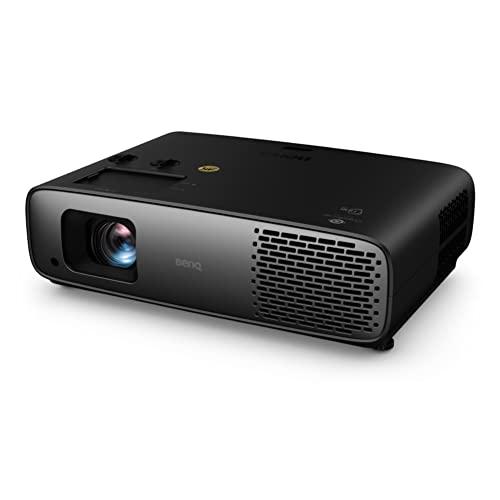
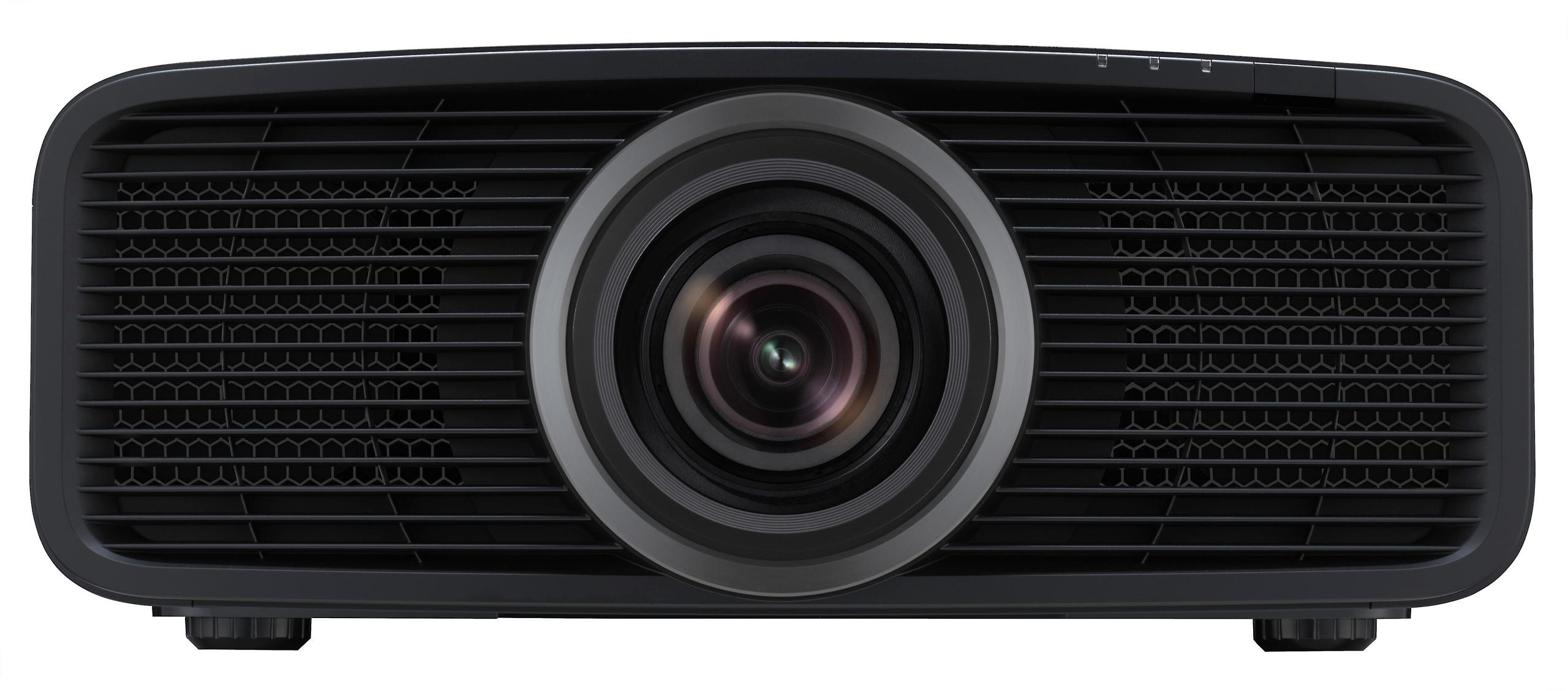
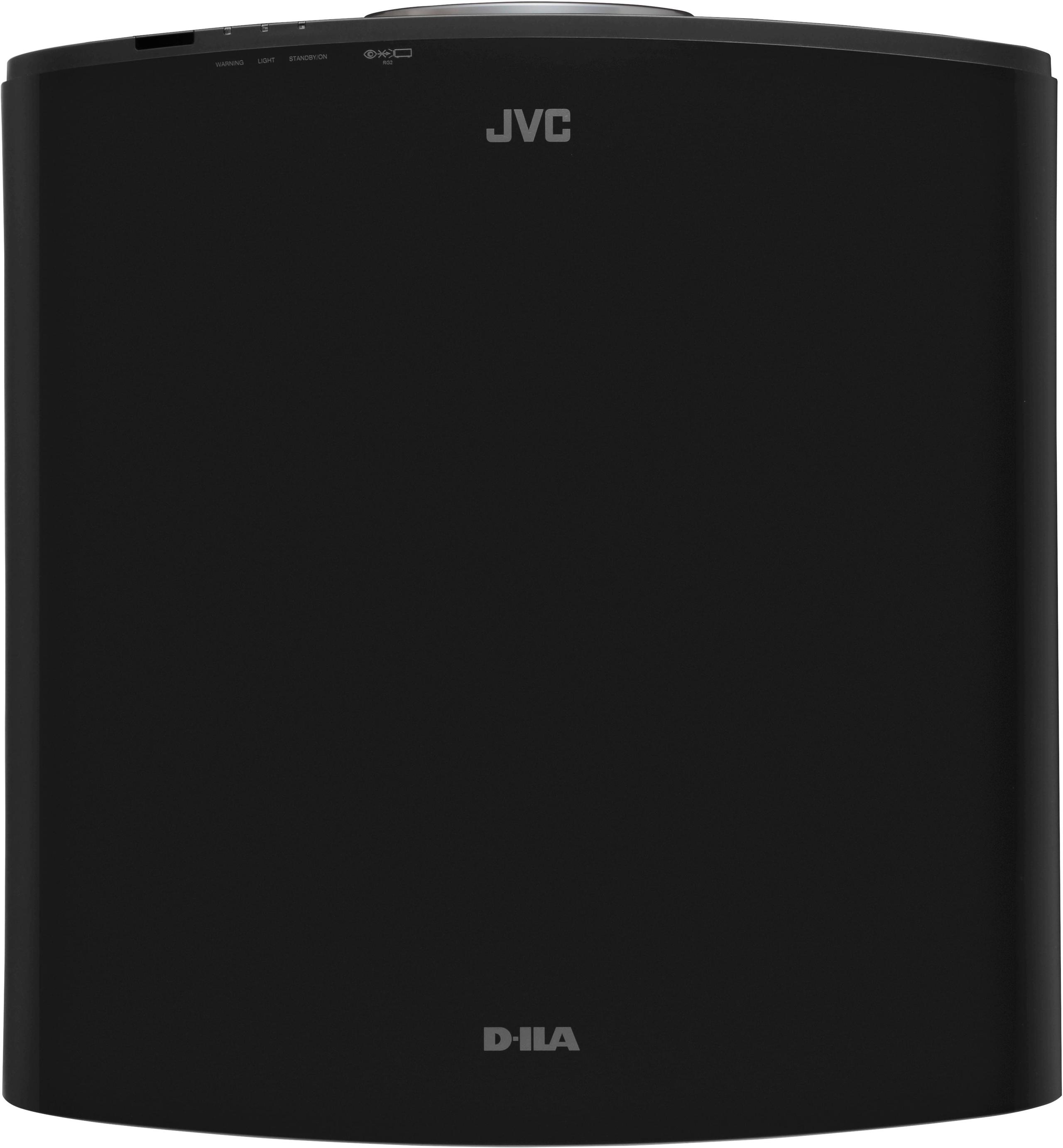
Shopping for a 4K home theater projector can feel overwhelming. The technology has advanced rapidly, prices vary wildly, and marketing claims often obscure what actually matters for your viewing experience. Today we're comparing two popular options that represent very different approaches to home cinema: the BenQ HT4550i and the JVC DLA-NZ500.
These projectors sit in different price brackets—at the time of writing, the BenQ costs roughly half what the JVC does—but they both promise true 4K HDR performance. The question is whether that price difference translates to meaningful performance gains, or if you're paying extra for features you might not need.
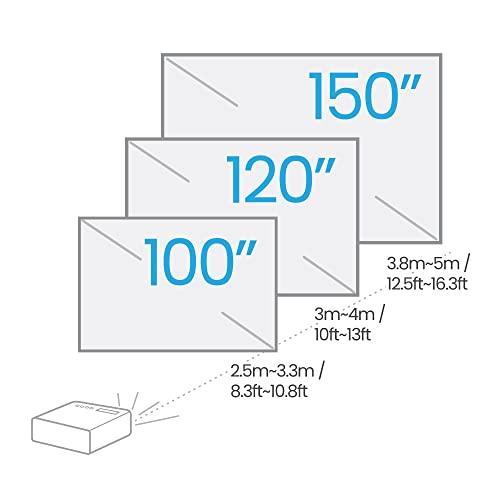
Before diving into specifics, let's establish what makes a great home theater projector. Unlike TVs, projectors must create their own light and throw it across a room to create an image. This fundamental difference shapes everything about how they perform.
Brightness determines whether you can use your projector in a bright room or need to dim the lights. Measured in lumens, higher numbers mean brighter images, but brightness alone doesn't guarantee a good picture.
Contrast ratio describes the difference between the darkest blacks and brightest whites a projector can display. High contrast creates that cinematic "pop" where dark scenes look truly dark rather than washed-out gray.
Color accuracy ensures skin tones look natural and vibrant scenes appear lifelike rather than oversaturated or dull.
The home theater projector market has evolved significantly since both these models launched—the BenQ HT4550i arrived in 2023, while the JVC DLA-NZ500 debuted in 2024. Both incorporate relatively recent advances like laser and LED light sources, which have largely replaced traditional bulbs for their longer lifespan and consistent performance.
The BenQ HT4550i and JVC DLA-NZ500 achieve 4K resolution through completely different methods, and understanding this difference is crucial to making the right choice.
The BenQ HT4550i uses Digital Light Processing (DLP) technology with something called XPR pixel-shifting. Here's how it works: the projector has a native resolution of 1920×1080 pixels, but it rapidly shifts each pixel to four different positions, effectively creating a 4K image. Think of it like a painter quickly dotting four spots for every intended pixel—your eye sees the combined result as a higher resolution image.
This pixel-shifting approach allows manufacturers to achieve 4K-like sharpness at a lower cost than true native 4K chips. The BenQ combines this with a 4LED light source—four different colored LEDs that create white light—producing an impressive 3,200 lumens of brightness.
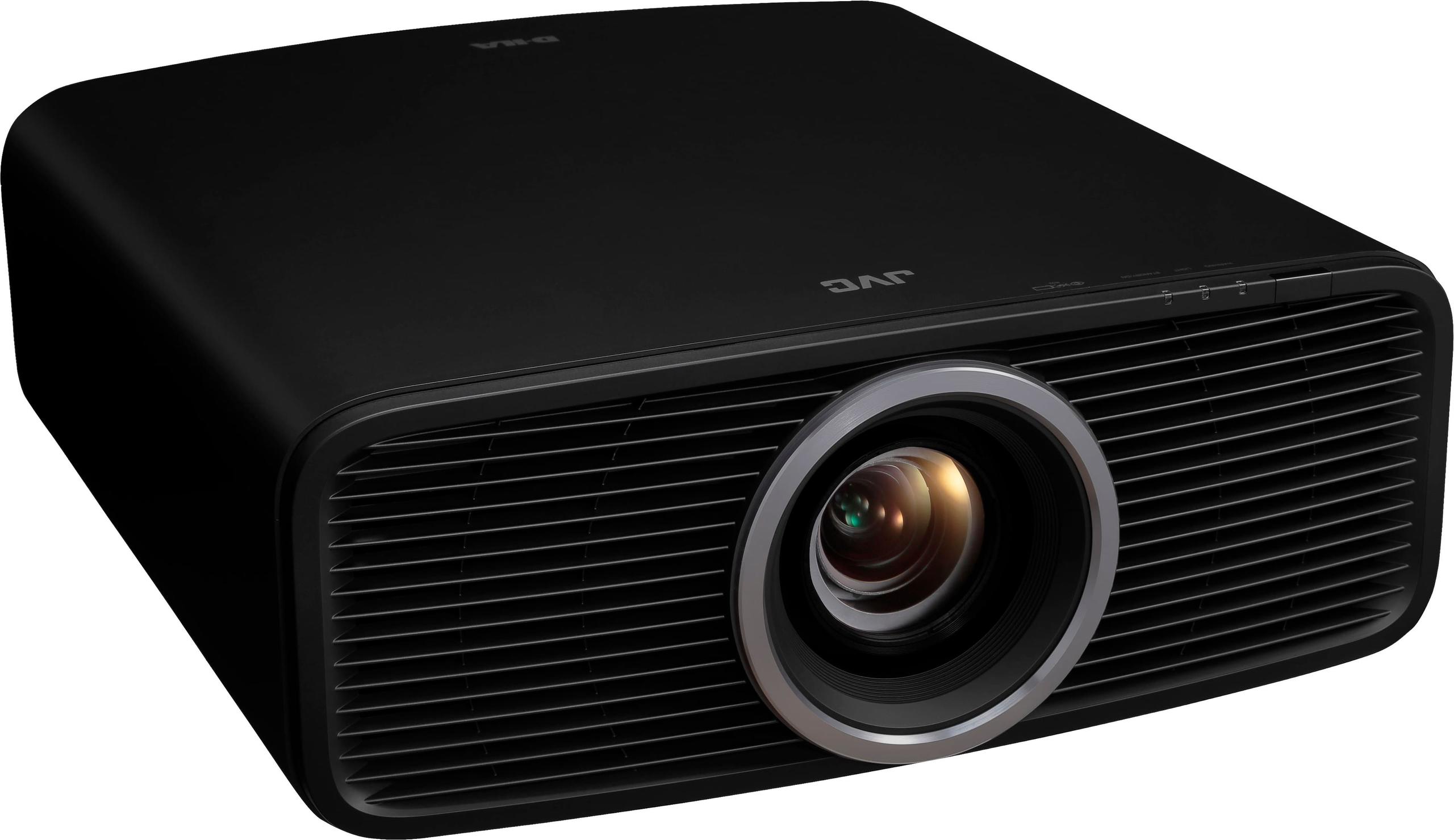
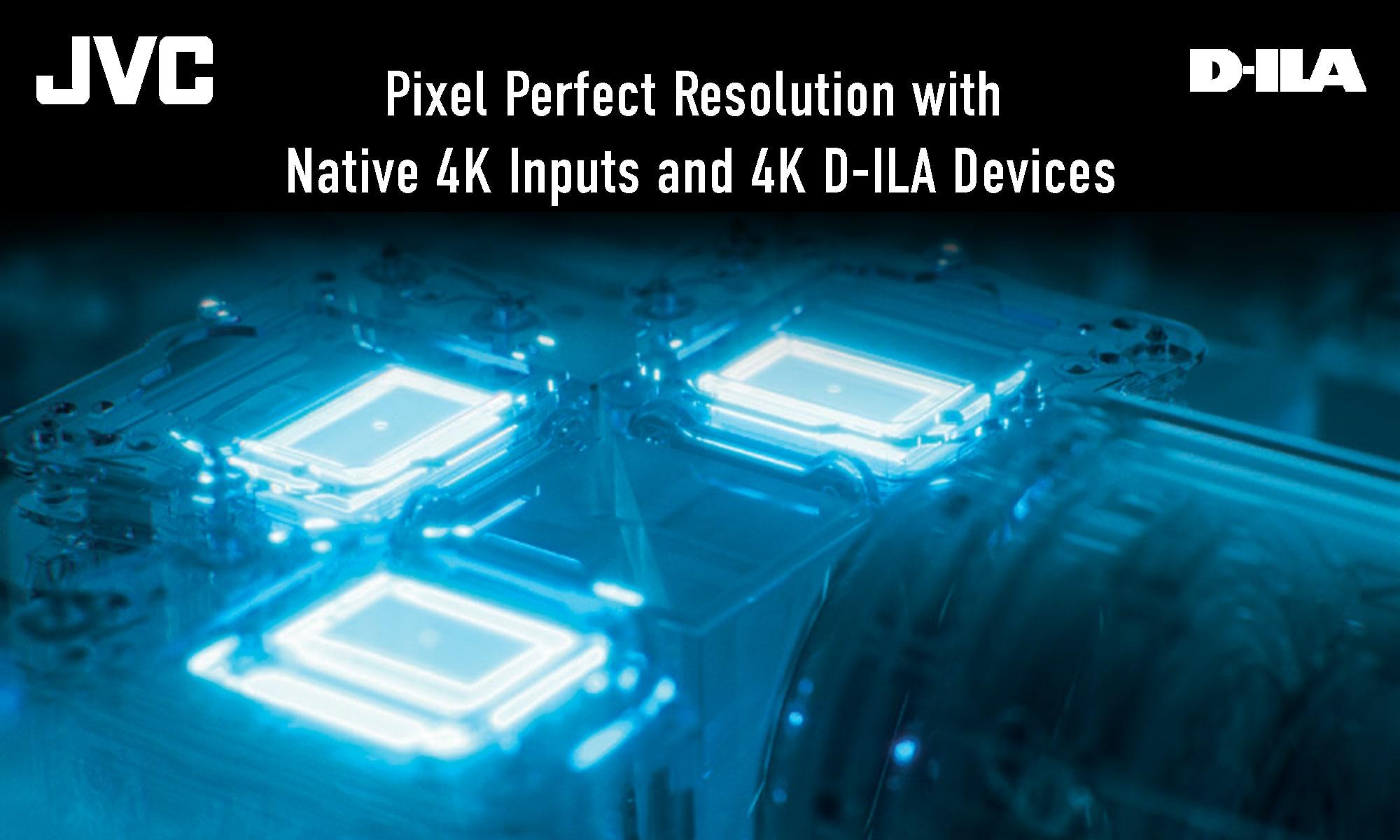
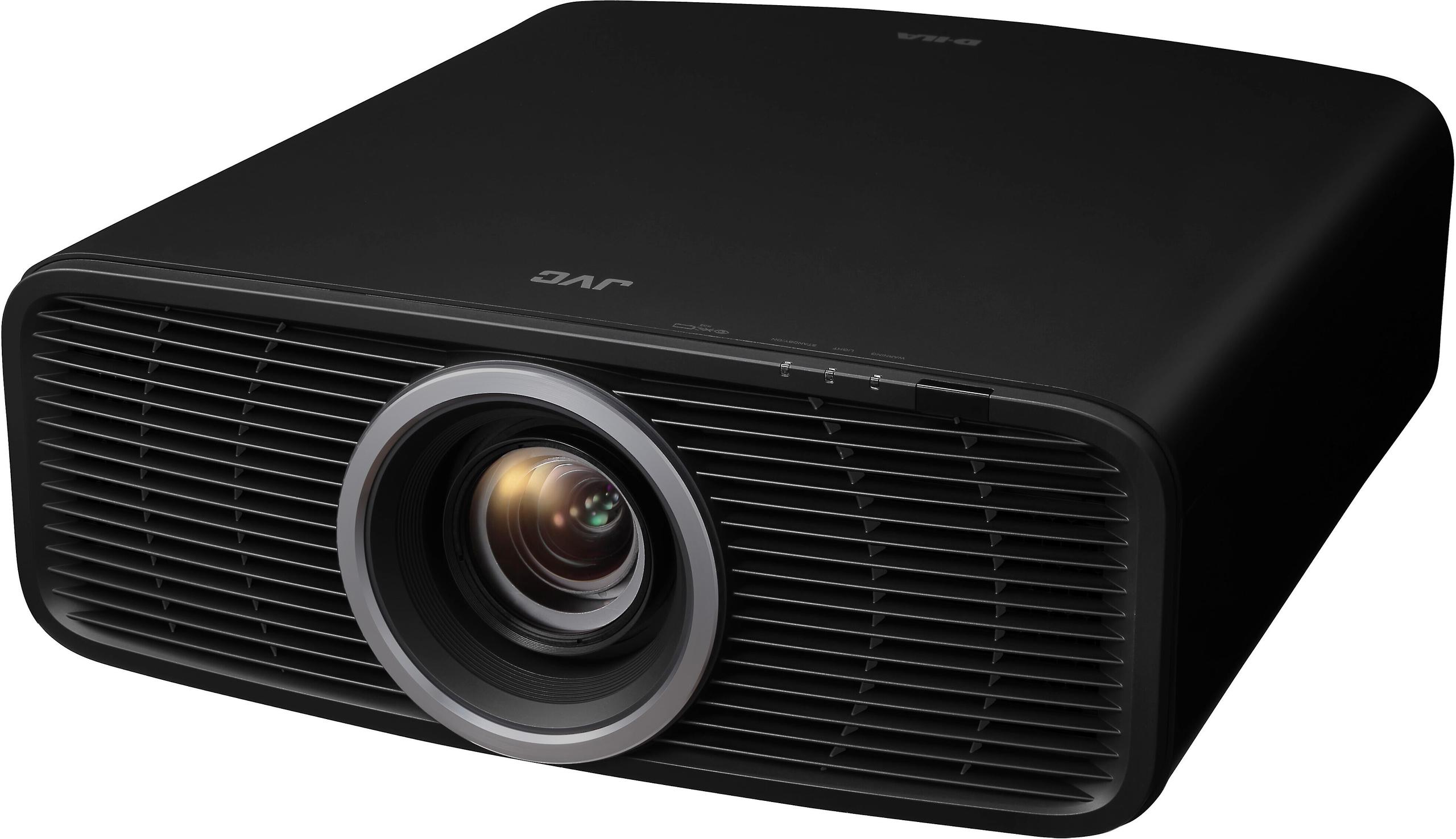
The JVC DLA-NZ500 takes a completely different approach with native 4K D-ILA technology. D-ILA stands for Direct-drive Image Light Amplifier, which is JVC's version of Liquid Crystal on Silicon (LCoS) technology. Instead of shifting pixels, the JVC has three separate imaging chips—one each for red, green, and blue—each with a true 4096×2160 native resolution.
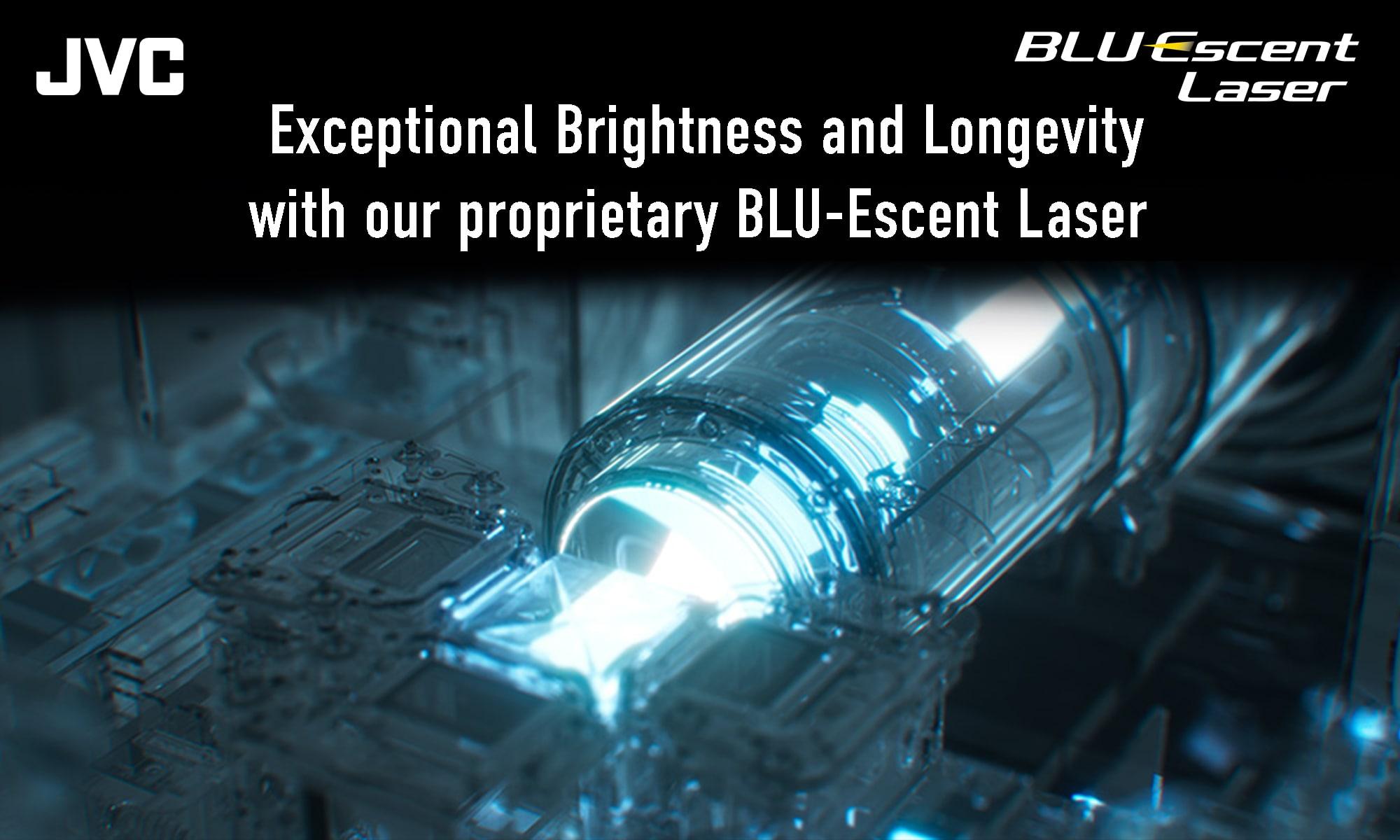
This means every pixel you see corresponds to an actual pixel on the chip, with no interpolation or shifting required. The JVC pairs this with a blue laser light source that produces 2,000 lumens—significantly less than the BenQ, but with different strengths we'll explore.
The brightness difference between these projectors is substantial and affects where you can use them. The BenQ HT4550i's 3,200 lumens make it genuinely versatile—you can watch movies in a living room with some ambient light, or even during daytime with curtains drawn.
This brightness advantage becomes crucial for HDR content, which relies on bright highlights to create impact. HDR (High Dynamic Range) content is mastered assuming displays can produce much brighter whites than standard content. When a projector lacks sufficient brightness, HDR scenes can appear flat and lifeless.
The JVC DLA-NZ500's 2,000 lumens require more careful room control. You'll need blackout curtains and minimal ambient lighting for the best experience. This isn't necessarily a drawback if you have a dedicated theater room, but it limits flexibility for family movie nights in the main living area.
From our research into user experiences, the brightness difference is immediately noticeable. BenQ owners frequently mention being able to watch content without completely darkening their rooms, while JVC owners consistently emphasize the importance of light control for optimal performance.
While the BenQ HT4550i wins on brightness, the JVC DLA-NZ500 dominates in contrast performance—and this difference is dramatic. The JVC achieves a native contrast ratio of 40,000:1, meaning its brightest whites are 40,000 times brighter than its darkest blacks. The BenQ manages around 1,200:1 native contrast.
This technical difference translates to a profound visual impact. Dark movie scenes on the JVC appear truly dark—think of the space scenes in "Gravity" or the cave sequences in adventure films. The same scenes on the BenQ can appear washed out, with blacks looking more like dark gray.
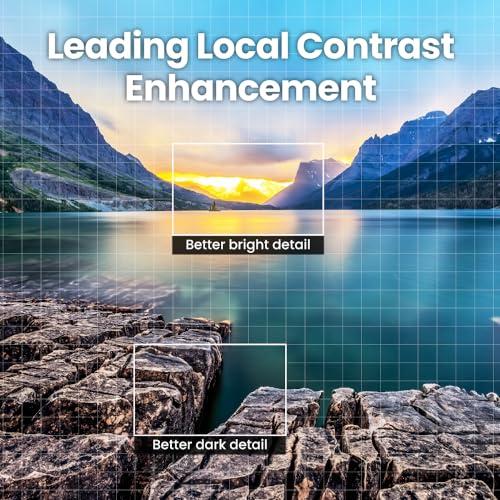
The contrast advantage comes from the fundamental physics of each technology. D-ILA chips can block light more completely than DLP mirrors, creating deeper blacks. The BenQ attempts to compensate with dynamic contrast features and local dimming zones—over 1,000 of them—but these processing tricks can't fully overcome the native contrast limitation.
Expert reviews consistently highlight this as the most significant difference between the projectors. In properly darkened rooms, the JVC delivers what reviewers describe as "OLED-like blacks," while the BenQ is noted for its "elevated black floor" that becomes apparent in dark scenes.
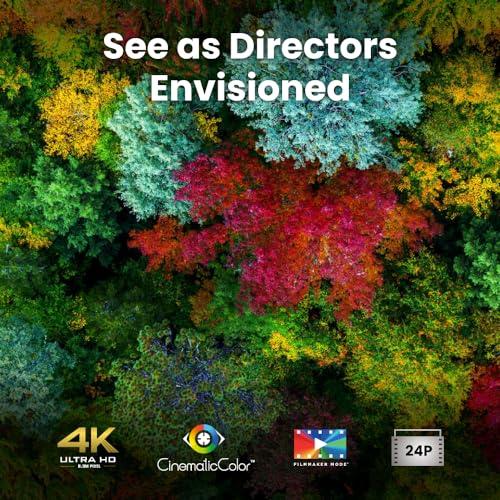
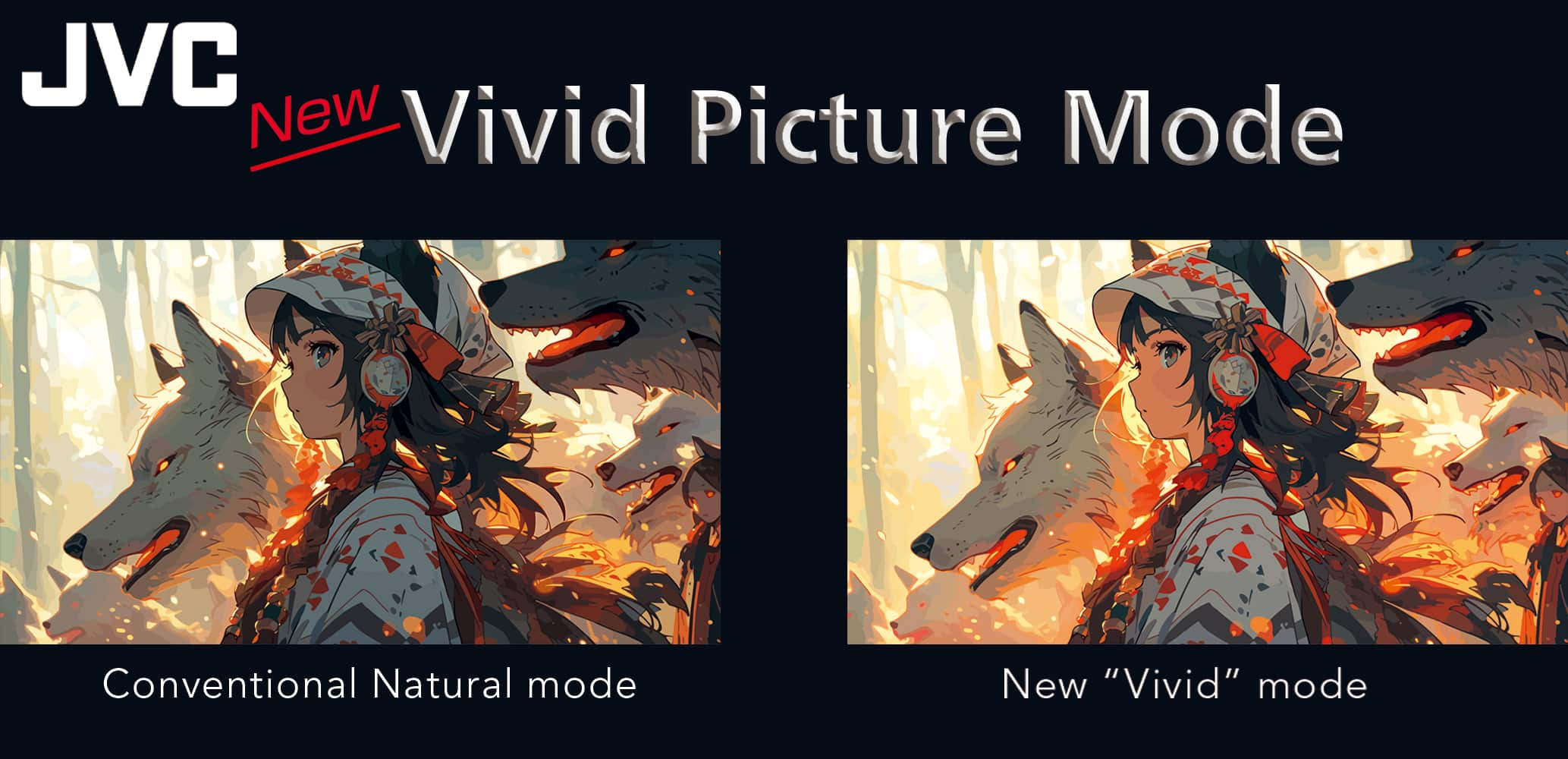
Both projectors deliver excellent color accuracy, but through different approaches. The BenQ HT4550i covers 100% of the DCI-P3 color gamut—the standard used for digital cinema—right out of the box. This wide color gamut means more vivid, lifelike colors, especially in HDR content.
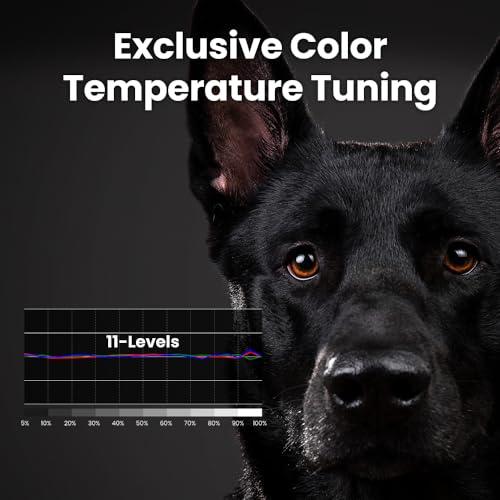
What's particularly impressive about the BenQ is its factory calibration. Most projectors require professional calibration costing hundreds of dollars to achieve accurate colors, but the BenQ arrives with Delta E values under 2—essentially perfect color accuracy by professional standards.
The JVC DLA-NZ500 also delivers excellent color performance, though it covers a slightly smaller portion of the P3 color space without filters. Where the JVC excels is in color processing and tone mapping—how it handles the transition between different colors and brightness levels. This superior processing becomes evident in complex scenes with mixed lighting or subtle color gradations.
Both projectors support the major HDR formats—HDR10, HDR10+, and HLG—but their HDR performance differs significantly due to their underlying capabilities.
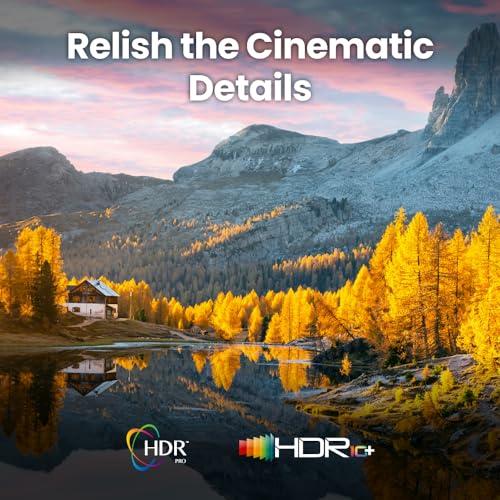
The BenQ HT4550i uses HDR-PRO tone mapping, which analyzes incoming HDR signals and adjusts them for the projector's brightness and contrast capabilities. Since HDR content is typically mastered for displays capable of 1,000-4,000 nits (units of brightness), and projectors typically produce 100-200 nits, this tone mapping is crucial for maintaining detail in both bright and dark areas.
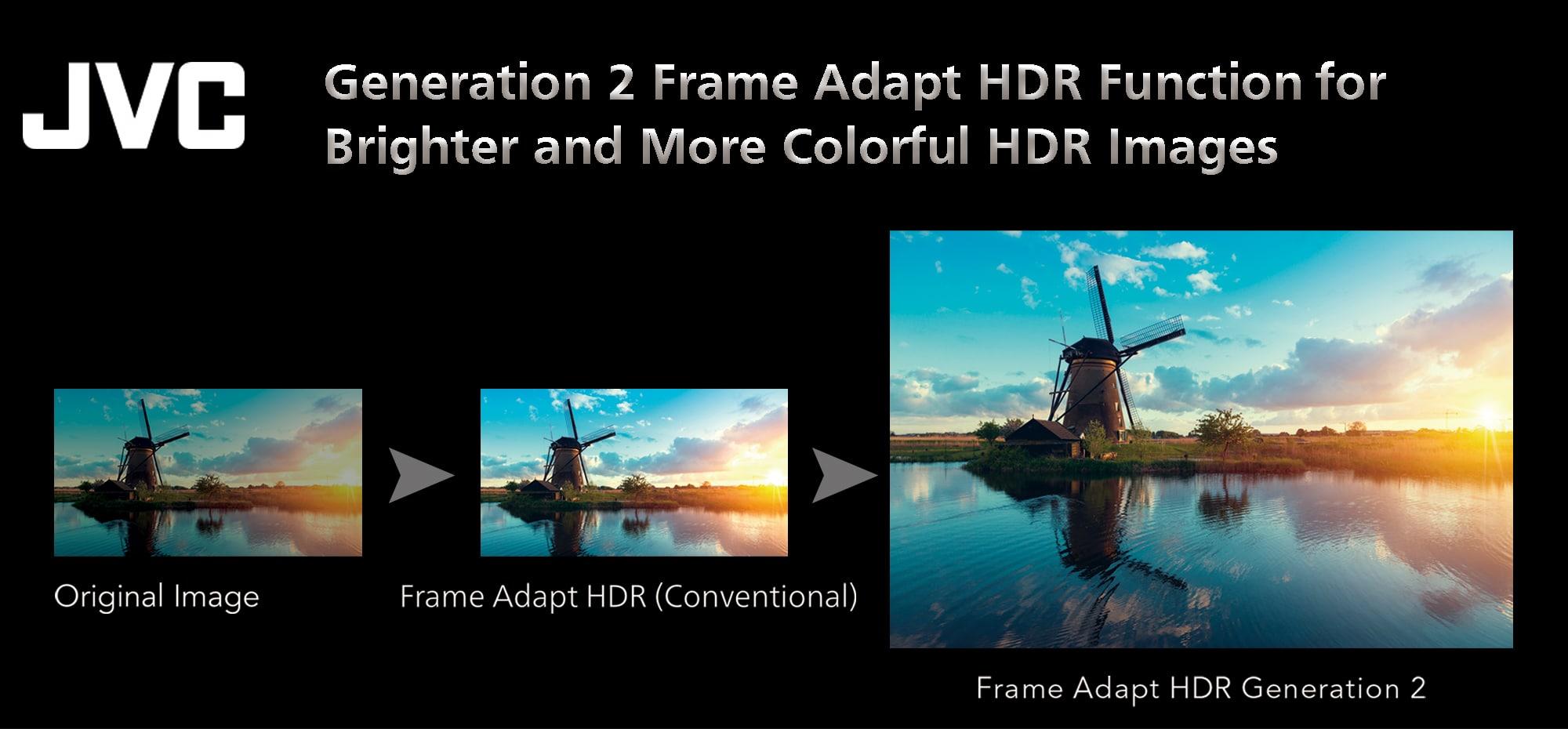
The JVC DLA-NZ500 employs Frame Adapt HDR, which performs similar tone mapping but benefits from the projector's superior native contrast. When HDR content calls for deep blacks alongside bright highlights, the JVC can actually display both simultaneously, while the BenQ must compromise.
In practice, this means HDR content on the JVC appears more natural and film-like, with better shadow detail and more convincing bright highlights. The BenQ still produces impressive HDR images, but expert reviews note occasional HDR scenes appearing "processed" or artificial.
If gaming is important to your projector choice, the BenQ HT4550i is the obvious winner. It delivers input lag as low as 8.7 milliseconds in high refresh rate modes—fast enough for competitive gaming where every millisecond matters.
The BenQ supports gaming at up to 1080p resolution at 240Hz refresh rate, perfect for high-end gaming PCs, and 4K at 60Hz for console gaming. It even maintains 3D support for compatible games, a feature the JVC lacks entirely.
The JVC DLA-NZ500 wasn't designed with gaming in mind. It lacks specific gaming modes and doesn't support the high refresh rates modern games can utilize. While you can certainly game on it, you won't get the responsive, smooth experience the BenQ provides.
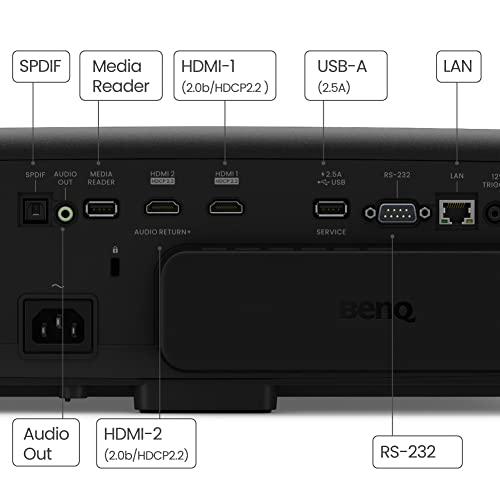
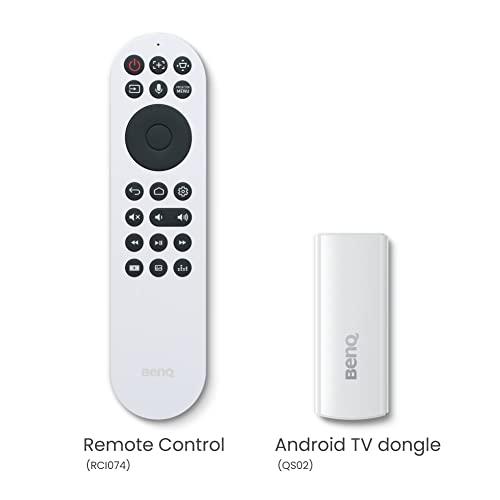
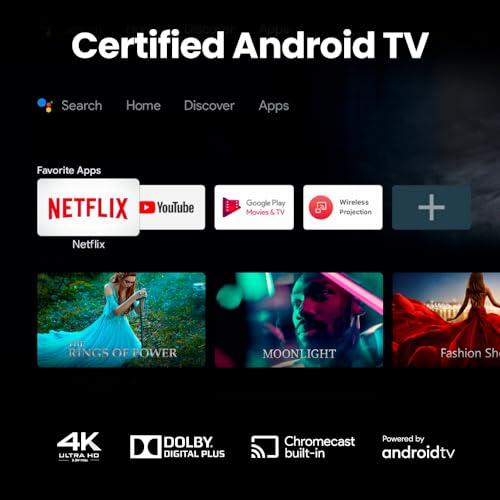
The BenQ HT4550i includes Android TV built directly into the projector, with access to Netflix, Amazon Prime Video, Disney+, and other streaming services. It even supports Google Assistant voice control and can stream content wirelessly from phones and tablets.
This integration eliminates the need for external streaming devices and creates a cleaner, simpler setup. The BenQ even includes a basic 5-watt speaker, so you could theoretically set it up without any additional components.
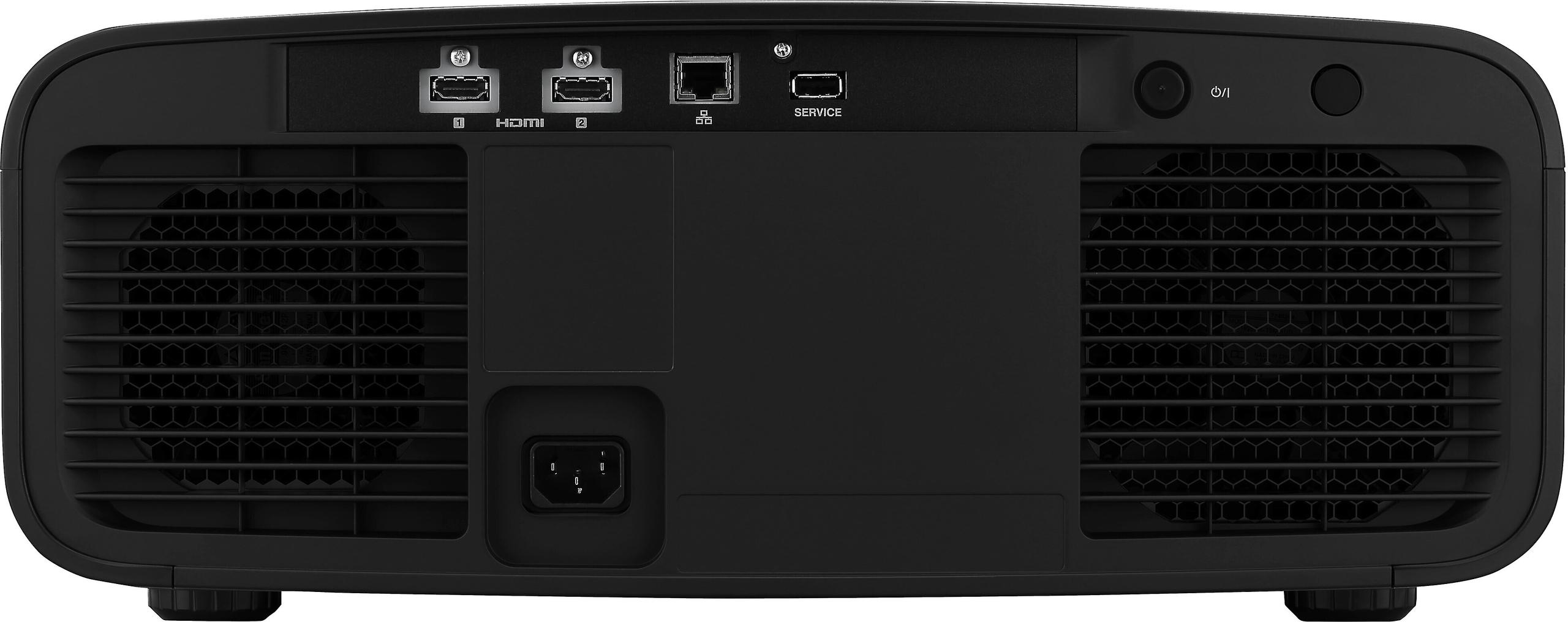
The JVC DLA-NZ500 takes a purist approach with no built-in smart features or speakers. This requires external streaming devices and audio systems but gives you complete control over these components. Many home theater enthusiasts prefer this approach, arguing that dedicated components often outperform integrated solutions.
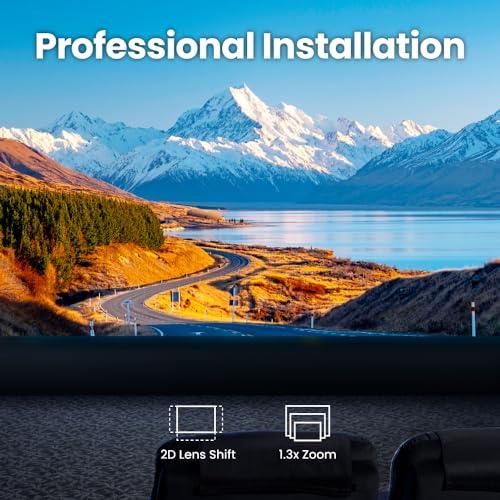
The mechanical differences between these projectors affect where and how you can install them. The JVC DLA-NZ500 offers motorized zoom, focus, and lens shift controls, allowing precise adjustments from your seating position. Its lens shift range is particularly generous—you can move the image up to 70% vertically and 28% horizontally without moving the projector.
The BenQ HT4550i requires manual adjustment of all lens controls, though it still offers respectable lens shift capabilities. For many installations, this difference won't matter, but if you need precise positioning or plan to adjust settings frequently, the JVC's motorized controls are more convenient.
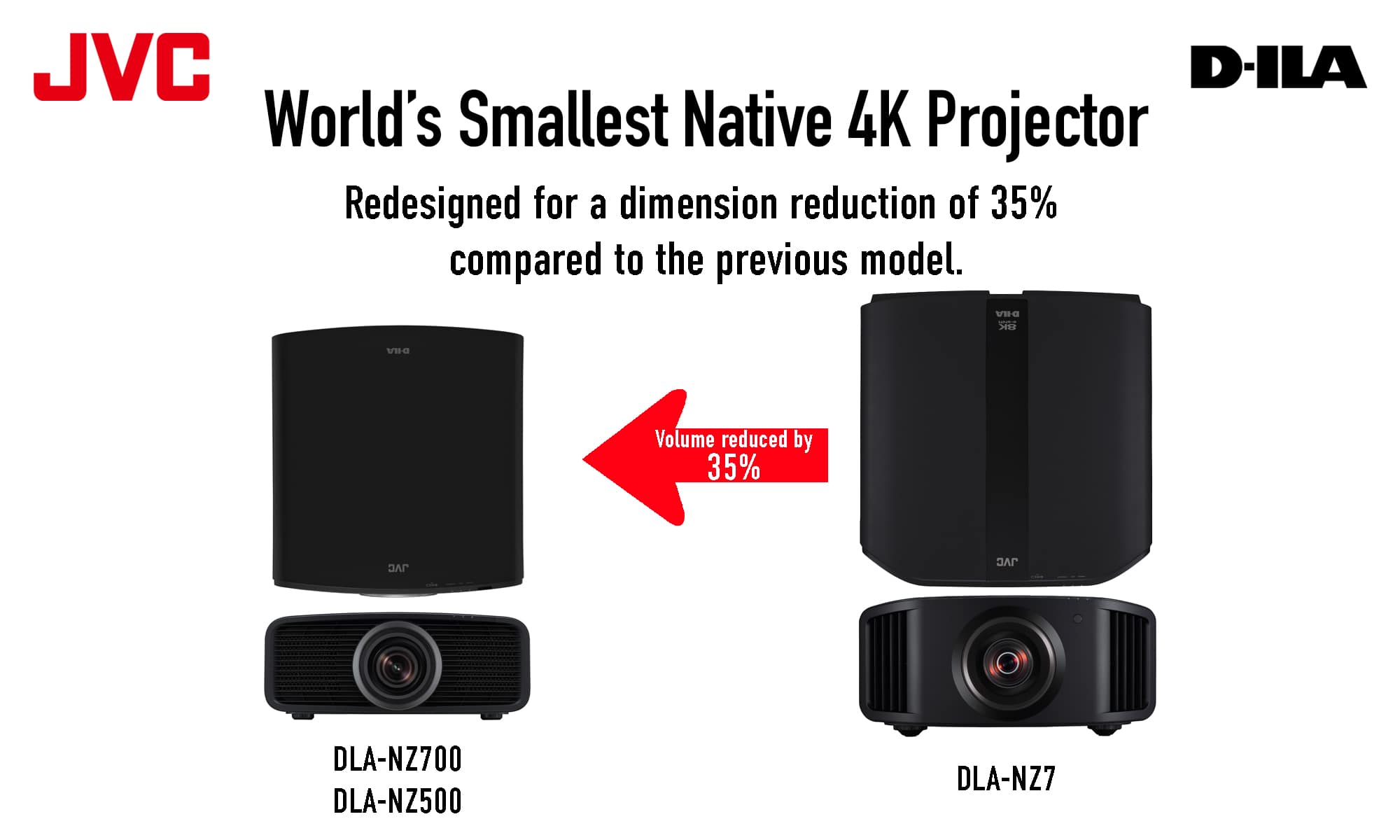
Both projectors are reasonably compact for their capabilities, though the JVC is heavier and requires more robust mounting.
At the time of writing, the price gap between these projectors is substantial—the JVC DLA-NZ500 costs roughly twice as much as the BenQ HT4550i. This raises the critical question: is the JVC's performance worth the premium?
The answer depends entirely on your priorities and viewing environment. If you have a dedicated, properly darkened theater room and prioritize absolute image quality, the JVC's superior contrast and native 4K resolution justify the higher cost. The difference in black levels alone creates a more cinematic experience that's immediately apparent to anyone comparing the projectors side by side.
However, if you need brightness flexibility, gaming capabilities, or simply want excellent 4K HDR performance without the premium price, the BenQ HT4550i represents outstanding value. Its bright, colorful image and smart features create a compelling package that works in more real-world scenarios.
Choose the BenQ HT4550i if you want a versatile projector that works well in various lighting conditions, includes smart TV features, supports gaming, and delivers excellent image quality at a more accessible price point. It's perfect for family movie nights, gaming sessions, and general entertainment in living rooms or multi-purpose media rooms.
Choose the JVC DLA-NZ500 if you have a dedicated theater room with controlled lighting and prioritize absolute image quality above all else. Its superior contrast and native 4K resolution create a more authentic cinematic experience, but you'll need to invest in external components and ensure proper room conditions.
Both projectors represent excellent values within their respective market segments. The BenQ maximizes performance per dollar for mainstream users, while the JVC delivers premium performance for enthusiasts willing to pay for it. Your choice should ultimately depend on your room conditions, usage patterns, and how much the performance differences matter to your enjoyment of movies and content.
The projector market continues evolving rapidly, with new technologies appearing regularly. However, both the BenQ HT4550i and JVC DLA-NZ500 represent current best practices in their respective approaches to home theater projection, making either a solid foundation for years of entertainment.
| BenQ HT4550i 4K HDR LED Home Theater Projector | JVC DLA-NZ500 Native 4K Laser Home Theater Projector |
|---|---|
| Display Technology - Core difference affecting image quality and price | |
| Single-chip DLP with XPR pixel-shifting to achieve 4K from 1920×1080 native | True native 4K D-ILA (LCoS) with three 4096×2160 imaging chips |
| Brightness - Critical for room flexibility and HDR performance | |
| 3,200 ANSI lumens (excellent for moderately lit rooms) | 2,000 ANSI lumens (requires controlled lighting for best results) |
| Contrast Ratio - Most important spec for dark room cinema quality | |
| 1,200:1 native contrast (elevated blacks visible in dark scenes) | 40,000:1 native contrast (OLED-like blacks for cinematic experience) |
| Light Source Technology - Affects maintenance and longevity | |
| 4LED system with 30,000-hour lifespan in eco mode | Blue laser phosphor with 20,000-hour maintenance-free operation |
| Color Gamut Coverage - Determines color vibrancy in HDR content | |
| 100% DCI-P3 coverage with excellent factory calibration | 93% P3 coverage without filters, superior color processing |
| HDR Processing - How well it handles modern content | |
| HDR-PRO tone mapping with 1,000+ zone local contrast enhancer | Frame Adapt HDR with advanced dynamic tone mapping |
| Gaming Performance - Input lag and refresh rate support | |
| 8.7ms input lag, supports up to 1080p/240Hz and 4K/60Hz | No gaming optimization, standard input lag only |
| Lens Controls - Installation flexibility and convenience | |
| Manual zoom, focus, and lens shift (±15% H, 0-60% V) | Motorized zoom, focus, and lens shift (±28% H, ±70% V) |
| Smart Features - Built-in streaming and connectivity | |
| Android TV with Netflix 4K HDR, Google Assistant, built-in speaker | No smart features or speakers (requires external devices) |
| 3D Support - Entertainment format compatibility | |
| Full HD 3D and Blu-ray 3D support with any DLP Link glasses | No 3D support |
| Noise Level - Important for quiet viewing environments | |
| 28-32 dB depending on mode (moderately audible) | 23 dB (whisper quiet operation) |
| Physical Size - Installation and portability considerations | |
| 14.6 lbs, compact design good for ceiling or shelf mounting | 32.2 lbs, larger chassis requires robust mounting |
| Best Use Case - Who should buy each projector | |
| Versatile family projector for various lighting conditions, gaming, streaming | Dedicated dark theater rooms prioritizing ultimate image quality |
The BenQ HT4550i is significantly better for bright rooms with its 3,200 ANSI lumens compared to the JVC DLA-NZ500's 2,000 lumens. The BenQ can handle moderate ambient light and daytime viewing with curtains drawn, while the JVC requires a darkened room for optimal performance.
The JVC DLA-NZ500 uses true native 4K with actual 4096×2160 pixels on each imaging chip, while the BenQ HT4550i uses pixel-shifting technology to create 4K from a 1920×1080 base resolution. Native 4K provides sharper detail and better overall image quality, but pixel-shifting still delivers excellent results at a lower cost.
The JVC DLA-NZ500 dramatically outperforms the BenQ HT4550i in contrast with a 40,000:1 native ratio versus 1,200:1. This means the JVC displays true blacks that look cinematic, while the BenQ shows elevated blacks that appear gray in dark scenes.
The BenQ HT4550i is excellent for gaming with 8.7ms input lag and support for 1080p at 240Hz or 4K at 60Hz. The JVC DLA-NZ500 lacks gaming optimization and doesn't support high refresh rates, making the BenQ the clear choice for gamers.
Only the BenQ HT4550i includes built-in Android TV with Netflix, Prime Video, Disney+, and other streaming apps, plus Google Assistant support. The JVC DLA-NZ500 has no smart features and requires external streaming devices like Apple TV or Roku.
The JVC DLA-NZ500 excels in dedicated home theaters with controlled lighting due to its superior contrast and native 4K resolution. The BenQ HT4550i works well in home theaters too, but its strengths lie more in versatility across different room conditions.
The JVC DLA-NZ500 offers motorized zoom, focus, and lens shift controls that can be adjusted remotely, with generous ±70% vertical and ±28% horizontal shift. The BenQ HT4550i requires manual adjustment of all lens controls, though it still provides good flexibility with ±15% horizontal and 0-60% vertical shift.
Only the BenQ HT4550i supports 3D content including Full HD 3D and Blu-ray 3D formats, working with any DLP Link 3D glasses. The JVC DLA-NZ500 has no 3D support whatsoever.
The BenQ HT4550i's 4LED system lasts up to 30,000 hours in eco mode, while the JVC DLA-NZ500's laser light source provides approximately 20,000 hours of maintenance-free operation. Both eliminate the need for expensive lamp replacements.
Both projectors support HDR10, HDR10+, and HLG formats, but the JVC DLA-NZ500 delivers superior HDR quality due to its exceptional contrast ratio and advanced Frame Adapt HDR processing. The BenQ HT4550i provides good HDR performance but is limited by its lower native contrast.
The JVC DLA-NZ500 is notably quieter at 23 dB, making it whisper-quiet during operation. The BenQ HT4550i operates at 28-32 dB depending on the mode, which is moderately audible but not distracting for most viewers.
The BenQ HT4550i offers excellent value with bright 4K HDR images, gaming capabilities, and smart TV features at a more accessible price point. The JVC DLA-NZ500 costs significantly more but delivers premium image quality with superior contrast and native 4K resolution that justifies the investment for serious home theater enthusiasts.
We've done our best to create useful and informative comparisons to help you decide what product to buy. Our research uses advanced automated methods to create this comparison and perfection is not possible - please contact us for corrections or questions. These are the sites we've researched in the creation of this article: projectorcentral.com - benq.com - rtings.com - youtube.com - soundandvision.com - rtings.com - hometheaterhifi.com - projectorscreen.com - projectorreviews.com - projectorscreen.com - youtube.com - rtings.com - projectorscreen.com - versus.com - youtube.com - projectorcentral.com - snapav.com - benq.com - benq.com - projectorscreen.com - valueelectronics.com - youtube.com - projectorcentral.com - avsforum.com - youtube.com - eu.jvc.com - jvc.com - crutchfield.com - projectorreviews.com - avsforum.com - audioadvice.com

Privacy Policy
Terms and Conditions - Affiliate Policy
Home Security
© Copyright 2008-2026.
11816 Inwood Rd #1211, Dallas, TX 75244