



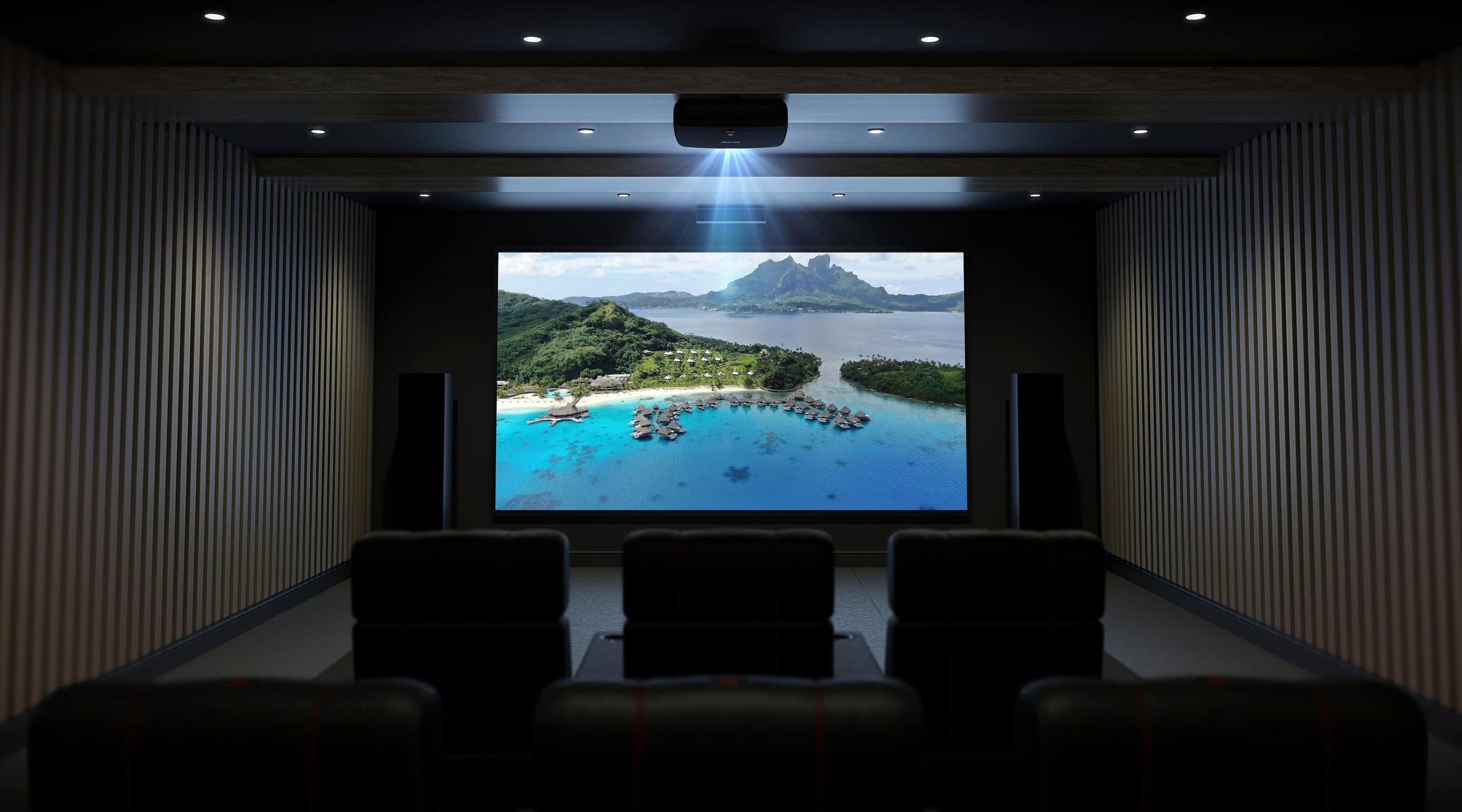
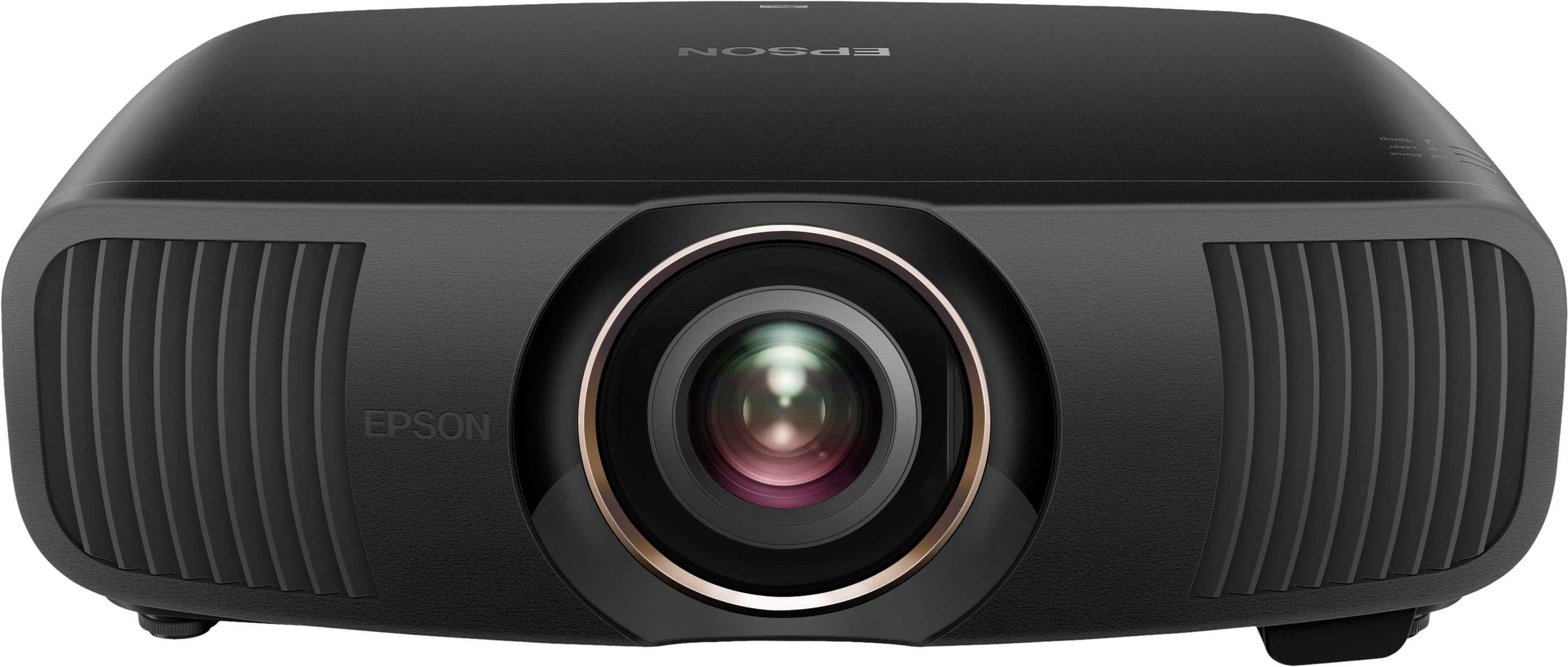
When you're ready to transform your living space into a true cinematic experience, choosing the right 4K projector can feel overwhelming. Two standout options that consistently appear on enthusiasts' shortlists are the BenQ HT4550i and the Epson QB1000. While both deliver stunning 4K imagery, they represent fundamentally different approaches to home theater projection—and at the time of writing, they're separated by roughly $4,000 in price.
Understanding these differences isn't just about specs on paper. It's about matching the right technology to your viewing habits, room setup, and budget. Let's dive deep into what makes each projector unique and help you decide which one deserves a place in your home theater.
Before comparing these specific models, it's worth understanding what makes a great home theater projector. Unlike TVs that are limited by panel size, projectors can fill entire walls with imagery—we're talking 100+ inch screens that would cost tens of thousands of dollars in TV form.
The key metrics that separate good projectors from great ones include brightness (measured in ANSI lumens, which indicates how much light the projector can output), contrast ratio (the difference between the darkest blacks and brightest whites), color accuracy (how closely colors match real-world standards), and input lag (the delay between receiving a signal and displaying it, crucial for gaming).
Modern 4K projectors use different technologies to create images. DLP (Digital Light Processing) uses millions of tiny mirrors that flip incredibly fast to create pixels, while LCD technology uses liquid crystal panels. Each has distinct advantages that we'll explore in detail.
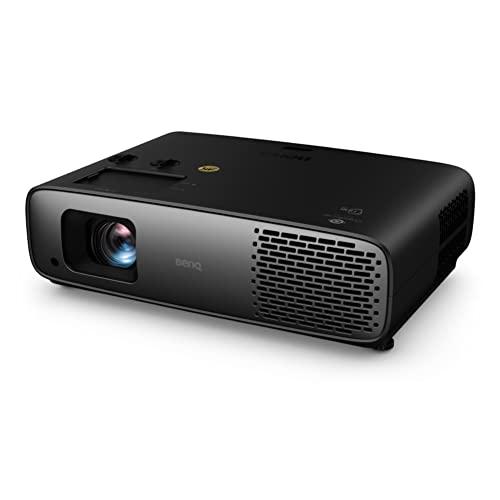
The BenQ HT4550i, released in 2023, represents BenQ's philosophy of delivering premium features at accessible prices. It's part of their home theater lineup that emphasizes color accuracy and gaming performance while keeping costs reasonable for serious enthusiasts.
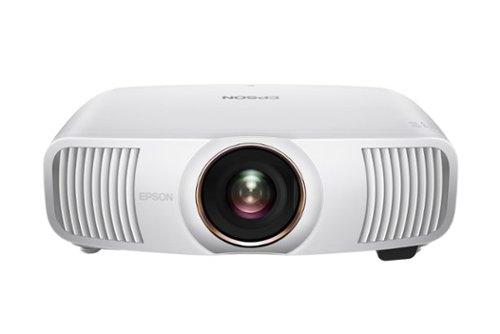
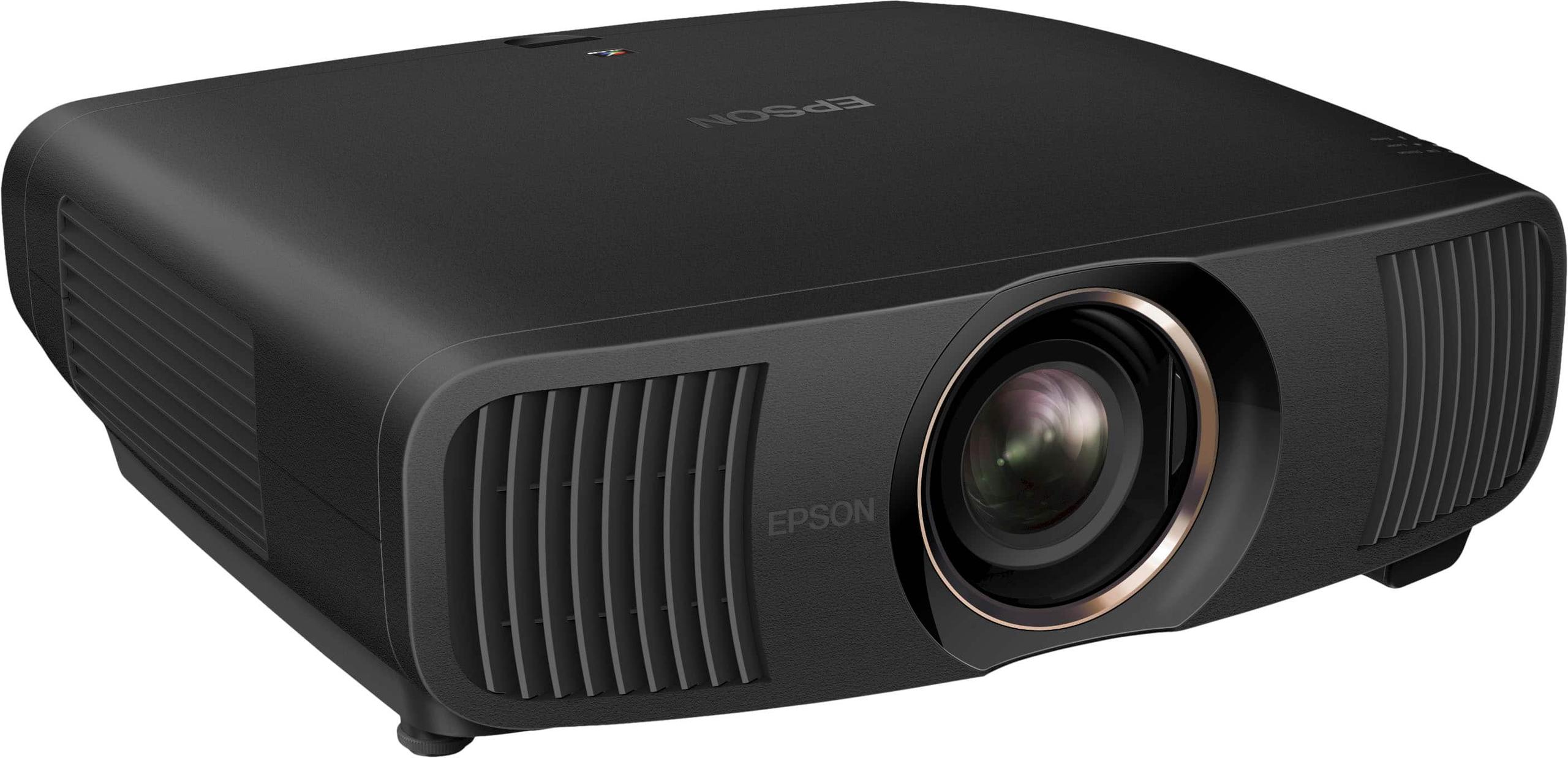
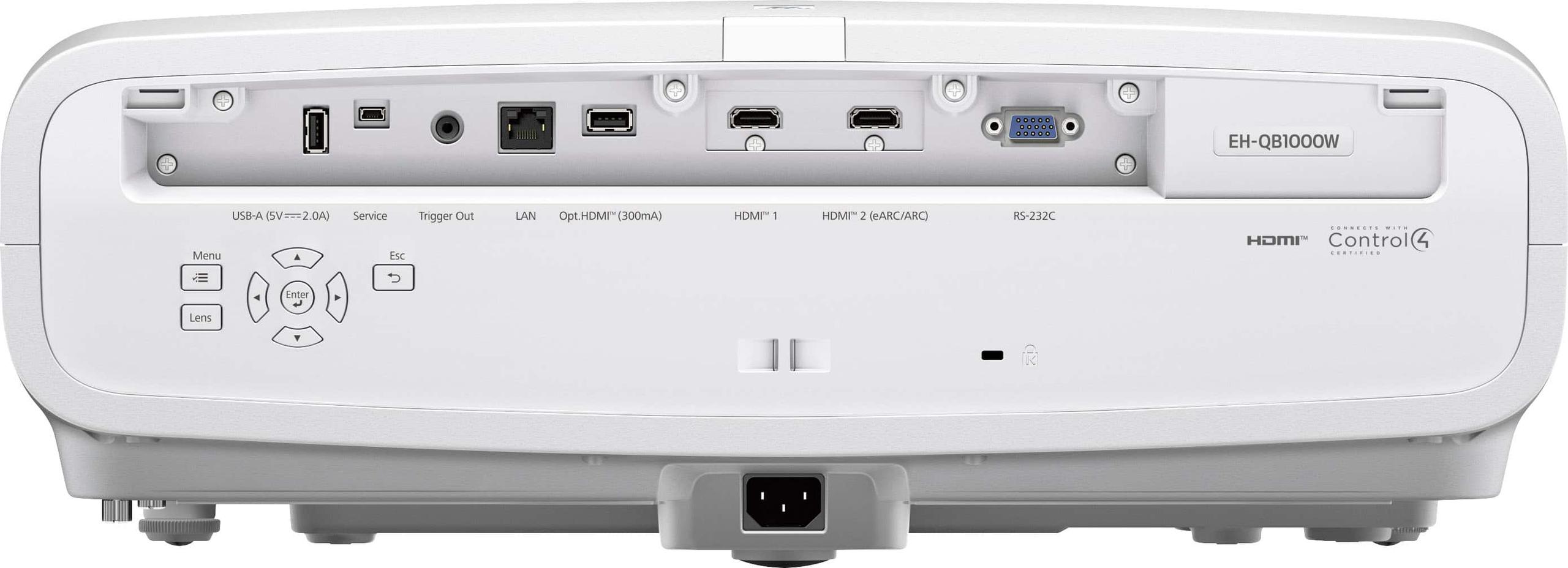
The Epson QB1000, also launched in 2023, sits at the flagship tier of Epson's home theater offerings. It incorporates cutting-edge laser technology and professional-grade processing that was previously reserved for commercial cinema applications.
Both projectors benefit from recent technological advances. The 2023 generation saw significant improvements in HDR processing (High Dynamic Range, which provides better contrast and more realistic colors), more sophisticated pixel-shifting techniques for achieving 4K resolution, and enhanced gaming features to support the latest consoles.
Both projectors deliver true 4K imagery, but they achieve it through different methods that affect the final result. The BenQ HT4550i uses a single 0.65-inch DLP chip with XPR pixel shifting technology. This means the projector rapidly shifts each pixel to four different positions, effectively quadrupling the resolution from the chip's native 1920×1080 to full 4K 3840×2160.
The Epson QB1000 takes a different approach with its 3-chip 3LCD system and 4-way pixel shifting. Instead of one chip doing all the work, three separate LCD panels handle red, green, and blue information simultaneously. This creates what many consider a more natural-looking image with better color separation.
From our research into user experiences and professional reviews, both deliver exceptional sharpness. The BenQ HT4550i consistently receives praise for its "tack sharp" image quality with minimal chromatic aberration (color fringing around edges). The Epson QB1000 matches this with its VRX Cinema Lens, which uses 15 precision glass elements for outstanding edge-to-edge focus uniformity.
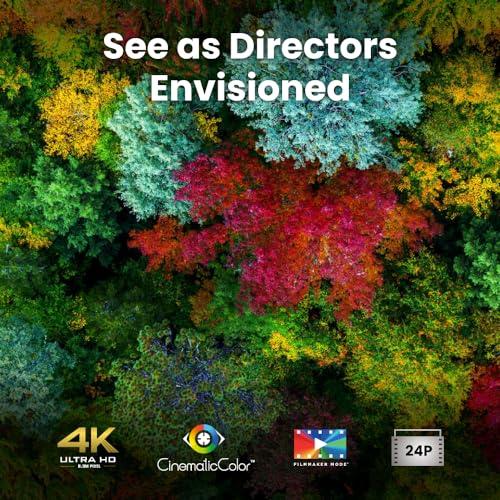
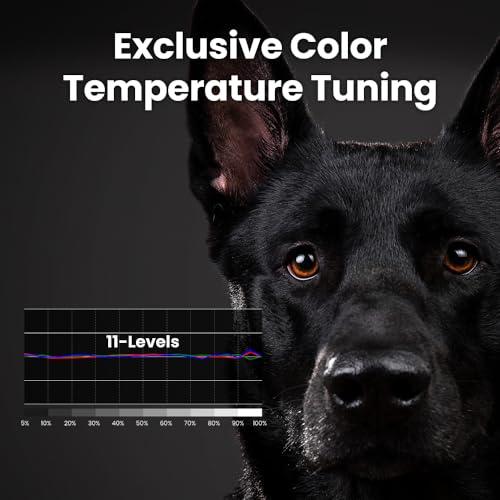
This is where things get particularly interesting. The BenQ HT4550i covers 100% of the DCI-P3 color space—the same standard used in commercial cinemas. Even more impressive, it ships with factory calibration that achieves a Delta E of around 1.3, which means colors are essentially perfect out of the box. Delta E measures color accuracy, and anything under 2 is considered indistinguishable from perfect to the human eye.
The Epson QB1000 covers about 90% of DCI-P3, which is still excellent but not quite as wide as the BenQ. However, its 3LCD technology provides what many consider more natural color reproduction, particularly in skin tones and subtle gradations.
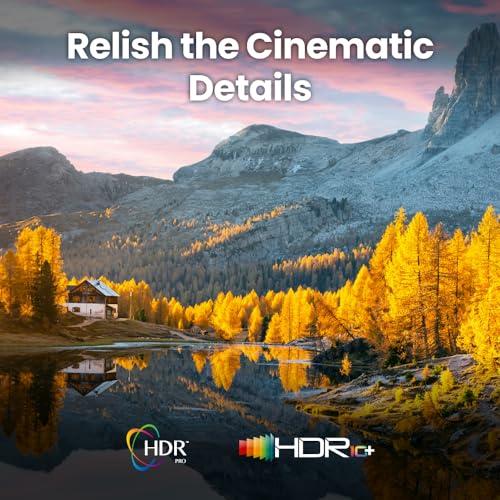
From a practical standpoint, the BenQ HT4550i requires essentially zero calibration for most users, while the Epson QB1000 benefits from professional calibration to unlock its full potential. Both support HDR10, HDR10+, and HLG formats, with sophisticated tone mapping that adapts content to each projector's capabilities.
Here's where the most significant performance gap emerges. Contrast ratio—the difference between the brightest whites and darkest blacks—fundamentally affects how realistic and engaging images appear, especially in dark scenes.
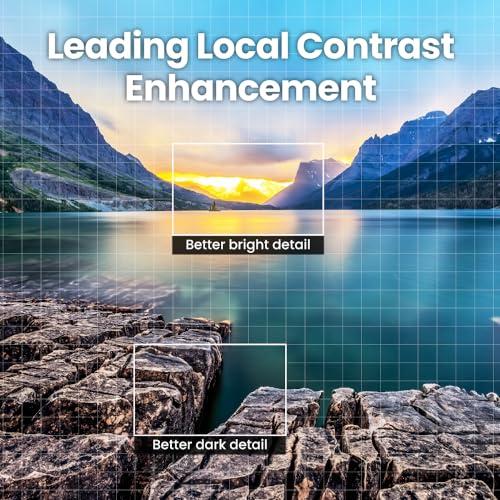
The BenQ HT4550i achieves a native contrast ratio of around 900:1, typical for single-chip DLP technology. It compensates with dynamic contrast features and local dimming across 1,000+ zones, reaching a claimed dynamic contrast ratio of 2,000,000:1. In practice, this means dark scenes look good but not exceptional, particularly in completely dark rooms where black levels become critical.
The Epson QB1000 delivers significantly better performance with a native contrast ratio exceeding 2,000:1—more than double the BenQ. Combined with its UltraBlack technology (a proprietary filter system that reduces stray light), it achieves a dynamic contrast ratio of 5,000,000:1. This translates to noticeably deeper blacks and better shadow detail in dark content.
Our evaluation of user feedback consistently shows this difference matters most in dedicated home theaters with controlled lighting. In mixed-use rooms with some ambient light, the gap narrows considerably, and both projectors perform admirably.
Both projectors deliver substantial brightness, but with different characteristics. The BenQ HT4550i produces 3,200 ANSI lumens through its 4LED light source, while the Epson QB1000 outputs 3,300 lumens via its laser array system.
The LED vs. laser distinction matters beyond just numbers. The BenQ HT4550i's 4LED system (using separate red, green, blue, and white LEDs) provides instant on/off capability, no warm-up time, and an impressive 30,000-hour lifespan. The trade-off is that LED brightness can vary slightly with temperature changes.
The Epson QB1000's laser system maintains more consistent brightness over time and temperature variations, with excellent brightness uniformity across the entire image. However, laser life is typically rated at 20,000 hours—still excellent, but shorter than the BenQ's LEDs.
For practical use, both provide enough brightness for most home theater applications. The BenQ HT4550i handles moderately lit rooms well, while the Epson QB1000's superior color brightness (a strength of 3LCD technology) makes colors appear more vibrant in challenging lighting conditions.
Modern projectors need to handle more than movies—they're increasingly important for gaming, especially with 4K gaming consoles and high-end PCs becoming mainstream.
The BenQ HT4550i excels here with industry-leading input lag performance. It achieves just 8.7ms at 1080p/240Hz and 17.9ms at 4K/60Hz. These numbers rival dedicated gaming monitors and make fast-paced competitive gaming feel responsive and precise. The projector also supports 1080p at up to 240Hz, perfect for high-refresh PC gaming.
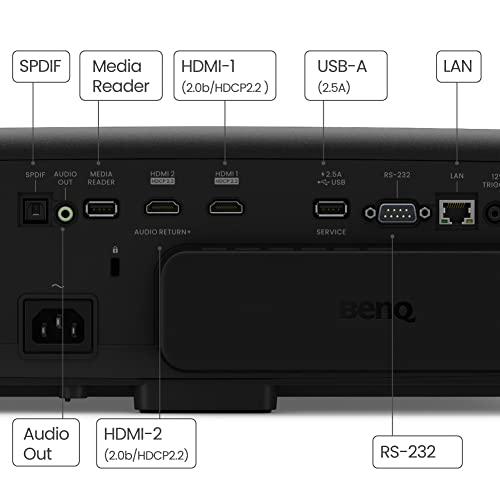
The Epson QB1000 offers solid gaming performance with HDMI 2.1 support, 4K/120Hz capability, and Auto Low Latency Mode (ALLM). While its input lag is slightly higher than the BenQ, it's still well under 20ms and perfectly acceptable for most gaming applications.
The BenQ HT4550i clearly wins for serious gamers, particularly those who play competitive titles where every millisecond matters. For casual gaming and console use, both perform excellently.
Installation requirements can make or break a projector purchase, especially in challenging room layouts.
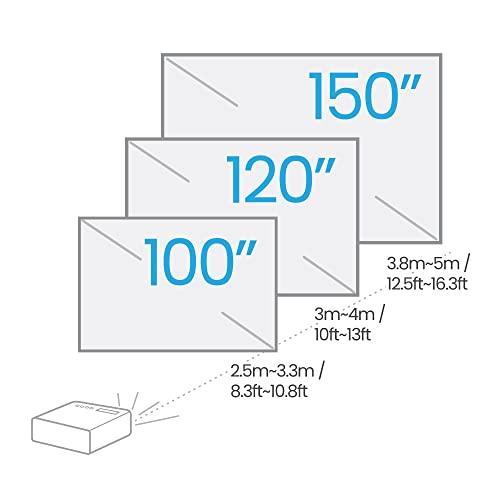
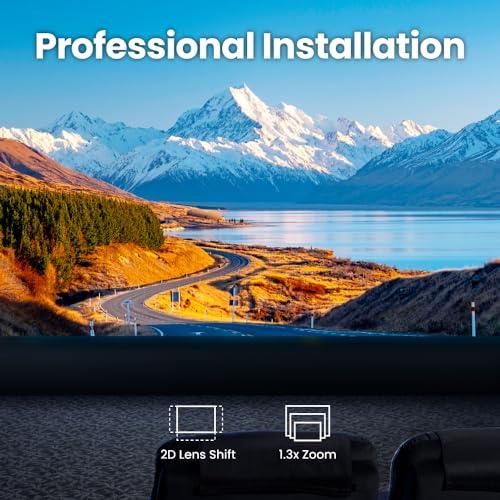
The BenQ HT4550i offers solid flexibility with manual 1.3x zoom and lens shift capabilities (horizontal ±15%, vertical 0%-60%). This covers most standard installations, and the throw ratio of 1.15-1.50:1 means you can achieve a 100-inch image from about 9-13 feet away. Setup is straightforward enough for most DIY installations.
The Epson QB1000 provides extensive professional-grade installation options. Its motorized 3-axis lens shift, motorized zoom and focus, and 10 lens memory presets make it suitable for complex custom installations. The extensive lens shift range allows placement flexibility that the BenQ HT4550i simply can't match.
If you're planning a professional installation or have challenging room geometry, the Epson QB1000 offers significantly more options. For standard basement or media room setups, the BenQ HT4550i provides adequate flexibility at much lower cost.
The fundamental technology differences between these projectors affect everything from image quality to long-term ownership experience.
The BenQ HT4550i's single-chip DLP system creates images by rapidly flipping millions of microscopic mirrors. This technology excels at sharpness and pixel response time but can produce "rainbow artifacts"—brief flashes of color separation that some viewers notice during rapid eye movements. Modern DLP implementations have largely minimized this issue, but it's worth considering if you're sensitive to such effects.
The Epson QB1000's 3LCD system uses three separate panels for red, green, and blue information, eliminating rainbow artifacts entirely. This technology typically produces more natural color gradations and better color brightness, though it requires more complex optics and can be larger overall.
LED and laser light sources represent the current state-of-the-art, replacing traditional lamps that required frequent replacement. The BenQ HT4550i's 4LED system provides excellent color rendering and long life, while the Epson QB1000's laser array offers professional-grade consistency and reliability.
Both eliminate the hassle of lamp replacement, reduce long-term operating costs, and provide instant on/off capability—significant advantages over older lamp-based projectors.
At the time of writing, the BenQ HT4550i costs roughly $4,000 less than the Epson QB1000, creating a significant value equation to consider.
The BenQ HT4550i delivers approximately 80-90% of premium projector performance at about 40% of the Epson QB1000's price. It excels in color accuracy, gaming performance, and overall image quality while remaining accessible to serious enthusiasts who don't have unlimited budgets.
The Epson QB1000 justifies its premium pricing through superior contrast performance, professional installation capabilities, and flagship-level processing. It's designed for users building dedicated home theaters where performance trumps budget considerations.
From a total cost of ownership perspective, both projectors offer excellent long-term value due to their lamp-free light sources. The BenQ HT4550i's longer LED lifespan slightly favors it in operating costs, while the Epson QB1000's professional features may justify higher upfront costs for appropriate applications.
After extensive research into professional reviews and user experiences, clear patterns emerge for who should choose each projector.
Choose the BenQ HT4550i if you:
The BenQ HT4550i represents outstanding value for enthusiasts who want serious home theater performance without breaking the bank. Its combination of accurate colors, sharp imagery, and excellent gaming capabilities makes it ideal for mixed-use media rooms where it might handle everything from Netflix to competitive gaming.
Choose the Epson QB1000 if you:
The Epson QB1000 makes sense for dedicated home theater enthusiasts who prioritize ultimate image quality and have rooms designed specifically for projection. Its superior contrast and professional capabilities justify the premium for users who can fully utilize its advantages.
Both the BenQ HT4550i and Epson QB1000 represent excellent examples of modern 4K projection technology, but they serve different market segments with distinct priorities.
The BenQ HT4550i democratizes premium home theater technology, offering professional-level performance at prices that serious enthusiasts can justify. It's particularly compelling for users who value gaming performance alongside movie watching.
The Epson QB1000 pushes the boundaries of what's possible in home theater projection, delivering contrast and processing capabilities that rival much more expensive commercial cinema equipment.
Your choice ultimately depends on your budget, room setup, and viewing priorities. Both will deliver transformative home theater experiences—the question is whether the Epson QB1000's advantages justify its significant price premium for your specific situation. For most users, the BenQ HT4550i offers exceptional value, while the Epson QB1000 serves those building no-compromise dedicated theaters.
| BenQ HT4550i 4K HDR LED Home Theater Projector | Epson QB1000 4K 3LCD Laser Projector |
|---|---|
| Display Technology - Affects rainbow artifacts and color reproduction | |
| Single-chip DLP with XPR pixel shifting (potential rainbow effects for sensitive viewers) | 3-chip 3LCD with 4-way pixel shifting (eliminates rainbow artifacts completely) |
| Native Contrast Ratio - Critical for black levels in dark rooms | |
| ~900:1 (typical DLP performance, adequate for mixed lighting) | 2,019:1 (over 2x better, excellent for dedicated dark theaters) |
| Dynamic Contrast Ratio - Enhanced contrast through processing | |
| 2,000,000:1 with local dimming zones | 5,000,000:1 with UltraBlack technology (significantly superior) |
| Brightness Output - Determines room lighting flexibility | |
| 3,200 ANSI lumens (4LED source, excellent for most rooms) | 3,300 ANSI lumens (laser source, slightly brighter with superior color brightness) |
| Color Gamut Coverage - Affects color vibrancy and accuracy | |
| 100% DCI-P3 (exceptional, matches commercial cinema standards) | 90% DCI-P3 (excellent but slightly narrower than BenQ HT4550i) |
| Out-of-Box Color Accuracy - Determines calibration needs | |
| Delta E 1.3 (essentially perfect, no calibration required) | Delta E 2.4 (very good but benefits from professional calibration) |
| Input Lag for Gaming - Critical for responsive gaming performance | |
| 8.7ms at 1080p/240Hz, 17.9ms at 4K/60Hz (industry-leading for competitive gaming) | Sub-20ms with ALLM support (excellent for casual gaming, good for competitive) |
| Light Source Technology - Affects longevity and maintenance | |
| 4LED system with 30,000-hour lifespan (longer life, instant on/off) | Laser array with 20,000-hour lifespan (professional consistency, excellent reliability) |
| Installation Flexibility - Determines placement options | |
| Manual 1.3x zoom, lens shift H±15%/V0-60% (adequate for standard setups) | Motorized zoom/focus, 3-axis motorized lens shift with extensive range (professional-grade flexibility) |
| Smart Features - Built-in streaming capabilities | |
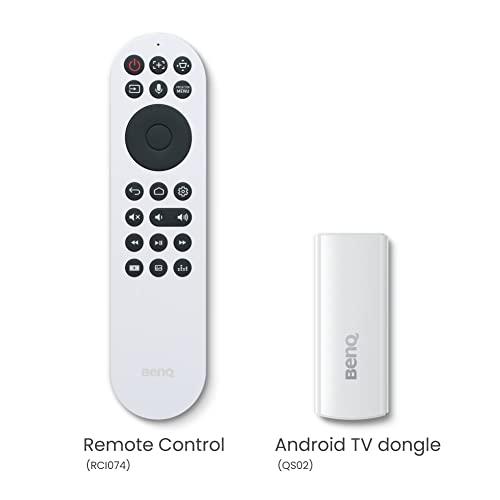
| Android TV with Google Assistant, Netflix 4K support | Professional focus with advanced QZX processor (minimal smart features) |
| Maximum Image Size - Screen size capabilities | |
| Up to 300 inches (suitable for most home theaters) | 300+ inches with superior uniformity (designed for large dedicated theaters) |
| Best Use Case - Who should choose this projector | |
| Mixed-use media rooms, gaming enthusiasts, value-conscious buyers seeking premium performance | Dedicated dark home theaters, professional installations, users prioritizing ultimate contrast |
The Epson QB1000 delivers superior home theater performance with its 5,000,000:1 dynamic contrast ratio and deeper black levels, making it ideal for dedicated dark theaters. However, the BenQ HT4550i offers excellent home theater quality at a much lower price point, with better color accuracy out-of-box and is perfect for mixed-use media rooms.
The primary difference is technology and price positioning. The BenQ HT4550i uses single-chip DLP with LED lighting for excellent value and gaming performance, while the Epson QB1000 employs 3-chip 3LCD with laser technology for premium contrast and professional installation capabilities at roughly four times the cost.
Picture quality depends on your priorities. The Epson QB1000 excels in contrast ratio (over 2x better native contrast) and black levels, crucial for dark room viewing. The BenQ HT4550i leads in color accuracy with 100% DCI-P3 coverage and Delta E 1.3 factory calibration, requiring no additional tuning.
Yes, the BenQ HT4550i is exceptional for gaming with industry-leading 8.7ms input lag at 1080p/240Hz and 17.9ms at 4K/60Hz. It supports up to 240Hz refresh rates for competitive PC gaming. The Epson QB1000 offers good gaming performance but can't match the BenQ HT4550i's ultra-low latency.
Both projectors offer similar brightness levels - the Epson QB1000 produces 3,300 ANSI lumens while the BenQ HT4550i delivers 3,200 ANSI lumens. The difference is negligible, though the Epson QB1000's 3LCD technology provides superior color brightness in challenging lighting conditions.
No, both projectors use modern lamp-free light sources. The BenQ HT4550i features a 4LED system lasting 30,000 hours, while the Epson QB1000 uses laser technology rated for 20,000 hours. Neither requires costly lamp replacements like traditional projectors.
The Epson QB1000 significantly outperforms with 5,000,000:1 dynamic contrast and 2,019:1 native contrast, compared to the BenQ HT4550i's 2,000,000:1 dynamic and ~900:1 native contrast. This makes the Epson QB1000 superior for dark room viewing where black levels matter most.
The BenQ HT4550i offers straightforward installation with manual zoom and adequate lens shift for most rooms. The Epson QB1000 provides professional-grade installation flexibility with motorized 3-axis lens shift, motorized zoom/focus, and 10 memory presets, ideal for complex custom installations.
The BenQ HT4550i delivers exceptional value, providing 80-90% of premium projector performance at roughly 40% of the Epson QB1000's cost. The Epson QB1000 justifies its premium pricing through superior contrast and professional features for dedicated theater rooms.
Yes, both projectors support true 4K resolution and comprehensive HDR formats including HDR10, HDR10+, and HLG. The BenQ HT4550i uses XPR pixel shifting with excellent results, while the Epson QB1000 employs 4-way pixel shifting with advanced processing for premium 4K HDR performance.
The BenQ HT4550i includes comprehensive Android TV integration with Google Assistant, Netflix 4K support, and full streaming capabilities. The Epson QB1000 focuses on professional image processing rather than smart features, requiring external streaming devices for apps.
Choose the BenQ HT4550i if you want premium 4K performance with excellent gaming capabilities at an accessible price point, perfect for mixed-use media rooms. Select the Epson QB1000 if you're building a dedicated dark home theater where superior contrast justifies the significant price premium and you need professional installation flexibility.
We've done our best to create useful and informative comparisons to help you decide what product to buy. Our research uses advanced automated methods to create this comparison and perfection is not possible - please contact us for corrections or questions. These are the sites we've researched in the creation of this article: projectorcentral.com - benq.com - rtings.com - youtube.com - soundandvision.com - rtings.com - hometheaterhifi.com - projectorscreen.com - projectorreviews.com - projectorscreen.com - youtube.com - rtings.com - projectorscreen.com - versus.com - youtube.com - projectorcentral.com - snapav.com - benq.com - benq.com - bestbuy.com - news.epson.com - projectorcentral.com - avscience.com - projectorscreen.com - epson.com - dreamediaav.com - epson.ca - epson.com - bestbuy.com - hifiheaven.net - bjorns.com - thepowercentre.ca - audiogeneral.com

Privacy Policy
Terms and Conditions - Affiliate Policy
Home Security
© Copyright 2008-2026.
11816 Inwood Rd #1211, Dallas, TX 75244