

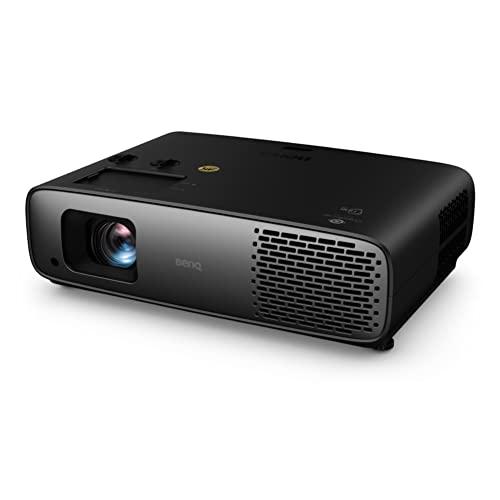
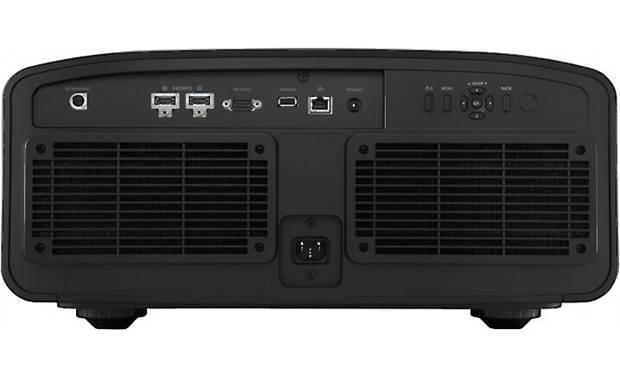
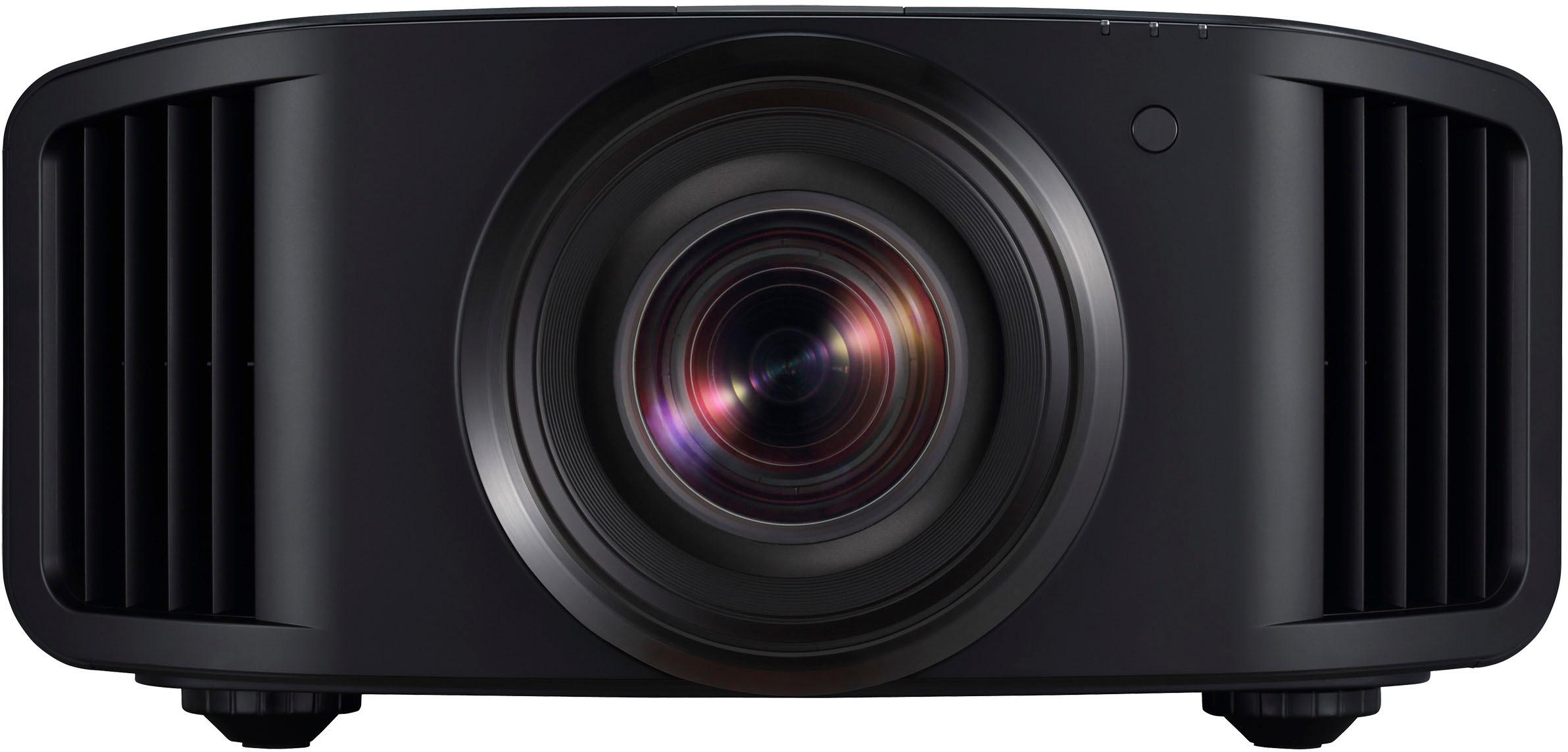
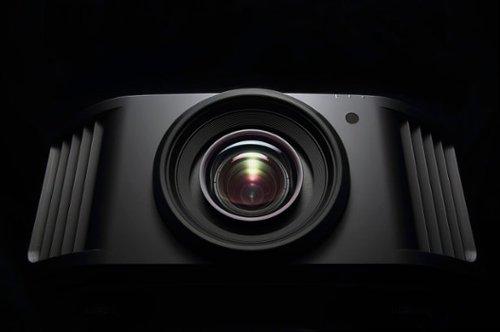
If you've been dreaming of turning your living room or basement into a proper home theater, you've probably discovered that projectors can deliver screen sizes that make even the largest TVs look tiny. But with prices ranging from under $3,000 to nearly $20,000, choosing the right projector can feel overwhelming. Today we're comparing two very different approaches to premium home theater projection: the BenQ HT4550i, a value-focused LED projector that punches well above its weight class, and the JVC DLA-NZ9, a no-compromise laser projector that represents the pinnacle of home theater technology.
At the time of writing, these projectors sit at opposite ends of the premium home theater spectrum. The BenQ HT4550i delivers impressive performance at a price point that makes serious home theater accessible to more people, while the JVC DLA-NZ9 costs roughly six times more but offers reference-grade image quality that rivals commercial cinema systems.
Before diving into specifics, it's worth understanding what makes a great home theater projector. Unlike business or portable projectors that prioritize brightness above all else, home theater models focus on contrast ratio (the difference between the darkest blacks and brightest whites), color accuracy, and creating an immersive cinematic experience in controlled lighting conditions.
The most critical performance factor is contrast ratio. Think of it this way: when you watch a movie scene set in a dark cave, you want those shadows to look truly black, not gray. Poor contrast makes dark scenes look washed out and removes the depth and drama from movies. This is where the fundamental difference between these two projectors becomes apparent.
Released in 2023, the BenQ HT4550i represents BenQ's latest thinking on how to deliver premium home theater performance without requiring a second mortgage. The projector uses what BenQ calls a "4LED" light source – essentially four separate LED arrays (red, green, blue, and an additional element) that work together to create bright, color-accurate images while lasting up to 30,000 hours.
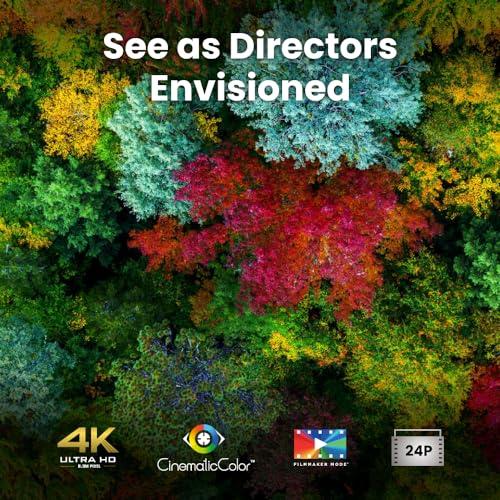
The heart of the BenQ HT4550i is a Texas Instruments DLP (Digital Light Processing) chip combined with XPR pixel-shifting technology. Here's where it gets interesting: the projector's native resolution is actually 1920×1080, but XPR rapidly shifts each pixel in four directions to create what appears to be true 4K resolution (3840×2160). While purists might argue this isn't "real" 4K, the practical result is noticeably sharper images than standard 1080p projectors, and most viewers can't distinguish the difference from native 4K at typical viewing distances.
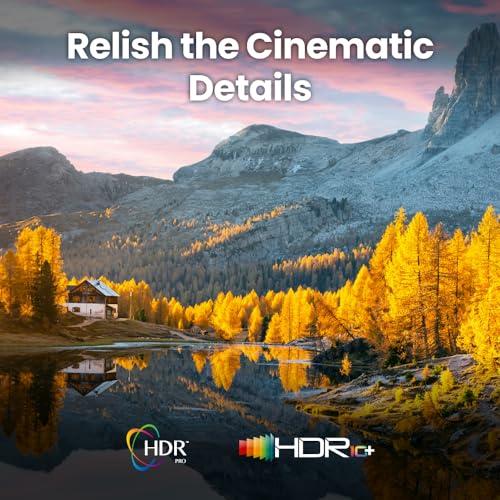
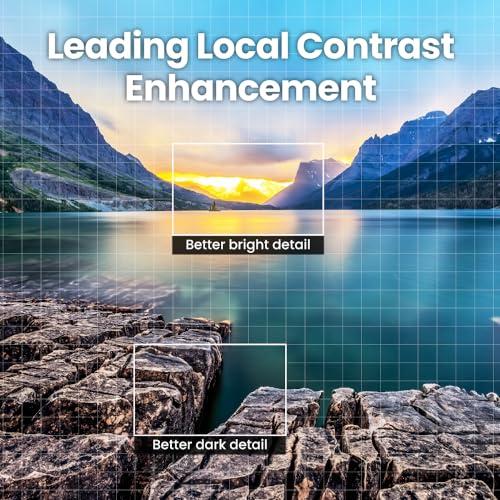
What really sets the BenQ HT4550i apart is its HDR-PRO processing system. HDR (High Dynamic Range) content contains much more brightness and color information than standard video, but most projectors struggle to display it properly because they can't get bright enough or dark enough to show the full range. BenQ's solution divides the image into over 1,000 zones and analyzes each section independently, adjusting brightness and contrast in real-time.
Our research into professional reviews and user feedback consistently shows this HDR processing performing remarkably well – often matching or exceeding projectors costing two to three times more. The system supports HDR10, HDR10+, and HLG formats, covering virtually all HDR content you'll encounter.
Modern gaming demands low input lag (the delay between pressing a button and seeing the result on screen), and the BenQ HT4550i delivers impressively here. With input lag measured as low as 8.7 milliseconds at 1080p/240Hz and 17.9ms at 4K/60Hz, it's among the fastest projectors available for gaming. It supports refresh rates up to 240Hz at 1080p for PC gaming and 120Hz for current-generation consoles.
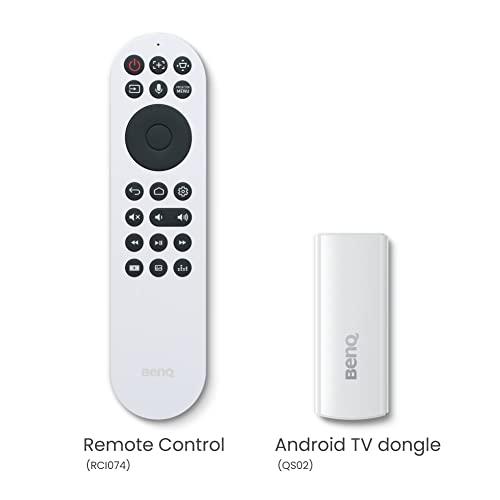
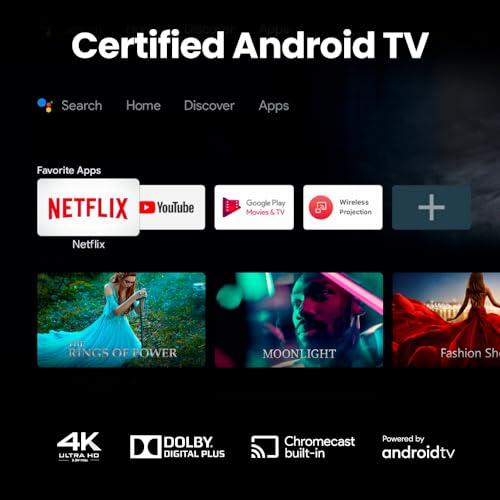
Unlike most premium projectors that assume you'll use external devices, the BenQ HT4550i includes certified Android TV functionality. This means direct access to Netflix, Disney+, Prime Video, and other streaming services without additional hardware. The implementation is solid, though as with any smart TV platform, external streaming devices often provide a more responsive experience.
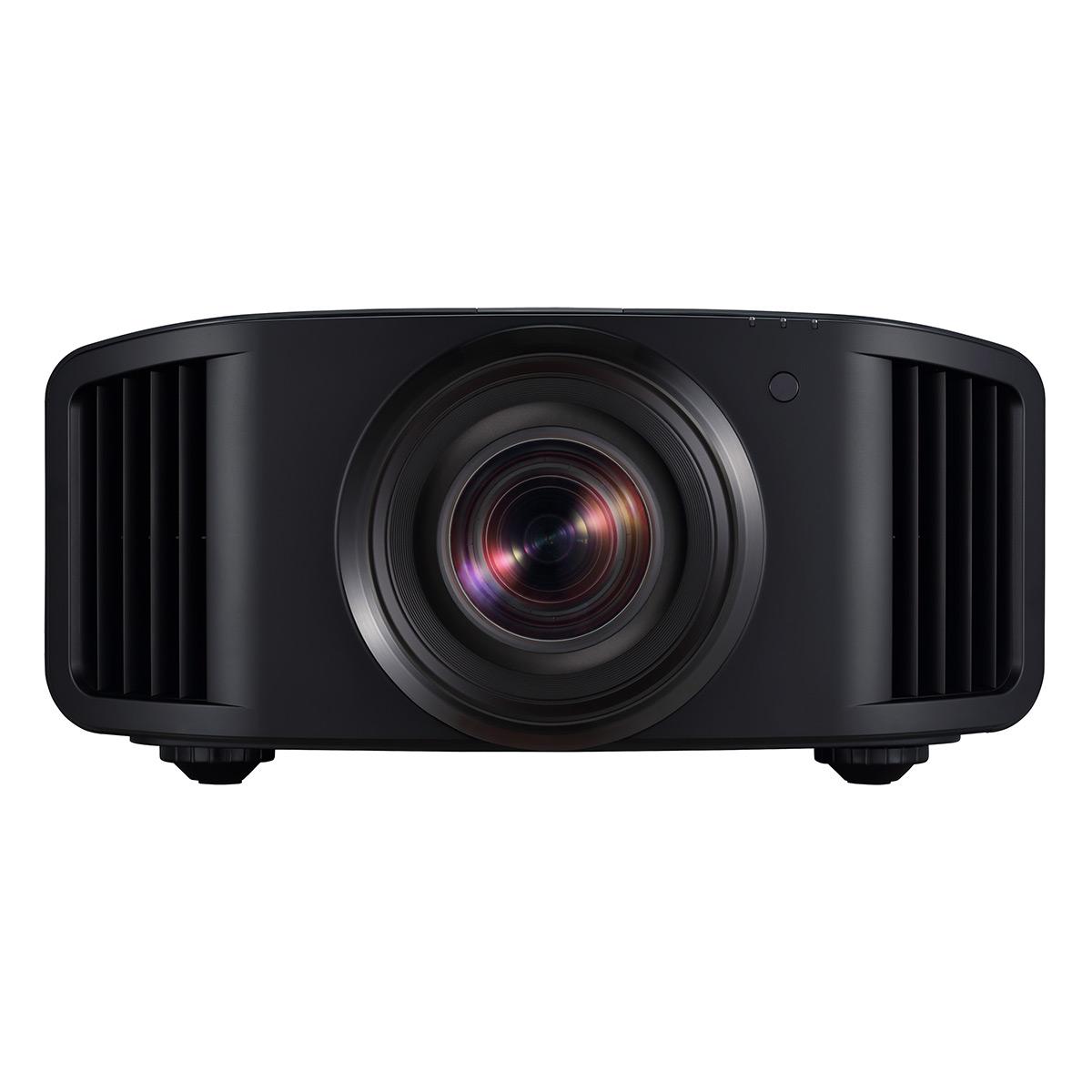
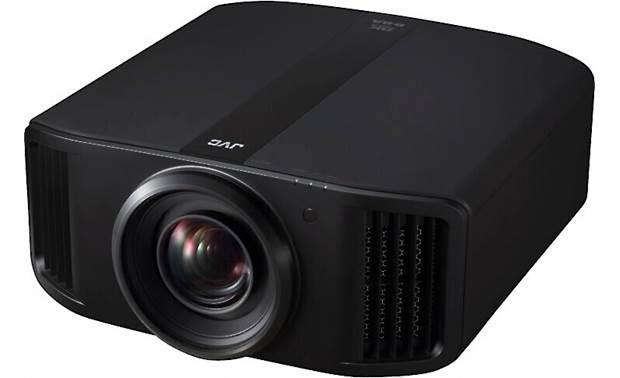
The JVC DLA-NZ9 represents JVC's flagship effort and arguably one of the best home theater projectors money can buy at any price. Released as part of JVC's latest generation of D-ILA projectors, it incorporates technologies that were previously found only in commercial cinema equipment.
Unlike the BenQ's pixel-shifting approach, the JVC DLA-NZ9 uses three separate 0.69-inch D-ILA devices (JVC's version of LCoS technology) to create true native 4K resolution. D-ILA technology works differently from DLP – instead of tiny mirrors flipping back and forth, it uses liquid crystal on silicon to control light pixel by pixel. The result is incredibly smooth gradation and exceptional contrast performance.
Here's where the JVC DLA-NZ9 truly separates itself from the competition. With a native contrast ratio of 100,000:1, it produces blacks that are genuinely black, not the dark gray you see from most projectors. This isn't just a technical specification – it transforms the viewing experience. Dark movie scenes retain their mystery and drama because shadows actually disappear into true darkness.
The projector's BLU-Escent laser light source contributes to this performance. Unlike LED arrays that can only dim so much, laser systems can achieve nearly infinite contrast ratios by dimming to almost complete darkness when needed. The laser also provides exceptional brightness uniformity across the entire image and maintains consistent output over its 20,000-hour lifespan.
While the BenQ HT4550i impresses with its HDR processing, the JVC DLA-NZ9 takes it several steps further. Its Frame Adapt HDR technology analyzes each frame individually and adjusts tone mapping dynamically. The Theater Optimizer system can even measure your room's ambient light and screen characteristics to customize the HDR processing for your specific setup.
This frame-by-frame approach means that a scene transitioning from bright daylight to a dark interior will have its tone mapping adjusted continuously rather than using preset curves. It's the difference between a skilled colorist adjusting each scene of a movie versus applying a single filter to the entire film.
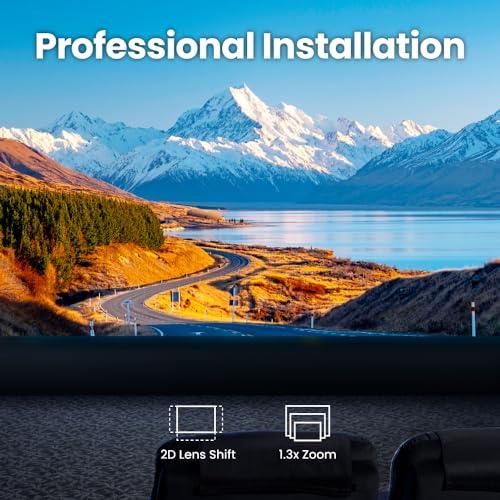
The JVC DLA-NZ9 features an 18-element, all-glass lens assembly that ensures every pixel of resolution reaches your screen without optical compromise. The motorized lens provides 2x zoom and extensive lens shift capabilities – you can move the image vertically by 100% and horizontally by 43% without any degradation in image quality.
This installation flexibility is crucial for custom home theater installations where the projector might need to be mounted in less-than-ideal positions. The BenQ HT4550i, while offering decent lens shift, provides much less flexibility and uses manual controls rather than motorized adjustment.
This is where the fundamental difference in technology and price becomes apparent. The BenQ HT4550i achieves a respectable dynamic contrast ratio through its local dimming zones, but its native contrast is limited by DLP technology to around 1,000:1. The JVC DLA-NZ9 starts at 100,000:1 native contrast – a difference that's immediately visible in dark scenes.
In practical terms, this means the BenQ is excellent for most movie watching, especially in rooms with some ambient light. But the JVC creates that jaw-dropping "looking through a window" experience that makes you forget you're watching a projection.
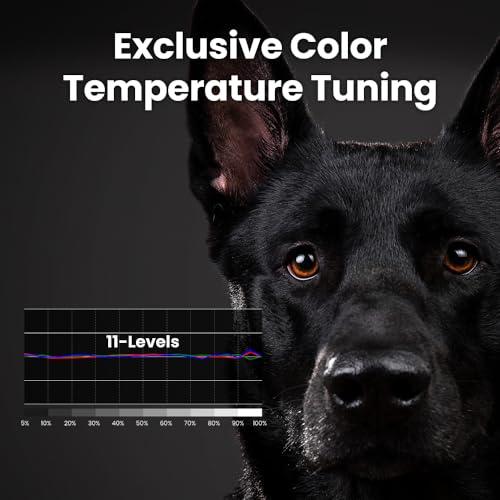
Both projectors cover 100% of the DCI-P3 color space used in cinema, but they achieve it differently. The BenQ HT4550i uses internal filters and comes pre-calibrated from the factory with impressive Delta E accuracy (a measure of color deviation) of less than 2. For most users, no additional calibration is needed.
The JVC DLA-NZ9 offers more extensive calibration options and professional-grade color management tools. While both projectors can achieve excellent color accuracy, the JVC provides more precise control for perfectionist installations.
Despite their vastly different technologies and price points, both projectors deliver similar practical brightness levels. The BenQ HT4550i rates at 3,200 lumens but measures closer to 1,800-1,900 lumens in its most accurate modes. The JVC DLA-NZ9 rates at 3,000 lumens and delivers more consistent output across all modes.
For most dedicated home theater rooms, both provide adequate brightness. The BenQ might have a slight edge in rooms with ambient light, while the JVC excels in completely darkened spaces where its superior contrast can shine.
At the time of writing, the price difference between these projectors is substantial – the JVC DLA-NZ9 costs roughly six times more than the BenQ HT4550i. This raises an important question: is the JVC six times better?
The answer depends entirely on your priorities and viewing environment. The BenQ HT4550i delivers 80-85% of the JVC's performance at less than 20% of the cost. For many home theater enthusiasts, this represents exceptional value. You get excellent color accuracy, impressive HDR processing, solid gaming performance, and built-in smart features in a package that rivals projectors costing significantly more.
The JVC DLA-NZ9 targets the remaining 15-20% of performance that matters enormously to serious enthusiasts. That incremental improvement in contrast, black levels, and optical precision transforms good home theater into reference-grade cinema. If you're building a dedicated theater room with proper acoustic treatment and lighting control, the JVC's advantages become much more apparent.
Your room setup significantly influences which projector makes more sense. The BenQ HT4550i works well in various environments – family rooms with some ambient light, basements converted to theaters, or dedicated media rooms. Its higher brightness output and dynamic contrast processing help it perform well even when conditions aren't ideal.
The JVC DLA-NZ9 is optimized for dedicated home theater environments with controlled lighting. Its exceptional contrast performance requires darkness to truly shine. If you can't achieve near-complete darkness in your viewing room, you're not utilizing the JVC's primary advantage.
The JVC's superior lens shift and motorized controls also make it better suited for permanent, professional installations where the projector might be ceiling-mounted in a custom enclosure. The BenQ, with its manual controls, is more suited to shelf mounting or simpler installations.
Both projectors excel at gaming but in different ways. The BenQ HT4550i offers excellent input lag performance and supports high refresh rates at 1080p, making it ideal for competitive gaming and current-generation consoles.
The JVC DLA-NZ9 includes HDMI 2.1 connectivity, supporting 4K gaming at 120Hz and future 8K content at 60Hz. While its input lag is reasonable, it's optimized more for cinematic gaming experiences than competitive esports.
Choose the BenQ HT4550i if you want exceptional home theater performance without breaking the bank. It's perfect for movie enthusiasts who want better-than-TV image quality, gamers seeking large-screen gaming, or anyone building their first serious home theater setup. The built-in smart features and outstanding value proposition make it an excellent entry point into premium projection.
Choose the JVC DLA-NZ9 if you're building a dedicated home theater room and want reference-grade image quality. It's for enthusiasts who can appreciate the difference between excellent and perfect, have a controlled viewing environment, and consider their projector a long-term investment in their home entertainment experience.
Both projectors represent the best of their respective approaches to home theater projection. The BenQ democratizes premium home theater technology, while the JVC represents the pinnacle of what's possible in consumer projection technology. Your choice ultimately depends on your budget, room setup, and how much that last bit of image quality perfection matters to your viewing experience.
The beauty of today's projector market is that both approaches can create genuinely cinematic experiences in your home. Whether you choose the accessible excellence of the BenQ HT4550i or the reference-grade performance of the JVC DLA-NZ9, you'll be enjoying movies and games on a scale that transforms your home entertainment experience.
| BenQ HT4550i 4K HDR LED Home Theater Projector | JVC DLA-NZ9 8K Home Theater Projector |
|---|---|
| Resolution Technology - Determines image sharpness and detail | |
| 4K UHD via XPR pixel-shifting from 1080p DLP chip | True native 4K with three 0.69" D-ILA devices |
| Contrast Ratio - Most critical for cinematic black levels and depth | |
| 2,000,000:1 dynamic contrast (1,000:1 native) | 100,000:1 native contrast (industry-leading) |
| Light Source - Affects longevity and maintenance costs | |
| 4LED array with 20,000-30,000 hour lifespan | BLU-Escent laser with 20,000 hour lifespan |
| Brightness Output - Critical for room lighting compatibility | |
| 3,200 ANSI lumens rated (1,800-1,900 measured in accurate modes) | 3,000 ANSI lumens with superior consistency |
| HDR Processing - Essential for modern streaming and 4K Blu-ray content | |
| HDR-PRO with 1,000+ zone local dimming | Frame Adapt HDR with Theater Optimizer (frame-by-frame analysis) |
| Gaming Performance - Important for console and PC gaming | |
| 8.7ms input lag, supports 1080p/240Hz and 1080p/120Hz | HDMI 2.1 with 4K/120Hz and 8K/60Hz capability |
| Installation Flexibility - Determines mounting and placement options | |
| Manual 1.3x zoom, lens shift: vertical 0-60%, horizontal ±15% | Motorized 2x zoom, lens shift: vertical ±100%, horizontal ±43% |
| Smart Features - Built-in streaming vs external device requirements | |
| Certified Android TV with Netflix 4K HDR support | No smart platform (requires external streaming devices) |
| Color Accuracy - Critical for faithful movie and content reproduction | |
| 100% DCI-P3 coverage, factory calibrated to Delta E <2 | 100% DCI-P3 with Cinema Filter, professional calibration tools |
| Connectivity - Future-proofing and device compatibility | |
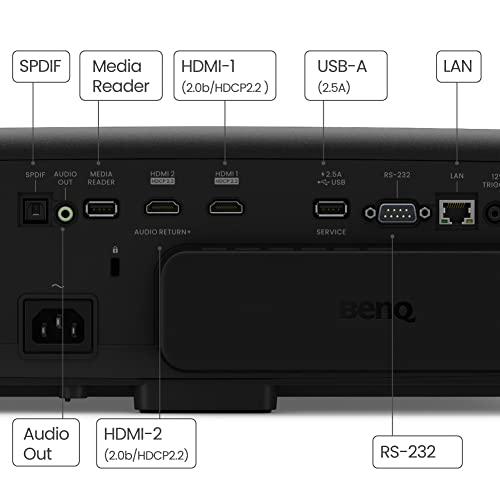
| 3x HDMI 2.0b (one with eARC) | 2x HDMI 2.1 (48Gbps) with HDCP 2.3 |
| Optical Quality - Affects image sharpness and uniformity | |
| Standard glass lens with good performance | Premium 18-element all-glass lens assembly |
| Value Proposition - Performance per dollar consideration | |
| Exceptional value delivering premium performance at accessible price | Reference-grade cinema quality for dedicated theater rooms |
The JVC DLA-NZ9 delivers superior home theater performance with industry-leading contrast (100,000:1 native) and true native 4K resolution. However, the BenQ HT4550i offers exceptional value with 4K pixel-shifting, excellent color accuracy, and smart TV features at a much lower price point. For most home theaters, the BenQ HT4550i provides outstanding cinematic quality, while the JVC DLA-NZ9 is ideal for dedicated dark rooms where reference-grade image quality justifies the premium cost.
The primary difference is contrast performance and technology approach. The JVC DLA-NZ9 uses three native 4K D-ILA chips with laser light source for exceptional black levels, while the BenQ HT4550i uses single-chip DLP with pixel-shifting and LED light source. The JVC delivers dramatically better contrast (100,000:1 vs ~1,000:1 native) but costs significantly more than the BenQ HT4550i.
Both projectors excel at gaming but differently. The BenQ HT4550i offers superior input lag performance (8.7ms at 1080p/240Hz) and excellent refresh rate support for competitive gaming. The JVC DLA-NZ9 features HDMI 2.1 connectivity supporting 4K/120Hz gaming for next-generation consoles. For current gaming, choose the BenQ HT4550i; for future-proofing and cinematic gaming experiences, the JVC DLA-NZ9 is better.
The BenQ HT4550i works well in various lighting conditions thanks to its 3,200-lumen output and dynamic contrast processing, making it suitable for family rooms with some ambient light. The JVC DLA-NZ9 is optimized for dedicated dark rooms where its exceptional contrast performance can truly shine. You'll get better value from the JVC DLA-NZ9 only in controlled lighting environments.
The BenQ HT4550i offers exceptional value, delivering premium home theater performance at an accessible price point. It provides roughly 80-85% of the JVC DLA-NZ9's performance at a fraction of the cost. The JVC DLA-NZ9 targets perfectionist installations where that final 15-20% of image quality improvement justifies the significant price premium.
The JVC DLA-NZ9 delivers superior image quality with true native 4K resolution, exceptional black levels, and reference-grade contrast. The BenQ HT4550i produces excellent images with 4K pixel-shifting, outstanding color accuracy (100% DCI-P3), and impressive HDR processing. Both cover the same color gamut, but the JVC DLA-NZ9 offers more precise calibration controls and dramatically better dark scene performance than the BenQ HT4550i.
Both projectors offer low-maintenance operation with long-lasting light sources. The BenQ HT4550i uses a 4LED system lasting 20,000-30,000 hours, while the JVC DLA-NZ9 features a BLU-Escent laser lasting 20,000 hours. Neither requires lamp replacements like traditional projectors. The JVC DLA-NZ9 may have slight advantages in long-term brightness consistency, but both BenQ HT4550i and JVC DLA-NZ9 are essentially maintenance-free.
The BenQ HT4550i includes certified Android TV with direct access to Netflix 4K HDR, Disney+, Prime Video, and other streaming services without additional devices. The JVC DLA-NZ9 focuses purely on projection quality and requires external streaming devices like Apple TV or Roku. If built-in streaming is important, the BenQ HT4550i provides convenience the JVC DLA-NZ9 cannot match.
The JVC DLA-NZ9 offers superior installation flexibility with motorized 2x zoom, extensive lens shift (±100% vertical, ±43% horizontal), and premium optics. The BenQ HT4550i provides manual controls with more limited lens shift but is still quite flexible for most installations. For custom theater installations or challenging mounting positions, the JVC DLA-NZ9 is significantly easier to optimize than the BenQ HT4550i.
Both projectors excel with HDR content but use different approaches. The BenQ HT4550i features HDR-PRO processing with 1,000+ zone local dimming that rivals much more expensive projectors. The JVC DLA-NZ9 uses Frame Adapt HDR with Theater Optimizer for frame-by-frame dynamic tone mapping. Both support HDR10, HDR10+, and HLG formats, with the JVC DLA-NZ9 offering more sophisticated processing than the BenQ HT4550i.
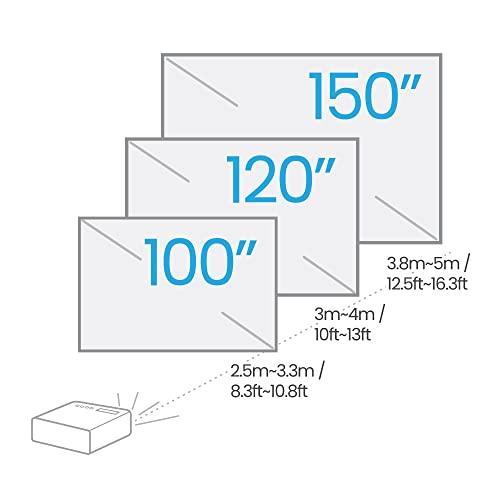
Both projectors excel at large screen sizes. The BenQ HT4550i supports 30-300 inch diagonal screens with its 1.15-1.50:1 throw ratio, ideal for most home theater rooms. The JVC DLA-NZ9 handles 60-300 inch screens with superior brightness uniformity and optical precision at larger sizes. For screens over 150 inches, the JVC DLA-NZ9's premium optics provide advantages, while the BenQ HT4550i performs excellently up to 120-150 inches.
For most first-time home theater builders, the BenQ HT4550i is the smarter choice. It delivers exceptional cinematic performance, includes smart TV features, offers excellent gaming capabilities, and requires less investment in room optimization. The JVC DLA-NZ9 is better suited for experienced enthusiasts with dedicated theater rooms who can appreciate and utilize its reference-grade capabilities. Start with the BenQ HT4550i unless you're building a no-compromise dedicated theater space.
We've done our best to create useful and informative comparisons to help you decide what product to buy. Our research uses advanced automated methods to create this comparison and perfection is not possible - please contact us for corrections or questions. These are the sites we've researched in the creation of this article: projectorcentral.com - benq.com - rtings.com - youtube.com - soundandvision.com - rtings.com - hometheaterhifi.com - projectorscreen.com - projectorreviews.com - projectorscreen.com - youtube.com - rtings.com - projectorscreen.com - versus.com - youtube.com - projectorcentral.com - snapav.com - benq.com - benq.com - whathifi.com - soundandvision.com - worldwidestereo.com - projectorreviews.com - worldwidestereo.com - us.jvc.com - crutchfield.com - abtvaustin.com - valueelectronics.com - projectorcentral.com

Privacy Policy
Terms and Conditions - Affiliate Policy
Home Security
© Copyright 2008-2026.
11816 Inwood Rd #1211, Dallas, TX 75244