

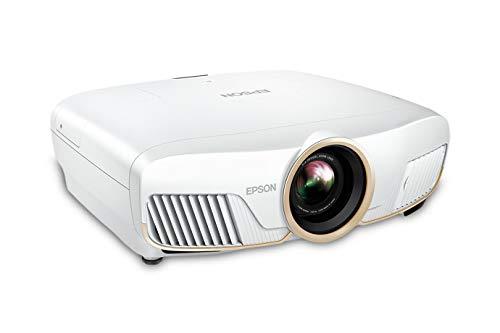
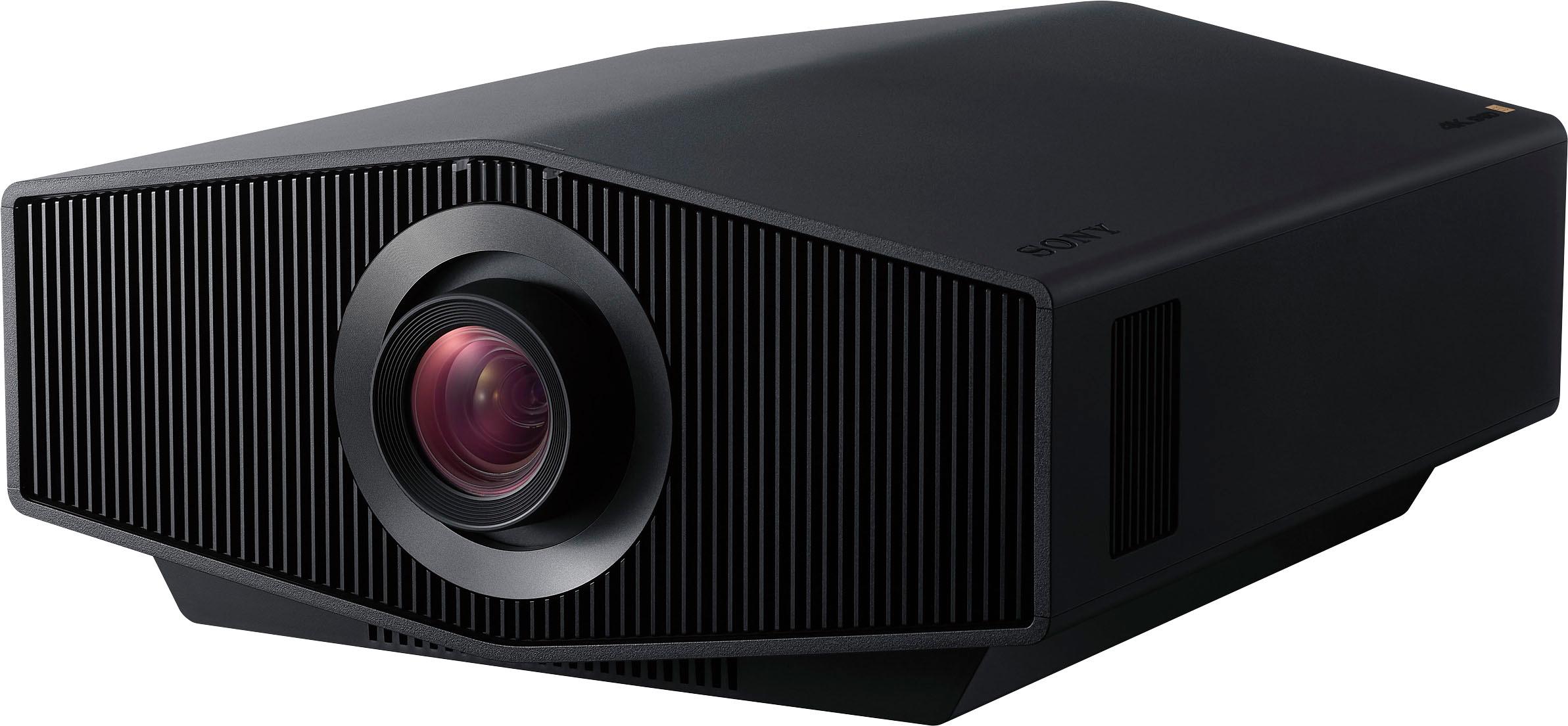
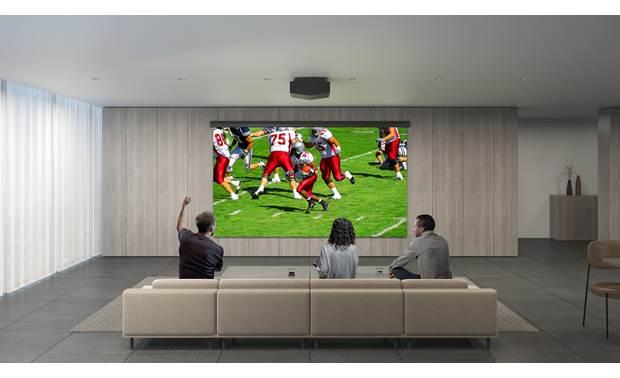
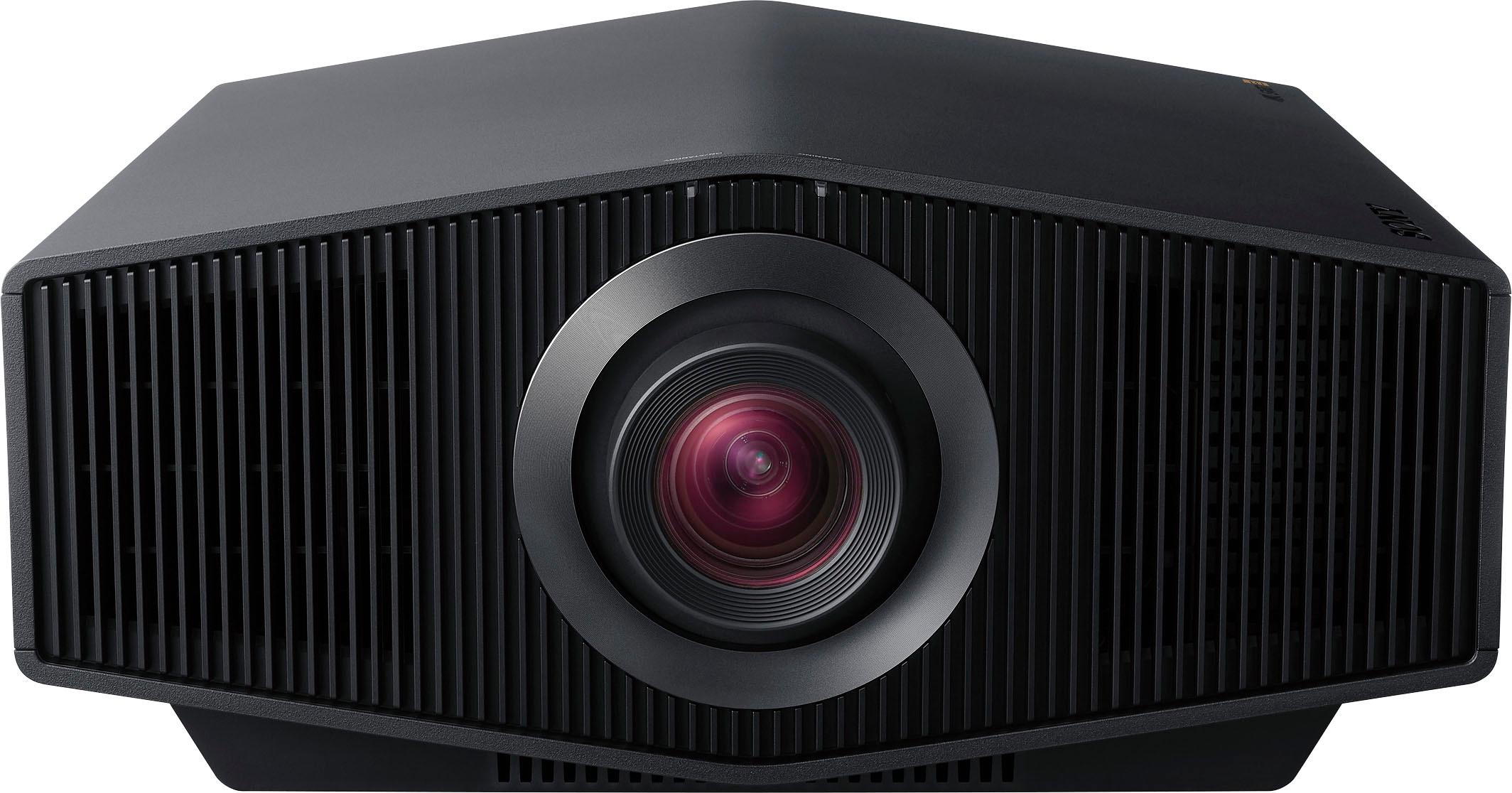
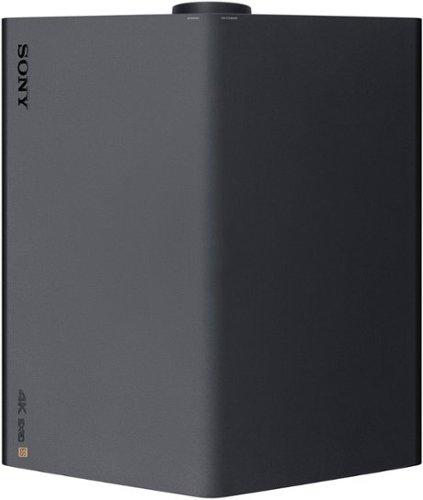
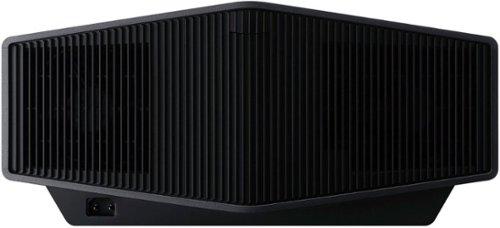
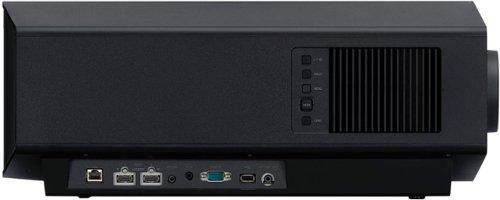
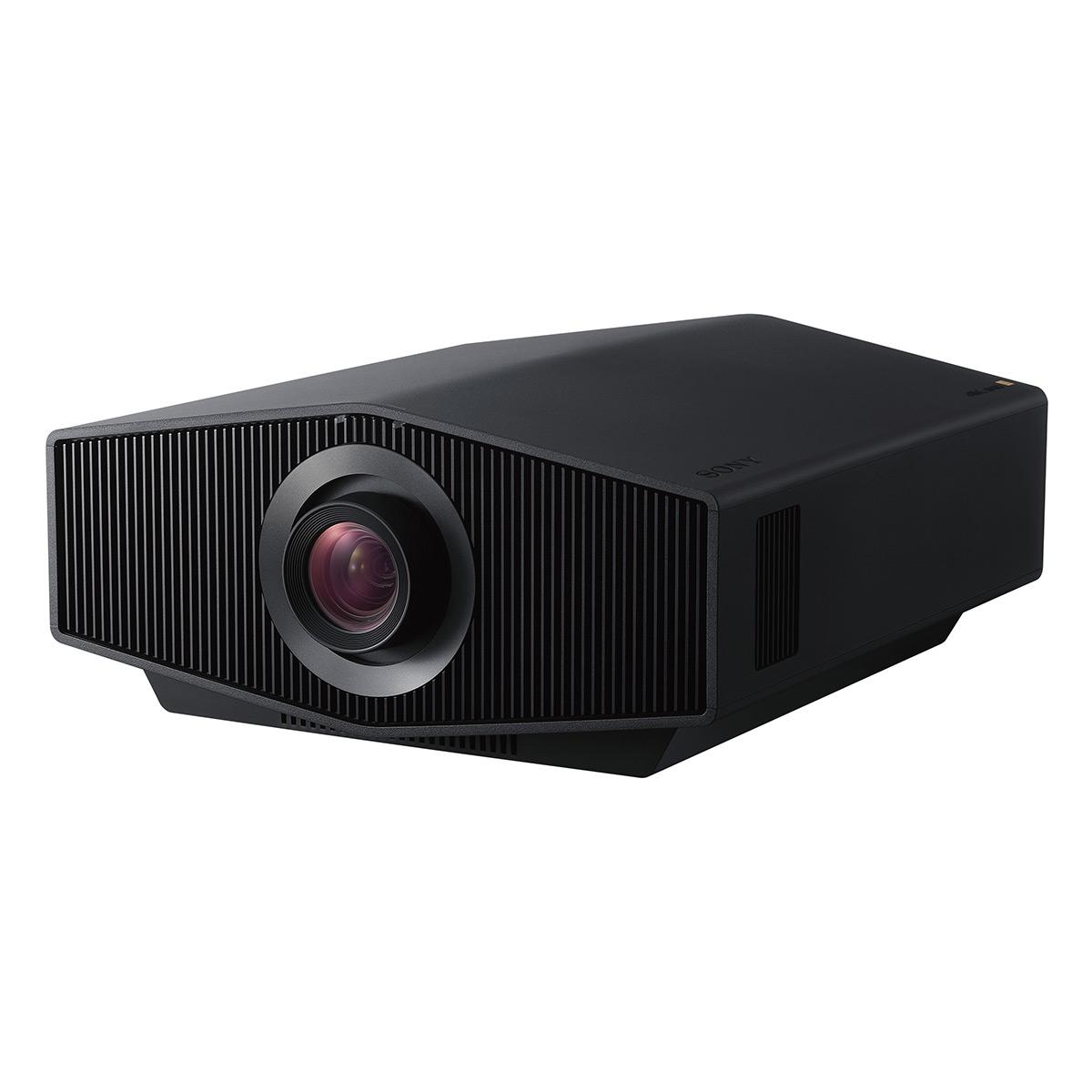
When building a home theater, your projector choice will make or break the experience. After countless hours researching user reviews, professional evaluations, and technical specifications, two projectors consistently emerge as standouts in their respective segments: the Epson Home Cinema 5050UB and the Sony VPL-XW7000ES. These represent fundamentally different approaches to achieving cinematic excellence, and understanding their trade-offs will help you make the right choice for your situation.
Before diving into specifics, let's establish what separates good projectors from great ones. The most crucial factors are brightness (measured in lumens—essentially how much light the projector outputs), contrast ratio (the difference between the darkest and brightest parts of an image), color accuracy, and resolution. These determine whether you'll get washed-out images or vibrant, cinema-quality visuals.
Resolution deserves special attention because there's genuine confusion in the market. True 4K projectors have individual pixels for each of the 8.3 million dots that make up a 4K image. Pixel-shifting projectors use fewer actual pixels but rapidly move them to create the impression of 4K resolution—like drawing a detailed picture by quickly moving a pencil. Both can look excellent, but they're fundamentally different technologies with different strengths.
The light source is equally important. Traditional projectors use high-pressure lamps that gradually dim and eventually burn out, requiring replacement every few thousand hours. Laser projectors use solid-state light sources that last dramatically longer—often 20,000 hours or more—but cost significantly more upfront.
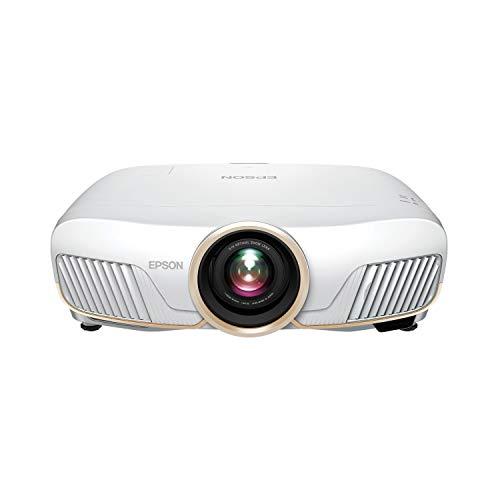
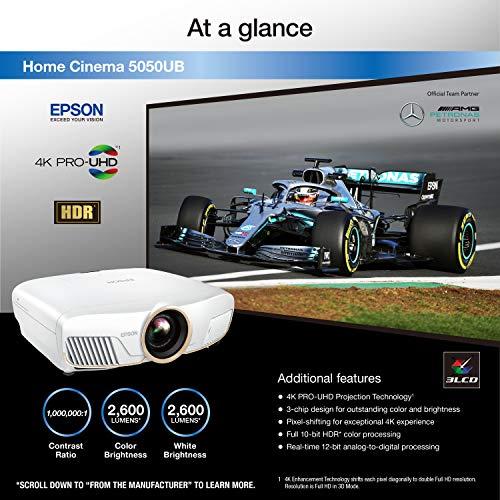
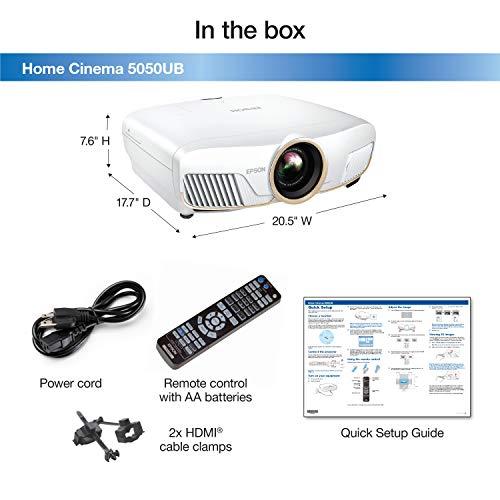
The Epson Home Cinema 5050UB, released in 2019, represents exceptional value engineering. At the time of writing, it costs roughly one-eighth the price of flagship alternatives while delivering surprisingly similar image quality. It uses a traditional lamp light source and achieves 4K through advanced pixel-shifting technology that Epson calls 4K PRO-UHD.
The Sony VPL-XW7000ES, launched in 2022, embodies Sony's flagship approach. It uses genuine 4K SXRD panels (Sony's version of liquid crystal on silicon technology) and a maintenance-free laser light source. The price reflects this premium positioning—expect to pay roughly eight times more than the Epson.
Both projectors have evolved since their initial releases, with firmware updates improving HDR processing and compatibility. However, their core technologies remain unchanged, making them excellent representatives of their respective approaches.
This is where the fundamental difference begins. The Sony VPL-XW7000ES uses three genuine 4K SXRD panels, meaning it has actual individual pixels for each of the 8.3 million points in a 4K image. When you feed it a 4K signal, every pixel corresponds exactly to what the content creator intended.
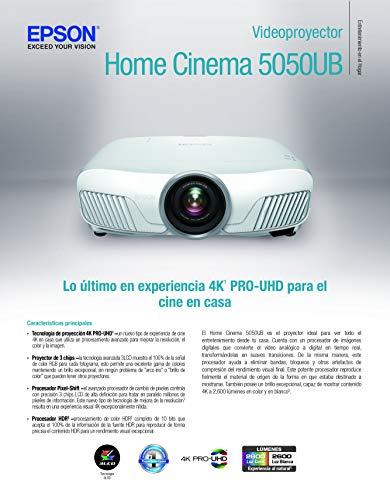
The Epson Home Cinema 5050UB takes a different approach with its 4K PRO-UHD technology. It uses 1080p LCD panels (2.1 million pixels each) but shifts these pixels diagonally by half a pixel width incredibly quickly—thousands of times per second. This effectively doubles the perceived resolution, creating what looks remarkably close to true 4K.
In practice, both deliver impressive sharpness, but the differences emerge under scrutiny. The Sony excels with fine details like text, architectural lines, and intricate textures. If you're sitting close to a large screen (120 inches or bigger) or frequently pause movies to examine details, the Sony's native resolution advantage becomes apparent. However, for typical viewing distances—sitting about 1.5 times your screen width away—the Epson's pixel-shifting produces surprisingly convincing results.
The consensus from professional reviewers suggests that while the Sony delivers superior detail, the gap isn't as dramatic as you might expect given the price difference. The Epson's pixel-shifting technology has matured significantly, and many viewers find the difference subtle during normal movie watching.
Brightness fundamentally determines your installation flexibility. The Sony VPL-XW7000ES outputs 3,200 lumens compared to the Epson's 2,600 lumens. This 600-lumen advantage might seem modest, but it translates to meaningful real-world benefits.
Higher brightness enables larger screen sizes and provides more flexibility with room lighting. If you're planning a 150-inch screen or larger, or if your room has some ambient light that you can't fully control, the Sony's extra brightness becomes valuable. It can deliver proper HDR (high dynamic range) brightness levels that make HDR content truly pop with vibrant highlights and deep shadows.
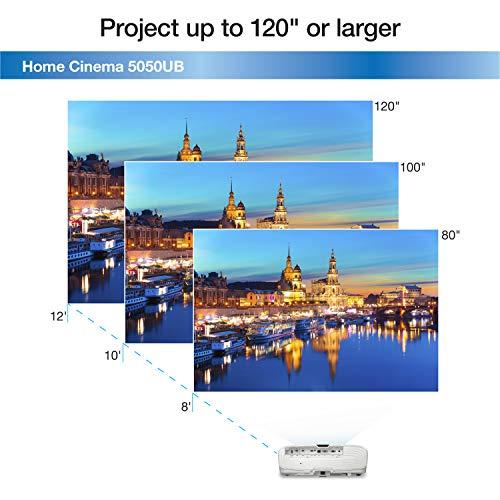
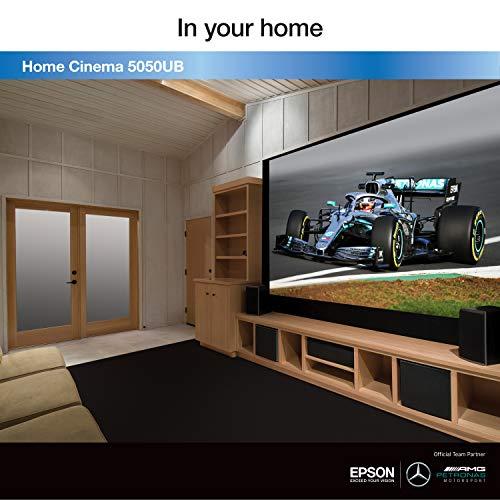
The Epson excels in properly darkened rooms with screens up to about 120 inches. Its brightness is more than adequate for most home theater setups, and it includes sophisticated HDR processing with 16-step real-time adjustment. This lets you fine-tune how HDR content appears based on your room conditions and personal preferences—something many much more expensive projectors lack.
Both projectors support HDR10 and HLG (hybrid log-gamma) formats, but neither supports Dolby Vision or HDR10+. This isn't uncommon in the projector world, where these advanced formats remain rare compared to TVs.
Here's where the Epson Home Cinema 5050UB punches dramatically above its weight class. Its UltraBlack technology—essentially a sophisticated optical filter system—delivers an exceptional 8,000:1 native contrast ratio. This means the brightest whites are 8,000 times brighter than the darkest blacks the projector can produce.
To put this in perspective, many projectors costing several times more struggle to achieve half this contrast ratio. The result is inky blacks that don't look gray or washed out, even in darkened rooms. Dark movie scenes reveal subtle shadow details that lesser projectors simply can't reproduce.
The Sony VPL-XW7000ES achieves what Sony calls "infinite" dynamic contrast through its advanced iris system and laser control. Professional reviews consistently note that while both projectors excel at black level reproduction, the Sony delivers slightly deeper, more natural-looking blacks with superior shadow gradation.
The practical difference is that both projectors can handle the challenging dark scenes that separate good projectors from great ones. Whether you're watching the cave sequences in "The Dark Knight" or space scenes in "Interstellar," both maintain detail in shadows while keeping blacks truly black.
Color reproduction reveals another philosophical difference. The Epson Home Cinema 5050UB achieves 97% coverage of the DCI-P3 color space used in commercial cinemas—actually slightly better than many more expensive projectors. However, achieving this performance requires proper calibration using test patterns and measurement equipment.
The Sony VPL-XW7000ES uses TRILUMINOS PRO technology to deliver excellent color accuracy straight out of the box. Its X1 Ultimate processor—borrowed from Sony's flagship TVs—analyzes content in real-time and optimizes color reproduction automatically. The result is more natural-looking colors with less setup work.
Both projectors can achieve excellent color accuracy, but they require different approaches. The Epson rewards users willing to invest time in calibration, while the Sony prioritizes convenience with sophisticated automatic processing.
This represents perhaps the most significant long-term difference. The Epson Home Cinema 5050UB uses a traditional 250-watt ultra-high-efficiency (UHE) lamp rated for 3,500 to 5,000 hours depending on usage mode. Replacement lamps cost several hundred dollars, and installation requires careful handling.
For typical home theater use—three hours per day—expect to replace the lamp every four to five years. Over a decade of ownership, you'll likely need two to three replacement lamps, adding to the total cost of ownership.
The Sony VPL-XW7000ES eliminates this concern entirely with its laser light source, rated for 20,000 hours of operation. At typical usage rates, this represents roughly 18 years of maintenance-free operation. The laser also maintains consistent brightness throughout its life, while traditional lamps gradually dim as they age.
Both projectors offer exceptional installation flexibility with identical motorized lens systems. The 2.1x zoom ratio means you can place the projector at various distances while maintaining proper screen size, and extensive lens shift capability (96% vertical, 47% horizontal) lets you position the image precisely without physically moving the projector.
The Epson Home Cinema 5050UB provides slightly more flexibility with its throw ratio range, supporting screen sizes from 50 inches up to 300 inches. The Sony matches the smaller end but maxes out at 200 inches—still enormous for most applications.
Both include lens memory functions that save focus, zoom, and shift settings for different aspect ratios. This proves invaluable when switching between standard movies and ultrawide content.
Modern projectors have evolved significantly for gaming, and both excel in this area. Input lag—the delay between your controller input and seeing the result on screen—measures just 22.5 milliseconds for the Epson and 21 milliseconds for the Sony at 4K/60Hz.
These numbers rival dedicated gaming monitors and feel remarkably responsive for all but the most competitive gaming scenarios. Both support 4K/60Hz input with proper HDCP 2.2 copy protection for modern gaming consoles.
The Sony adds 2K/120Hz support with input lag dropping to just 13 milliseconds—excellent for competitive gaming on a massive screen. However, most console games still target 4K/60Hz, making this advantage situational.
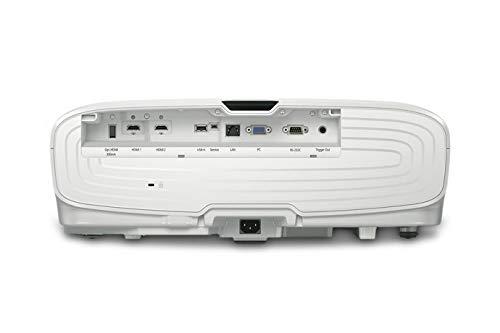
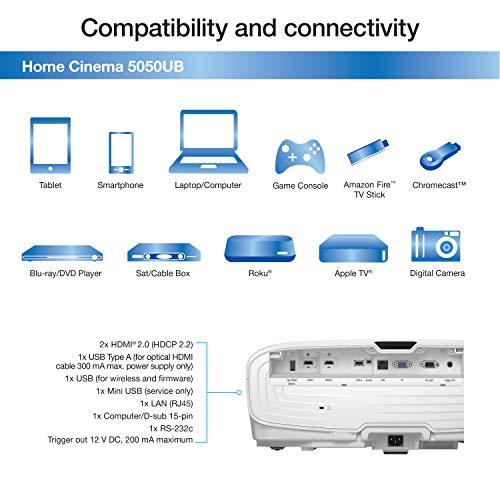
Neither projector includes built-in streaming capabilities or smart TV features. This isn't necessarily a limitation—dedicated streaming devices often provide better performance and more frequent updates than built-in smart systems. Both include sufficient HDMI ports for modern setups, though you'll need an AV receiver or HDMI switcher for complex installations with multiple sources.
The Epson Home Cinema 5050UB retains 3D support—increasingly rare but valuable for those with 3D movie collections. The Sony omits 3D entirely, reflecting the format's diminished popularity.
Professional reviewers who've compared both projectors directly note that while the Sony VPL-XW7000ES produces measurably superior images, the difference isn't as dramatic as the price gap suggests. The Epson delivers roughly 85-90% of the Sony's performance at about 12% of the cost.
The Sony's advantages become most apparent with fine detail reproduction, out-of-box color accuracy, and maintenance-free operation. The Epson counters with exceptional contrast for its price class, broader installation flexibility, and remarkable value.
The Epson Home Cinema 5050UB makes sense for the majority of home theater enthusiasts. If you're building your first dedicated theater room, prioritizing value while refusing to compromise on image quality, or need maximum installation flexibility, the Epson delivers exceptional performance per dollar. It's particularly compelling if you're comfortable with basic calibration and don't mind eventual lamp replacement.
Choose the Epson if you want flagship-tier performance without flagship pricing, plan to use screens larger than 200 inches, value 3D capability, or simply want the most projector your budget can buy.
The Sony VPL-XW7000ES targets uncompromising enthusiasts building dedicated theater rooms where convenience and absolute performance justify the premium. Its native 4K resolution, maintenance-free laser operation, and sophisticated automatic processing appeal to users who want the best possible image without the hassle of optimization.
Choose the Sony if budget isn't a primary concern, you demand true native 4K resolution, want maintenance-free operation, prefer optimal performance without calibration, or need professional-grade reliability.
After evaluating countless user experiences and professional reviews, the Epson Home Cinema 5050UB emerges as the clear value champion. It delivers genuinely impressive image quality that rivals projectors costing many times more, making it our top recommendation for most home theater builds.
The Sony VPL-XW7000ES represents the uncompromising choice for those who prioritize absolute performance and convenience over cost considerations. Its technical advantages are real and measurable, but they come at a dramatic price premium.
For 90% of home theater enthusiasts, the Epson provides the better overall package—exceptional image quality, broad compatibility, installation flexibility, and remarkable value. The Sony serves the remaining 10% who demand the absolute best regardless of cost.
Both projectors excel at their intended missions. Your choice should reflect whether you prioritize smart spending and maximum value, or prefer uncompromising performance and ultimate convenience. Either way, you'll enjoy a truly cinematic experience that transforms your favorite content into something special.
| Epson Home Cinema 5050UB | Sony VPL-XW7000ES |
|---|---|
| Resolution Technology - Determines sharpness and detail quality | |
| 1080p native with 4K pixel-shifting (simulates 4K through rapid pixel movement) | True native 4K SXRD (genuine 8.3 million pixels for pixel-perfect detail) |
| Brightness - Critical for screen size and room lighting flexibility | |
| 2,600 lumens (excellent for screens up to 120" in dark rooms) | 3,200 lumens (supports larger screens and moderate ambient light) |
| Light Source - Affects maintenance and long-term costs | |
| 250W UHE lamp (3,500-5,000 hour life, requires periodic replacement) | Laser diode (20,000 hour life, essentially maintenance-free) |
| Contrast Ratio - Essential for deep blacks and cinematic image quality | |
| 8,000:1 native contrast with UltraBlack technology (exceptional for price class) | Infinite dynamic contrast with advanced iris control (flagship-level blacks) |
| Color Gamut - Determines color vibrancy and accuracy | |
| 97% DCI-P3 coverage (slightly wider than Sony, requires calibration) | 95% DCI-P3 coverage with TRILUMINOS PRO (excellent out-of-box accuracy) |
| HDR Processing - Important for modern 4K content | |
| HDR10 and HLG support with 16-step manual adjustment | HDR10 and HLG with X1 Ultimate processor for automatic optimization |
| Gaming Performance - Input lag for responsive gaming | |
| 22.5ms at 4K/60Hz (excellent for most gaming scenarios) | 21ms at 4K/60Hz, 13ms at 2K/120Hz (slightly better with high refresh support) |
| Installation Flexibility - Affects placement options and room compatibility | |
| 50"-300" screen support with 2.1x zoom and extensive lens shift | 50"-200" screen support with identical zoom and lens shift capabilities |
| 3D Support - For legacy 3D movie collections | |
| Full 3D support with RF glasses (side-by-side, top-bottom, frame-packing) | No 3D support |
| Smart Features - Built-in streaming and connectivity | |
| No built-in streaming (requires external devices) | No built-in streaming (requires external devices) |
| Release Year - Technology generation and current availability | |
| 2019 (proven technology, still actively sold) | 2022 (latest generation with newest processing) |
| Value Proposition - Performance per dollar | |
| Exceptional value: flagship-tier performance at fraction of premium cost | Premium positioning: absolute performance with maintenance-free convenience |
The Epson Home Cinema 5050UB delivers exceptional value, offering roughly 85-90% of flagship performance at a fraction of the cost. While the Sony VPL-XW7000ES provides superior technology, the price difference is substantial—approximately 8 times more expensive. For most home theater enthusiasts, the Epson represents the smarter investment.
The Sony VPL-XW7000ES uses true native 4K with 8.3 million individual pixels, providing pixel-perfect detail reproduction. The Epson Home Cinema 5050UB uses advanced 4K pixel-shifting technology that rapidly moves 1080p pixels to simulate 4K resolution. Both produce excellent sharpness, but the Sony offers superior fine detail, especially on large screens.
The Sony VPL-XW7000ES outputs 3,200 lumens compared to the Epson Home Cinema 5050UB's 2,600 lumens. This 600-lumen advantage makes the Sony better suited for rooms with ambient light and larger screens over 120 inches. The Epson excels in properly darkened home theater rooms.
The Epson Home Cinema 5050UB uses a traditional lamp that requires replacement every 3,500-5,000 hours of use, typically every 4-5 years for average home theater usage. The Sony VPL-XW7000ES uses a maintenance-free laser light source rated for 20,000 hours—essentially 15-20 years of typical use without any maintenance.
Both projectors excel at contrast, but in different ways. The Epson Home Cinema 5050UB achieves an exceptional 8,000:1 native contrast ratio through UltraBlack technology—remarkable for its price class. The Sony VPL-XW7000ES delivers slightly deeper blacks with better shadow gradation, though both produce cinematic-quality dark scenes.
Both the Epson Home Cinema 5050UB and Sony VPL-XW7000ES support HDR10 and HLG formats. The Epson offers 16-step manual HDR adjustment for customization, while the Sony uses its X1 Ultimate processor for automatic HDR optimization. The Sony's higher brightness gives it an edge for vibrant HDR presentation.
Both projectors offer excellent gaming performance with low input lag—22.5ms for the Epson Home Cinema 5050UB and 21ms for the Sony VPL-XW7000ES at 4K/60Hz. The Sony adds 2K/120Hz support with just 13ms lag for competitive gaming, making it slightly better for high-refresh gaming scenarios.
Both the Epson Home Cinema 5050UB and Sony VPL-XW7000ES offer identical motorized lens systems with 2.1x zoom and extensive lens shift capabilities. The Epson supports larger maximum screen sizes up to 300 inches, while the Sony maxes out at 200 inches—both more than adequate for most home theaters.
The Epson Home Cinema 5050UB includes full 3D support with RF glasses for side-by-side, top-bottom, and frame-packing formats—valuable for 3D movie collections. The Sony VPL-XW7000ES omits 3D support entirely, reflecting the format's declining popularity in recent projector designs.
The Epson Home Cinema 5050UB covers 97% of the DCI-P3 cinema color space but requires calibration for optimal accuracy. The Sony VPL-XW7000ES covers 95% DCI-P3 with TRILUMINOS PRO technology that delivers excellent color accuracy straight out of the box. Both can achieve professional-grade color reproduction.
The Epson Home Cinema 5050UB operates at 20-31 dB depending on lamp mode, with quieter operation in eco mode. The Sony VPL-XW7000ES runs at a consistent 26 dB thanks to its laser light source. Both are quiet enough for home theater use, though the Epson offers slightly quieter operation in eco mode.
Choose the Epson Home Cinema 5050UB if you want exceptional performance at a reasonable cost, don't mind periodic lamp replacement, and prefer maximum value. Select the Sony VPL-XW7000ES if you demand the absolute best image quality, want maintenance-free operation, and budget isn't a primary concern. The Epson suits most home theater builds, while the Sony serves uncompromising enthusiasts.
We've done our best to create useful and informative comparisons to help you decide what product to buy. Our research uses advanced automated methods to create this comparison and perfection is not possible - please contact us for corrections or questions. These are the sites we've researched in the creation of this article: rtings.com - projectorscreen.com - hometechnologyreview.com - thesmarthomehookup.com - youtube.com - rtings.com - techgearlab.com - projectorcentral.com - projectorreviews.com - projectorcentral.com - avsforum.com - rtings.com - projectorreviews.com - projectorreviews.com - avsforum.com - avsforum.com - audiogeneral.com - hifiheaven.net - manuals.plus - crutchfield.com - projectorcentral.com - epson.com - mediaserver.goepson.com - bestbuy.com - ngxptech.com - projectorcentral.com - projectorreviews.com - whathifi.com - electronics.sony.com - us.puretheatre.com - pro.sony - stereonet.com - pro.sony - valueelectronics.com - projectorreviews.com - pro.sony - leisuretheory.com

Privacy Policy
Terms and Conditions - Affiliate Policy
Home Security
© Copyright 2008-2026.
11816 Inwood Rd #1211, Dallas, TX 75244