

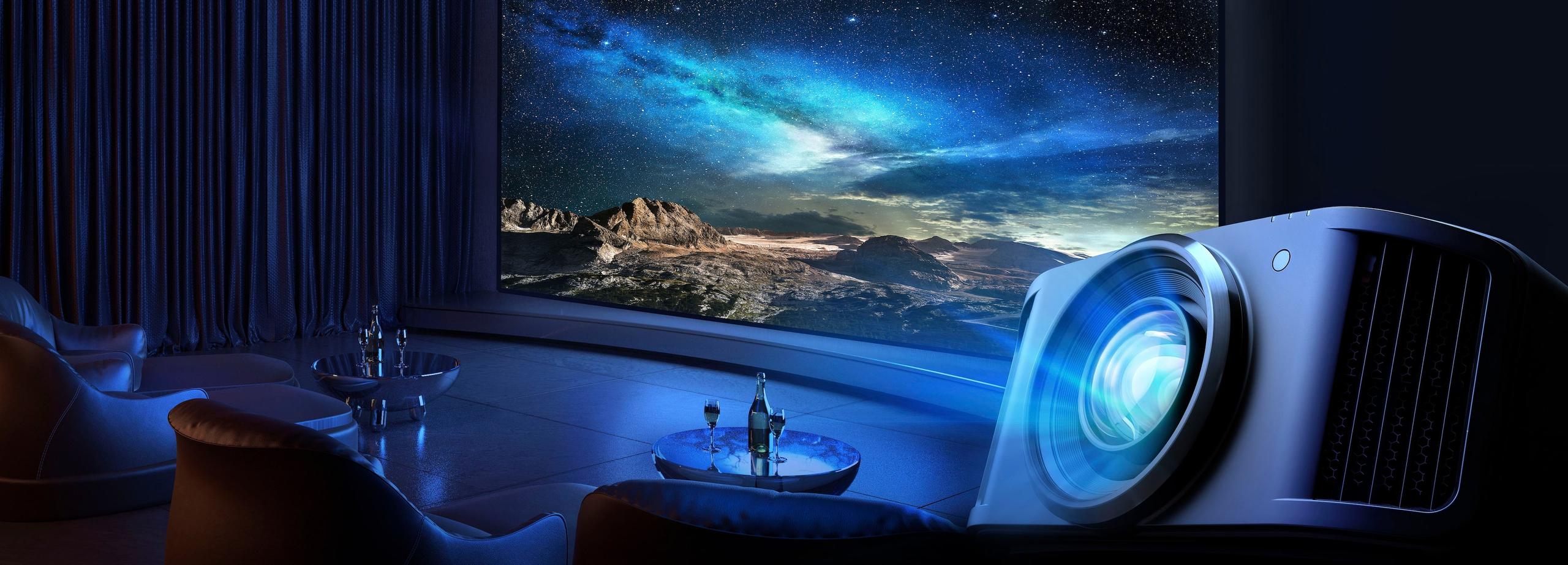

Picture this: you're watching your favorite movie, and the image fills an entire wall with colors so vivid and blacks so deep that you forget you're in your basement. That's the magic of a quality home theater projector, but choosing between models can feel overwhelming when you're comparing vastly different price points and technologies.
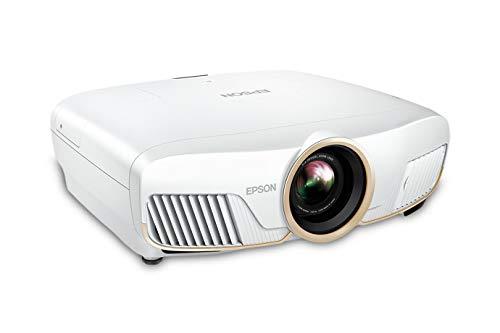
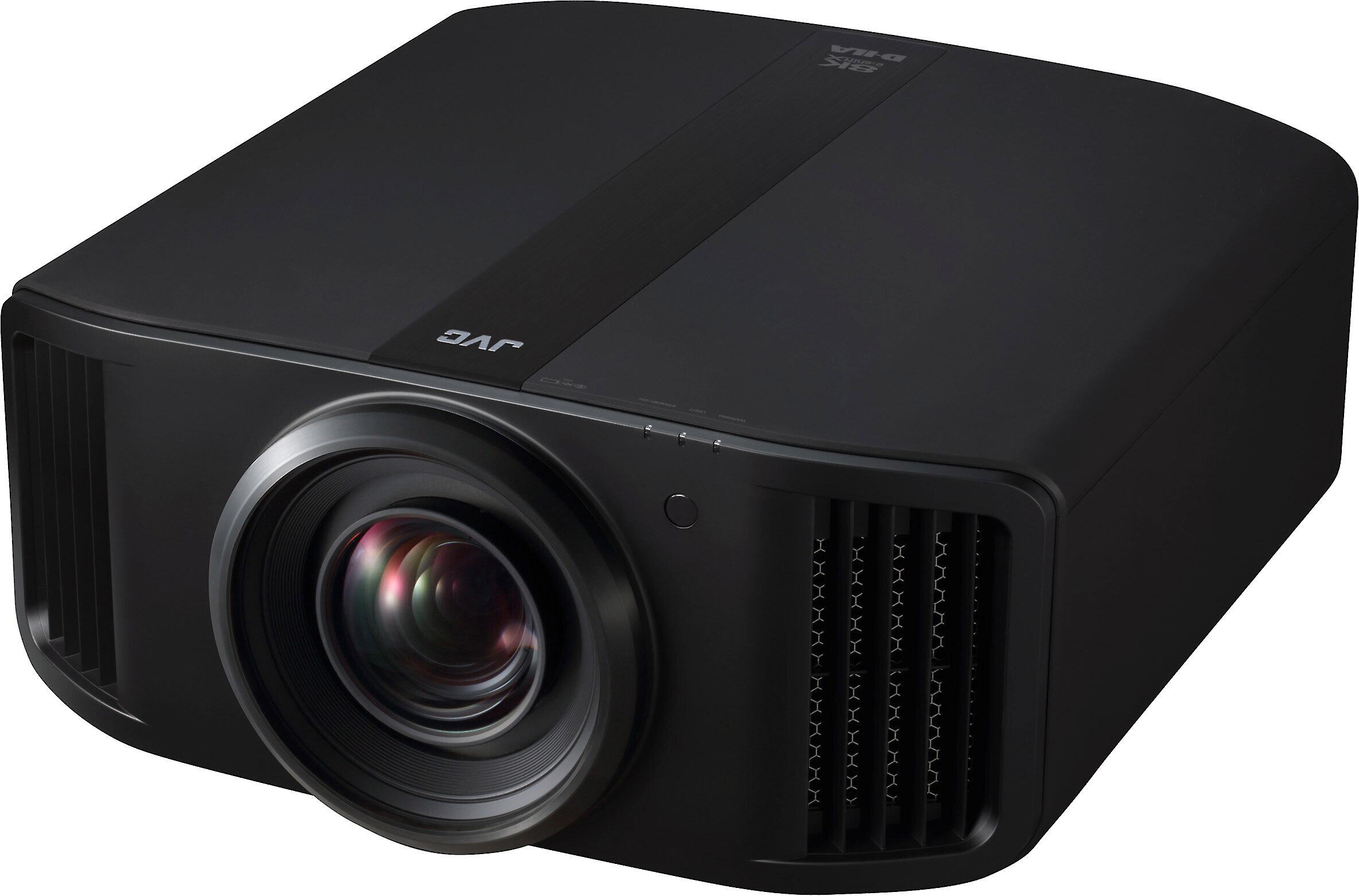
Today we're looking at two projectors that represent different philosophies in home theater: the Epson Home Cinema 5050UB, a high-performance LCD projector that delivers flagship features without luxury pricing, and the JVC DLA-NZ900, a reference-grade laser projector that costs about eight times more but promises the ultimate viewing experience.
Before diving into specifics, it's worth understanding what separates good projectors from great ones. The most critical factors are contrast ratio (how bright the whites are compared to how dark the blacks can get), color accuracy (how closely colors match what the director intended), brightness (measured in lumens, determining how large a screen you can fill), and resolution (how sharp and detailed the image appears).
Think of contrast as the foundation of image quality—without deep blacks, even the most colorful content looks washed out. Color accuracy ensures that skin tones look natural and landscapes appear realistic. Brightness determines whether you can use a 120-inch screen or need to settle for 100 inches. Resolution affects how close you can sit to your massive screen before seeing individual pixels.
The display technology itself makes a huge difference. LCD projectors like the Epson 5050UB use liquid crystal panels that block or allow light to pass through, creating images. They're known for accurate colors and high brightness but traditionally struggle with black levels. D-ILA technology (used in the JVC DLA-NZ900) is a type of LCoS (Liquid Crystal on Silicon) that reflects light rather than transmitting it, typically delivering superior contrast and smoother images without visible pixel structure.
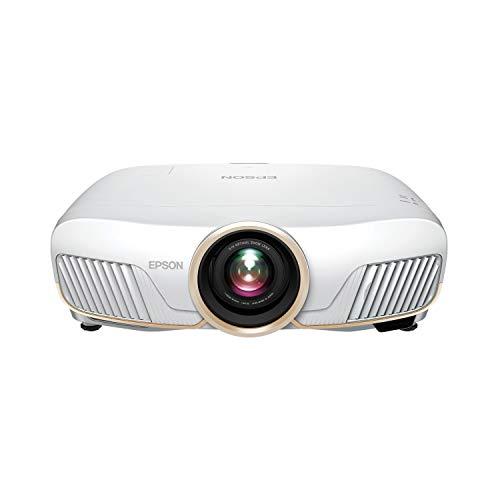
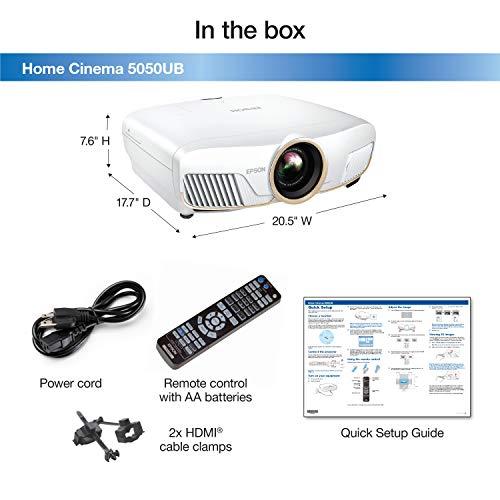
Released in 2019, the Epson Home Cinema 5050UB represents Epson's flagship LCD projector philosophy: deliver premium features and excellent image quality at a price point that serious enthusiasts can actually afford. At the time of writing, it typically sells for around $3,000-3,500, positioning it as a high-end option that doesn't require taking out a second mortgage.
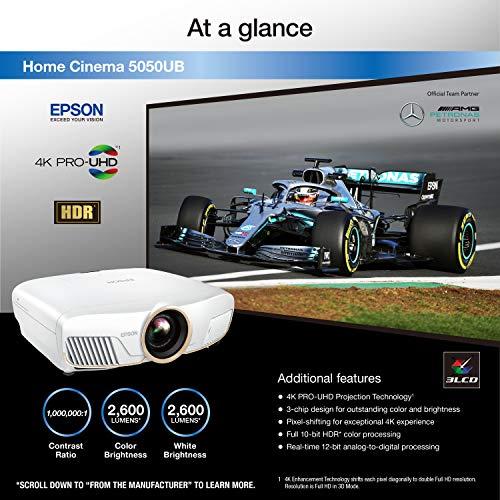
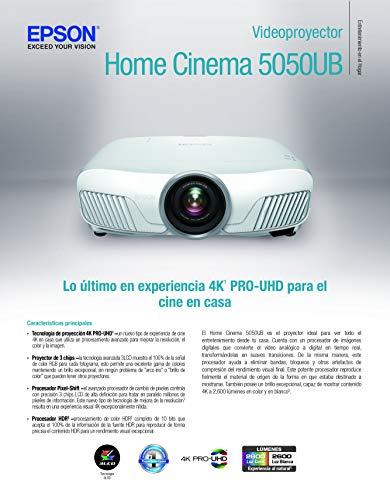
The Epson 5050UB uses what the company calls 4K PRO-UHD technology with pixel-shifting. Here's how this works: the projector has native 1080p LCD panels (1920×1080 pixels), but it rapidly shifts each pixel diagonally by half a pixel width. This happens so quickly that your eye perceives it as a single, more detailed image that approaches 4K sharpness.
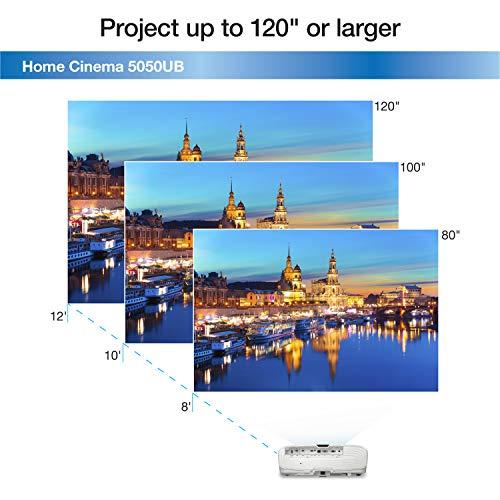
Think of it like a photographer taking two slightly offset photos and combining them—you end up with more detail than either image alone. While this isn't "true" 4K like you'd get from a native 4K panel, the difference in real-world viewing is surprisingly small, especially on screen sizes under 150 inches. Most viewers sitting 10-12 feet from a 120-inch screen would struggle to tell the difference between the Epson's pixel-shifted image and native 4K.
What sets the Epson 5050UB apart from cheaper LCD projectors is its UltraBlack technology. Traditional LCD projectors struggle with black levels because some light always leaks through the panels. Epson developed a special compensation filter that controls light polarization within the projector, dramatically reducing this light leakage.
The result? A claimed dynamic contrast ratio of 1,000,000:1. While this number involves some marketing magic (it's measured with the dynamic iris closing down), the real-world impact is undeniable. Dark movie scenes that looked gray on older LCD projectors now show genuine blacks with visible shadow detail. It's the difference between watching a movie that looks flat and one that has genuine depth.
Where the Epson 5050UB truly shines is installation flexibility. The motorized lens system offers 2.1x zoom, powered focus, and extensive lens shift—you can move the image up to 96% vertically and 47% horizontally without moving the projector itself.
This flexibility is crucial for real-world installations. Maybe your ceiling mount isn't perfectly centered, or you want to place the projector on a rear shelf. The Epson adapts to your room rather than forcing you to build your room around it. The lens memory function even lets you save different positions for various screen formats—perfect if you watch both standard 16:9 content and ultra-wide 2.35:1 movies.
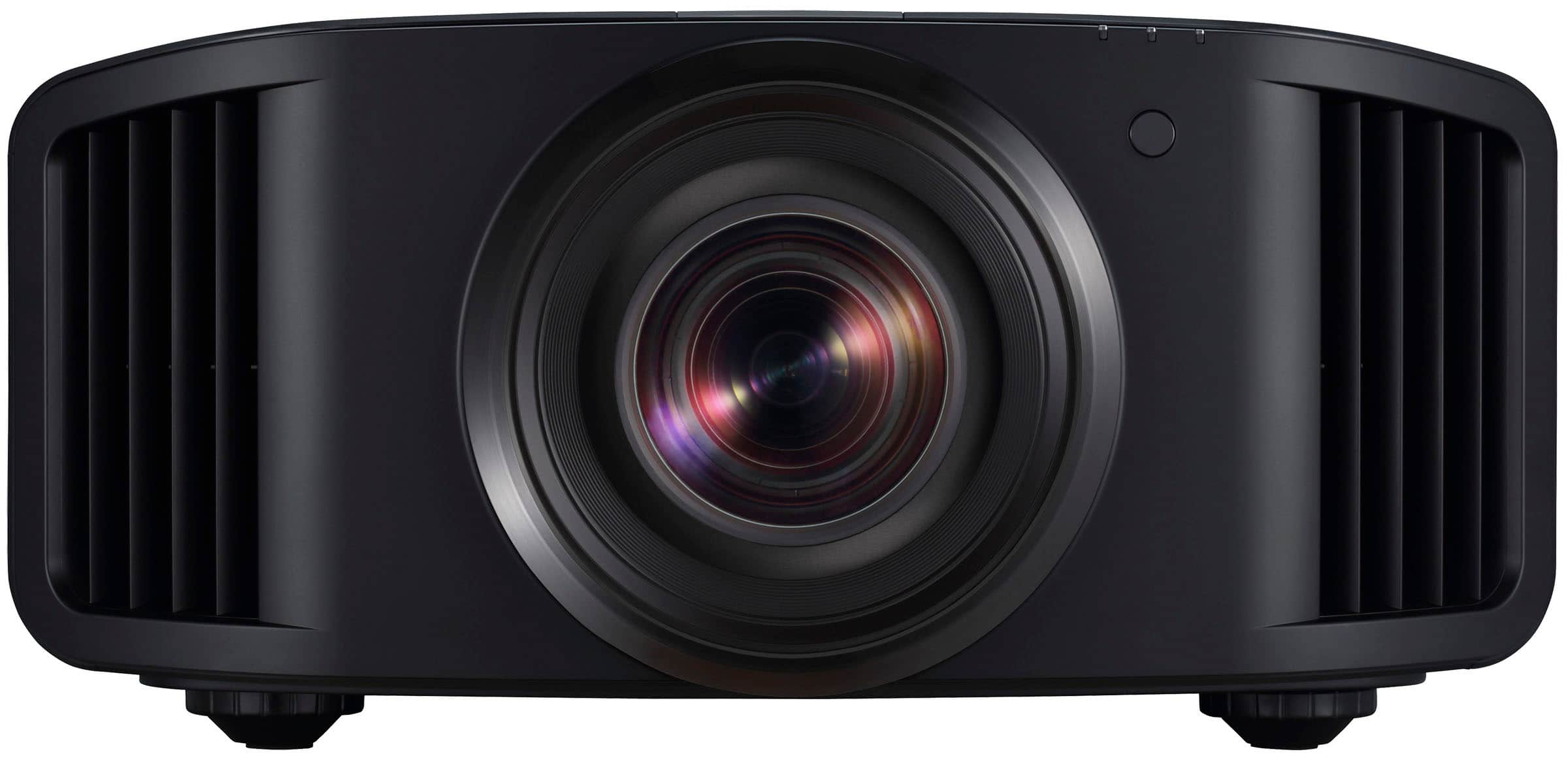
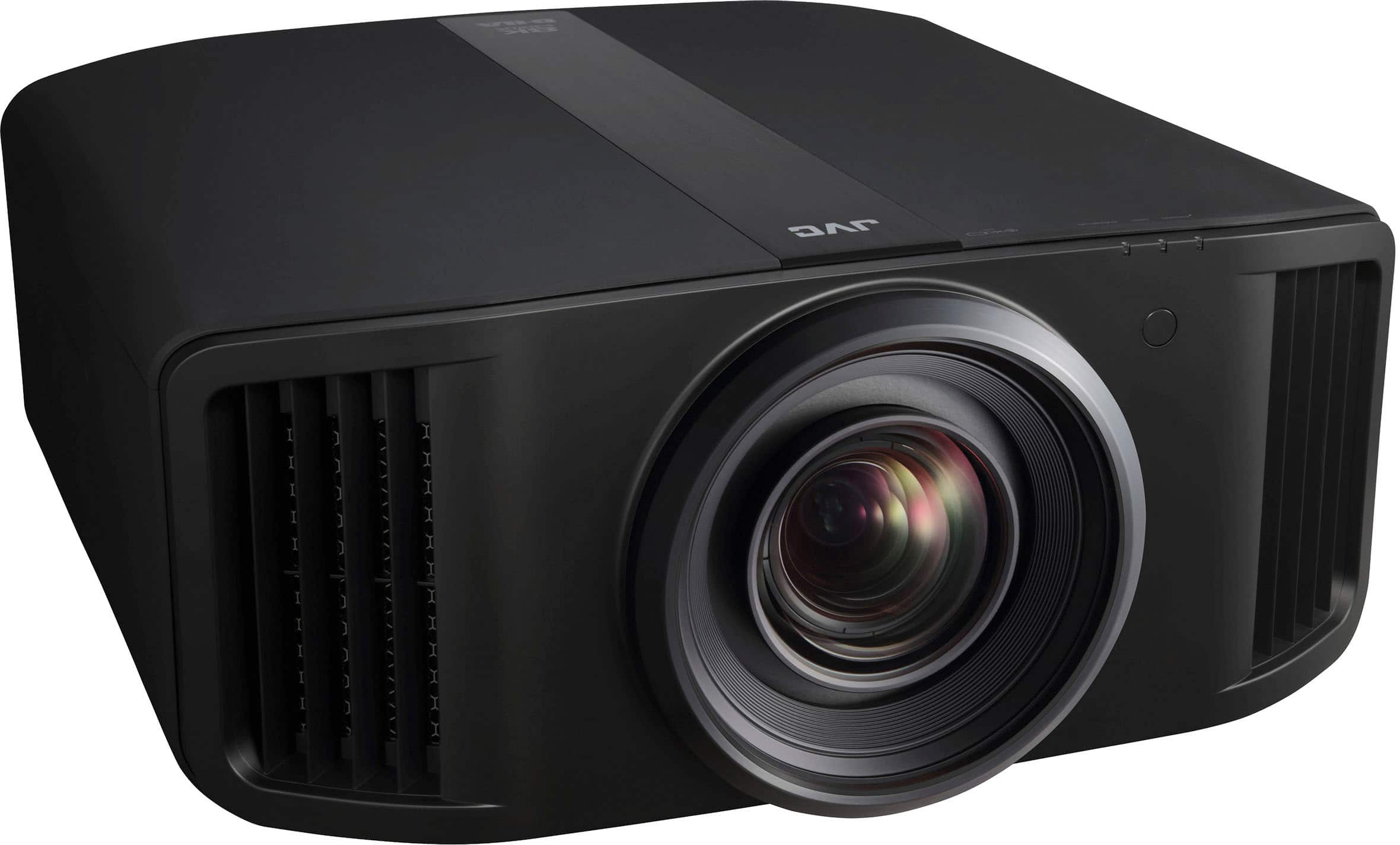
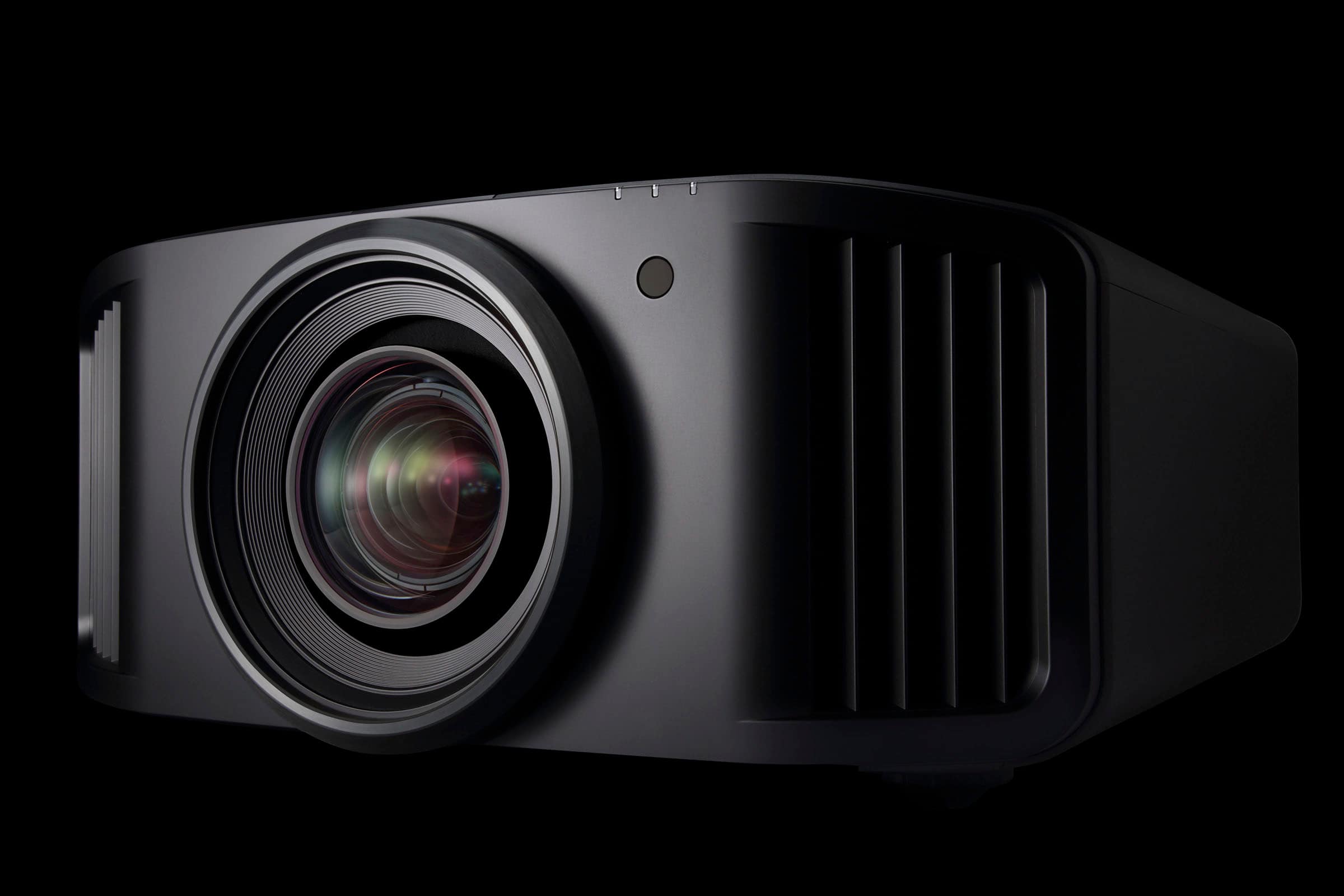
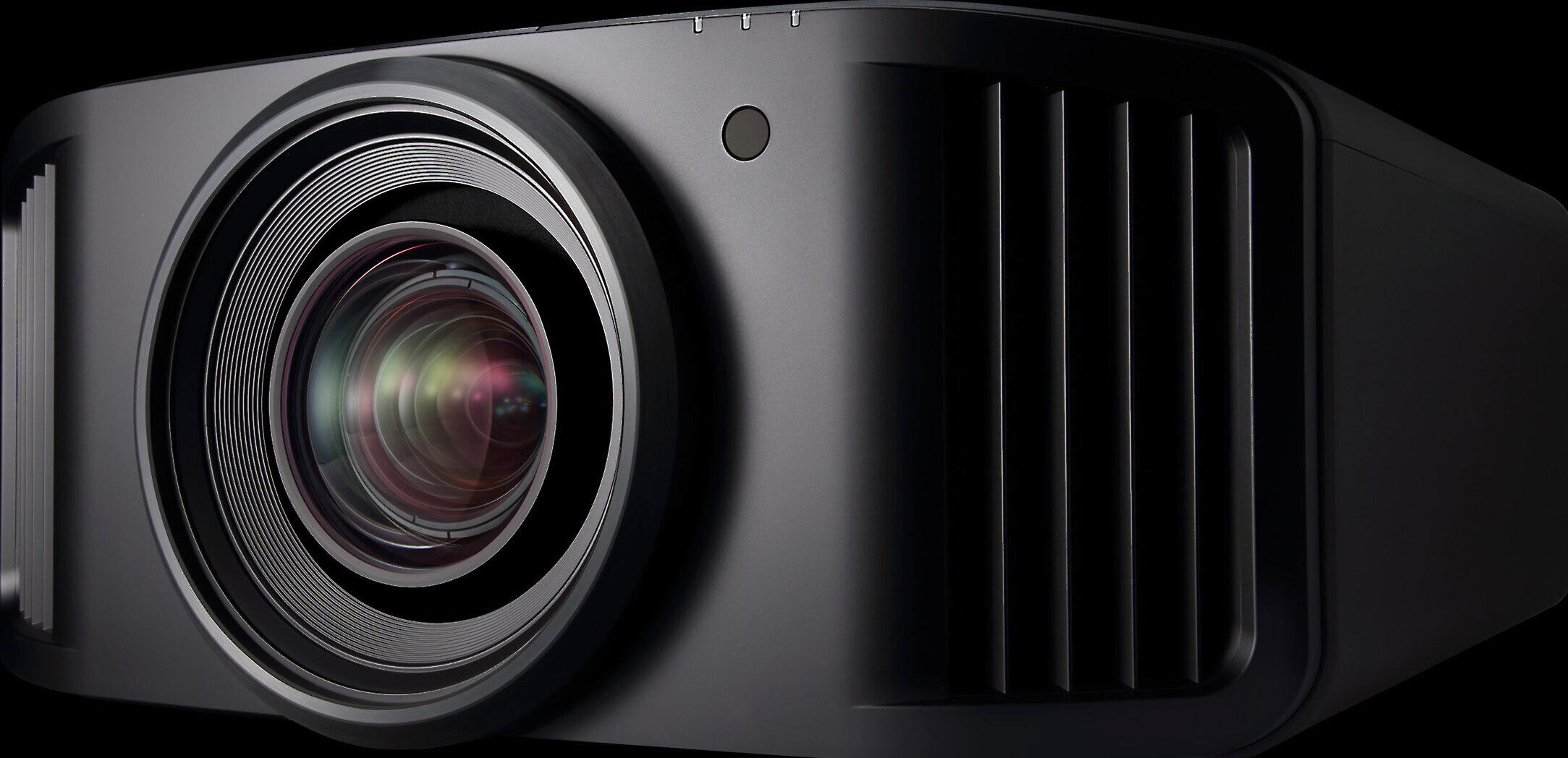
The JVC DLA-NZ900, released in 2024, represents JVC's latest thinking on reference-grade projection. At the time of writing, it commands a premium price of around $26,000, placing it firmly in luxury territory. But that price brings genuine technological advantages that matter for serious home theater installations.
Unlike the Epson's pixel-shifting approach, the JVC DLA-NZ900 uses genuine native 4K D-ILA devices—each of its three imaging chips contains 4096×2160 individual pixels. This means every detail in 4K content gets its own dedicated pixel, resulting in the sharpest possible image reproduction.
But JVC doesn't stop there. The projector also features 8K e-shiftX technology, which takes those native 4K panels and shifts them in four directions to create an effective 8192×4320 display. While 8K content remains rare, this technology works wonders with 4K material, adding an extra layer of refinement that becomes noticeable on screens larger than 175 inches.
The JVC DLA-NZ900's 150,000:1 native contrast ratio might seem lower than the Epson's claimed million-to-one, but there's a crucial difference: this is native contrast, meaning it's achieved without any dynamic iris tricks. Every frame of every movie maintains this contrast level simultaneously.
D-ILA technology inherently produces deeper blacks than LCD because of how it controls light. Instead of blocking light like LCD panels, D-ILA chips reflect light in precise patterns. This fundamental difference, combined with JVC's decades of optical engineering, results in black levels that make other projectors look gray by comparison.
The JVC uses a BLU-Escent laser light source that produces 3,300 lumens—about 27% brighter than the Epson. More importantly, this laser maintains consistent brightness for up to 20,000 hours without any replacement. No more lamp changes every few years, no gradual dimming over time.
This brightness advantage becomes critical for HDR (High Dynamic Range) content. HDR requires projectors to display much brighter highlights while maintaining dark shadows. The JVC's combination of high brightness and superior contrast makes HDR content truly pop, especially on large screens where the Epson might struggle to maintain proper brightness levels.
For screens under 150 inches, both projectors deliver excellent sharpness. The Epson's pixel-shifting technology is remarkably effective, producing images that most viewers would consider genuinely 4K. However, as screen sizes grow beyond 150 inches, the JVC's native 4K advantage becomes increasingly apparent. Fine details like fabric textures, hair strands, and architectural elements show more definition and three-dimensionality.
The 8K enhancement on the JVC adds another layer of refinement. While you're not seeing true 8K resolution (there's virtually no 8K content anyway), the additional pixel processing creates images with slightly better edge definition and reduced aliasing artifacts.
Both projectors handle HDR10 and HLG (Hybrid Log-Gamma) content, but their approaches differ significantly. The Epson 5050UB features 16-step Precision HDR Adjustment, allowing real-time fine-tuning of how HDR content appears. This granular control is fantastic for optimizing different types of content and room conditions.
The JVC DLA-NZ900 takes a more sophisticated approach with Frame Adapt HDR 2 technology. This system analyzes each scene or even each frame of HDR content, adjusting the tone mapping in real-time based on the specific brightness and color requirements. It also supports HDR10+, which includes dynamic metadata for even more precise control.
The practical difference is significant. The JVC's superior brightness and contrast combination means HDR highlights truly shine while shadows retain detail. Dark scenes in movies like "Blade Runner 2049" or "Dune" show layers of shadow detail that remain compressed on lower-contrast projectors.
Both projectors excel at color reproduction, but in different ways. The Epson 5050UB uses true 3-chip 3LCD technology, ensuring that color brightness equals white brightness—a common weakness in single-chip projectors. Its coverage of the DCI-P3 color space (the standard used in commercial cinemas) is excellent, typically measuring around 97% coverage after calibration.
The JVC DLA-NZ900 pushes further, achieving over 100% DCI-P3 coverage with its Cinema Filter. Combined with 6-axis color management and built-in auto-calibration using an optical sensor, it delivers reference-grade color accuracy straight from the box.
For most viewers, both projectors produce colors that look natural and vibrant. The difference becomes apparent in challenging content—subtle skin tone variations, deeply saturated sunset scenes, or the complex color gradations in animated films show more nuance on the JVC.
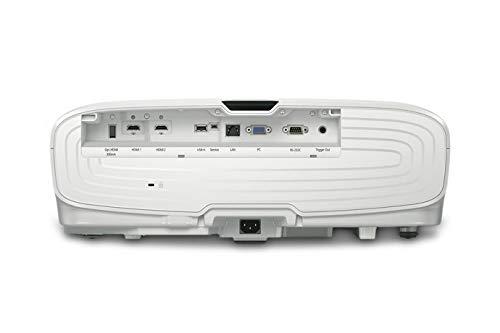
Gaming represents one area where the release timing matters significantly. The Epson 5050UB, with its 2019 design, includes HDMI 2.0 inputs that support 4K at 60Hz with about 22.5ms of input lag. This is perfectly adequate for most gaming, but it can't handle the 4K/120Hz output from PlayStation 5 or Xbox Series X consoles.
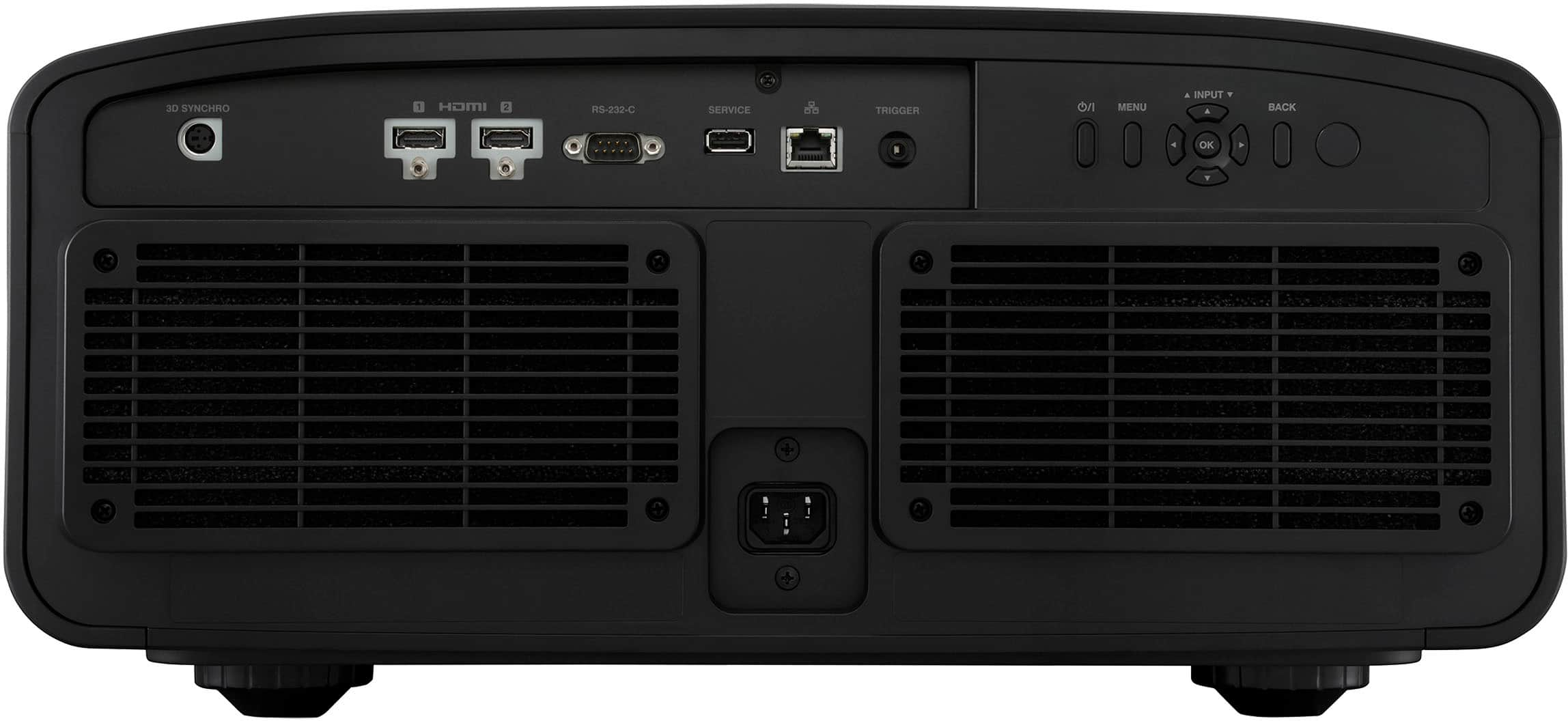
The JVC DLA-NZ900 features dual 48Gbps HDMI 2.1 inputs, supporting 4K at 120Hz and even 8K at 60Hz. Combined with a dedicated low latency mode, it's fully compatible with next-generation gaming consoles and high-end PC gaming.
For competitive gamers, neither projector matches the sub-10ms response times of gaming monitors, but for single-player adventures and casual gaming, both perform admirably. The JVC's higher refresh rate support makes fast-paced games noticeably smoother.
The initial price difference between these projectors is substantial—at the time of writing, the JVC costs roughly eight times more than the Epson. However, the ownership experience differs significantly over time.
The Epson 5050UB uses a traditional 250W UHE (Ultra High Efficiency) lamp with a rated life of 3,500-5,000 hours depending on brightness mode. Under typical usage (3-4 hours per day), expect lamp replacements every 3-4 years at a cost of $300-400 each. Over a 10-year period, lamp costs add roughly $1,000-1,200 to the total ownership expense.
The JVC's BLU-Escent laser eliminates this recurring cost entirely. Rated for 20,000 hours at half brightness (longer at lower outputs), the laser should outlast the projector's useful life. This maintenance-free operation has real value beyond just cost savings—no more dimming performance over time, no surprise lamp failures during movie night, and no need to keep spare lamps on hand.
The Epson 5050UB's installation flexibility makes it suitable for both dedicated theaters and multi-purpose rooms. Its extensive lens shift capabilities mean you can mount it almost anywhere and still achieve proper screen alignment. The 2.1x zoom ratio accommodates various throw distances, while lens memory lets you quickly switch between different screen formats.
This flexibility becomes crucial for retrofit installations. Maybe your family room has an awkward beam that prevents ideal projector placement, or you want to use an existing entertainment center. The Epson adapts to these real-world constraints.
The JVC DLA-NZ900 demands more thoughtful installation planning. While it offers excellent build quality and good placement flexibility, its higher cost typically means it's going into a dedicated theater room where optimal performance justifies careful planning.
Its higher brightness output (3,300 vs. 2,600 lumens) becomes essential for screens larger than 175 inches, where the Epson would struggle to maintain adequate brightness for HDR content. The JVC is engineered for massive screens where its resolution and contrast advantages become most apparent.
You're building a serious home theater on a budget under $5,000 (including screen and audio), want excellent image quality without luxury pricing, need installation flexibility for retrofit or multi-purpose rooms, plan to use screen sizes between 100-150 inches, and can live with lamp replacements every few years.
The Epson delivers roughly 85% of the JVC's image quality at 13% of the cost. For most enthusiasts, this represents exceptional value. The money saved can go toward a better screen, upgraded audio system, or acoustic treatments that might improve the overall experience more than incremental projector improvements.
You're building a no-compromise dedicated theater, budget exceeds $25,000 for the projection system alone, plan to use screens larger than 175 inches where its advantages become most apparent, want the absolute best HDR performance and black levels, need 4K/120Hz gaming support, value zero maintenance over 15+ years, and prioritize having the latest technology.
The JVC makes most sense when screen size and room conditions allow its capabilities to shine. On a 200+ inch screen in a properly darkened theater, the performance difference becomes much more substantial.
It's worth noting how projector technology has evolved since these models' release years. The Epson 5050UB, launched in 2019, represented the peak of lamp-based LCD technology with its UltraBlack innovation. Five years later, this technology remains competitive, though lamp-based projectors are increasingly being challenged by laser and LED light sources.
The JVC DLA-NZ900, as a 2024 release, incorporates the latest laser technology and represents JVC's third-generation D-ILA devices with improved manufacturing precision. It's designed to compete with the growing luxury laser projector segment while maintaining JVC's contrast advantages.
The choice between these projectors ultimately comes down to your priorities and budget reality. The Epson 5050UB offers remarkable performance that will satisfy the vast majority of home theater enthusiasts. Its combination of excellent contrast (for an LCD), good brightness, superb installation flexibility, and reasonable pricing makes it a standout value.
The JVC DLA-NZ900 serves a different mission: delivering absolute reference-grade performance for those building dedicated theaters where image quality is the primary concern and budget is secondary. Its superior contrast, native 4K resolution, laser longevity, and advanced HDR processing justify the premium for serious installations.
Both projectors excel in their intended roles. The Epson democratizes high-end projection technology, while the JVC pushes the boundaries of what's possible in home theater projection. Choose based on your screen size ambitions, room characteristics, and how much image quality improvement is worth to your specific situation.
The most important advice? Either projector will transform your movie-watching experience compared to even the best flat-panel TV. The difference between good and great projection often matters less than having great projection in the first place.
| Epson Home Cinema 5050UB | JVC DLA-NZ900 |
|---|---|
| Native Resolution - True 4K vs enhanced resolution affects sharpness on large screens | |
| 1920×1080 with 4K pixel-shifting enhancement | Native 4096×2160 with 8K e-shiftX (8192×4320) |
| Contrast Ratio - Most critical factor for deep blacks and image depth | |
| 1,000,000:1 dynamic with UltraBlack technology | 150,000:1 native (no dynamic iris needed) |
| Brightness - Determines maximum screen size and HDR impact | |
| 2,600 lumens (good for 100-150" screens) | 3,300 lumens (supports 175"+ screens) |
| Light Source - Affects maintenance costs and brightness consistency | |
| 250W UHE lamp (3,500-5,000 hour life) | BLU-Escent laser (20,000+ hour life) |
| HDR Support - Modern content compatibility and tone mapping quality | |
| HDR10, HLG with 16-step precision adjustment | HDR10, HDR10+, HLG with Frame Adapt HDR 2 |
| HDMI Connectivity - Gaming and future content compatibility | |
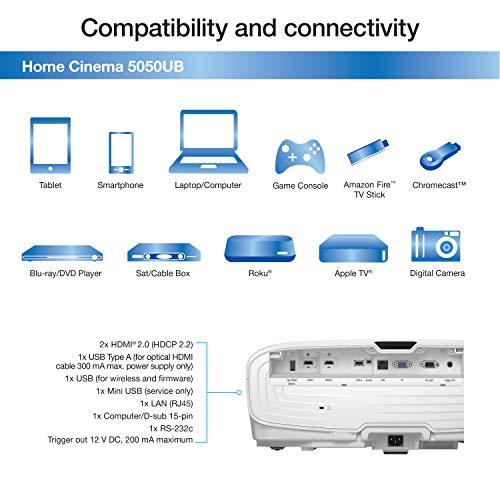
| 2× HDMI 2.0 (4K/60Hz max) | 2× HDMI 2.1 (4K/120Hz, 8K/60Hz capable) |
| Lens Flexibility - Installation options and screen format adaptability | |
| 2.1× motorized zoom, ±96% vertical/±47% horizontal shift | 2× motorized zoom, ±100% vertical/±43% horizontal shift |
| Color Gamut Coverage - Color accuracy for cinematic content | |
| 97% DCI-P3 with 3LCD technology | >100% DCI-P3 with Cinema Filter |
| Input Lag - Gaming performance for console compatibility | |
| 22.5ms at 4K/60Hz | Sub-20ms with low latency mode |
| Installation Weight - Mounting requirements and setup complexity | |
| 24.7 lbs (easier ceiling mounting) | 55.7 lbs (requires robust mounting) |
| Target Screen Size - Optimal viewing experience range | |
| 100-150 inches for best performance | 175-300 inches where advantages shine |
| Best Use Case - Who should choose each projector | |
| Serious enthusiasts wanting flagship features at accessible pricing | Dedicated theaters prioritizing absolute image quality over cost |
The biggest difference is display technology and price point. The Epson Home Cinema 5050UB uses 3LCD panels with pixel-shifting to create 4K-like images from 1080p resolution, while the JVC DLA-NZ900 features native 4K D-ILA panels with 8K enhancement. The JVC costs roughly 8 times more but delivers superior contrast, native 4K resolution, and laser light source technology.
The JVC DLA-NZ900 is significantly better for large screens. Its native 4K resolution, higher brightness (3,300 lumens), and superior contrast ratio make it ideal for screens 175+ inches. The Epson 5050UB performs best on screens 100-150 inches where its pixel-shifting technology remains effective.
The Epson Home Cinema 5050UB uses a traditional UHE lamp that needs replacement every 3,500-5,000 hours (roughly every 3-4 years with regular use). The JVC DLA-NZ900 uses a BLU-Escent laser light source rated for 20,000+ hours, eliminating lamp replacement costs and maintenance.
The JVC DLA-NZ900 has superior black levels with its 150,000:1 native contrast ratio thanks to D-ILA technology. While the Epson 5050UB achieves impressive contrast for an LCD projector using UltraBlack technology, JVC's inherent contrast advantage creates deeper blacks and more three-dimensional images.
The JVC DLA-NZ900 fully supports next-gen gaming with dual HDMI 2.1 inputs handling 4K at 120Hz. The Epson Home Cinema 5050UB is limited to HDMI 2.0, supporting 4K at 60Hz maximum, so it can't utilize the full capabilities of modern gaming consoles.
The Epson 5050UB excels in installation flexibility with 2.1x motorized zoom and extensive lens shift (±96% vertical, ±47% horizontal). It also includes lens memory for different screen formats. Both projectors offer good placement options, but the Epson adapts better to challenging room layouts and retrofit installations.
Both handle HDR well but differently. The Epson Home Cinema 5050UB offers 16-step HDR adjustment for fine-tuning, while the JVC DLA-NZ900 features advanced Frame Adapt HDR 2 with scene-by-scene optimization. The JVC's higher brightness and contrast make HDR content more impactful, especially on large screens.
The Epson 5050UB offers exceptional value, delivering roughly 85% of the JVC's image quality at about 13% of the cost. For most home theater enthusiasts, the Epson provides flagship features without luxury pricing. The JVC justifies its premium only for dedicated theaters prioritizing absolute image quality.
Neither projector is ideal for bright rooms, but the JVC DLA-NZ900 handles ambient light better due to its higher 3,300-lumen output. The Epson Home Cinema 5050UB at 2,600 lumens works in moderately lit rooms but both perform best in darkened environments for optimal contrast.
The Epson 5050UB is optimized for 100-150 inch screens where its pixel-shifting technology delivers excellent results. The JVC DLA-NZ900 shines on screens 175+ inches where its native 4K resolution and superior brightness become most apparent and justify the premium cost.
Both deliver excellent color accuracy. The Epson Home Cinema 5050UB covers 97% of DCI-P3 color space with true 3LCD technology, while the JVC DLA-NZ900 exceeds 100% DCI-P3 coverage with advanced color processing. The JVC offers slightly wider color gamut and more sophisticated calibration features.
Choose the Epson 5050UB if you want excellent performance under a reasonable budget, need installation flexibility, or plan screens under 150 inches. Choose the JVC DLA-NZ900 if you're building a dedicated theater with screens 175+ inches, prioritize absolute image quality over cost, and want zero maintenance with laser technology.
We've done our best to create useful and informative comparisons to help you decide what product to buy. Our research uses advanced automated methods to create this comparison and perfection is not possible - please contact us for corrections or questions. These are the sites we've researched in the creation of this article: rtings.com - projectorscreen.com - hometechnologyreview.com - thesmarthomehookup.com - youtube.com - rtings.com - techgearlab.com - projectorcentral.com - projectorreviews.com - projectorcentral.com - avsforum.com - rtings.com - projectorreviews.com - projectorreviews.com - avsforum.com - avsforum.com - audiogeneral.com - hifiheaven.net - manuals.plus - crutchfield.com - projectorcentral.com - epson.com - mediaserver.goepson.com - bestbuy.com - ngxptech.com - projectorcentral.com - projectorreviews.com - projectorcentral.com - valueelectronics.com - crutchfield.com - projectorreviews.com - soundapproach.com - houseofstereo.com - puretheatre.com - projectorscreen.com - projectorcentral.com - stereonet.com

Privacy Policy
Terms and Conditions - Affiliate Policy
Home Security
© Copyright 2008-2026.
11816 Inwood Rd #1211, Dallas, TX 75244