

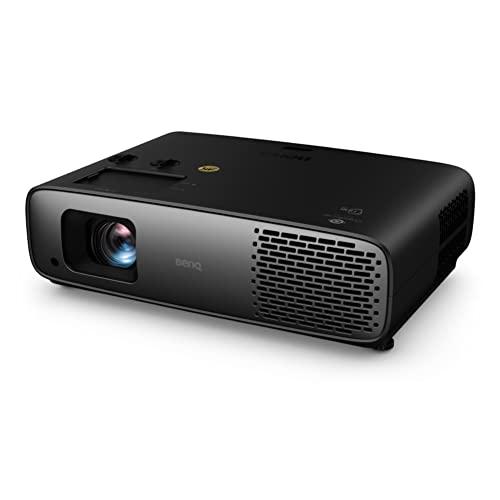
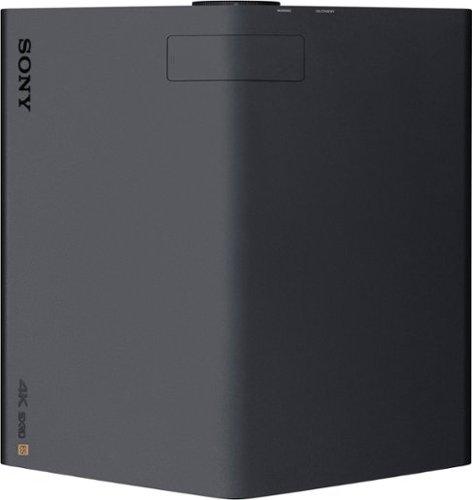
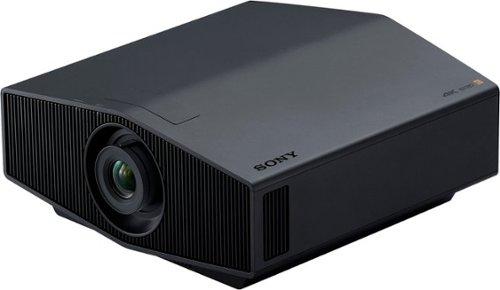
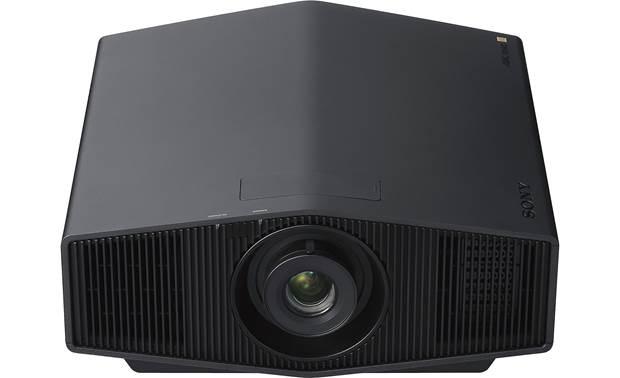
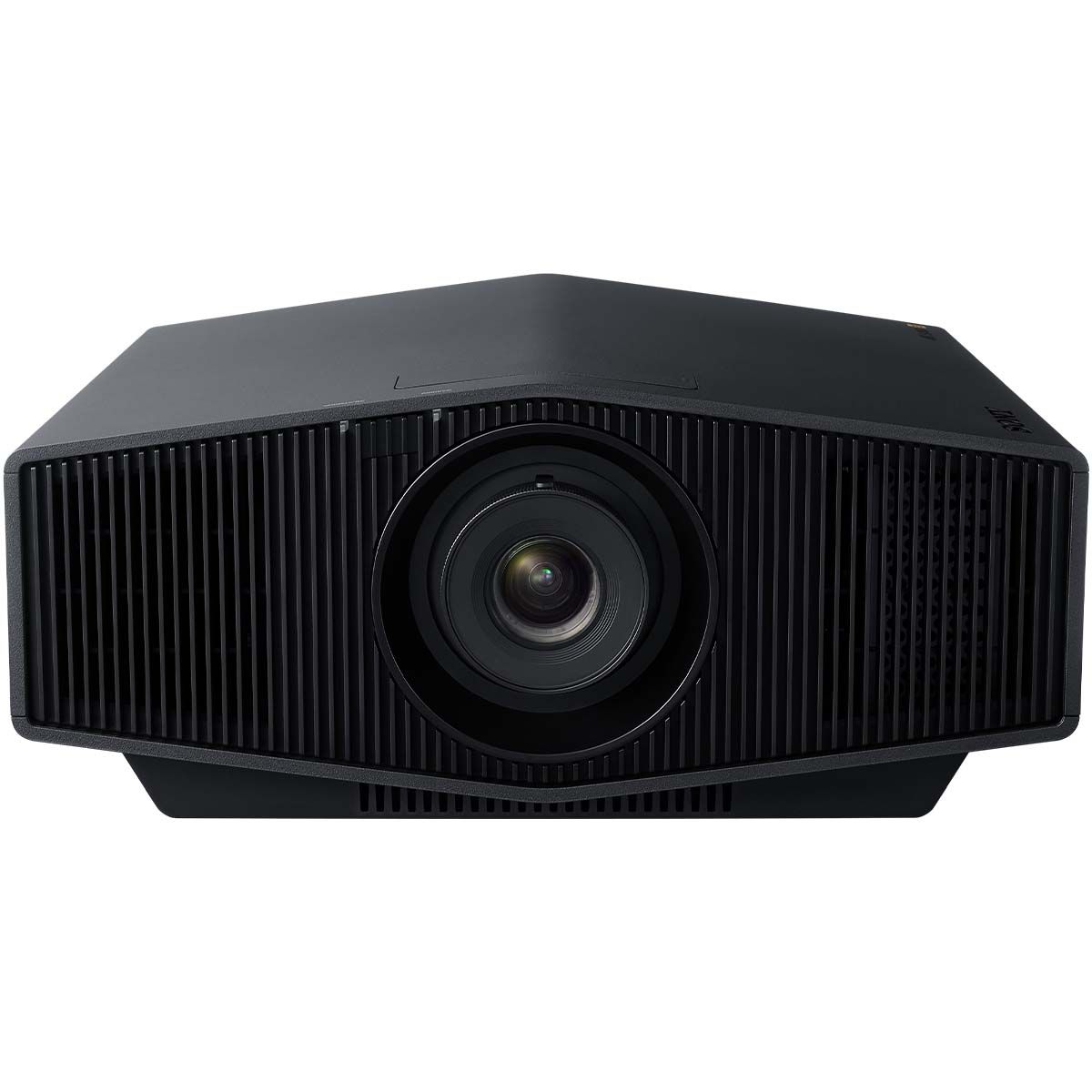
When you're ready to transform your living space into a cinema-worthy experience, choosing the right 4K projector becomes crucial. Two standouts in the home theater projector world are the BenQ HT4550i and the Sony VPL-XW5000ES, each representing different philosophies on how to deliver stunning large-screen entertainment. At the time of writing, these projectors sit in different price tiers but compete for the attention of serious home theater enthusiasts.
Before diving into specifics, it's worth understanding what makes a great home theater projector tick. Unlike televisions that have backlights shining through panels, projectors must create their own light and project it across a room onto a screen. This fundamental difference creates unique challenges and opportunities.
The most important considerations when evaluating projectors include display technology (how the image is created), light source (what powers the brightness), color accuracy (how true-to-life colors appear), contrast performance (the difference between the darkest blacks and brightest whites), and brightness measured in lumens (the total light output). Installation flexibility matters too – can you mount it where you need it and get the image size you want?
Modern 4K projectors have evolved significantly since their introduction in the mid-2010s. Early models were extremely expensive and often compromised on brightness or color accuracy. Today's projectors like the BenQ HT4550i, released in 2023, and the Sony VPL-XW5000ES, launched in 2022, represent a maturation of the technology where you can get genuine 4K resolution, wide color gamuts, and HDR support without breaking the bank completely.
The fundamental difference between these projectors lies in their display technology, which affects everything from image quality to price. The BenQ HT4550i uses DLP (Digital Light Processing) technology, while the Sony VPL-XW5000ES employs SXRD (Silicon X-tal Reflective Display), Sony's version of LCoS (Liquid Crystal on Silicon).
DLP projectors like the BenQ HT4550i work by using millions of tiny mirrors on a chip that tilt thousands of times per second to create images. Think of it like a microscopic disco ball where each mirror can flip to either reflect light toward the screen or away from it. This single-chip design makes DLP projectors typically more compact and reliable, with excellent motion handling since there's no inherent blur between frames.
The Sony VPL-XW5000ES uses a three-panel SXRD system, which is more like having three separate LCD panels (one each for red, green, and blue light) that work together to create the final image. This approach typically delivers better color separation and can achieve higher native contrast ratios, but requires more complex optical systems.
One of the biggest technical differences lies in how these projectors create light. The BenQ HT4550i uses a 4LED system – that's four separate LED lights (red, green, blue, and an additional white LED) that work together to create the light spectrum. This system can pump out an impressive 3,200 ANSI lumens at its peak, though in the most color-accurate modes you'll see closer to 1,800-1,900 lumens in real-world use.
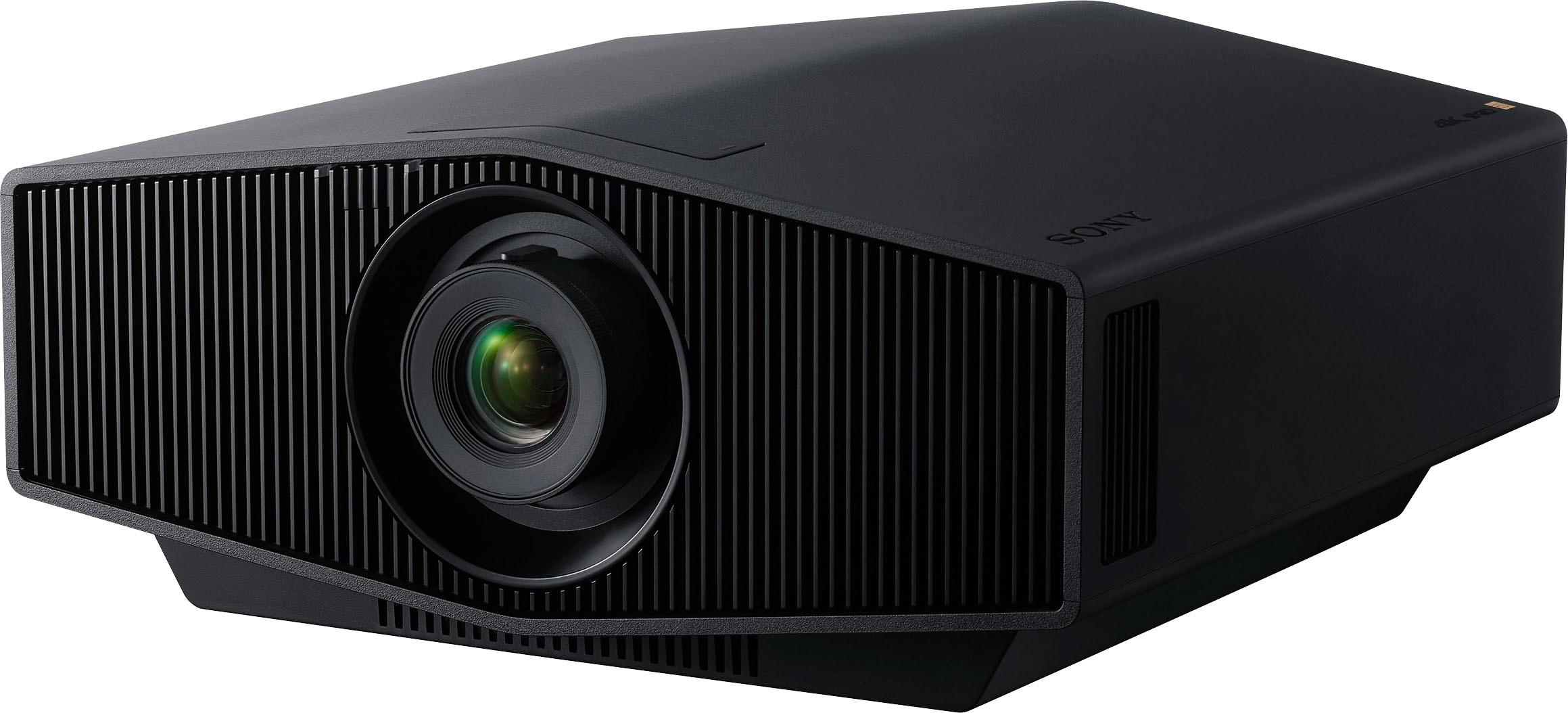
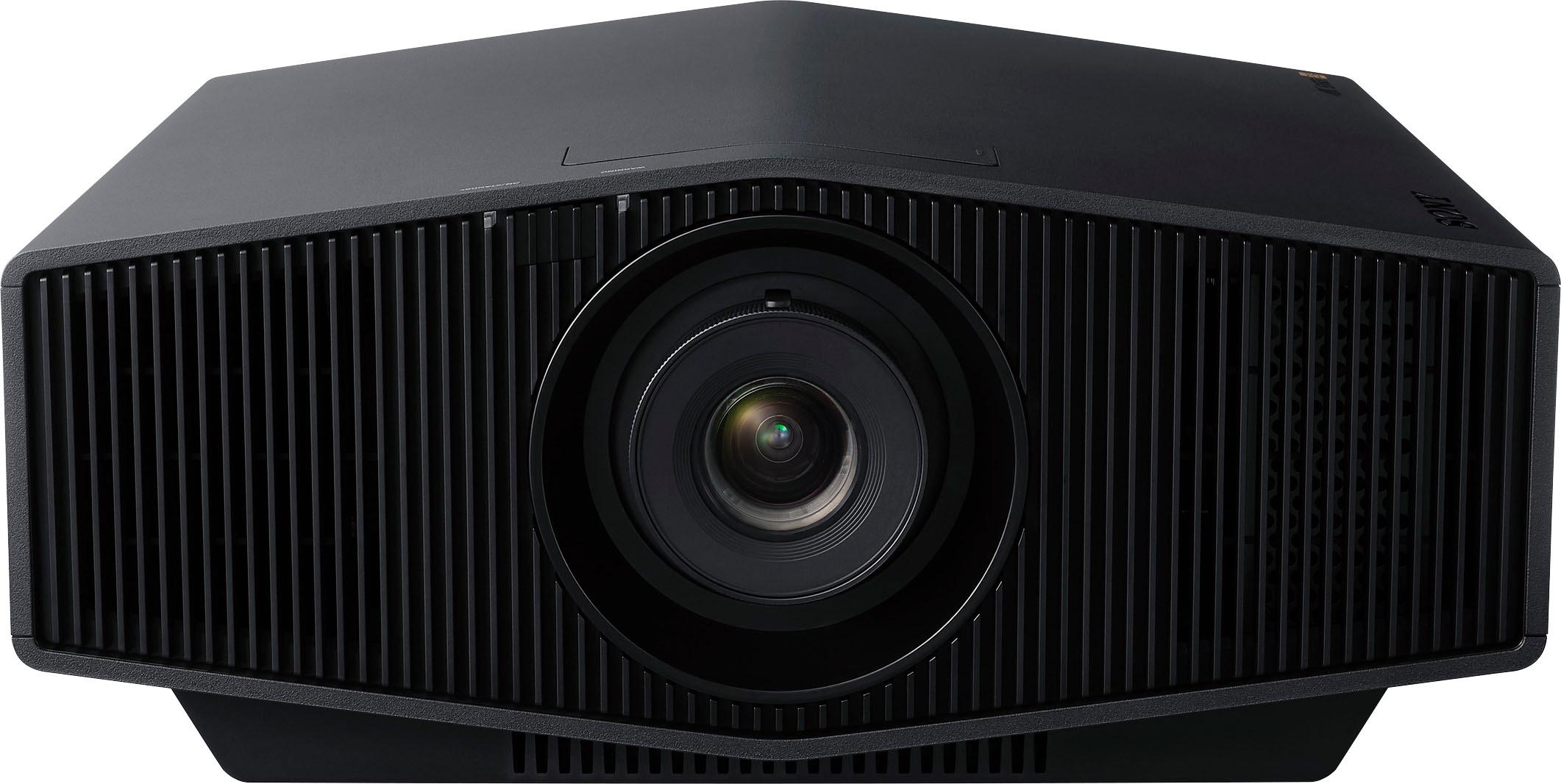
The Sony VPL-XW5000ES takes a different approach with a laser light source that produces 2,000 lumens consistently across all picture modes. Laser light sources have become increasingly popular in recent years because they maintain consistent brightness over their entire lifespan and offer better color stability than traditional lamp-based systems.
Here's where the practical differences matter: the BenQ HT4550i's higher peak brightness makes it more versatile in rooms with ambient light. If you're setting up in a living room or media room where you can't always control every light source, that extra brightness gives you more flexibility. The Sony VPL-XW5000ES's laser, while not as bright, provides incredibly consistent performance and will maintain that 2,000-lumen output for years without degradation.
Both light sources should last 20,000+ hours, which translates to about 10 years of typical home use. The practical advantage of both LED and laser over traditional lamps is that you won't be replacing expensive bulbs every few thousand hours.
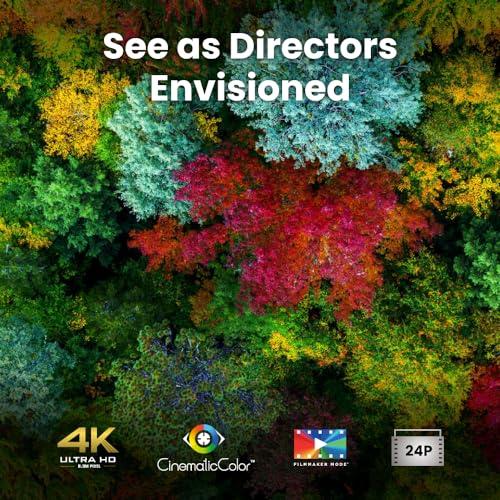
Color accuracy is where these projectors really show their different strengths. The BenQ HT4550i covers 100% of the DCI-P3 color space, which is the standard used in commercial movie theaters. This is actually quite remarkable – many projectors costing significantly more can't achieve this level of color coverage. BenQ accomplishes this through their CinematicColor technology and internal color filtering.
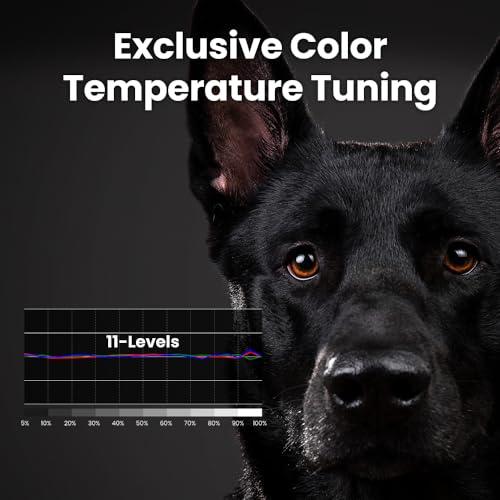
What makes this impressive is that each BenQ HT4550i is factory calibrated by ISF and THX certified technicians, with Delta E values (a measure of color accuracy) typically under 2. Delta E represents the difference between the intended color and what's actually displayed – values under 3 are considered professional-grade accurate, and under 2 is exceptional. This means most users can set up the BenQ HT4550i and get movie-theater-accurate colors without any additional calibration.
The Sony VPL-XW5000ES takes a different approach, covering 95% of DCI-P3 through its Triluminos Pro color engine. While slightly less coverage on paper, Sony compensates with their X1 Ultimate processor, borrowed from their high-end BRAVIA televisions. This processor analyzes each frame in real-time and optimizes colors, contrast, and detail on an object-by-object basis rather than adjusting the entire frame uniformly.
This object-based processing is genuinely advanced technology. Instead of simply making the whole image brighter or more colorful, the X1 Ultimate can identify a person's face, a sunset, or a car and apply different enhancements to each element within the same frame. It's the kind of sophisticated image processing that was exclusive to high-end televisions until recently.
Contrast performance – the ability to display deep blacks alongside bright whites – reveals the biggest technical divide between these projectors. This is where display technology really matters.
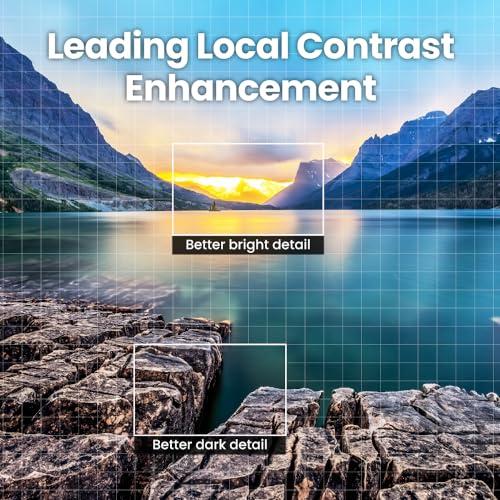
The BenQ HT4550i, like most DLP projectors, has a native contrast ratio around 900-1,140:1. That means the brightest white is only about 1,000 times brighter than the darkest black the projector can produce. BenQ tries to compensate with their Local Contrast Enhancer, which divides the image into over 1,000 zones and dynamically adjusts the brightness of different areas. Combined with Dynamic Black technology that adjusts the overall light output based on scene content, this helps, but can't overcome the fundamental limitation of DLP technology.
The Sony VPL-XW5000ES has significantly better native contrast thanks to its SXRD panels, which can produce deeper blacks inherently. Sony's Dynamic HDR Enhancer goes beyond simple zone dimming by actually adjusting laser output intensity scene-by-scene while analyzing HDR content frame by frame.
In practical terms, this means the Sony VPL-XW5000ES will look substantially better in very dark scenes – think the cave sequences in movies or space scenes where stars should pop against inky black backgrounds. The BenQ HT4550i will show these scenes with a slightly grayish tint instead of true black, which becomes more noticeable in completely dark viewing environments.
Both projectors support HDR (High Dynamic Range), which expands the range of colors and brightness levels beyond what standard video can show. However, they handle HDR very differently.
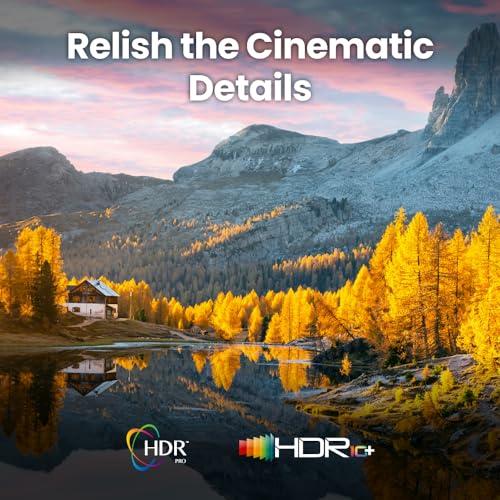
The BenQ HT4550i supports HDR10, HDR10+, and HLG formats through their HDR-PRO technology. This system uses tone mapping – essentially compressing the wide range of HDR content to fit within the projector's capabilities while preserving as much detail as possible. BenQ provides five levels of HDR brightness adjustment, letting users fine-tune the presentation based on their room and preferences.
The Sony VPL-XW5000ES supports HDR10 and HLG, with its object-based HDR remaster technology providing more sophisticated processing. Rather than applying the same tone mapping to an entire frame, Sony's system can apply different HDR curves to different objects within the same scene. A sunset might be processed differently than a person's face in the foreground, preserving detail in both.
From our research into user experiences and expert reviews, the consensus suggests that while both projectors handle HDR well, the Sony VPL-XW5000ES produces more natural-looking HDR with better detail preservation in highlights and shadows, particularly in complex scenes with mixed lighting.
Gaming performance has become increasingly important as more people use projectors for console gaming and PC gaming on massive screens. This is where the BenQ HT4550i absolutely shines.
Input lag – the delay between when you press a controller button and when the action appears on screen – is crucial for gaming. The BenQ HT4550i delivers exceptionally low input lag: just 8.7ms at 1080p/240Hz, 17.9ms at 4K/60Hz, and 21ms at 1080p/120Hz. These are genuinely competitive numbers that put it among the best gaming projectors available at any price.
The projector also supports up to 240Hz refresh rates at 1080p, making it compatible with high-end gaming PCs, and 120Hz at 1080p for PlayStation 5 and Xbox Series X gaming. This high refresh rate support creates smoother motion in fast-paced games.
The Sony VPL-XW5000ES, while capable of gaming, isn't optimized for it. Input lag in standard modes hovers around 50ms, though Sony's Input Lag Reduction mode helps. However, it lacks high refresh rate support beyond 60Hz, making it less suitable for serious gaming.
Real-world installation requirements often determine projector success. Both projectors offer manual focus and zoom, but their flexibility differs significantly.
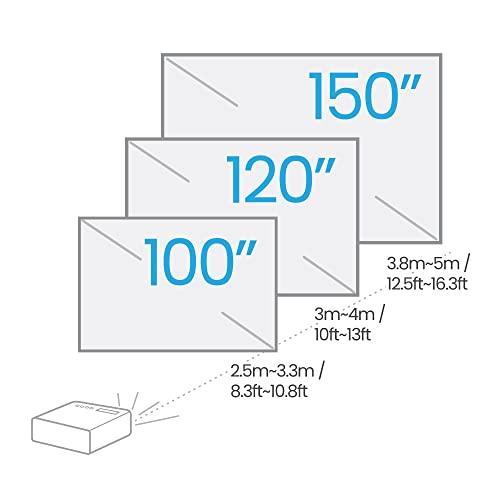
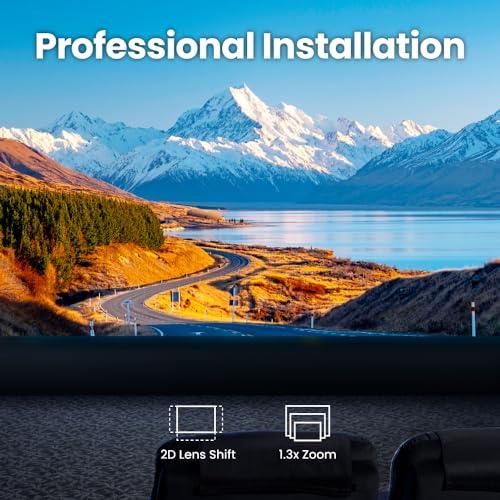
The BenQ HT4550i provides decent placement flexibility with vertical lens shift from 0-60% and horizontal shift of ±15%. The 1.3x zoom range means you can adjust image size somewhat without moving the projector. For most home installations, this flexibility suffices, especially considering the projector's relatively compact size.
The Sony VPL-XW5000ES offers professional-grade installation flexibility with ±71% vertical and ±25% horizontal lens shift. The 2.1x motorized zoom lens includes memory positions, letting you store different settings for various screen formats. This level of flexibility makes complex installations much easier and allows the projector to work in rooms where mounting options are limited.
This installation flexibility matters more than many people initially realize. Lens shift allows you to move the image position without physically relocating the projector or introducing keystone distortion (where the image becomes trapezoid-shaped). Greater zoom range means more flexibility in projector placement relative to your screen.
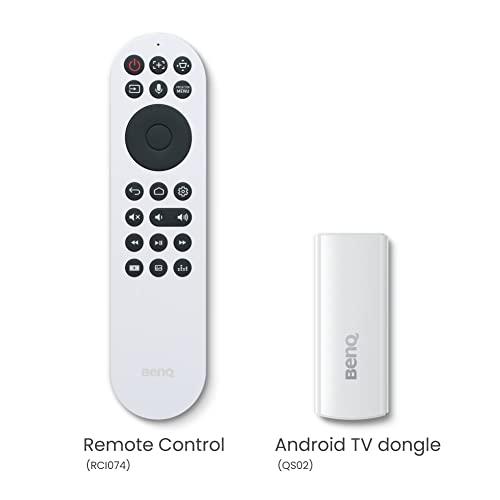
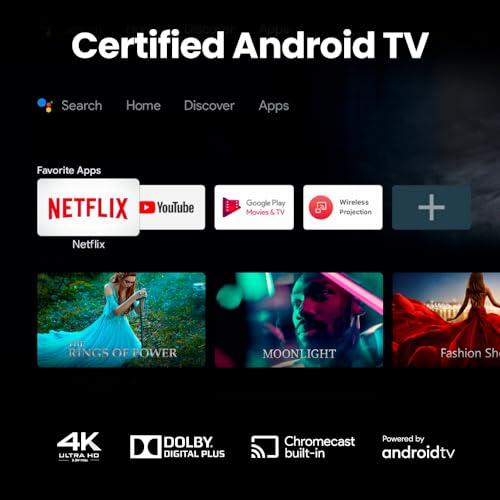
The BenQ HT4550i includes full Android TV functionality with certified Netflix 4K HDR support – something still rare among projectors. This integrated smart platform includes Google Assistant, access to major streaming services, and over 700,000 movies and shows through Google Play. The projector essentially replaces the need for external streaming devices in many setups.
This integration represents a significant value consideration. Quality 4K HDR streaming devices cost $100-200, and having everything built-in reduces cable clutter and complexity. The Android TV implementation appears robust based on user feedback, without the sluggish performance that plagued earlier smart projector attempts.
The Sony VPL-XW5000ES takes a traditional approach with no built-in streaming, focusing purely on image processing and display quality. Sony assumes users will connect external devices – Apple TVs, Nvidia Shields, or gaming consoles – for content. This approach appeals to enthusiasts who prefer dedicated streaming devices and home theater integrators who build custom solutions.
Based on our evaluation of expert reviews and user experiences, clear usage scenarios emerge for each projector.
Choose the BenQ HT4550i if you want maximum versatility and value. Its combination of high brightness, excellent color accuracy, gaming optimization, and built-in streaming makes it ideal for multipurpose media rooms. The projector excels in rooms with some ambient light and appeals to users who want one device that handles movies, gaming, and streaming equally well. At the time of writing, it represents exceptional performance per dollar spent.
The Sony VPL-XW5000ES makes sense for dedicated home theater installations where image quality is the primary concern. Its superior contrast performance, native 4K processing, and installation flexibility justify the higher investment for users building purpose-built theater rooms. The projector's strengths emerge most clearly in controlled lighting environments where its better black levels and sophisticated processing can shine.
Consider your room first. Bright or multipurpose rooms favor the BenQ HT4550i's higher brightness and built-in convenience features. Dedicated dark theaters showcase the Sony VPL-XW5000ES's superior contrast and processing capabilities.
Think about primary usage. Gaming enthusiasts or families wanting one device for everything should strongly consider the BenQ HT4550i. Movie purists focused on the ultimate cinematic experience will appreciate the Sony VPL-XW5000ES's image quality advantages.
Installation requirements matter too. Complex mounting situations or rooms requiring significant lens shift capability need the Sony VPL-XW5000ES's professional-grade flexibility.
Finally, consider total system cost. The BenQ HT4550i's integrated streaming reduces additional hardware needs, while the Sony VPL-XW5000ES assumes you'll invest in quality external sources.
Both projectors represent significant achievements in bringing high-quality 4K projection to broader audiences. The BenQ HT4550i democratizes excellent color accuracy and brightness, while the Sony VPL-XW5000ES brings professional-level image processing and contrast performance to the entry level of Sony's laser projector lineup. Your choice ultimately depends on whether you prioritize versatility and value or pure image quality and installation flexibility.
| BenQ HT4550i | Sony VPL-XW5000ES |
|---|---|
| Display Technology - Affects image quality, size, and reliability | |
| DLP with 0.65" DMD chip + XPR pixel shifting | Native 4K SXRD (3-panel system) |
| Light Source - Determines brightness consistency and maintenance | |
| 4LED system (20,000-30,000 hour lifespan) | Laser light source (20,000+ hours) |
| Brightness - Critical for room lighting flexibility | |
| 3,200 ANSI lumens rated (~1,800-1,900 in accurate modes) | 2,000 lumens (consistent across all modes) |
| Color Gamut Coverage - Affects color vibrancy and accuracy | |
| 100% DCI-P3, 100% Rec.709 with CinematicColor | 95% DCI-P3 via Triluminos Pro |
| Native Contrast Ratio - Most important for dark scene performance | |
| ~900-1,140:1 (enhanced by Local Contrast Enhancer) | Significantly higher native contrast with SXRD panels |
| HDR Processing - Determines HDR content quality | |
| HDR-PRO with 5-level brightness control (HDR10, HDR10+, HLG) | Object-based HDR remaster with X1 Ultimate processor |
| Gaming Performance - Input lag crucial for responsive gaming | |
| Excellent: 8.7ms (1080p/240Hz), 17.9ms (4K/60Hz), supports 240Hz | Standard: ~50ms (reducible with Input Lag Reduction mode) |
| Lens Flexibility - Affects installation ease and room compatibility | |
| Vertical 0-60%, Horizontal ±15%, 1.3x manual zoom | Vertical ±71%, Horizontal ±25%, 2.1x motorized zoom |
| Smart Features - Built-in streaming vs external device needs | |
| Full Android TV with Netflix 4K HDR, Google Assistant | No built-in streaming (requires external devices) |
| Form Factor - Installation and aesthetic considerations | |
| Compact DLP design (14.55 lbs) | Larger but premium build quality |
| Best Room Type - Where each projector excels | |
| Media rooms with some ambient light, gaming setups | Dedicated dark home theaters |
| Target User - Who should choose each projector | |
| Versatility seekers wanting gaming + streaming + movies | Cinema purists prioritizing ultimate image quality |
The BenQ HT4550i is significantly better for gaming with input lag as low as 8.7ms at 1080p/240Hz and support for high refresh rates up to 240Hz. The Sony VPL-XW5000ES has much higher input lag around 50ms, making it less suitable for competitive gaming or fast-paced action games.
The BenQ HT4550i uses DLP technology with pixel shifting to achieve 4K resolution, while the Sony VPL-XW5000ES uses native 4K SXRD panels. The Sony delivers true native 4K without pixel shifting, typically resulting in sharper detail and better contrast performance.
The BenQ HT4550i is brighter with 3,200 ANSI lumens rated output, making it better suited for rooms with some ambient light. The Sony VPL-XW5000ES produces 2,000 lumens and performs best in darker, controlled lighting environments.
The BenQ HT4550i includes built-in Android TV with Netflix 4K HDR support, eliminating the need for external streaming devices. The Sony VPL-XW5000ES has no built-in streaming capabilities and requires external devices like Apple TV or Roku for streaming content.
The BenQ HT4550i covers 100% DCI-P3 color space and comes factory calibrated with Delta E values under 2, providing exceptional color accuracy without additional calibration. The Sony VPL-XW5000ES covers 95% DCI-P3 but uses advanced processing to enhance colors in real-time.
The Sony VPL-XW5000ES has significantly better native contrast due to its SXRD panel technology, producing deeper blacks and better performance in dark scenes. The BenQ HT4550i has lower native contrast (~900-1,140:1) typical of DLP projectors, though it uses dynamic enhancement to improve performance.
The Sony VPL-XW5000ES offers superior installation flexibility with ±71% vertical and ±25% horizontal lens shift plus 2.1x motorized zoom. The BenQ HT4550i has more limited lens shift (vertical 0-60%, horizontal ±15%) but is easier for DIY installation with built-in smart features.
Both projectors offer similar longevity with the BenQ HT4550i's 4LED system lasting 20,000-30,000 hours and the Sony VPL-XW5000ES's laser source rated for 20,000+ hours. Both eliminate the need for expensive lamp replacements common in older projectors.
The Sony VPL-XW5000ES is better suited for dedicated dark home theaters due to its superior contrast performance, native 4K processing, and professional installation flexibility. The BenQ HT4550i works well in multipurpose media rooms with some ambient light.
The BenQ HT4550i supports HDR10, HDR10+, and HLG with proprietary HDR-PRO tone mapping technology. The Sony VPL-XW5000ES supports HDR10 and HLG with object-based HDR remaster processing that analyzes and enhances content in real-time.
The BenQ HT4550i typically offers better value with its combination of high brightness, excellent color accuracy, gaming optimization, and built-in streaming features. The Sony VPL-XW5000ES costs significantly more but justifies the premium with superior image processing and professional-grade features.
Both projectors can handle large screens, but the BenQ HT4550i's higher brightness makes it more suitable for screens up to 150 inches in rooms with some ambient light. The Sony VPL-XW5000ES performs best on large screens in completely dark environments where its superior contrast can be fully appreciated.
We've done our best to create useful and informative comparisons to help you decide what product to buy. Our research uses advanced automated methods to create this comparison and perfection is not possible - please contact us for corrections or questions. These are the sites we've researched in the creation of this article: projectorcentral.com - benq.com - rtings.com - youtube.com - soundandvision.com - rtings.com - hometheaterhifi.com - projectorscreen.com - projectorreviews.com - projectorscreen.com - youtube.com - rtings.com - projectorscreen.com - versus.com - youtube.com - projectorcentral.com - snapav.com - benq.com - benq.com - whathifi.com - pro.sony - projectorscreen.com - bestbuy.com - bestbuy.com - bestbuy.com - bestbuy.com - pro.sony - abt.com - projectorreviews.com - merlinstv.com - hometheaterhifi.com

Privacy Policy
Terms and Conditions - Affiliate Policy
Home Security
© Copyright 2008-2026.
11816 Inwood Rd #1211, Dallas, TX 75244