

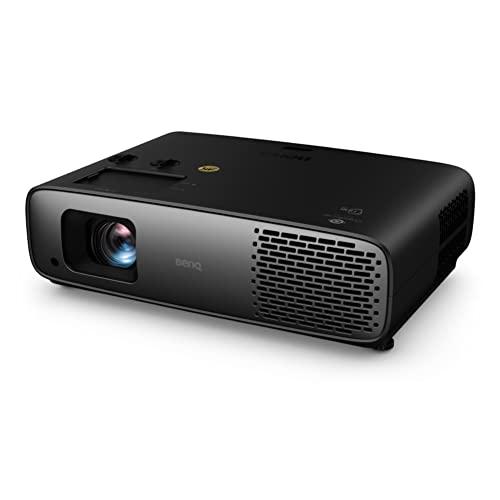
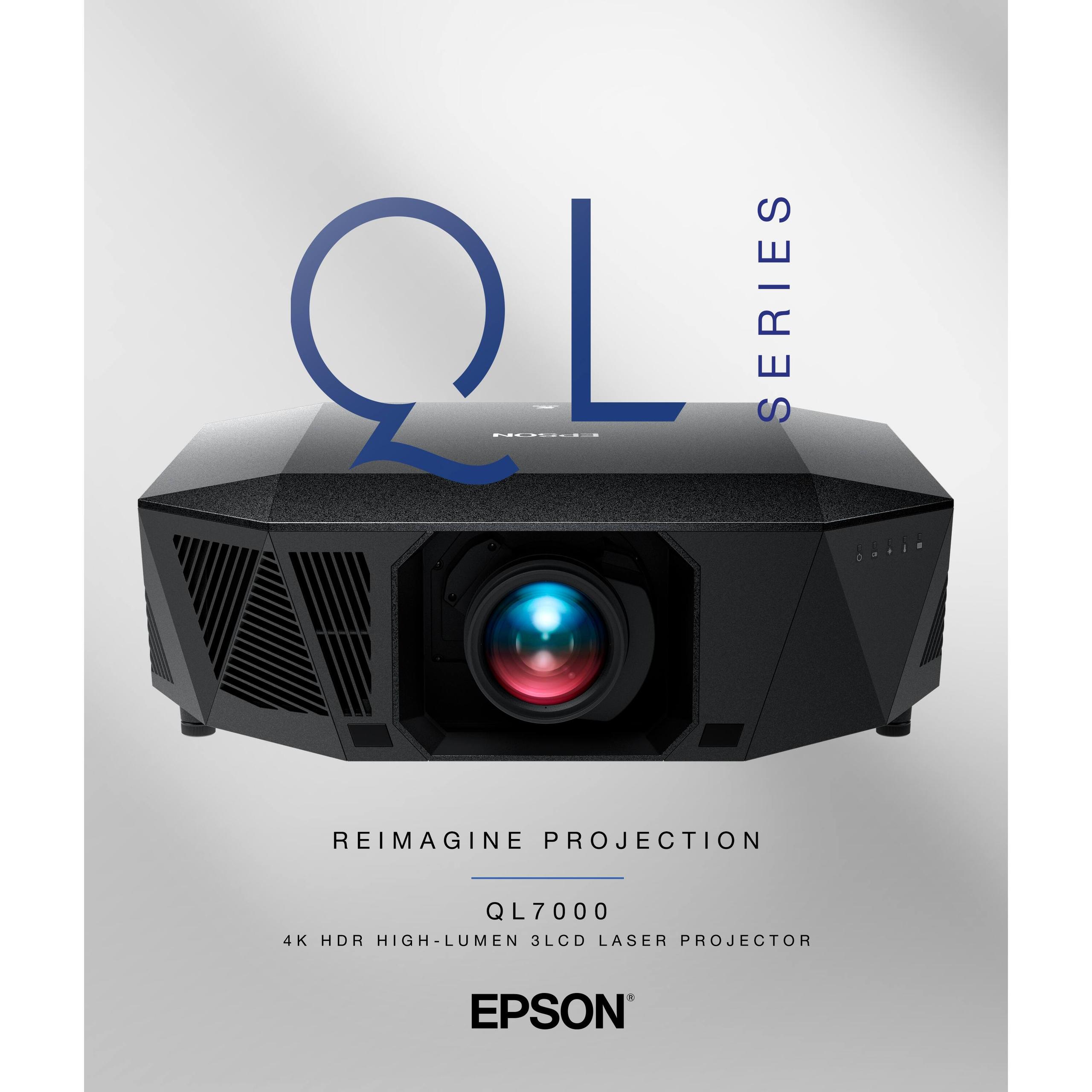
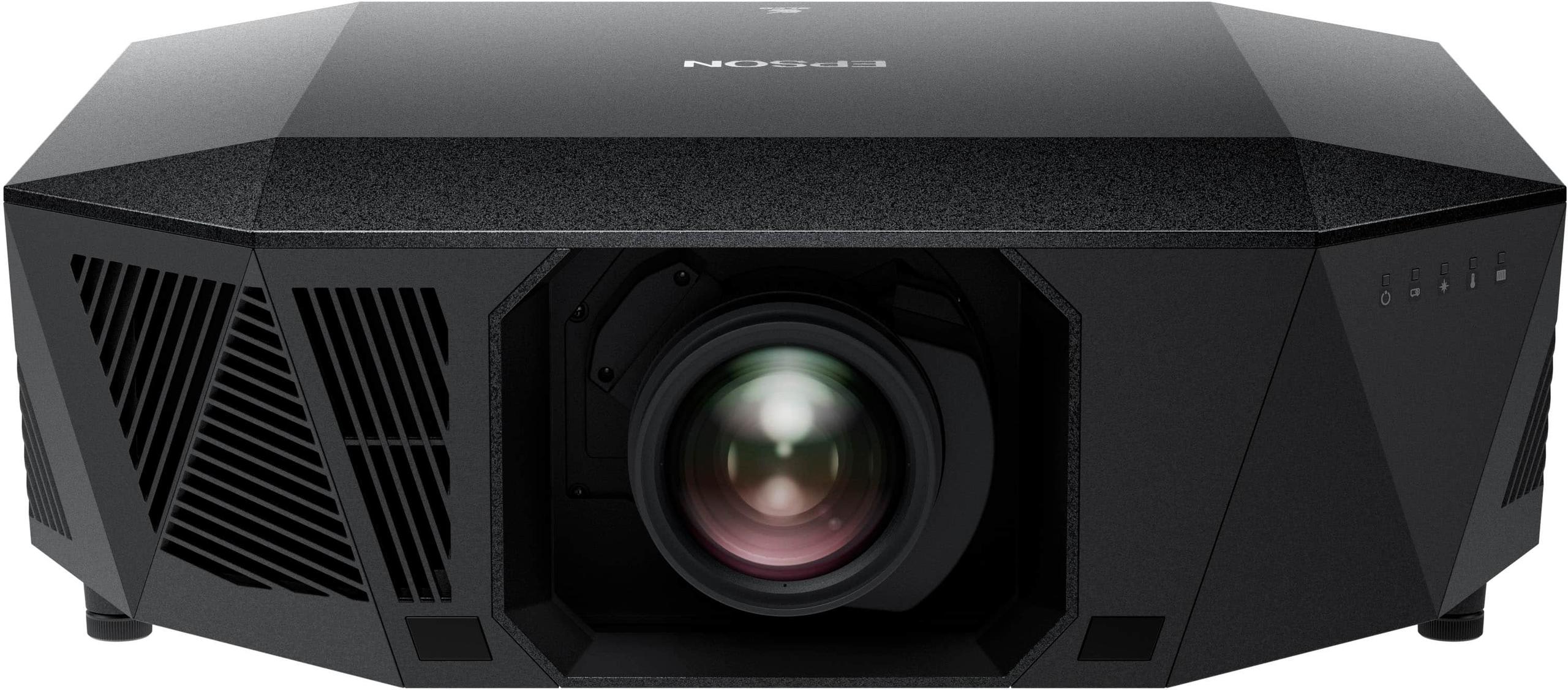
When you're ready to transform your living space into a cinematic experience, the world of 4K projectors offers two dramatically different paths. The BenQ HT4550i represents the sweet spot for serious home theater enthusiasts who want professional-grade picture quality without breaking the bank. Meanwhile, the Epson QL7000 sits at the pinnacle of projection technology, delivering reference-level performance for those who demand the absolute best.
At the time of writing, these projectors exist in completely different price brackets—the BenQ HT4550i costs roughly what you'd pay for a premium TV, while the Epson QL7000 commands a price tag comparable to a luxury car. But this massive price difference tells only part of the story about which projector deserves a place in your home theater.
Before diving into specifics, it's worth understanding what makes these projectors tick. Both use different approaches to create that magical big-screen experience, and these technical differences directly impact what you'll see on your wall or screen.
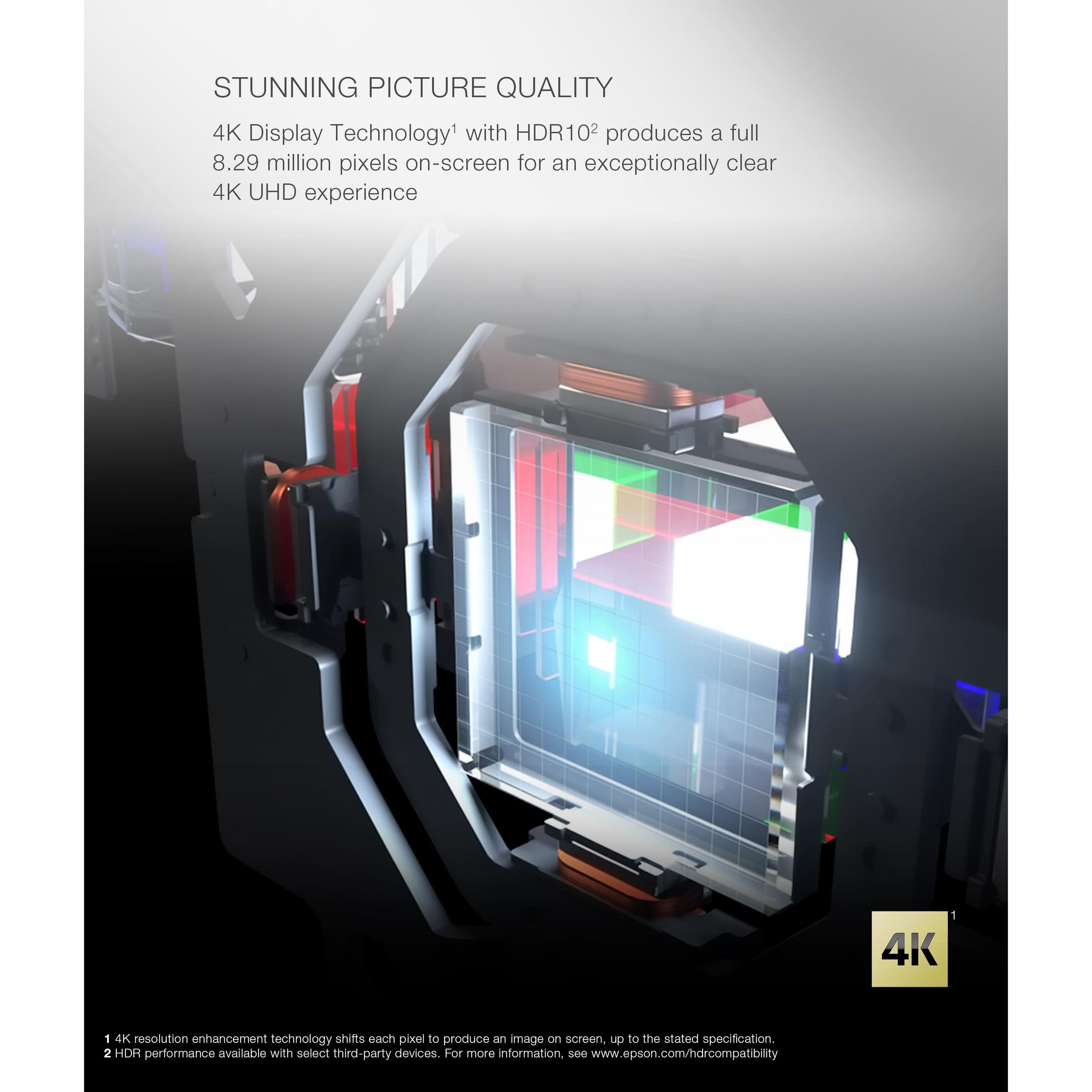
The BenQ HT4550i, released in 2023, uses DLP (Digital Light Processing) technology—imagine millions of tiny mirrors flipping incredibly fast to create your image. It pairs this with a 4LED light source, which uses four different colored LEDs (red, green, blue, plus an extra green) to produce more accurate colors than traditional projector bulbs. The "4K" resolution comes from pixel shifting, where the projector rapidly shifts the image to create the appearance of 8.3 million individual pixels, even though the actual chip has fewer physical pixels.
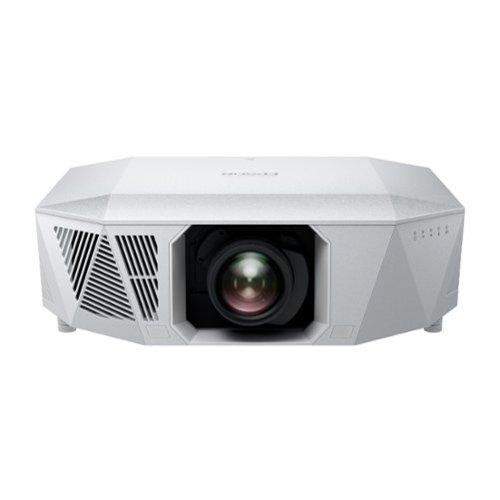
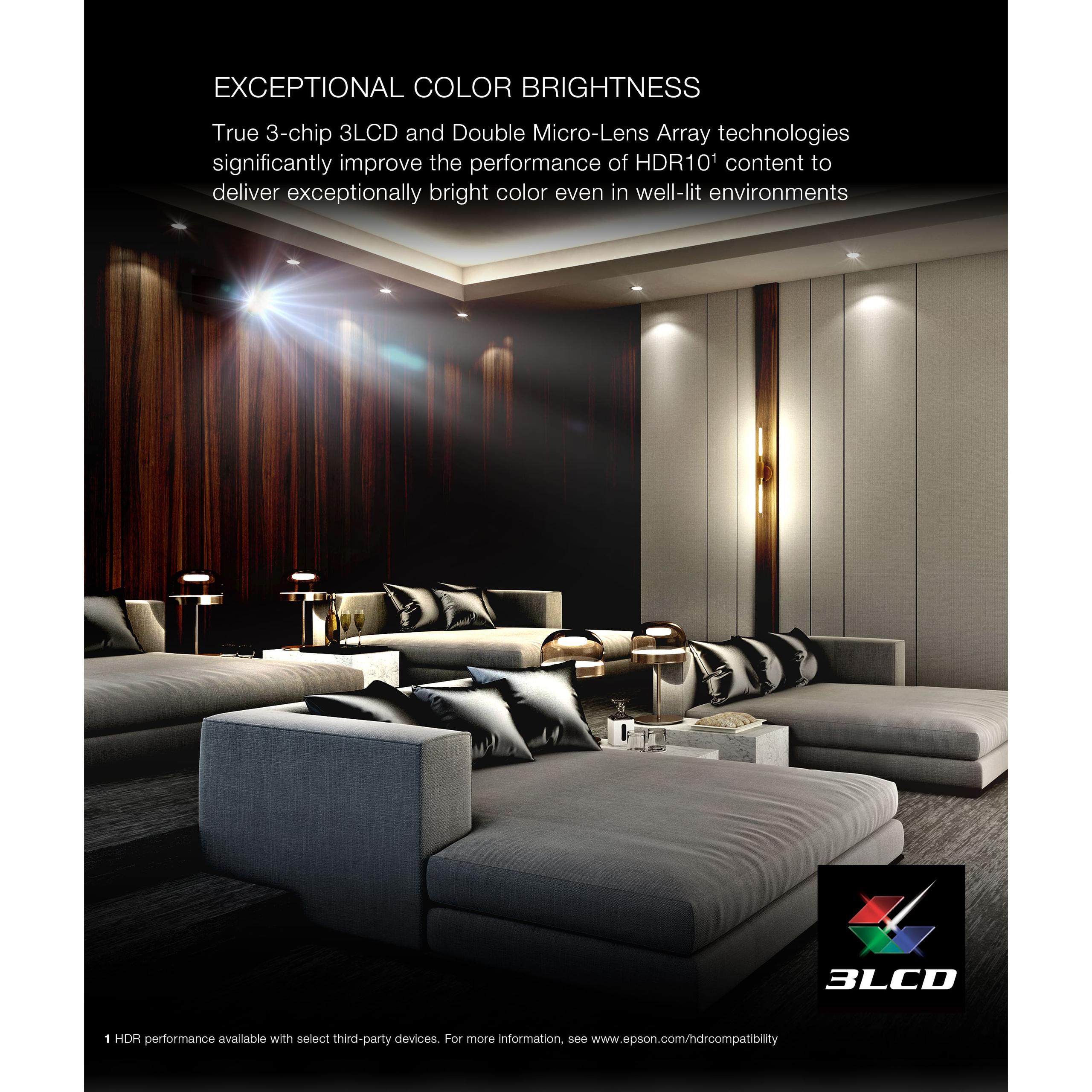
The Epson QL7000, a more recent release, takes a completely different approach with 3LCD technology. Think of it as having three separate panels—one each for red, green, and blue light—that work together simultaneously. This eliminates the "rainbow effect" that some people notice with single-chip DLP projectors (those brief flashes of color you might catch in your peripheral vision). The laser light source produces incredibly bright, consistent light throughout the projector's entire lifespan.
Brightness might be the most misunderstood aspect of projector performance, yet it's absolutely critical for determining where and how you can use your projector. Measured in lumens, brightness determines whether you're limited to a dark basement theater or can enjoy movies in a living room with some ambient light.
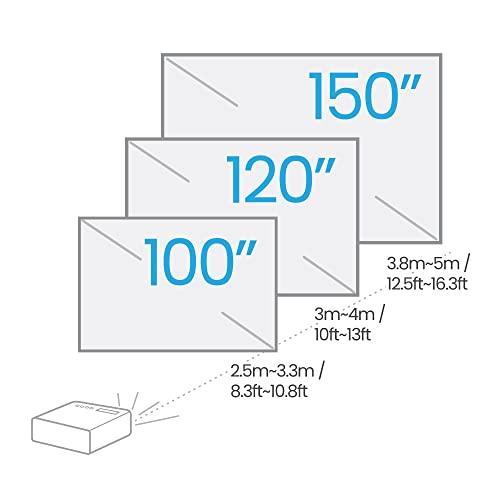
The BenQ HT4550i delivers around 3,200 lumens, which sounds modest compared to the Epson QL7000's staggering 10,000 lumens. But here's where context matters enormously. That 3,200 lumens from the BenQ is perfectly suited for dedicated home theaters with controlled lighting. In a properly darkened room, you'll get rich, cinematic images on screens up to 120-150 inches diagonal. The LED light source maintains consistent brightness throughout its 20,000-30,000 hour lifespan, meaning you won't experience the gradual dimming that plagued older bulb-based projectors.
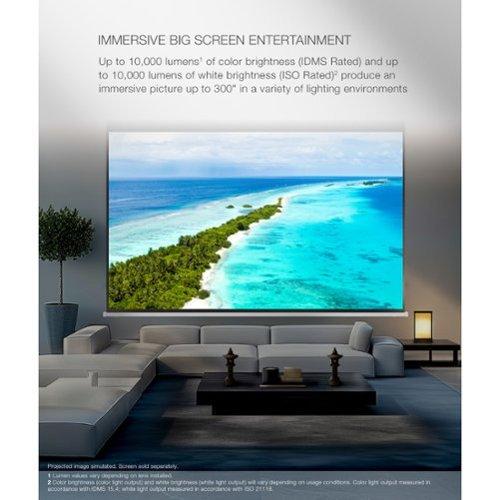
The Epson QL7000's 10,000 lumens transforms projection possibilities entirely. This isn't just "brighter"—it's bright enough to cut through significant ambient light and properly illuminate massive 300-inch screens. If you've ever been frustrated by washout from windows or room lighting, this level of brightness changes everything. The laser source maintains peak output throughout its 20,000-hour life with zero degradation, unlike traditional bulbs that lose brightness over time.
Our research into user experiences reveals that most people underestimate how much brightness they need for their actual viewing conditions. While 3,200 lumens works beautifully in dark rooms, anyone planning to use their projector in a multipurpose family room or space with windows will appreciate every extra lumen the Epson QL7000 provides.
Image quality encompasses several factors, but color accuracy and contrast ratio have the biggest impact on what you actually see. This is where the fundamental technology differences between these projectors create distinct viewing experiences.
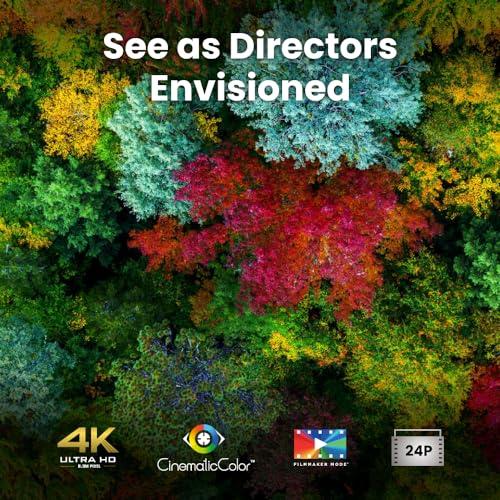
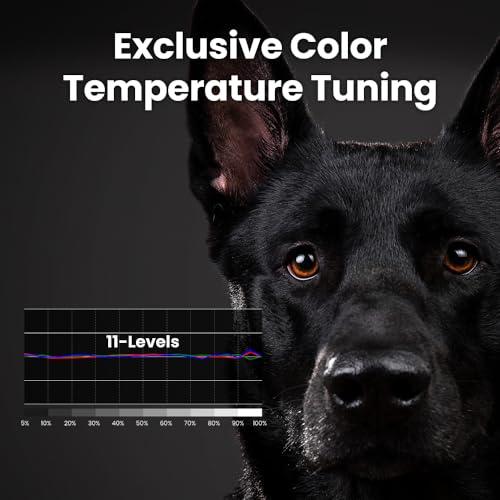
The BenQ HT4550i covers 100% of the DCI-P3 color space—the standard used by movie studios for digital cinema. This wide color gamut, combined with factory calibration achieving Delta E values under 2 (meaning colors are virtually indistinguishable from reference standards), delivers remarkably accurate colors straight out of the box. The 4LED system produces more saturated, accurate colors than traditional projector bulbs, particularly in reds and greens.
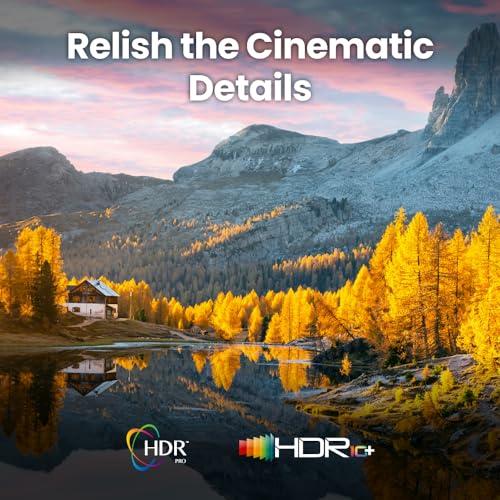
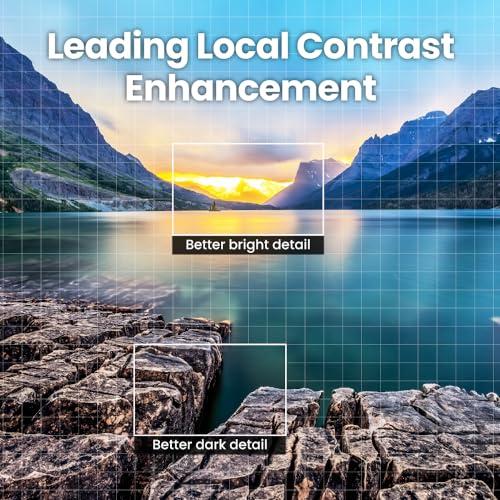
However, the single-chip DLP design limits native contrast to around 900:1, which is relatively low. BenQ compensates with dynamic contrast technology featuring over 1,000 dimming zones that analyze the image and adjust brightness in real-time. This HDR-PRO system works surprisingly well, creating the impression of much deeper blacks than the native contrast would suggest.
The Epson QL7000 leverages its 3LCD design for inherently better contrast performance. The three-chip system eliminates rainbow artifacts entirely while producing exceptional color brightness—the ability to maintain color saturation even in very bright images. The laser light source provides a wider color gamut than LED systems, though specific color space coverage isn't as precisely defined as the BenQ's calibrated DCI-P3.
From our analysis of professional reviews and user feedback, both projectors deliver stunning image quality, but with different strengths. The BenQ HT4550i excels at color accuracy and HDR tone mapping in controlled environments, while the Epson QL7000 dominates in overall image brightness and freedom from DLP artifacts.
Gaming has become a crucial consideration for modern projectors, especially as console and PC gaming increasingly demand large-screen experiences. Input lag—the delay between pressing a button and seeing the action on screen—can make or break competitive gaming.
The BenQ HT4550i delivers exceptional gaming performance with verified input lag of just 17.9 milliseconds at 4K/60Hz. For context, anything under 20ms is considered excellent for gaming, putting this projector in the same league as dedicated gaming monitors. It supports high refresh rate gaming up to 1080p at 240Hz, crucial for competitive PC gaming, and includes Auto Low Latency Mode that automatically optimizes settings when it detects gaming content.
The Epson QL7000 supports 120Hz refresh rates with its own Auto Low Latency Mode, though specific input lag measurements aren't as widely documented. The advantage here is the ability to game on truly massive screens—imagine playing on a 200-inch display without any brightness compromise.
Based on gaming community feedback, the BenQ HT4550i has earned recognition as one of the best 4K gaming projectors available, particularly for console gaming where its verified low latency makes a real difference in competitive scenarios.
Installation requirements reveal another fundamental difference between these projectors—one prioritizes simplicity while the other maximizes flexibility.
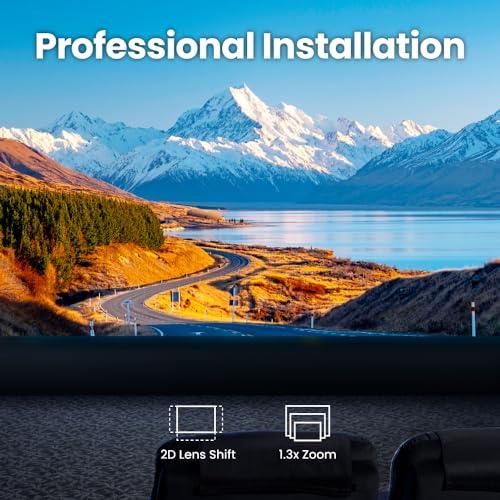
The BenQ HT4550i weighs just 14.5 pounds and includes everything needed for immediate use. The built-in 1.3x manual zoom lens covers most room configurations, while lens shift capabilities (±15% horizontal, 0-60% vertical) provide reasonable positioning flexibility. Most importantly, you can place it on a coffee table for movie night or permanently mount it on the ceiling—no professional installation required.
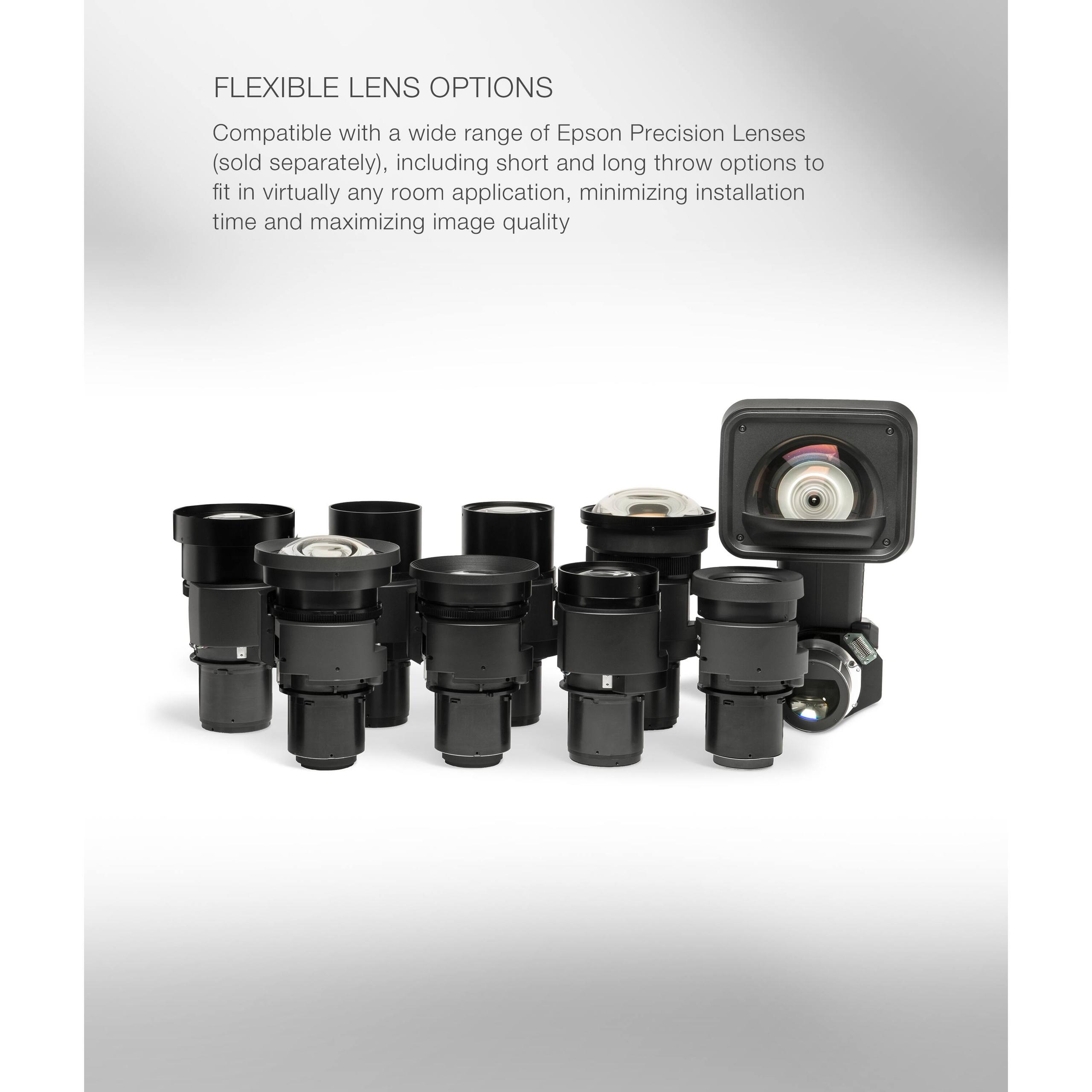
The Epson QL7000 takes a completely different approach. Sold as "body only" without a lens, it's designed around Epson's extensive family of interchangeable precision lenses. This system accommodates virtually any room configuration, from ultra-short throw installations just feet from the screen to long-throw setups in auditorium-sized spaces. The lens shift range (±16% horizontal, 64% vertical) provides unprecedented positioning flexibility.
However, at 46.5 pounds and requiring professional lens selection and installation, the Epson QL7000 demands serious commitment and expertise. This isn't a weekend DIY project—it's a permanent installation that requires careful planning and professional setup.
Modern projectors need to connect seamlessly with today's streaming-focused entertainment ecosystem, and these two take markedly different approaches.
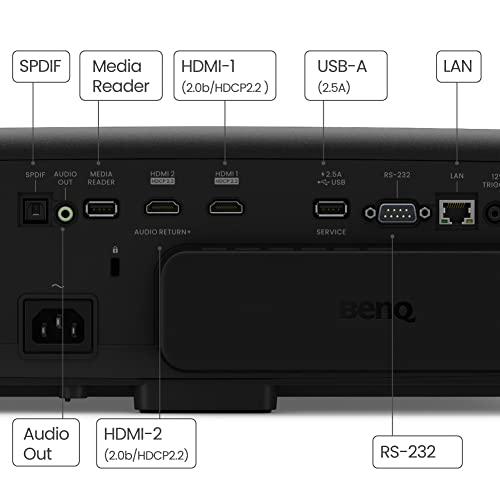
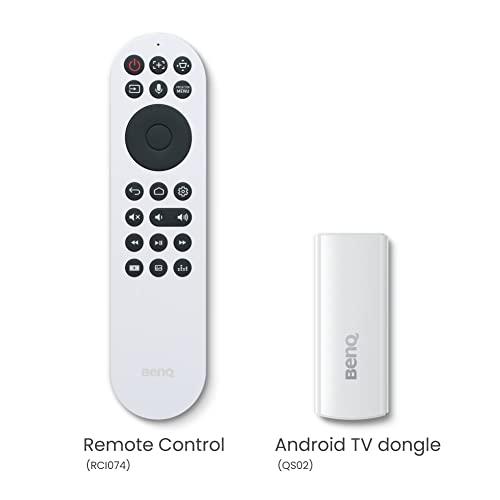
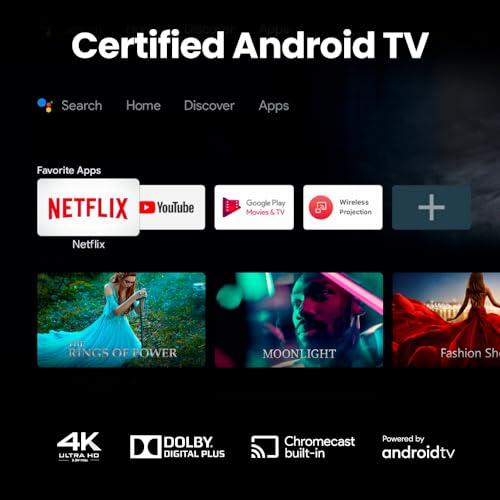
The BenQ HT4550i includes certified Android TV functionality, providing direct access to Netflix, Prime Video, Disney+, and other streaming services in full 4K HDR quality. This built-in smart platform eliminates the need for external streaming devices and includes Google Assistant voice control. The projector features three HDMI 2.0b ports, including one with eARC for high-quality audio passthrough to sound systems.
The Epson QL7000 focuses purely on projection excellence, offering no built-in smart features. Instead, it provides dual HDMI 2.1 ports with full 40 Gbps bandwidth, supporting the latest gaming consoles and high-end source devices. The assumption is that users will connect dedicated streaming devices, gaming systems, and other sources externally.
For most home users, the BenQ HT4550i's integrated smart features add significant convenience and value, while the Epson QL7000's approach suits installations where external source management is handled by sophisticated home automation systems.
Understanding the true cost extends far beyond the purchase price, especially when comparing projectors with such different philosophies.
The BenQ HT4550i represents a complete solution at the time of writing. Everything needed for 4K HDR projection is included, from the calibrated lens to the smart TV functionality. The LED light source requires no maintenance or bulb replacements throughout its rated lifespan, making long-term costs predictable and low.
The Epson QL7000 requires substantial additional investment. Professional-grade lenses cost thousands to tens of thousands of dollars depending on the application, and proper installation typically requires professional services. However, the laser light source provides maintenance-free operation for its entire 20,000-hour lifespan.
Our analysis suggests that while the Epson QL7000 costs roughly ten times more initially, it's targeting applications where that investment makes sense—premium dedicated theaters, commercial installations, or situations where extreme brightness justifies the premium.
After extensive research into user experiences and professional reviews, clear use-case patterns emerge for each projector.
Choose the BenQ HT4550i if you're building a dedicated home theater in a basement, bonus room, or purpose-built theater space with controlled lighting. It's ideal for serious movie enthusiasts who want professional-grade color accuracy without professional pricing. Gamers particularly benefit from its verified low input lag and high refresh rate support. The built-in smart features and simple installation make it perfect for enthusiasts who want to focus on enjoying content rather than managing complex systems.
The Epson QL7000 makes sense for entirely different scenarios. Choose it when you need projection in bright multipurpose spaces, want to properly illuminate screens larger than 200 inches, or are building a reference-quality theater where budget isn't the primary constraint. It's also the right choice for commercial installations, luxury home theaters, or any application where professional installation and extreme flexibility justify the investment.
Both projectors excel within their intended markets, but they serve fundamentally different needs. The BenQ HT4550i delivers remarkable value by bringing professional-grade image quality to enthusiast budgets, while the Epson QL7000 provides uncompromising performance for demanding applications.
For most home theater enthusiasts, the BenQ HT4550i offers the better overall package—exceptional image quality, gaming performance, and convenience at a reasonable price point. The Epson QL7000 serves users whose requirements exceed what traditional home theater projectors can deliver, providing reference-level brightness and flexibility that justify its premium positioning.
The choice ultimately comes down to your specific requirements, room conditions, and budget. But both represent the best of their respective categories, ensuring that whether you prioritize value or ultimate performance, you'll end up with an exceptional big-screen experience.
| BenQ HT4550i 4K HDR LED Home Theater Projector | Epson QL7000 4K 3LCD Laser Projector |
|---|---|
| Brightness - Determines room lighting compatibility and maximum screen size | |
| 3,200 ANSI lumens (ideal for dark/dimmed rooms up to 150" screens) | 10,000 lumens (cuts through ambient light, supports 300" screens) |
| Display Technology - Affects color accuracy, contrast, and rainbow artifacts | |
| Single-chip DLP with 4LED light source (compact, accurate colors) | True 3-chip 3LCD with laser (no rainbow effect, superior color brightness) |
| Native Resolution - How the 4K image is created | |
| 1920×1080 with XPR pixel shifting to 4K UHD | 1920×1080 with dual-axis pixel shifting to 4K UHD |
| Color Gamut - Range of colors the projector can display | |
| 100% DCI-P3 coverage (cinema-standard colors, factory calibrated) | Wide laser gamut (broader than LED, exact coverage not specified) |
| Gaming Performance - Critical for console and PC gaming | |
| 17.9ms input lag at 4K/60Hz, supports 1080p/240Hz | 120Hz refresh rate support, Auto Low Latency Mode |
| Installation Flexibility - How easily it fits different room layouts | |
| Fixed 1.3x zoom lens, ±15% H / 0-60% V lens shift | Interchangeable lens system, ±16% H / 64% V lens shift |
| Light Source Lifespan - Long-term maintenance requirements | |
| 20,000-30,000 hours LED (no bulb replacements) | 20,000 hours laser (maintenance-free operation) |
| Weight and Size - Portability and installation requirements | |
| 14.55 lbs, compact design (table or ceiling mount) | 46.5 lbs, large form factor (professional installation required) |
| Smart Features - Built-in streaming and connectivity | |
| Android TV with Netflix 4K HDR, Google Assistant | No built-in smart platform (external devices required) |
| Lens Options - Flexibility for different room configurations | |
| Included fixed lens covers most applications | Body only - requires separate lens purchase ($3K-$15K+) |
| Target Market - Who each projector is designed for | |
| Home theater enthusiasts seeking maximum value | Premium installations requiring extreme brightness |
| HDR Processing - How well it handles high dynamic range content | |
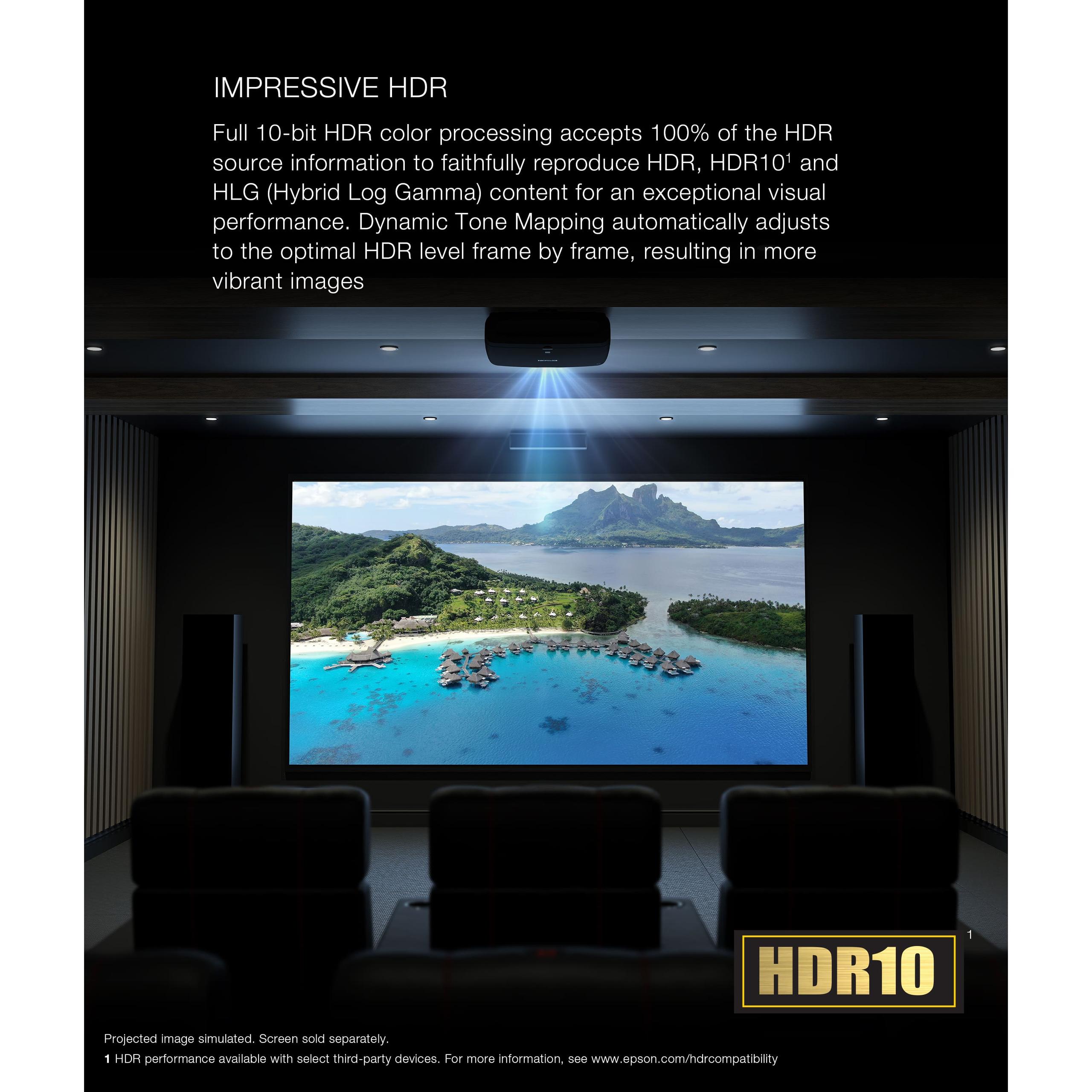
| HDR-PRO with 1,000+ zone dimming, supports HDR10/HDR10+ | Dynamic tone mapping, supports HDR10/HLG |
| Contrast Performance - Depth of blacks and overall image pop | |
| 900:1 native, 2,000,000:1 dynamic (good with processing) | Higher native contrast typical of 3LCD (exact ratio not specified) |
The BenQ HT4550i is generally better for most home theater setups. It delivers excellent color accuracy with 100% DCI-P3 coverage, factory calibration, and works perfectly in dark or dimmed rooms. The Epson QL7000 excels when you need extreme brightness for very large screens or rooms with ambient light, but comes at a much higher cost and complexity.
The BenQ HT4550i produces 3,200 lumens, which is ideal for dedicated home theaters with controlled lighting. The Epson QL7000 delivers 10,000 lumens—over three times brighter—allowing it to perform well in bright rooms and illuminate massive 300-inch screens without washout.
The BenQ HT4550i is superior for gaming with verified 17.9ms input lag and support for 1080p at 240Hz refresh rates. While the Epson QL7000 supports 120Hz gaming, it doesn't have the same low-latency optimization that makes the BenQ ideal for competitive gaming and consoles.
Both the BenQ HT4550i and Epson QL7000 use pixel-shifting technology to create 4K images from 1920×1080 native panels. The BenQ uses XPR technology while the Epson employs dual-axis pixel shifting. Both produce sharp, detailed 4K images that are visually indistinguishable from native 4K panels.
The BenQ HT4550i is much easier to install. At 14.5 pounds with an included lens, you can set it up yourself on a table or ceiling mount. The Epson QL7000 weighs 46.5 pounds, comes without a lens, and typically requires professional installation due to its complexity and interchangeable lens system.
The BenQ HT4550i includes built-in Android TV with Netflix, Prime Video, Disney+, and other streaming apps in 4K HDR quality. The Epson QL7000 has no smart features—you'll need to connect external streaming devices, gaming consoles, or media players for content.
The BenQ HT4550i provides exceptional value as a complete 4K HDR solution with everything included. The Epson QL7000 costs significantly more and requires additional lens purchases, making it valuable only for premium installations that specifically need its extreme brightness capabilities.
Both projectors offer maintenance-free operation. The BenQ HT4550i uses a 4LED system rated for 20,000-30,000 hours depending on brightness mode. The Epson QL7000 features a laser light source rated for 20,000 hours. Neither requires bulb replacements during their operational lifetime.
The BenQ HT4550i excels in color accuracy with factory-calibrated 100% DCI-P3 coverage and Delta E values under 2. The Epson QL7000 offers wide color gamut from its laser source and eliminates rainbow artifacts with 3LCD technology, but doesn't specify exact color space coverage.
The BenQ HT4550i is optimized for screen sizes up to 120-150 inches in dark rooms, though it can go larger with ambient light-rejecting screens. The Epson QL7000 can properly illuminate screens up to 300 inches even in bright environments, making it ideal for massive installations.
The BenQ HT4550i uses single-chip DLP which is compact and color-accurate but may show rainbow artifacts for sensitive viewers. The Epson QL7000 uses true 3-chip 3LCD technology that eliminates rainbow effects entirely and provides superior color brightness, but in a larger, more complex package.
Choose the BenQ HT4550i if you want excellent 4K HDR performance for a dedicated home theater, gaming setup, or media room with reasonable ambient light control. Choose the Epson QL7000 if you need extreme brightness for commercial use, very large screens, bright multipurpose rooms, or have a premium budget for the ultimate projection experience.
We've done our best to create useful and informative comparisons to help you decide what product to buy. Our research uses advanced automated methods to create this comparison and perfection is not possible - please contact us for corrections or questions. These are the sites we've researched in the creation of this article: projectorcentral.com - benq.com - rtings.com - youtube.com - soundandvision.com - rtings.com - hometheaterhifi.com - projectorscreen.com - projectorreviews.com - projectorscreen.com - youtube.com - rtings.com - projectorscreen.com - versus.com - youtube.com - projectorcentral.com - snapav.com - benq.com - benq.com - youtube.com - epson.com - projectorscreen.com - projectorscreen.com - theaudiosolutions.com - fmaudiovideo.com - thesoundcounsel.com - worldwidestereo.com - hifiheaven.net - thepowercentre.ca

Privacy Policy
Terms and Conditions - Affiliate Policy
Home Security
© Copyright 2008-2026.
11816 Inwood Rd #1211, Dallas, TX 75244