

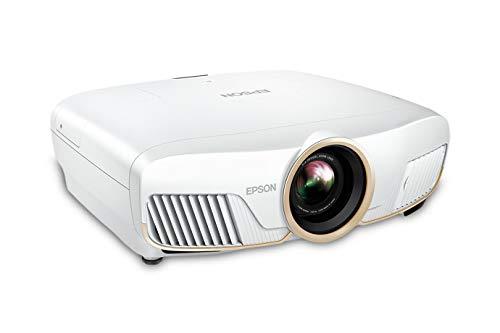
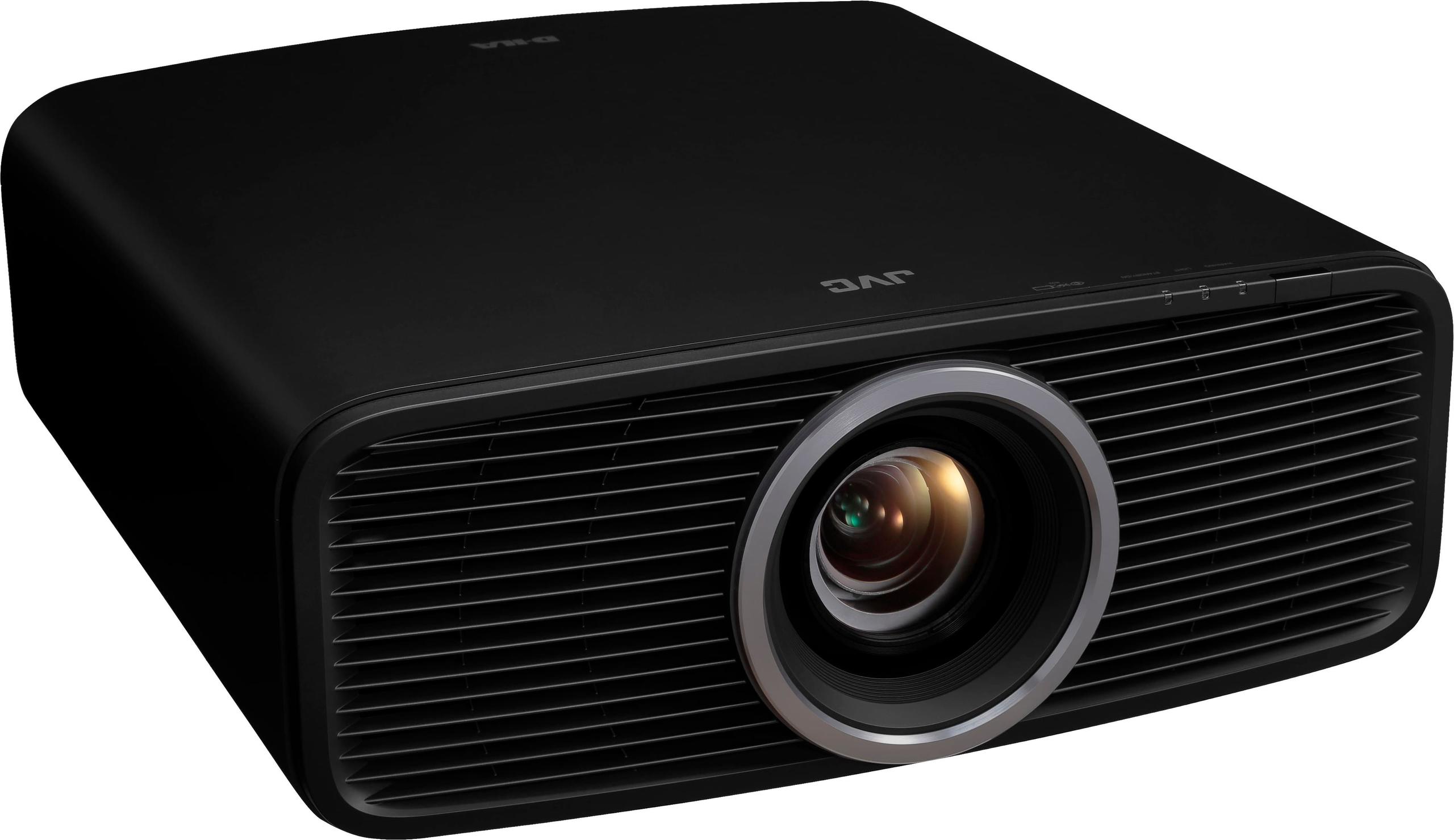
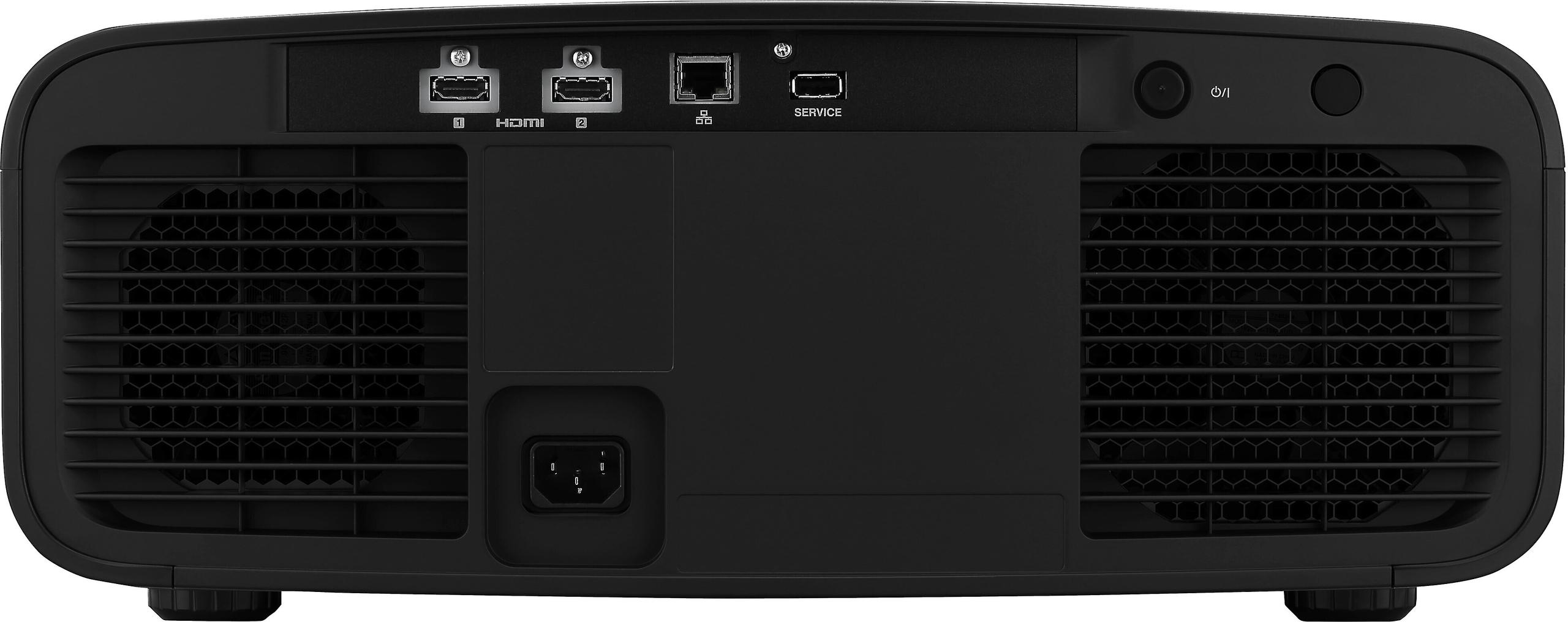
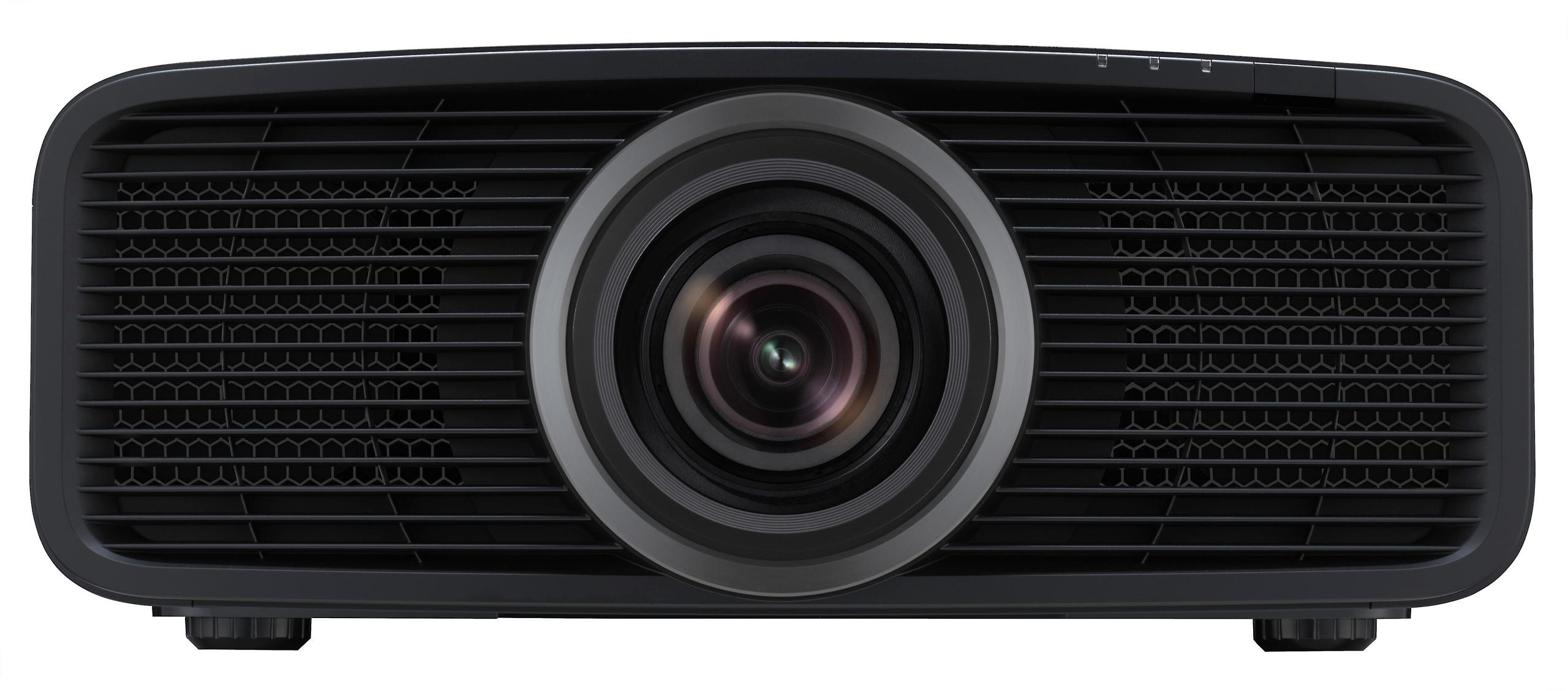
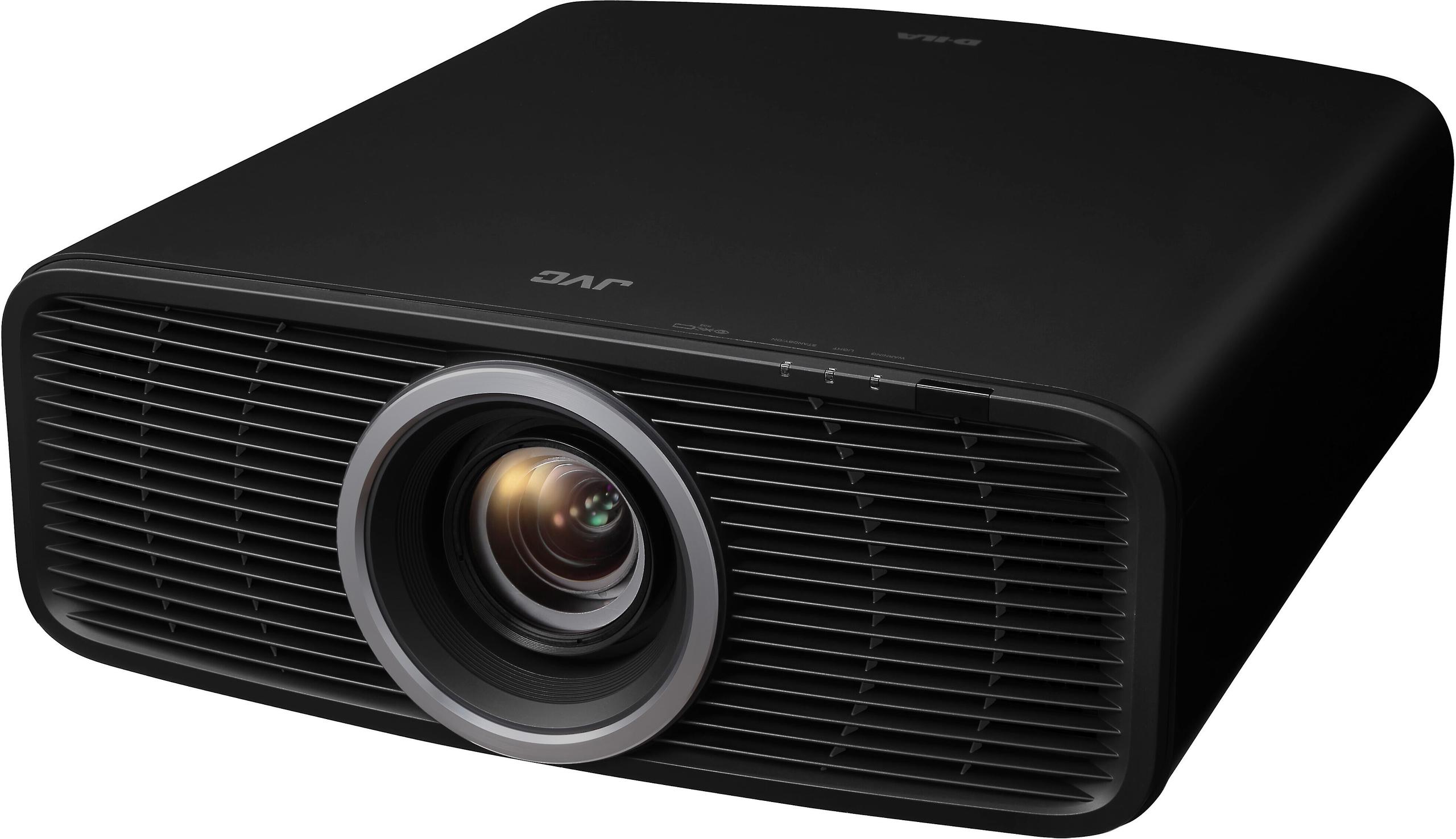
The home theater world has been buzzing with excitement as projector technology continues to evolve at breakneck speed. Two approaches now dominate the premium market: refined lamp-based systems that deliver incredible brightness and value, and cutting-edge laser projectors that promise maintenance-free operation with reference-quality images. At the center of this debate sit two exceptional projectors that represent the pinnacle of their respective technologies—the Epson Home Cinema 5050UB and the JVC DLA-NZ500.
Before diving into specifics, it's worth understanding what makes a great home theater projector. Unlike the portable projectors you might use for presentations, home theater models are designed for one primary purpose: creating a cinema-quality experience in your living space. The key factors that separate good from great include contrast ratio (how deep the blacks appear compared to bright whites), color accuracy (how true-to-life the colors look), brightness measured in lumens (how well the image holds up in various lighting conditions), and resolution (the amount of detail the projector can display).
The projector market underwent a massive shift in the mid-2010s when 4K content became mainstream and HDR (High Dynamic Range) started appearing on streaming services and Ultra HD Blu-rays. HDR essentially allows for brighter highlights and deeper shadows in the same image, creating more realistic-looking content. This technological leap forced projector manufacturers to rethink their designs entirely.
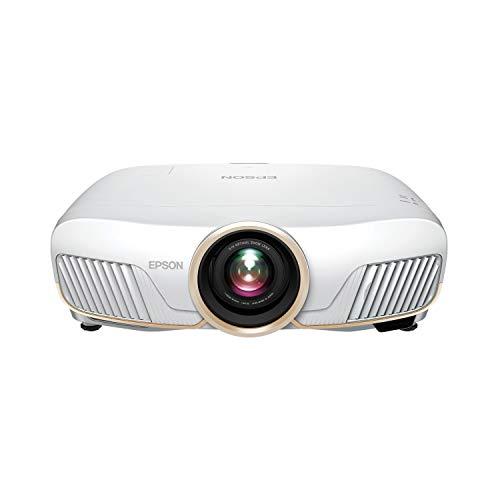
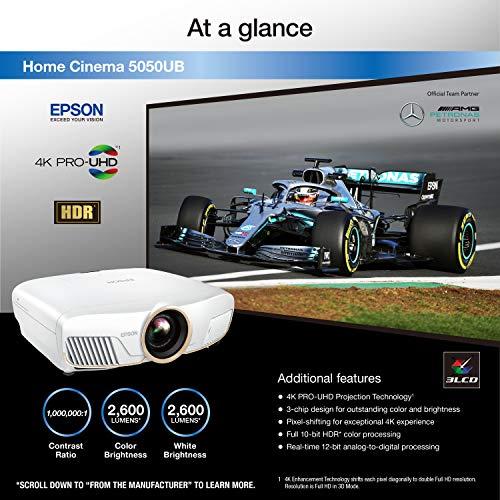
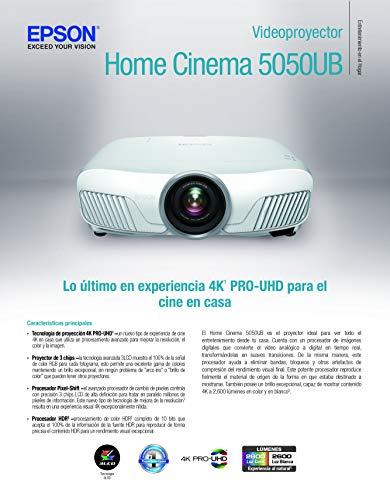
The Epson Home Cinema 5050UB, released in 2019, represents the culmination of decades of lamp-based projector refinement. Epson took their proven 3LCD technology—where three separate LCD panels handle red, green, and blue light individually—and combined it with advanced pixel-shifting to create what they call "4K PRO-UHD." This isn't native 4K in the technical sense, but rather a clever system that shifts pixels diagonally to create additional detail that closely approximates true 4K resolution.
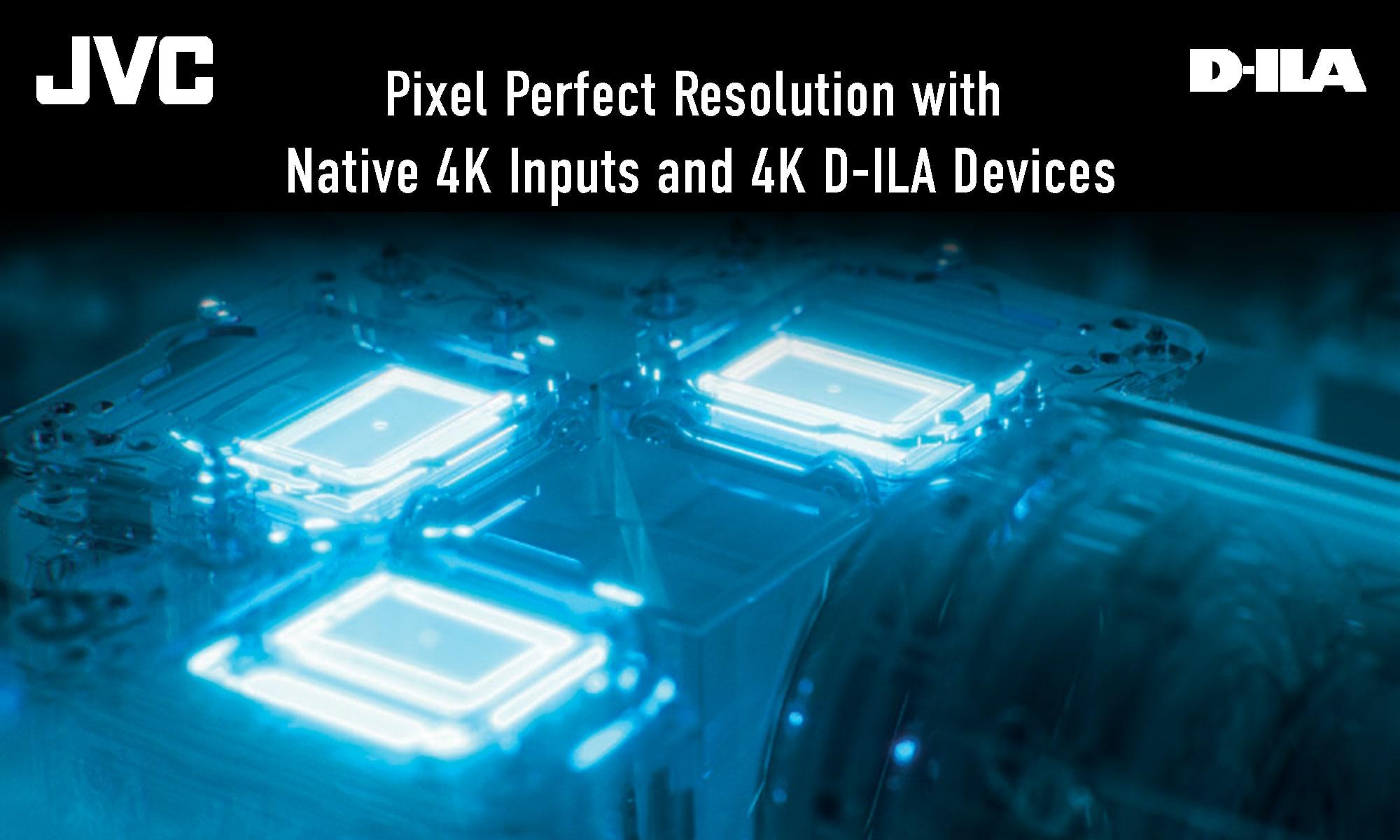
The JVC DLA-NZ500, which arrived in 2024, takes a fundamentally different approach. It uses JVC's native 4K D-ILA technology (their version of LCoS or Liquid Crystal on Silicon) combined with a laser light source instead of a traditional bulb. D-ILA panels are reflective rather than transmissive, which allows for incredibly tight pixel structures and superior contrast ratios.
One of the most immediately noticeable differences between these projectors is brightness output. The Epson 5050UB produces 2,600 lumens, while the JVC NZ500 outputs 2,000 lumens. That 600-lumen difference might not sound dramatic, but in practical use, it's the difference between flexibility and limitation.
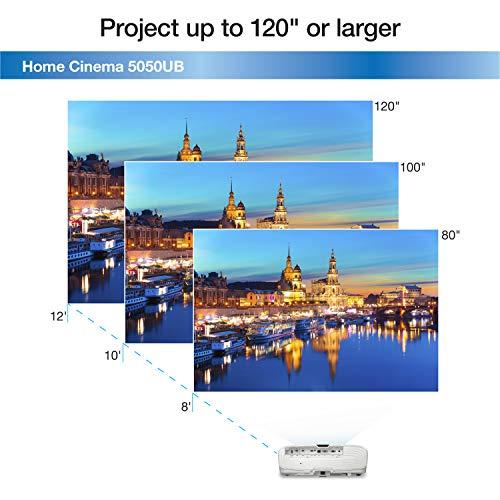
Higher brightness opens up several advantages. You can use larger screens—the Epson can comfortably fill screens up to 300 inches diagonal, compared to about 200 inches for the JVC. More importantly, brightness determines how much ambient light your room can have while still maintaining good image quality. With the Epson's extra lumens, you can leave some lights on for sports viewing or casual watching, making it more family-friendly.
However, brightness alone doesn't tell the whole story. The way a projector produces that brightness matters enormously. The Epson uses a traditional UHP (Ultra High Performance) mercury lamp that produces intense, broad-spectrum light. These lamps are incredibly bright but have drawbacks: they dim over time, generate significant heat, and need replacement every 3,500 to 5,000 hours depending on usage.
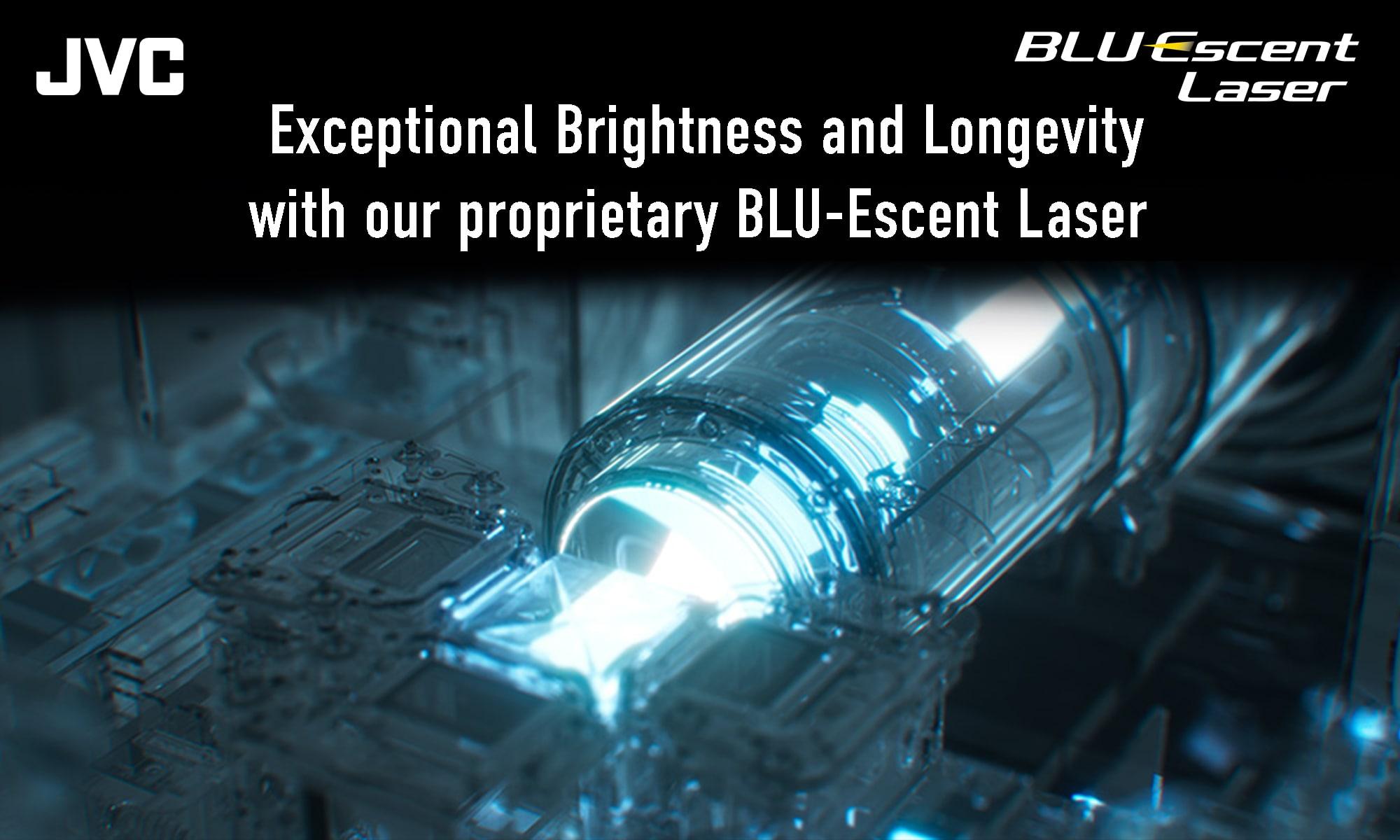
The JVC uses what they call a BLU-Escent laser diode system. Instead of a single intense bulb, multiple blue laser diodes create the light, which then gets converted to full-spectrum white light through phosphor coating. This system maintains consistent brightness over its entire 20,000-hour lifespan—roughly equivalent to watching three hours per day for eighteen years.
While brightness gets attention, contrast ratio might be even more important for image quality. Contrast determines how deep your blacks look and how vibrant your colors appear. It's the difference between watching a movie that looks flat and video-like versus one that has that magical, film-like depth.
This is where the technological differences become stark. The Epson 5050UB achieves impressive contrast through what they call UltraBlack Technology—essentially an advanced iris system that dynamically blocks light to improve black levels. In optimal conditions, it can deliver blacks that are genuinely dark and satisfying.
But the JVC DLA-NZ500 operates on another level entirely. Its native contrast ratio of 40,000:1 means that without any dynamic tricks, it can produce blacks that are 40,000 times darker than its brightest whites. In real-world testing, users consistently report that the JVC makes the Epson's already-impressive blacks look gray by comparison. This isn't a subtle difference—it's immediately visible in dark scenes, where shadow detail emerges that simply isn't visible on lesser projectors.
The practical impact of superior contrast extends beyond just darker blacks. Better contrast means colors appear more saturated and realistic. Skin tones look more natural. The sense of three-dimensional depth in images improves dramatically. For serious movie watching in a darkened room, contrast is arguably the most important specification.
The resolution story reveals interesting philosophical differences. The JVC DLA-NZ500 uses genuine native 4K panels with 4,096 x 2,160 pixels—the same resolution used in commercial digital cinemas. Every pixel of 4K content gets mapped to a physical pixel on the panel, resulting in perfect detail reproduction.
The Epson Home Cinema 5050UB uses a more complex approach called pixel-shifting or 4K enhancement. Its native panels are actually 1920 x 1080 (Full HD), but through rapid diagonal movement of those pixels, it creates additional detail that simulates 4K resolution. This isn't marketing fluff—the enhancement is real and visible. However, it can't pass single-pixel 4K test patterns that true native 4K projectors handle easily.
In practical viewing with real content like Ultra HD Blu-rays or streaming 4K, the difference between the two approaches is smaller than you might expect. The Epson's pixel-shifting is sophisticated enough that many viewers can't consistently identify which projector has native 4K in blind comparisons. The JVC does provide slightly more detail in fine textures and distant objects, but you need to be sitting relatively close to a large screen to see the difference clearly.
Color accuracy separates good projectors from great ones, and both models excel here but through different methods. The Epson 5050UB covers the full DCI-P3 color space used in commercial cinemas—about 50% wider than standard HDTV colors. Its 3LCD technology ensures that color brightness matches white brightness, avoiding the rainbow effects that some competing technologies can produce.
The JVC DLA-NZ500 covers about 93% of the DCI-P3 color space without using color filters that reduce light output. More importantly, its color accuracy out of the box is exceptional, often requiring minimal calibration to achieve reference standards. The laser light source provides extremely stable colors that don't shift over time like lamp-based systems can.
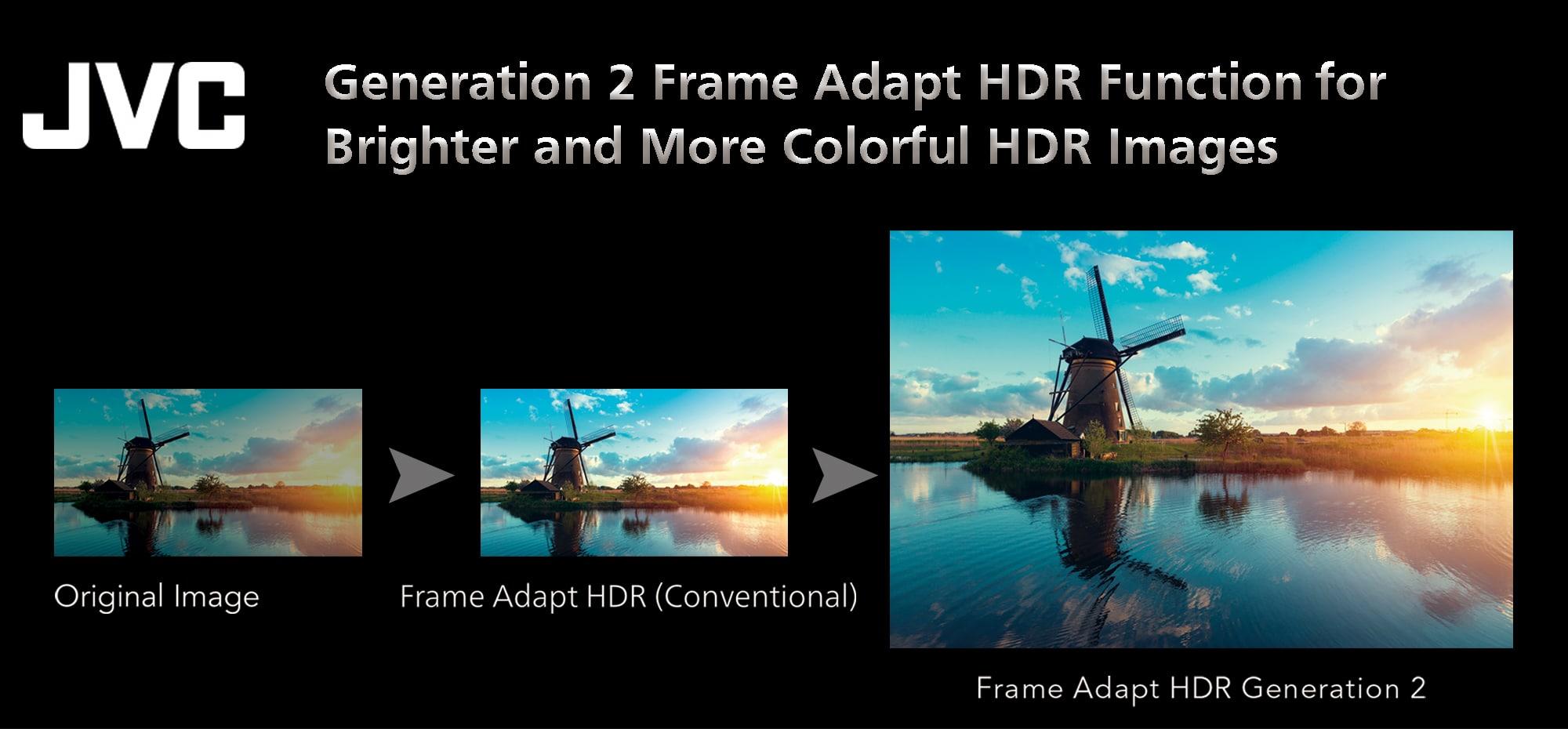
Both projectors support HDR content, but with different approaches. The Epson offers a 16-step real-time HDR adjustment that lets you customize the HDR curve based on your room and preferences. The JVC uses more sophisticated Frame Adapt HDR Generation 2 technology that analyzes each frame individually to optimize tone mapping. It also supports HDR10+, which includes dynamic metadata for even better HDR performance.
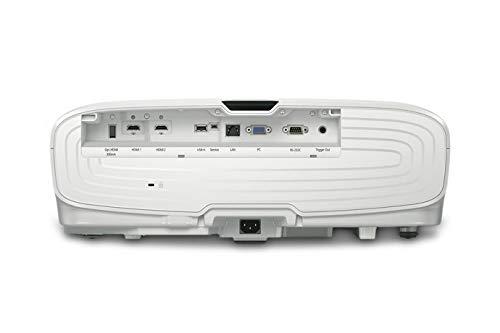
Real-world installation requirements often determine which projector works better for your specific situation. The Epson Home Cinema 5050UB shines here with a 2.1x zoom lens that offers tremendous placement flexibility. Its massive lens shift capabilities—96% vertical and 47% horizontal—mean you can mount it off-center or at unusual angles while still achieving a perfectly rectangular image.
The JVC DLA-NZ500 has a more limited 1.6x zoom ratio, though it compensates with five installation memory presets that can store different lens positions and picture settings. This feature is particularly valuable for constant image height setups where you might switch between different aspect ratios.
Both projectors feature fully motorized lenses, allowing remote adjustment of zoom, focus, and lens shift. The JVC includes an 80mm diameter lens with 15 glass elements that provides exceptional sharpness across the entire image, while the Epson prioritizes flexibility over ultimate optical perfection.
Living with a projector daily means considering factors beyond pure image quality. Fan noise becomes critical during quiet movie scenes. The Epson 5050UB produces between 20-31 dB depending on lamp mode—whisper quiet in eco mode but noticeable in high brightness settings.
The JVC DLA-NZ500 runs quieter overall at 23 dB, though users report that fan noise becomes noticeable when laser power exceeds about 74%. Since laser projectors don't dim over time like lamps, you can typically run them at lower power levels and still maintain good brightness.
Heat output differs significantly between the technologies. The Epson generates substantial heat from its 250-watt lamp, requiring good ventilation and potentially affecting room temperature during extended viewing. The JVC's laser system runs much cooler, making it more suitable for smaller or less well-ventilated spaces.
Neither projector targets serious gamers, but they handle gaming differently. The Epson Home Cinema 5050UB measures about 22.5 milliseconds of input lag—acceptable for casual gaming but not ideal for competitive play. It includes motion processing features that can smooth out sports and action content, though these add latency.
The JVC DLA-NZ500 lacks any motion interpolation features and doesn't support 4K at 120Hz despite having HDMI 2.1 inputs. This makes it purely focused on cinematic content rather than modern gaming or sports viewing.
At the time of writing, these projectors occupy different price tiers, with the JVC commanding roughly double the price of the Epson. However, total cost of ownership tells a more complex story.
The Epson 5050UB requires lamp replacements every few years, with genuine lamps costing several hundred dollars each. Over a decade of ownership, you might need three or four lamp changes, adding significant expense. The JVC essentially has no maintenance costs over its 20,000-hour laser life.
For many buyers, the Epson represents exceptional value, delivering 80-90% of the image quality at roughly half the initial investment. It's particularly compelling if you watch varied content including sports, need maximum brightness for larger screens, or don't have a dedicated darkened theater room.
The JVC justifies its premium through superior image quality in controlled environments, maintenance-free operation, and true native 4K resolution. It's the choice for serious enthusiasts who have optimized viewing environments and primarily watch cinematic content.
Your decision should align with your viewing habits and environment. Choose the Epson Home Cinema 5050UB if you need versatility—watching sports with some lights on, filling very large screens, or using the projector in a multi-purpose room. Its superior brightness and motion processing make it more family-friendly, and the lower initial cost makes premium projection more accessible.
The JVC DLA-NZ500 makes sense for dedicated theater rooms with controlled lighting where its superior contrast can be fully appreciated. If you primarily watch movies, value maintenance-free operation, and want the absolute best image quality regardless of cost, the JVC delivers reference-level performance that few projectors can match.
Both projectors represent the pinnacle of their respective approaches, and either will deliver a transformative viewing experience compared to flat-panel displays. The choice ultimately comes down to balancing performance aspirations against practical considerations—and both paths lead to compelling home theater experiences that will satisfy for years to come.
| Epson Home Cinema 5050UB | JVC DLA-NZ500 |
|---|---|
| Native Resolution - Determines true detail level and sharpness | |
| 1920 x 1080 with 4K pixel-shifting enhancement | True native 4K (4096 x 2160) |
| Light Source Technology - Affects maintenance costs and longevity | |
| 250W UHP lamp (3,500-5,000 hour lifespan) | BLU-Escent laser diode (20,000 hour lifespan) |
| Brightness Output - Critical for screen size and ambient light tolerance | |
| 2,600 lumens (supports larger screens and moderate lighting) | 2,000 lumens (optimized for dark room viewing) |
| Native Contrast Ratio - Most important factor for black levels and image depth | |
| 1,000,000:1 dynamic with UltraBlack technology | 40,000:1 native (visibly superior black performance) |
| Color Gamut Coverage - Determines color accuracy and vibrancy | |
| Full DCI-P3 color space with filter | 93% DCI-P3 without light-reducing filters |
| HDR Support - Essential for modern 4K content | |
| HDR10, HLG with 16-step real-time adjustment | HDR10, HDR10+, HLG with Frame Adapt HDR Gen2 |
| Lens System Flexibility - Affects installation options and room placement | |
| 2.1x zoom, ±96% vertical/±47% horizontal lens shift | 1.6x zoom, ±70% vertical/±28% horizontal lens shift |
| Maximum Screen Size - Determines large-screen capability | |
| Up to 300 inches diagonal | Up to 200 inches diagonal |
| Motion Processing - Important for sports and action content | |
| Frame interpolation and motion enhancement features | No motion processing (cinema-focused only) |
| Input Lag - Matters for gaming performance | |
| 22.5ms (acceptable for casual gaming) | Unknown (not gaming-optimized) |
| Fan Noise Level - Critical for quiet movie scenes | |
| 20-31 dB depending on lamp mode | 23 dB (quieter but varies with laser power) |
| 3D Support - For legacy 3D content collections | |
| Full HD 3D support with optional glasses | No 3D support |
| Physical Dimensions - Important for mounting and space requirements | |
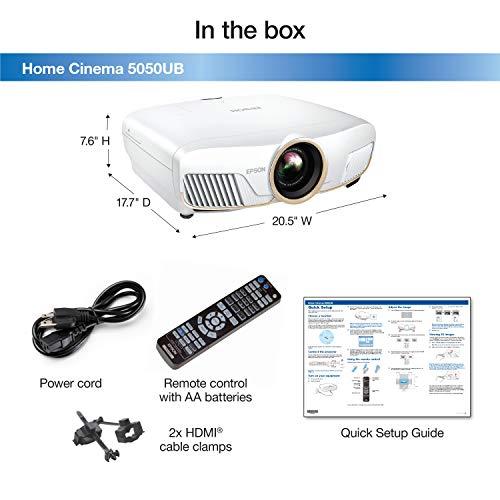
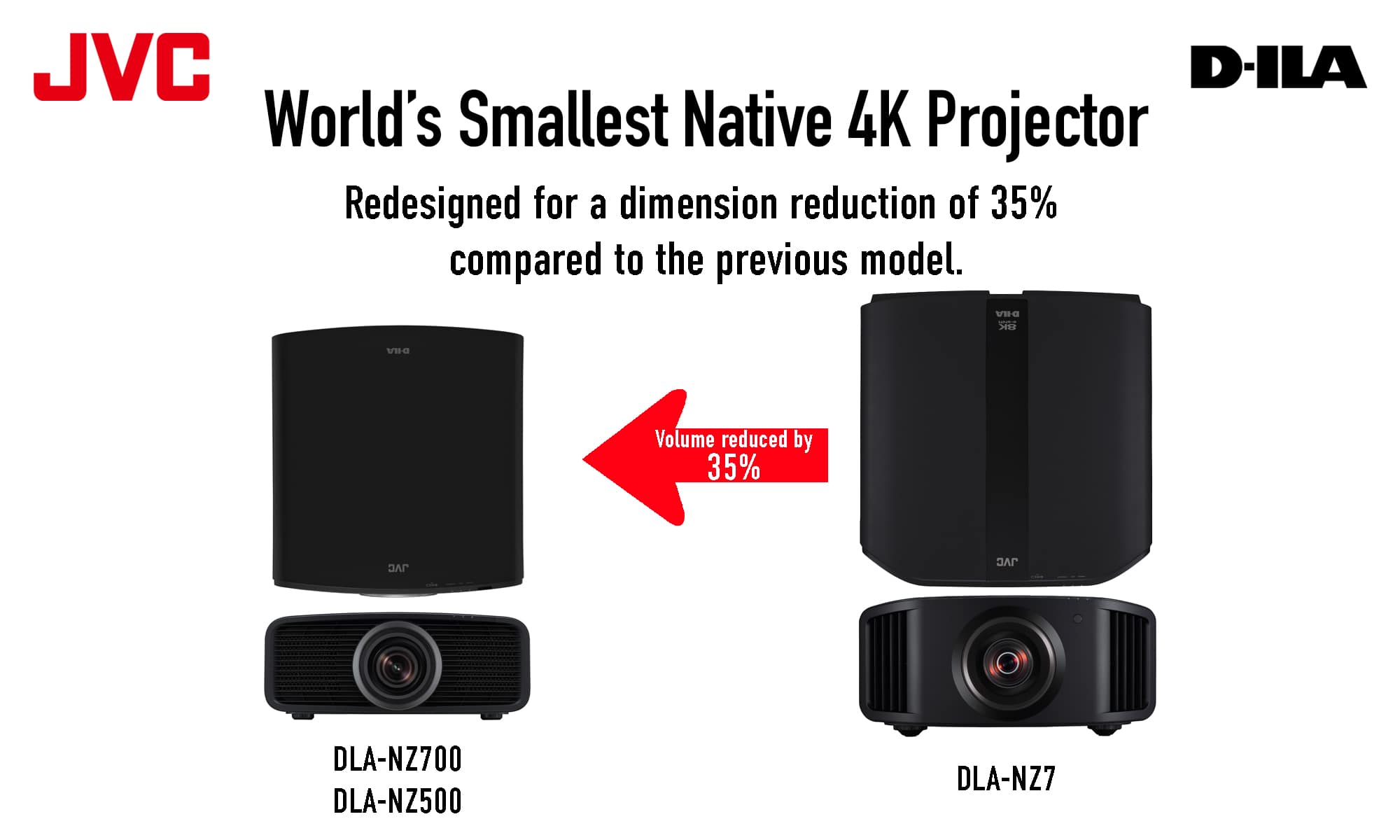
| 20.5" x 17.7" x 7.6", 24.7 lbs | 17.7" x 18.9" x 8.2", 32.2 lbs (more compact) |
| Total Cost of Ownership - Includes maintenance over projector lifetime | |
| Lower initial cost but requires periodic lamp replacements | Higher upfront cost but essentially maintenance-free |
The JVC DLA-NZ500 delivers superior home theater performance with true native 4K resolution, exceptional black levels (40,000:1 contrast), and maintenance-free laser operation. However, the Epson Home Cinema 5050UB offers excellent value with brighter output (2,600 vs 2,000 lumens), making it more versatile for rooms with ambient light and larger screens.
The core difference is technology approach: the Epson Home Cinema 5050UB uses traditional lamp-based 3LCD with pixel-shifting for 4K enhancement, while the JVC DLA-NZ500 features true native 4K D-ILA panels with laser light source. This translates to the JVC having superior contrast and no maintenance requirements, versus the Epson offering higher brightness and lower initial cost.
The JVC DLA-NZ500 significantly outperforms the Epson Home Cinema 5050UB in black levels and contrast. The JVC achieves 40,000:1 native contrast that produces visibly deeper blacks, while the Epson relies on dynamic contrast technology that, while good, cannot match the JVC's reference-quality performance.
Yes, both support 4K content but differently. The JVC DLA-NZ500 has true native 4K resolution (4096 x 2160) that displays every 4K pixel authentically. The Epson Home Cinema 5050UB uses 4K PRO-UHD pixel-shifting technology that enhances 1080p panels to create 4K-like detail, which is very good but not technically native 4K.
The Epson Home Cinema 5050UB is brighter at 2,600 lumens compared to the JVC DLA-NZ500's 2,000 lumens. This brightness advantage allows the Epson to support screens up to 300 inches and handle moderate ambient light better, while the JVC is optimized for dark rooms with screens up to 200 inches.
The JVC DLA-NZ500 is virtually maintenance-free with its 20,000-hour laser light source lasting 10-20 years of typical use. The Epson Home Cinema 5050UB requires lamp replacement every 3,500-5,000 hours, with replacement lamps adding ongoing costs throughout ownership.
Neither projector is gaming-focused, but the Epson Home Cinema 5050UB is more gaming-friendly with 22.5ms input lag and motion processing features. The JVC DLA-NZ500 lacks motion interpolation and doesn't support 4K/120Hz gaming, making it purely cinema-oriented rather than suitable for modern gaming.
The Epson Home Cinema 5050UB offers more installation flexibility with 2.1x zoom and extensive lens shift (±96% vertical, ±47% horizontal), making it easier to place in challenging room layouts. The JVC DLA-NZ500 has more limited 1.6x zoom but includes 5 installation memory presets for different viewing configurations.
The JVC DLA-NZ500 provides superior HDR performance with support for HDR10, HDR10+, and HLG formats, plus advanced Frame Adapt HDR Generation 2 tone mapping. The Epson Home Cinema 5050UB supports HDR10 and HLG with 16-step real-time adjustment, which is good but not as sophisticated as the JVC's processing.
Both projectors run relatively quietly, with the JVC DLA-NZ500 rated at 23dB and generally quieter overall due to its laser cooling requirements. The Epson Home Cinema 5050UB ranges from 20-31dB depending on lamp mode, being whisper-quiet in eco mode but more noticeable at full brightness.
Value depends on priorities: the Epson Home Cinema 5050UB offers exceptional performance-per-dollar with high brightness, good image quality, and comprehensive features at a lower entry price. The JVC DLA-NZ500 costs significantly more upfront but delivers reference-quality images and eliminates ongoing maintenance costs over its lifetime.
The Epson Home Cinema 5050UB handles ambient light much better due to its higher 2,600-lumen output, making it suitable for family rooms or spaces where complete darkness isn't possible. The JVC DLA-NZ500 with 2,000 lumens is optimized for dedicated dark theater rooms where its superior contrast can be fully appreciated.
We've done our best to create useful and informative comparisons to help you decide what product to buy. Our research uses advanced automated methods to create this comparison and perfection is not possible - please contact us for corrections or questions. These are the sites we've researched in the creation of this article: rtings.com - projectorscreen.com - hometechnologyreview.com - thesmarthomehookup.com - youtube.com - rtings.com - techgearlab.com - projectorcentral.com - projectorreviews.com - projectorcentral.com - avsforum.com - rtings.com - projectorreviews.com - projectorreviews.com - avsforum.com - avsforum.com - audiogeneral.com - hifiheaven.net - manuals.plus - crutchfield.com - projectorcentral.com - epson.com - mediaserver.goepson.com - bestbuy.com - ngxptech.com - projectorcentral.com - projectorreviews.com - projectorscreen.com - valueelectronics.com - youtube.com - projectorcentral.com - avsforum.com - youtube.com - eu.jvc.com - jvc.com - crutchfield.com - projectorreviews.com - avsforum.com - audioadvice.com

Privacy Policy
Terms and Conditions - Affiliate Policy
Home Security
© Copyright 2008-2026.
11816 Inwood Rd #1211, Dallas, TX 75244