

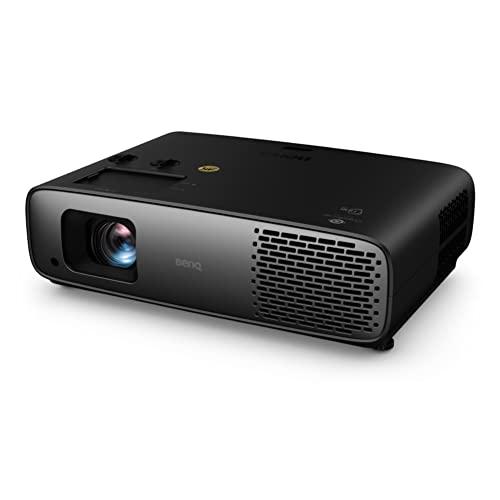

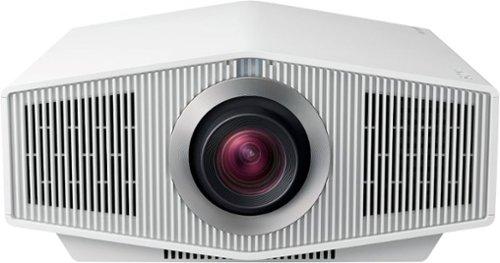
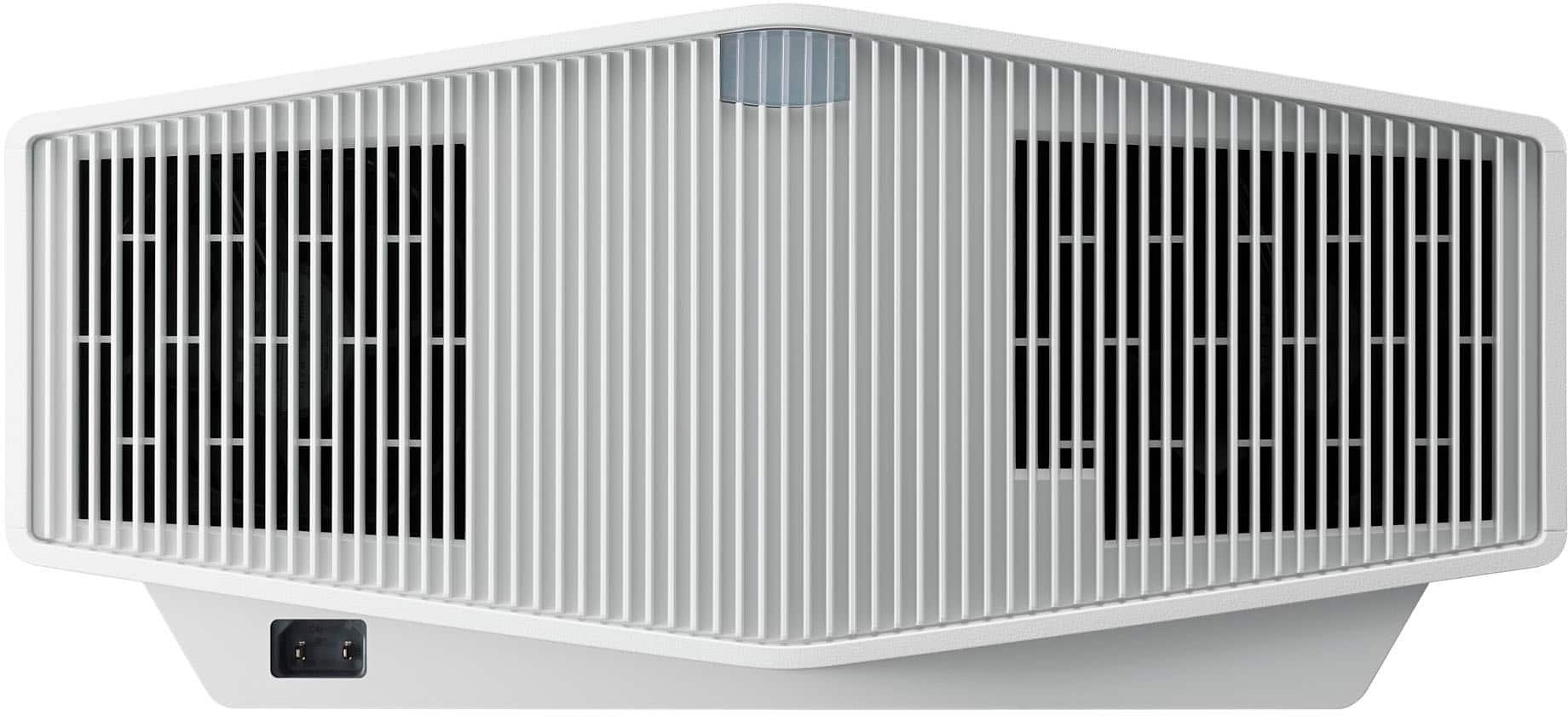
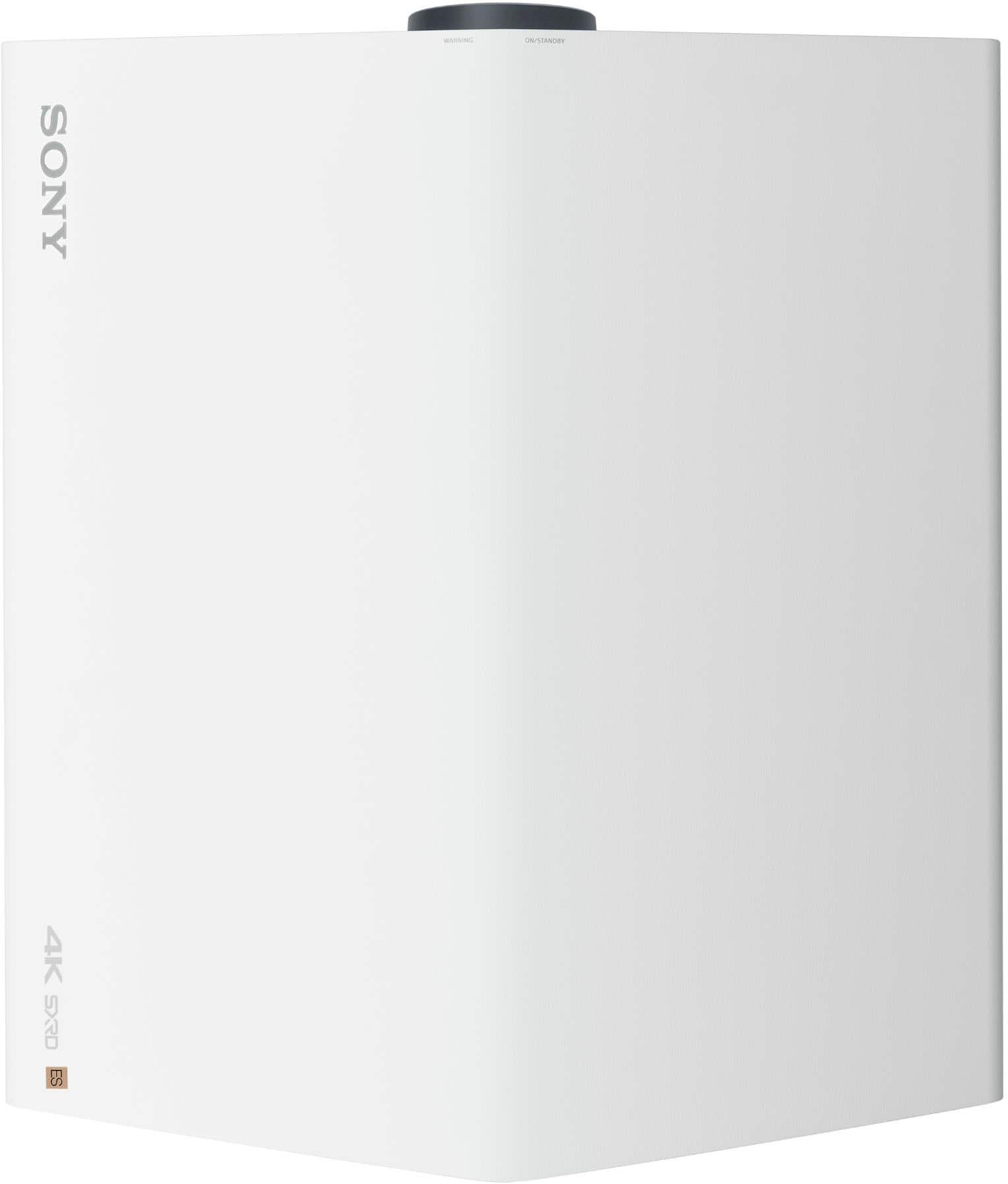
The world of home theater projectors can feel overwhelming, especially when you're trying to decide between two excellent but very different approaches to creating that perfect big-screen experience. Today, we're diving deep into two standout models that represent different philosophies in projector design: the BenQ HT4550i and the Sony BRAVIA Projector 8.
Both projectors launched in recent years—the BenQ HT4550i arrived in 2023, while the Sony BRAVIA Projector 8 hit the market in 2024. This timing is significant because it means both incorporate the latest advances in projection technology, but they take notably different approaches to achieving great image quality.
Before we compare these specific models, let's talk about what actually matters when you're shopping for a home theater projector. Unlike buying a TV where you're mainly concerned with screen size and picture quality, projectors introduce several unique considerations that can make or break your viewing experience.
Brightness is probably the most misunderstood spec. Measured in ANSI lumens, this determines how well your projector will perform in different lighting conditions. A projector that looks amazing in a pitch-black room might disappoint in a family room with some ambient light. The BenQ HT4550i rates at 3,200 ANSI lumens, while the Sony BRAVIA Projector 8 delivers 2,700 lumens. However, these numbers don't tell the whole story—we'll explain why shortly.
Contrast ratio describes the difference between the darkest black and brightest white a projector can display. This is where things get interesting: the Sony BRAVIA Projector 8 achieves what's called "infinite" dynamic contrast through its laser dimming technology, while the BenQ HT4550i uses multi-zone contrast enhancement to boost its natural contrast performance.
Color accuracy determines how faithful the projector's colors are to what the filmmaker intended. Both projectors cover wide color gamuts (the range of colors they can display), but they achieve this through different methods that affect the final image quality.
The fundamental difference between these projectors lies in their core display technology, and understanding this helps explain their different strengths and weaknesses.
The BenQ HT4550i uses DLP (Digital Light Processing) technology with a single 0.65-inch chip containing millions of tiny mirrors that flip incredibly fast to create the image. To achieve 4K resolution from what's essentially a 1080p chip, it uses XPR pixel-shifting technology—think of it as rapidly moving the image slightly to fill in additional detail. This might sound like a compromise, but the results are genuinely impressive and noticeably sharper than standard 1080p.
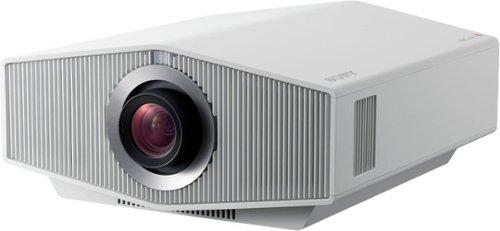
The Sony BRAVIA Projector 8 takes a different approach with SXRD (Silicon X-tal Reflective Display) technology, using three separate 0.61-inch panels—one each for red, green, and blue. This is true native 4K, meaning every pixel is actually there without any shifting tricks. The SXRD panels are essentially liquid crystal displays that work by reflection rather than transmission, which allows for tighter pixel spacing and better contrast.
In practical terms, the Sony delivers sharper fine details and text, while the BenQ offers excellent sharpness that satisfies most viewers at a lower cost point. For watching movies and TV shows, both deliver impressive 4K experiences, but if you plan to use your projector for computer work or detailed gaming where text clarity matters, the Sony's native 4K advantage becomes more apparent.
Perhaps the most significant technical difference lies in how these projectors create light. Traditional projectors used replaceable bulbs that lasted 2,000-5,000 hours and cost hundreds of dollars to replace. Both of these models have moved beyond that limitation, but in different ways.
The BenQ HT4550i features a 4LED system—using separate red, green, blue, and white LEDs to create the light spectrum. This approach provides excellent color purity and eliminates the need for a color wheel (a spinning filter that some DLP projectors use), which can cause rainbow artifacts for sensitive viewers. The LED system is rated for 20,000-30,000 hours depending on the brightness setting you use.
The Sony BRAVIA Projector 8 uses what Sony calls Z-Phosphor laser technology. This combines a blue laser with phosphor materials to create other colors in the spectrum. Laser light sources can produce incredibly precise brightness control and typically deliver more consistent performance over their lifespan. Sony rates their laser at 20,000 hours.
Both approaches eliminate lamp replacement costs, but they create different viewing characteristics. The BenQ's LED system produces slightly warmer, more natural-looking colors, while Sony's laser can achieve deeper blacks through precise brightness modulation.
This is where the biggest performance gap emerges between these two projectors. The Sony BRAVIA Projector 8 delivers significantly better black levels thanks to its SXRD technology combined with precise laser control. When you're watching a movie with dark scenes—think of space movies or horror films—the Sony can produce blacks that look truly black rather than dark gray.
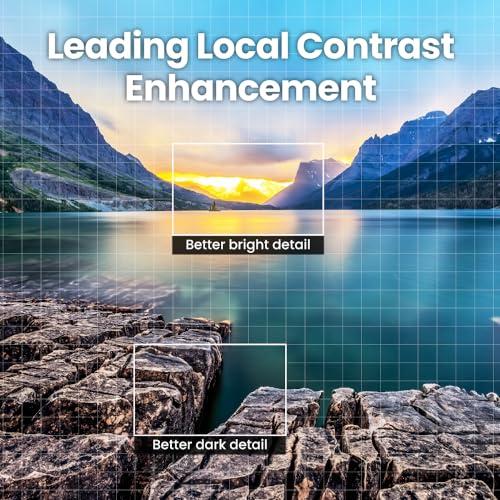
The BenQ HT4550i uses dynamic contrast enhancement with over 1,000 zones to analyze and adjust brightness across the image. This helps considerably, and in SmartEco mode, it can achieve contrast ratios exceeding 2,000:1, which is impressive for DLP technology. However, it can't match the Sony's ability to produce those inky blacks that make images pop off the screen.
For most viewing situations, especially in rooms with some ambient light, the BenQ's contrast performance is perfectly satisfying. But in a dedicated home theater with complete light control, the Sony's superior black levels create a more immersive, cinema-like experience.
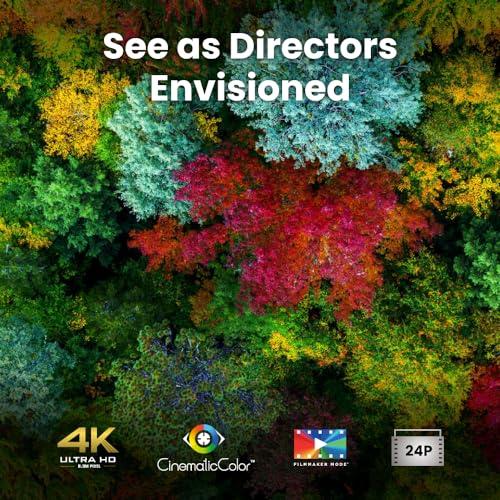
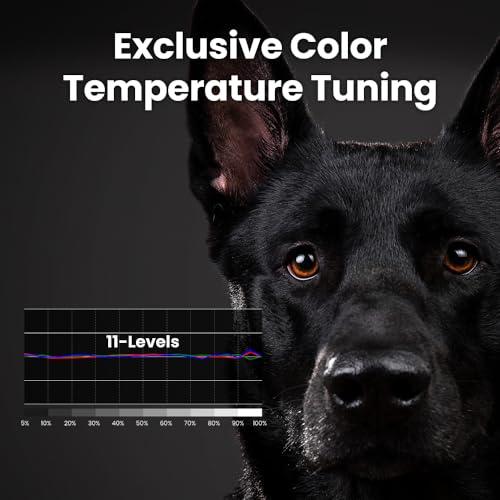
Here's where things get interesting, because the BenQ HT4550i actually has a slight advantage in color coverage. It achieves 100% of the DCI-P3 color space (the cinema standard) and 100% of Rec.709 (the HDTV standard), which is rare even among more expensive projectors. Each unit comes factory-calibrated with Delta E values under 2, meaning colors are extremely accurate right out of the box.
The Sony BRAVIA Projector 8 covers 95% of DCI-P3 and uses XR TRILUMINOS Pro technology for color enhancement. While slightly less wide in color gamut coverage, Sony's color processing is more sophisticated, with their XR Processor analyzing and optimizing colors frame by frame.
In practical terms, both projectors deliver stunning, vibrant colors. The BenQ might show slightly more saturated colors in certain situations, while the Sony tends toward more naturalistic color reproduction that many viewers prefer for movie watching.
High Dynamic Range (HDR) content—which includes most modern 4K movies and shows—presents unique challenges for projectors because they generally can't achieve the peak brightness levels of high-end TVs. Both projectors handle this challenge well, but through different approaches.
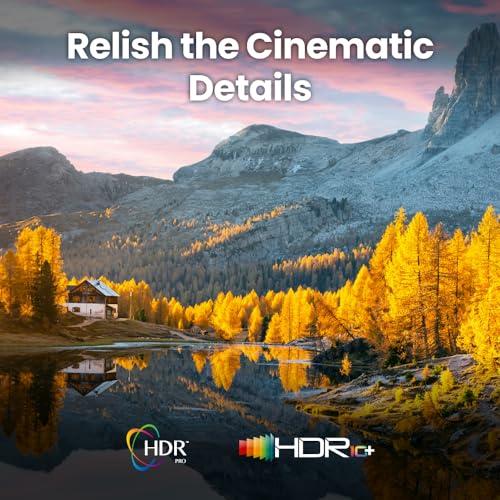
The BenQ HT4550i uses HDR-PRO tone mapping with five adjustable brightness levels, allowing you to optimize HDR content based on your room's lighting and the specific content's mastering brightness. It supports HDR10, HDR10+, and HLG formats, with HDR10+ providing dynamic optimization similar to Dolby Vision.
The Sony BRAVIA Projector 8 employs XR Dynamic Tone Mapping, which automatically adjusts HDR content frame by frame using the projector's laser dimming capabilities. This creates more dramatic contrast within HDR scenes, though some users find they occasionally need to manually adjust settings for optimal results.
Both projectors produce excellent HDR images that significantly improve upon standard dynamic range content, with the Sony having a slight edge in automatic optimization and the BenQ offering more user control.
For gamers, input lag—the delay between pressing a button and seeing the result on screen—is crucial. Both projectors excel here, but in different ways.
The BenQ HT4550i offers exceptional gaming performance with input lag as low as 8.7ms at 1080p/240Hz, making it ideal for competitive PC gaming. It also supports 4K/60Hz gaming with 17.9ms lag and can handle 1080p at 120Hz for console gaming. The variety of supported refresh rates makes it incredibly versatile for different gaming setups.
The Sony BRAVIA Projector 8 focuses more on next-generation console gaming with HDMI 2.1 support and Auto Low Latency Mode (ALLM). It can handle 4K/120Hz gaming with input lag under 12ms, which is excellent for PlayStation 5 and Xbox Series X gaming. The automatic switching to low-latency mode when gaming content is detected is particularly convenient.
If you're primarily a PC gamer who wants high refresh rates, the BenQ is the better choice. For console gamers focused on 4K/120Hz gaming, the Sony's HDMI 2.1 support gives it an advantage.
Installing a projector properly can make or break your viewing experience, and this is where the Sony BRAVIA Projector 8 demonstrates its premium positioning.
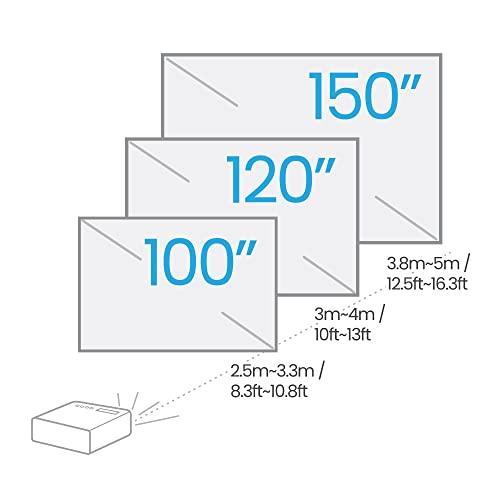
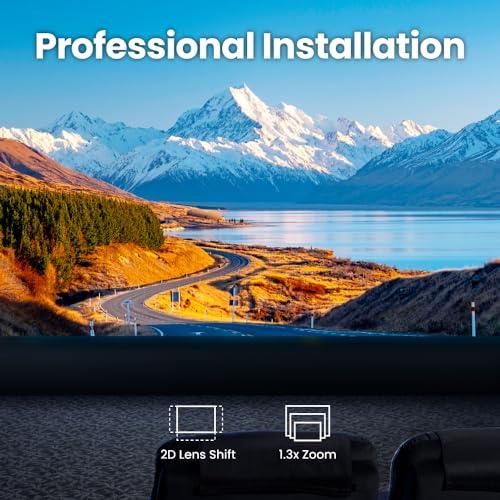
The Sony offers a 2.1x powered zoom lens compared to the BenQ's 1.3x manual zoom. This means you can adjust image size electronically without physically moving the projector. More importantly, the Sony's throw ratio range (1.35:1 to 2.84:1) is much wider than the BenQ's (1.15:1 to 1.50:1), giving you more placement options.
Lens shift capability is even more significant. The Sony BRAVIA Projector 8 provides horizontal lens shift of ±36% and vertical shift of ±85%, while the BenQ HT4550i offers ±15% horizontal and 0-60% vertical shift. Lens shift lets you move the image position without moving the projector or introducing keystone distortion—essential for professional-looking installations.
The Sony also includes Picture Position Memory, allowing you to store different aspect ratio settings for various content types. This is particularly useful if you watch both standard widescreen movies and older 4:3 content.
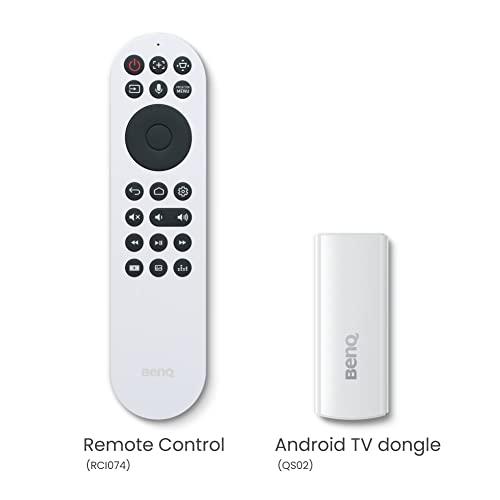
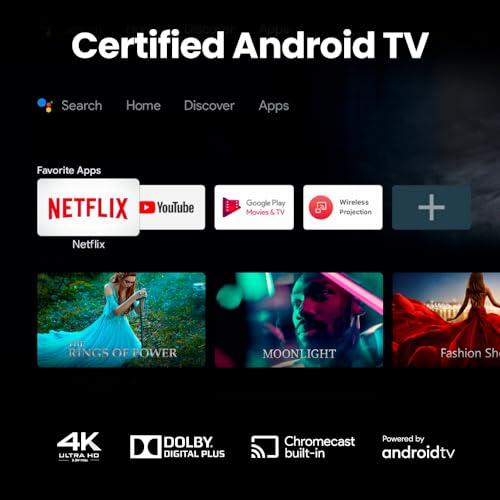
The BenQ HT4550i takes a comprehensive approach to connectivity with built-in Android TV 11. This eliminates the need for external streaming devices and provides access to Netflix in 4K HDR—something surprisingly rare among projectors. The Android TV platform includes Google Assistant voice control and access to the full Google Play store.
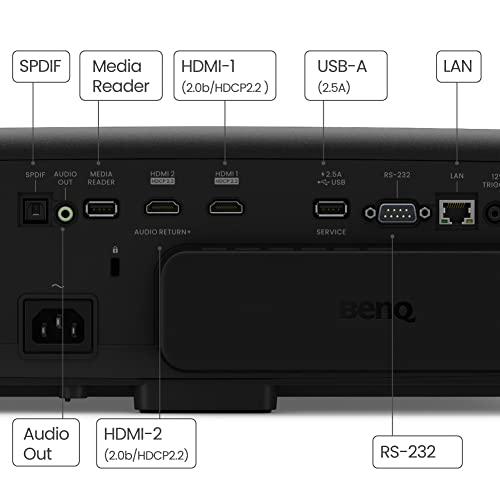
The projector includes three HDMI 2.0b ports (one with eARC for audio return), multiple USB ports, Wi-Fi, and Bluetooth connectivity. The eARC support is particularly valuable for connecting to high-end audio systems that support Dolby Atmos and other advanced audio formats.
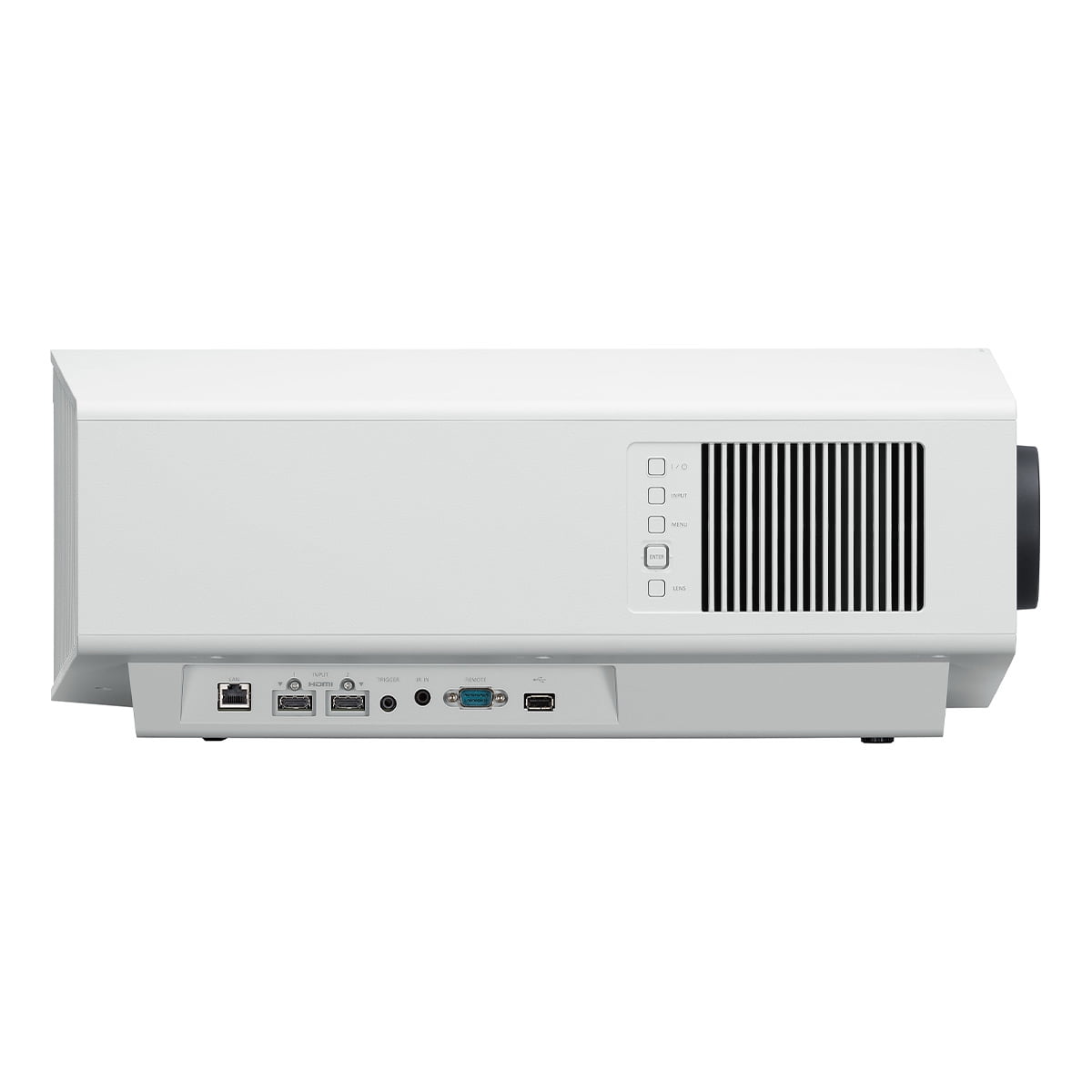
The Sony BRAVIA Projector 8 takes a more traditional approach with no built-in smart features, instead relying on external devices for streaming. It provides two HDMI 2.1 ports, RS-232 control, and network connectivity for integration with home automation systems. This approach appeals to enthusiasts who prefer dedicated streaming devices and want maximum flexibility in their setup.
At the time of writing, there's a significant price gap between these projectors, with the Sony BRAVIA Projector 8 commanding a premium of roughly $1,500-2,000 over the BenQ HT4550i. This price difference fundamentally shapes how we should evaluate each projector's value proposition.
The BenQ HT4550i delivers remarkable performance for its price point. The combination of excellent color accuracy, high brightness, solid HDR performance, and built-in smart features creates a complete home theater package that competes with projectors costing significantly more. For most users in most rooms, it provides all the image quality and features needed for an outstanding viewing experience.
The Sony BRAVIA Projector 8 justifies its premium through superior native 4K resolution, better contrast performance, more sophisticated image processing, and professional-grade installation flexibility. It's the projector for users who want the absolute best image quality and have the budget to match.
Your room significantly influences which projector will perform better. The BenQ HT4550i's higher brightness output makes it more versatile across different environments. It can handle family rooms with some ambient light, thanks to its 3,200-lumen rating and excellent brightness uniformity. This makes it ideal for multipurpose spaces where complete light control isn't always possible.
The Sony BRAVIA Projector 8's lower brightness output means it performs best in dedicated theater rooms with good light control. However, its superior contrast and black levels make it incredibly rewarding in these environments, creating that true cinema experience that projection enthusiasts seek.
Both projectors run relatively quietly, with the BenQ operating at 28-32 dB and the Sony at approximately 26 dB. Neither should be distractingly noisy in typical viewing situations.
Choose the BenQ HT4550i if you want maximum value and versatility. It's perfect for users who want excellent image quality without the premium price, need built-in smart features, prioritize gaming performance, or have rooms where ambient light is a consideration. The combination of brightness, color accuracy, and convenience features makes it an outstanding choice for most home theater setups.
Choose the Sony BRAVIA Projector 8 if image quality is your top priority and budget is less of a concern. It's ideal for dedicated theater rooms, users who demand true native 4K performance, or installations requiring maximum flexibility. The superior contrast, professional-grade features, and Sony's reputation for reliability justify the premium for serious enthusiasts.
Both projectors represent excellent examples of how projection technology has evolved, offering lamp-free operation, outstanding image quality, and modern connectivity. Your choice ultimately depends on balancing your performance priorities against your budget and room requirements. Either way, you'll be getting a projector that delivers a genuinely impressive home theater experience that was unimaginable at these price points just a few years ago.
The projection market continues evolving rapidly, with improvements in brightness, contrast, and smart features arriving regularly. Both the BenQ HT4550i and Sony BRAVIA Projector 8 represent the current state of the art in their respective price categories, offering performance that brings the cinema experience home in ways that continue to amaze even experienced viewers.
| BenQ HT4550i 4K HDR LED Home Theater Projector | Sony BRAVIA Projector 8 4K HDR Laser Projector |
|---|---|
| Native Resolution - True 4K delivers sharper text and fine details | |
| 1080p with XPR pixel-shifting to 4K (excellent sharpness upgrade) | True native 4K (3840×2160) with three 0.61" SXRD panels |
| Brightness - Higher lumens handle ambient light better | |
| 3,200 ANSI lumens (versatile for various room lighting) | 2,700 ANSI lumens (requires more controlled lighting) |
| Light Source Technology - Affects maintenance and image quality | |
| 4LED system (20,000-30,000 hour lifespan, natural colors) | Z-Phosphor laser (20,000 hours, precise brightness control) |
| Contrast Performance - Critical for deep blacks and image depth | |
| 2,000,000:1 dynamic with multi-zone enhancement | Infinite dynamic contrast with laser dimming technology |
| Color Coverage - Wider gamuts deliver more vibrant, accurate colors | |
| 100% DCI-P3, 100% Rec.709 (exceptional coverage at this price) | 95% DCI-P3 with XR TRILUMINOS Pro (slightly narrower but well-processed) |
| Installation Flexibility - More options mean easier room placement | |
| 1.3x manual zoom, ±15% horizontal/0-60% vertical lens shift | 2.1x powered zoom, ±36% horizontal/±85% vertical lens shift |
| Gaming Performance - Lower input lag provides more responsive gaming | |
| 8.7ms at 1080p/240Hz, 17.9ms at 4K/60Hz (excellent for PC gaming) | <12ms at 4K/120Hz with HDMI 2.1 (optimized for next-gen consoles) |
| Smart Features - Built-in streaming eliminates need for external devices | |
| Android TV 11 with Netflix 4K HDR, Google Assistant, full app store | No built-in smart features (requires external streaming devices) |
| HDR Processing - Better tone mapping improves bright and dark details | |
| HDR-PRO with 5-level brightness control (user-friendly optimization) | XR Dynamic Tone Mapping (sophisticated but may need manual tweaking) |
| Build Quality & Design Approach | |
| Consumer-friendly with integrated features (excellent value proposition) | Professional-grade with premium materials (enthusiast-focused design) |
The BenQ HT4550i is better suited for bright rooms with its 3,200 ANSI lumens output compared to the Sony BRAVIA Projector 8's 2,700 lumens. The BenQ HT4550i can handle more ambient light and works well in multipurpose family rooms, while the Sony performs best in dedicated theater rooms with controlled lighting.
Yes, the Sony BRAVIA Projector 8 features true native 4K resolution using three 0.61" SXRD panels. The BenQ HT4550i uses 1080p panels with XPR pixel-shifting technology to achieve 4K display. While both deliver excellent 4K images, the Sony BRAVIA Projector 8 provides sharper fine details and text clarity.
Both projectors excel at gaming but in different ways. The BenQ HT4550i offers superior PC gaming with 8.7ms input lag at 1080p/240Hz, while the Sony BRAVIA Projector 8 is better for console gaming with HDMI 2.1 support and 4K/120Hz capability at under 12ms input lag.
Neither the BenQ HT4550i nor Sony BRAVIA Projector 8 requires lamp replacements. The BenQ uses a 4LED system lasting 20,000-30,000 hours, while the Sony uses a Z-Phosphor laser rated for 20,000 hours. This eliminates ongoing maintenance costs compared to traditional lamp-based projectors.
The Sony BRAVIA Projector 8 delivers superior black levels and contrast performance with its SXRD technology and laser dimming system achieving infinite dynamic contrast. The BenQ HT4550i uses multi-zone contrast enhancement to improve its DLP performance but cannot match Sony's deep blacks.
Yes, the BenQ HT4550i includes Android TV 11 with built-in streaming apps including Netflix in 4K HDR, Google Assistant, and access to the Google Play store. The Sony BRAVIA Projector 8 has no built-in smart features and requires external streaming devices like Apple TV or Roku.
The Sony BRAVIA Projector 8 provides significantly more installation flexibility with 2.1x powered zoom, ±36% horizontal lens shift, and ±85% vertical lens shift. The BenQ HT4550i has 1.3x manual zoom with more limited lens shift capabilities, making the Sony easier to install in challenging room layouts.
The BenQ HT4550i covers 100% of DCI-P3 and Rec.709 color spaces with factory calibration achieving Delta E under 2. The Sony BRAVIA Projector 8 covers 95% DCI-P3 with XR TRILUMINOS Pro processing. Both deliver excellent colors, with the BenQ HT4550i offering slightly wider coverage at a lower cost.
Both projectors operate quietly, with the Sony BRAVIA Projector 8 slightly quieter at 26 dB compared to the BenQ HT4550i at 28-32 dB depending on brightness mode. Neither should be distractingly loud during normal viewing, making both suitable for home theater use.
Both projectors handle HDR content excellently. The BenQ HT4550i uses HDR-PRO tone mapping with five brightness levels and supports HDR10, HDR10+, and HLG formats. The Sony BRAVIA Projector 8 employs XR Dynamic Tone Mapping for frame-by-frame optimization, though it may occasionally require manual adjustment.
The BenQ HT4550i offers exceptional value with bright, color-accurate images, built-in smart features, and excellent gaming performance at a significantly lower cost. The Sony BRAVIA Projector 8 justifies its premium through true native 4K, superior contrast, and professional installation flexibility for serious home theater enthusiasts.
The key difference is that the Sony BRAVIA Projector 8 delivers superior contrast and true native 4K sharpness, making it better for dedicated dark theater rooms. The BenQ HT4550i provides brighter, more vibrant colors with excellent pixel-shifted 4K quality that works better in varied lighting conditions while offering outstanding value.
We've done our best to create useful and informative comparisons to help you decide what product to buy. Our research uses advanced automated methods to create this comparison and perfection is not possible - please contact us for corrections or questions. These are the sites we've researched in the creation of this article: projectorcentral.com - benq.com - rtings.com - youtube.com - soundandvision.com - rtings.com - hometheaterhifi.com - projectorscreen.com - projectorreviews.com - projectorscreen.com - youtube.com - rtings.com - projectorscreen.com - versus.com - youtube.com - projectorcentral.com - snapav.com - benq.com - benq.com - projectorreviews.com - valueelectronics.com - stereonet.com - crutchfield.com - audioholics.com - crutchfield.com - projectorcentral.com - pro.sony - electronics.sony.com - cepro.com - community.verizon.com

Privacy Policy
Terms and Conditions - Affiliate Policy
Home Security
© Copyright 2008-2026.
11816 Inwood Rd #1211, Dallas, TX 75244