

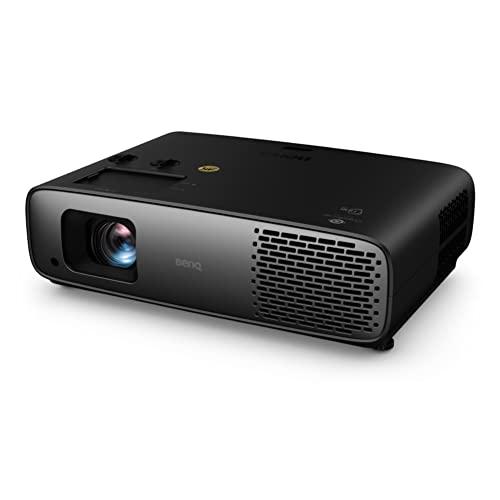

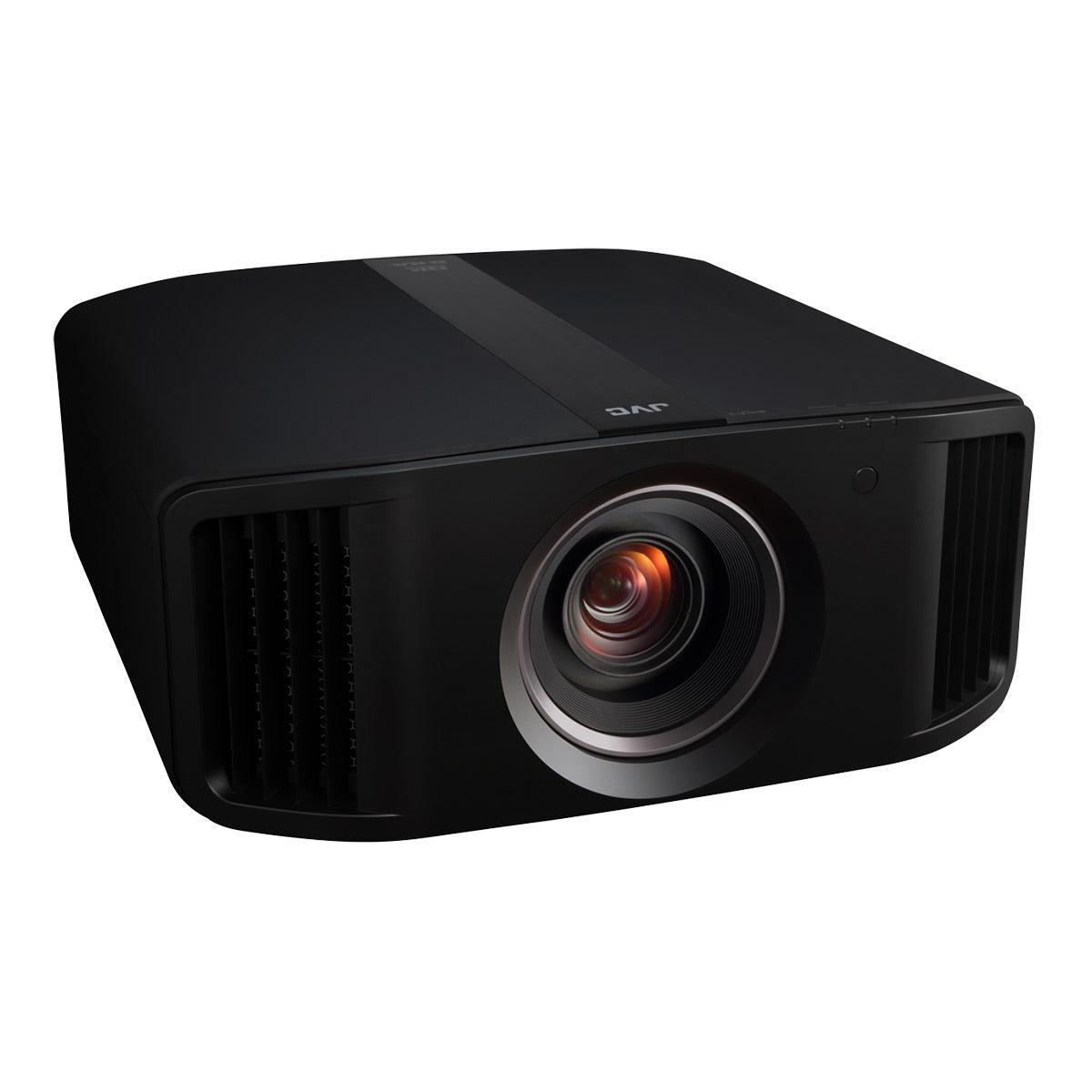
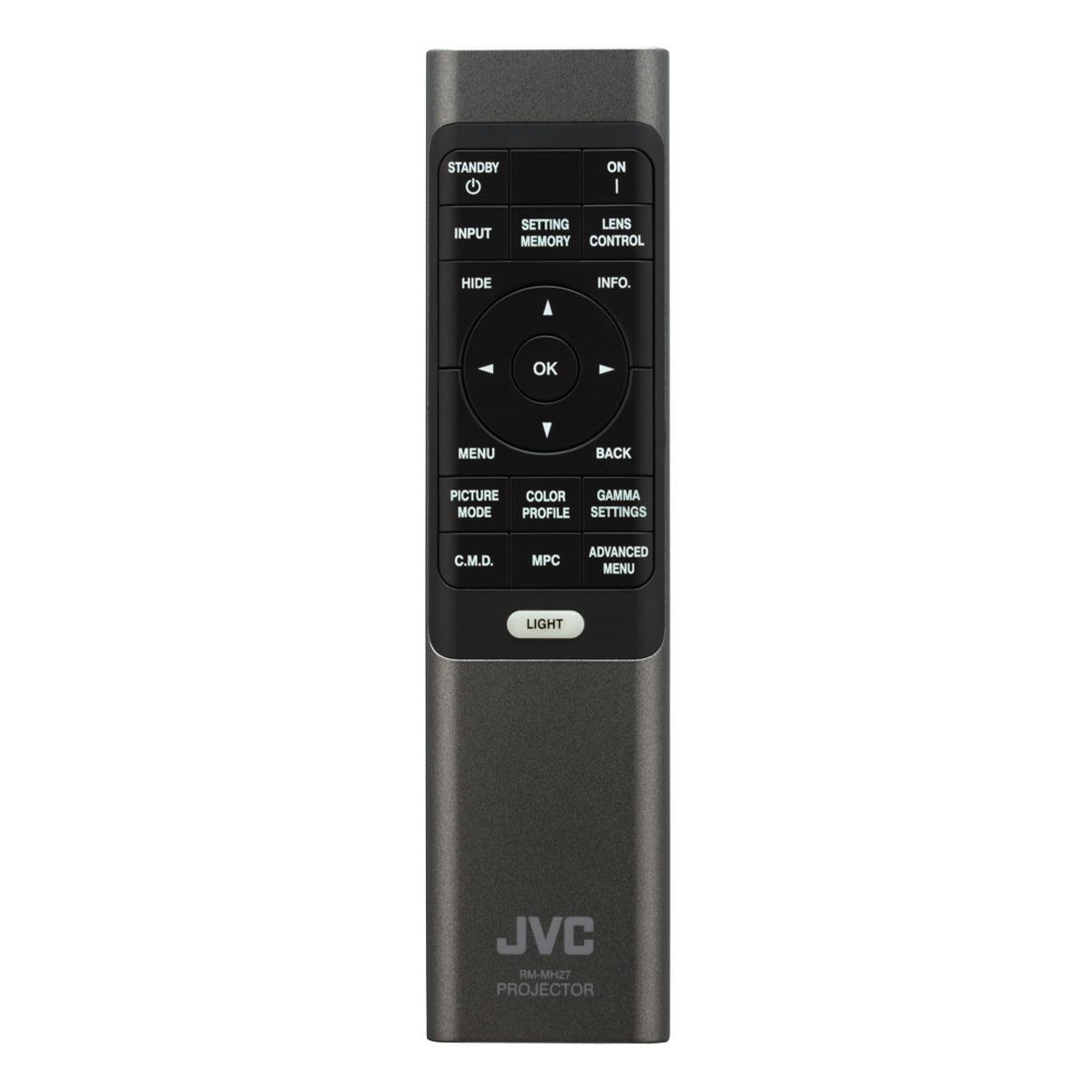
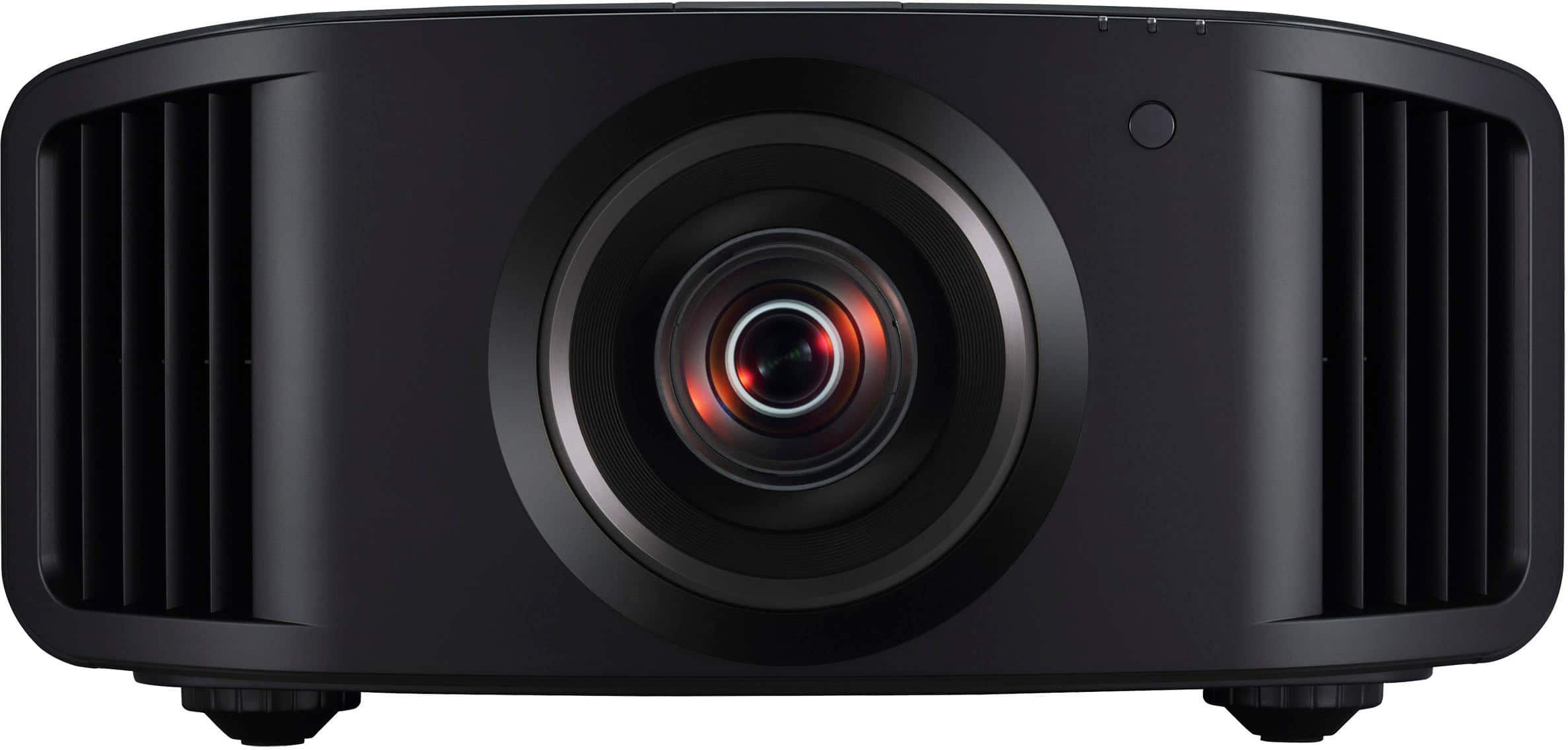
When it comes to transforming your living space into a cinematic experience, projectors offer something that even the largest TVs simply can't match: truly massive screen sizes at prices that won't require a second mortgage. But choosing between the BenQ HT4550i and JVC DLA-NZ800 means deciding between two fundamentally different philosophies in home theater projection.
Released in 2023, the BenQ HT4550i represents what many consider the sweet spot of home theater value—delivering premium features and excellent image quality at a price point that serious enthusiasts can actually afford. The JVC DLA-NZ800, on the other hand, sits firmly in reference-grade territory, targeting users who want the absolute best image quality money can buy, regardless of cost.
Before diving into specifics, it's worth understanding what makes these projectors tick. Both use different core technologies that fundamentally shape their performance characteristics.
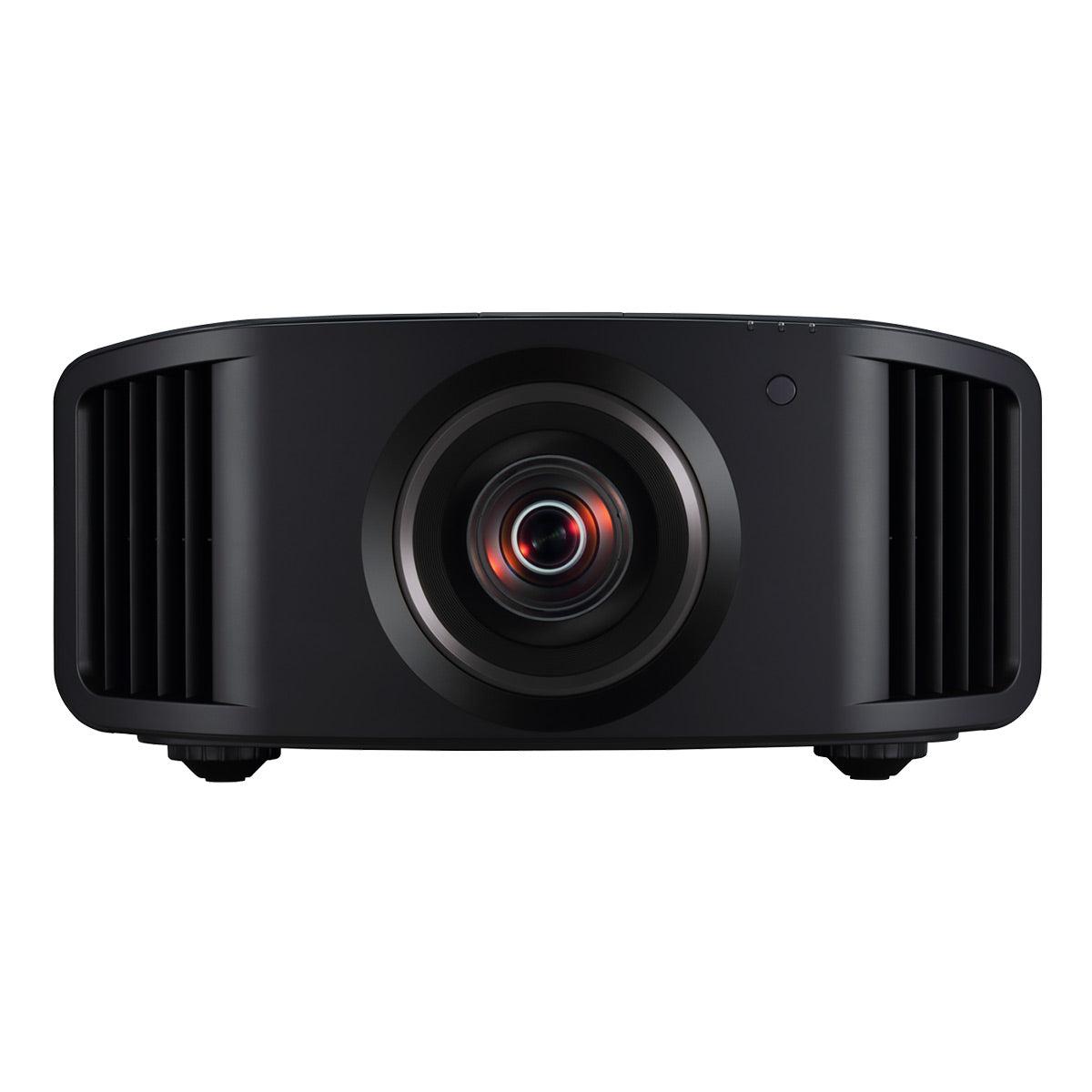
The BenQ HT4550i employs DLP (Digital Light Processing) technology, which uses millions of tiny mirrors on a chip to reflect light and create images. Think of it like a microscopic disco ball—each mirror can tilt to either reflect light toward the screen or away from it, creating the dark and bright areas that form your image. BenQ combines this with XPR pixel-shifting technology, which essentially moves the image slightly between frames to create more detail than the chip natively produces.
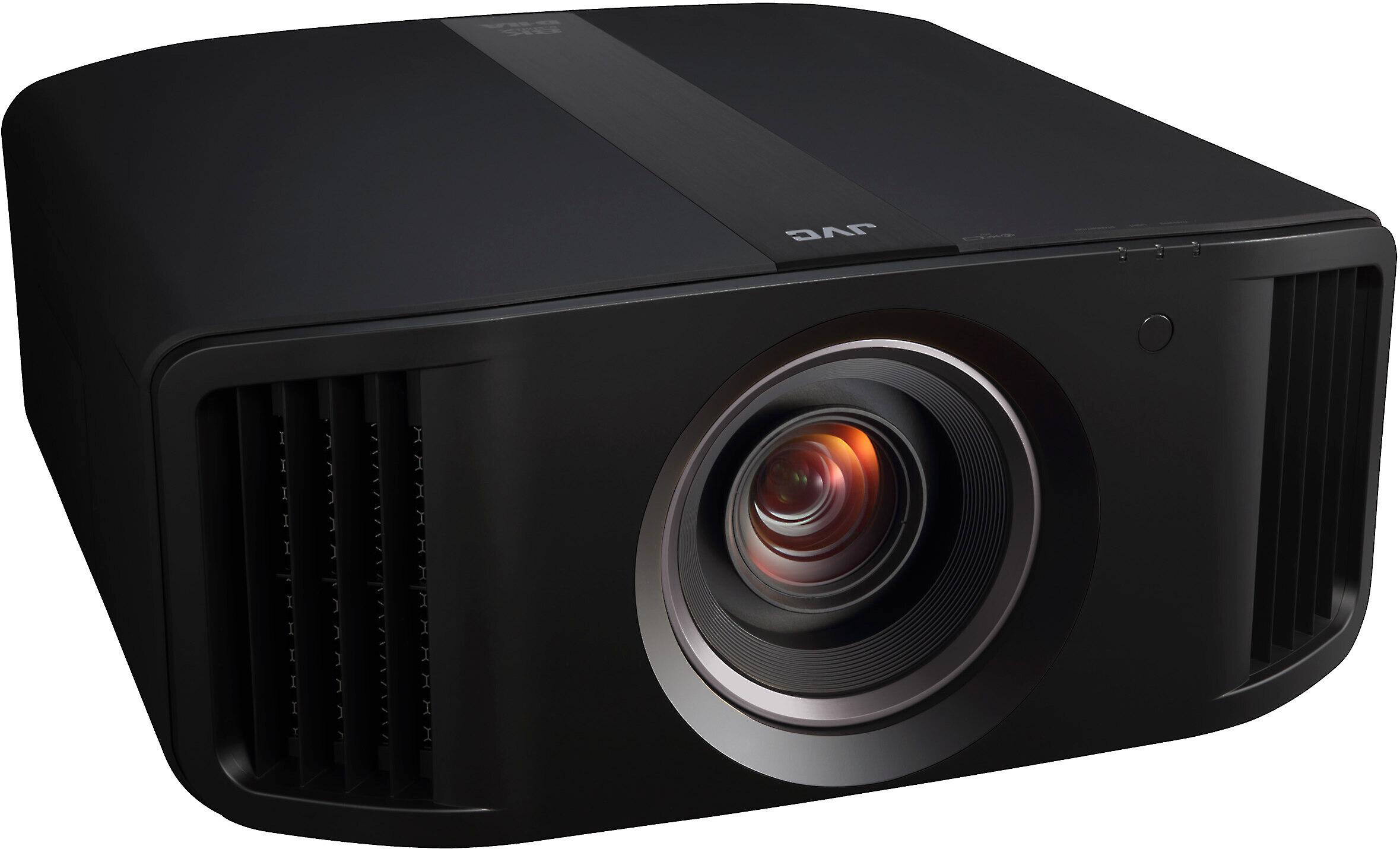
The JVC DLA-NZ800 uses D-ILA technology (Direct-drive Image Light Amplifier), which is JVC's version of LCoS (Liquid Crystal on Silicon). Instead of moving mirrors, this technology uses liquid crystals that can be electrically controlled to either block or allow light to pass through. It's like having millions of tiny shutters that can open and close incredibly quickly.
These different approaches create distinct performance characteristics that we'll explore throughout this comparison.
Both projectors claim to deliver 4K resolution, but they achieve this through different methods that produce noticeably different results. The BenQ HT4550i uses a 1080p DLP chip with XPR pixel-shifting to create 4K images. This technology rapidly shifts the image by half a pixel in multiple directions, effectively quadrupling the number of pixels displayed. While this isn't "true" 4K in the strictest sense, the results are impressive—images appear significantly sharper and more detailed than standard 1080p projection.
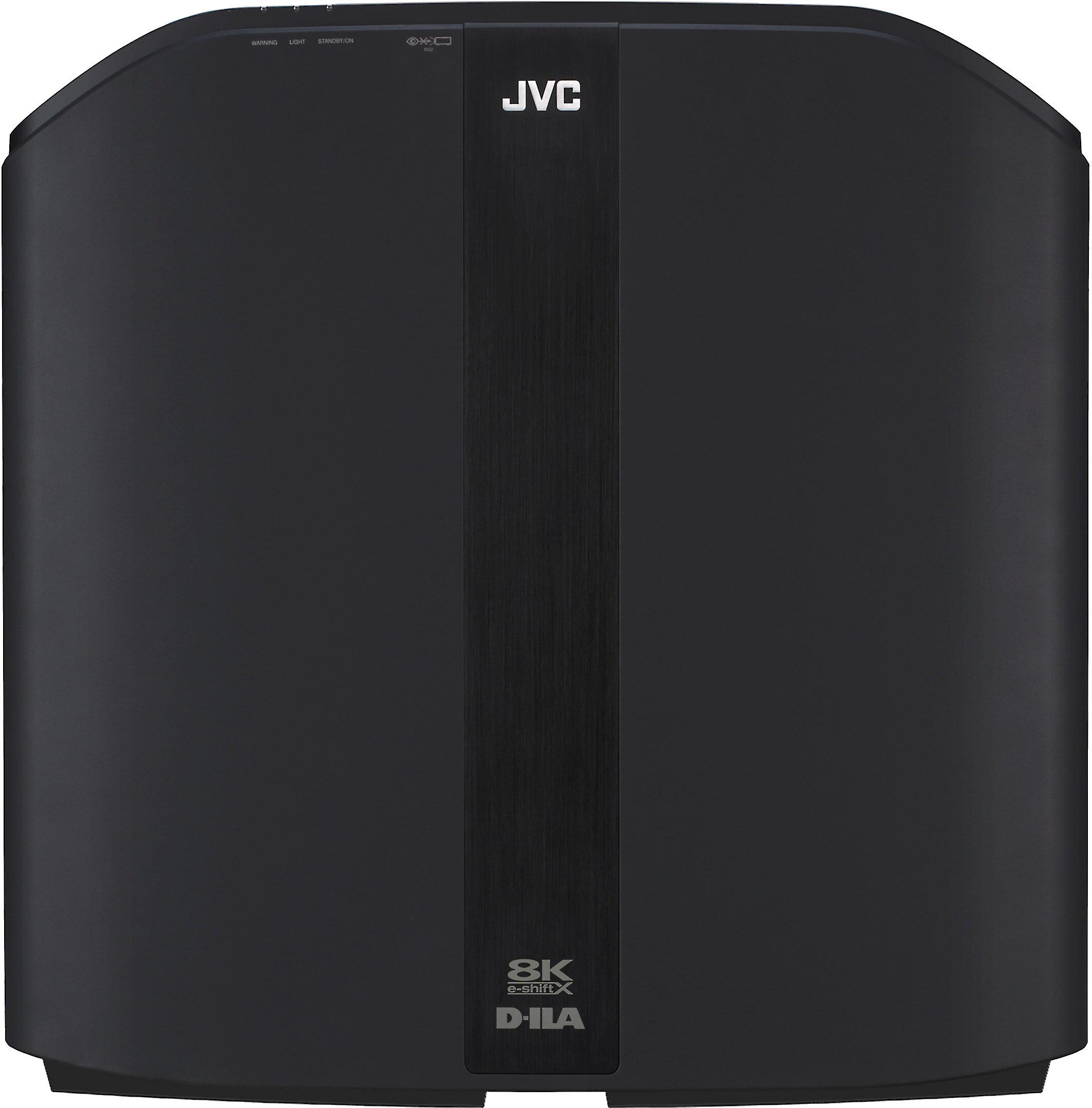
The JVC DLA-NZ800 takes a different approach entirely. It uses three native 4K D-ILA devices (one each for red, green, and blue) and then applies its own e-shift technology on top of that to create 8K resolution. This means you're getting true 4K as the starting point, then enhanced further. The difference is immediately apparent when viewing detailed content—fine textures in clothing, architectural details, and natural elements all appear more refined and three-dimensional.
Based on our research into professional reviews and user feedback, the JVC DLA-NZ800 delivers noticeably superior detail resolution, particularly with high-quality source material. However, the BenQ HT4550i punches well above its weight class, delivering sharpness that many users find completely satisfactory for the majority of content.
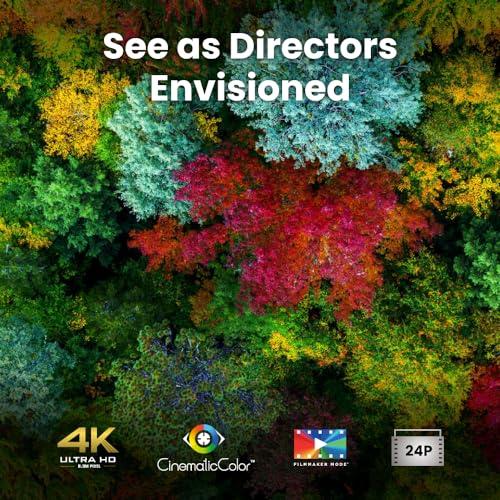
Color reproduction is where these two projectors showcase their different design philosophies. The BenQ HT4550i covers 100% of the DCI-P3 color gamut, which is the professional cinema standard. This is actually quite impressive at its price point—many projectors costing significantly more struggle to achieve this coverage. BenQ achieves this through careful LED selection and internal filtering, resulting in colors that are both accurate and pleasantly vivid.
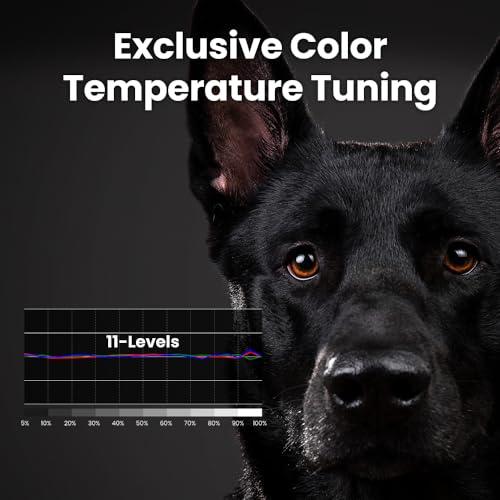
What makes the BenQ HT4550i particularly appealing is its exceptional out-of-the-box color accuracy. Most projectors require professional calibration to look their best, but BenQ has done extensive factory tuning that results in Delta E values (a measure of color accuracy) under 2. In practical terms, this means colors look natural and correct without any additional adjustment—a huge advantage for users who don't want to deal with complex calibration procedures.
The JVC DLA-NZ800 takes color reproduction to another level entirely. Its D-ILA technology provides inherently better color accuracy and smoother gradations between colors. The projector delivers what many describe as "film-like" color reproduction—natural, nuanced, and incredibly faithful to the director's intent. While it may not produce the immediately striking "wow factor" of more saturated displays, the colors feel authentic and engaging over long viewing sessions.
Professional reviewers consistently praise the JVC DLA-NZ800 for producing some of the most natural skin tones available in any projector. This is particularly important for dramatic films where subtle color variations matter significantly to the viewing experience.
This is where the fundamental technology differences between these projectors become most apparent—and where the JVC DLA-NZ800 demonstrates why it commands such a significant price premium.
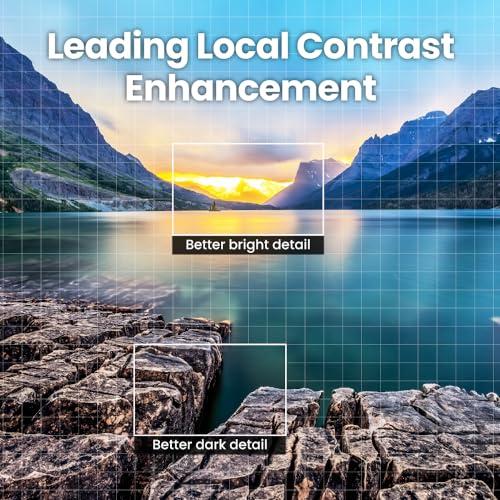
The BenQ HT4550i achieves a native contrast ratio of approximately 1,000:1, which is typical for single-chip DLP projectors. However, BenQ has implemented several technologies to improve perceived contrast. The Local Contrast Enhancer divides the image into over 1,000 zones and adjusts the LED brightness dynamically based on the content in each zone. Combined with the projector's Dynamic Black technology, this creates a dynamic contrast ratio that BenQ claims reaches 2,000,000:1.
While these dynamic contrast features definitely improve the viewing experience—particularly with HDR content—the fundamental limitation remains. In very dark scenes, you'll still notice that blacks appear more like dark gray than true black. This becomes most apparent in letterboxed content (movies with black bars) or scenes with stark contrasts between bright and dark elements.
The JVC DLA-NZ800 operates in an entirely different league when it comes to contrast performance. With a native contrast ratio of 100,000:1—that's one hundred times better than the BenQ—it produces blacks that are genuinely black rather than gray. This isn't just a numbers game; the difference is immediately visible even in moderately lit rooms.
This superior contrast performance transforms the viewing experience in several ways. Dark movie scenes retain detail in shadows while maintaining deep blacks. Star fields in space movies appear to float in genuine darkness rather than against a grayish background. The overall sense of depth and three-dimensionality in images is dramatically enhanced.
Based on extensive research into professional reviews, the contrast advantage of the JVC DLA-NZ800 is its single most important performance advantage. Even viewers who initially focus on other aspects like brightness or color often find that contrast performance becomes the most noticeable difference during extended viewing sessions.
Brightness is where the BenQ HT4550i shows some significant advantages. Its 4LED light source produces a rated 3,200 ANSI lumens, though real-world measurements in its most accurate color modes typically yield around 1,800-1,900 lumens. This is still quite bright for a home theater projector and makes it suitable for rooms with some ambient light or larger screen sizes.
The JVC DLA-NZ800 produces 2,700 lumens from its laser light source. While this is still substantial, it's optimized more for color accuracy and consistency than peak brightness. In practice, this means the JVC performs best in dedicated dark theater environments where you can fully appreciate its contrast advantages.
HDR (High Dynamic Range) performance showcases how each manufacturer approaches the challenge of displaying content with brightness levels far exceeding what any projector can actually produce. Most HDR content is mastered for displays capable of 1,000 to 10,000 nits of brightness, while even the brightest projectors top out around 100-150 nits.
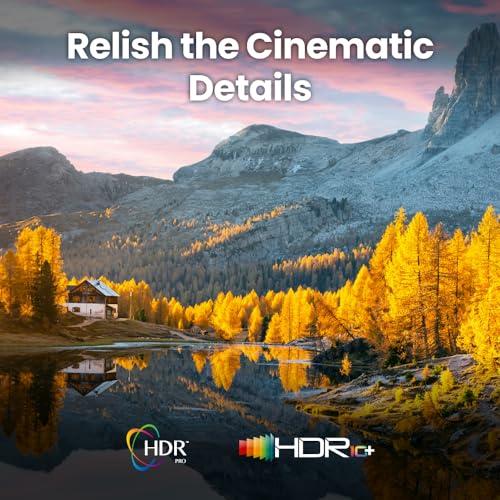
The BenQ HT4550i addresses this through its HDR-PRO tone mapping technology. This system analyzes HDR content in real-time and intelligently compresses the brightness range to fit within the projector's capabilities while preserving as much of the original dynamic range as possible. The results are impressive—HDR content maintains its impact with bright highlights and detailed shadows, even though the absolute brightness levels are much lower than intended.
The JVC DLA-NZ800 includes Frame Adapt HDR, which goes even further by analyzing content frame by frame rather than scene by scene. This allows for more nuanced tone mapping that can better preserve the filmmaker's artistic intent. Combined with the projector's superior contrast ratio, HDR content often appears more natural and engaging than on the BenQ, even though peak brightness may be similar.
Gaming performance has become increasingly important as projectors compete with large TVs for living room supremacy. Input lag—the delay between when you press a button and when the action appears on screen—can make the difference between victory and defeat in competitive gaming.
The BenQ HT4550i excels in this area, delivering input lag as low as 8.7 milliseconds at 1080p/240Hz and 17.9 milliseconds at 4K/60Hz. These are excellent numbers that put it in the same league as gaming-focused TVs. The projector supports refresh rates up to 240Hz at 1080p and 120Hz at 4K, making it compatible with the latest gaming consoles and high-end PCs.
The JVC DLA-NZ800 takes a different approach, prioritizing image quality over ultra-low latency. While it can handle 4K/120Hz gaming when its 8K processing is disabled, input lag is typically higher—around 20-30 milliseconds depending on the mode. This is still acceptable for most gaming scenarios but might not satisfy competitive esports players.
For most home theater users, both projectors provide perfectly adequate gaming performance. The BenQ HT4550i has the edge for serious gamers, while the JVC DLA-NZ800 offers superior image quality for cinematic gaming experiences.
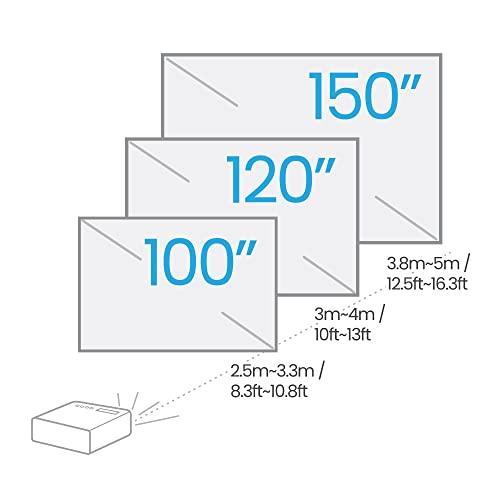
The practical aspects of living with these projectors reveal another set of important differences. The BenQ HT4550i is designed to be more accommodating to typical home environments. Its shorter throw ratio means it can create large images from relatively close distances, and its brighter output makes it more tolerant of ambient light.
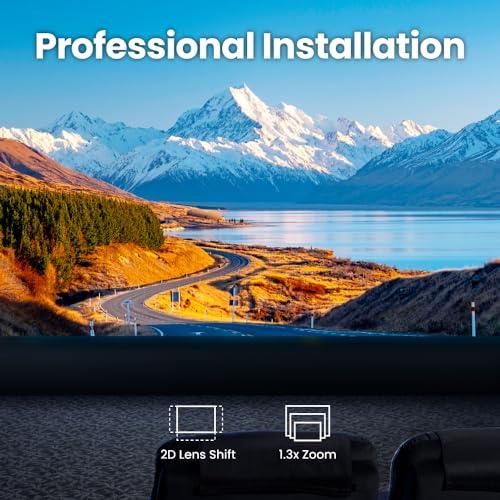
The projector's lens shift capabilities (15% horizontal, 60% vertical) provide reasonable installation flexibility, though not as much as some competitors. The 1.3x zoom range allows for some adjustment of image size without moving the projector.
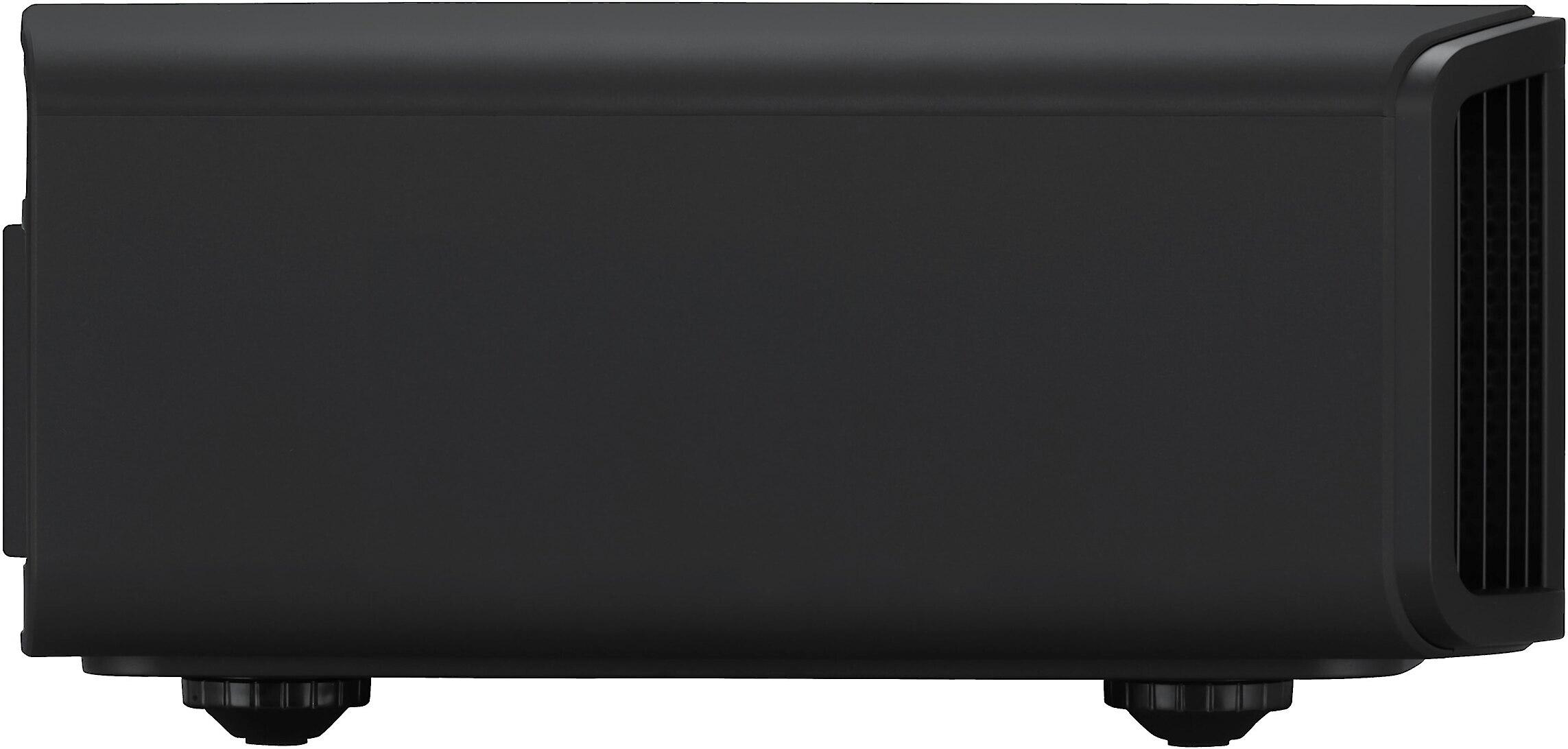
The JVC DLA-NZ800 offers more extensive lens shift capabilities (34% horizontal, 80% vertical) and a 2x zoom range, providing greater installation flexibility. However, it really demands a dedicated dark theater environment to showcase its capabilities fully. In rooms with any significant ambient light, much of its contrast advantage disappears.
Weight and size also differ significantly. The BenQ HT4550i weighs about 14.5 pounds, while the JVC DLA-NZ800 is lighter at about 9.5 pounds despite its more complex internal components.
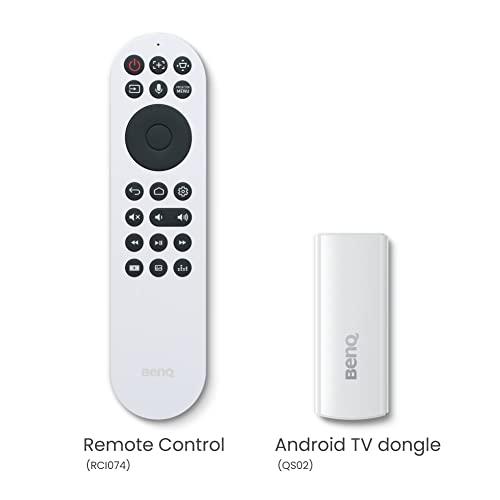
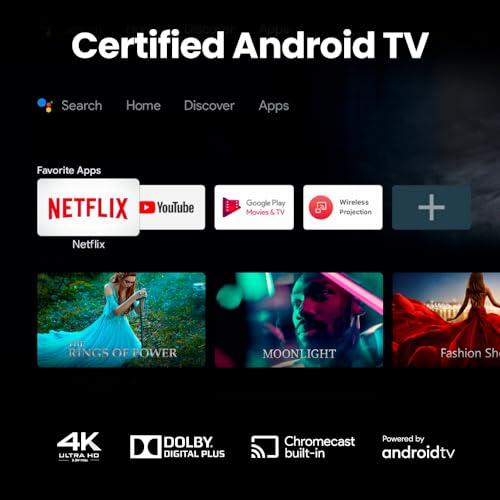
This is an area where the BenQ HT4550i offers a unique advantage. It includes integrated Android TV with support for Netflix, Amazon Prime Video, Disney+, and other major streaming services in 4K HDR. This is remarkably rare in the projector world—most require external streaming devices.
The Android TV implementation is well-executed, with responsive performance and regular updates. Having Netflix 4K HDR support built-in is particularly valuable, as Netflix has historically been restrictive about allowing 4K streaming through external devices connected to projectors.
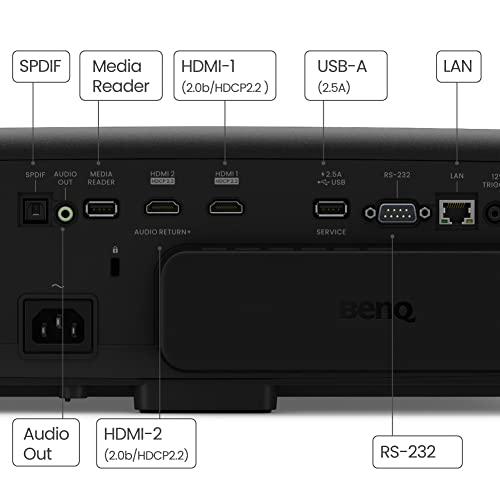
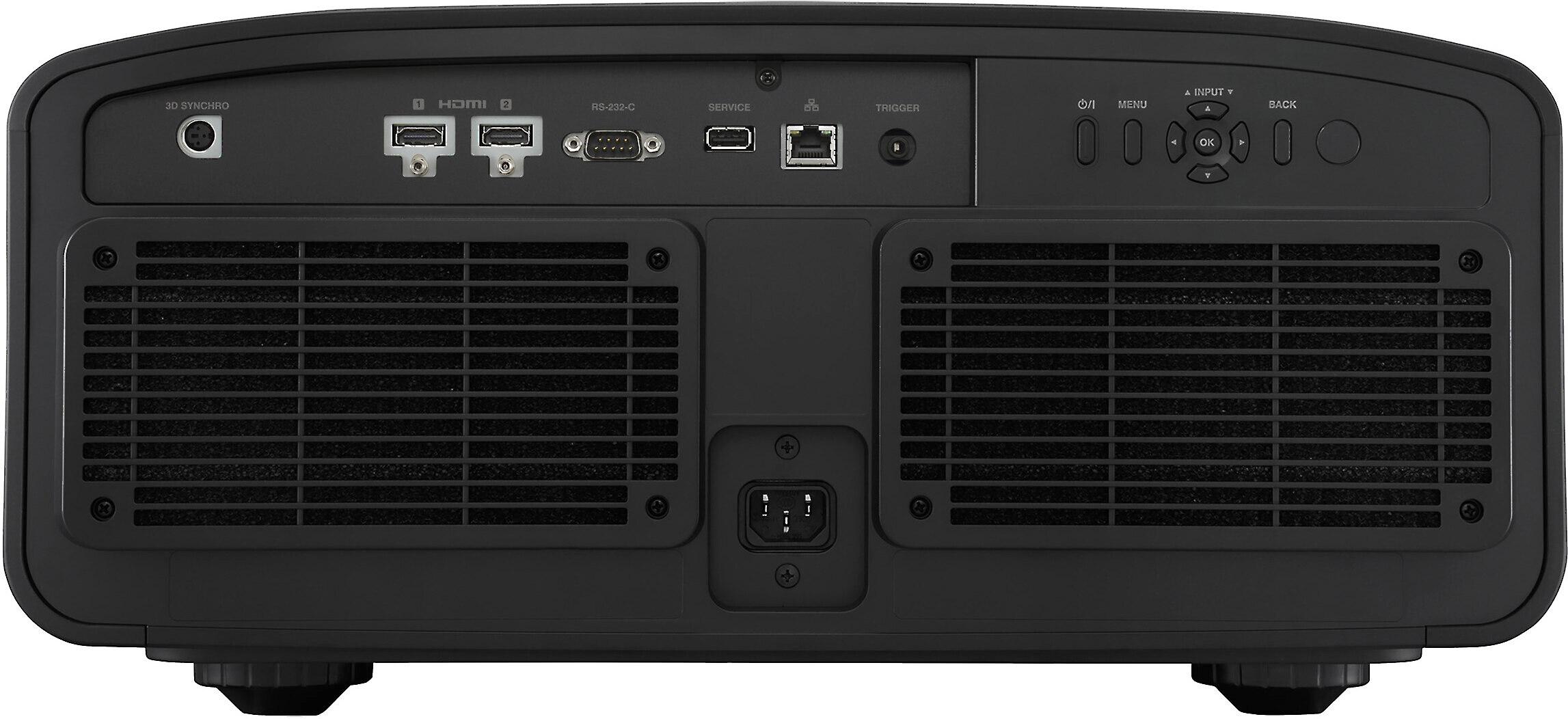
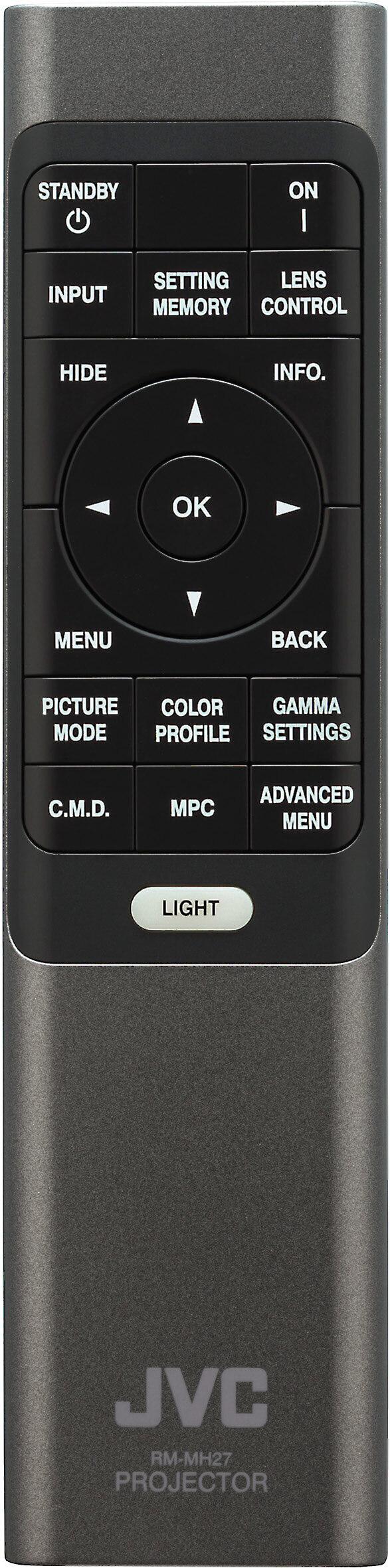
The JVC DLA-NZ800 takes a more traditional approach, focusing on being an exceptional display device rather than a complete entertainment system. It provides professional-grade connectivity options including dual 48Gbps HDMI inputs that support the latest gaming consoles and media players, but you'll need external devices for streaming.
At the time of writing, the price difference between these projectors is substantial—the BenQ HT4550i typically costs about one-fifth as much as the JVC DLA-NZ800. This creates two very different value propositions.
The BenQ HT4550i delivers what many consider to be about 80% of high-end projector performance at 20% of the cost. Its 4LED light source is rated for 20,000-30,000 hours of operation with no lamp replacements needed. Combined with its excellent out-of-the-box performance and integrated streaming, it represents exceptional value for most users.
The JVC DLA-NZ800 commands its premium pricing through uncompromising image quality and advanced features. Its laser light source also eliminates lamp replacement costs, and when amortized over the projector's lifespan, the cost per hour of exceptional viewing becomes more reasonable. However, the initial investment is substantial.
The BenQ HT4550i makes the most sense for enthusiasts who want excellent home theater performance without breaking the bank. It's ideal for multi-purpose media rooms that might have some ambient light, users who value integrated streaming capabilities, and anyone prioritizing gaming performance. The projector requires minimal setup expertise and delivers impressive results right out of the box.
The JVC DLA-NZ800 is the choice for serious cinephiles with dedicated dark theater rooms and budgets to match their ambitions. If you're upgrading from a high-end TV or another premium projector, the JVC's superior contrast and 8K capabilities provide a meaningful step up in image quality. It's also the better choice for users who plan to invest in professional calibration and want access to advanced picture controls.
Both projectors excel in their intended markets. The BenQ HT4550i democratizes high-quality home theater projection, making impressive performance accessible to a much broader audience. Its combination of solid image quality, practical features, and reasonable pricing makes it easy to recommend for most home theater applications.
The JVC DLA-NZ800 represents the current state of the art in home theater projection. Its image quality is genuinely reference-grade, and for users who can appreciate and afford the difference, it provides an unparalleled cinematic experience.
The choice ultimately comes down to your priorities, room setup, and budget. If you want excellent home theater performance with great value and convenience, the BenQ HT4550i is hard to beat. If you want the absolute best image quality and have the budget and environment to support it, the JVC DLA-NZ800 sets the standard that others aspire to match.
| BenQ HT4550i | JVC DLA-NZ800 |
|---|---|
| Display Technology - Determines image characteristics and performance ceiling | |
| Single-chip DLP with XPR pixel-shifting | Three-chip D-ILA (LCoS) with native 4K |
| Resolution - Higher resolution means sharper, more detailed images | |
| 4K UHD (3840 x 2160) via pixel-shifting | 8K (8192 x 4320) via e-shiftX from native 4K |
| Brightness - Critical for screen size and room lighting flexibility | |
| 3,200 ANSI lumens (measured ~1,900 in accurate modes) | 2,700 lumens (laser consistency advantage) |
| Contrast Ratio - Most important spec for cinematic black levels and image depth | |
| 1,000:1 native, 2,000,000:1 dynamic | 100,000:1 native (100x better than BenQ HT4550i) |
| Light Source - Affects longevity, color consistency, and maintenance | |
| 4LED (20,000-30,000 hours, no replacements) | BLU-Escent Laser (20,000+ hours, superior consistency) |
| Color Gamut - Wider gamut produces more vivid, accurate colors | |
| 100% DCI-P3 (excellent for price point) | Professional color accuracy with ISF certification |
| HDR Support - Essential for modern content with enhanced dynamic range | |
| HDR10, HDR10+, HLG with HDR-PRO tone mapping | HDR10, HDR10+, HLG with Frame Adapt HDR |
| Gaming Performance - Input lag determines responsiveness for gaming | |
| 8.7ms (1080p/240Hz), 17.9ms (4K/60Hz) - excellent | ~20-30ms (good but not optimized for competitive gaming) |
| Lens Flexibility - Determines installation options and room compatibility | |
| 1.3x zoom, ±15% H / 0-60% V lens shift | 2x zoom, ±34% H / ±80% V lens shift (much more flexible) |
| Smart Features - Built-in streaming eliminates need for external devices | |
| Android TV with Netflix 4K HDR (rare in projectors) | No built-in streaming (requires external devices) |
| Target Room Environment - Optimal viewing conditions for each projector | |
| Media rooms with moderate ambient light tolerance | Dedicated dark home theaters (contrast advantage maximized) |
| Setup Complexity - How much expertise needed for optimal performance | |
| Plug-and-play, excellent out-of-box accuracy | Professional calibration recommended for best results |
| Weight and Portability - Affects installation and repositioning ease | |
| 14.5 lbs (compact for features included) | 9.5 lbs (lighter despite premium components) |
| Value Proposition - Performance delivered relative to investment required | |
| Outstanding value - 80% of high-end performance at 20% of cost | Reference-grade quality for serious cinephiles with matching budgets |
The BenQ HT4550i provides exceptional value for most users, delivering approximately 80% of premium projector performance at a fraction of the cost. It includes rare features like built-in Netflix 4K streaming and excellent out-of-box color accuracy. The JVC DLA-NZ800 offers reference-grade image quality but at a significantly higher investment that's primarily justified for dedicated dark theater rooms.
The biggest difference is contrast performance. The JVC DLA-NZ800 delivers true blacks with its 100,000:1 native contrast ratio, creating a more cinematic viewing experience. The BenQ HT4550i has excellent color accuracy and sharpness but shows grayer blacks typical of DLP technology, with approximately 1,000:1 native contrast.
The BenQ HT4550i excels for gaming with input lag as low as 8.7ms at high refresh rates and support for 1080p/240Hz and 4K/120Hz gaming. The JVC DLA-NZ800 offers good gaming performance but prioritizes image quality over ultra-low latency, making the BenQ the better choice for competitive gamers.
The BenQ HT4550i handles ambient light better due to its higher brightness output, making it suitable for media rooms with some lighting. The JVC DLA-NZ800 performs best in dedicated dark theaters where you can fully appreciate its superior contrast ratio advantage.
The BenQ HT4550i includes integrated Android TV with Netflix 4K HDR support, which is extremely rare among projectors. This eliminates the need for external streaming devices. The JVC DLA-NZ800 requires external streaming devices but offers professional-grade connectivity options.
The JVC DLA-NZ800 uses native 4K chips with 8K e-shift processing, delivering true 8K resolution (8192 x 4320). The BenQ HT4550i uses pixel-shifting technology to create 4K images from a 1080p chip. While both produce sharp images, the JVC provides noticeably superior detail resolution with high-quality content.
The BenQ HT4550i is designed for easy setup with exceptional out-of-box color accuracy that doesn't require professional calibration. The JVC DLA-NZ800 benefits significantly from professional calibration and setup to achieve its full potential, making it more complex for average users.
Both projectors use long-lasting light sources that eliminate lamp replacement costs. The BenQ HT4550i uses 4LED technology rated for 20,000-30,000 hours, while the JVC DLA-NZ800 employs a BLU-Escent laser system rated for 20,000+ hours with superior brightness consistency over time.
The JVC DLA-NZ800 provides more installation flexibility with 2x zoom range and extensive lens shift capabilities (±34% horizontal, ±80% vertical). The BenQ HT4550i offers 1.3x zoom and more limited lens shift (±15% horizontal, 0-60% vertical) but includes a shorter throw ratio for closer placement.
Both handle HDR content well, but with different approaches. The BenQ HT4550i uses HDR-PRO tone mapping with over 1,000 zones of dynamic contrast. The JVC DLA-NZ800 features Frame Adapt HDR that analyzes content frame-by-frame, combined with its superior native contrast for more natural HDR reproduction.
The BenQ HT4550i works well in various room sizes due to its higher brightness output and ambient light tolerance, making it suitable for larger spaces or rooms with windows. The JVC DLA-NZ800 excels in medium to large dedicated theater rooms where lighting can be completely controlled.
For most first-time projector buyers, the BenQ HT4550i is the better choice due to its plug-and-play setup, integrated streaming, excellent value, and forgiving installation requirements. The JVC DLA-NZ800 is better suited for experienced enthusiasts who have dedicated theater spaces and want reference-grade image quality regardless of cost.
We've done our best to create useful and informative comparisons to help you decide what product to buy. Our research uses advanced automated methods to create this comparison and perfection is not possible - please contact us for corrections or questions. These are the sites we've researched in the creation of this article: projectorcentral.com - benq.com - rtings.com - youtube.com - soundandvision.com - rtings.com - hometheaterhifi.com - projectorscreen.com - projectorreviews.com - projectorscreen.com - youtube.com - rtings.com - projectorscreen.com - versus.com - youtube.com - projectorcentral.com - snapav.com - benq.com - benq.com - techradar.com - valueelectronics.com - stereonet.com - youtube.com - sound-advice.online - eu.jvc.com - shop.avispl.com - audioadvice.com - paulsonsav.com - nfm.com

Privacy Policy
Terms and Conditions - Affiliate Policy
Home Security
© Copyright 2008-2026.
11816 Inwood Rd #1211, Dallas, TX 75244