

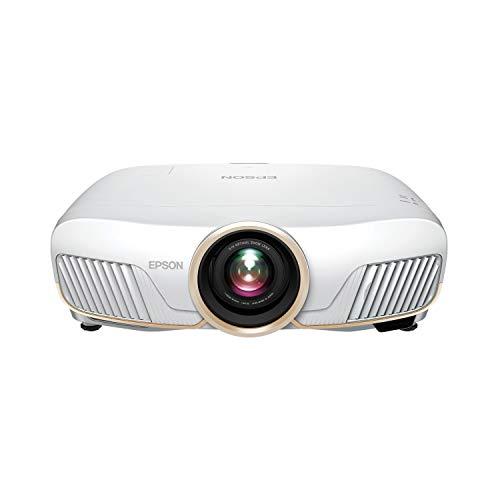
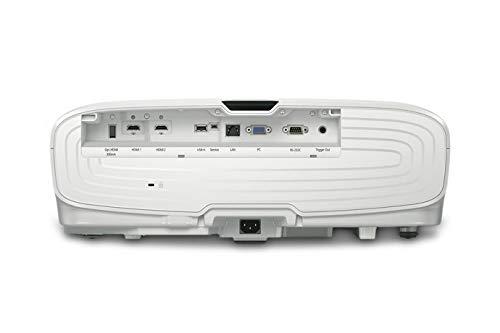
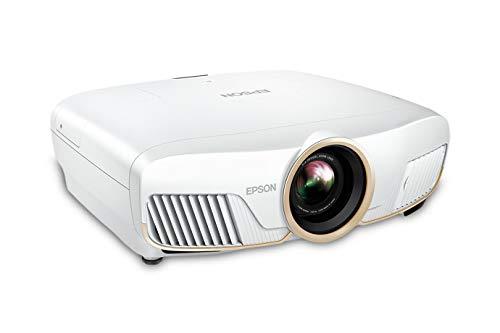
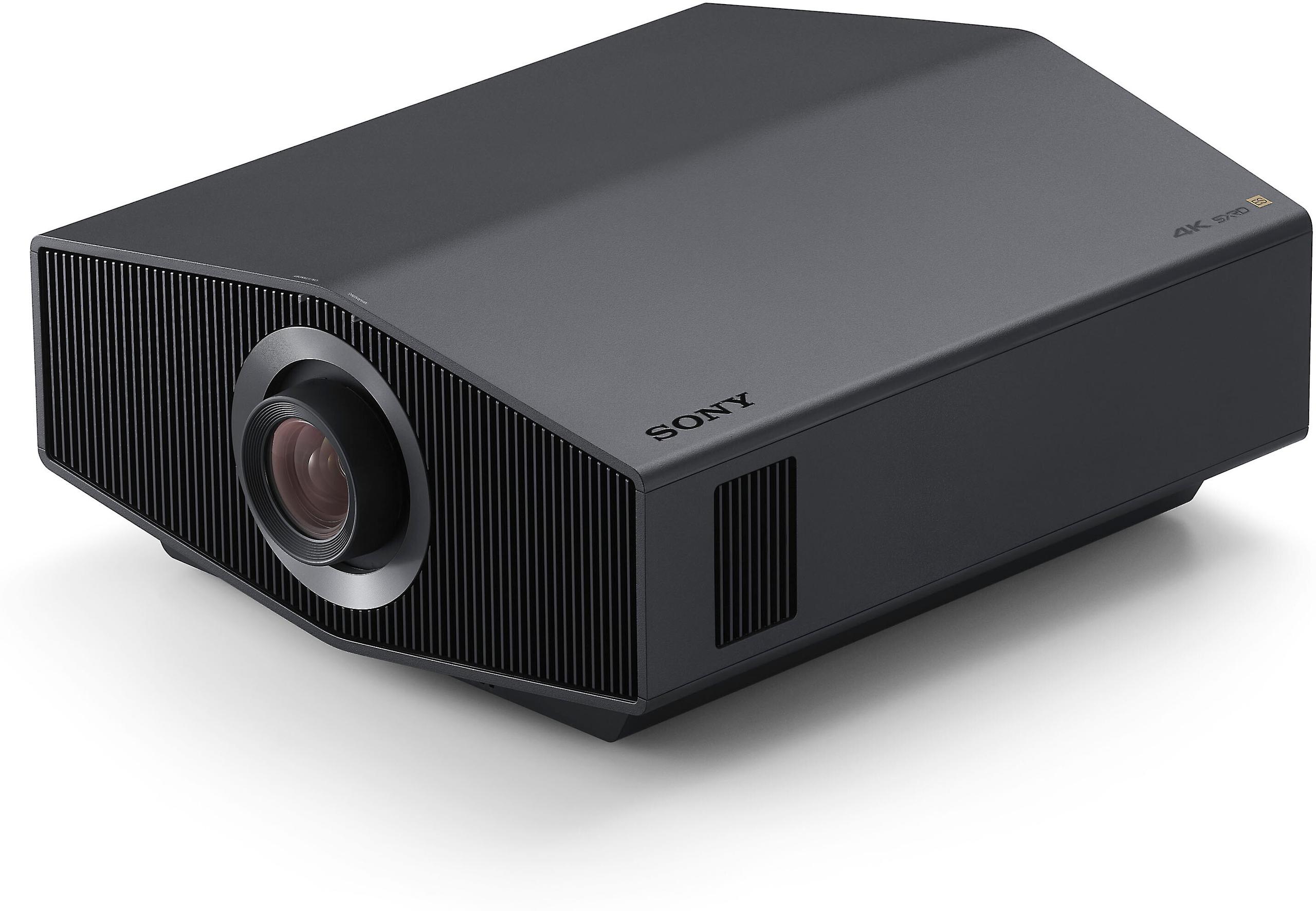
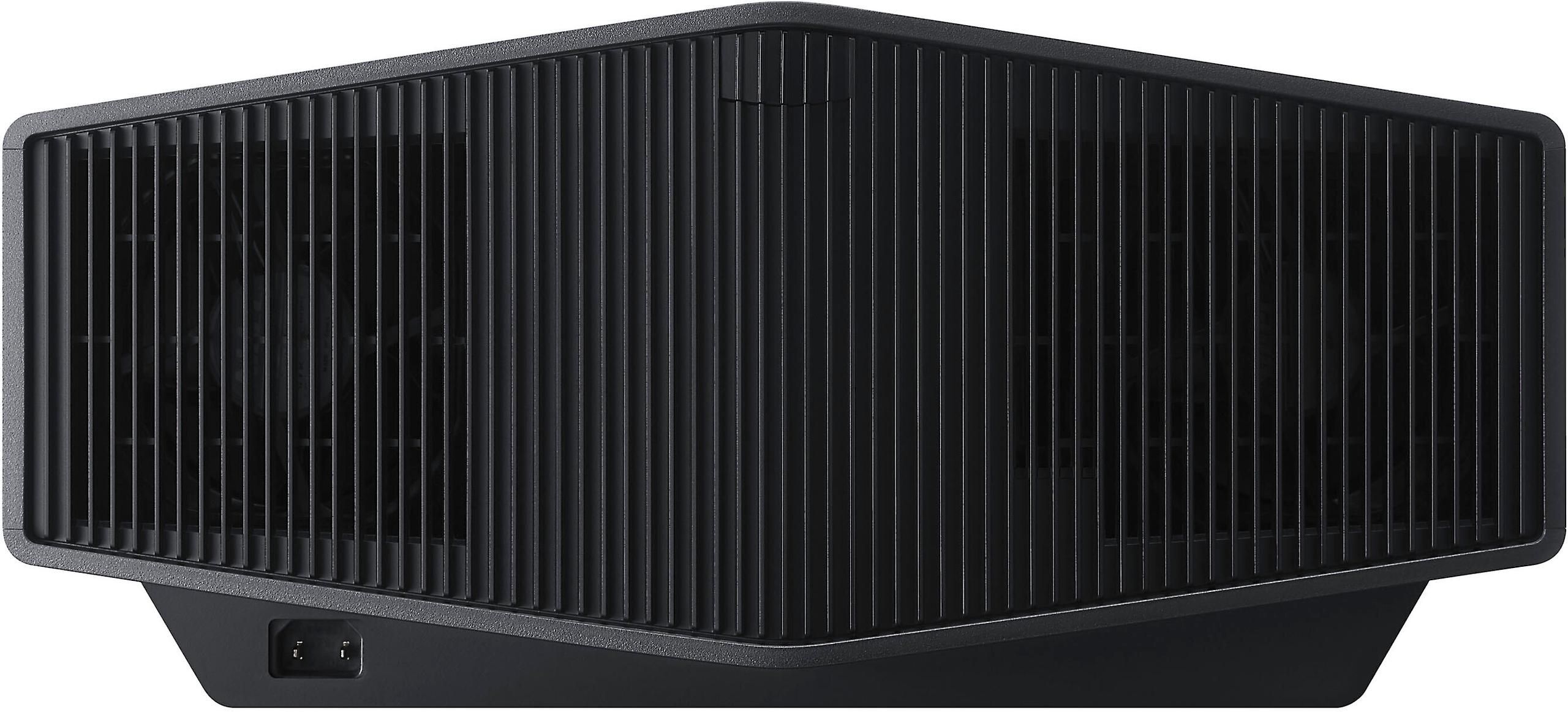
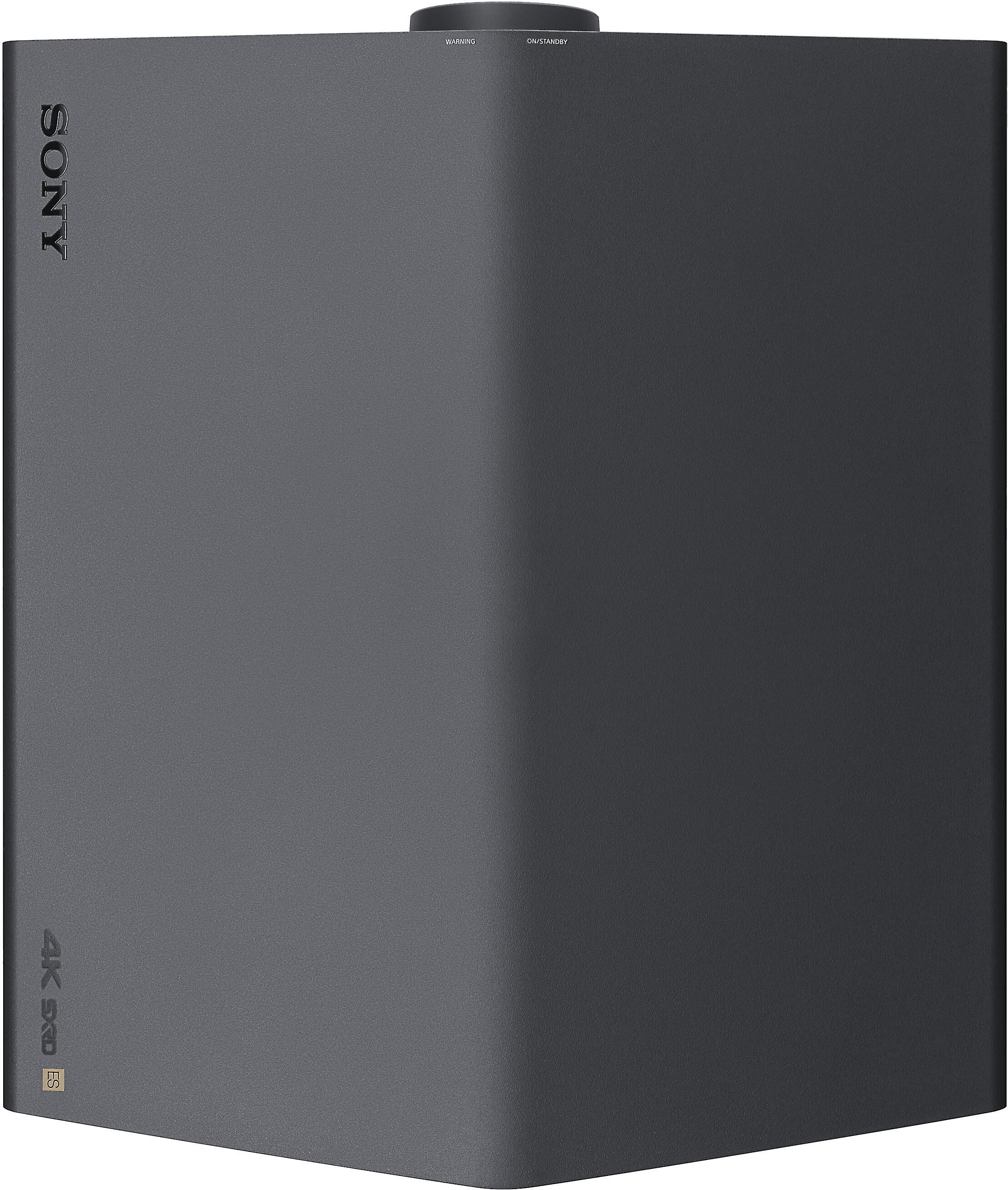
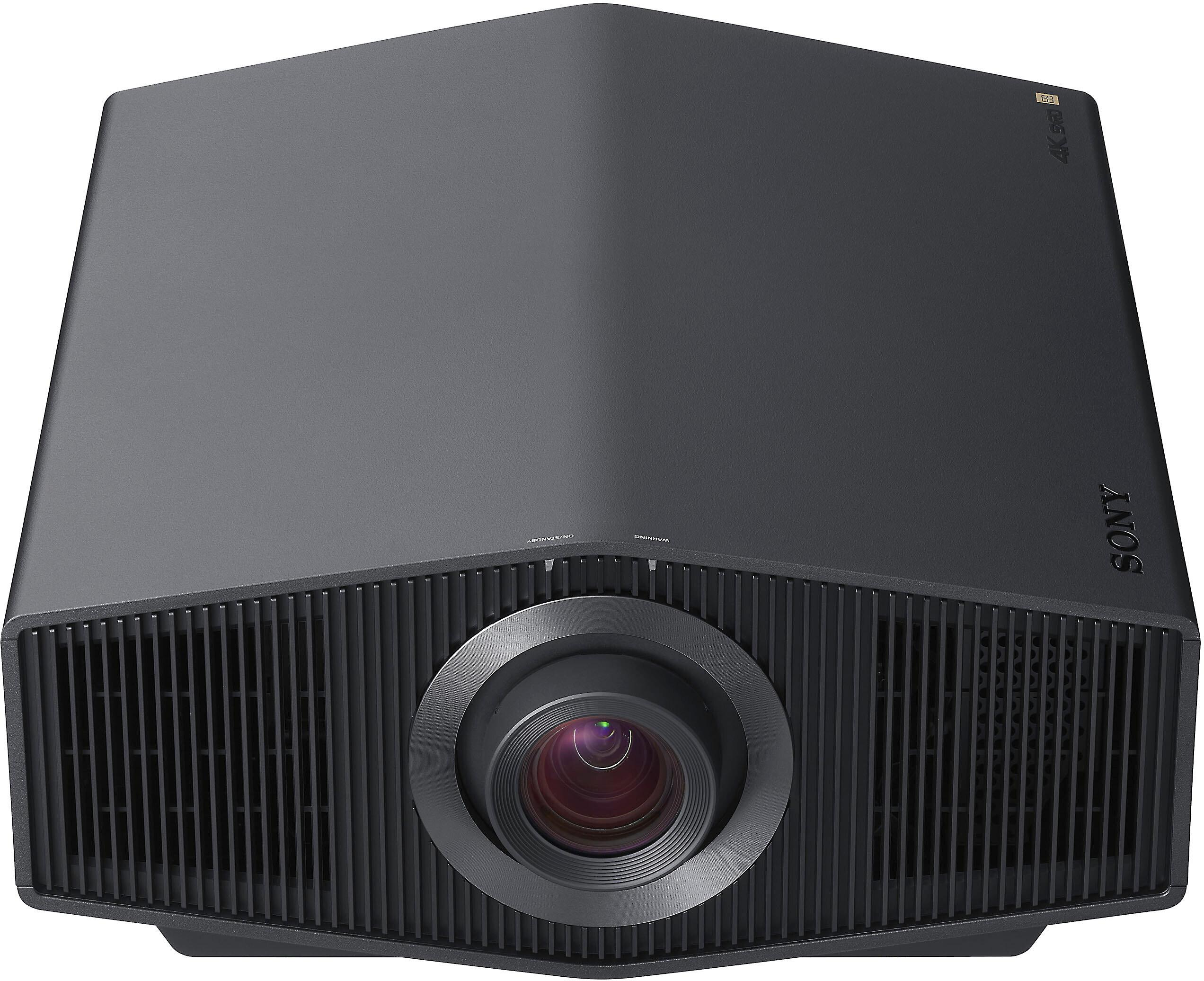
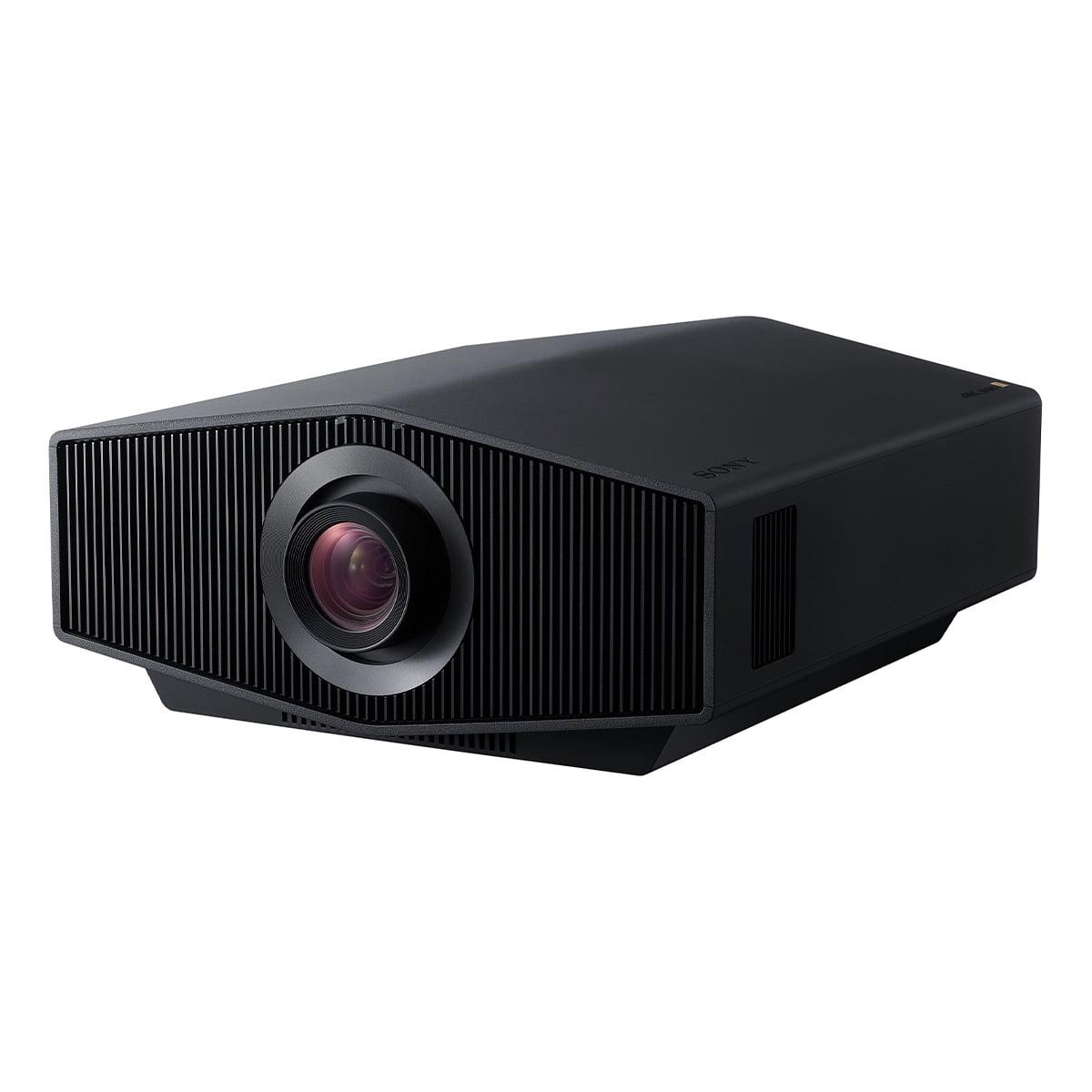
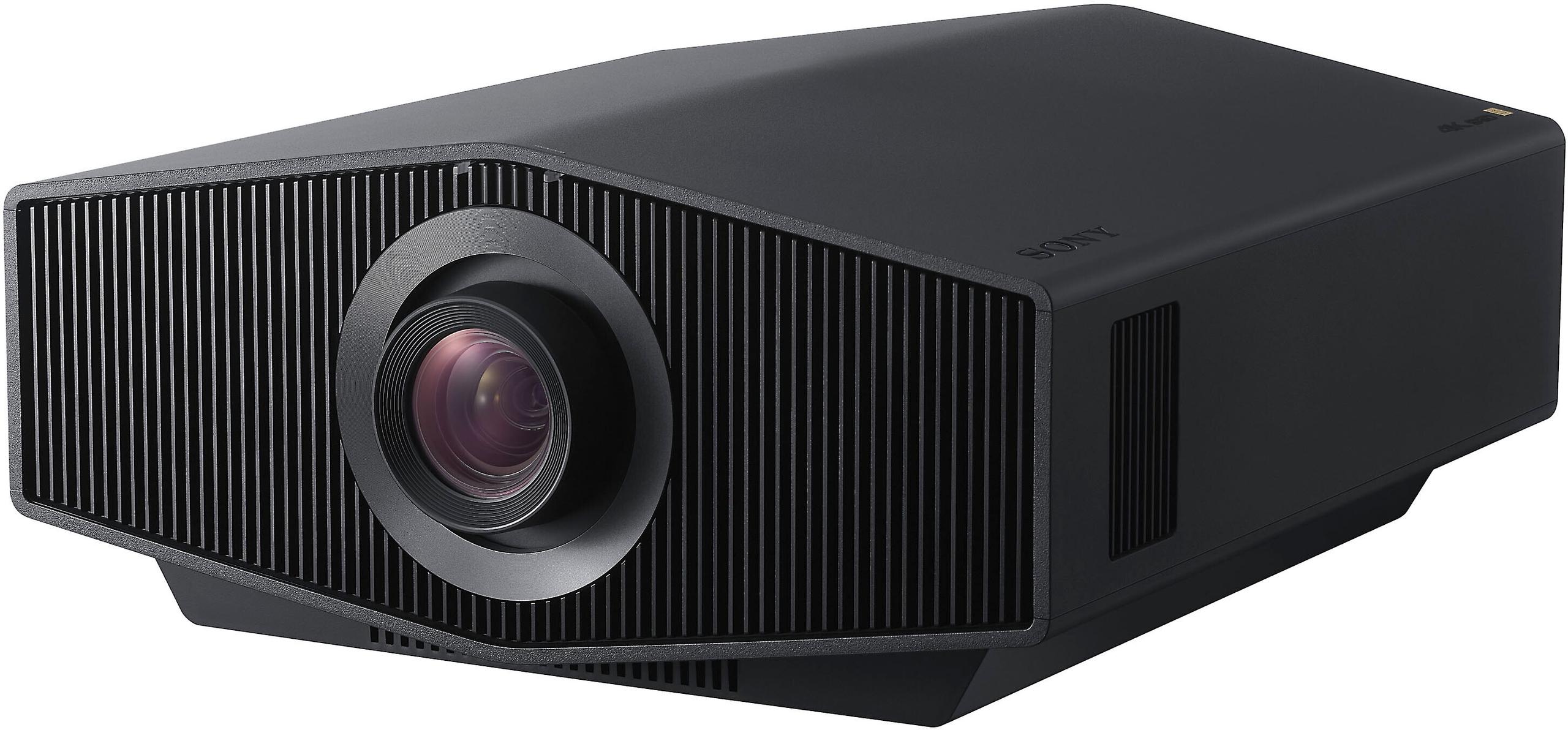

When you're ready to transform your living room or basement into a proper home theater, the projector you choose becomes the heart of the entire experience. At the time of writing, two projectors stand out as representing completely different philosophies in home cinema: the Epson Home Cinema 5050UB and the Sony BRAVIA Projector 9. One offers incredible value with professional-grade features, while the other pushes the absolute boundaries of what's possible in home projection technology.
The home theater projector market has evolved dramatically over the past decade. We've moved from simple LCD and DLP projectors that struggled with dark rooms to sophisticated machines that can fill massive screens with HDR content bright enough to watch with some lights on. Understanding where these two projectors fit in this landscape—and which might be right for your setup—requires diving into some technical details that matter far more than the marketing buzzwords suggest.
Before we compare these specific models, it's worth understanding what separates a great home theater projector from a mediocre one. The most critical factors are contrast ratio (how deep the blacks can get compared to the brightest whites), color accuracy (how true-to-life colors appear), brightness (measured in lumens), and resolution quality.
Contrast ratio might be the most misunderstood specification in projectors. Manufacturers often cite "dynamic" contrast ratios in the millions, but what matters is native contrast—how well the projector can display deep blacks and bright whites simultaneously in the same scene. This is where you notice the difference between a projector that makes dark movie scenes look gray and washed out versus one that delivers the inky blacks that make you forget you're looking at a projection.
The Epson Home Cinema 5050UB, released in 2019, represents what many consider the pinnacle of value-oriented home theater projectors. Even years later, it continues to win comparisons against much newer and more expensive models. The Sony BRAVIA Projector 9, launched in 2024, represents Sony's latest attempt to create a no-compromise home cinema projector that pushes every technical boundary possible.
The biggest philosophical difference between these projectors lies in how they handle 4K resolution. The Sony BRAVIA Projector 9 uses a true native 4K SXRD panel, meaning it has 8.3 million physical pixels arranged in a 3,840 × 2,160 grid. Every pixel you see on screen corresponds to an actual pixel on the imaging chip.
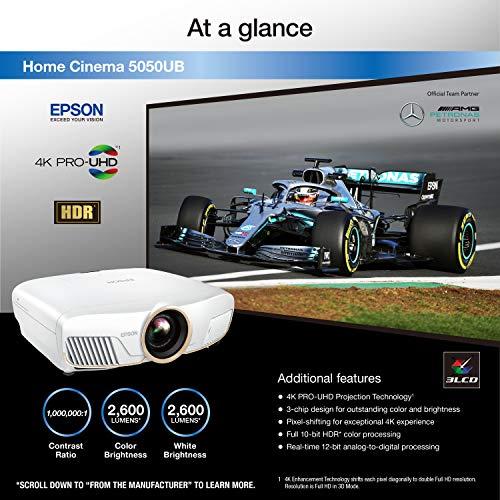
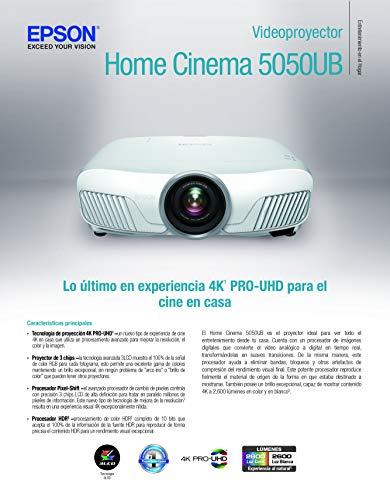
The Epson Home Cinema 5050UB takes a different approach with its 4K PRO-UHD technology. It starts with a native 1080p panel (2.1 million pixels) and uses a technique called pixel-shifting to create 4K-like images. The projector rapidly moves each pixel diagonally by half a pixel width, effectively doubling the perceived resolution. Think of it like a magician's sleight of hand—your eye sees 4K detail even though the underlying hardware is 1080p.
This might sound like a compromise, and technically it is, but the practical difference is smaller than you'd expect. In extensive testing by projector reviewers, the Epson's pixel-shifting produces images that are virtually indistinguishable from true 4K when watching actual movies and TV shows. The difference only becomes apparent when viewing test patterns designed specifically to reveal pixel-shifting artifacts.
For most home theater applications, the Epson's approach delivers 90% of true 4K's benefits at a fraction of the cost. However, if you're the type of person who wants the absolute technical best and knows you'll always wonder about that missing 10%, the Sony's true native 4K eliminates any doubt.
Perhaps the most fundamental difference between these projectors is their light source technology, which affects everything from image quality to long-term costs.
The Epson Home Cinema 5050UB uses a traditional 250-watt Ultra High Efficiency (UHE) lamp. These lamps produce excellent light quality with natural color reproduction, but they dim over time and eventually need replacement. Depending on your usage patterns, you might replace the lamp every 3-5 years at a cost of around $150-200. The lamp life varies significantly based on power mode—you'll get about 3,500 hours in high-brightness mode or up to 5,000 hours in eco mode.
The Sony BRAVIA Projector 9 uses a laser light source rated for over 20,000 hours of operation. Laser projectors maintain consistent brightness throughout their lifespan and eliminate the ongoing cost and inconvenience of lamp replacements. The laser also enables more precise light control, allowing for features like frame-by-frame brightness optimization that wouldn't be possible with traditional lamps.
From a practical standpoint, if you watch 3-4 hours of content daily, a lamp-based projector will need its first replacement in about 3 years, while a laser projector should run for over a decade without service. This makes the total cost of ownership calculation more complex than just comparing initial prices.
Brightness specifications tell only part of the story, but they're crucial for understanding these projectors' capabilities. The Sony BRAVIA Projector 9 produces 3,400 lumens, while the Epson Home Cinema 5050UB delivers 2,600 lumens. That 800-lumen difference might not sound dramatic, but it represents about 30% more light output.
This extra brightness becomes critical for HDR (High Dynamic Range) content, which demands projectors display both bright highlights and detailed shadows simultaneously. HDR is essentially a wider range of brightness levels that makes images look more like what your eyes see in real life. Think of the difference between looking at a photo of a sunny day versus actually being outside on that sunny day—HDR tries to bridge that gap.
The Sony's higher brightness allows it to display HDR content with less aggressive tone mapping (the process of fitting HDR's wide brightness range into what the projector can actually display). Its XR Dynamic Tone Mapping analyzes each frame to optimize brightness frame-by-frame, ensuring bright clouds retain detail while keeping shadow areas visible.
The Epson handles HDR differently but effectively. While it can't match the Sony's peak brightness, it offers something unique: 16-step real-time HDR adjustment. This allows you to manually fine-tune how HDR content appears based on your room's lighting and personal preferences. Some viewers prefer this hands-on approach over fully automated processing.
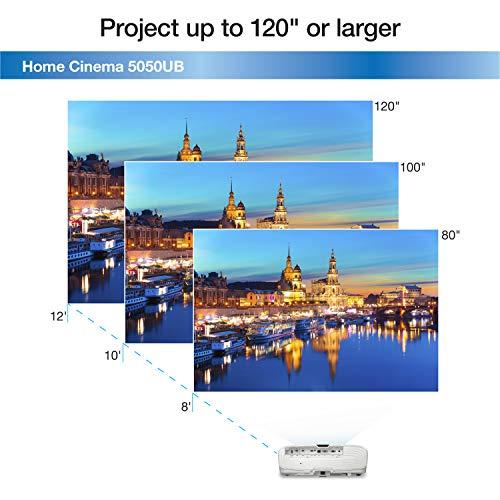
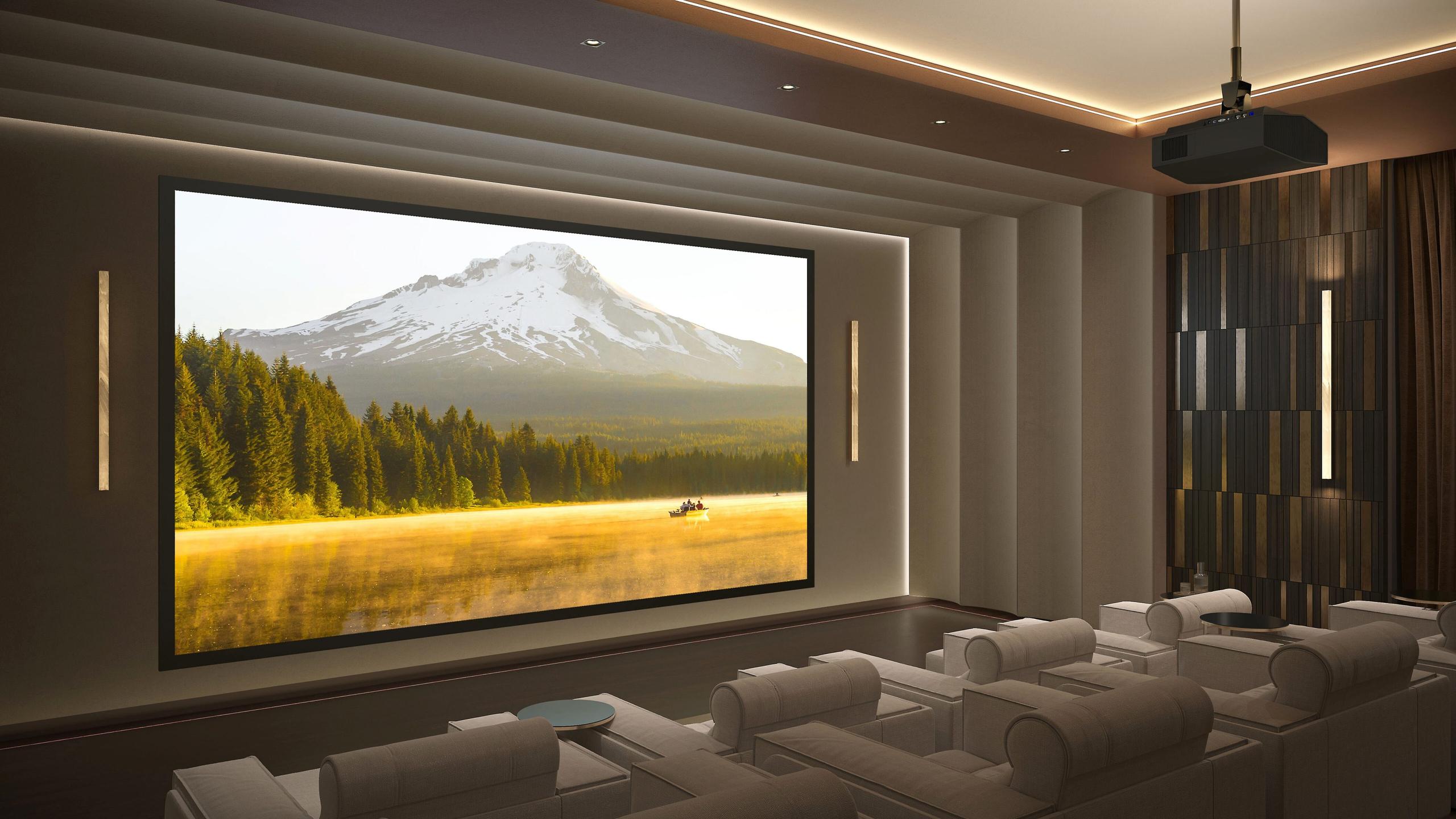
For screen size considerations, the Sony's extra brightness enables excellent performance on screens up to 150 inches diagonal, while the Epson hits its sweet spot around 100-120 inches. Both projectors can go larger, but image quality suffers as screen size increases beyond these points.
Here's where things get interesting and somewhat counterintuitive. Despite being significantly less expensive, the Epson Home Cinema 5050UB actually delivers superior contrast performance in many scenarios.
The Epson features something called UltraBlack technology—a proprietary compensation filter that controls light polarization within the projector. This suppresses stray light that would otherwise leak through and gray out dark areas of the image. The result is a measured native contrast ratio of around 8,000:1, with dynamic contrast reaching an impressive 1,000,000:1 when the automatic iris closes down during dark scenes.
Contrast ratio is expressed as a ratio between the brightest whites and darkest blacks a projector can display. An 8,000:1 native contrast means the projector's brightest white is 8,000 times brighter than its darkest black. Higher numbers mean deeper blacks and more "pop" in the image.
The Sony BRAVIA Projector 9 uses XR Deep Black technology with precise laser dimming, but laser projectors generally can't achieve the absolute black levels of the best lamp-based projectors with advanced iris systems. The Sony compensates with superior overall processing and brightness, but in a dark room, many viewers prefer the Epson's contrast performance.
This creates an interesting scenario where the less expensive projector actually has superior performance in one of the most critical areas for home theater viewing. It's a reminder that more expensive doesn't always mean better in every category.
Both projectors excel at color reproduction but take different approaches. The Epson Home Cinema 5050UB covers an impressive 97% of the DCI-P3 color space (the cinema standard) thanks to its extra color filters and true 3-chip 3LCD design. Each color (red, green, blue) gets its own dedicated LCD panel, ensuring 100% of the RGB color signal is displayed for every frame. This eliminates the "rainbow effect" some people see with single-chip projectors and delivers exceptional color accuracy.
The Sony BRAVIA Projector 9 achieves 95% DCI-P3 coverage with its XR Triluminos Pro technology, which analyzes color based on saturation, hue, and brightness to reproduce natural shades. While slightly lower in raw color gamut coverage, the Sony's advanced processing often makes colors appear more natural and realistic.
The processing power difference becomes apparent in motion handling and detail enhancement. The Sony's XR Processor analyzes individual objects frame-by-frame, optimizing color, contrast, and detail for each element separately. This object-based processing is computationally intensive but results in more realistic textures and better separation between foreground and background elements.
The Epson relies on more traditional processing but includes comprehensive calibration controls that allow enthusiasts to fine-tune performance to professional standards. It offers full 11-point white balance adjustment and detailed color management—features typically found only on much more expensive projectors.
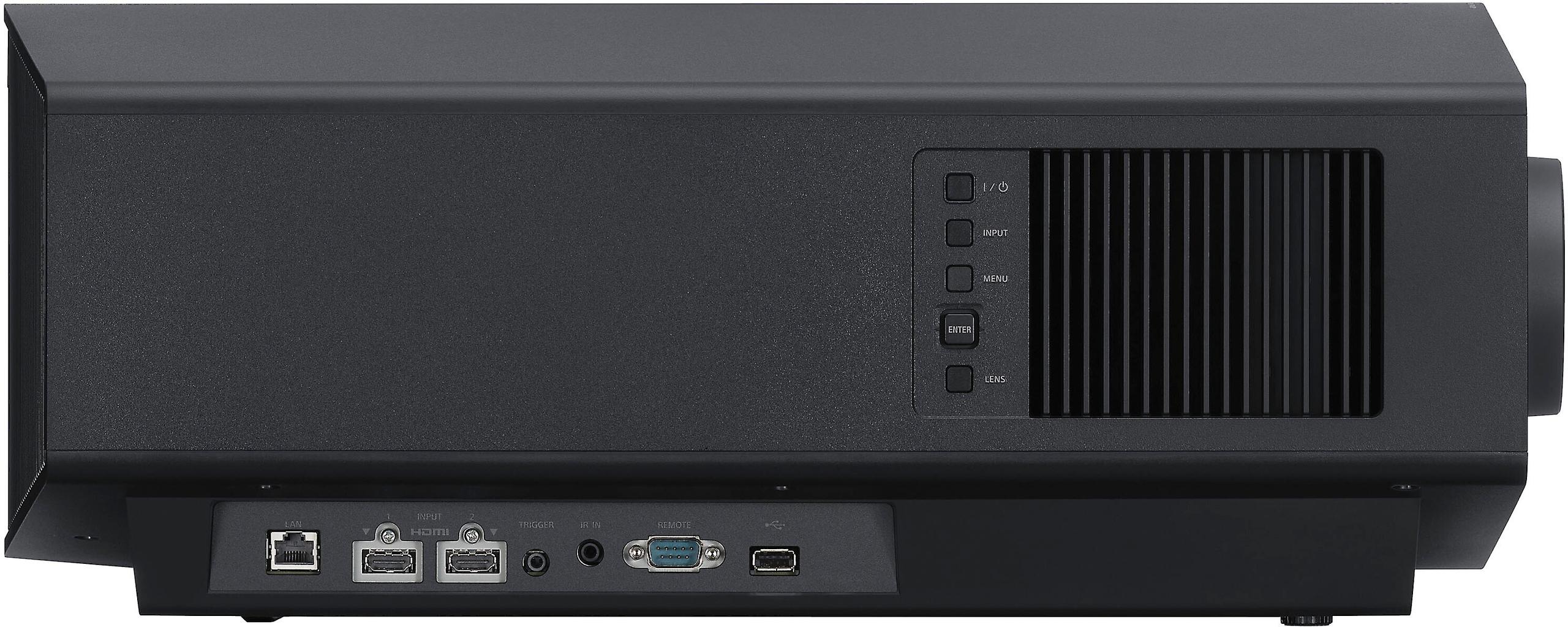
This is where the generation gap between these projectors becomes most apparent. The Sony BRAVIA Projector 9 was designed with modern gaming in mind, featuring dual HDMI 2.1 inputs that support 4K resolution at 120 frames per second. Input lag measures just 12 milliseconds at 4K/120Hz—fast enough for competitive gaming.
Input lag is the delay between when you press a controller button and when you see the response on screen. For reference, most people can detect lag above 30-40 milliseconds, while competitive gamers prefer under 20 milliseconds.
The Sony also includes Auto Low Latency Mode (ALLM), which automatically detects gaming content and switches to optimized settings without manual intervention. This seamless transition makes it excellent for households where the projector serves both movie watching and gaming duties.
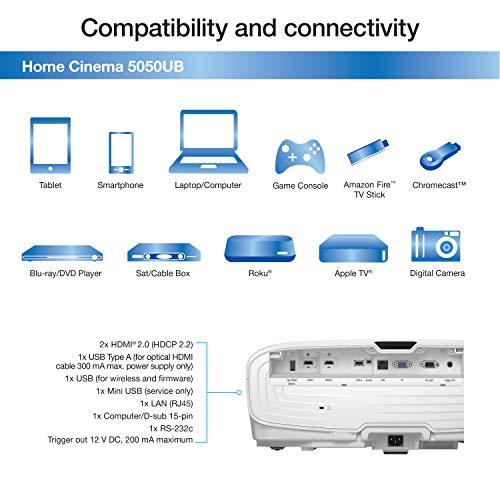
The Epson Home Cinema 5050UB, released before the current gaming console generation, offers respectable but not cutting-edge gaming performance. Input lag measures 22.5 milliseconds at 4K/60Hz—perfectly adequate for casual gaming and most single-player experiences. However, it's limited to HDMI 2.0 specifications and can't support the high frame rates that modern consoles offer.
For serious gamers, especially those with PlayStation 5 or Xbox Series X consoles, the Sony's gaming advantages are compelling. For movie-focused users who occasionally game, the Epson performs fine.
Installation flexibility often determines whether a projector works in your space, and both models excel here but in different ways. The Epson Home Cinema 5050UB offers exceptional lens shift capabilities—you can move the image ±96% vertically and ±47% horizontally without degrading image quality. This massive adjustment range means you can mount the projector in less-than-ideal positions and still get a perfectly centered image.
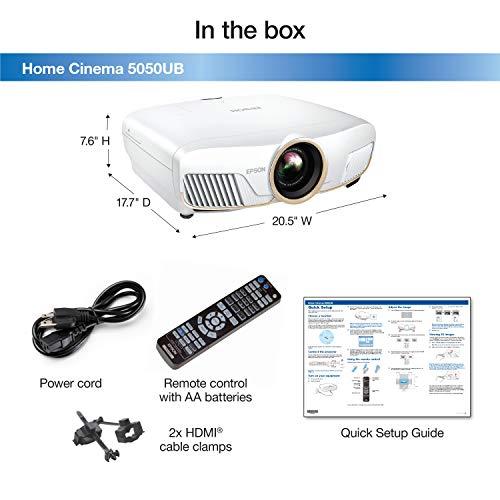
The Epson is also notably compact and light at under 25 pounds, making it easier to mount and adjust. Its 2.1x powered zoom provides good installation flexibility for various throw distances.
The Sony BRAVIA Projector 9 offers good but more limited lens shift (±85% vertical, ±36% horizontal) and weighs about 33 pounds, requiring more robust mounting solutions. However, it compensates with superior build quality and more premium materials.
Both projectors feature lens memory functions that can save different settings for various aspect ratios or content types. This proves invaluable if you watch both standard widescreen movies and older 4:3 content.
Noise levels matter in home theater applications, and the Epson runs notably quiet at 20 decibels in eco mode—essentially whisper-quiet during movie watching. The Sony also operates quietly, though specific noise measurements weren't available in our research.
At the time of writing, these projectors represent vastly different value propositions. The Epson Home Cinema 5050UB typically sells for around $3,000-3,500, while the Sony BRAVIA Projector 9 commands a premium price approaching $30,000-35,000.
This ten-fold price difference raises the obvious question: is the Sony really ten times better? The answer depends entirely on your priorities and budget.
The Epson delivers about 90% of the Sony's image quality at roughly 10% of the price. For most home theater enthusiasts, this represents exceptional value. You get professional-grade color accuracy, superior contrast performance, excellent HDR handling, and installation flexibility that rivals projectors costing several times more.
The Sony justifies its premium through true native 4K resolution, cutting-edge processing technology, laser longevity, superior brightness, and future-proof gaming features. If you're building a no-compromise home theater and budget isn't a primary constraint, these advantages can be worthwhile.
Consider the total cost of ownership over 10 years: the Epson might cost $4,000-4,500 including lamp replacements, while the Sony requires virtually no maintenance costs. However, the Sony's initial investment is still dramatically higher.
The decision between these projectors ultimately comes down to matching their strengths to your specific needs and budget.
Choose the Epson Home Cinema 5050UB if you want exceptional home theater performance without breaking the bank. It's perfect for dedicated theater rooms where you can control lighting and where its superior contrast performance truly shines. The Epson also makes sense if you prioritize value and don't mind occasional lamp replacements, or if installation flexibility is crucial for your space.
The Epson particularly excels for movie enthusiasts who want cinematic image quality and extensive calibration options. Its combination of contrast, color accuracy, and brightness provides an engaging viewing experience that punches well above its price class.
Choose the Sony BRAVIA Projector 9 if you want the absolute best available technology and have the budget to support it. It's ideal for multi-purpose rooms where higher brightness helps combat ambient light, for serious gamers who need 4K/120Hz capability, or for custom installations where professional integration and laser longevity justify the premium.
The Sony also makes sense if you're future-proofing a high-end installation and want to ensure compatibility with whatever content standards emerge over the next decade.
Both projectors represent excellence in their respective categories, but they serve different audiences and use cases. The Epson Home Cinema 5050UB proves that exceptional home theater performance doesn't require a massive investment, while the Sony BRAVIA Projector 9 demonstrates what's possible when cost isn't the primary constraint.
For most home theater enthusiasts, the Epson provides the better value proposition, delivering professional-grade performance at a fraction of the cost. Its superior contrast and excellent color accuracy create engaging movie experiences that rival much more expensive projectors.
However, the Sony earns its premium through genuine technological advantages: true native 4K, laser longevity, cutting-edge processing, and gaming capabilities that the Epson simply can't match.
The key is honestly assessing your needs, budget, and viewing priorities. Both projectors can create magical home theater experiences—they just take different paths to get there.
| Epson Home Cinema 5050UB | Sony BRAVIA Projector 9 |
|---|---|
| Display Technology - Determines image sharpness and long-term reliability | |
| 3LCD with 4K PRO-UHD pixel-shifting from native 1080p | Native 4K SXRD panel with true 8.3 million pixels |
| Light Source - Affects maintenance costs and brightness consistency | |
| 250W UHE lamp (3,500-5,000 hour lifespan, requires replacements) | Laser light source (20,000+ hours, no maintenance) |
| Brightness Output - Critical for screen size and room lighting flexibility | |
| 2,600 lumens (ideal for 100-120" screens in dark rooms) | 3,400 lumens (supports 150"+ screens with some ambient light) |
| Contrast Performance - Most important for deep blacks and image depth | |
| 1,000,000:1 dynamic, 8,000:1 native with UltraBlack technology | XR Deep Black with precise laser dimming (lower native contrast) |
| Color Gamut - Determines color richness and accuracy | |
| 97% DCI-P3 coverage with true 3-chip design | 95% DCI-P3 coverage with XR Triluminos Pro processing |
| HDR Support - Essential for modern content quality | |
| HDR10/HLG with 16-step manual adjustment controls | HDR10/HLG with XR Dynamic Tone Mapping (frame-by-frame optimization) |
| Gaming Performance - Important for console compatibility | |
| 22.5ms input lag, HDMI 2.0, 4K/60Hz maximum | 12ms input lag, dual HDMI 2.1, 4K/120Hz with ALLM |
| Installation Flexibility - Determines mounting options and room compatibility | |
| Exceptional: ±96% vertical, ±47% horizontal lens shift, 24.7 lbs | Good: ±85% vertical, ±36% horizontal lens shift, 33 lbs |
| Image Processing - Affects detail enhancement and motion handling | |
| Traditional processing with extensive manual calibration controls | XR Processor with object-based analysis and automatic optimization |
| Value Proposition - Performance versus investment required | |
| Exceptional value: 90% of premium performance at budget-friendly price | Premium investment: cutting-edge technology for no-compromise setups |
The Epson Home Cinema 5050UB provides exceptional value, delivering professional-grade image quality at a fraction of the cost of premium models. While the Sony BRAVIA Projector 9 offers cutting-edge technology, the Epson gives you about 90% of the performance for roughly 10% of the investment, making it the clear winner for budget-conscious buyers.
The Sony BRAVIA Projector 9 uses true native 4K with 8.3 million physical pixels, while the Epson Home Cinema 5050UB uses 4K PRO-UHD pixel-shifting technology that enhances a 1080p panel. In real-world viewing, the difference is minimal for movies and TV shows, though the Sony provides technically superior resolution accuracy.
The Sony BRAVIA Projector 9 excels for gaming with 12ms input lag, 4K/120Hz support, and HDMI 2.1 connectivity. The Epson Home Cinema 5050UB offers adequate gaming performance at 22.5ms input lag but is limited to 4K/60Hz. Serious gamers will prefer the Sony, while casual gamers will find the Epson perfectly acceptable.
The Epson Home Cinema 5050UB uses a traditional lamp that needs replacement every 3,500-5,000 hours, costing around $150-200. The Sony BRAVIA Projector 9 uses a laser light source rated for over 20,000 hours with no bulb replacements needed. Consider ongoing maintenance costs when comparing these models.
The Sony BRAVIA Projector 9 handles ambient light better with 3,400 lumens of brightness compared to the Epson Home Cinema 5050UB's 2,600 lumens. For dedicated dark home theaters, both work excellently, but the Sony provides more flexibility for multi-purpose rooms with some lighting.
The Epson Home Cinema 5050UB performs optimally on 100-120 inch screens, while the Sony BRAVIA Projector 9 can effectively fill screens up to 150+ inches thanks to its higher brightness. Both support screen sizes from 50-300 inches, but image quality peaks at these recommended ranges.
Surprisingly, the Epson Home Cinema 5050UB delivers superior contrast with its UltraBlack technology, achieving deeper blacks and a higher native contrast ratio than the Sony BRAVIA Projector 9. This makes the Epson particularly impressive for dark movie scenes in home theater environments.
The Epson Home Cinema 5050UB offers exceptional installation flexibility with massive lens shift capabilities (±96% vertical, ±47% horizontal) and lighter weight. The Sony BRAVIA Projector 9 provides good but more limited lens shift and requires more robust mounting due to its heavier construction.
Both projectors excel at color reproduction, with the Epson Home Cinema 5050UB covering 97% of DCI-P3 color space and the Sony BRAVIA Projector 9 achieving 95% coverage. The Epson uses true 3-chip technology for consistent colors, while the Sony relies on advanced processing for natural color reproduction.
Both the Epson Home Cinema 5050UB and Sony BRAVIA Projector 9 support HDR10 and HLG formats, but neither supports Dolby Vision. The Epson offers 16-step manual HDR adjustment, while the Sony features automatic XR Dynamic Tone Mapping for optimized HDR performance.
The Epson Home Cinema 5050UB operates very quietly at just 20 decibels in eco mode, making it nearly silent during movie viewing. The Sony BRAVIA Projector 9 also runs quietly thanks to efficient laser cooling, though both projectors are suitable for noise-sensitive home theater environments.
For most home theater setups, the Epson Home Cinema 5050UB provides the better combination of performance and value, especially excelling in dark rooms where its superior contrast shines. The Sony BRAVIA Projector 9 justifies its premium cost only if you need true 4K, gaming features, or plan to use larger screens with some ambient lighting.
We've done our best to create useful and informative comparisons to help you decide what product to buy. Our research uses advanced automated methods to create this comparison and perfection is not possible - please contact us for corrections or questions. These are the sites we've researched in the creation of this article: rtings.com - projectorscreen.com - hometechnologyreview.com - thesmarthomehookup.com - youtube.com - rtings.com - techgearlab.com - projectorcentral.com - projectorreviews.com - projectorcentral.com - avsforum.com - rtings.com - projectorreviews.com - projectorreviews.com - avsforum.com - avsforum.com - audiogeneral.com - hifiheaven.net - manuals.plus - crutchfield.com - projectorcentral.com - epson.com - mediaserver.goepson.com - bestbuy.com - ngxptech.com - projectorcentral.com - projectorreviews.com - projectorcentral.com - worldwidestereo.com - formovie.com - electronics.sony.com - sonypremiumhome.com - thesonyshop.ca - crutchfield.com - youtube.com - valueelectronics.com - greatsoundsav.com - pro.sony - skybygramophone.com - avsforum.com - projectorcentral.com - projectorscreenstore.com

Privacy Policy
Terms and Conditions - Affiliate Policy
Home Security
© Copyright 2008-2026.
11816 Inwood Rd #1211, Dallas, TX 75244