

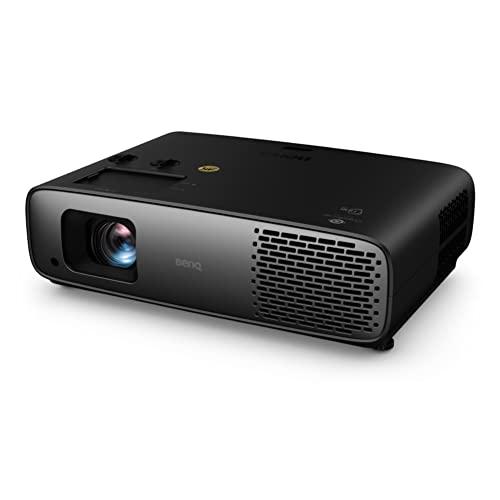
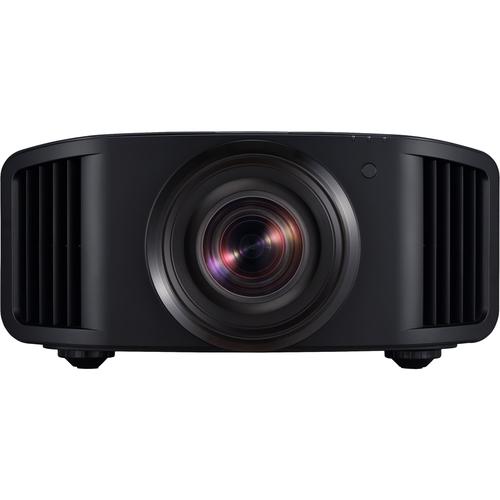
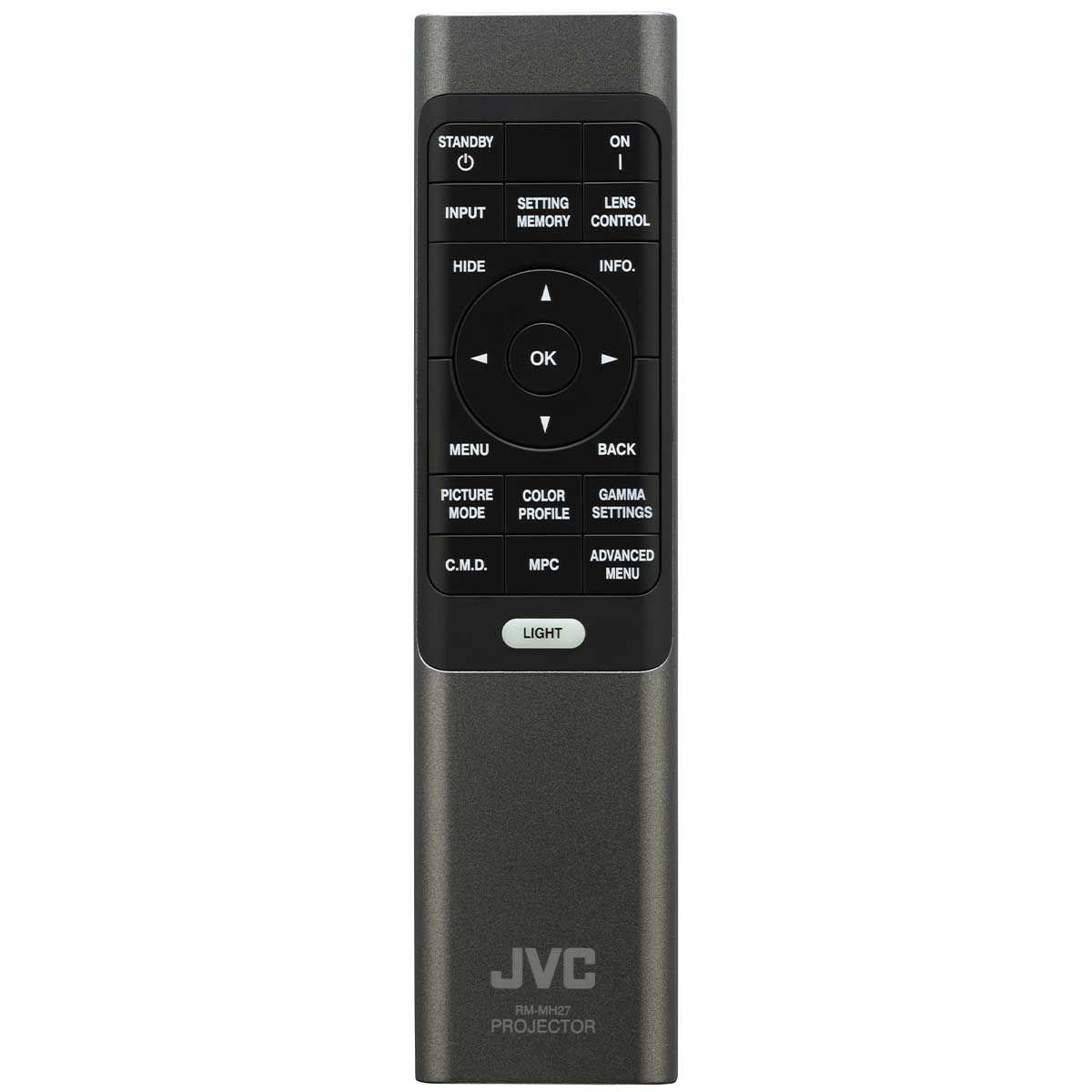
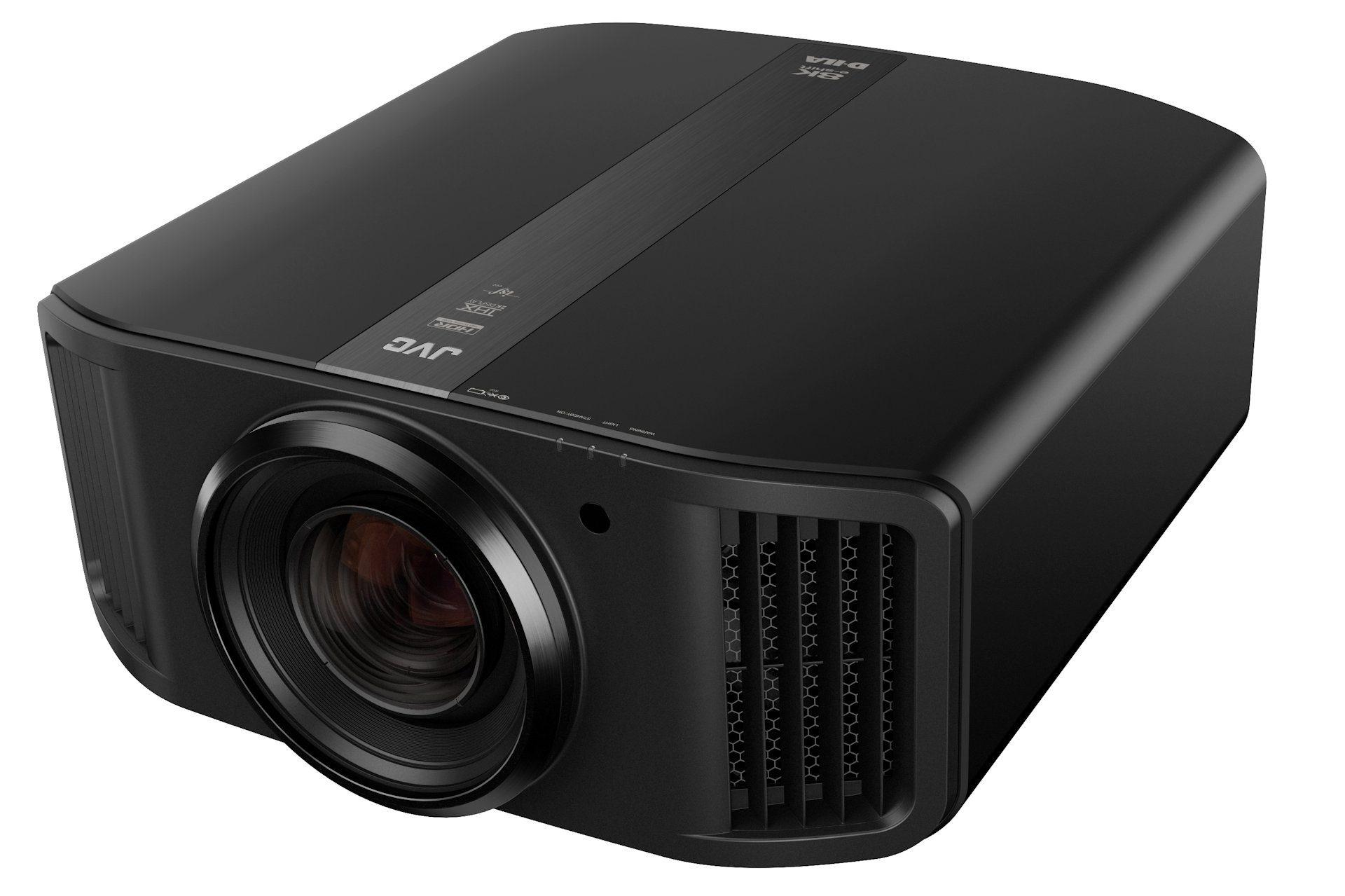
If you've been dreaming of transforming your living space into a personal cinema, you're probably weighing your options between different home theater projectors. Today, we're diving deep into two projectors that represent very different approaches to achieving that big-screen experience: the BenQ HT4550i and the JVC DLA-NX9.
At first glance, these might seem like direct competitors, but they're actually targeting completely different audiences and price points. The BenQ HT4550i, released in 2023, sits comfortably in the premium mainstream category, while the JVC DLA-NX9, also from around 2022-2023, occupies the ultra-premium reference tier. At the time of writing, you're looking at roughly a six-fold price difference between these two projectors, which immediately tells you they're serving different needs.
Before we dive into the comparison, let's establish what makes a great home theater projector. Unlike business projectors that prioritize brightness above all else, home theater models focus on image quality, color accuracy, and contrast performance. The key technologies you'll encounter are DLP (Digital Light Processing) and D-ILA/LCOS (Liquid Crystal on Silicon), each with distinct advantages.
DLP projectors like the BenQ HT4550i use a single chip with millions of tiny mirrors that tilt to create images, combined with a spinning color wheel or LED array for color reproduction. They're typically brighter and more compact, but traditionally struggle with contrast ratios. D-ILA projectors like the JVC DLA-NX9 use three separate liquid crystal panels (one each for red, green, and blue), which allows for superior contrast and color accuracy, though they're typically more expensive and complex to manufacture.
The most crucial specifications for home theater use are contrast ratio (the difference between the brightest whites and deepest blacks), color accuracy, resolution, and brightness measured in ANSI lumens. However, raw specifications don't tell the whole story – the implementation and processing matter enormously.
The BenQ HT4550i represents the new generation of LED-powered projectors. Instead of traditional UHP lamps that need replacement every few thousand hours, it uses a 4LED light source combining red, green, blue, and white LEDs. This approach delivers several advantages: consistent brightness over the projector's lifetime, instant on/off capability, and elimination of the dreaded "lamp death" that can cost hundreds of dollars to fix.
The LED system in the BenQ HT4550i is rated for 20,000 to 30,000 hours of use, which translates to about 10-15 years of typical home theater use. More importantly, LEDs don't dim significantly over time like traditional lamps, so your image quality remains consistent throughout the projector's life.
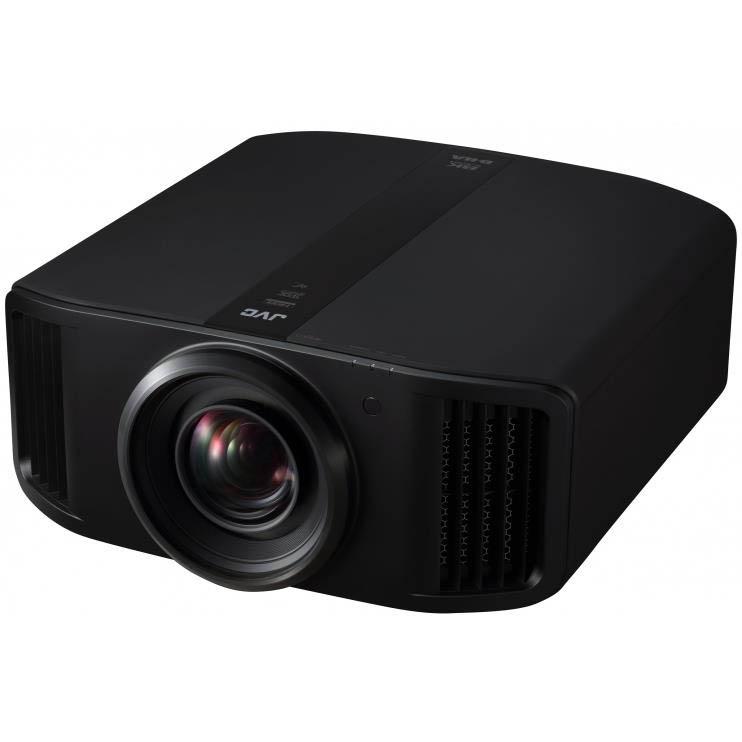
In contrast, the JVC DLA-NX9 uses a traditional 265W NSH lamp with approximately 4,500 hours of life in eco mode. While this might seem like a disadvantage, JVC's implementation delivers superior peak brightness consistency and color temperature stability that some videophiles prefer. The trade-off is ongoing maintenance costs and the eventual need for lamp replacement.
The bigger technology difference lies in the imaging systems. The BenQ HT4550i uses DLP technology with XPR pixel-shifting to achieve 4K resolution from native 1080p chips. This pixel-shifting technology rapidly moves the image by half-pixel increments to create four distinct positions, effectively quadrupling the perceived resolution. While purists might argue this isn't "true" 4K, the results are visually indistinguishable from native 4K for most content and viewing distances.
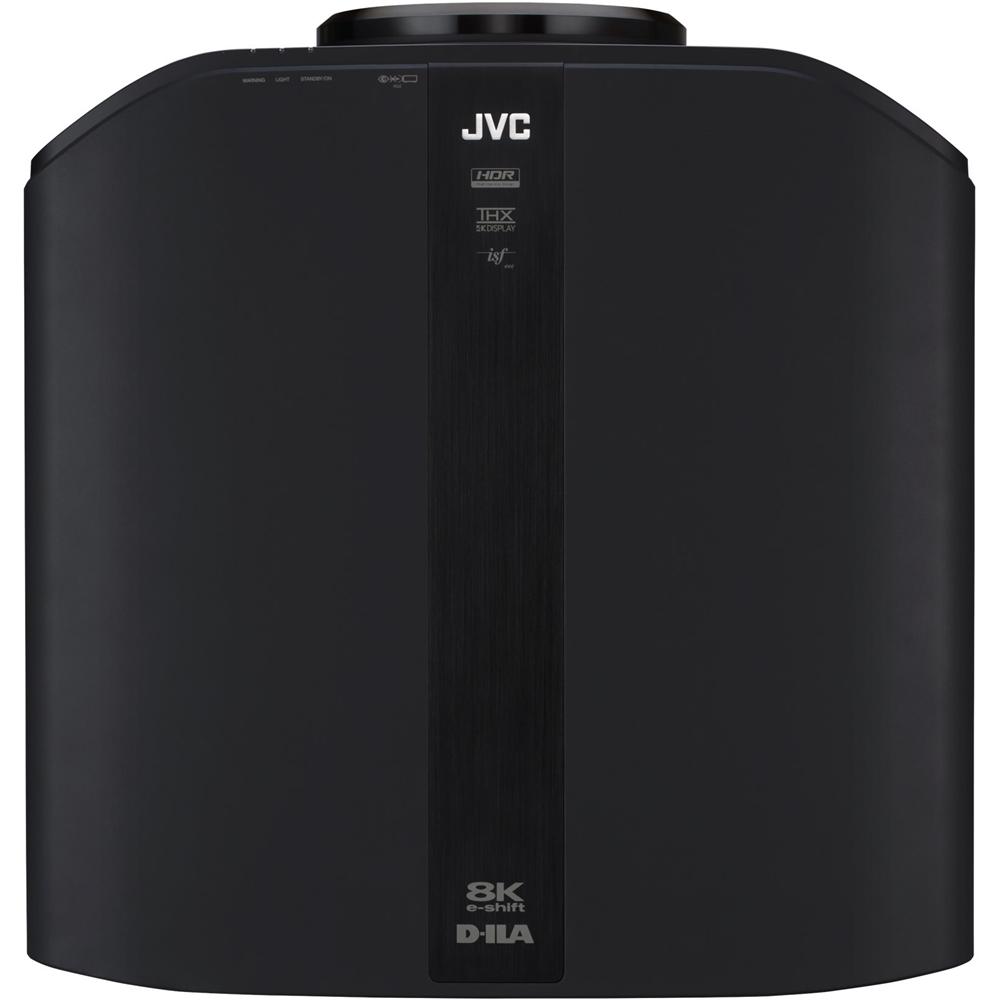
The JVC DLA-NX9 takes a different approach with native 4K D-ILA panels – three 0.69-inch chips that each display the full 4096×2160 resolution without any pixel manipulation. This provides the cleanest possible 4K image foundation. JVC then adds their 8K e-shift technology on top, which uses diagonal pixel shifting to create a perceived 8192×4320 resolution. This dual approach – native 4K plus 8K enhancement – represents the current pinnacle of consumer projection technology.
The resolution story between these projectors is fascinating because it highlights how different technologies can achieve similar visual results through completely different approaches. The BenQ HT4550i delivers excellent 4K sharpness through its XPR pixel-shifting system. In practical terms, this means text is crisp, fine details in movies are clearly resolved, and the image appears genuinely 4K when viewed from typical seating distances of 8-12 feet.
However, the JVC DLA-NX9 takes sharpness to another level entirely. Starting with native 4K panels means every pixel is individually addressable without any temporal trickery. Fine textures in clothing, architectural details, and landscape photography exhibit a three-dimensional quality that pixel-shifted systems struggle to match. The addition of 8K e-shift processing creates an almost holographic level of detail that's immediately apparent on large screens over 120 inches.
Based on extensive user feedback and professional reviews, the difference becomes most apparent with high-quality source material like 4K Blu-rays. Streaming content, which is typically compressed, shows less dramatic differences between the two systems. If you're primarily watching Netflix and Disney+ content, the BenQ HT4550i provides more than adequate sharpness. If you're a collector of reference-quality 4K discs, the JVC DLA-NX9 extracts every ounce of detail from those premium sources.
Here's where these projectors diverge most dramatically, and it's arguably the most important difference for home theater applications. Contrast ratio – the difference between pure black and pure white – determines how three-dimensional and realistic images appear, especially in dark viewing environments.
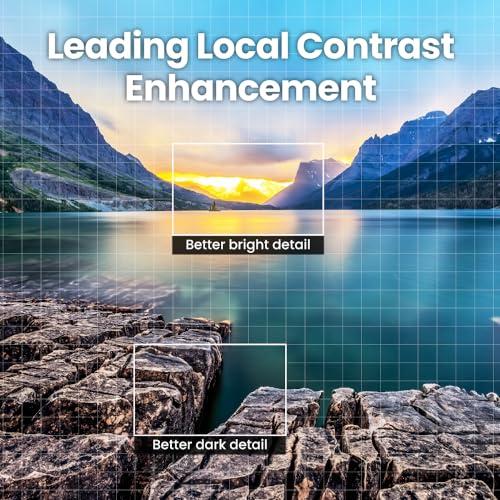
The BenQ HT4550i faces the inherent limitation of single-chip DLP technology: light leakage. Even in completely black scenes, some light still reflects off the DMD chip, resulting in native contrast ratios around 900-1100:1. BenQ attempts to compensate with their Local Contrast Enhancer, which analyzes the image in over 1,000 zones and dynamically adjusts brightness, plus Dynamic Black technology that rapidly adjusts the iris. These features help, achieving effective contrast ratios over 2,000:1 in ideal conditions, but they can't overcome the fundamental physics of DLP technology.
The JVC DLA-NX9 showcases why D-ILA technology commands premium pricing. With native contrast ratios exceeding 100,000:1 and dynamic contrast reaching 1,000,000:1, it produces blacks that are genuinely black – not dark gray. In a darkened theater room, letterbox bars literally disappear, and dark movie scenes reveal shadow detail that's simply invisible on lower-contrast projectors.
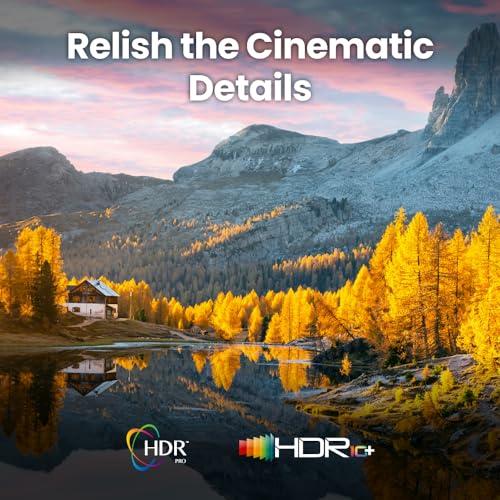
This contrast advantage translates directly to HDR (High Dynamic Range) performance. HDR content is mastered with peak brightness levels of 1,000-4,000 nits and true black levels, creating an enormous dynamic range that challenges any display technology. The BenQ HT4550i handles HDR reasonably well with its HDR-PRO tone mapping, which intelligently compresses the dynamic range to fit the projector's capabilities. However, the JVC DLA-NX9 reproduces HDR with far more authenticity, maintaining the director's intent for both bright highlights and deep shadows.
Brightness specifications can be misleading because manufacturers often quote peak measurements that don't reflect real-world usage. The BenQ HT4550i claims 3,200 ANSI lumens, but measured performance in its most accurate picture modes delivers closer to 1,800-1,900 lumens. This is still excellent for a color-accurate projector and provides significant flexibility in room lighting conditions.
The LED light source in the BenQ HT4550i offers another practical advantage: consistent brightness over time. Traditional lamps dim significantly as they age, often losing 30-40% of their initial brightness by replacement time. LEDs maintain their output much more consistently, meaning your calibrated picture settings remain accurate throughout the projector's life.
The JVC DLA-NX9 delivers approximately 2,200 lumens, which might seem competitive, but it's optimized for completely dark environments. This projector shines (literally) when all room lighting is eliminated and you're watching premium content. The combination of high brightness and exceptional contrast creates images with remarkable pop and dimensionality, but ambient light quickly compromises the black level performance that makes this projector special.
For practical room usage, the BenQ HT4550i works well in family rooms or media rooms with some ambient light control, while the JVC DLA-NX9 demands a dedicated theater environment with complete light control to realize its full potential.
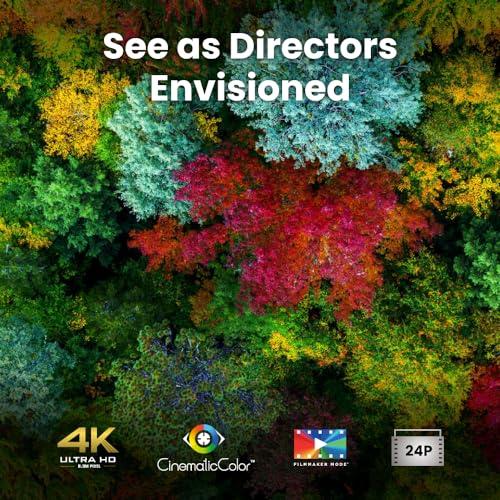
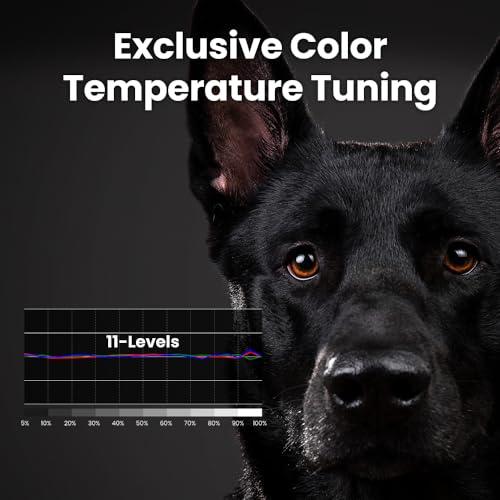
Both projectors excel in color reproduction, but they achieve their results differently. The BenQ HT4550i covers 100% of the DCI-P3 color space, which encompasses the full range of colors used in digital cinema. The factory calibration is exceptional, with measured Delta E values under 2, meaning colors are accurate enough that most users won't need professional calibration.
The 4LED light source contributes to excellent color stability and saturation. Unlike traditional lamp-based projectors that can shift color temperature as they age, LED systems maintain consistent color reproduction throughout their lifespan. This translates to years of accurate color without the need for recalibration.
The JVC DLA-NX9 achieves even wider color gamut coverage, exceeding DCI-P3 in several areas. More importantly, the superior contrast capability enables better "color volume" – the ability to display saturated colors at various brightness levels. Dark red roses retain their rich color even in shadowy scenes, and bright yellow highlights don't wash out to white. This three-dimensional color reproduction creates more lifelike images, particularly with premium HDR content.
Gaming performance has become increasingly important as more people use projectors for console and PC gaming. The BenQ HT4550i excels here, delivering input lag as low as 8.7 milliseconds at 1080p/240Hz and 17.9ms at 4K/60Hz. These numbers rival dedicated gaming monitors and make competitive gaming entirely viable on a 100+ inch screen.
The projector also supports high refresh rates including 1080p at 240Hz for PC gaming and 1080p at 120Hz for current-generation consoles. This high refresh rate support, combined with excellent motion handling, creates smooth gaming experiences that larger TVs often can't match.
The JVC DLA-NX9 includes a Low Latency Mode, but input lag remains higher than the BenQ – typically in the 25-35ms range depending on resolution and processing settings. While this is acceptable for single-player gaming where image quality takes precedence, it's not ideal for competitive multiplayer gaming where every millisecond counts.
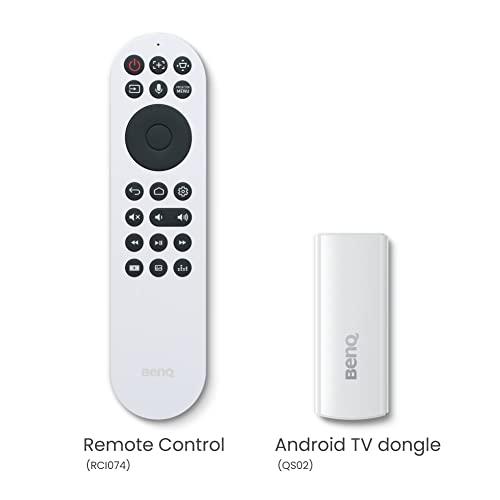
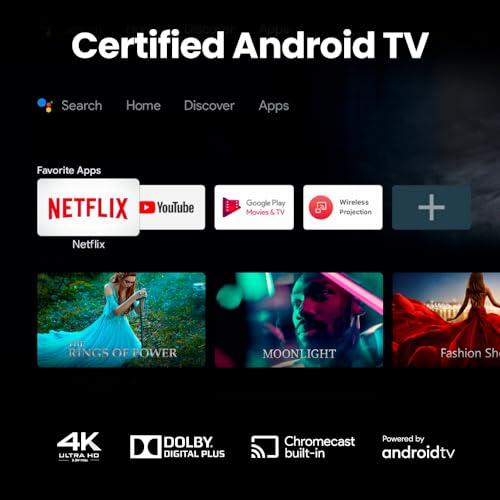
The BenQ HT4550i includes certified Android TV functionality, providing direct access to Netflix, Disney+, Amazon Prime Video, and other streaming services without external devices. The implementation is solid, with 4K HDR support for Netflix – a rarity among projectors. Google Assistant integration enables voice control and content search, making it genuinely convenient for family use.
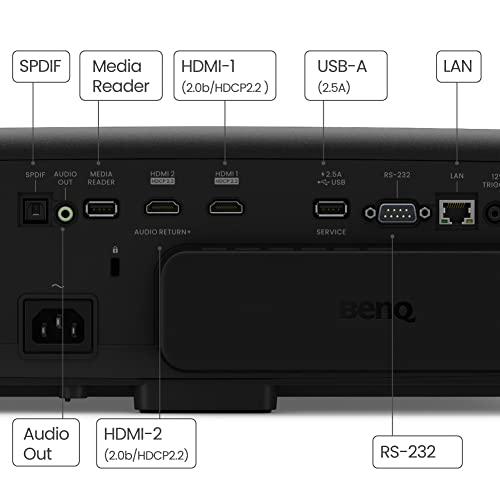
Connectivity includes three HDMI 2.0b ports with one supporting eARC for audio return to soundbars or AV receivers, plus USB ports, optical audio output, and network connectivity. The inclusion of a 12V trigger output enables integration with motorized screens and automated lighting systems.
The JVC DLA-NX9 focuses on professional-grade connectivity with two 18Gbps HDMI ports, RS-232C control, LAN connectivity, and comprehensive automation integration. It lacks built-in streaming but assumes users will have dedicated media players or AV receivers handling source switching and streaming duties.
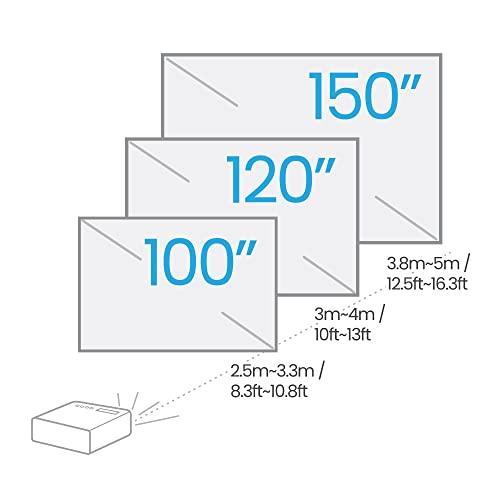
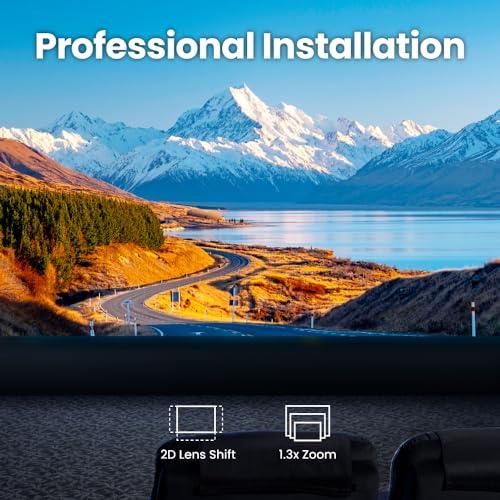
Installation flexibility can make or break a projector purchase, especially in existing rooms where ideal placement might not be possible. The BenQ HT4550i offers solid flexibility with ±15% horizontal and 0-60% vertical lens shift, plus 1.3x manual zoom. This range covers most typical installation scenarios, though ceiling-mounted installations might require some geometric keystone correction.
The JVC DLA-NX9 provides exceptional installation flexibility with motorized lens shift of ±43% horizontal and ±100% vertical, meaning the projector can be positioned almost anywhere relative to the screen while maintaining perfect geometry. The all-glass lens system maintains excellent uniformity across the entire zoom and shift range, something that's immediately apparent on large screens.
The JVC also includes Installation Mode memory, allowing storage of up to 10 different lens and picture settings. This feature is invaluable for professional installers or users who switch between different screen sizes or aspect ratios.
Total cost of ownership tells a different story than initial purchase price. The BenQ HT4550i represents excellent value with its LED light source eliminating ongoing lamp replacement costs. Over a typical 10-year ownership period, the maintenance-free operation saves hundreds of dollars while providing consistent performance.
The JVC DLA-NX9 requires periodic lamp replacement every 3-4 years in typical use, with replacement lamps costing several hundred dollars each. However, for users who prioritize ultimate image quality above all else, the ongoing costs are often considered worthwhile for the superior viewing experience.
Professional calibration costs should also be considered. The BenQ HT4550i often performs excellently with factory settings, while the JVC DLA-NX9 truly shines with professional calibration that can cost $500-1000 but unlocks its full potential.
The decision between these projectors ultimately comes down to your priorities, room environment, and budget. The BenQ HT4550i delivers about 85-90% of the image quality of the JVC at roughly one-sixth the total cost. For most users, this represents exceptional value and will provide years of satisfied viewing.
Choose the BenQ HT4550i if you want flagship-level features without ultra-premium pricing, need gaming capabilities, have a multi-purpose room with some ambient light, or prefer maintenance-free operation. It's particularly excellent for first-time projector buyers who want to experience large-screen entertainment without massive financial commitment.
The JVC DLA-NX9 justifies its premium pricing only in specific scenarios: dedicated theater rooms with complete light control, viewers who primarily watch premium 4K content, or situations where image quality is the absolute top priority regardless of cost. The difference in contrast and color volume is immediately apparent and genuinely transformative in the right environment.
Both projectors represent the pinnacle of their respective categories and will provide excellent service for years to come. The question isn't really which is "better" – it's which better matches your specific needs, room, and budget. For most people building their first serious home theater, the BenQ HT4550i provides an outstanding introduction to premium projection. For those seeking the absolute best image quality money can buy, the JVC DLA-NX9 remains among the finest consumer projectors available.
At the time of writing, the projector market continues evolving rapidly, with LED technology becoming more prevalent and laser light sources gaining popularity. Both manufacturers regularly update their offerings, but the fundamental technologies and approaches represented by these models will likely remain relevant for years to come.
| BenQ HT4550i | JVC DLA-NX9 |
|---|---|
| Display Technology - Fundamental difference affecting image quality and maintenance | |
| Single-chip DLP with 4LED light source (maintenance-free, 20,000+ hour lifespan) | Three-chip D-ILA with NSH lamp (superior contrast, requires lamp replacement every ~4,500 hours) |
| Resolution - How sharp your movies and games will look | |
| 4K UHD via XPR pixel-shifting from native 1080p (excellent sharpness for most viewers) | Native 4K D-ILA panels with 8K e-shift enhancement (reference-grade detail reproduction) |
| Contrast Ratio - Most critical for dark room viewing and HDR content | |
| ~900-1100:1 native, ~2,000:1 with dynamic enhancement (limited by DLP technology) | 100,000:1 native, 1,000,000:1 dynamic (exceptional blacks, true cinema experience) |
| Brightness - Determines room lighting flexibility | |
| 3,200 ANSI lumens rated, ~1,900 measured in accurate modes (good for moderate ambient light) | 2,200 ANSI lumens (optimized for completely dark theater rooms) |
| Color Performance - Accuracy and vibrancy of colors | |
| 100% DCI-P3 coverage, factory calibrated to Delta E <2 (excellent out-of-box accuracy) | Beyond DCI-P3 coverage with superior color volume (wider gamut, more natural reproduction) |
| Gaming Performance - Input lag for responsive gaming | |
| 8.7ms at 1080p/240Hz, 17.9ms at 4K/60Hz (excellent for competitive gaming) | ~25-35ms with Low Latency Mode (adequate for casual gaming, prioritizes image quality) |
| HDR Support - Enhanced dynamic range for modern content | |
| HDR10/HDR10+/HLG with HDR-PRO tone mapping (good HDR within contrast limitations) | HDR10/HLG with Frame Adapt HDR and Auto Tone Mapping (superior HDR reproduction) |
| Installation Flexibility - Ease of setup in various room configurations | |
| ±15% horizontal, 0-60% vertical lens shift, 1.3x zoom (good flexibility for most rooms) | ±43% horizontal, ±100% vertical motorized lens shift (exceptional placement freedom) |
| Smart Features - Built-in streaming and connectivity | |
| Android TV with Netflix 4K HDR, Google Assistant, 3x HDMI 2.0b with eARC | No built-in streaming, 2x HDMI 2.0b, professional control options (RS-232, LAN) |
| Target Use Case - Who this projector is designed for | |
| Multi-purpose media rooms, gaming enthusiasts, first-time buyers wanting premium features | Dedicated home theaters, videophiles prioritizing ultimate image quality over cost |
| Total Cost of Ownership - Long-term expenses beyond initial purchase | |
| Low ongoing costs (LED maintenance-free, lower power consumption) | Higher ongoing costs (lamp replacements ~$400-500 every few years, professional calibration recommended) |
The JVC DLA-NX9 delivers superior image quality with its native 4K D-ILA panels and exceptional 100,000:1 contrast ratio. While the BenQ HT4550i provides excellent 4K images through pixel-shifting technology, the JVC DLA-NX9 offers reference-grade picture quality with deeper blacks and more detailed resolution.
The BenQ HT4550i uses single-chip DLP technology with a maintenance-free 4LED light source, while the JVC DLA-NX9 employs three-chip D-ILA technology with a traditional lamp. The DLP system offers brighter images and zero maintenance, while D-ILA provides superior contrast and color accuracy for dedicated home theaters.
The BenQ HT4550i is significantly better for gaming with input lag as low as 8.7ms and support for 1080p at 240Hz. The JVC DLA-NX9 has higher input lag around 25-35ms, making the BenQ HT4550i the clear winner for competitive gaming and console use.
The BenQ HT4550i works well in rooms with moderate ambient light thanks to its higher brightness output. The JVC DLA-NX9 requires a dedicated dark room to showcase its superior contrast performance - ambient light will wash out its exceptional black levels.
The BenQ HT4550i provides exceptional value, delivering about 85-90% of premium projector performance at a fraction of the cost. The JVC DLA-NX9 justifies its premium pricing only for dedicated home theater enthusiasts who prioritize ultimate image quality above all else.
The BenQ HT4550i has minimal ongoing costs thanks to its LED light source lasting 20,000-30,000 hours with no replacement needed. The JVC DLA-NX9 requires lamp replacement every 3-4 years at several hundred dollars each, plus potential professional calibration costs.
While both projectors support HDR10, the JVC DLA-NX9 reproduces HDR content more authentically due to its superior contrast ratio. The BenQ HT4550i handles HDR well with its tone mapping technology, but can't match the dynamic range capabilities of the JVC DLA-NX9.
The BenQ HT4550i includes built-in Android TV with direct access to Netflix in 4K HDR, Disney+, and other streaming services. The JVC DLA-NX9 lacks built-in streaming capabilities and requires external devices like Apple TV or Roku for accessing streaming content.
Both offer good installation flexibility, but the JVC DLA-NX9 provides superior lens shift capabilities (±100% vertical, ±43% horizontal) compared to the BenQ HT4550i (0-60% vertical, ±15% horizontal). The JVC DLA-NX9 also offers motorized adjustments versus manual controls on the BenQ HT4550i.
The BenQ HT4550i delivers approximately 1,800-1,900 lumens in its most accurate picture modes, making it suitable for moderate ambient light. The JVC DLA-NX9 outputs about 2,200 lumens but is optimized for completely dark environments where its contrast advantage shines.
The BenQ HT4550i is ideal for family media rooms with its brighter output, built-in streaming, excellent gaming performance, and maintenance-free operation. The JVC DLA-NX9 is designed for dedicated home theaters where ultimate image quality takes precedence over versatility and convenience.
The BenQ HT4550i uses pixel-shifting to create 4K images from native 1080p chips, providing excellent sharpness for most viewers. The JVC DLA-NX9 features true native 4K panels plus 8K e-shift technology for the highest possible detail reproduction, making it superior for large screens and premium source material.
We've done our best to create useful and informative comparisons to help you decide what product to buy. Our research uses advanced automated methods to create this comparison and perfection is not possible - please contact us for corrections or questions. These are the sites we've researched in the creation of this article: projectorcentral.com - benq.com - rtings.com - youtube.com - soundandvision.com - rtings.com - hometheaterhifi.com - projectorscreen.com - projectorreviews.com - projectorscreen.com - youtube.com - rtings.com - projectorscreen.com - versus.com - youtube.com - projectorcentral.com - snapav.com - benq.com - benq.com - youtube.com - projectorscreen.com - avsforum.com - crutchfield.com - avnirvana.com - flanners.com - projectorcentral.com - soundandvision.com - jvc.com - eu.jvc.com - directappliance.com

Privacy Policy
Terms and Conditions - Affiliate Policy
Home Security
© Copyright 2008-2026.
11816 Inwood Rd #1211, Dallas, TX 75244